

(Image credit: VAN)
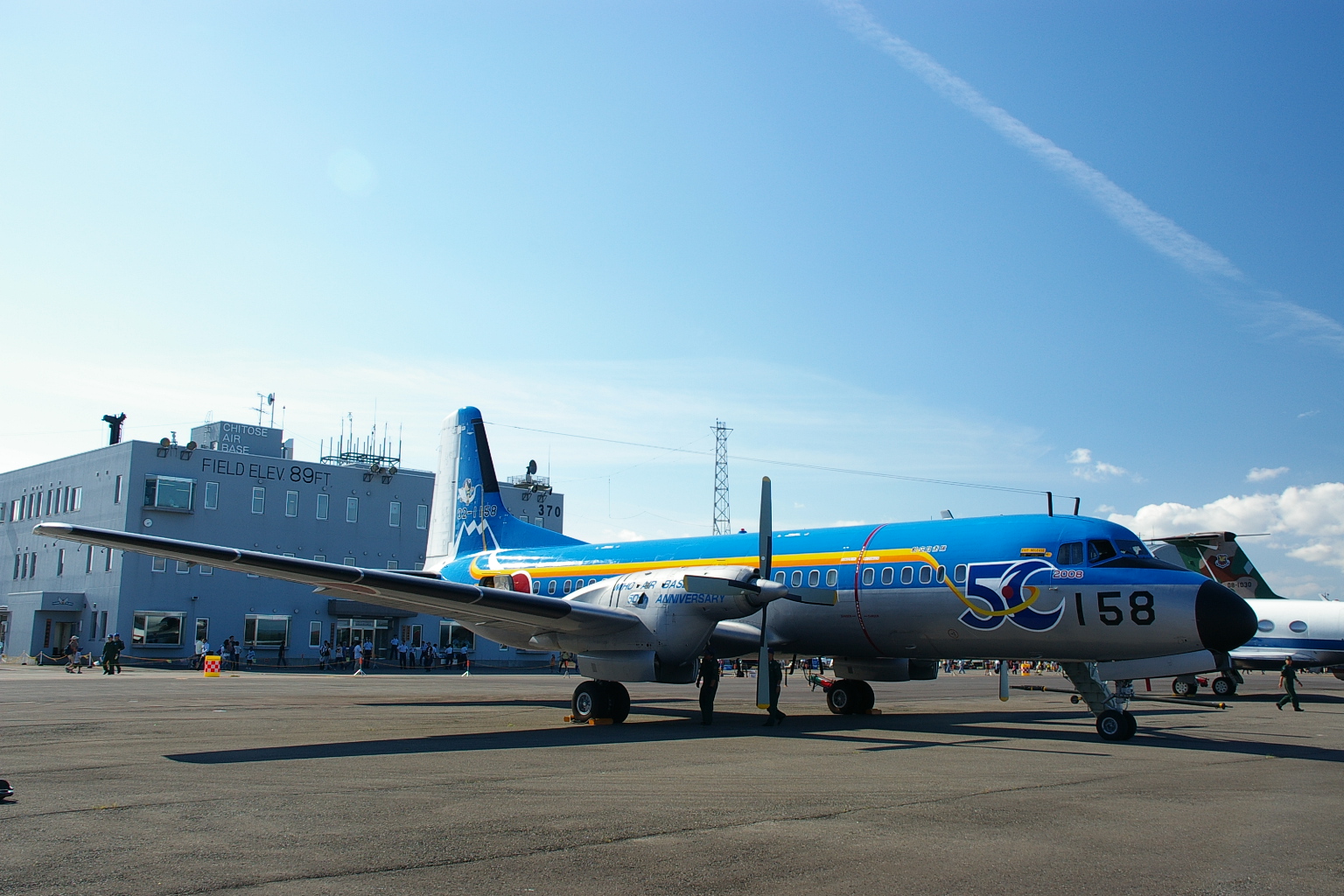
On this day in aviation history, 63 years ago (August 30, 1962), the NAMC YS-11 made its maiden flight. Built by the Nihon Aircraft Manufacturing Corporation (NAMC)—a consortium of Japanese aerospace companies—the YS-11 holds a special place in aviation history as the first and only Japanese-designed and -produced commercial airliner until Mitsubishi’s ultimately cancelled SpaceJet project in 2015. The turboprop was developed in response to Japan’s Ministry of International Trade and Industry (MITI), which encouraged the nation’s aerospace firms to collaborate on a short-haul passenger aircraft. Work on the project began in 1954, with NAMC formally established in 1959.
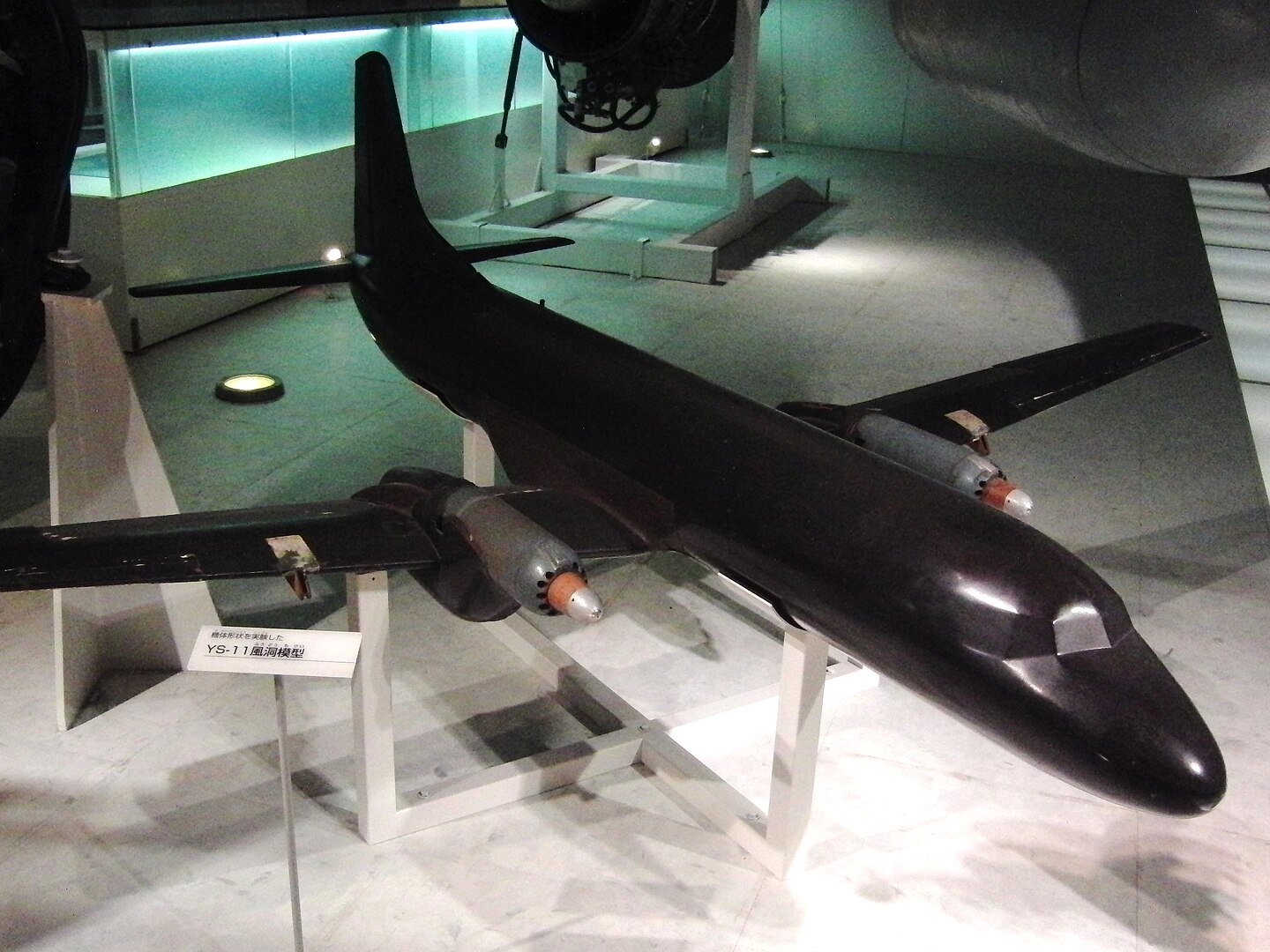
The YS-11 enjoyed strong early sales, particularly among Japanese carriers such as Air Nippon and Toa Airways. However, as the turboprop market became increasingly saturated, sales slowed. In 1966, NAMC introduced the YS-11A, a higher-gross-weight variant aimed at the North American market. Piedmont Airlines became its most notable U.S. operator, but overall international sales fell short of expectations, despite NAMC’s competitive pricing. Between 1962 and 1974, a total of 182 YS-11s were built.
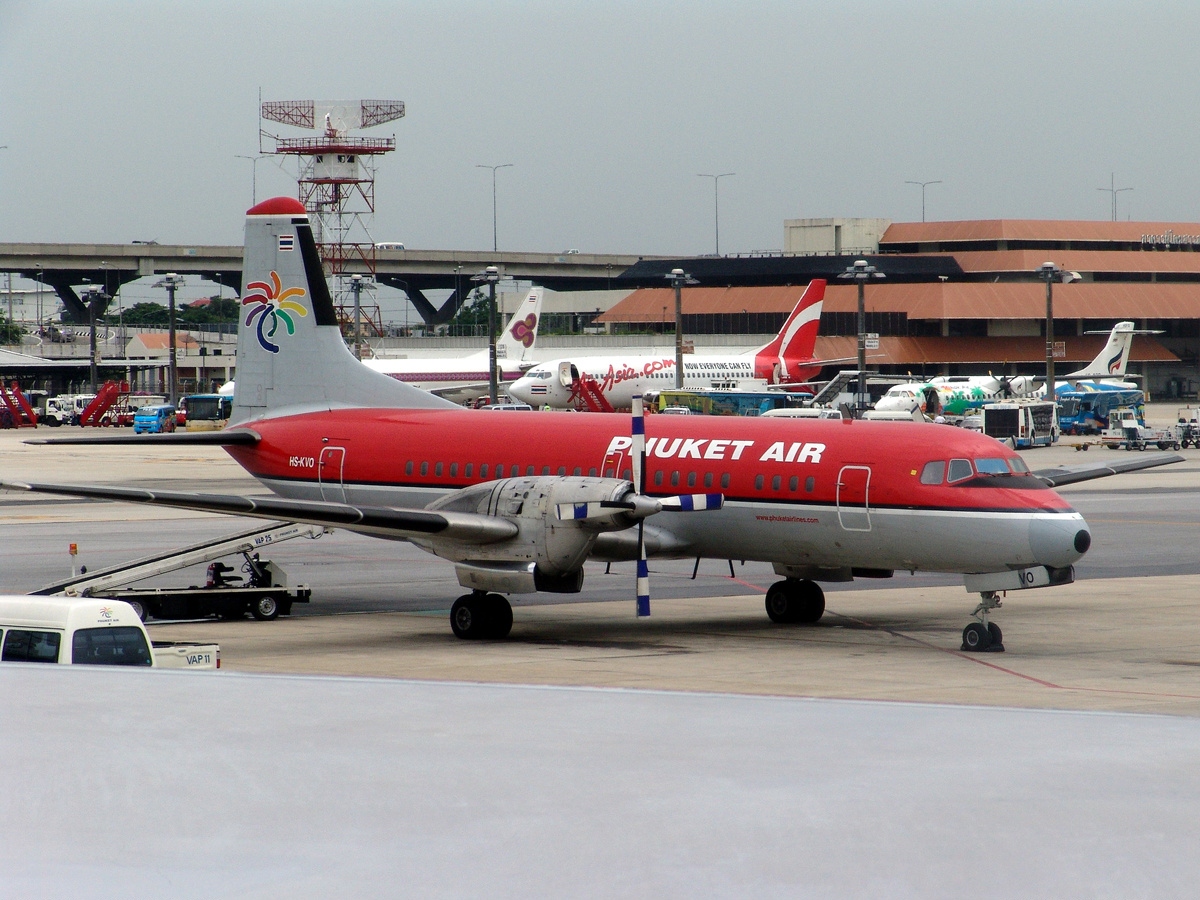
Technically, the YS-11 was a capable and efficient short-haul aircraft. It carried a crew of two and up to 64 passengers—or a payload of 14,559 pounds. Powered by two Rolls-Royce Dart Mk.542-10K turboprops, each producing 3,020 horsepower, the aircraft cruised at 291 mph with a range of 1,140 miles and a service ceiling of 22,907 feet. Beyond civilian airlines, the YS-11 also served in military roles with the Greek, Japanese, and Philippine Air Forces as a transport, trainer, and electronic warfare platform.
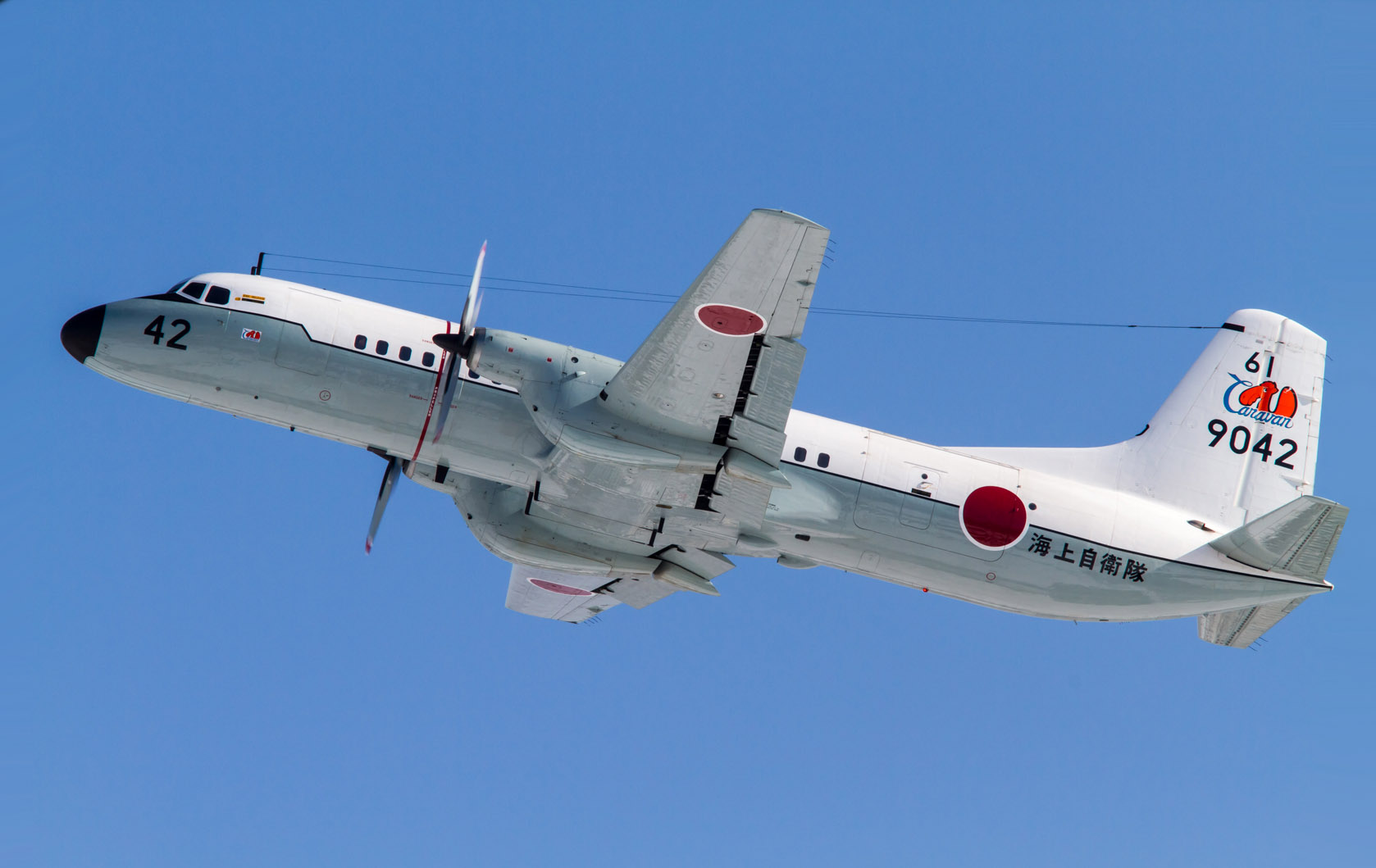
The YS-11 remained in use far longer than its limited production run might suggest. As recently as 2020, two were still flying in commercial service in South America and Africa. In March 2021, the Japanese Air Self-Defense Force retired its last examples, concluding an impressive 57-year service career. Today, many surviving aircraft are preserved in museums, most of them in Japan. The NAMC YS-11 remains a symbol of Japan’s postwar resurgence in aerospace—a uniquely national project that delivered nearly six decades of reliable service and established the foundation for future Japanese aircraft design.