
(Image credit: VAN)
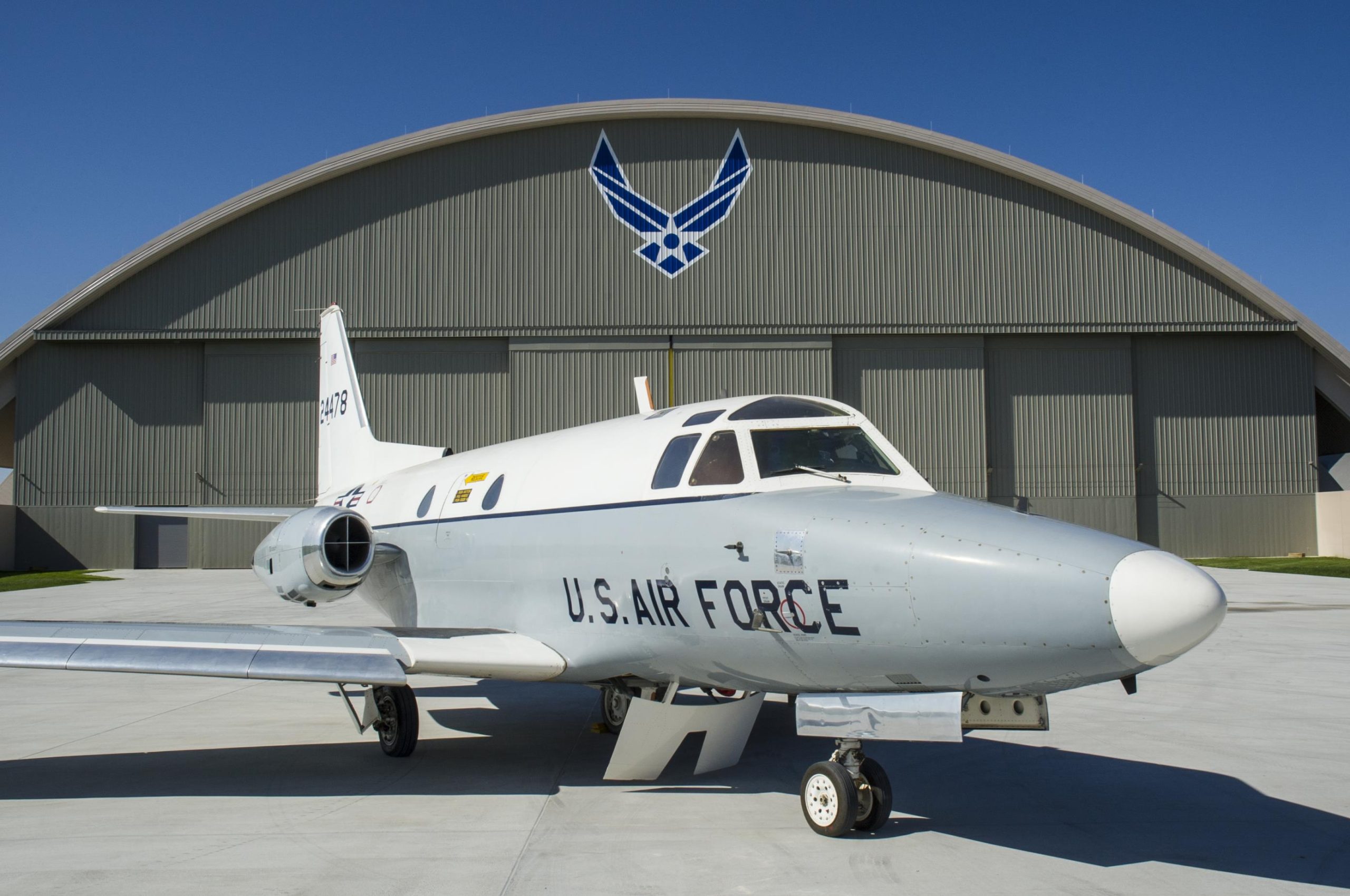
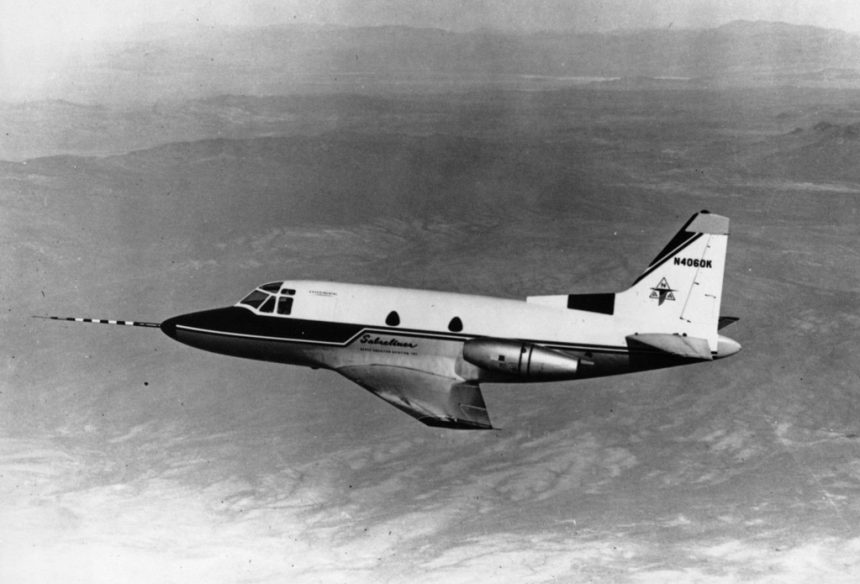
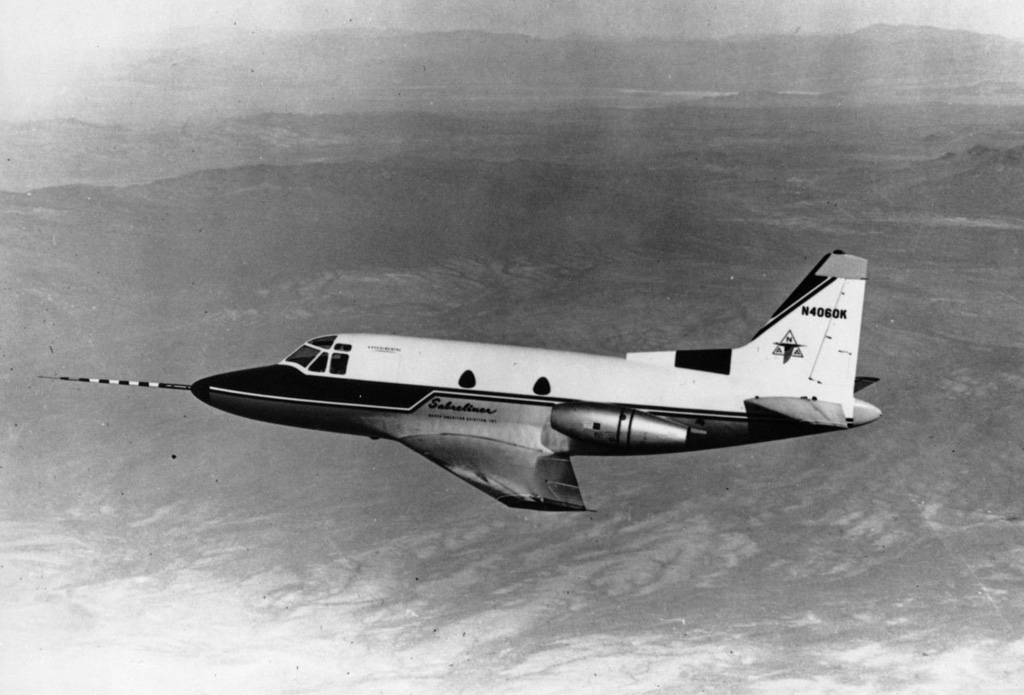
On this day in aviation history, 67 years ago (September 16, 1958), the North American Sabreliner took to the skies for the very first time. Later produced under the Rockwell name, this mid-sized business jet became one of North American Aviation’s most successful postwar designs. Known for creating aircraft that were both high-performing and visually iconic — including the P-51 Mustang, F-86 Sabre, and B-25 Mitchell — North American once again delivered with the Sabreliner.
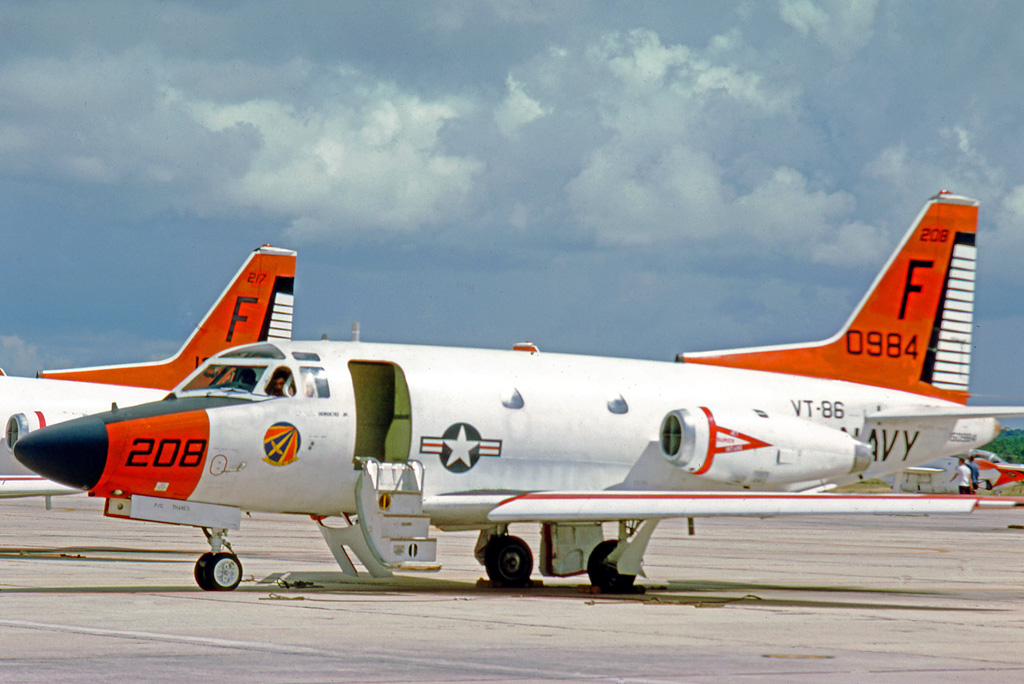
The aircraft was developed in response to the U.S. Air Force’s Utility Trainer Experimental (UTX) program, and its name pays homage to its shared wing and tail design heritage with the F-86 Sabre. In military service, the Sabreliner was designated T-39. It proved to be a versatile workhorse, transporting high-priority cargo such as reconnaissance film during the Vietnam War and serving as a trainer for pilots and navigators. The U.S. Navy employed the T-39 as a radar trainer for the Basic Naval Aviation Observer (NAO) program, later adapted for Student Naval Flight Officers (SNFO).
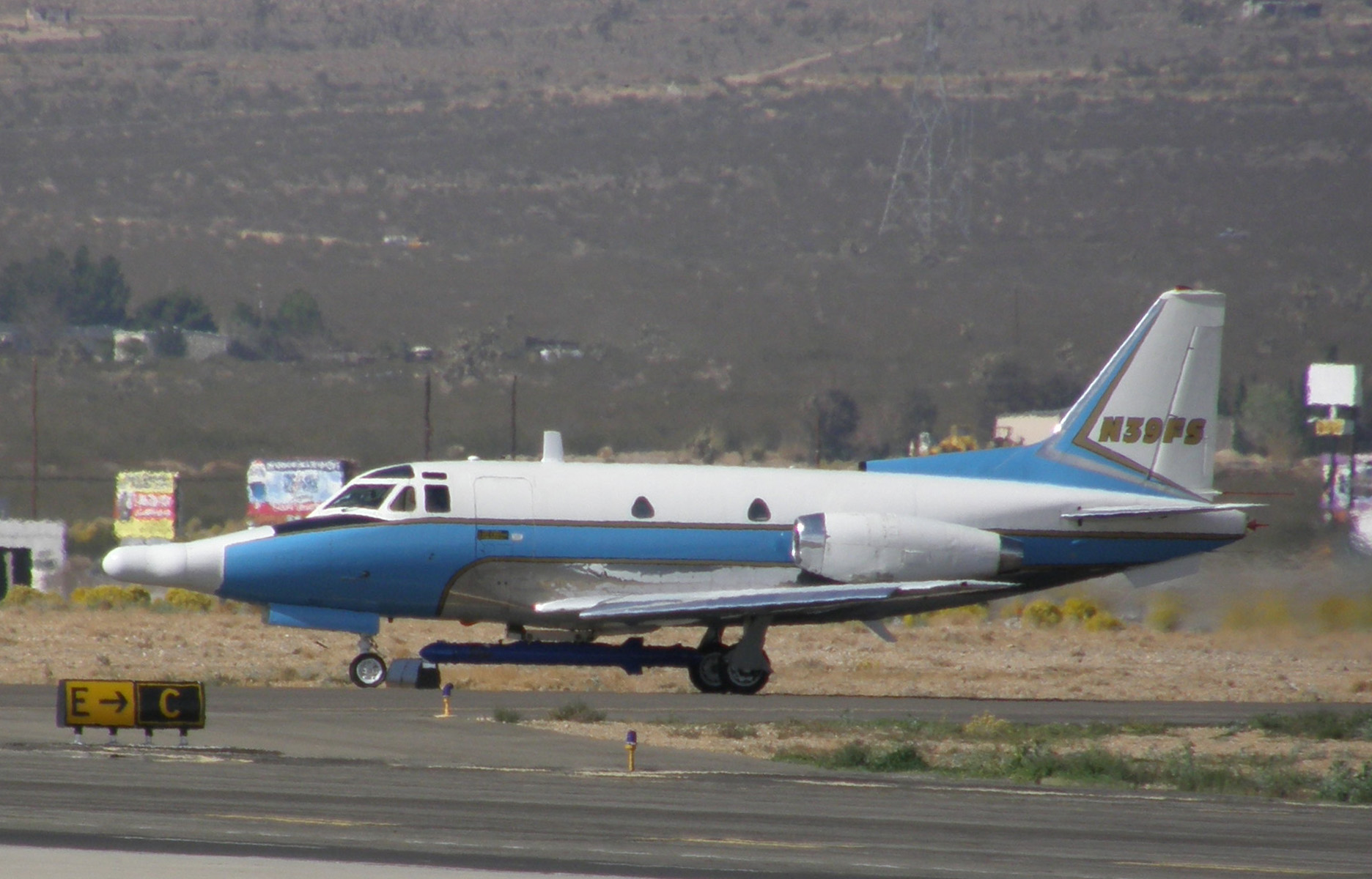
Uniquely, as a derivative of the F-86, the T-39 is the only business jet authorized for aerobatics. This capability continues to make it valuable today, with operators like Flight Research Inc. and the Patriots Jet Team in California using the aircraft for upset recovery training.
The North American T-39 Sabreliner typically carries a crew of four to five and can seat five to seven passengers. Powered by two Pratt & Whitney J60-P-3 turbojet engines producing 3,000 pounds of thrust each, the Sabreliner could reach a top speed of 550 mph and cruise comfortably at 500 mph. It boasts a range of 2,170 nautical miles and a service ceiling of 40,000 feet. More than 800 Sabreliners were produced between 1959 and 1982, and many remain in operation today — a testament to the enduring strength of North American’s design and engineering excellence.