







Photos and restoration updates by Ken Ramsay, Dave Paski, and MAPS Air Museum
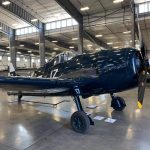
The Military Aviation Preservation Society (MAPS) Air Museum, located at Akron-Canton Airport just south of Akron, Ohio, continues to uphold its reputation as one of the Midwest’s most active hubs for aviation history. With more than sixty historic aircraft on display, alongside an extensive collection of aeronautical artifacts, the museum is equally renowned for its restoration shop—where a dedicated team of volunteers brings rare and significant aircraft back to life. Since our last visit in January 2023 (read our feature here), the MAPS restoration crew has made remarkable progress on multiple projects, including the FG-1D Corsair, F-104 Starfighter, and the rare Vought F7U Cutlass.
F-104D Starfighter
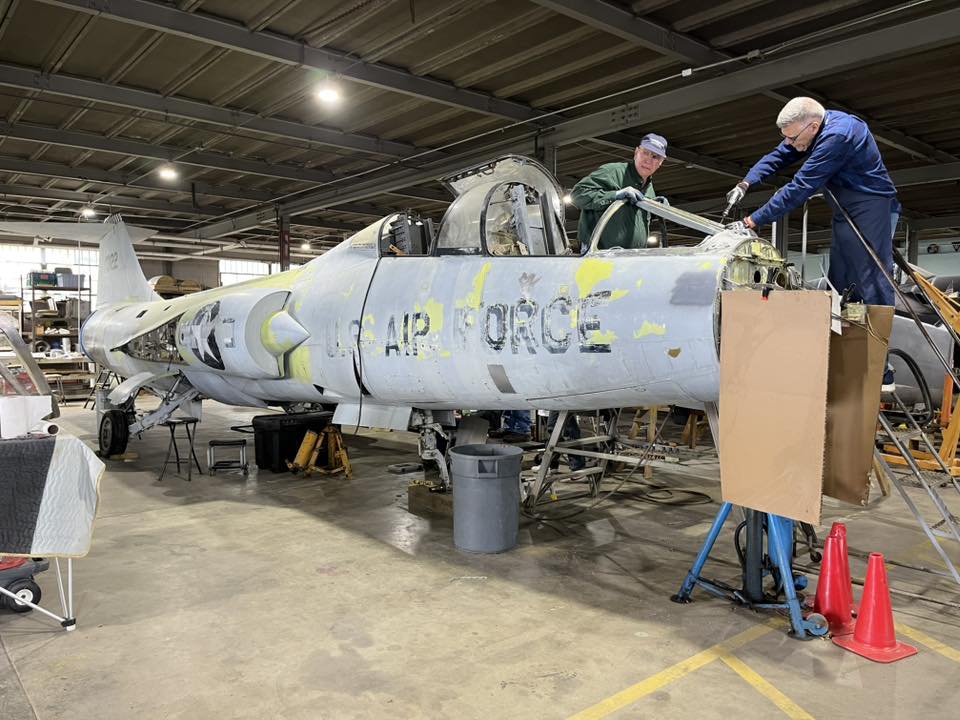
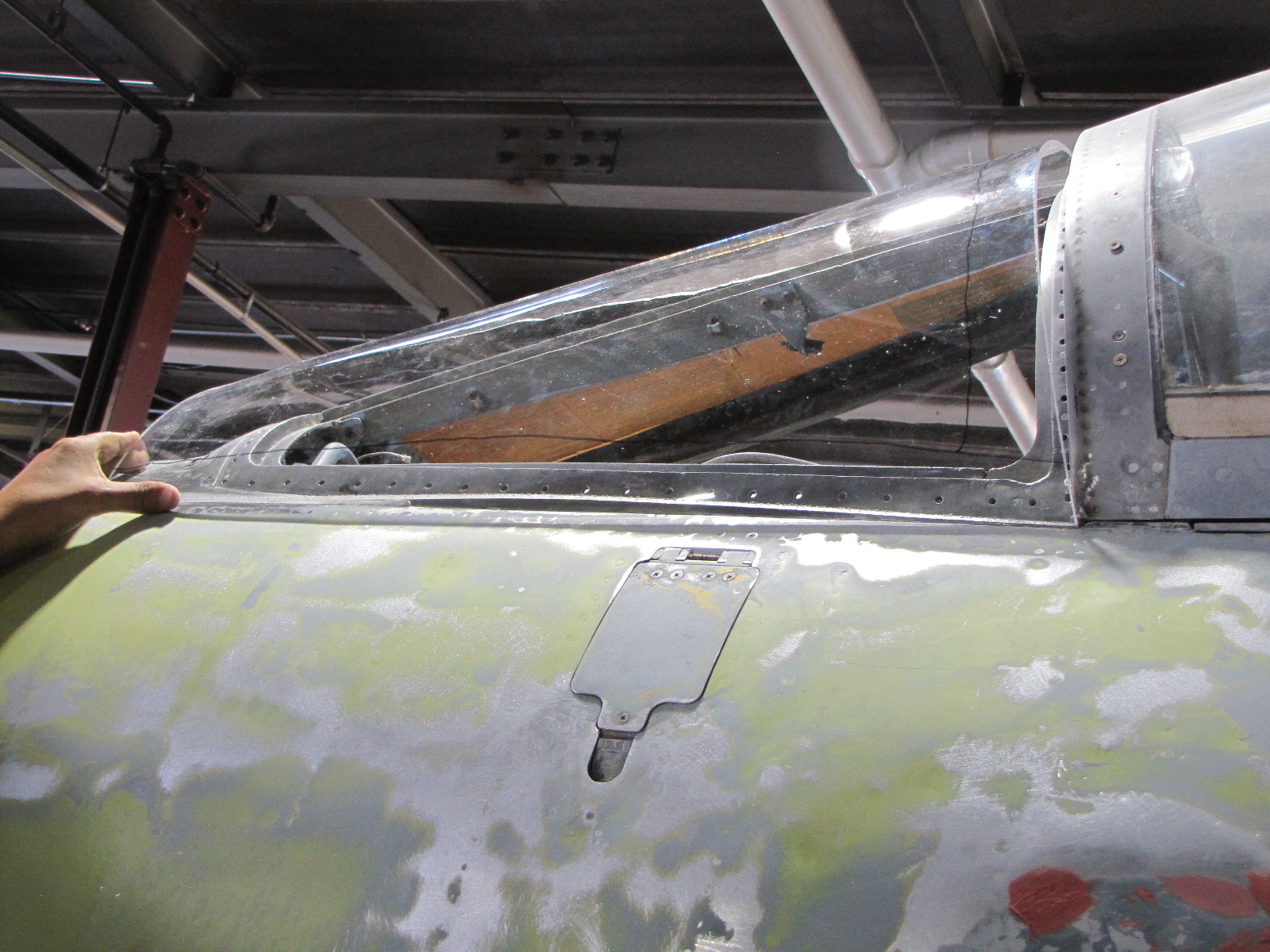
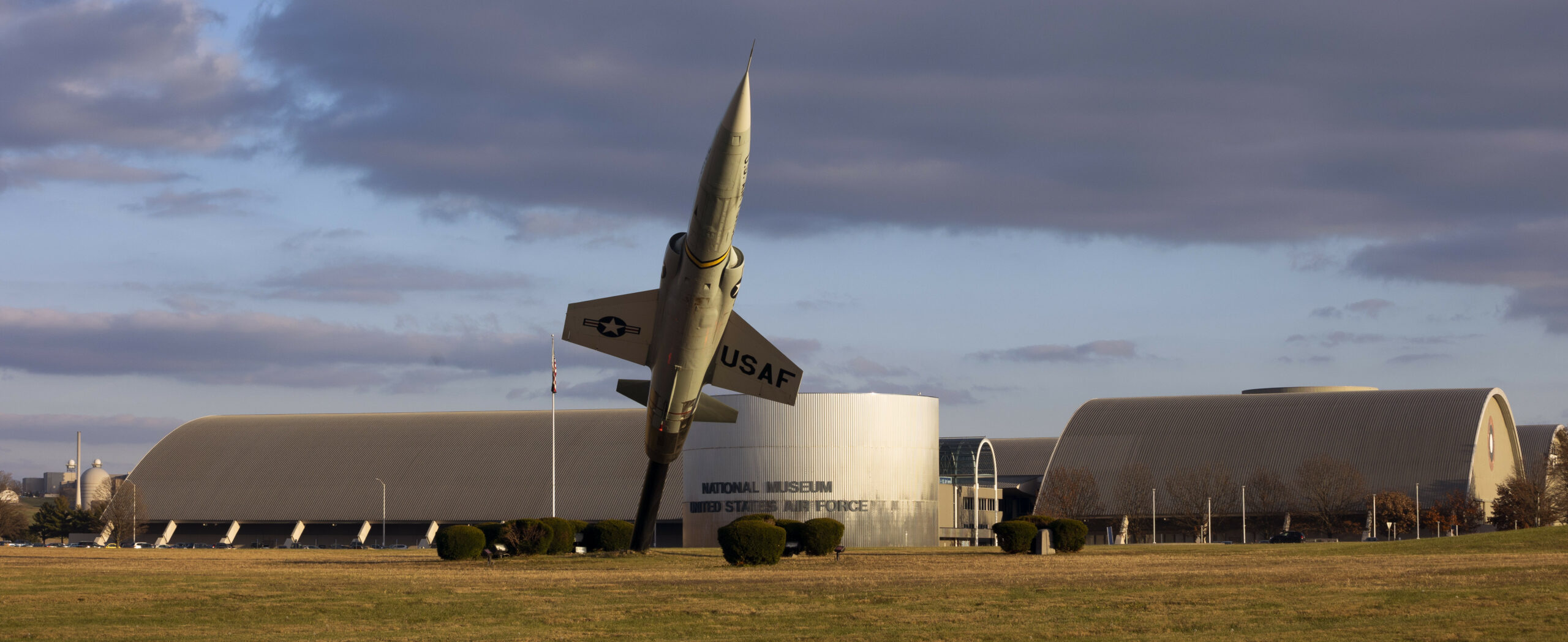
In August 2024, the museum received a significant addition to its collection: an F-104D Starfighter, transferred from the National Museum of the U.S. Air Force (see our report here). Earlier this year, the Starfighter was moved into the restoration area, where volunteers are now conducting a comprehensive, nose-to-tail overhaul.
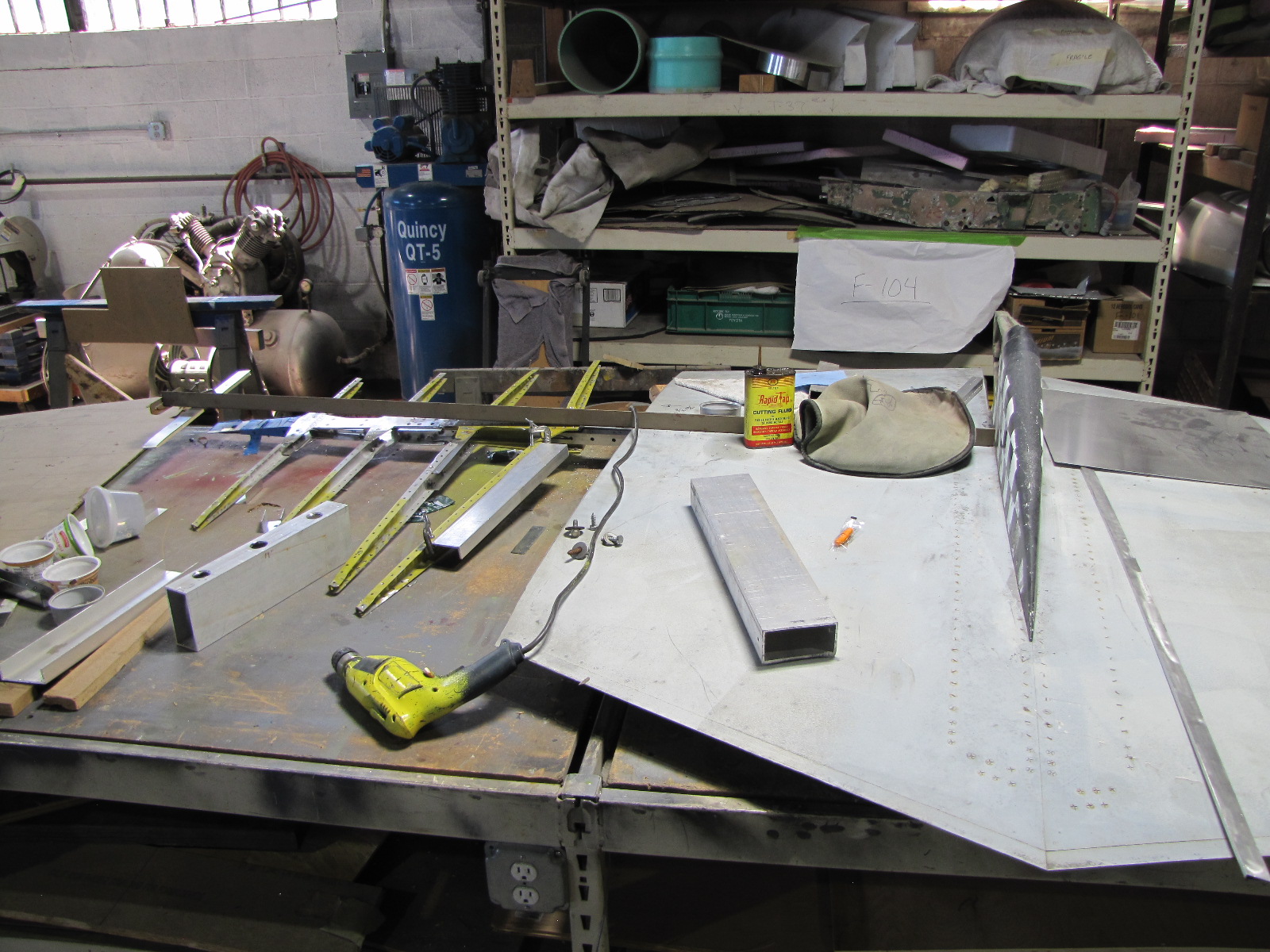
Piper Cub, V-1 Buzz Bomb, and H-19 Helicopter
Alongside the Starfighter, the team is preparing a Piper Cub for display at Akron-Canton Airport. They also completed restoration of a three-quarter-scale V-1 “Buzz Bomb,” the infamous unmanned drone weapon used by the Luftwaffe during World War II. The replica, ingeniously crafted from an old wing tank, now clearly reflects its historic form. Additionally, the museum’s H-19 helicopter restoration has been completed and is ready for exhibition.
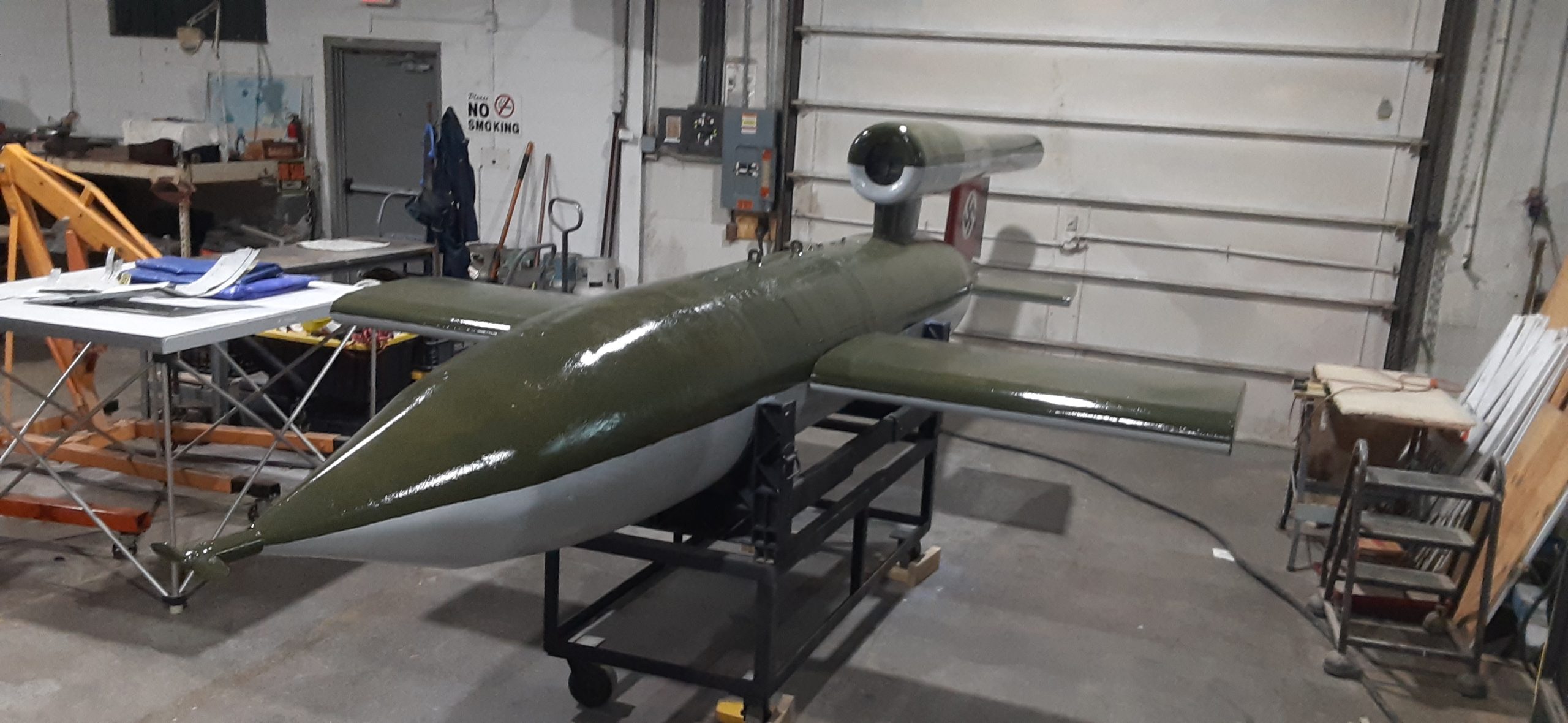
The Goodyear Ducks and Drake
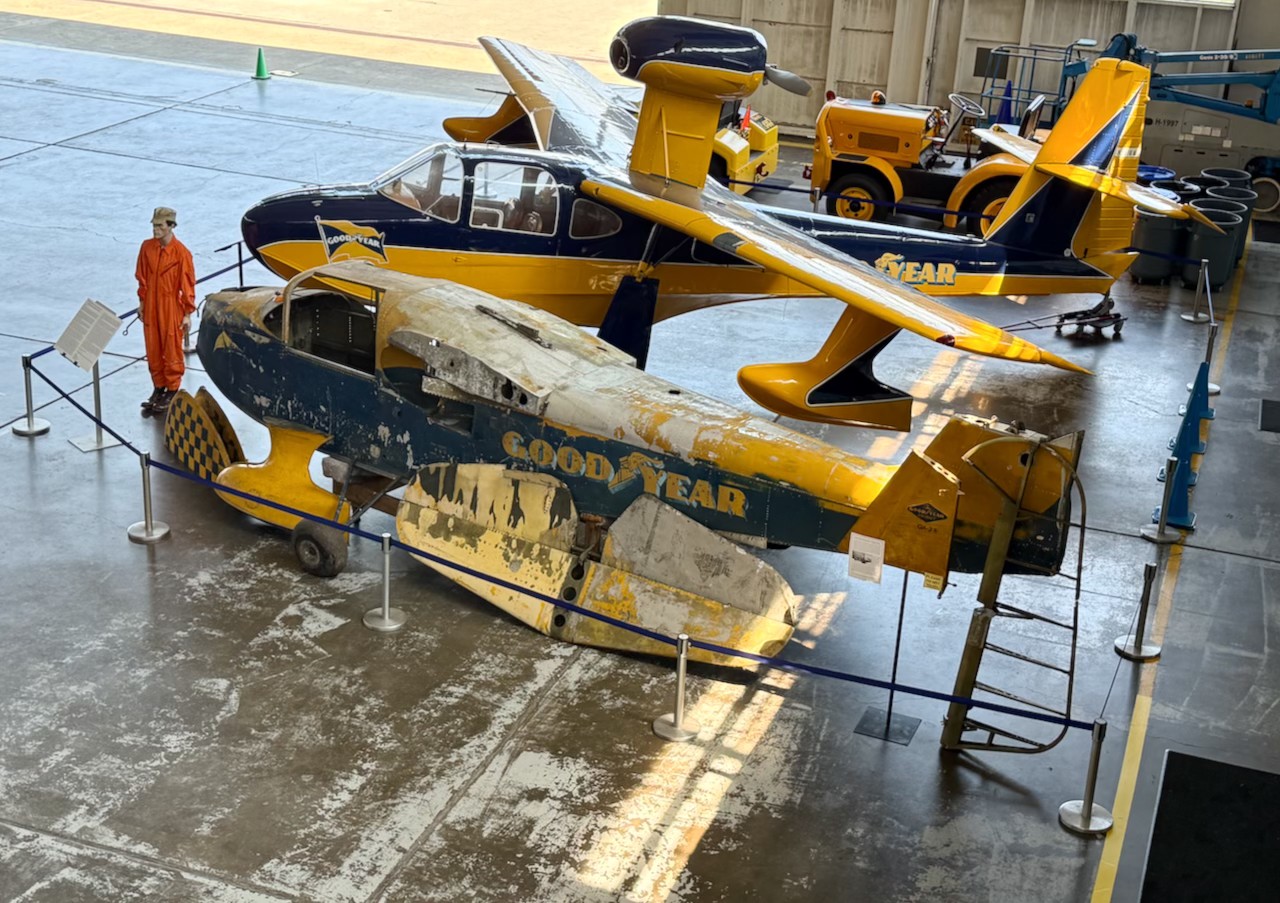
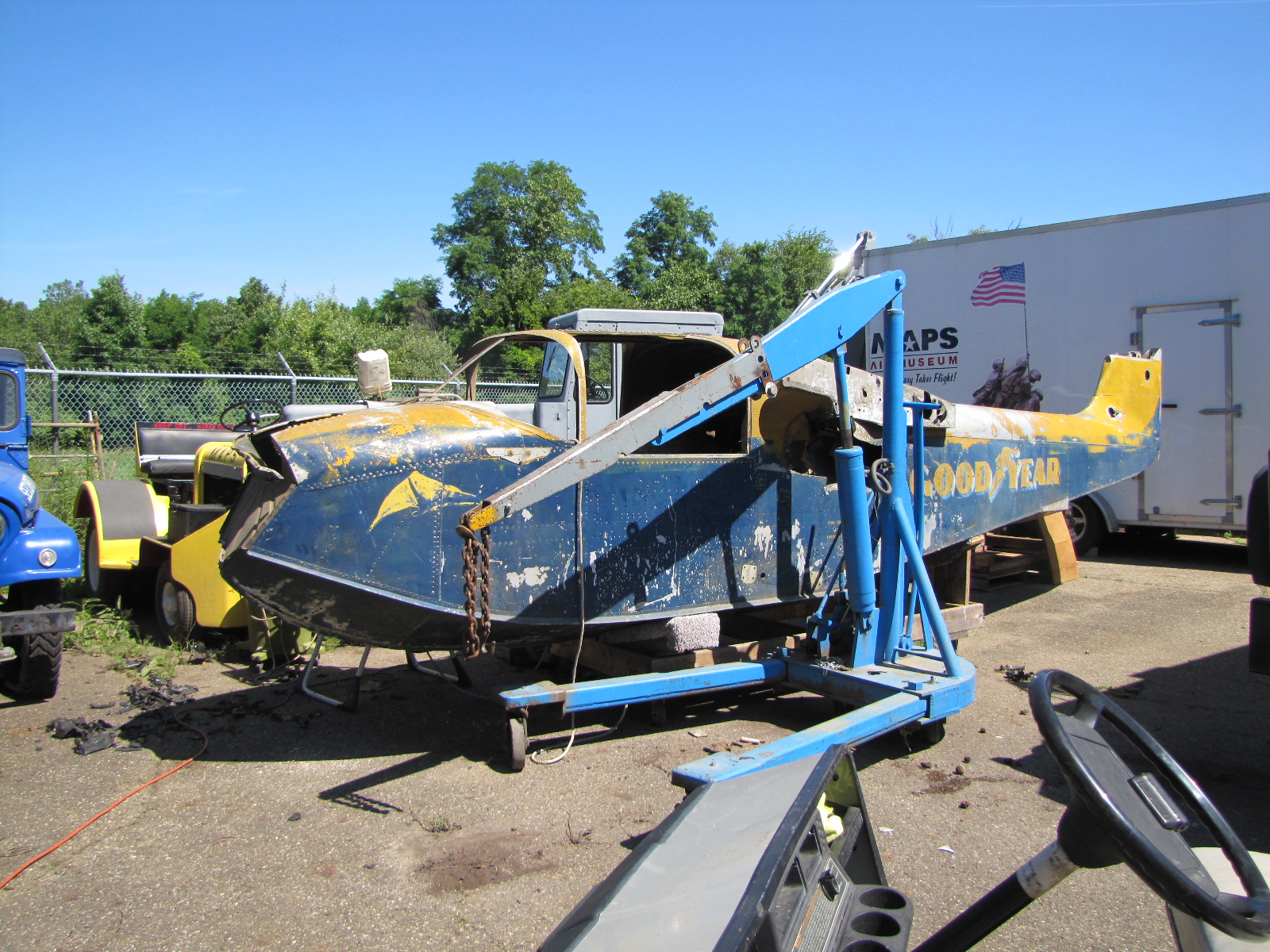
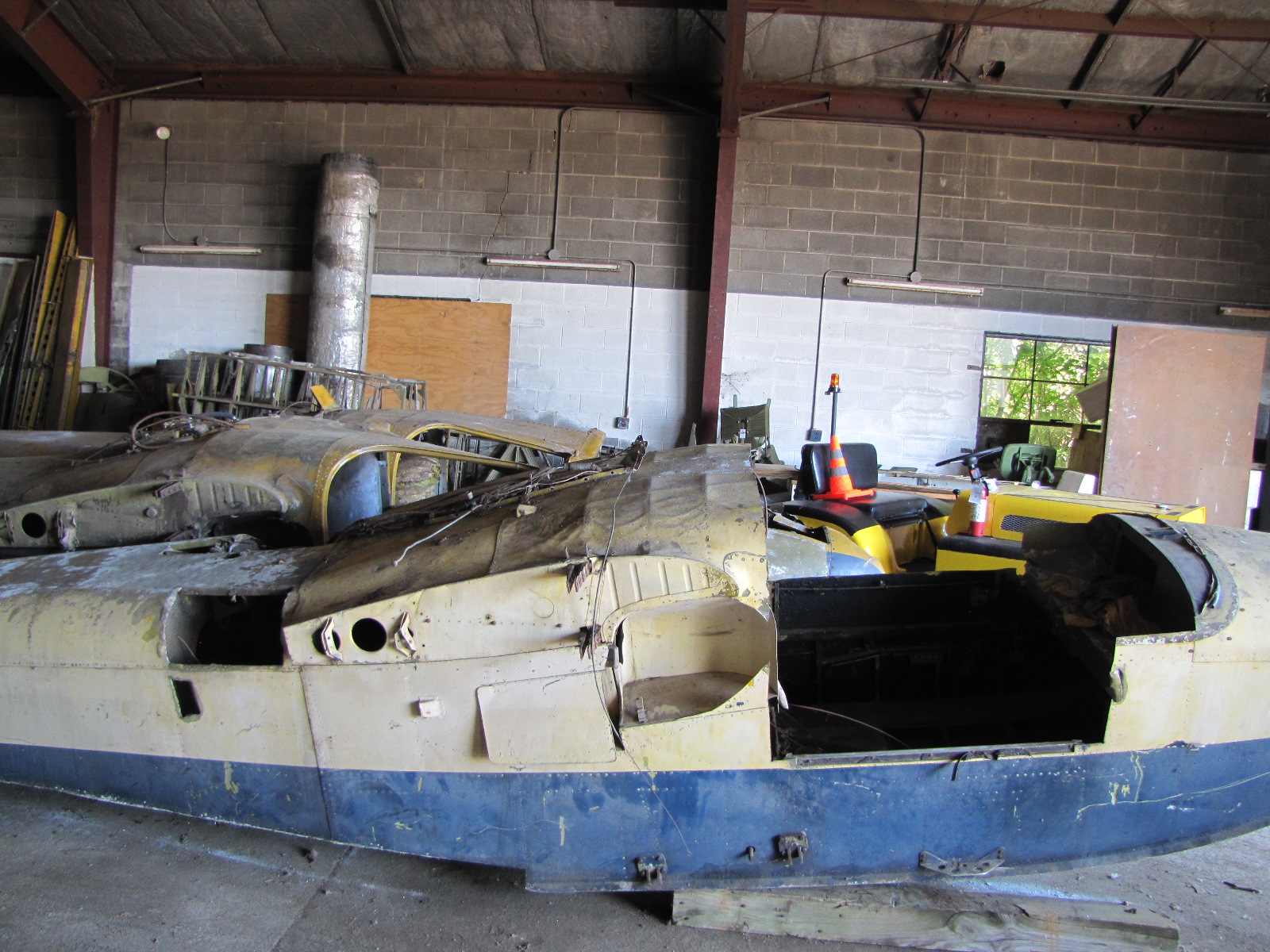
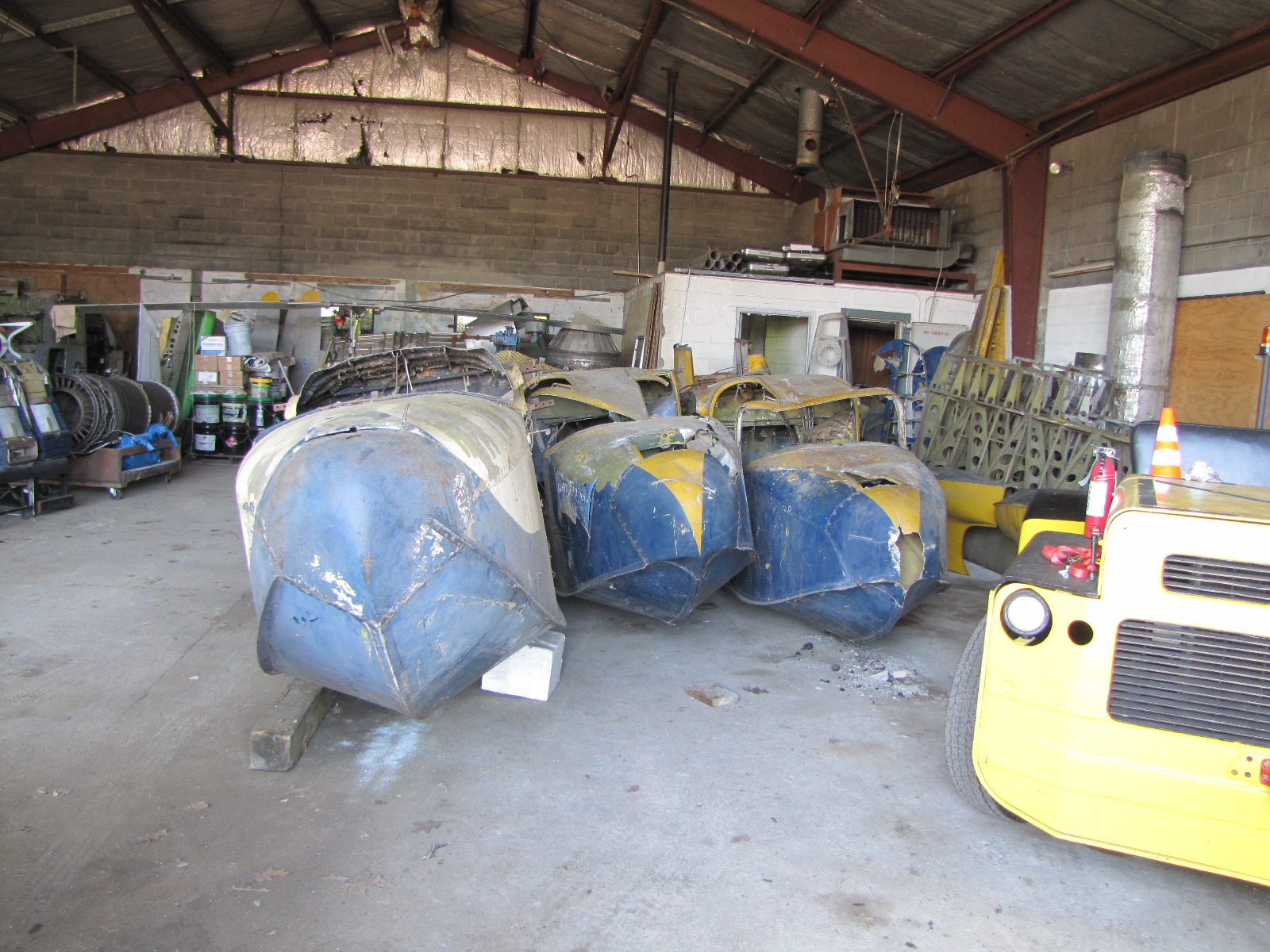
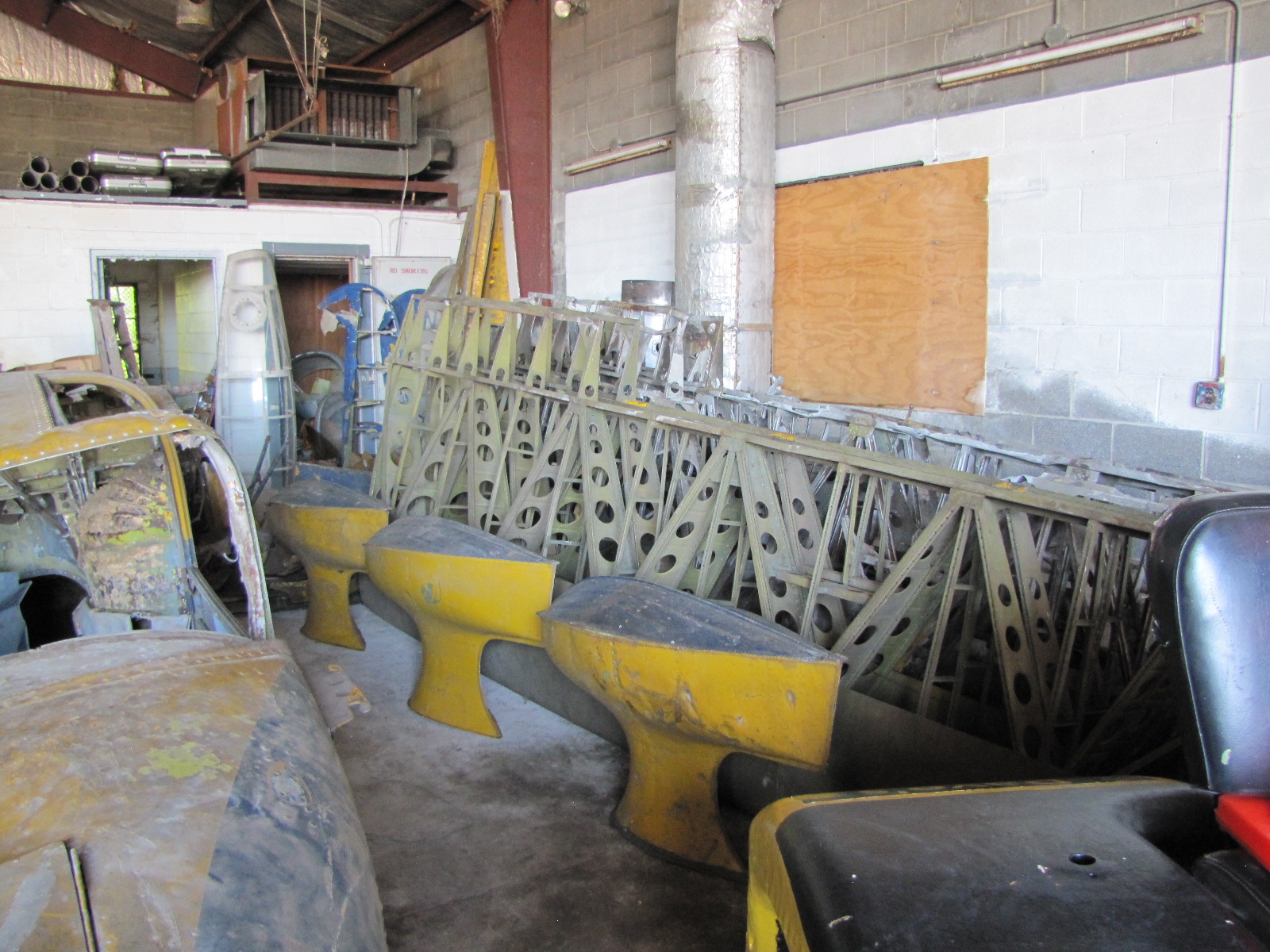
One of the most exciting recent developments is the acquisition of parts for four early Goodyear Ducks. Long believed extinct, these postwar amphibious aircraft were predecessors to the larger Goodyear Drake—of which MAPS has preserved an example for years (see photo above). The unexpected discovery of Duck components in June 2024 has opened a new chapter in the museum’s restoration work, giving life to aircraft once thought lost forever.
Progress on the Cutlass
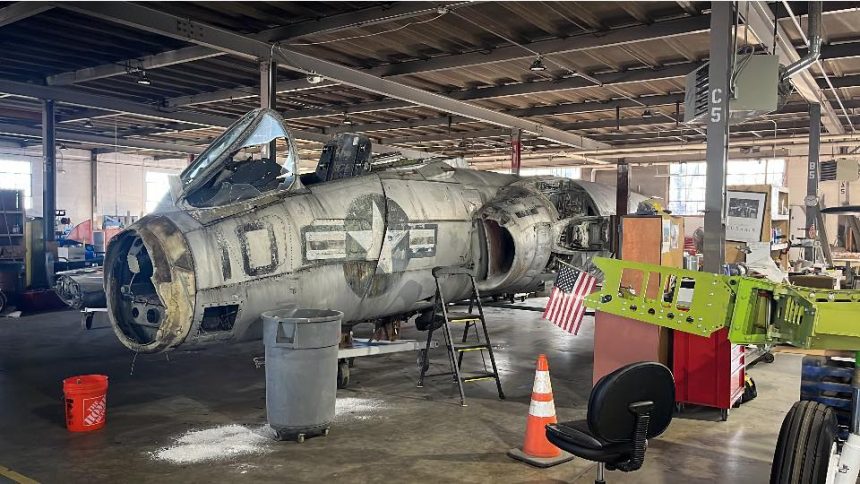
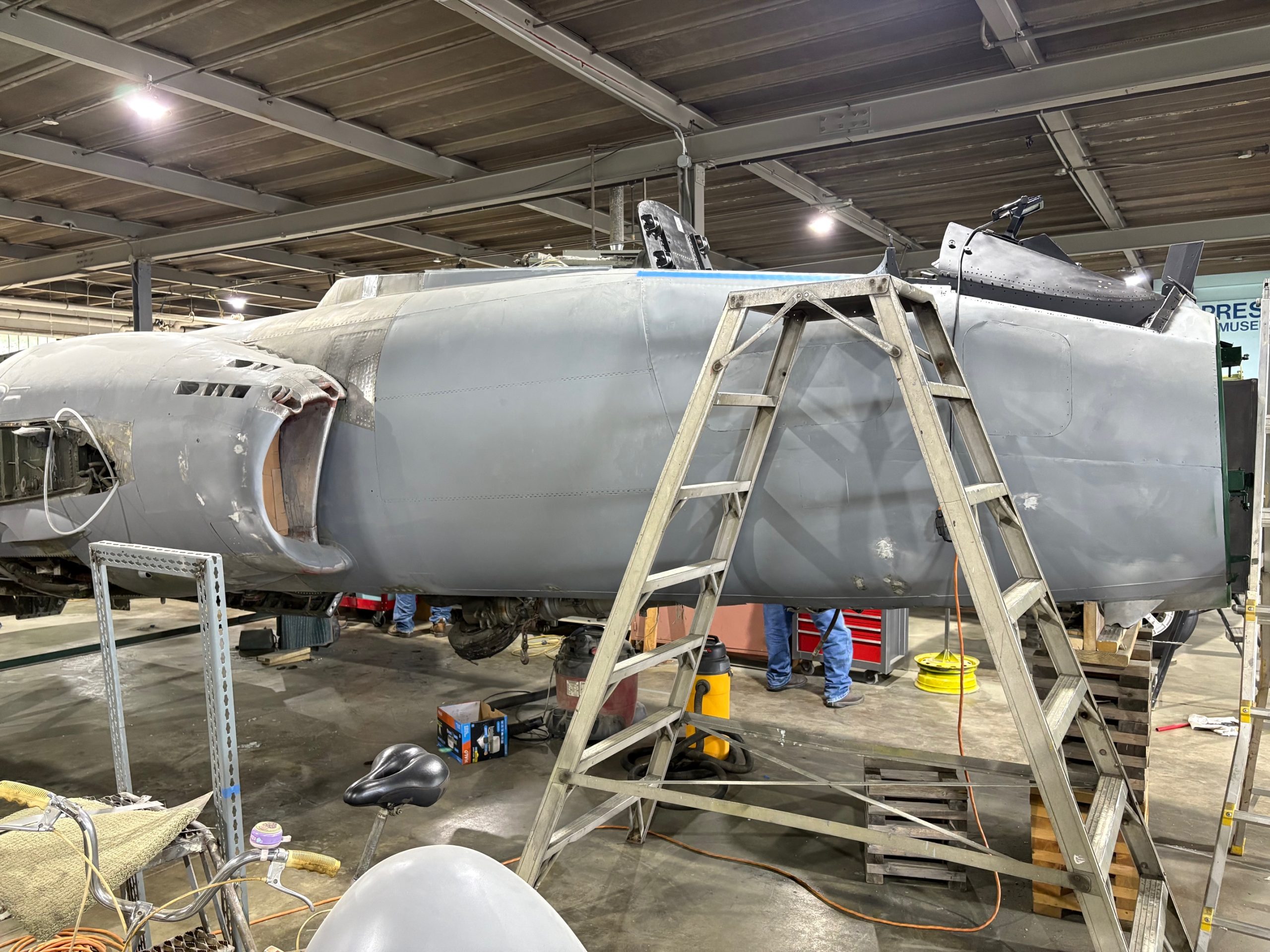
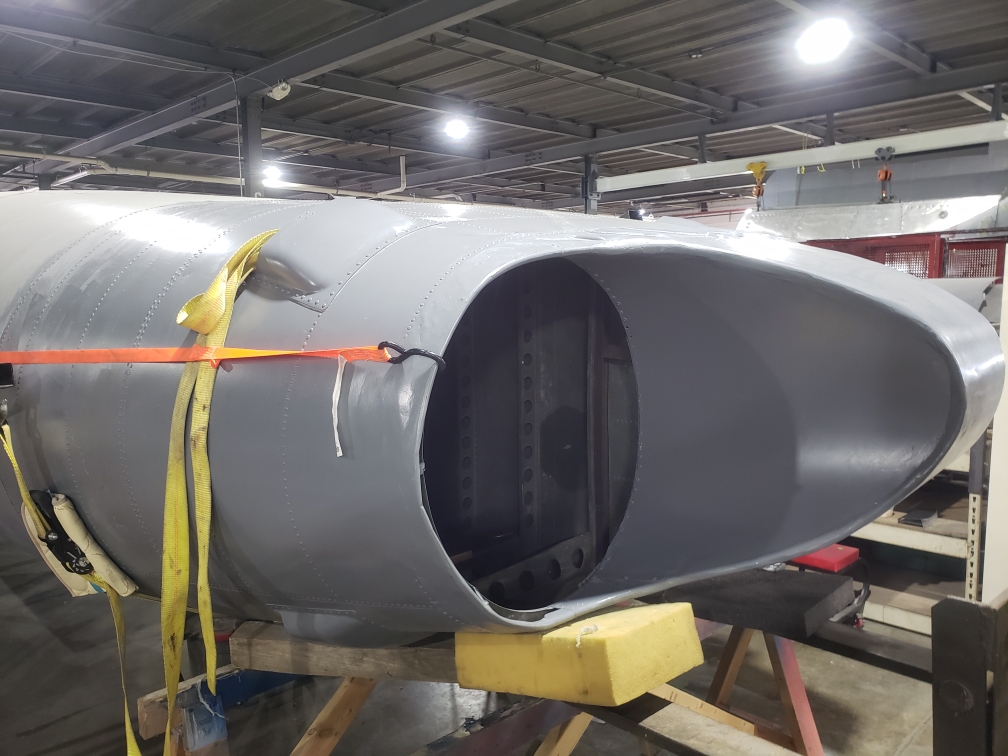
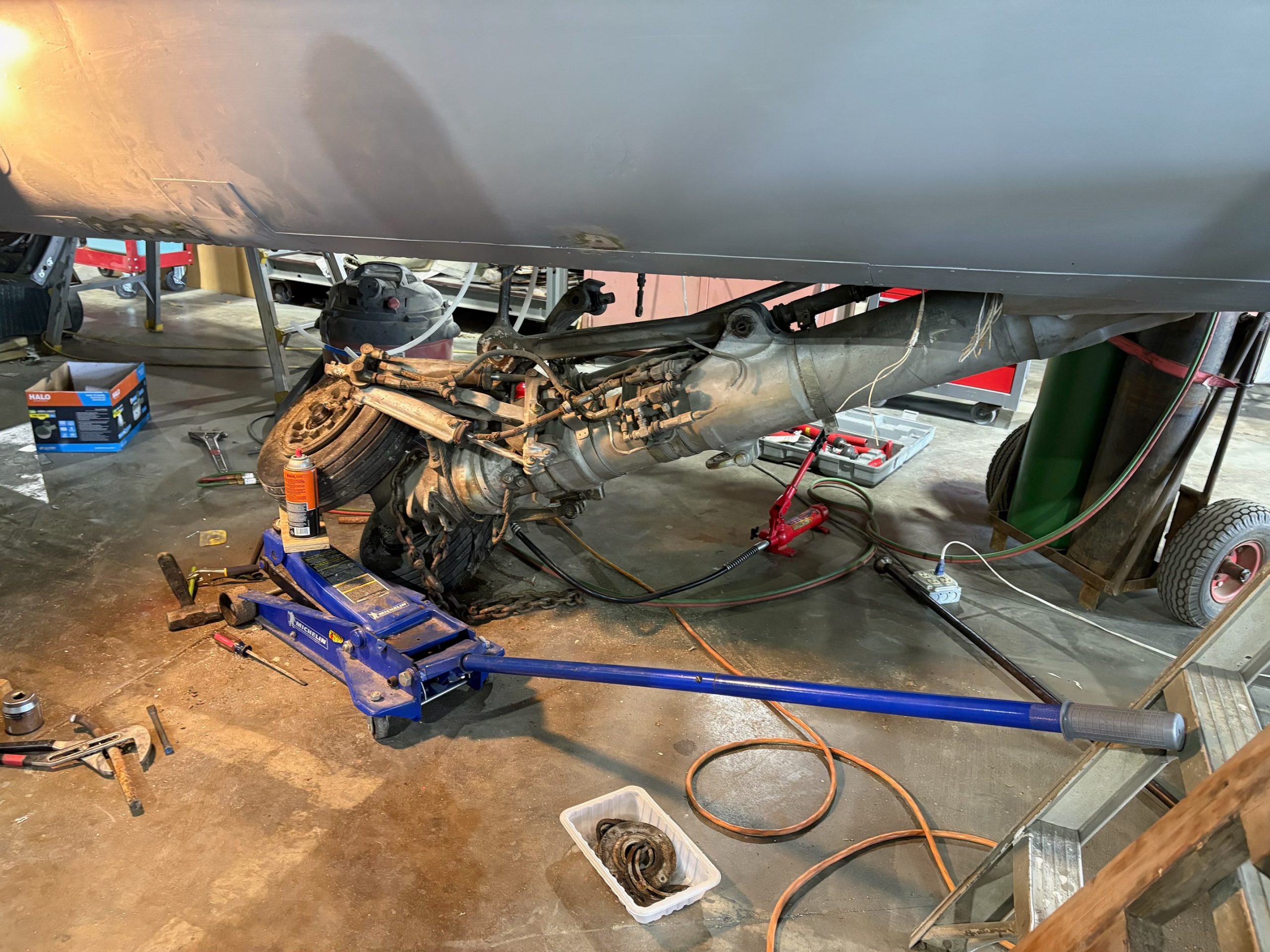
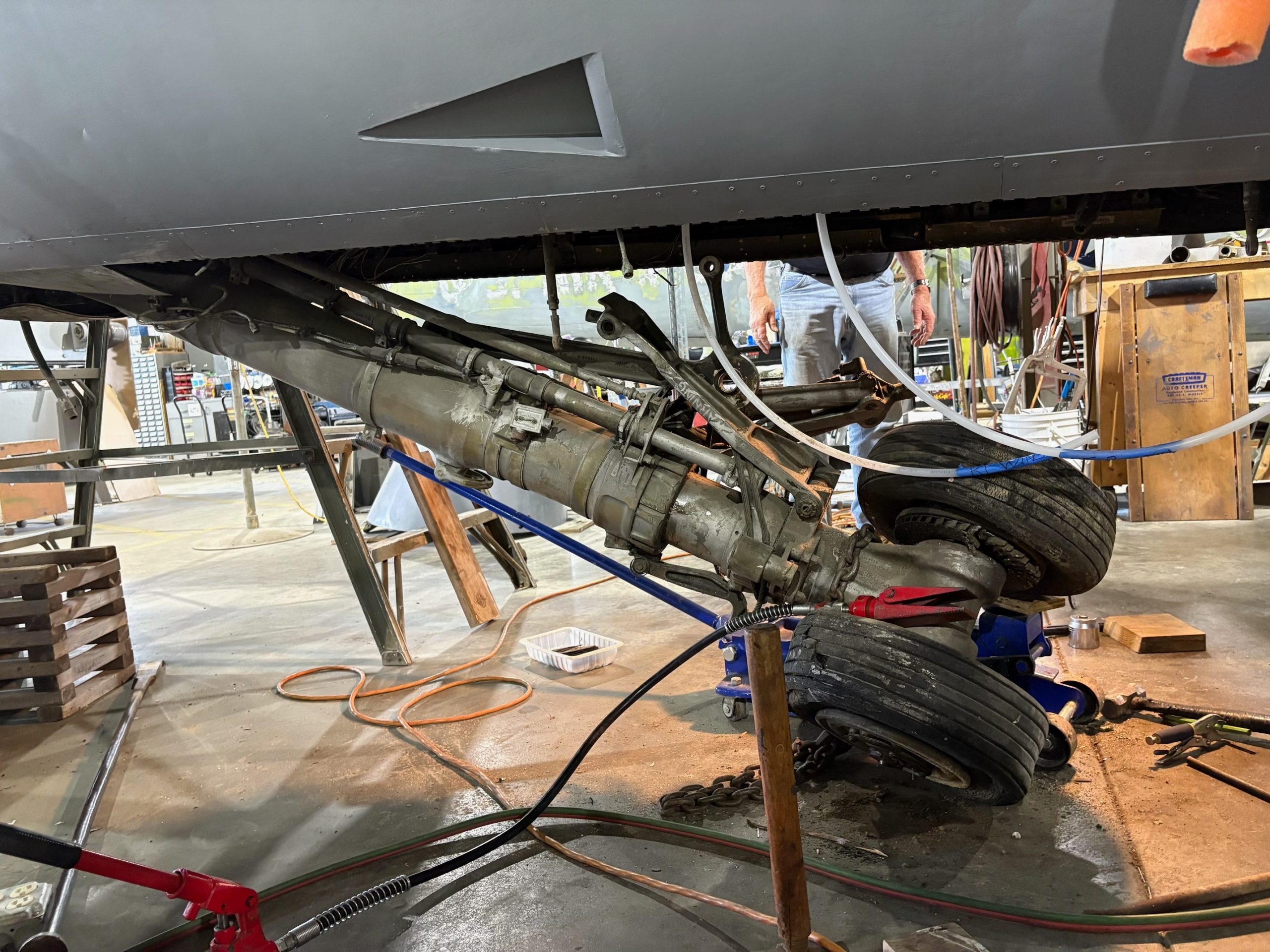
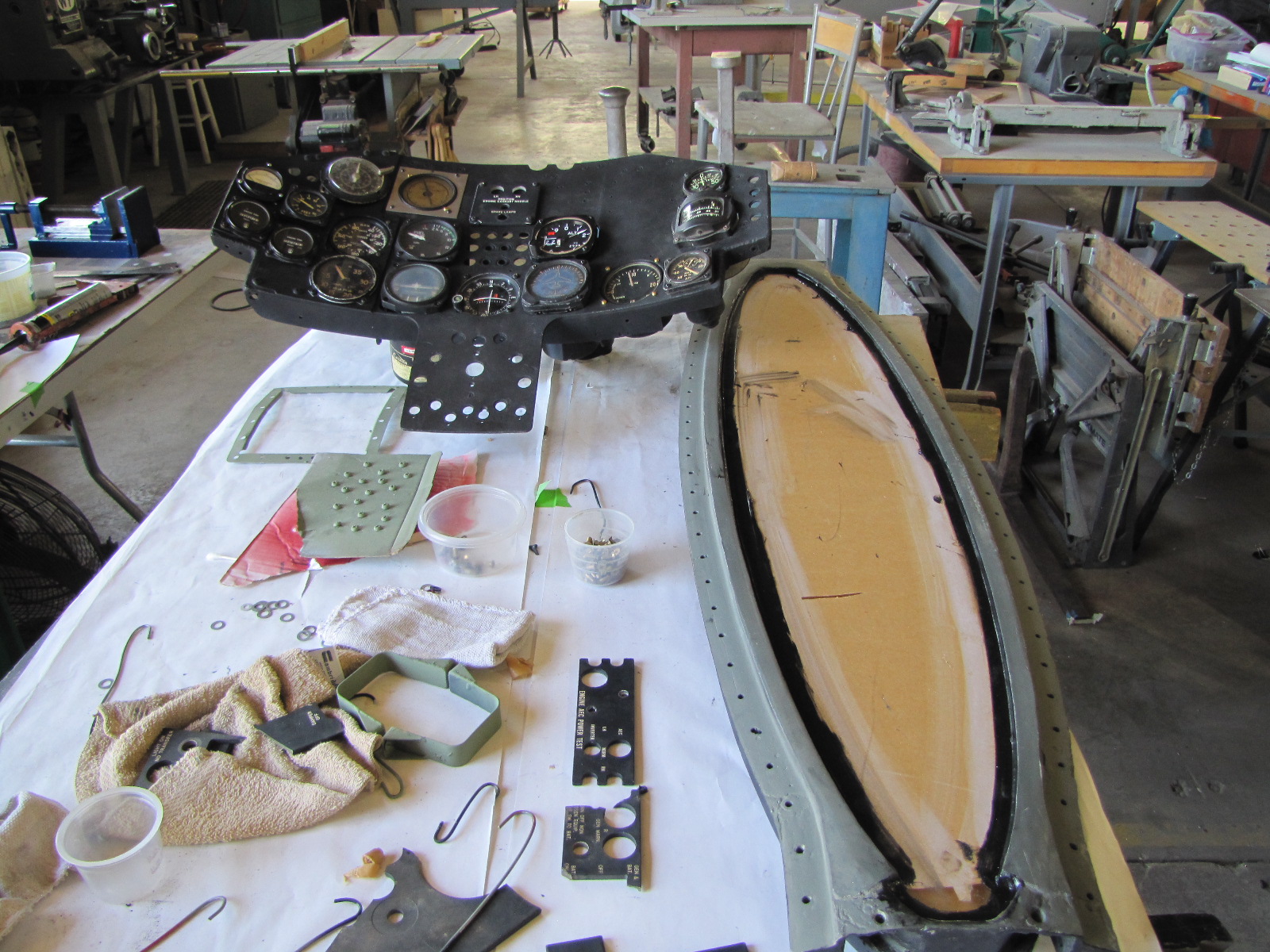
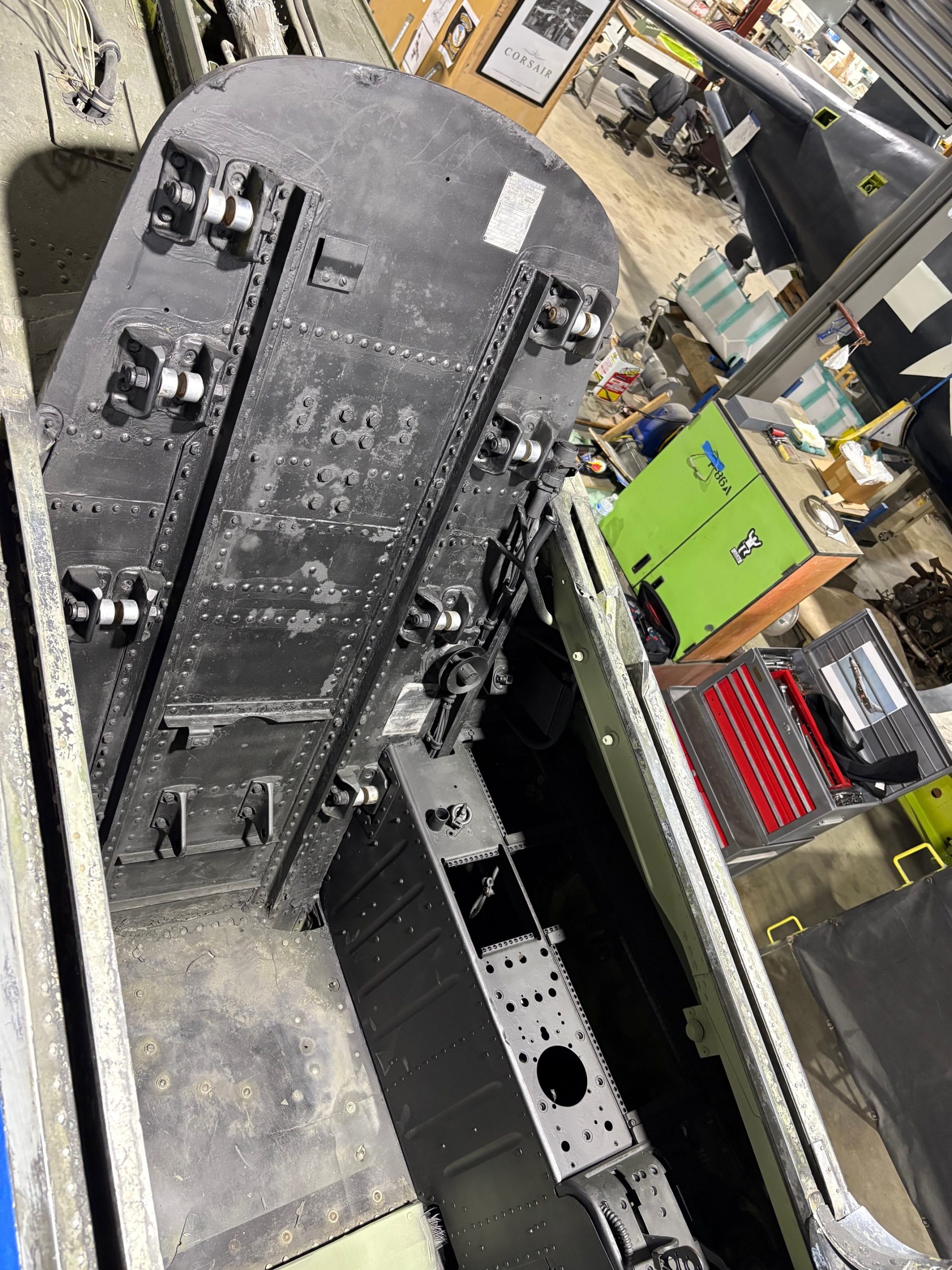
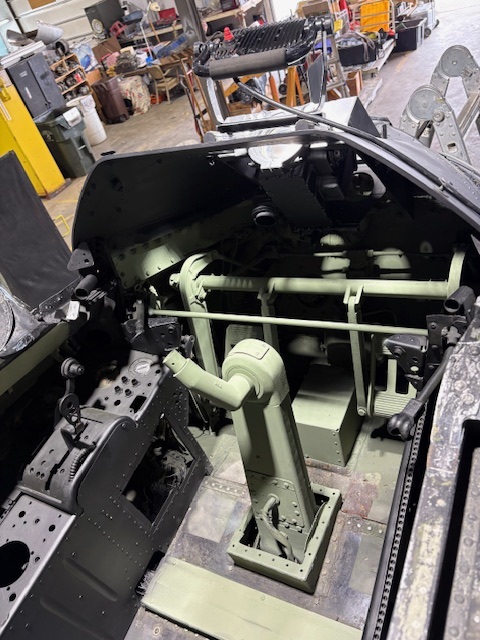
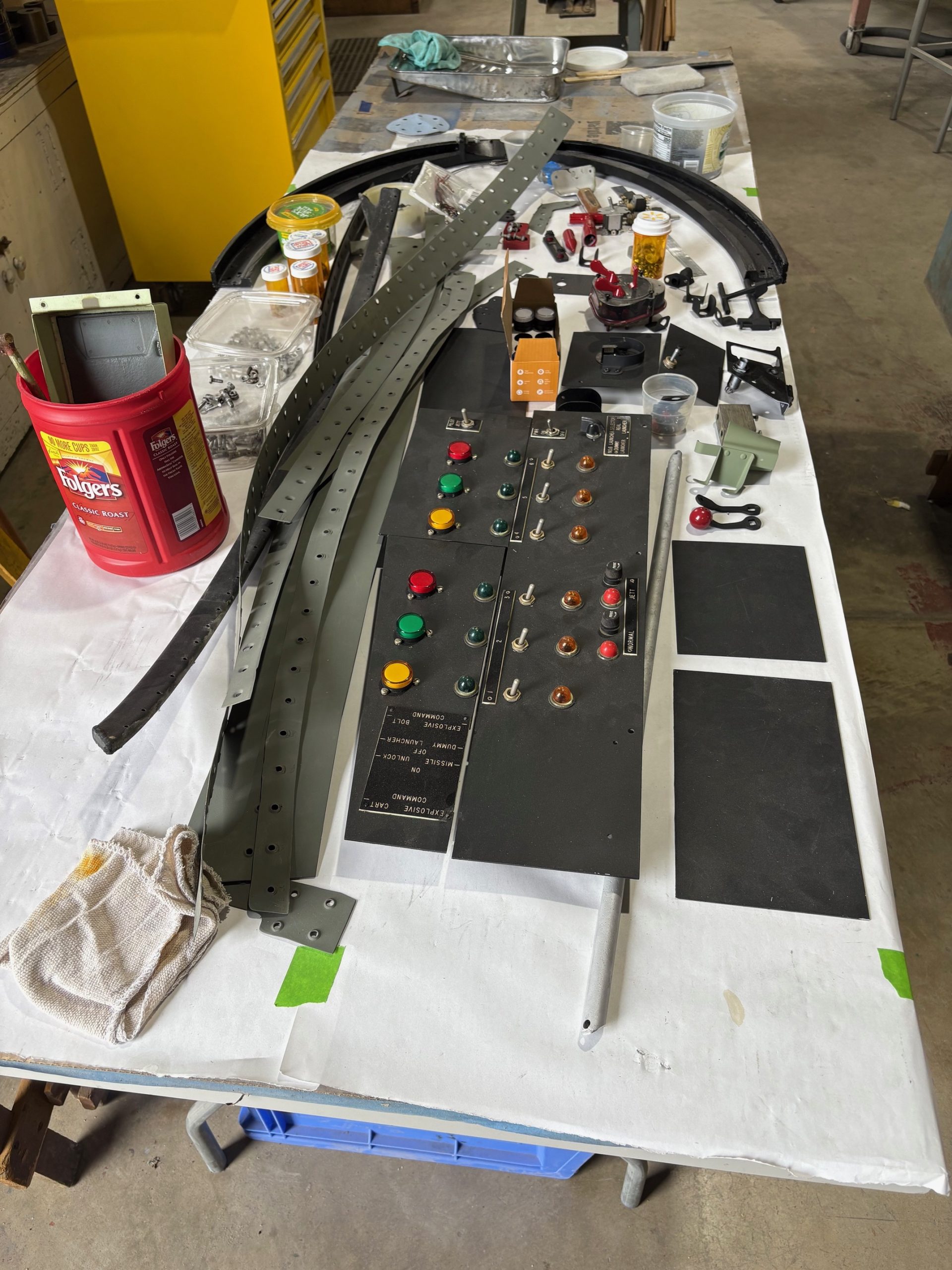
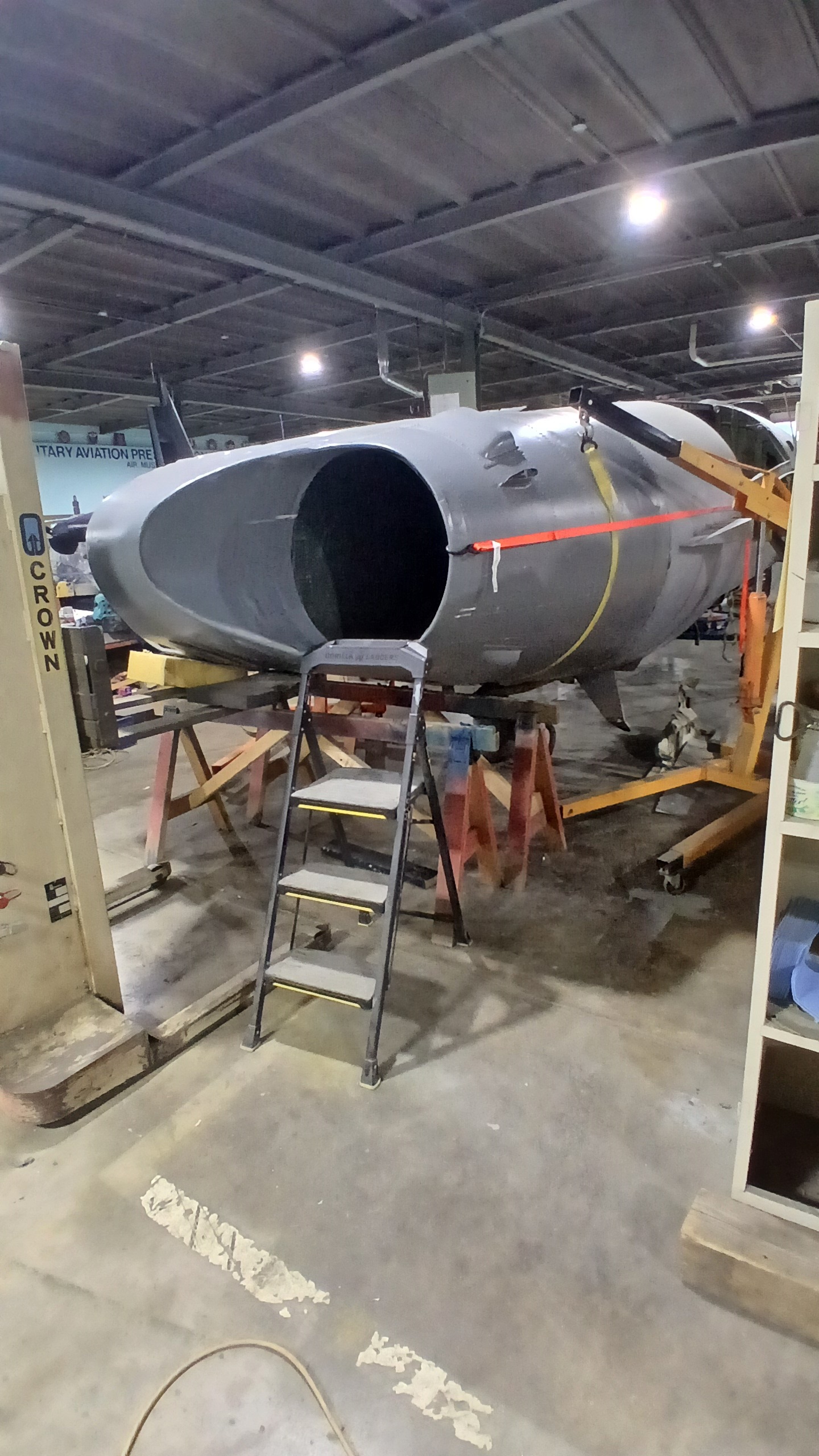
Work is also advancing on the museum’s Vought F7U Cutlass, one of the rarest jet fighters of the early Cold War era. The cockpit has been cleaned and painted, with new side panels under construction. Volunteers are addressing challenges with the nose gear, as the wheels have proven stubborn to remove. Custom tooling is being fabricated to solve the issue. Meanwhile, the fuselage has been patched, primed, and fitted with its aft section. Because the original latches are unserviceable, a new attachment mechanism is being developed to secure the aft end with the afterburner nozzles in place. The Chance Vought F7U-3 Cutlass (BuNo 129685) entered service on September 24, 1954, and saw multiple squadron assignments—including VF-81, VA-66, FASRON units, and VA-12—before being struck from Navy records in 1962 and moved to the Walter Soplata Aviation Collection in Ohio. In November 2021, it found a new home at the MAPS Air Museum, where its story continues.
These projects reflect the MAPS Air Museum’s ongoing commitment to preserving a broad spectrum of aviation history—from iconic fighters like the F-104 and F-105, to jets like the Cutlass, to unique amphibious aircraft such as the Goodyear Duck and Drake. Thanks to the skill, creativity, and dedication of its volunteer restoration team, MAPS continues to safeguard and share stories of flight for generations to come. Special thanks to Ken Ramsay, Dave Paski, and the MAPS Air Museum for sharing photos and restoration updates. To support the MAPS Air Museum and its restoration efforts, click HERE.











Jealous? Me, Jealous?
YES …. Of course I am!
Every night, when you go to bed, thank the Lord and your Lucky Stars.
For All the Enthusiasts, Aircraft and Museums of America … So many of All!
And think of your poor, underprivileged, European Cousins!
We need ALL the Aircraft, Vehicles and Ships of the years to 1970, that we can get.
After this period we are in the… ‘Age of LookaLikes’; when you have to see the Name Plate to find out what it is you are looking at!
All be well.
In viewing the video, it would appear that audio for the interview segments was captured with an on-board microphone with the recording device. As a retired audio professional, may I suggest that a more consistent and better quality audio can be achieved by using a wireless lavalier mic on the person speaking. If I may be of assistance, please contact me – Gary C. Noland ([email protected] or 330 289-7831).
The Cutlass wasn’t experimental… It was a full fledge service aircraft. Not a lot of them made, but it served. In fact it was the first Navy aircraft designed with afterburners.
In approx. 1980, while visiting the Soplata collection. I spoke with Walter about the Cutlass. He pointed into the nose gear well showing where the Navy had cut out a large section of the wiring. He added that the last thing Navy personnel did before he drove away with the plane was climb upon the tail and using an axe, chop holes. I’m glad someone was able to save the plane.