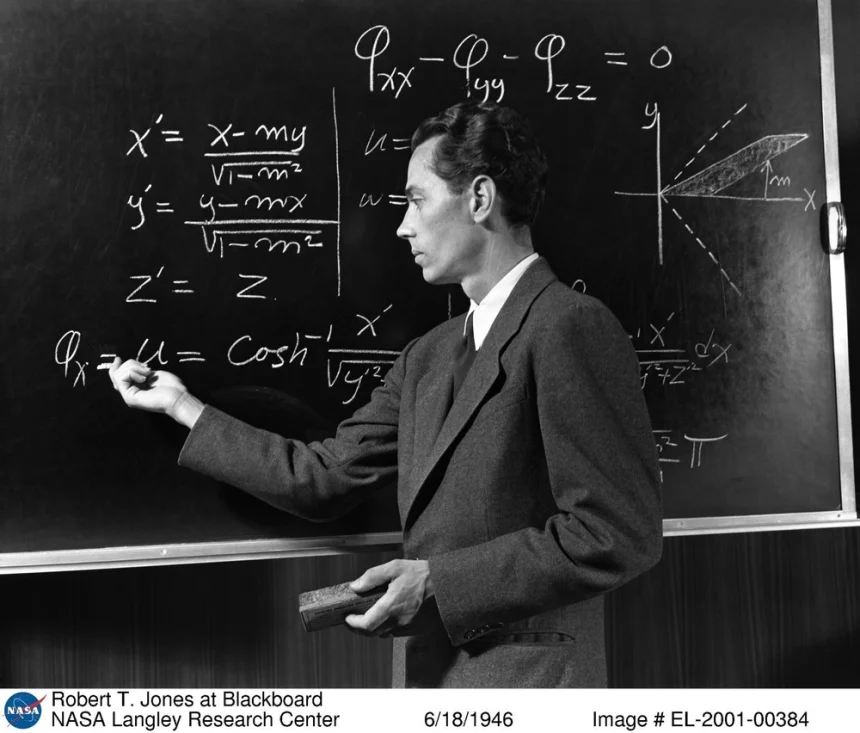

The rise of modern aviation is a result of the hard work of several engineers and scientists. One among them was Robert Jones. Honored by NASA as the “Superstar of Modern Aeronautics,” Robert Jones was known for discovering the benefits of swept-back wings for high-speed aircraft, which is considered one of the most important achievements in aviation history. He also developed other ideas, including radical oblique-wing configurations and aircraft piloting control schemes to improve safety. Jones was born in Macon, Missouri. He attended high school there and developed a strong interest in aviation. He built model airplanes powered by rubber bands and read magazines like Aviation and Aero Digest. He particularly liked research reports from the NACA, the group he would later join and where he would have a successful career. Jones briefly went to the University of Missouri but left after a year to join a local flying circus. There, he carried gas cans, patched wing tips, and did other jobs in exchange for flying lessons. In 1929, he became an engineer at the Nicholas-Beazley Airplane Company in Marshall, Missouri, where he learned about aircraft design. However, when the Great Depression caused the company to close, he returned to his home in Macon. Robert Jones still wanted to work in aviation but needed a job. Next, Jones worked as an elevator operator in the House Office Building in Washington, DC. During his free time, he often visited the Library of Congress. He also took night classes in aeronautical engineering at Catholic University, but he did not finish his degree. In 1934, the Public Works Administration offered temporary jobs at Langley, and Jones secured a nine-month position in the 7-by-10-Foot Atmospheric Wind Tunnel.
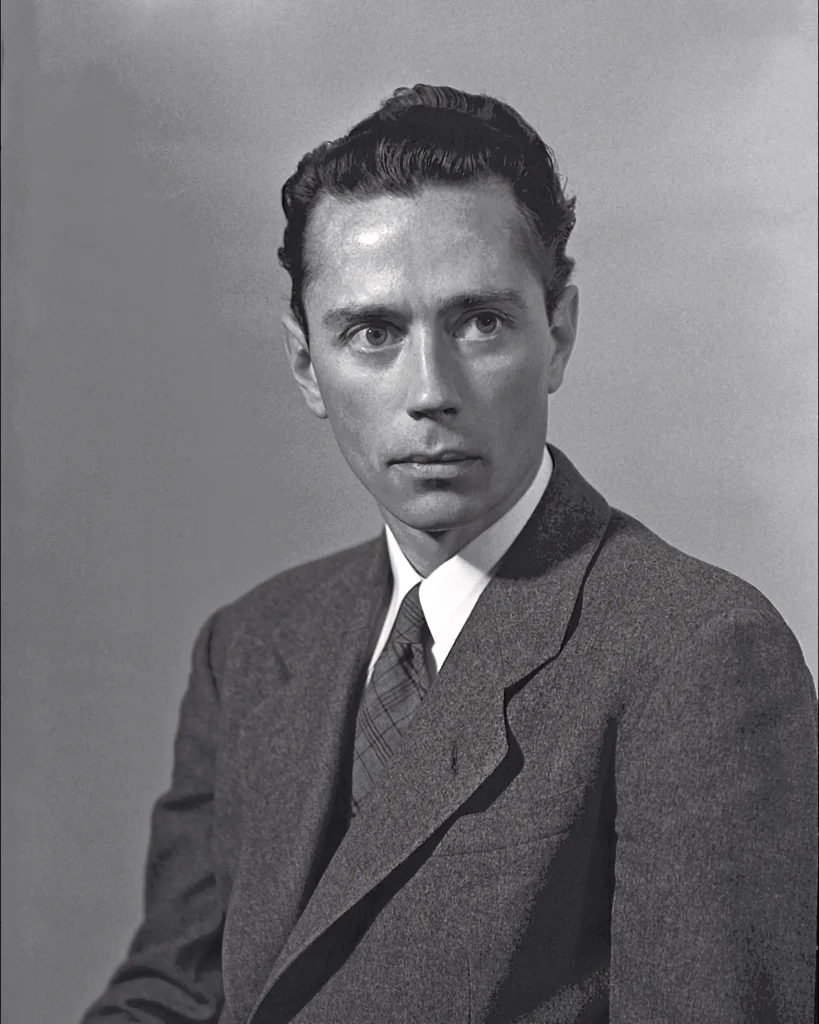
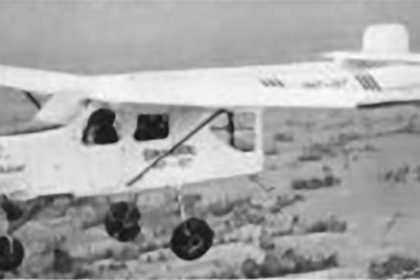
To obtain a permanent job, Robert Jones needed to pass a civil-service exam, which required a bachelor’s degree. But the administration created a special exam for him, and in 1936, he became a junior engineer. Robert Jones worked with Fred Weick to improve safety in low-speed flying using high-lift devices and lateral controls. He conducted wind-tunnel and stability-and-control tests on various aircraft, including the WWI German Fokker D.VII. By the start of WWII, Robert Jones had published many important papers and was known as an expert in dynamic stability and control. He wrote over 20 papers and developed simpler control concepts, such as connecting the rudder to the ailerons for two-control flight, which Weick later used in the Ercoupe airplane. His most important finding was that swept-back wings offer better aerodynamics. This idea was first proposed by German aerodynamicist Adolf Busemann in 1934, but it was not recognized at NACA at that time. In 1945, Jones developed the idea of sweeping the leading edge of wings behind the shock wave generated by supersonic planes in flight, thereby obtaining subsonic flow at the leading edge and minimizing wave drag. However, influential researchers at Langley, especially Theodore Theodorsen, were skeptical of his idea and recommended against publishing it. After several months with no progress, experiments using Robert Gilruth’s in-flight free-fall method and tests in the Langley 9-Inch Supersonic Tunnel confirmed Jones’ findings with a simple streamlined wire model. The day his report was finally approved for publication, NACA Headquarters informed him that German researchers, led by Theodore Von Karman, had already discovered the benefits of swept-wing designs years earlier.
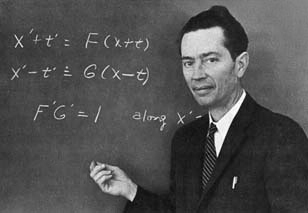
In 1963, Robert Jones began working at AVCO Everett Research Laboratory in Massachusetts. There, he led the Medical Research Committee and studied blood flow in the body, including the design of an early heart-assist pump. In 1970, he returned to Ames to focus on the oblique-wing airplane design first proposed by Richard Vogt in 1942. The design involved moving a straight wing around a point on the fuselage, giving it a scissors-like appearance. Robert Jones promoted this design for use in high-speed military and civilian planes, which led to extensive testing in wind tunnels, model evaluations, and flight tests of the NASA AD-1 research airplane. After he retired from Ames in 1981, he worked as a consulting professor at Stanford University. There, he taught aerodynamics courses until 1997. Jones received many important awards during his career.
In 1971, the University of Colorado gave him an honorary doctorate. Robert Jones won the Langley Medal from the Smithsonian Institution in 1981. This medal has also been awarded to famous people such as the Wright Brothers and Charles Lindbergh. He also received the President’s Award for Distinguished Federal Civilian Service for his major contributions over his 40 years in government. Throughout his life, Jones received many awards. He won the Sylvanus Albert Reed Award in 1946 and became a Fellow of the American Institute of Aeronautics and Astronautics in 1955. In 1973, he was also named a Fellow of the American Academy of Arts and Sciences and joined the National Academy of Engineering. Robert Jones passed away at his home in Los Altos Hills, California, on August 11, 1999, at the age of 89. As one of the Pioneers of Aeronautical Engineering, Robert Jones helped shape the aviation world as we know it today. Stay tuned for more such interesting articles.