






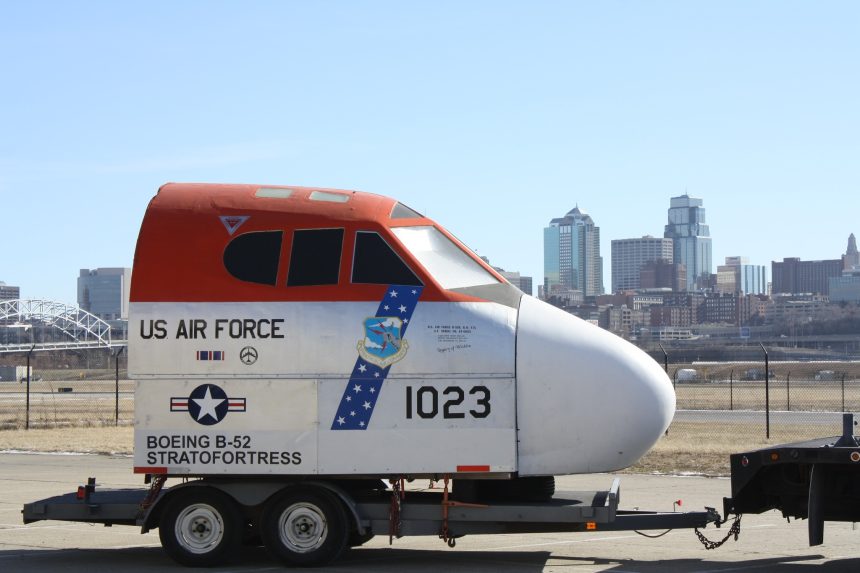

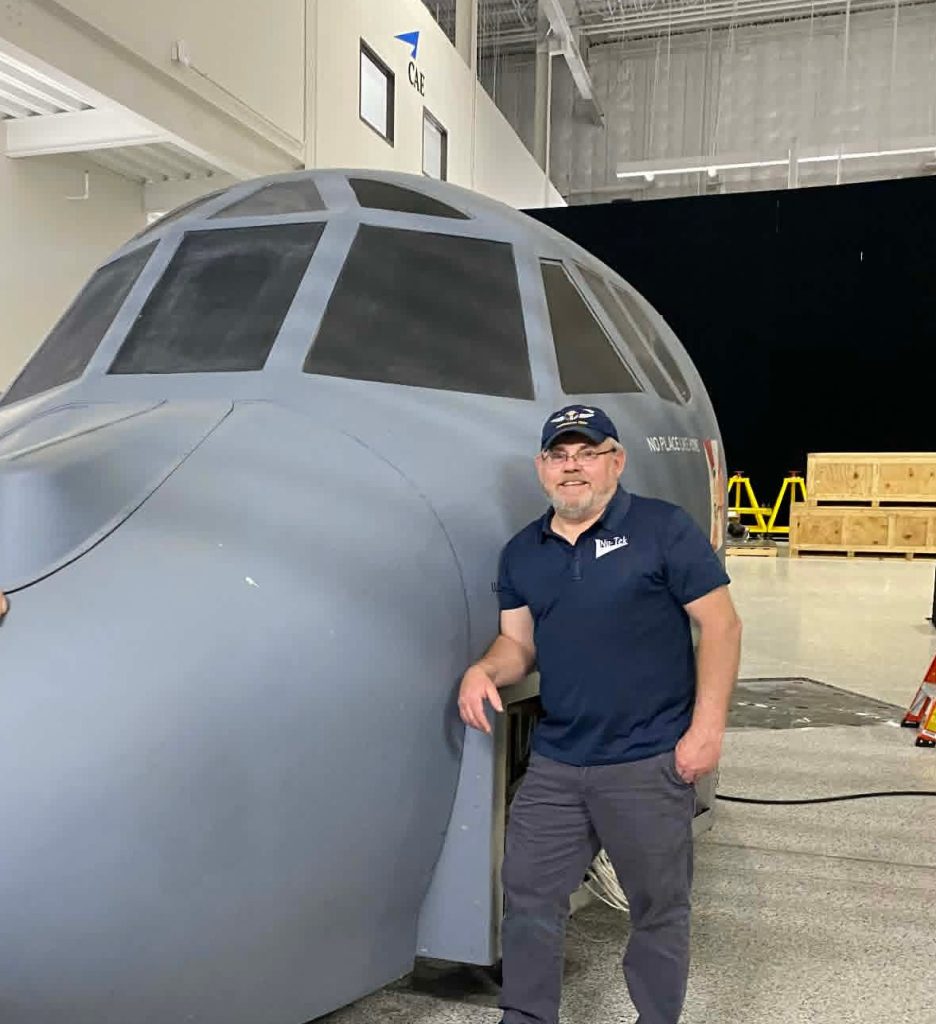
For most aviation enthusiasts, sitting inside the cockpit of a military aircraft is a once-in-a-lifetime experience. For Stephen H. Cannaby, it became a lifelong passion — one that has evolved into an extraordinary mission to preserve aviation history through restored simulators and cockpit recreations. Cannaby, owner of Nu-Tek Aircraft Instruments, Inc., has spent decades in the aviation instrument and avionics industry, but his name has become increasingly recognized among aviation enthusiasts for another reason: rescuing, rebuilding, and reimagining retired military and commercial aircraft simulators into immersive educational and historical exhibits.
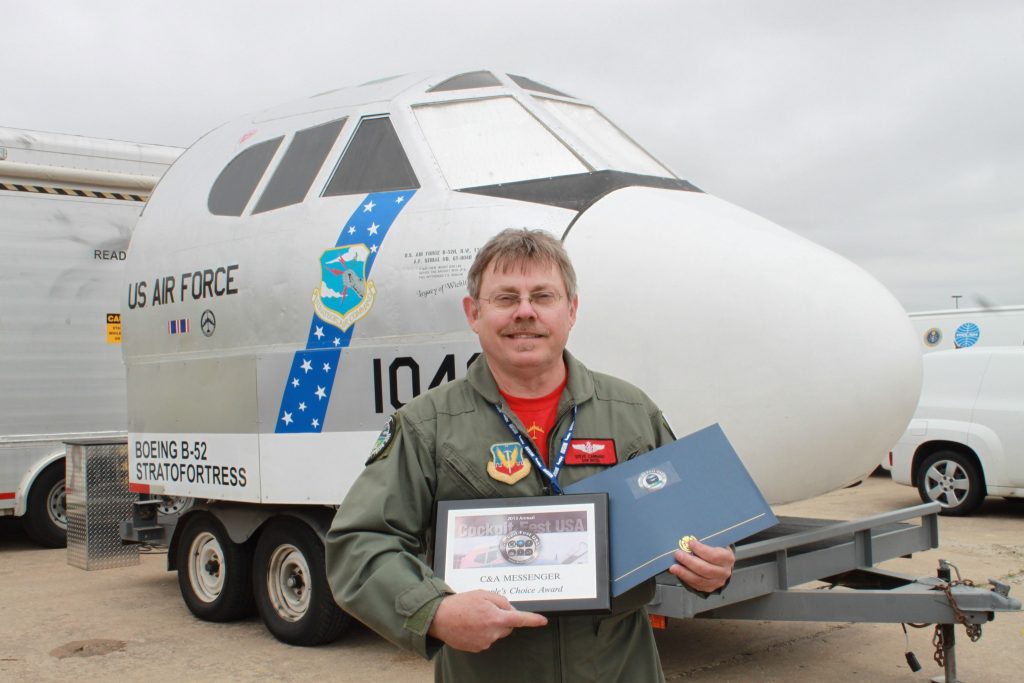
“I’ve always had a keen interest in the instrument side of aviation,” Cannaby explained. “The analog technology, the gauges, the avionics — it just intrigues me.” That fascination began early. Cannaby grew up as the son of a career U.S. Air Force serviceman who worked on B-52s and later F-105s. His childhood took him across numerous Air Force bases around the world, from Alaska to South Dakota, Texas, and beyond. One formative moment occurred while visiting the flight line at Ellsworth Air Force Base as a young boy. “I got to sit inside a B-52 while they started the engines,” he recalled. “The sounds, the smell, all the lights coming alive — from that point on, I was hooked.”
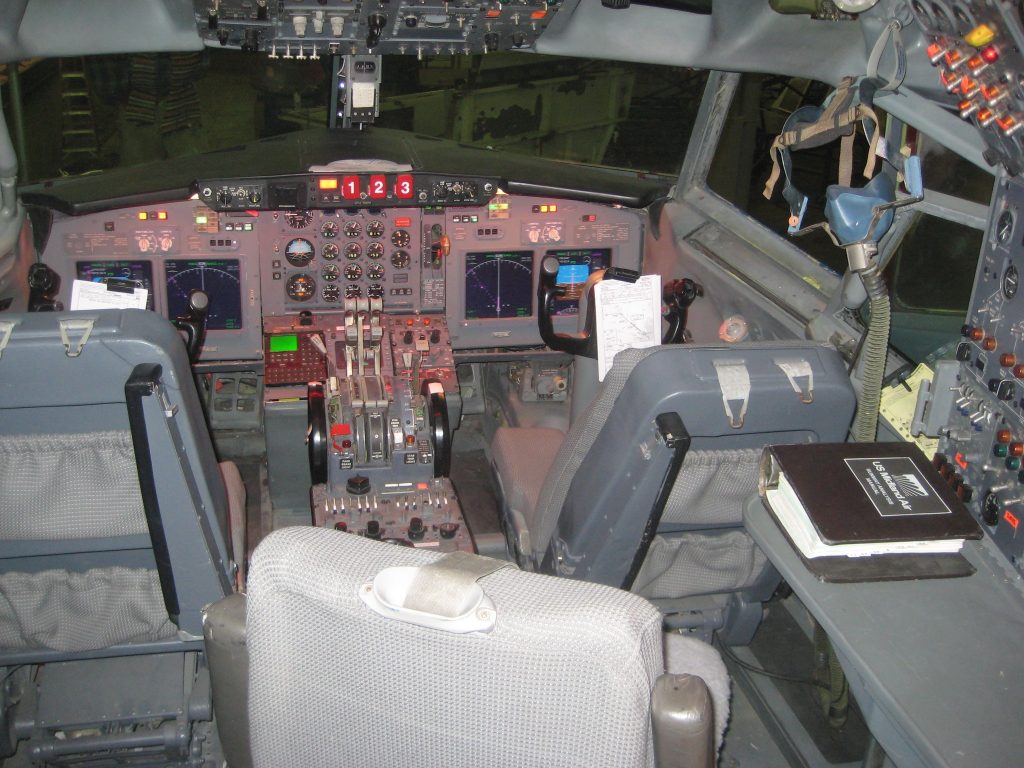
That early spark eventually led Cannaby into aviation maintenance and instrument work in the early 1980s, building a successful career specializing in aircraft instruments and avionics. But by the late 1990s, his professional expertise merged with his passion for aviation history. One of his first major projects involved rescuing an early Boeing 707 simulator with the serial number 0001. Recognizing its historical significance, Cannaby and his team preserved the cockpit and later transformed it into an interactive Air Force One-themed exhibit for the Ronald Reagan Presidential Library. The simulator became part of the library’s Discovery Center, where students participate in an educational program exploring leadership and decision-making within the U.S. government. The exhibit allows visitors to board a recreated Air Force One experience, complete with Cannaby’s restored cockpit at the front. “It all lights up and everything,” he said. “It’s a memorable experience for the kids.” According to Cannaby, hundreds of thousands of students have experienced the exhibit since its installation.
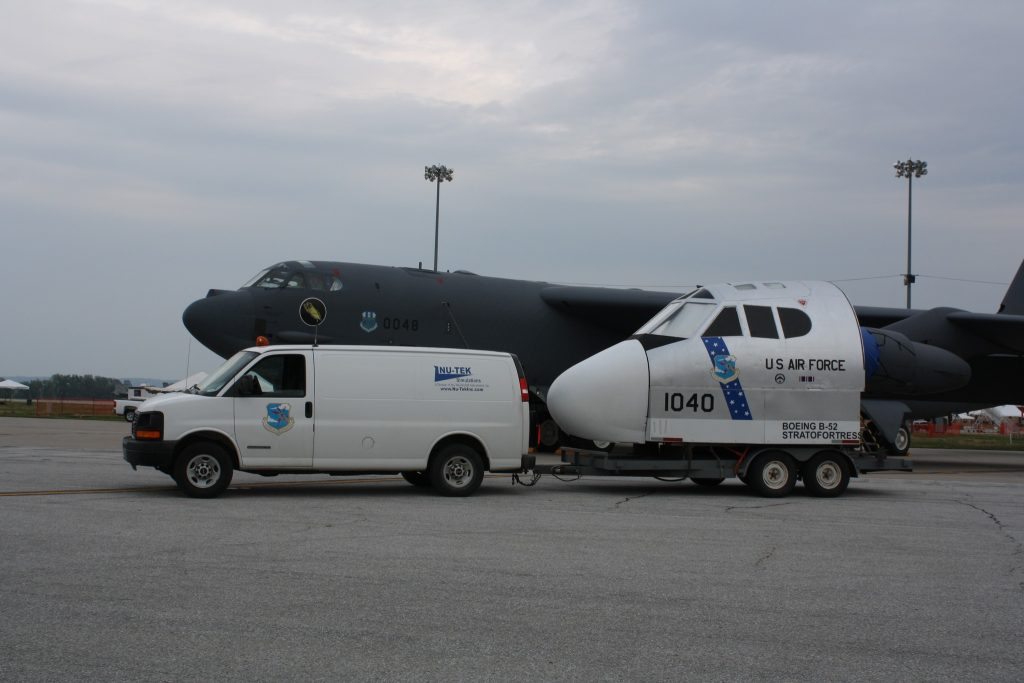
His work soon caught the attention of Hollywood. Following the Reagan Library project, Cannaby was contracted by 20th Century Fox to build a cockpit mock-up for the film Knight and Day, starring Tom Cruise and Cameron Diaz. He also created JFK-era Air Force One exhibits for commemorative events surrounding the 50th anniversary of President John F. Kennedy’s assassination. Yet despite these high-profile projects, Cannaby’s deepest connection remains with the B-52 Stratofortress. Through industry contacts and years within aviation circles, Cannaby acquired two of only nine B-52 simulators built by the legendary Singer-Link Corporation, the company that later evolved into part of CAE’s military training division. One of those simulators ultimately returned to CAE, coming “full circle,” as Cannaby described it, especially as the B-52 program continues toward modernization and service into the 2050s.
Cannaby’s projects are not static museum displays. They are living, interactive experiences. One of his most beloved creations is a restored F-4D Phantom simulator housed in a trailer that travels to airshows. Visitors climb into authentic ejection seats beneath functioning canopies, don David Clark headsets, and experience a fully immersive flight simulation complete with working cockpit lighting and 400-hertz aircraft power systems. “We try to set people up for success,” Cannaby said. “Even average people can land it.” At airshows, attendees often wait hours for a brief session inside the Phantom cockpit. The reaction, Cannaby says, makes all the effort worthwhile. “Every time those canopies come up, the kids — and even the adults — come out with the biggest smiles on their faces.”
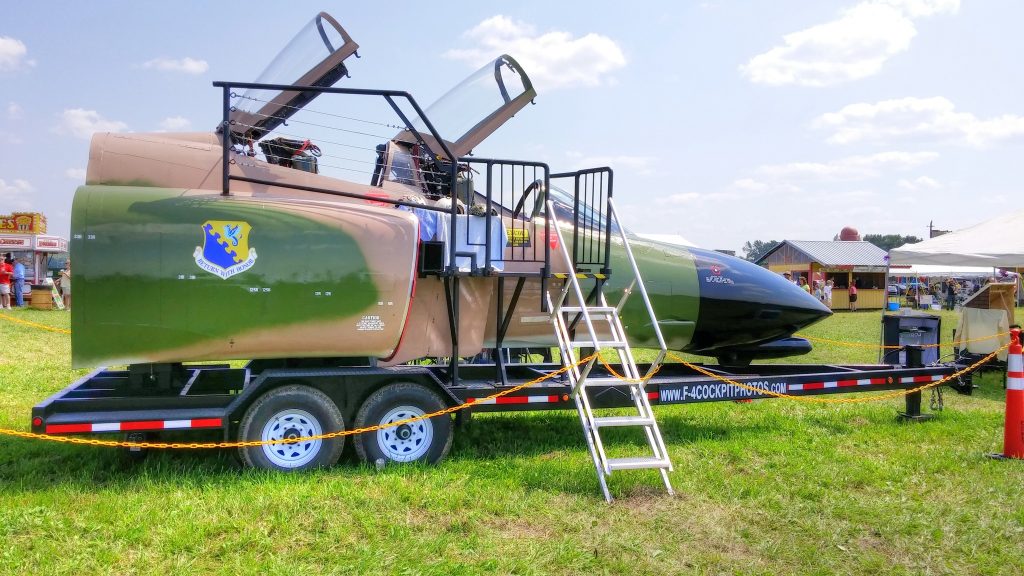
Cannaby is currently preparing his next major feature project, an F-15A Eagle cockpit restoration that includes an unusual backstory involving a discarded Discovery Channel promotional mock-up that eventually evolved into a fully restored Eagle cockpit. For Cannaby, these projects are about more than nostalgia. They preserve a tactile, analog era of aviation increasingly replaced by digital displays, CGI effects, and virtual environments. While modern technology may allow filmmakers and simulators to recreate almost anything digitally, Cannaby believes there is still something irreplaceable about the feel of authentic hardware, illuminated gauges, and the confined atmosphere of a real military cockpit. And judging by the reactions from the thousands of people who have climbed into his creations, he is probably right. For more on Stephen H. Cannaby’s restoration projects and traveling cockpit exhibits, visit the Sim Club Facebook page.







Wonderful! Stick’em on a Boat and Bring’em to the UK & Europe!