

(Image credit: VAN)
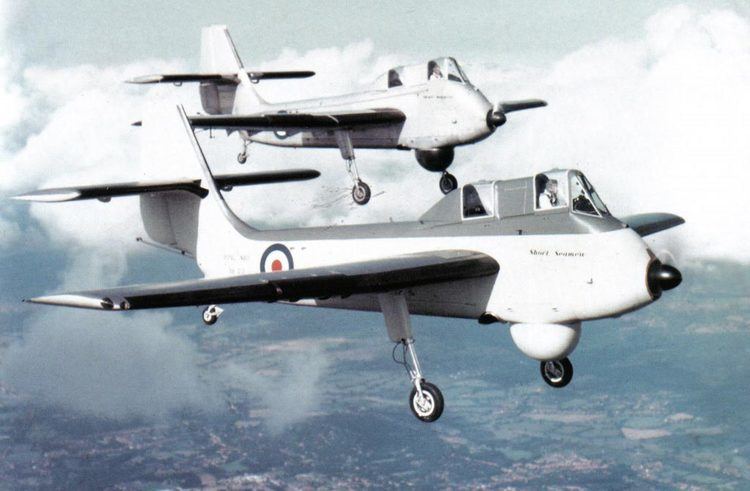
On this day in aviation history, 72 years ago, on August 23, 1953, the Short SB.6 Seamew took to the skies for the first time. Designed in 1951 by the British aerospace company Shorts, the SB.6 was a lightweight anti-submarine aircraft intended to replace the Royal Navy Fleet Air Arm’s Grumman Avengers. The aircraft was developed in response to Admiralty Specification M.123D, which called for a carrier-capable anti-submarine aircraft able to operate in all weather conditions.
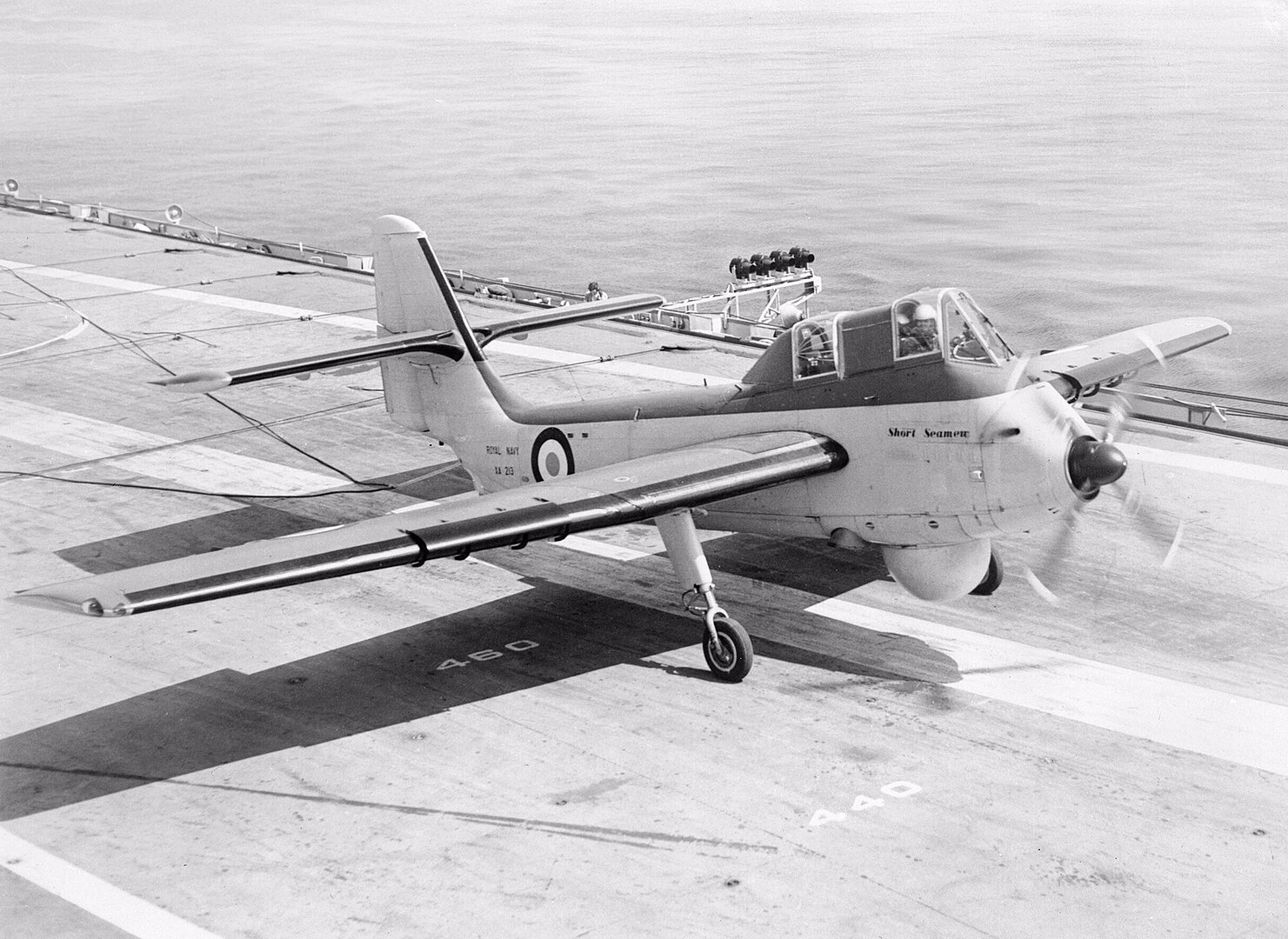
The Seamew’s maiden flight was piloted by Squadron Leader Walter J. “Wally” Runciman, with prototype XA209 taking to the air. The SB.6 had a distinctive design compared to its Avenger predecessor. Its cockpit sat at the very front of the fuselage, elevated above the engine and propeller, giving the pilot and observer a superior vantage point for spotting enemy vessels, as well as during takeoffs and landings. Despite this innovative design, the Seamew suffered from poor handling characteristics. Numerous field modifications were attempted, but the aircraft never fully overcame its performance issues. Combined with shifts in Britain’s defense doctrine, the need for the Seamew diminished.
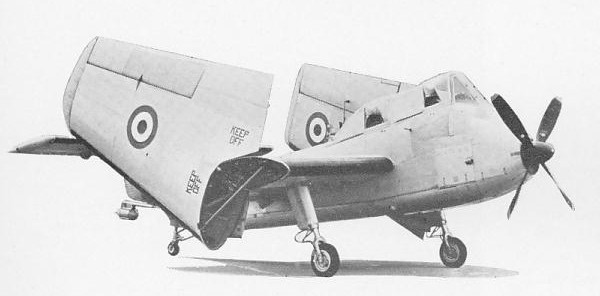
The Shorts SB.6 accommodated a crew of two—the pilot and an observer—and was powered by a 1,590 shaft-horsepower Armstrong Siddeley Mamba turboprop engine, allowing a maximum speed of 236 miles per hour. The aircraft had a range of 650 nautical miles and an endurance of four hours at 140 mph and 5,000 feet. Its STOL capabilities enabled carrier takeoffs in just 500 feet, assuming an 80.4 mph true airspeed with a 14 mph headwind. The Seamew could carry up to 1,844 pounds of armament, including rockets, bombs, depth charges, sonobuoys, or torpedoes.
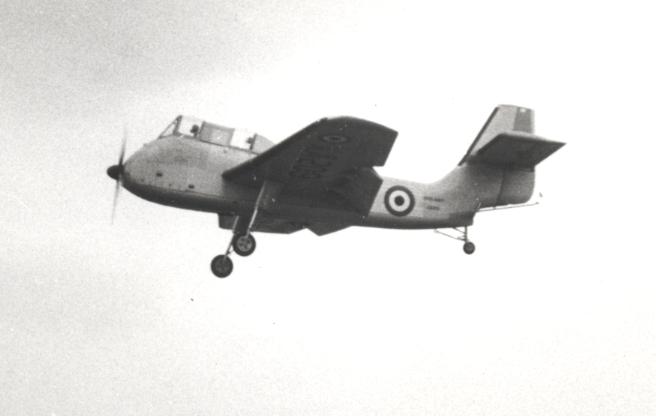
Only 26 Short Seamews were built during the 1950s, and the aircraft’s limited success, coupled with handling problems, restricted its operational use. No complete SB.6 Seamews are known to survive today. Despite its shortcomings, the Seamew remains an important part of naval aviation history, illustrating the challenges of carrier-based anti-submarine aircraft design in the early Cold War era.