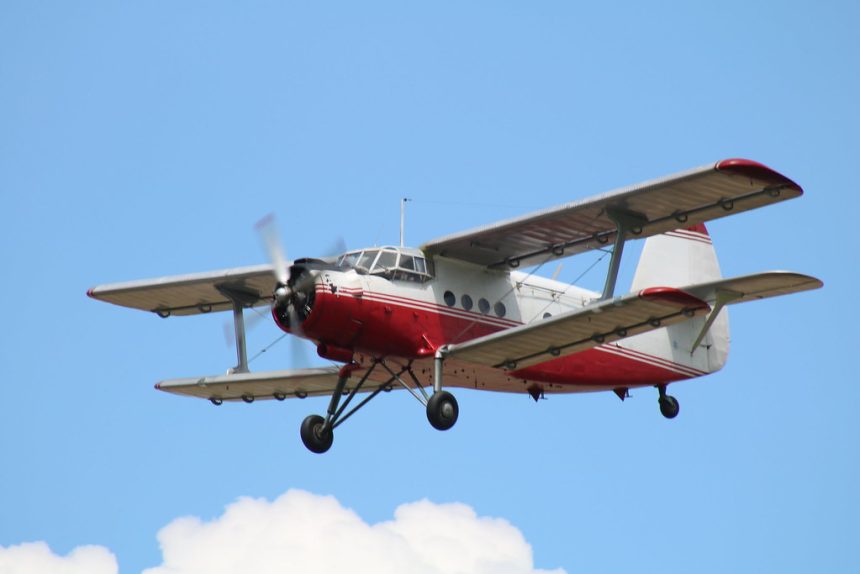

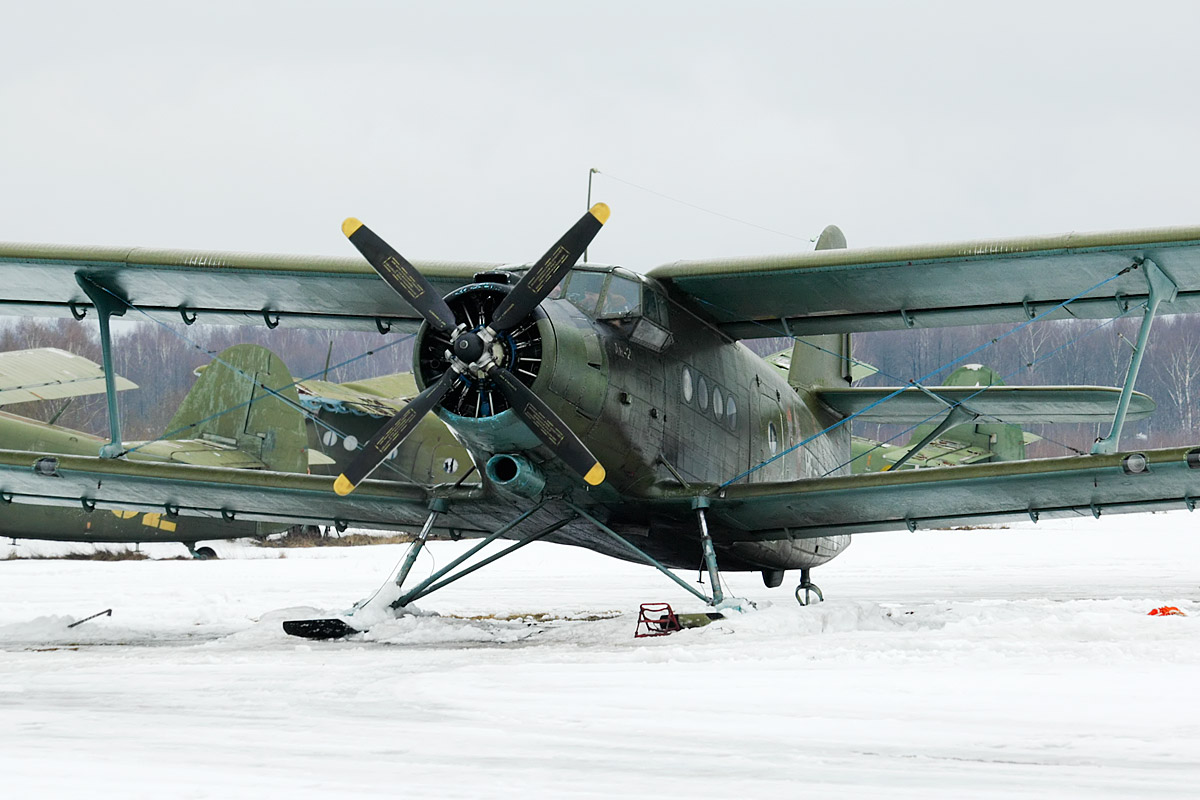
At airshows, fly-ins, and museums, there always seems to be that one airplane that draws the biggest crowd. Aviation enthusiasts—whether casual onlookers or lifelong fans—are naturally drawn to aircraft that stand out from the flightline. Often, these attention-grabbers are “imports,” and many of the most distinctive designs hail from the former Soviet Union. Among them, none is more instantly recognizable than the Antonov An-2 Colt. The Antonov An-2, known to NATO as the Colt, was a rugged, single-engine biplane designed by the Antonov Design Bureau in 1947 to replace the Polikarpov Po-2 in agricultural service. The prototype, designated SKh-1, first flew on August 31 of that year, ushering in one of the most remarkable utility aircraft of the twentieth century.
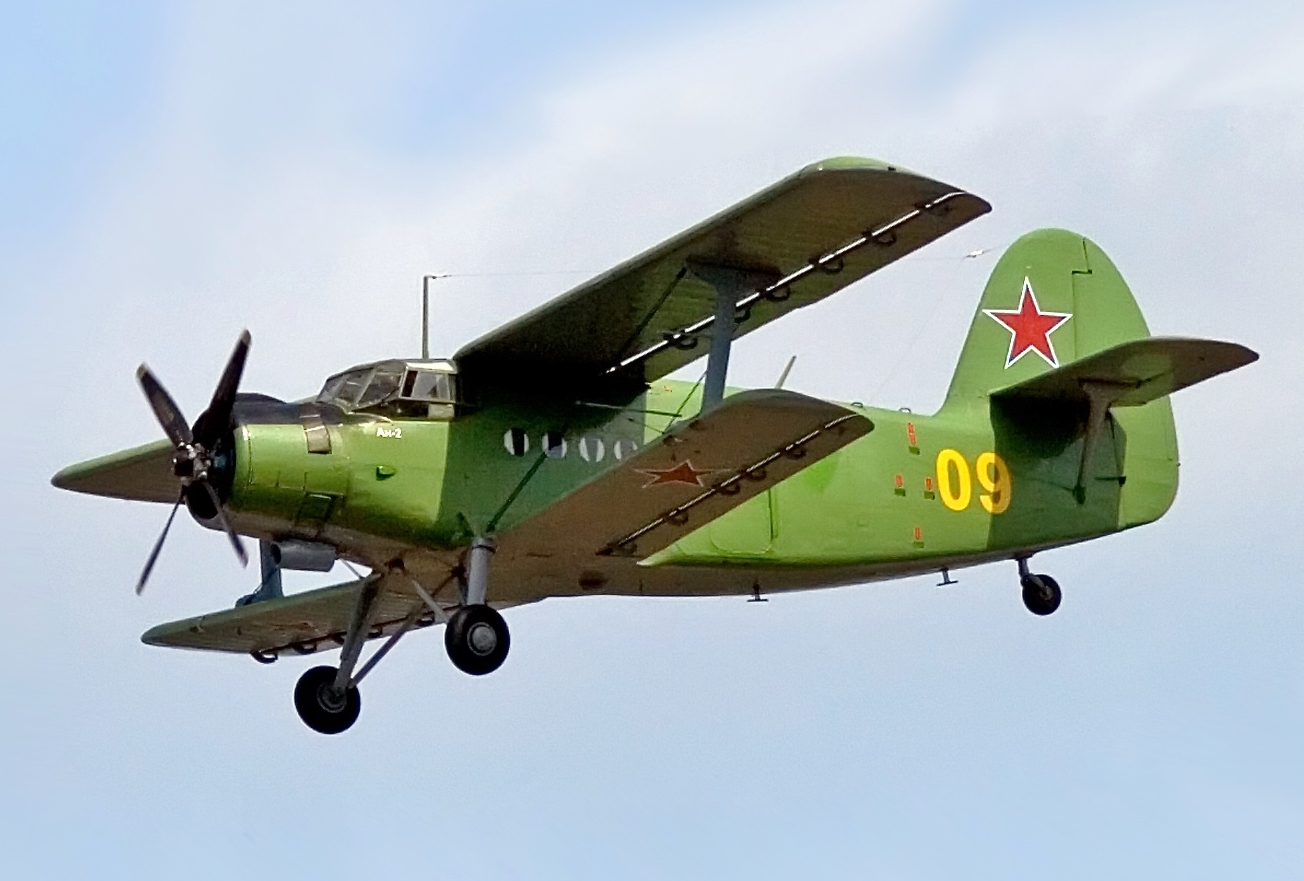
What makes the An-2 remarkable is not only its size—measuring nearly 60 feet across the upper wing, 40 feet in length, and over 13 feet tall—but its versatility. Constructed of metal with fabric-covered wings, the An-2 could carry up to 12 passengers in its cabin. Power came from the nine-cylinder ASh-62 radial engine, a derivative of the Wright R-1820 Cyclone built under license as the Shvetsov M-25. Producing 1,010 horsepower, it gave the aircraft a top speed of about 160 mph. But speed was never the Colt’s strength—utility was. With a stall speed of just 31 mph and automatic leading-edge slats, the An-2 excelled in short takeoff and landing (STOL) operations, often flying from unimproved strips or even open fields.
Though designed for agriculture, the An-2 quickly found a place in military service. The Soviet Air Force adopted it first, followed by other Warsaw Pact nations. The Colt saw combat in the Korean War and was used by the Vietnam People’s Air Force during the Vietnam War, occasionally in attack roles. In one unusual incident on January 12, 1968, three An-2s attacked a U.S. TACAN site in Laos, only to be intercepted and shot down—two by a U.S. Army UH-1B Huey helicopter. Over the decades, the An-2 earned a reputation as a tough, adaptable workhorse, equally at home spraying crops, hauling cargo, dropping paratroopers, or carrying tourists on sightseeing flights. Today, thousands remain in service worldwide, many modified with skis, floats, or turbine engines. Among them is one special example based in Geneseo, New York, affectionately known as “Natasha.”
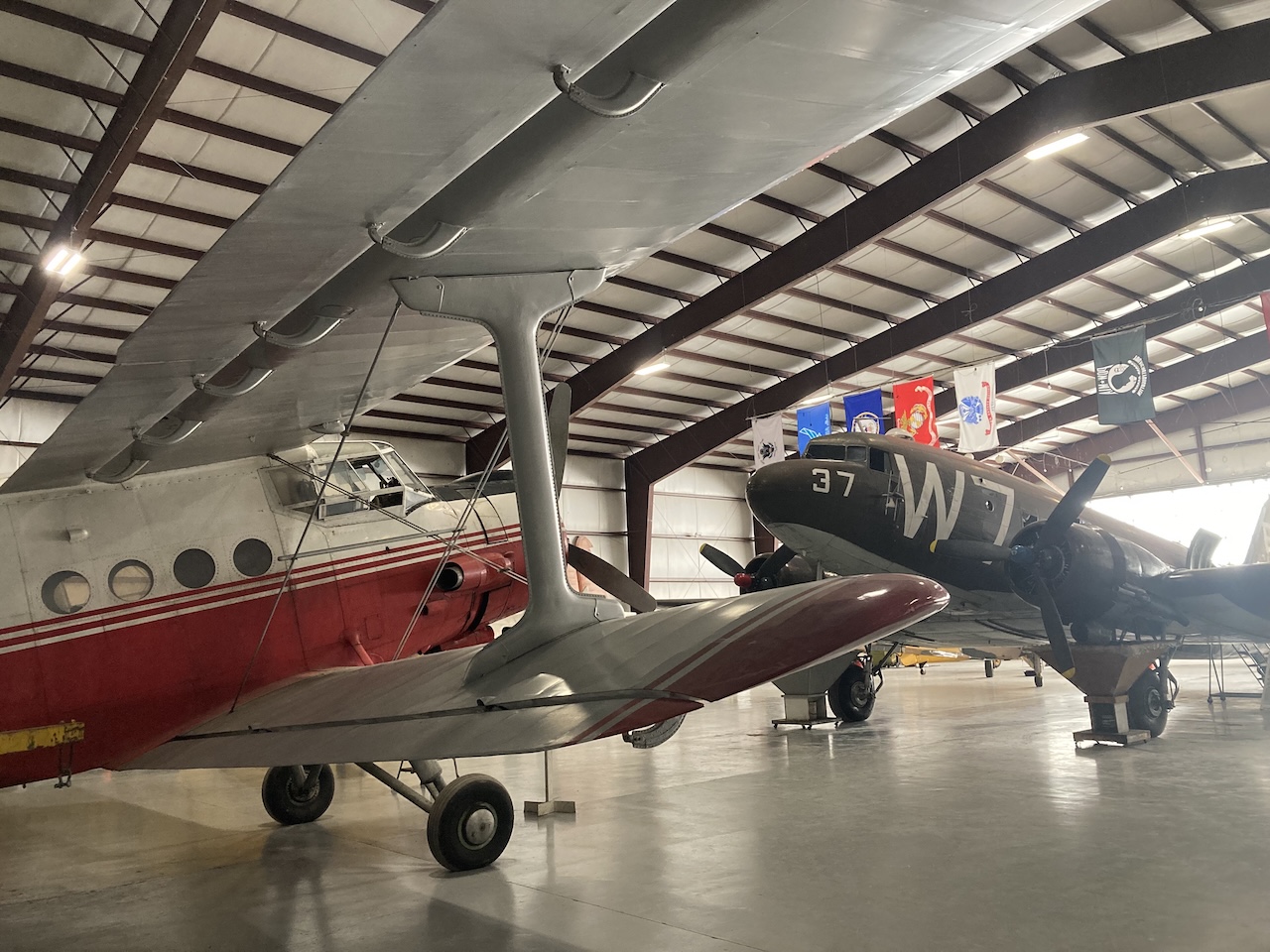
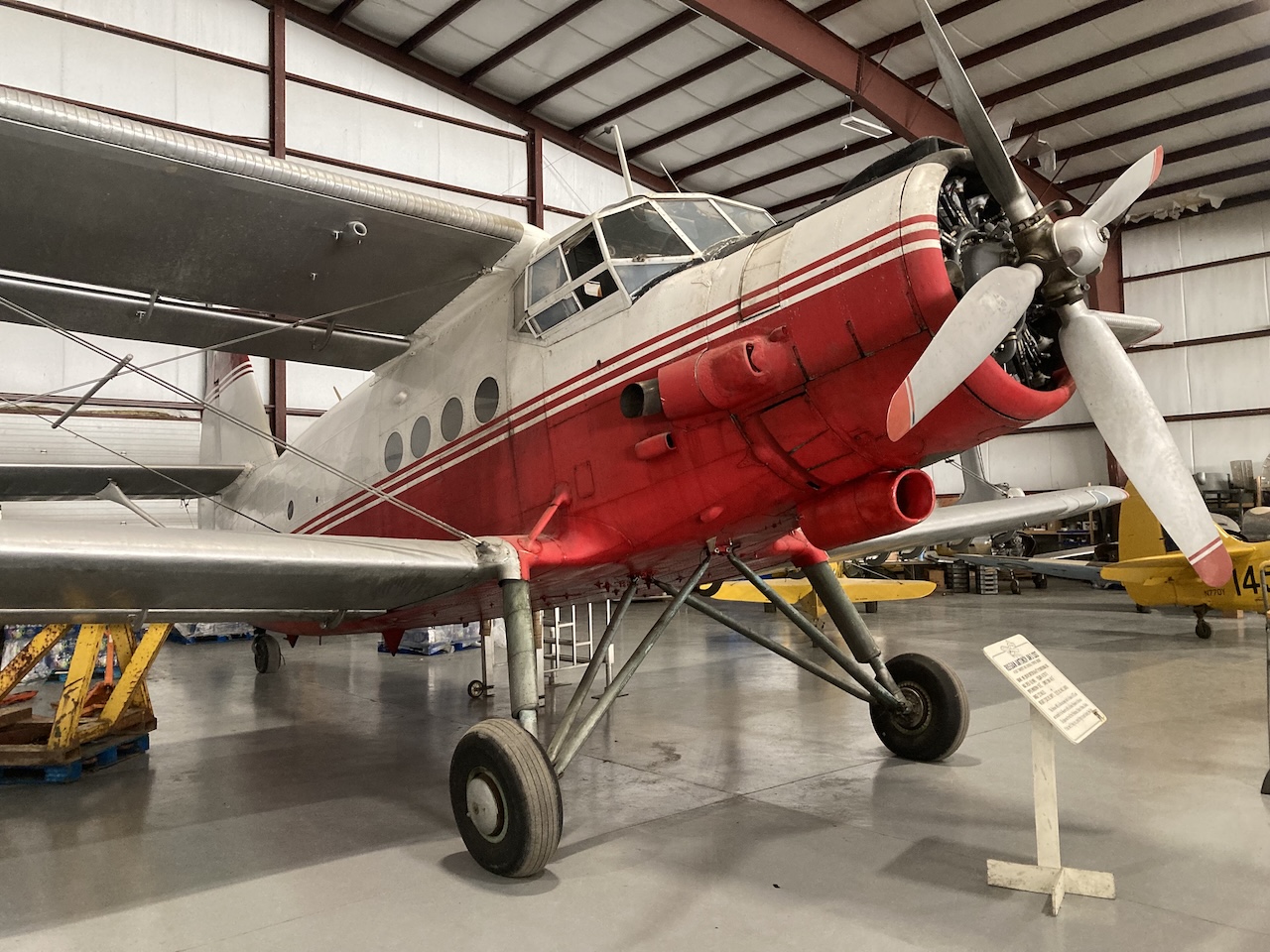
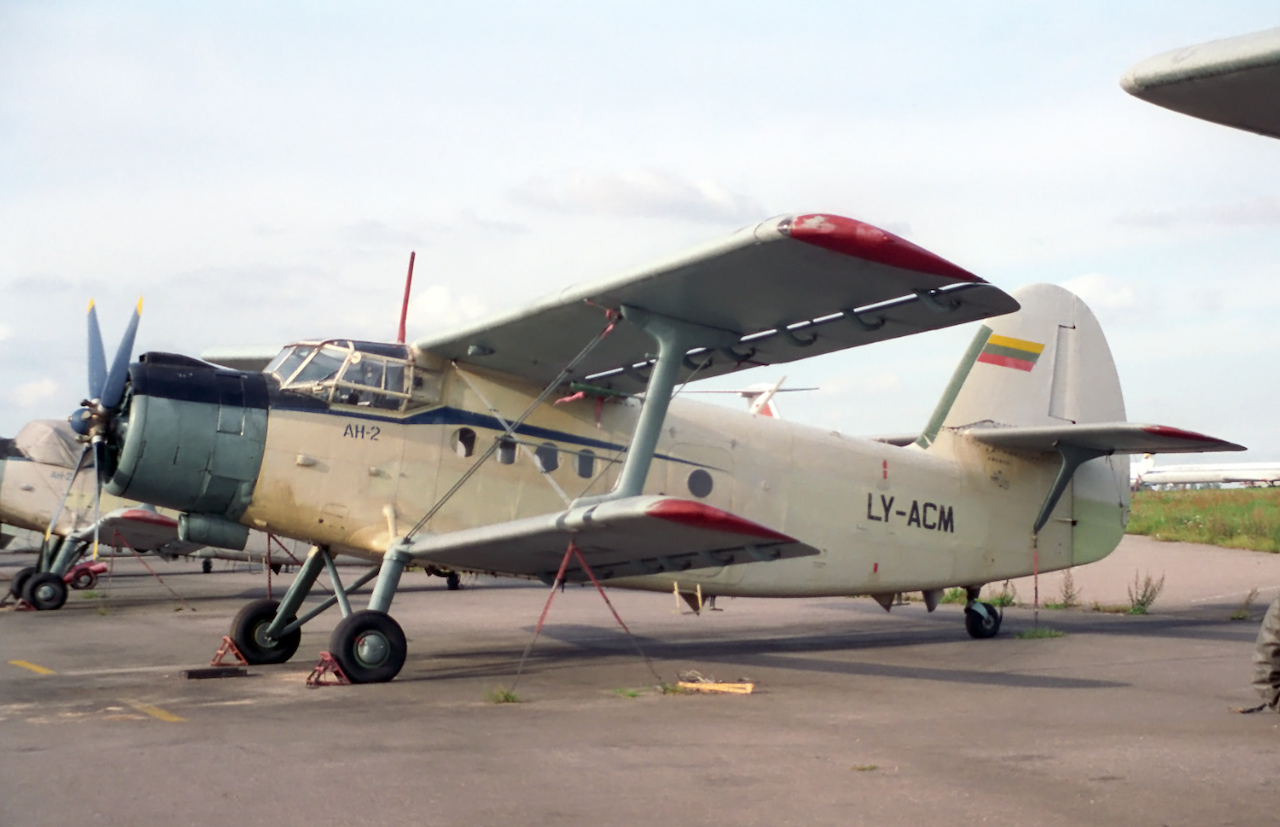
Built in 1987 by PZL-Mielec in Poland, Natasha is an An-2R agricultural variant equipped with a 1,300-kilogram chemical tank for crop spraying. Carrying construction number 1G226-56, the aircraft was originally registered CCCP-33397 and flew in the Soviet Union during the final years of the Cold War. By 1993, it had been sold to an operator in Lithuania and re-registered LY-ACM, reportedly serving as a skydiving aircraft. In 1994, the aviation community in Geneseo underwent a major transition when the original National Warplane Museum relocated to Horseheads, New York. Left behind was a core group of passionate volunteers who formed the 1941 Historical Aircraft Group (HAG). That same year, the group pooled its resources to purchase the An-2R, then based in Columbia, Missouri, and brought it to Geneseo. Restored to flying condition by the team, the aircraft returned to the skies in 2000 and was christened “Natasha,” a nod to the Rocky & Bullwinkle cartoon character and a fitting partner to the former NWM’s An-2, “Boris.”
For years, Natasha, registered N26AN, was the pride of the fleet, often serving as the museum’s flagship at airshows and fly-ins. The aircraft helped keep the fledgling museum visible and growing. As the organization evolved—eventually reclaiming the National Warplane Museum name—Natasha remained a favorite among members and visitors alike. In 2016, however, engine problems forced the Colt to be grounded. A replacement powerplant was eventually sourced and installed, but propeller issues have since kept Natasha sidelined. Maintenance has proven challenging: as a Soviet-era design, the An-2 requires translated documentation, specialized tools, and hard-to-find parts. Even so, the museum remains determined to see her fly again.
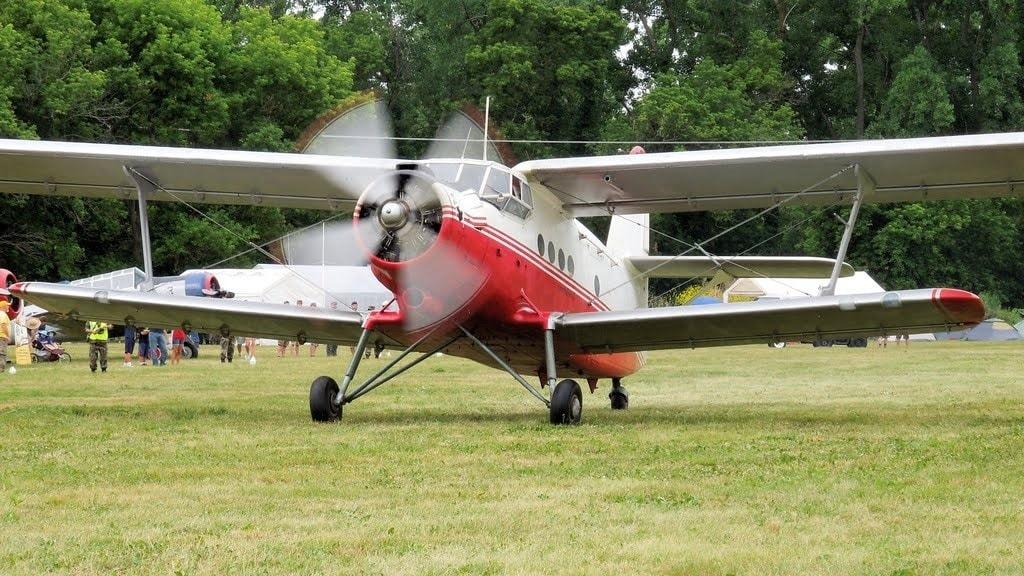
Today, Natasha sits proudly in the hangar at Geneseo, drawing visitors much as she always has. For now, she serves as an impressive static exhibit, but plans are underway to return her to the skies once more. With the right funding and parts, Natasha could once again demonstrate why the Antonov An-2 Colt has been called the largest—and longest-produced—biplane in history. If you’d like to help Natasha fly again, please consider donating to the National Warplane Museum via PayPal: https://www.paypal.com/donate?hosted_button_id=J22HYJ7UC3ATN