

(Image credit: VAN)
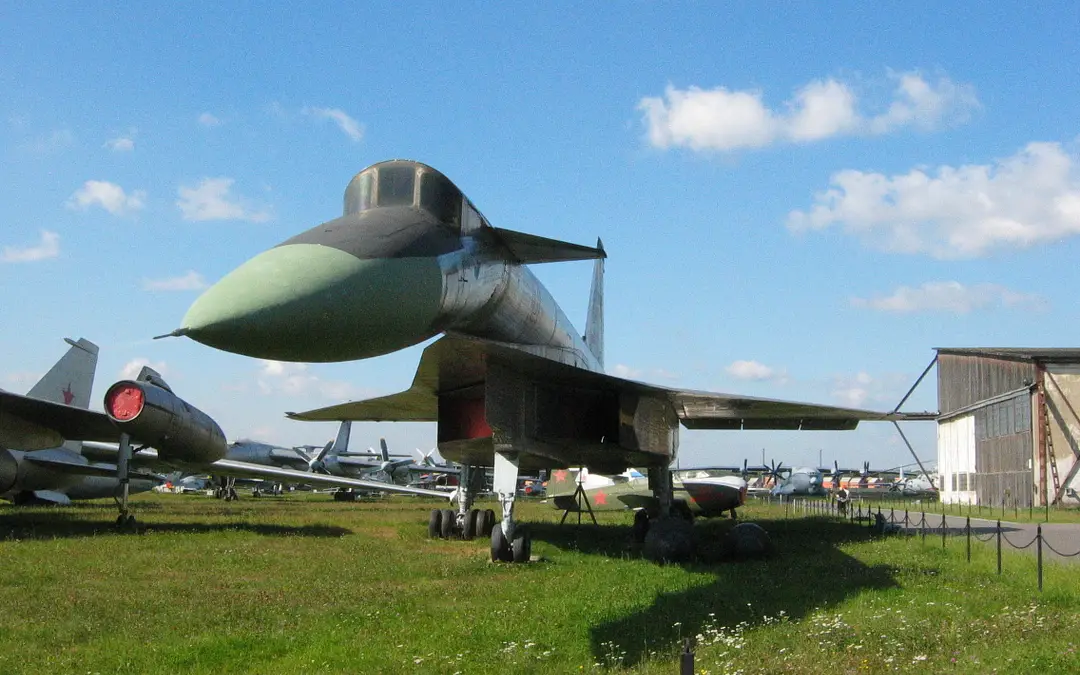
On this day in aviation history, 53 years ago, on August 22, 1972, the Sukhoi T-4 “Sotka” took to the skies for the first time. Also known as Project 100 or Su-100, the T-4 was a Soviet-built prototype high-speed strategic bomber and reconnaissance aircraft. Conceived as the Soviet answer to the American XB-70 Valkyrie, it was intended to deliver nuclear weapons deep into enemy territory while outrunning interception. Although four examples were ordered, only one flying prototype was completed, and the program never advanced beyond the experimental stage.
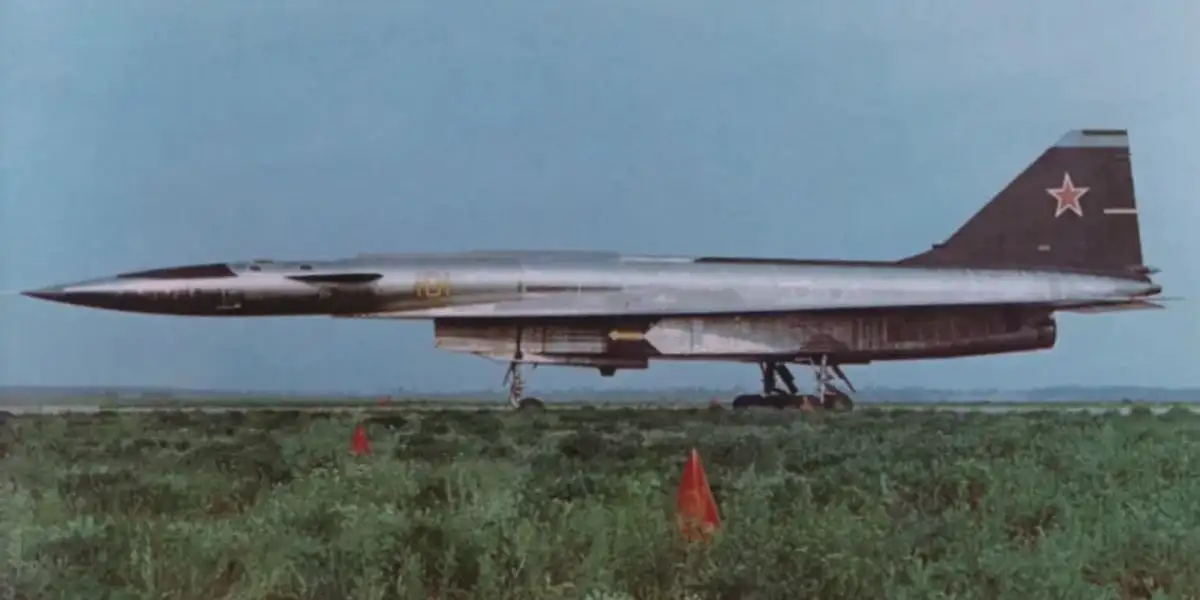
The T-4 project was officially authorized in June 1964, following a government request for a next-generation supersonic bomber. Sukhoi’s design was selected over competing proposals from Yakovlev and Tupolev, largely because of its projected Mach 3 performance. Developing the aircraft, however, proved a massive technical challenge. Engineers had to master entirely new methods of construction and materials technology to withstand the extreme stresses of sustained hypersonic flight. In the process, nearly 600 patents and inventions were created, underscoring the scale of the technological leap attempted.
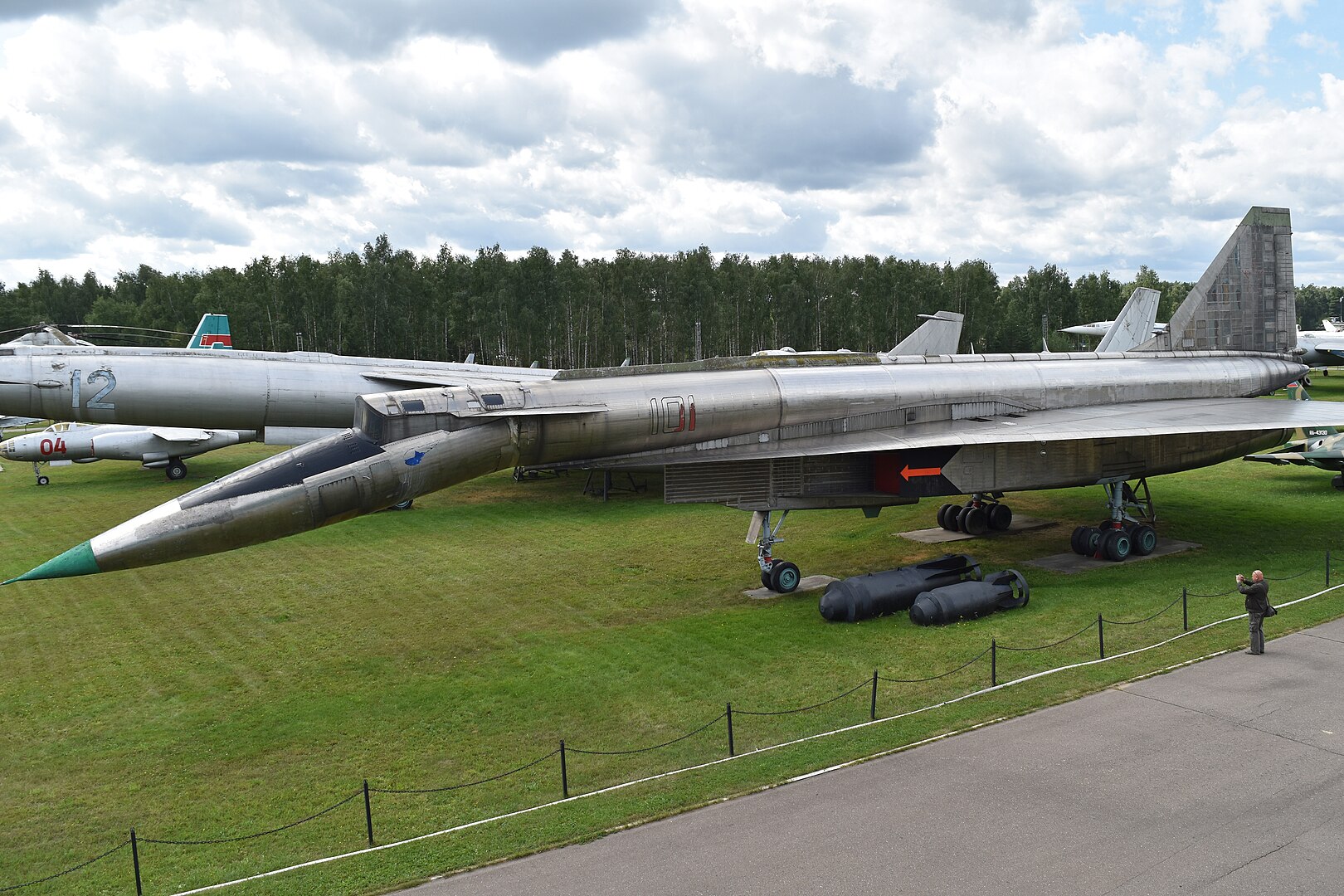
By autumn 1971, the first prototype—designated “101”—was completed. Powered by four Kolesov RD-36-41 afterburning turbojets, each producing 35,000 pounds of thrust, the aircraft was designed for speeds up to 2,000 miles per hour with a projected service ceiling between 66,000 and 79,000 feet. In flight testing, however, the T-4 only achieved Mach 1.3 before the program was cancelled. Planned armament and full performance specifications remain uncertain since the aircraft never advanced beyond its early trials.
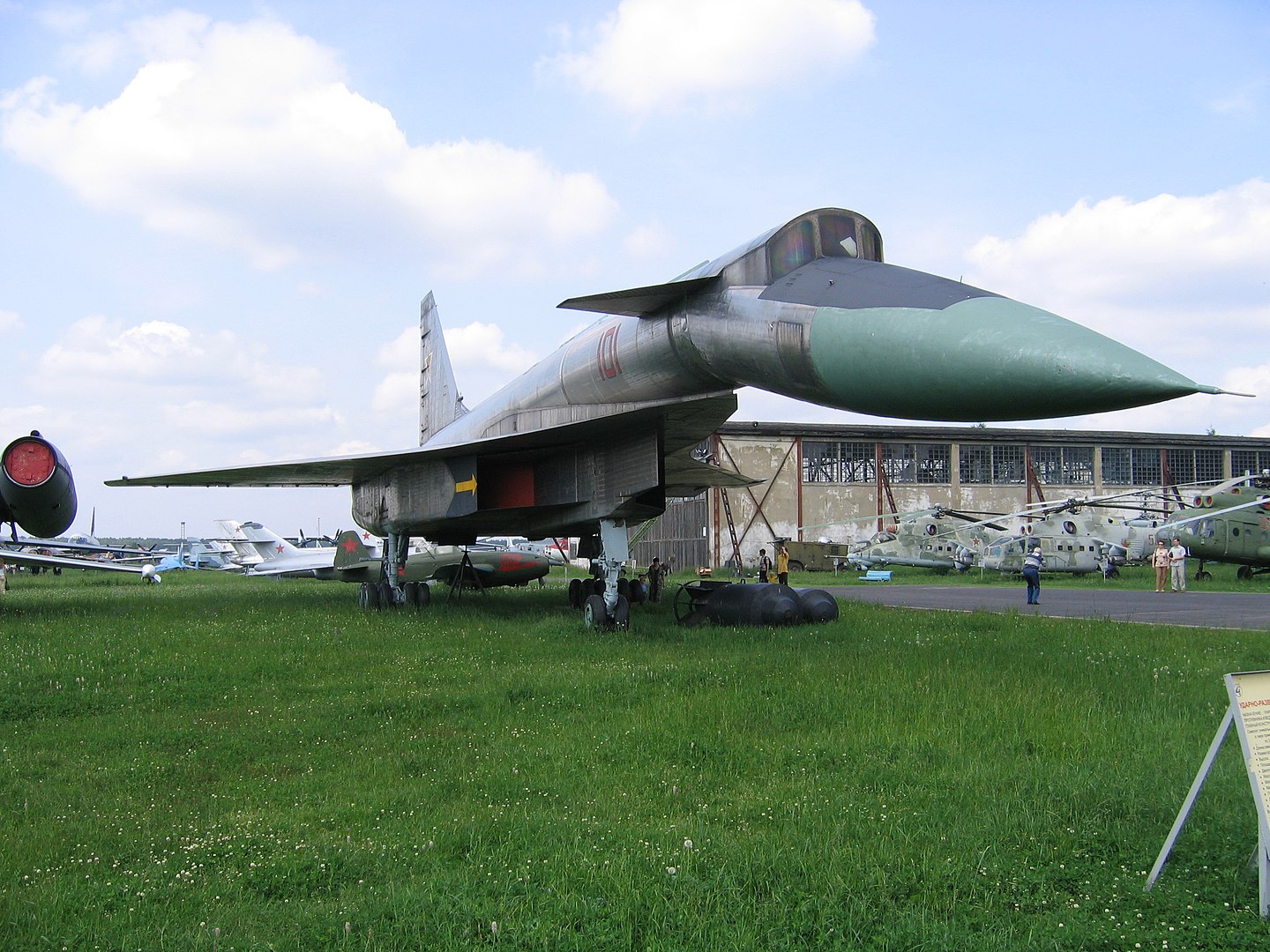
The maiden flight on August 22, 1972, was piloted by Vladimir Ilyushin, the son of legendary aircraft designer Sergei Ilyushin. Flight testing of prototype 101 continued until January 19, 1974, with a total of just 10 flights and 10 hours, 20 minutes in the air. In 1974, the Soviet Ministry of Aviation Industry ordered the program suspended, and by 1975 all further work on the T-4 was terminated in favor of Tupolev’s competing designs. Today, the sole surviving T-4 prototype, aircraft 101, is preserved at the Central Air Force Museum in Monino, near Moscow, serving as a striking reminder of the Soviet Union’s ambitious but ultimately unrealized leap into high-Mach strategic aviation.