

(Image credit: VAN)
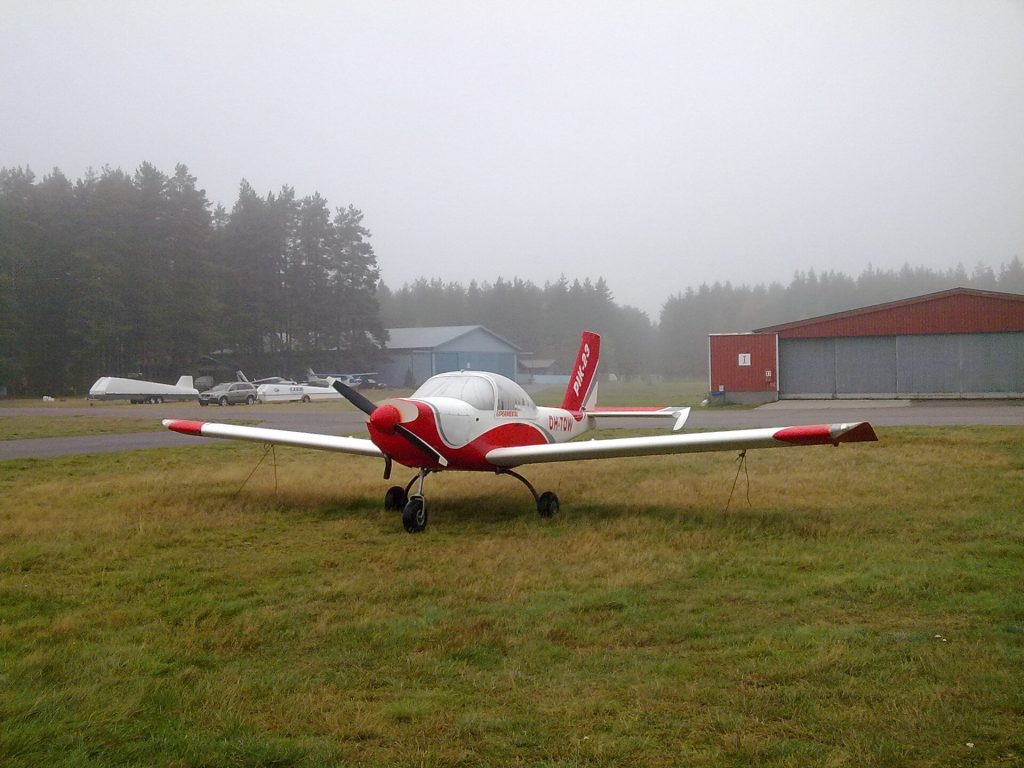
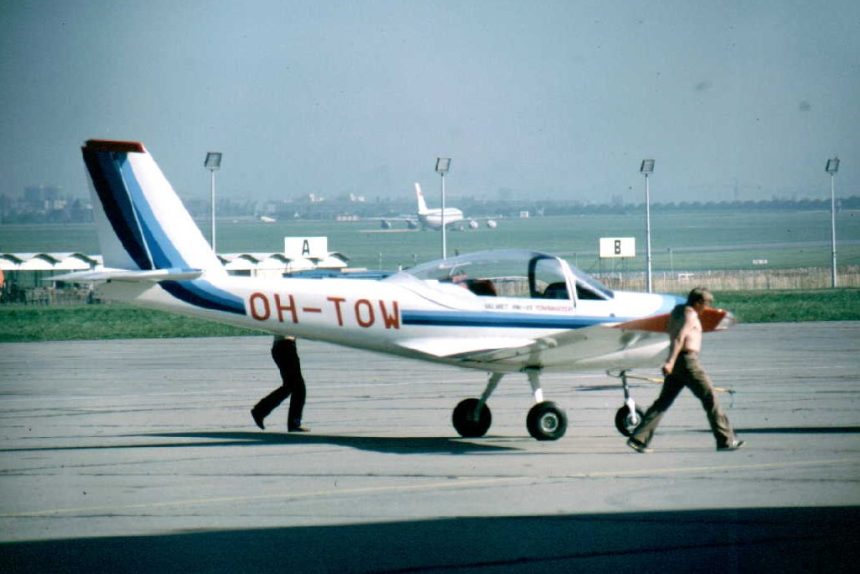
On this day in aviation history, 44 years ago (March 22, 1982), the first flight of the Valmet PIK-23 Towmaster took place. Also known as the Suhinu (Super-Hinu, “Super Tuggy”), the PIK-23 is a Finnish aircraft designed as a glider towing aircraft. The PIK-23 is also used as a primary trainer. Valmet constructed the aircraft entirely from composite materials, a somewhat pioneering decision in the 1980s. Valmet developed the PIK-23 from their earlier PIK-19 Muhinu, an aircraft with the same mission of glider towing and training. The design was initiated due to suggestions from the Finnish technology students’ aviation club (PIK). In the 1970s, the club felt that a new aircraft design should be developed for the purpose of glider towing, as the sport of sailplane flying was beginning to “take off” across the nation. The PIK-19 was the target of the club, which aimed to improve the design. Soon, the Helsinki University of Technology and Finnish tech-firm Valmet Oy teamed up with the project.
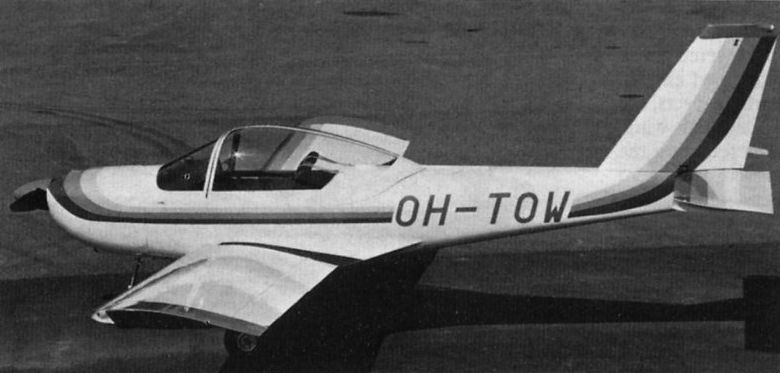
Though inspired by the PIK-19, the PIK-23 design process started from scratch. Ultimately, only two PIK-23s were built: one at Valmet and the other at Helsinki University of Technology. OH-TOW was the first PIK-23 to take flight on March 22, 1982. Pilot Mikko Järvi was at the controls for the Suhinu’s premier journey aloft. The second PIK-23, OH-TUG, which first took flight a year later. After an aggressive marketing campaign by Valmet, no orders were received. Selling price was believed to have been one of the limiting factors, so Valmet explored the option of offering the PIK-23 as a kit instead of a whole/airworthy. Despite the lack of sales, the two PIK-23s built have had successful careers as glider tugs. The PIK-23 is powered by a 180-horsepower Avco Lycoming O-360-A4M air-cooled flat-four piston engine. The aircraft can seat two, and has a limited useful load of 300 pounds, with 53 US Gallons of fuel max. The PIK-23 cruises at 140 mph and can attain a maximum airspeed of 160 mph. An endurance of 5 hour and 30 minutes gives the tow plane a long loiter time, while a 1,142-foot-per-minute rate of climb assures the aircraft can deliver gliders to the altitude required for a successful unpowered flight.