
(Image credit: VAN)
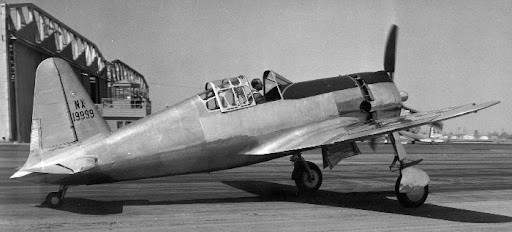
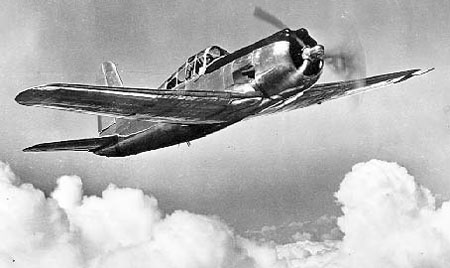
On September 8, 1939—86 years ago today—the Vultee Model 61, the prototype for the Vultee P-66 Vanguard, made its first flight. The P-66 was a single-engine fighter originally designed and built by Vultee for service with Sweden, where it was designated the V-48C. When the first Vanguards were ready for delivery in 1941, the U.S. government blocked their export. The aircraft were instead re-designated as P-66s and retained in the United States for national defense and training purposes.
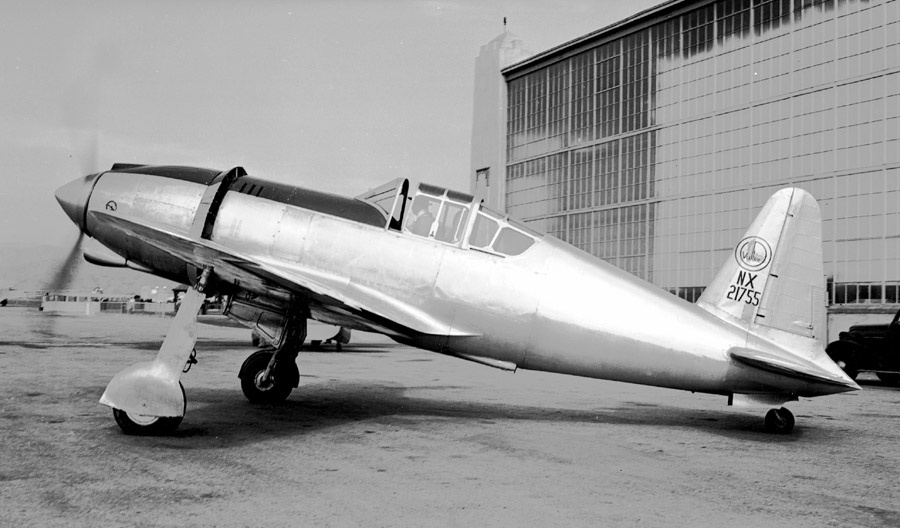
As World War II progressed, export of the P-66 was eventually permitted. Great Britain initially ordered 100 P-66s for use as advanced trainers. However, after initial flight trials, the British rejected the Vanguard I and passed the aircraft—along with four U.S. Army Air Corps P-66s—on to China under the Lend-Lease Act. The P-66s arrived in China via India in late 1942, but many were damaged during transit or lost during testing.
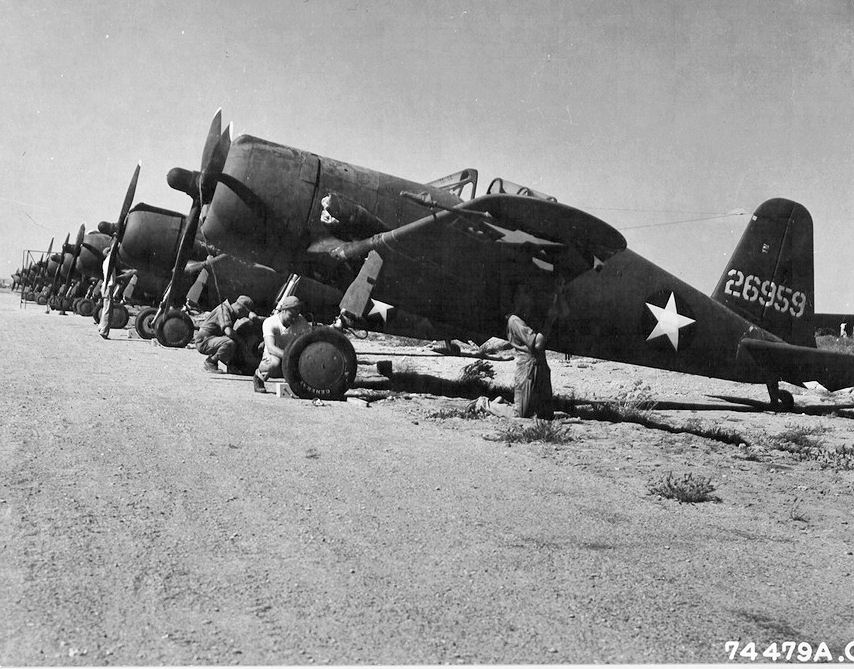
Chinese Vanguards bore U.S. Air Force insignias and serial numbers, along with markings of the Chinese Nationalist Air Force. Ultimately, only 12 aircraft were deemed airworthy and assigned to the 74th Fighter Squadron of the 23rd Fighter Group based at Kunming. These aircraft saw limited action, and the operational record of the P-66 in China remains sparse.
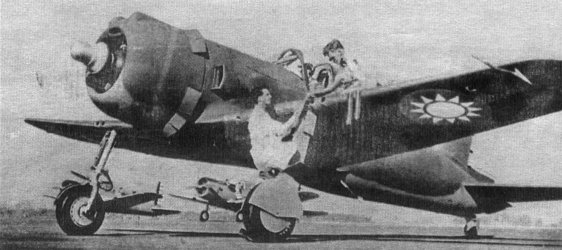
The Vultee P-66 was powered by a Pratt & Whitney R-1830-33 14-cylinder radial engine producing 1,200 horsepower. The fighter could reach a maximum speed of 340 mph, cruise at 290 mph, and had a range of 740 nautical miles with a service ceiling of 28,200 feet. Its armament consisted of four .30-caliber and two .50-caliber machine guns. Between 1940 and 1942, Vultee built a total of 146 P-66s. Though the Vanguard saw little combat success, it remains a fascinating aircraft for historians and enthusiasts alike, notable for its design and the complex international journey of its service history.