
(Image credit: VAN)
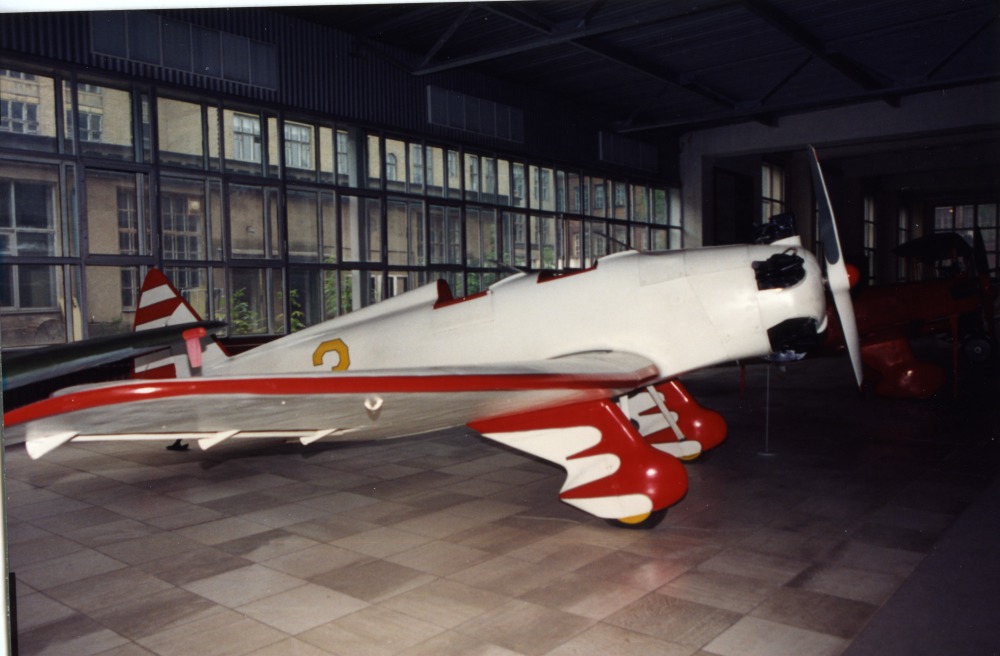
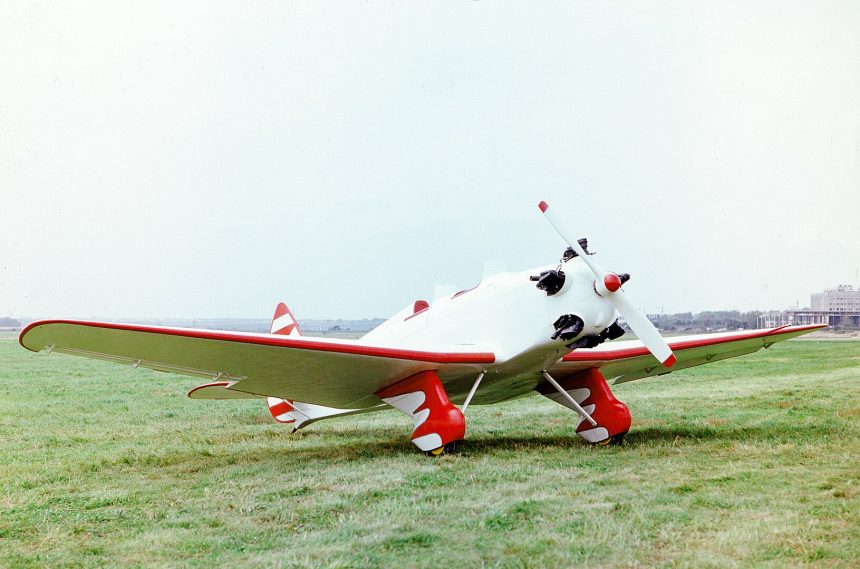
On this day in aviation history, 90 years ago—July 11, 1935—the Yakovlev UT-2 made its maiden flight. This tandem two-seat trainer was developed in the Soviet Union to prepare pilots for the rapidly advancing aircraft of the pre-war era. A single-engine, low-wing monoplane, the UT-2 offered a more modern training platform to replace the outdated Polikarpov U-2 (Po-2) biplane, which could no longer meet the needs of future Soviet aircrews.
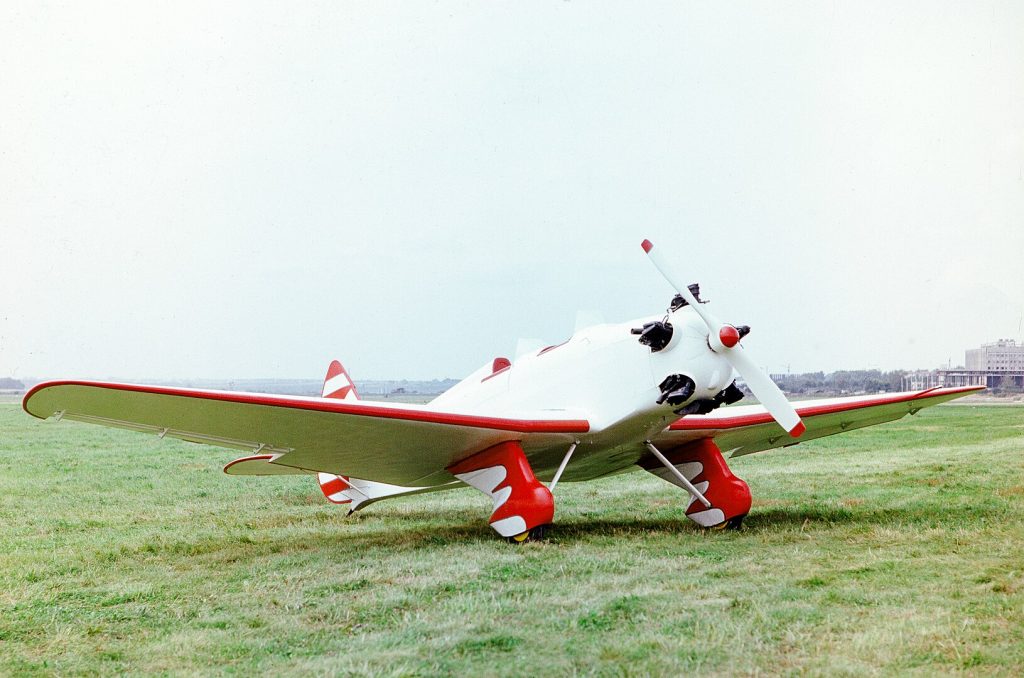
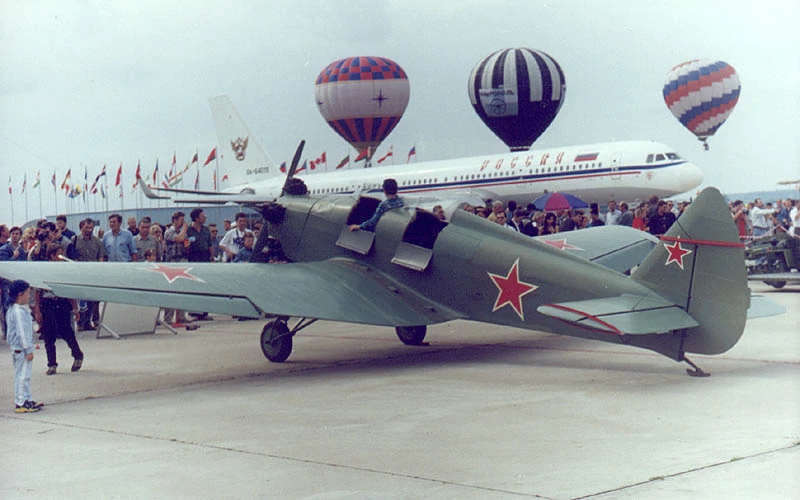
The aircraft was designed by Alexander Sergeevich Yakovlev and his team. Initially designated the AIR-10, it was a simplified version of Yakovlev’s earlier AIR-9 design. To make the aircraft easier to fly and produce, slats and flaps were eliminated. In 1935, the AIR-10 won the Soviet Air Force’s trainer competition, and after some refinements, it was redesignated as the UT-2 and entered service by 1937. Early UT-2s featured mixed wood and metal construction, but to streamline production, the design was revised to be constructed entirely of wood. While simple and relatively inexpensive to manufacture, the aircraft presented a challenge in the air. It was known to enter spins easily—an undesirable trait in a primary trainer. Attempts to correct this included lengthening the fuselage and replacing the original engine, yet the aircraft still proved difficult for novice pilots.
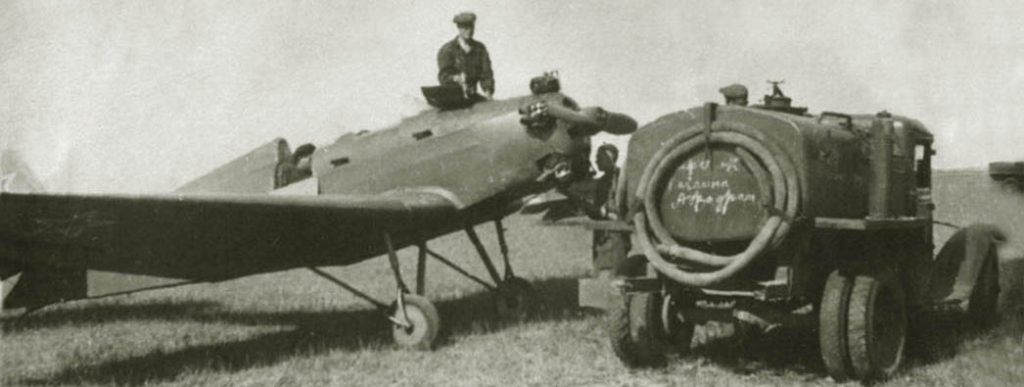
Powered by a Shvetsov M-11D five-cylinder radial engine producing 125 horsepower, the UT-2 had a top speed of 130 mph, though it typically cruised around 62 mph. It had a service ceiling of 16,000 feet and a range of 610 nautical miles. A lesser-known variant, the UT-2MV, was adapted for a light bomber role and could carry up to eight RS-82 rockets or two to four 110-pound bombs.
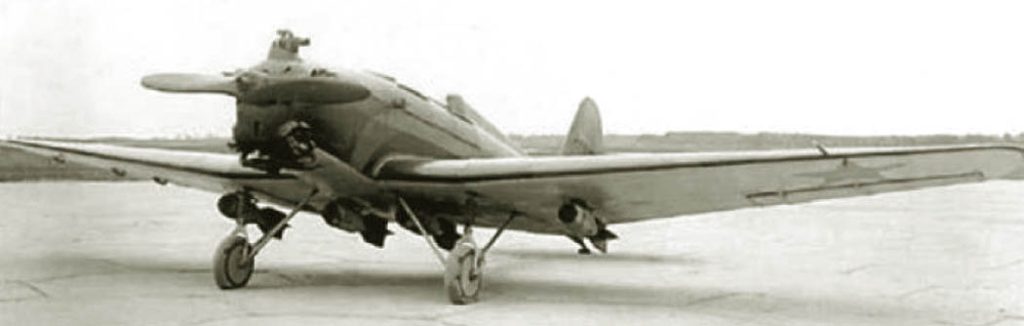
From 1936 to 1948, 7,243 UT-2s were produced. By the 1950s, it was succeeded by the Yak-18, a more advanced trainer featuring an enclosed cockpit and retractable landing gear. Today, only one airworthy UT-2 remains: Yakovlev UT-2B RA-2724G, based in Russia. This rare survivor continues to fly occasionally, preserving the legacy of an aircraft that played a pivotal role in training thousands of Soviet pilots during World War II.