
(Image credit: VAN)
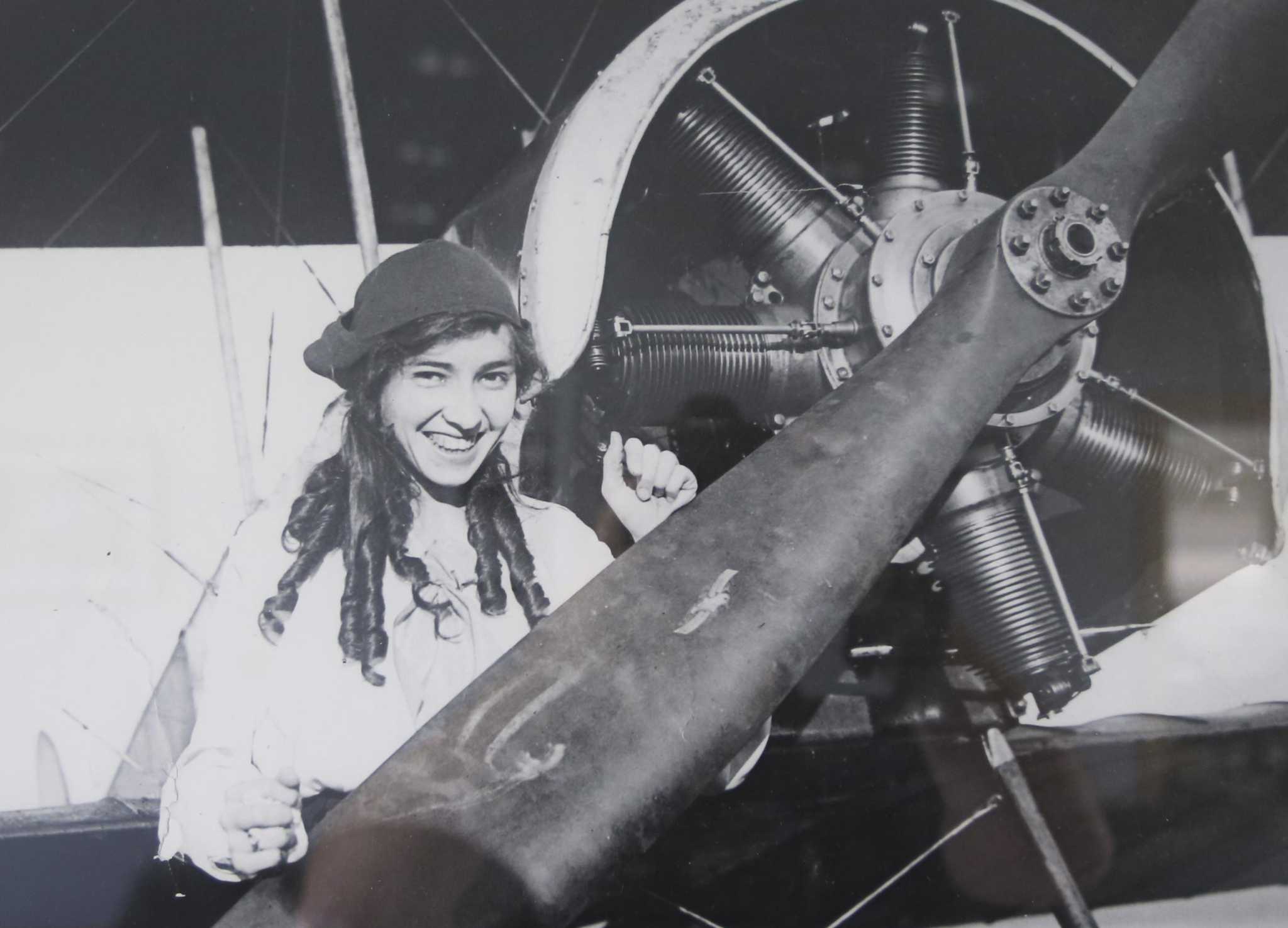
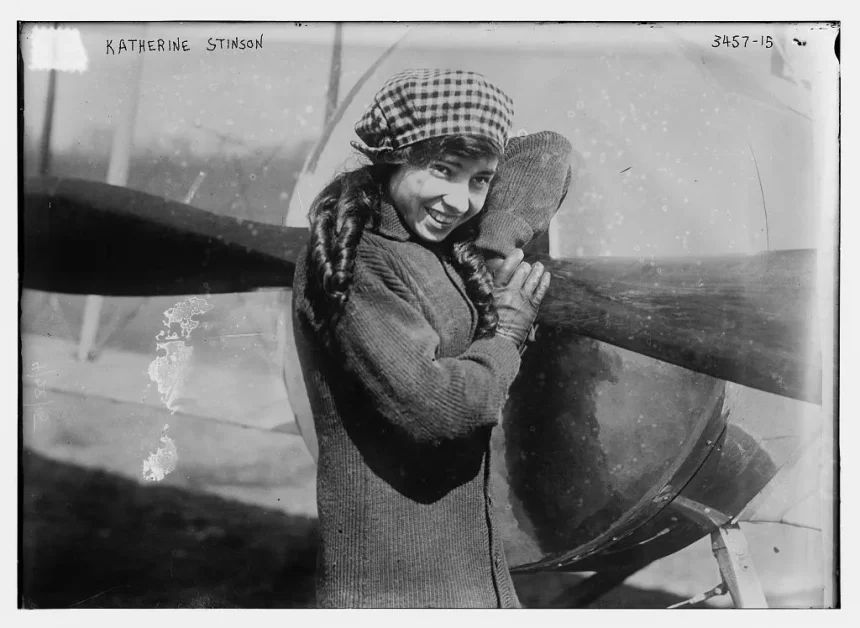
On this day, 112 years ago (September 27, 1913), Katherine Stinson became the first woman to officially fly airmail in the United States. Born into an aviation-minded family, Katherine was destined to take to the skies. Her brother, Eddie, would go on to a prominent career as an aircraft manufacturer (Stinson Aircraft), while her sister, Marjorie, ran a flight school. Katherine herself became only the fourth woman in the U.S. to earn a pilot’s license, initially pursuing aerobatics to fund her music lessons.
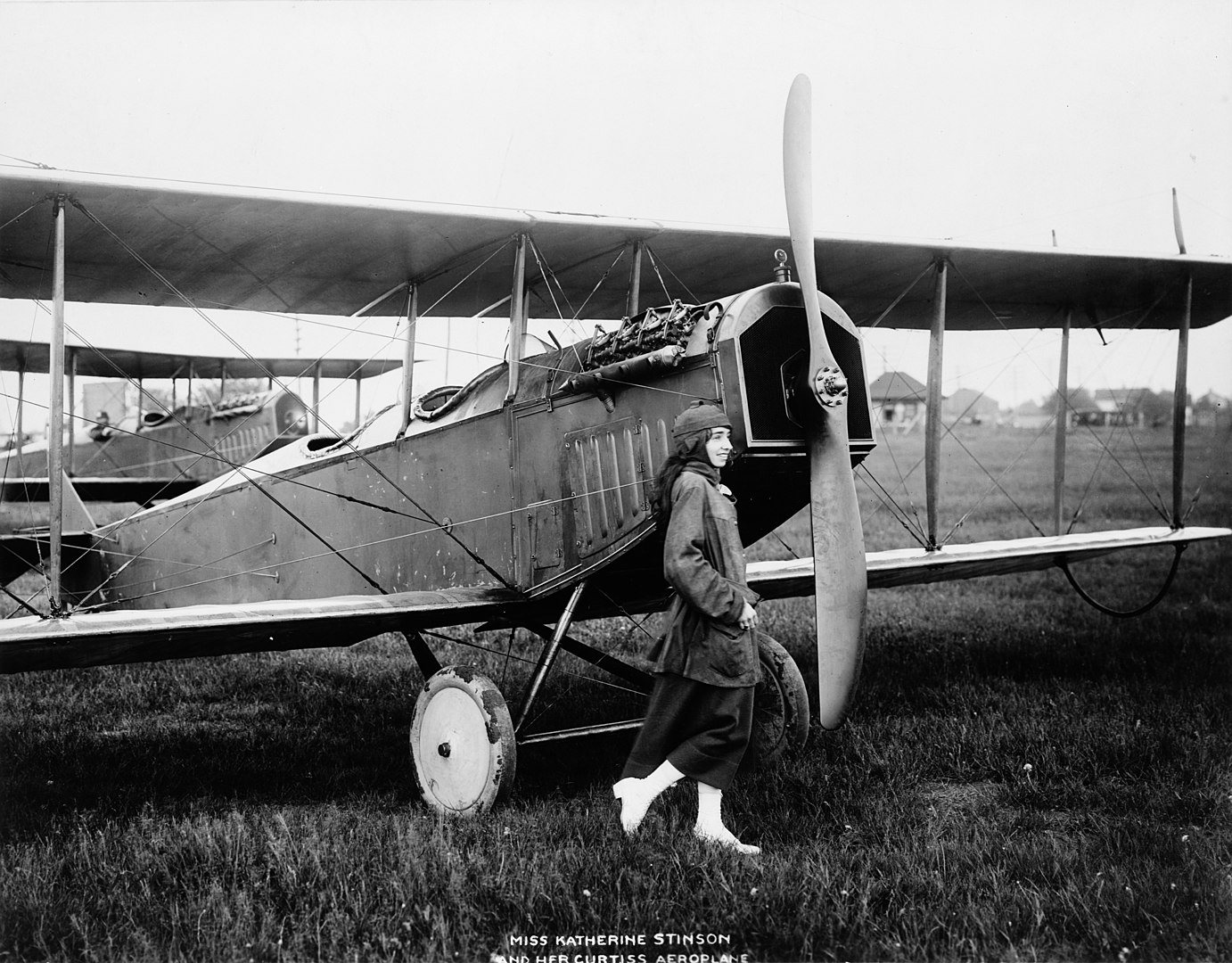
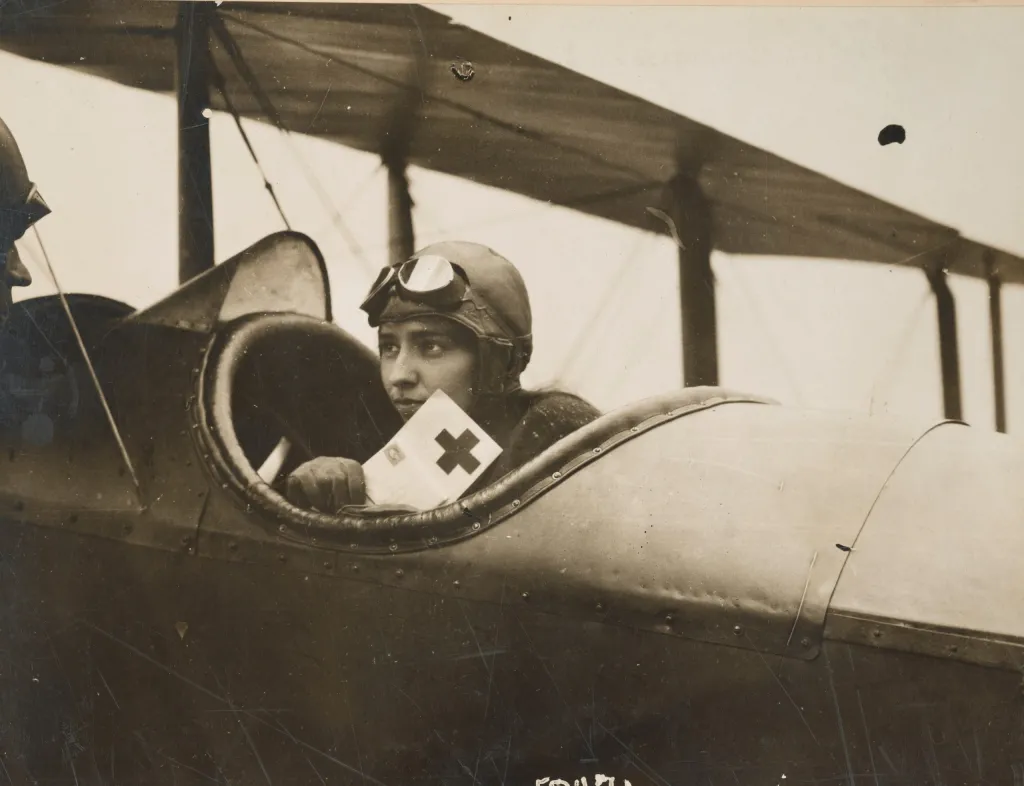
By 1916, with World War I underway, there was a growing demand for trained pilots. The Royal Canadian Flying Corps sent cadets to the Stinson family’s flying school, where Katherine became known as “The Flying Schoolmarm.” Many of her students would later fly for France in WWI as part of “The Texas Escadrille.” Meanwhile, Katherine earned another nickname, “The Flying Schoolgirl,” for her youthful appearance and boundless energy. Beyond instruction, she toured the United States in her custom-built Curtiss JN-4D Jenny, raising funds for the American Red Cross through exhibition flights.
Katherine Stinson’s historic airmail flight took place at the Montana State Fair, where she carried mail from the fairgrounds to the roof of the federal building in Helena. This milestone marked an early step toward the widespread use of airplanes in mail delivery. Her pioneering efforts helped grow the aviation industry while showcasing the vital role women could play in it. The legacy of Katherine Stinson and her family is enduring. Stinson Aircraft would later produce the L-5 Sentinel, a liaison aircraft that proved essential to Allied operations during World War II — a testament to a family whose contributions helped shape both civil and military aviation.