
(Image credit: VAN)
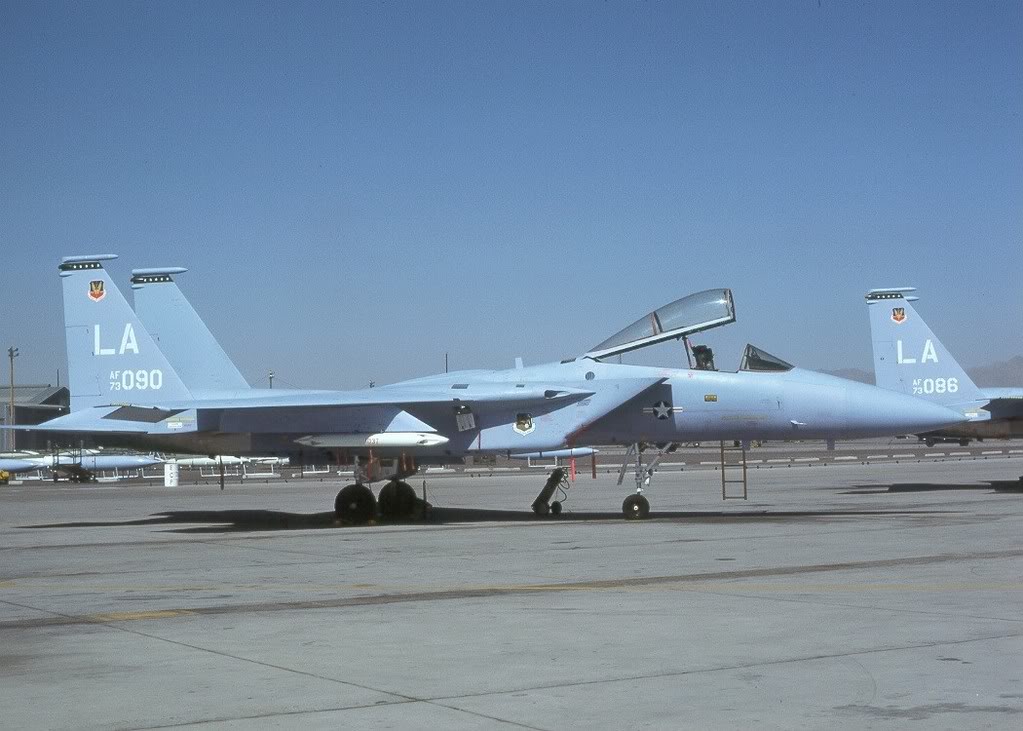
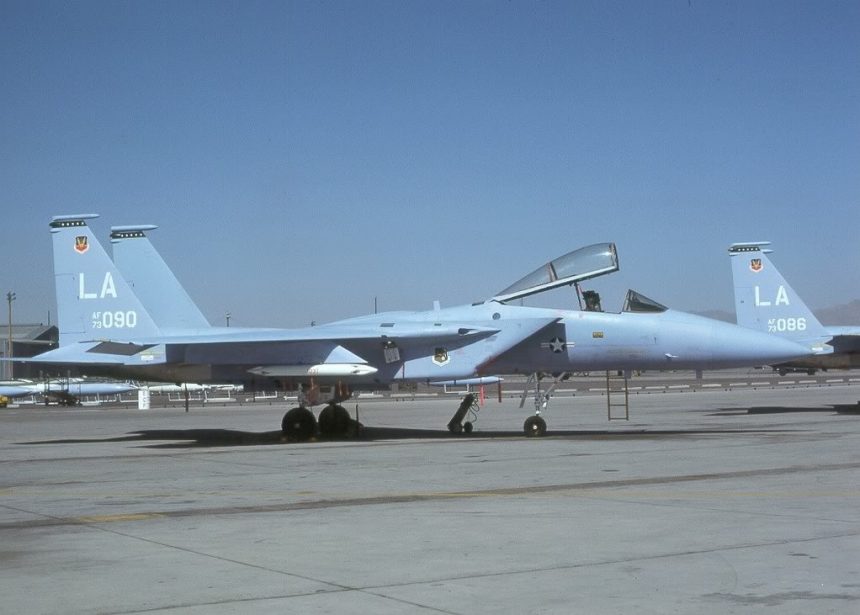
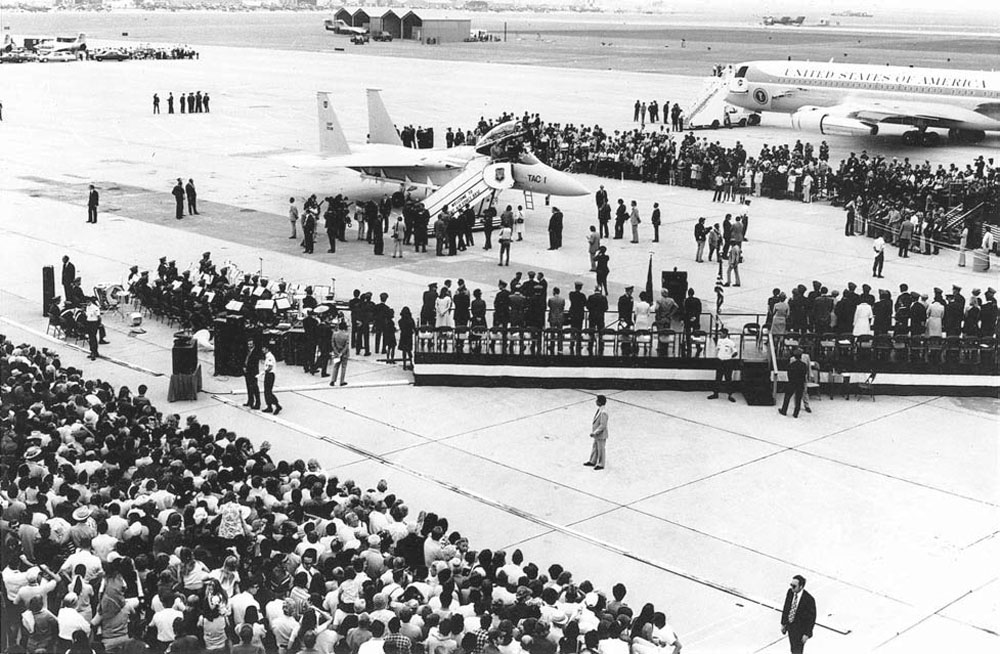
On this day in aviation history, 51 years ago (November 14, 1974), the McDonnell Douglas F-15 Eagle officially entered military service. The F-15 initiated its career with the United States Air Force by joining the 555th Tactical Training Squadron of the 58th Tactical Training Fighter Wing, based at Luke Air Force Base near Phoenix, Arizona. On the day of the aircraft’s acceptance ceremony, President Gerald R. Ford spoke: “I am here today to underscore to you and to the world that this great aircraft was constructed by the American people in the pursuit of peace. Our only aim with all of this aircraft’s new maneuverability, speed, and power is the defense of freedom. I would rather walk a thousand miles for peace than to have to take a single step for war. I am here to congratulate you: the United States Air Force, McDonnell Douglas, Pratt and Whitney, all of the many contractors and workers who participated in this very, very successful effort, as well as the pilots who have so diligently flight-tested the F-15 Eagle. All of you can underline my feeling that we are still pilgrims on this Earth, and there still is a place for pioneers in America today.”
The first variants of the F-15 Eagle that entered service with the USAF were the F-15A model. Built by St. Louis, Missouri-based aerospace company McDonnell Douglas (now Boeing), the F-15 is an air superiority fighter. The A Model Eagle was powered by two Pratt & Whitney JTF22A-25A (F100-PW-100) afterburning turbofan engines. At maximum continuous power, these engines could produce 12,410 pounds of thrust each. For 30 minutes, 14,690 pounds of thrust was allowable. At 5 minutes, a max of 23,840 pounds could be used (per engine). The F-15A had a maximum speed of 1,028 miles per hour, and could climb straight up at a rate of 67,250 feet per minute. Early Eagles had a combat range of 638 nautical miles.
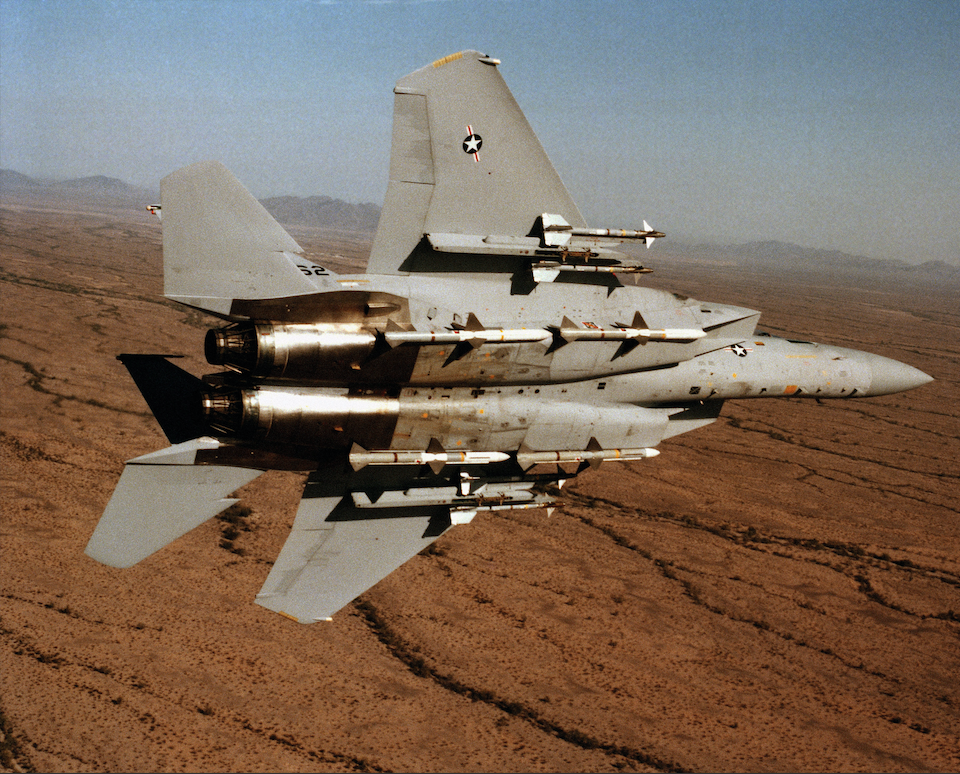
The F-15A was armed with a General Electric M61A1 Vulcan 20millimeter rotary cannon, which had a capacity of 938 rounds of ammunition. Additionally, this Eagle variant could be fitted with four AIM-7F Sparrows and four AIM-9 Sidewinders missiles. F-15As could be loaded for bombing roles with either Mark 82 500-pound or Mark 84 2,000-pound bombs. McDonnell Douglas built a total of 384 F-15A variants before production focused on the newer F-15C models. The Eagle still serves masterfully today with the United States Air Force, Japan Air Self-Defense Force, Royal Saudi, and Israeli Air Forces. The platform continues to be upgraded, ensuring that this air superiority fighter remains just that for the foreseeable future.