

(Image credit: VAN)
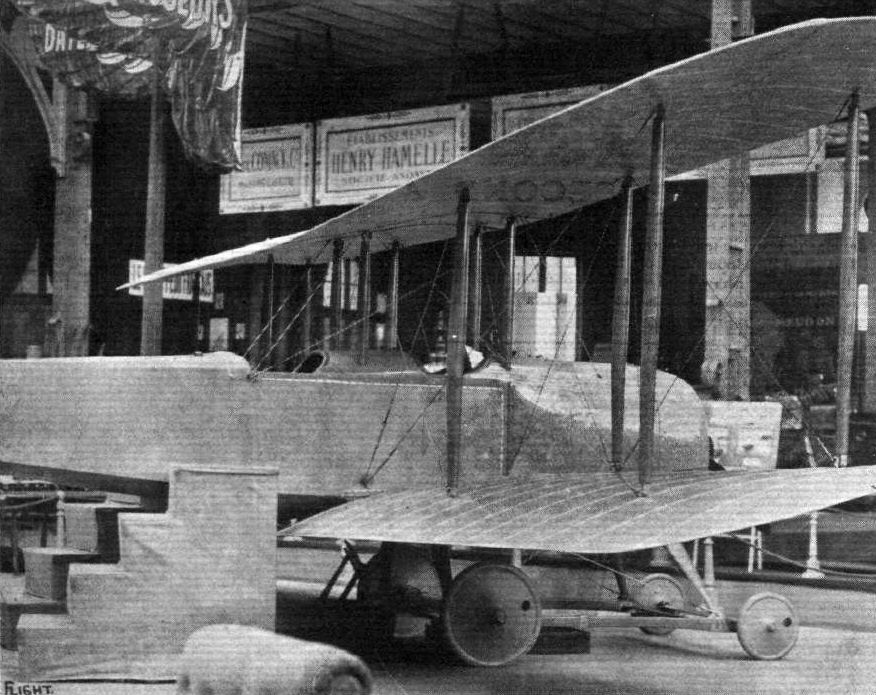
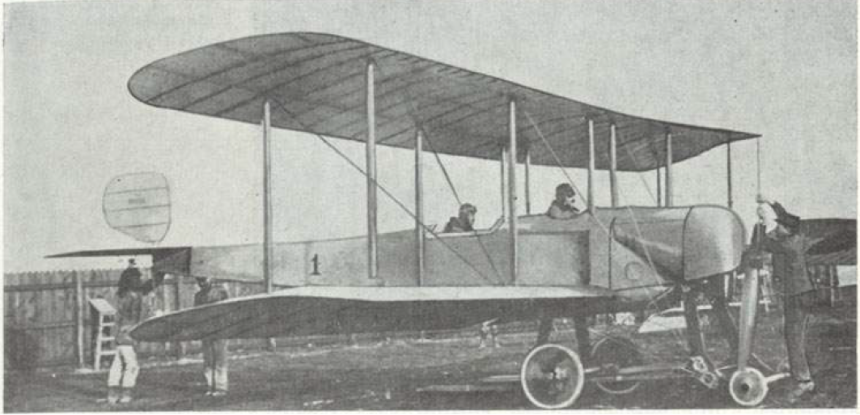
On this day in aviation history, 112 years ago (August 12, 1913), the Bristol T.B.8—also known as the Bristol-Coandă T.B.8—made its first flight. Designed by Romanian aviation pioneer Henri Coandă and built by the Bristol Aeroplane Company, the T.B.8 was an early British biplane that served primarily as a trainer during the First World War, but also saw brief use as a stop-gap bomber with the Royal Naval Air Service (RNAS). At the time, Coandă was Bristol’s chief designer. When the British Admiralty placed an order for a new biplane, he drew inspiration from one of his earlier creations, the Bristol-Coandă Monoplane, adapting and improving the design. The T.B.8 could be fitted with either a wheeled undercarriage or floats, and various rotary engines were trialed before Bristol settled on the 80-horsepower, 7-cylinder Gnome Lambda.
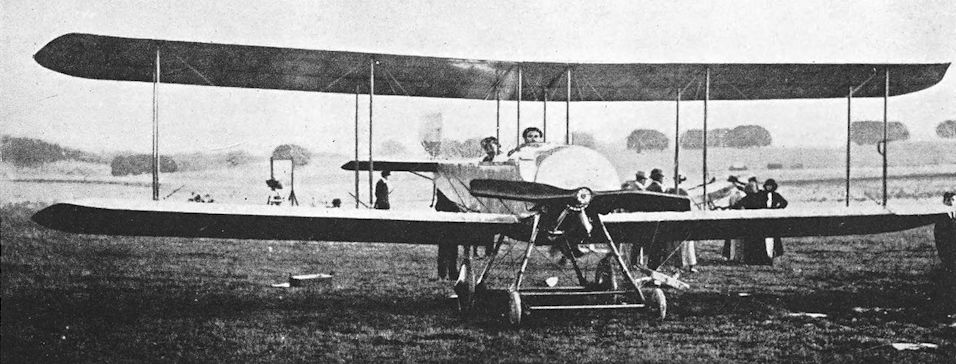
The earliest T.B.8s used wing-warping for roll control, though this was soon replaced by ailerons. Some examples were conversions of existing Bristol-Coandă Monoplanes, while others were entirely new builds. In total, 54 T.B.8s were produced. Both the Royal Flying Corps (RFC) and the RNAS operated the type early in the war, though all RFC examples were soon transferred to the RNAS. The aircraft’s only recorded combat action occurred on November 25, 1914, when a group of T.B.8s bombed German gun batteries at Middelkerke, Belgium. While notable, the mission highlighted the type’s limitations—its slow speed made it unsuitable for front-line combat. The T.B.8 was thereafter relegated to training duties for the remainder of its career.
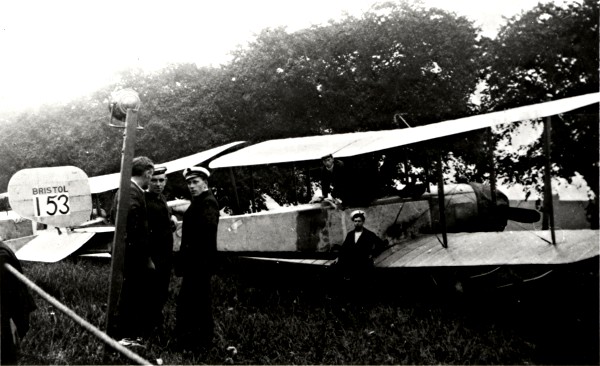
The Bristol T.B.8 could reach speeds of 65–70 mph, had an endurance of five hours, and climbed to its 3,000-foot service ceiling in 11 minutes. It could carry a 7.92 mm machine gun and up to twelve 10-lb light bombs. With a wingspan of 37 ft 8 in and a length of 29 ft 3 in, the two-seat biplane was modest in size but significant enough to secure its place in early British aviation history.