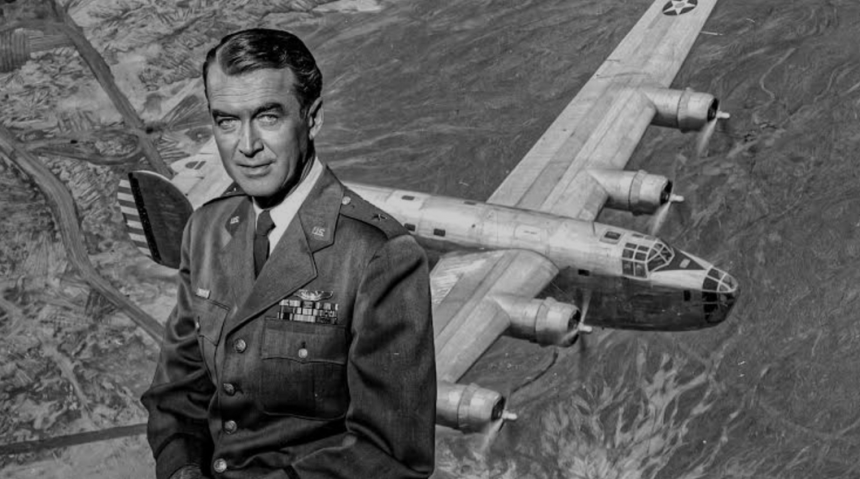

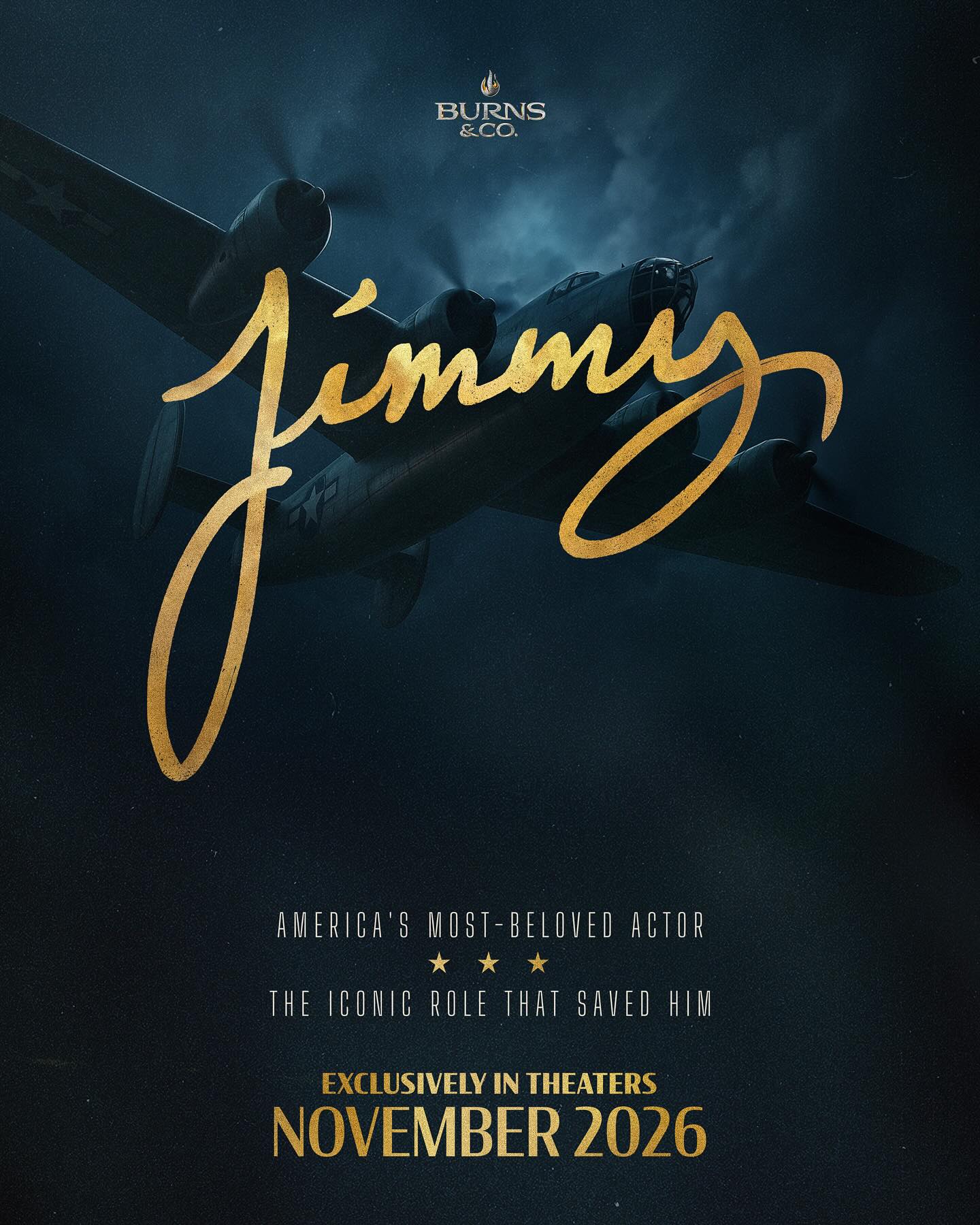
A new feature film chronicling the extraordinary life of Hollywood icon and decorated war hero Jimmy Stewart is slated to begin production this September in Ireland. Titled Jimmy, the biopic will star KJ Apa in the lead role and is scheduled for a theatrical release in November 2026. The film will trace Stewart’s journey from small-town Pennsylvania to becoming one of America’s most beloved screen actors, and from his rise in Hollywood to his remarkable military service in World War II. Serving as a B-24 Liberator pilot with the U.S. Army Air Forces, Stewart flew combat missions over Europe, ultimately earning the rank of brigadier general—one of the few major film stars to serve with such distinction. According to 98FM, Jimmy will explore both Stewart’s cinematic achievements and his transformation into a real-life hero. His daughter, Kelly Stewart-Harcourt, will serve as an executive producer to ensure the story remains true to his legacy.
A Lifelong Passion for Flight
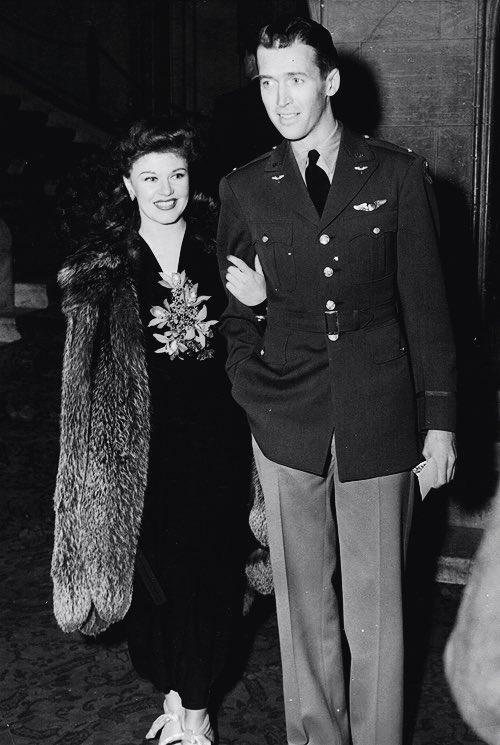
Stewart’s love of aviation began in childhood. As a boy, he saved money from his paper route to take a biplane ride, persuading his hesitant mother after weeks of pleading. After graduating from Princeton, he earned both private and commercial pilot licenses, purchasing a Stinson 105 to build flight hours—knowing it was the same model the Army Air Corps used for training. Convinced that America would eventually enter the war, he aimed to follow his family’s tradition of military service by flying in combat. While wrapping production on Ziegfeld Girl alongside Lana Turner, Judy Garland, and Hedy Lamarr, Stewart enlisted in the Air Corps as a private. He trained at Moffett Field, California, logging 400 flight hours that qualified him for the cadet program—though his age and underweight frame initially made acceptance a struggle.
After nearly a year as a flight instructor in the AT-6, AT-9, and B-17, Stewart pushed for an operational combat role. In February 1942, he appeared in uniform at the Academy Awards, where he presented the Best Actor Oscar, having won the previous year for The Philadelphia Story. That fall, he deployed to England as commanding officer of the 703rd Bomb Squadron, 445th Bomb Group, flying the B-24 Liberator.
Combat in the B-24
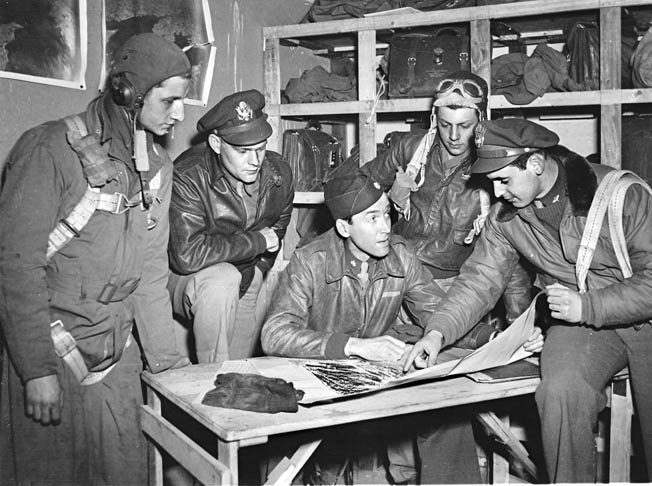
The B-24, though challenging to handle and inferior to the B-17 at high altitudes, offered greater range and payload. Stewart flew numerous missions, often as co-pilot on dangerous pathfinder runs to mark targets with flares. He avoided publicity, refusing media coverage during his service and appearing in only a few wartime promotional films, including Winning Your Wings, directed by John Huston. In January 1944, Stewart was promoted to major—only after securing promotions for his pilots as well. He later commanded the entire 445th Bomb Group while continuing to fly. Combat conditions were harsh: crews endured -40°F temperatures in unpressurized cabins, battled icing on oxygen masks, and often lacked fighter protection deep over enemy territory.
On one mission in winter 1944, an anti-aircraft shell exploded in his aircraft’s wheel well, tearing a hole in the fuselage. Stewart lost his map case and parachute in the blast, and the plane landed in two pieces. Shaking his head afterward, he told a crewman, “Sergeant, somebody sure could get hurt in one of these damned things.” By April 1945, Stewart had been promoted to colonel and appointed chief of staff of the 2nd Air Division. Returning to the U.S. that September, he personally greeted each of his men as they disembarked. His decorations included the Distinguished Service Medal, Distinguished Flying Cross with oak leaf cluster, Air Medal with three oak leaf clusters, and France’s Croix de Guerre with Palm.

Return to Hollywood
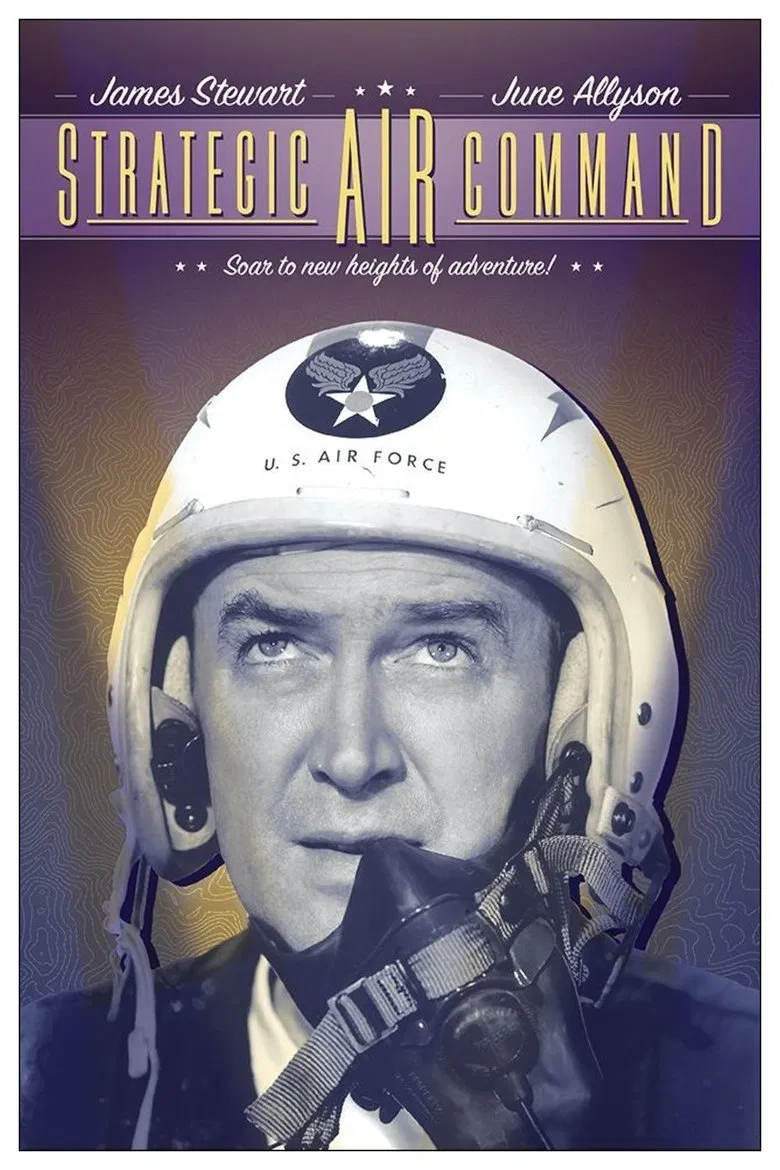
Postwar, Stewart initially struggled to find film work. That changed when director Frank Capra—also back from wartime service—cast him as George Bailey in It’s a Wonderful Life. Although the film underperformed at the box office, it later became a cherished Christmas classic. Stewart went on to star in numerous films, including Harvey, Anatomy of a Murder, and Winchester ’73, as well as two aviation-themed roles—Charles Lindbergh in The Spirit of St. Louis and Lt. Col. “Dutch” Holland in Strategic Air Command. Contract restrictions prevented him from doing the flying himself in those productions. Stewart remained in the Air Force Reserve, retiring as a brigadier general in 1968. His legacy endures as both a Hollywood legend and a true American hero. Jimmy will begin shooting in Ireland this September. The film is planning a November 2026 theatrical release. For more information, visit www.jimmythemovie.com
As many of our readers know, Jimmy Stewart owned the iconic 1949 Bendix race-winning P-51C Thunderbird, a story we’ve covered extensively on these pages. With Joe DeBona at the controls, Thunderbird crossed the finish line in Cleveland, achieving an astonishing average speed of 470 miles per hour — setting a new Bendix record for piston-powered aircraft. The aircraft’s sleek appearance was the result of 48 coats of primer beneath its signature glossy cobalt blue paint. This meticulous finish wasn’t just for show; the polished surface reportedly boosted Thunderbird’s speed by an impressive 8 mph. Distinguished by its striking red Pegasus emblem, glossy paint scheme, and association with celebrity owners and pilots, Thunderbird remains one of the most iconic and recognizable P-51 Mustangs in the world.
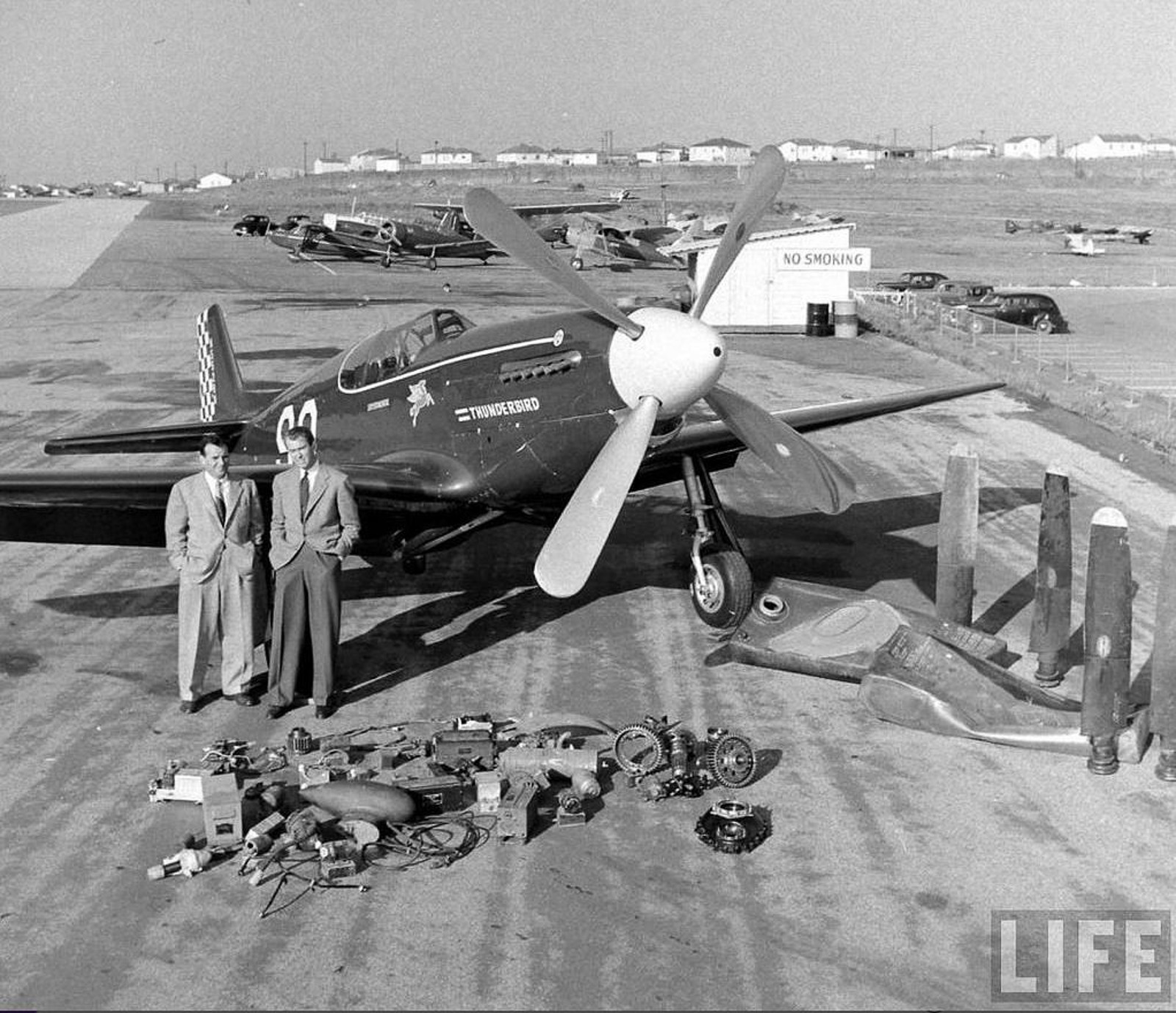
Thunderbird for racing. Life magazine photo by Allan Grant (via AirCorps Aviation)