
(Image credit: VAN)
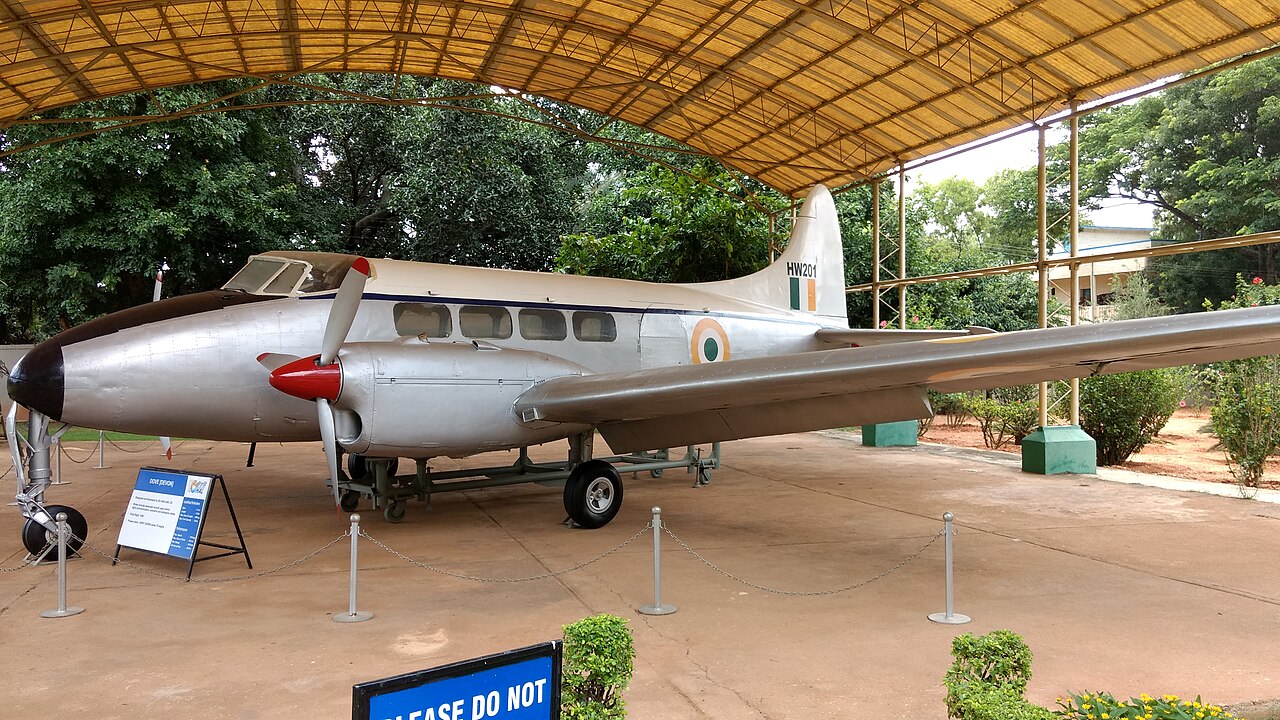
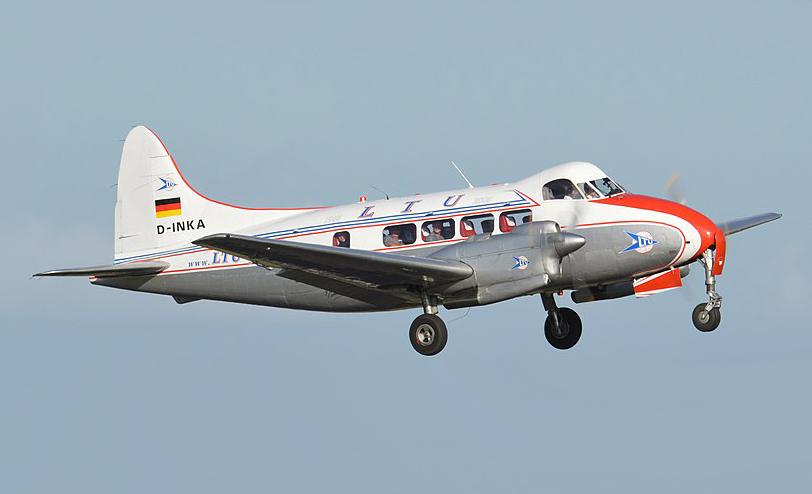
Eighty years ago today (September 25, 1945), the de Havilland DH.104 Dove took to the skies for the first time. Designed and built in Britain, the Dove was created as a modern, all-metal, twin-engine monoplane to replace the beloved DH.89 Dragon Rapide biplane. Its development was driven by recommendations from the postwar Brabazon Committee, tasked with shaping the future of British civil aviation. The committee called for a small “feederliner” capable of carrying passengers from regional airfields to major hubs for onward travel — a role the Dove would fill with style and reliability.
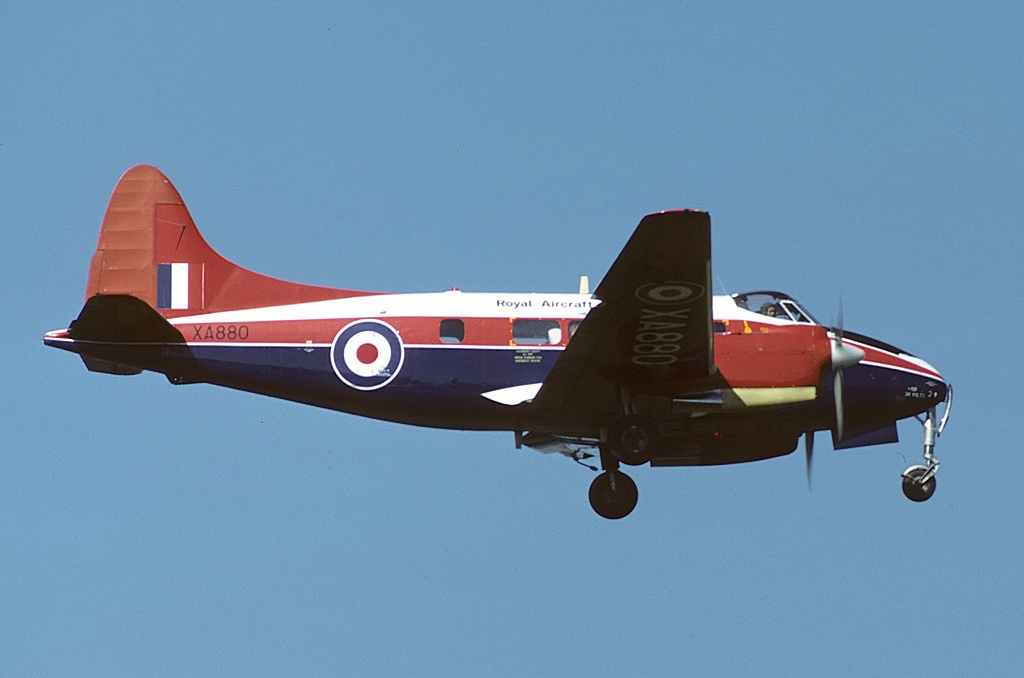
The DH.104 quickly became one of the most successful British aircraft of the postwar era. Its sleek design, forgiving handling (even on one engine), and ease of maintenance made it popular with operators worldwide. With a payload capacity of 1,477 pounds, the Dove was well-suited to its commuter and light cargo roles. Airlines such as BBC Air, BOAC, Air Wisconsin, Airlines of Western Australia, and Far East Airlines all operated the type, and it also served militaries in the United Kingdom, Argentina, Brazil, and several other nations. Between 1946 and 1967, de Havilland produced 544 Doves, a testament to its enduring appeal. Remarkably, a number of examples remain airworthy today, flying with private owners and charter operators in the UK, Canada, Germany, and elsewhere.
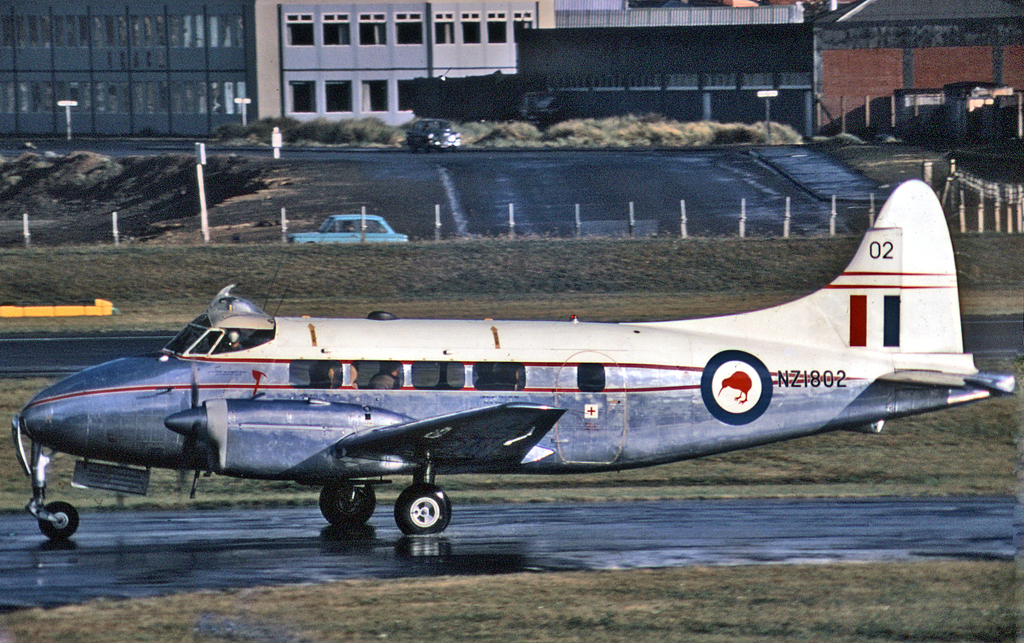
Powered by two 400 hp de Havilland Gipsy Queen 70 Mk.3 inverted inline engines, the Dove had a maximum speed of 230 mph and typically cruised between 138 and 187 mph depending on weight and power settings. Range varied between 385 and 880 miles, aided by four wing fuel tanks with a total capacity of 168 imperial gallons. For longer flights, an additional 52-gallon auxiliary tank could be fitted in the rear luggage compartment. The Dove had a service ceiling of 21,700 feet, more than adequate for regional operations.
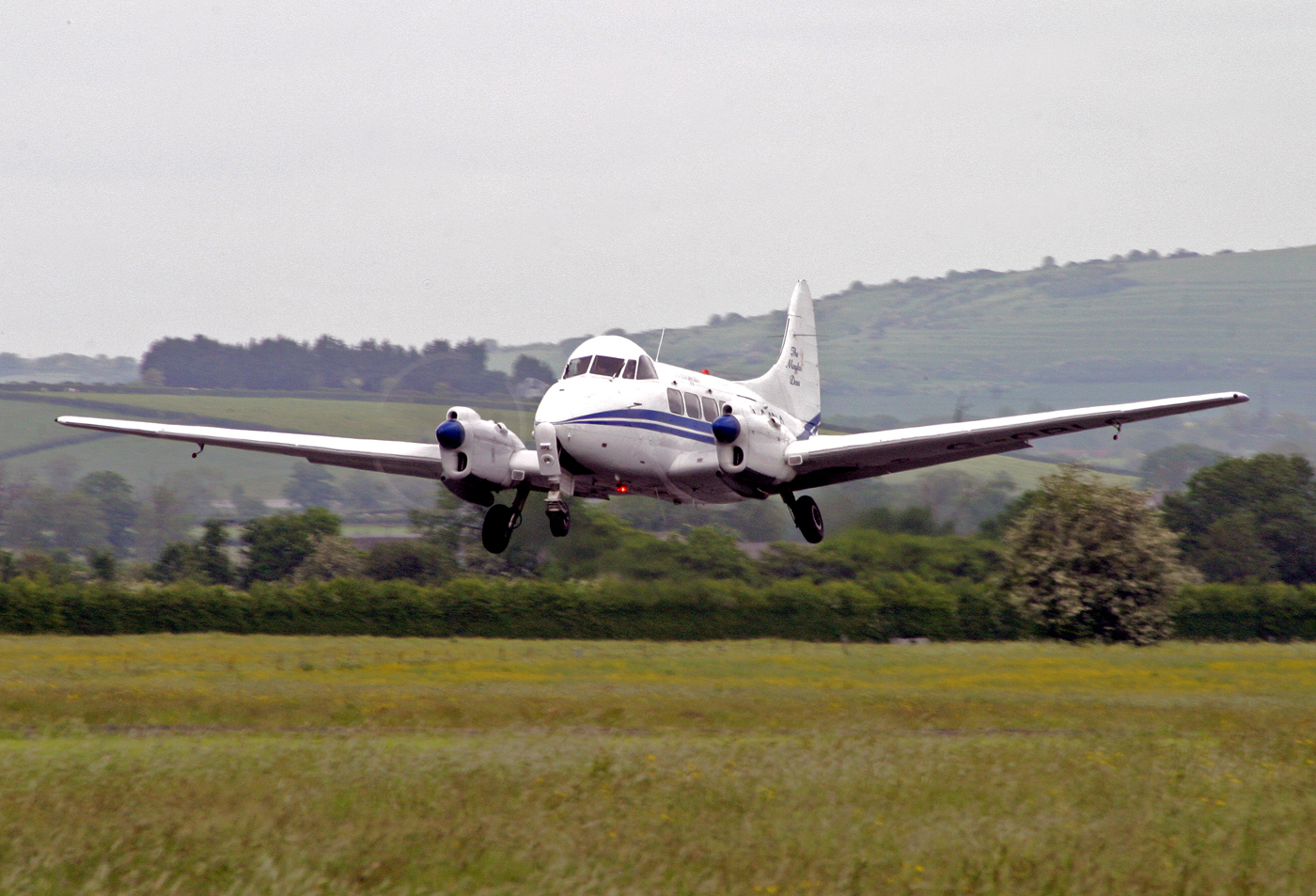
Visually distinctive, with its high, prominent cockpit and elegant lines, the Dove exudes classic British charm. More than just a pretty airplane, it was a hardworking and dependable feederliner that helped usher in a new era of short-haul air travel. Nearly eight decades later, the DH.104 Dove remains an icon of postwar civil aviation and a tribute to de Havilland’s reputation for producing practical yet beautiful airplanes.