
(Image credit: VAN)
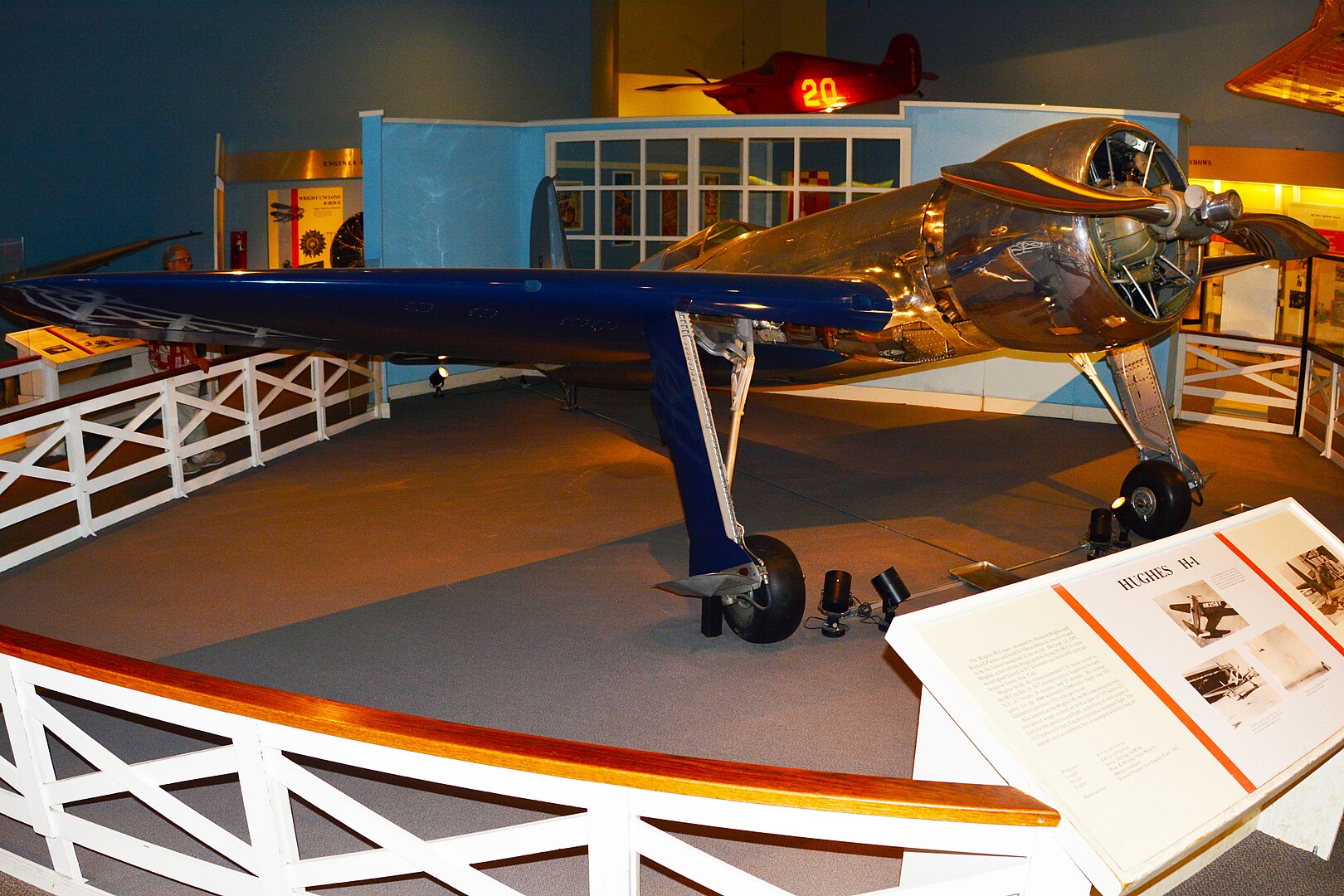
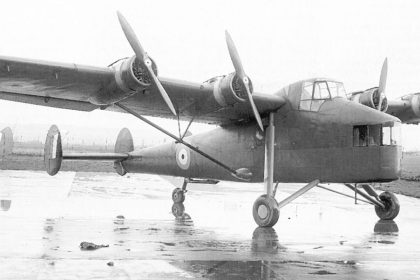
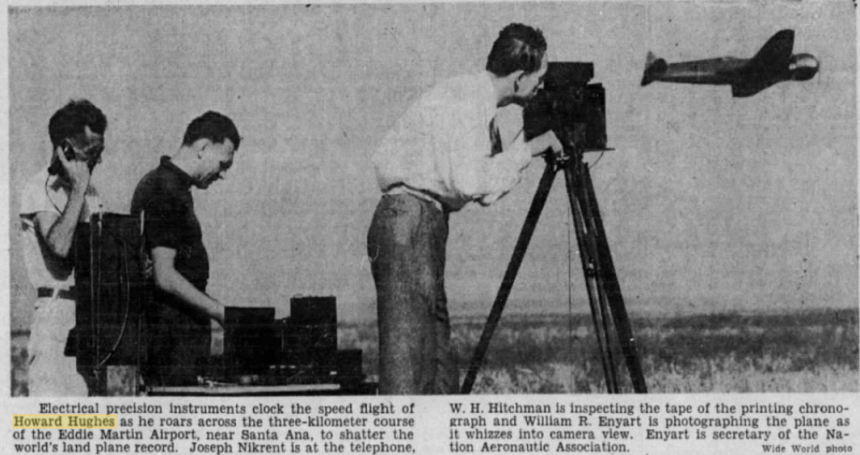
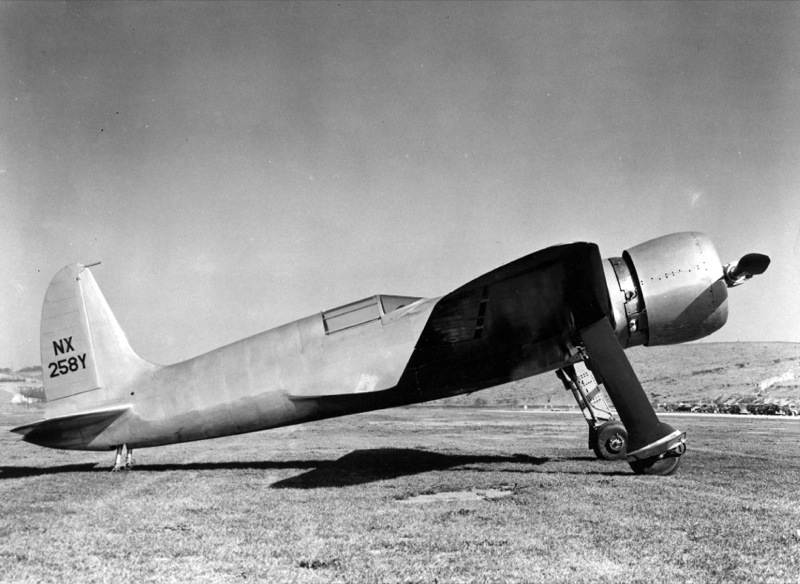
On this day in aviation history, 90 years ago (September 13, 1935), aviation pioneer Howard Hughes set a new world landplane speed record. Flying his sleek H-1 Special (registration NR258Y), Hughes achieved the Fédération Aéronautique Internationale (FAI) World Record for speed over a 3-kilometer course in Santa Ana, California. Hughes made seven passes over the course in alternating directions, recording an average airspeed of 352.39 miles per hour—38.07 mph faster than the previous record set by Raymond Delmotte in a Caudron C.460 Rafale.
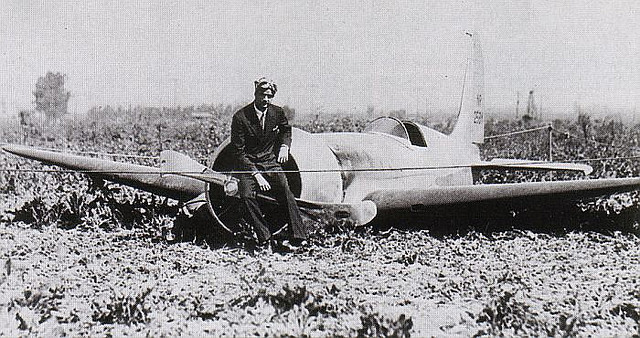
After completing the required runs, Hughes made one final pass when the H-1 ran out of fuel. Forced into a belly landing in a nearby farm field, Hughes escaped with only minor injuries, and the aircraft itself suffered relatively little damage. An electronic chronograph recorded and photographed each flight, with four passes required for the attempt to be certified. William R. Enyart, the official timer, confirmed the record, remarking: “I don’t expect any difficulty in having Hughes’s speed marks officially allowed.”
The Hughes H-1 Special was a purpose-built racing aircraft designed by Hughes and constructed by Hughes Aircraft in 1935. Beyond the world speed record, the H-1 also set a transcontinental record when Hughes flew non-stop from Los Angeles to New York in just 7 hours, 28 minutes, and 25 seconds. Powered by a Pratt & Whitney R-1535 Twin Wasp Junior radial engine producing 1,000 horsepower, the H-1 proved capable of speeds exceeding 350 mph—a remarkable achievement for its time.
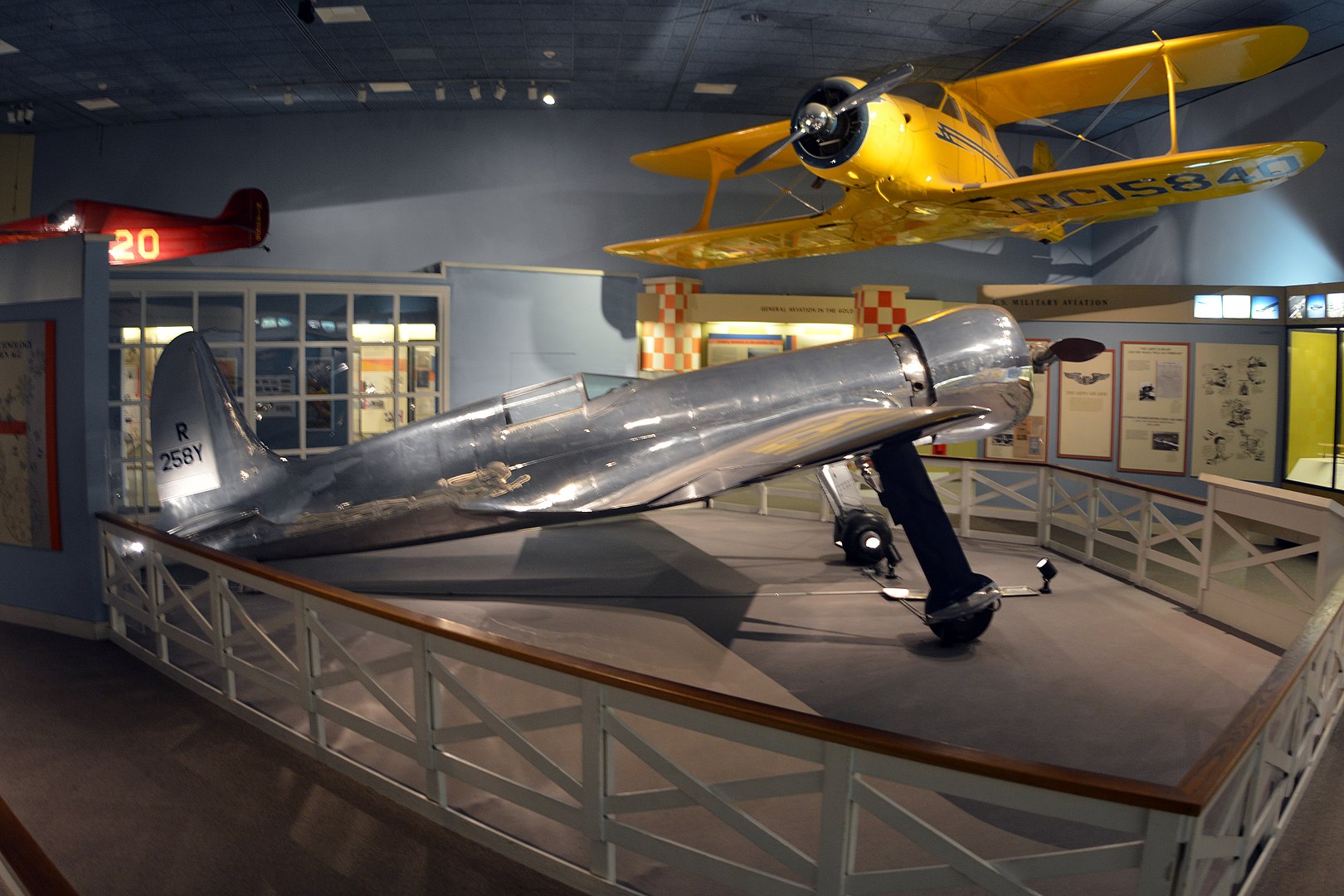
The aircraft’s streamlined design bore a resemblance to the Japanese Mitsubishi A6M Zero, leading to speculation that the Zero was influenced by Hughes’ racer. Hughes himself claimed, “It was quite apparent to everyone that the Mitsubishi A6M Zero had been copied from the Hughes H-1 Racer.” However, Jiro Horikoshi, the Zero’s chief designer, strongly rejected that assertion. Today, the sole surviving Hughes H-1 Special is preserved and displayed at the Smithsonian National Air and Space Museum in Washington, D.C.—a lasting symbol of Hughes’ relentless pursuit of speed and innovation in aviation.