






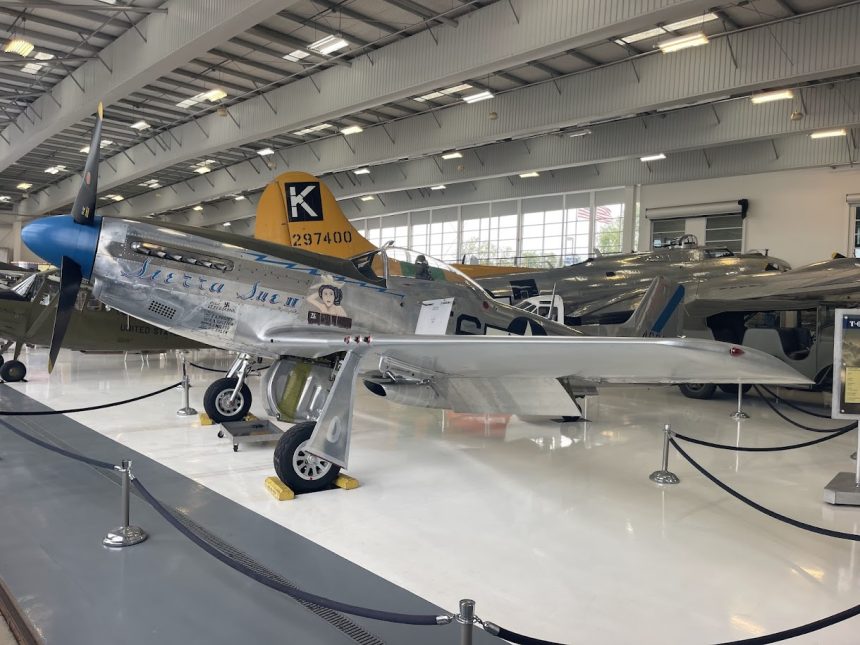

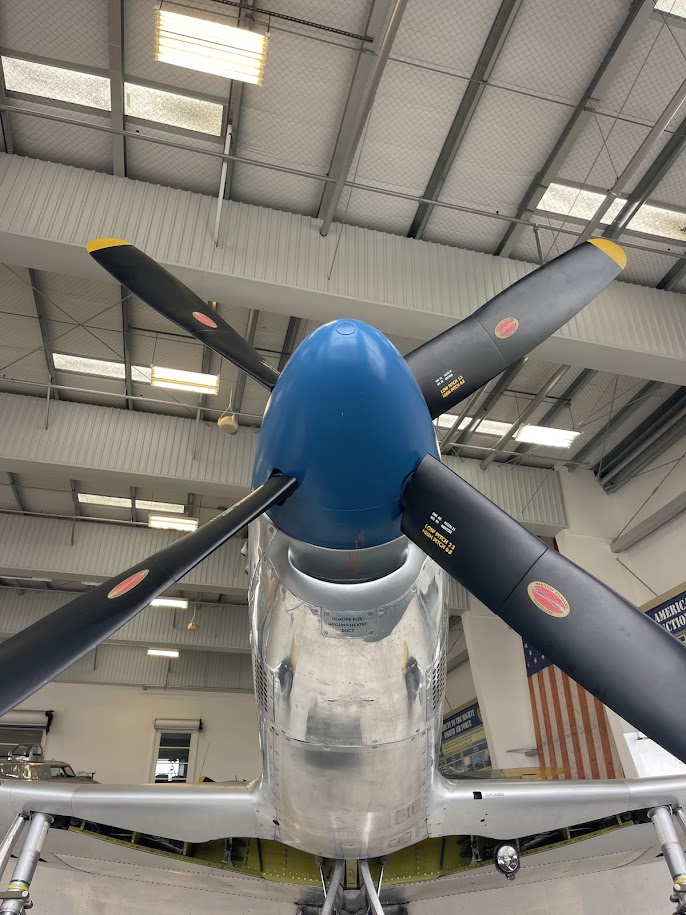
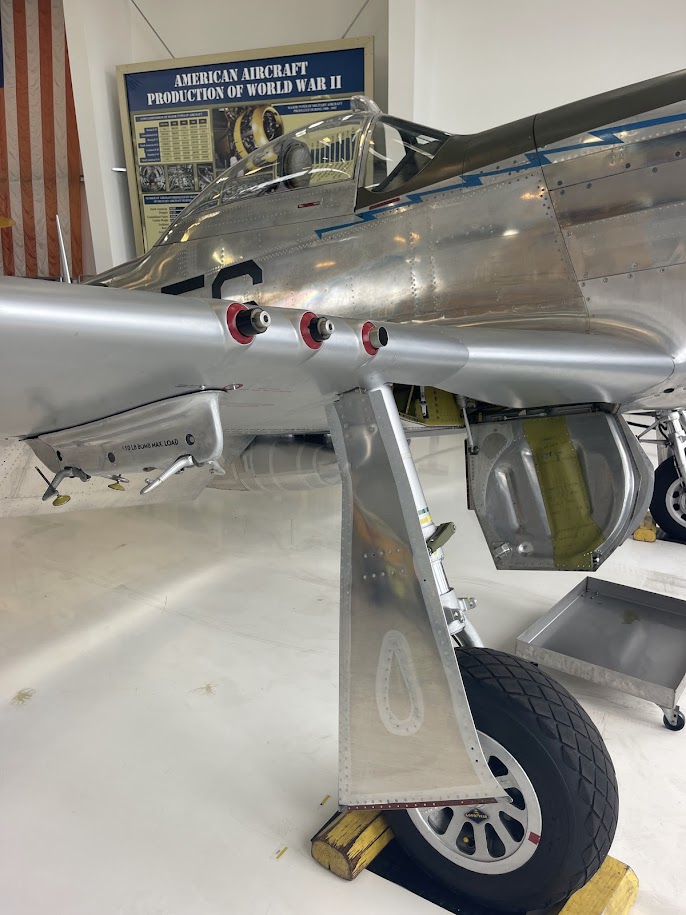
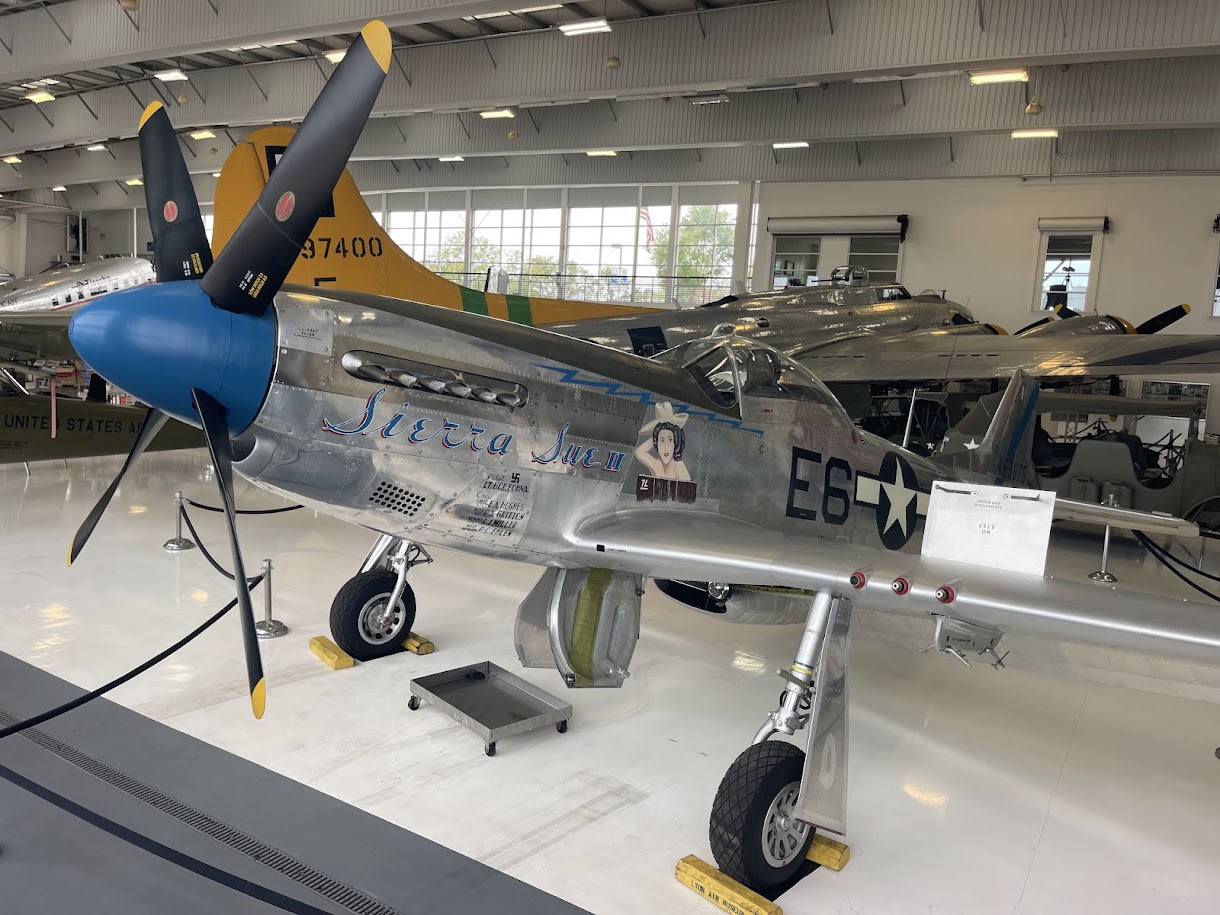
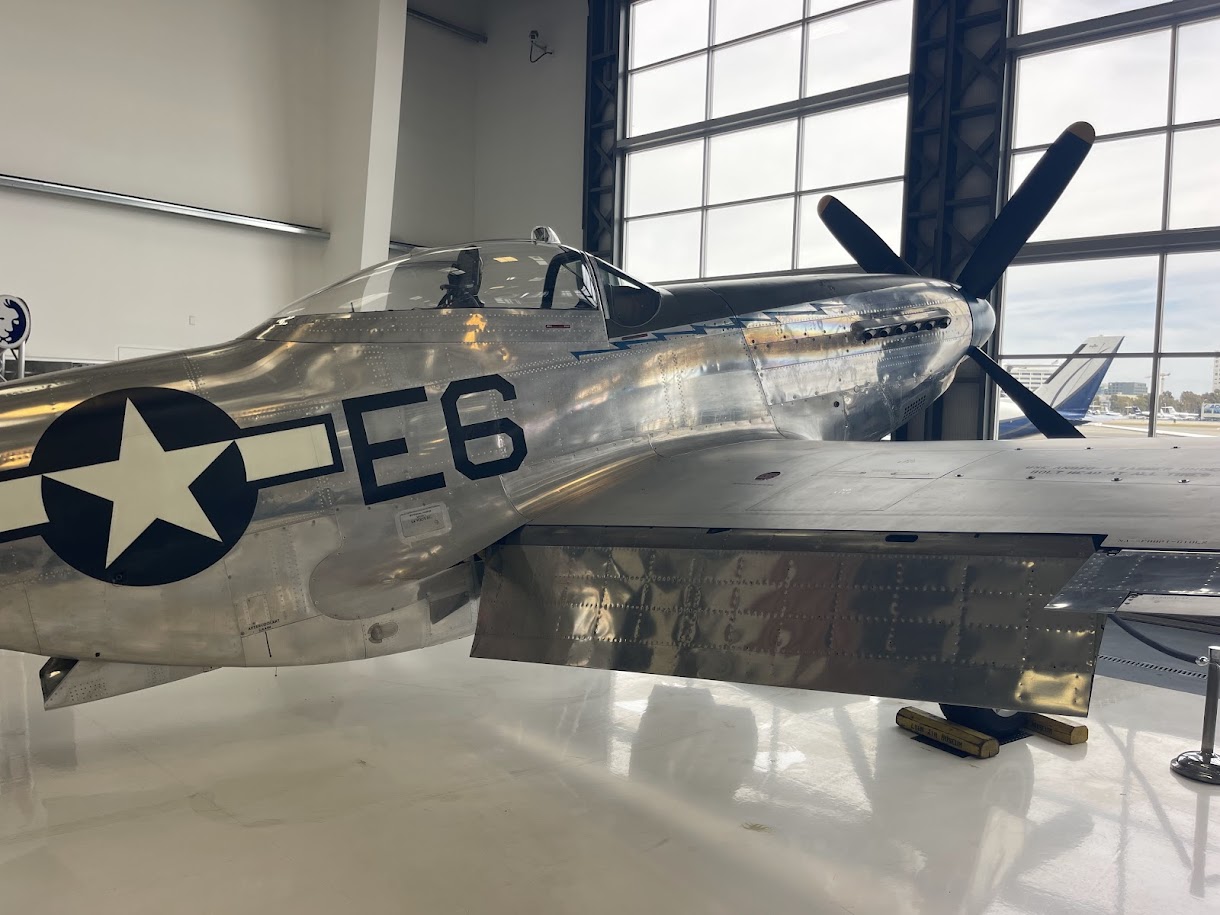
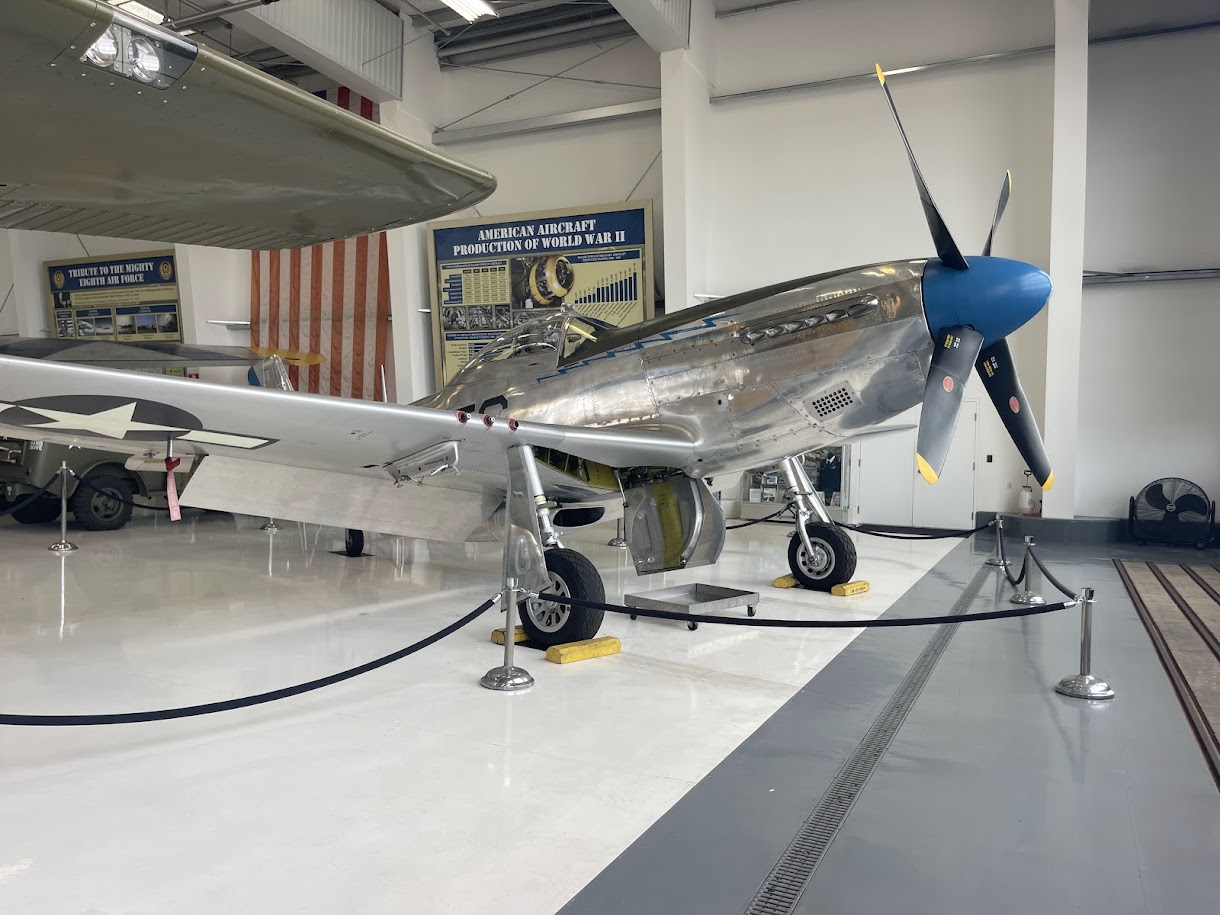
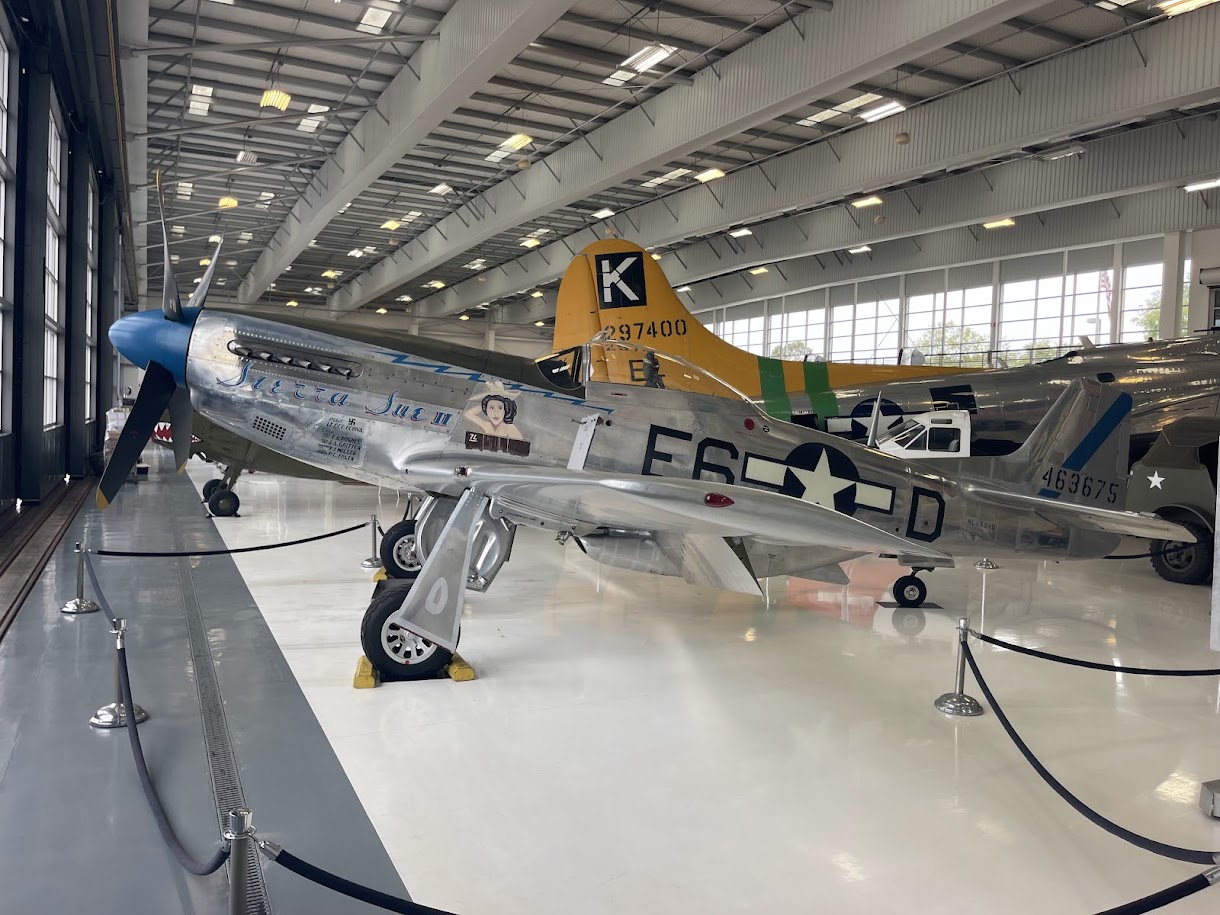
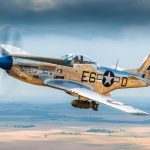
On April 12, the Lyon Air Museum at John Wayne Airport in Santa Ana, California, officially welcomed one of the most famous North American P-51 Mustangs still in airworthy condition into its permanent collection: Sierra Sue II. After landing on the runway in front of the museum, Sierra Sue II taxied on the rain-soaked flight apron to coast gently into the museum hangar to a cheering crowd of guests and museum volunteers. For many enthusiasts, Sierra Sue II represents one of the finest restorations of a P-51 Mustang in the last decade, and its latest move represents the start of another chapter in Sierra Sue II‘s long life, with the aircraft now based less than 40 miles from its birthplace.
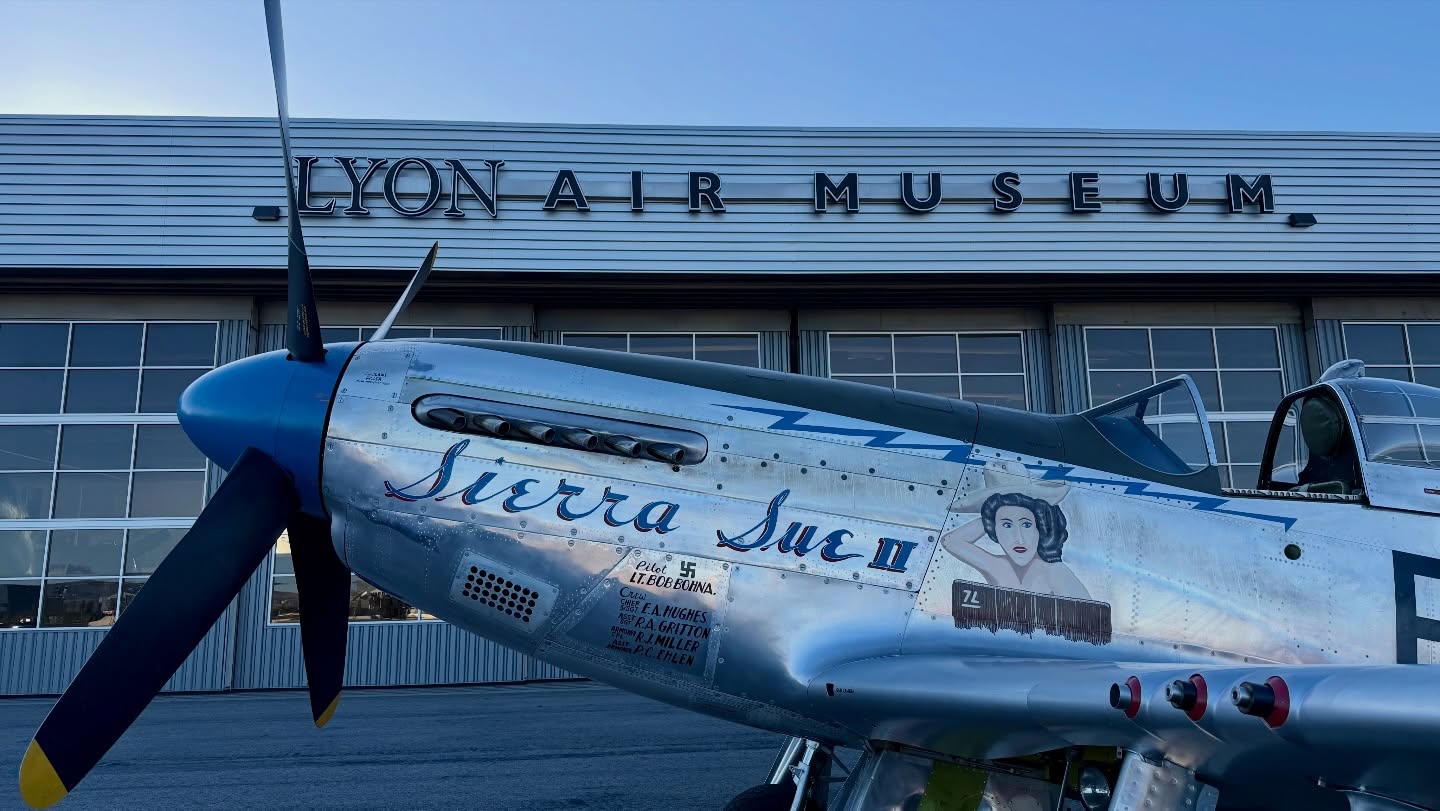
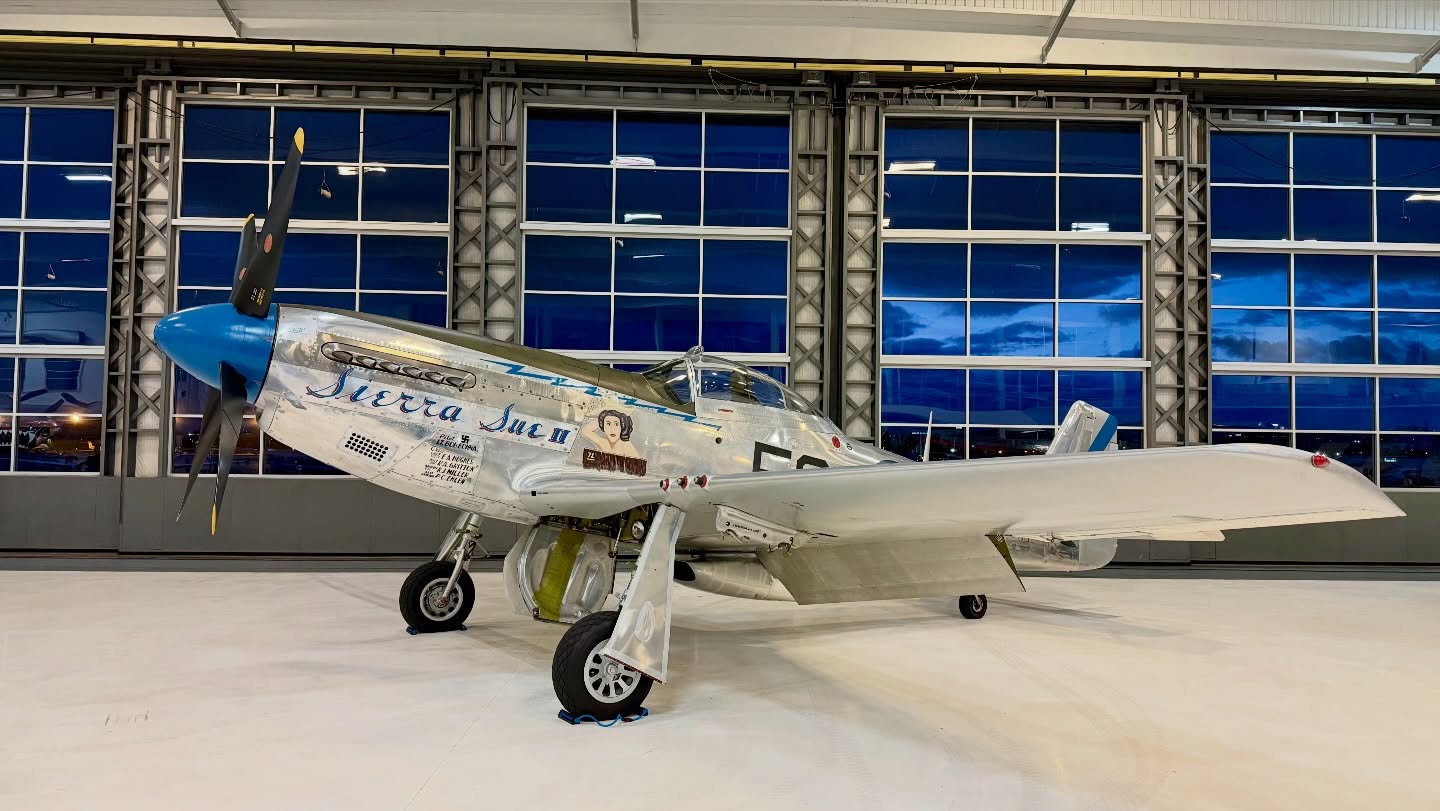
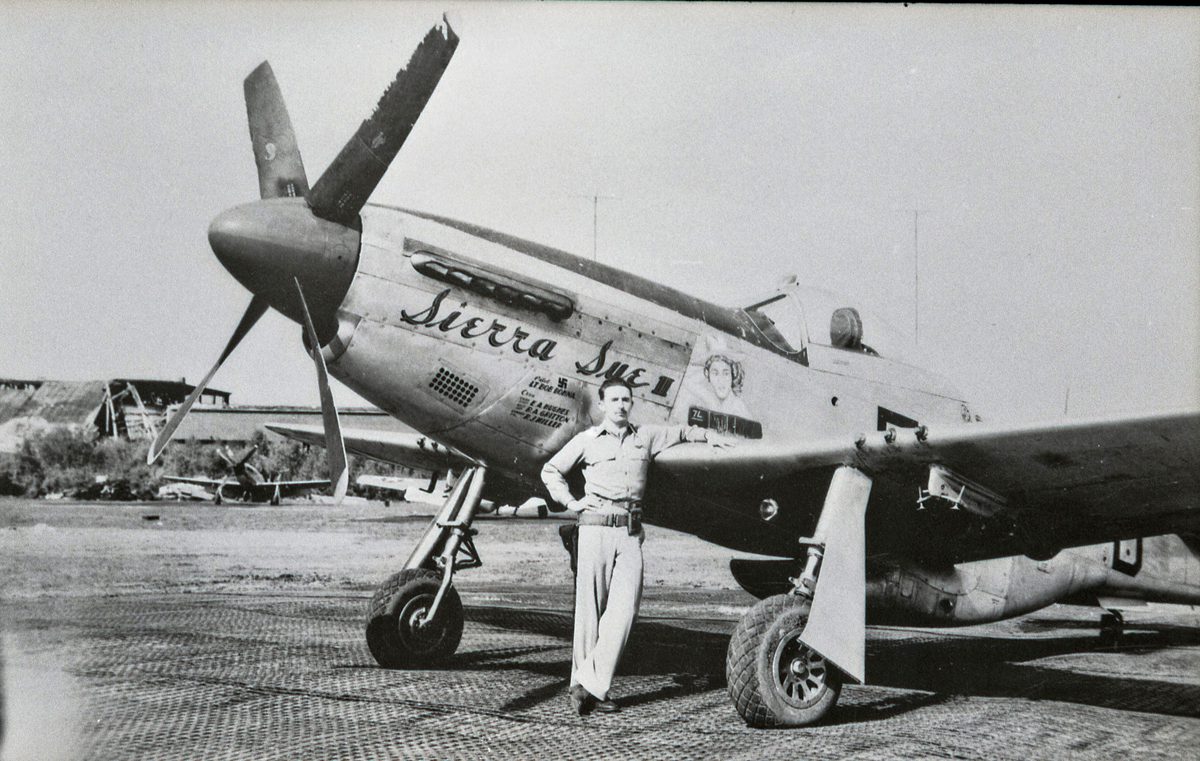
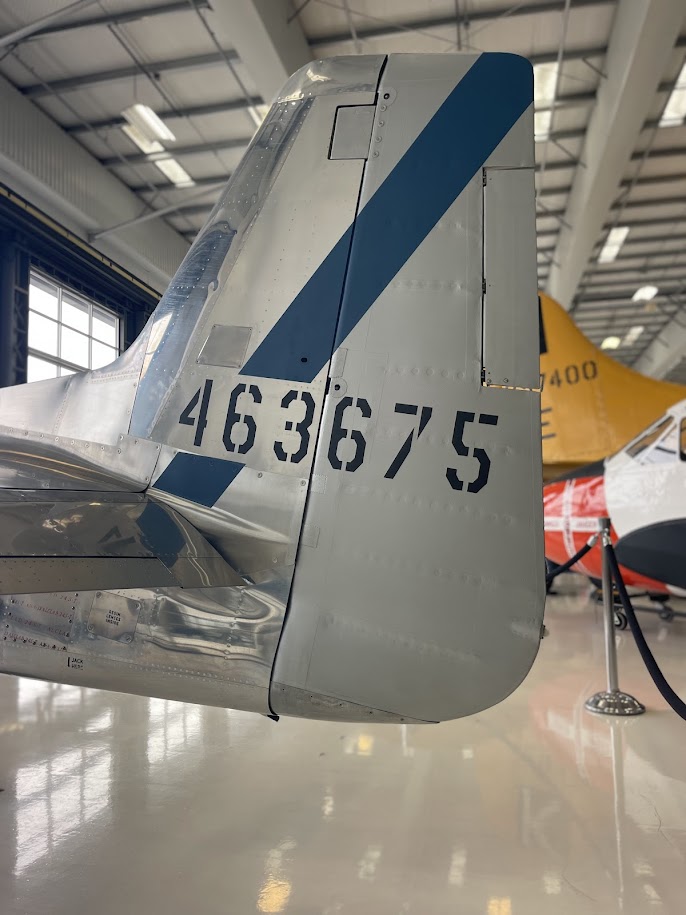
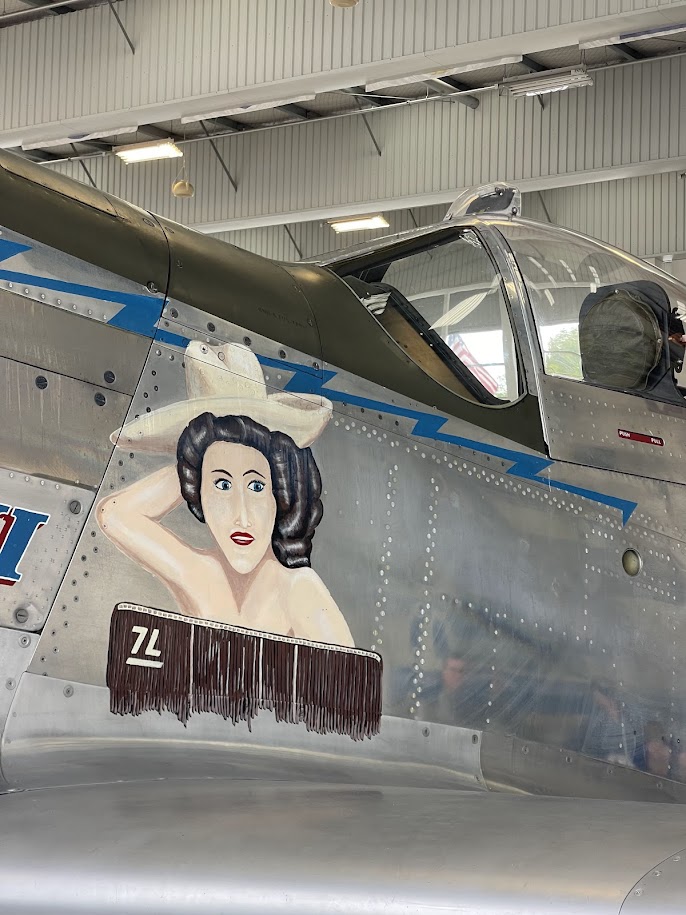
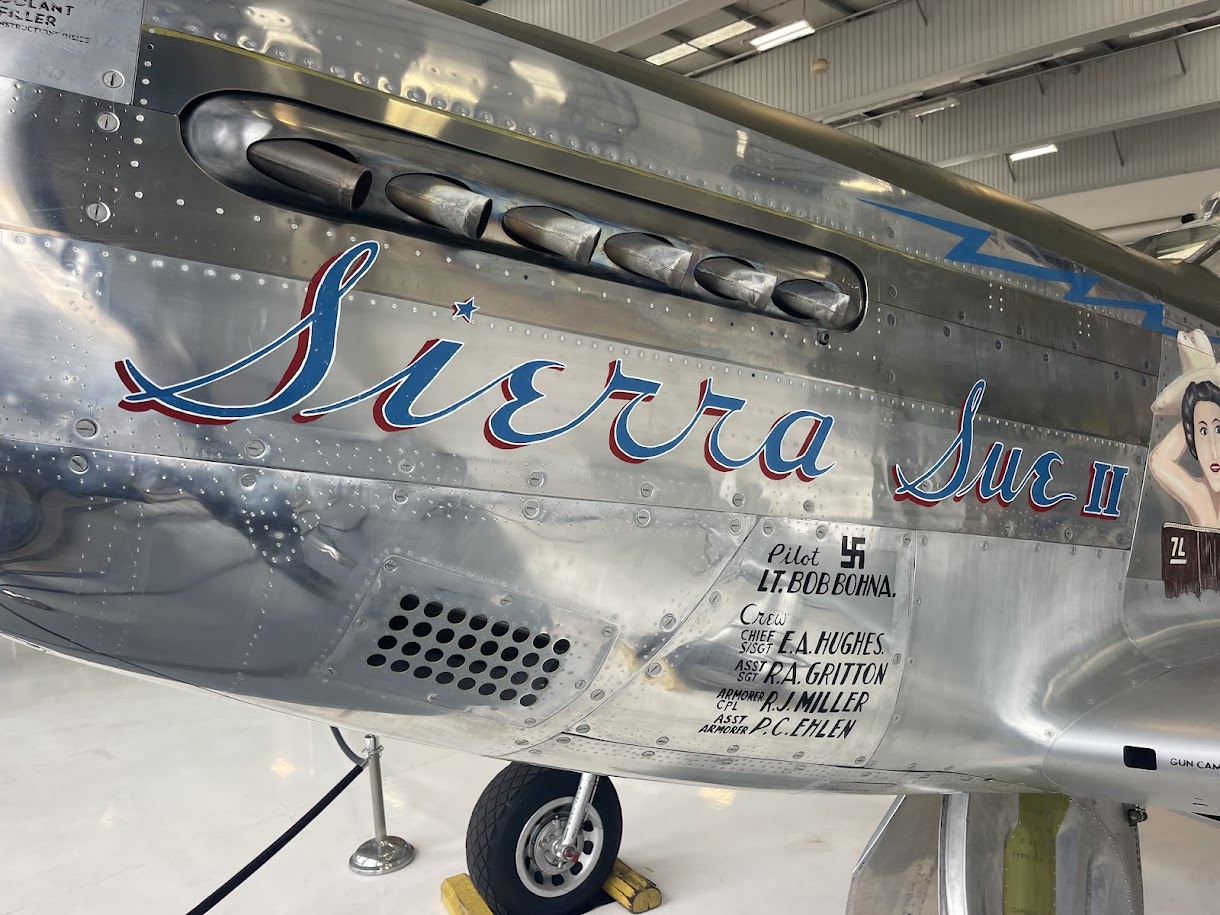
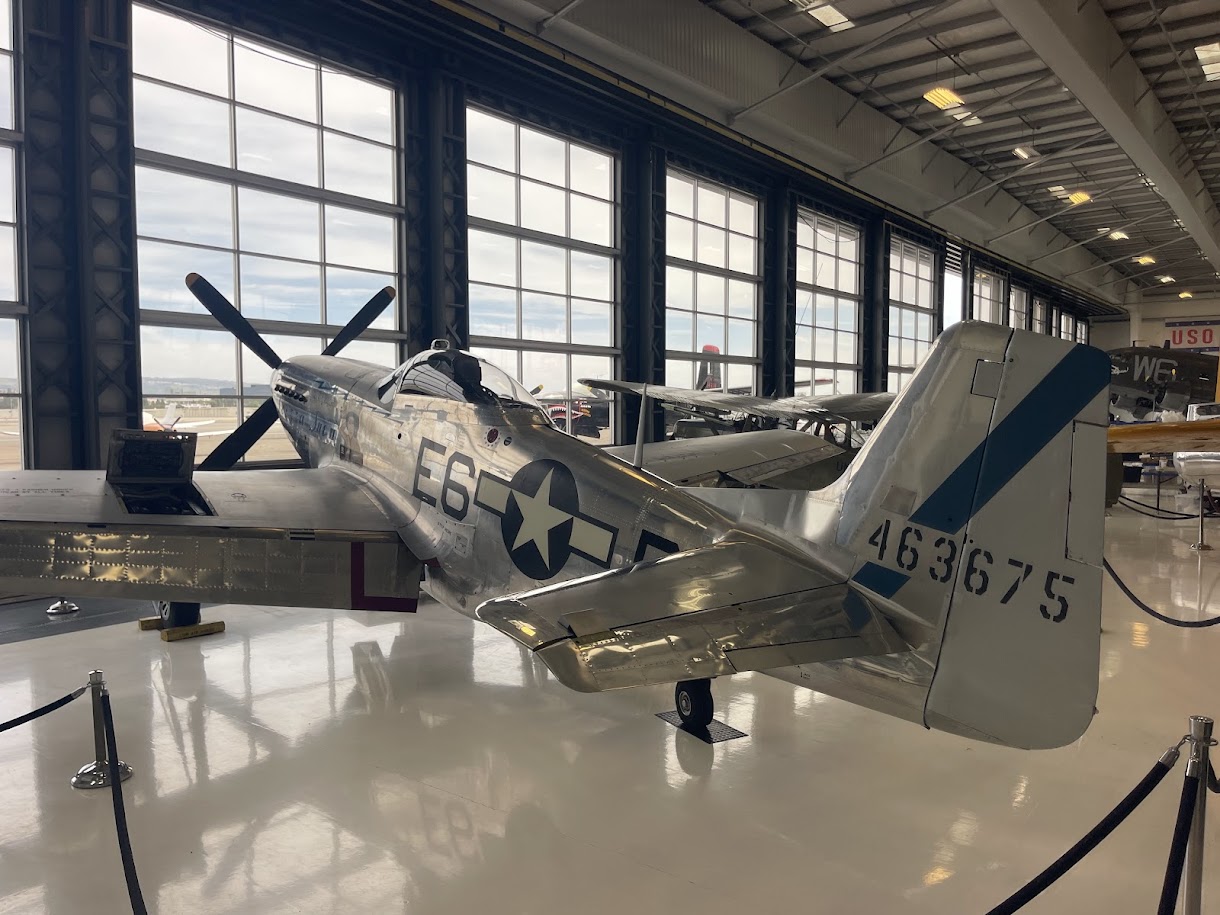
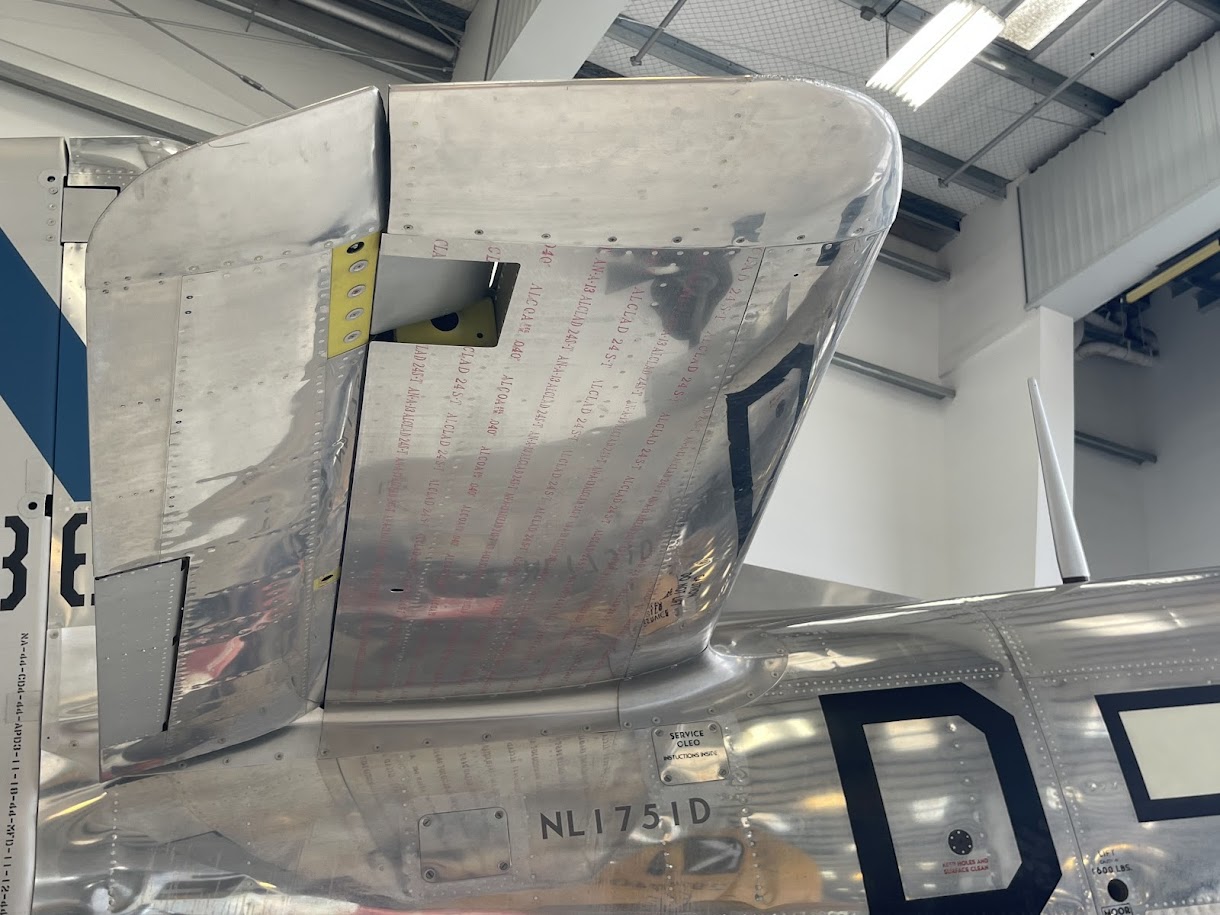
Built at North American Aviation’s plant in Inglewood, California, as construction number 122-31401, the aircraft was delivered to the United States Air Force as serial number 44-63675 on November 27, 1944. Shortly afterward, 44-63675 was flown across the country to Newark, New Jersey, and shipped to Europe. On January 29, 1945, the aircraft was delivered to the 402nd Fighter Squadron, 370th Fighter Group, Ninth Air Force, then based at Ophoven Airfield (Advanced Landing Ground Y-32), near Zwartburg, Belgium. 44-63675 (fuselage code E6 D) was the personal aircraft of 1st Lt. Robert “Bob” Bohna, who named his plane Sierra Sue II, after a girlfriend from high school. Bohna flew Sierra Sue II on combat missions throughout the final months of WWII in Europe, but with Victory in Europe on May 8, 1945, the bulk of the fighter squadrons in Europe were demobilized or transferred elsewhere. Sierra Sue II would end up being placed in storage at Fürth Airfield near Nuremberg, Germany.
Shortly after WWII, the Swedish Air Force began purchasing surplus P-51D Mustangs and redesignated them as J 26 fighters. 44-63675 became one of these J 26s in 1947, with the aircraft being sent from Fürth to Bremen to be shipped to Sweden, where the aircraft was sent to the Centrala Verkstaden Malmslätt / Central Workshop Malmslätt (CVM) for inspection before being assigned to the F 4 Wing at Åre Östersund Airport on Frösön Island as serial number Fv26152 on March 29, 1949. During this time, Fv26152 in the wing’s third squadron (Yellow Squadron), assigned the tail letter K (becoming nicknamed “Gul Kalle”, which translates to yellow K), and flown by pilot Sten Söderquist. On October 4, 1952, J 26 Fv26152 was transferred to F 8 Wing at Barkarby Airfield near Stockholm. With its yellow K painted green, Fv26152 became “Gron Kalle” (green K) and had the name “Kleopatra” painted on its nose.
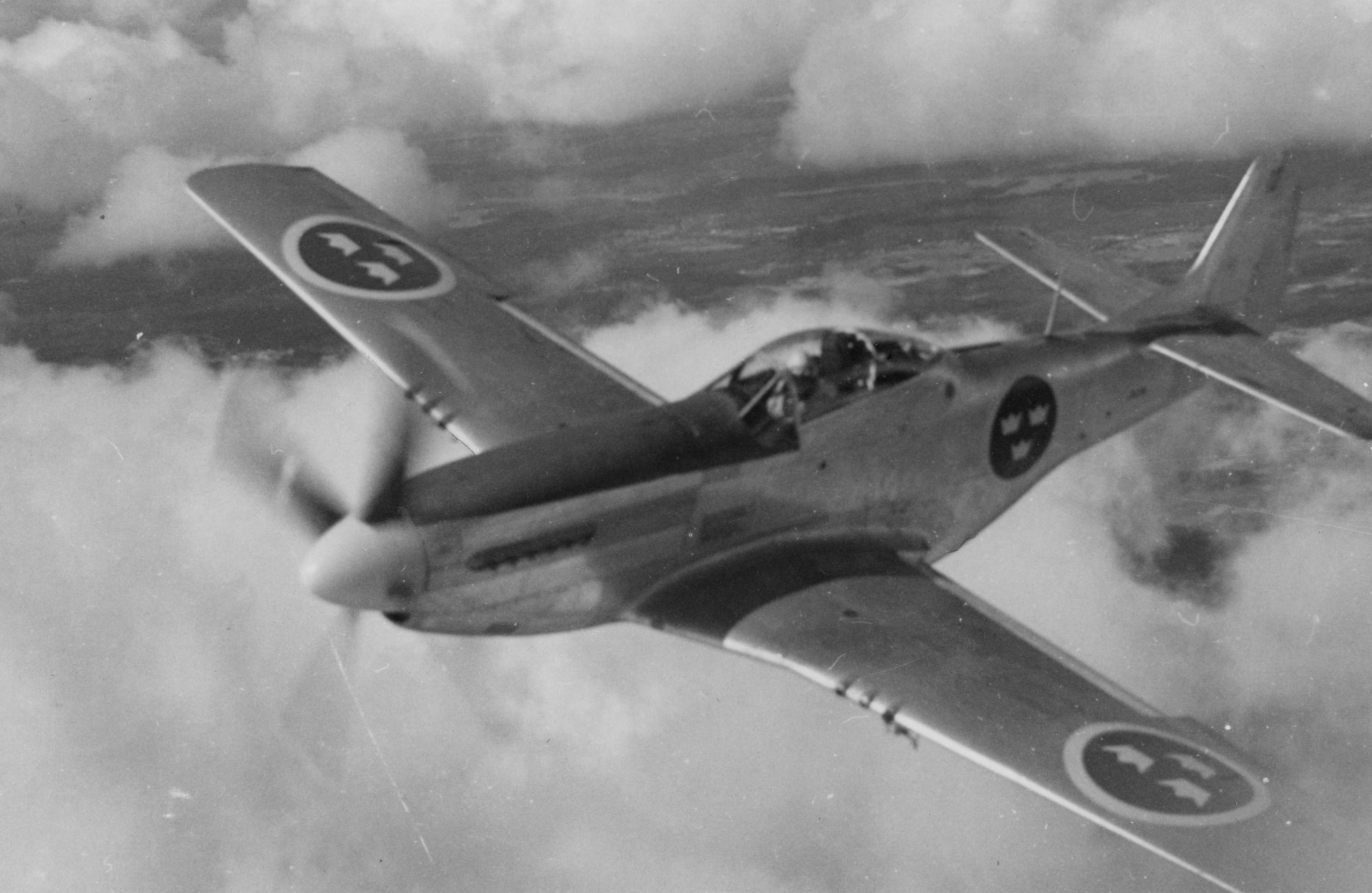
With the introduction of jet aircraft into the Swedish Air Force, piston engine fighters such as the P-51s/J 26s were gradually phased out of service. Fv26152 was officially stricken from the Swedish Air Force’s inventory in November 1954, but several of these now surplus J 26s were made available for export purchasers, and Fv26152 became one of the J 26s shipped from Sweden to join the Nicaraguan Air Force. On arriving in Nicaragua, it was formally accepted by the Nicaraguan Air Force as serial number GN91 on January 17, 1955, and assigned to Escuadrón de Combate at Las Mercedes Airport, Managua. GN91 remained in active service until being retired in 1961, and afterward, it was displayed outside the base’s Officers’ Club. On July 30, 1971, GN91 was purchased by Dave Allender of San Mateo, California, who shipped the aircraft back to the United States, repaired it at Hayward, California, and registered the P-51 with the FAA as N5452V. Allender had modified and flown other surplus P-51s as racers in the Reno Air Races (including the racer later flown as “Miss America”), and so N5452V was modified with a small racing canopy, painted bright red, and given the Race number 19. In 1977, N5452V was sold to Roger “Doc” Christgau, who changed the aircraft’s registration to N1751D and had it restored to a stock P-51D configuration by Jack Cochrane in Hollister, California. In May 1983, with the restoration complete, Christgau flew the aircraft back home and over the next 30 years, Sierra Sue II was featured at numerous airshows across the US, wearing the colors of Sierra Sue II on her left side, and her former Swedish Air Force colors as Gul Kalle on her right side.
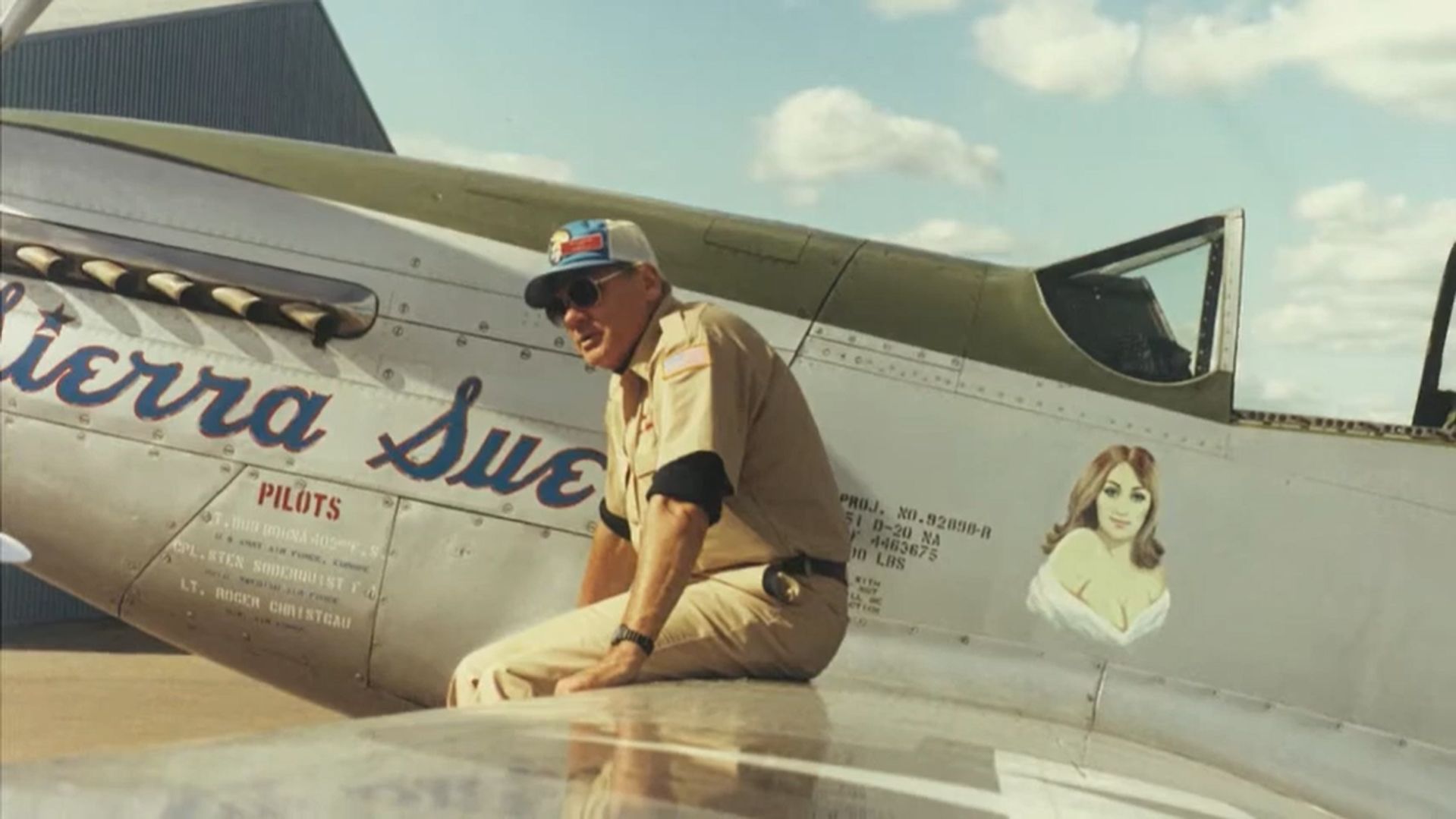
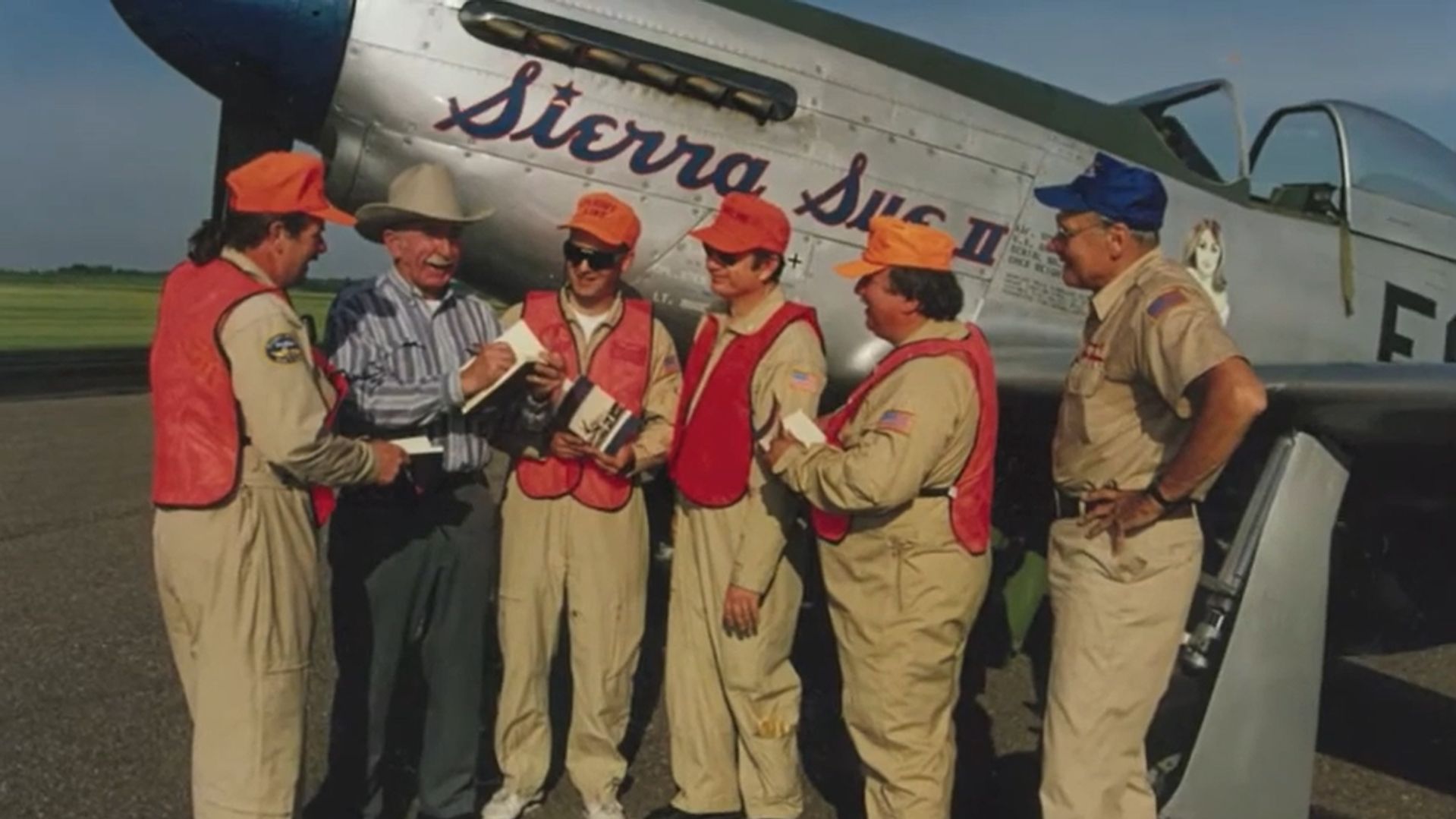
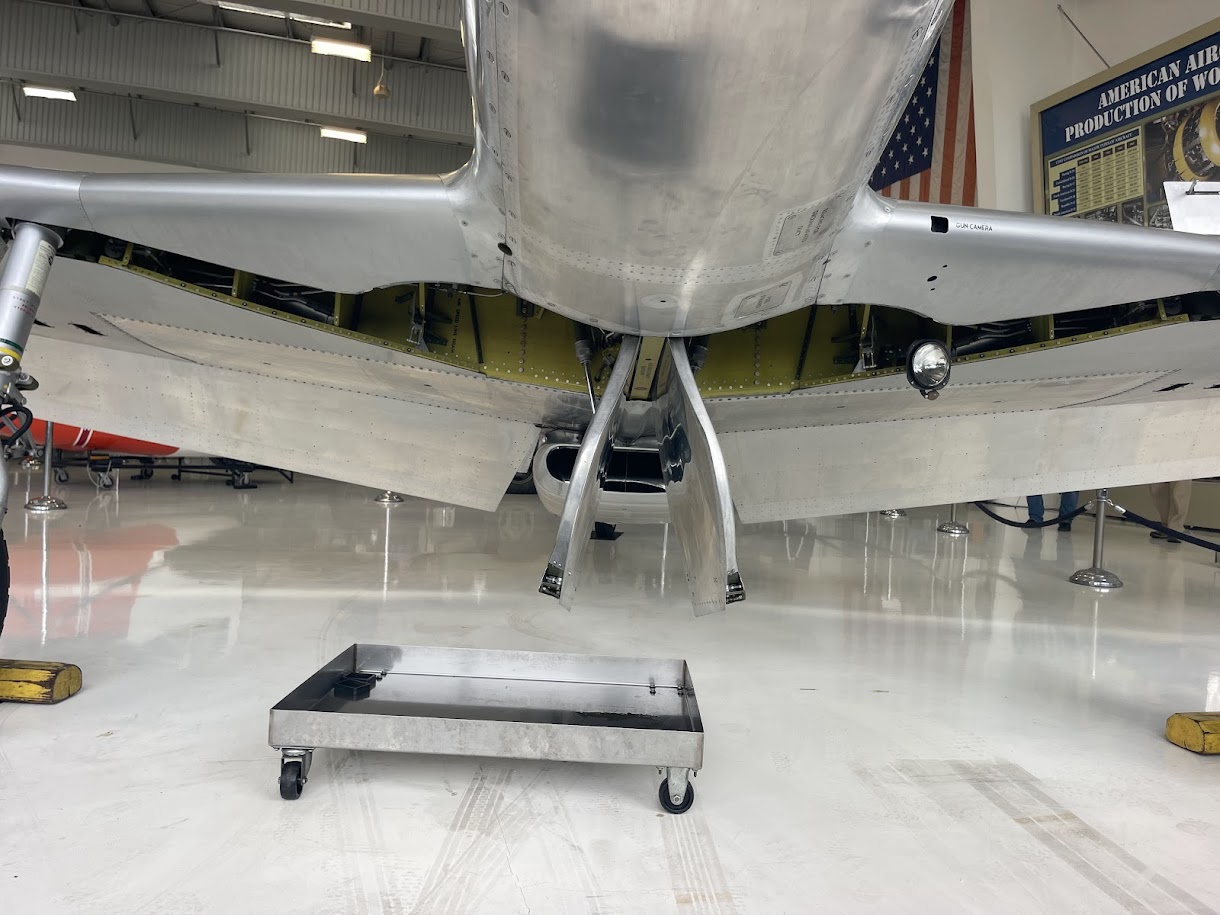
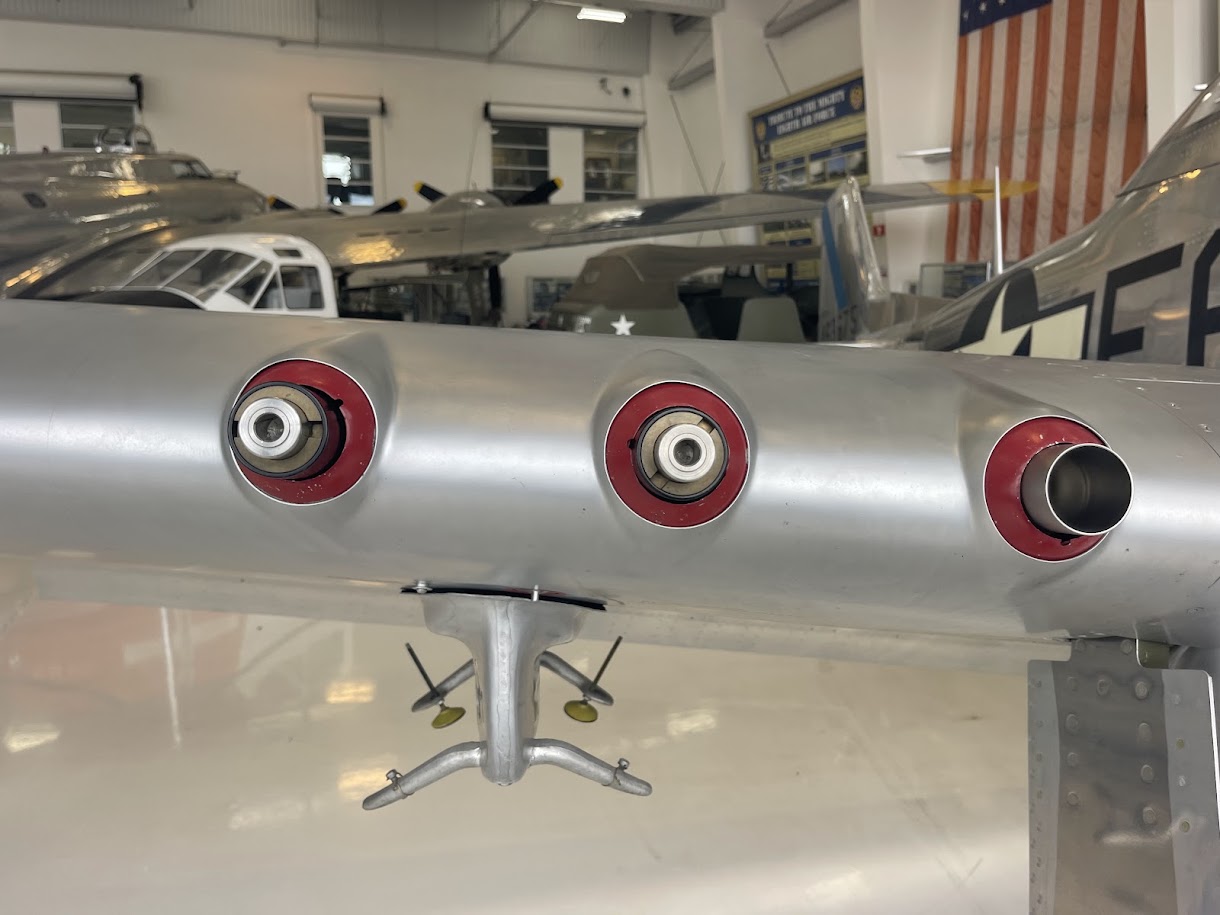
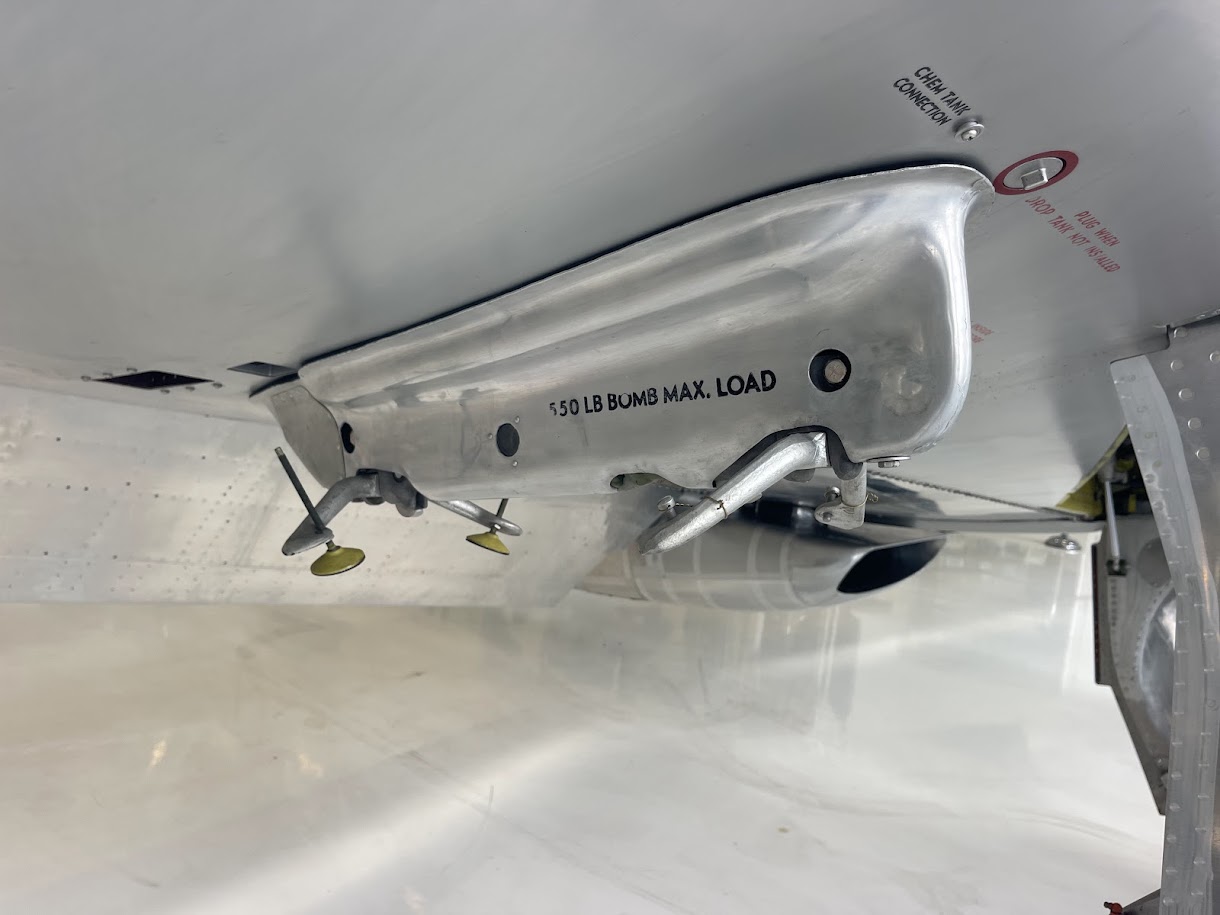
In July 2011, Christgau sold Sierra Sue II to Paul Ehlen of Hamilton, Montana, who shipped 44-63675 to AirCorps Aviation of Bemidji, Minnesota, for a completion restoration. For more than three years, AirCorps’ staff has been exhaustively to the nth degree, back to its original factory configuration. During the restoration, AirCorps Aviation determined that the only parts on the airplane that were not originally installed at the North American Aviation plant were the ailerons, engine mount, and flaps. The restoration would see the reinstallation of original WWII flight equipment, from the fuselage fuel tank and armor plating to demilitarized armament and original radio sets. With the help of the family of Bob Bohna, who had earned the Distinguished Flying Cross (DFC) and Air Medal during the war, became a commercial pilot and later a car dealer in Sonoma, California before passing away in 2010, the team at AirCorps Aviation learned more details about the paint scheme of Sierra Sue II, and managed to find the namesake of Sierra Sue II, Suzanne “Suzy” (Lang) Holcomb, whose identity was previously unknown to the restorers and to aviation historians. On September 17, 2014, 44-63675 made its first post-restoration flight. In May 2015, Sierra Sue II was acquired by the Wings of the North Air Museum in Eden Prairie, Minnesota, and during the 2015 EAA Airventure airshow at Oshkosh, Wisconsin, Sierra Sue II earned the 2015 Reserve Grand Champion WWII Award and received a Golden Wrench Award for AirCorps Aviation, and in 2018, Sierra Sue II led the flyover of Super Bowl LII held at U.S. Bank Stadium in Minneapolis. At the controls was veteran warbird pilot Steve Hinton, accompanied by two A-10 Thunderbolt IIs and one F-16 Fighting Falcon (see this article HERE).

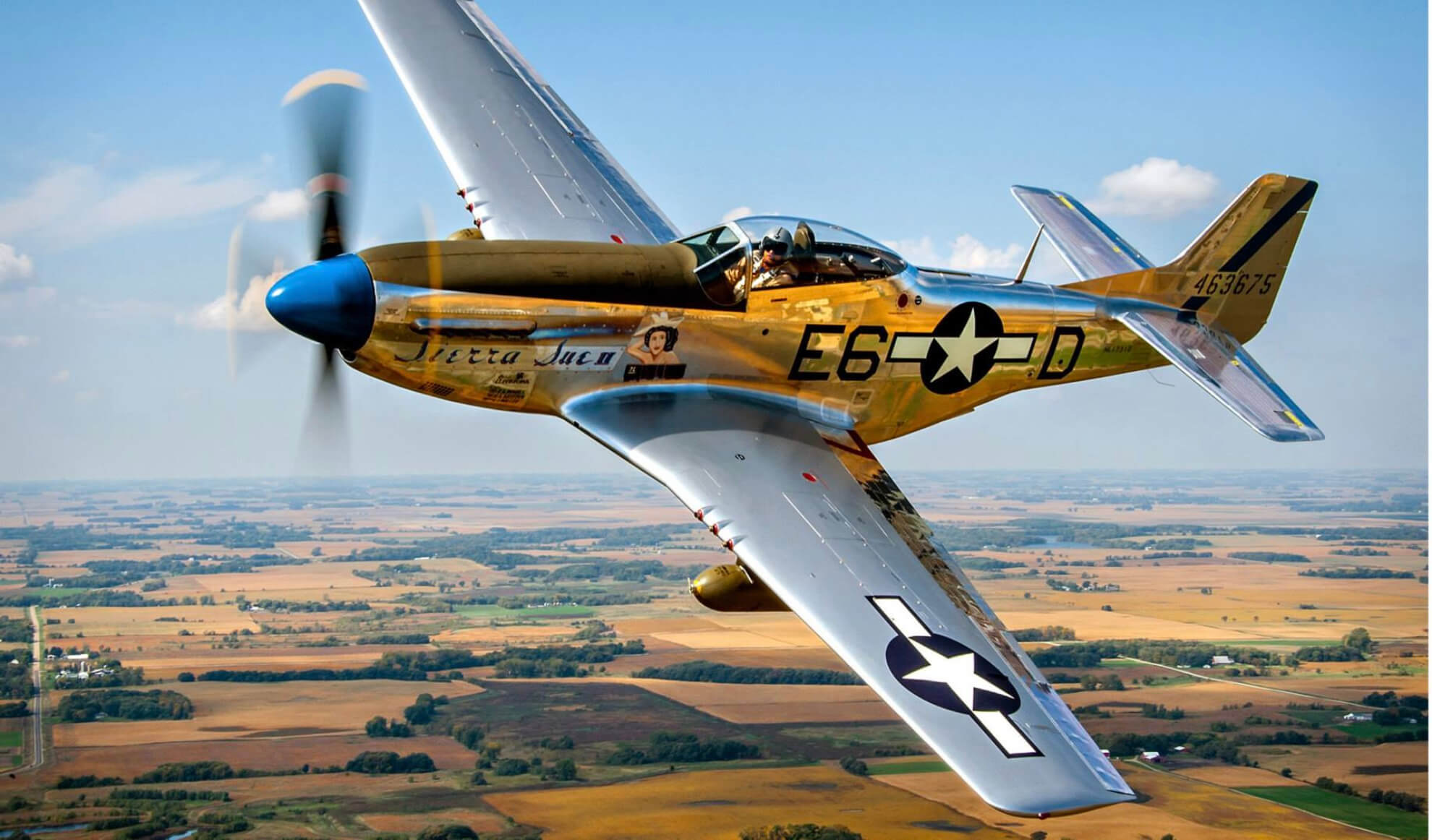
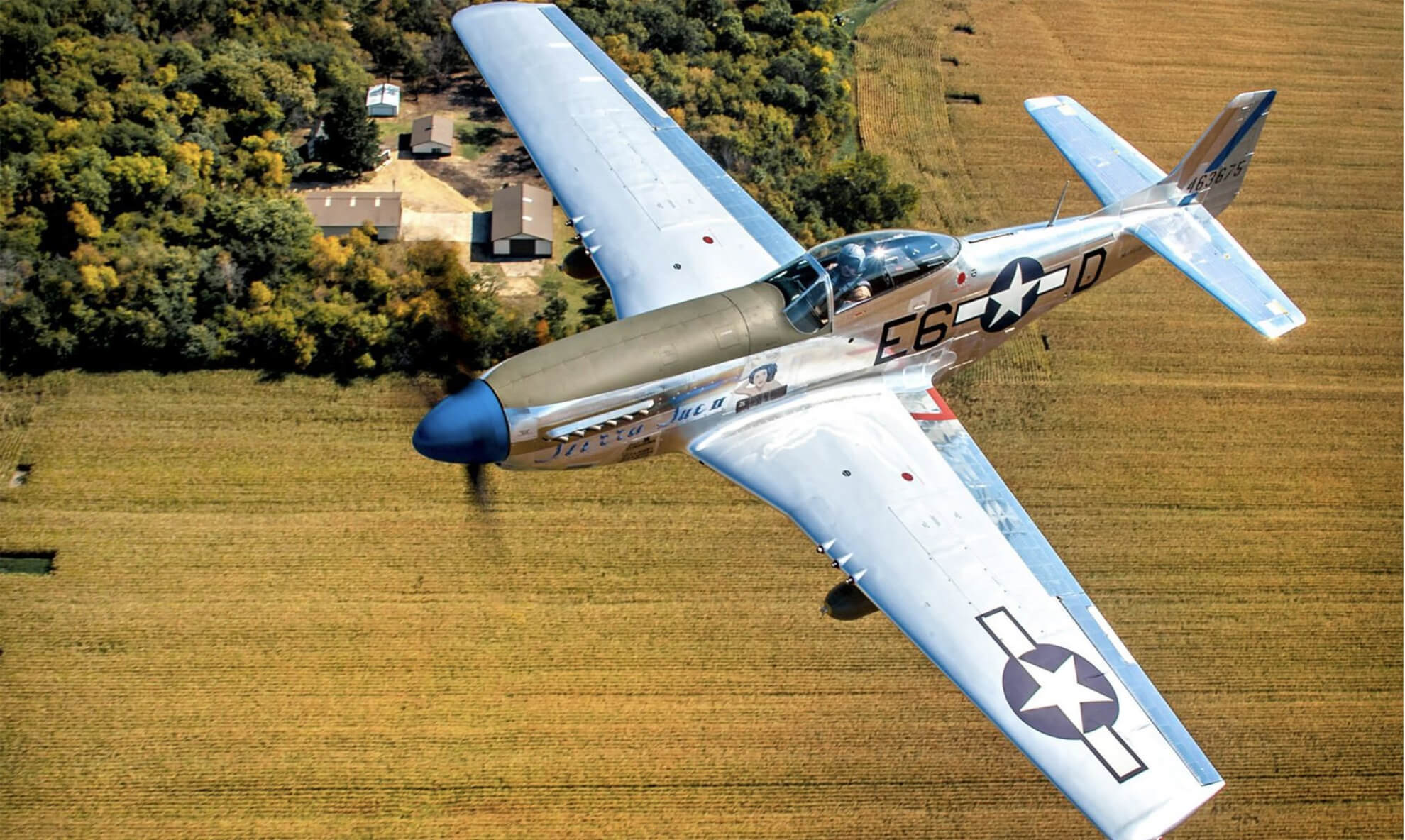
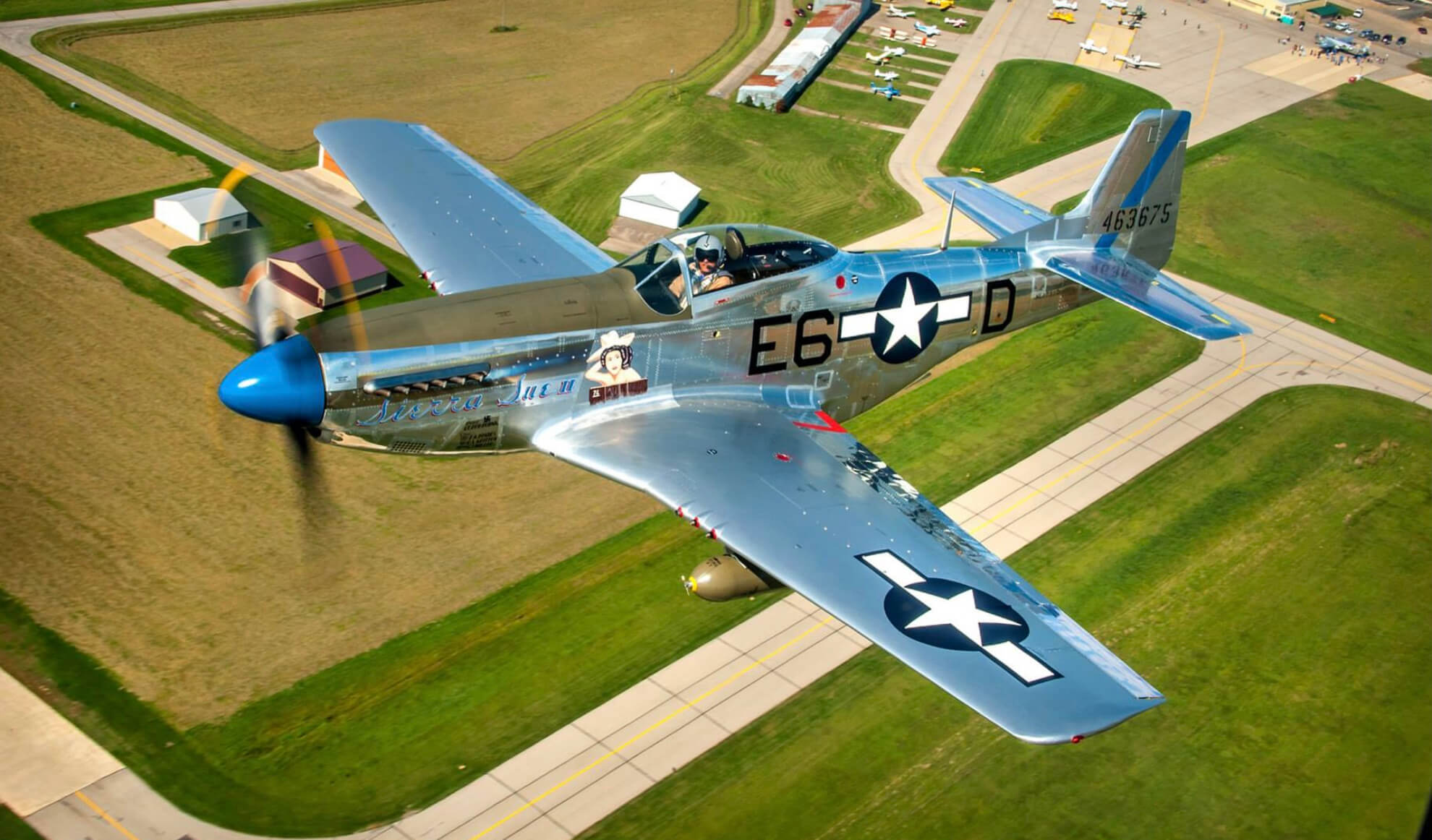
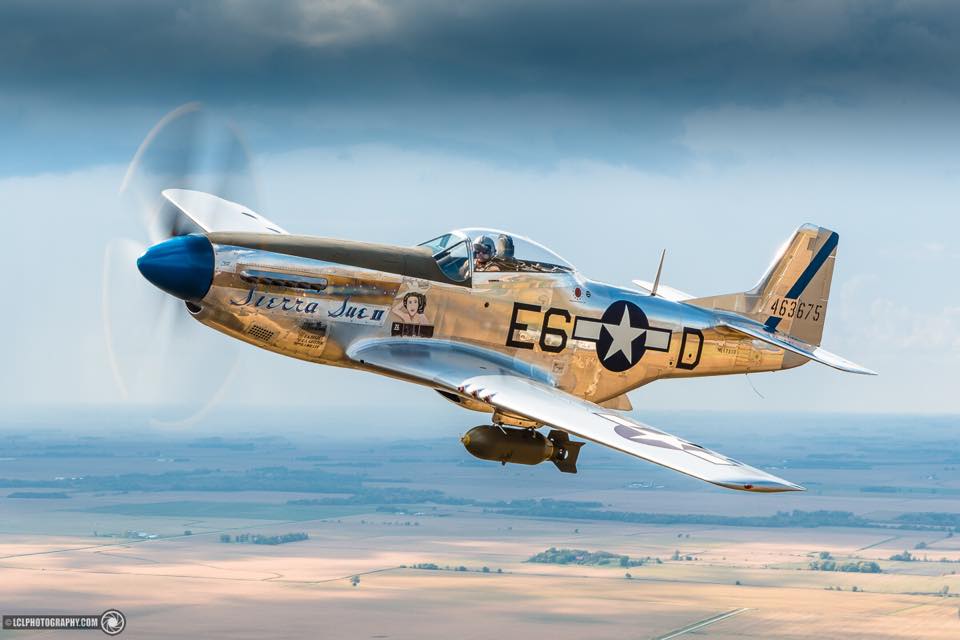

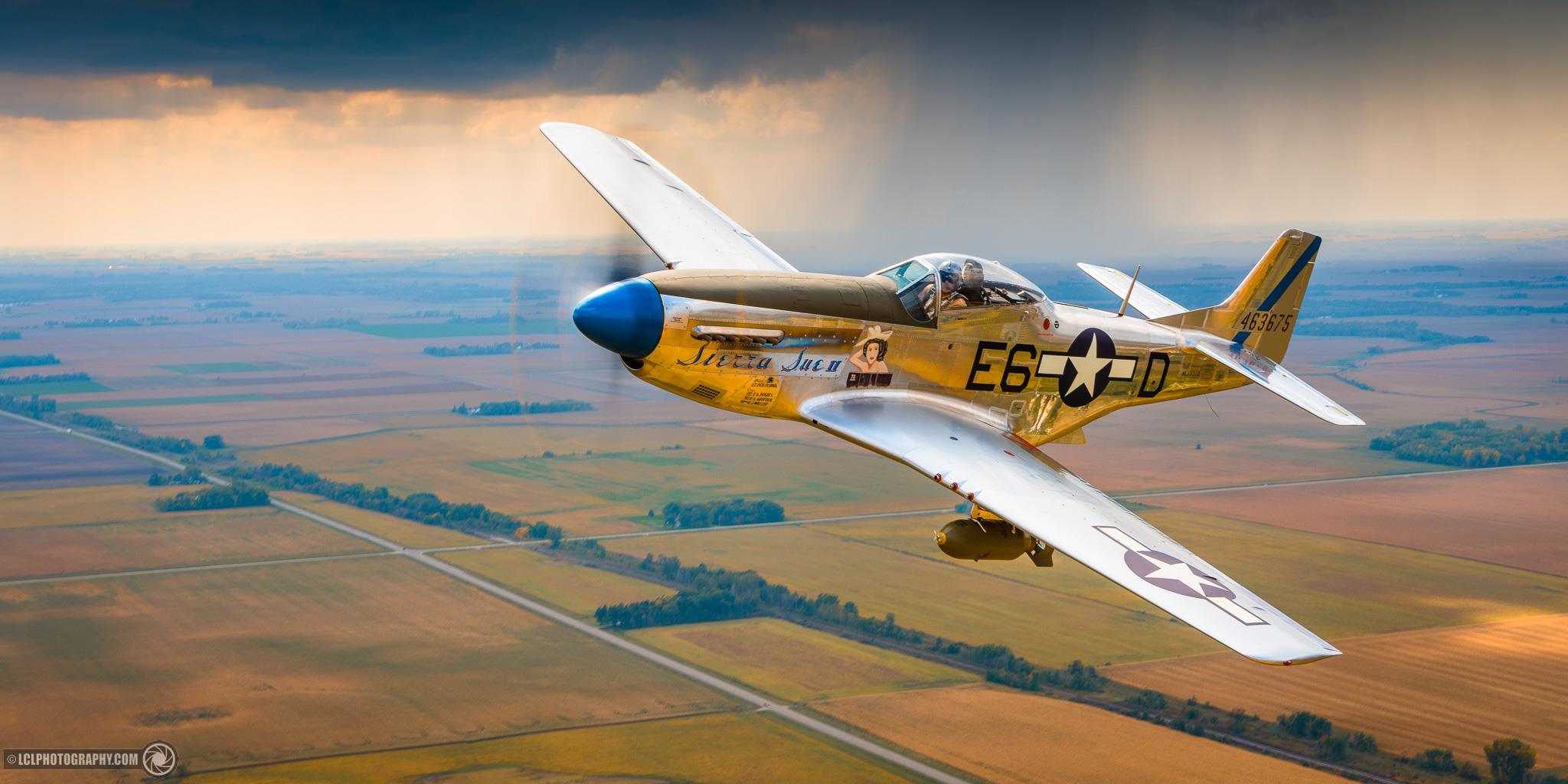
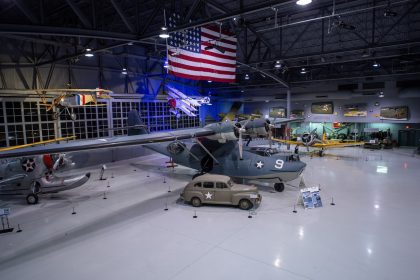
For years, Sierra Sue II was the centerpiece of the Wings of the North Air Museum before being sold off, eventually being listed by Platinum Fighter Sales (see this article HERE). The surprise announcement of the aircraft being received at the Lyon Air Museum has been warmly received by the warbird community, and the museum has already installed an interactive display detailing the aircraft’s history, both during and after WWII. Maintainers at the Lyon Air Museum will continue to keep the aircraft in airworthy condition, and although the museum has not yet confirmed the aircraft’s involvement in official flight demonstrations, given the Lyon Air Museum’s participation in the Pacific Airshow held annually over nearby Huntington Beach with their Douglas C-47 Skytrain “Willa Dean” and North American B-25J Mitchell “Guardian of Freedom” in past years, perhaps Sierra Sue II may soon thrill beachgoers and aviation enthusiasts alike with some low-level passes above the Huntington Beach Pier, or be present at other local events yet to come. For more information, visit the Lyon Air Museum’s website HERE.




I knew this Mustang from years when she attended the Offutt Air Show.
Yet another Great Plane … In Yet Another Great Collection!
My Cup of Envy Runneth Over!
I really must come back, for one more … Grand Tour!