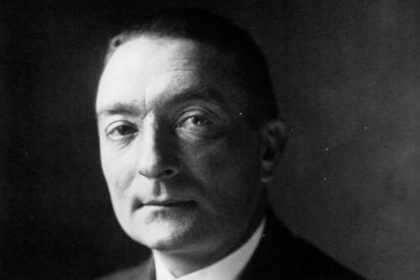
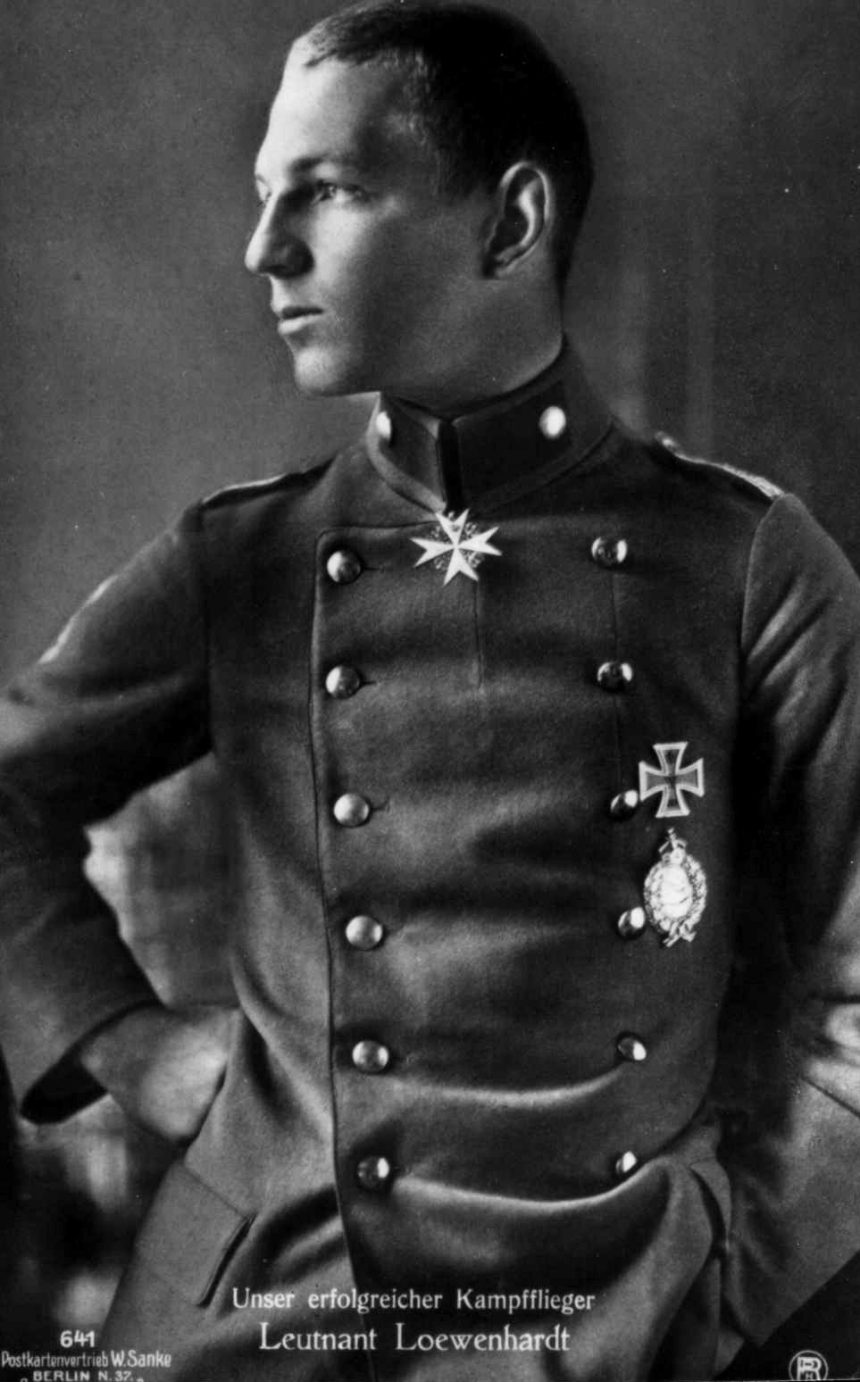

During World War I, Germany produced many flying aces, and one among them was Erich Loewenhardt, whose aircraft the Allied Forces could never shoot down. He died in a rather unlucky manner, but not before achieving 54 confirmed aerial victories. Born on April 7, 1897, in Breslau, Germany, he was the son of a doctor. He had roots in the military since the start, as he completed his education at a military school. When World War I started in August 1914, he was just 17 and enlisted in the German Army. He was part of Infanterie-Regiment Nr. 141 and was posted on the Eastern Front. He fought at the front and was wounded, yet remained on duty, demonstrating his courage. As a reward, he was commissioned as an officer. He kept fighting the war and was awarded the Iron Cross 2nd Class in October 1914 and the Iron Cross 1st Class in May 1915, when he saved the lives of five wounded soldiers. When Italy entered World War I on May 23, 1915, he was transferred to the Italian front, where he fell ill and was unable to continue fighting, resulting in his temporary removal from frontline service.
Ace Journey of Erich Loewenhardt
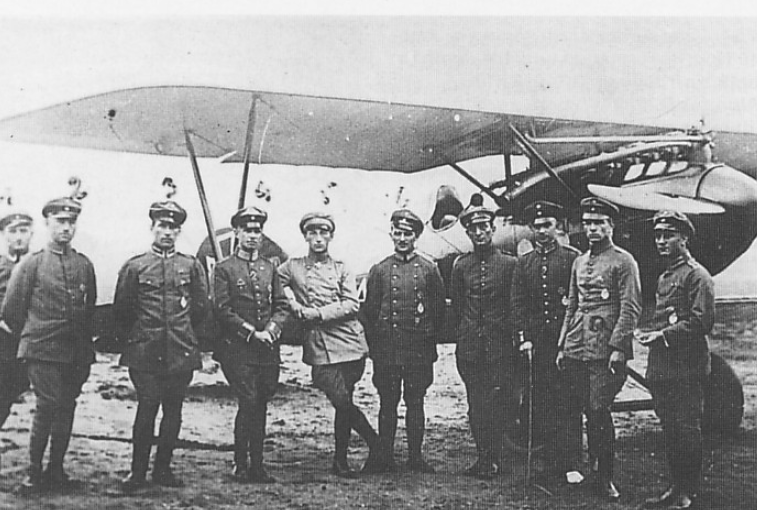
As his health got better, he began volunteering for the Imperial German Army Air Service after five months. Soon, he qualified as an aerial observer, completed his pilot training in 1916, and began flying reconnaissance missions. As the war progressed, he wanted to fly fighter aircraft, and in early 1917, he trained to convert from reconnaissance planes to fighters. This training proved helpful, and in March 1917, he joined the fighter squadron known as the Royal Prussian Jagdstaffel 10. The squadron used to fly one of the best German fighter aircraft of World War I, the Albatros D.III. Loewenhardt didn’t waste much time after joining and scored his first victory in weeks, destroying an observation balloon on March 24. He continued flying, but had to wait five months before his second victory. In August, he shot down a Royal Aircraft Factory R.E.8, his first aircraft kill. The incident filled Erich Loewenhardt with confidence, and within a year, he would go on to shoot 53 more targets. Early in September, he shot down a Sopwith Pup, followed by two more observation balloons in the month, and with that, he became an ace. In October, he shot down two more targets, including a balloon and a Bristol F.2 fighter.
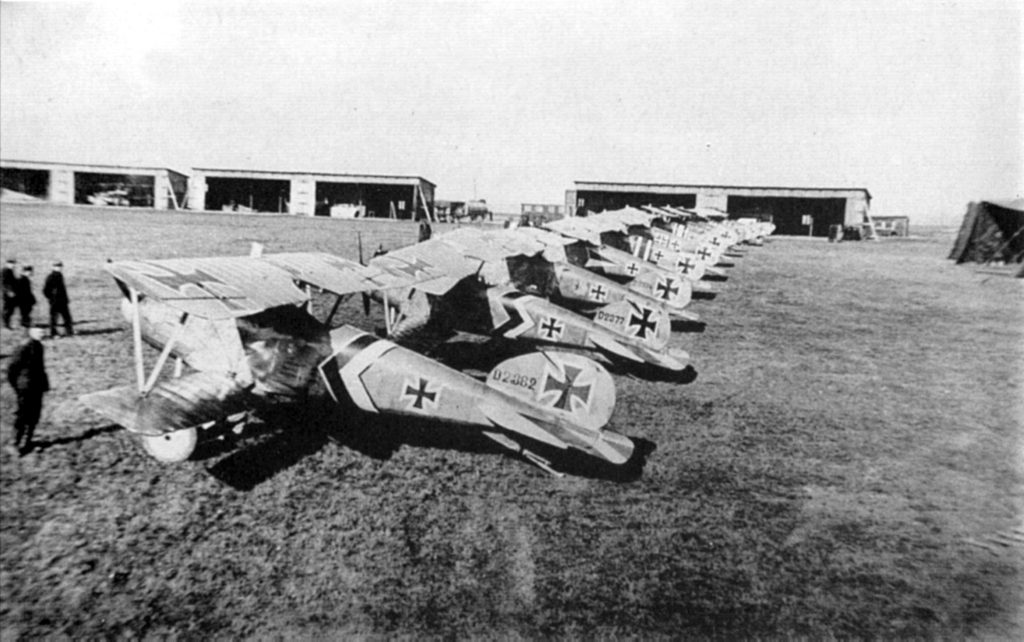
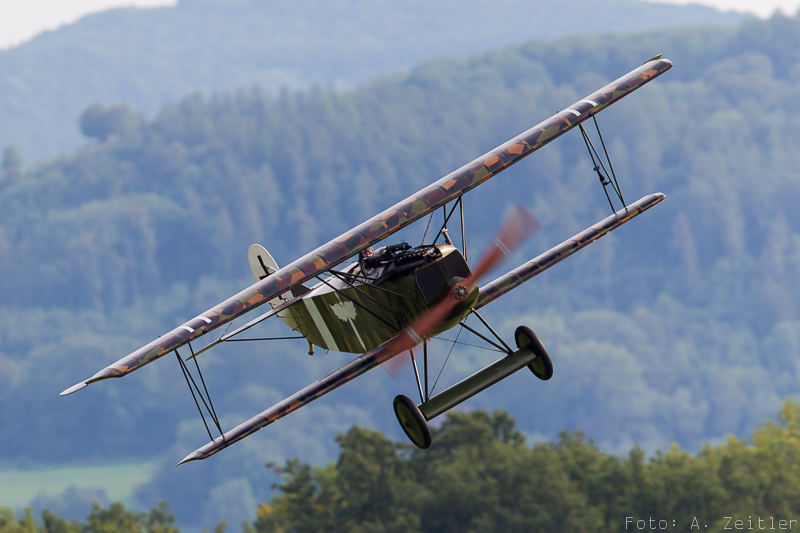
In early November, he met with an accident when an anti-aircraft shell smashed his aircraft’s lower wing, resulting in a spin, but he remained unharmed. On November 30, he shot down a Sopwith Camel, which was his last victory of 1917, and he ended the year with eight confirmed victories. He started the new year on a high, and on January 5, 1918, he shot down another balloon, followed by a Bristol F.2 fighter on January 18. His February remained dry, and he came back strongly with five victories in March. As a reward, he was appointed as the commander of Jagdstaffel 10 on April 1. In April, Erich Loewenhardt added two more victories to his tally, and in May, his squadron received new airplanes, Fokker D.VIIs. This aircraft changed the way he fought, and within the first 10 days of May, he shot down three aircraft, after which he was awarded the Knight’s Cross with Swords of the House Order of Hohenzollern and the Austro-Hungarian Empire’s Military Merit Cross. He shot a total of seven targets in May, and on May 31, he was awarded the Pour le Mérite, famously known as the “Blue Max.” His personal score rose to 24 by the end of May. In June, he shot 8 targets, while in July, he doubled it with 16 confirmed kills. Over the course of these months, he successfully hit two targets in a single day on five different occasions.
The Final Flight
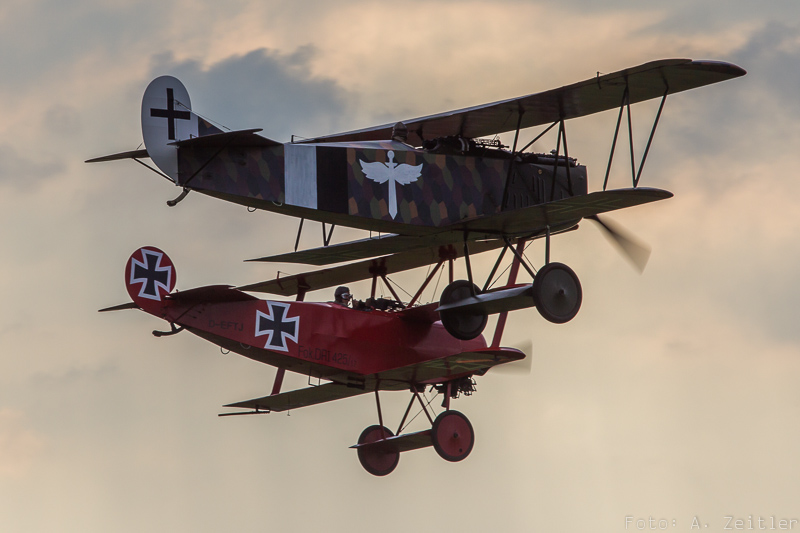
Full of confidence, Erich Loewenhardt began August on a high, and on August 8, 1918, when the Allied Forces launched World War I’s final offensive, he shot down three Sopwith Camels, followed by two more on August 9. On August 10, while fighting with the British Royal Air Force’s No. 56 Squadron, he shot down a Royal Aircraft Factory S.E.5a, which was his 54th and final kill. While he continued fighting on the day, his plane collided with another German Fokker D.VII, piloted by Leutnant Alfred Wenz from Jagdstaffel 11 squadron. As the aircraft went down, both escaped their aircraft successfully, but while coming down, Loewenhardt’s parachute did not open, and he fell to his unlucky death. No other ace or pilot shot him down; he became the victim of his own luck. Erich Loewenhardt was the third-highest scoring German ace of the war, behind only Manfred von Richthofen (80) and Ernst Udet (62). One can only imagine the number he could have achieved if his luck had favored him. In the Aces series, he stands out as an ace who came to the war very late but remained impactful by the way he used to fly, fight, and dictate the battles. Read about more Aces HERE.