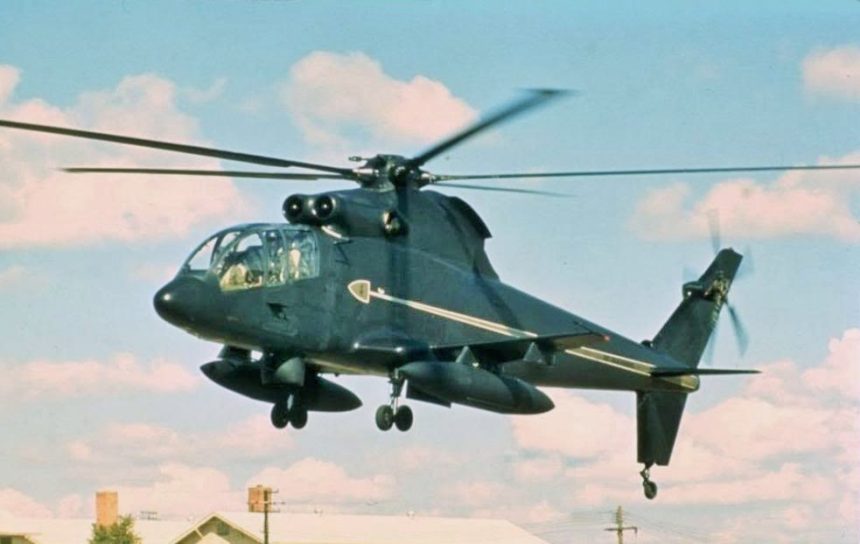

By the mid-1960s, Sikorsky was still a respected helicopter builder with several successful models in production, including the S-61, S-64, and S-65. But beneath that steady business, there was growing concern inside the company because nearly every major US Army helicopter competition of the previous decade had gone to someone else, leaving Sikorsky with no clear new production program on the horizon. Bell had won the Army’s utility helicopter requirement, Boeing Vertol had secured the heavy-lift role, Hughes had taken the Light Observation Helicopter contract, Lockheed had been selected for the Cheyenne attack helicopter, and Sikorsky was watching opportunity after opportunity slip away, forcing the company to look for new ideas that could reopen doors. One of those ideas was a privately funded project known as the Sikorsky S-67 Blackhawk.
S-67: Developed in just nine months
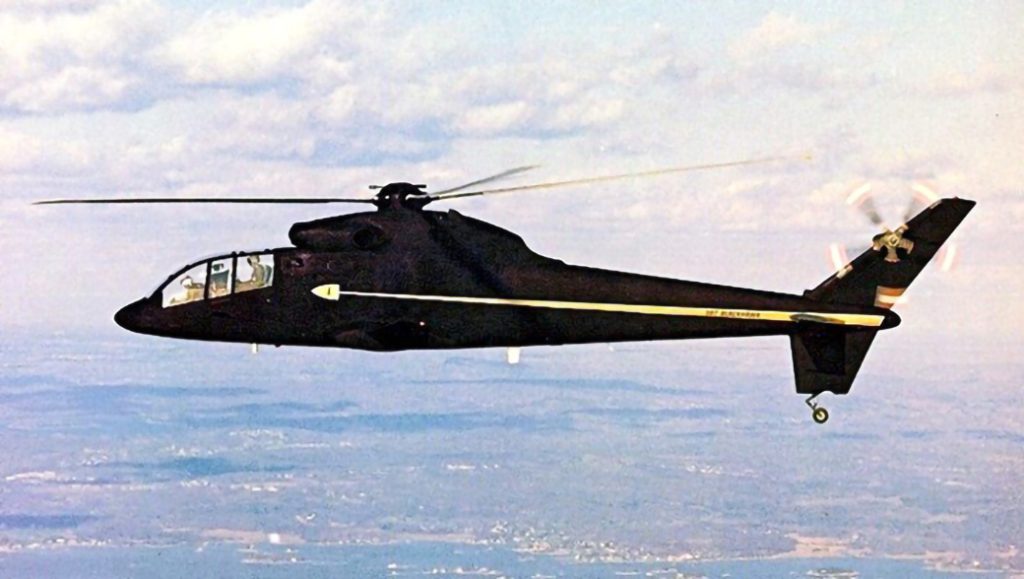
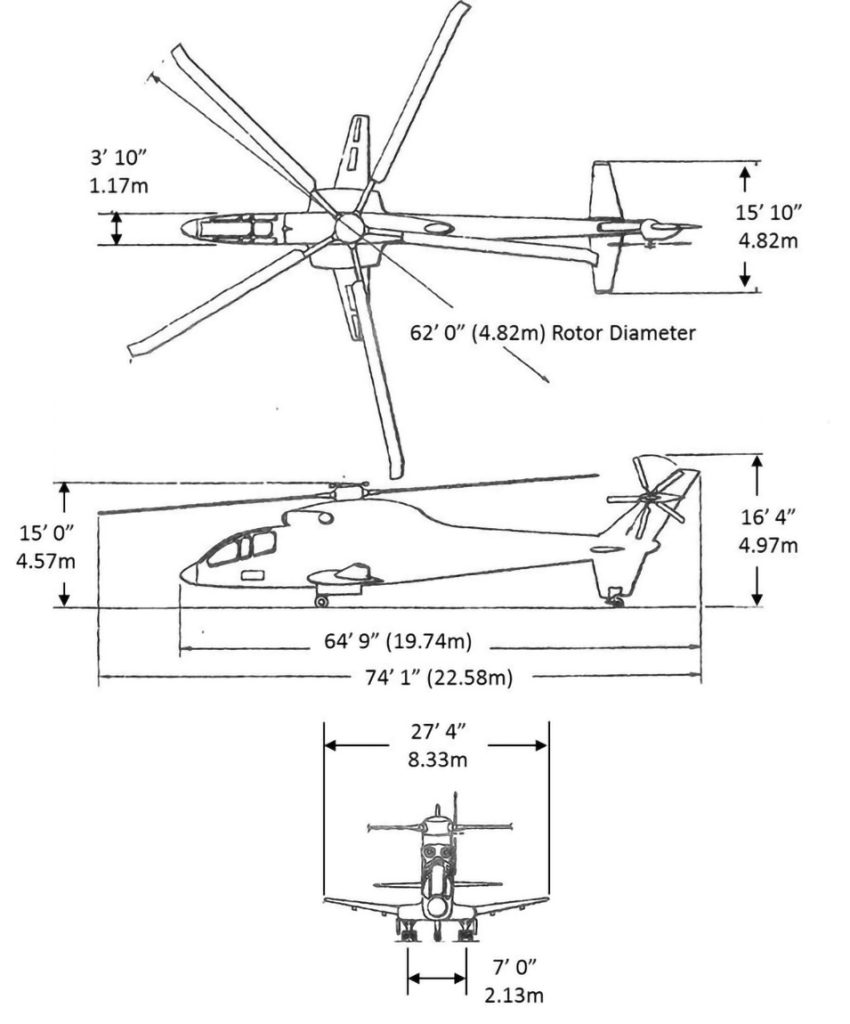
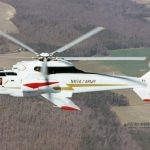
As the Army’s AH-56 Cheyenne program struggled with technical problems and political resistance, Sikorsky believed there might be space for a different kind of attack helicopter with proven speed, agility, and components rather than an entirely new design. In 1969, Sikorsky built the S-67 as a true skunkworks project that went from initial design to first flight in just nine months and cost less than three million dollars, an extraordinary pace even by Cold War standards. Design work began in November, fabrication followed early in 1970, and on August 20 of that year, the S-67 took to the air for the first time, looking more like a sleek fighter than a traditional helicopter.
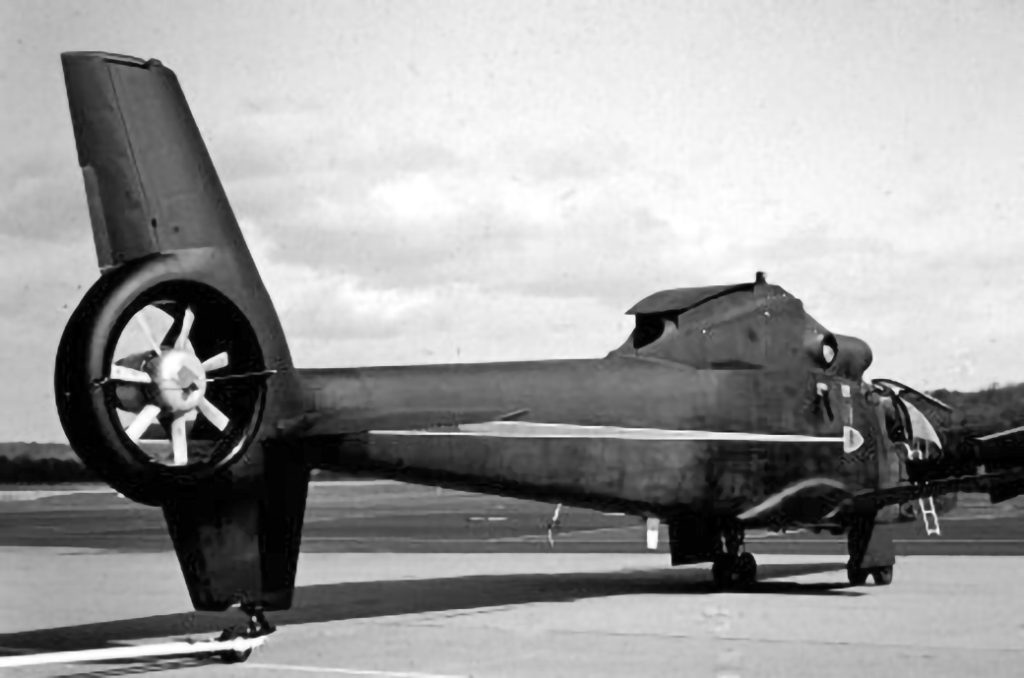
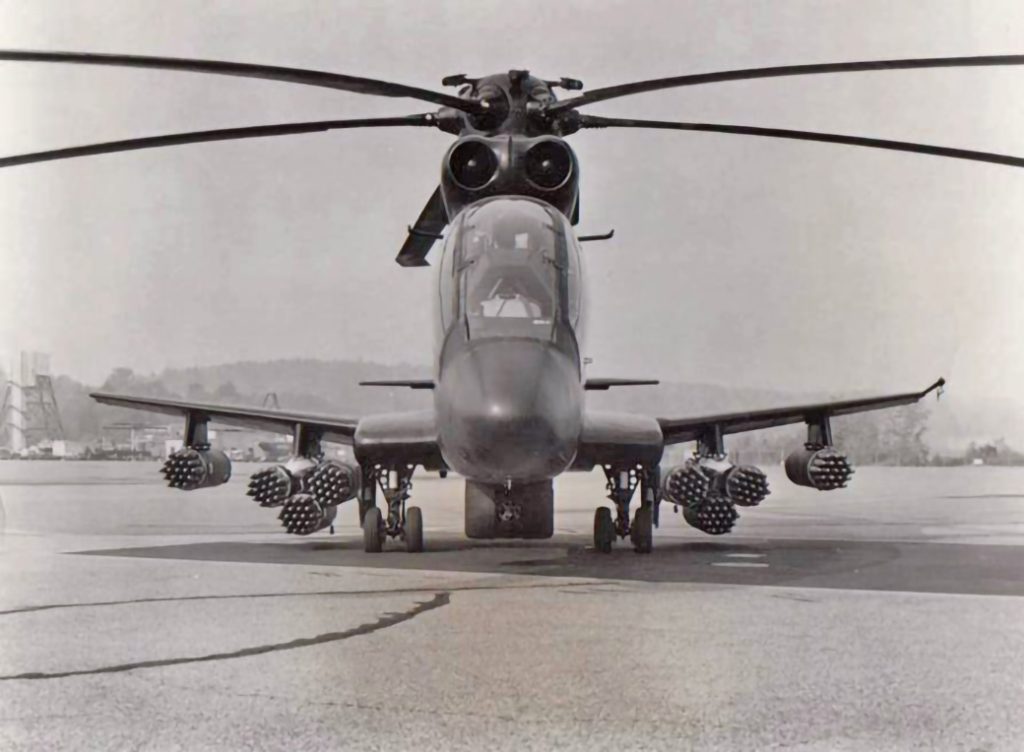
The helicopter blended old and new ideas, with an all-new narrow fuselage built around a tandem two-seat cockpit, paired with the proven rotor system, engines, and drive components taken directly from the S-61 and H-3 helicopters already in service. It allowed Sikorsky to focus its innovation on speed and handling rather than basic reliability. Sikorsky called it a “semi-compound” helicopter, meaning it carried wings to offload the rotor at high speed but relied entirely on rotor power rather than auxiliary jets or propellers.
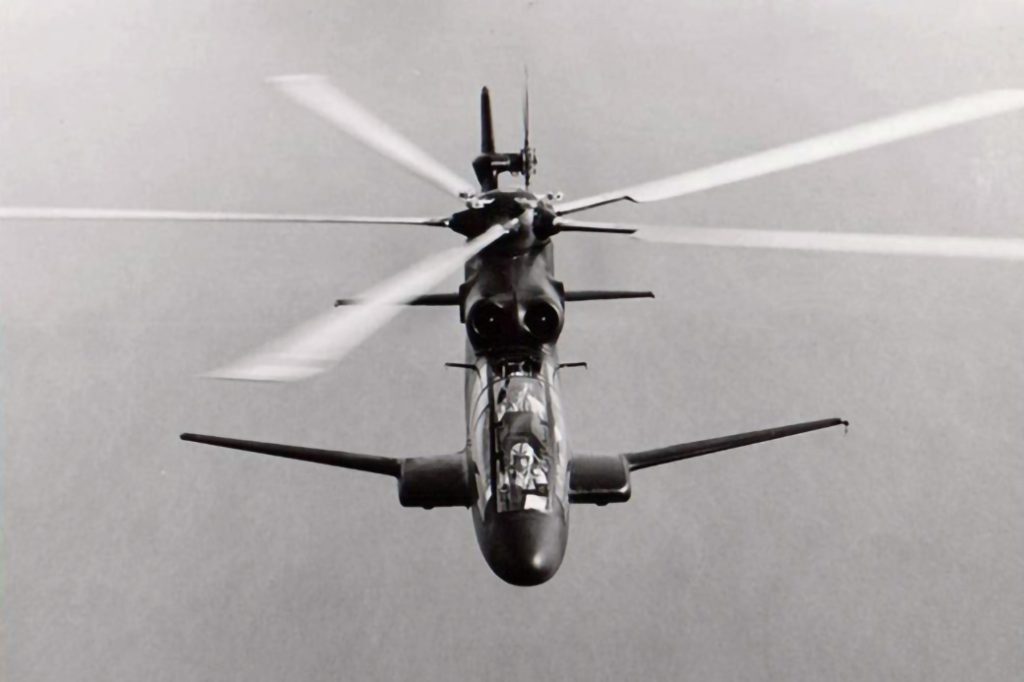
On paper, the S-67 could carry 7,000 pounds of arms and ammunition for the attack role and had a turret-mounted 7.62 mm gun, 20- and 30-mm cannons, 40-mm grenade launchers, and wing-mounted rocket and antitank missile pods. With a range of 600 miles, the helicopter could fly long distances on search-and-rescue missions using wing-mounted fuel tanks, operate as a reconnaissance platform packed with sensors, or even transport a small group of armed troops at speeds far higher than those of conventional helicopters of the time.
Fast and Agile
During its test flights between 1970 and 1974, pilots described the S-67 as smooth and responsive, and highly maneuverable. It was capable of performing maneuvers such as loops, rolls, and split-S turns. The helicopter was fast, and it set a speed record in 1970 for helicopters without auxiliary propulsion by reaching 191 knots over measured distances. In 1972, the US Army issued four small contracts to evaluate the S-67’s maneuverability and control near structural limits, its stabilator all-moving horizontal tail, its dive brakes, and the pilot’s artificial force feel system designed to reduce pilot workload at high speeds. The Army was satisfied with the helicopter’s speed and maneuverability, but also pointed out several handling issues, including a noticeable delay in pitch response, controls that felt stiff and poorly centered, and trim behavior that made long, steady flight more tiring than it should have been.
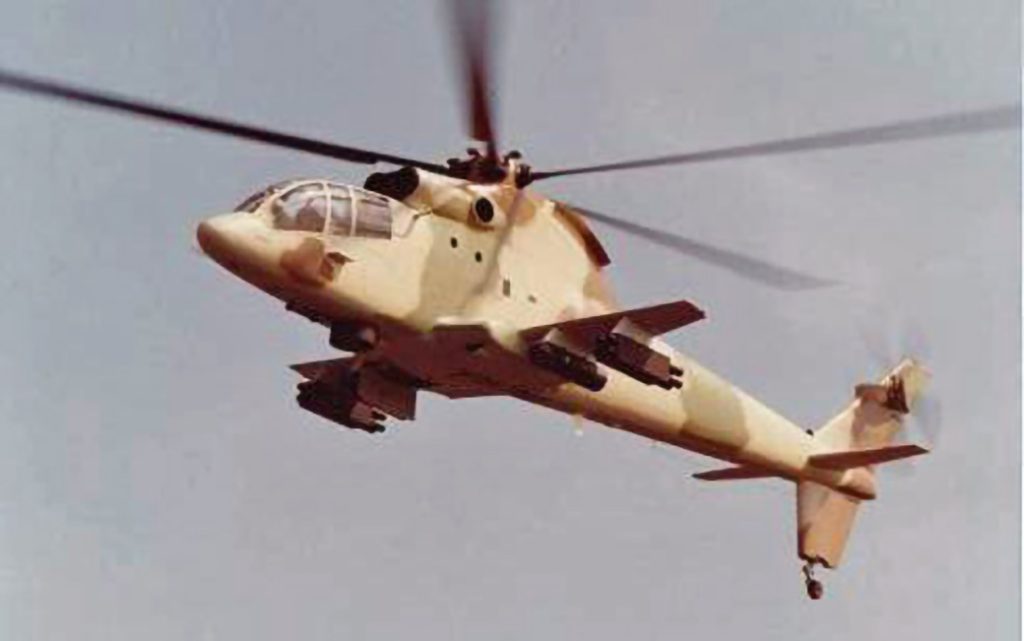
For Sikorsky, the timing of the aircraft also proved wrong as the Cheyenne program had already been canceled, and when the Army evaluated potential replacements in the early 1970s, it chose not to pursue an upgraded version of the S-67, instead deciding to start fresh with the Advanced Attack Helicopter program, eventually leading to the AH-64 Apache. Despite Sikorsky proposing a heavier and more capable production version of the Blackhawk, the Army wanted a different path. With no domestic customer in sight, Sikorsky modified the S-67 and took it overseas, converting the small cabin into a troop compartment, refining the cockpit to resemble a production aircraft, adding a hoist and a new gun turret, and demonstrating the helicopter in several foreign countries in hopes of generating interest. The aircraft continued to fly and impress, but no orders followed.
The Crash
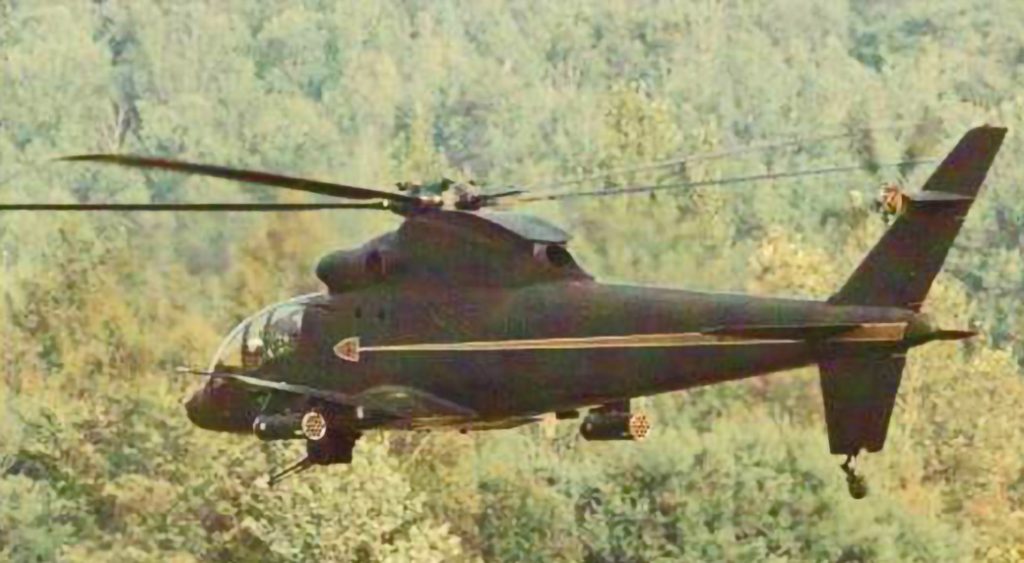
On September 1, 1974, during a flight demonstration at the Farnborough Air Show in England, the program came to a sudden and tragic end when the S-67 crashed during a low-level maneuver and was destroyed, killing both pilots. With only one prototype ever built, no funding to replace it, and no committed customer, the program ended immediately. By the time it was over, the S-67 had logged nearly 600 flight hours and proven that helicopters could be far faster and more agile than many believed, but it had also shown how narrow the margin could be when pushing rotorcraft performance to its limits. The Army wanted survivability, armor, and systems integration more than speed, and the S-67, for all its brilliance, did not align with that future.
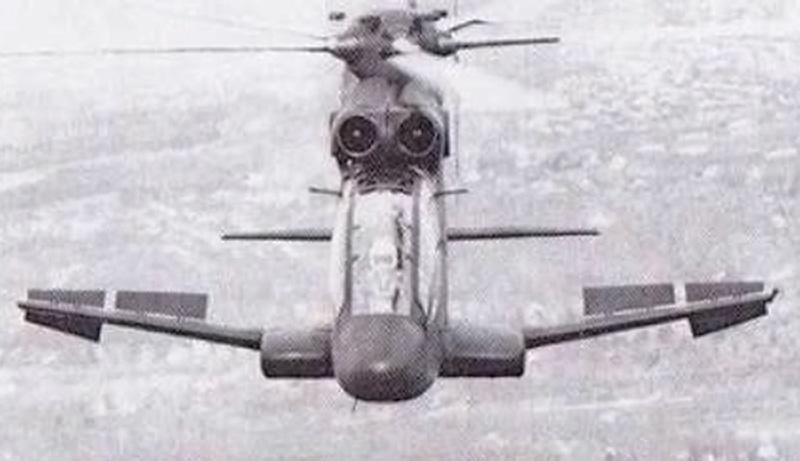
The Sikorsky S-67 Blackhawk was not a bad design or a failed idea; it was simply ahead of its time. Like other aircraft in the Grounded Dreams series, it never went into production or saw combat, but it helped show what helicopters could do and influenced the designs that came after it. Check our previous entries HERE.