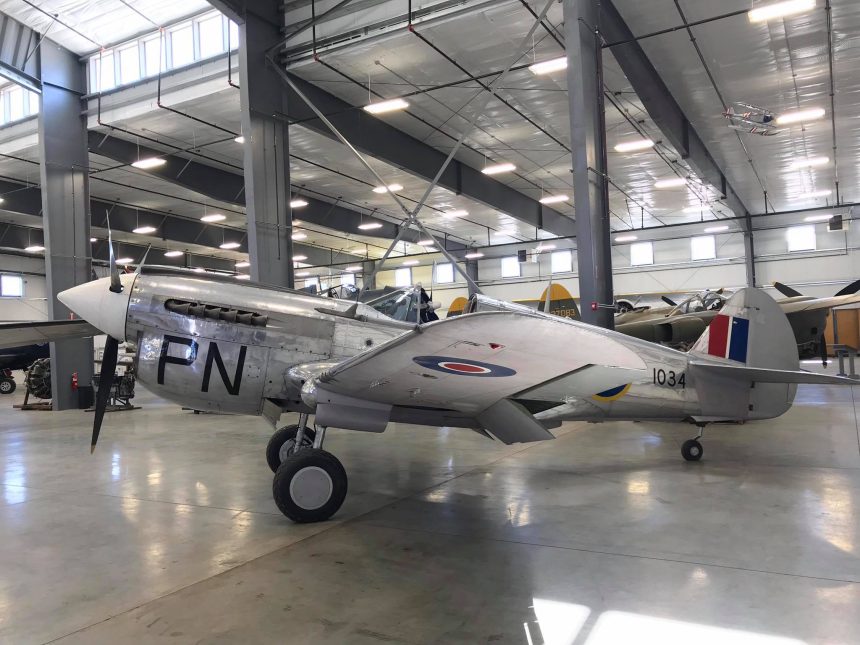

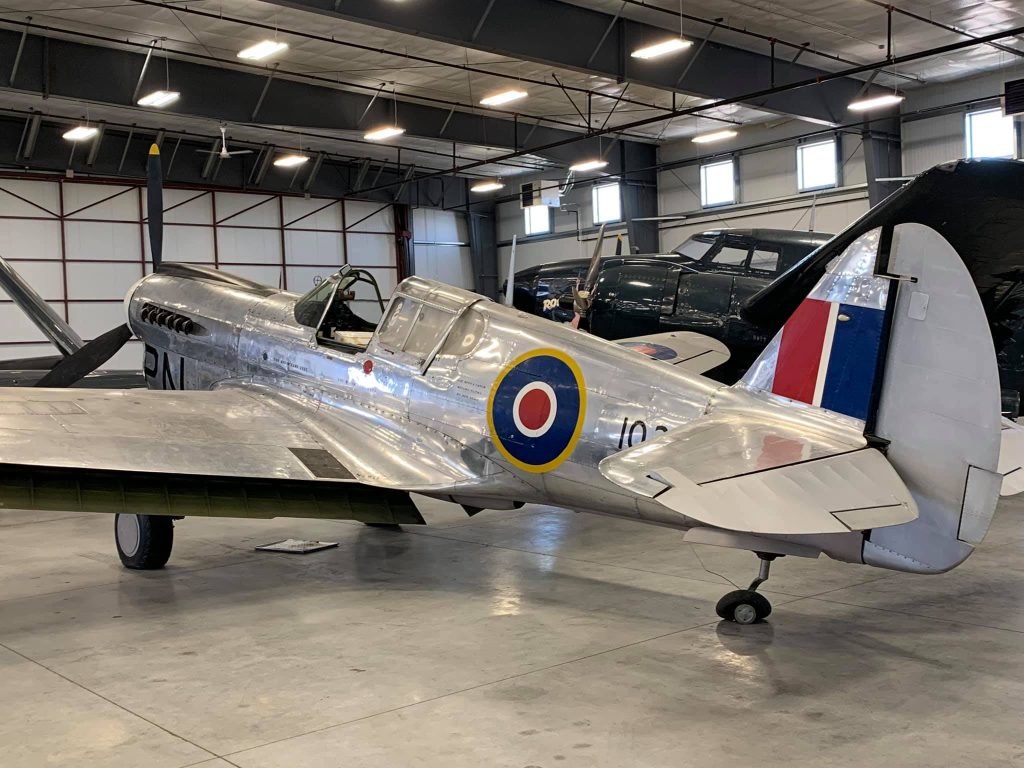
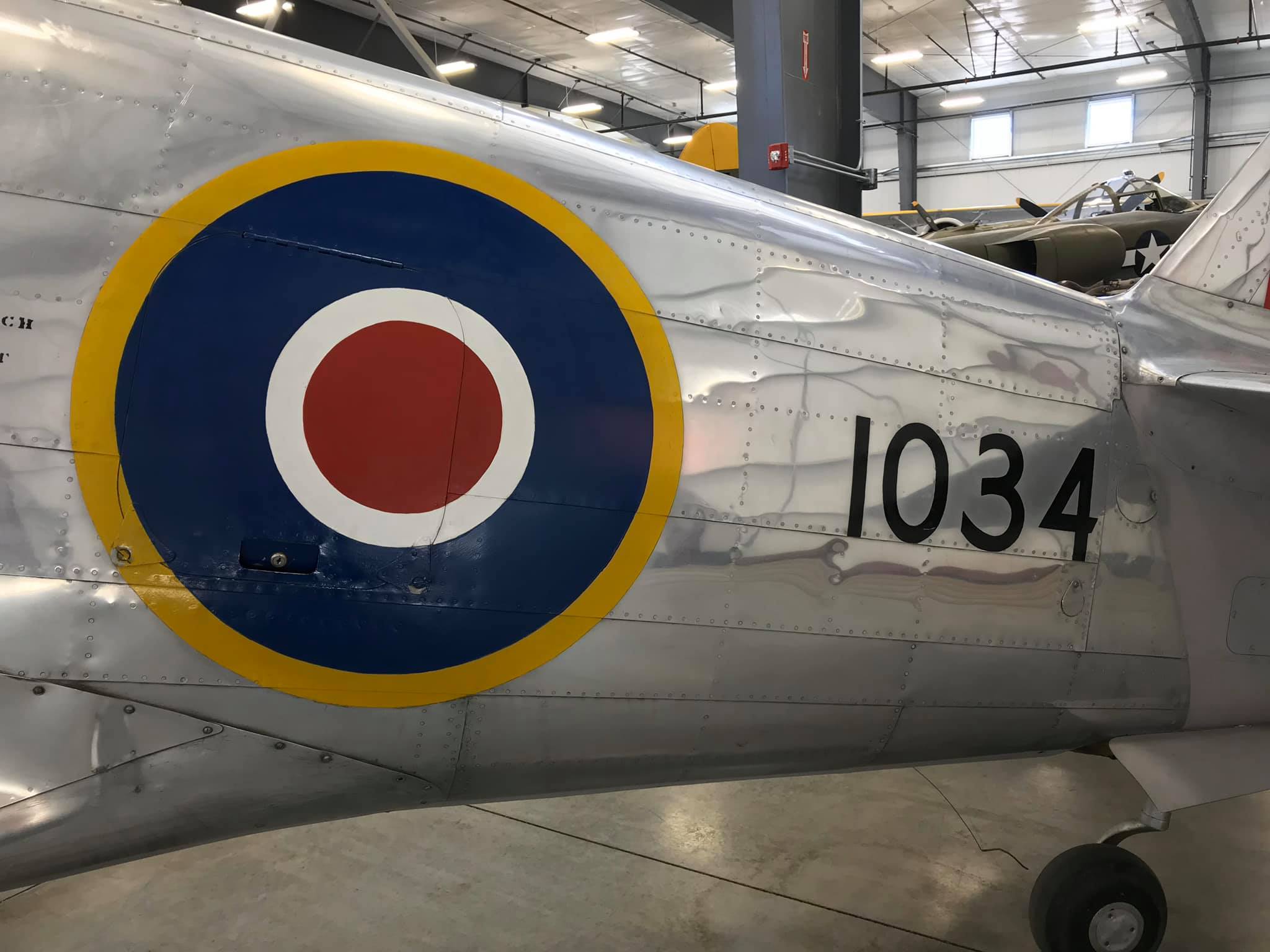
Curtiss P-40E Warhawk (Kittyhawk Mk.IA) s/n AK803, Constr. No. 15184 (“Maude”), nose code “PN.” This is what I have found about this particular aircraft. It was invoiced to the Royal Air Force on October 2, 1941, and was accepted by the RAF on October 8, 1941 (the cost of the aircraft at that time was $36,347 USD). Part of an RAF production order placed in May of 1940, it was diverted to the Royal Canadian Air Force, and on October 16, 1941, AK803 was the fifth of 156 P-40s to land in Canada. AK803 was initially based at RCAF Station Dartmouth, Nova Scotia, for anti-submarine patrols. In June 1942, this aircraft was one of seventeen 118 (F) Squadron Kittyhawks to make the record-breaking 4,000-mile crossing from Dartmouth to Annette Island, Alaska. While based there, it suffered damage when the landing gear collapsed on takeoff. Following repair of the minor damage later in 1942, the AK803 British serial number was dropped, and it was assigned #1034.
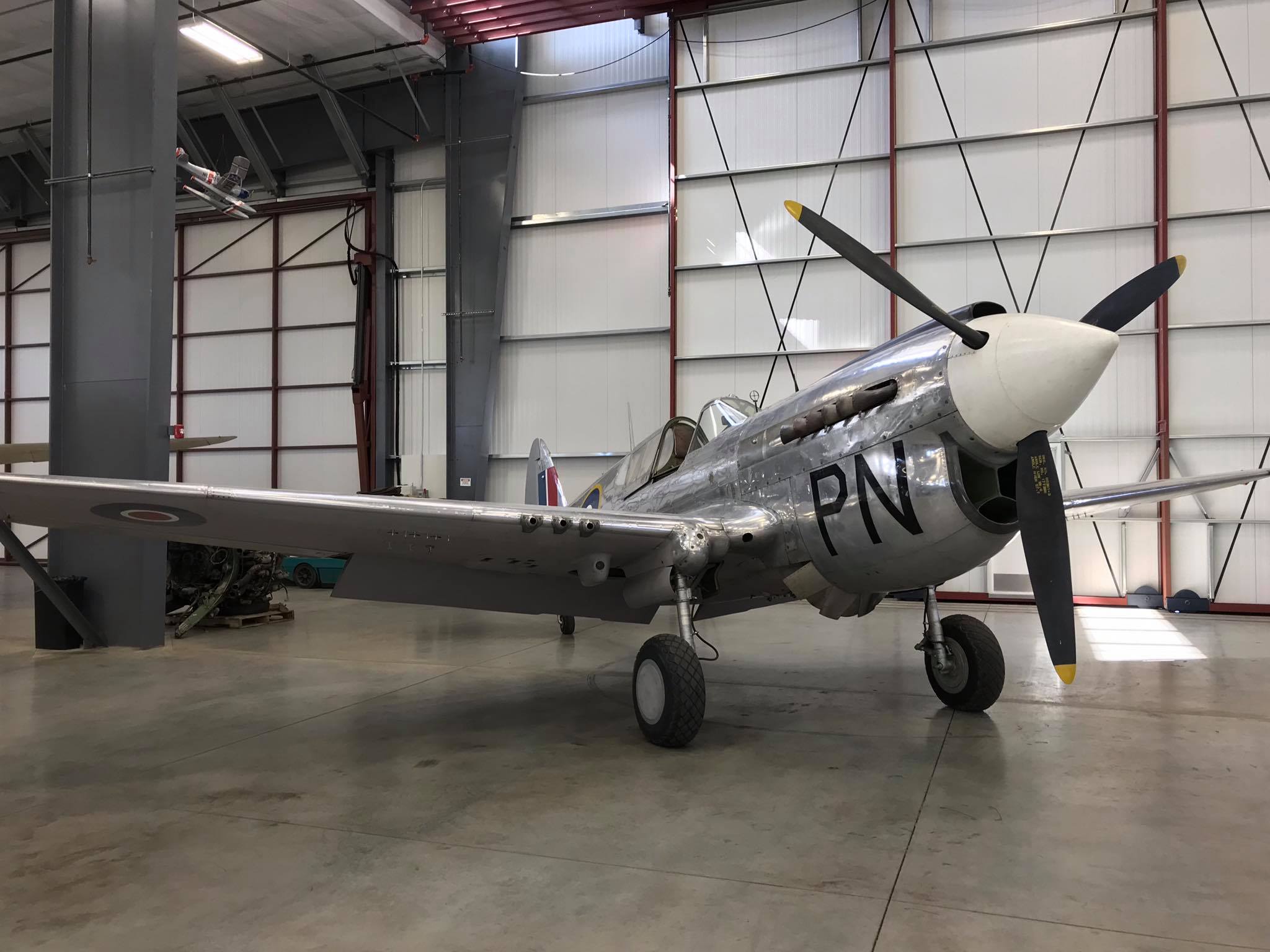
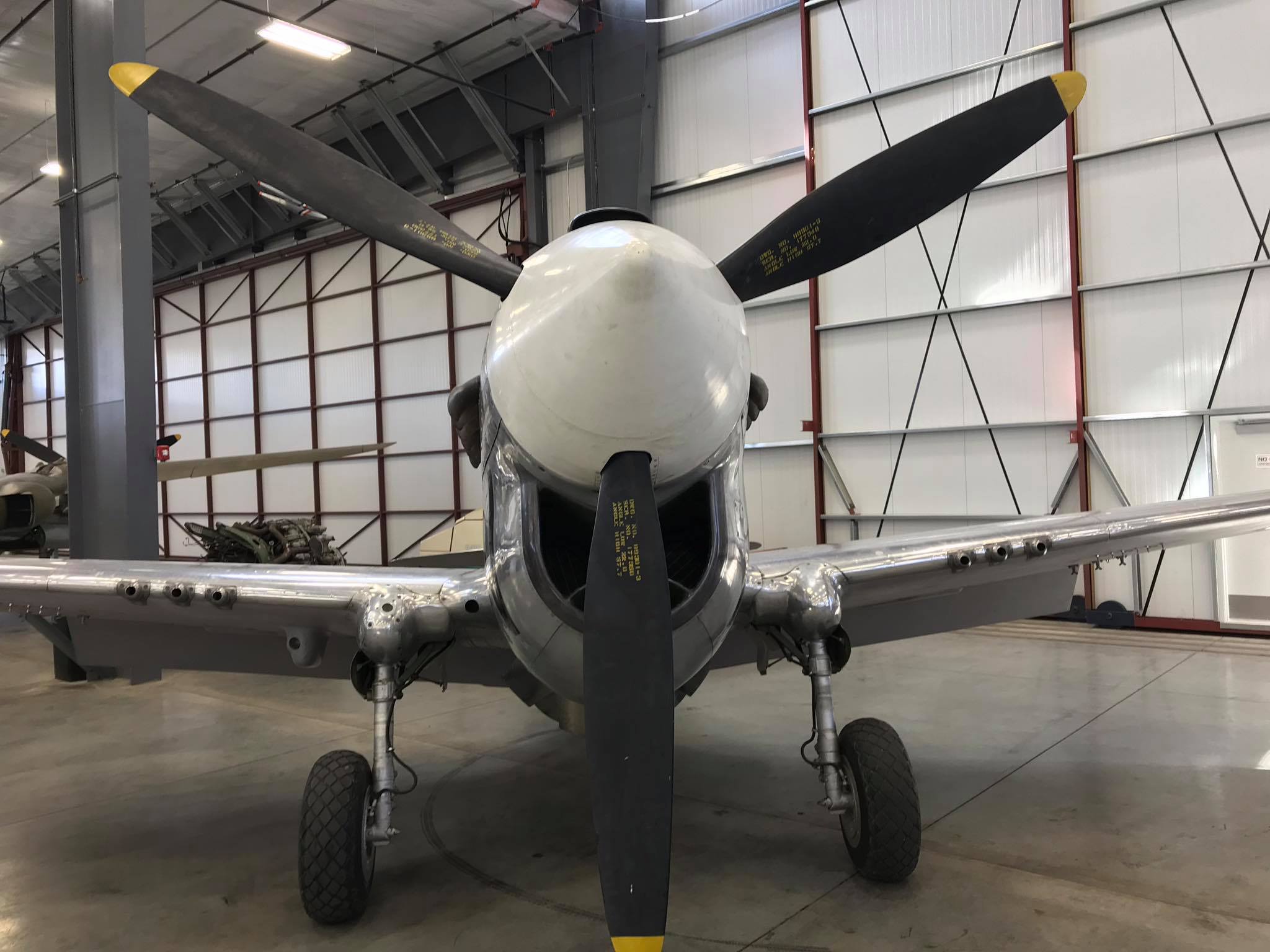
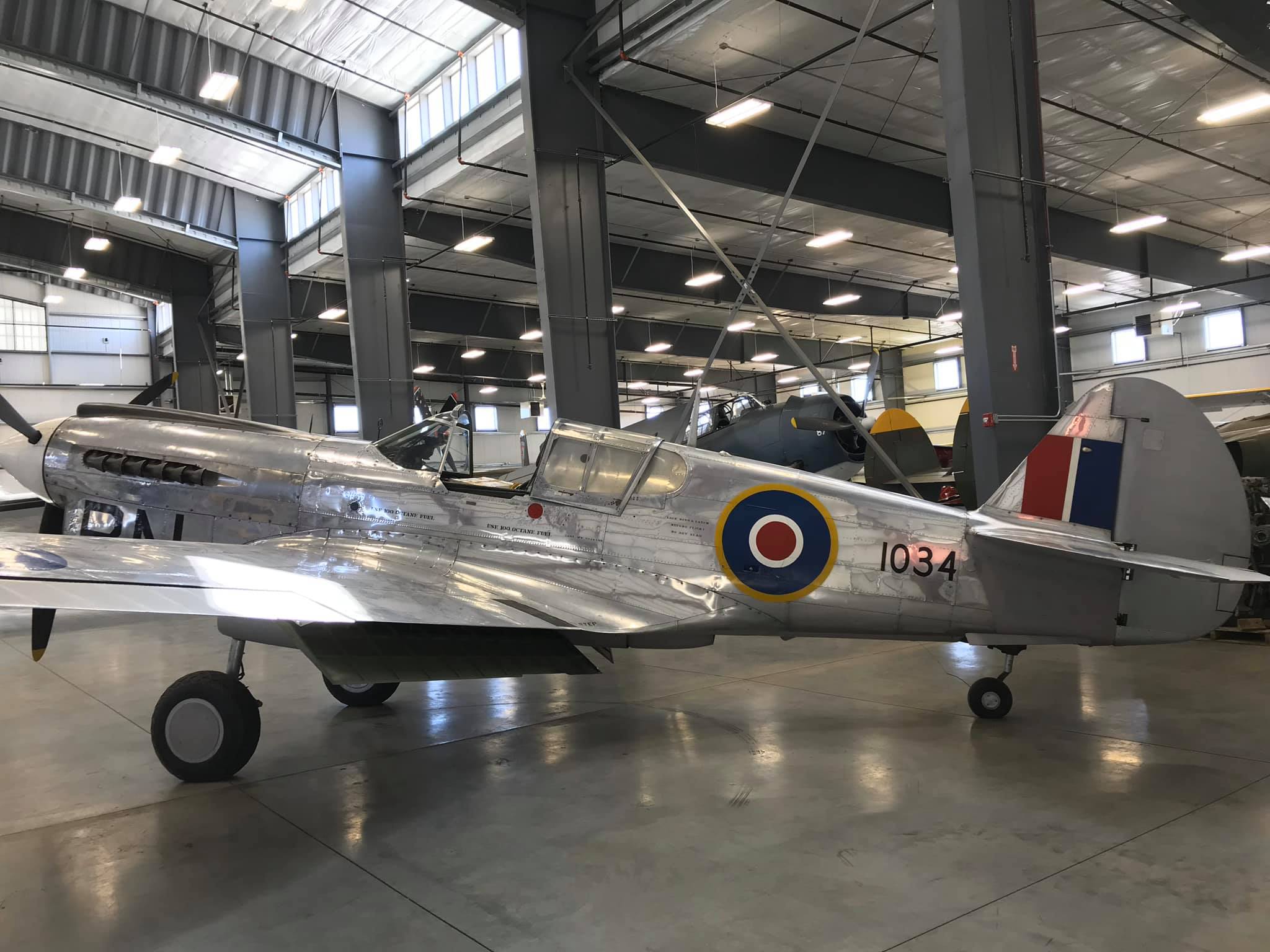
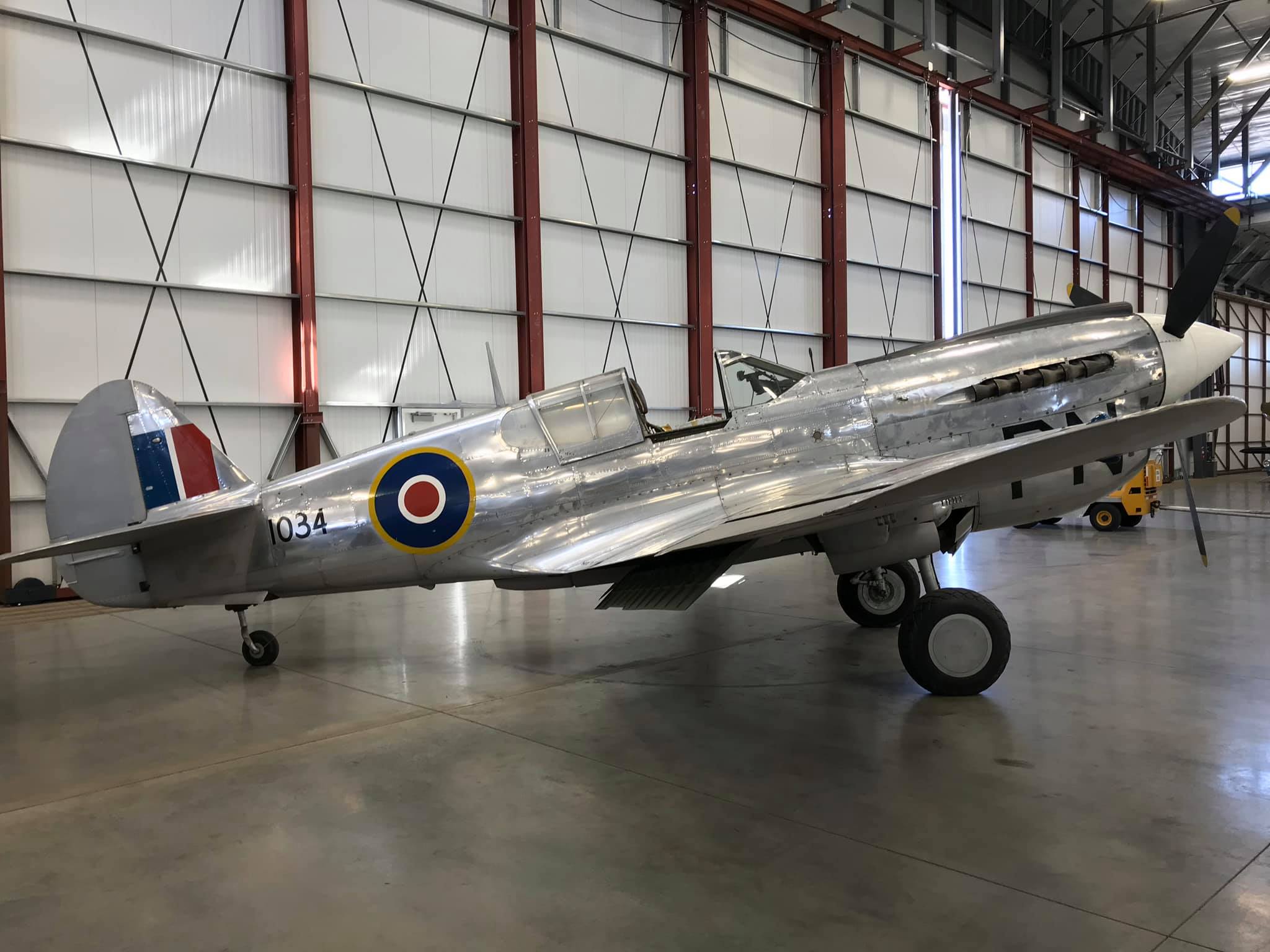
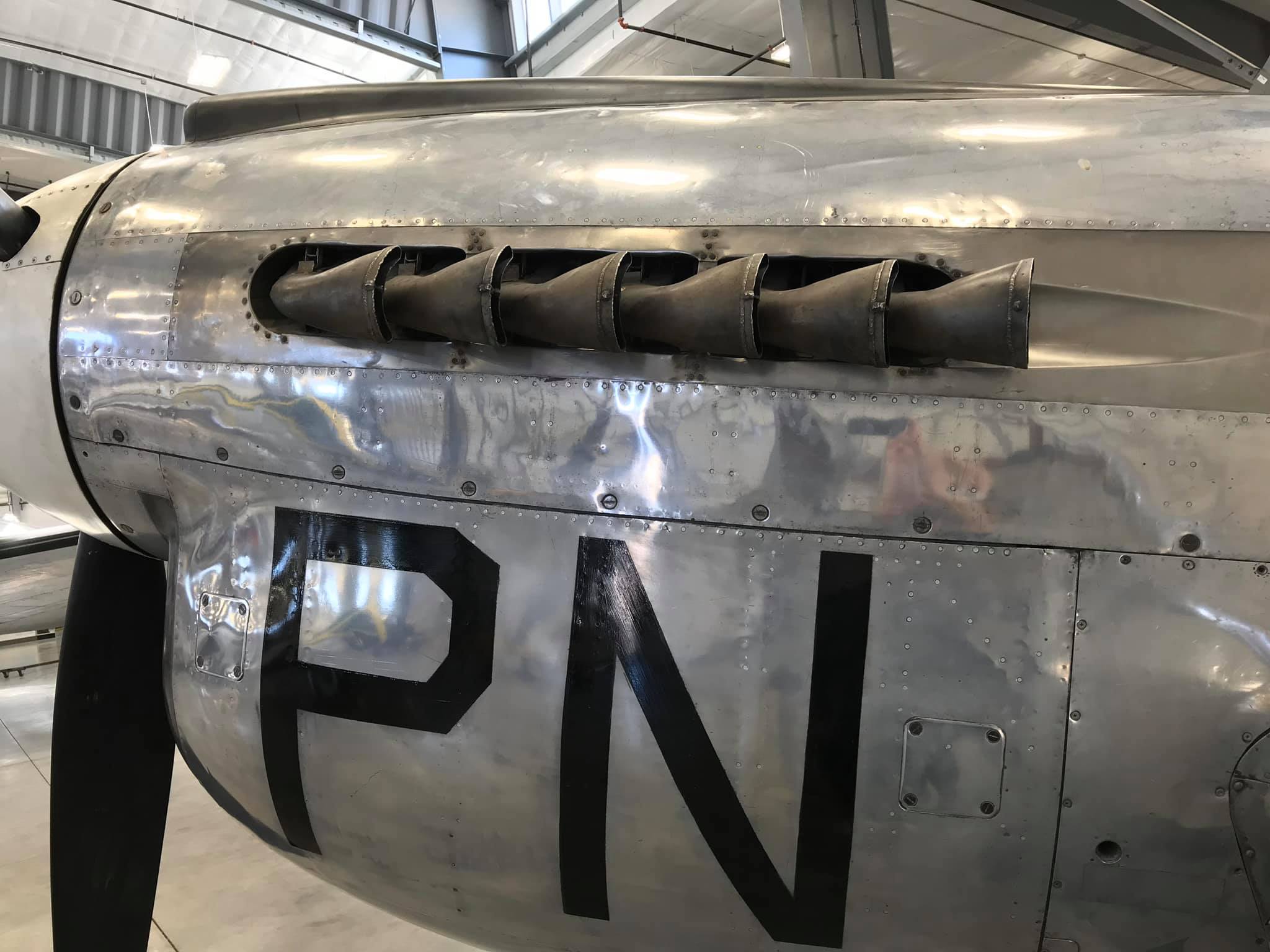
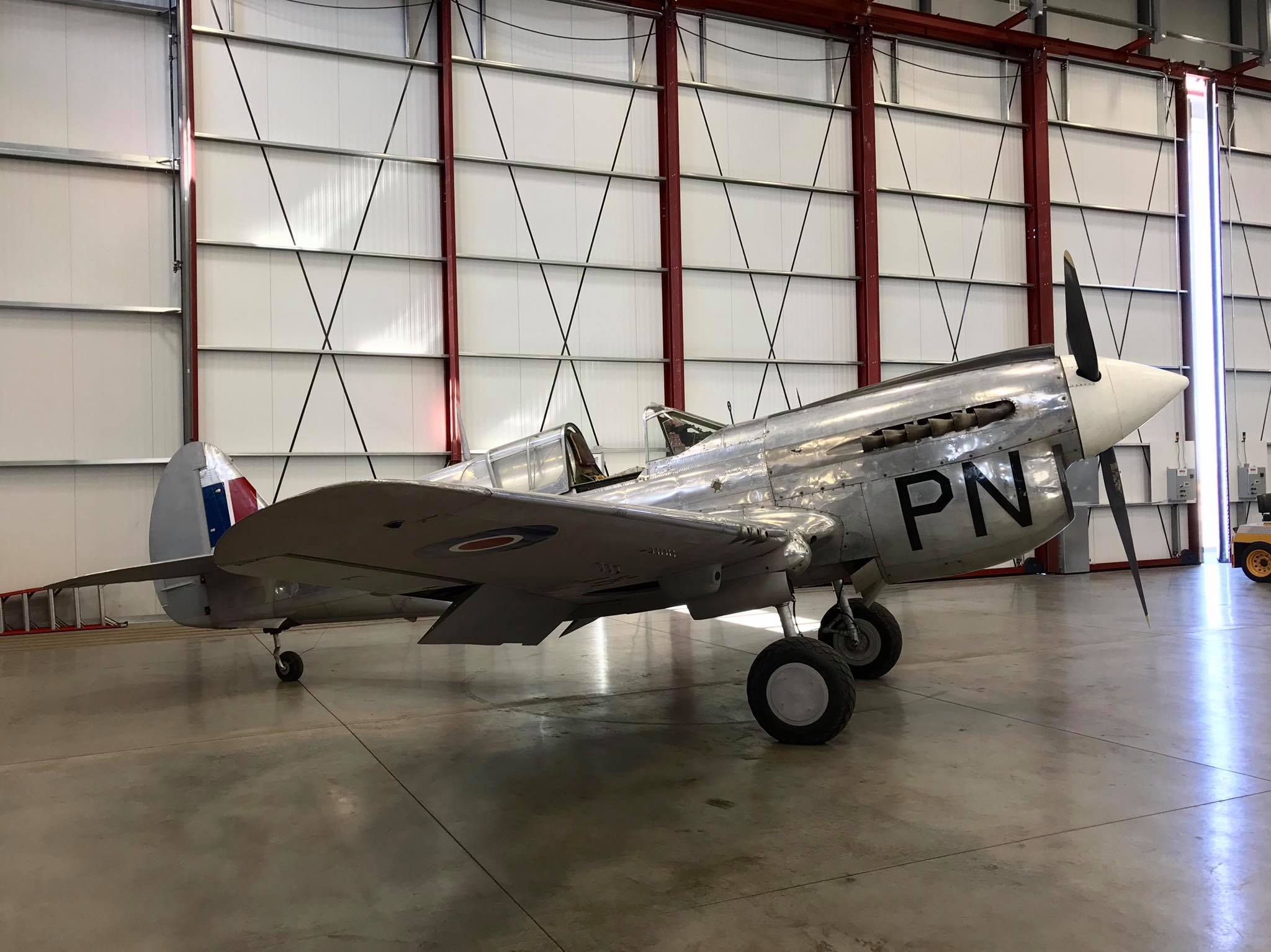
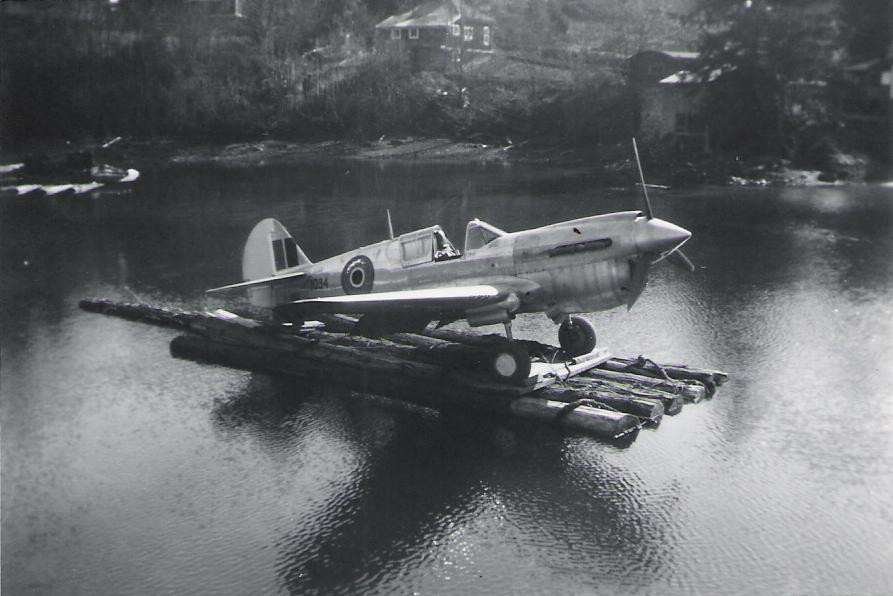
It was then posted at Boundary Bay near Vancouver, B.C., where it flew fighter support missions with B-24s and B-25s stationed in the Vancouver area. It was then flown to Patricia Bay/Victoria International Airport, where it made a belly landing when the landing gear gave way; meanwhile, a squadron change to 133 (F) RCAF was issued. The aircraft was barged across the Strait of Georgia to Coates Limited, located on Sea Island (now Vancouver International Airport). It was repaired (at least to some degree), stripped of its camouflage, polished, and sent on a war bond drive, and sat in the open air at Brockton Point Oval in Vancouver. It was later ferried back to Patricia Bay, where it was stored until it was declared surplus in August 1946. George Maude, who grew up on Salt Spring Island, B.C., in the Strait of Georgia, had joined the RCAF in 1943 and was posted at Patricia Bay. When 1034 came up for auction during a crown asset sale in 1946, Maude acquired the aircraft for $50. Later that year, he and a friend (Pete Stevens) had the aircraft towed on a log raft by a fishing boat from Patricia Bay to Salt Spring Island, where the wings had to be cut off in order to clear telephone poles along the street to Maude’s house.
It remained there, sitting in the open air, as a well-known tourist attraction from 1946 to 1974, during which time the engine was wound up on frequent occasions. It was then put on the Salt Spring Queen, a B.C. ferry, and ferried back to Patricia Bay, where it received a new set of wings (replaced by a pair that Maude had found in Champion, Alberta, in 1963). Following its restoration, it was given civil registry C-GHTM and resided at Patricia Bay Airport on Vancouver Island from 1974 to 2007. It was put on loan to the Commonwealth Military Aviation Museum at Sydney, B.C., from 1989-1993, and then to the West Coast Museum of Flying (also in Sydney), and was restored to taxiing condition. George Maude and son David Maude collected many spare parts over the years, including a long-range belly tank and radio equipment. The airframe has 3.30 hours on it since its military overhaul, with a new engine installed in 1946. Perhaps considered one of the most original P-40s in existence (with the exception of armament). As of this writing, it has been up for sale by Platinum Fighter Sales on Mayne Island, B.C. ($1,895,000 USD), and the website lists a sale as pending*. Engine: Allison V-1710-73, s/n 19653. These are my photos while the aircraft has been on consignment and displayed at Erickson Aircraft Collection in Madras, Oregon.
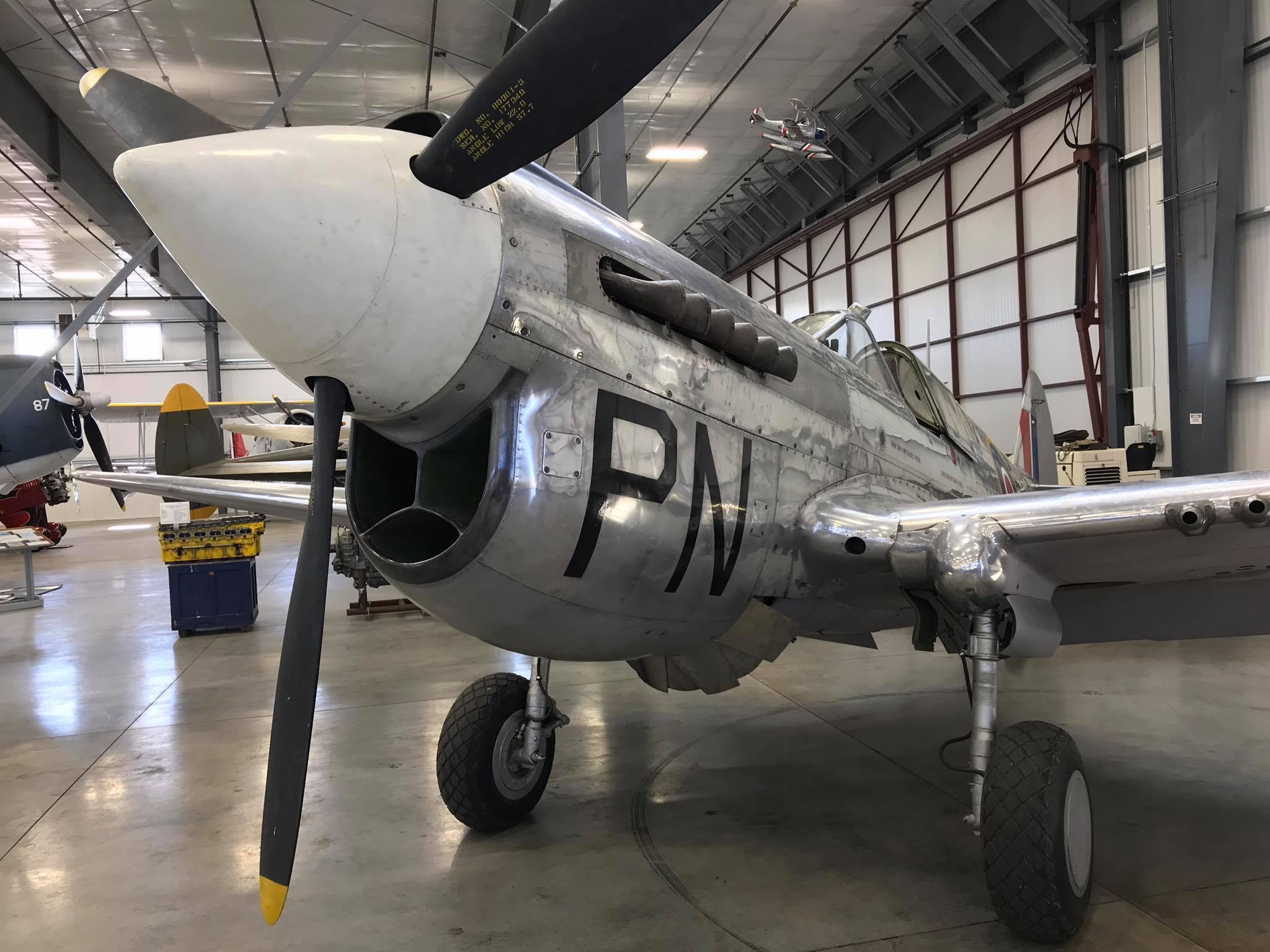
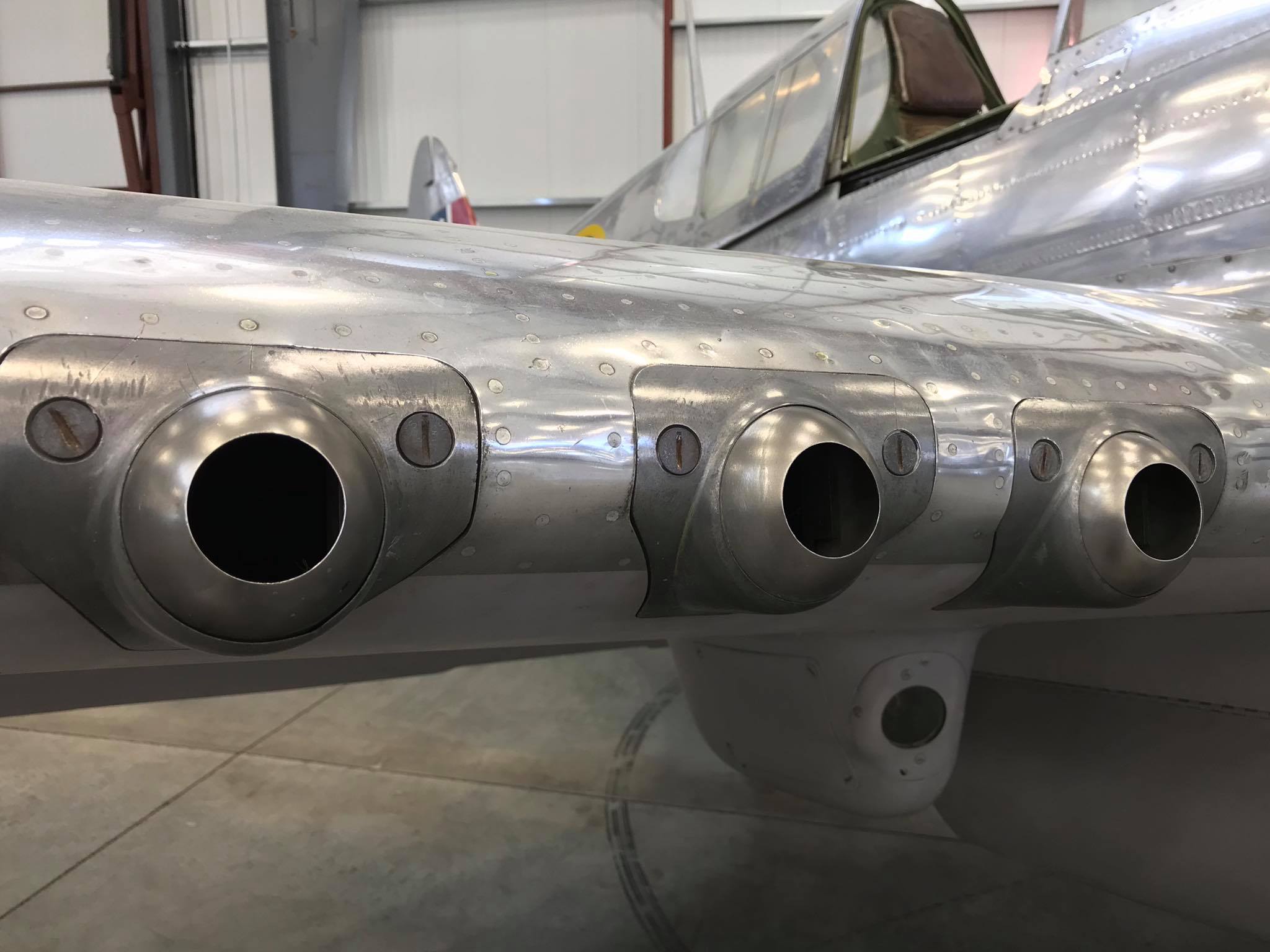
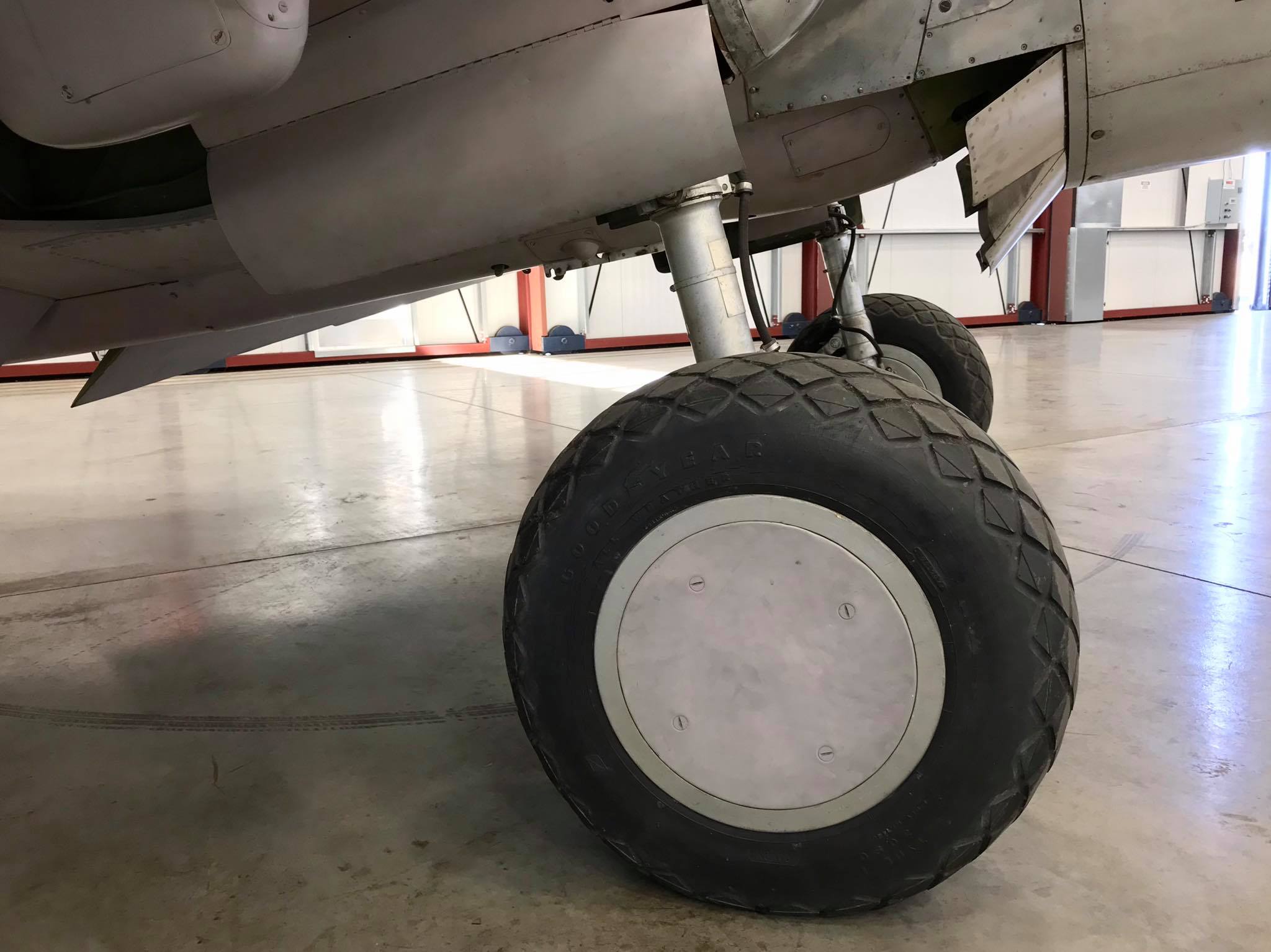
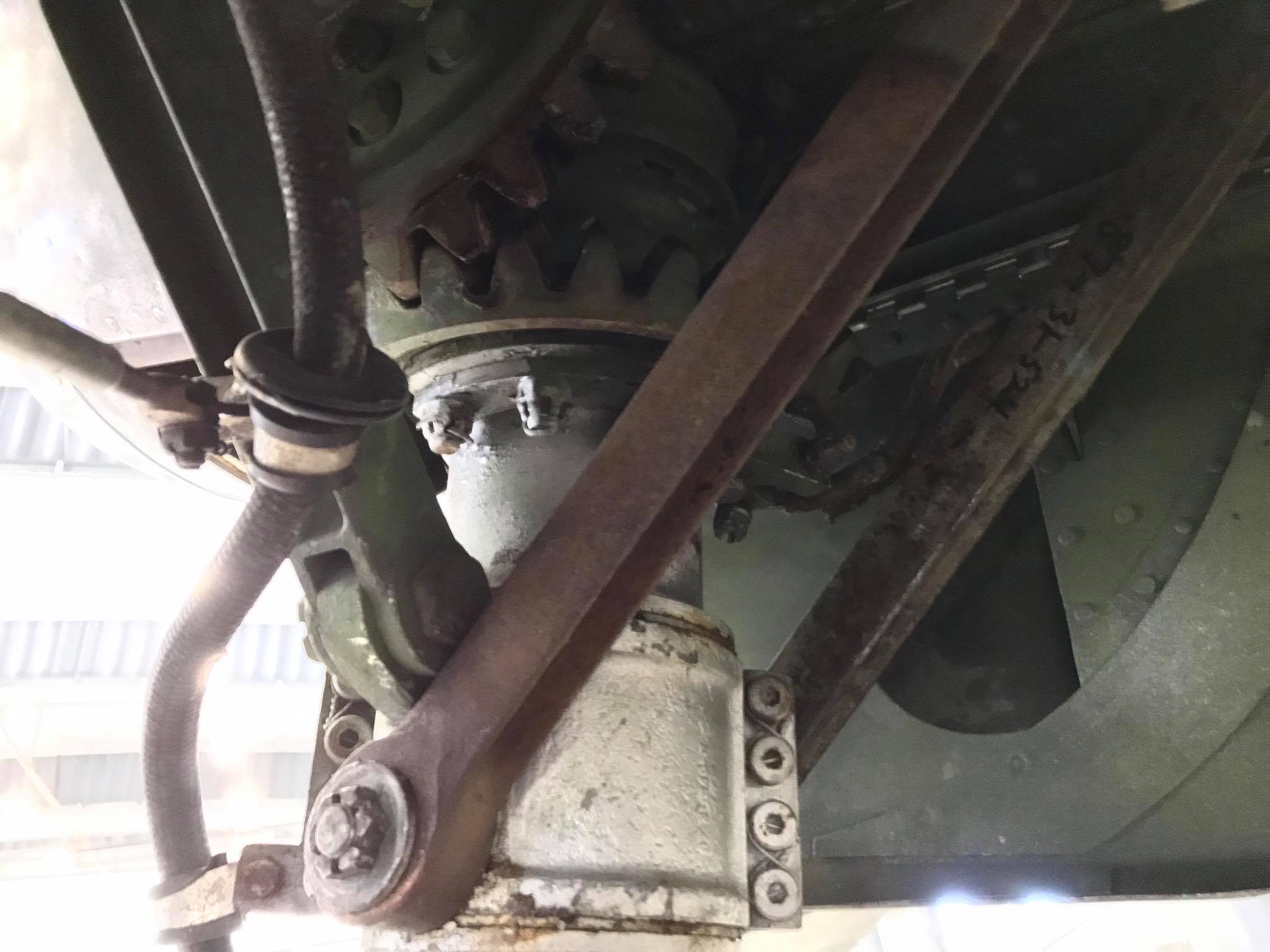
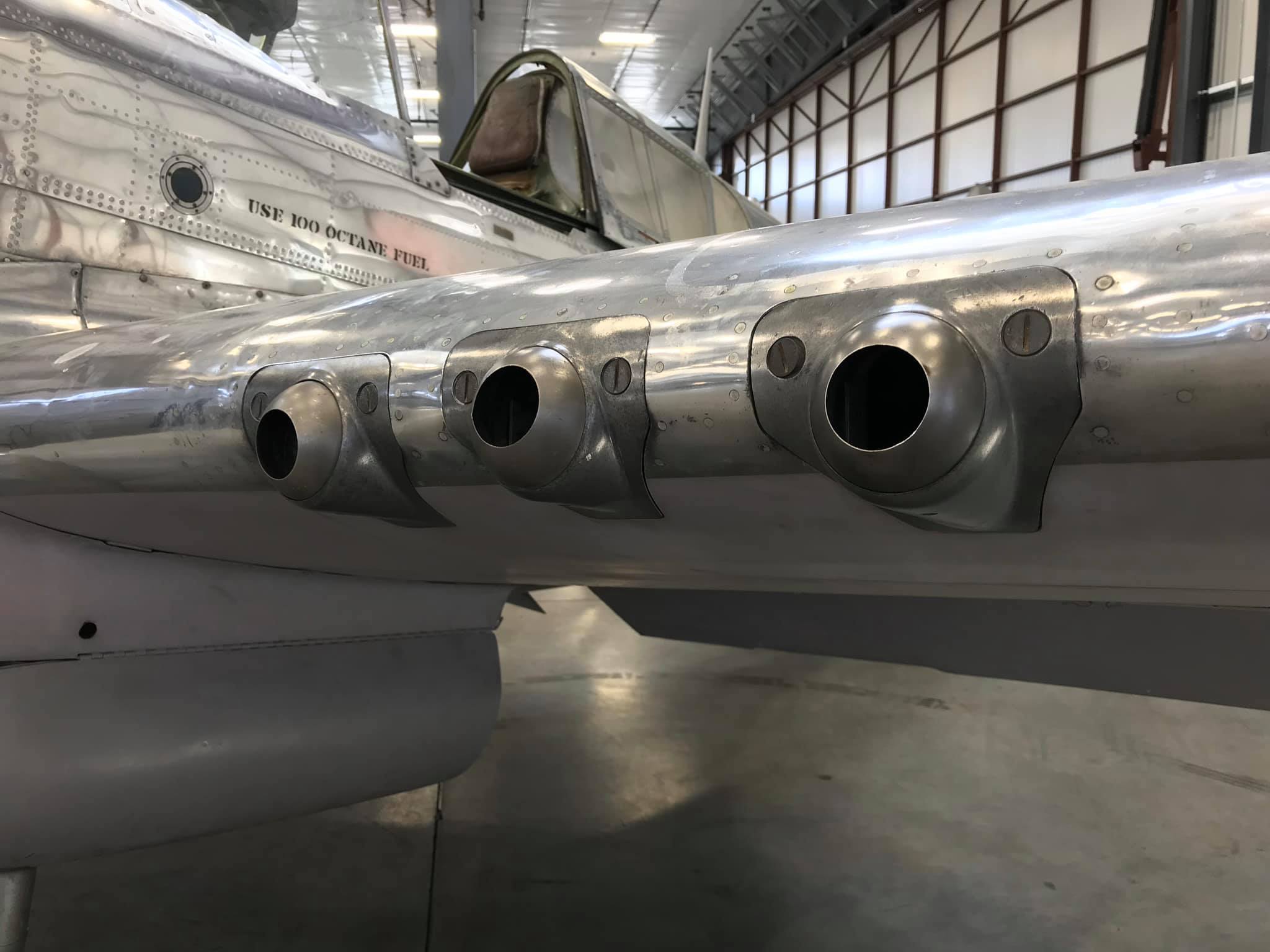
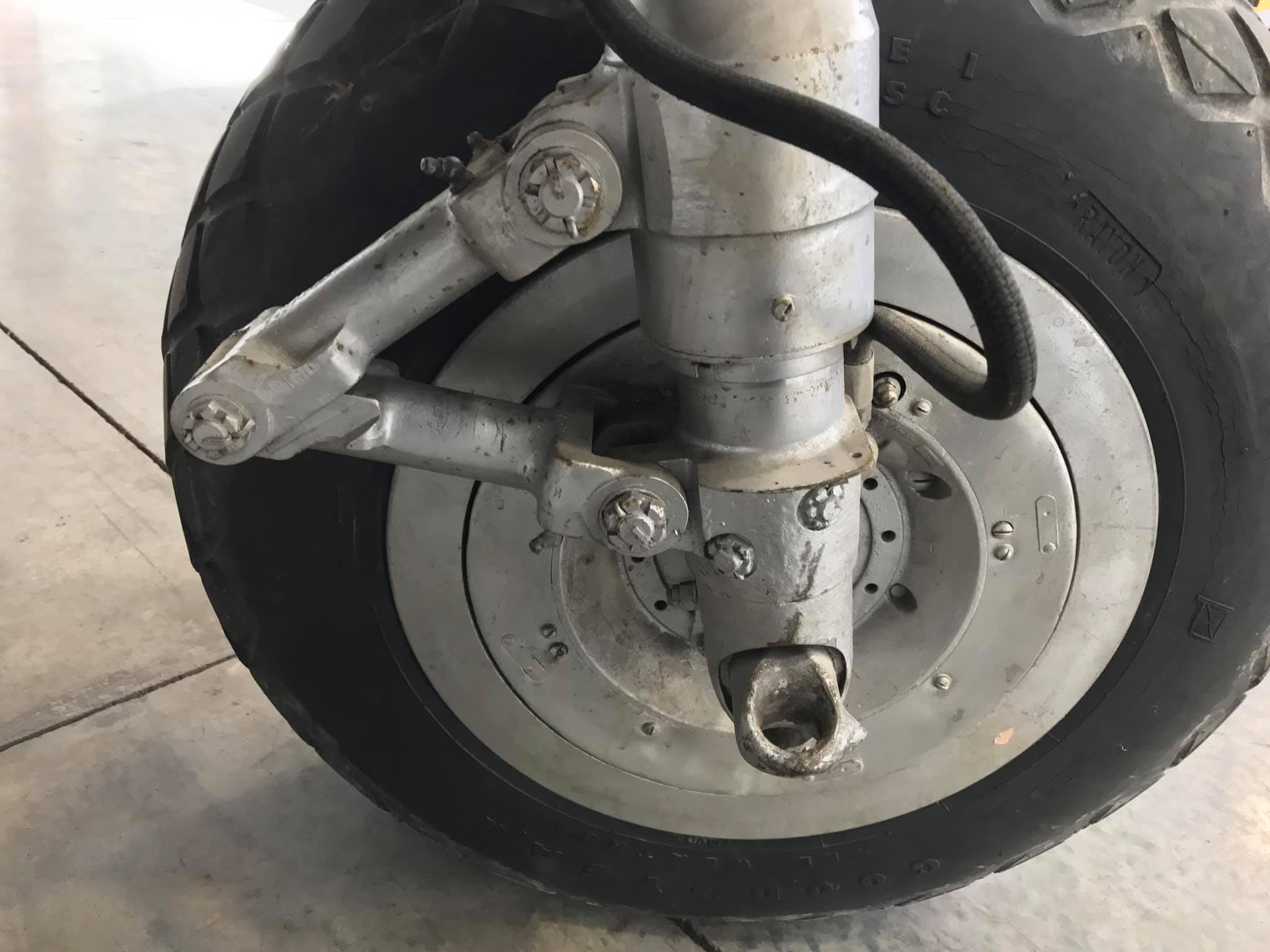
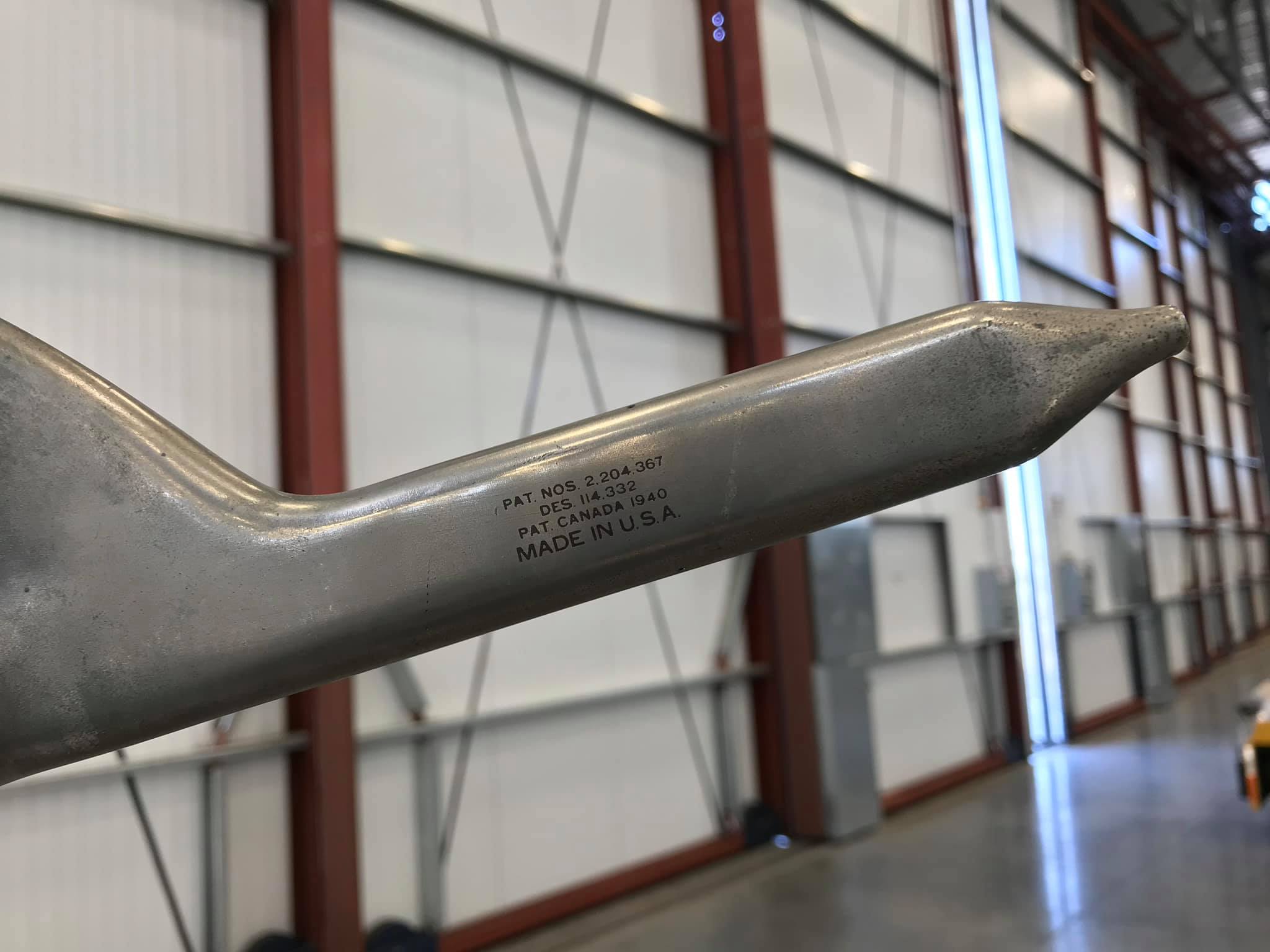
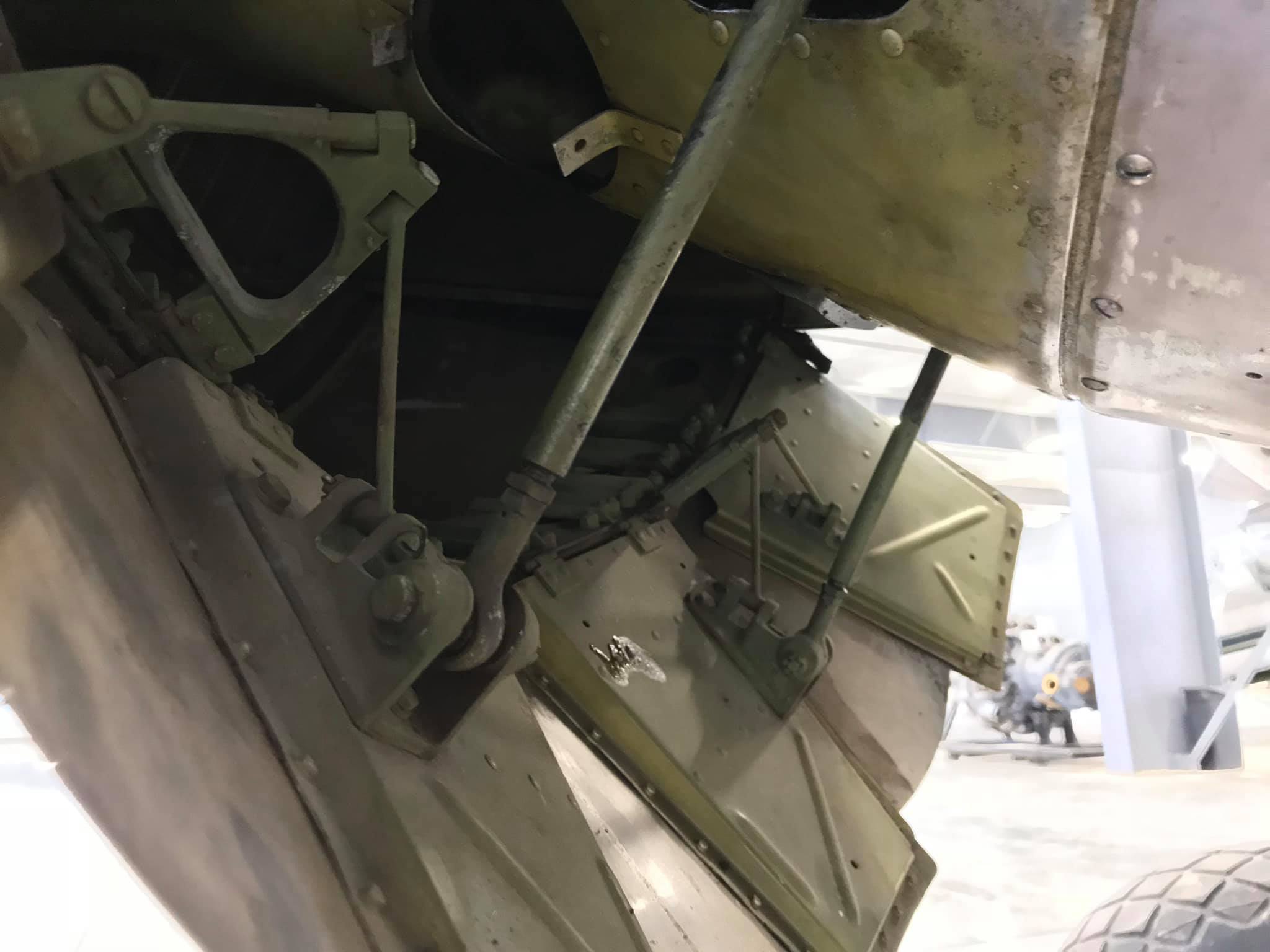
The “Warhawk” was the name assigned to the P-40 as flown by the U.S. Army Air Corps. Powerplant: Allison V-1710-73 engine. Armament in the E variant: six Browning 50 cal. machine guns in the wings. As far as I have determined, the aircraft that were assigned to the American Volunteer Group (AVG) in 1941, the British agreed to exchange 100 of their “Tomahawk” IIBs on order for later model Kittyhawk I’s. These were diverted to China, but U.S. law allowed only for cash-and-carry sales to belligerents. Central Aircraft Manufacturing Company (CAMCO) was formed to purchase these aircraft and “hire” the pilots and crew. This would make the aircraft P-40Cs, but AVG veterans assert that what they flew were P-40Bs; they were not equipped to carry 52-gallon drop tanks, nor bomb shackles, nor armor plating in front of the pilot, and the self-sealing fuel tanks had external, not internally mounted sealing material. Some P-40s were fitted with parachute flare racks under the wings. From what I have found, it is likely that the Curtiss plant substituted B models for British IIBs and shipped them to China. Disney studio artists Hank Porter, Roy Williams, Bill Justice, Van Kaufman, Ed Parks, and George Goepper created more than 1,200 insignia for Allied aircraft, vehicles, vessels, and bombs, without collecting any fees, including the “Flying V” on the P-40.
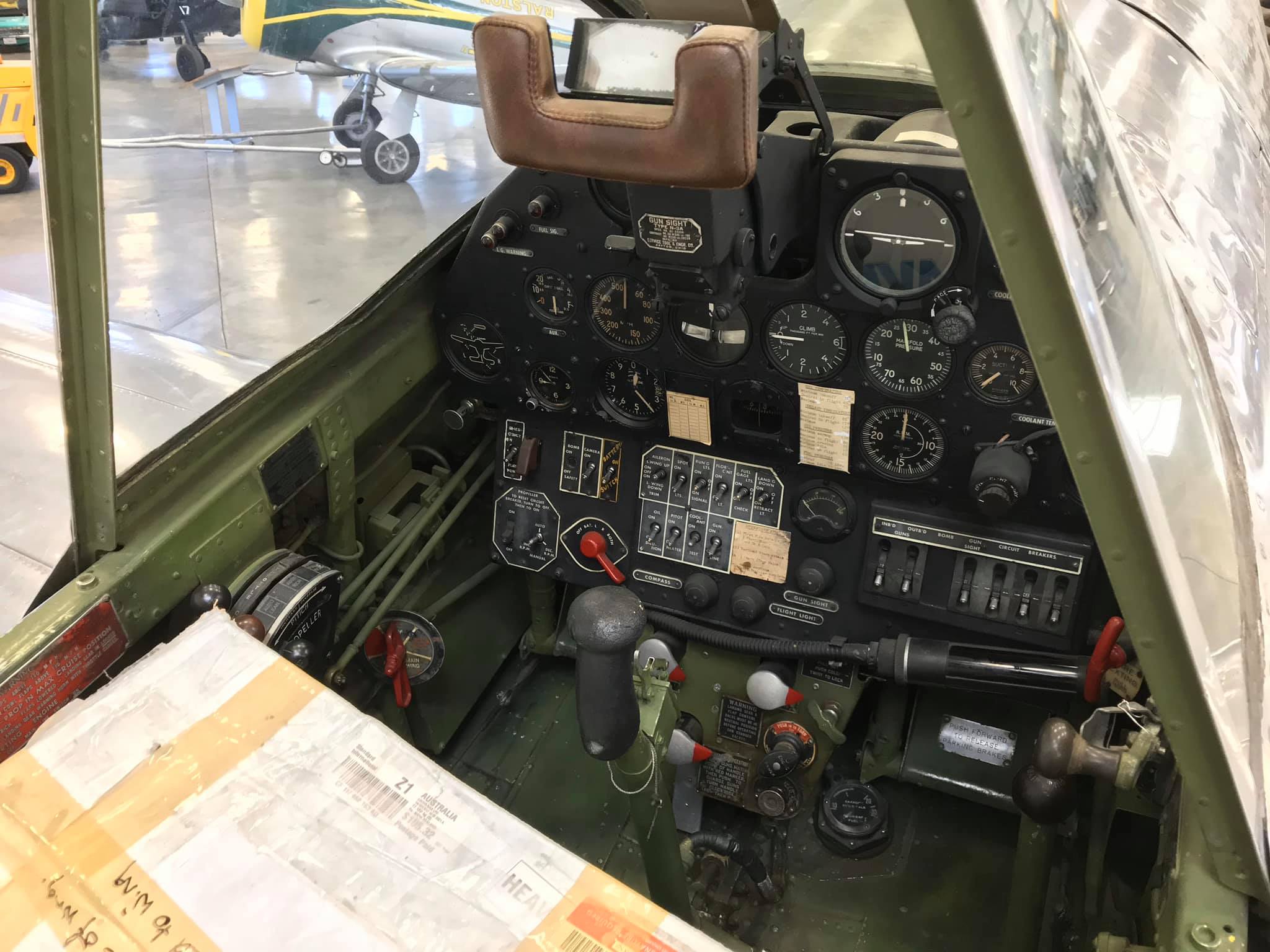
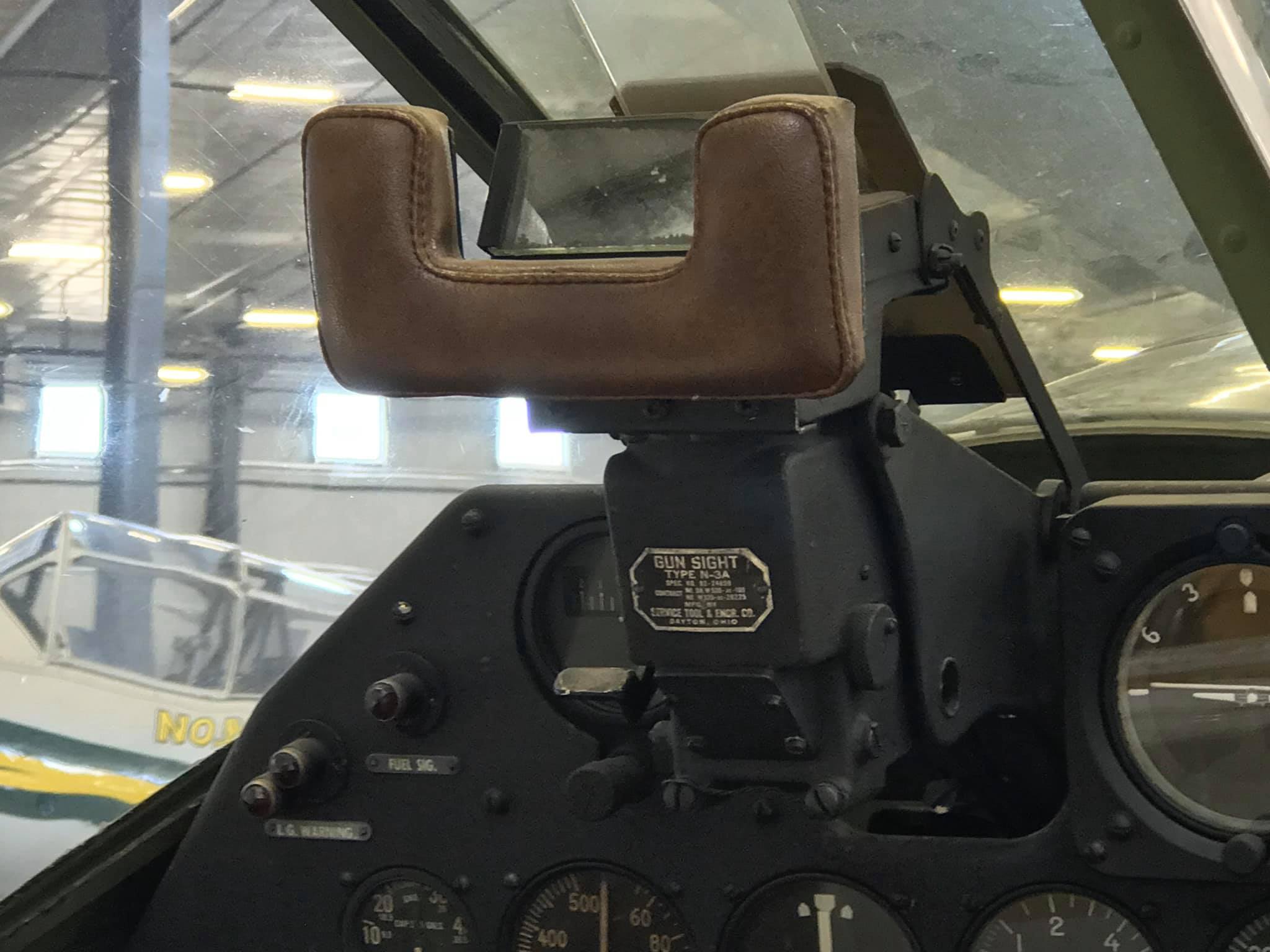
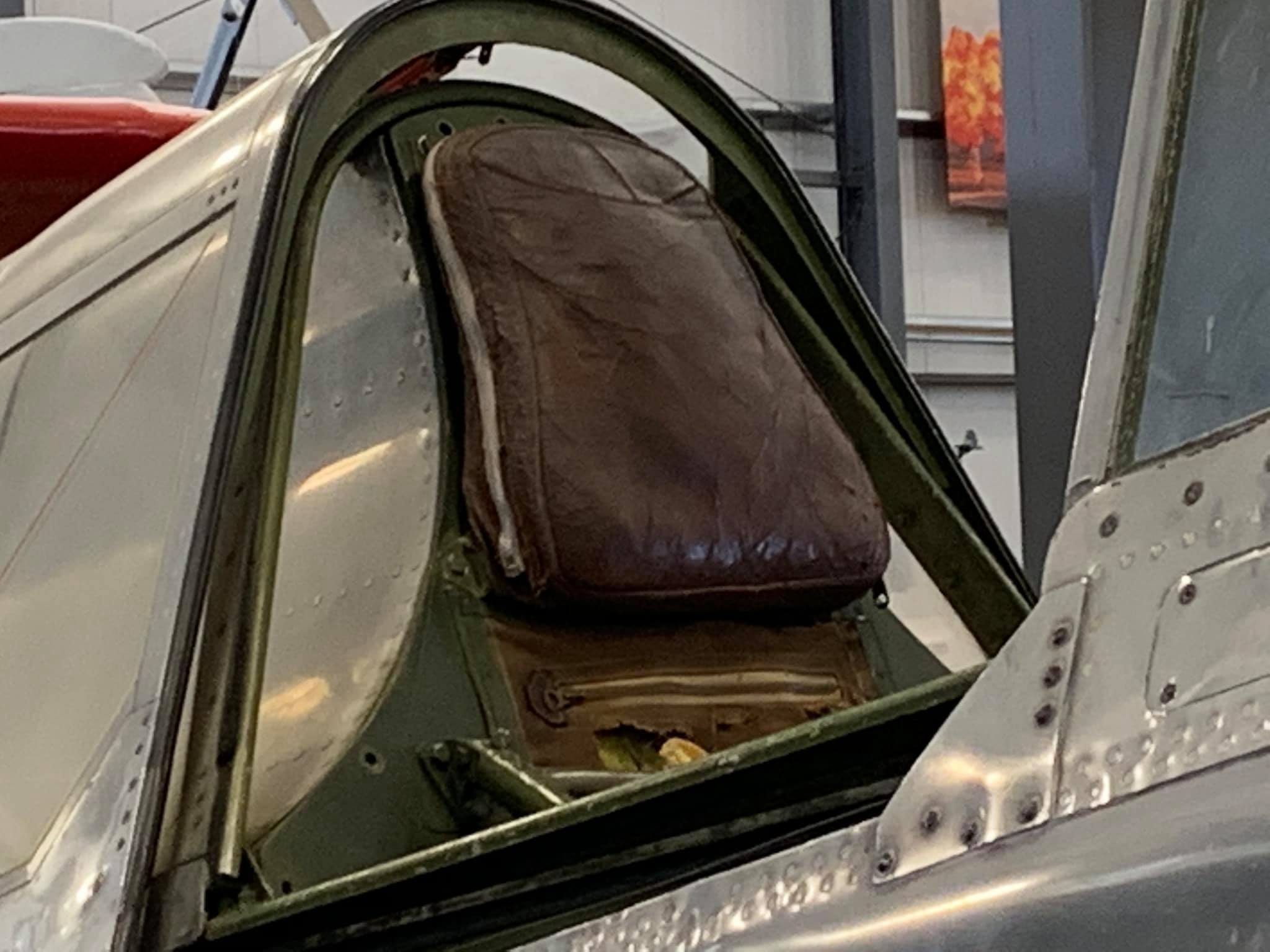
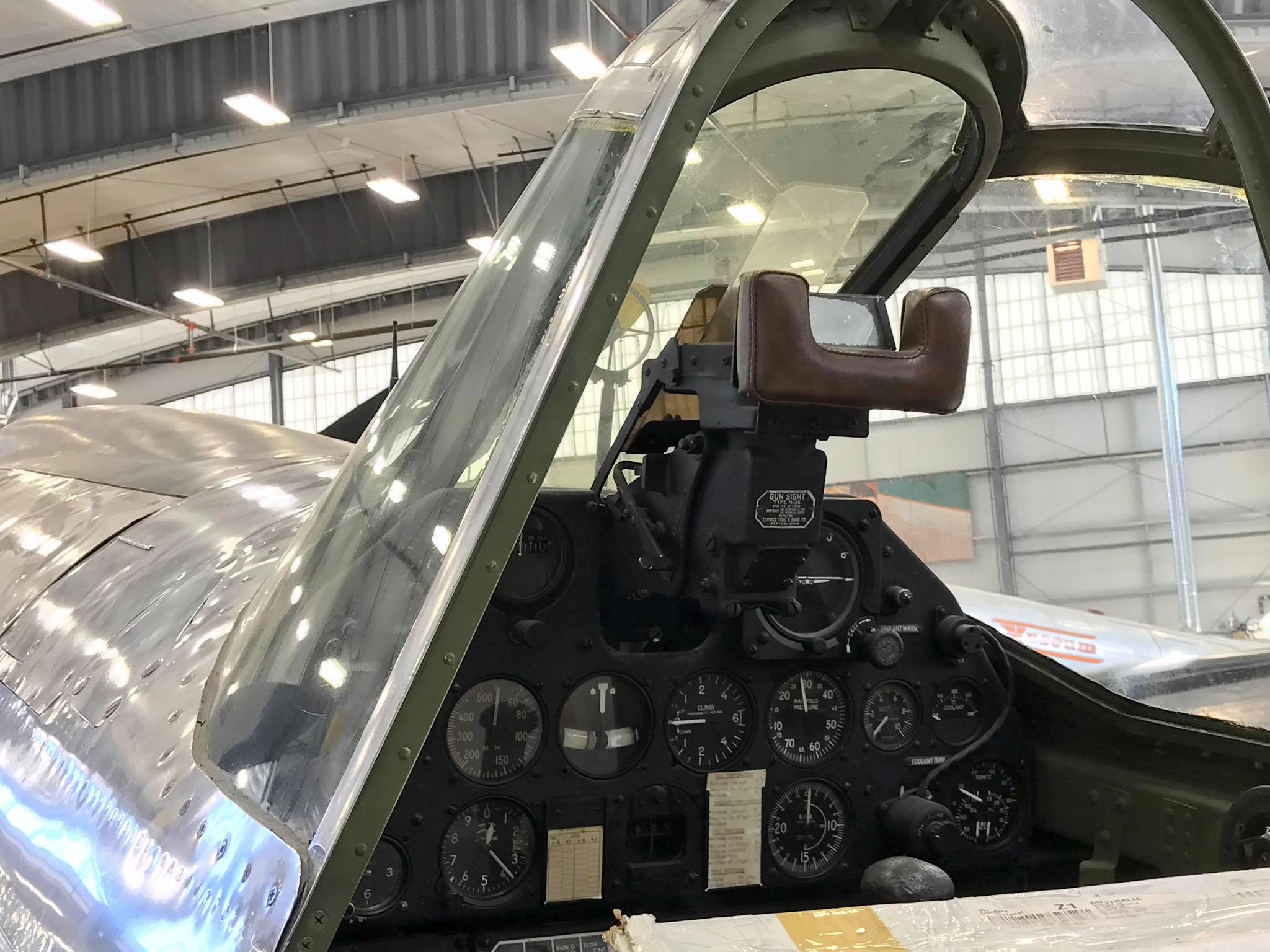
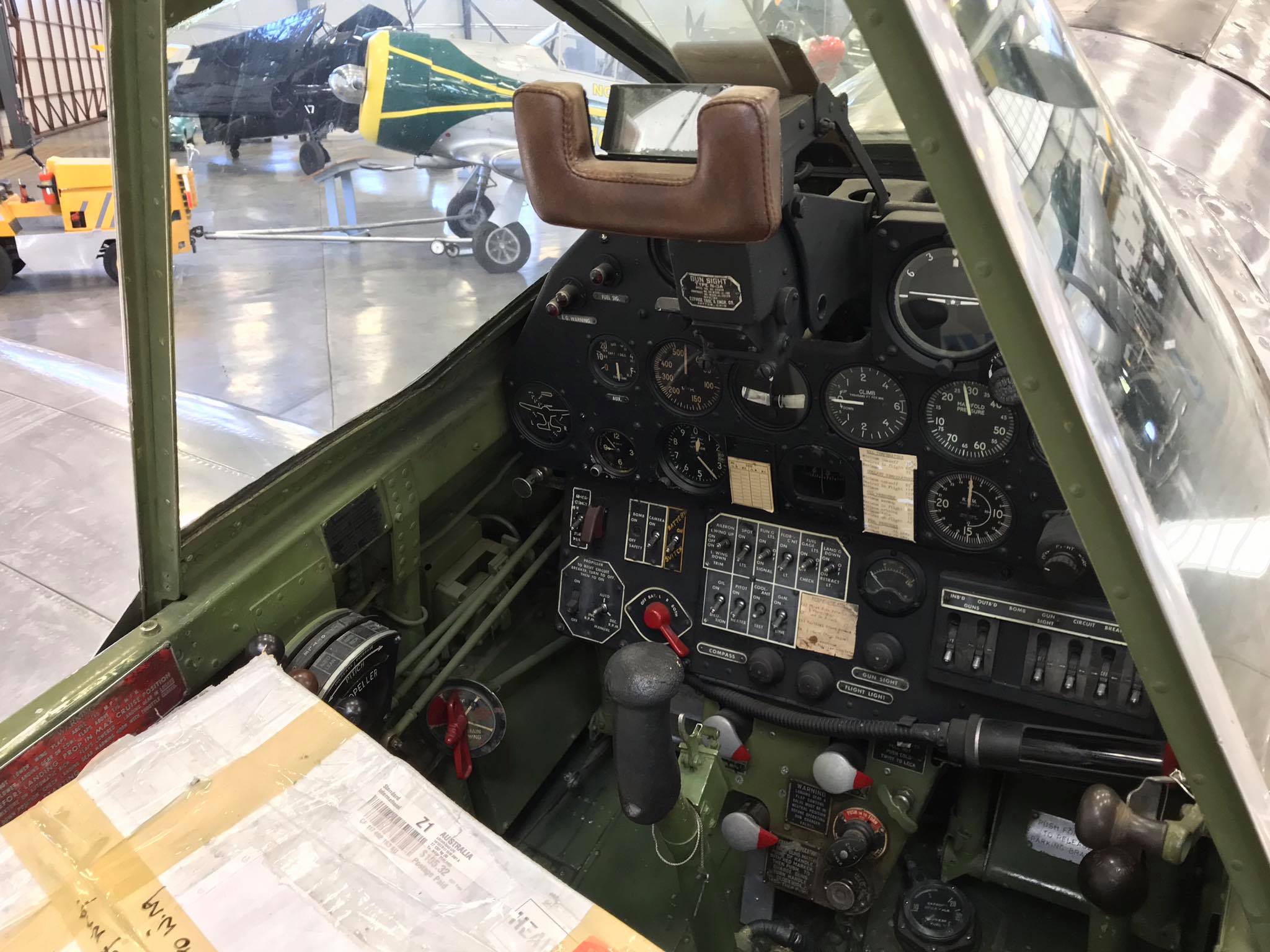
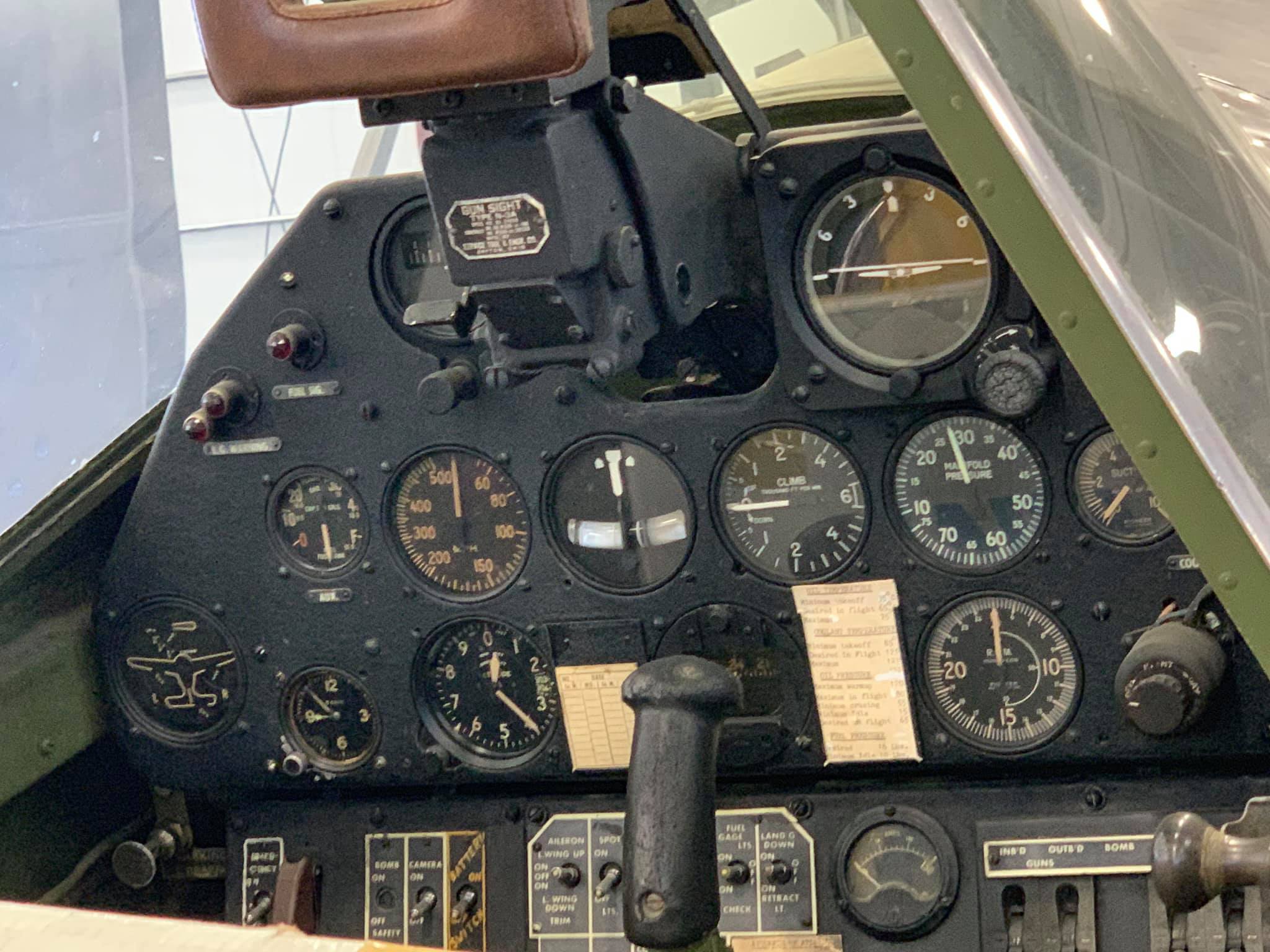
*Editor’s note: This aircraft has since been brought to Tab-Air of East Troy, Wisconsin, to be restored to airworthiness. It was delivered to Tab-Air in November 2021.
About the author
 Randy Malmstrom grew up in a family steeped in aviation culture. His father, Bob, was still a cadet in training with the USAAF at the end of WWII, but did serve in Germany during the U.S. occupation in the immediate post-war period, where he had the opportunity to fly in a wide variety of types that flew in WWII. After returning to the States, Bob became a multi-engine aircraft sales manager and, as such, flew a wide variety of aircraft; Randy frequently accompanied him on these flights. Furthermore, Randy’s cousin, Einar Axel Malmstrom, flew P-47 Thunderbolts with the 356th FG from RAF Martlesham Heath. He was commanding this unit at the time he was shot down over France on April 24th, 1944, and spent the rest of the war as a prisoner of war. Following his repatriation at war’s end, Einar continued his military service, attaining the rank of Colonel. He was serving as Deputy Wing Commander of the 407th Strategic Fighter Wing at Great Falls AFB, MT, at the time of his death in a T-33 training accident on August 21, 1954. The base was renamed in his honor in October 1955 and continues to serve in the present USAF as home to the 341st Missile Wing. Randy’s innate interest in history in general, and aviation history in particular, plus his educational background and passion for WWII warbirds, led him down his current path of capturing detailed aircraft walk-around photos and in-depth airframe histories, recording a precise description of a particular aircraft in all aspects.