
By Randy Malmstrom (with research from Adam Estes)
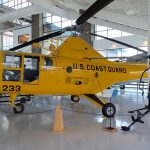
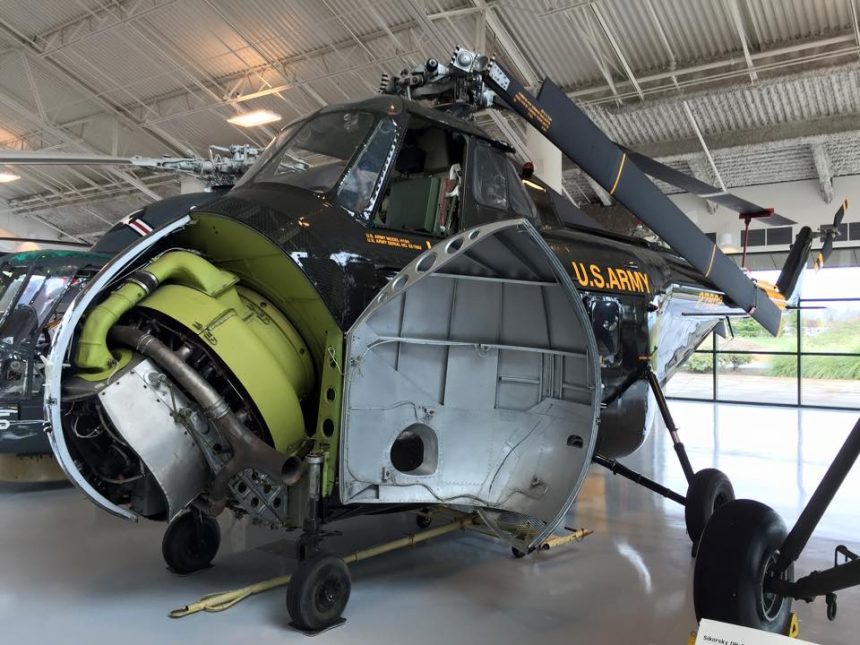
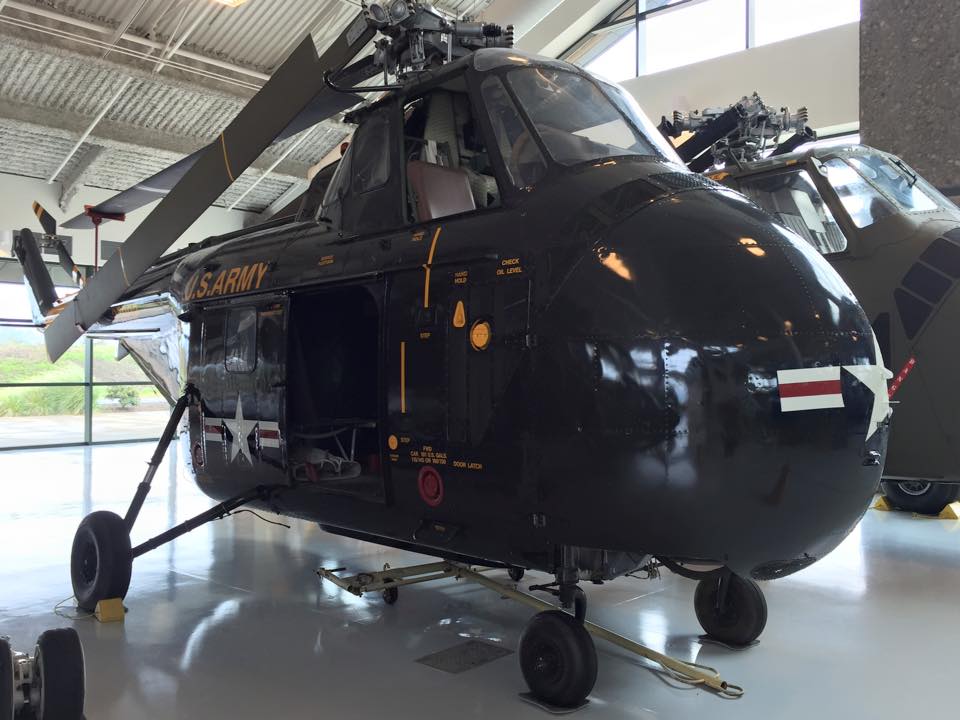
Sikorsky H-19 Chickasaw. My photos at Evergreen.
Editor’s notes: The Sikorsky H-19 Chickasaw (designated by the Sikorsky company as the S-55) was developed as a multi-purpose utility helicopter, which saw use as a light transport, aerial ambulance, and search and rescue helicopter. The H-19 made its first flight on November 10, 1949, and was introduced into service with the United States Air Force on April 16, 1950. In the custom of naming helicopters for Native American nations, the H-19 was named in honor of the Chickasaw Nation. In addition to serving with the U.S. Air Force as the H-19, the Chickasaw served with the U.S. Navy and U.S. Coast Guard as the HO4S and with the U.S. Marines as the HRS until 1962, when the redesignation of all US military aircraft led to all Chickasaw helicopters being designated as H-19s.
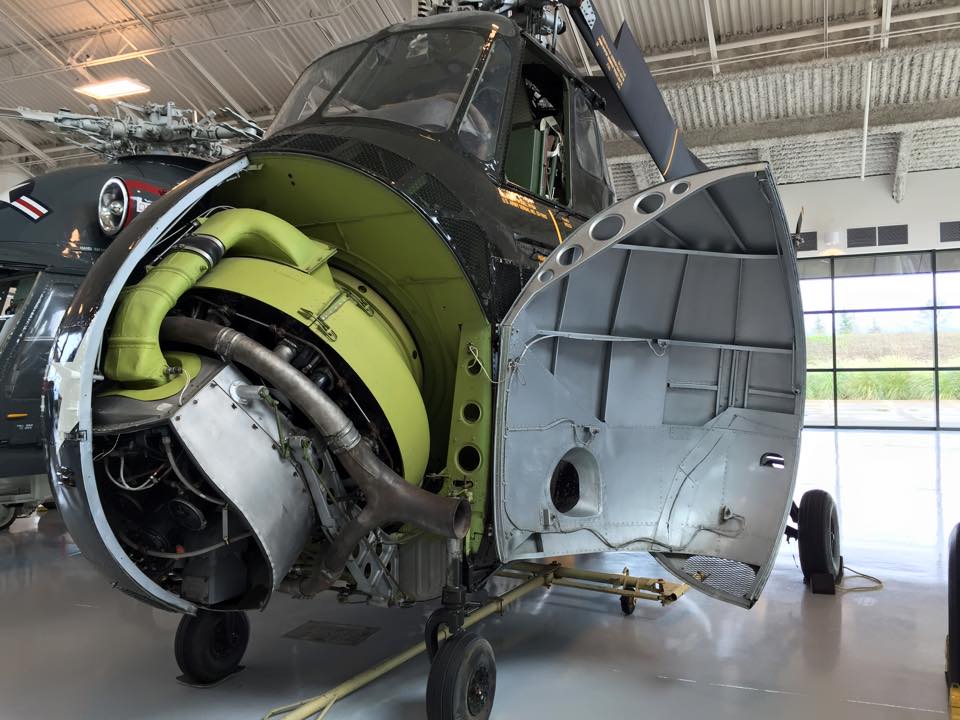
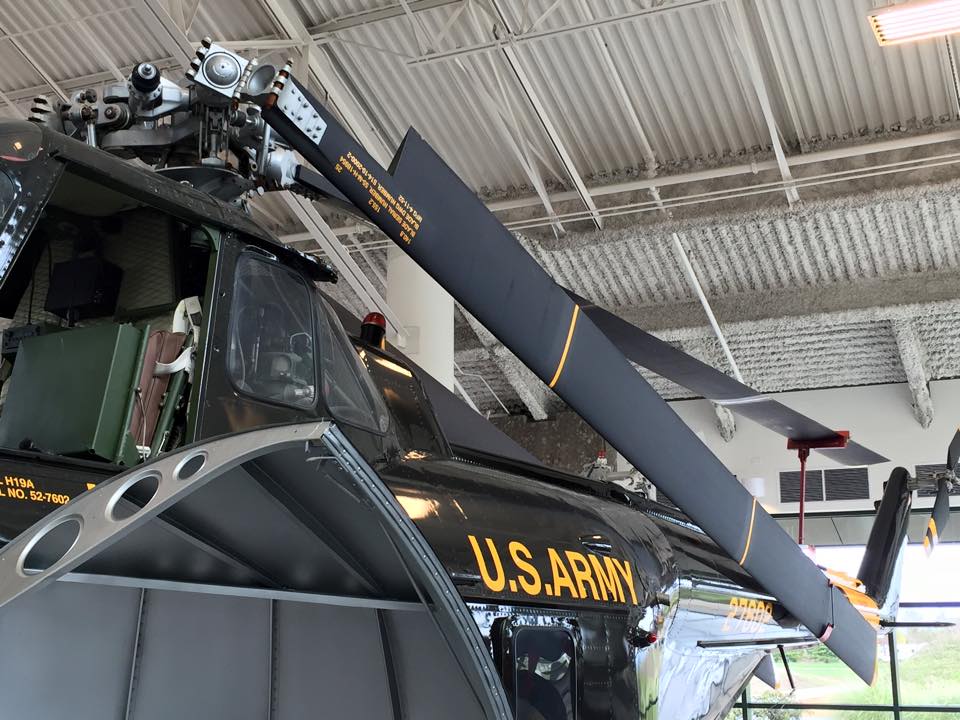
The S-55/H-19 helicopter series was powered by a single Pratt & Whitney R-1340 Wasp radial engine mounted in the front of the aircraft to allow the Chickasaw to have a central cabin compartment. The cockpit had a capacity for two pilots, and the cabin would carry up to ten soldiers for transport missions, or eight stretchers for med-evac missions. The Sikorsky H-19 series would see combat in USAF, USN, and USMC service during the Korean War, while examples exported to France were used in the French Indochina War, and when some of these were transferred to the South Vietnamese Air Force, where they served into the early days of the Vietnam War before being replaced by the Sikorsky H-34 Choctaw.
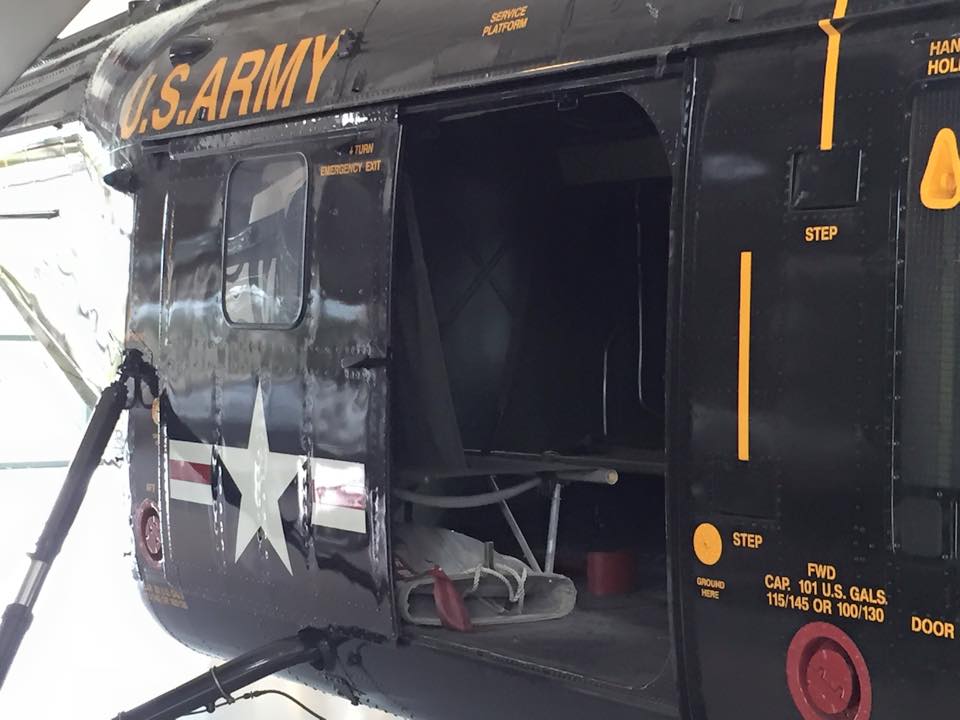
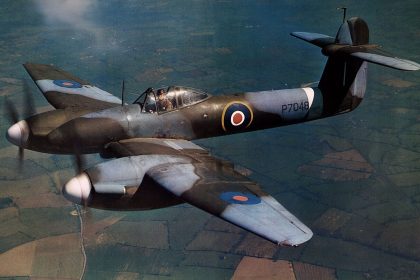
In addition to serving in the U.S. armed forces, Sikorsky H-19 Chickasaws were by the armed forces of Argentina, Belgium, Cambodia, Canada, the Democratic Republic of the Congo, Chile, Cuba, Dominican Republic, Denmark, France, Greece, Guatemala, Haiti, Honduras, Israel, Italy, India, Japan, Katanga, Kingdom of Laos, Netherlands, Norway, Pakistan, Philippines, Portugal, South Vietnam, Spain, Republic of China, Thailand, Turkey, and Venezuela. The British company Westland Aircraft, in particular, secured a production license to build Sikorsky H-19s in Britain, which were renamed the Westland Whirlwind. These aircraft replaced the American Pratt & Whitney engine with an Alvis Leonides Major radial engine and were operated by the Royal Air Force and the Royal Navy. The British also exported Westland Whirlwind to Austria, Brazil, Brunei, France, Ghana, Iran, Italy, Kuwait, Nigeria, Qatar, and Yugoslavia.
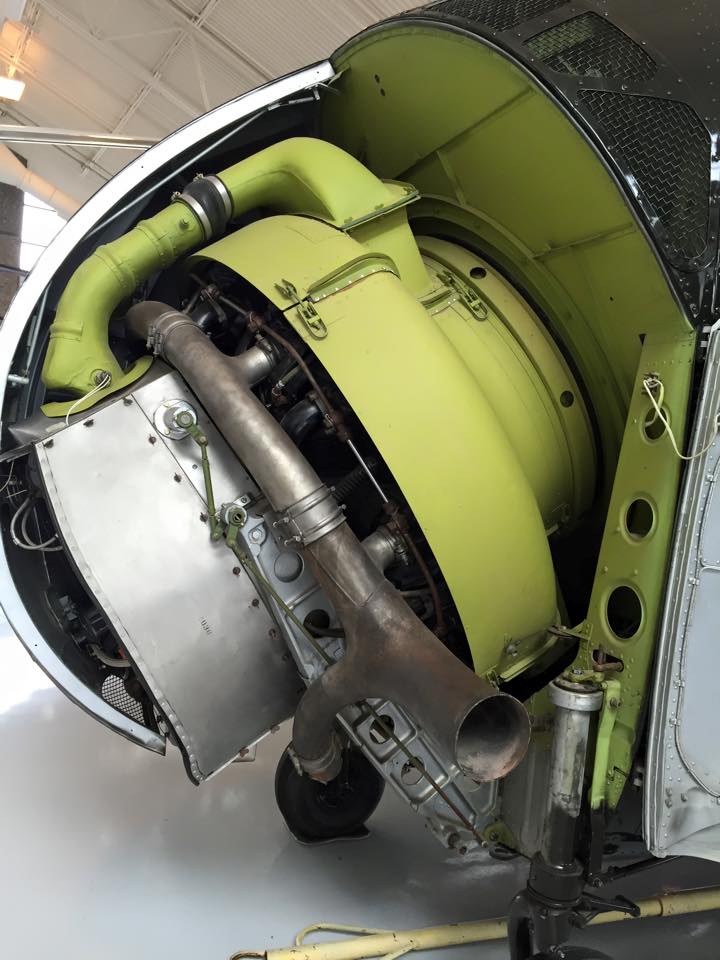
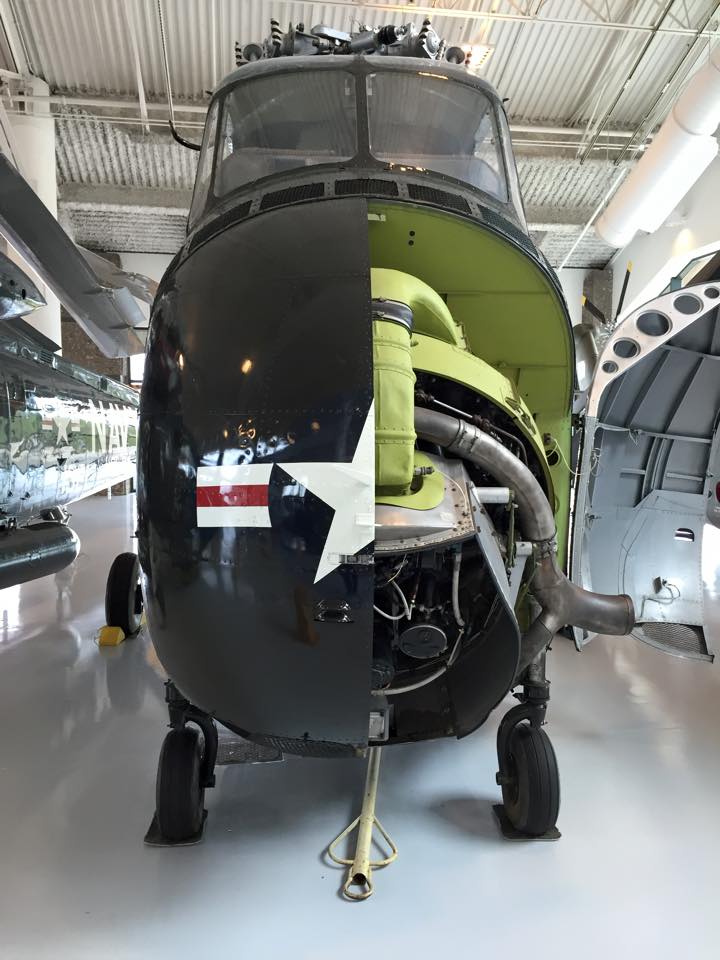
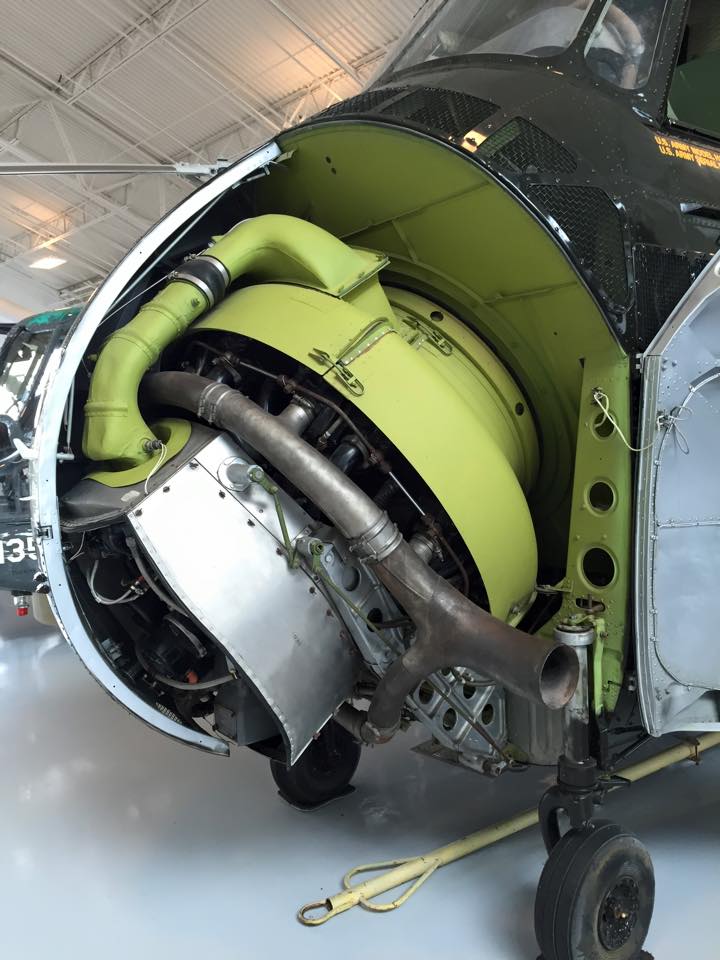
After the introduction of the H-19/S-55, Sikorsky developed the H-34 Choctaw (company designation S-58), and by 1969, the U.S. Navy, the last U.S. military operator of the helicopter, retired its Chickasaws, and many were sold to the civilian market for private companies to use as transport helicopters. When the original piston engines that were out of production began to age, many S-55 helicopters were modified to be powered by turboshaft engines, such as the Garrett AiResearch/Honeywell TPE331 for the S-55 or the Rolls-Royce Gnome for the Westland Whirlwind.
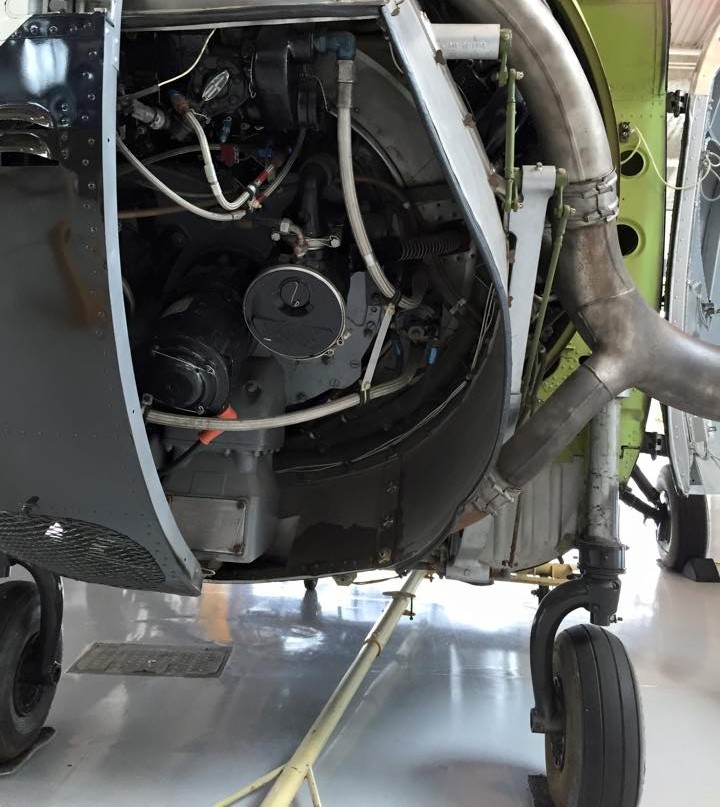
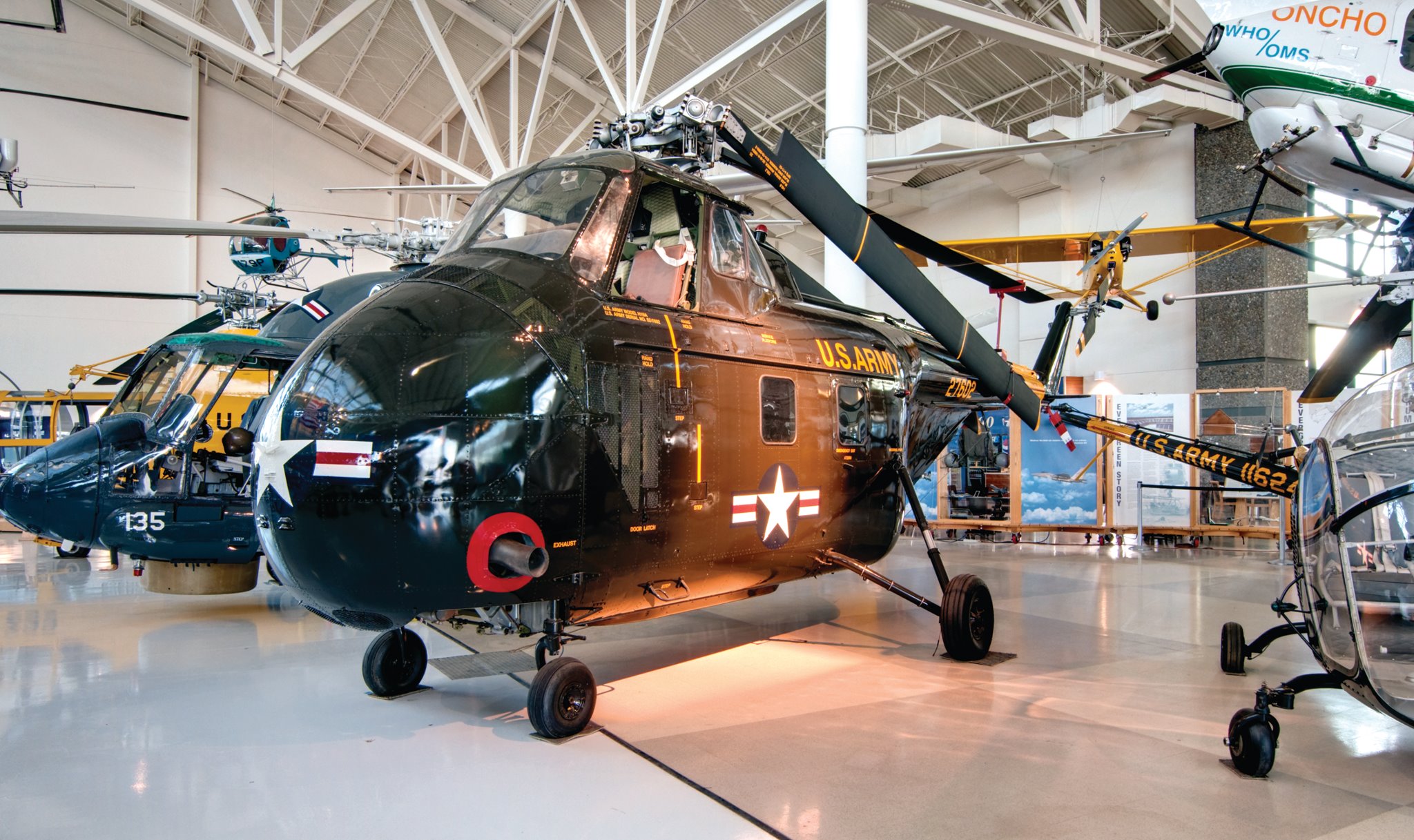
The Sikorsky H-19 Chickasaw on display at the Evergreen Aviation and Space Museum was originally constructed by Sikorsky as manufacturer’s number 55520 and was taken on strength with the U.S. Army as H-19D 52-7602, being delivered to the Army on October 12, 1953. When the U.S. Department of Defense standardized all aircraft designation systems, the Army’s Sikorsky H-13Ds were redesignated as UH-19Ds. After it was stricken from the U.S. Army’s inventory, Sikorsky UH-19D 52-7602 was purchased by the Coast Community College District in Costa Mesa, California, and issued the FAA registration of N55233 on October 21, 1971, for use as a training aid in aerospace technician courses. Eventually, the helicopter was acquired by the Evergreen Aviation and Space Museum and has since been restored in its original U.S. Army markings.
About the author 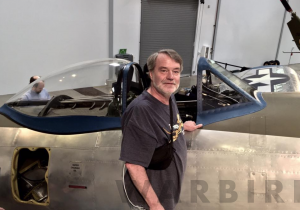
Randy Malmstrom grew up in a family steeped in aviation culture. His father, Bob, was still a cadet in training with the USAAF at the end of WWII, but did serve in Germany during the U.S. occupation in the immediate post-war period, where he had the opportunity to fly in a wide variety of types that flew in WWII. After returning to the States, Bob became a multi-engine aircraft sales manager and, as such, flew a wide variety of aircraft; Randy frequently accompanied him on these flights. Furthermore, Randy’s cousin, Einar Axel Malmstrom, flew P-47 Thunderbolts with the 356th FG from RAF Martlesham Heath. He was commanding this unit at the time he was shot down over France on April 24th, 1944, and spent the rest of the war as a prisoner of war. Following his repatriation at war’s end, Einar continued his military service, attaining the rank of Colonel. He was serving as Deputy Wing Commander of the 407th Strategic Fighter Wing at Great Falls AFB, MT, at the time of his death in a T-33 training accident on August 21, 1954. The base was renamed in his honor in October 1955 and continues to serve in the present USAF as home to the 341st Missile Wing. Randy’s innate interest in history in general, and aviation history in particular, plus his educational background and passion for WWII warbirds, led him down his current path of capturing detailed aircraft walk-around photos and in-depth airframe histories, recording a precise description of a particular aircraft in all aspects.