
By James Church
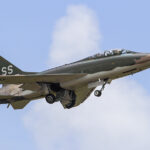
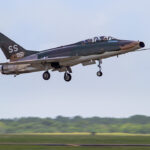
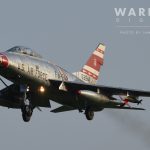
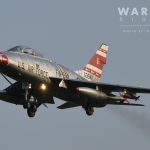
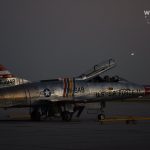
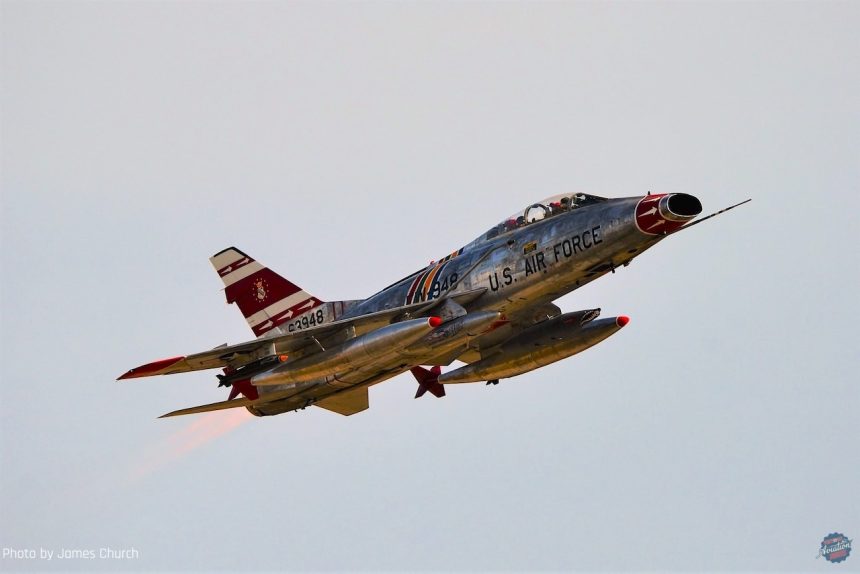
As previously reported, the Brown family—Jordan and Nicole—of Terre Haute, Indiana, are the new caretakers of the F-100F Super Sabre, N2011V. After more than 30 years of ownership, Dean Cutshall made the difficult decision to part with the aircraft, which has now found a new home with the Browns. They will operate the historic jet from Hulman Field in Terre Haute. With the acquisition complete, Jordan Brown shared details about the family’s goals for the aircraft. Before any future plans could move forward, however, the first task was simply getting the Hun home—an undertaking that required considerable logistical planning. Among the challenges was securing a currently qualified pilot to fly the aircraft.
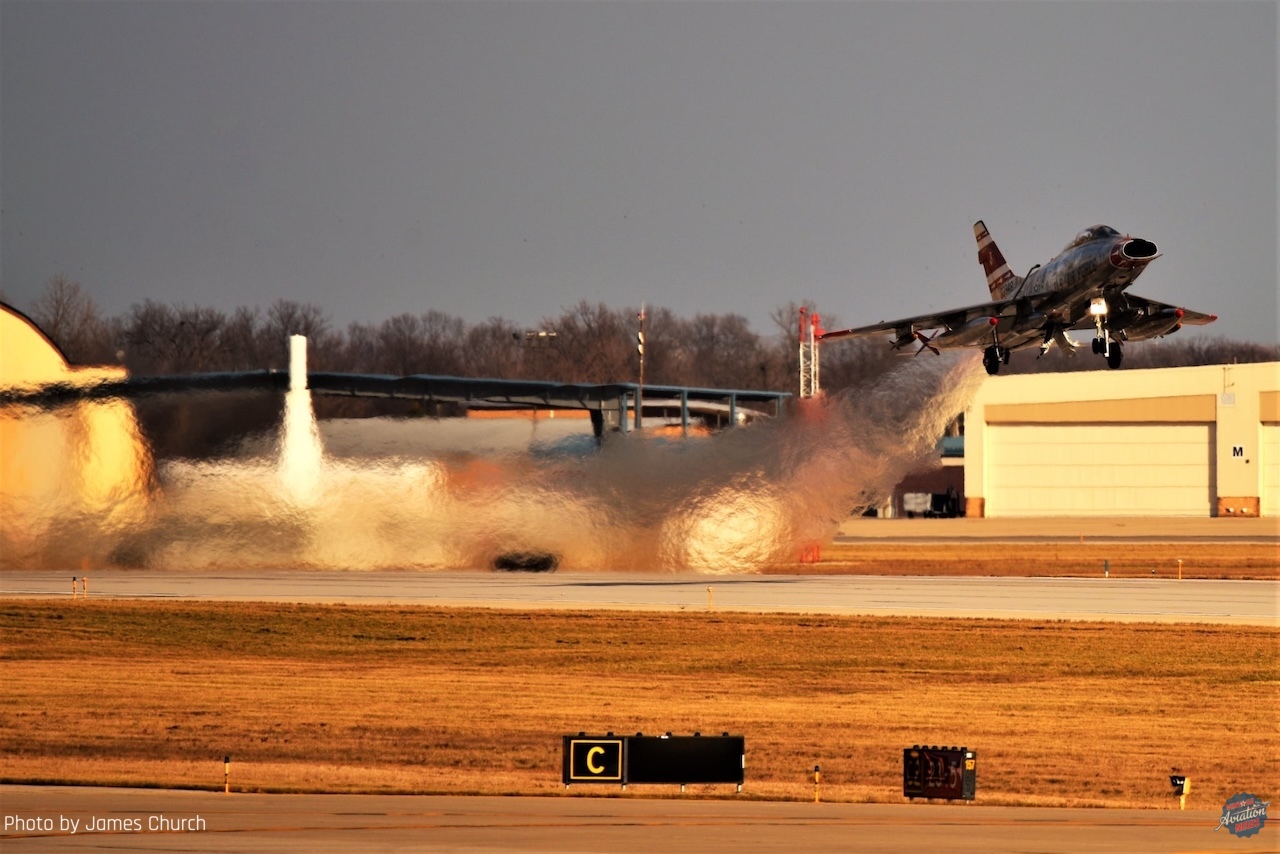
Brown explained the process: “Saturday, December 20th was set as the day we would bring the F-100 to its new home, and that day finally arrived. We had put a plan in place for moving the F-100F from Fort Wayne to Terre Haute, and now that it’s accomplished, we will work to continue operating it going forward. The mission behind keeping this aircraft flying comes from our family’s love of history and our commitment to honor the service members who flew and maintained the F-100, particularly those from the Vietnam era. Just as we do with the World War II aircraft we fly, we will operate this aircraft with the same purpose—honoring the veterans.”
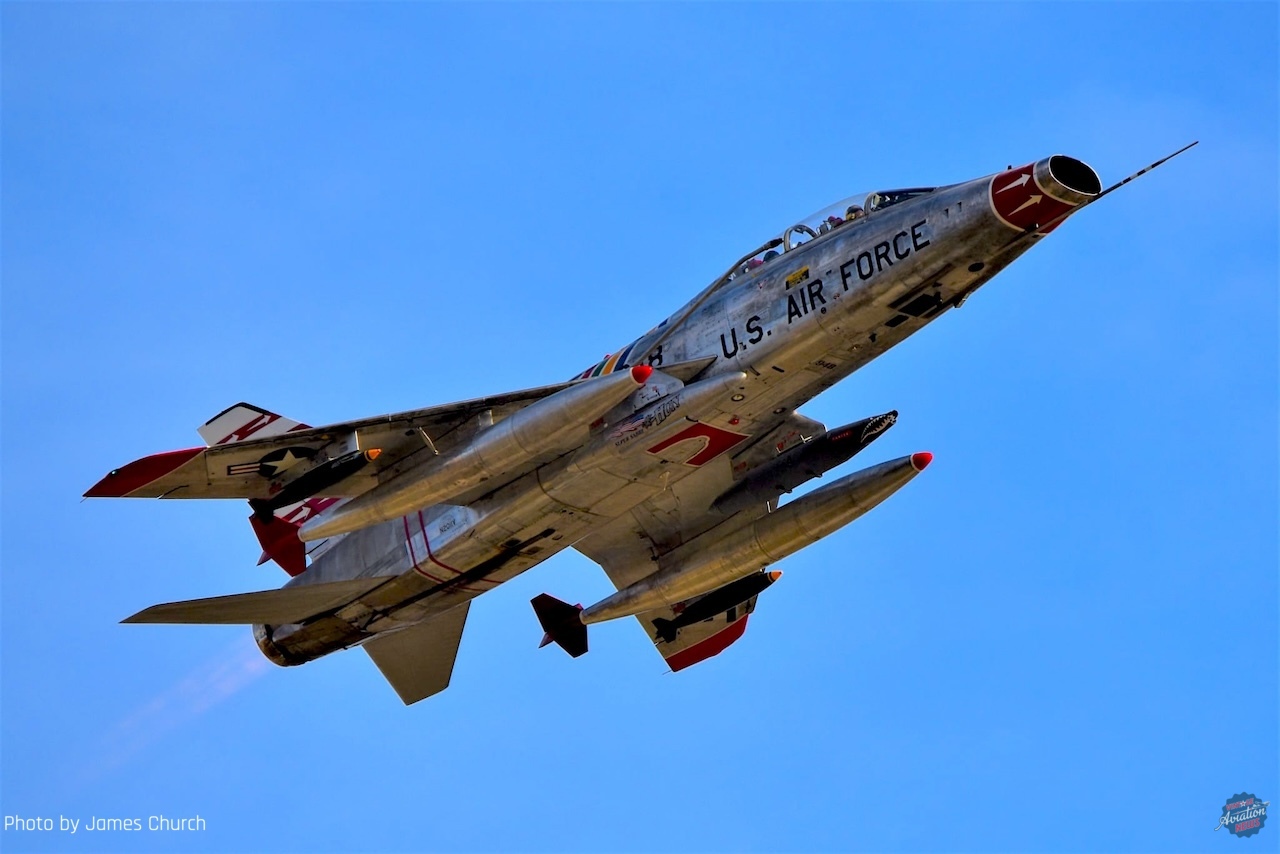
Brown added context to the aircraft’s historical significance and its arrival plans: “The F-100 was essential to USAF tactical air operations in Vietnam, flying more than 360,000 combat missions during the conflict. We moved the aircraft to Hulman Field and parked at Hoosier Aviation upon arrival. Ultimately, it will be housed and maintained in the Hoosier Hangar, formerly the old Hulman Hangar on the west side of the airport. We had planned to be on the Hoosier ramp around noon, but as with old airplanes, issues arise. We had to change a brake before loading up and bringing her to her new home.”
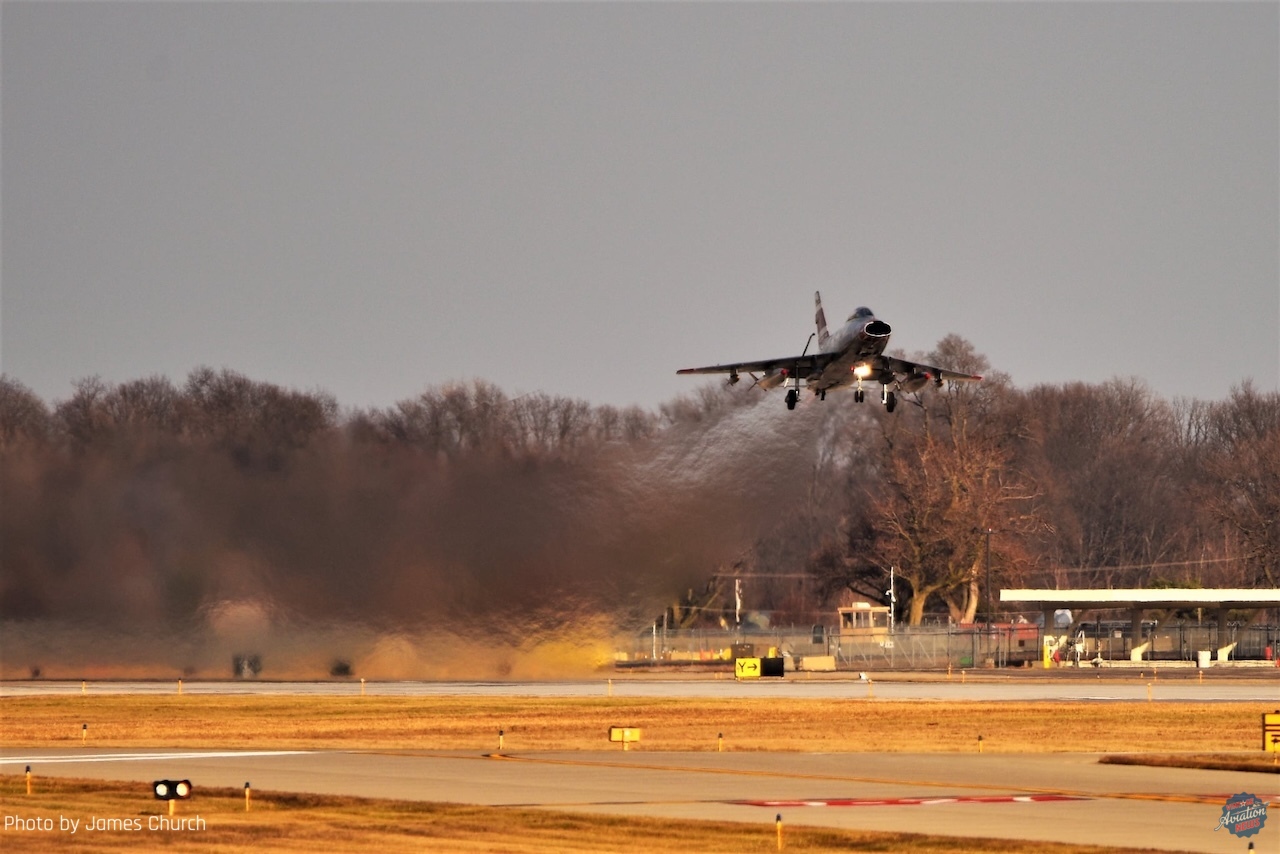
Rick Sharpe, currently the only pilot qualified to fly the F-100, was selected to reposition the aircraft. Sharpe, who also flies the Collings Foundation’s F-100F based in Houston, Texas, spoke briefly about the flight and the team that supported the aircraft in Fort Wayne. “I have about 50 hours in the Hun,” Sharpe said. “They just don’t fly that much anymore. Paul and the maintenance crew who worked on this F-100 for Dean were extremely knowledgeable and conscientious about everything they did. They truly loved the airplane. They completed a full inspection in Fort Wayne, but after a brake started leaking, we had to replace it.”
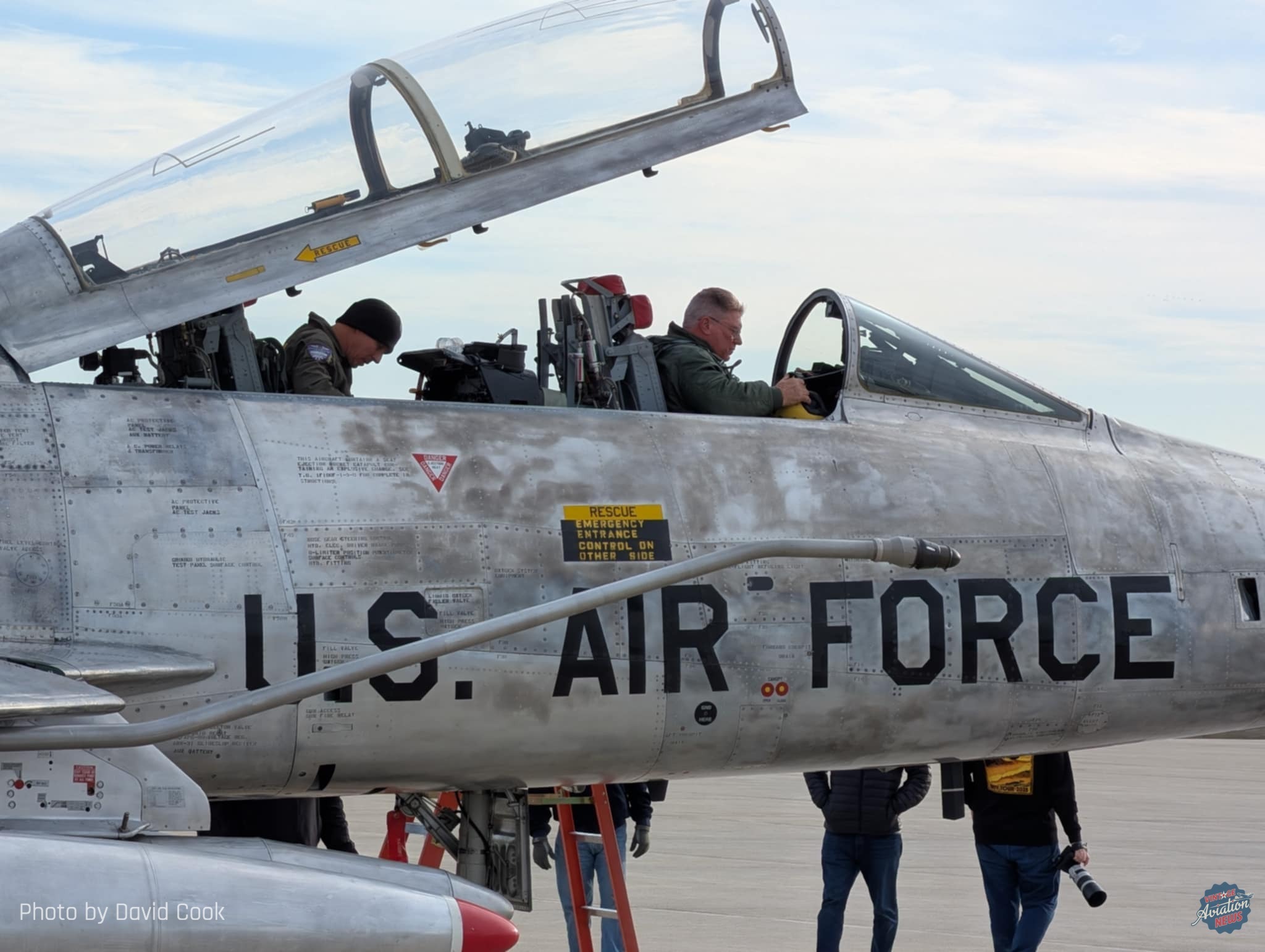
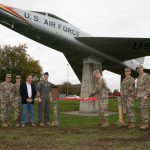
The brake issue delayed departure by several hours, giving the impression that the old jet wasn’t quite ready to leave its longtime home. By mid-afternoon, everything was finally ready. “We flew a pattern at Fort Wayne at the airport’s request,” Sharpe continued. “I think everyone there was sad to see it go. But the reception in Terre Haute was incredible. There were many Hun pilots and maintenance personnel waiting for us—people who had worked on the aircraft during its service with the 181st Fighter Wing. We departed with full internal fuel—1,180 gallons, a little over 8,000 pounds—and were carrying about 3,000 pounds total. After four approaches, we put her to bed in her new home.”
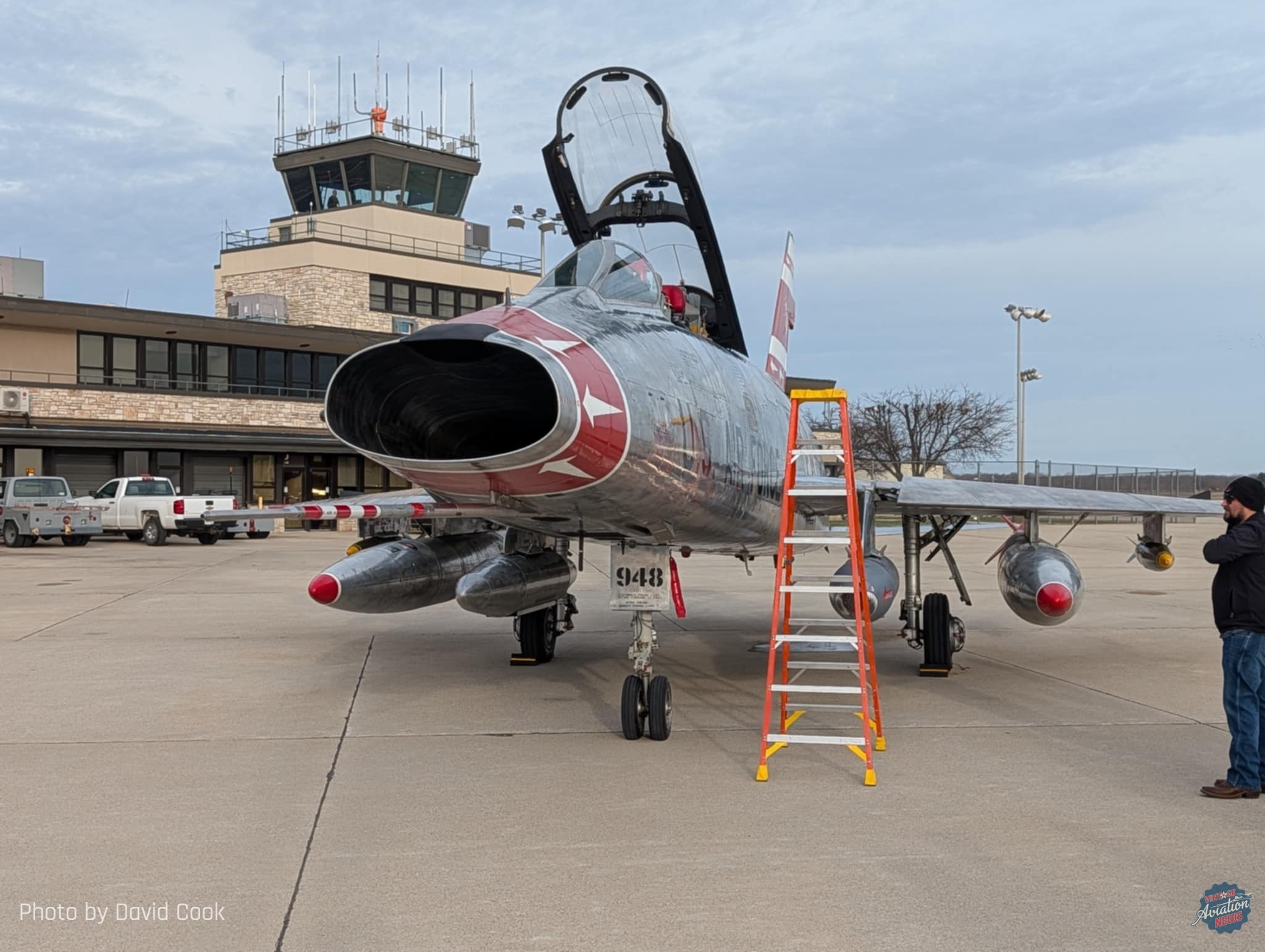
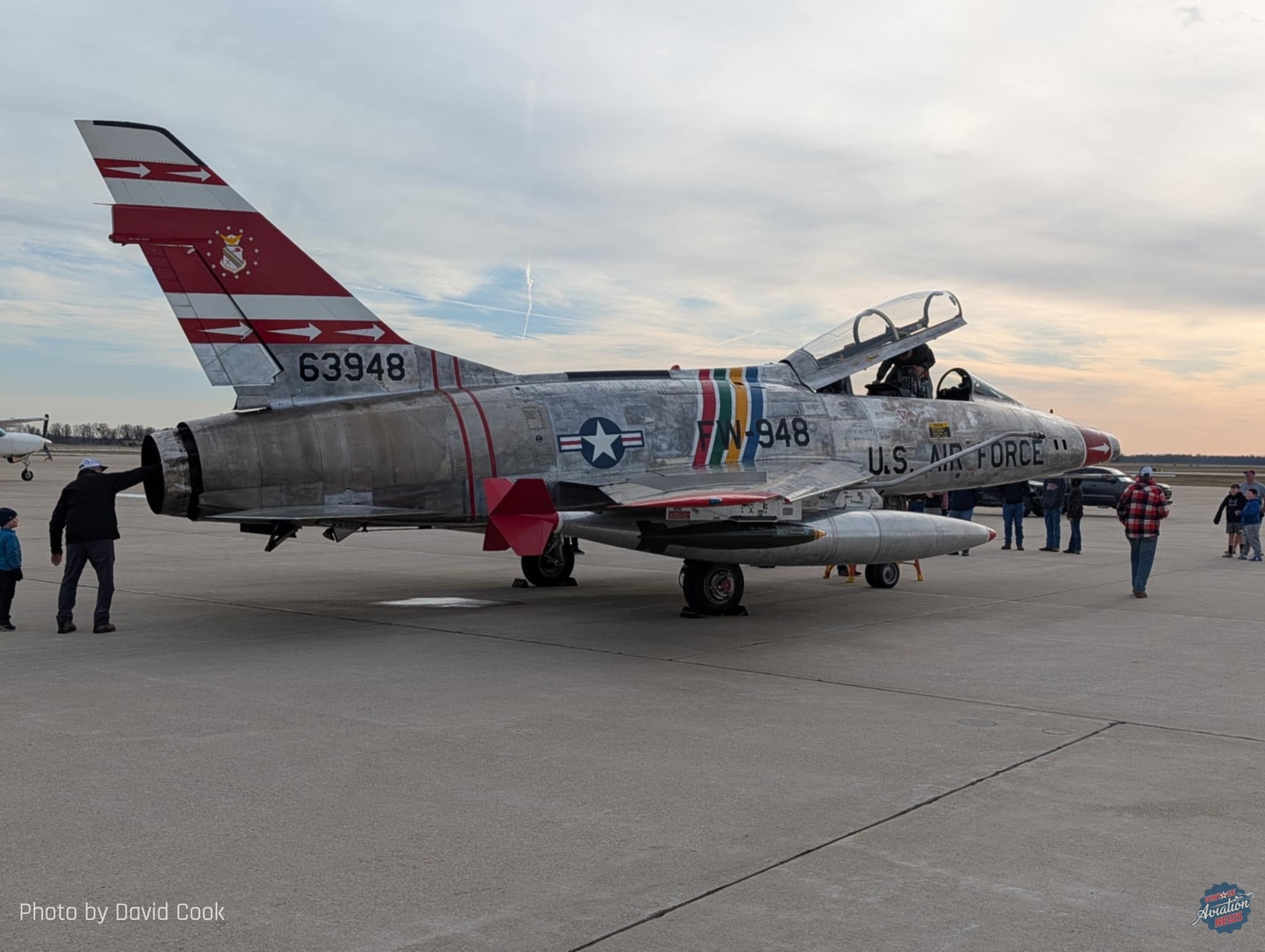
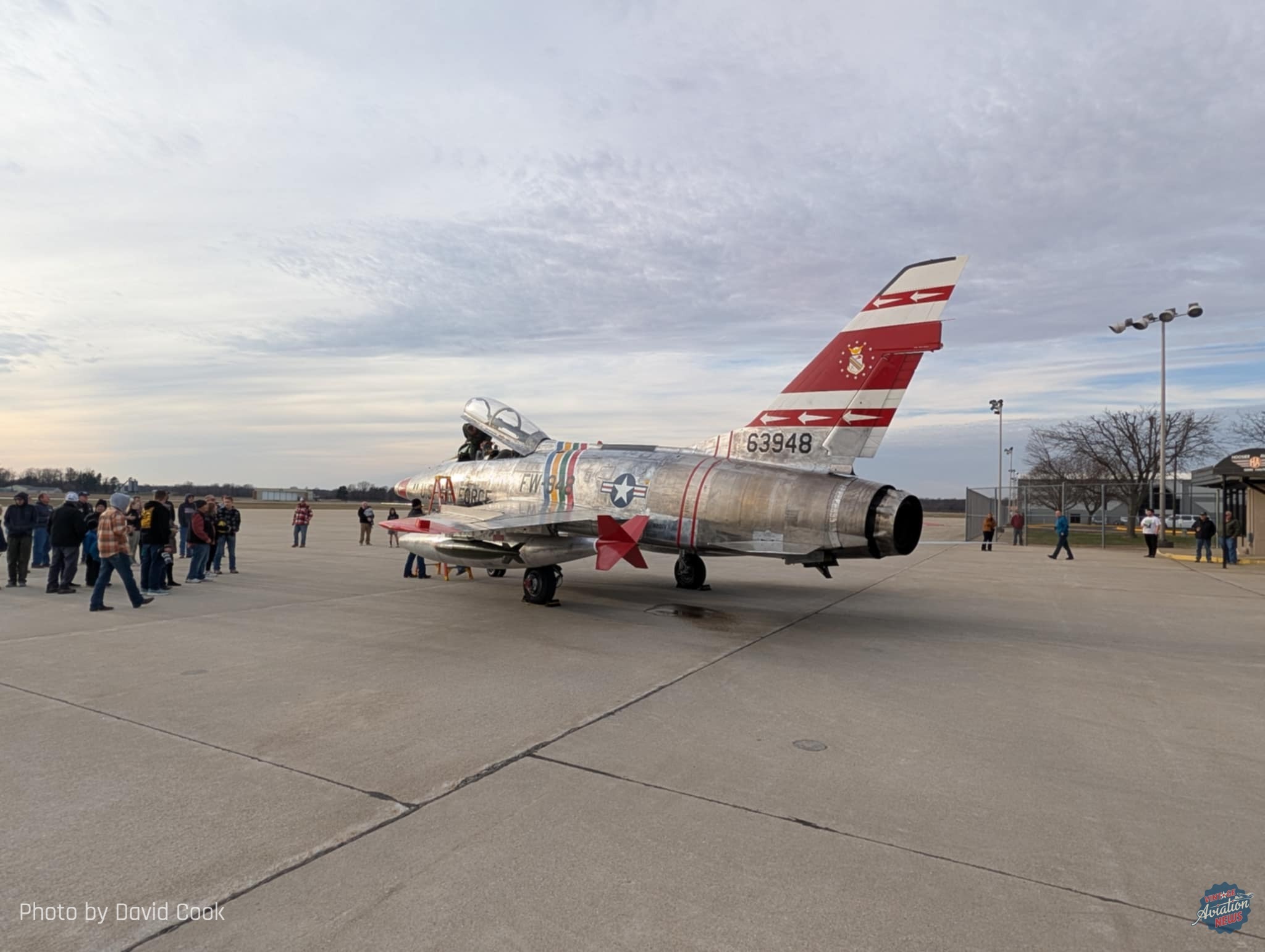
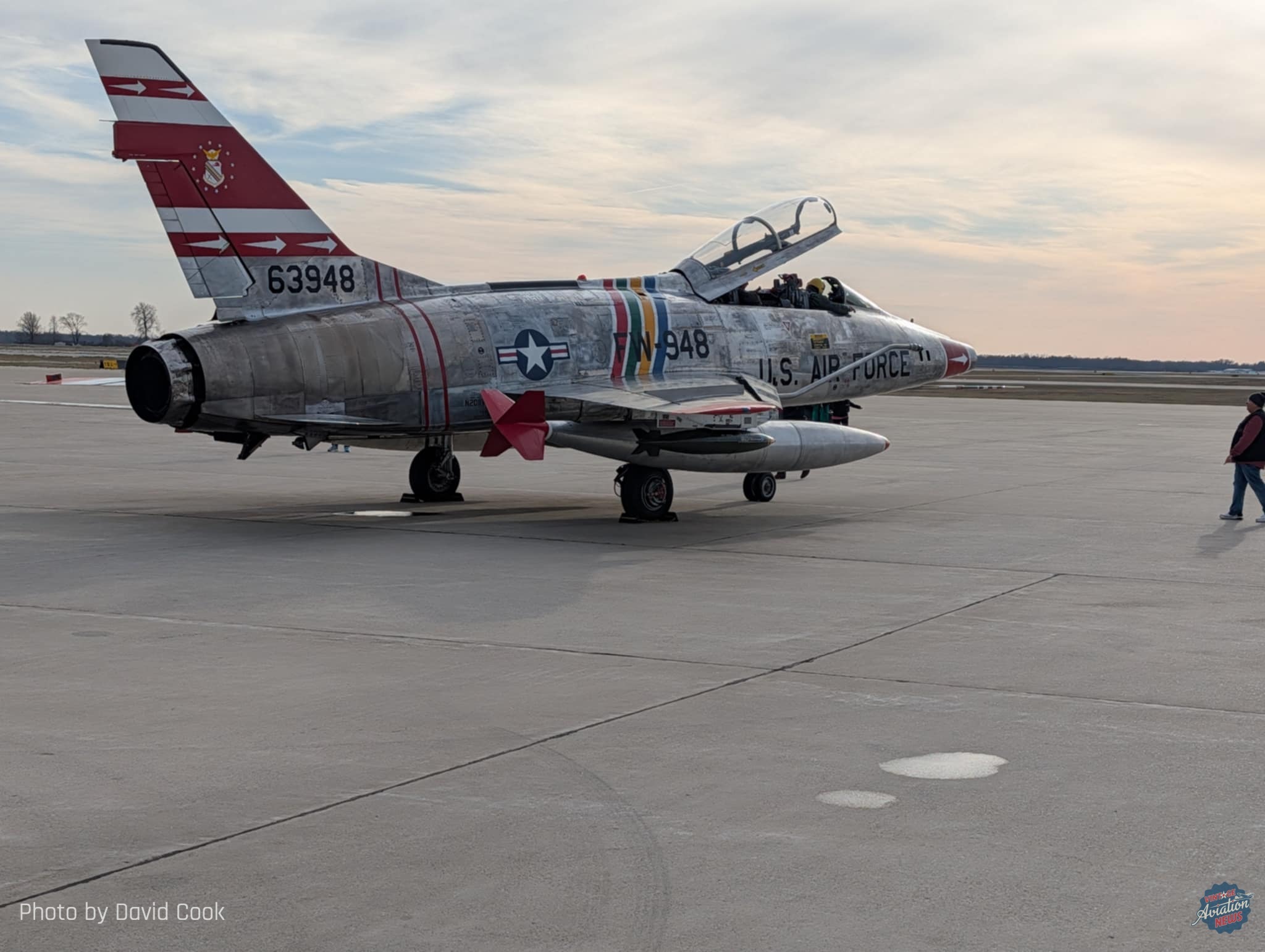
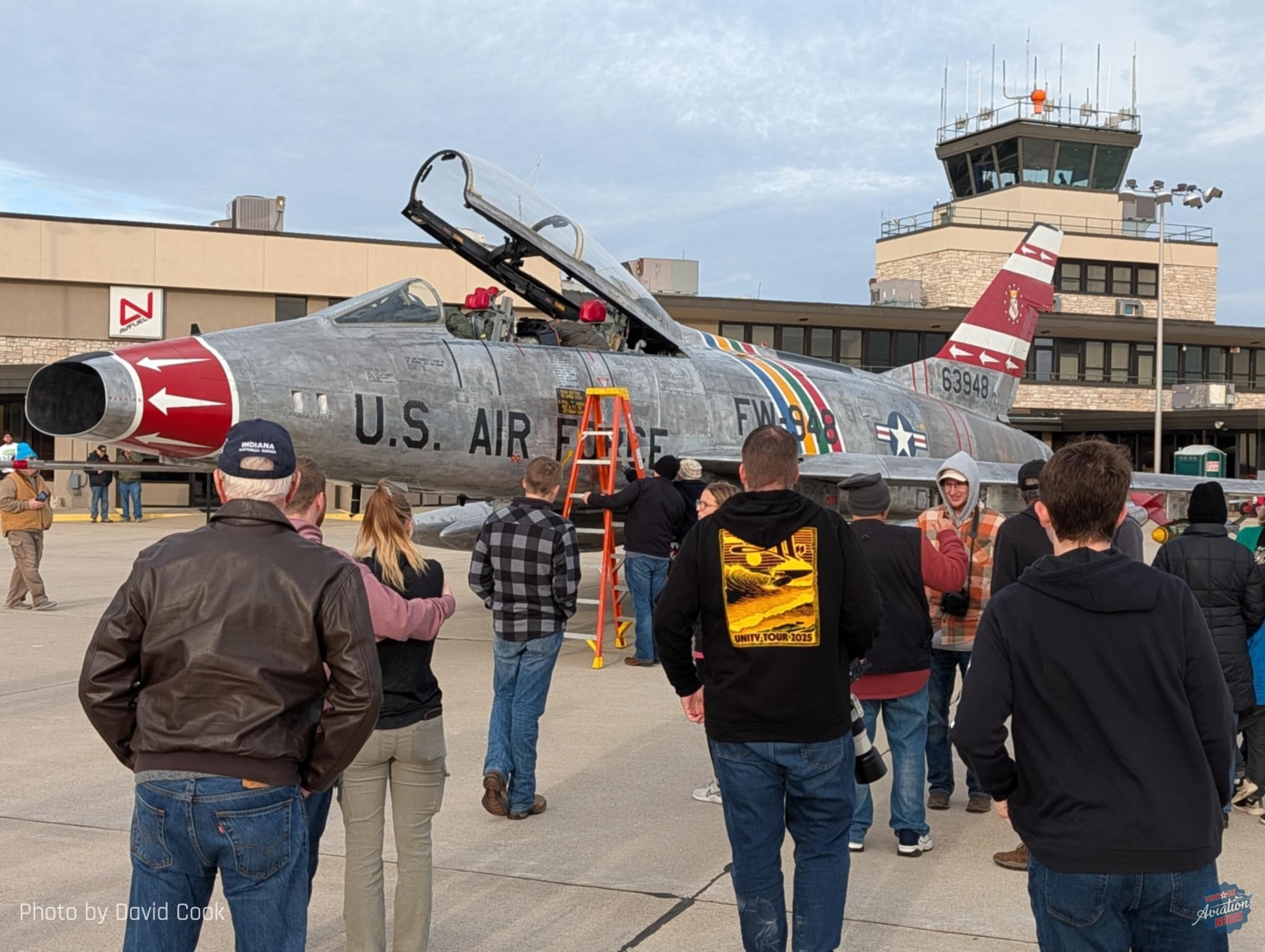
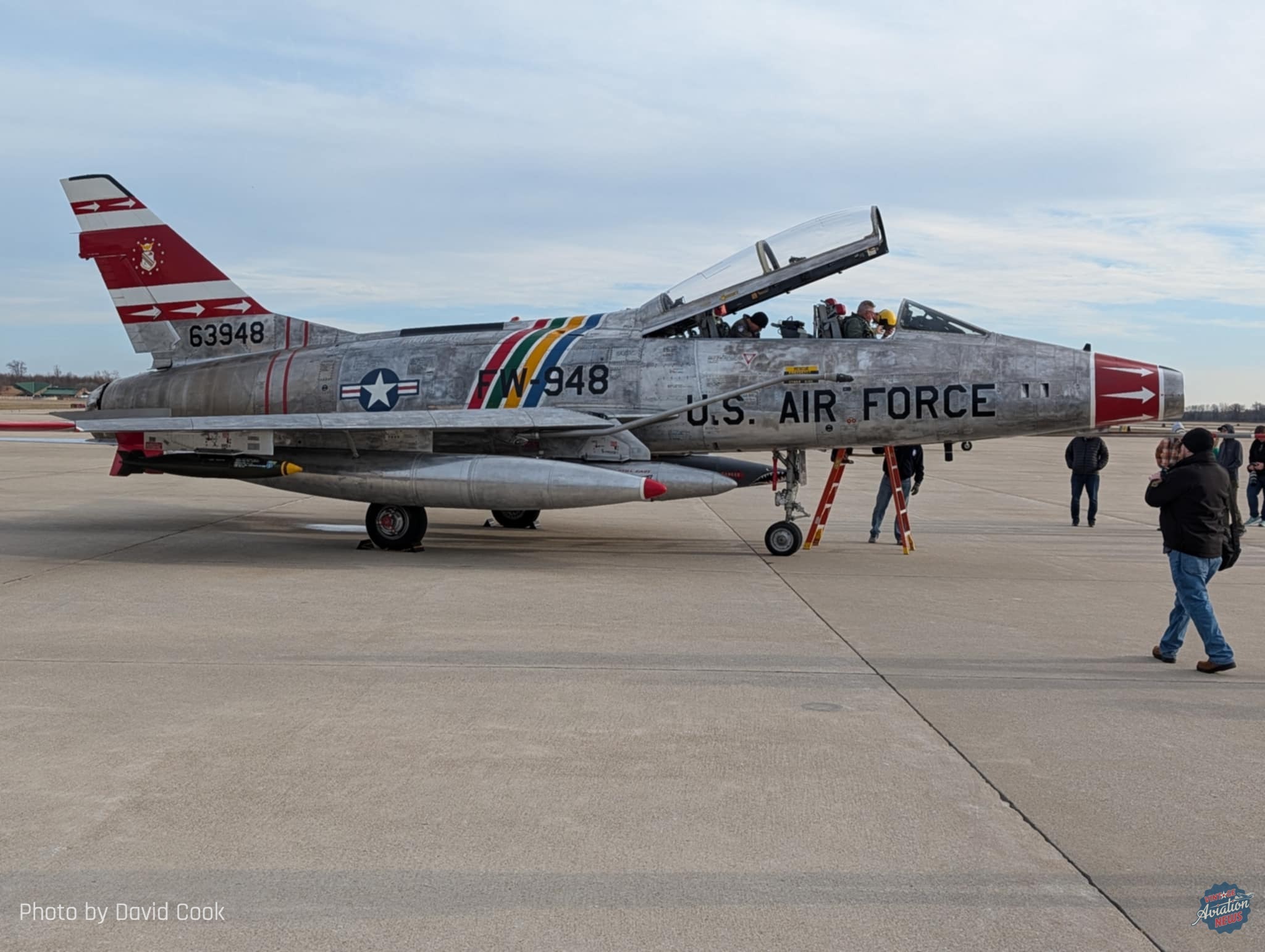
With its arrival in Terre Haute complete, the venerable Super Sabre appears to have found an excellent new home. In the hands of dedicated caretakers committed to both preservation and flight, the Hun will continue to be maintained and operated in a way that honors its history—and those who once flew and supported it in service.