
By Nicholas A. Veronico, Photos by Kevin Grantham and David F. Brown
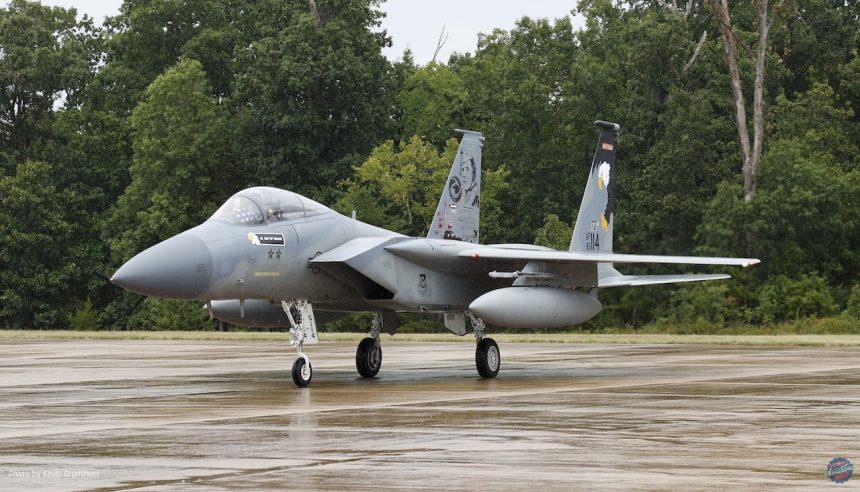
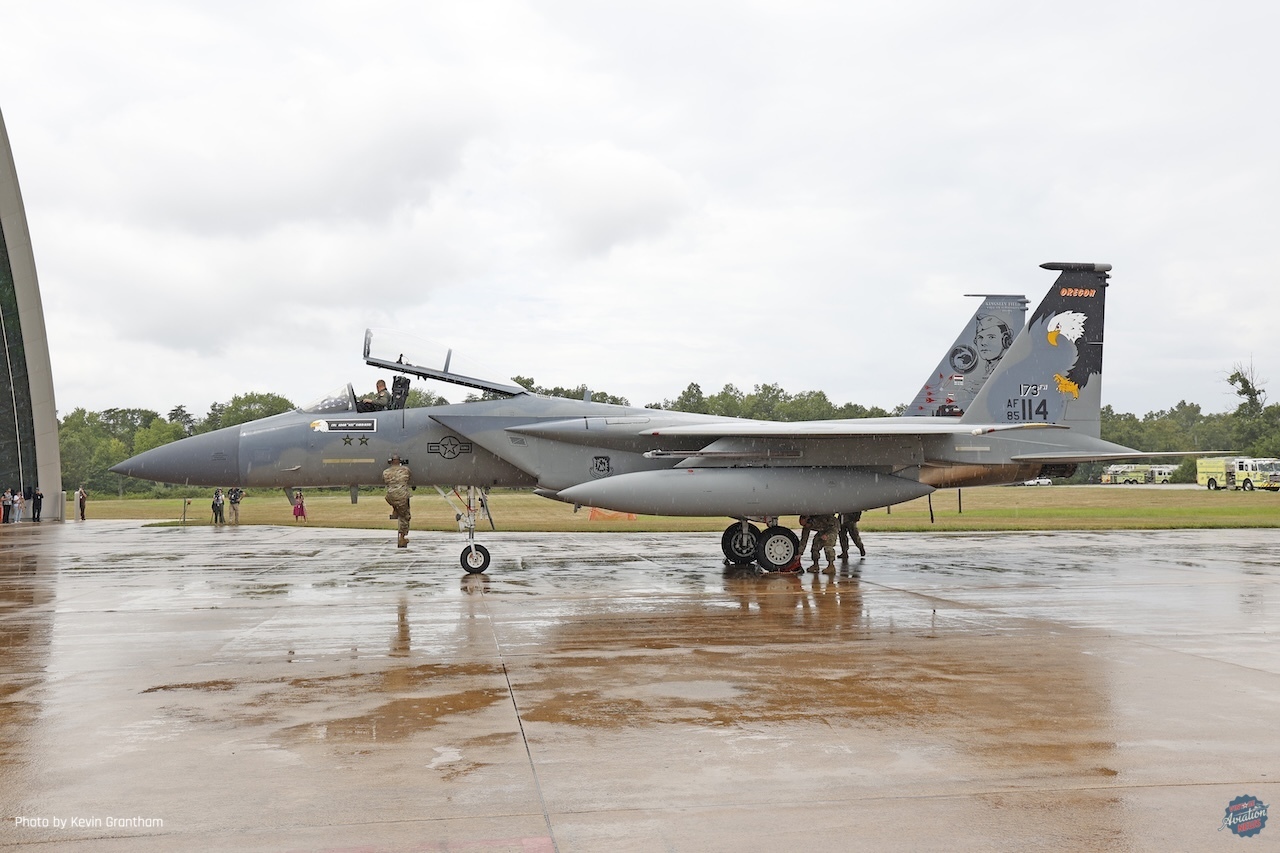
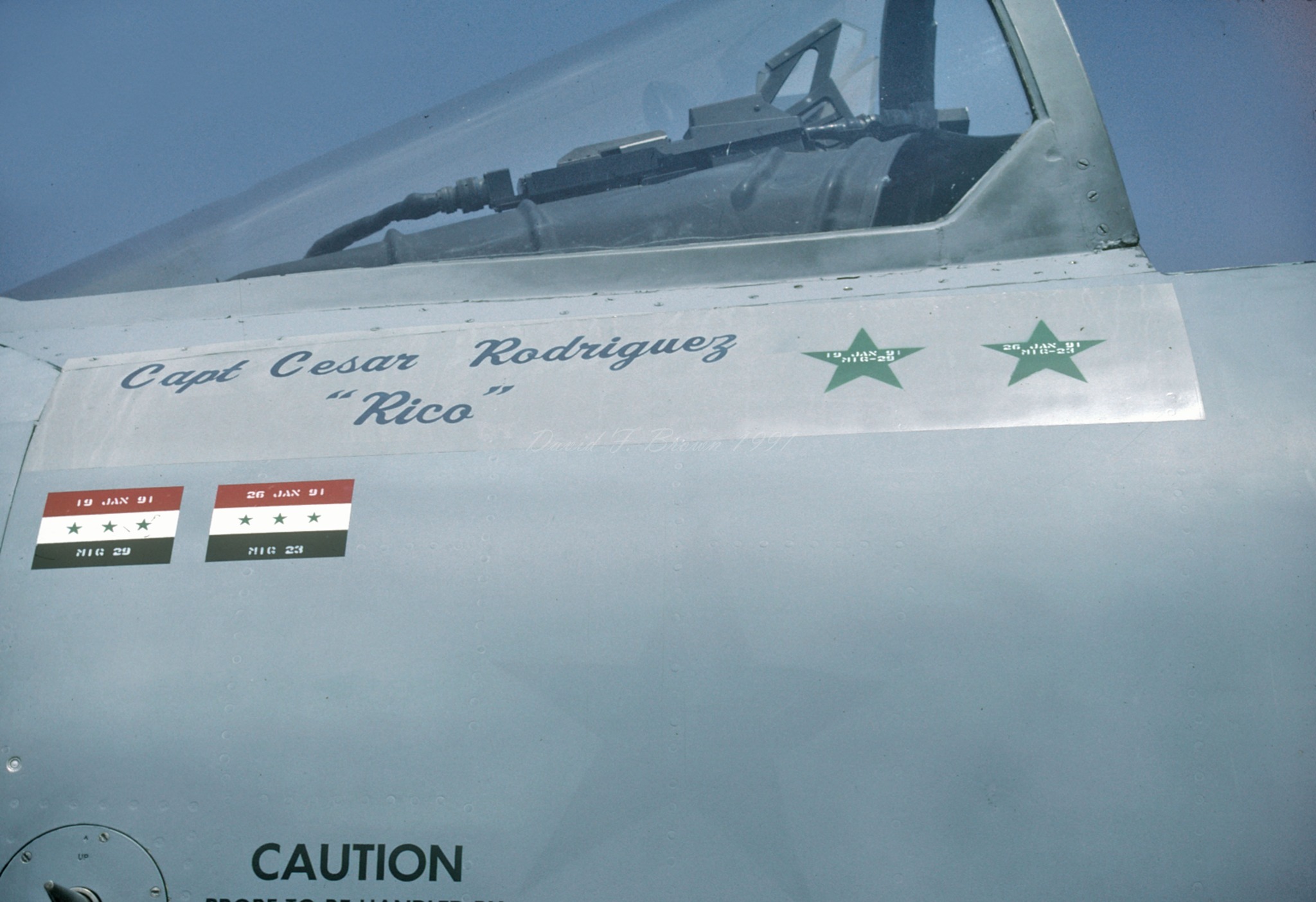
An F-15C Eagle, serial number 85-0114, credited with two MiG kills during Operation Desert Storm and flown by Capt. Cesar “Rico” Rodriguez was delivered to the National Air and Space Museum’s Steven F. Udvar-Hazy Center in Chantilly, Va., on Aug. 13, 2025. This is the first F-15 Eagle added to the National Air and Space Museum’s collection. Eagles flown by the U.S. Air Force and other operators have amassed a kill record of 104 aerial victories without the loss of a single F-15. This record makes it the predominant air superiority fighter of the modern age. “We are thrilled to accept the F-15C into the museum’s collection,” said Michael Hankins, modern military curator at the museum. “The Eagle is one of the most iconic American fighter aircraft of the last 50 years, and this particular F-15 has powerful stories to tell.”
Earning its reputation
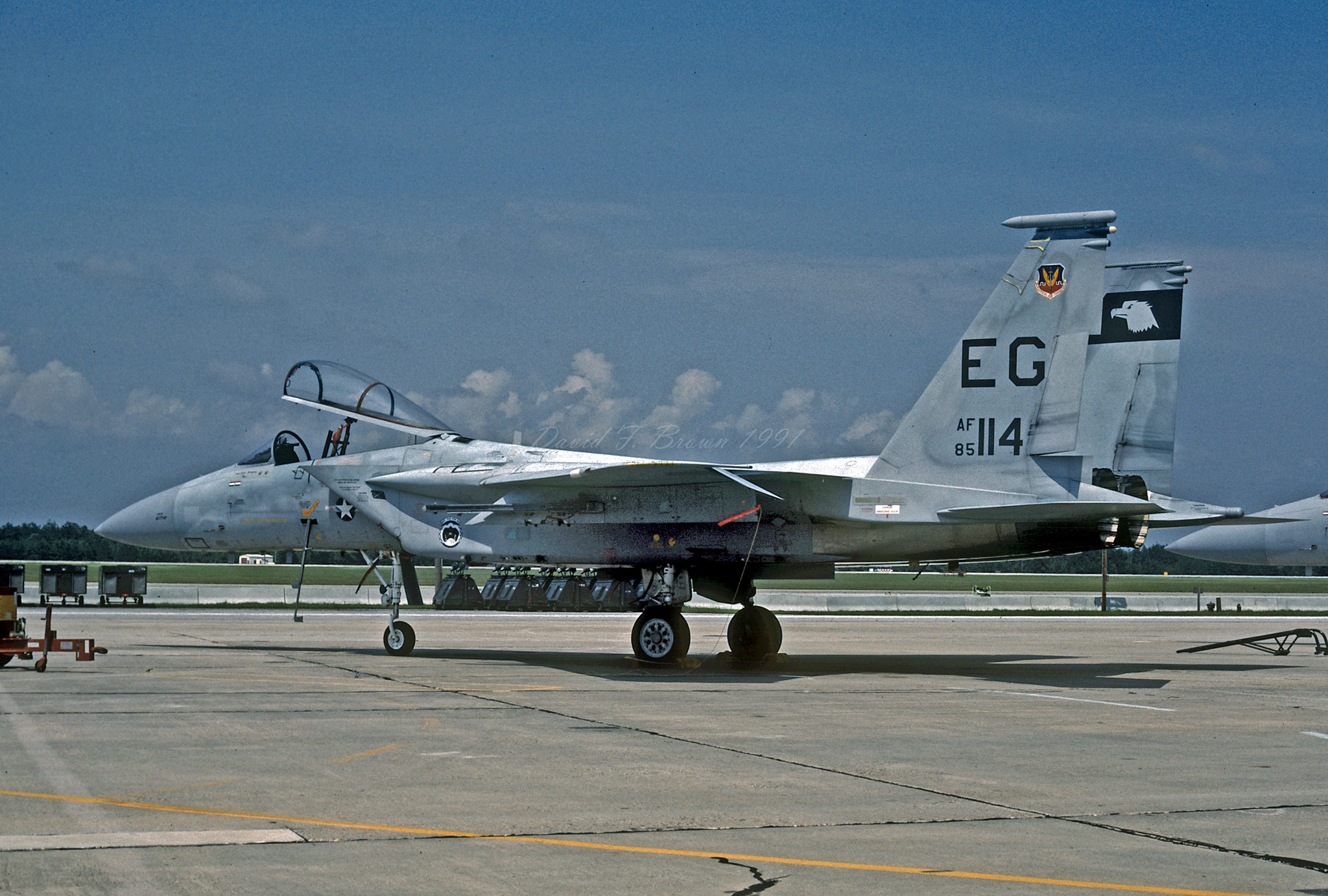
During the opening days of Operation Desert Storm, the war began on Jan. 17, 1991, coalition air forces sought to destroy the Iraqi Air Force on the ground and in the air. Two days into the conflict, on Jan. 19, Eagles from the 58th Tactical Fighter Squadron, 33rd Tactical Fighter Wing were sweeping Iraqi airspace. Then-Capt. Cesar “Rico” Rodriguez and his wingman, Capt. Craig “Mole” Underhill and two other F-15s were en route to provide cover for aircraft striking an Iraqi weapons cache. Rodriguez, flying 85-0114, and his flight of F-15s were operating as callsign “Chevron.” They quickly locked onto a pair of MiG-29s and, as they were closing, Iraqi surface-to-air missile radars started to hunt for the Eagles. As they drew within range of the MiGs, a circling AWACS reported another pair of MiG-29s approaching the Eagles.
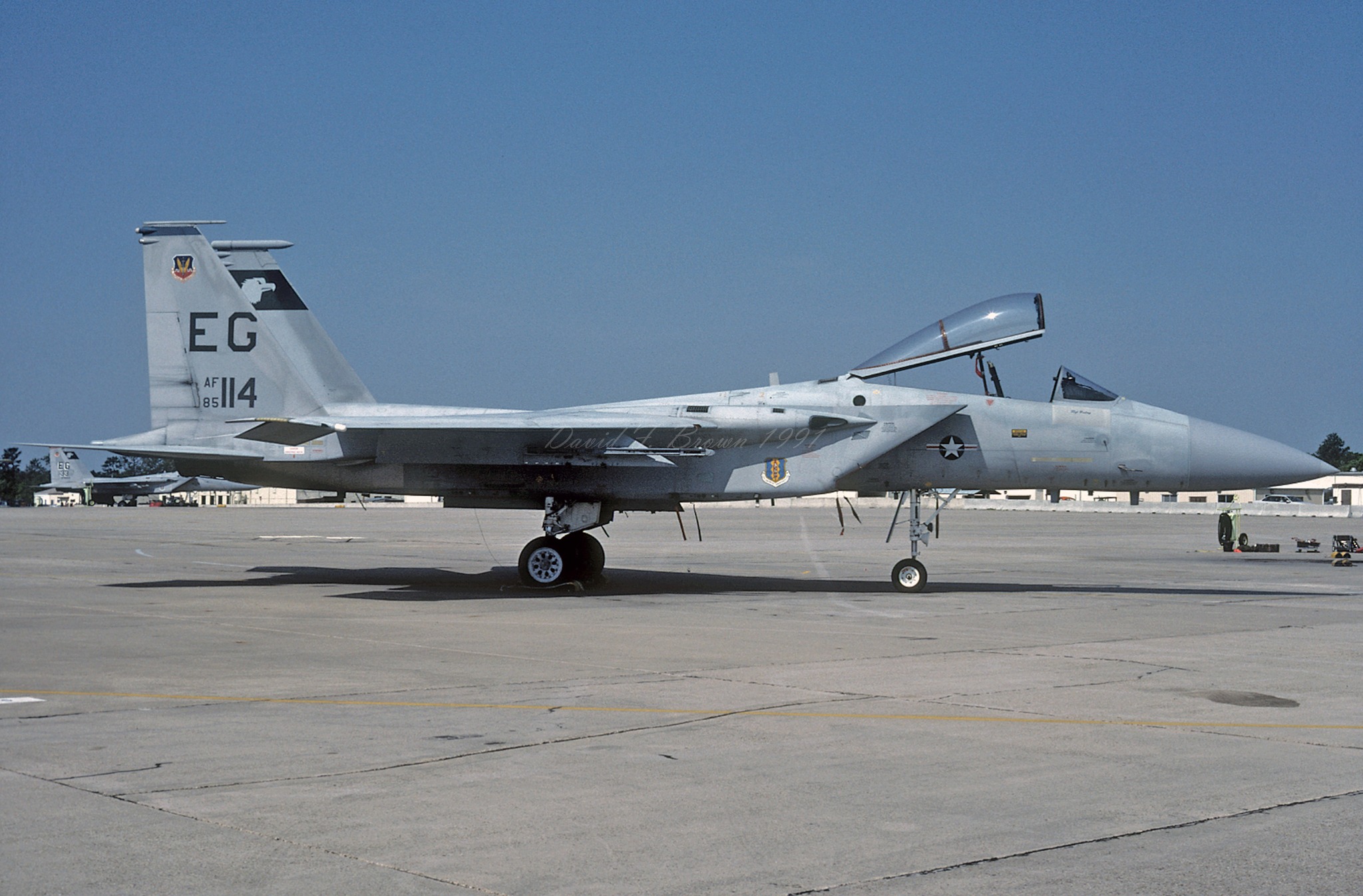
One of the MiGs locked onto Rodriguez’s jet, and while he took evasive action, Capt. Underhill fired an AIM-7 Sparrow missile at the enemy fighter, blasting the MiG out of the sky. Underhill got a lock on the second MiG-29, but a computer malfunction prevented him from firing, identifying the MiG as a “friendly.” Thus, Rodriguez engaged the MiG in a turning fight as he attempted to maneuver into firing position. With Rodriguez on his tail, the MiG pilot attempted a split-S and flew into the ground. Rodriguez was awarded a maneuvering aerial victory, his and 85-0114’s first kill. On Jan. 26, Capt. Rory Draeger and his wingman, Capt. Tony Schiavi, along with Rodriguez, coincidentally, while flying 85-0114, and his wingman, Capt. Bruce Till, were alerted to four Iraqi MiG-23s climbing out from a nearby airfield. One of the MiGs returned to base, and flight leader Draeger set his sights on one of the MiGs and assigned the other two to Schiavi and Rodriguez. Each of the Eagle drivers nearly simultaneously fired AIM-7s, destroying the trio of MiGs.
Eight years later, during Operation Allied Force, on March 24, 1999, Rodriguez engaged and downed a MiG-29 for his third aerial victory, this time flying F-15C 86-0169. Only three U.S. Air Force pilots have downed three enemy aircraft while flying the Eagle; Rodriguez joins Capt. Thomas Dietz (two MiG-21s and an Su-22) and 1Lt. Robert Hehemann (two Su-25s and a PC-9). Four years later, in 2003, Rodriguez retired from active duty, having flown more than 1,700 hours in the F-15.
F-15C 85-0114 Arrives at the Udvar-Hazy Center
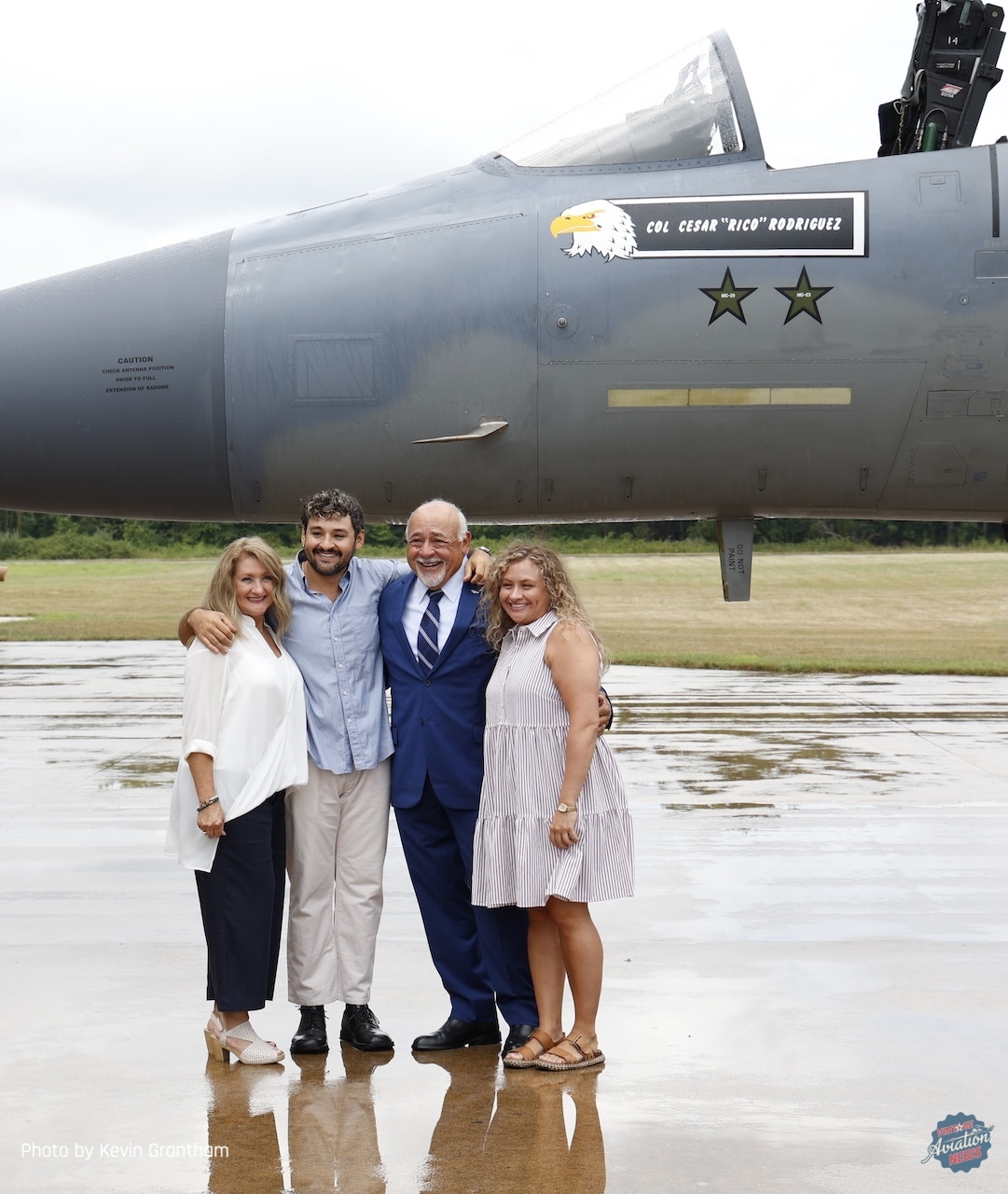
Last operated by the 173rd Fighter Wing based at Kingsley Field, Klamath Falls, Ore., Col. Adam “Axe” Gaudinski, the unit’s commanding officer, had the honor of delivering 85-0114 to its forever home. Upon arrival, the jet wore Col. Gaudinski’s name on the forward fuselage. After shut-down, Gaudinski’s name was peeled off to reveal Col. Rodriguez’s name above the two MiG kills – a fitting honor to the man who flew the jet in combat.
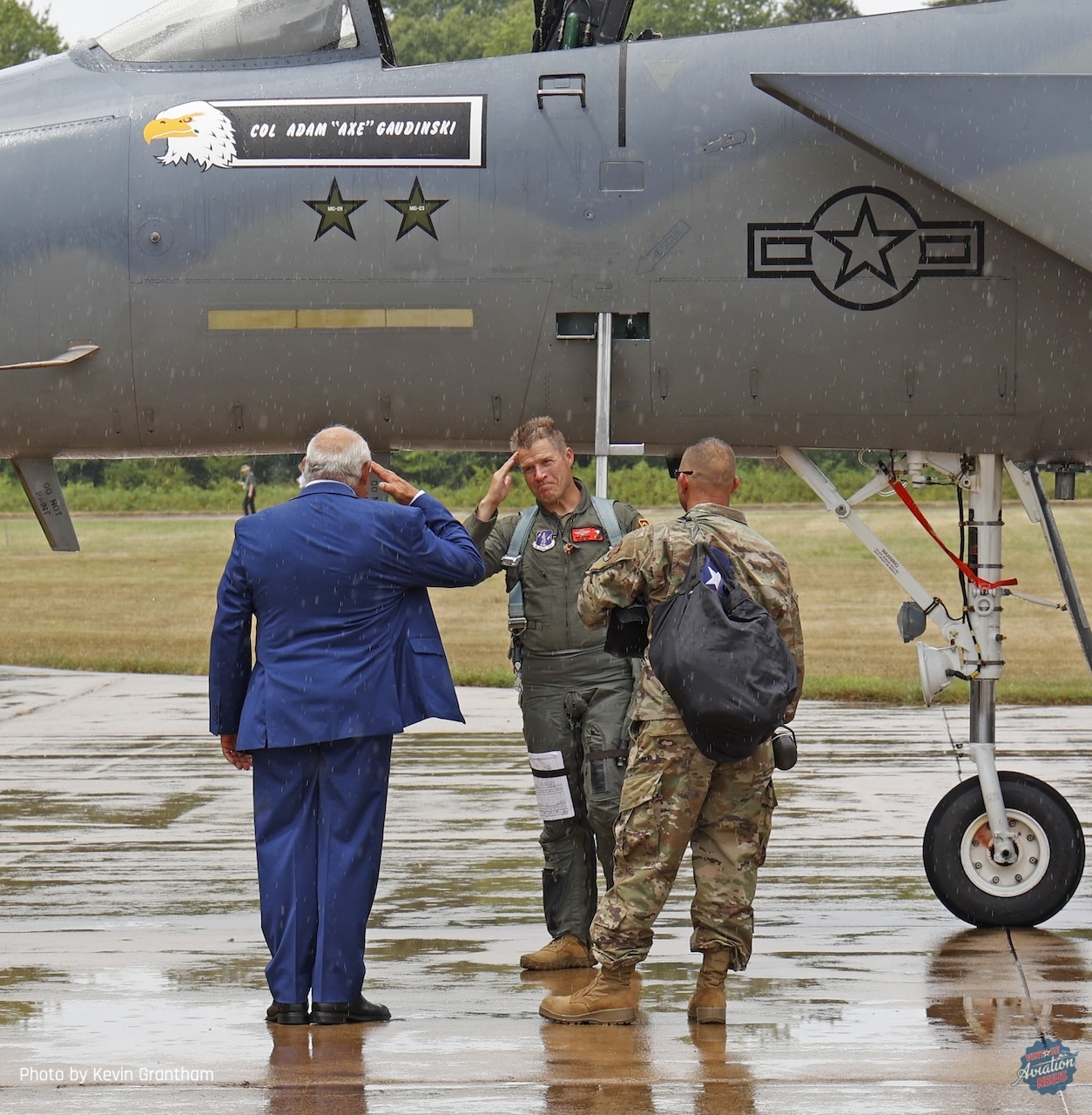
“F-15C 85-0114 has been a proud part of modern airpower history for more than 35 years,” said Rodriguez. “On 13 August, 114 begins its next chapter—a journey to inspire future aviators, to honor and thank all who will come to see it on display, and to remind every visitor that their fingerprints are part of the mission to Fly, Fight, Win.” Uniquely, the inner side of the right vertical stabilizer is painted to honor 2Lt. David R. Kingsley who was lost on June 23, 1944, while bombing the oil fields in Ploesti, Romania, for whom the 173rd Fighter Wing’s base is named after. In addition, there is a graphic depicting the aerial engagements in which 85-0114 downed both MiGs. After 85-0114 is prepared for display, the aircraft will join the museum’s collection of historic aircraft. The Eagle will be displayed in an estimated six to eight weeks. The National Air and Space Museum’s Steven F. Udvar-Hazy Center is free to the public, although there is a charge to park, and is open daily from 10 a.m., to 5:30 p.m., closed on Christmas (Dec. 25).
Where else can you see a MiG Killer?
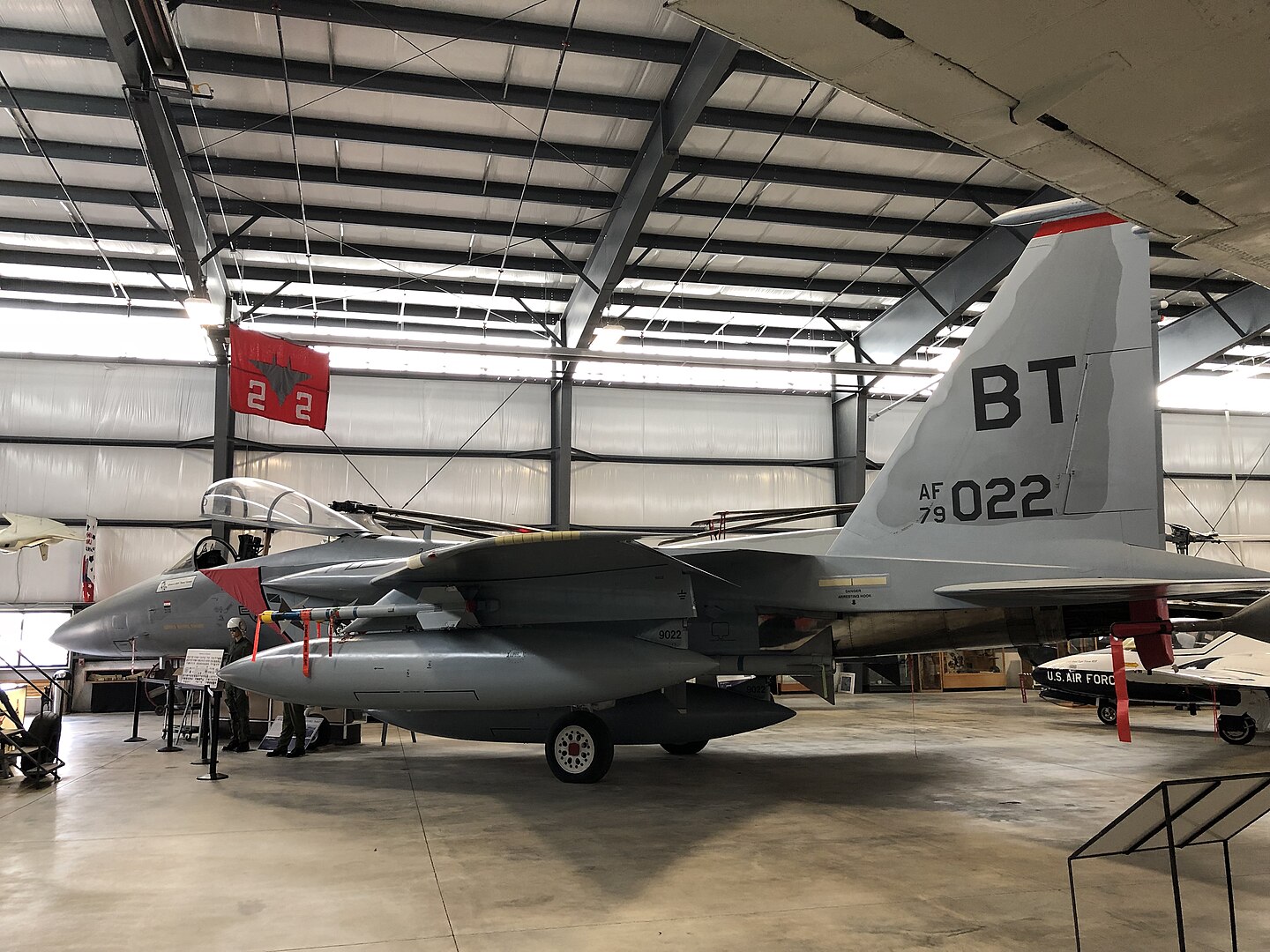
As the Air National Guard retires its F-15Cs, a number of MiG-killers Eagles have been preserved. F-15C 79-0022 was flown by Capt. Donald “Muddy” Watrous when he downed an Iraqi MiG-23 during Operation Desert Storm on Jan. 29, 1991. This Eagle is now displayed at the Pueblo Weisbrod Aircraft Museum in Pueblo, Colorado.
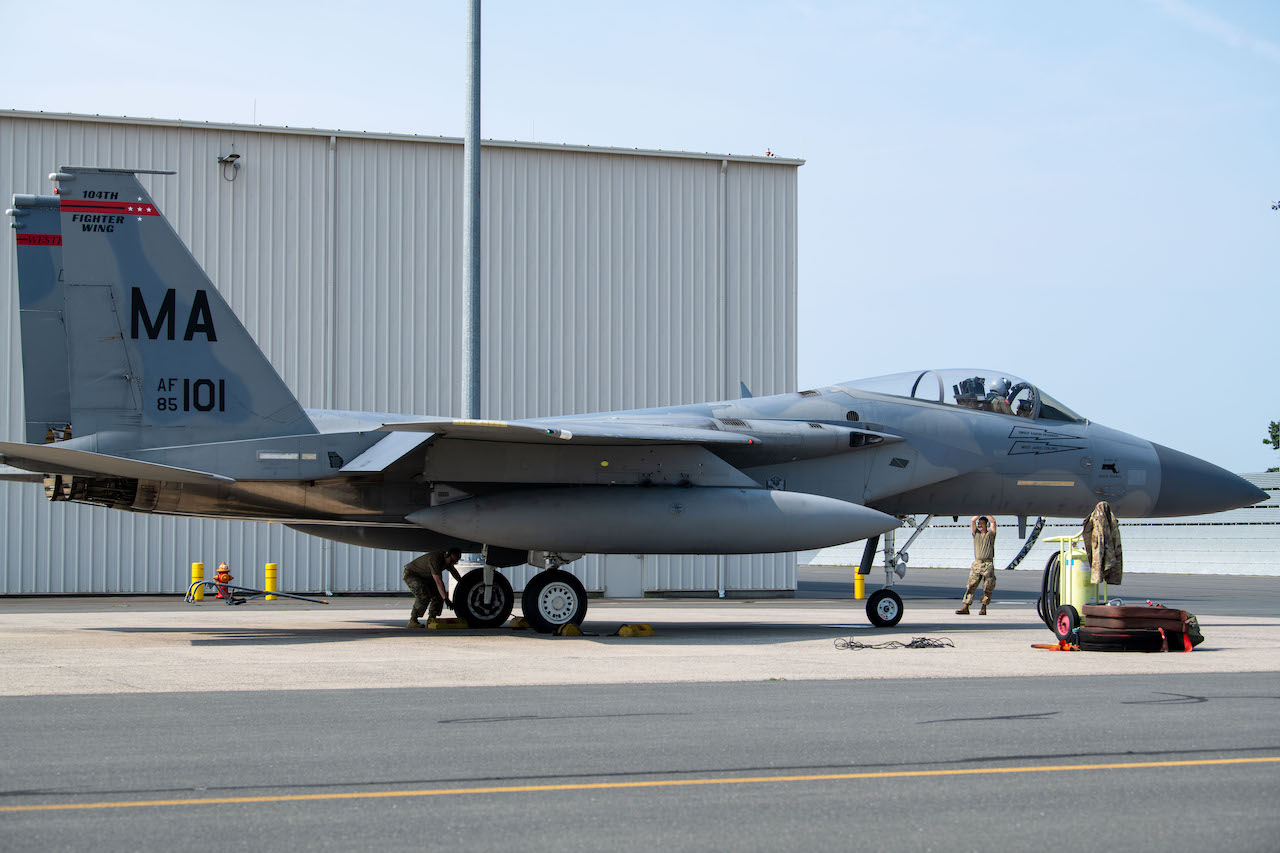
F-15C 85-0101, which was flown by Capt. Rick “Kluso” Tollini during Operation Desert Storm when he bested a MiG-25 Foxbat. This jet is now displayed at the New England Air Museum in Windsor Locks, Conn.
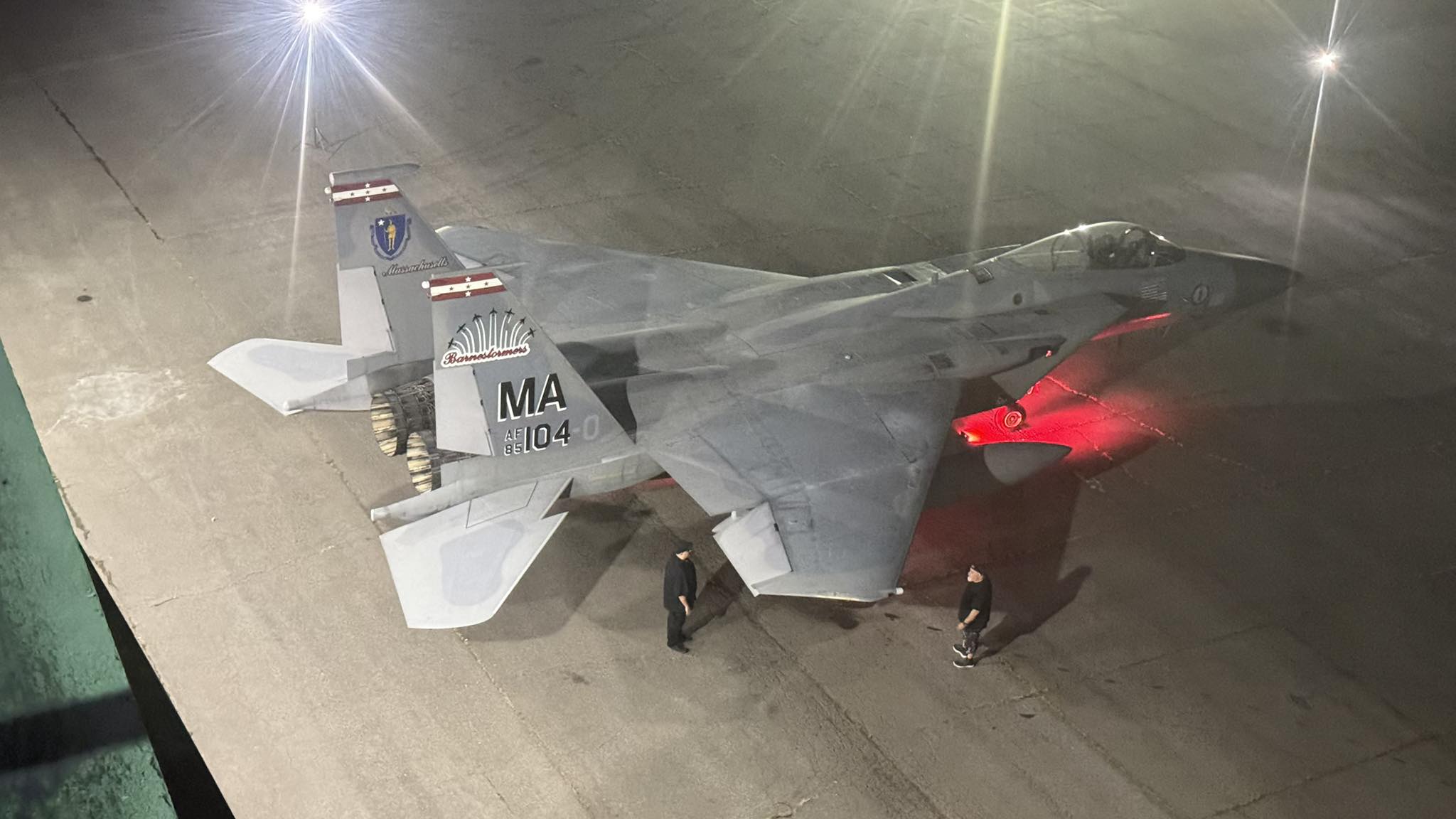
F-15C 85-0104 emerged dominant over an Iraqi MiG-23 on Jan. 26, 1991, while flown by Capt. Anthony “Kimo” Schiavi. This jet is now displayed at the Empire State Aerosciences Museum in Schenectady, N.Y.
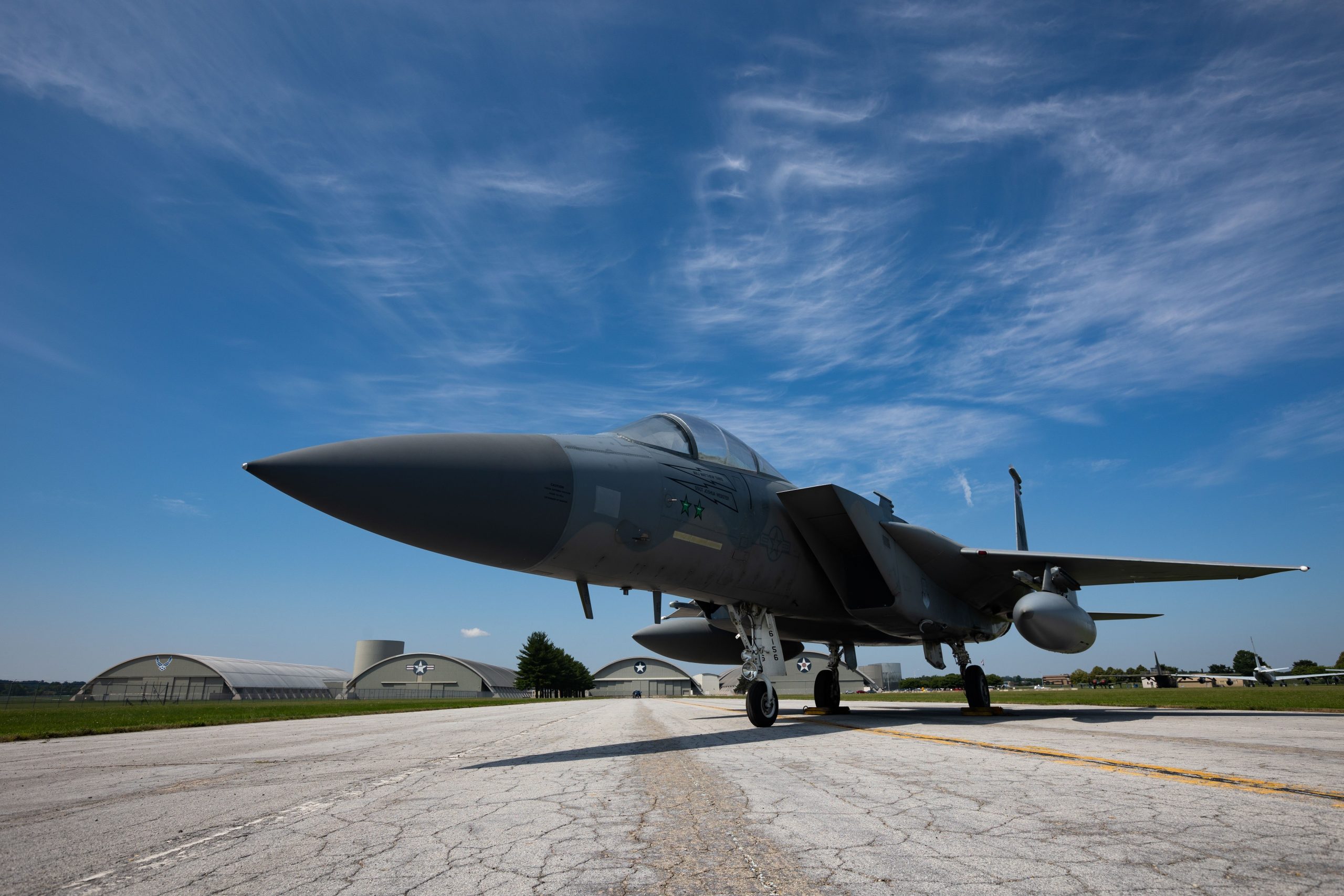
F-15C 86-0156 is the only Eagle to score two MiG-29 aerial victories. During Operation Allied Force on March 26, 1999, Capt. Jeff “Claw” Hwang downed a pair of MiG-29s during the same engagement using a pair of AIM-120 AMRAAMs (advanced medium-range air-to-air missiles. The aircraft was flown to the National Museum of the U.S. Air Force, where it is now displayed, on April 25, 2023.