
Photos and text by Courtney Hale Caillouet
Beginning August 20, 2025, the Fieseler Fi-156C-2 Storch will return to permanent display at the National Museum of the United States Air Force in Dayton, Ohio, following an extensive 18-month restoration. The aircraft was removed from public view in 2016 to make room for the famed “Memphis Belle.” You can read our previous articles at this LINK. After years in storage, it was transferred to the restoration hangar in late 2023 for a complete overhaul.
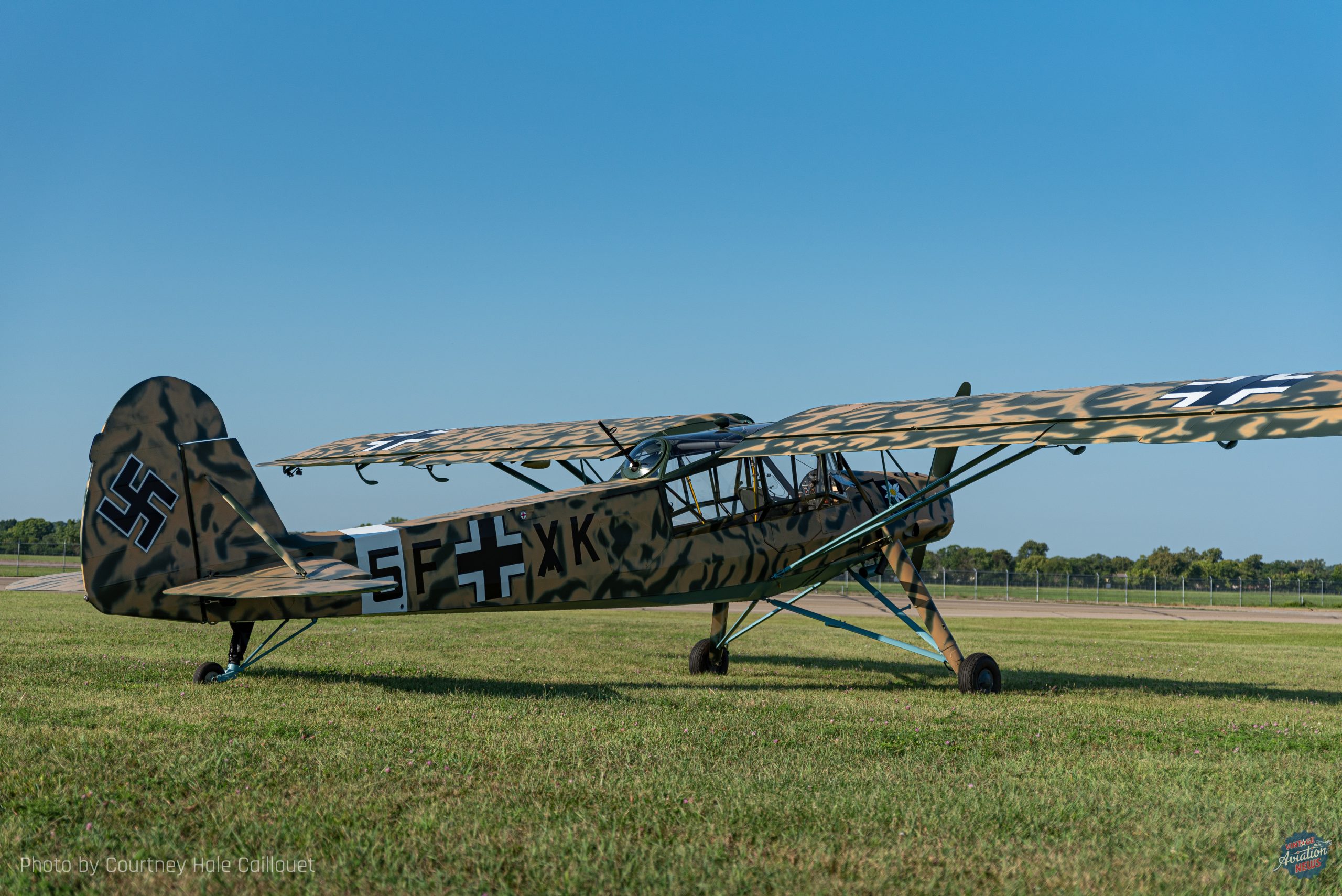
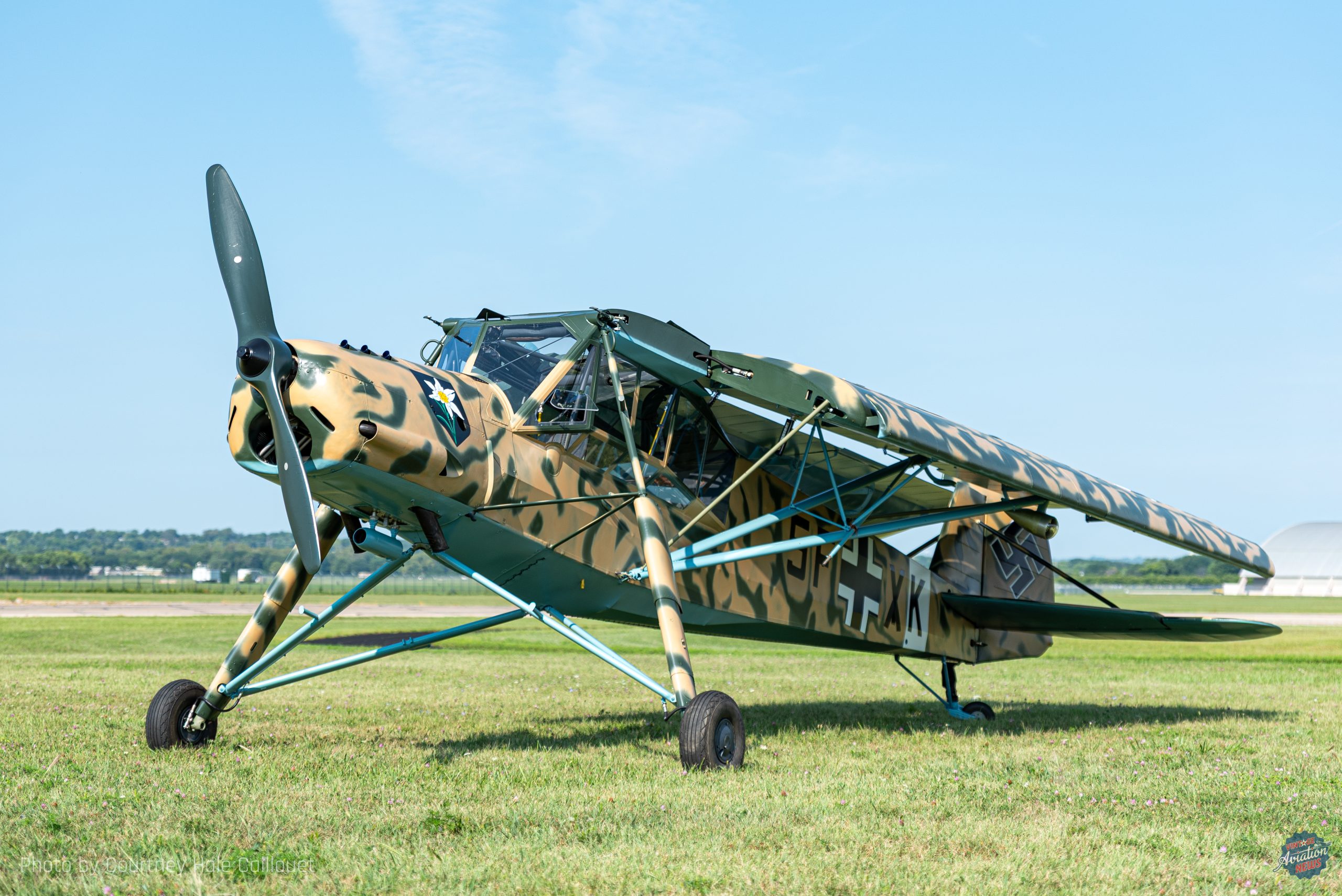
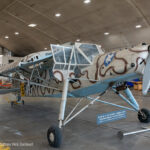
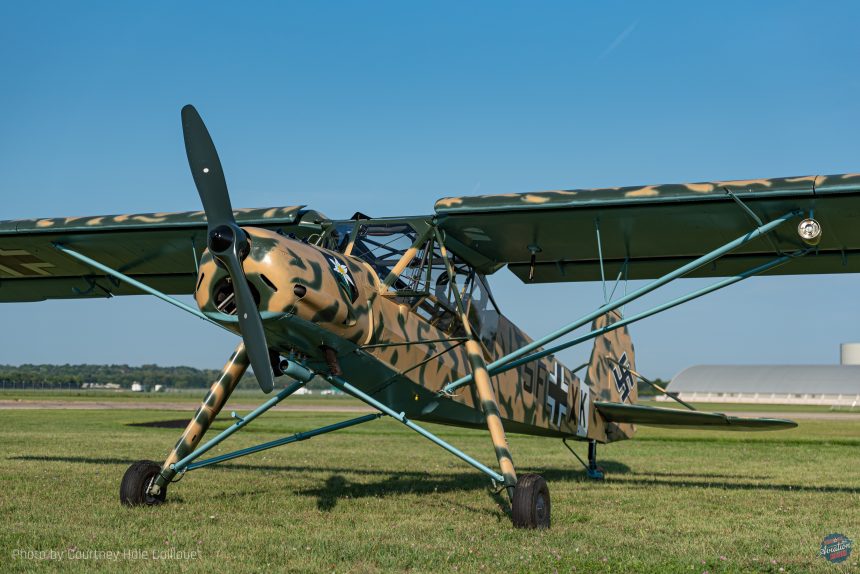
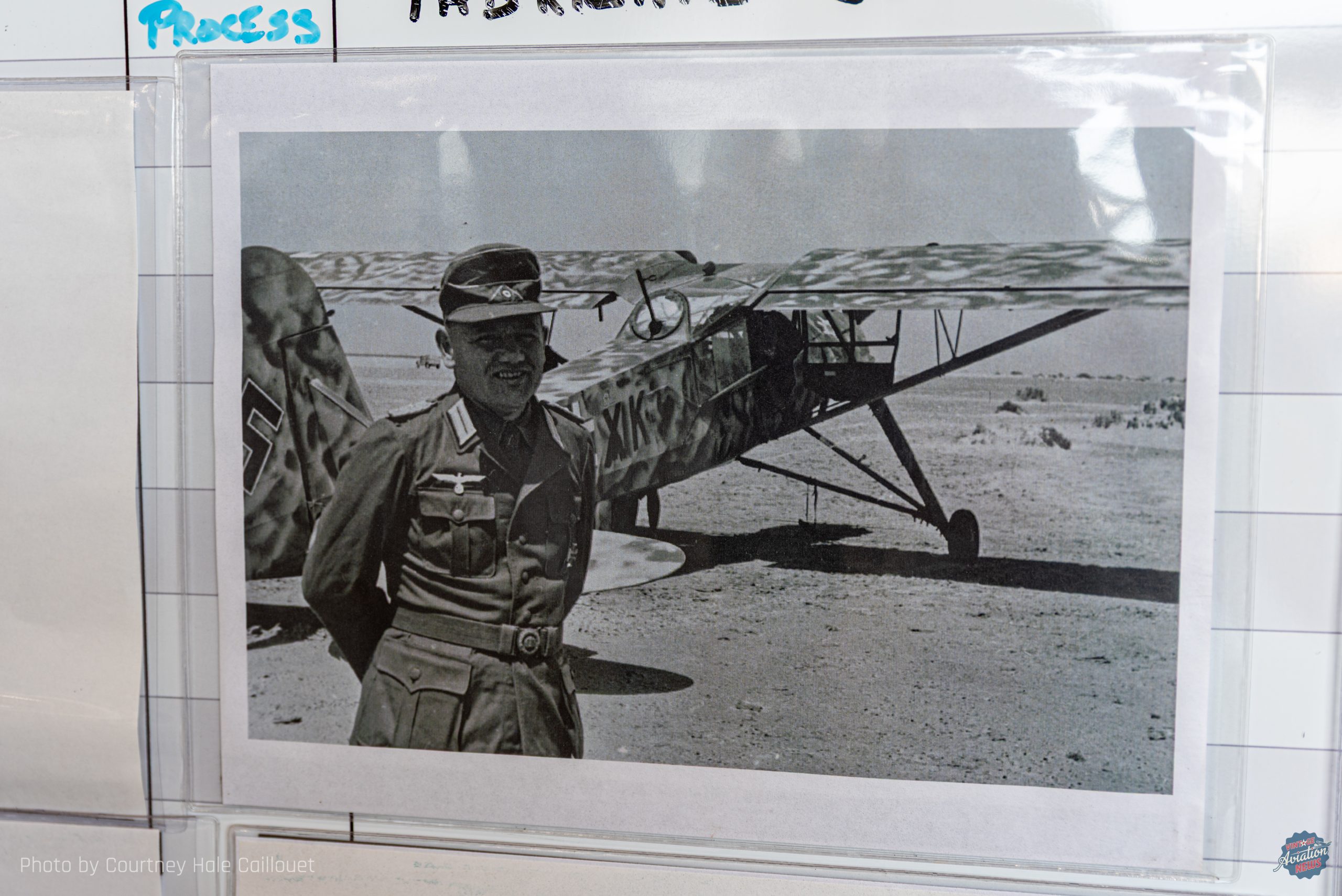
Disassembly began in early 2024, with the restoration team finalizing the livery later that spring. The Storch was repainted in markings seen in archival photographs of the Deutsches Afrika Korps (DAK), which was used by Field Marshal Erwin Rommel between 1941 and 1943. For more on the history of the Storch and this aircraft in particular, see our earlier coverage.
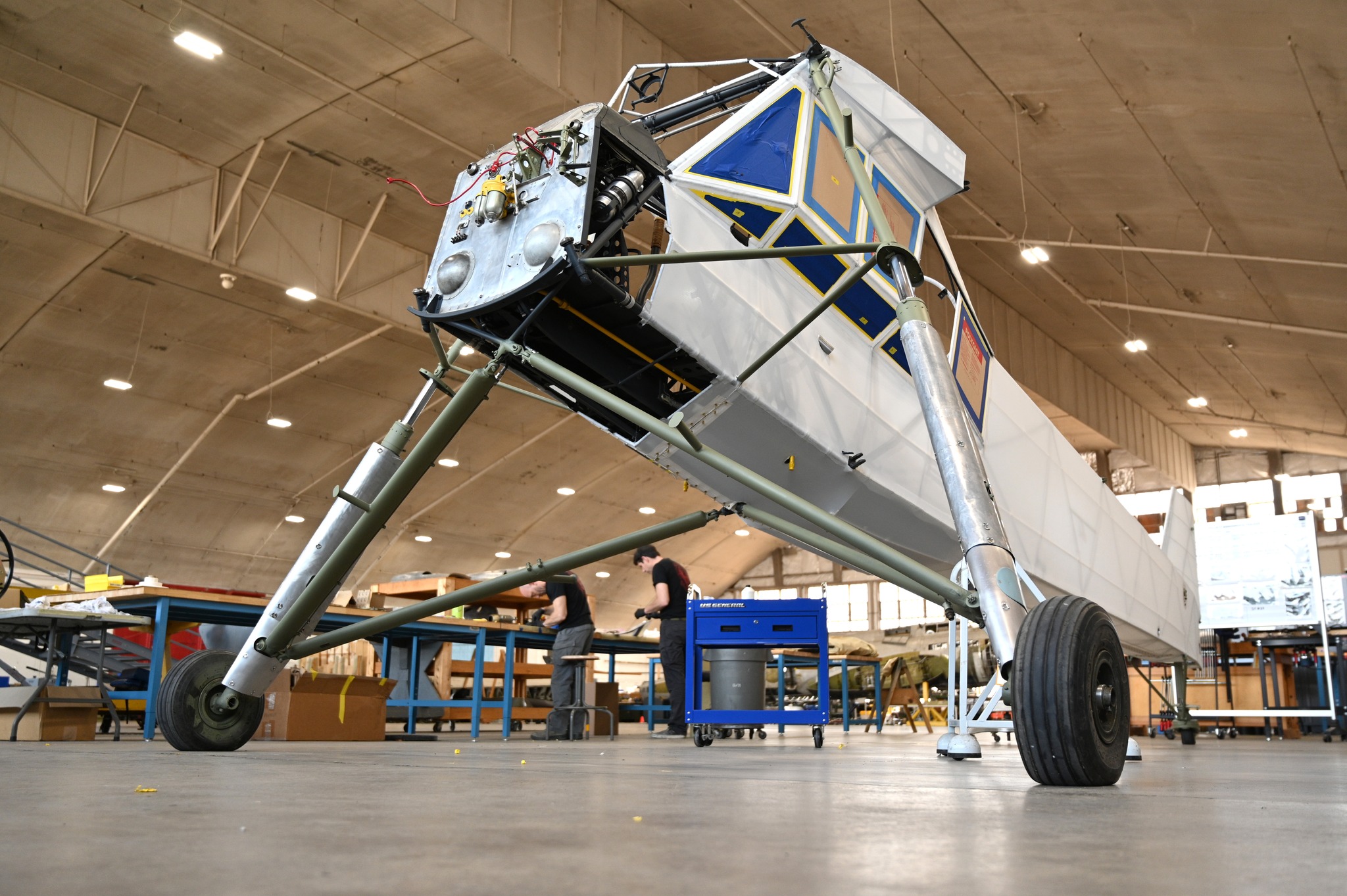
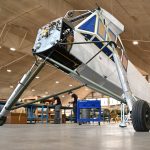
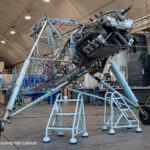
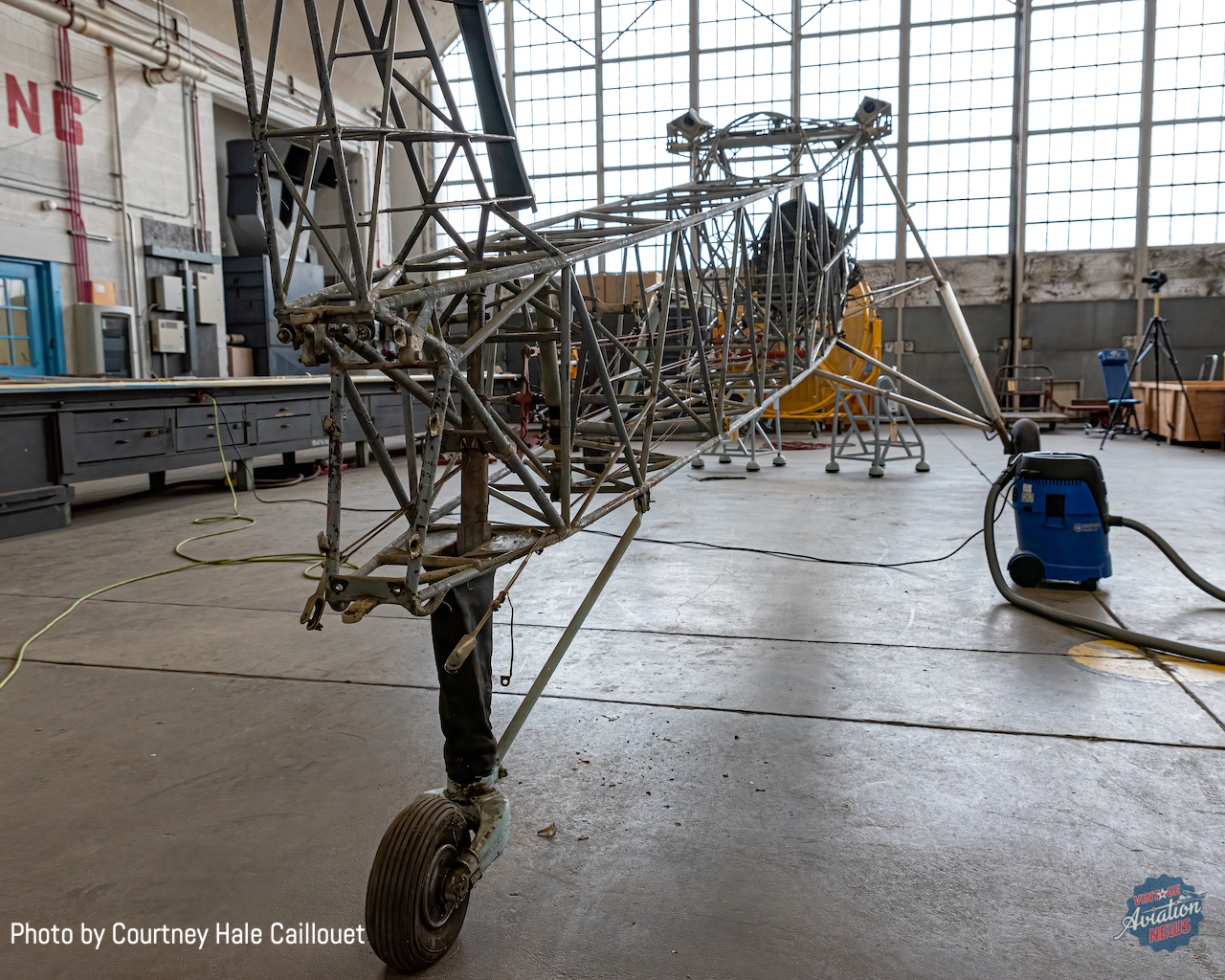
The original cotton fabric covering had remained on the aircraft for decades, though its installation date is unknown. Once removed, the airframe was thoroughly inspected and showed no significant signs of corrosion in its metal or wooden components. The tubular steel frame, however, carried multiple layers of old paint that required careful removal using plastic bead blasting. While the restoration team initially planned to keep the engine attached during this process, it was ultimately removed to facilitate transport to a local shop for stripping.
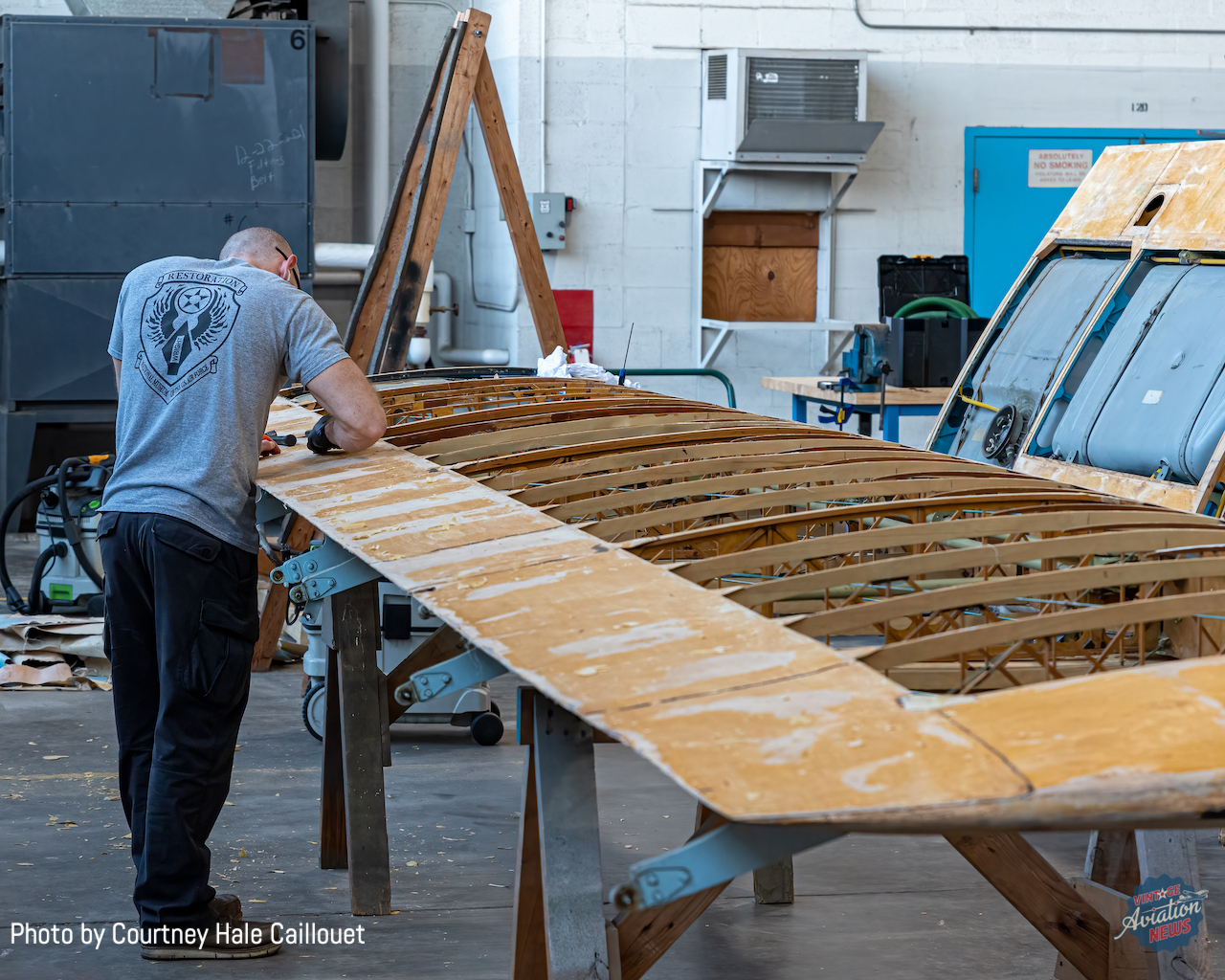
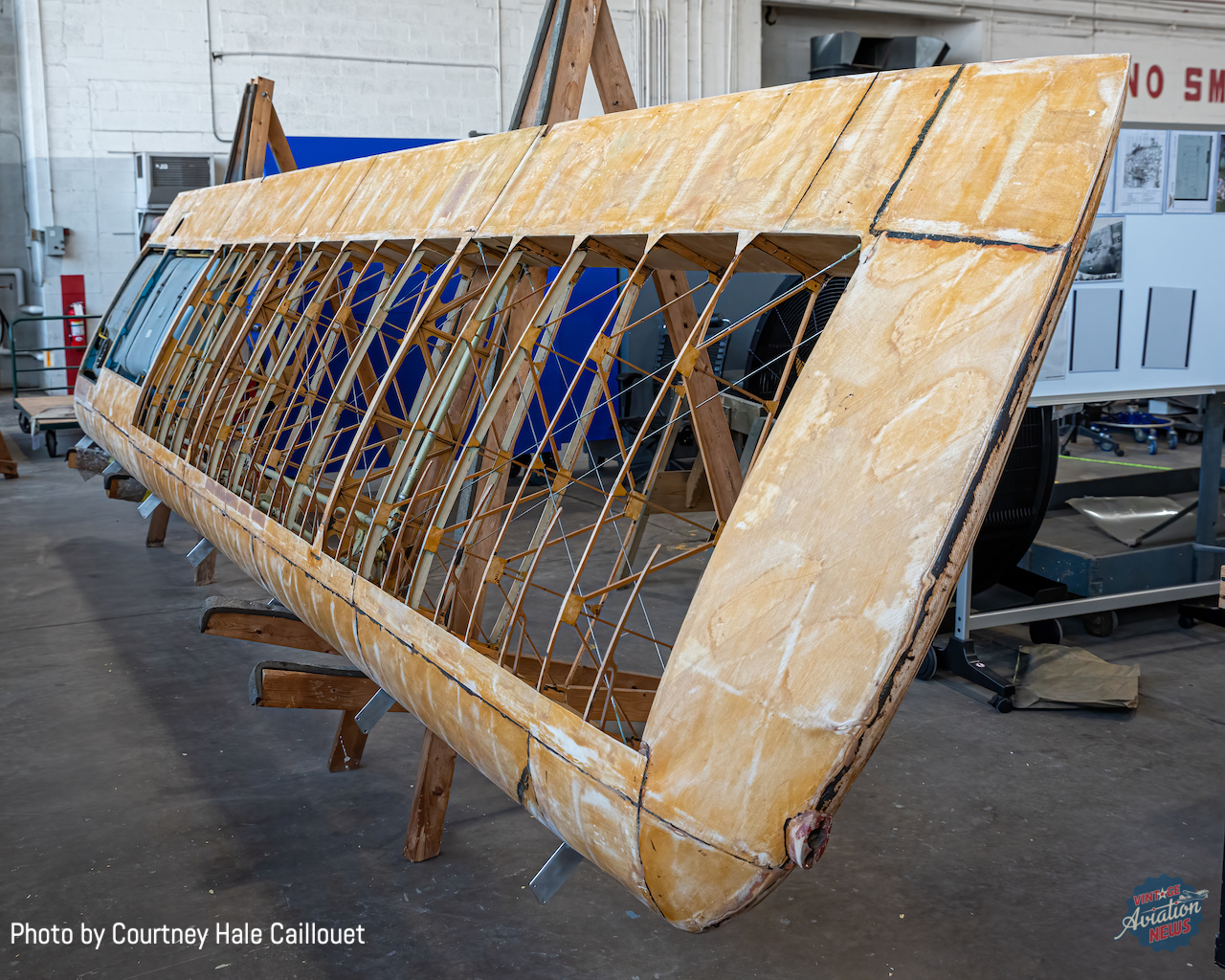
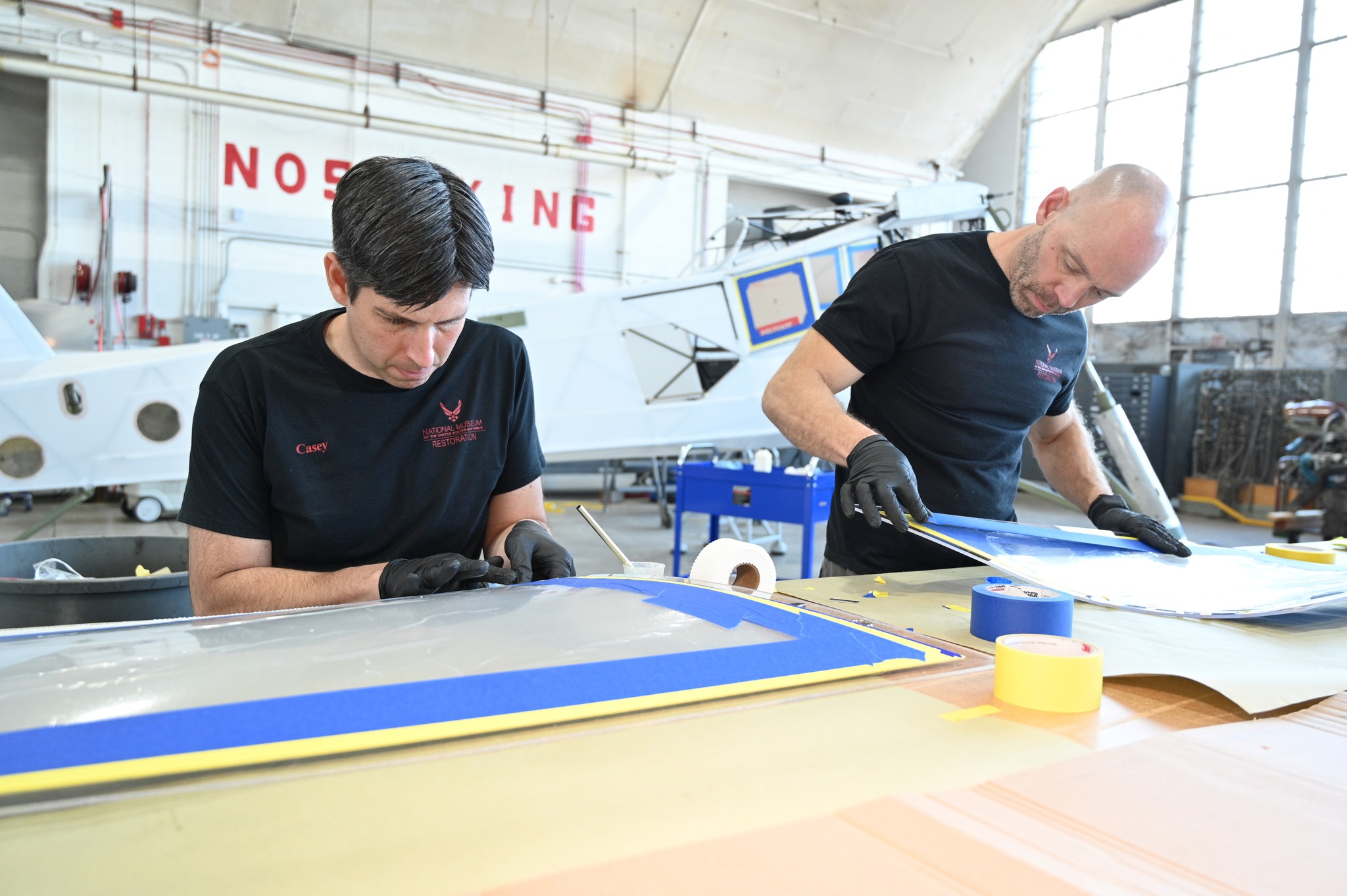
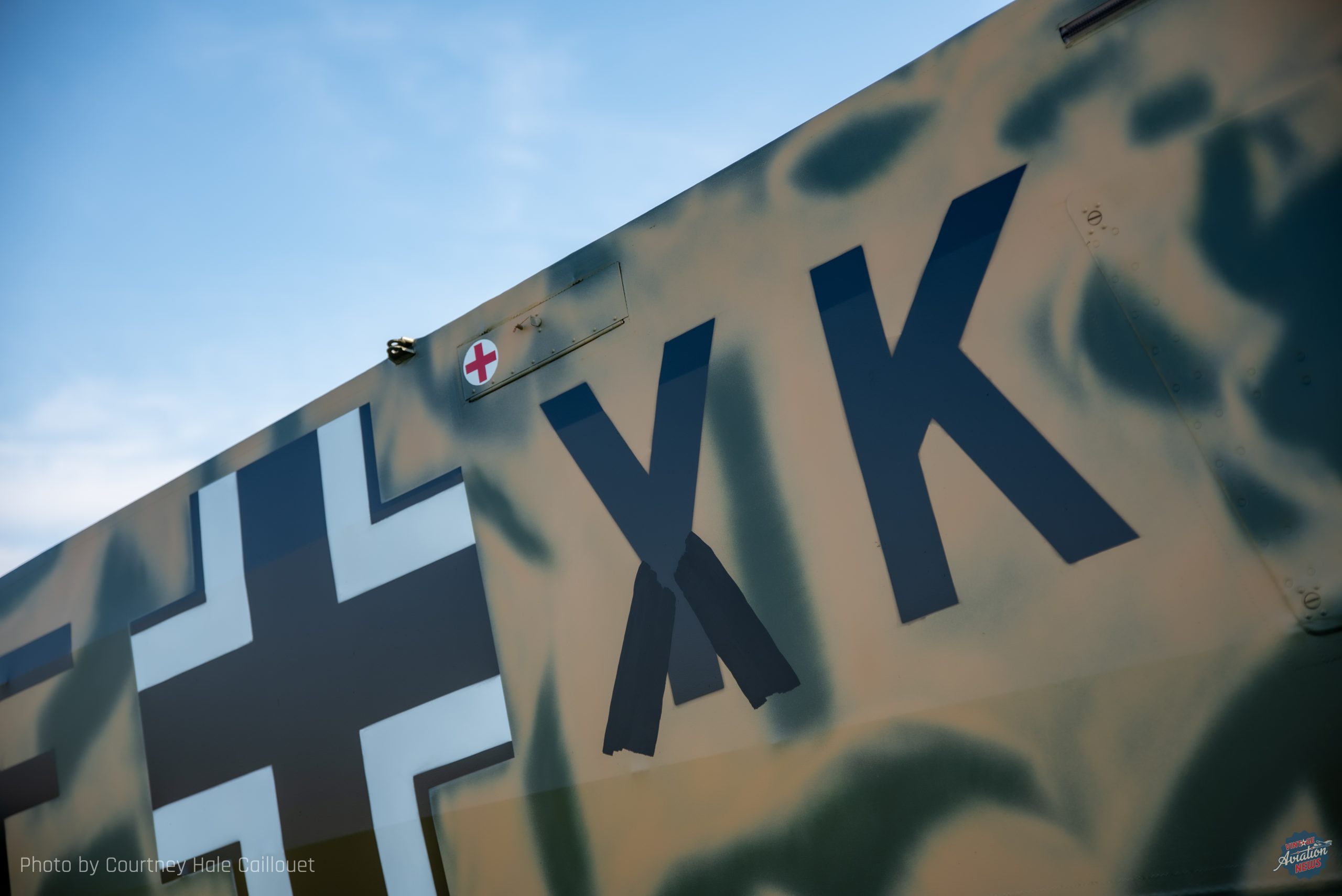
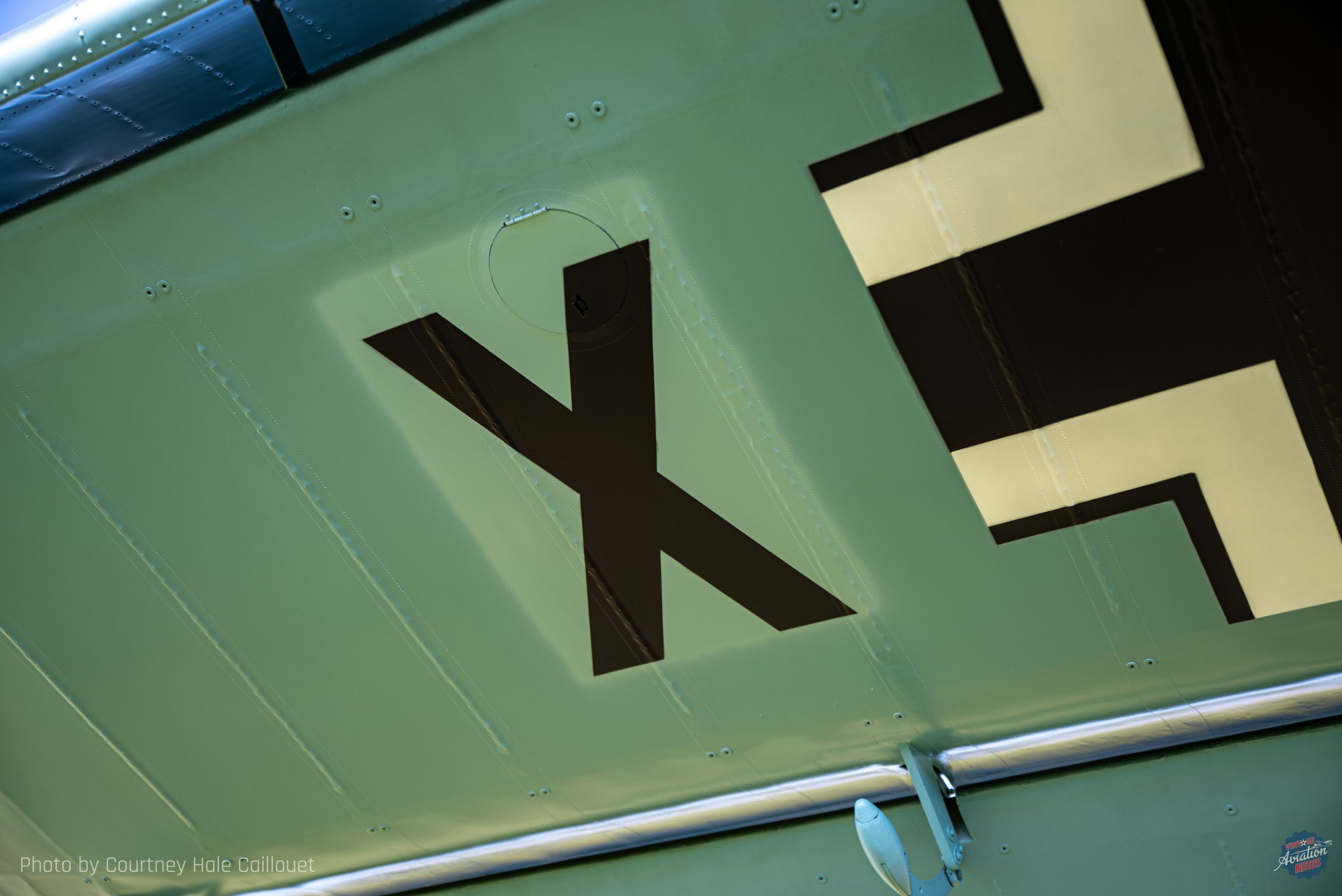
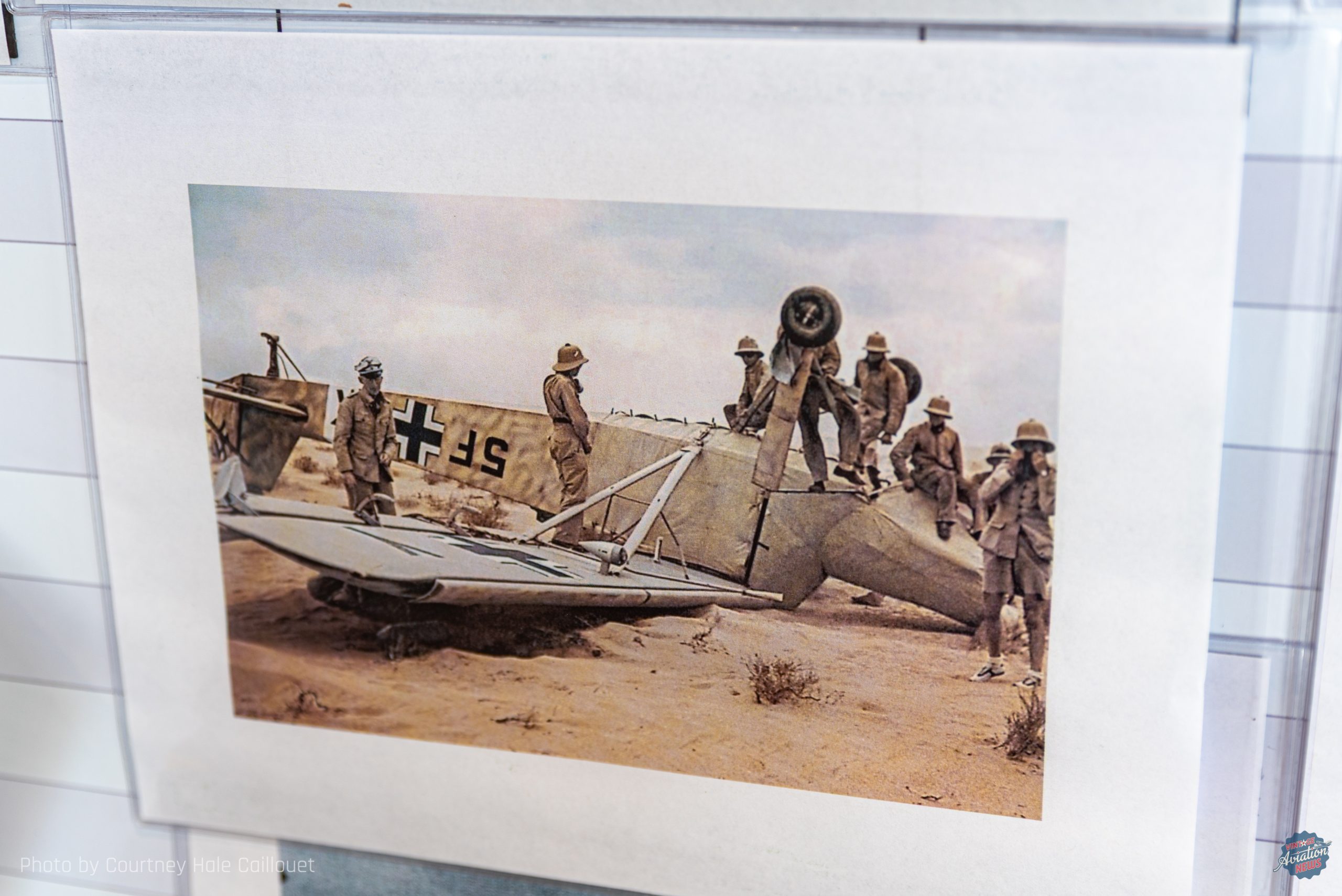
For preservation, a synthetic poly-based fabric was applied in place of natural fibers, which are prone to deterioration even in climate-controlled environments. The new covering will ensure the restoration endures for decades to come. Guided by period photographs, the team meticulously applied paint to replicate the aircraft’s wartime appearance. One particularly intriguing feature was the fuselage and wing identification markings. The aircraft was originally coded “5F+YK,” but later photos show the “Y” altered into an “X.” On the fuselage, this was done crudely with a brush, while on the wings, the “Y” was painted over in a lighter shade before the “X” was reapplied. Though the reason remains uncertain, it may have been connected to images of the aircraft overturned in the desert. The restoration team chose to replicate this unique detail, representing the aircraft as it likely appeared during late service in Operation Torch.
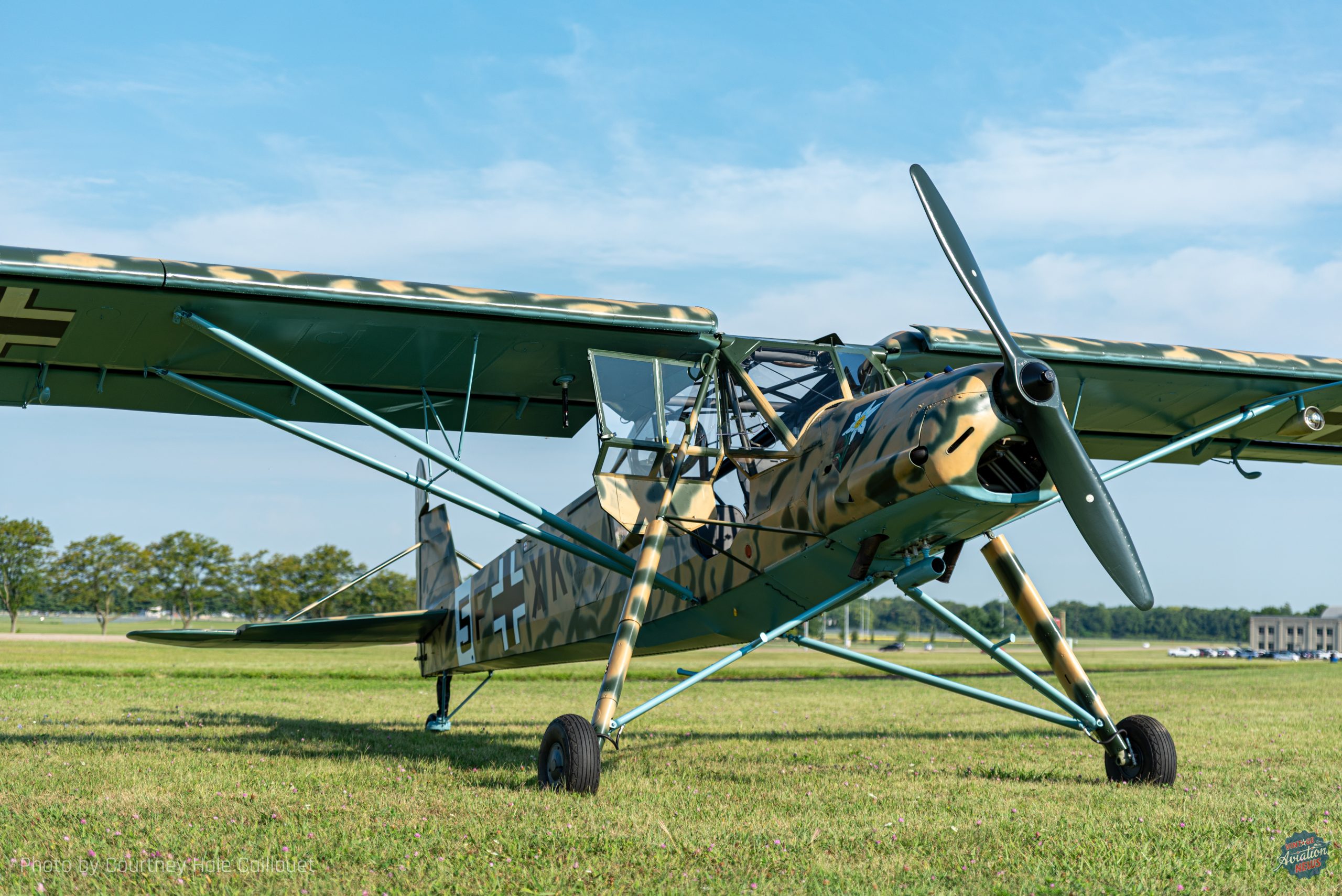
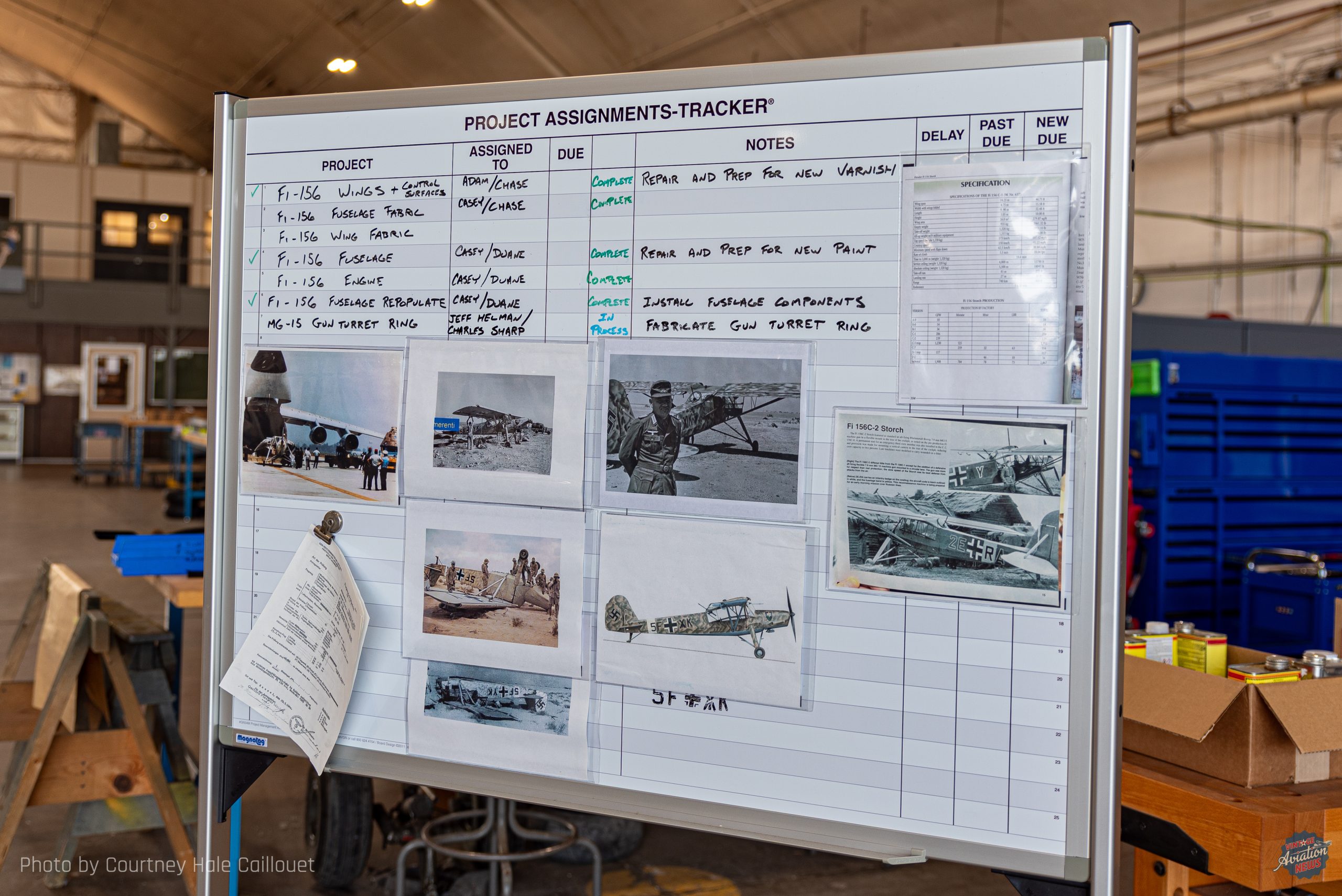
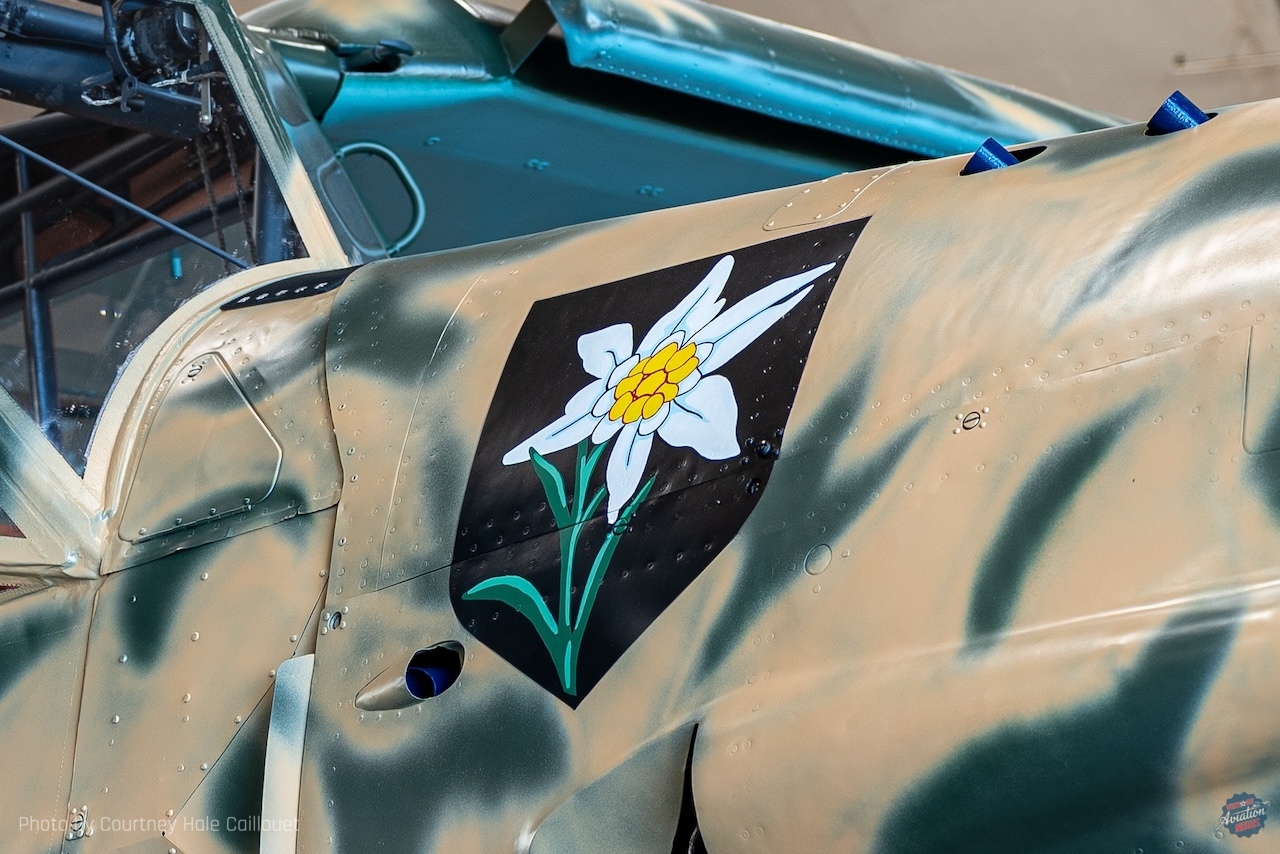
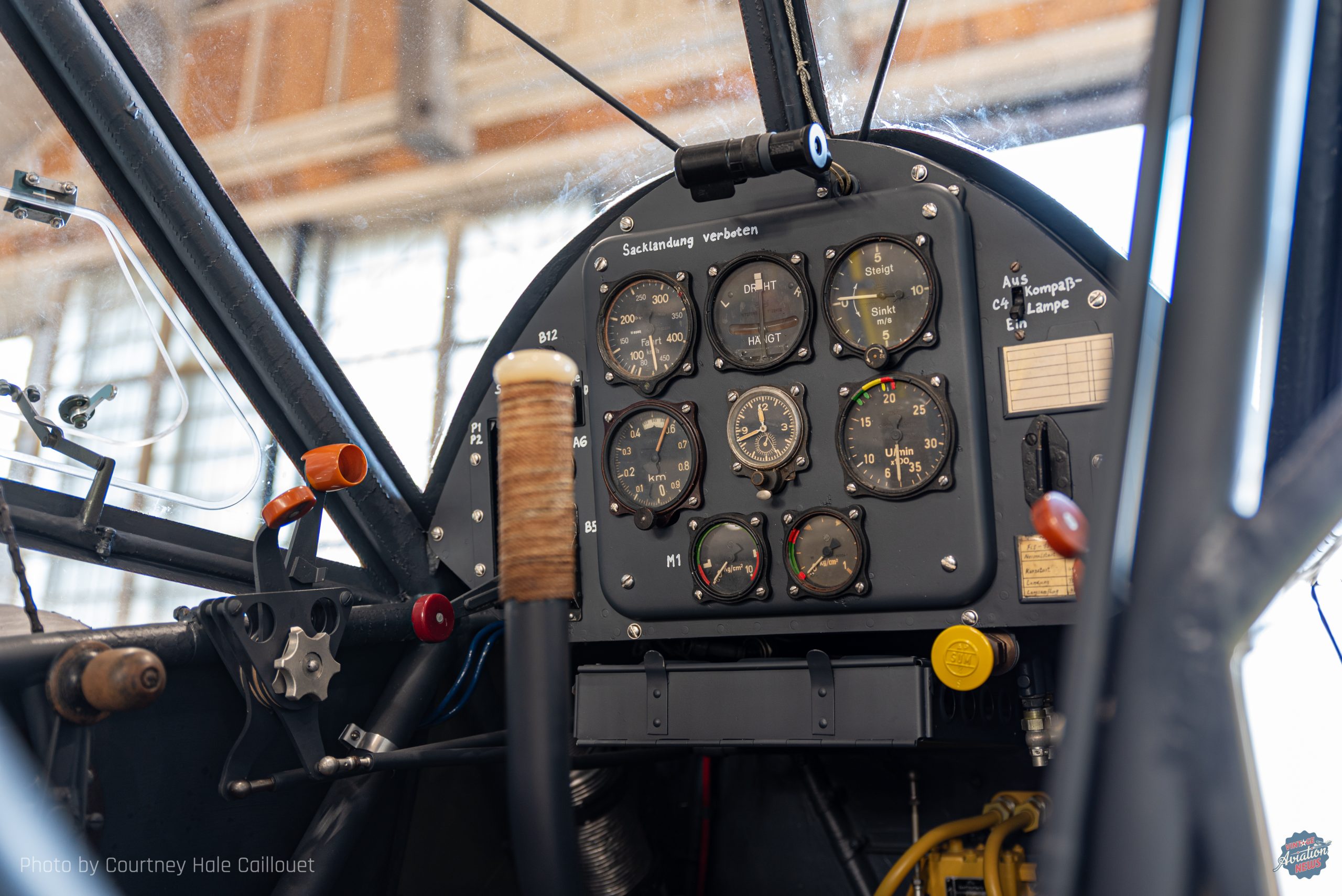
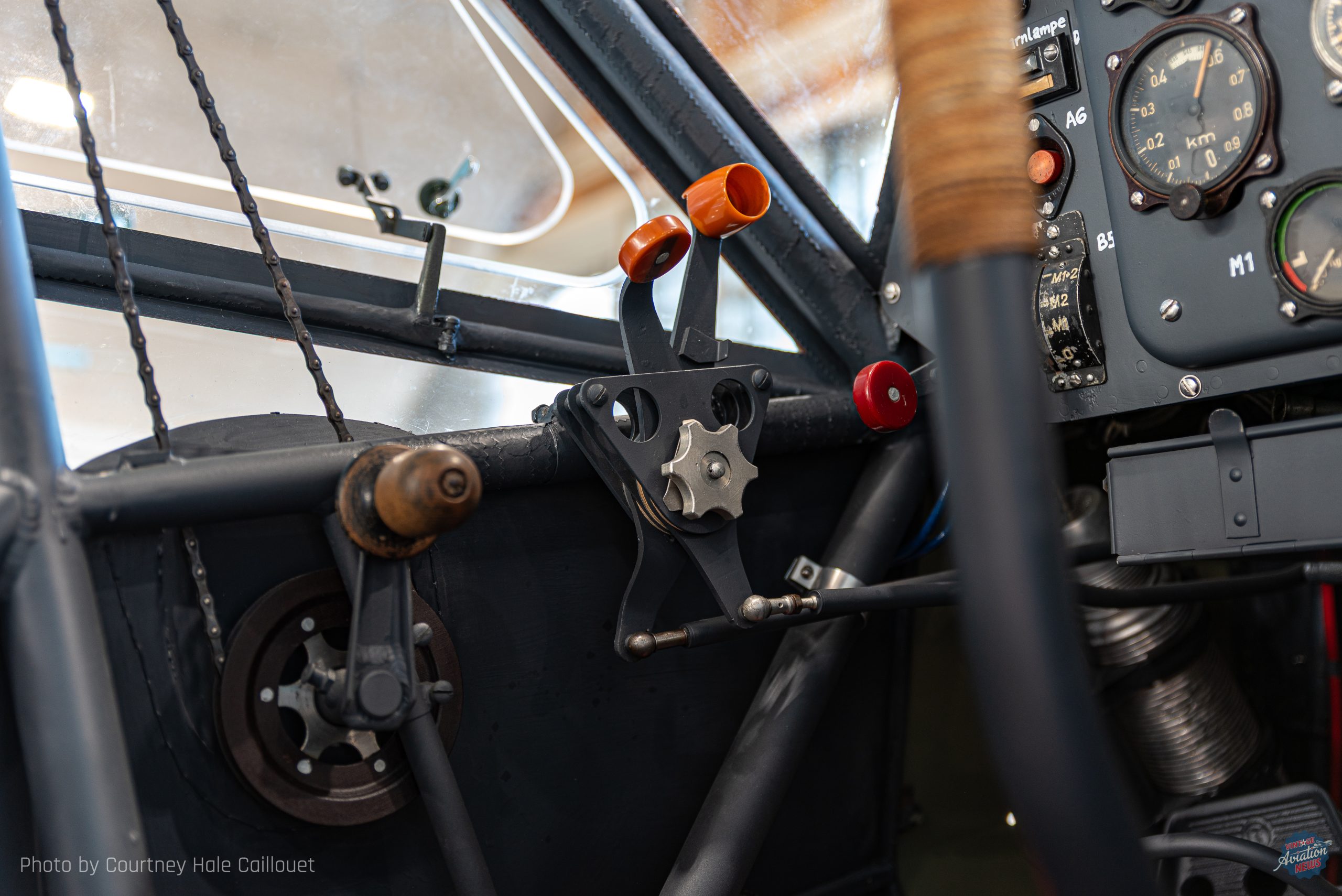
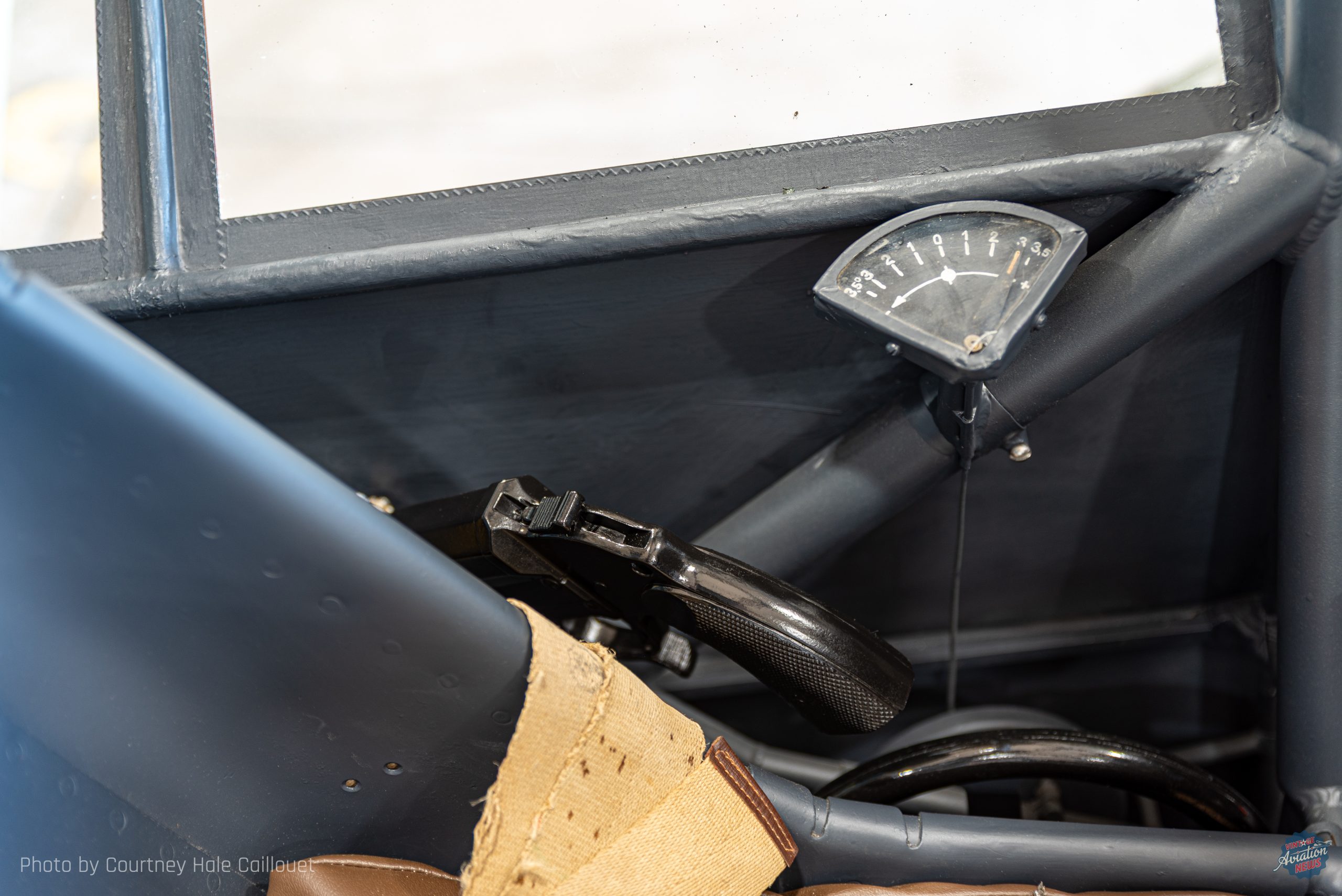
Additional touches include hand-painted cockpit markings, detailed instrumentation, and the distinctive edelweiss flower painted on the nose over the desert camouflage pattern. These subtle, authentic details highlight the craftsmanship and precision for which the museum’s restoration team is renowned. Project Leader Casey Simmons, together with Chase Meredith, Adam Naber, and retired team member Duane Jones, deserve recognition for their dedication and skill in completing the project.
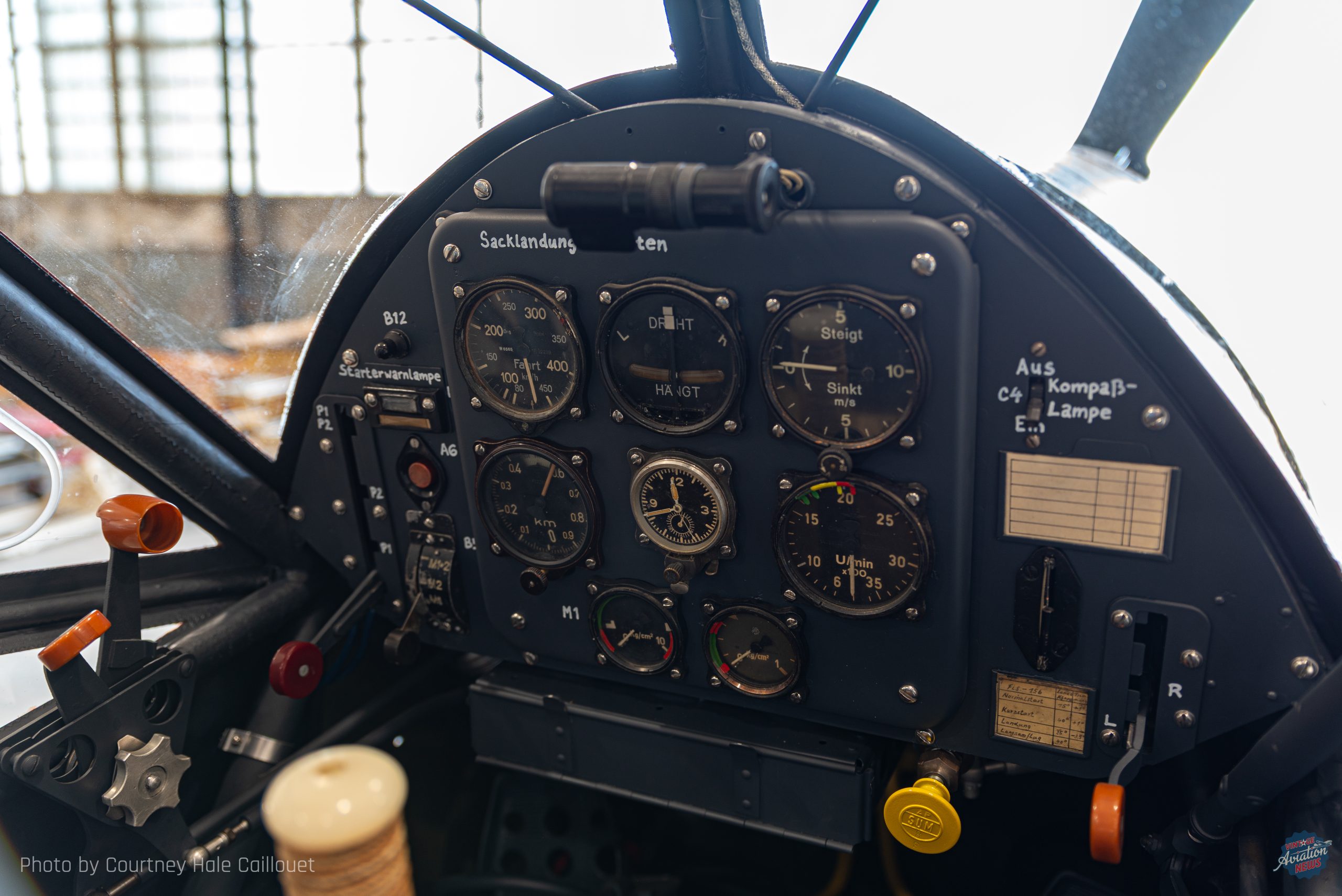
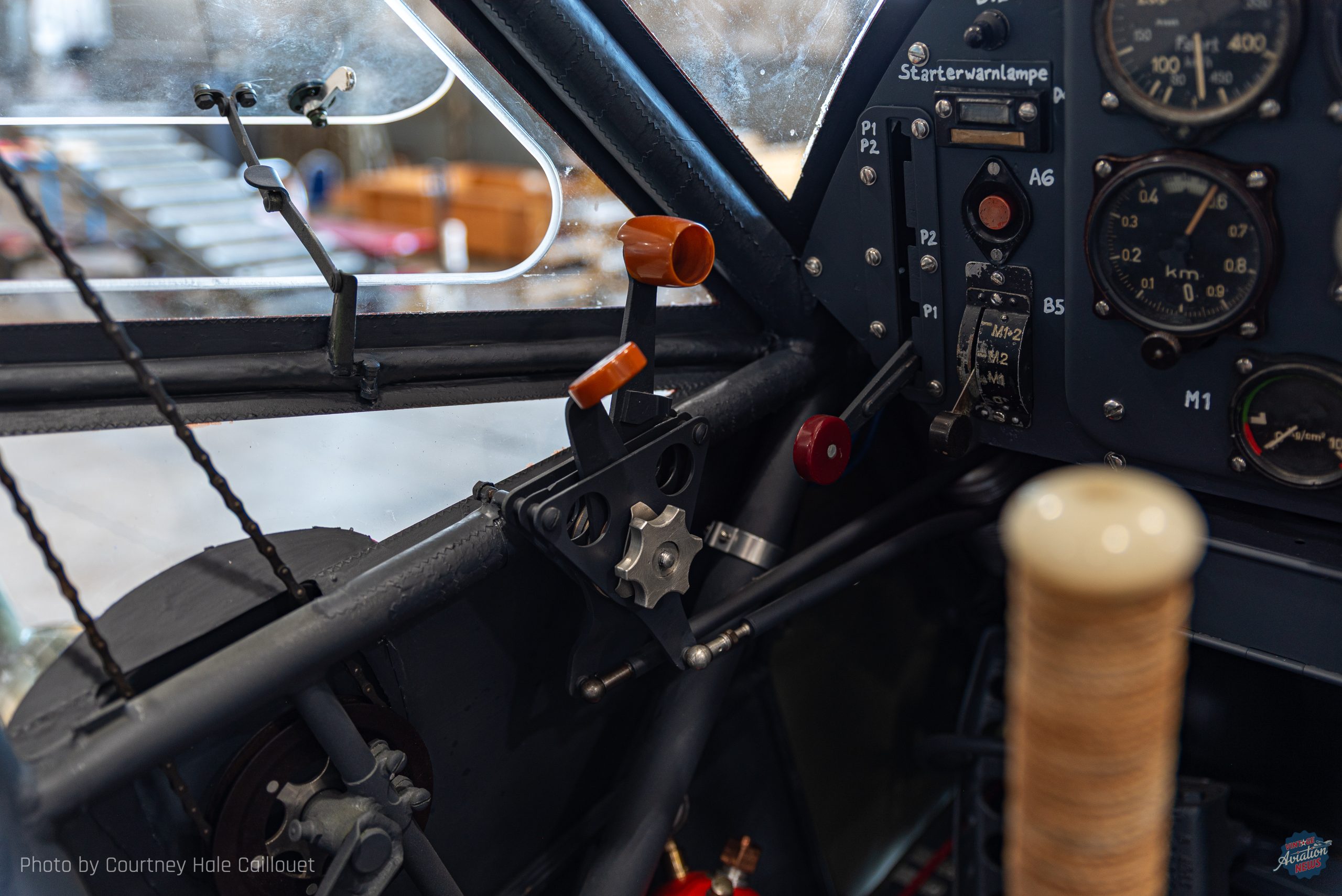
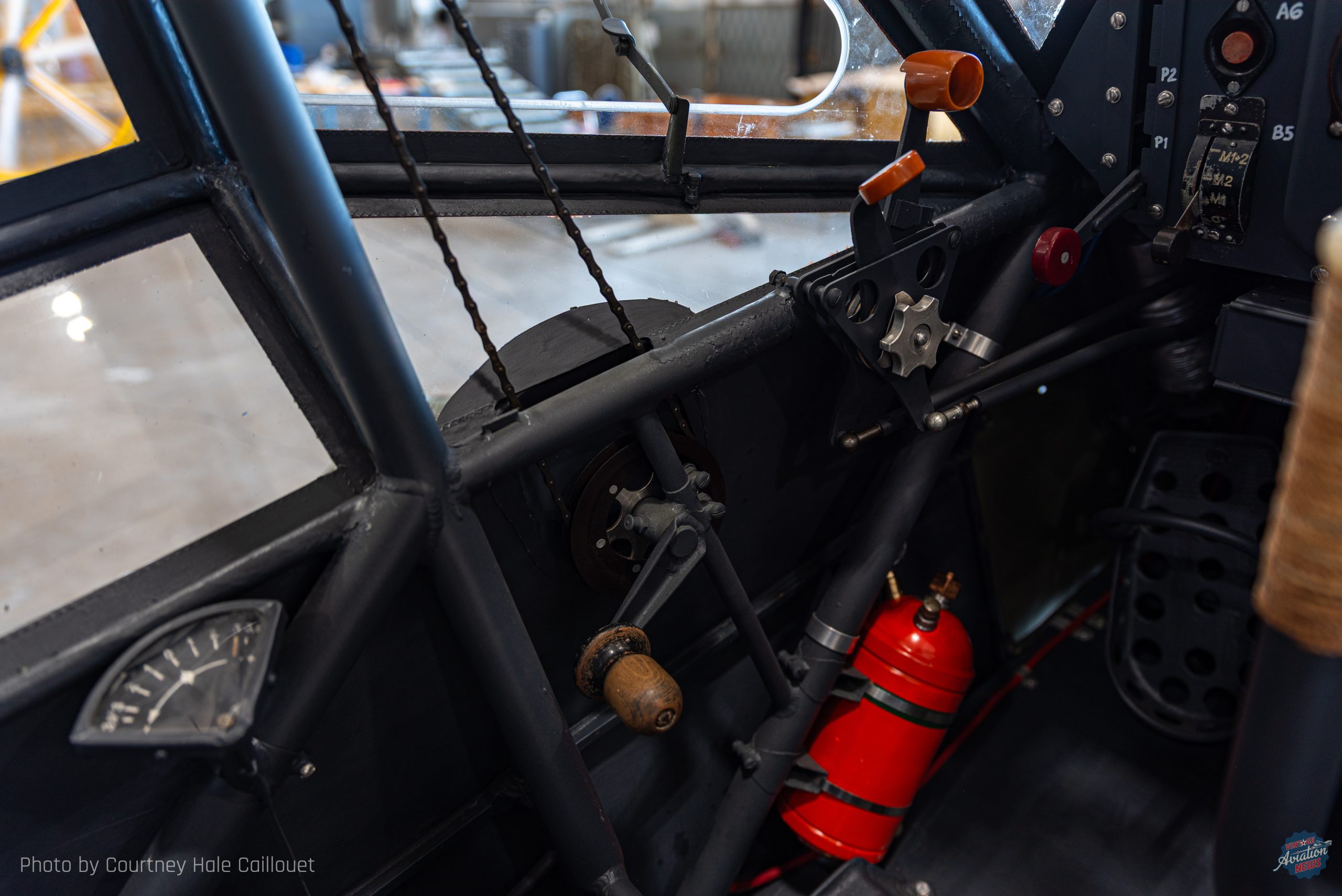
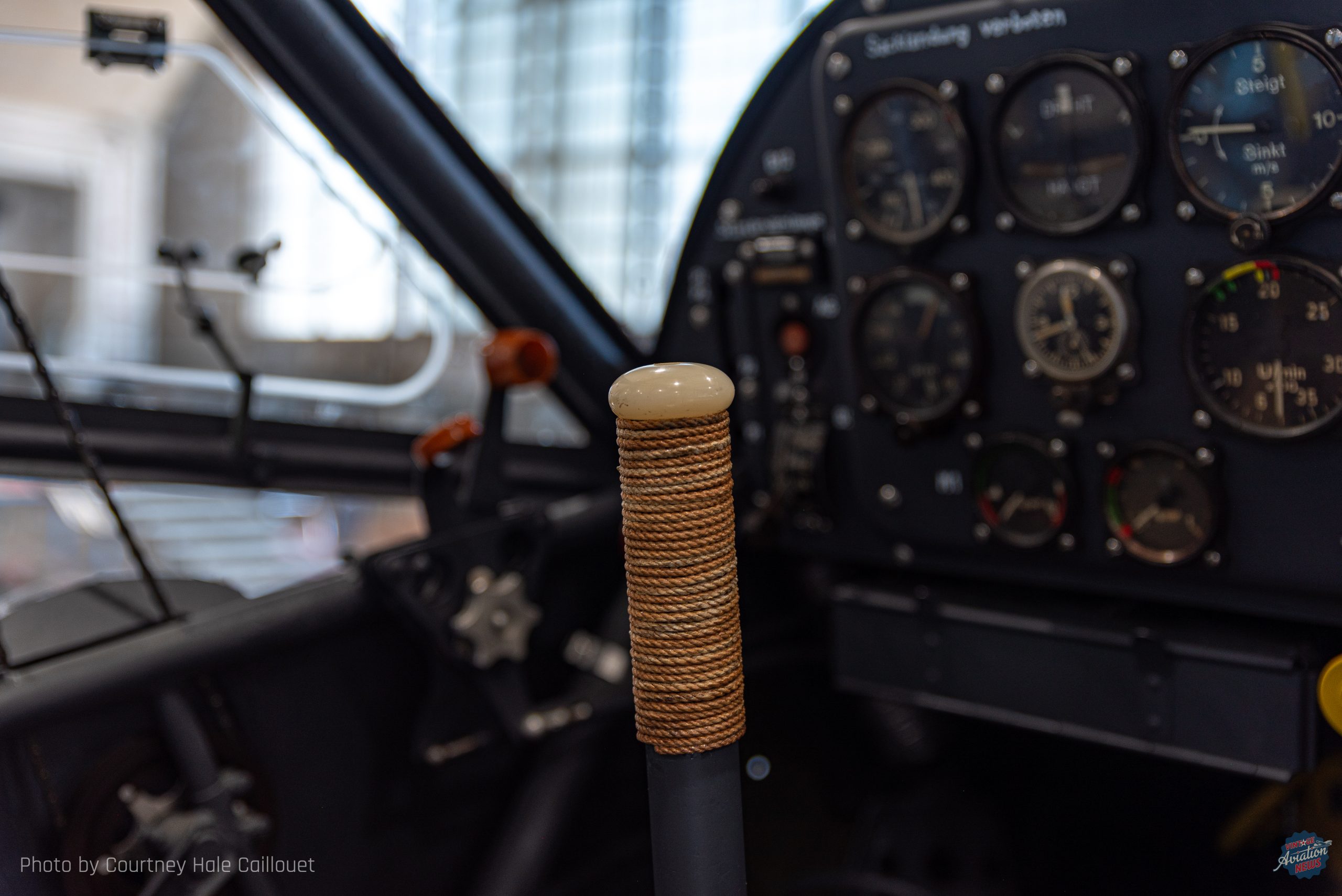
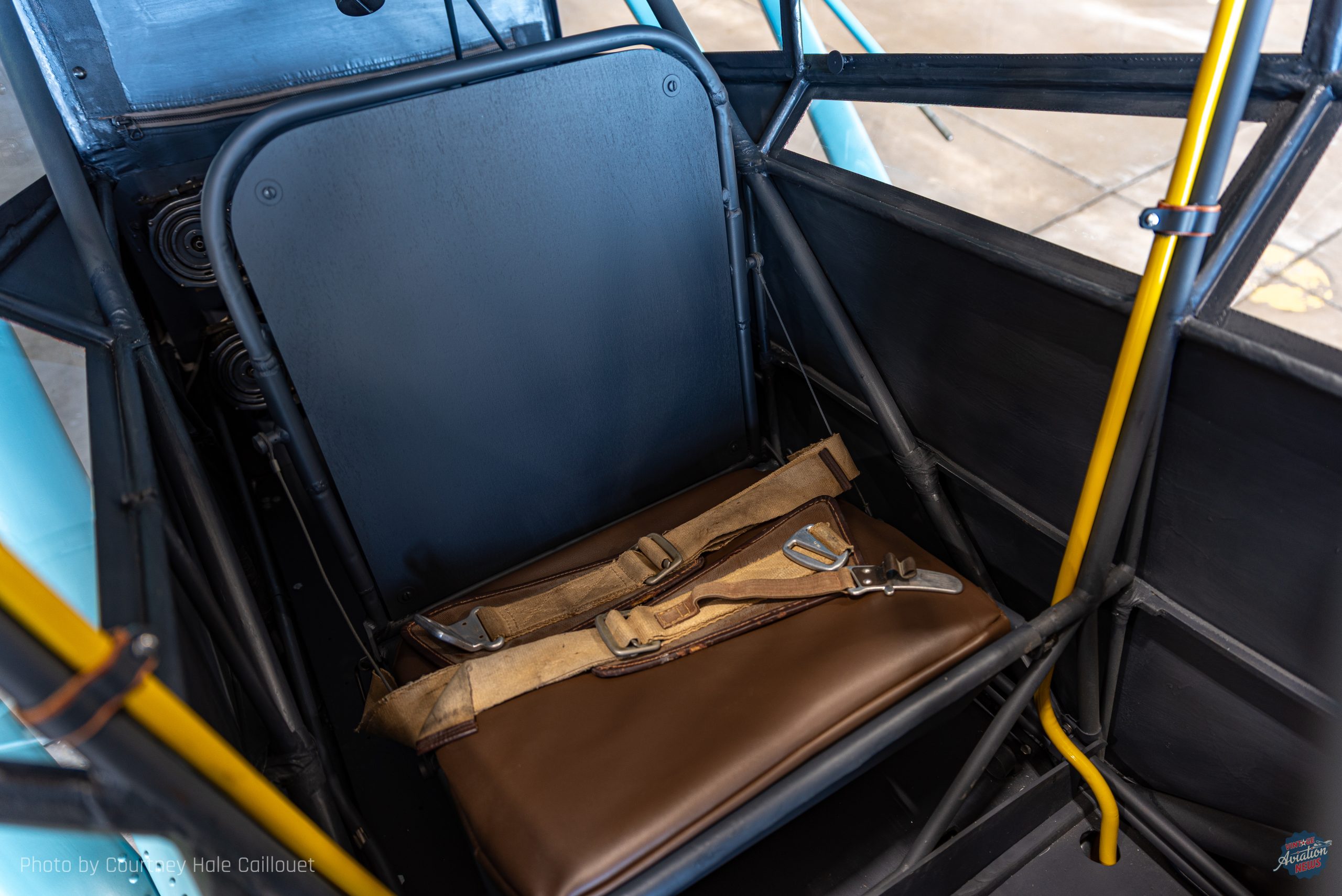
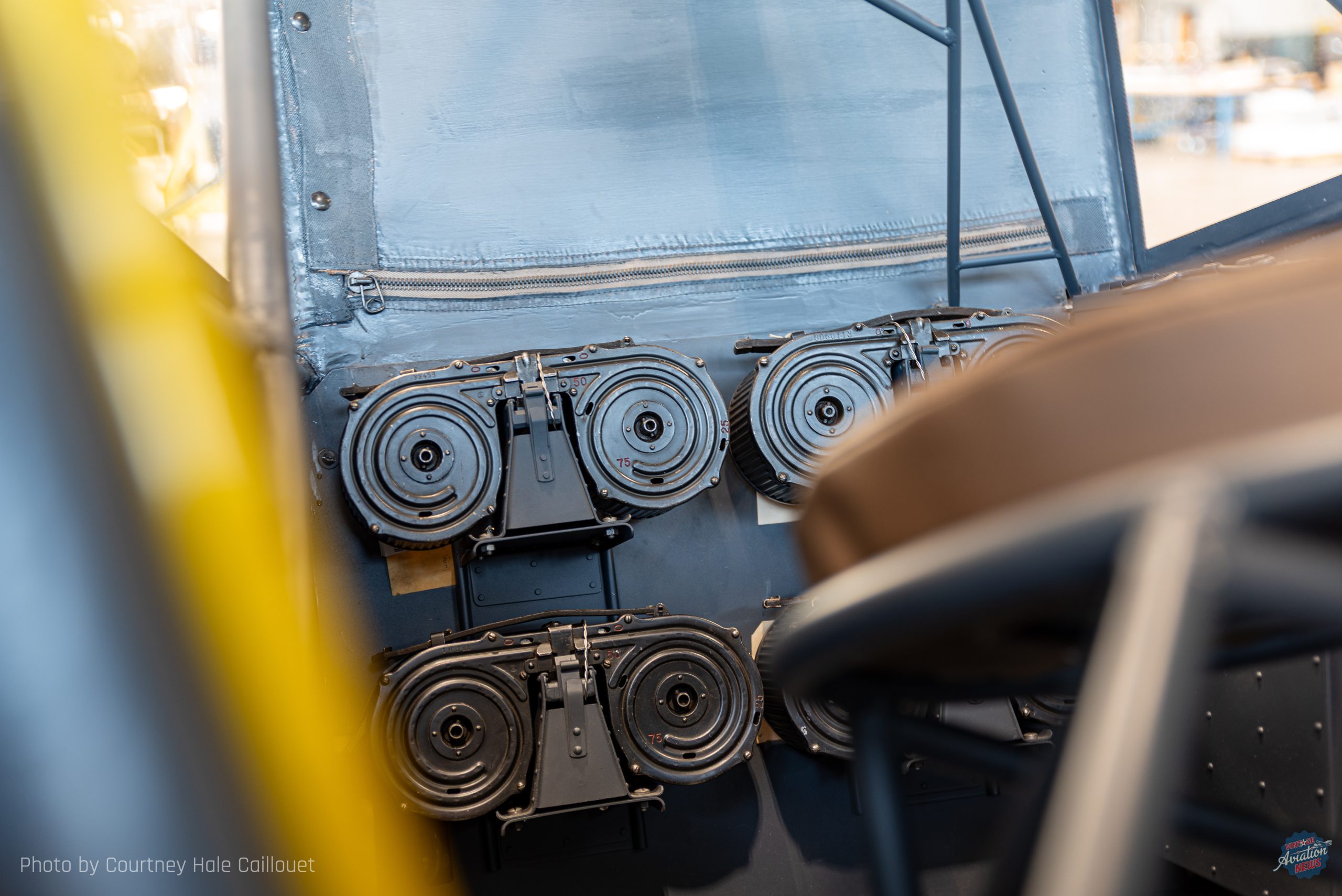
The Fi-156’s practical design also factored into its display. With wings capable of folding for transport and storage, the museum has chosen to present the aircraft with its left wing folded, conserving valuable floor space in the World War II Gallery. Previously suspended from the ceiling, the Storch will now be displayed at ground level, allowing visitors a closer view of its intricate restoration and ensuring this unique piece of aviation history can be appreciated in greater detail. For more information about the National Museum of the United States Air Force, visit www.nationalmuseum.af.mil