






(Image credit: VAN)
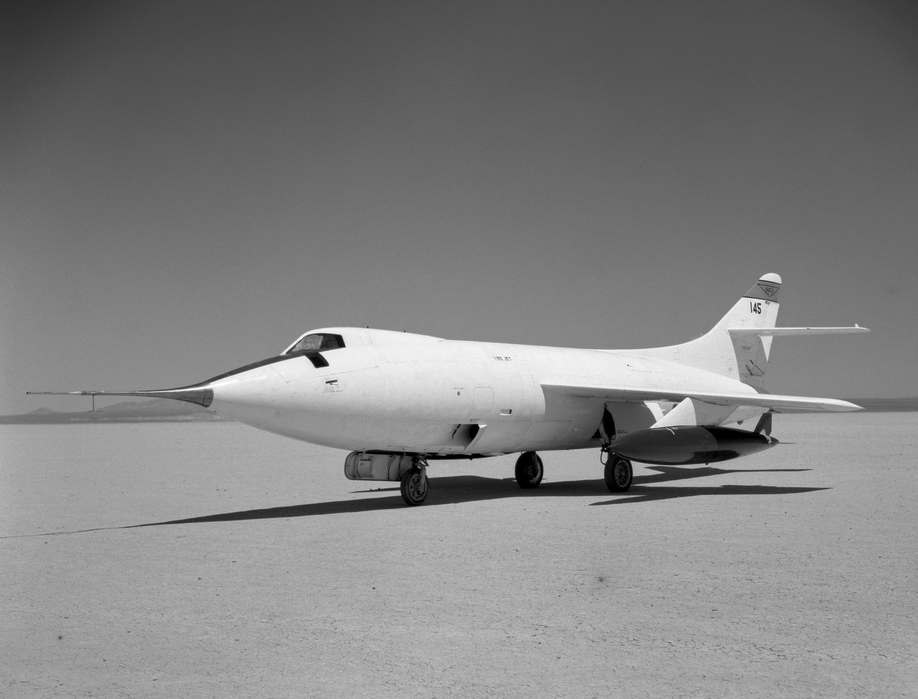
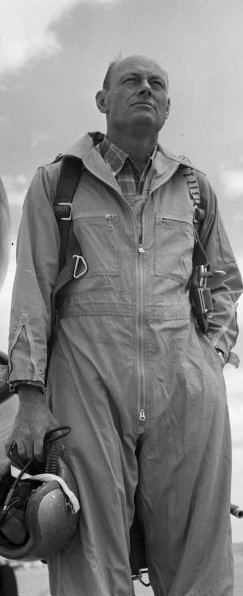
On this day in aviation history, 72 years ago, on August 21, 1953, the world altitude record was shattered by a Douglas D-558-2 Skyrocket. The milestone flight occurred at Edwards Air Force Base, California, with Major Marion E. Carl, USMC, at the controls of Skyrocket Bu. No. 37974, the third aircraft produced in the series.
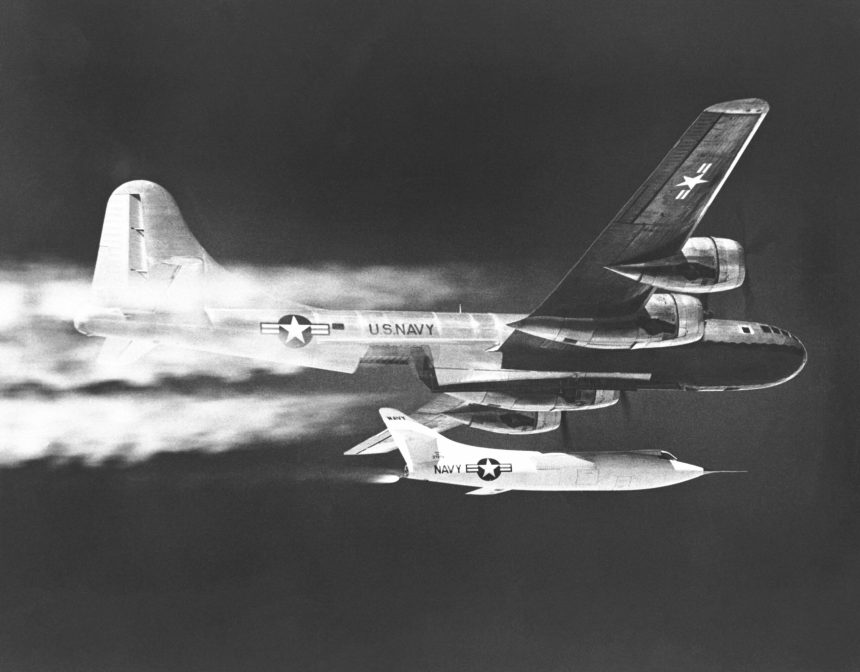
The launch began at 30,000 feet, carried aloft by a Boeing P2B-1S Superfortress, Bu. No. 84029. Once released, Carl ignited the rocket engine and pushed the sleek research aircraft to Mach 1.728 before climbing to a breathtaking 83,235 feet. This surpassed the previous record of 79,494 feet, set just two years earlier in the same aircraft type by Douglas test pilot Bill Bridgeman. Despite the achievement, the record was not officially recognized. At the time, the National Aeronautic Association required altitude attempts to begin from the ground, while speed runs had to be flown at a prescribed altitude. Because the Skyrocket’s mission began with an airborne launch, its record-breaking climb was classified as unofficial.
The D-558-2 was a cutting-edge supersonic research aircraft developed for the U.S. Navy and NACA. Powered by a combination of a Westinghouse J34-WE-40 turbojet producing 3,000 pounds of thrust and a Reaction Motors XLR8-RM-5 rocket engine with 6,000 pounds of thrust, the Skyrocket was capable of remarkable performance. Using both powerplants, the aircraft could reach a top speed of 1,250 miles per hour at 67,500 feet and climb at an astonishing 22,400 feet per minute.
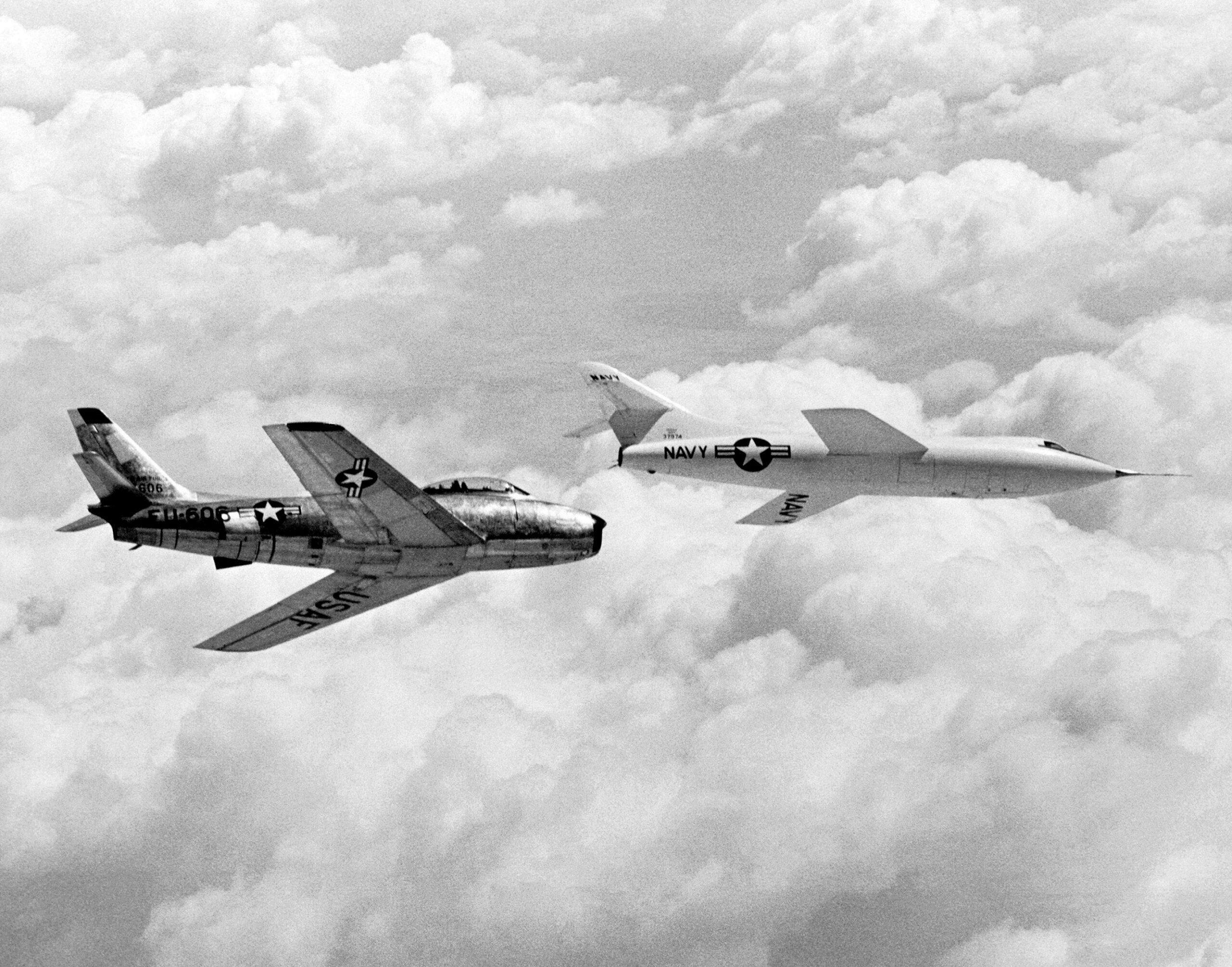
Only three D-558-2 Skyrockets were built, the first flying on February 4, 1948. They became vital tools in supersonic research, amassing 313 flights before retirement. Beyond Carl’s record-setting mission, the program’s most famous milestone came on November 20, 1953, when Scott Crossfield became the first pilot to fly at Mach 2 in Skyrocket 37974.
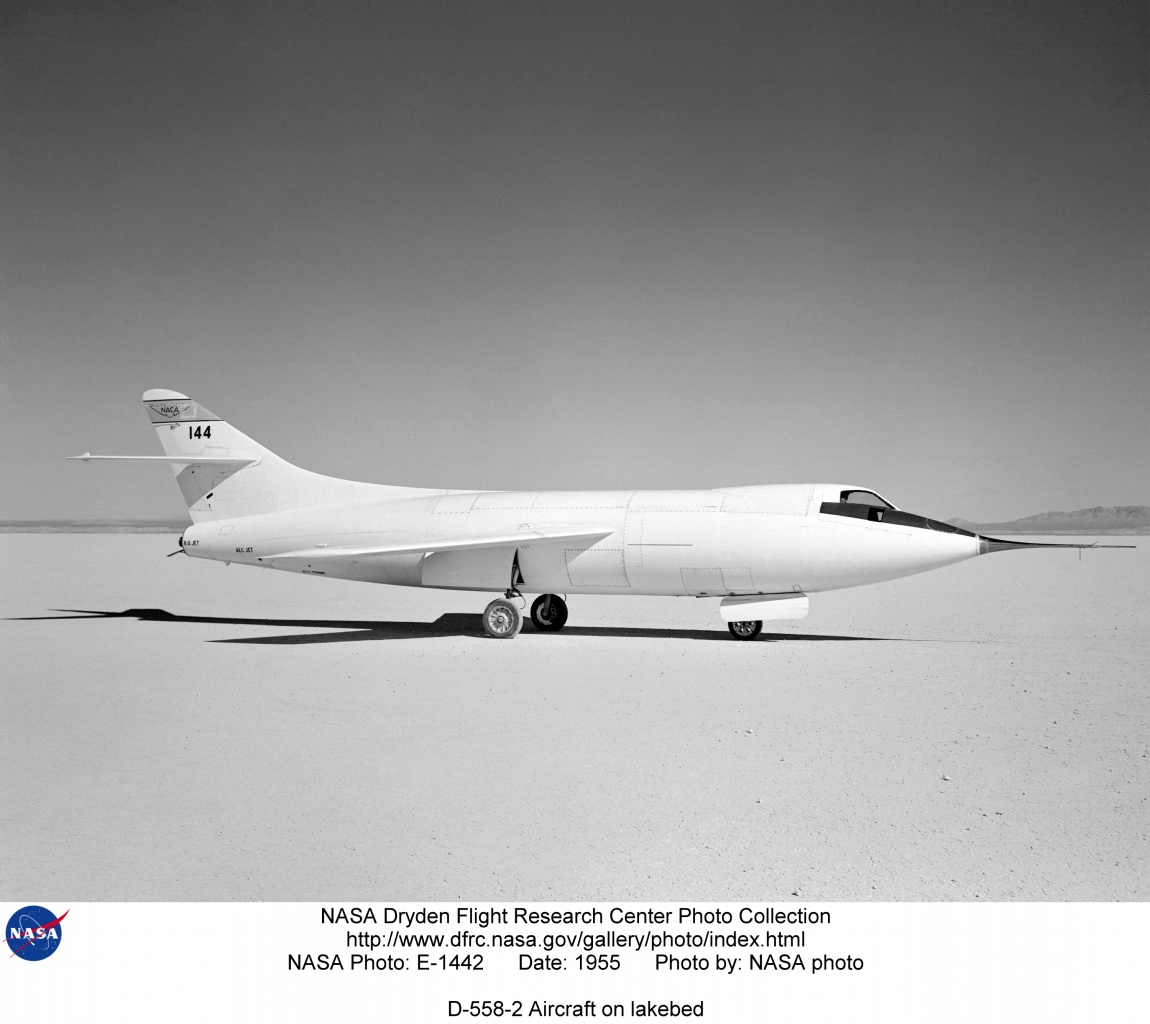
Remarkably, all three Skyrockets survive today and can be seen at the Planes of Fame Museum in Chino, California, the National Air and Space Museum in Washington, D.C., and Antelope Valley College in Lancaster, California. The Skyrocket remains an enduring symbol of postwar experimental aviation, representing the daring research efforts that paved the way for the space age.
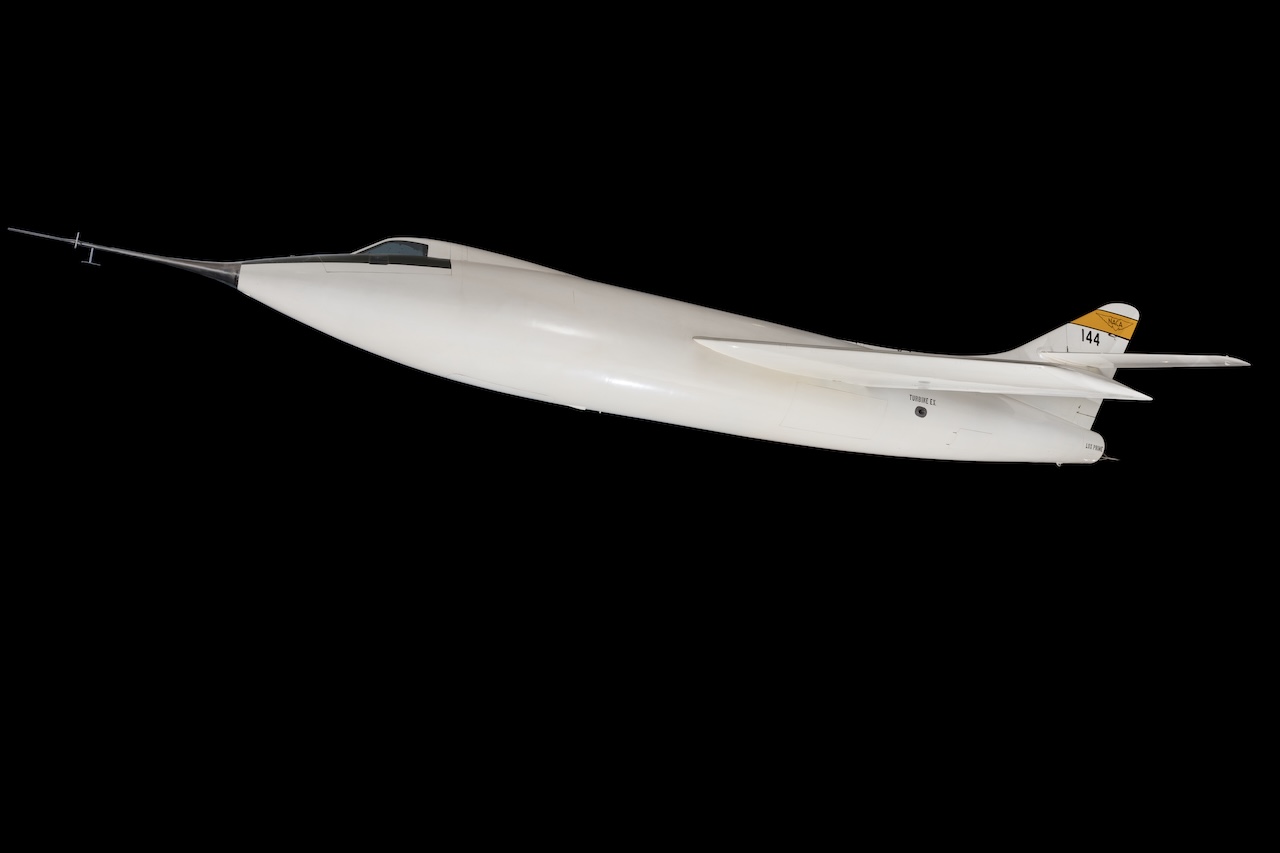






Yes, the Skyrocket did have both a jet engine, and a rocket engine, however, the #1 aircraft was reconfigured to be air launched from the P2B-1S, and only be powered by the LR8-RM-6 rocket engine.