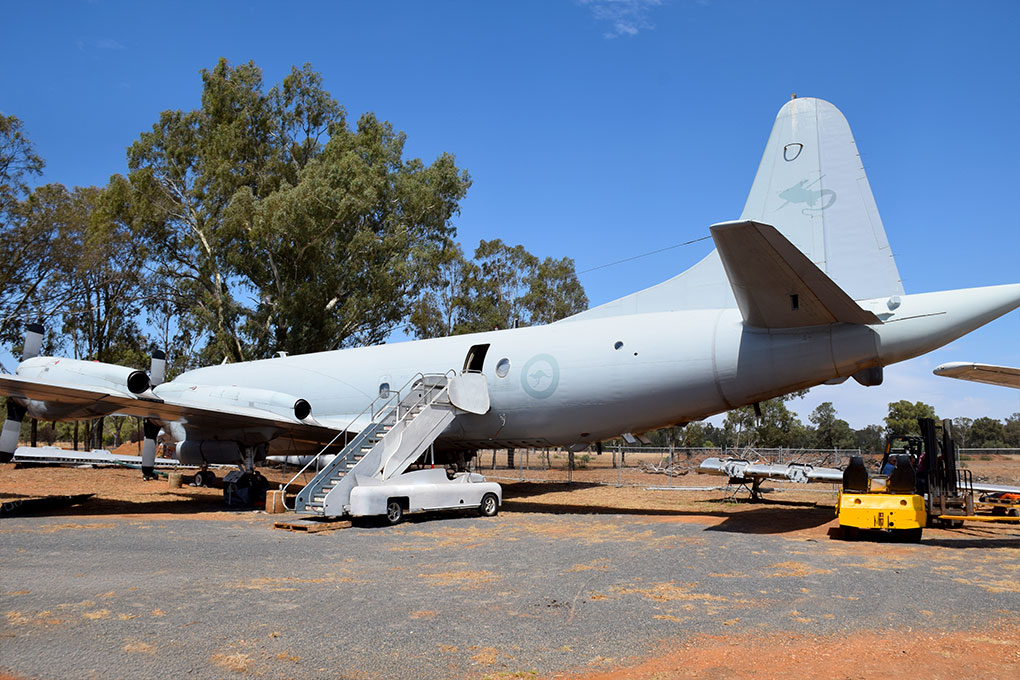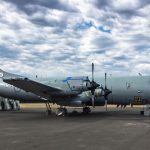
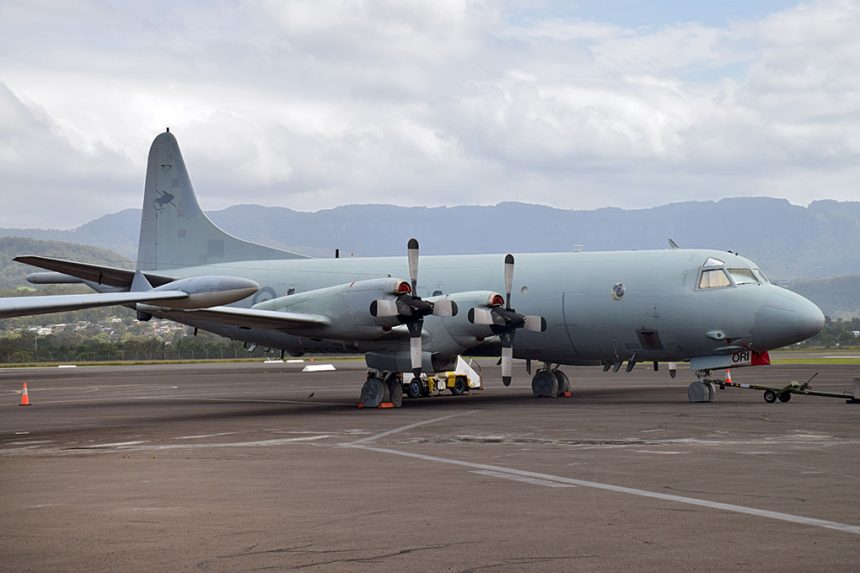

Our partner John Parker of Warbirds Online in Australia has provided the following update as part of an ongoing effort to share important developments from the international vintage aviation community. A former Royal Australian Air Force Lockheed P-3 Orion, serial A9-752, has recently arrived at the Evans Head Memorial Aerodrome Heritage Aviation Museum in New South Wales, Australia, after an extraordinary journey that included major flood damage and years of logistical challenges. The aircraft reached Evans Head in early February 2026, bringing to a close an eight-year effort by museum volunteers to secure and preserve one of the RAAF’s iconic maritime patrol aircraft. What makes the story particularly remarkable is that the aircraft was almost lost during the devastating 2022 floods that struck the nearby town of Lismore, where large sections of the airframe had been stored while awaiting transport to the museum.
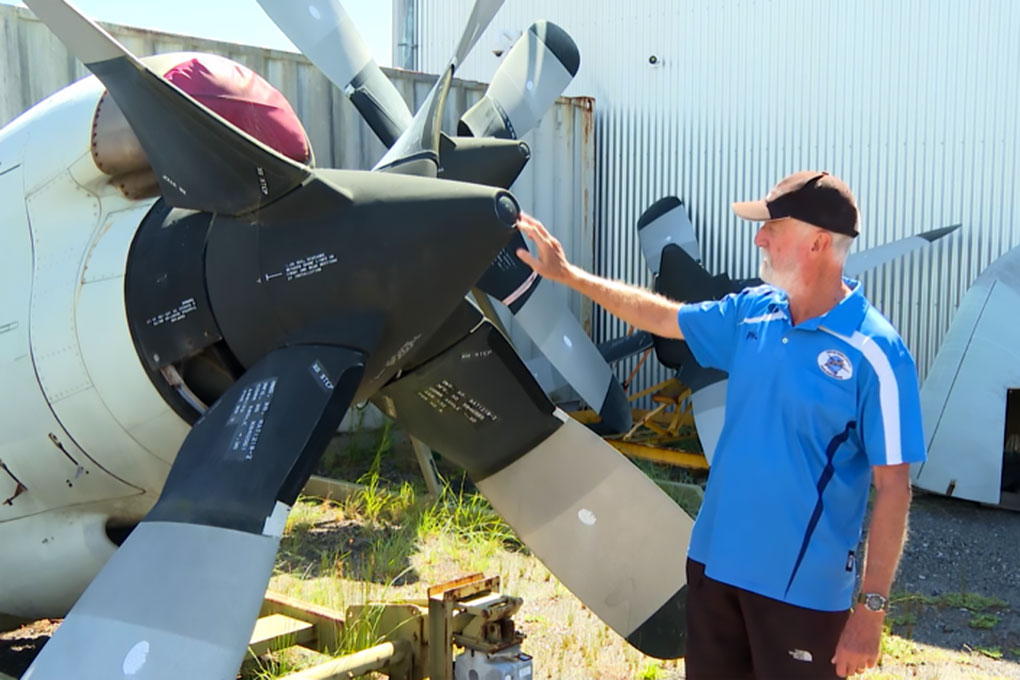
A Preservation Project Nearly Lost to Floodwaters
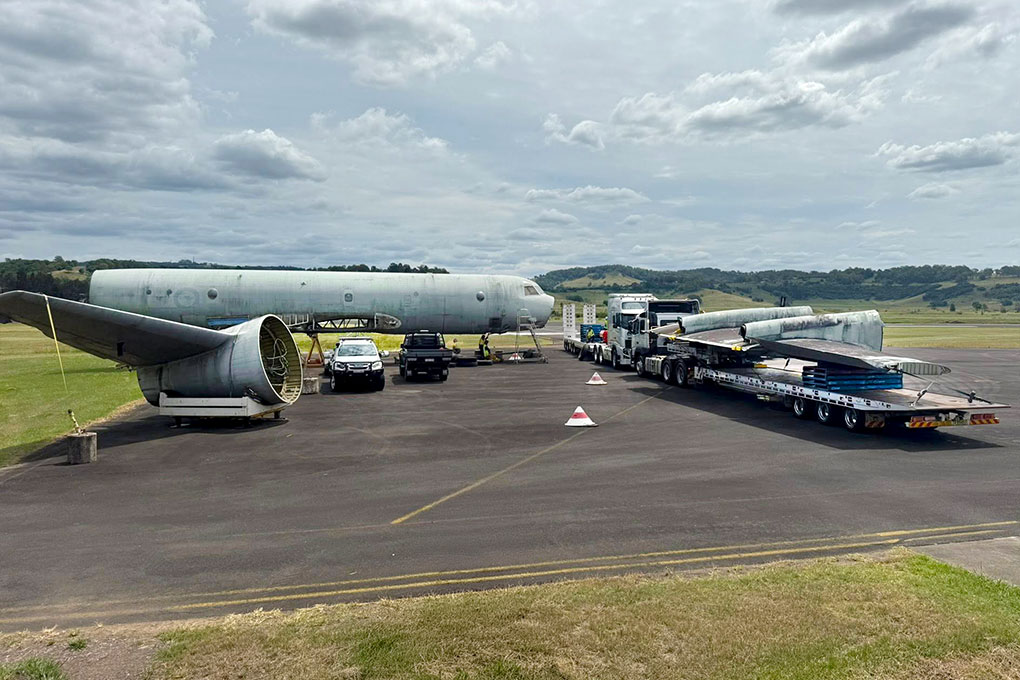
Following its retirement from RAAF service, A9-752 was allocated to the Evans Head Memorial Aerodrome Heritage Aviation Museum, located at the historic World War II training base on Australia’s northern New South Wales coast. On December 16, 2018, the aircraft was flown to Lismore Airport, where it was handed over to the museum. The plan was to dismantle the aircraft and transport it by road to Evans Head. While smaller components were successfully moved to the museum, the fuselage, wings, and tail sections remained at Lismore due to the considerable complexity of transporting an aircraft of this scale.
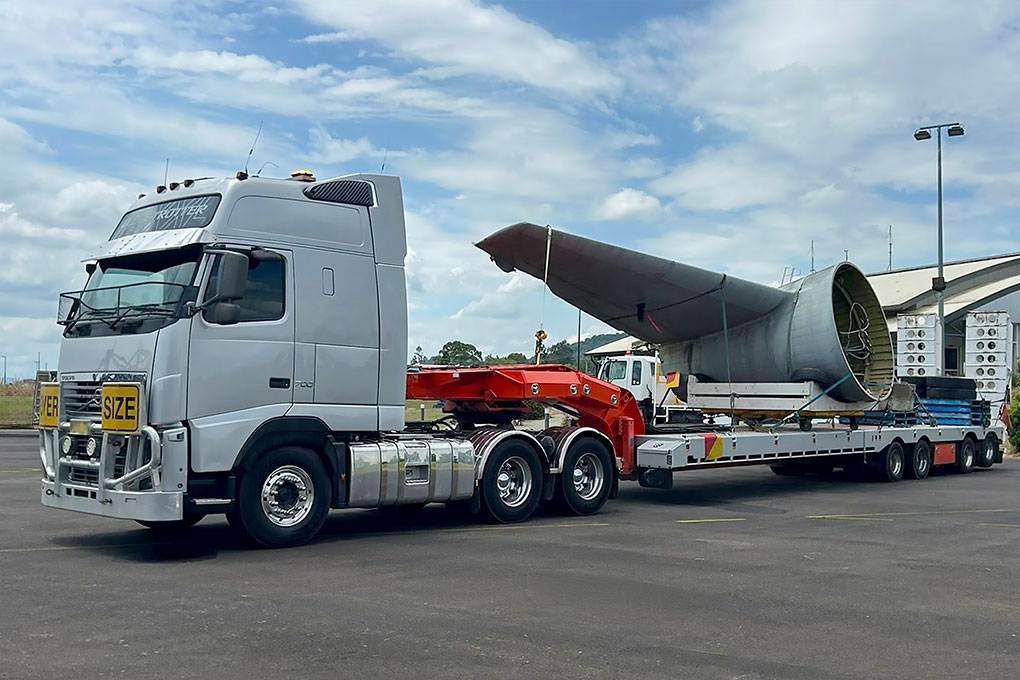
In February 2022, catastrophic flooding struck the region. The airport was inundated, and the Orion’s major components were washed away and heavily damaged by floodwaters, raising serious doubts about whether the aircraft could be saved. However, after a careful assessment, museum volunteers determined that restoration remained possible, and the decision was made to continue the preservation project. The aircraft was subsequently reassembled and relocated within Lismore Airport so that it could later be dismantled again and transported to Evans Head when circumstances allowed.
Moving a Maritime Patrol Giant
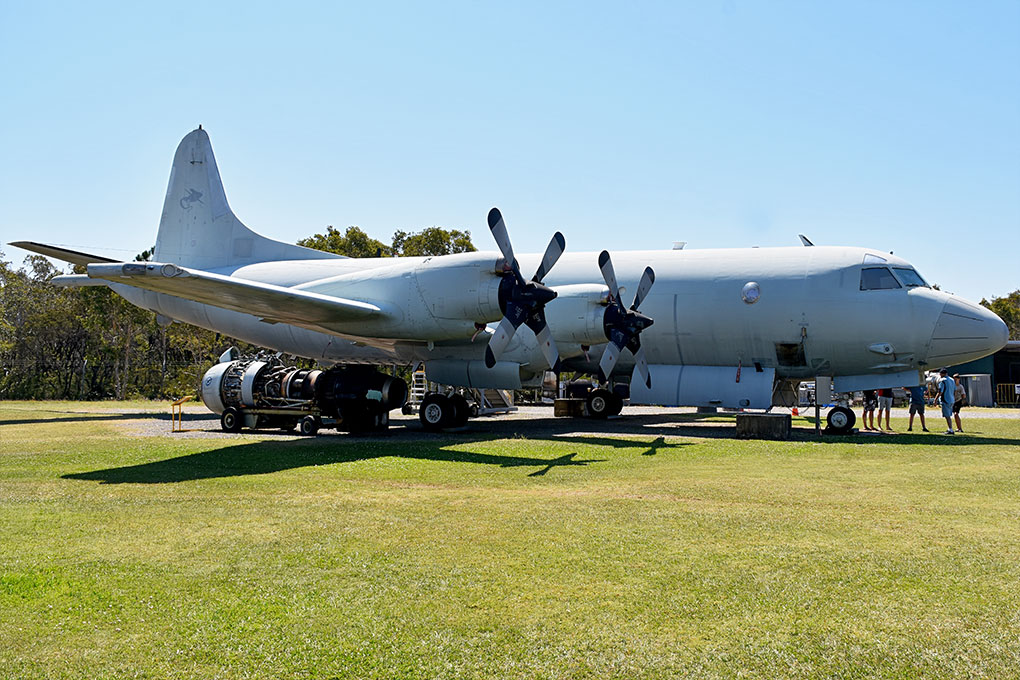
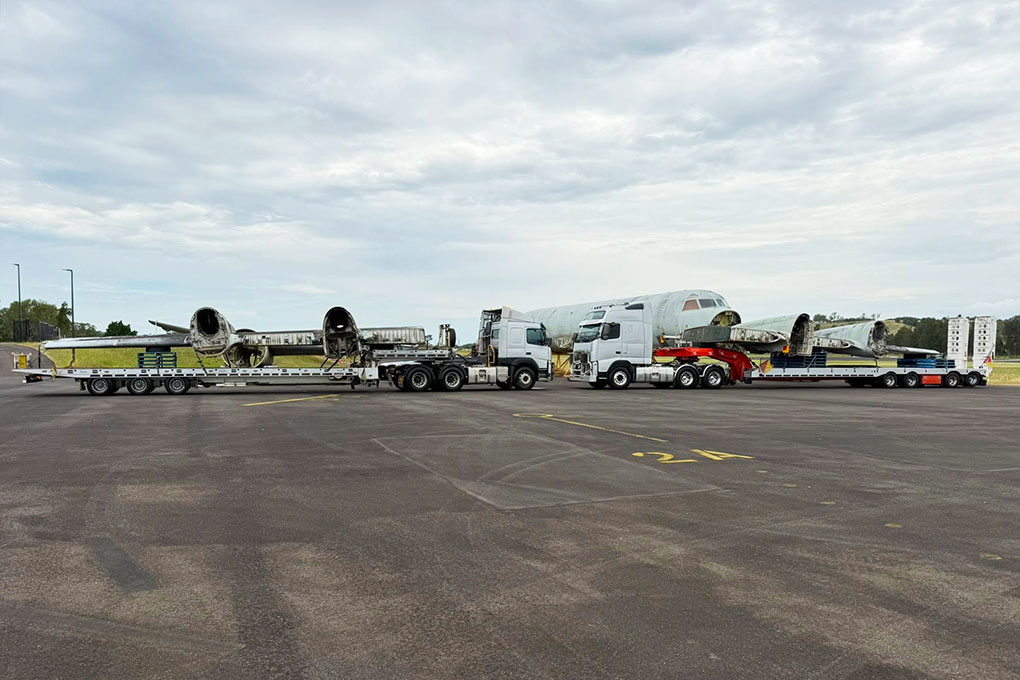
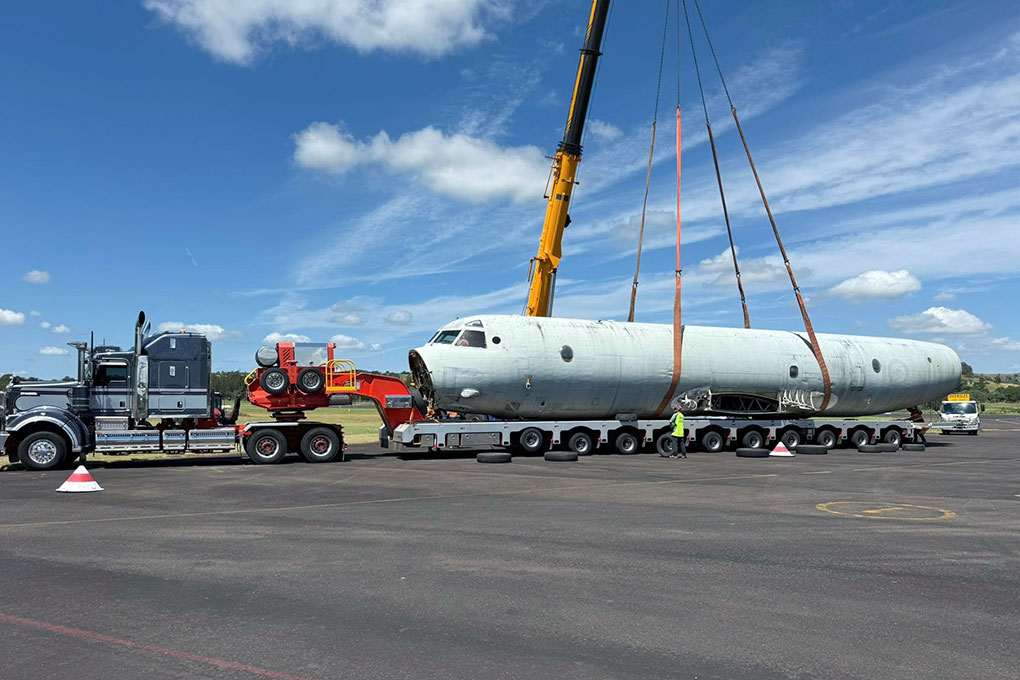
Transporting a P-3 Orion by road is no small task. The aircraft measures approximately 117 ft (35.6 m) in length with a wingspan of nearly 99 ft (30.4 m) and is powered by four Allison T56 turboprop engines. As a volunteer-run aviation heritage organization, the Evans Head museum faced both financial and logistical challenges in completing the relocation. Progress accelerated in late 2025 when supporters stepped forward to assist with the move. Ballina Tow Trucks provided heavy transport vehicles required for the operation, with Adrian from Ballina Tow Trucks playing a key role in supporting the project. With the help of 13 dedicated museum volunteers, the aircraft’s major sections were transported to Evans Head over February 9–10, 2026, finally bringing the Orion to its permanent home. The museum now plans to begin the lengthy process of preparing the aircraft for static display restoration.
The Orion in Australian Service
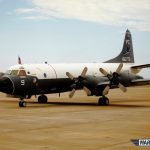
Derived from the Lockheed L-188 Electra airliner, the P-3 Orion became one of the world’s most capable maritime patrol aircraft, serving with numerous air forces for decades. The Royal Australian Air Force operated both the P-3B and P-3C variants, ultimately flying 36 aircraft across the two models. The later P-3C fleet replaced the earlier P-3Bs, incorporating significantly improved sensors and mission systems. For many years, the Orion formed the backbone of Australia’s long-range maritime surveillance capability before being replaced by the Boeing P-8A Poseidon. The final AP-3C aircraft retired from RAAF service around 2018, although two specialized electronic warfare aircraft continued operating for several years afterwards.
Australia’s Preserved Orions
Unlike many large military aircraft, a significant number of former RAAF Orions have been preserved across Australia. Today, nine aircraft survive in museums or heritage collections, including one that remains operational. These include:
| A9-658 – Gate guardian at RAAF Base Edinburgh |
| A9-659 – Australian War Memorial, Canberra |
| A9-751 – RAAF Museum, Point Cook |
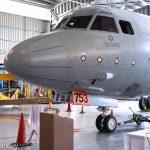
| A9-753 – HARS Aviation Museum, Albion Park (currently the only flying heritage P-3 Orion in the world) |
| A9-756 – South Australian Aviation Museum |
| A9-757 – Darwin Aviation Museum |
| A9-759 – HARS Aviation Museum, Parkes |
| A9-760 – Queensland Air Museum |
| A9-752 – Evans Head Memorial Aerodrome Heritage Aviation Museum |
With the arrival of A9-752, Evans Head now joins this group, preserving one of the most important aircraft types in Australia’s maritime aviation history.
The Next Chapter
For the volunteers at Evans Head, the arrival of A9-752 represents the beginning of a new phase rather than the end of the journey. After surviving floodwaters, years of delays, and the immense challenge of transporting a large maritime patrol aircraft, the Orion now has the opportunity to be preserved and interpreted for future generations. Warbirds Online and Vintage Aviation News will continue to follow the progress of the aircraft’s restoration as this remarkable survivor begins its next chapter.