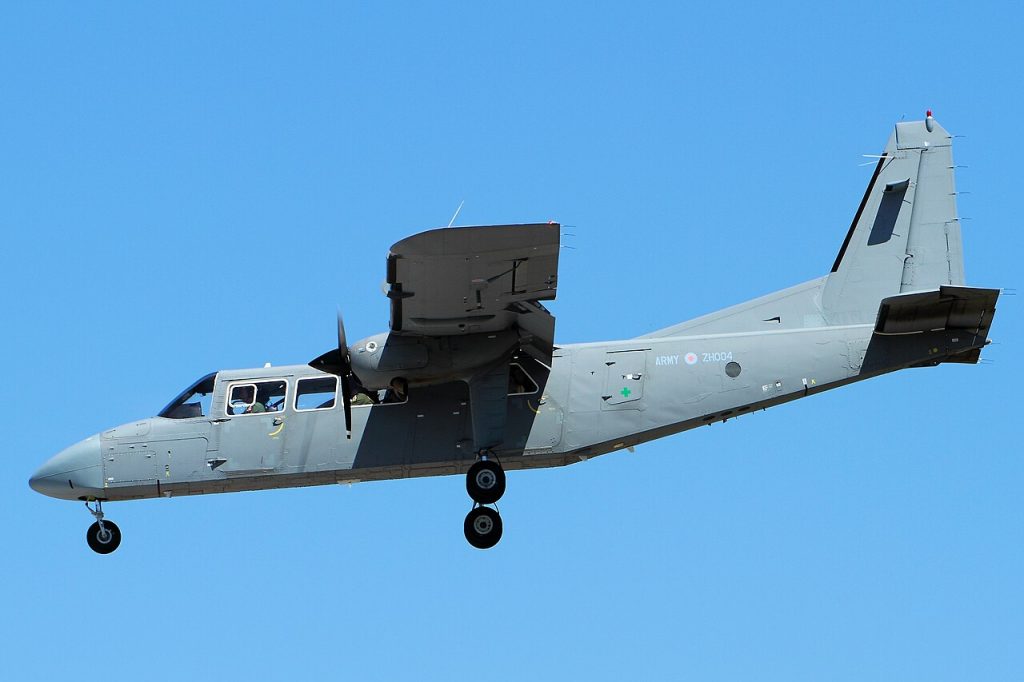
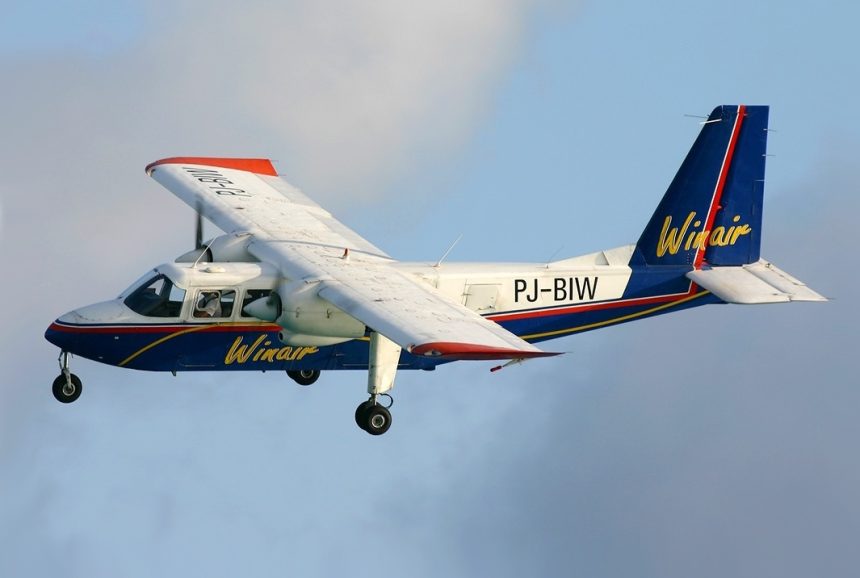


On this day in aviation history, 61 years ago (June 13, 1965), the Britten-Norman BN-2 Islander took flight for the first time. The very definition of a “puddle jumper,” the BN-2 was developed by British aircraft manufacturer Britten-Norman and remains in production today. The Islander fills a niche role that is also very crucial, as it has the ability to access hard-to-reach airports and provide short-haul essential air services. Despite being a 1960s design, over 750 BN-2s continue to serve globally with commercial operators. Additionally, Islanders serve with just over 30 militaries around the world.
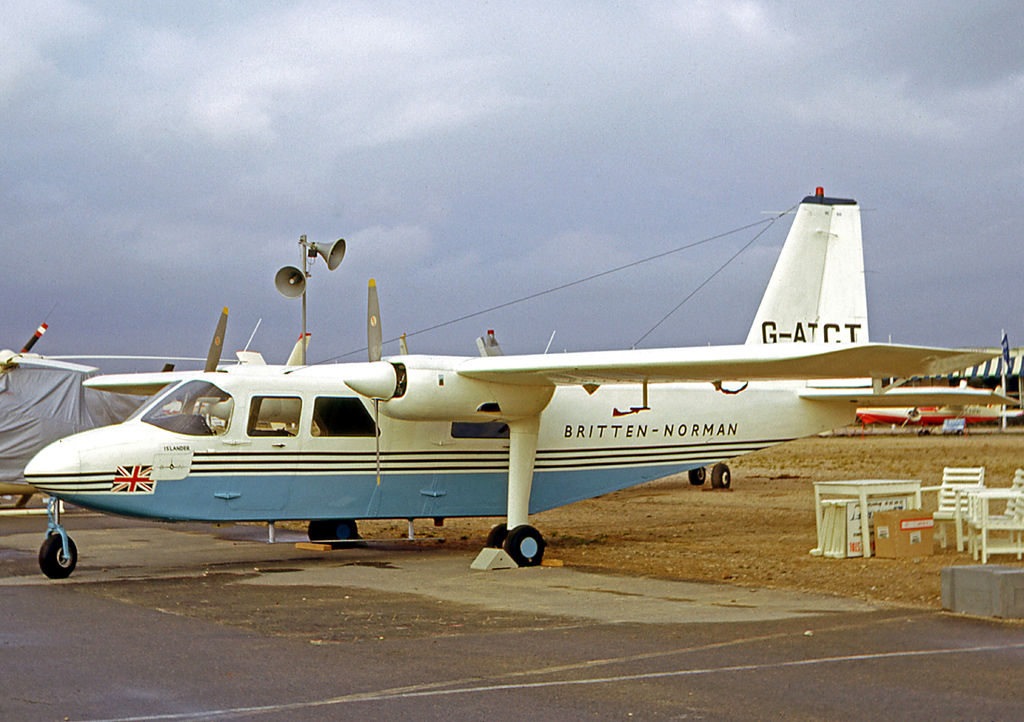
Britten-Norman developed the BN-2 with a keen eye on payload. Range and cruising speed were important to commercial operators, but commuter airlines desperately needed a short-haul aircraft with greater capacity. The wing was designed with span-loading capacity, allowing it to carry heavier loads than other commuter aircraft. The airfoils of both the wing and tail were designed with a constant chord and thickness, which maintained integrity and also reduced cost. The airframe was designed to handle repeated low levels of stress. BN-2s were designed to have infinite fatigue life without testing.
In August 1967, the BN-2 received type certification in the United Kingdom. Three years later, as the BN-2 had begun to prove itself as a commuter aircraft, Britten-Norman began to develop a militarized version of the aircraft – the Defender. The Defender can handle transport, patrol, and recon missions. The “Maritime Defender” variant can be armed with guns, rockets, and mortar rounds. Defenders currently serve with the Irish Air Corps’ Garda Air Support Unit, and also with the Royal Air Force and Army Air Corps.
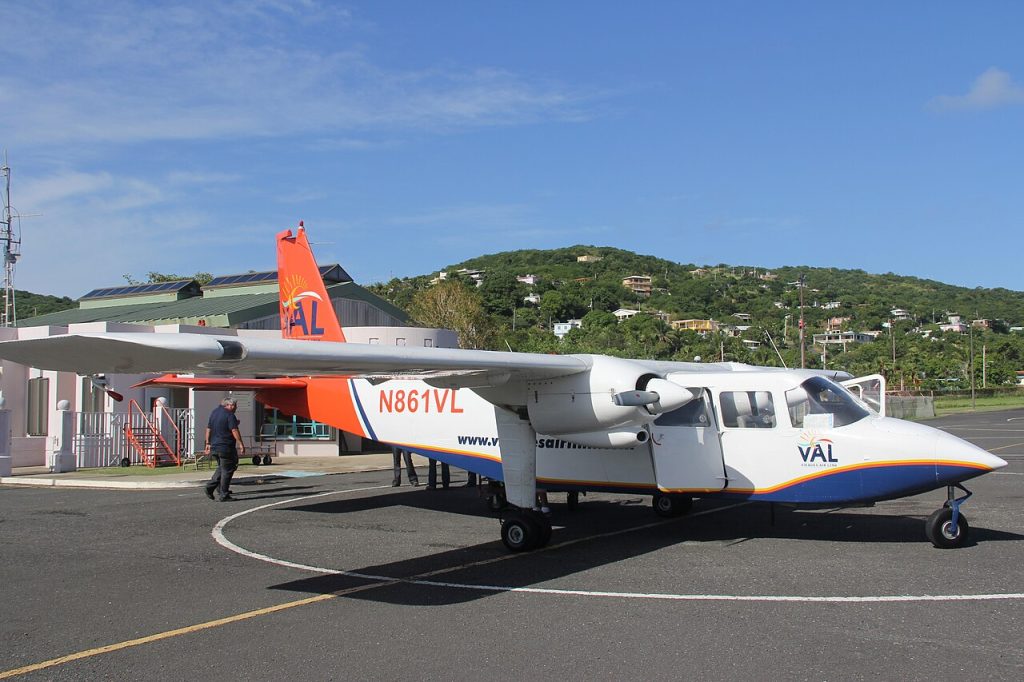
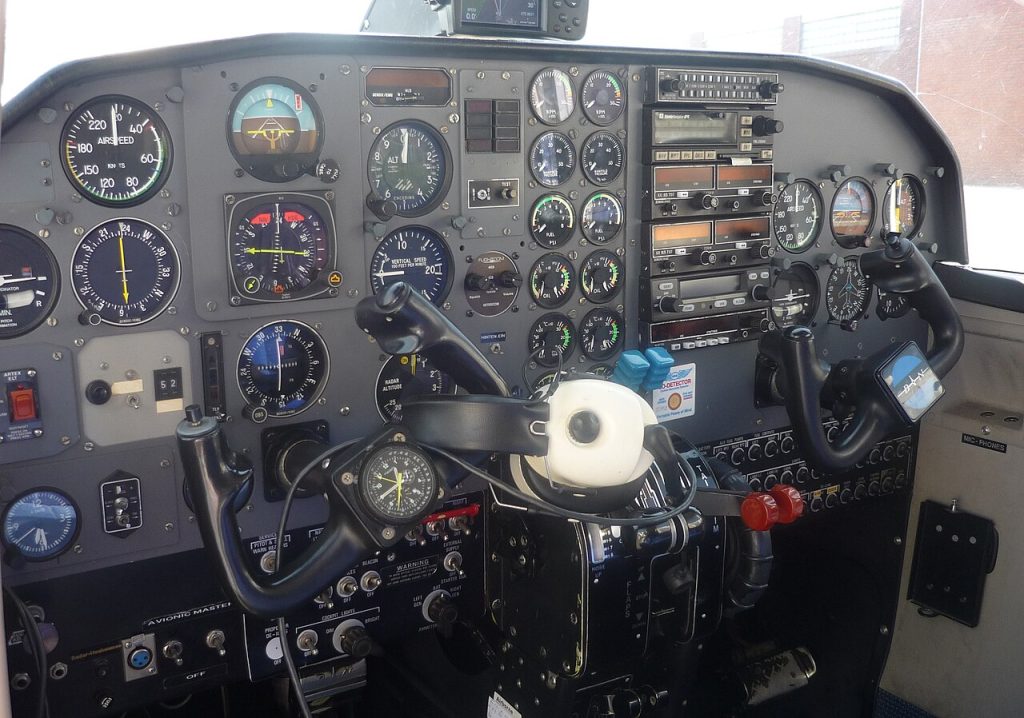
One pilot flies the BN-2, which has a capacity for 9 passengers or 2,048 lbs of payload. Powering the Islander are two Lycoming O-540-E4C5 6-cylinder horizontally-opposed piston engines. The BN-2 cruises at 150 mph, has a maximum airspeed of 170 mph, and will stall at 46 mph. In cruise, the BN-2 has a range of 755 nmi and a service ceiling of 13,000 ft. While not primarily designed as a STOL aircraft, the Islander is no slouch with short field performance. With 1,218 feet of runway, the BN-2 can clear a 50 ft obstacle, and do the same on landing with only 980 ft.