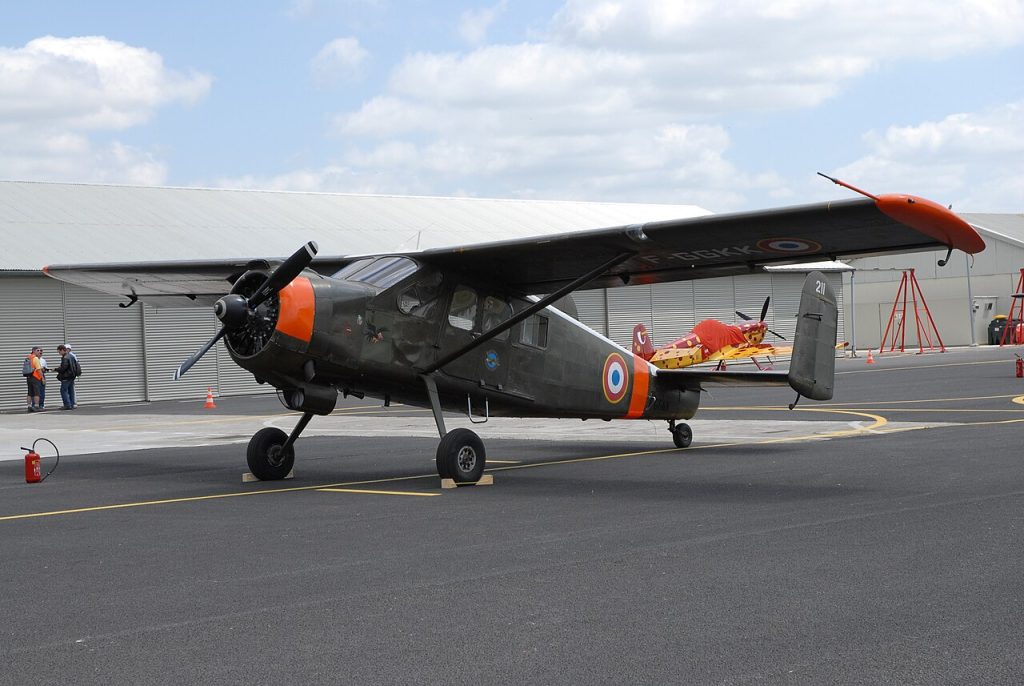
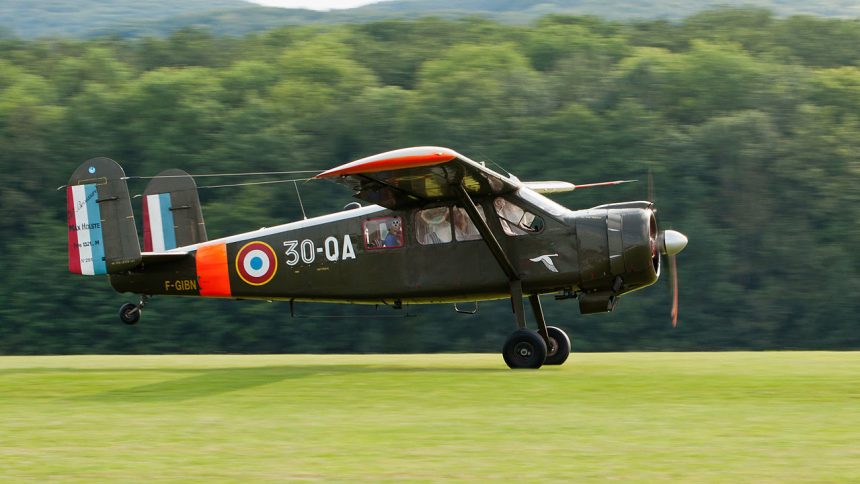

On this day in aviation history, 75 years ago (June 12, 1951), the first flight of the prototype Max Holste MH.1521 Broussard took place. The Broussard was a French utility aircraft that was designed by Max Holste to serve with the nation’s Army. The first Broussard variant to take flight was the MH.152 prototype, which was a further development of the MH.52 general aviation aircraft. The MH.152 featured a high wing, as opposed to the MH.52’s low-mounting airfoil. This was done to satisfy the French Army requirement for a lightweight artillery spotter aircraft, offering better visibility to the pilot and spotter.
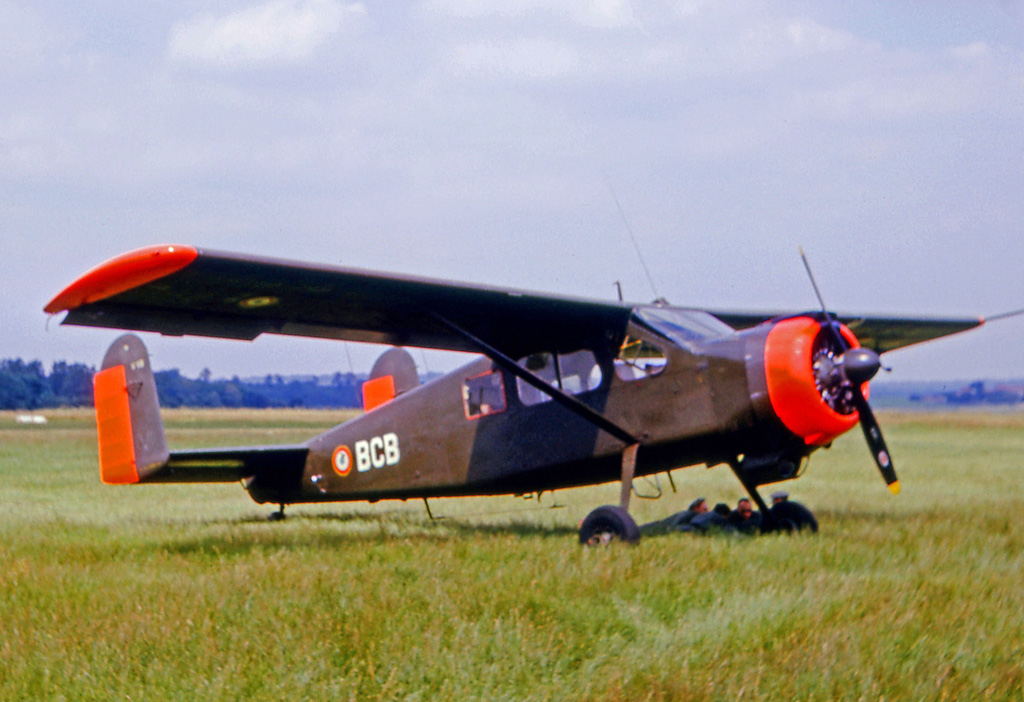
The MH.52 prototype was powered by a 220-hp Salmson 8 As.04 engine. The pilot and up to 4 passengers sat in an enclosed cabin that was full-glazed, enhancing overall visibility. In flight testing, the MH.52 demonstrated decent short-field performance. However, the French Army opted to order the de Havilland Canada DHC-2 Beaver, which was more sturdy overall. Max Holste was not content to take the loss sitting down, so the company immediately set to work on an improved version of their observation aircraft. What resulted from their efforts was a larger MH.152, designated as the MH.1521.
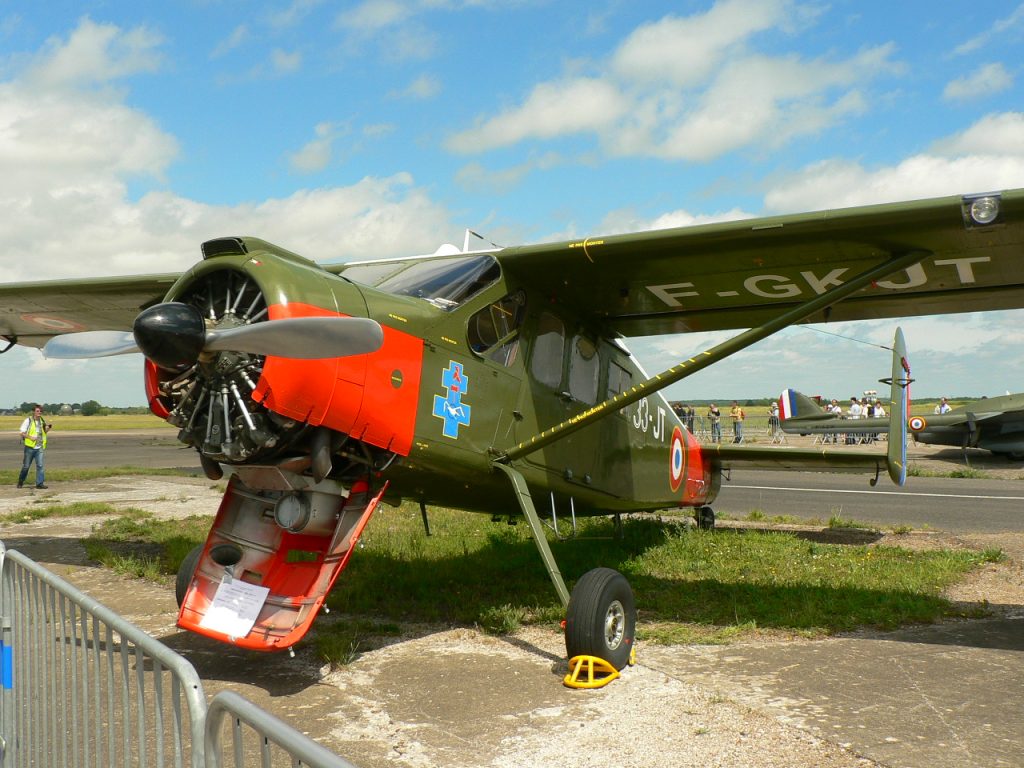
Named the Broussard, French for “brushwood“, the MH.1521 was larger and had more power. A 450-hp Pratt & Whitney R-985-AN-1 9-cylinder radial engine powered the MH.1521, which could cruise at 142 mph. Maximum attainable airspeed for the Broussard was 161 mph, while stall speed was 57 mph. The MH.1521M variant had a crew of two and a capacity for four to five passengers. To clear a 66 ft obstacle on takeoff or landing, the Broussard needed only 1,300 ft of runway. Max Holste built 396 MH.1521s, and many survive today, and some are still airworthy. The MH.1521 Broussard saw service with the French Army during the Algerian War; more than 150 of the observation aircraft were deployed during the conflict. The Broussard served admirably as an artillery spotter, and also in supply and air ambulance roles. The large and audible radial engine of the MH.1521 was a disadvantage during the conflict, however, as the Algerian guerrillas could hear the plane coming from quite a distance away. Nevertheless, the MH.1521 was so well liked that the aircraft continued to stay in French military service until the late 1990s.