






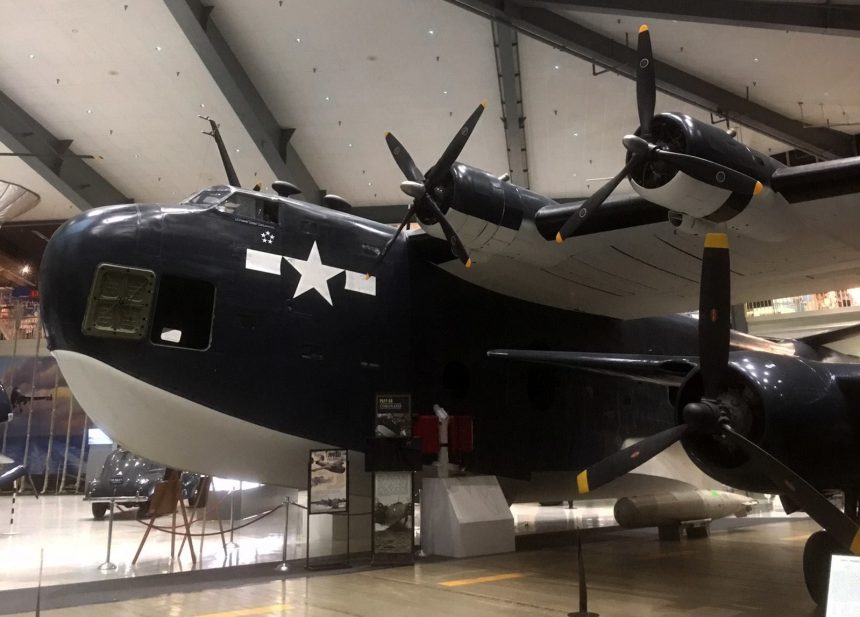

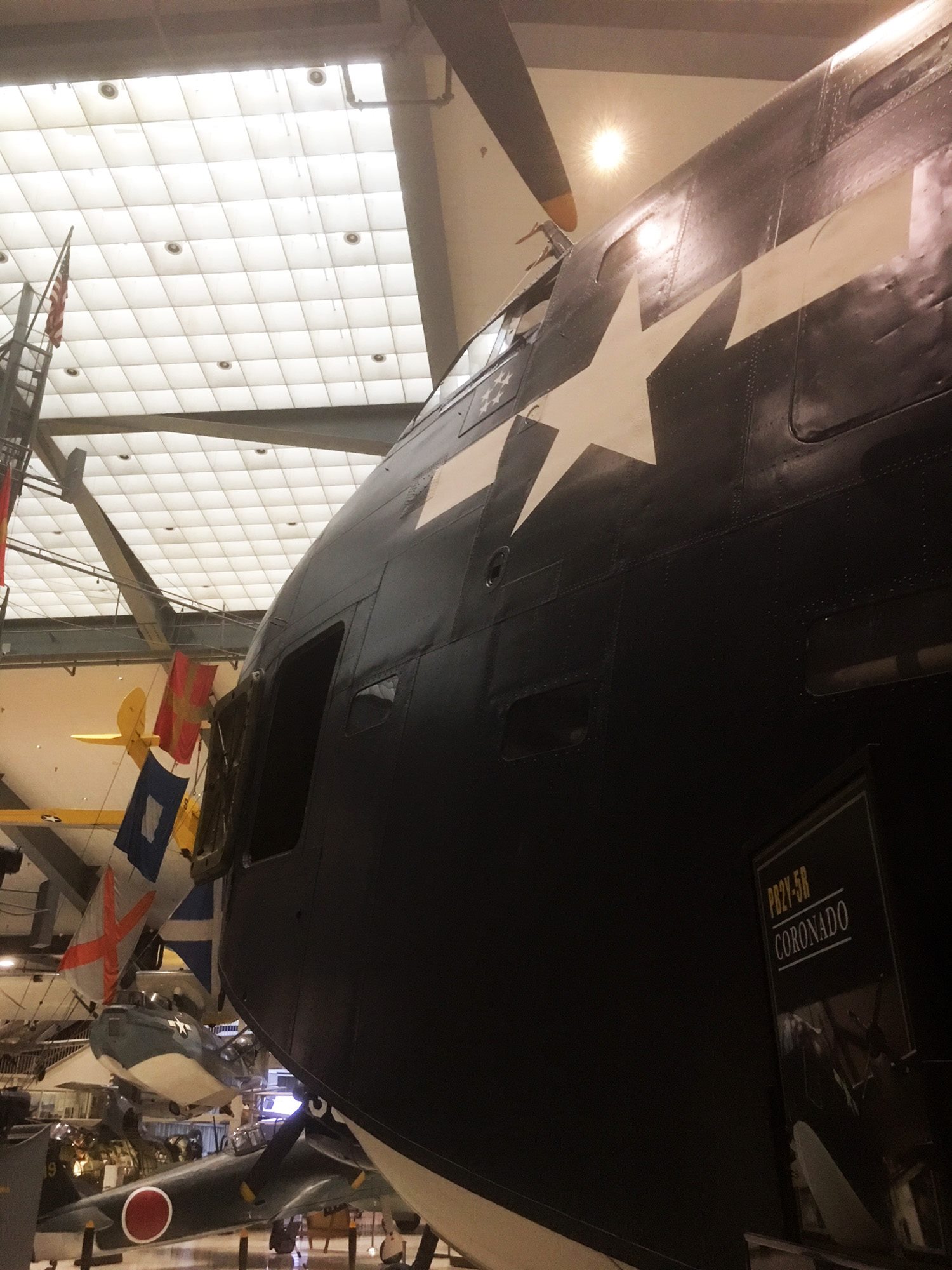
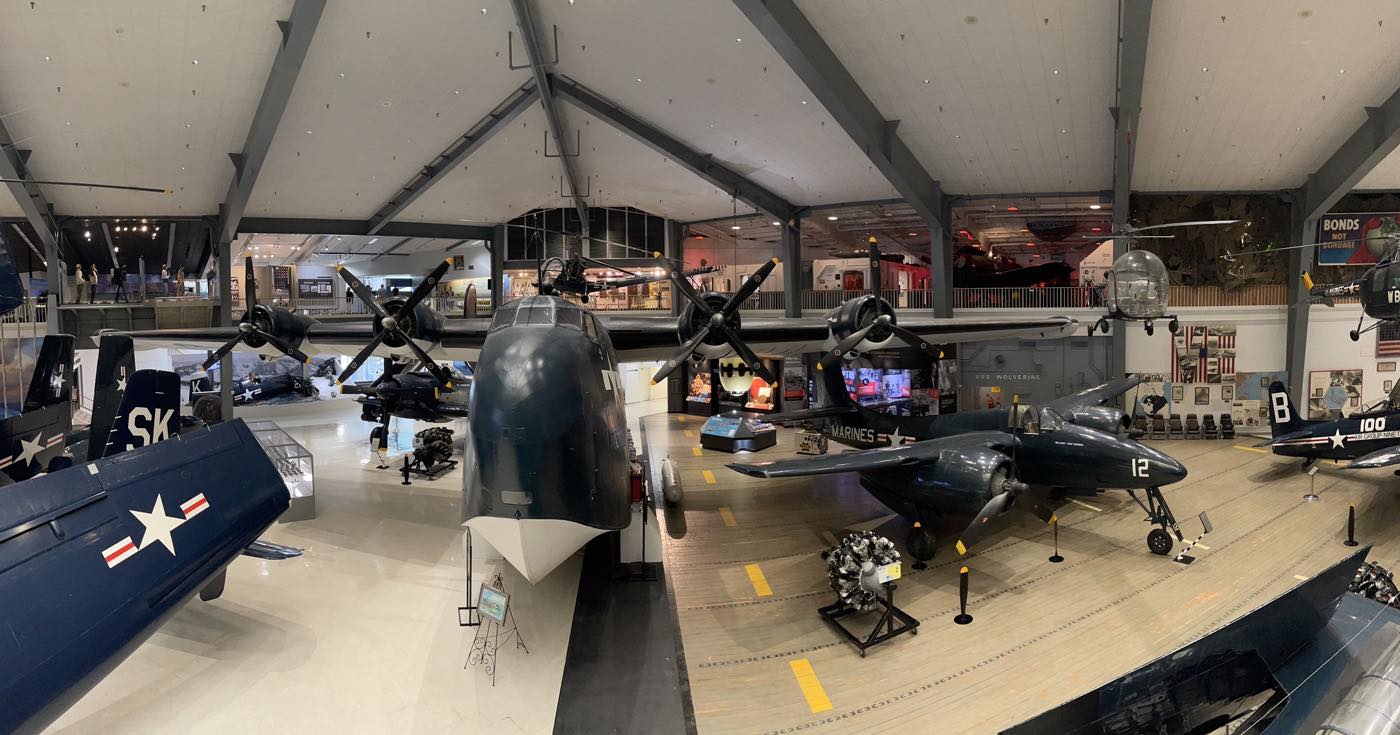
The National Naval Aviation Museum at Naval Air Station (NAS) Pensacola, Florida is well regarded for its collection of all kinds of naval aircraft that have been flown by U.S. naval aviators for more than 100 years, from the early biplanes of the WWI era to modern-day jets that have gone around the world stationed aboard the fleet’s aircraft carriers and at shore-based Naval Air Stations across the globe. Yet in the museum’s West Wing, looming over the replica of the flight deck of USS Cabot (CVL-28) and numerous aircraft of the Second World War stands a four-engine flying boat that is unique not only for its sheer size, but also for being the last of its kind in the world. It is a Consolidated PB2Y Coronado, originally built to be a long-range patrol bomber, which would be destined to have a special connection to the final chapter of the Pacific Theater of WWII.
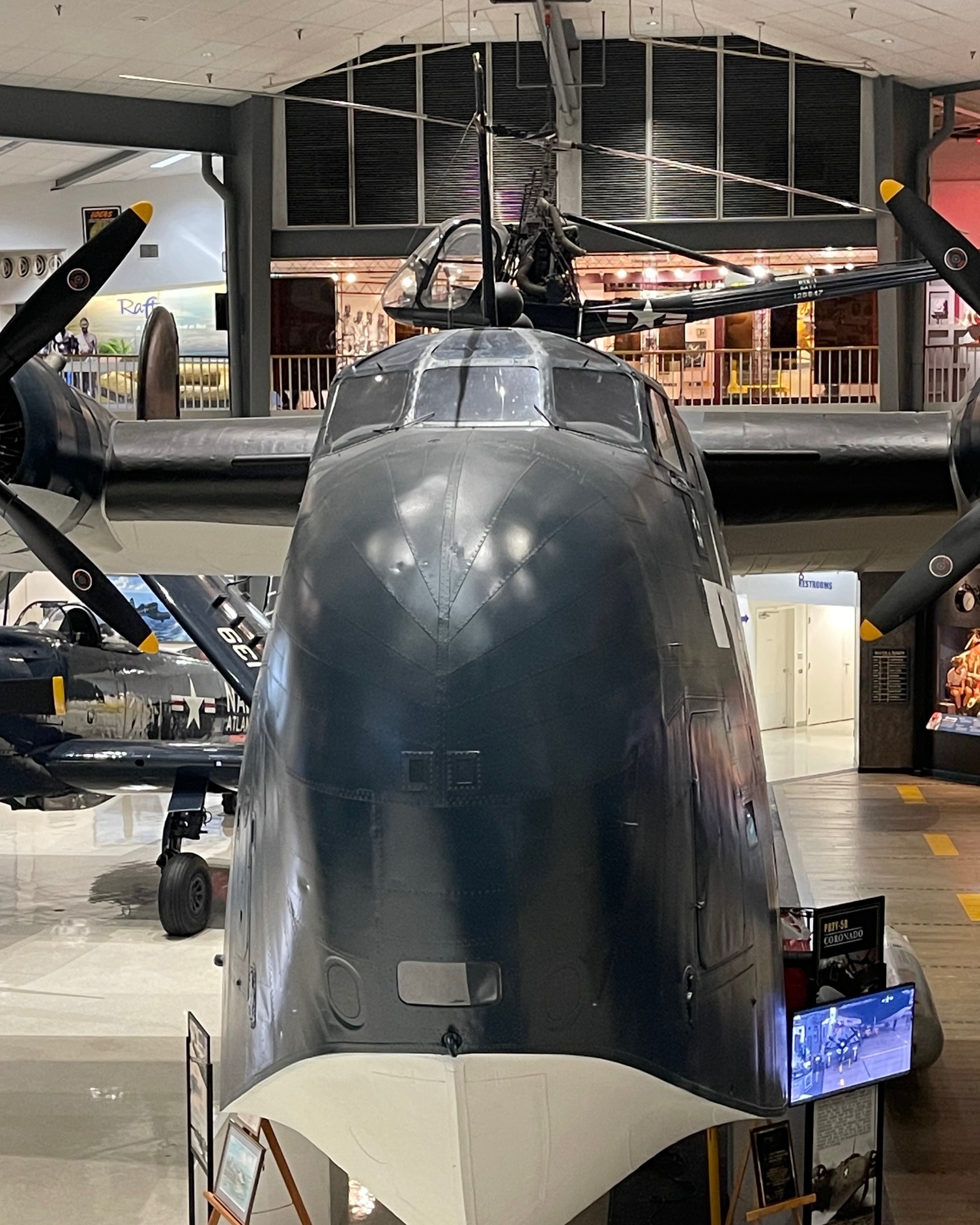
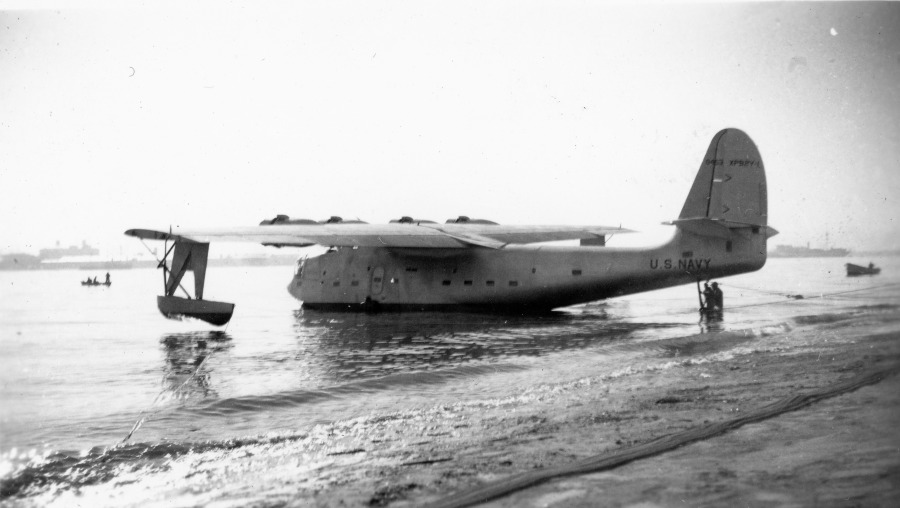
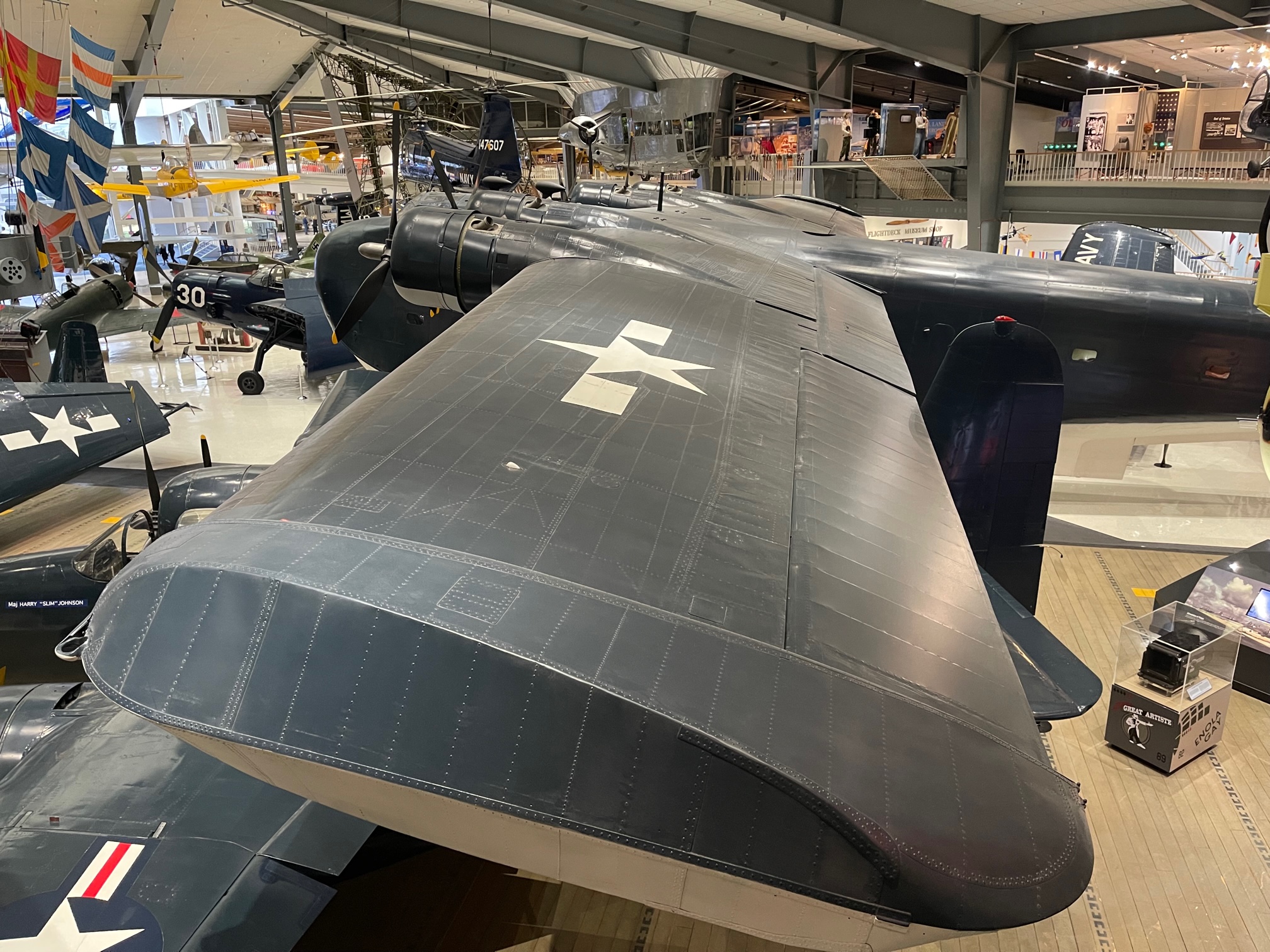
Often overshadowed by the contributions of the PBY Catalina, the Consolidated PB2Y Coronado was developed to meet the USN’s need for a larger flying boat patrol bomber with improved performance and a greater carrying capacity, and which managed to beat out the competition in the form of the Sikorsky XPBS-1 (which became the VS-44 flying boat airliner). Although the XPB2Y-1 prototype had a single tail design, subsequent variants starting with the PB2Y-2 would have a twin tail design for better lateral stability. Similar to the Catalina, the Coronado featured retractable wing floats that folded into the wingtips of the aircraft for better aerodynamic performance in flight. Unlike the Catalina, the Coronado also had internal bomb bays in the wings, placed between the inboard and outboard engines, which were four Pratt & Whitney R-1830 Twin Wasp radial engines.
For defensive armament, the Coronado was armed with as many as eight M2 Browning .50 caliber (12.7 mm) machine guns, with two each in the nose, dorsal, and tail turrets, and one on either side of the waist section of the aircraft. Another distinguishing feature of the Coronado is that many late-war variants were refitted with four-bladed propellers on the inboard engines, and three-bladed propellers on the outboard engines, in contrast to the earlier models that were all fitted with three-bladed propellers. This was done because the four-bladed propellers allowed for greater thrust and lift on takeoff, better maneuvering on the water and were fully reversible, which helped shorten the aircraft’s landing area, while the three-bladed propellers weighed less and were able to be feathered in the event of an engine failure.
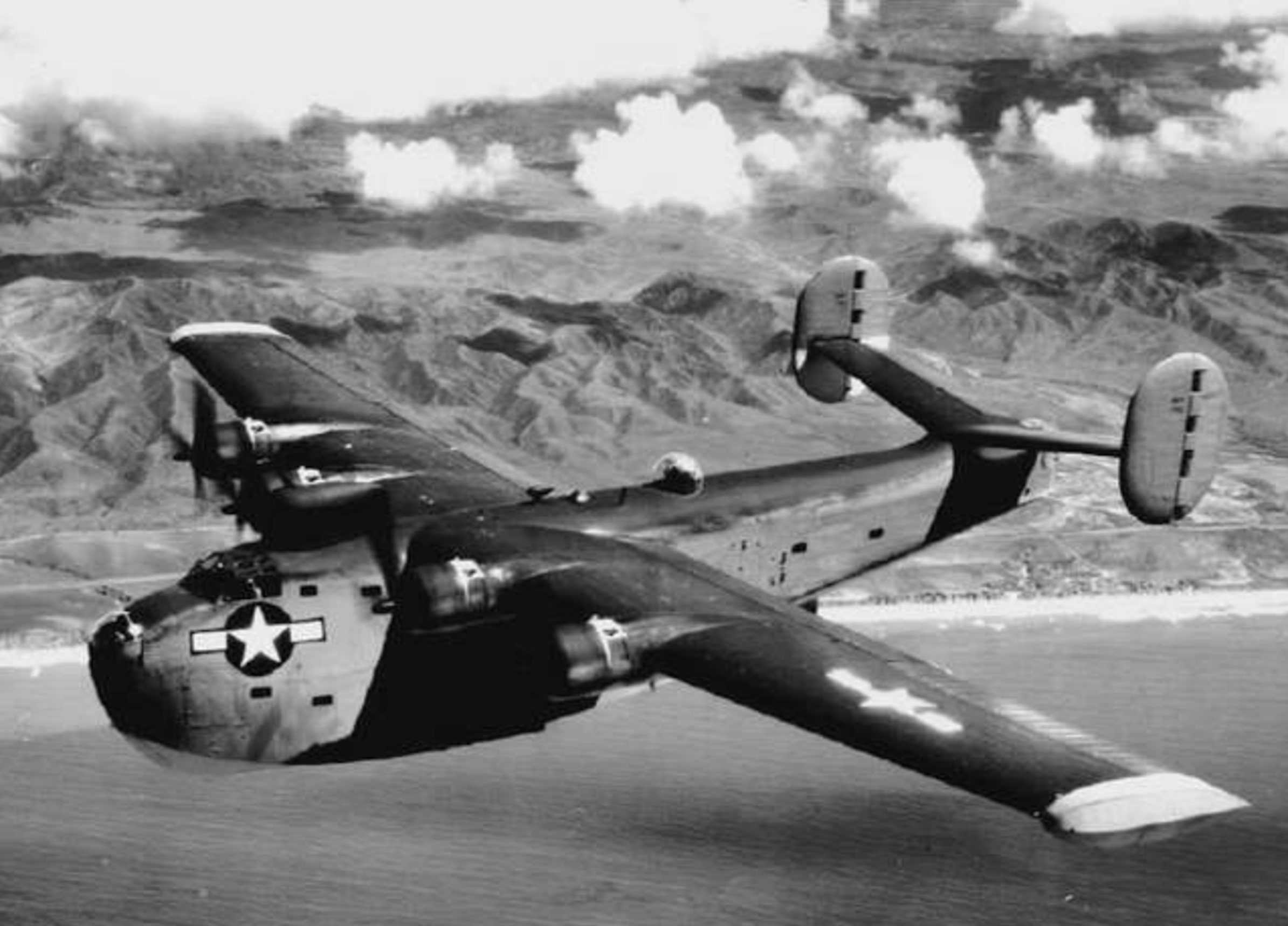
During the course of the Second World War, the PB2Y Coronado was often overshadowed by the PBY Catalina, as the Catalina had double the range of the Coronado, and thus saw more widespread use in offensive operations, from anti-submarine patrols to search and rescue of downed naval aviators. Although the PB2Y Coronado did indeed partake in combat operations (as an attack on Wake Island featured in this article HERE) and search and rescue missions, they were also used for the unglamorous yet still vital role of long-range transports, from carrying stretchers of wounded soldiers, sailors, and Marines to hospitals to carrying officers and other VIPs across the Pacific. Additionally, 10 examples were sent to the Royal Air Force under the Lend-Lease Program and flown by No. 231 Squadron RAF as personnel and cargo transports between the UK, West Africa, and North America, spending much of their time in Bermuda as one of the stops in the Western Hemisphere.
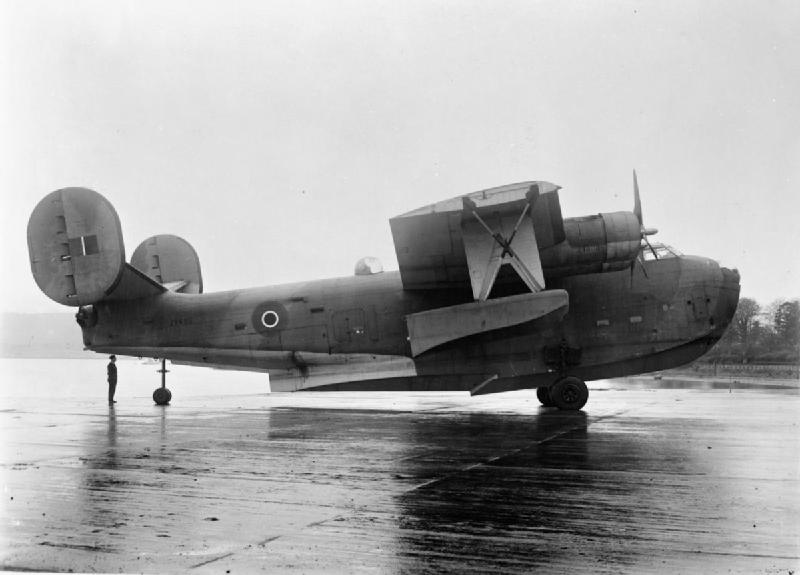
Yet the Coronado became one of many aircraft types that disappeared almost immediately after the war’s end, as they were outmoded by other aircraft, with the PBY Catalina and Martin PBM Mariner more suited to long range maritime patrol missions and land-based transports such as the Douglas C-54/R5D being used for transport duties from the multitude of shore-based airbases built during WWII. Additionally, the later variants of the PBY Catalina and the PBM Mariner were also fitted with retractable landing gear, making them amphibious aircraft that could operate from air bases that did not have access to seaplane ramps, unlike the PB2Y Coronado, which as a pure flying boat, required beaching gear to be installed for the aircraft to get out of and back into the water, and needed a team of ground crew to ensure the safety of this procedure. Indeed, out of the total of 217 PB2Y Coronados produced, just one has survived for museum display into the present day, and it was only by the slimmest of margins that it remains in existence today.
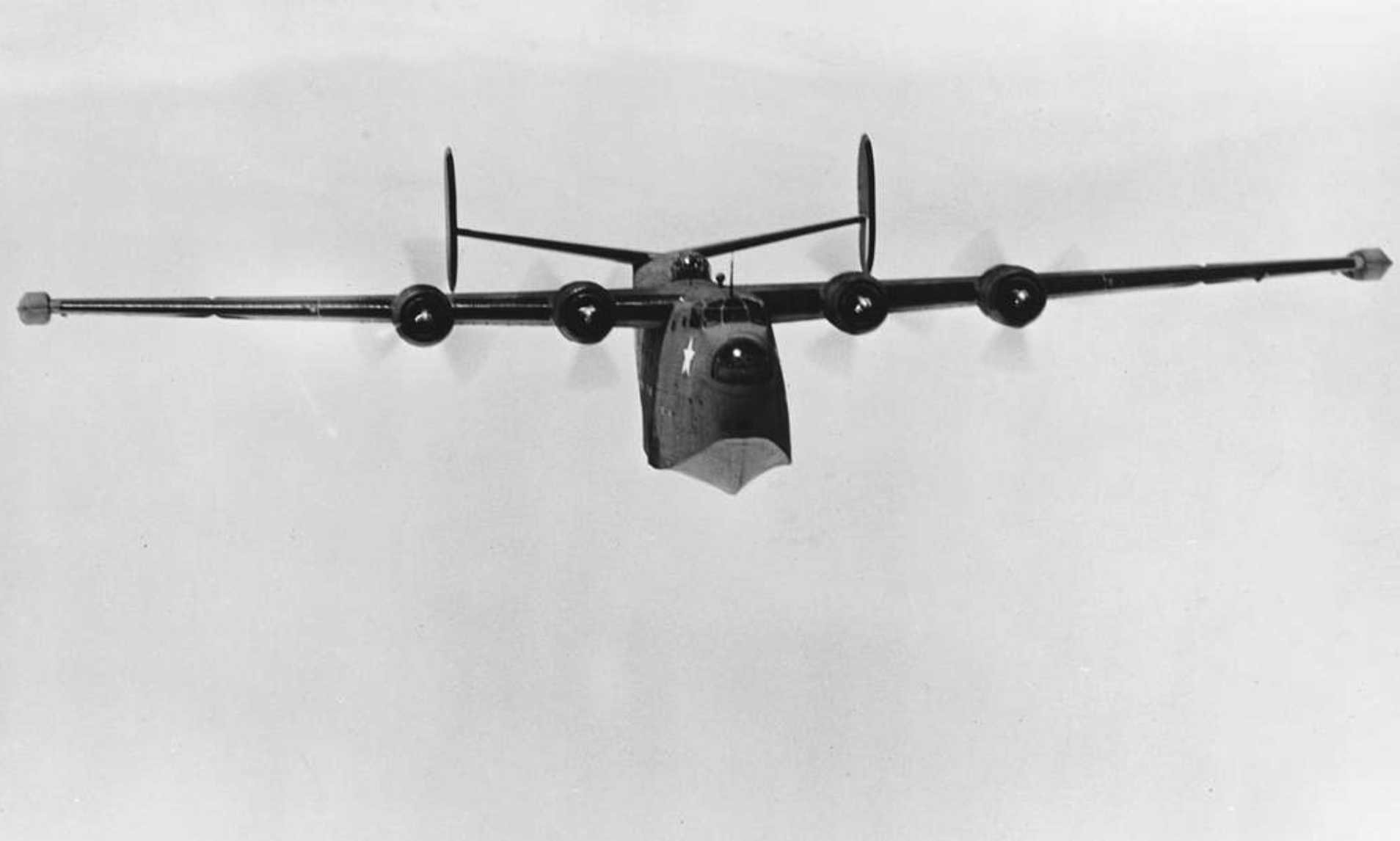
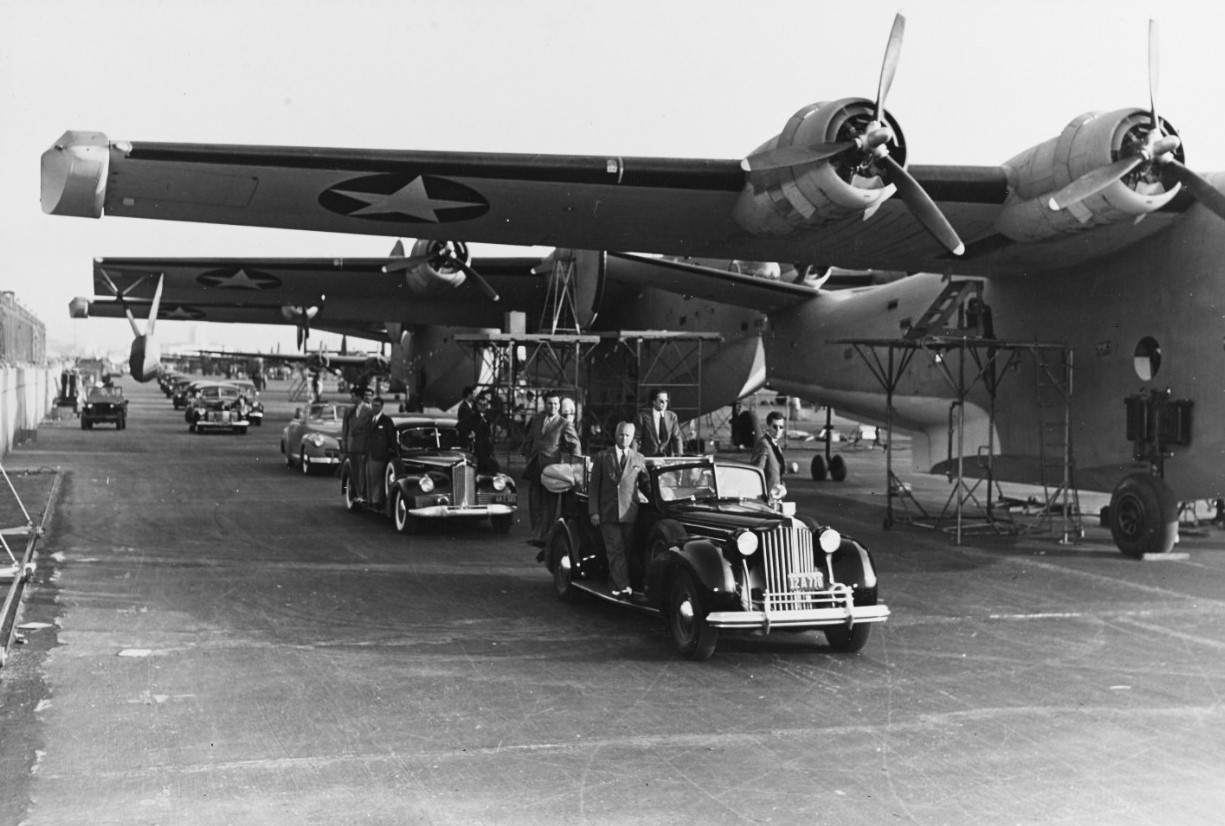
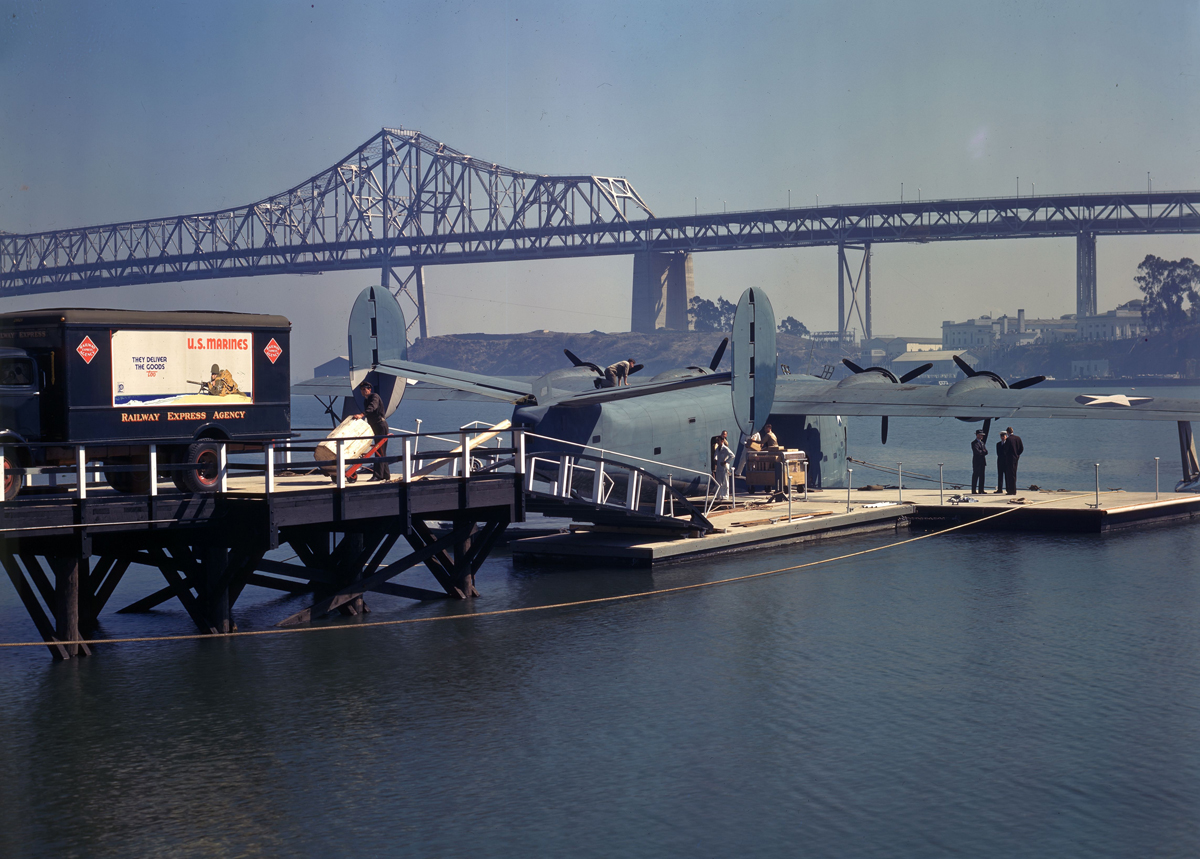
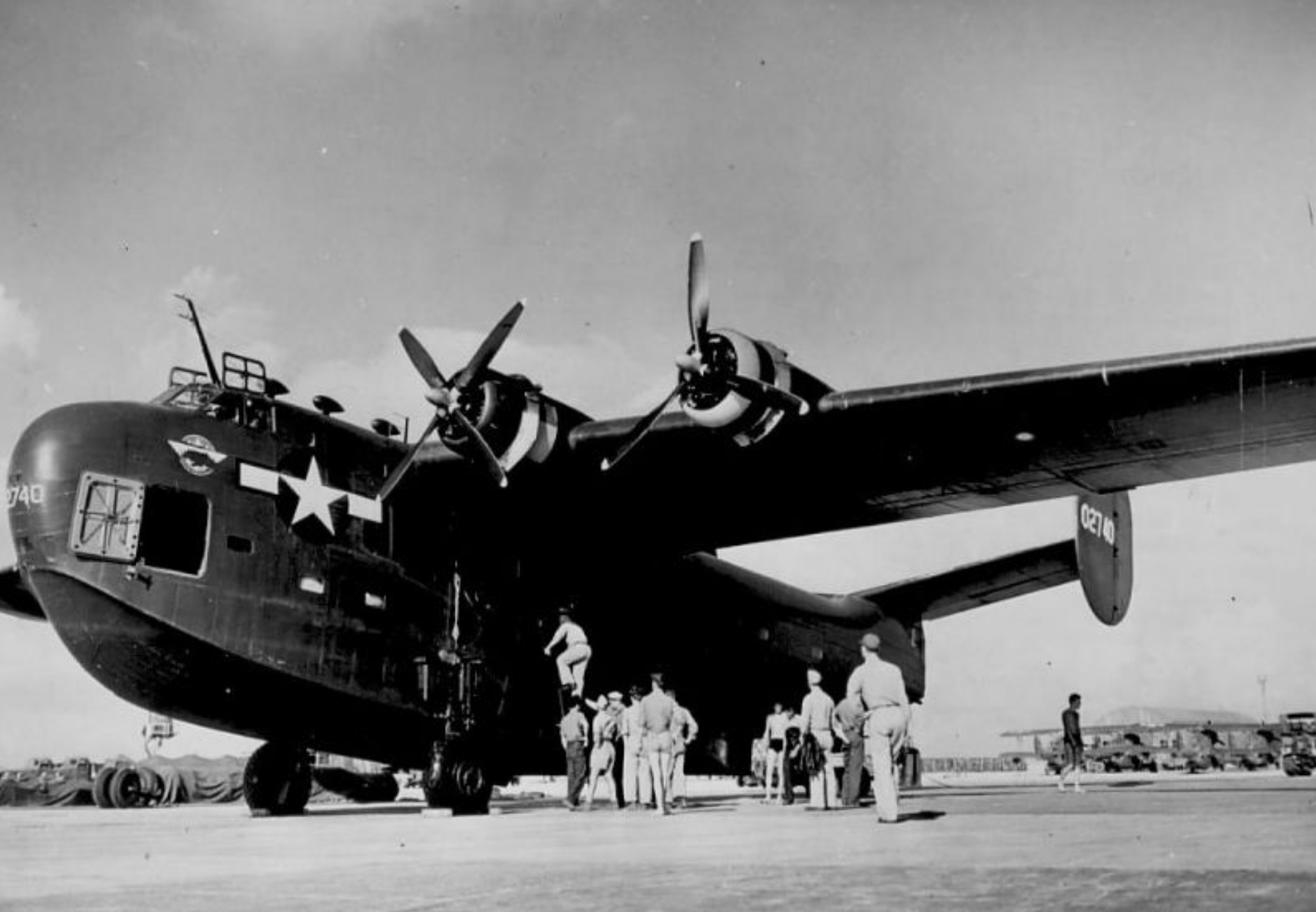
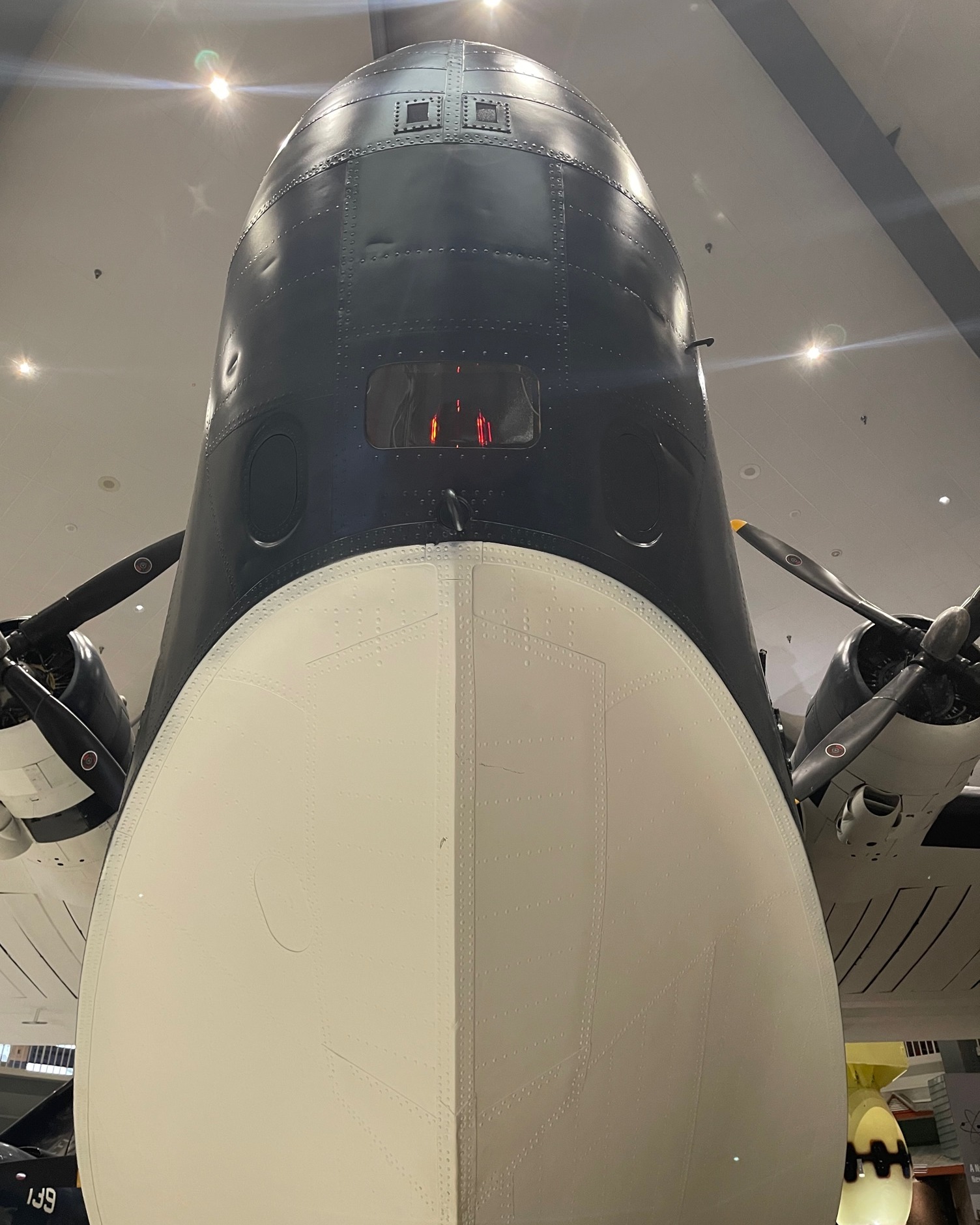
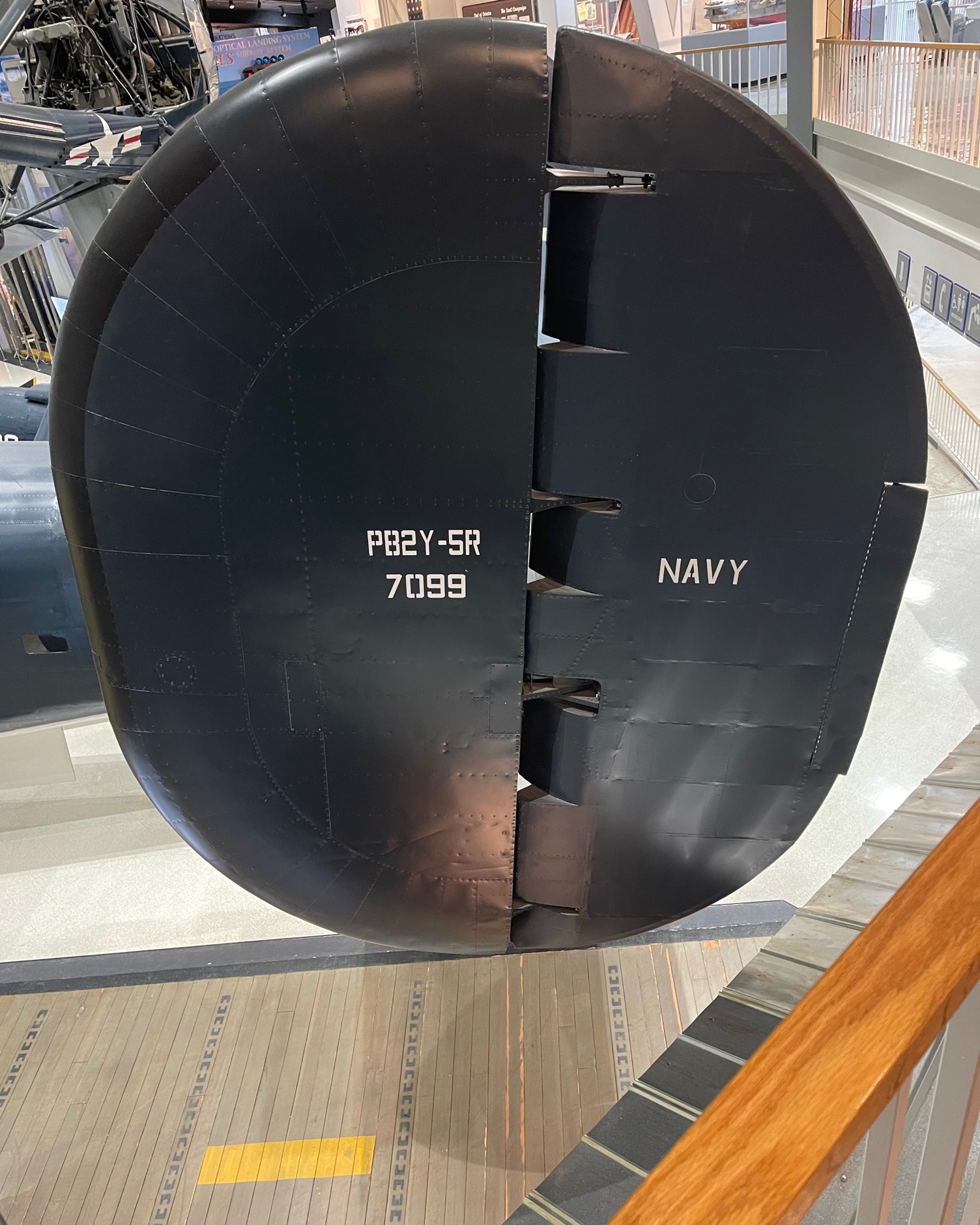
The PB2Y Coronado on display in Pensacola was built as PB2Y-3 construction number 57 at the Consolidated Aircraft Corporation’s plant at Lindbergh Field in San Diego, California, but then modified by the Rohr Aircraft Corporation based in nearby Chula Vista to become a PB2Y-3R transport, with the defensive turrets removed and their hatches faired over, a new hatch for side-loading cargo being installed, and the outfitting of seats for 44 passengers. On April 12, 1943, the aircraft was delivered to the U.S. Navy as Bureau Number 7099 and was immediately put to work with the Naval Air Transport Service (NATS), first with Air Transport Squadron 2 (VR-2), then with Air Transport Squadron 6 (VR-6) starting in May 1943. While VR-2 would fly high-ranking officers and supplies across the Pacific, such as flights from Alameda, California, to Pearl Harbor, Hawaii, VR-6 would conduct similar missions while operating along the U.S. East Coast, flying from Florida to the Caribbean, the Panama Canal Zone, and the northern coasts of South America. On October 18, 1943, PB2Y-3R BuNo 7099 suffered minor damage while taxiing in Biscayne Bay, Florida, but was soon repaired and returned to service. In June 1944, PB2Y-3R BuNo 7099 was sent back to San Diego for further modifications. The aircraft would become one of 25 Coronado flying boats modified to the specifications of the PB2Y-5R model, with the fuel capacity increased by up to 50% and the installation of upgraded versions of the Twin Wasp engines. In fact, it would be in this configuration that the aircraft would have four-bladed propellers installed on its inboard engines while retaining its three-bladed propellers for the outboard engines. BuNo 7099 was also fitted with mounts for six RATO (rocket-assisted takeoff) bottles to help shorten takeoff runs while carrying heavier loads, with three bottles on each side of the waist section of the PB2Y. With these modifications, BuNo 7099 was sent to the Pacific Theater, and by April of 1945, it was one of five PB2Y Coronado flying boats assigned to Utility Transport Squadron One (VRJ-1), which also had five Douglas R5Ds, Navy versions of the U.S. Army Air Forces’ Douglas C-54 Skymaster transport. That two of VRJ-1’s Coronados (BuNo 7073 and 7099) were modified as PB2Y-5Z VIP transports to carry Flag officers, including Fleet Admiral Chester W. Nimitz, Commander in Chief of the USN’s Pacific Fleet. Yet the most noteworthy mission the two PB2Y-5Zs would carry would happen immediately after Japan’s surrender.
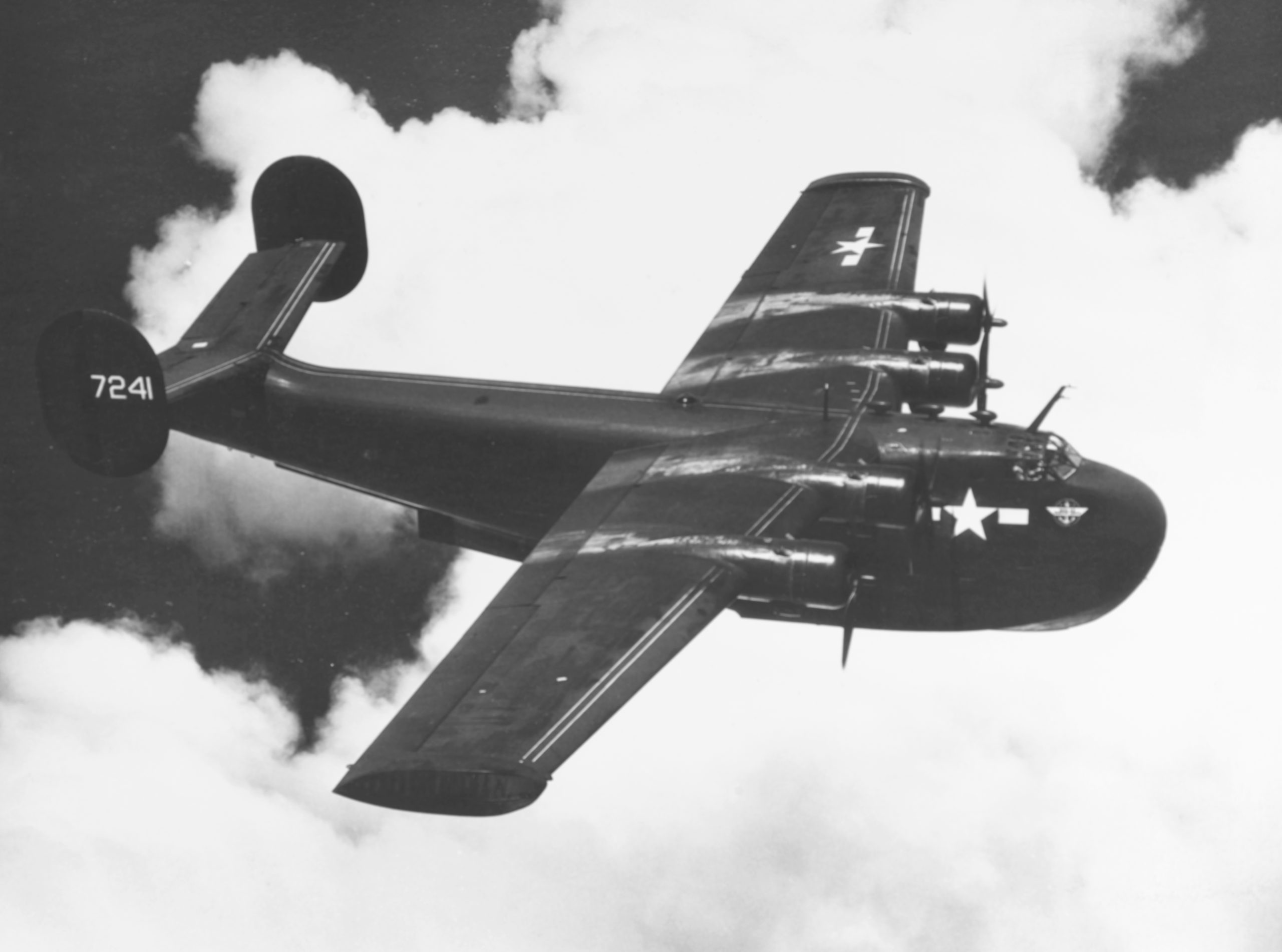
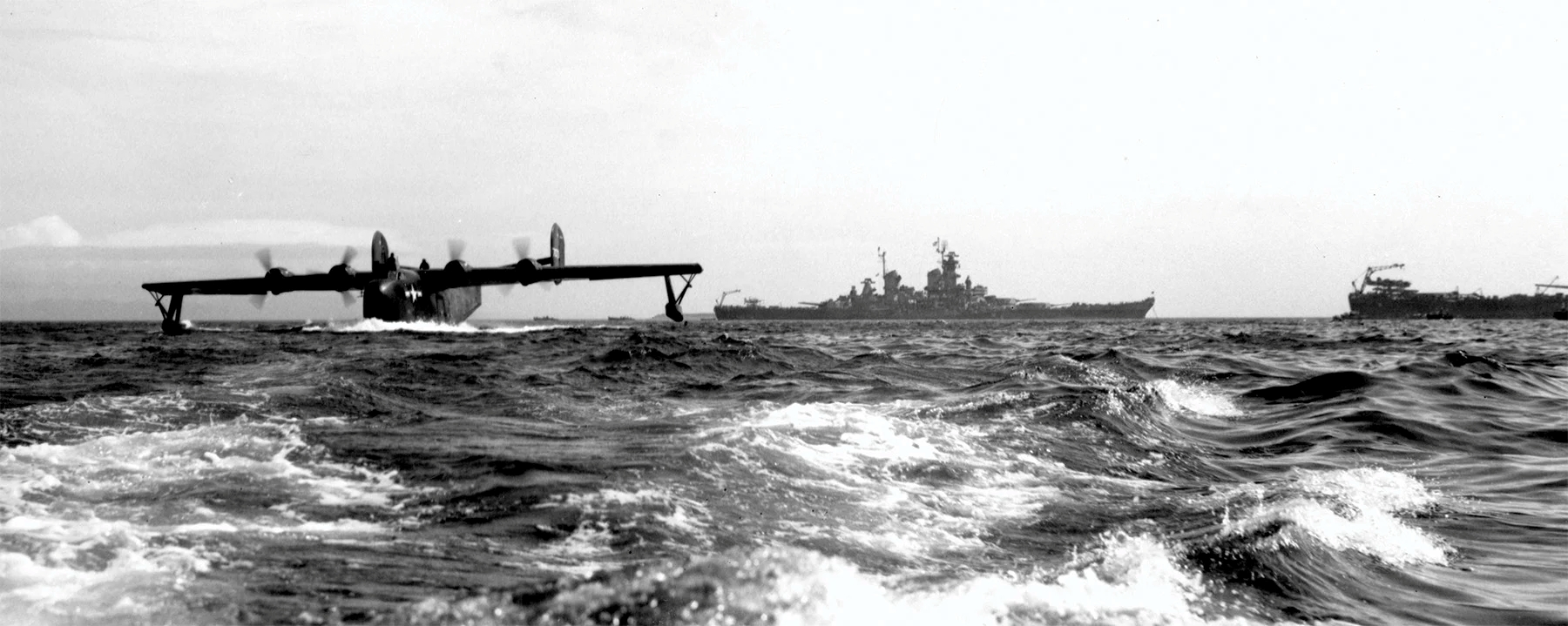
While Emperor Hirohito had already broadcast that Japan would cease fighting against the Allies on August 15, 1945, it would not be until September 2, 1945, that the Instrument of Surrender would mark a formal end to WWII. On August 28, 1945, VRJ-1’s two PB2Y-5Zs, BuNo 7073 and 7099, took off from the waters off Saipan, bound for Tokyo Bay, where a large Allied fleet had made anchorage, centered around the American battleship USS Missouri (BB-63), on which the surrender documents would be signed. Admiral Nimitz and Marine Corps Commandant General Alexander A. Vandegrift were onboard PB2Y-5Z BuNo 7073, while Rear Admiral Forrest Sherman, Deputy Chief of Staff to the Pacific Fleet commander, was aboard PB2Y-5Z BuNo 7099 (this is in contrast to later postwar accounts that have gotten the two aircraft mixed up). As the two flying boats approached Tokyo Bay, with the Allied fleet spread before them, the preflight briefing called for Admiral Nimitz’s plane (BuNo 7073) to land in the water first, then followed by Admiral Sherman’s aircraft (BuNo 7099). However, Admiral Sherman overruled this protocol and ordered the flight crew on 7099 to land first.

Naval Reserve Lieutenant Commander Leonard D. Braswell, who was onboard the flight, recalled later that “Upon arriving over Tokyo Bay, Admiral Sherman instructed the pilot Commander [J. A.] Robertson to land. Mr. Robertson hesitated and reminded the admiral that in the briefing, Admiral Nimitz was to land first. Sherman repeated his instruction a bit more sternly to ‘land now!’ As ordered, 7099 touched down between the battleships, Missouri and South Dakota (BB-57).” Though the crew did as they were instructed, the crew feared possible reprimand from Admiral Nimitz, but as it turned out, Nimitz had delayed his crew from landing in order to get a better view of the assembled fleet, and thus PB2Y-5Z Coronado BuNo 7099 became the first American flying boat to land in Japanese waters since the end of WWII. Nimitz and his staff were then brought aboard the battleship USS South Dakota and hosted there until the surrender ceremony was concluded, while the Coronados were anchored 100 yards from shore, tied to a buoy, and placed on 24-hour watch. With the ceremony finished, Coronado BuNo 7099 made a 3 ½-hour flight around Tokyo Bay, taking aerial photos of the fleet before heading back to Saipan with BuNo 7073 on September 3. As for Admiral Sherman, he would achieve the rank of Admiral and in 1949 was appointed Chief of Naval Operations. After his death, the Forrest Sherman class of destroyers was named in his honor.
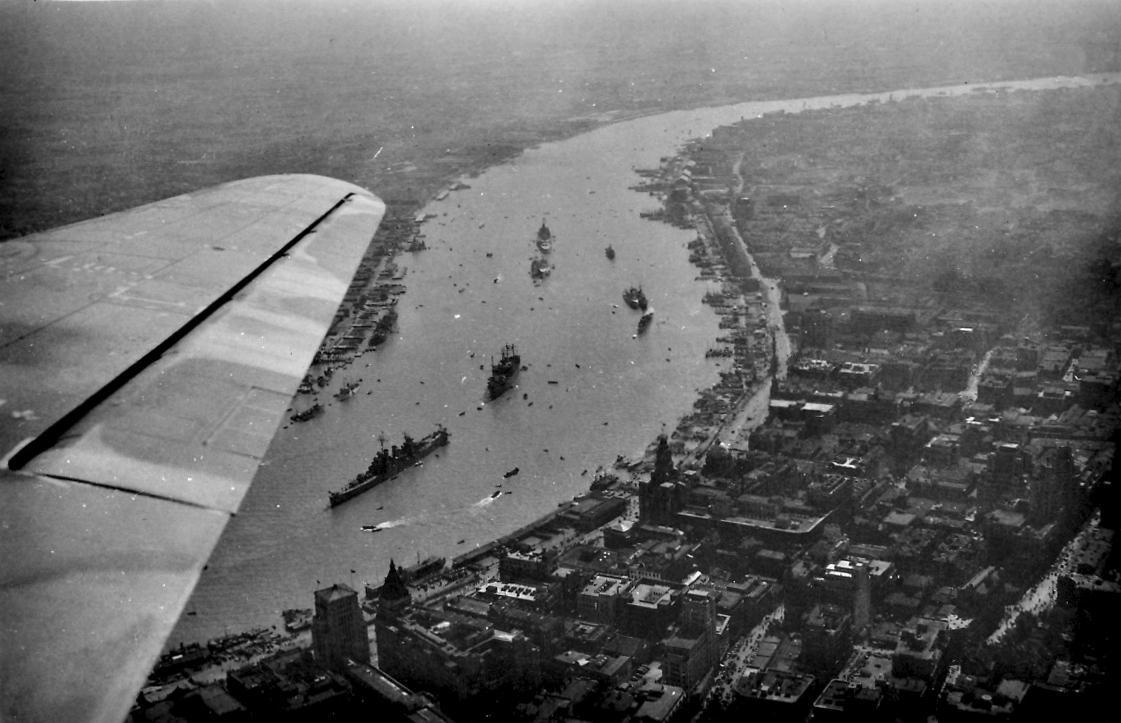
Shortly after its rendezvous with history, BuNo 7099 was redeployed from the Mariana Islands to China, transporting Vice Admiral Thomas S. Combs to join the staff of Admiral Thomas C. Kinkaid, commander of the US Seventh Fleet. US forces arrived in China and Korea to oversee the surrender of Japanese occupational forces and their return to Japan, the repatriation of Allied prisoners of war held in Japanese-occupied China and Korea, and maintain regional stability. During its time as a transport in China, BuNo 7099 was stationed in Shanghai at Longhua Airport (often referred to in contemporary documents as Lungwha Airport) and would receive support from the seaplane tender USS Curtiss (AV-4) to remain operational. During its time in China, though, BuNo 7099 would face its most dramatic trial.
On September 27, 1945, Admiral Combs boarded PB2Y-5Z Coronado BuNo 7099 at Shanghai for an aerial tour of the northern coast of China. On taking off from Longhua, the flying boat flew Admiral Combs to Qingdao (then called Tsingtao), flew over sections of the Great Wall of China, the Taku Forts, and Port Arthur (now Lüshunkou District) before returning to Shanghai. Three days later, on September 30, 1945, BuNo 7099 took off for another VIP flight, this time with Admiral Kinkaid and Lieutenant General George E. Stratemeyer, commander of the Army Air Forces in the China Theater to a spot in the Yellow Sea some 40 miles east of the Chinese coast to observe a staging area for U.S. Marines to begin landing in China. However, while the war against the Japanese had ended, Mother Nature was still sending typhoons across the western Pacific to the shores of East Asia, and the VIPs and flight crew of Coronado BuNo 7099 found themselves facing such a typhoon heading their way. With the lumbering flying boat too far to make it to a harbor before the storm caught up to them, Admiral Kinkaid ordered the crew to land in the open sea. Despite rough seas, the crew managed to land the PB2Y down on the waves, but now the structural stability of the Coronado flying boat would be put to the ultimate test. For the next three days, the men inside Coronado BuNo 7099 were tossed around as though their plane was a toy. The crew shut the outboard engines down but kept the inboard ones running to prevent a collision with the ships in the anchorage or from running aground. At the bottom of the hull, the force of the waves tore several rivets loose, causing leaks that the crew worked to plug. On October 2, the destroyer escort USS Pratt (DE-363) launched a whaleboat to transport Admiral Kinkaid and General Stratemeyer from the Coronado, but in the process, the rudderpost of the boat struck the Coronado, opening four large holes the hull of the aircraft, with the crew being forced use pop rivets to fasten spare sheets of aluminum to the inside of the hull and slow the flooding. Though BuNo 7099 was still afloat, the exhausted crew still had serious concerns over whether the Coronado was in good enough shape to make it back to Shanghai. Fortunately for them, though, Army Air Force personnel heard of their flight and helped the Navy crew bail out the bilges and repair the PB2Y to make the successful flight back to Shanghai.
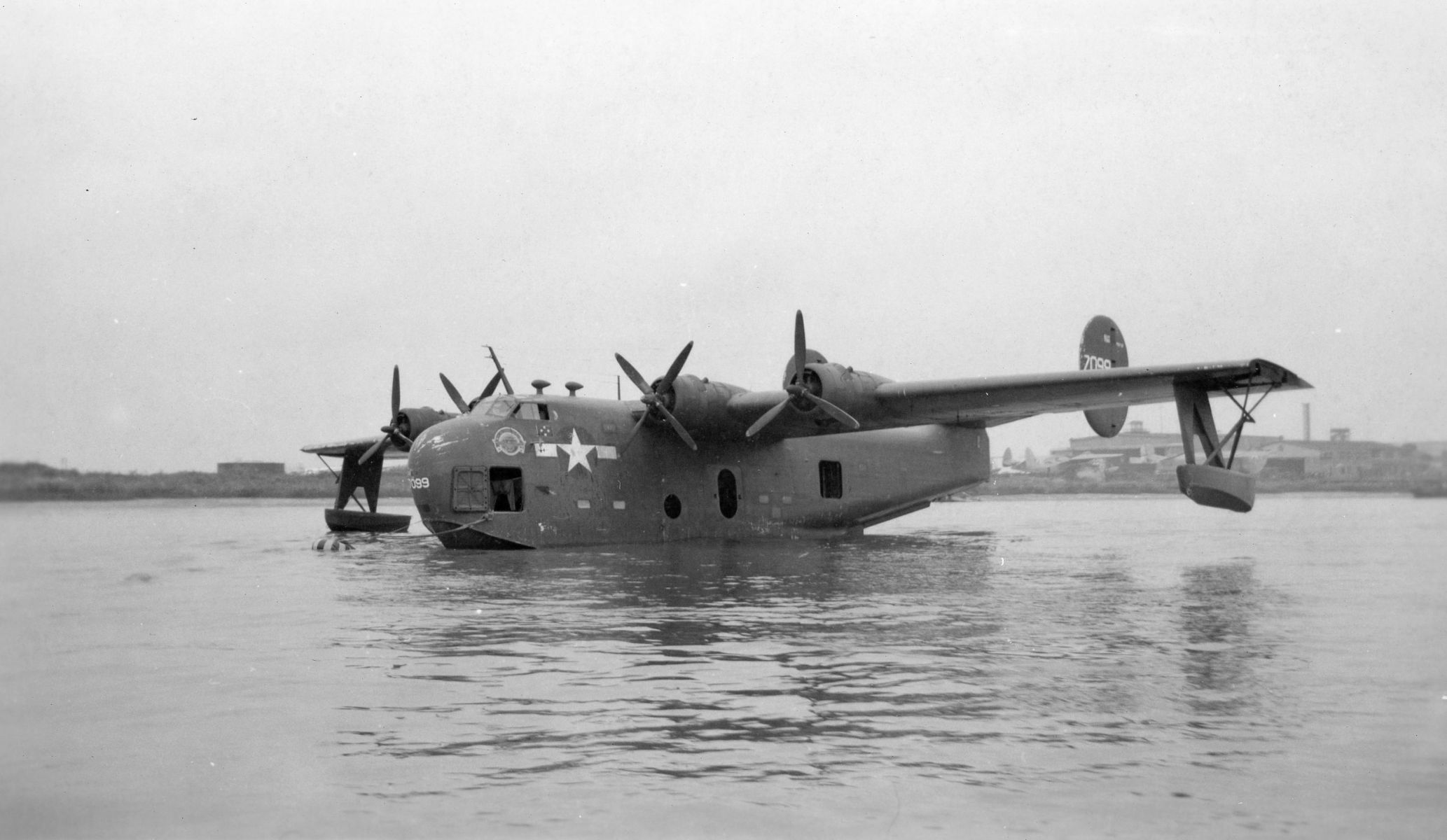
On November 19, 1945, PB2Y-5Z BuNo 7099 would depart from China, being recalled to Honolulu, Hawaii, making stops at Okinawa, Saipan, and Majuro, capital of the Marshall Islands. While in Honolulu, Vice Admiral Jesse B. Oldendorf, who had just been part of the Occupation of Japan, boarded BuNo 7099, which flew him to San Pedro, California, in order to take command of the 11th U.S. Naval District. Then, the aircraft was flown to Naval Air Station Alameda and returned to service with VR-2. Soon after arriving at Alameda, BuNo 7099 was reverted to a PB2Y-5R transport and was later used in five round trips between California and Hawaii in January 1946 as part of VR-2. With the end of the Second World War, the PB2Y Coronado was now an obsolete design. The aircraft that had survived the war were soon stricken from the Navy’s inventory and scrapped. On June 27, 1946, PB2Y-5R BuNo 7099 was placed into the reserve aircraft pool at NAS Alameda, and two months later, on August 31, it was struck off charge from the Navy and almost ended up in the postwar scrap drives. However, this aircraft’s fate was that it would survive to become the last remaining example of its type in the world, and it was all thanks to Howard Hughes.
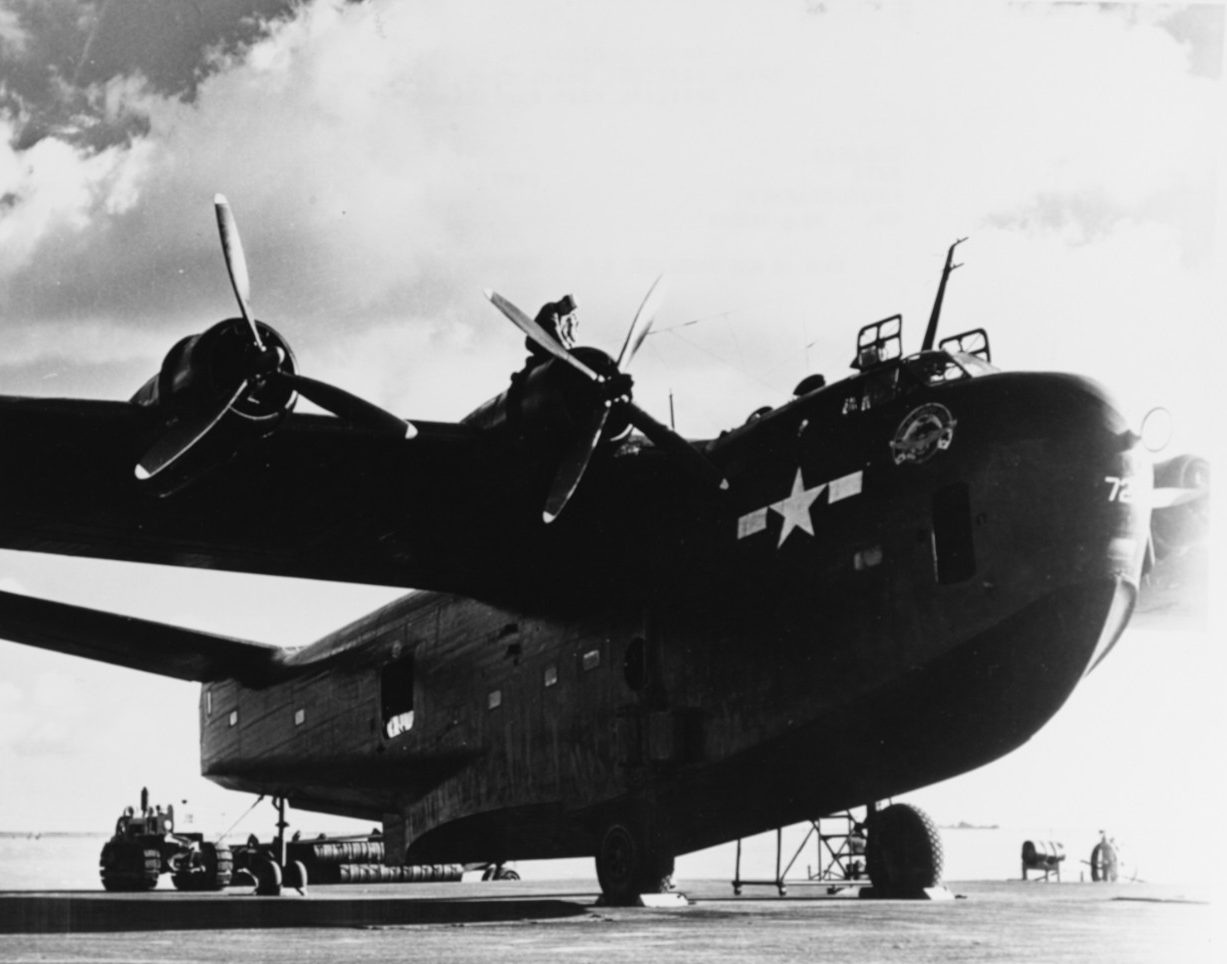
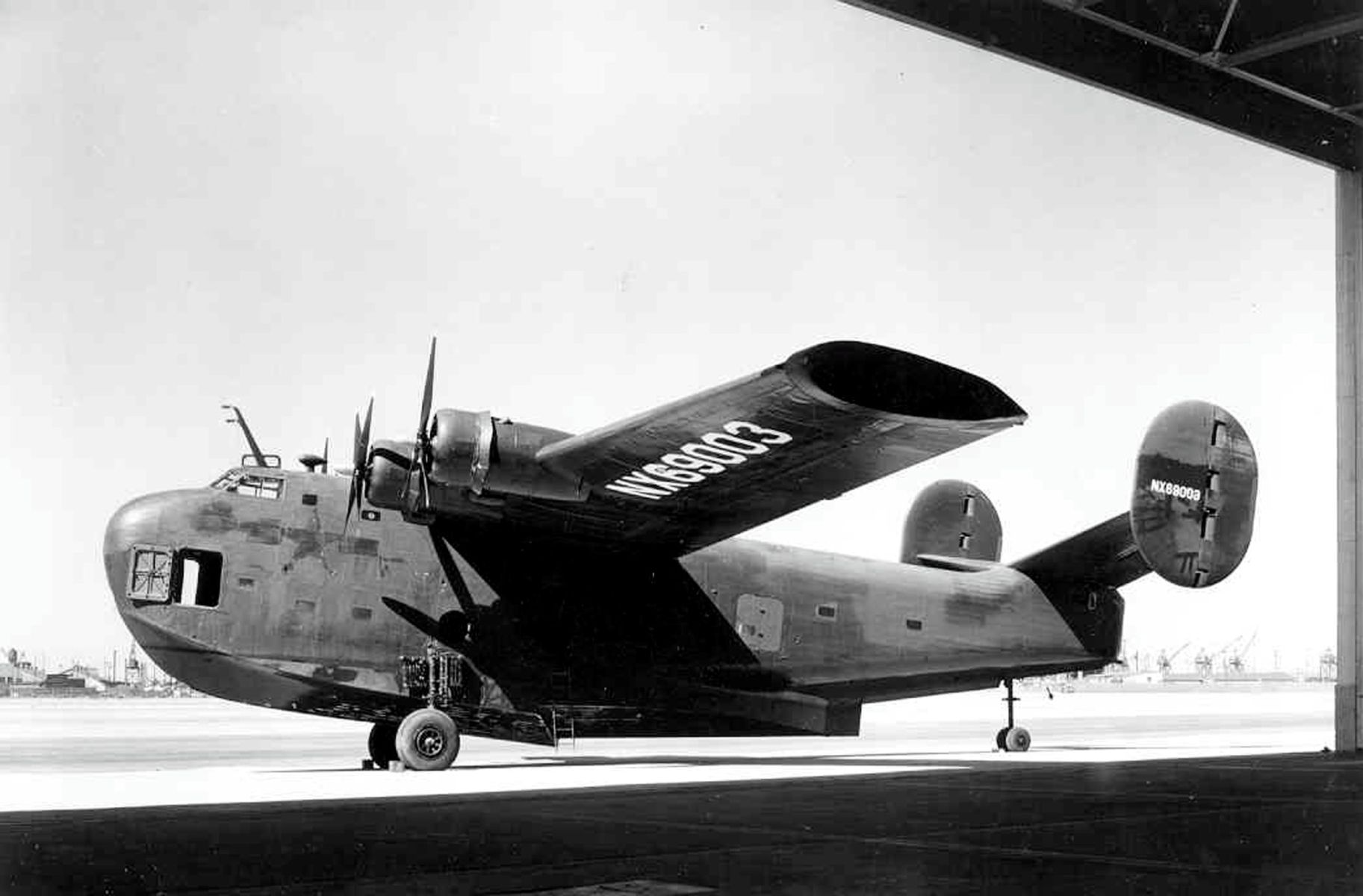
By 1946, famed aviator, industrialist, and filmmaker Howard Hughes was preparing to launch the world’s largest flying boat, the Hughes H-4 Hercules, better known by the derisive name coined by the press, the “Spruce Goose”. Though Hughes was already experienced in flying multi-engine flying boats, such as his twin-engine Sikorsky S-43 “Baby Clipper”, he would purchase Coronado BuNo 7099, which was soon registered with the Civil Aeronautics Administration (CAA) as NX69003, and had it flown to Reeves Field on Terminal Island in the Port of Los Angeles. Although there no public records to indicate Hughes himself ever flew the aircraft, it was registered to the Hughes Tool and Die Company, to which many of his aircraft were registered to, and is speculated that the Coronado was purchased for use as a trainer for flying the Hercules flying boat, which was transported by road from Hughes Airport in Culver City to Long Beach, just a stone’s throw from Terminal Island. Whatever the case, Hughes would make history on November 2, 1947, when he took the H-4 Hercules for its brief but famous flight in Long Beach before Hughes had the “Spruce Goose” encased in a massive, climate-controlled hangar kept under armed guard built on Terminal Island.
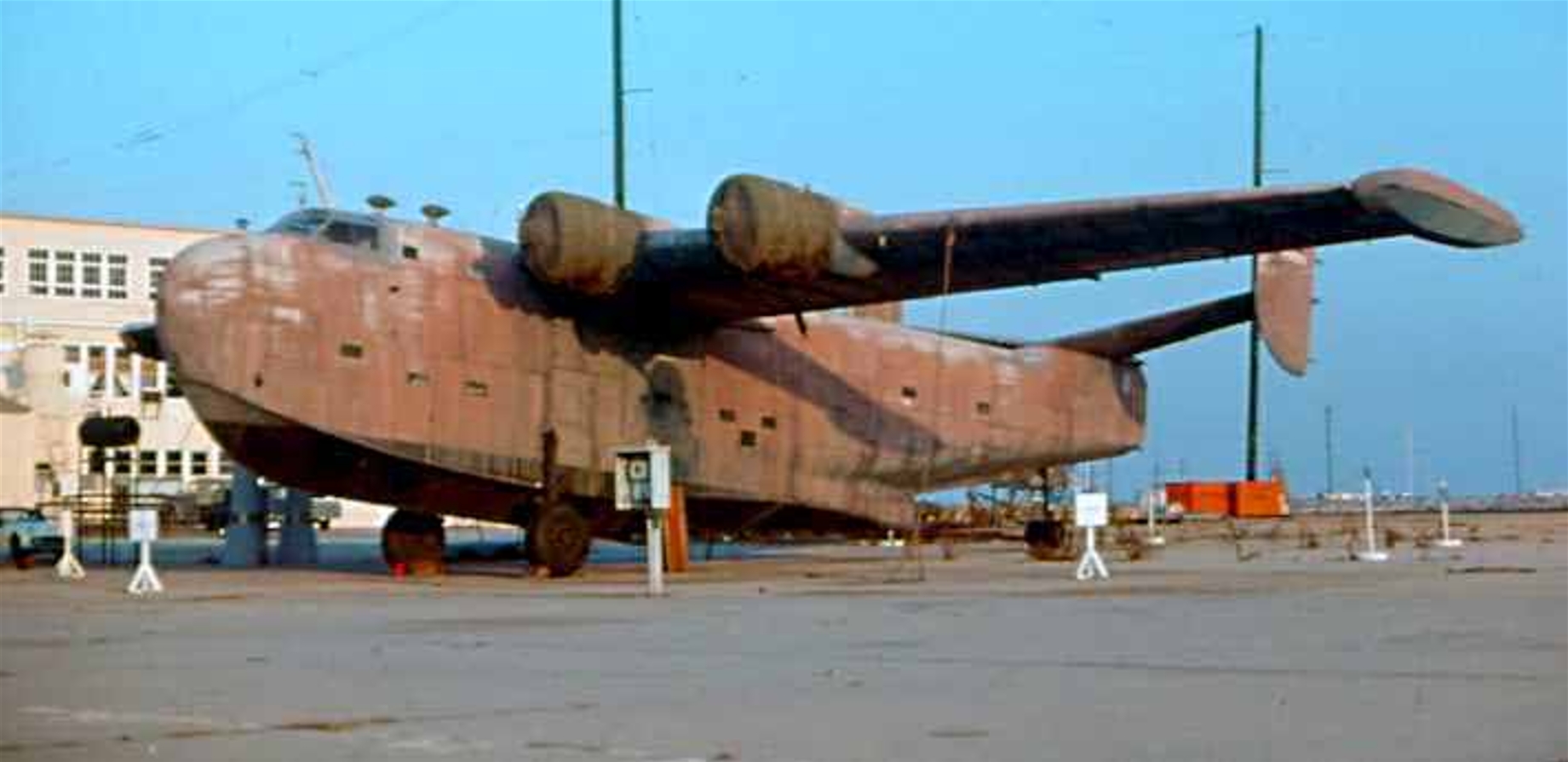
Eventually, Reeves Field declined as other airports such as nearby Long Beach Airport saw more use, with the small airport being used for charter flights to and from Catalina Island. As for the world’s last Consolidated PB2Y Coronado, it sat idly on the airport’s flight apron, its elevators, rudders, ailerons, flaps, and propellers removed, and its four engines and cockpit wrapped in tarps while the rest of the aircraft sat exposed to the coastal air, but still under Howard Hughes’ control, even as the billionaire spent the last years of his life in self-isolation. In 1976, Howard Hughes died, and his estate began looking for new homes for his airplanes. The following year, in 1977, the National Naval Aviation Museum in Pensacola, Florida, expressed interest in the Coronado, and later that year, the Hughes estate formally transferred the title of Coronado BuNo 7099/NX69003 to the NNAM. Though the aircraft may have seen better days at this point, it was still a significant achievement for the museum to obtain such a rare and unique airplane. The world’s last Coronado flying boat was then transported by barge from Terminal Island down to the Panama Canal and through the Gulf of Mexico to Pensacola, Florida to be received by the National Naval Aviation Museum. Fittingly, the museum is based at Forrest Sherman Field, named for the same admiral transported aboard BuNo 7099 to Tokyo Bay in 1945.
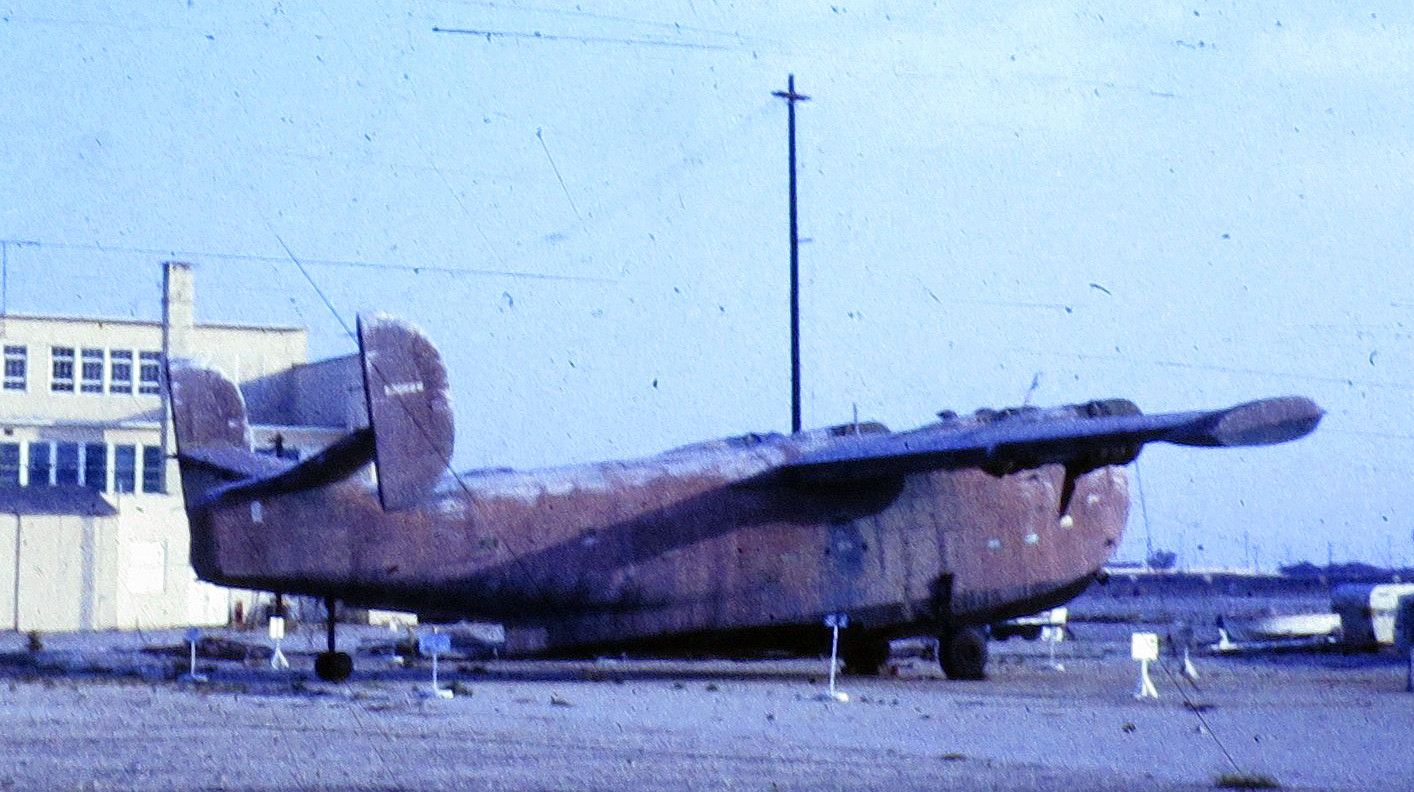
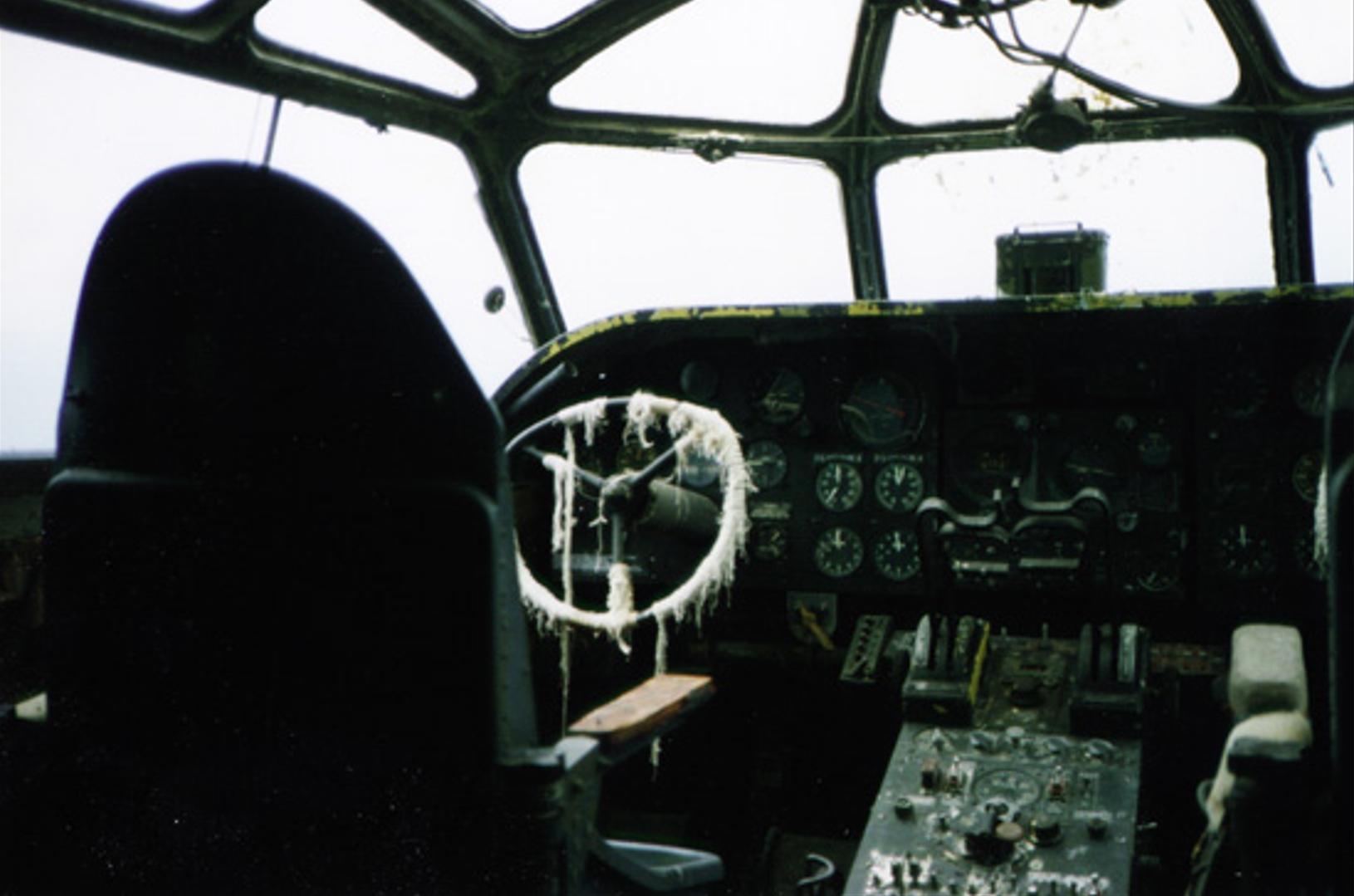
The Coronado was repainted in 1942-era USN colors, with a set of three-bladed propellers attached to its inboard engines to represent an early to mid-war variant of the PB2Y, but due to the size of the four-engine flying boat, BuNo 7099 remained on display outdoors, exposed to the salt air at Pensacola, and both its exterior and interior began to show their age. By 1990, it was decided to begin restoration work on the aircraft, but with multiple restoration projects happening simultaneously, progress on the world’s last Coronado was slow, with the restoration lasting around 15 years. The decision was made by the museum that the aircraft would be in its Flag Officer transport configuration, especially considering its ties to Admiral Nimitz. BuNo 7099 was once again fitted with a pair of four-blade propellers for its inboard engines, it was repainted in a late-war USN scheme, and the NNAM extensively researched the interior fittings, from the cockpit instrument panel and stations for the navigator and flight engineer to recreating the plush interior for the VIPs it once carried.
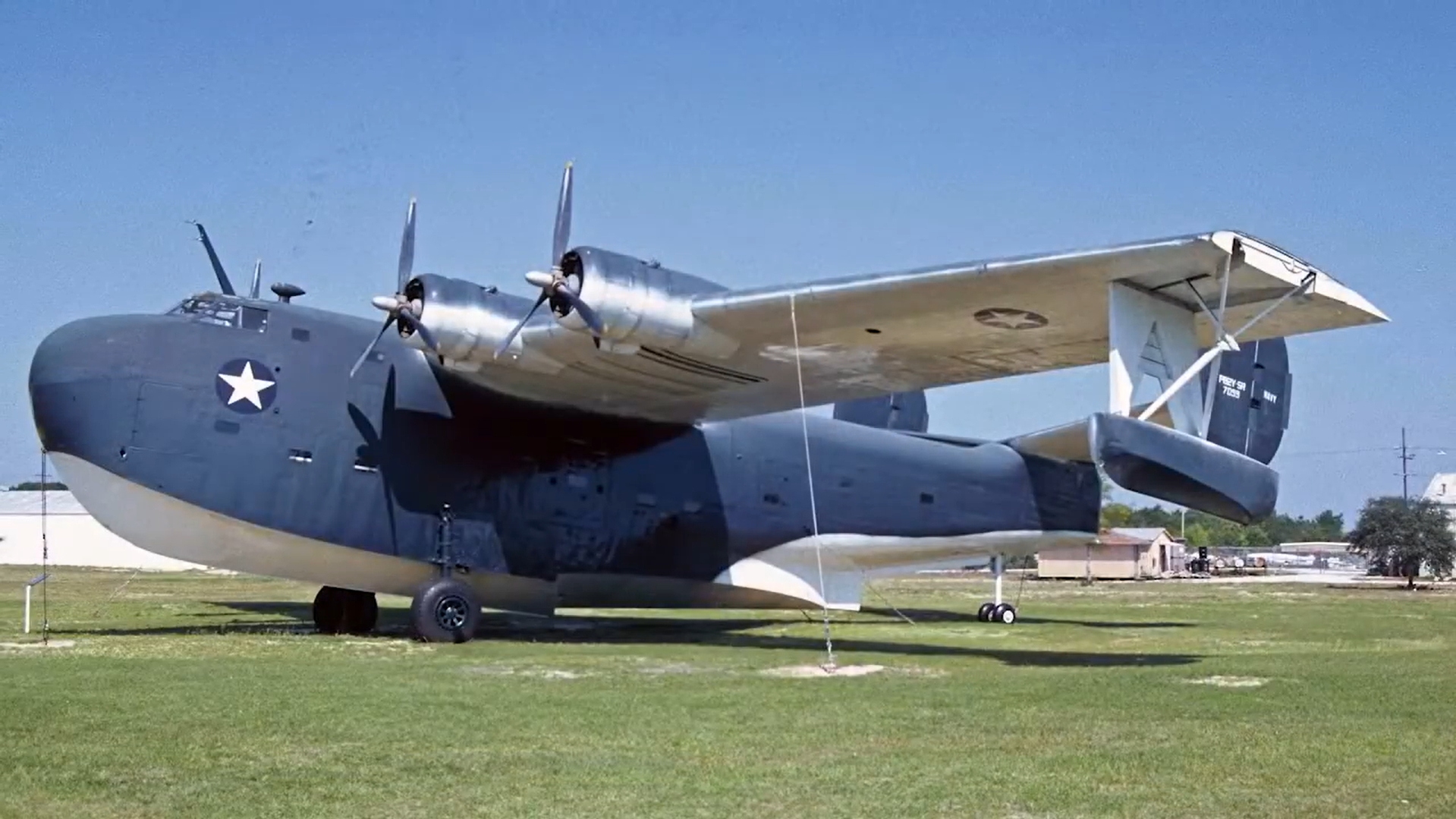
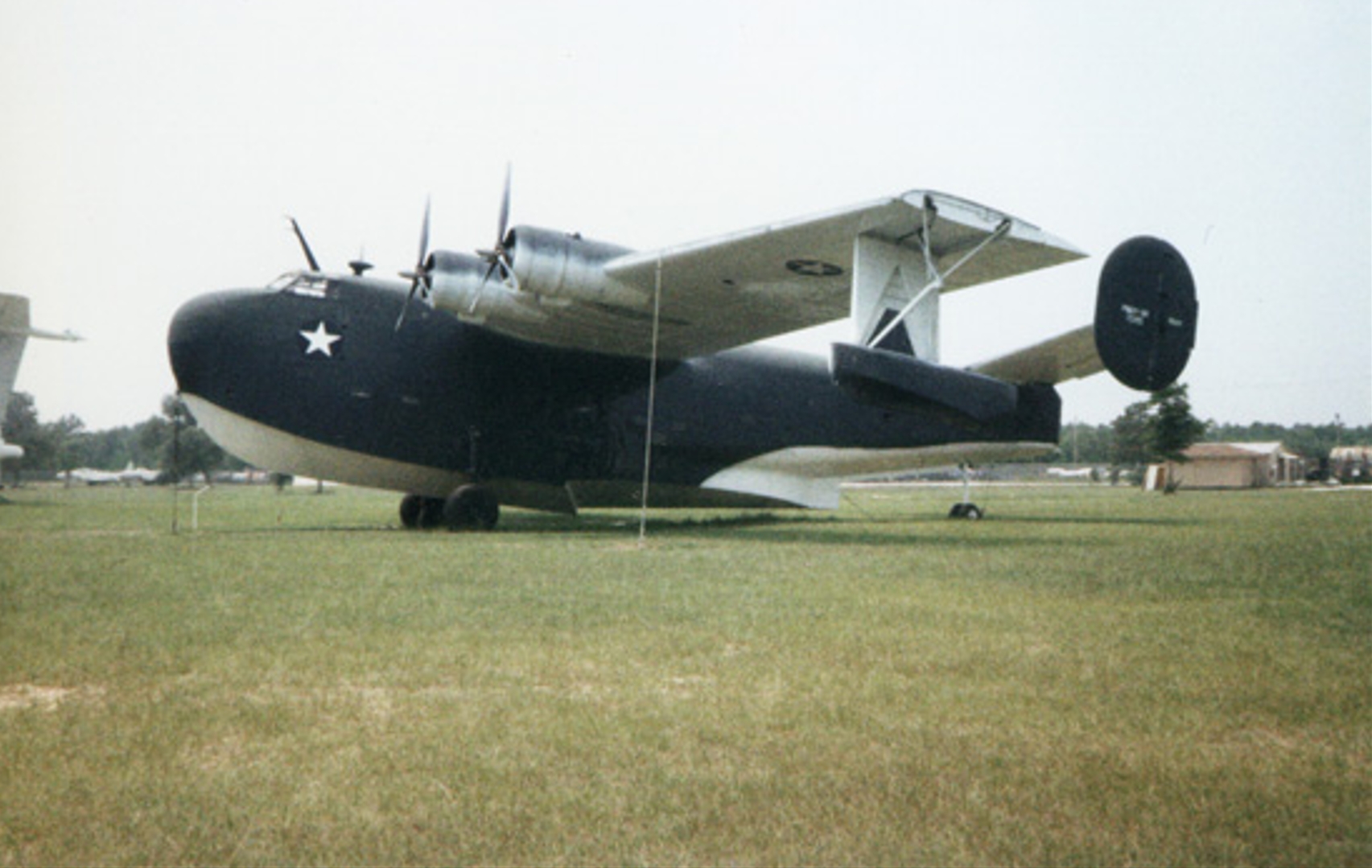
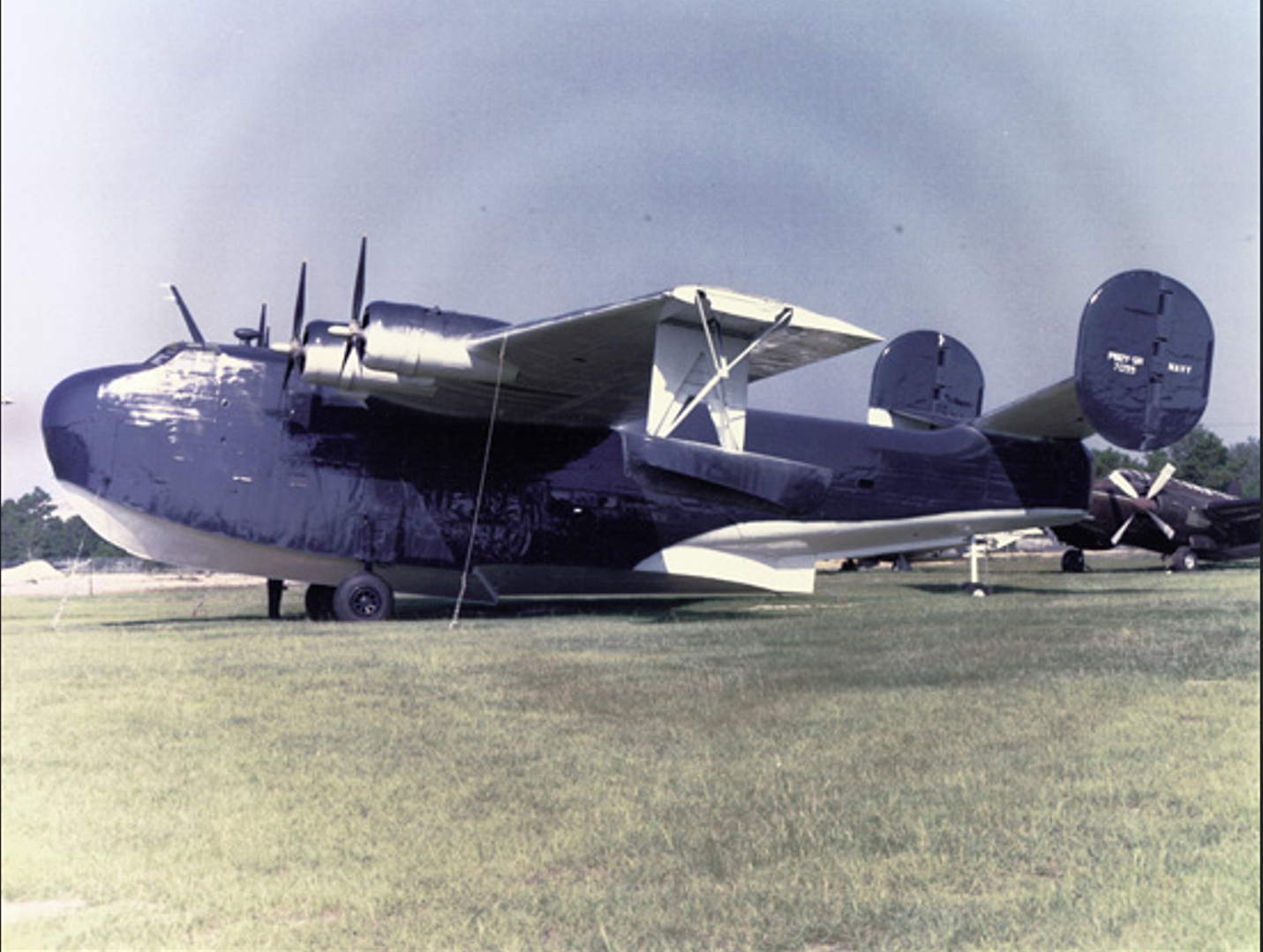
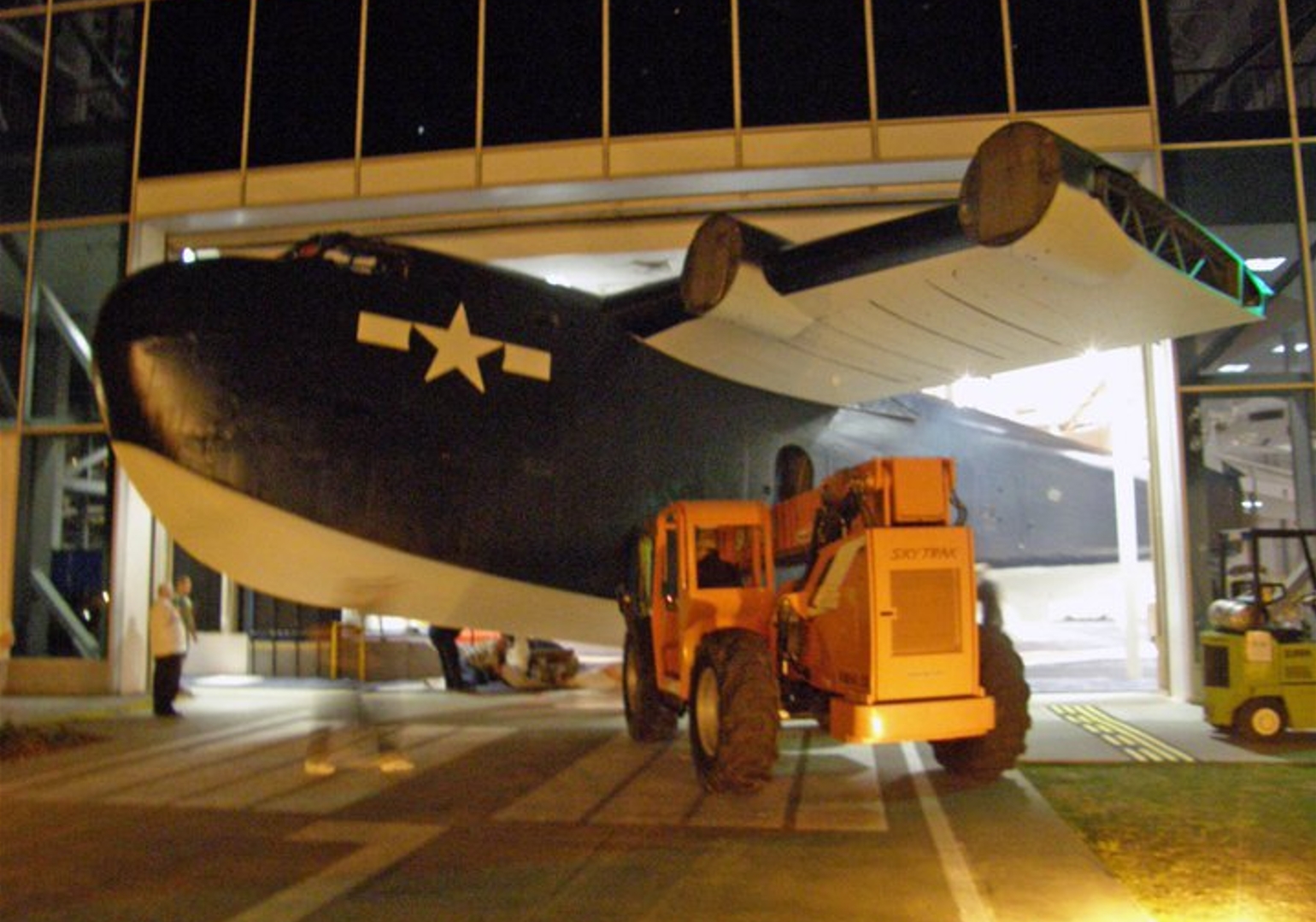
Yet perhaps one of the most difficult aspects of completing the restoration was getting the aircraft into the museum building. With a wingspan of 115 ft (35 m), a length of 79 ft 3 in (24.2 m), and a height of 27 ft 6 in (8.4 m), getting the Coronado into the West Wing would be a tall order. In 2011, the hull of PB2Y-5R Coronado BuNo 7099 was towed from the restoration workshop to the Blue Angel Atrium at night. The disassembled aircraft was eased into the Atrium without its engines, its tail stabilizers, and outer wing panels past the outboard engine nacelles. Using a tug, a forklift, and coordination with museum staff, the Coronado was carefully brought from the Atrium to the West Wing display space, with several aircraft already displayed there being moved out of the PB2Y’s way. The aircraft had special dollies attached to its beaching gear mounts to allow it to move sideways as well.
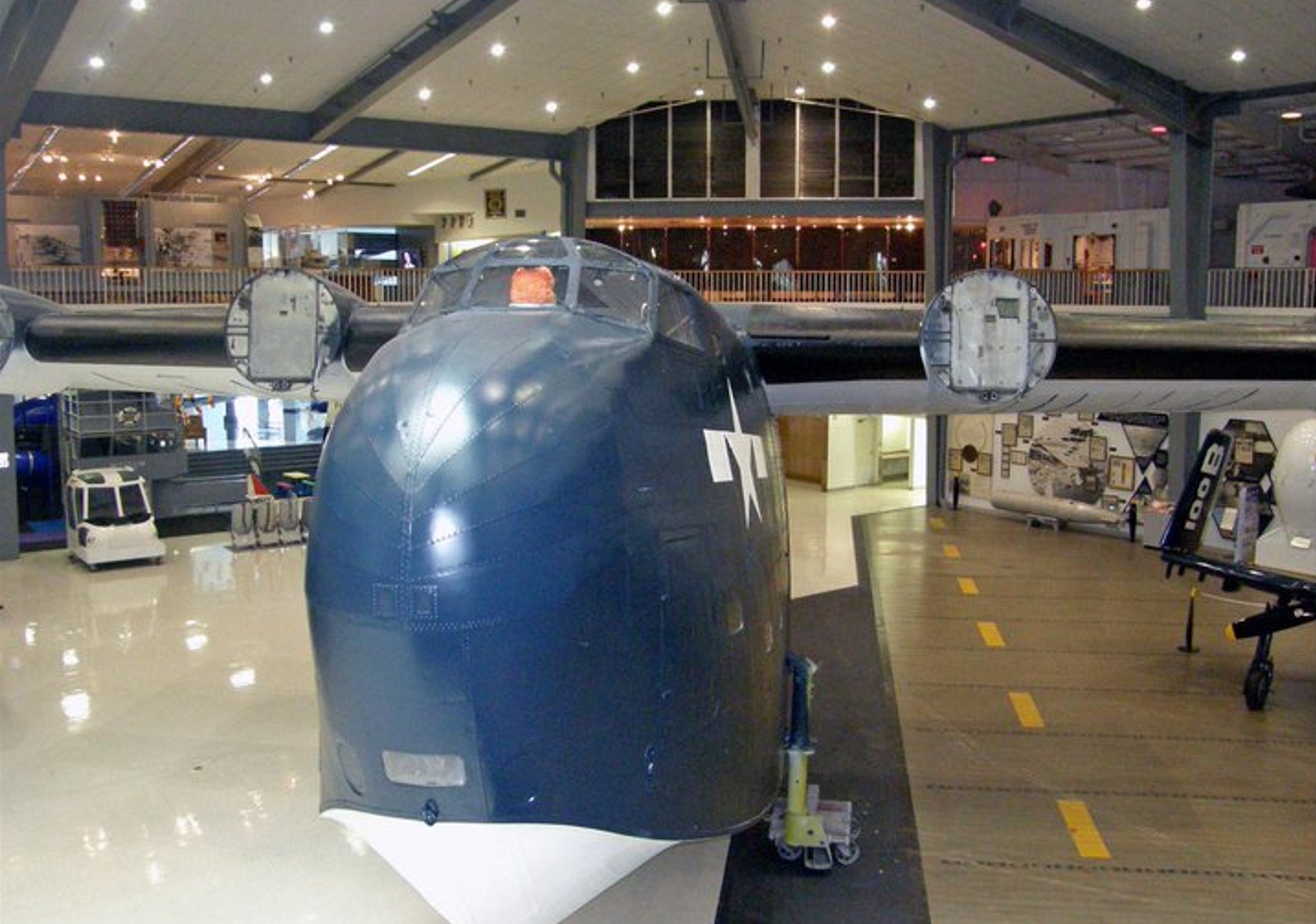
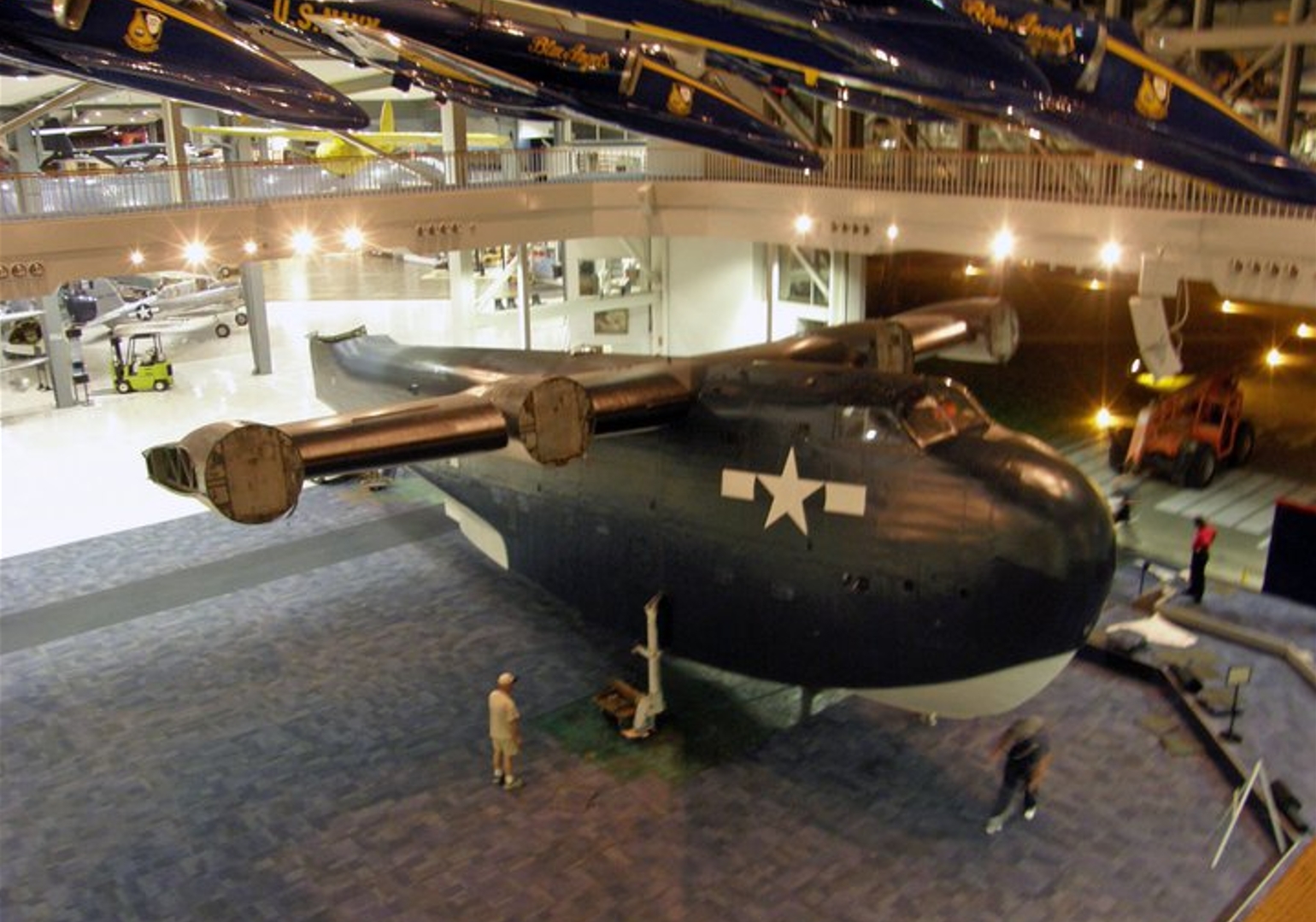
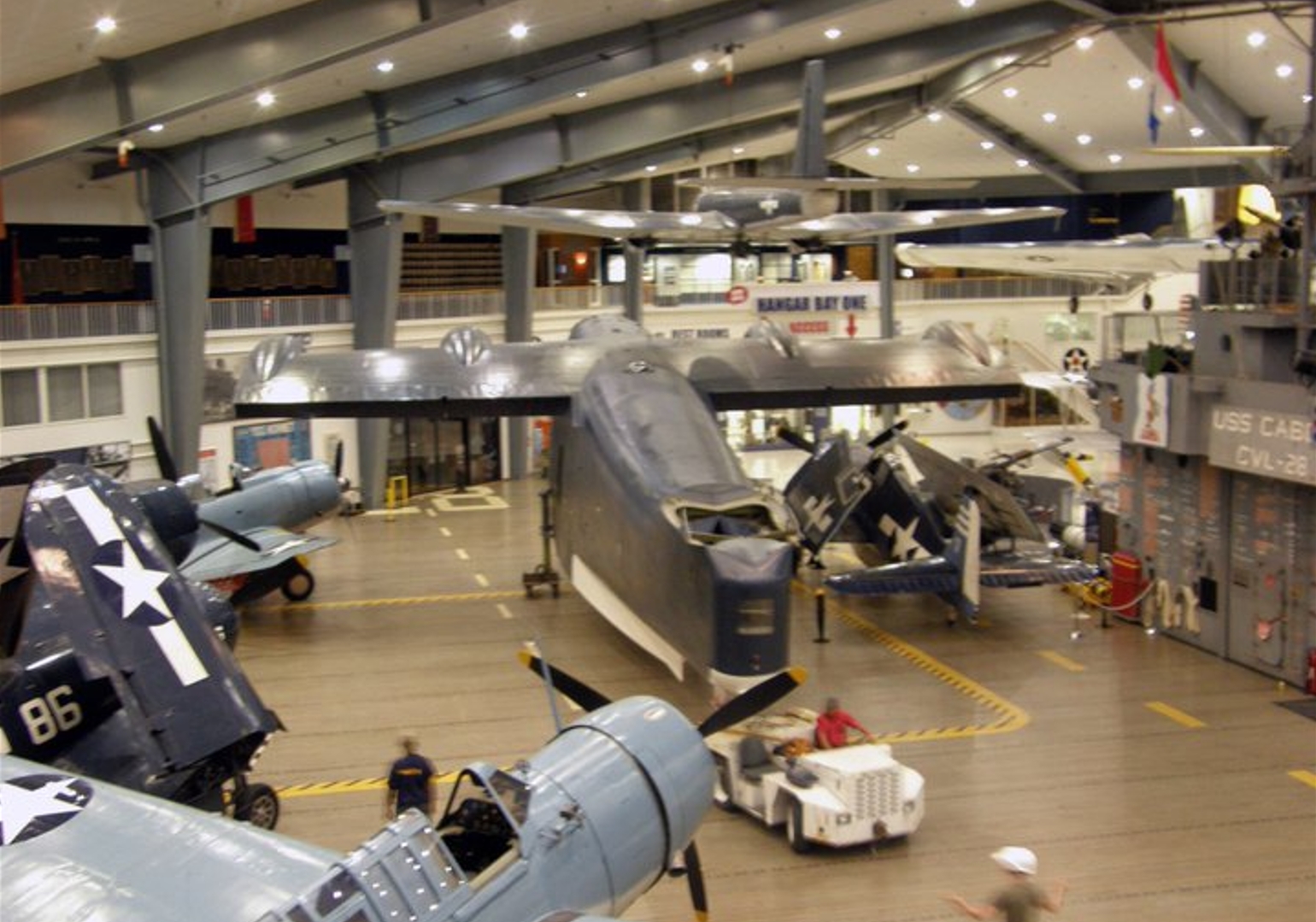
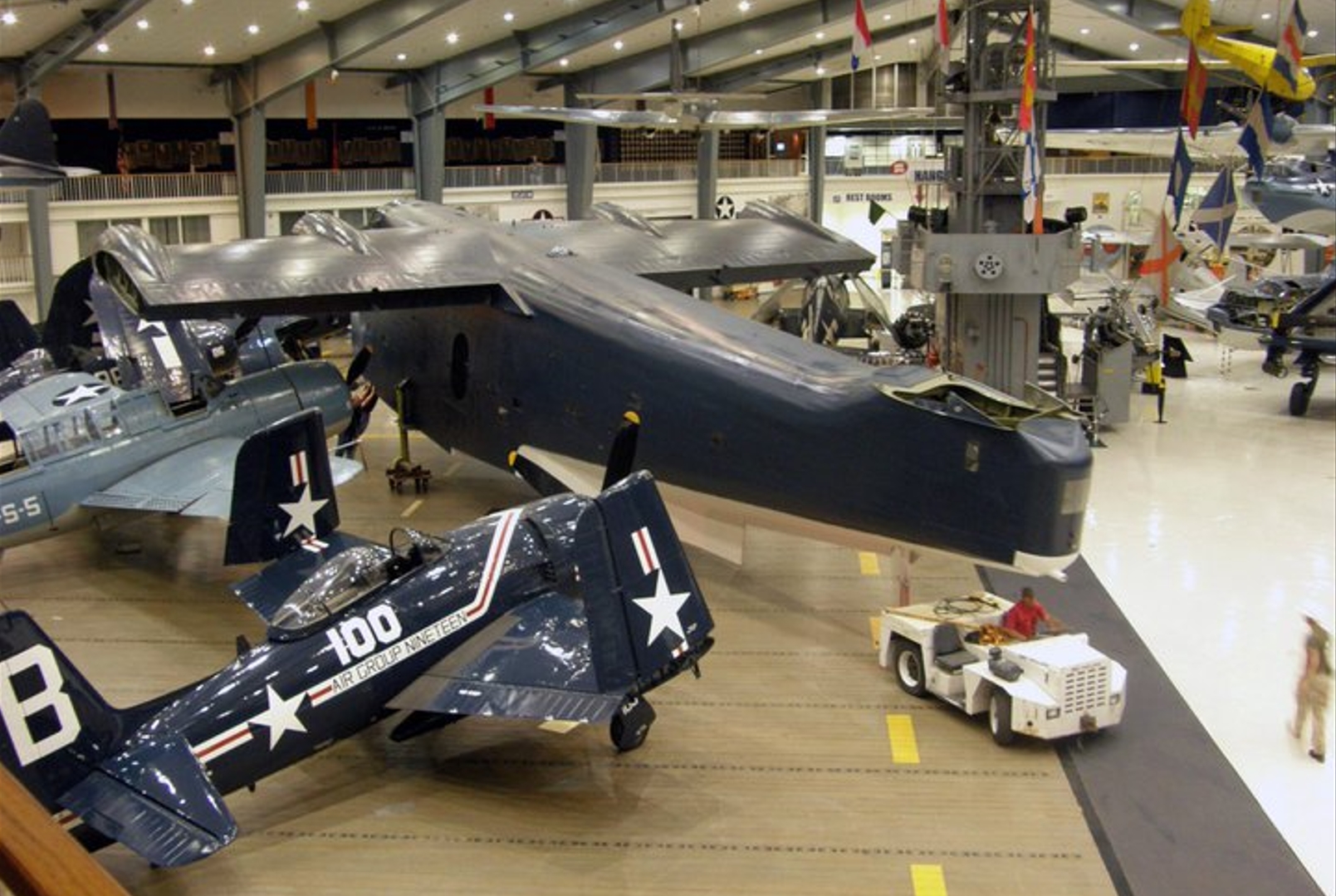
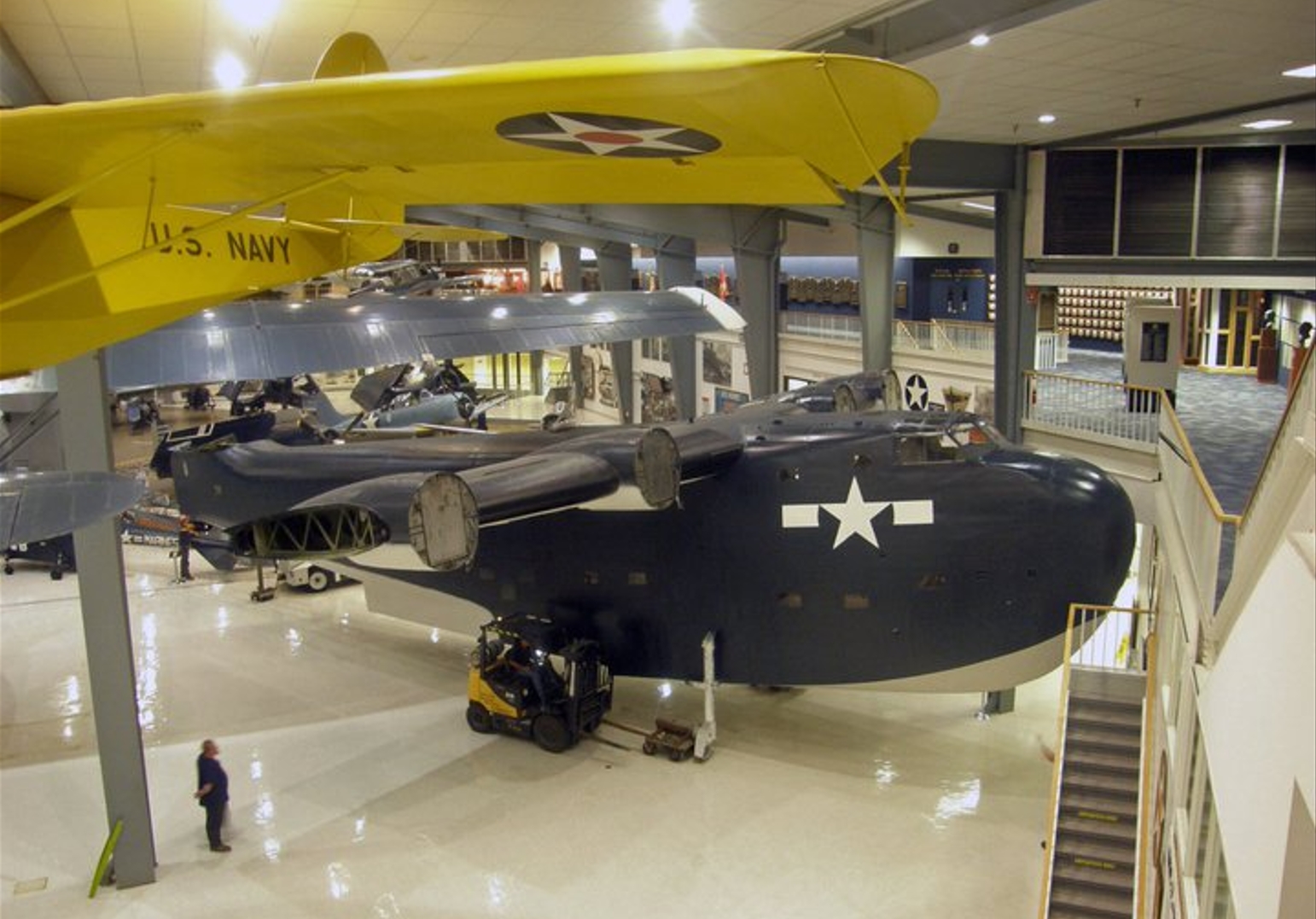
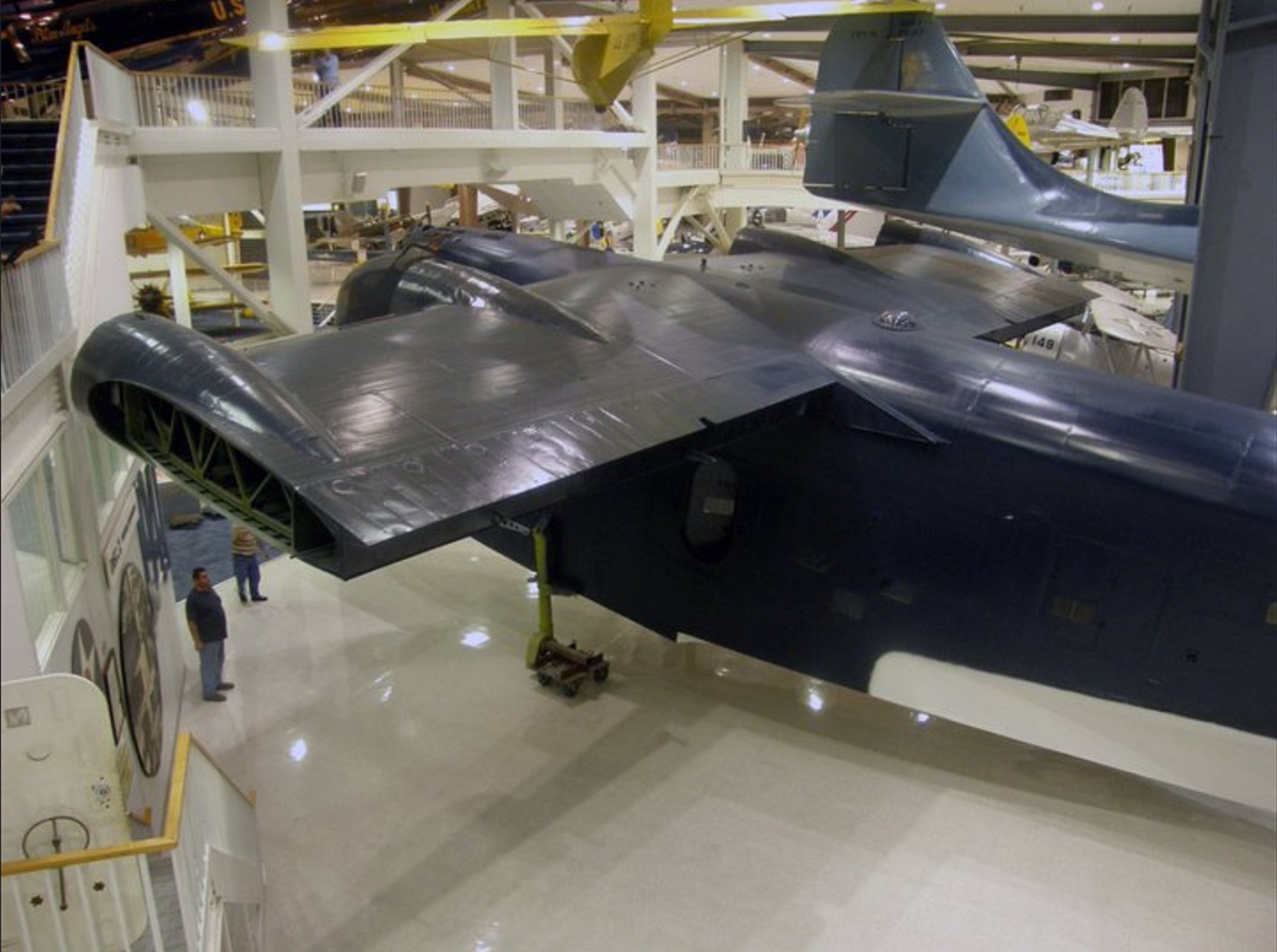
Once it was put into its final display configuration, the work began on reassembling the aircraft, with the horizontal and vertical stabilizers and outer wing panels installed soon after the Coronado was secure. Since the restoration staff was still busy with other projects, the reassembly took several years, with the most noticeable aspect following the reassembly of the tail and wings being the addition of the four R-1830 engines. The outboard engines with the three-bladed propellers went up first, and for a time, the aircraft was displayed without its inboard engines, but by 2017, these engines and their four-bladed propellers were attached to the world’s last PB2Y Coronado. A video of the aircraft’s history and installation at the National Naval Aviation Museum can be viewed HERE.
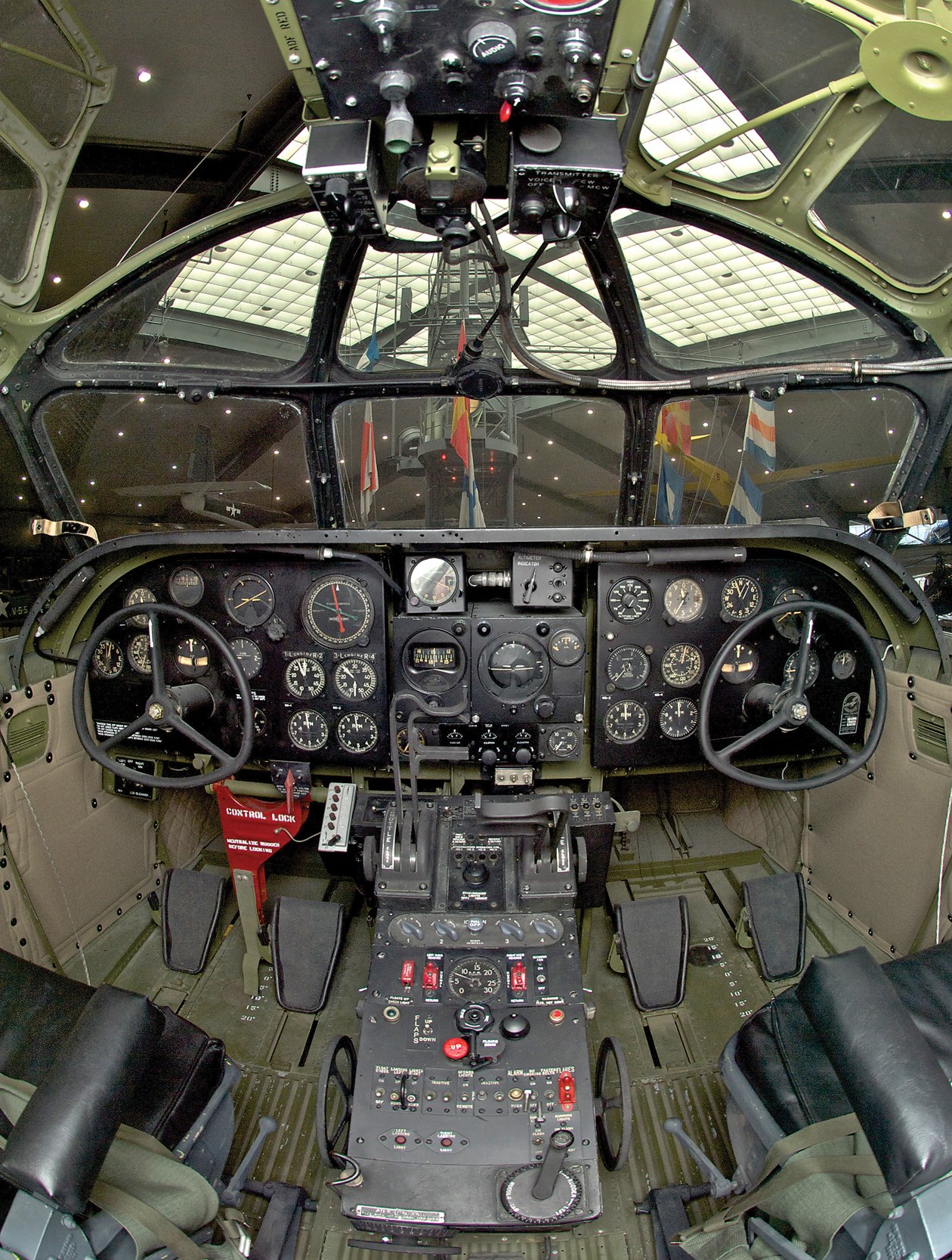
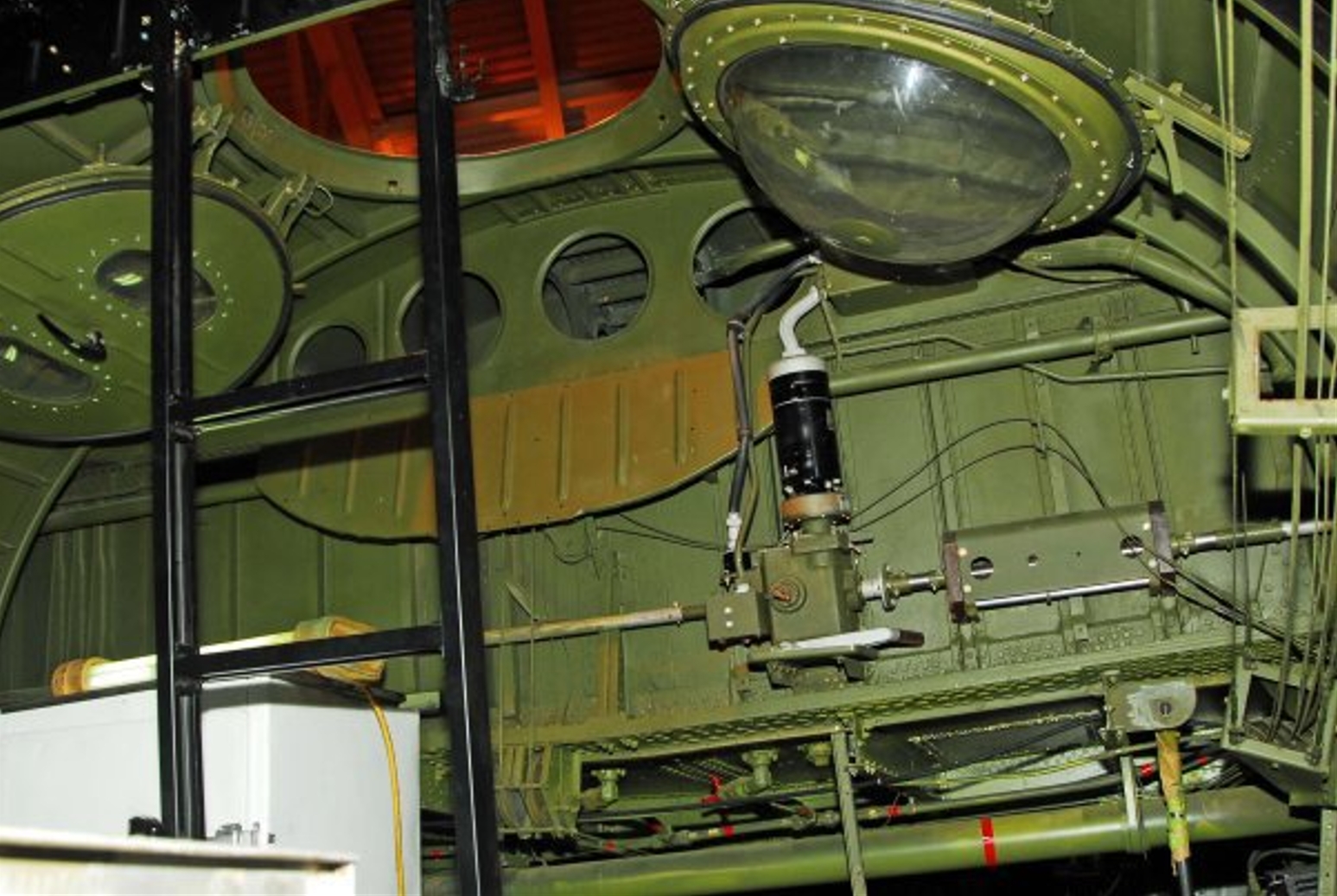
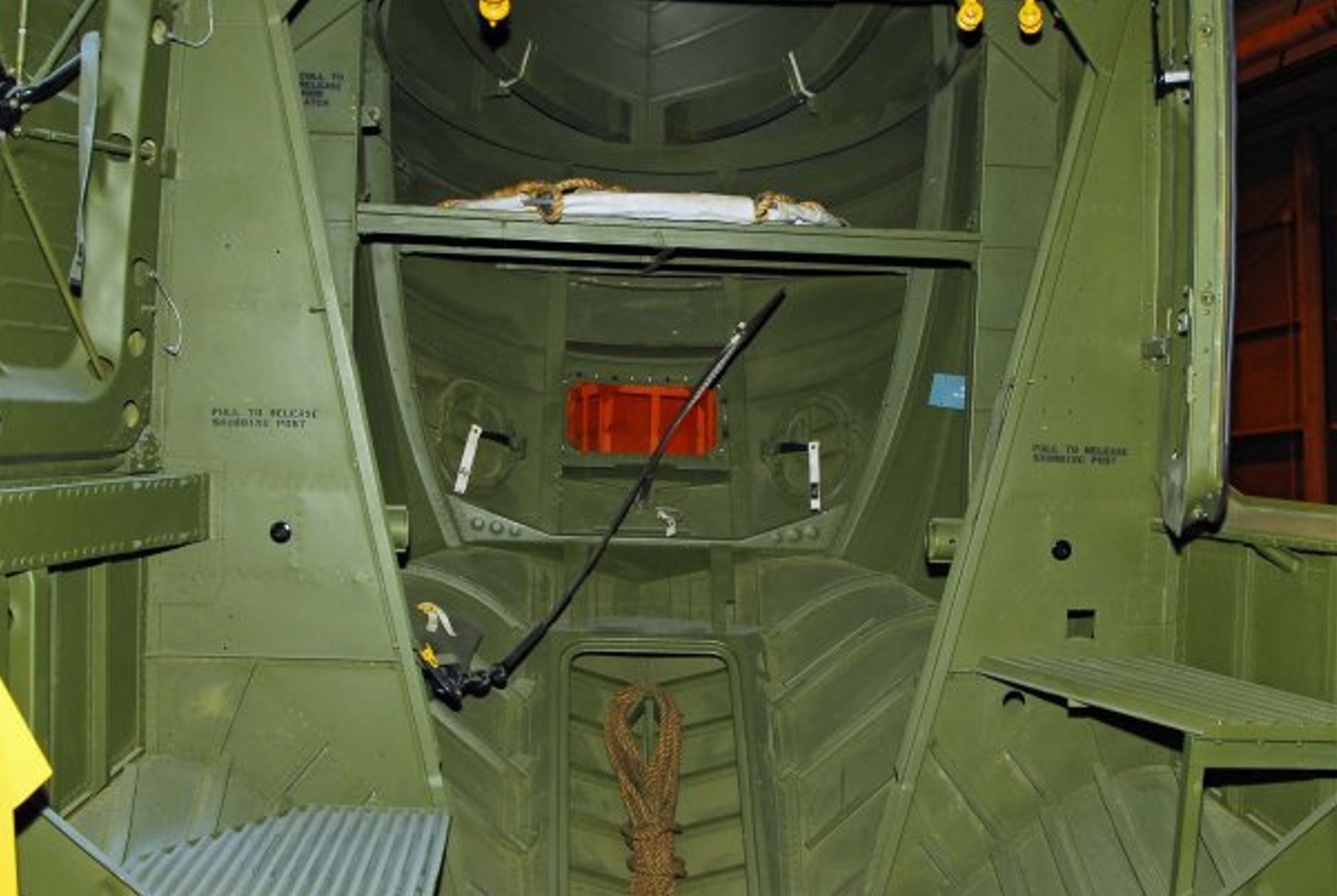
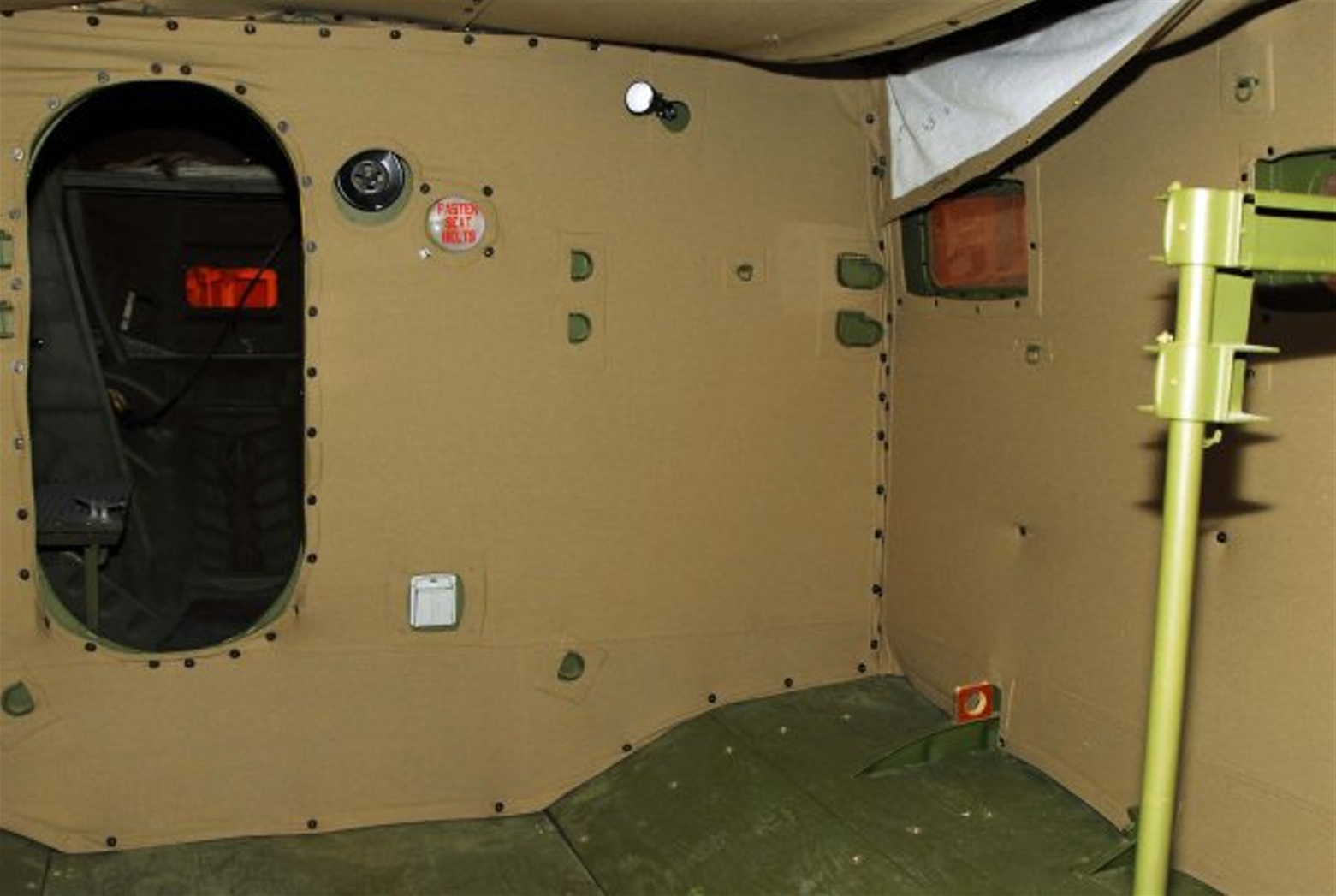
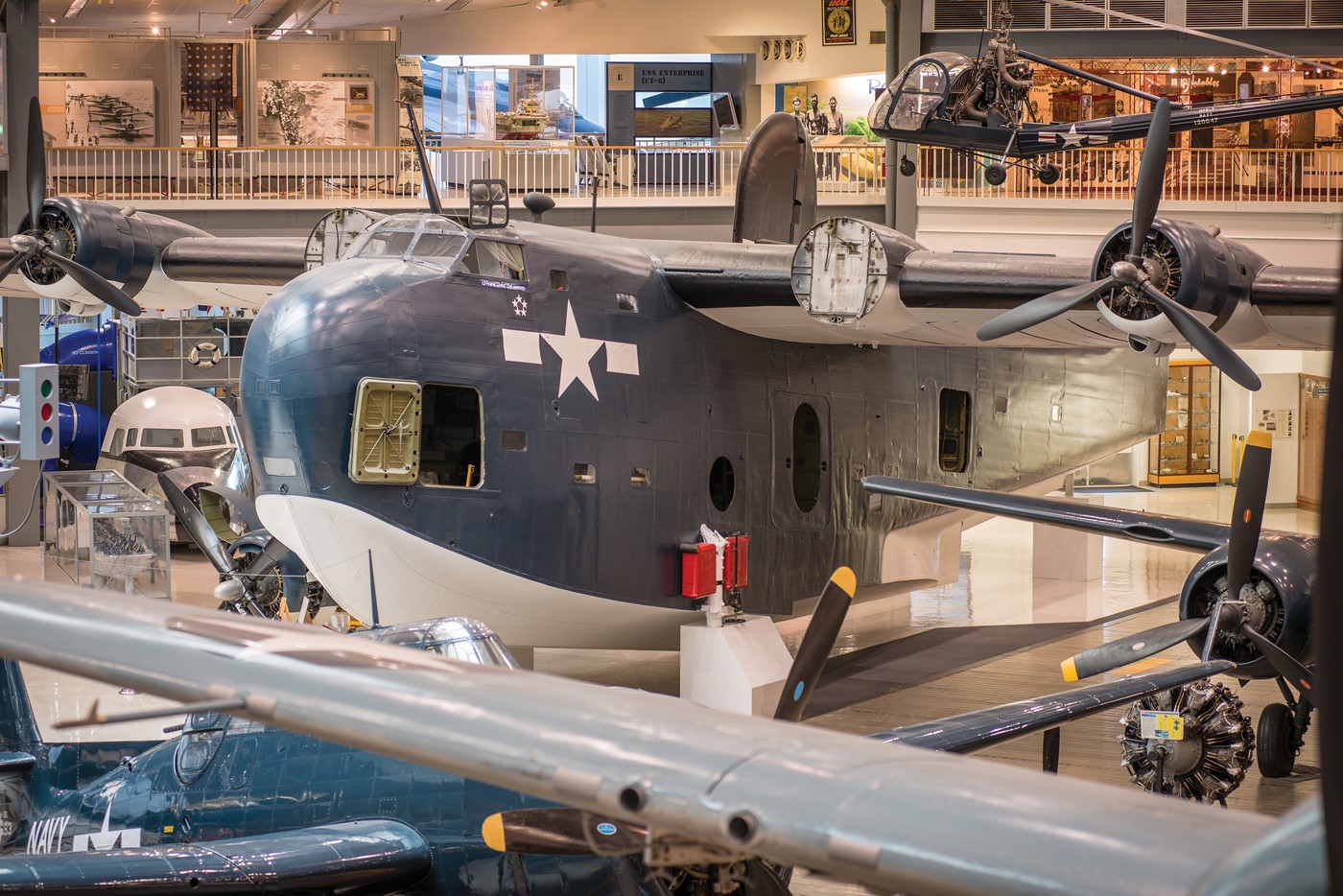
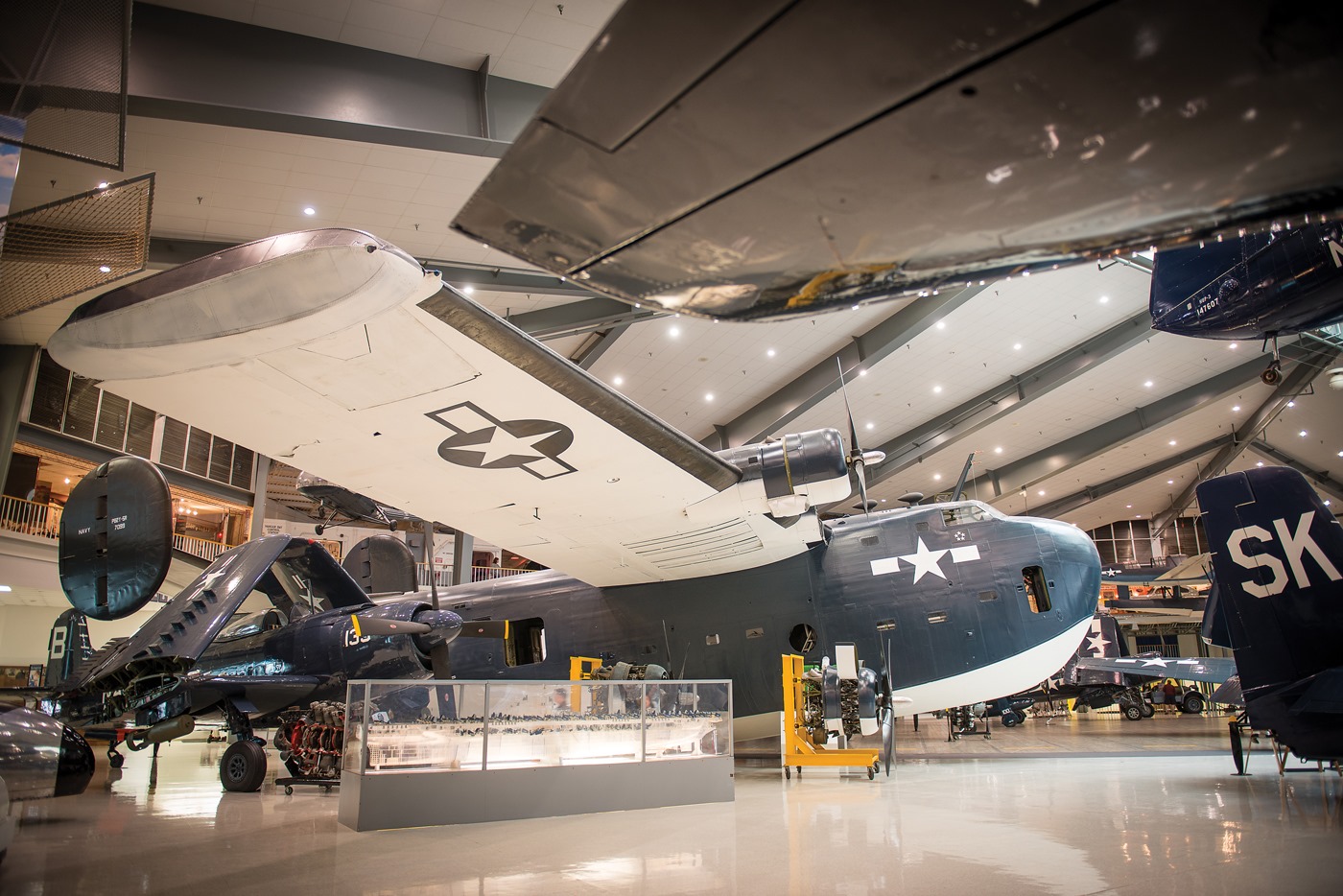
Today, the last Consolidated PB2Y Coronado, which crossed oceans, transported high-ranking admirals and generals, survived a typhoon off the coast of China, and spent decades exposed to the coastal weathers of California and Florida has now been restored to its former glory, and serves as a reminder of the men who flew and maintained a design largely forgotten, but which made an unsung contribution to the Allied victory in both the Atlantic and the Pacific. For more information, visit the National Naval Aviation Museum’s website HERE.



An interesting aircraft; I hadn’t realised the R.A.F had ten on hand, though more likely under Coastal Command.
As always, some aircraft ate destined to … ‘Always Be The Brides Maid, Never The Bride’ … but still provided valuable Service, nonetheless.
And, ‘Icing on the Cake’, a very interesting museum judging by the photos.