

Scott Glover, owner of the Mid-America Flight Museum, has long been recognized for his dedication to preserving and showcasing unique aircraft. From his collection of Howard 250s to his tri-motor airplanes, Glover continues to acquire remarkable machines that exemplify aviation history. In 2025, he and his team successfully added the only remaining airworthy Evangel 4500 to the museum’s collection.

The Evangel 4500 arrived at the Mid-America Flight Museum in Texas on October 27, following a complex journey from Canada. The relocation required careful planning and coordination to navigate the challenges of northern Washington’s mountains and fall weather conditions. The aircraft, equipped with Lycoming engines, performed reliably throughout the journey. Glover credited local mechanic Dave Haynes in Oliver, British Columbia, the Evangel Service Center, for ensuring a smooth transition and safe arrival of the aircraft.
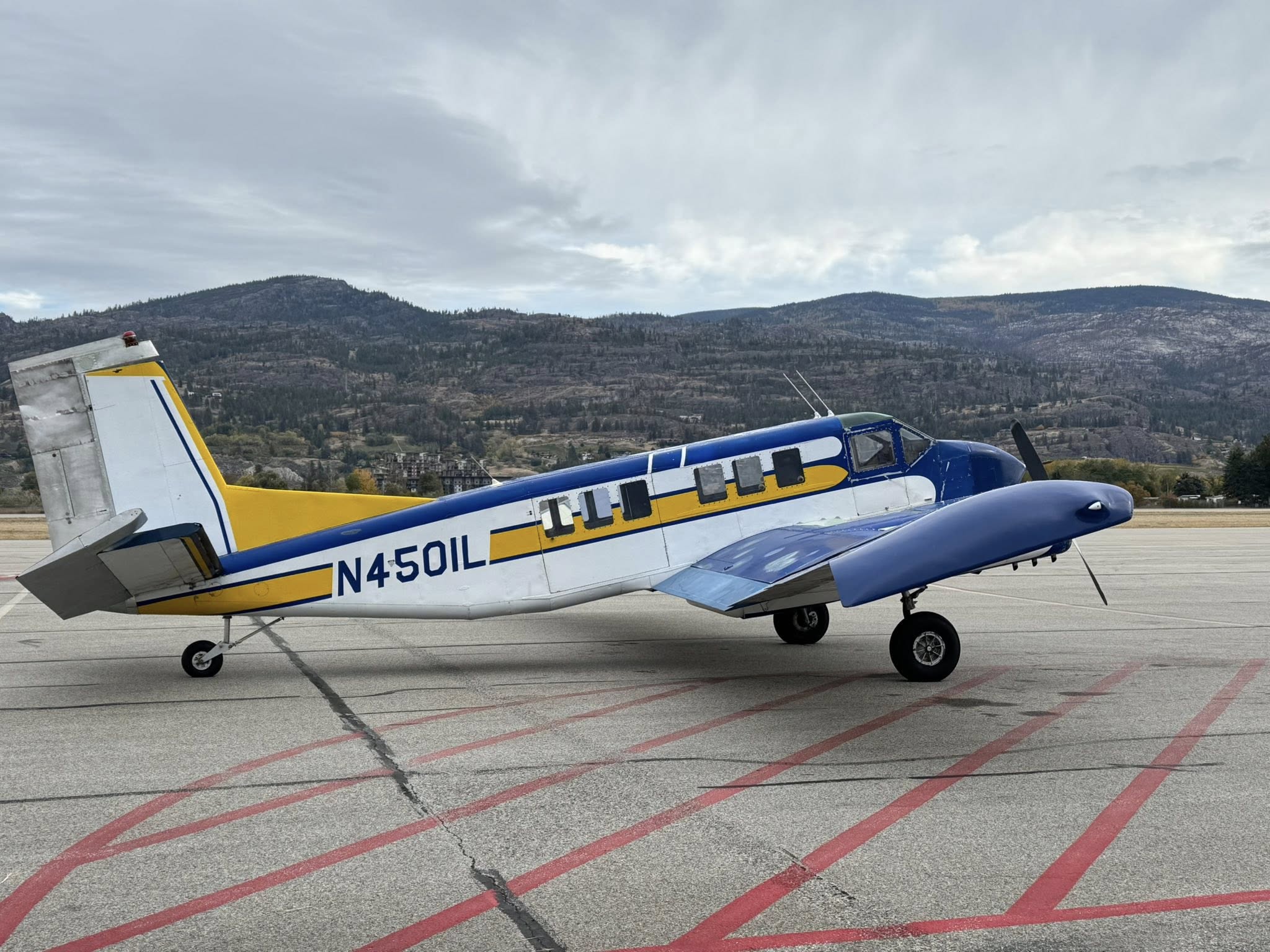
This particular Evangel 4500 is the first of eight produced by the Evangel Aircraft Corporation in Orange City, Iowa. Developed in the 1960s, the twin-engine aircraft was specifically designed for missionary operations in South America, capable of operating from unpaved airstrips ( read this interesting article). The design prioritized short take-off and landing (STOL) performance, substantial payload capacity, forgiving flight characteristics, and ease of maintenance.
Despite its limited production run, the Evangel 4500 is noted for its combination of twin-engine reliability and rugged STOL capabilities. Flight reviews highlight the aircraft’s nimble handling, short-field performance, and suitability for rough-strip operations. Its unique design, including wing configuration, landing gear, and twin-engine layout, distinguishes it from other bush aircraft of its era. Today, the Evangel 4500 remains rare, with very few examples flying, making it a significant addition to any restoration and warbird collection.
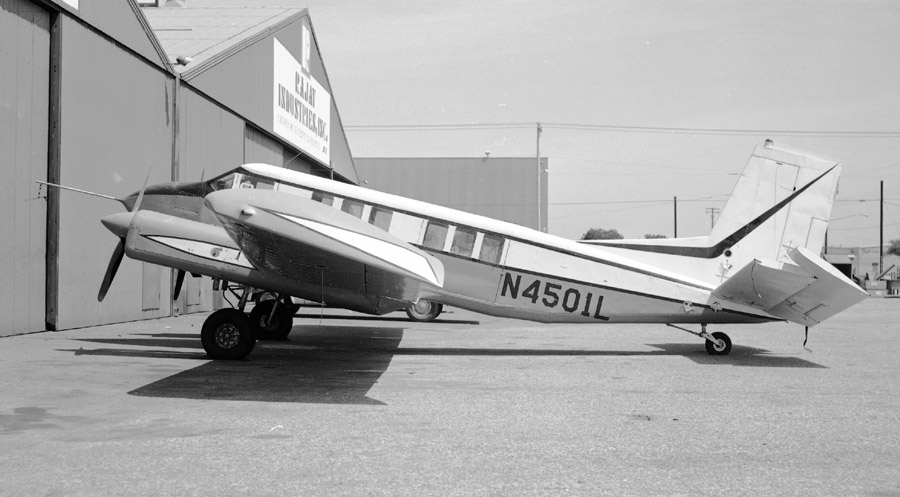
The Evangel 4500 exemplifies mission-oriented aircraft design from the 1960s, combining utility, robustness, and twin-engine safety at a time when most bush aircraft were single-engine. Its preservation and continued operation underscore its historical importance and enduring appeal in the aviation community. For more information, vist www.midamericaflightmuseum.com