
(Image credit: VAN)
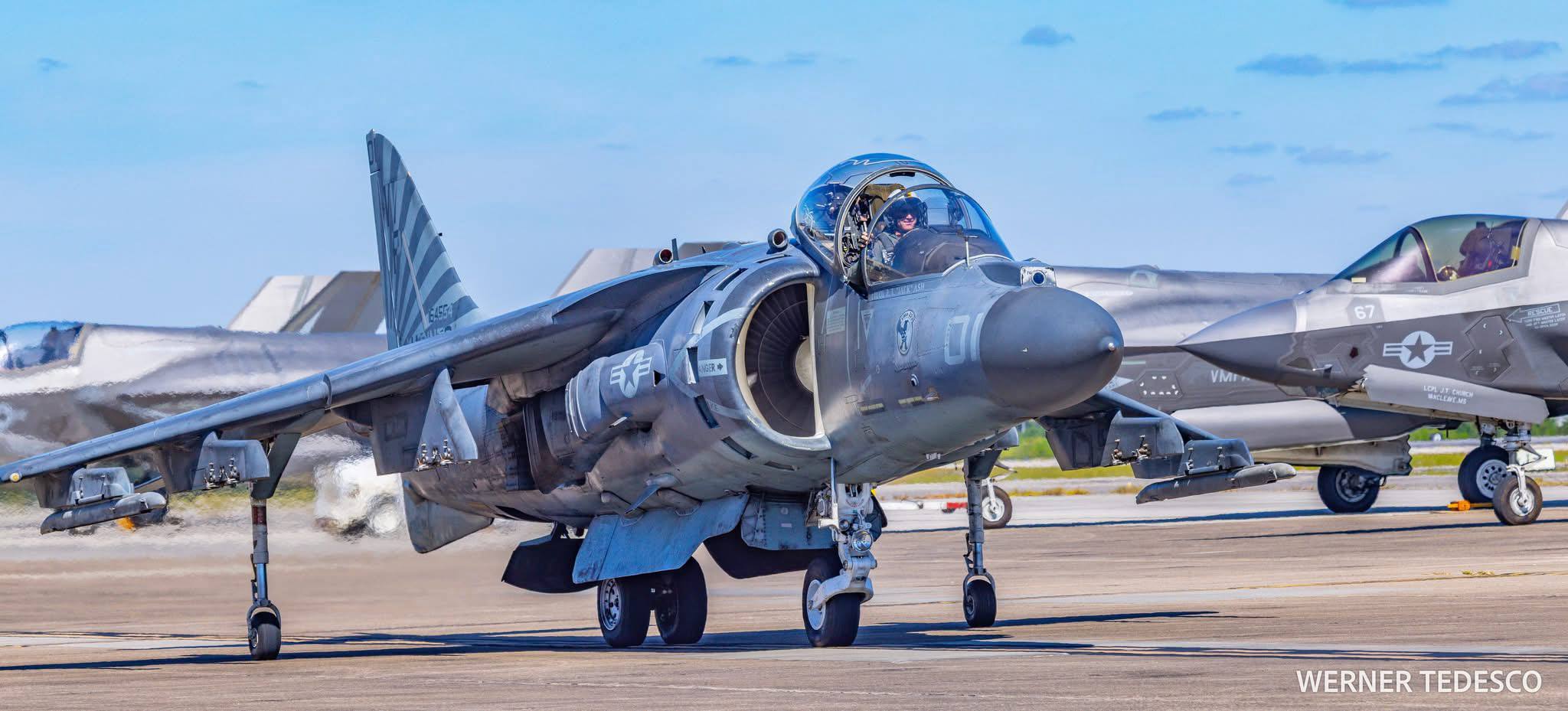
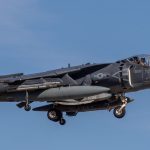
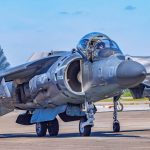
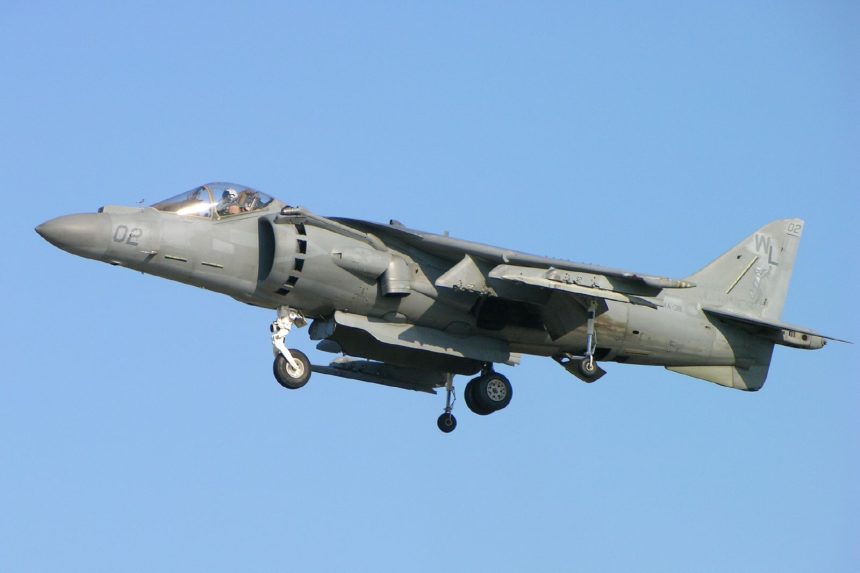
On this day in aviation history, 44 years ago (November 5, 1981), the McDonnell Douglas AV-8B Harrier II made its first flight. Currently built by Boeing, the AV-8B is a ground-attack jet aircraft that has vertical or short takeoff and landing (V/STOL) capabilities. The Harrier II represents the second generation of the Harrier “Jump Jet” family. AV-8Bs are well-suited to light attack and multi-role missions, which include armed recon and close-air support for boots on the ground. Developed from the Hawker Siddeley Harrier, the AV-8B is still serving today with the United States Marine Corps, along with the Spanish and Italian Navies.
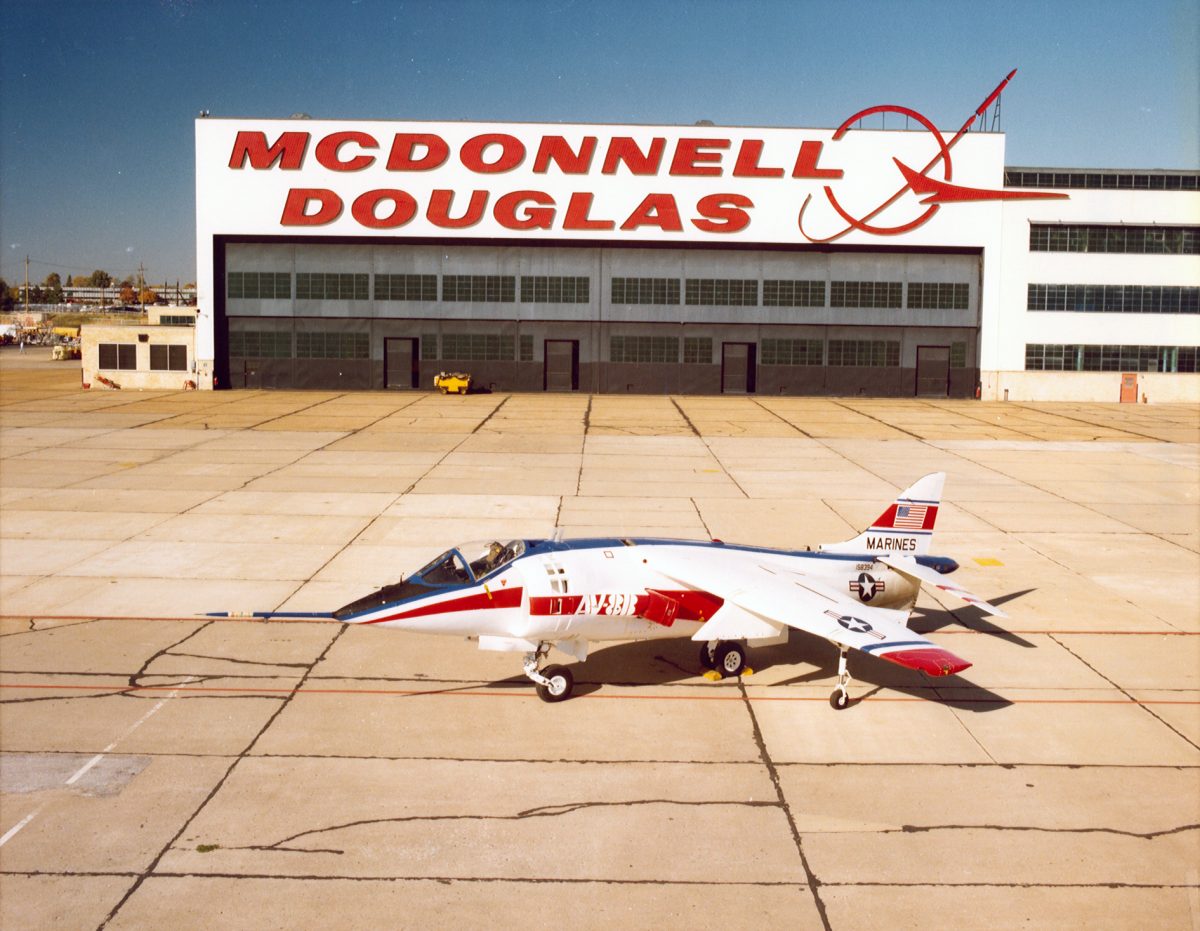
The AV-8B Harrier II was a significant upgrade from the AV-8A. The Harrier update was a joint U.S. and British redesign, between McDonnell Douglas and British Aerospace (BAE.) The AV-8B’s wing was larger than the A, with greater span and area .The wing was built from carbon-fiber epoxy and featured improved lift, payload, and range. The aircraft’s fuselage was lengthened, allowing for more fuel capacity and improved aerodynamics. The engine was upgraded for more thrust and better hot-climate performance. Engine intakes were enlarged, and the vector-nozzle re-angled for smoother airflow. The use of composites on the AV-8B reduced the overall weight of the aircraft by 26%, and the B-model only shared 25% commonality with the AV-8A in total construction.
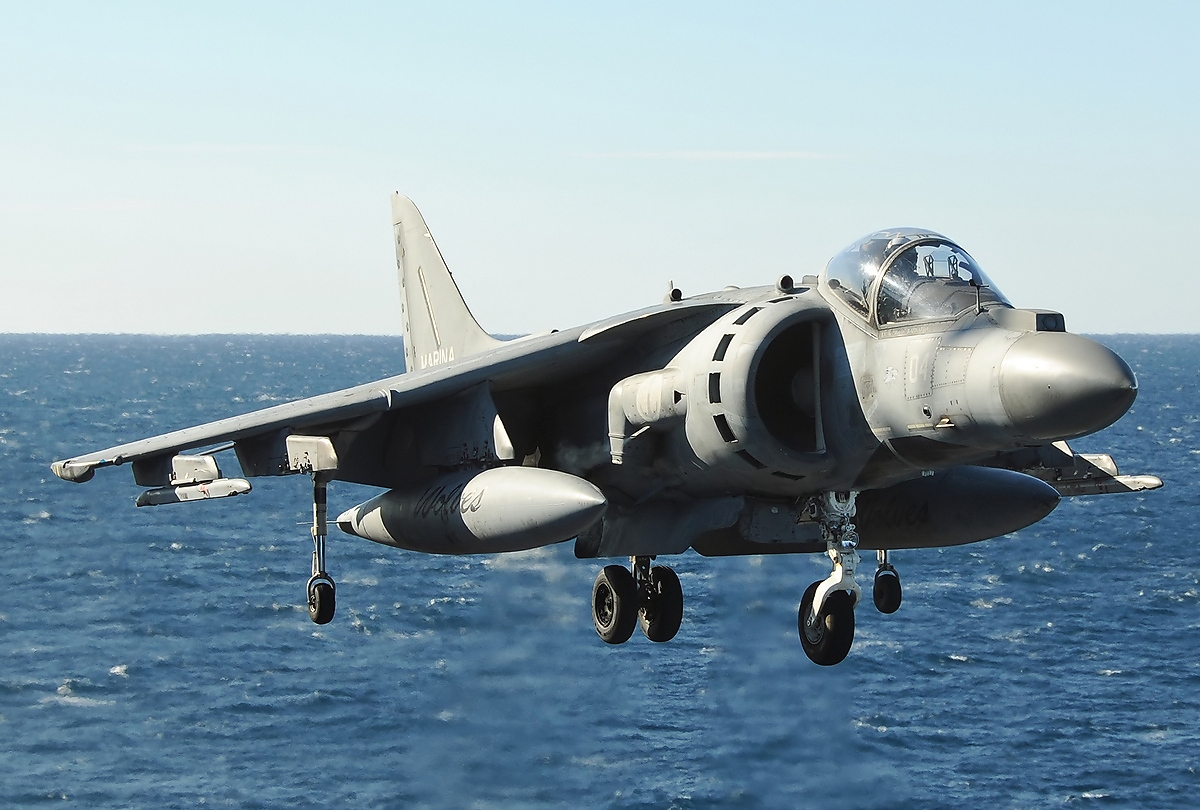
Boeing’s AV-8B Harrier II Plus is powered by a Rolls-Royce Pegasus F402-RR-408 (Mk 107) turbofan engine, with thrust vectoring. The Pegasus can produce 23,500 pounds of thrust, propelling the AV-8B to a maximum speed of Mach 0.9 – 673 miles per hour. This upgraded Harrier has a combat range of 300 nautical miles and a climb rate of 14,700 feet per minute. The AV-8B carries one General Dynamics GAU-12 Equalizer 25 millimeter cannon, which is mounted under-fuselage in the left pod. Additionally, the Harrier II Plus can be loaded with rockets, missiles, bombs, drop-tanks, or radar-jamming pods on any of its 7 hardpoints. The AV-8B was introduced into service in January of 1985. A total of 337 airframes were produced between 1981 and 2003. The Harrier II continues to serve today, carrying on the iconic legacy of the “Jump Jet.”