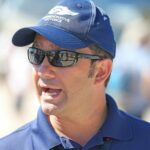
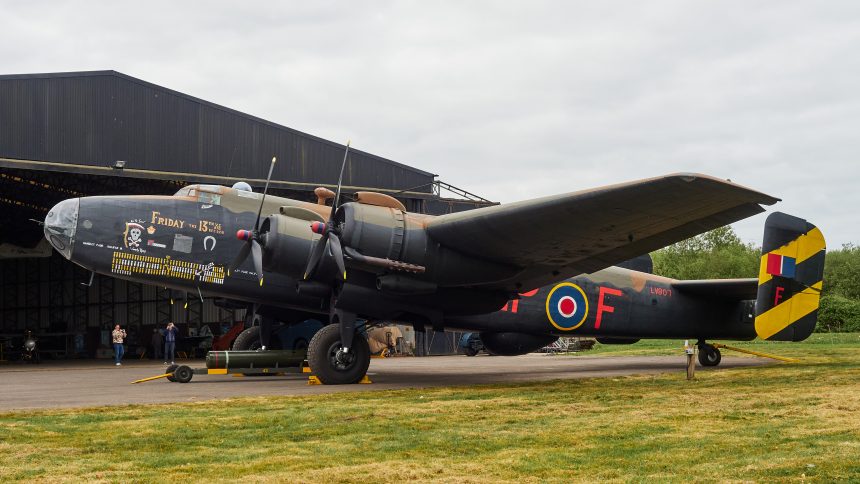

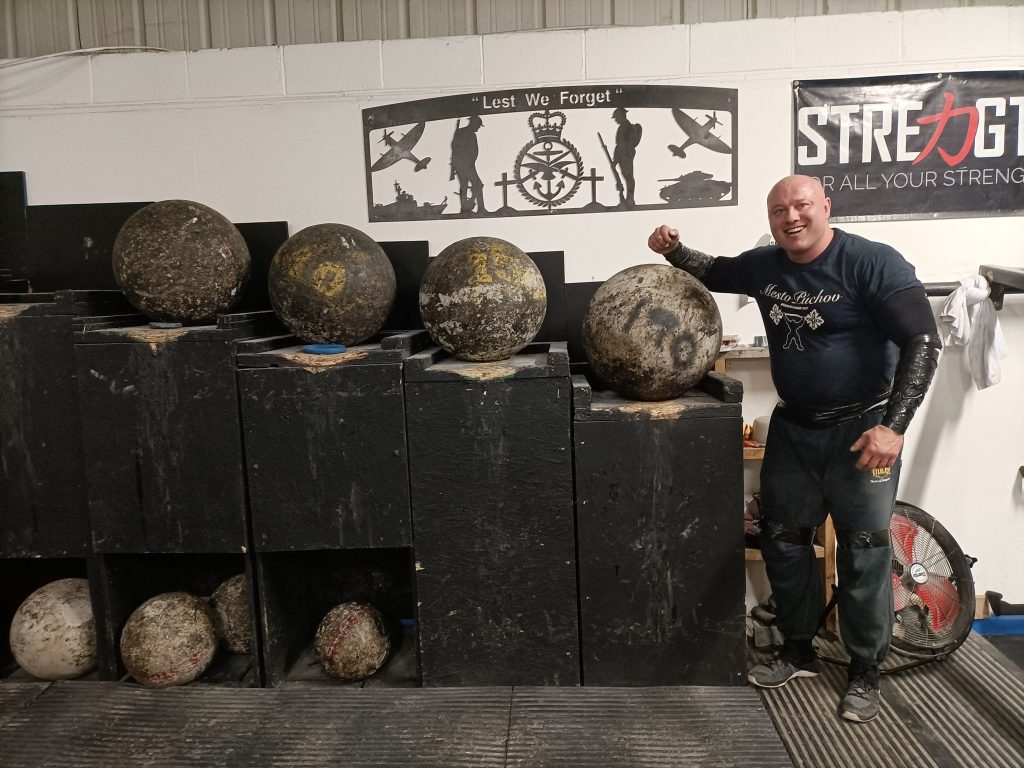
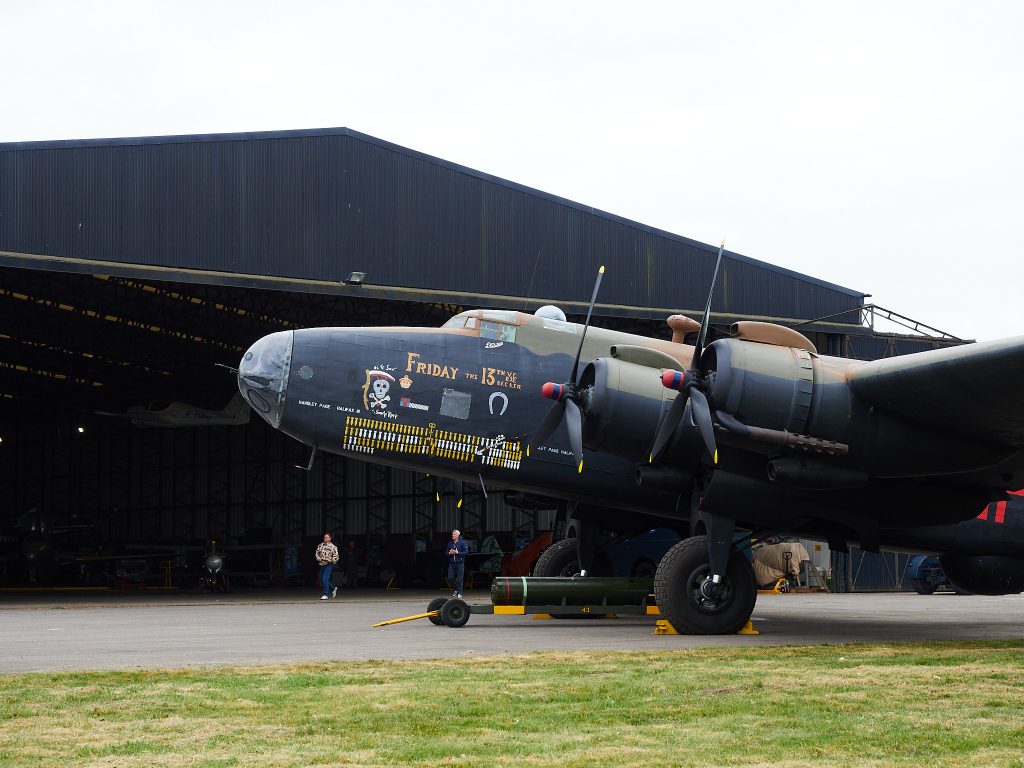
A strongman from Kingston upon Hull, UK, will attempt to pull a WWII heavy bomber at the Yorkshire Air Museum, Elvington, UK, on Wednesday, May 6, 2026. Miroslav Pohlodek, who has been crowned Hull’s Strongest Man for three consecutive years, has previously demonstrated his strength by pulling multiple trucks. A forklift driver by trade, he has even hauled an eight-and-a-half-tonne lorry using only his teeth. As the Yorkshire Air Museum prepares for its upcoming wartime weekend, We’ll Meet Again, Pohlodek will attempt to pull the museum’s star attraction. The Handley Page Halifax Mk.III, Friday the 13th, weighs approximately seventeen tonnes. Pohlodek, 42, originally from Slovakia, aims to pull the aircraft at least twelve meters.
(Image credit: Miroslav Pohlodek)
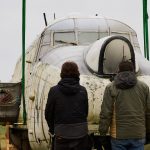
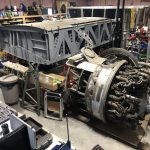
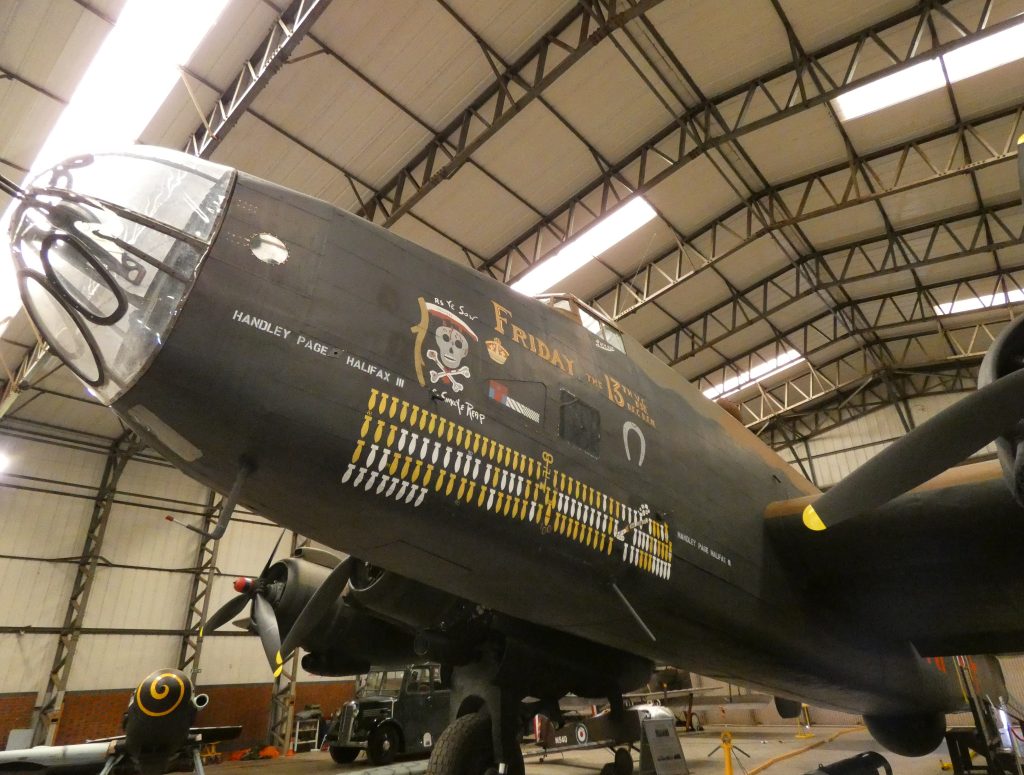
The museum’s Halifax reconstruction is based on a section of the fuselage from Halifax Mk.II HR792, which crashed on the Isle of Lewis in 1945 after its undercarriage was retracted prematurely before becoming airborne. A local crofter, Mr. McKenzie, later purchased the fuselage section for use as a hen coop. Additional components were sourced from multiple airframes, including outer wings supplied by Henry Potter and the center section and intermediate wings from Hastings TG536 at RAF Catterick. The reconstructed aircraft is named Friday the 13th in honor of Halifax LV907, which completed 128 operations with No. 158 Squadron, and serves as a representative example of all Halifax bombers built. The Halifax Mk.I and Mk.II were powered by Rolls-Royce Merlin engines, while the Mk.III variant featured Bristol Hercules engines. In addition to its primary role as a heavy bomber, later versions of the Halifax served with Coastal Command and in airborne operations, including paratroop deployment and glider towing.
(Image credit: Yorkshire Air Museum)
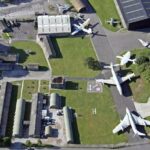
A total of 6,178 Halifaxes were produced, flying 75,532 sorties during WWII. Yorkshire was home to No. 4 and No. 6 Groups of RAF Bomber Command, and RAF Elvington hosted three Halifax squadrons: No. 77 Squadron, followed by the Free French squadrons No. 346 (Guyenne) and No. 347 (Tunisie). Visitors are welcome to attend the event and witness the attempt at the Yorkshire Air Museum. For further information, please contact the museum directly. For more information about the Yorkshire Air Museum, visit www.yorkshireairmuseum.org
(Image credit: Yorkshire Air Museum)