






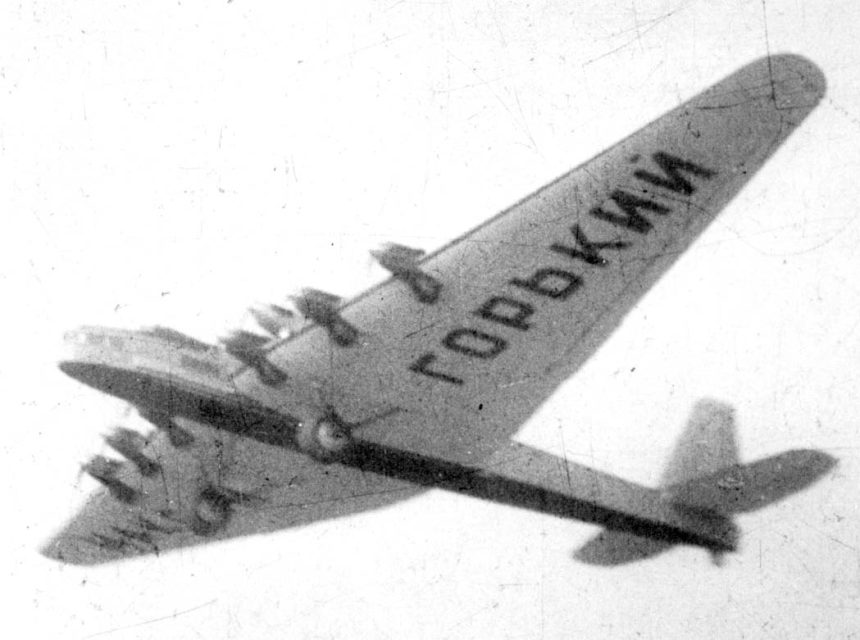


In the 1930s, the Soviets developed an aircraft that was the largest in the world. Designated the Tupolev ANT-20, the aircraft’s wingspan was about the same as a modern Boeing 747. The Tupolev ANT-20 followed a German-style all-metal design. Also called the Maxim Gorky to celebrate the 40th anniversary of his literary and public work, the ANT-20 was the largest aircraft to use Junkers’ corrugated sheet-metal design in many parts of its structure. The aircraft was the main aircraft of the Maxim Gorky propaganda squadron, called Maxim Gorky Agiteskadril, which flew around the Soviet Union to promote the goals and achievements of Soviet Communism. To do this, the plane was equipped with a heavy radio set known as the “Voice from the sky.” It also had printing machinery, a library, radio broadcasting equipment, a photographic lab, and a film projector with sound for showing movies while in flight. In a first for aviation, the Tupolev ANT-20 had a ladder that folded into the floor.
Design of Tupolev ANT-20
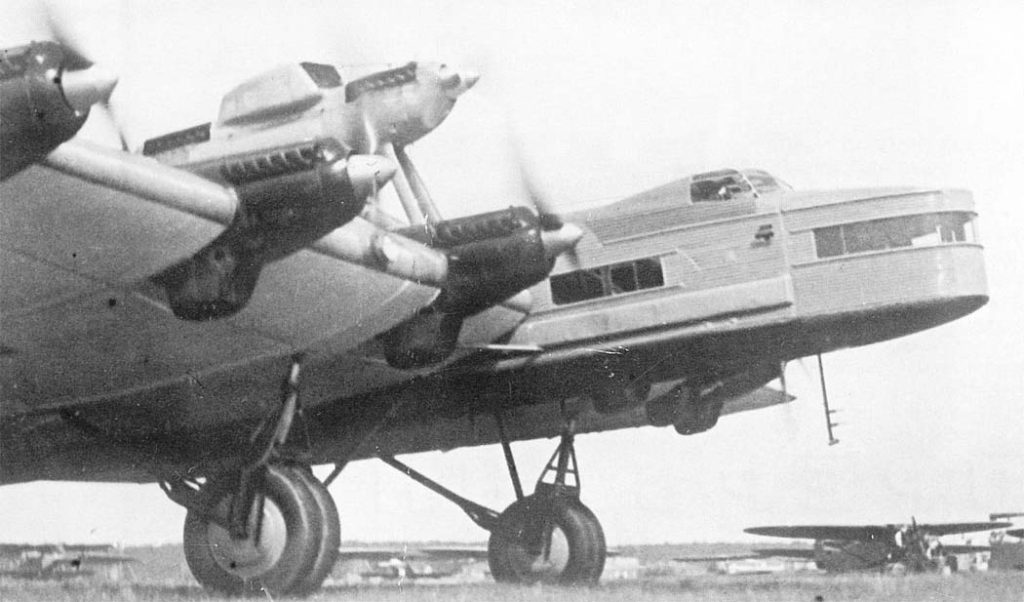
With a crew of eight, it could carry 72 passengers. The aircraft was 107.11 feet long, 34.9 feet high, with a wingspan of 206.8 feet and a wing area of 5,250 square feet. The empty weight of the aircraft was 62,832 pounds, the gross weight was 92,594 pounds, and the maximum takeoff weight was 116,845 pounds. It was powered by eight Mikulin AM-34FRN V-12 liquid-cooled piston engines, each producing 900 horsepower. Each engine powered a two-bladed variable-pitch propeller. The maximum speed of the aircraft was 140 mph, with a range of 750 miles and a service ceiling of 14,800 feet. The aircraft was the first to use both direct and alternating current electrical systems. It could be dismantled and moved by train if needed. The aircraft also set several world records for carrying capacity and inspired a painting by Vasily Kuptsov in 1934, now part of the Russian Museum collection in Saint Petersburg. On May 18, 1935, the Tupolev ANT-20, piloted by I. V. Mikheyev and I. S. Zhurov, took off for a demonstration flight over Moscow with three other aircraft: a Tupolev ANT-14, an R-5, and an I-5. The I-5 biplane, piloted by Nikolai Blagin, performed two aerobatic loops around the ANT-20, but on the third loop, the two aircraft collided, resulting in the ANT-20 crashing into a residential area. 45 people died in the crash, including the fighter pilot, both crew members, and 33 passengers on the ANT-20, as well as nine people on the ground.
The Cancellation
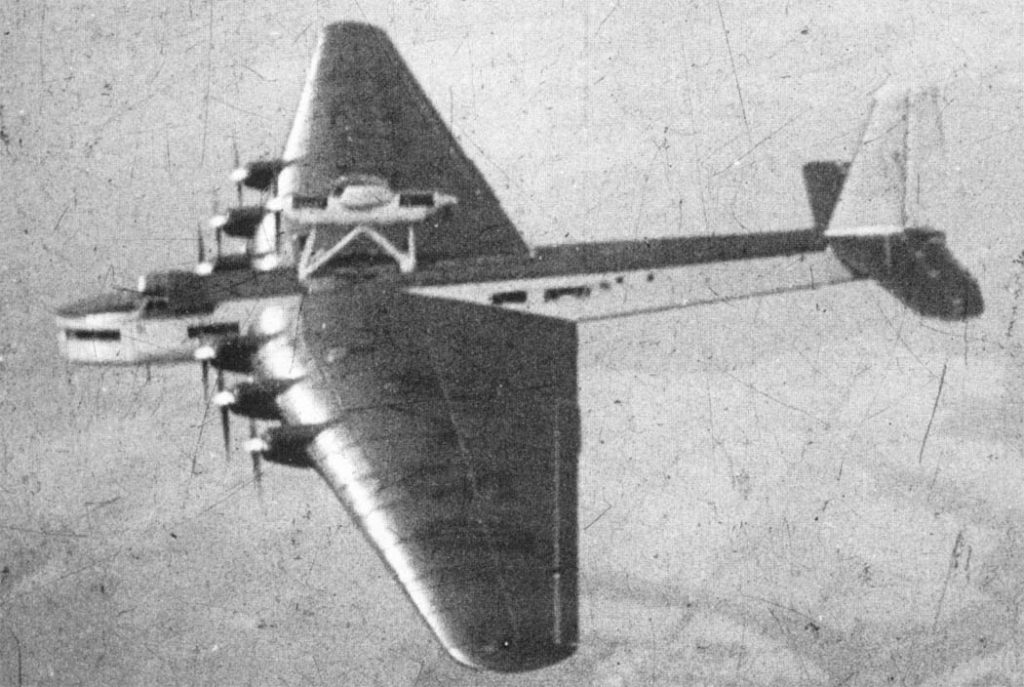
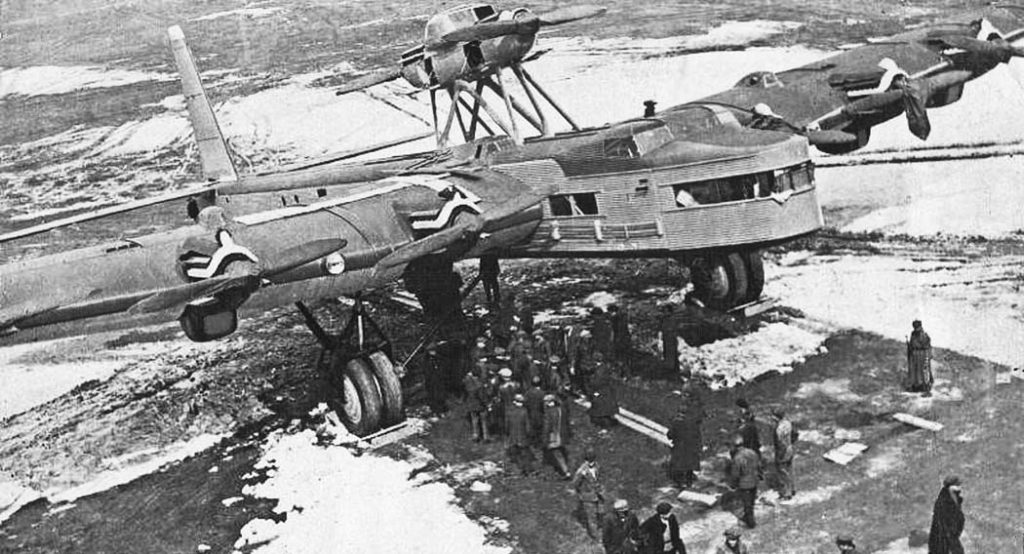
A replacement aircraft, called the ANT-20bis, was developed the next year and took its first flight in 1938. It had a similar design but was equipped with six more powerful Mikulin AM-34FRNV engines. On August 12, 1939, Aeroflot purchased the aircraft, which flew on its transport routes in Russia and Uzbekistan. In December 1940, the aircraft was upgraded with two slightly stronger Mikulin AM-35 engines. On December 14, 1942, ANT-20bis crashed after the pilot let a passenger take his seat. The passenger accidentally activated the stabilizer control mechanism using a switch on the pilot’s armrest. This action raised the stabilizer, causing the plane to nosedive from an altitude of 1,600 feet, resulting in the deaths of all 36 people on board. After the incident, no other ANT-20 was ever built. The Tupolev ANT-20 was an ambitious aircraft, though it had limitations, including poor performance and an underpowered design. But two crashes made it look like a risky project, though the aircraft was not at fault in either. In addition, the aircraft was tied to the political situation of the 1930s. After Stalin’s purges, the motivation to continue the project decreased, especially given the shortage of qualified engineers at the time. Read more Grounded Dreams series articles HERE.








I’ll say one thing… Commies love building big machines. Caspian Sea Monster is the greatest worthless machine ever!
Yes – it would remind me of the American Spruce Goose, the Valkyries bomber…
What are you going to get if you don’t try? A failed project often means lessons are learned which might enable the next project to work