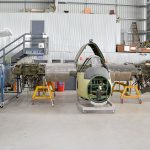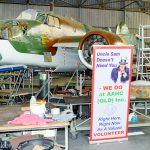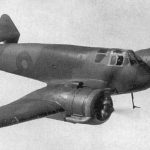
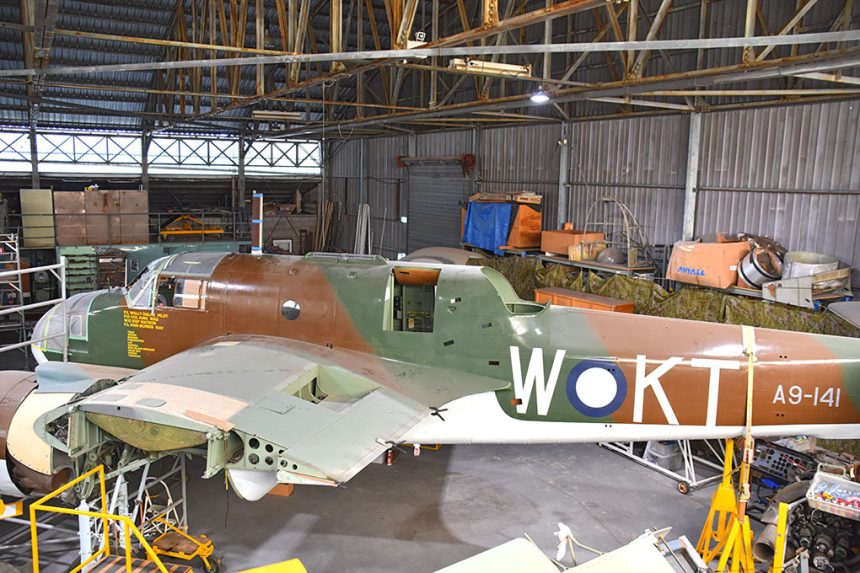

Our partner, John Parker, from Warbirds Online, has shared this exclusive insight on the restoration of a DAP Beaufort A9-141 (Mk.VII) as part of the ongoing collaboration. DAP Beaufort A9-141 (Mk.VII), one of the very few surviving Australian-built examples of this important wartime bomber, continues to make steady and meaningful progress toward completion in Queensland, Australia. For more than three decades, the aircraft has been the focus of a sustained and highly detailed restoration led by Ralph Cusack, whose long-term vision has transformed a scattered collection of wreckage into a largely complete airframe.
- A Project Decades in the Making
- Engineering a Rare Aircraft Back to Life
- A Clear Path to Completion
- Volunteers Driving the Restoration
- Modern Enhancements for Reliability and Practical Operation
- Systems, Structures, and Detail Work
- Authenticity at the Core
- A Complex Reconstruction Effort
- Progress with Purpose
- Looking Ahead
A Project Decades in the Making
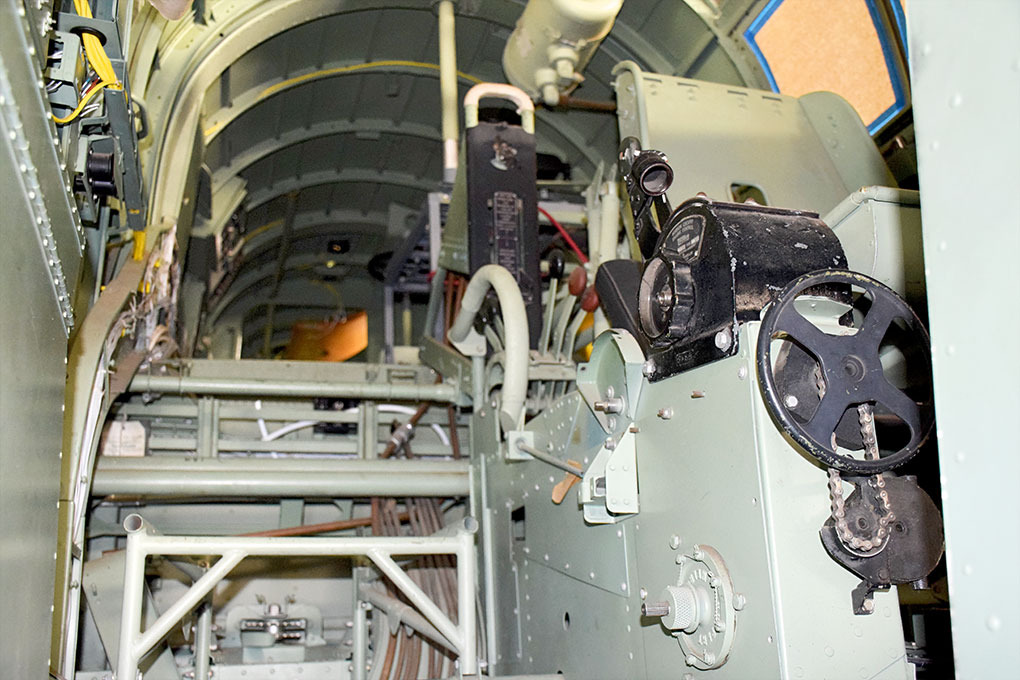
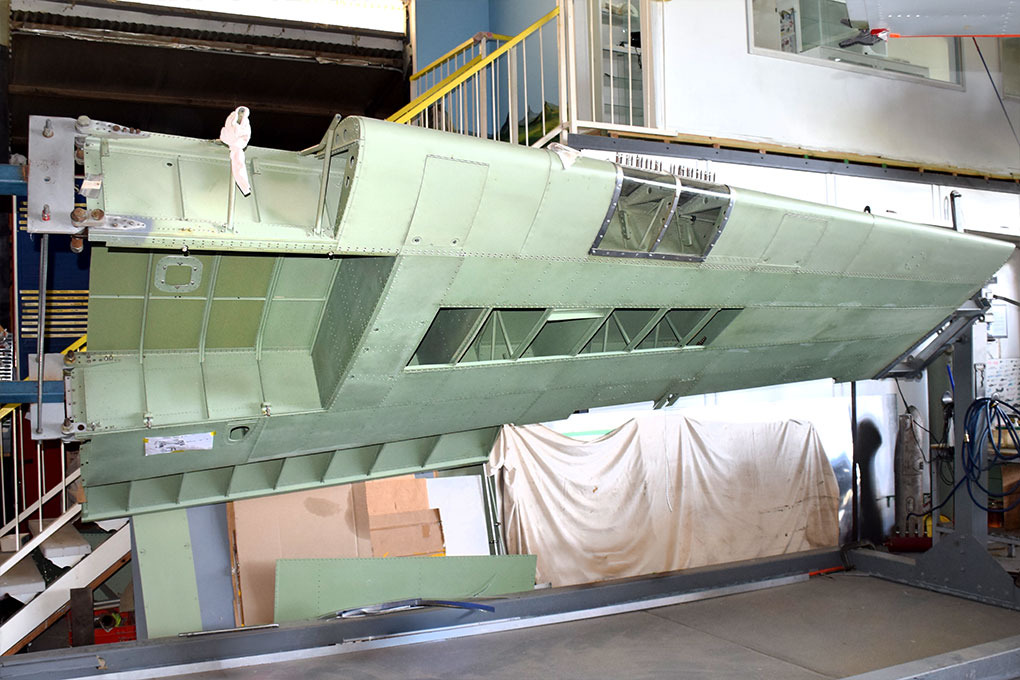
The restoration of A9-141 began modestly in an industrial shed at Eagle Farm, Brisbane, Queensland, not far from the modern international airport. What started as a small-scale effort involving Ralph Cusack and a handful of dedicated helpers gradually evolved into one of Australia’s most ambitious warbird rebuilds. Progress in the early years was necessarily slow, reflecting both the complexity of the Beaufort and the realities of reconstructing an aircraft type for which very little survives. As additional parts were located and experience grew, the scope of the project expanded significantly. Several years ago, the decision was made to relocate the aircraft to a larger hangar at Caboolture Airport, north of Brisbane. This move provided the space required for major assembly work and laid the foundation for the aircraft’s current advanced state.
Engineering a Rare Aircraft Back to Life
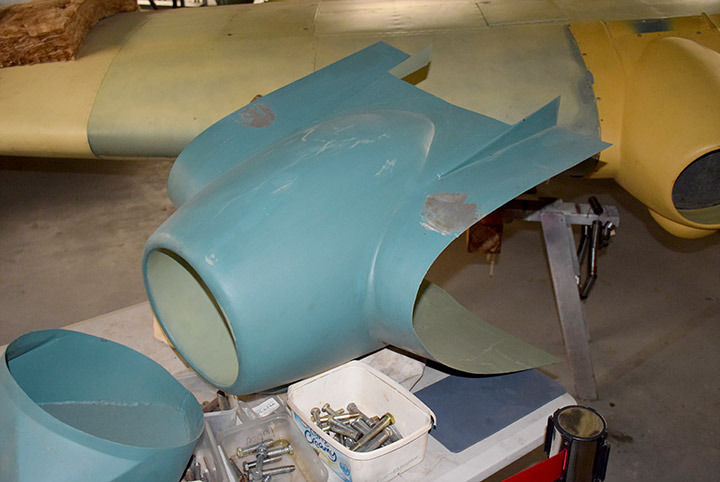
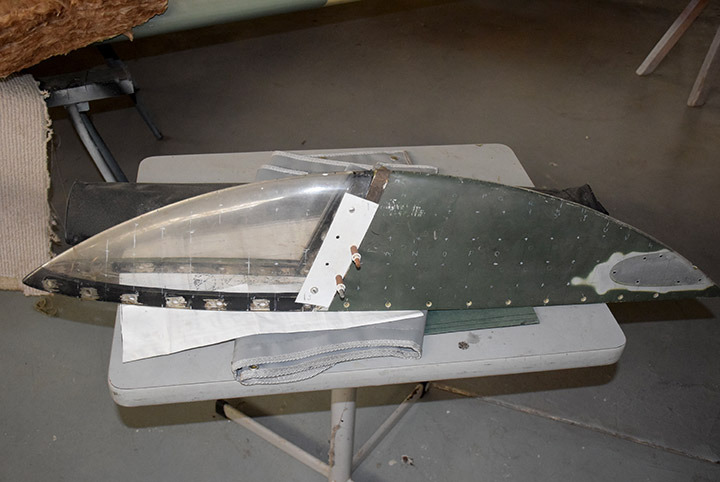
Restoring a Beaufort presents challenges rarely encountered in more common warbird projects. With no complete examples available as reference, much of the work has required careful interpretation of original documentation combined with practical engineering solutions. One example is the recreation of the aircraft’s distinctive Perspex wing tips, for which no serviceable originals exist. These were reproduced from scratch using heat-forming techniques — a process so exacting that scale models have been produced first to validate the method before committing to full-size components. This level of detail reflects the broader philosophy of the project: to achieve both structural integrity and historical accuracy wherever possible.
A Clear Path to Completion
As the project has matured, the focus has shifted toward delivering a completed, accurate and highly detailed restoration of A9-141. While earlier phases explored the possibility of returning the aircraft to flight, the current direction is centred on completing the aircraft to an exceptional static display standard. This ensures that the Beaufort will be finished, preserved, and accessible, a practical and positive outcome after decades of work. Importantly, much of the engineering effort undertaken over the years remains embedded in the aircraft, contributing directly to the quality and completeness of the restoration.
Volunteers Driving the Restoration
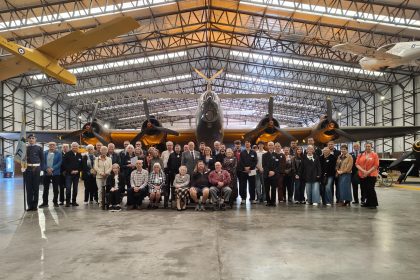
A key factor in the continued progress of A9-141 has been the support of a dedicated volunteer workforce associated with the Australian Aviation Heritage Centre Queensland (AAHC-Qld). Working alongside Ralph Cusack, these volunteers bring a wide range of practical skills and experience, contributing to everything from structural work and systems installation through to component restoration and finishing. Their involvement has provided both continuity and momentum to the project, ensuring that work continues to advance while preserving valuable knowledge and craftsmanship within the team. As the aircraft moves toward completion and eventual public display, the contribution of these volunteers remains central to the project’s success.
Modern Enhancements for Reliability and Practical Operation
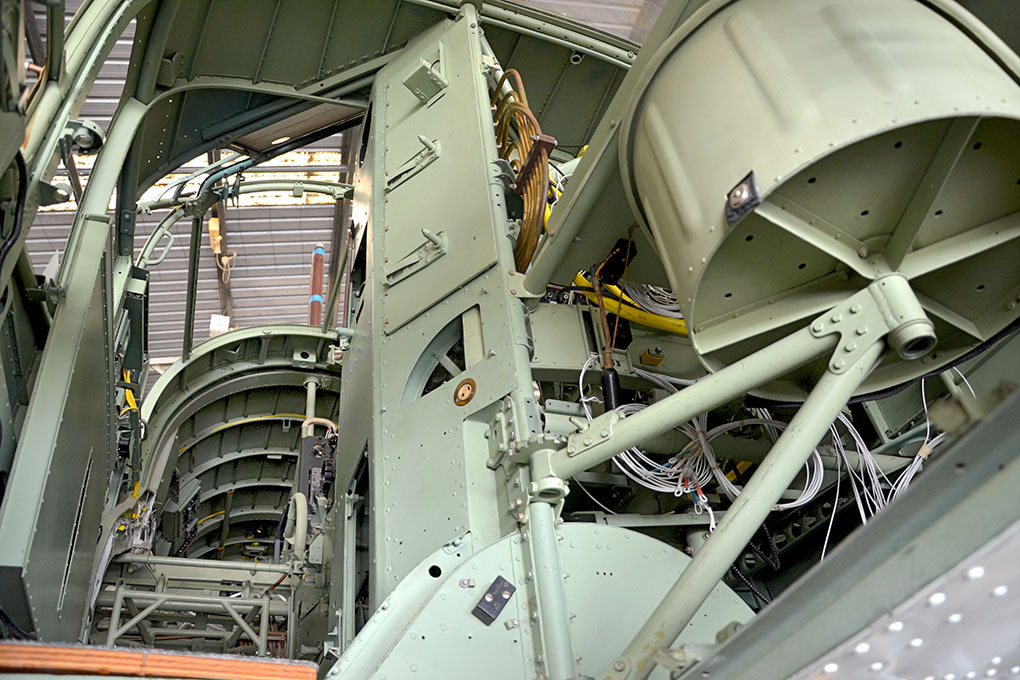
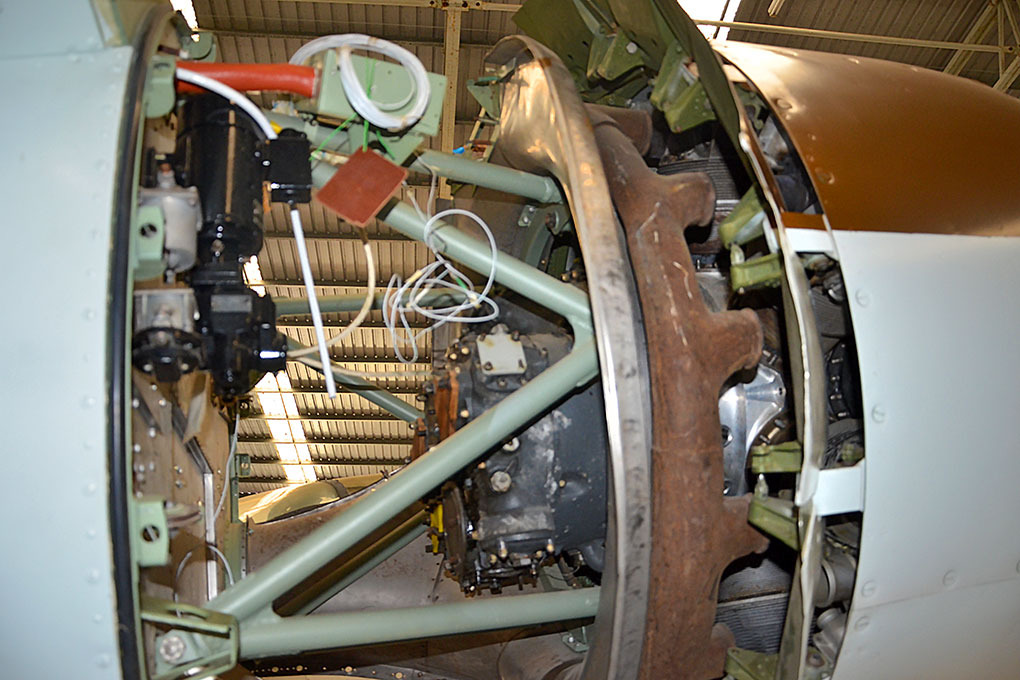
As the restoration progressed, a number of carefully considered updates were incorporated to improve reliability and operational practicality, while maintaining the aircraft’s external authenticity. The original braking system, known for its limitations in service, has been replaced with modern multi-disc Lockheed units, paired with updated wheels. These changes are visually unobtrusive but provide a significant improvement in safety and handling. Similarly, the aircraft will feature modern toe brakes, addressing one of the Beaufort’s well-documented operational challenges — ground handling incidents, including ground loops. The powerplants, a pair of Pratt & Whitney R-1830 Twin Wasp engines unique to Australian-built Beauforts, remain to be rebuilt. However, all required components have been sourced, and the engines are planned to be overhauled within Australia, all aimed at ensuring long-term reliability and preservation.
Systems, Structures, and Detail Work
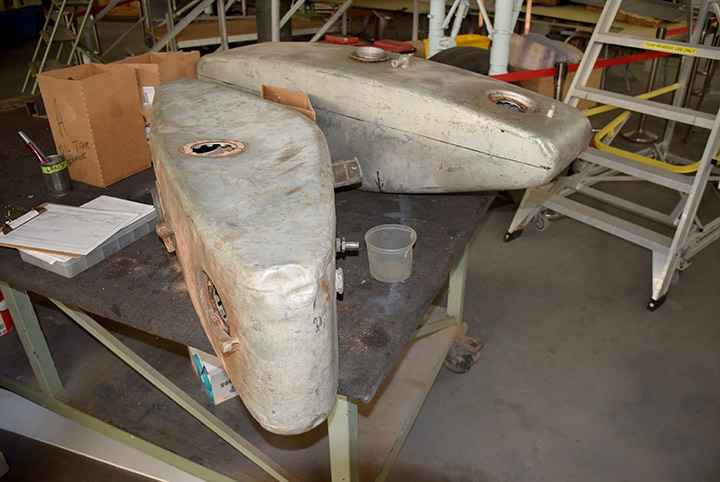
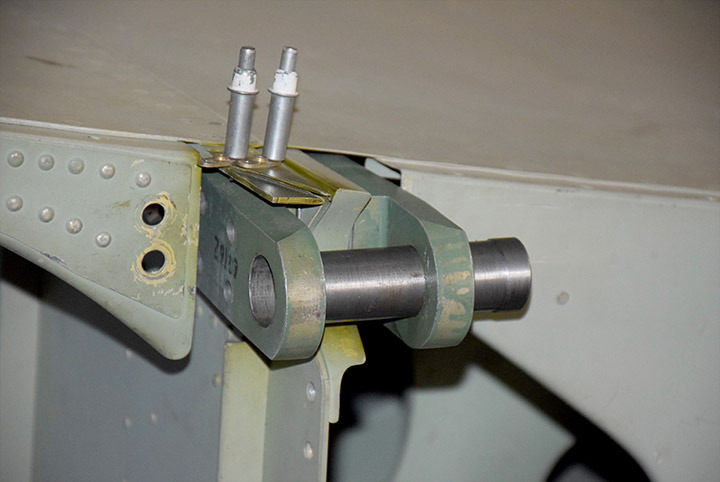
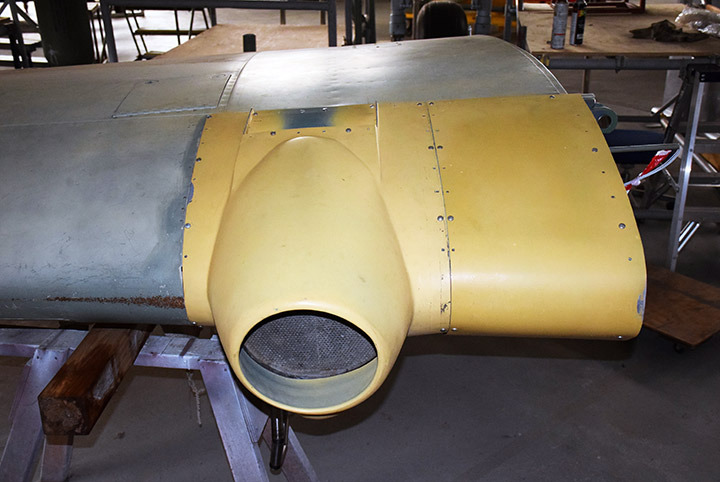
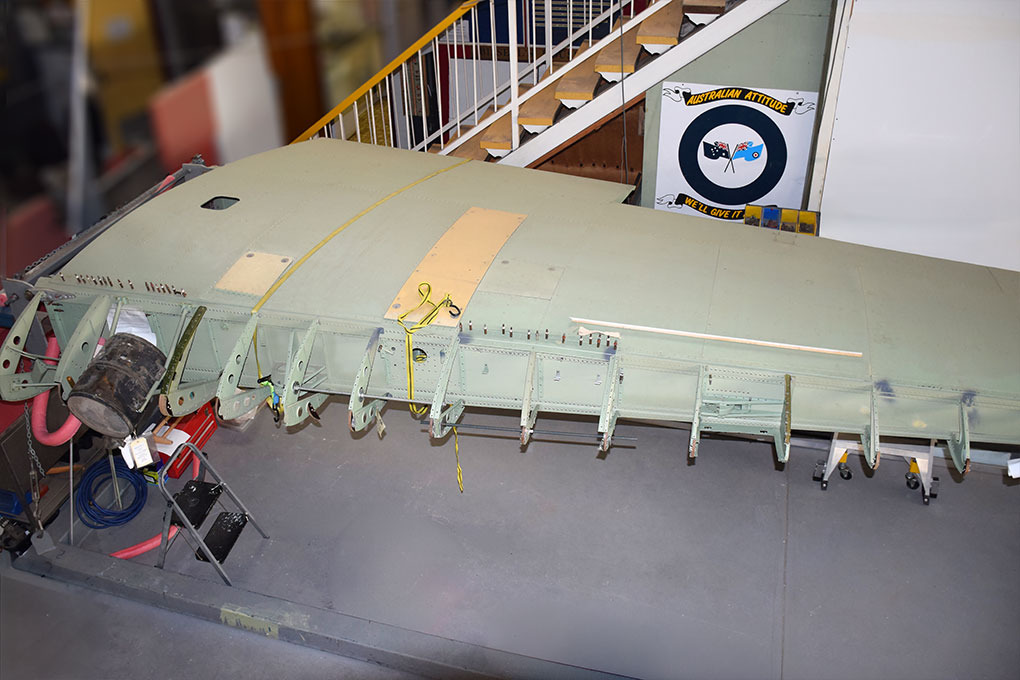
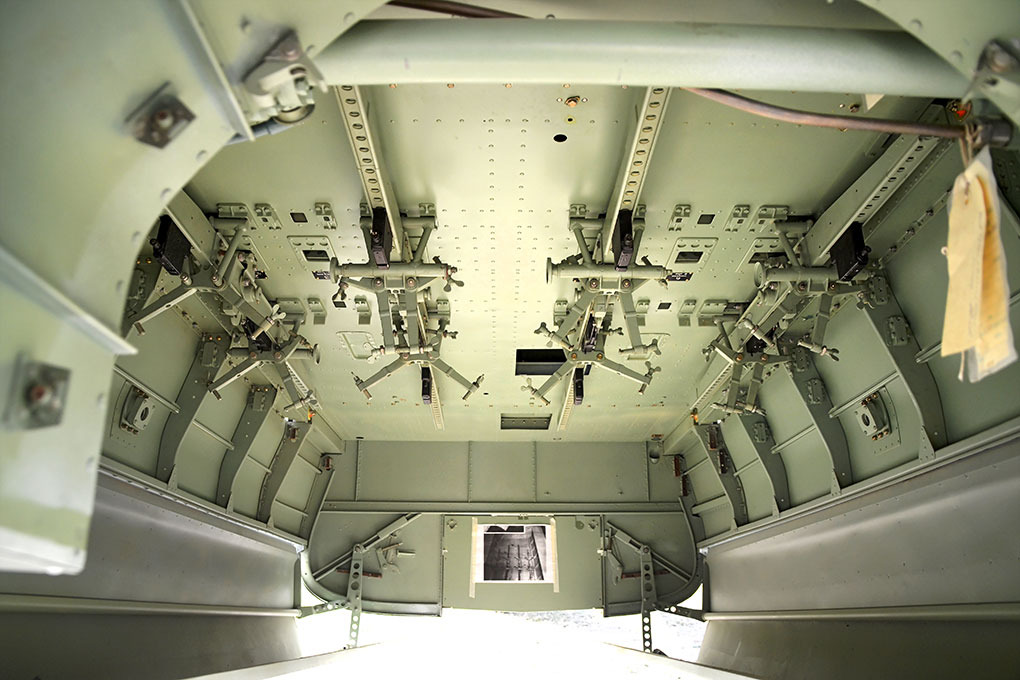
Significant progress has also been made across the aircraft’s major systems and structures. The oil cooler assemblies, complex components essential to engine operation, have already been reconstructed and are ready for installation. The landing gear system has undergone retraction testing, with final axle fitment completed. Propeller selection was another key decision point. After careful evaluation, Hamilton Standard Hydromatic propellers were chosen for their reliability and more predictable operating characteristics, avoiding issues historically associated with other types. Externally, the aircraft has already received partial paint in the scheme it wore on its final RAAF flight. Remaining work includes finishing the outer wing.
Authenticity at the Core
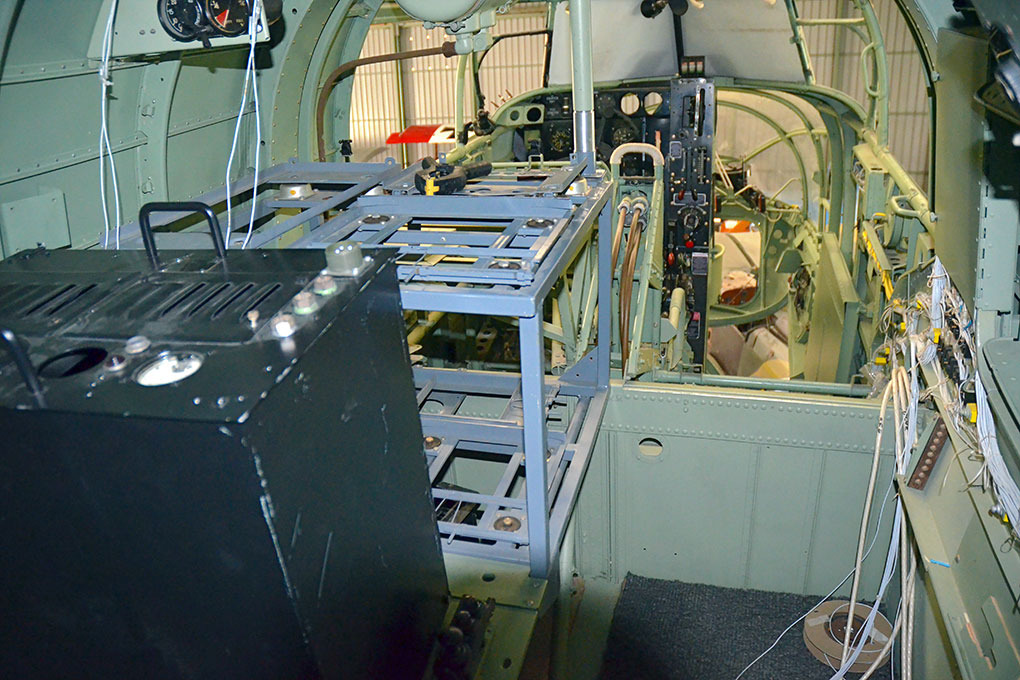
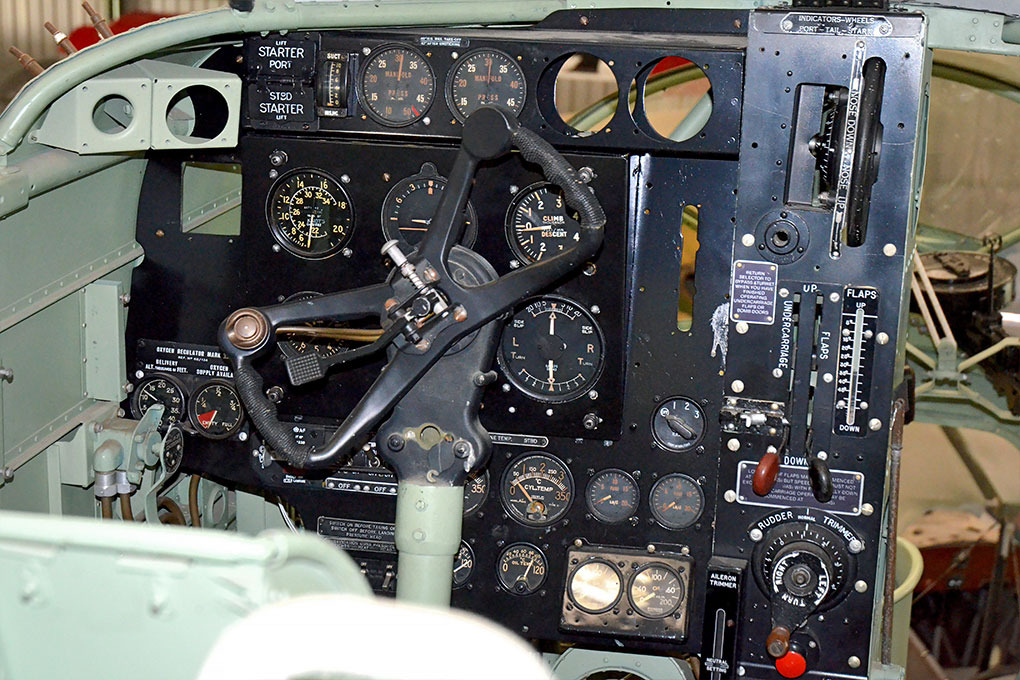
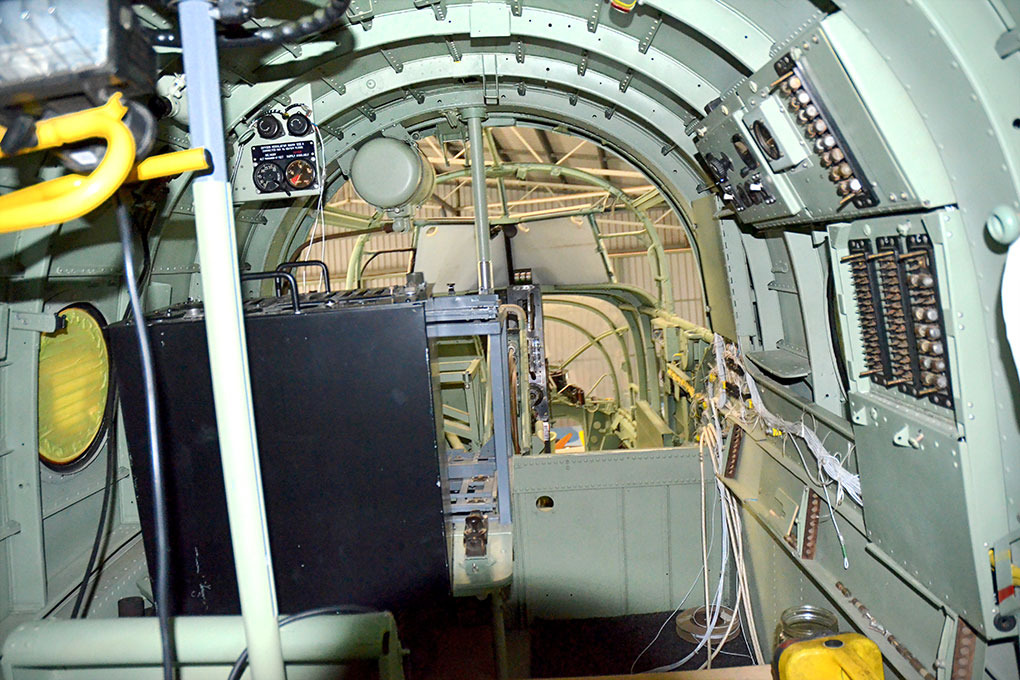
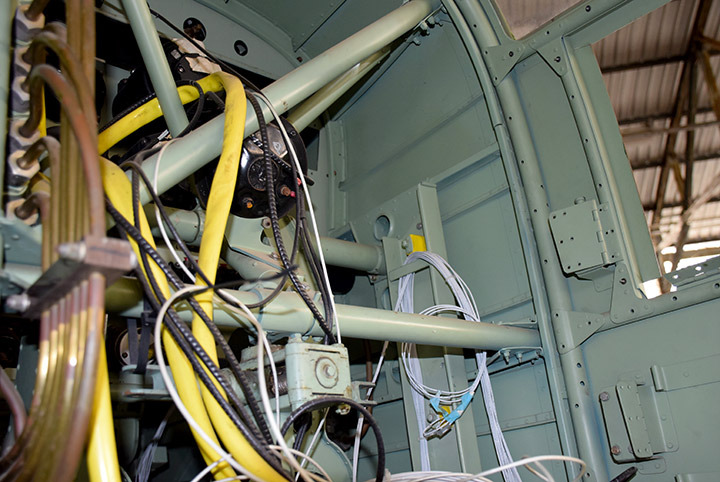
Despite the incorporation of select modern systems, the guiding principle of the restoration has always been authenticity. The aircraft is being rebuilt to closely replicate its configuration at the time of its last operational flight, with a strong emphasis on retaining original equipment wherever possible. This includes:vPeriod-correct radios, Fully restored armament installations, Complete bomb bay structure, including operational doors and shackles The restoration of the bomb bay and internal systems reflects an extraordinary level of attention to detail, bringing the aircraft back as a faithful representation of its wartime role.
A Complex Reconstruction Effort
The scale of the project is perhaps best illustrated by the breadth of material incorporated into the rebuild. While retaining the identity of A9-141, the aircraft includes components sourced from more than eighty individual Beaufort airframes, recovered over decades from sites across Australia and the Pacific. The search for these parts has been a long-term effort in itself, involving extensive field recovery work and international sourcing. At times, the challenges have been significant. One notable setback involved the discovery of damage in a previously installed main wing spar, requiring disassembly and reconstruction, a process that set the project back and demanded considerable additional effort.
Progress with Purpose
Today, A9-141 stands as one of the most advanced Beaufort restorations underway. With a clear path now defined, the project is moving steadily toward completion, ensuring that this important Australian aircraft will be preserved and presented to the public as a fully realised example of its type.
Looking Ahead
The restoration of DAP Beaufort A9-141 is entering its final stages after decades of sustained effort. As work continues, the aircraft is steadily moving closer to completion. A result made possible not only by long-term vision but also by the combined efforts of the owner and volunteers working together to bring this aircraft back to life.