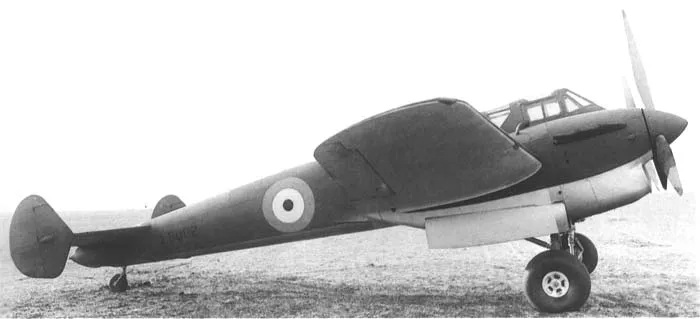
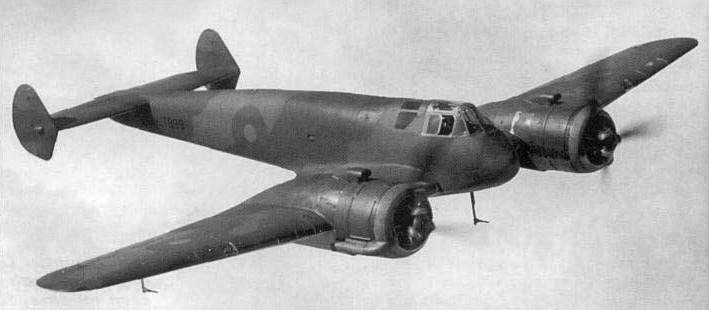


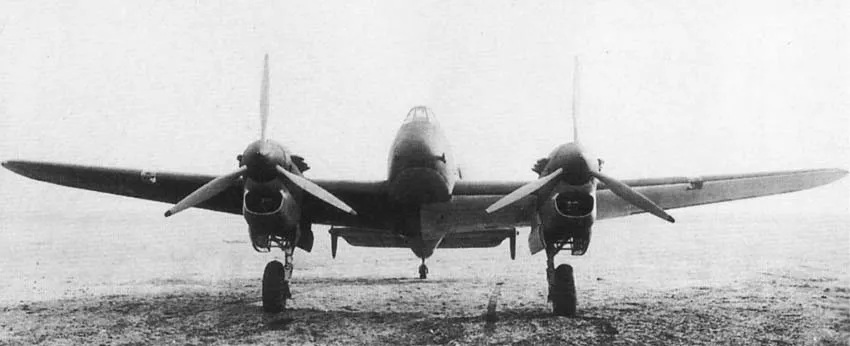
On this day in aviation history, 87 years ago (April 3, 1939), the Gloster F.9/37 flew for the first time. Also known as the G.39, the F.9/37 was a twin-engine heavy-fighter developed for the Royal Air Force by Gloster Aircraft Company. The F.9/37 was a pre-WWII design, named after the Air Ministry specification for which it was developed. Spec F.9/37 for a “twin-engined single-seat fighter with fixed armament” was issued by the Air Ministry, and Gloster set to work immediately on a solution.
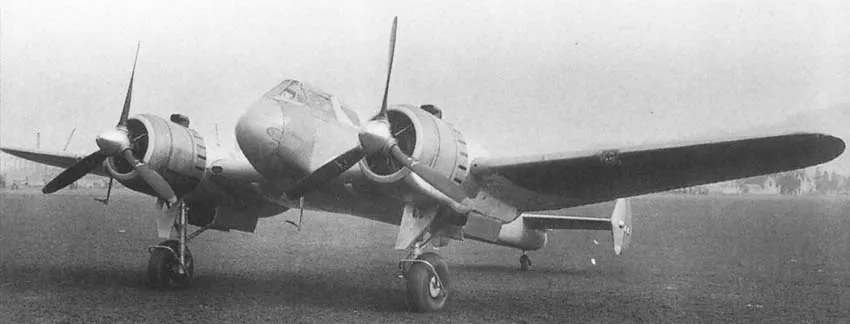
Gloster’s chief designer/engineer, George Carter, directed the new heavy fighter’s development. The design would be a single-seat fighter that was armed with four 0.303-inch Browning machine guns and two 20 millimeter Hispano cannons in the nose. On April 3, 1939, G.39 prototype L7999 took to the skies for the first time, demonstrating excellent performance. The F.9/37 attained a maximum airspeed of 360 mph in flight testing, making it the fastest ever recorded by a British fighter to that point. The F.9/37’s maneuverability shone through during the flight testing phase, pilots calling the aircraft “a delight to fly.”
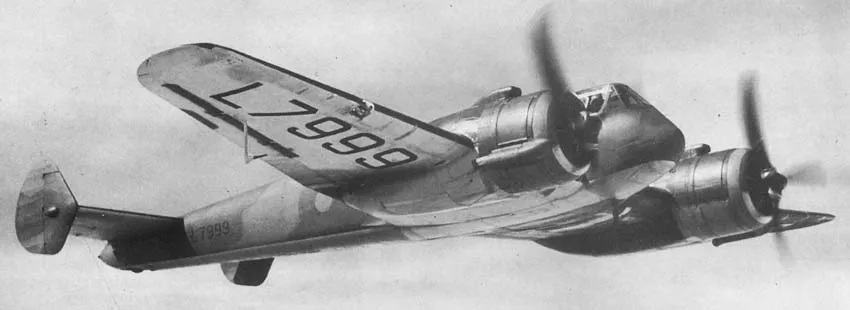
In July 1939, the first prototype L7999 was damaged during a landing incident. The aircraft was re-engined with two 900-horsepower Taurus T-S(a)-IIIs in 1940, effectively reducing the aircraft’s performance. A second prototype, L8002, first flew on February 22, 1940. This aircraft was powered by two 880-horsepower Rolls-Royce Peregrine I liquid-cooled, inline engines. L8002 was able to reach 330 mph at 15,000 feet. Specification F.18/40 announced by the Air Ministry during the F.9/37’s flight testing. This spec called for a specialized night fighter to be armed with nose and turret-mounted guns.
Gloster submitted a design based on their G.39 that was fitted with two Rolls-Royce Merlin engines. The aircraft also had a dorsal four-gun turret and Airborne Interception (AI) radar. Staff of the Air Ministry saw the Gloster as superior to the Bristol Beaufighter, and they ordered one of the F.9/37 prototypes to be converted to the new specification as F.29/40. This night-fighter in development was unofficially named the Gloster Reaper. The Reaper retained the same excellent flying characteristics of the F.9/37, and was still seen as favorable to the turreted variants of the Beaufighter and de Havilland Mosquito. Nevertheless, the Reaper was terminated by the Air Ministry in May of 1941, who cited that this move would allow Gloster to focus their efforts on E.28/39 jet aircraft.