
By Kevin Wilkins
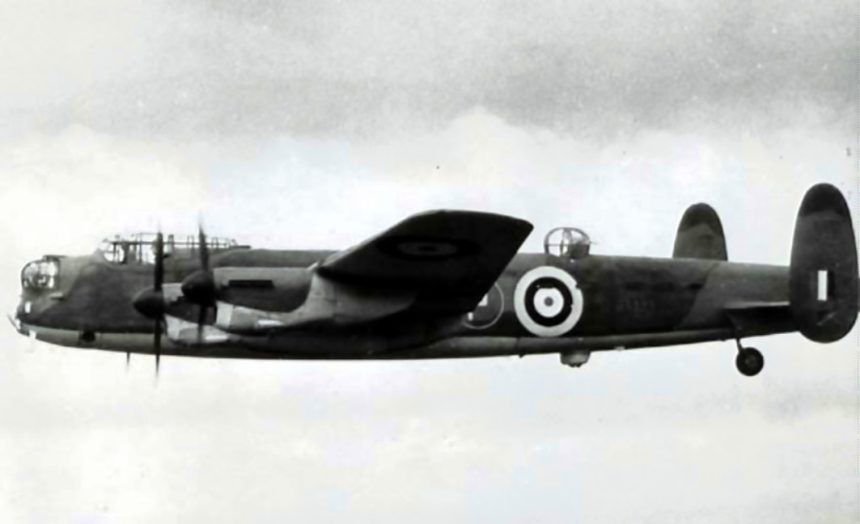
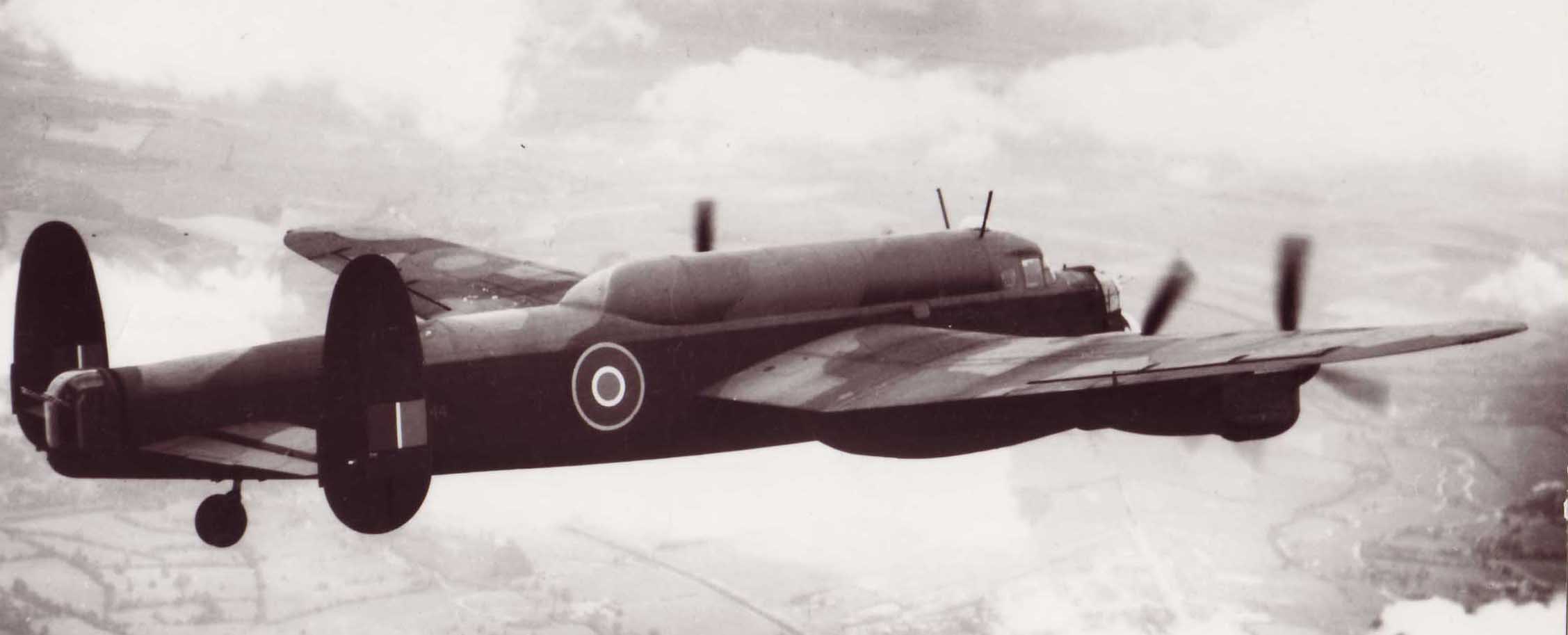
This January marks the 85th anniversary of a milestone in British aviation history: the maiden flight of the Avro Lancaster prototype. On January 9, 1941, the aircraft—then known as the Avro 683—made its first flight from RAF Ringway in Cheshire, now Manchester Airport. The prototype was flown by Avro test pilot Captain Harry Albert “Sam” Brown. The aircraft was the product of Roy Chadwick, chief designer and engineer at A. V. Roe and Company. Registered BT308, the first Lancaster prototype was effectively a transitional design, combining elements of the earlier Avro Manchester fuselage with a new, longer wing and four Rolls-Royce Merlin engines. At this early stage, the type was designated the Manchester Mk III, before later receiving the name by which it would become famous: Lancaster.
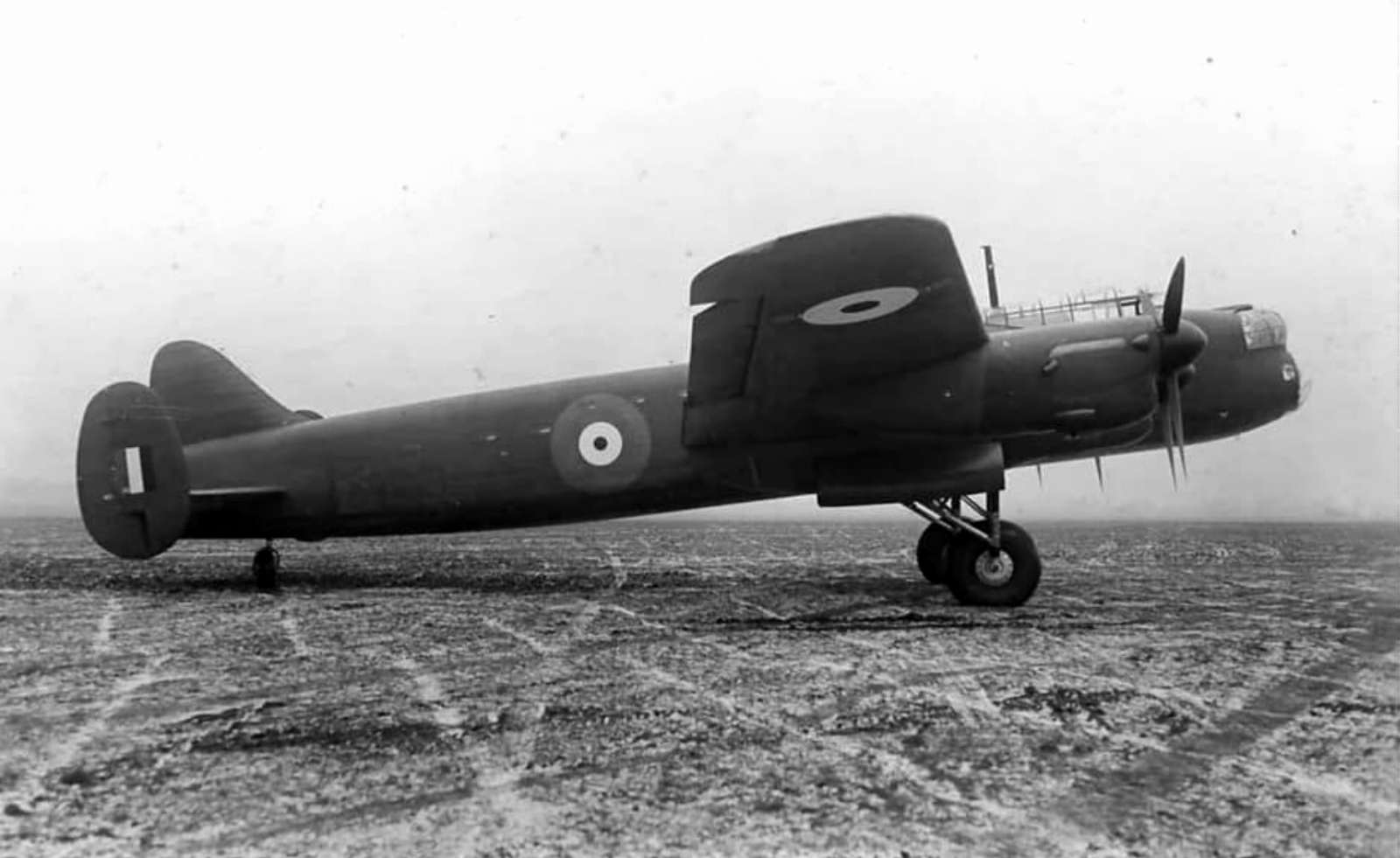
The successful first flight demonstrated the promise of the new configuration and confirmed that the design had significant potential. It marked the beginning of what would become one of the most important bomber programs of the Second World War. The Avro Lancaster went on to form the backbone of RAF Bomber Command, earning a reputation as one of the most capable heavy bombers of the conflict. The first production-standard Lancaster B.I flew on 31 October 1941. Initial deliveries to the Royal Air Force began on Christmas Eve that year, with No. 44 Squadron at RAF Waddington receiving the first examples. By the end of production, a total of 7,377 Lancasters had been built. Of the approximately 6,500 aircraft that flew operational bombing missions, 3,249 were lost to enemy action, with a further 200 destroyed in accidents.
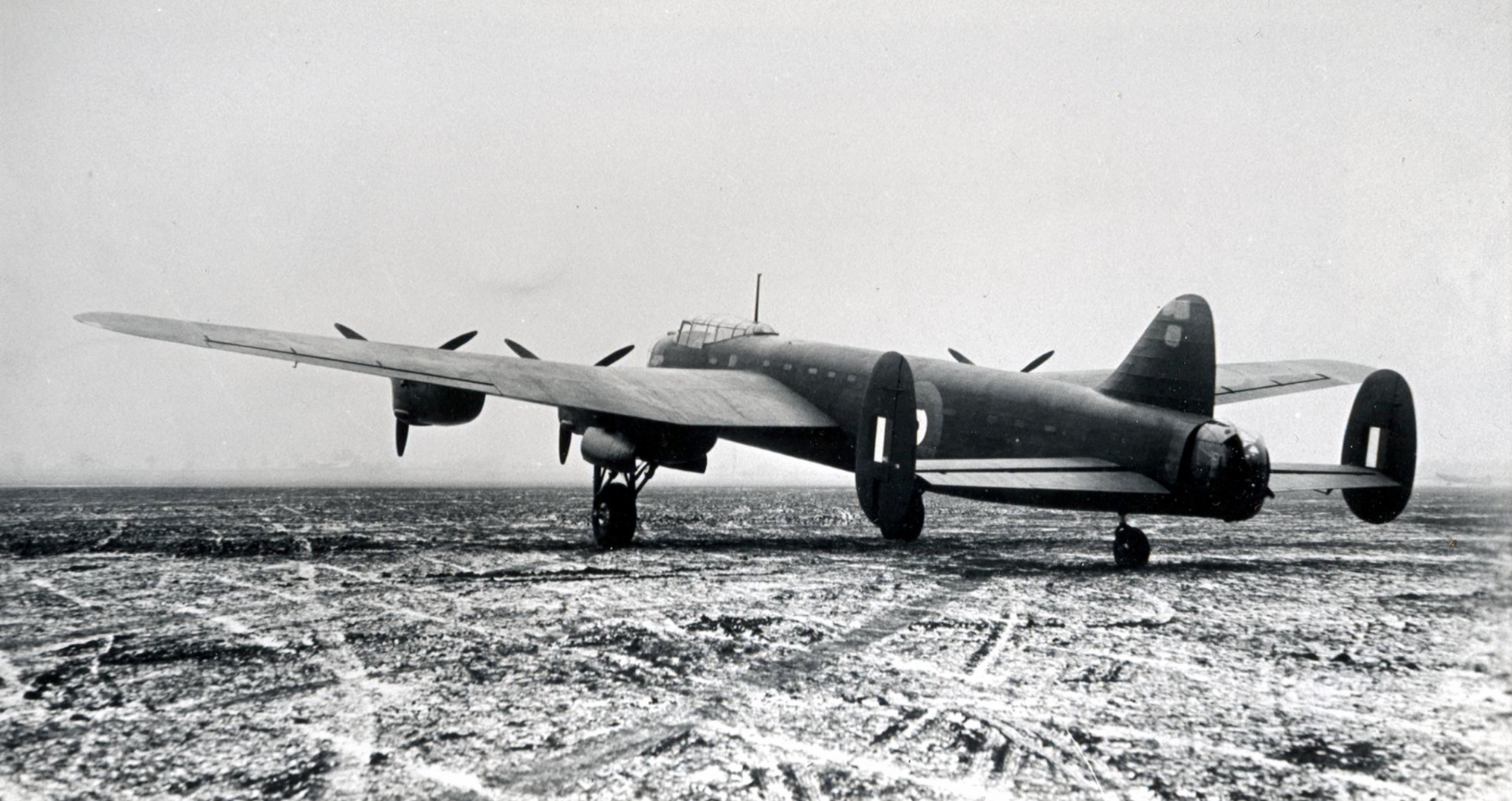
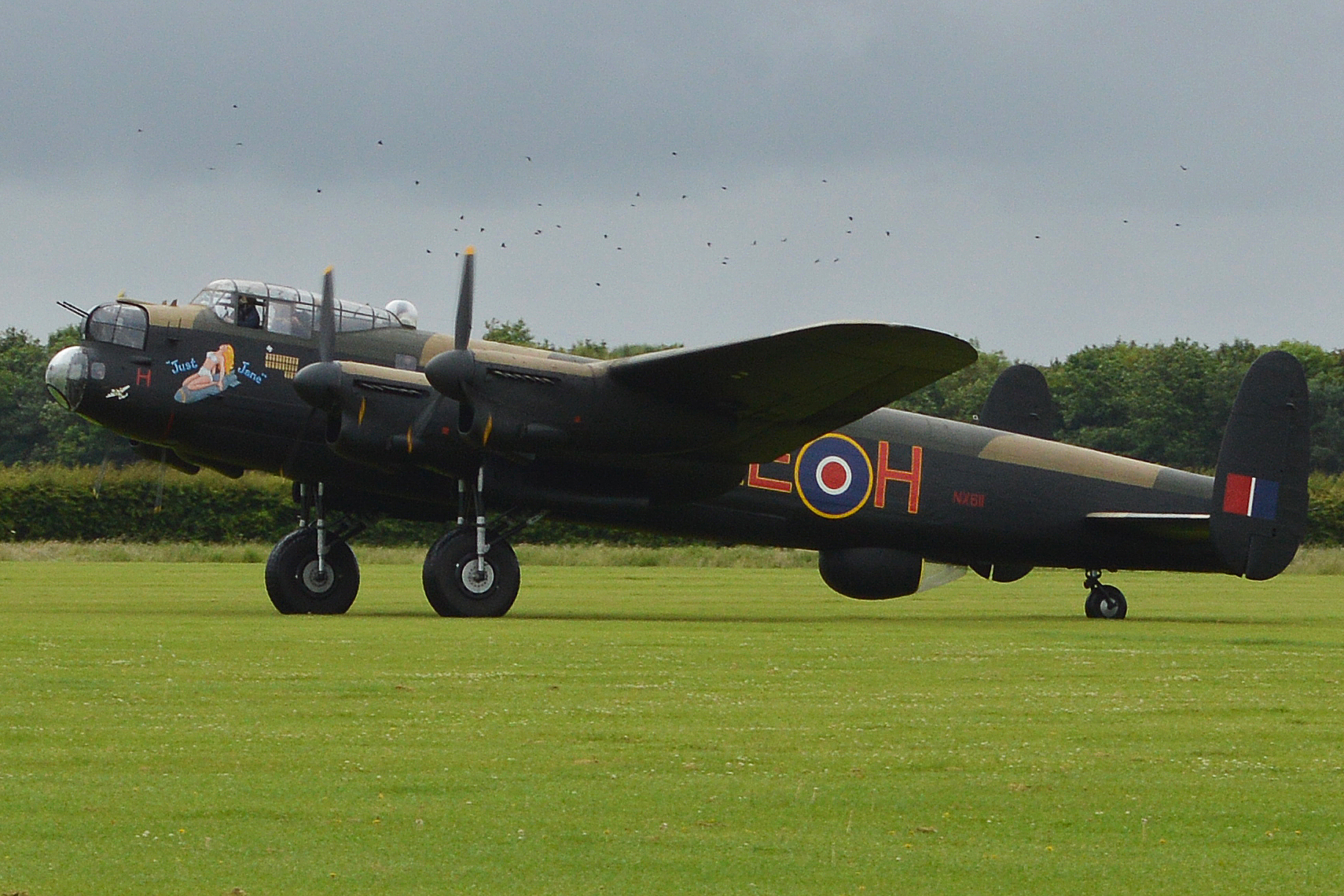
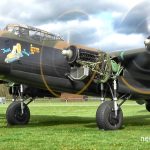
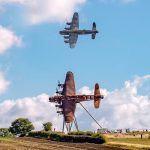
Today, only 17 largely complete Lancasters are known to survive worldwide. Just two remain airworthy: PA474, operated by the Royal Air Force Battle of Britain Memorial Flight, and FM213 (C-GVRA), flown by the Canadian Warplane Heritage Museum. Efforts continue to return Lancaster NX611, “Just Jane,” at the Lincolnshire Aviation Heritage Centre in East Kirkby, to flying condition, which would add a third aircraft to this exclusive group. The second Lancaster prototype, DG595, first flew on 13 May 1941 and more closely reflected the eventual production standard. It featured a larger tailplane with increased-span twin fins, a redesigned undercarriage, uprated Merlin XX engines, and expanded fuel capacity totaling 2,154 gallons. With these improvements, the aircraft’s full capabilities could be assessed. Test pilots at the Aeroplane and Armament Experimental Establishment at Boscombe Down reported favorably on its performance, noting in particular a recorded dive speed of 360 mph—an exceptional figure for a heavy bomber of its era.
At present, 17 largely complete Avro Lancasters are known to survive around the world. Of these, just two are currently maintained in flying condition: PA474, operated by the Royal Air Force’s Battle of Britain Memorial Flight, and FM213 (C-GVRA), flown by the Canadian Warplane Heritage Museum. Work continues on Lancaster NX611, known as “Just Jane,” at the Lincolnshire Aviation Heritage Centre in East Kirkby, with the long-term aim of returning the aircraft to airworthy status.