






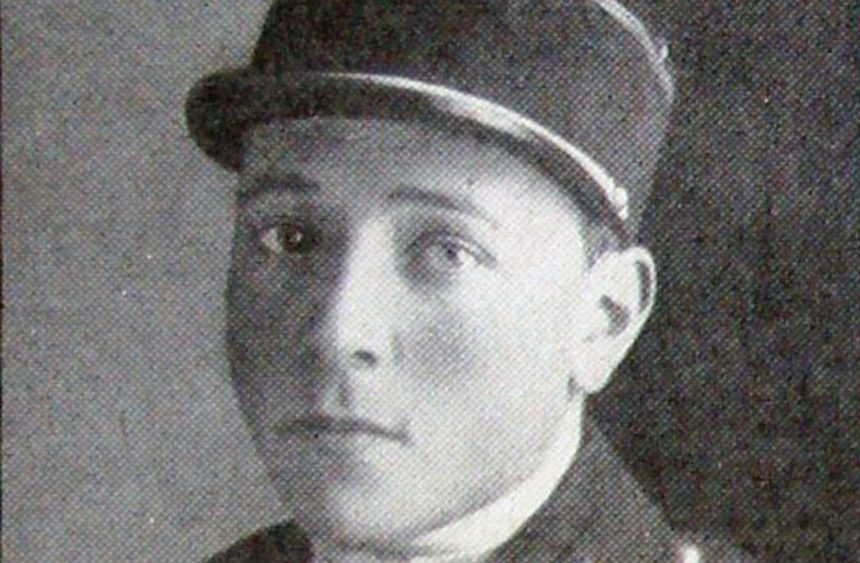

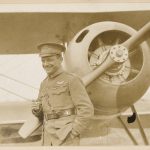
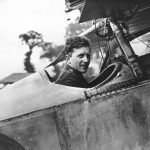
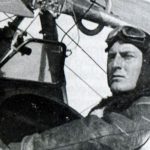
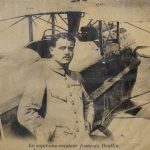
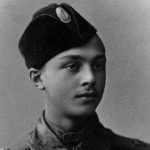
During WWI, massive casualties forced several countries to send younger troops to the front, especially in the second half of the war. One such individual was Pierre Marinovitch, who became a flying ace at just 19 years old and was the youngest French pilot to do so. Born on August 1, 1898, in Paris, Marinovitch’s grandfather, Jovan Marinović, was the Prime Minister of Serbia from 1873 to 1874 and also served as the Serbian ambassador to France from 1879 to 1889. Before joining the French Army on February 12, 1916, at just 17 years old, Marinovitch completed his education in Paris and Ireland. Later, Pierre Marinovitch requested a transfer to the air service, and on July 16, he began pilot training. He received his license on November 15, 1916, and joined Escadrille (Squadron) No. 38, but he fell ill and spent two months in the hospital.
Ace Journey of Pierre Marinovitch
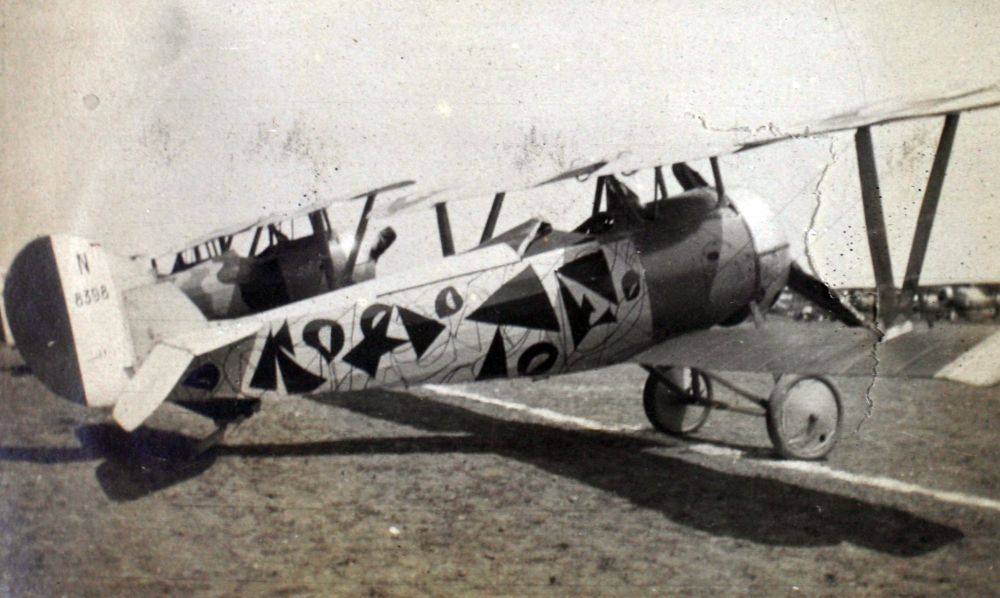
After recovering, Pierre Marinovitch was transferred to Escadrille No. 94, where he flew a Nieuport 24. His first confirmed victory came on September 8, 1917, when he shot down an Albatros fighter aircraft. Later in 1917, he scored two more victories in December to end the year at a personal score of three. For this, he was awarded the Médaille Militaire, with a citation: “Accomplished pursuit pilot, volunteers for all the perilous missions, showing undeniable and admirable audacity and ardor. Has had more than thirty combats, returning often with his plane riddled by bullets and shrapnel. On December 22, 1917, he downed his third enemy plane.” He started 1918 with another victory on January 1. After his fourth victory, his unit received new SPAD VIIs and was renamed Spa94. Flying the new aircraft, his fifth victory came on January 19, officially making him an ace. On February 20, 1918, Pierre Marinovitch was promoted to the rank of adjutant. On May 15, Marinovitch shot down a German reconnaissance plane over Essertaux, and its crew was captured later. Four days later, he downed a Rumpler aircraft just south of Moreuil. On May 31, Marinovitch shot down a two-seater, and a few minutes later, he shot down a Fokker Dr.I. He continued his successful run by shooting down two aircraft in each of June, July, and August, bringing his personal score to 15.
Legacy and Death
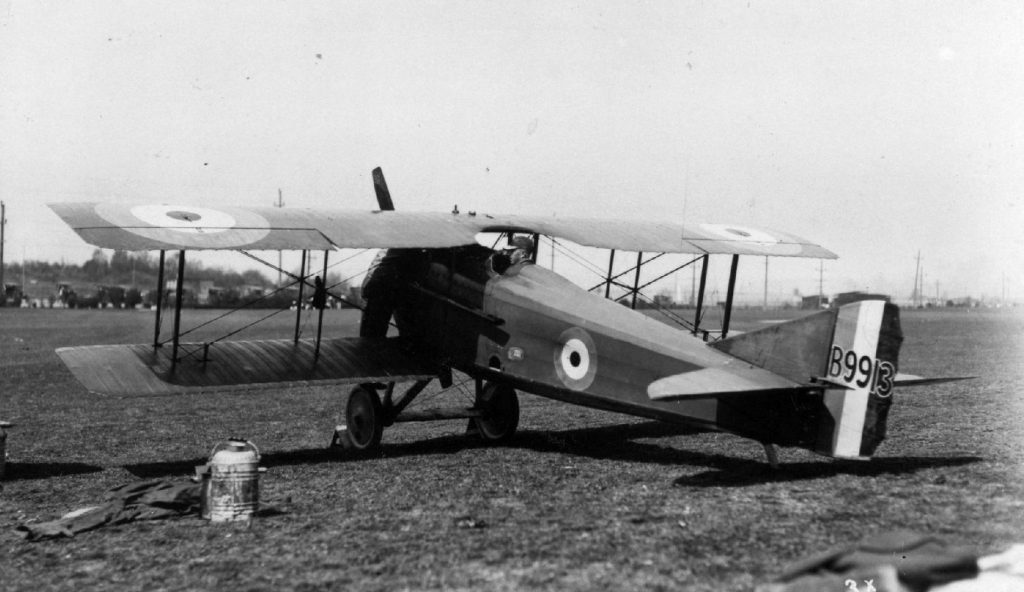
For his victories, Pierre Marinovitch was awarded the Légion d’Honneur in early August, with a citation, “A pursuit pilot of very great courage. Gained the admiration of his Escadrille by facing his very difficult daily aerial combats with exemplary audacity and ardor. Downed his seventh enemy plane in two months, and was particularly distinguished during the course of actual operations by reporting his thirteenth victory.” Further, Pierre Marinovitch shot down four more aircraft in October and two in November to reach a personal score of 21 and end the war as a second lieutenant. Among all his kills, eight were two-seater aircraft, seven were Rumpler C, three were Fokker D.VII, two were Albatros, and one was Fokker DR.I. He was also awarded the Croix de Guerre and was cited by the French press several times as “The Youngest Ace.” After surviving the war, Marinovitch met with a flying accident in Brussels on October 2, 1919, leading to his death. But before that, he showed the true potential of a youngster, demonstrating bravery and courage, as well as strong leadership skills. If he had not died in the unfortunate accident, history might have remembered him more for taking part in WWII and for showing more skill, like many other aces who took part in both world wars. But for now, his contributions as “The Youngest Flying Ace” proved valuable. Read stories about more flying aces HERE.








Outstanding article. What I particularly appreciate is how it goes beyond combat statistics and brings Pierre Marinovitch’s operational environment and personal story into focus. In aviation history, it’s easy to concentrate solely on aircraft and victories, but understanding the individuals behind those achievements provides much deeper insight into the evolution of air power.
Working with defense and aerospace stakeholders through Broadline Aviation, I often find that historical accounts like this remain highly relevant today. They remind us that technology, logistics, maintenance, and operational readiness have always been interconnected with the skill and determination of the people who fly and support these aircraft.
The article does an excellent job of preserving an important chapter of Allied aviation heritage while presenting it in a way that resonates with both historians and modern aerospace professionals. Thank you for contributing to the preservation of these stories—they provide valuable context for anyone involved in the aviation and defense community.