
Created with the help of Michael A. Olenick
In the small Pennsylvania township of Horsham, just north of Philadelphia, lies Biddle Air National Guard Base, located on the former site of Naval Air Station Joint Reserve Base Willow Grove. Yet just off Pennsylvania Route 611, members of the public can find a way to explore the history behind this installation at the Harold F. Pitcairn Wings of Freedom Aviation Museum and the Delaware Valley Historical Aircraft Association (DVHAA), where a dedicated team of volunteers works to preserve the aviation legacy of The Keystone State. In the Roaring 20s, the American aviation industry was still a fledgling one. Daring pilots had already crossed the United States, served overseas in Europe during WWI, and made headlines by setting new records. But this was also a time when young entrepreneurs sought to earn fortunes by creating airlines and airplanes that would usher in a new age of civil commerce.
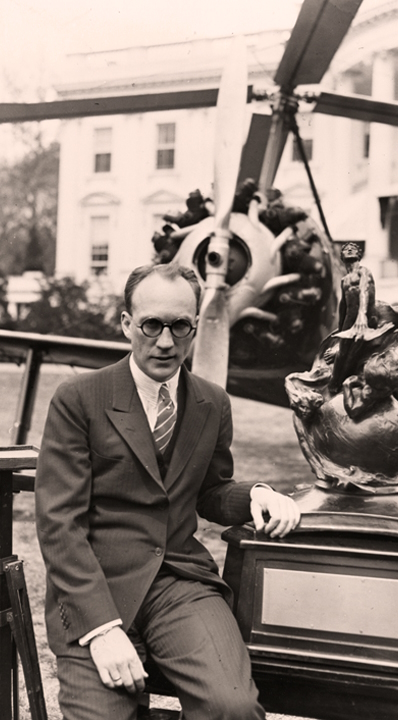
Among these visionaries was Harold Frederick Pitcairn, whose father, John Pitcairn, had immigrated from Scotland and went on to found the Pittsburgh Plate Glass Company (today known as PPG Industries). Having served as an apprentice at the Curtiss Aeroplane and Motor Company, in Hammondsport, New York and received flight training both at the Curtiss Flying School in Newport News, Virginia, and as a member of the United States Army Air Service during WWI at Rich Field near Waco, Texas, Harold used his father’s fortune as a foundation to build upon, and would establish the Pitcairn Flying School and Passenger Service on November 2, 1924, and built an airstrip on the family estate at Bryn Athyn. Two years later, in 1926, Pitcairn purchased additional farmland off Doylestown Pike (now Pennsylvania Route 611) near Willow Grove to build a hangar and a grass airstrip to serve as Pitcairn Field No. 2. The site of the first hangar is now where the Tinius Olsen company is located.
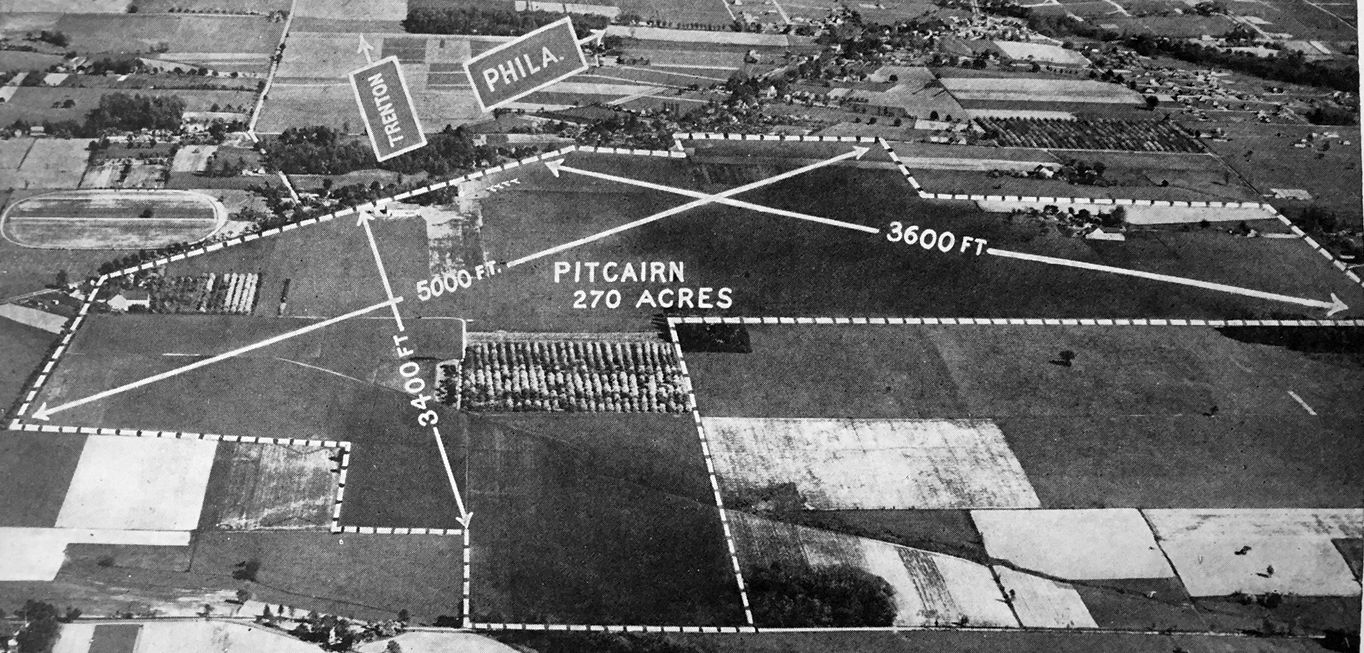
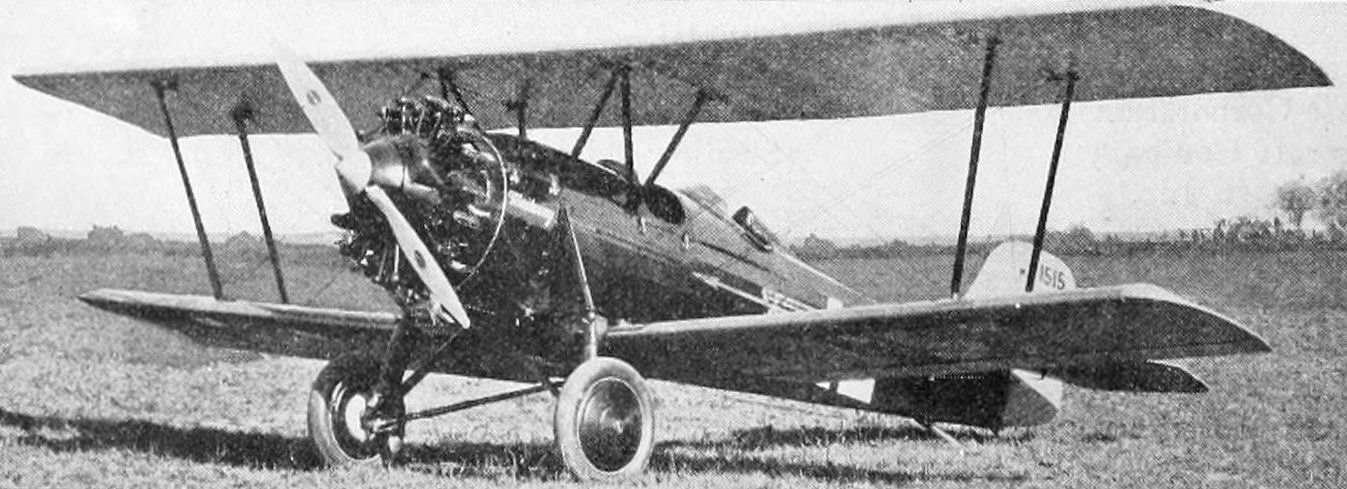
Though the construction of the first Pitcairn aircraft would begin at Bryn Athyn, the new airfield near Willow Grove would become the primary location for the production and flight testing of Pitcairn aircraft, which originally consisted of biplane designs meant to fly along the air routes chartered by the U.S. Postal Service’s airmail pilots. Designs such as the Pitcairn PA-5 Mailwing would help replace the WWI-surplus Curtiss JN-4 Jennies and de Havilland DH-4s. Pitcairn’s work also extended to the burgeoning commercial sector of American aviation, and the passenger service he established would eventually grow into Eastern Air Transport, which would become Eastern Airlines. Along the East Coast, the Mailwing was often flown between New York and Atlanta, and also found use in the hands of private owners such as Howard Hughes.
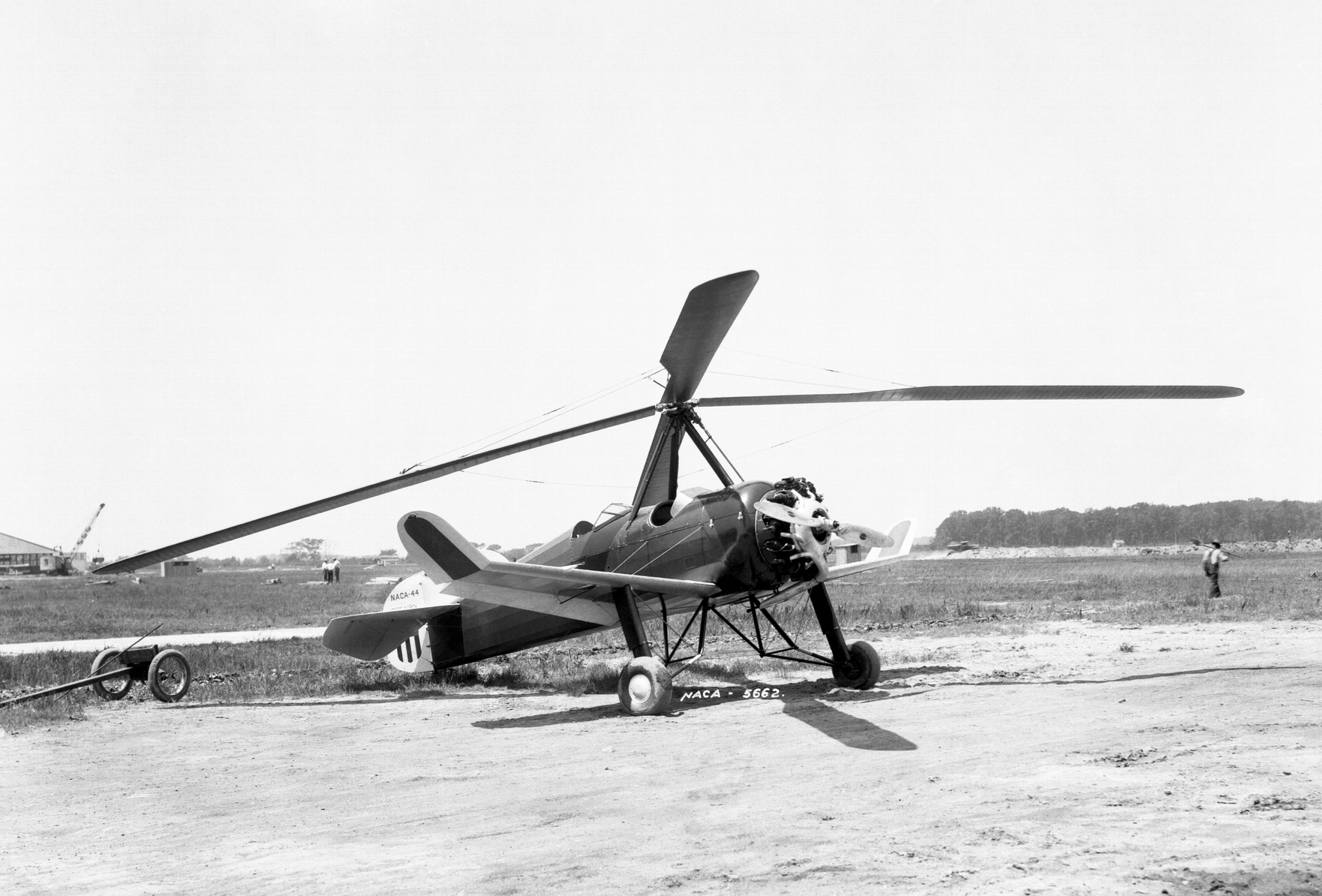
Yet Pitcairn Field would also become the site of Pitcairn’s fascination with rotary-wing aircraft. Having learned of a new type of aircraft called an autogiro, which was originally developed in Spain by engineer Juan de la Cierva, Harold Pitcairn purchased a Cierva C.8 and successfully demonstrated the aircraft throughout the US East Coast, which was refitted with a Wright Whirlwind engine. Soon, Pitcairn purchased the U.S. rights to Cierva’s patents, and the company became primarily focused on the development of autogiros, which demonstrated their ability to make short takeoffs and landings, though they were not capable of vertical takeoffs or landings. Nevertheless, the Pitcairn Aircraft Company later became the Autogiro Company of America (ACA) and continued its production throughout the 1930s.
When the United States went to war in December 1941, the U.S. military accelerated its efforts to develop more airbases. In 1942, Pitcairn sold the airfield to the U.S. government, which went about expanding the existing facilities before officially commissioning the former Pitcairn Field as Naval Air Station Willow Grove in January 1943. During WWII, Willow Grove served primarily as a training and reserve station, but also served as a venue for the U.S. Naval Reserve Radio/Radar Unit to modify Lockheed PV-1 Ventura patrol bombers with anti-submarine weaponry. Following the Allied victory in 1945, Naval Air Station Willow Grove was designated a Naval Air Reserve Training Station and grew to a total of 1,100 acres.
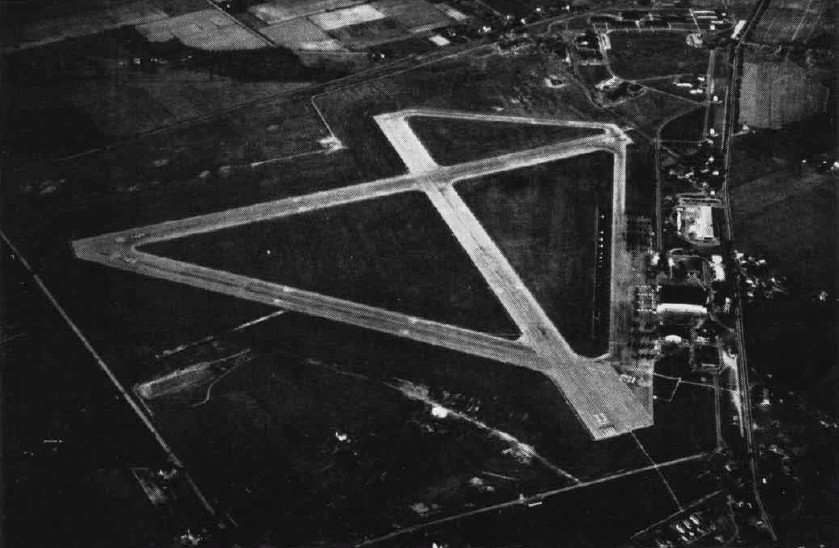
The immediate postwar years would see Willow Grove remain one of the larger military installations in eastern Pennsylvania but also become the site where several unique Axis aircraft were saved from the scrapyard thanks to the vision of one forward-thinking officer on the base. In May 1946, Lieutenant-Commander David Ascher arrived at Naval Air Station Willow Grove as the station’s first Aircraft Maintenance Officer. Having served in the US Navy since 1928, Ascher had a well-earned reputation for enforcing quality control inspections of aircraft after all maintenance and repairs.
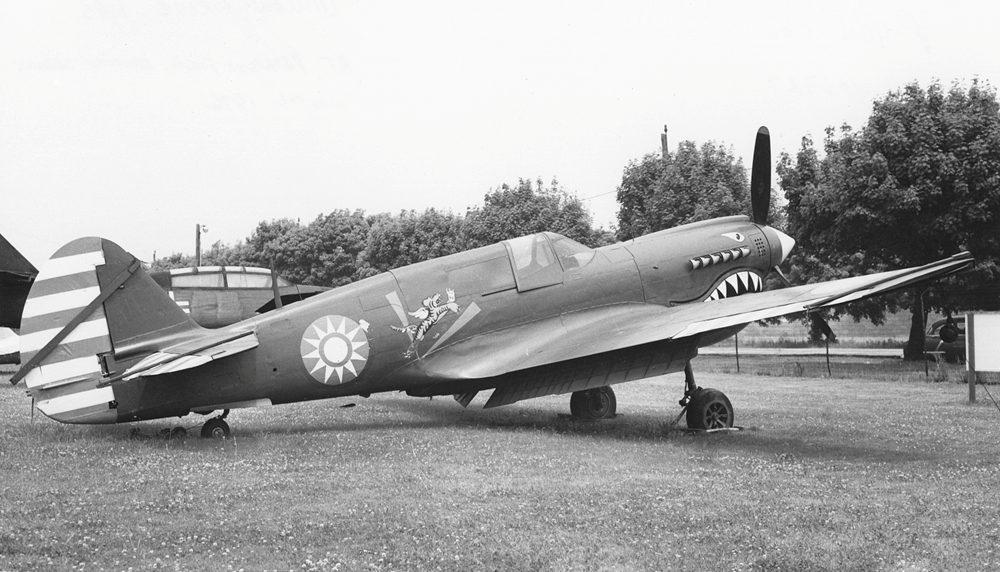
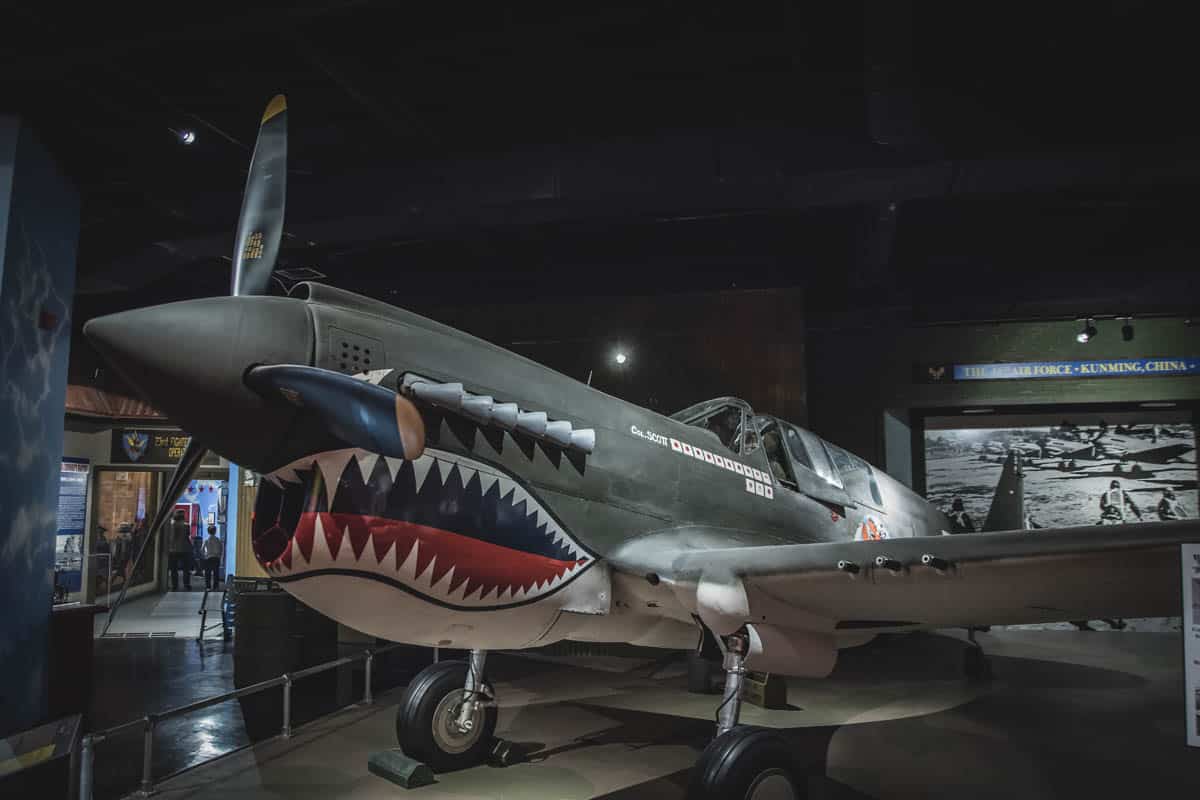
A few months into his tenure at Willow Grove, a local high school had acquired a surplus Curtiss P-40N Warhawk, USAAF serial number 42-105927, for instructional use but decided they would not keep the aircraft, and transferred the aircraft, which had been modified into a TP-40N trainer model, to Naval Air Station Willow Grove. Ascher had the aircraft modified back to the appearance of a single-seat fighter and placed the P-40 on display with the colors of the American Volunteer Group (AVG), better known as the “Flying Tigers”, as many members of the AVG had gone to China after serving in the US Navy and Marines. Since the aircraft sat adjacent to State Route 611, passing motorists would pull over and gaze at the aircraft. Soon, the public would have more aircraft to look upon from the turnpike.
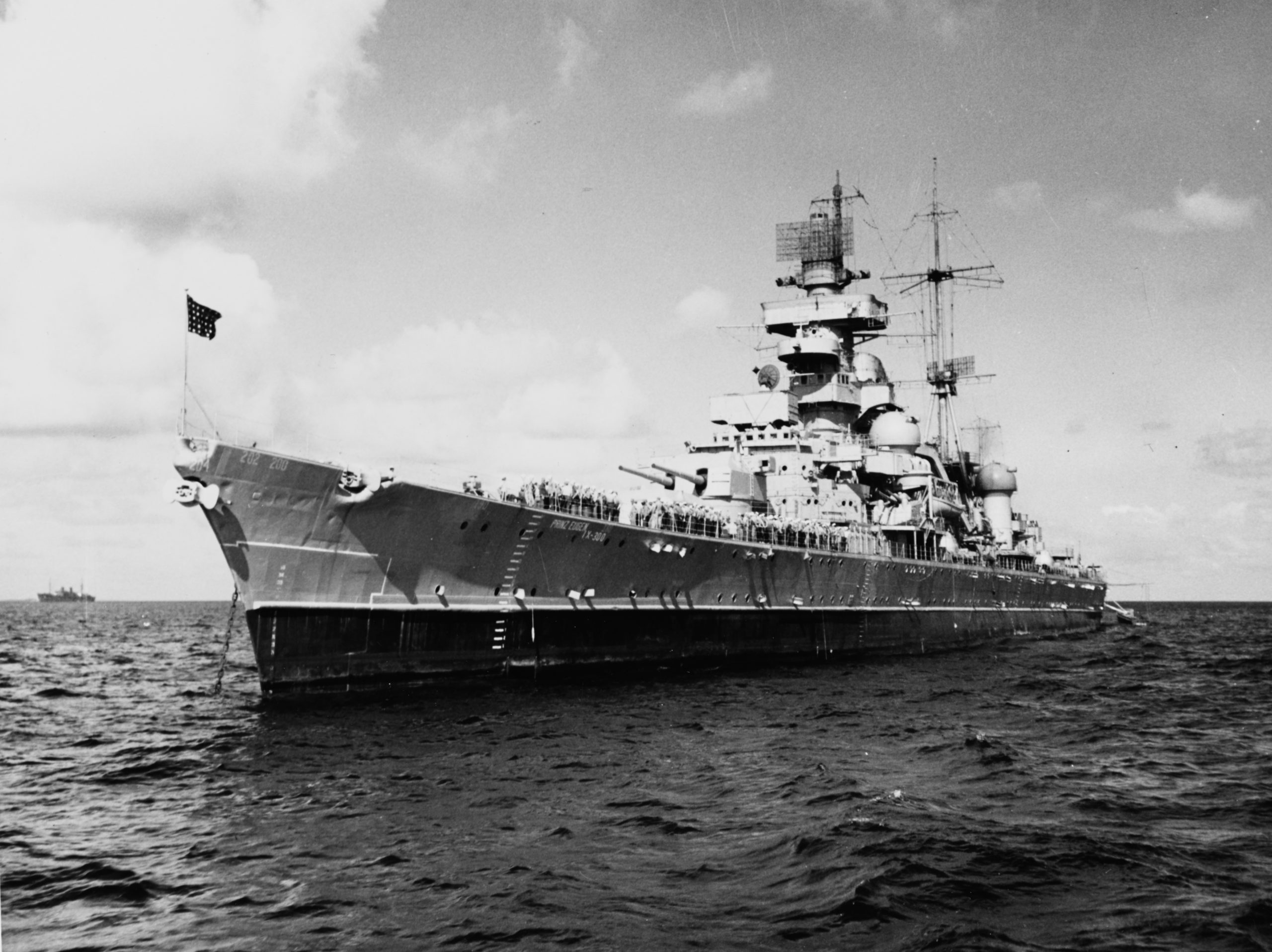
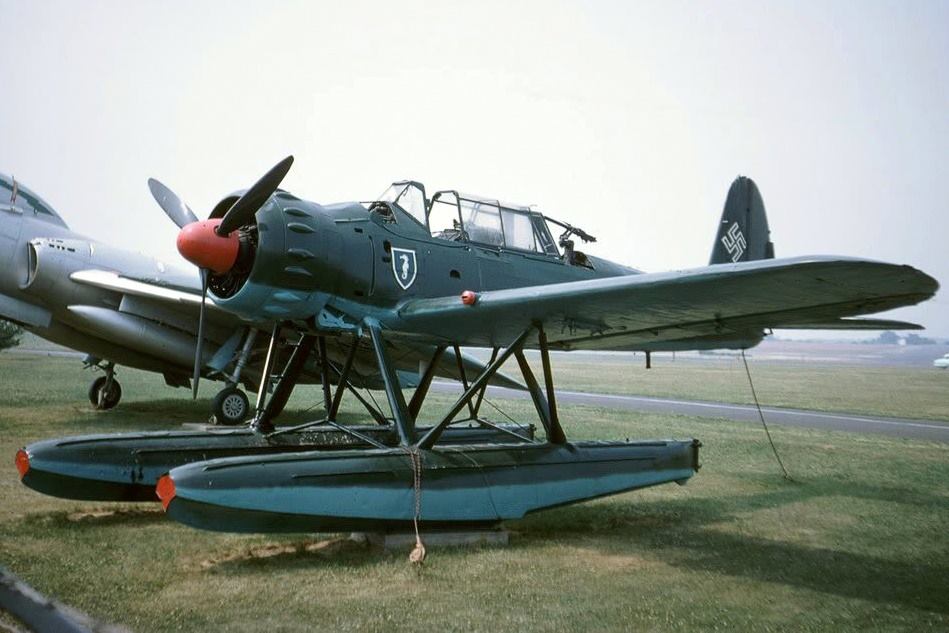
With the positive response by the public over the display of the P-40, Lt. Cmdr. Ascher was motivated to add more aircraft to the collection at Willow Grove. Just as he began to ponder was other aircraft he would place alongside the P-40, a former shipmate of Ascher’s, Commander John Schwirtz, informed him that a seaplane that had been removed from the launching catapult of the captured German battlecruiser Prinz Eugen was sitting at the Philadelphia Naval Yard. The Prinz Eugen had served the German Kriegsmarine through the entirety of the Second World War and was initially surrendered to the British at Wilhelmshaven, Germany, before the warship was transferred to the United States Navy, which commissioned the ship as USS Prinz Eugen (IX-300), and brought across the Atlantic from the German port of Wesermünde (now part of Bremerhaven) to Boston for technical evaluation. Afterwards, the ship was towed to the Philadelphia Naval Yard before eventually heading to the Pacific via the Panama Canal in order to be used as a target in the atomic bomb tests at Bikini Atoll known as Operation Crossroads.
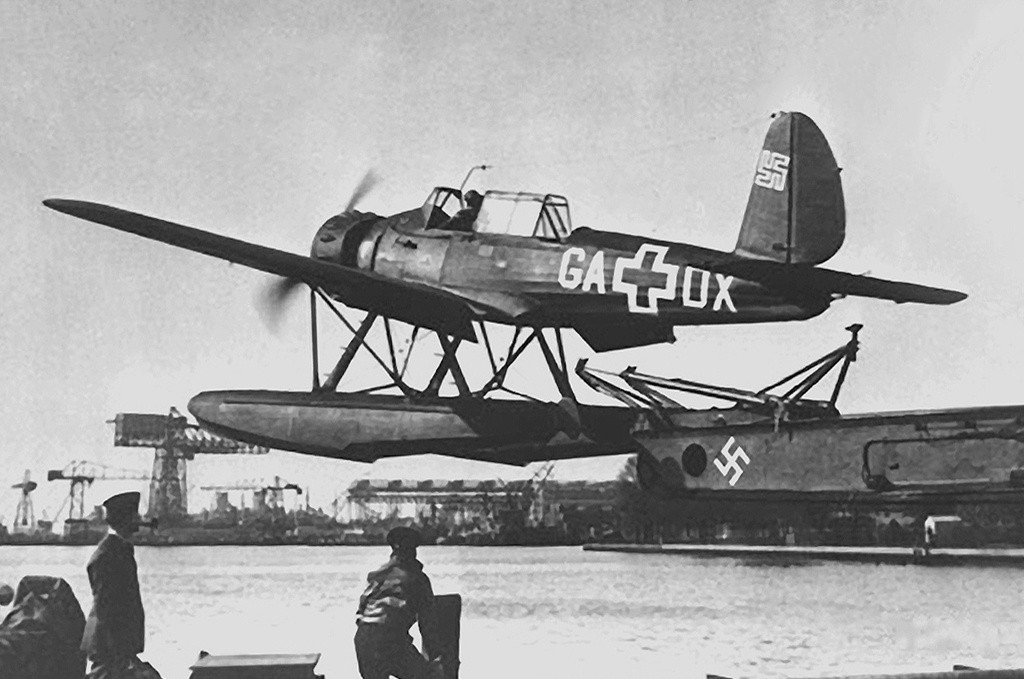
Before leaving Philadelphia, though, the Prinz Eugen’s complement of two Arado Ar 196 reconnaissance floatplanes and the floatplane catapult were removed for further study at Henry C. Mustin Naval Air Facility’s Naval Air Material Center (NAMC). Following the compilation of these trials, David Ascher went down to Philadelphia to convince the NAMC to transfer the two floatplanes to Willow Grove rather than having them scrapped. One aircraft was later sent to Naval Air Station Norfolk, Virginia, for storage before joining the Smithsonian’s collection in 1961, where it remains in storage today, but the other Ar 196 was retained by Willow Grove for decades to come.
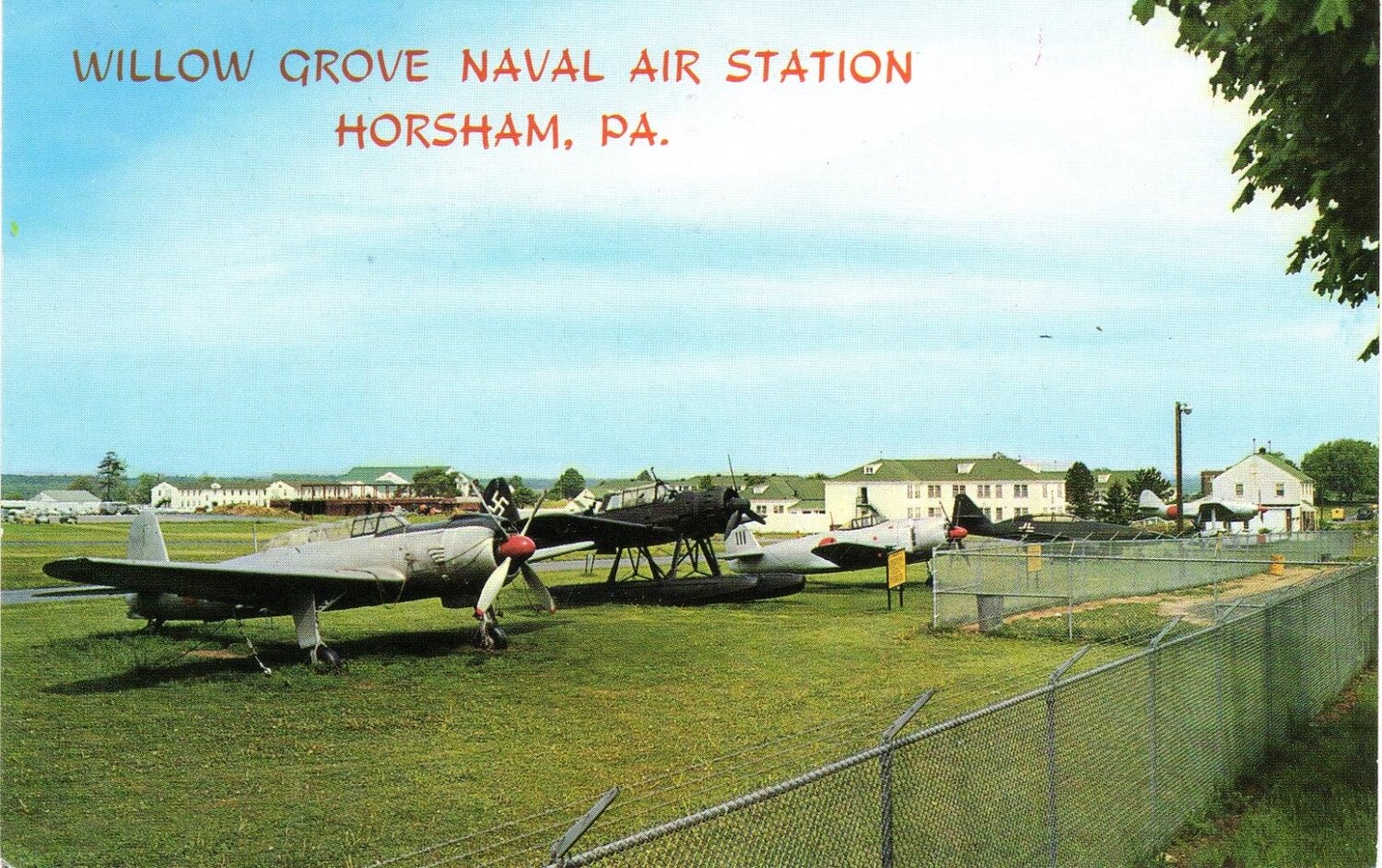
In the spring of 1947, Lt. Cmdr. Ascher learned of a number of German and Japanese aircraft that were presently at NAS Patuxent River, Maryland, where they had been evaluated during and immediately after WWII, but were now valued only for their scrap metal by most. Sensing the urgency of this mission, Ascher got permission to fly in a Beech SNB utility transport along with the training officer at Willow Grove, Lieutenant Commander Hass, to see what aircraft could be brought back from Patuxent River. Unfortunately, a number of aircraft had already been scrapped, but there were still enough to take back to Willow Grove. In the end, they chose a Kawanishi N1K1 Kyofu (Mighty Wind) “Rex” floatplane fighter, Kawanishi N1K2-Ja Model 21 Shiden-Kai (Violet Lightning) “George” land-based naval fighter, Nakajima B6N2 Tenzan (Heavenly Mountain) “Jill” torpedo bomber, Mitsubishi A6M7 Model 62 Zero fighter, Nakajima Kikka (Orange Blossom) jet fighter prototype, and Messerschmitt Me 262B Schwalbe (Swallow) jet fighter, which was unique, being a two-seat trainer model of the revolutionary jet fighter. All of these aircraft were then transported to the Henry C. Mustin Naval Air Facility at the Philadelphia Naval Yard, where their wings were removed for transport by road to Willow Grove, with local police escorting the surplus Axis aircraft along the 25-mile journey through narrow local roads.
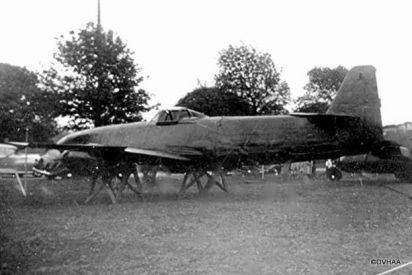
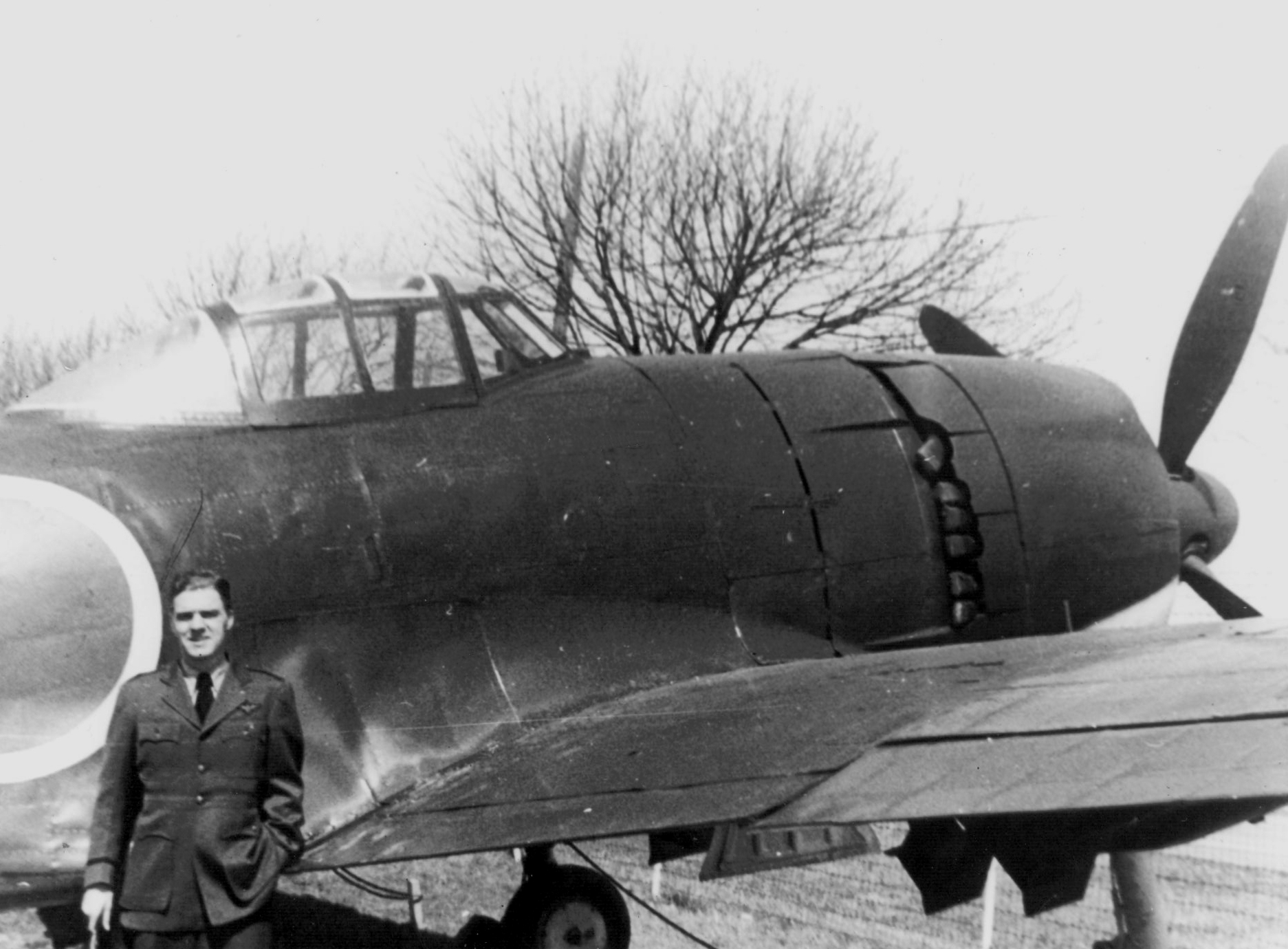
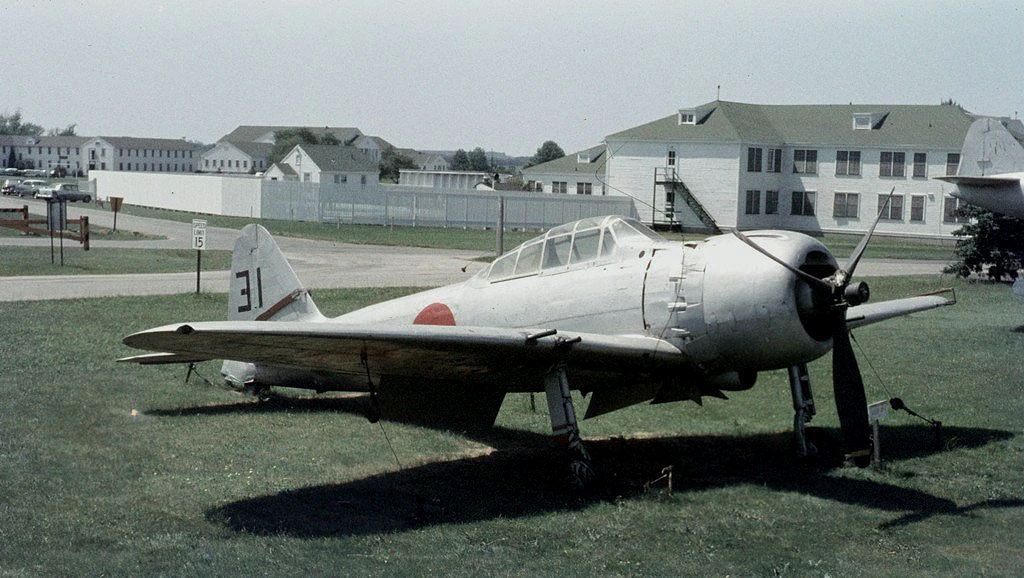
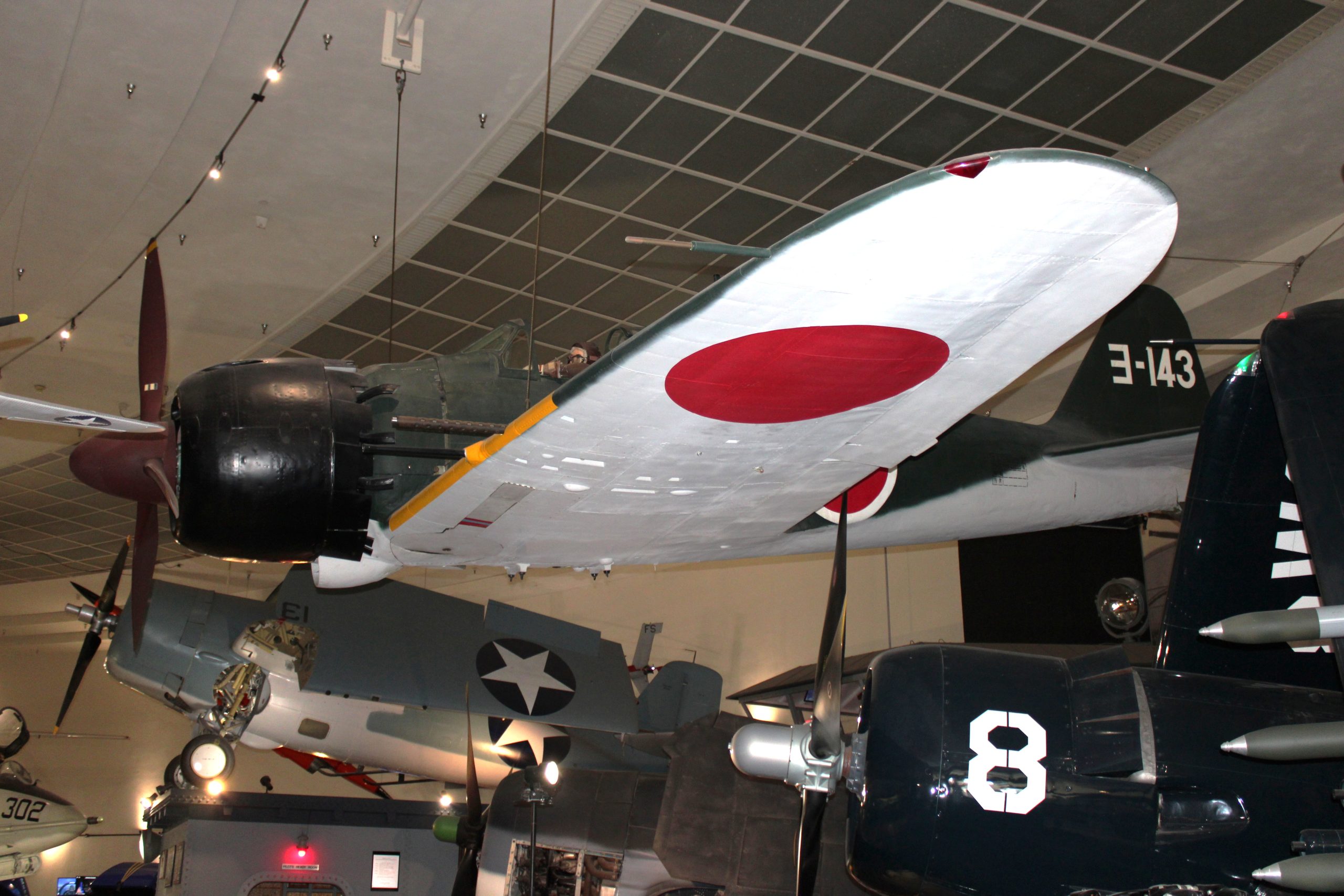
They were all then repainted and placed on display alongside the P-40 and the Ar 196, becoming a popular attraction for aviation enthusiasts in the Mid-Atlantic region as they parked outside the fence off State Route 611. By 1952, Lieutenant Commander David Ascher was reassigned to the Niagara Falls Air Reserve Station, adjacent to Niagara Falls International Airport, but remained in touch with the men who assisted him in assembling the collection at Willow Grove. Ascher passed away in 2006 at the age of 94, but not before knowing that the aircraft he brought to Willow Grove were saved for posterity. As more aviation museums were established across the country, many looked to NAS Willow Grove to find aircraft that could add to their collections. In 1962, the Smithsonian’s National Air Museum (now the National Air and Space Museum) acquired the Mitsubishi A6M7 Zero. Eventually, after a brief period with the Bradley Air Museum in Connecticut (now the New England Air Museum), it was loaned by the Smithsonian to the San Diego Air and Space Museum in 1981, which placed it on display in 1984 following a four-year restoration project.
By this point, though, a volunteer organization of naval reservists had been formed in 1972 as the Willow Grove Historical Aircraft Association, whose goal was to maintain the aircraft in the outdoor displays at NAS-JRS Willow Grove, which was no easy task considering the cold, snowy winters and the hot, humid summers that present ongoing challenges to any volunteer group. In 1985, the group rebranded itself as the Delaware Valley Historical Aircraft Association (DVHAA) in order to expand into the wider aviation history surrounding NAS-JRS Willow Grove, including the history of Harold F. Pitcairn. As they broadened their scope, the DVHAA also began to raise funds to build a new museum to house indoor displays for the public to appreciate. The collection also grew after 1952 to include retired U.S. naval aircraft to complement the WWII aircraft already on display.
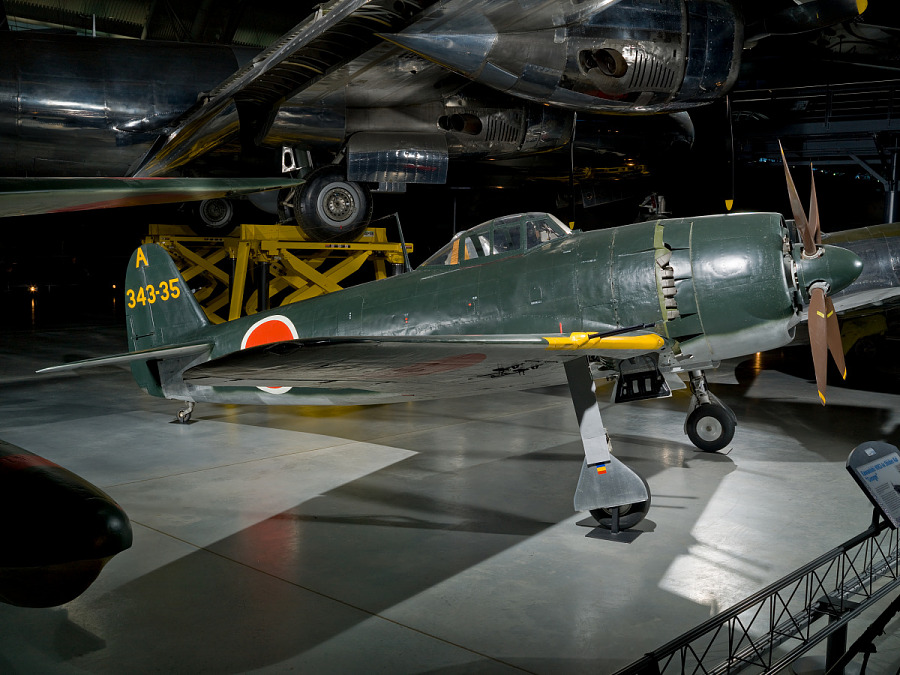
The Smithsonian also acquired three more Japanese aircraft from Willow Grove, whose collection was now managed by the DVHAA. These were the Ascher collection’s Kawanishi N1K2 Shiden-Kai “George”, Nakajima B6N2 Tenzan “Jill”, and Nakajima Kikka. The N1K2 was sent to the now-closed Champlin Fighter Museum in Mesa, Arizona, for restoration and display until it was eventually placed on display at the National Air and Space Museum’s Steven F. Udvar-Hazy Center at Dulles International Airport, Virginia, where it was eventually joined by the unrestored Nakajima Kikka prototype. Meanwhile, the Nakajima B6N2 torpedo bomber, the last of its kind, currently remains in storage at the Paul Gaber Storage Facility in Suitland, Maryland.
While the DVHAA did their best to maintain the collection, more aircraft left for new museums, the P-40N that started it all was initially displayed on a pylon at Peterson Air Force Base in Colorado Springs, Colorado, before being placed on display at the Museum of Aviation in Warner-Robins, Georgia as part of the National Museum of the United States Air Force’s Loan Program.
The National Naval Aviation Museum in Pensacola, Florida, would enter into a loan agreement to keep the remaining Axis aircraft at Willow Grove, but as the years went on and the museum in Pensacola grew, one by one, the last Axis aircraft at Willow Grove went to Pensacola. The Kawanishi N1K1 “Rex” floatplane fighter was placed in storage at Pensacola but is now being restored by American Aero Services at New Smyrna Beach, Florida (see our previous article on the aircraft HERE). The Arado Ar 196 taken from the German battlecruiser Prinz Eugen was later also placed in storage at Pensacola, but since 2012, it has returned to Germany, where it is being loaned by the National Naval Aviation Museum in Florida to the Aeronauticum in Nordholz, Germany, and is currently the subject of an extensive volunteer restoration project by the Arado 196 Support Association (see the project’s website HERE).
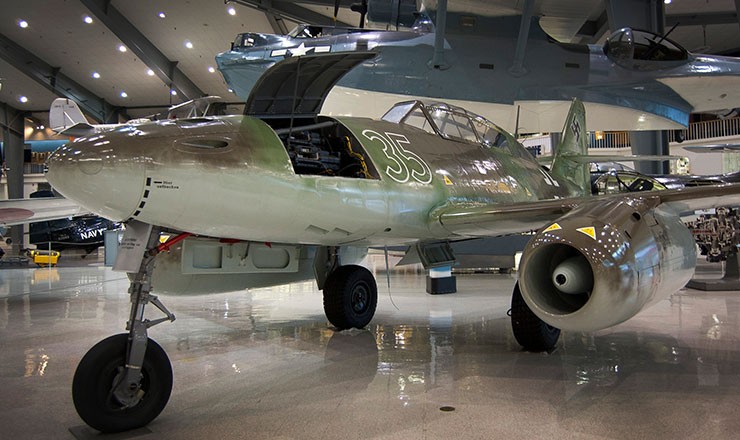
In 2004, the Wings of Freedom Aviation Museum was opened to the public, but the future of NAS-JRS Willow Grove was uncertain. On May 28, 2005, the Base Realignment and Closure (BRAC) commission recommended that the base be closed, and soon the Air Force units stationed as part of the joint operations at Willow Grove were disbanded and the Navy and Marine units were relocated to McGuire Air Force Base, New Jersey. On September 15, 2011, Naval Air Station – Joint Reserve Base Willow Grove closed after 68 years of service to the United States. However, not all of Willow Grove stayed quiet, as the Pennsylvania Air National Guard moved in, initially renaming the site Willow Grove Air National Guard Base before it was renamed Biddle Air National Guard Base in honor of World War I aviator Charles J. Biddle, who flew with both the French Aéronautique Militaire and with the United States Army Air Service over the Western Front. However, no air operations are conducted at Biddle, with much of the surplus land on the former Willow Grove site, including the runways, being set for commercial and residential redevelopment by Horsham Township. Meanwhile, the last of the Axis aircraft of the collection founded by David Ascher would briefly return to Willow Grove. This was Messerschmitt Me 262 B-1a, Werknummer 110639 “White 35”. Originally built as an armed two-seat trainer, it was captured by American forces at Lechfield Airfield, near Augsburg, Germany, in April 1945. Having been used to check out American test pilots flying the Me 262 in Germany and France, the aircraft was one of several captured German aircraft brought to America aboard the British escort carrier HMS Reaper. From there, the aircraft was flight tested at NAS Patuxent River until it was deemed surplus in 1947 and came to Willow Grove. In 1993, the aircraft, officially loaned to Willow Grove by the National Naval Aviation Museum, was loaned to Herb Tischler’s Texas Aircraft Factory at Fort Worth-Meacham Field, Texas, where Tischler hoped to restore the aircraft and use it as a reference to build several airworthy Me 262 replicas.
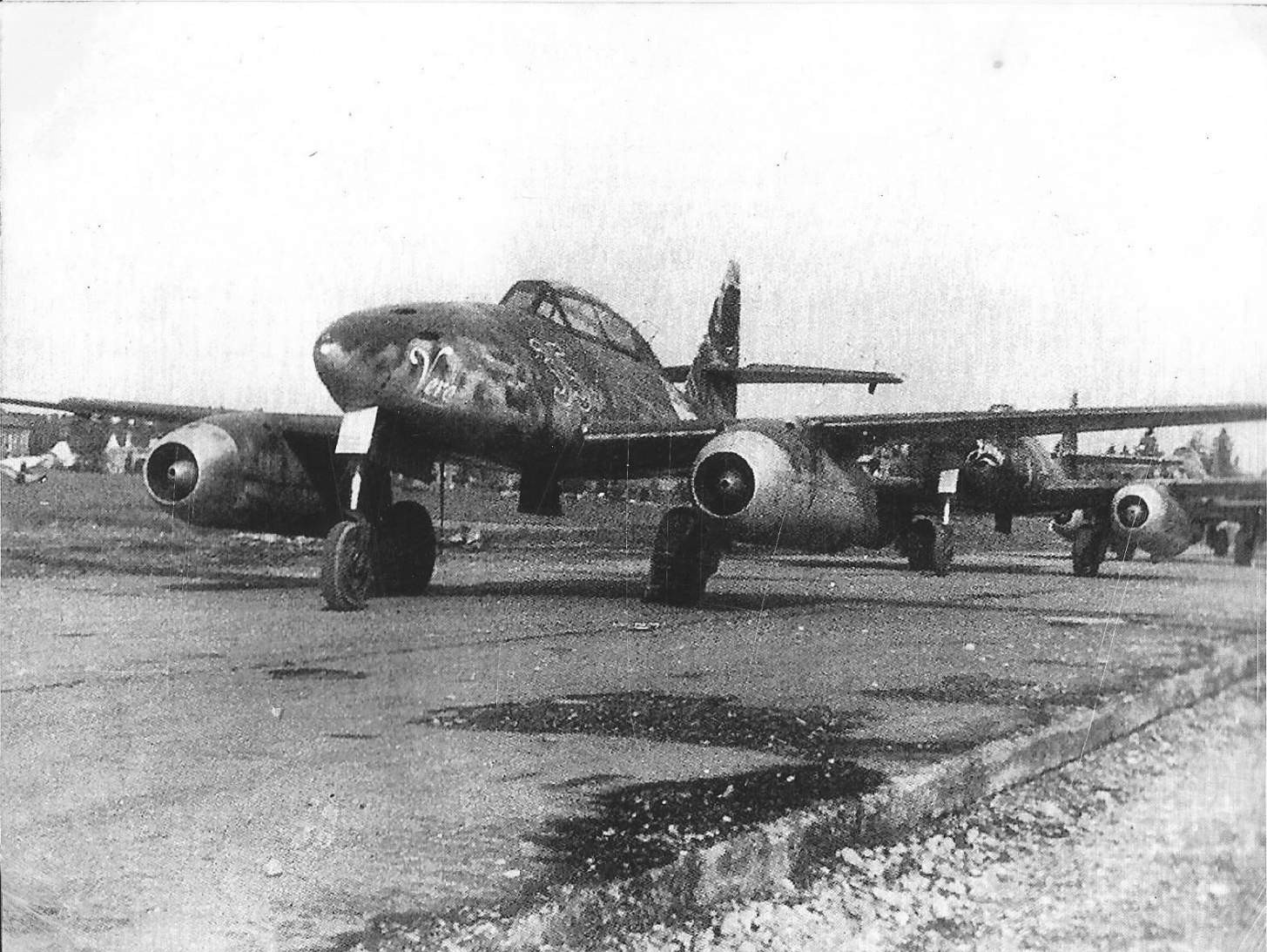
Later, the project was transferred to Legend Flyers of Paine Field, Everett, Washington, where the replicas were completed, and White 35 was restored to static display condition. Werknummer 110639 was returned to Willow Grove and displayed inside the Wings of Freedom Aviation Museum’s building. Still, in 2010, the aircraft made its final move to the National Naval Aviation Museum in Pensacola, where it can be found on display to this day, while two of the replicas are maintained in airworthy condition in the United States (one by the Collings Foundation and kept in Texas, and one flown by the Military Aviation Museum in Virginia Beach, Virginia), another is flown by the Messerschmitt Stiftung (Foundation) in Germany. Another is on static display at the Evergreen Aviation and Space Museum in McMinnville, Oregon (see this profile HERE).
Today, the Harold F. Pitcairn Wings of Freedom Aviation Museum is home to over 20 historic aircraft, with many of them on loan from the National Naval Aviation Museum or the National Museum of the United States Air Force, and some of the aircraft are being restored by museum volunteers. Much of the collection remains outdoors at the former MAS-JRS Willow Grove, but a small portion of the museum’s aircraft collection, along with numerous flight helmets, vintage and modern aviation flight gear, engines, air to air missiles, bombs, aircraft models, vintage Martin Baker ejection seats, and flight simulators, as well as an extensive collection of military service medals.
Current Aircraft Collection
As you enter the museum’s hangar, the first thing visitors see today is an aircraft built at the old Pitcairn Field, a Pitcairn PA-8 Mailwing. Built in 1931 by Pitcairn Aviation, this Mailwing, construction number 162, was issued the registration number NC10751 and was flown on the mail routes operated by Eastern Air Transport on Contract Air Mail (C.A.M.) number 19, flying from New York to Atlanta and back. In 1934, NC10751 was sold to North American Aviation, which then also owned the now-renamed Eastern Air Lines. NAA replaced the lower set of wings due to a structural failure before selling the aircraft in 1935 to Becker-Forner Flying Service of Jackson, Michigan. It remained with Beckerr-Forner until 1945, when it was sold to Bud T. (B.T.) Hammond of Owosso, Michigan.
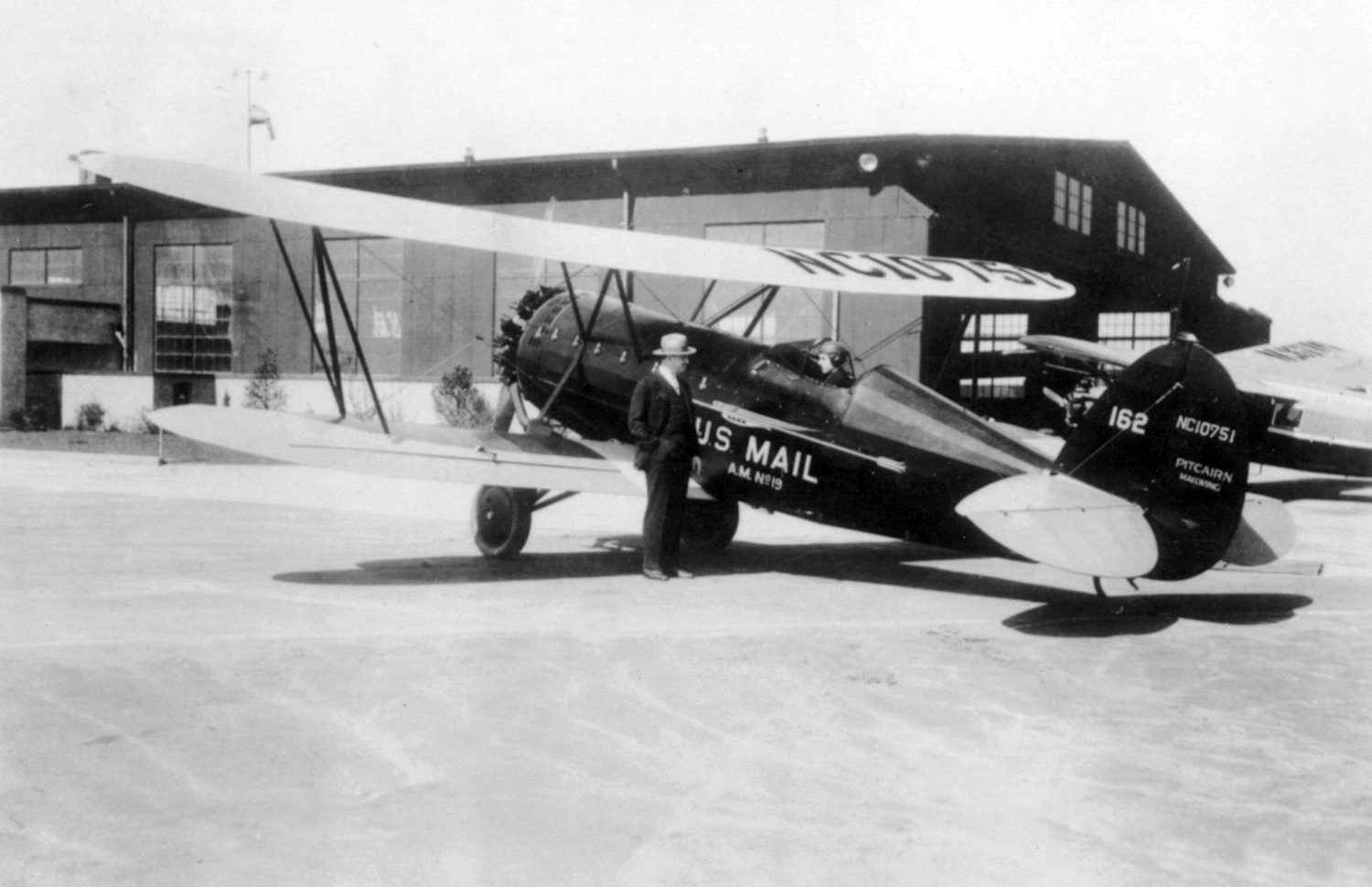
From 1945 to 1982, the aircraft had multiple owners, until it was acquired by Norton Aero Ltd, which overhauled its Wright R-975 Whirlwind radial engine and began restoring it. In 1992, however, the project was acquired by none other than Stephen Pitcairn, the son of Harold Pitcairn. Since the 1970s, Stephen worked to preserve his father’s legacy by tracking down and purchasing Pitcairn Aircraft for restoration to airworthy condition. The story of Pitcairn PA-8 Mailwing NC10751 had truly come full circle.
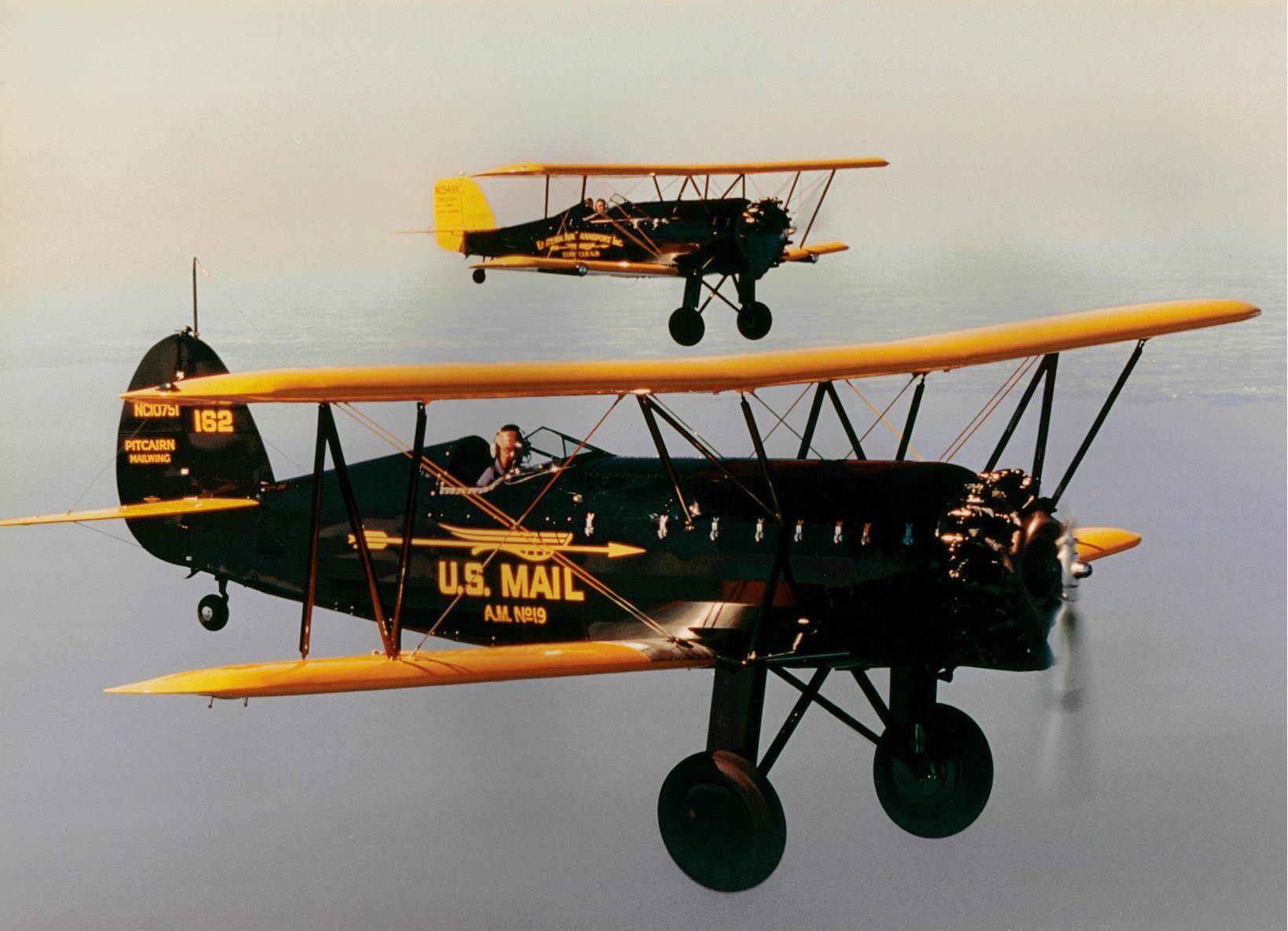
Bringing the aircraft to Trenton-Robbinsville Airport, New Jersey, Pitcairn worked alongside the brothers Mike and Larry Posey of Posey Brothers, Inc., a company specializing in restoring vintage aircraft of the 1920s and 1930s. PA-8 N10751 made its first post-restoration flight on June 9, 1998, with Stephen Pitcairn at the controls. Pitcairn continued to fly the aircraft until his passing in 2008, at which point the aircraft was flown primarily by Mike Posey while the Pitcairn family continued to own the aircraft. In August 2012, the family decided to donate the Mailwing to the Wings of Freedom Aviation Museum, given the fact that the aircraft was built 81 years prior to that site. In a 2012 article, Rick Pitcairn, the grandson of Harold F. Pitcairn and the executor of his uncle Steve Pitcairn’s estate, said of transferring the Mailwing to the museum in Horsham: “I’m trying to fulfill my uncle’s wishes with as much integrity as I can.” On September 29, 2012, over 140 people gathered to dedicate the aircraft inside the museum hangar, where the legacy of Harold F. Pitcairn can be appreciated on the very site where Pitcairn left his indelible mark on American aviation history.
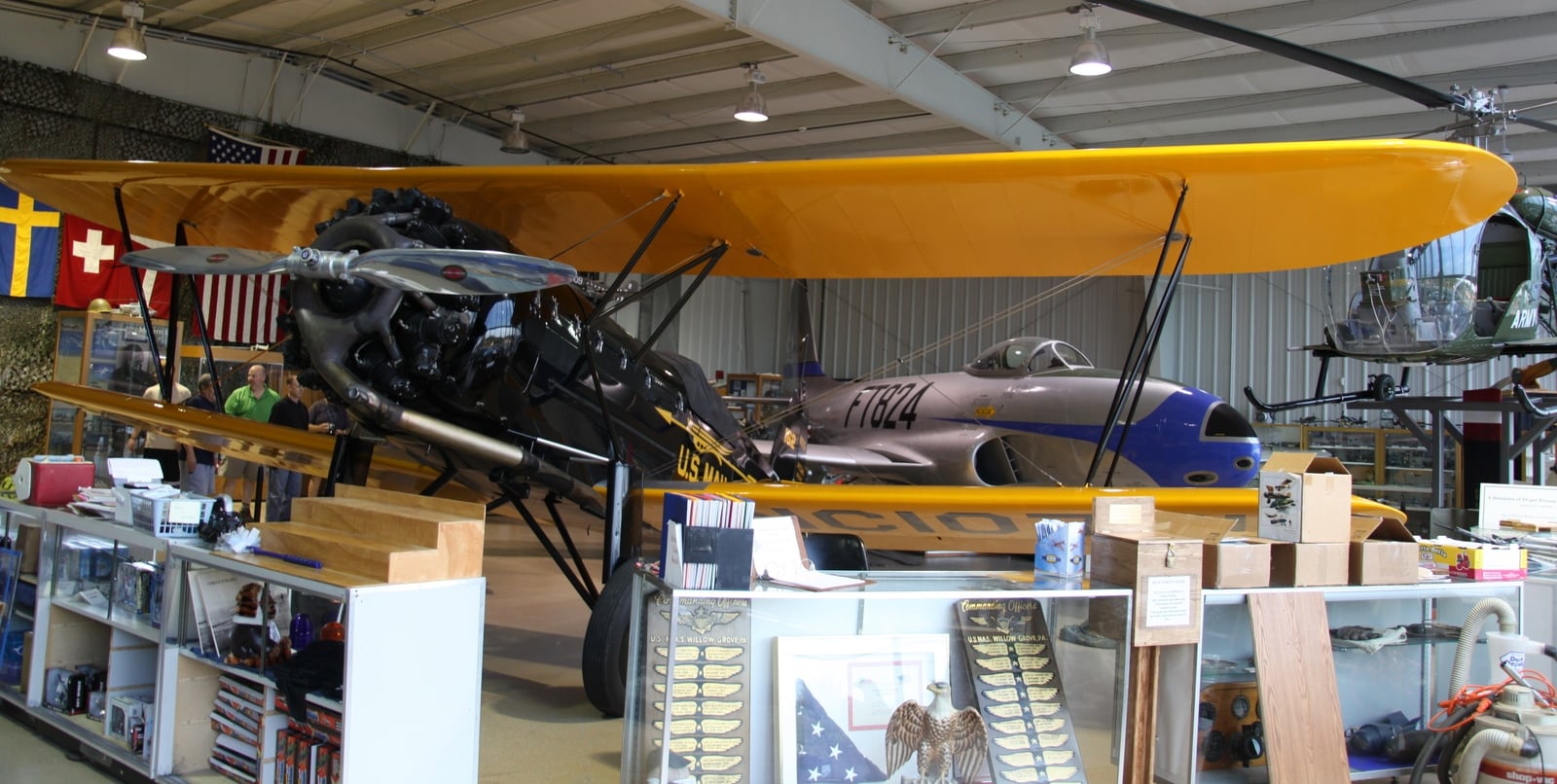
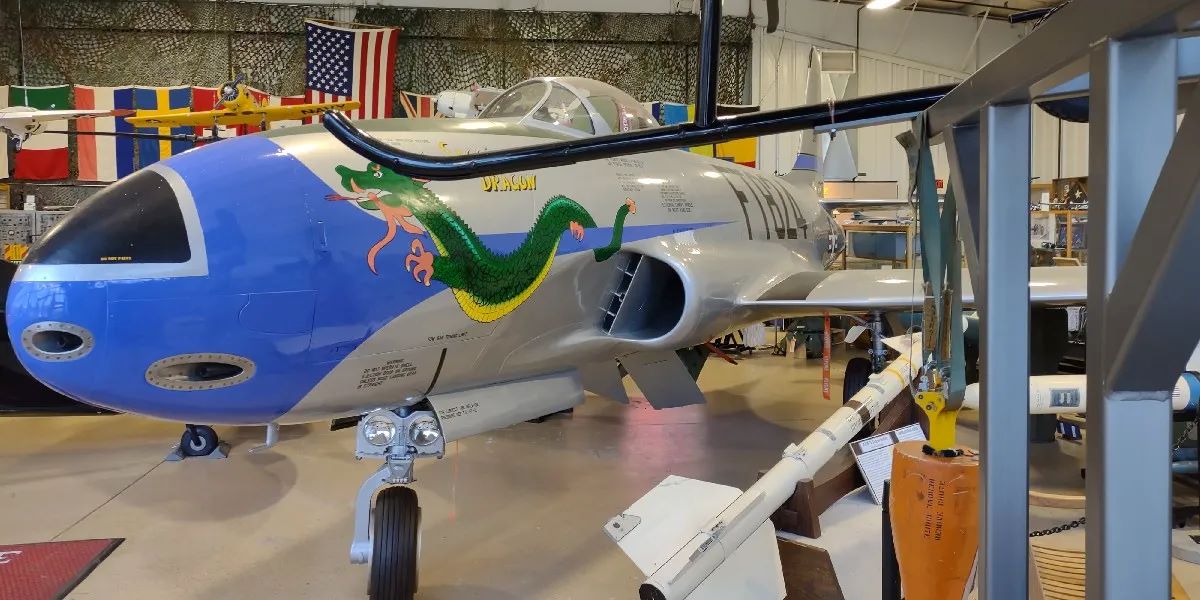
Next to the Mailwing is an aircraft that could not be more different from the 1930s-era biplane. It is a Lockheed F-80C Shooting Star jet fighter. While it is currently displayed in USAF colors, this Shooting Star spent much of its time in the US Navy. After being constructed by Lockheed Aircraft in Burbank, California as part of a USAAF/USAF contract under the serial number 47-221, it was part of a production batch that was soon transferred to the US Navy and redesignated as TO-1 Shooting Stars (later TV-1 Shooting Stars after 1950), with 47-221 becoming Bureau Number 33824 upon its delivery to the USN on July 19, 1948.
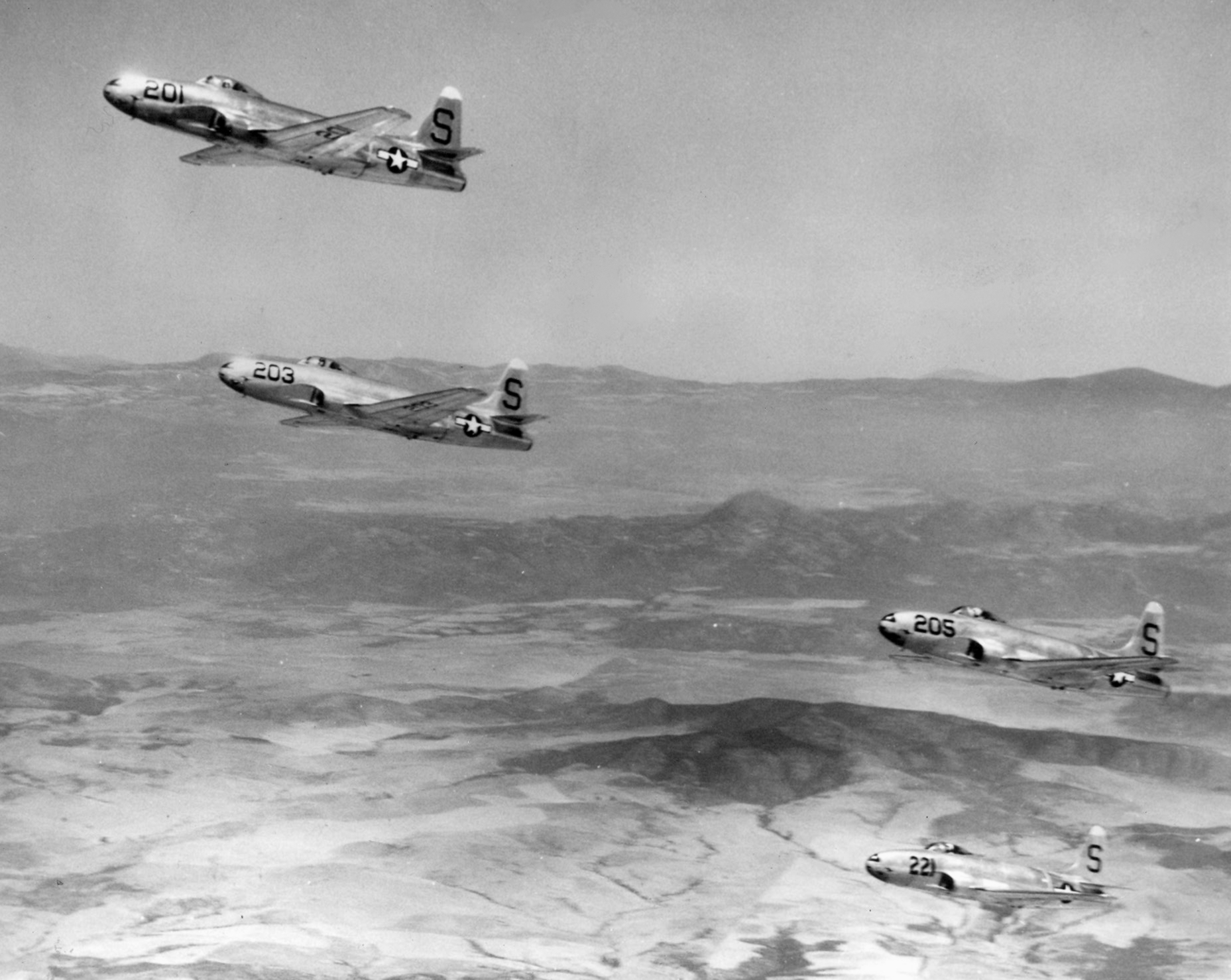
The TO-1s/TV-1s were primarily used by both the US Navy and the US Marine Corps as advanced jet trainers in order to acquaint Navy and Marine aviators with flying jet aircraft. As such, BuNo 33824 was operated across the US with the following units:
| Fighter Squadron 52 (VF-52) at NAS North Island, CA, 1948 – 1949 | Advanced Training Unit 6 (ATU-6), NAS Corpus Christi, TX, 1949 | Jet Training Unit 1 (JTU-1) at NAS Whiting Field, FL, 1949 – 1951 | ATU-3, NAS Kingsville, TX, 1951 – 1952 |
| ATU-200 NAS Kingsville, TX, 1952 – 1954 | Naval Air Reserve Training Unit (NARTU) St. Louis, 1954 | NARTU Oakland, CA, 1954-1956 |
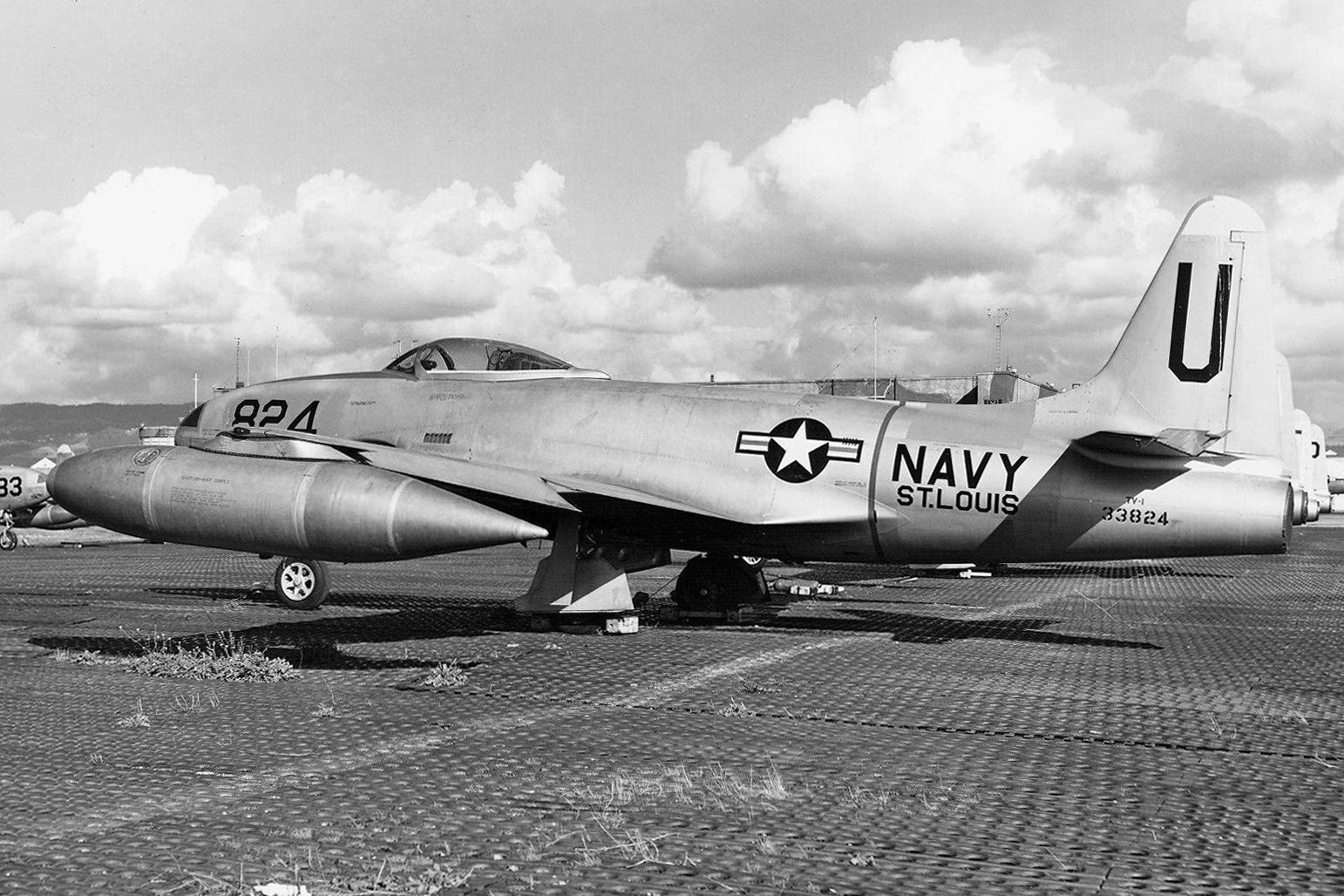
In March 1956, TV-1 Shooting Star BuNo 33824 was transferred to NAS Willow Grove, where it was then stricken from charge after logging 1731 flight hours. After being retired from service, TV-1 BuNo 33824 was placed on display at NAS Willow Grove, where it became part of the Wings of Freedom Aviation Museum’s collection. From 2003 to 2005, members of the DVHAA restored the aircraft in the markings of Saggin’ Dragon, an F-80C (s/n 49-650) of the 16th Fighter Interceptor Squadron, 51st Fighter Interceptor Wing, USAF, which saw combat during the Korean War. However, the aircraft’s original Bureau Number remains painted on the tail.
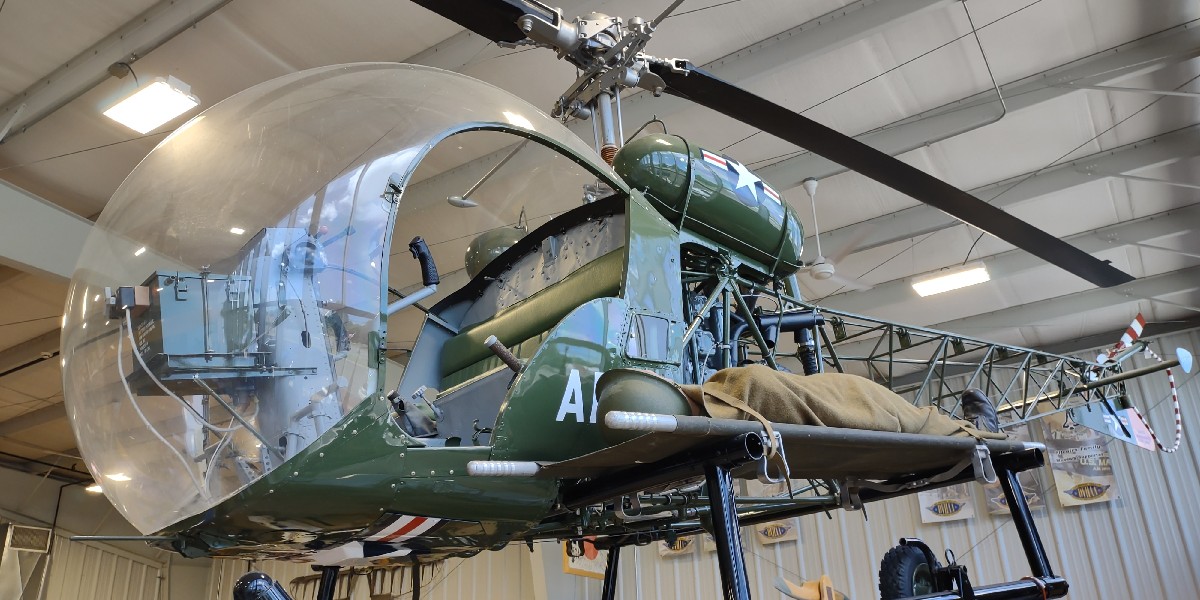
Two aircraft are suspended above the floor of the museum’s hangar, with one of these being the museum’s Bell OH-13G Sioux helicopter, a militarized version of the popular Bell Model 47. The Sioux was used not only as an observation helicopter during the Korean War, but it was also famously used to transport wounded soldiers to Mobile Army Surgical Hospitals (MASH), which later served as inspiration both for the 1970 black comedy M*A*S*H and the long-running sitcom of the same name. Little is known about the museum’s OH-13G, which was built as construction number 1060 and delivered to the US Army as serial number 52-7833. The museum believes that after its military service, the helicopter was used as an instructional airframe at a trade school before coming to the museum in 2003. It was restored by museum volunteers with assistance from Carson Helicopters, Inc. of Perkasie, PA, about 13 miles northwest of the museum.
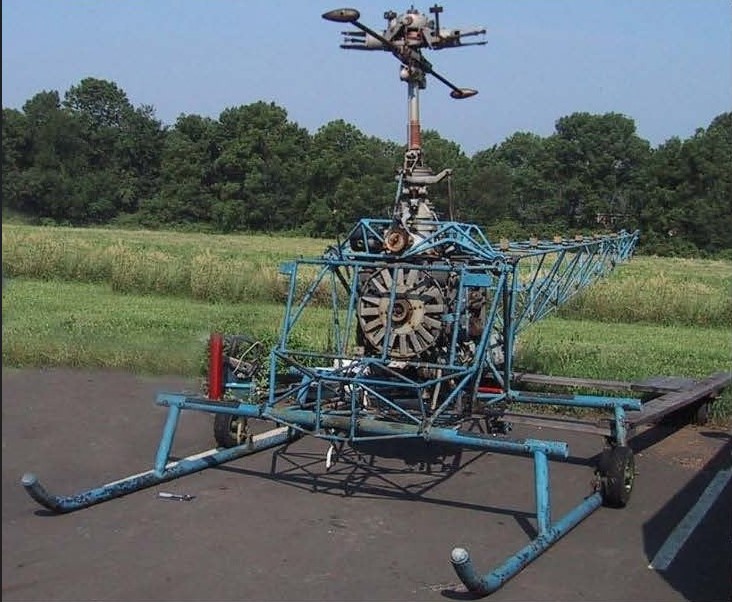
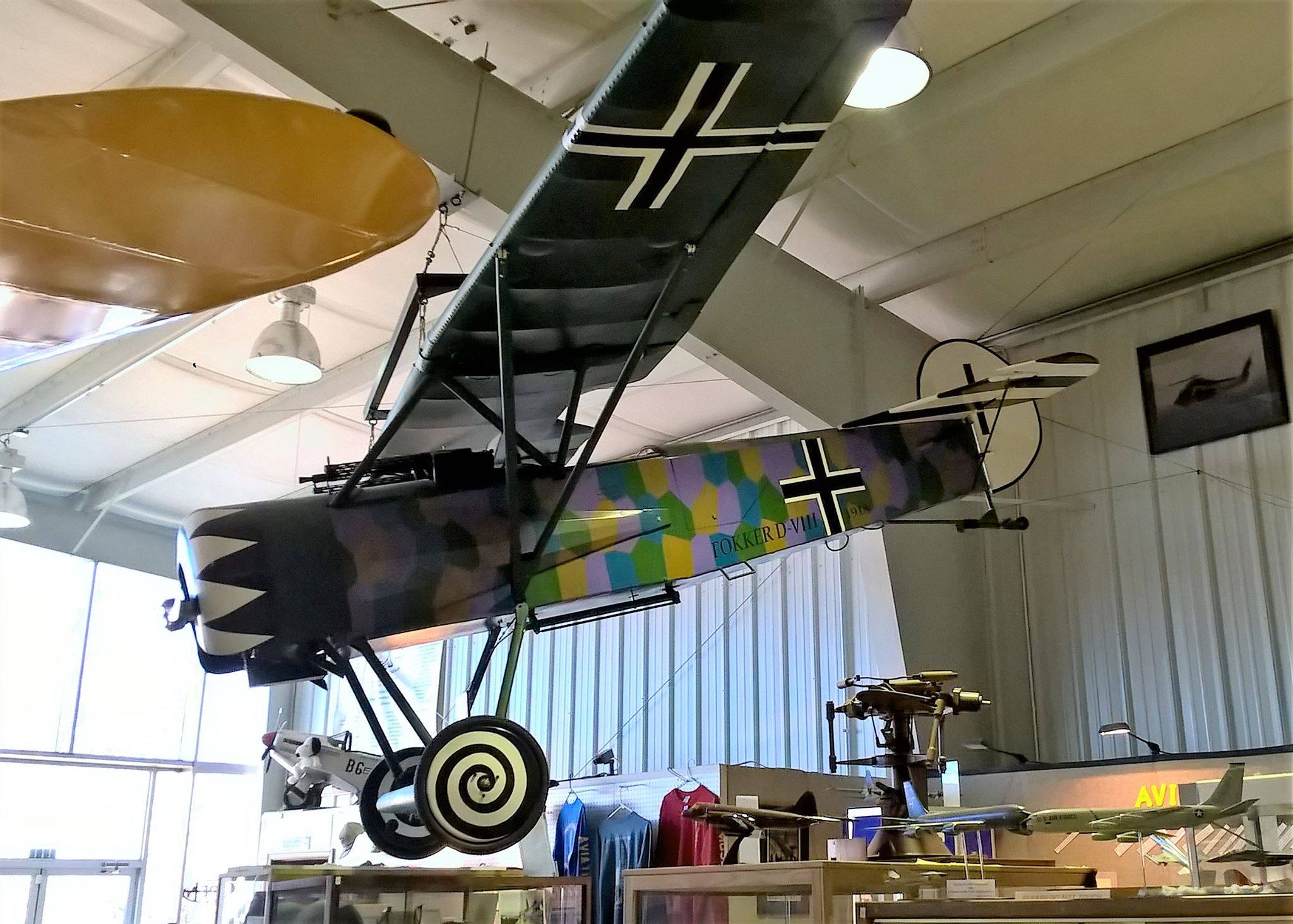
The other aircraft suspended in the museum’s hangar is a ⅞ scale replica of a Fokker D.VIII WWI fighter. For its time, the original Fokker D.VIII was unique for having a high-wing monoplane that used internal bracing in the wing as opposed to externally-mounted wire bracing seen on many contemporary aircraft. The replica at the Wings of Freedom Aviation Museum was originally constructed by Ron Mulvaney and was powered by a Porsche/Volkswagen automobile engine as opposed to an Oberursel UR.II, a licensed copy of the French Le Rhône 9J 9 cylinder rotary engine. Although Mulvaney completed the replica, ground tests revealed control difficulties that prompted him to forgo any flights in the aircraft, which he donated to the museum in 2006. The Fokker D.VIII replica has been on display since April 2008.
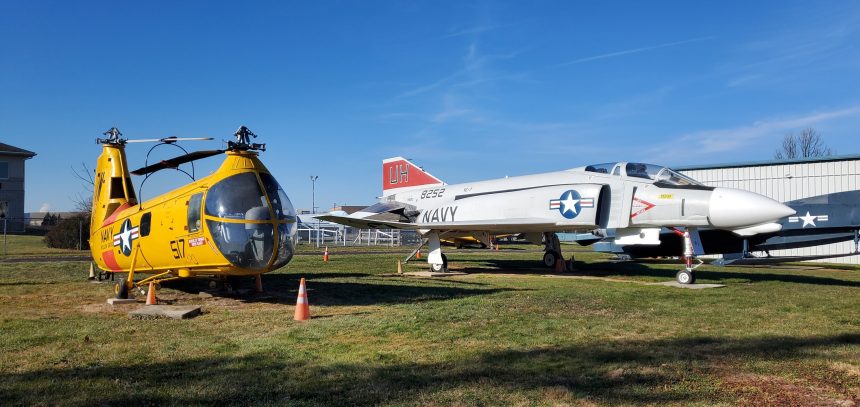
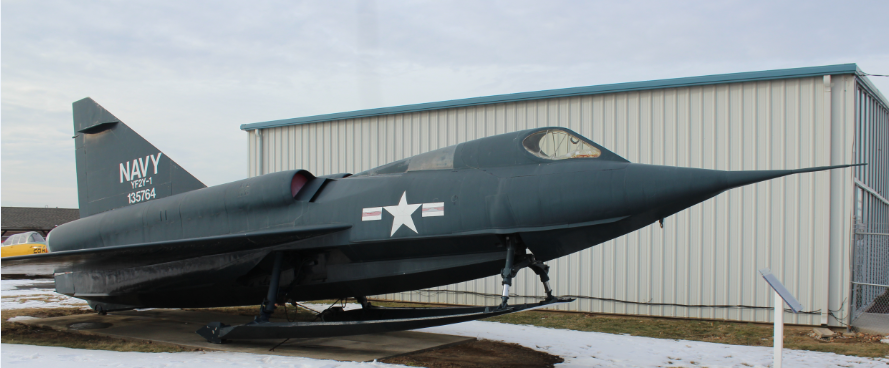
Outside the museum’s hangar are a number of decommissioned Navy and Air Force aircraft, ranging in size from a Bell UH-1 Huey (s/n 68-16614) to a Lockheed P-3B Orion (BuNo 154574). Among the most interesting aircraft displayed here is a Convair YF2Y-1 Sea Dart, an example of the first supersonic seaplane (the wider story of the type is covered in this article HERE). Only five examples of this unique type of aircraft were built, and the last two Sea Darts constructed at the Convair factory in San Diego, California, were never even flown before the US Navy cancelled the Sea Dart program. Among these two was Bureau Number 135764, which was later sent to the collection of aircraft at NAS-JRS Willow Grove in 1987, restored by members of the DVHAA from 1991 to 1993, and remains on display at the Wings of Freedom Aviation Museum, being loaned by the National Naval Aviation Museum.
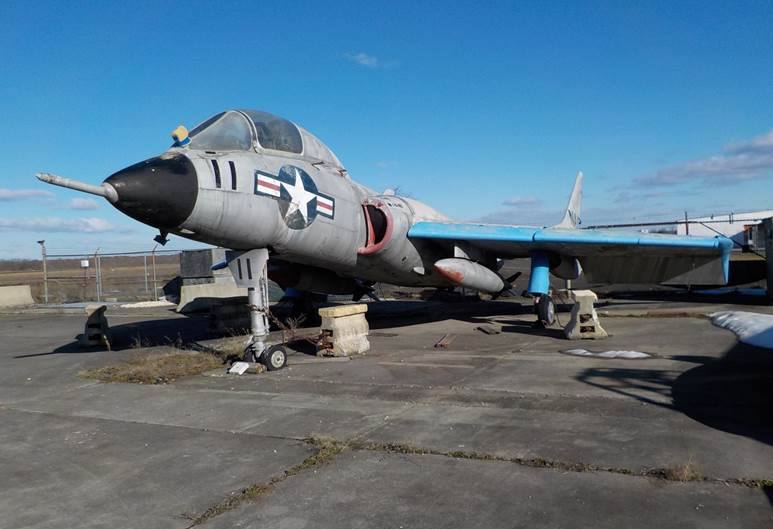
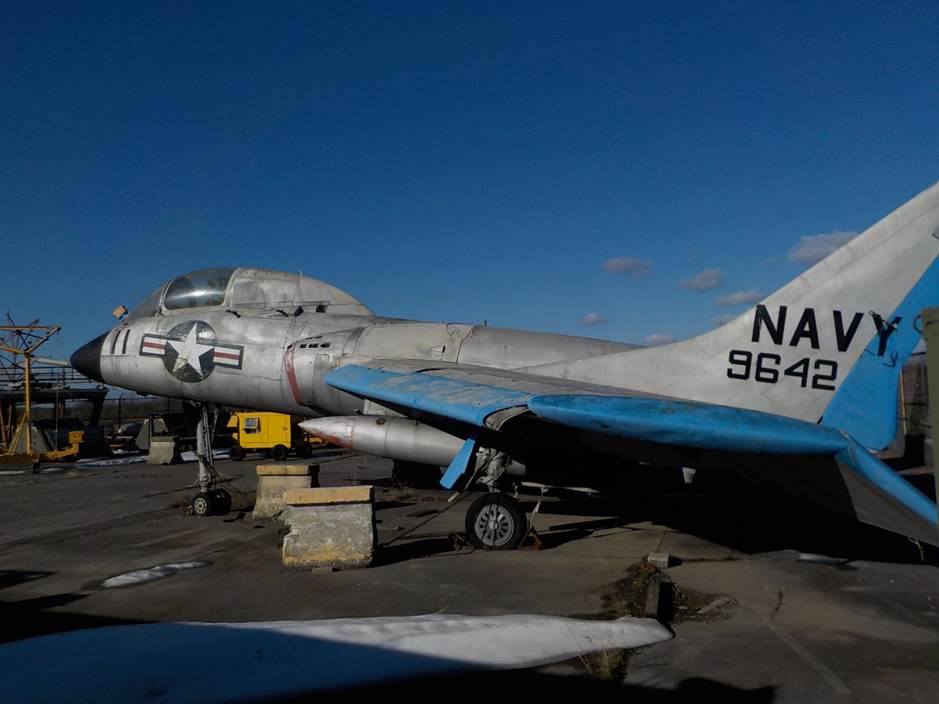
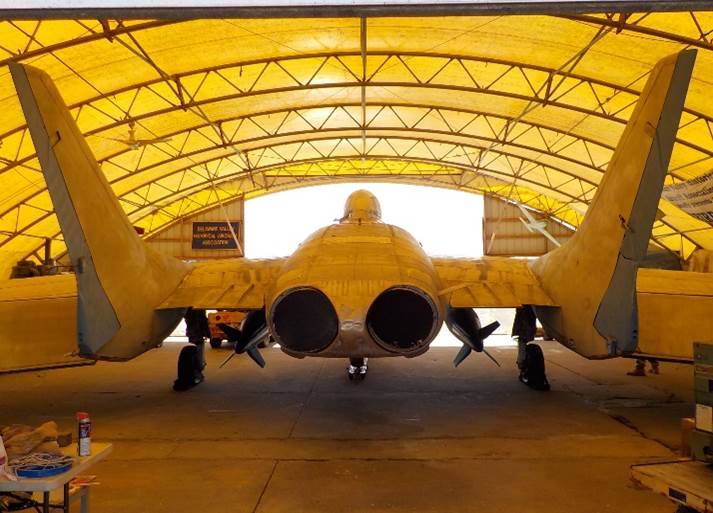
Yet another rare US naval aircraft of the 1950s that can be found in Horsham is the Wings of Freedom Aviation Museum’s Vought F7U Cutlass. Often derided as the “Gutless Cutlass”, it was one of many early jet aircraft of the late 1940s and early 1950s that gained bad reputations on the basis of their engines at a time when the science behind jet engines was still burgeoning. The museum’s example is one of just seven surviving examples of the type. Built by Vought in Dallas, Texas as an F7U-3, and delivered to the Navy as Bureau Number 129642 at NAS Oceana, Virginia, in September 1954. During its ultimately short naval career, BuNo 129642 was flown by Fighter Squadrons 81 and 83 (VF-81 and VF-83) and later flown by Attack Squadron 12 (VA-12). While in operational service, the aircraft was modified to become an F7U-3M, capable of firing four AAM-N-2 Sparrow I air-to-air missiles from racks fitted to the wings.
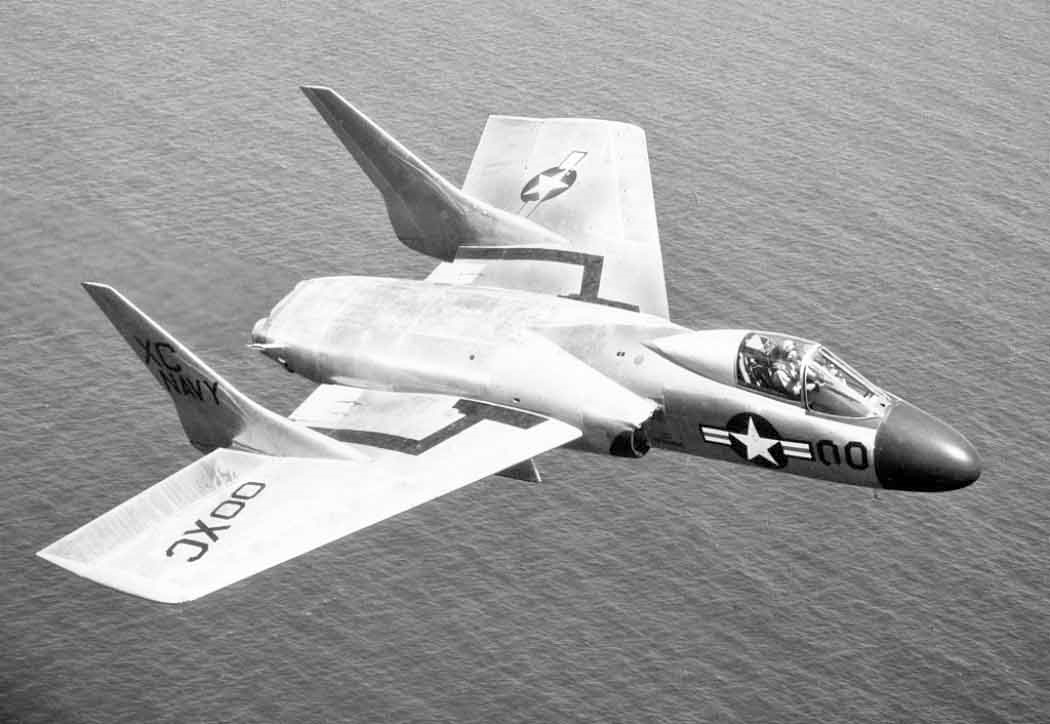
In May 1957, an airshow was held at NAS Willow Grove, and F7U-3M 129642 was flown there from Oceana to attend the show. At this time, the remaining Cutlasses were being phased of the Navy’s squadrons, and following the show, it was decided to decommission BuNo 192642 at Willow Grove, where it was used as a ground training airframe for the Naval Reserves with only 326.3 hours of flight time. By 1962, the aircraft was placed on display with the rest of the aircraft collection at Willow Grove and eventually came into the fold of the DVHAA/Wings of Freedom Aviation Museum. In 2009, the aircraft was removed from public display due to ongoing deterioration and is currently awaiting restoration. Its condition has significantly declined from being displayed outdoors for all these years, and it will take an extensive amount of volunteer labor to bring the aircraft back to a suitable condition to be displayed to the public once again.
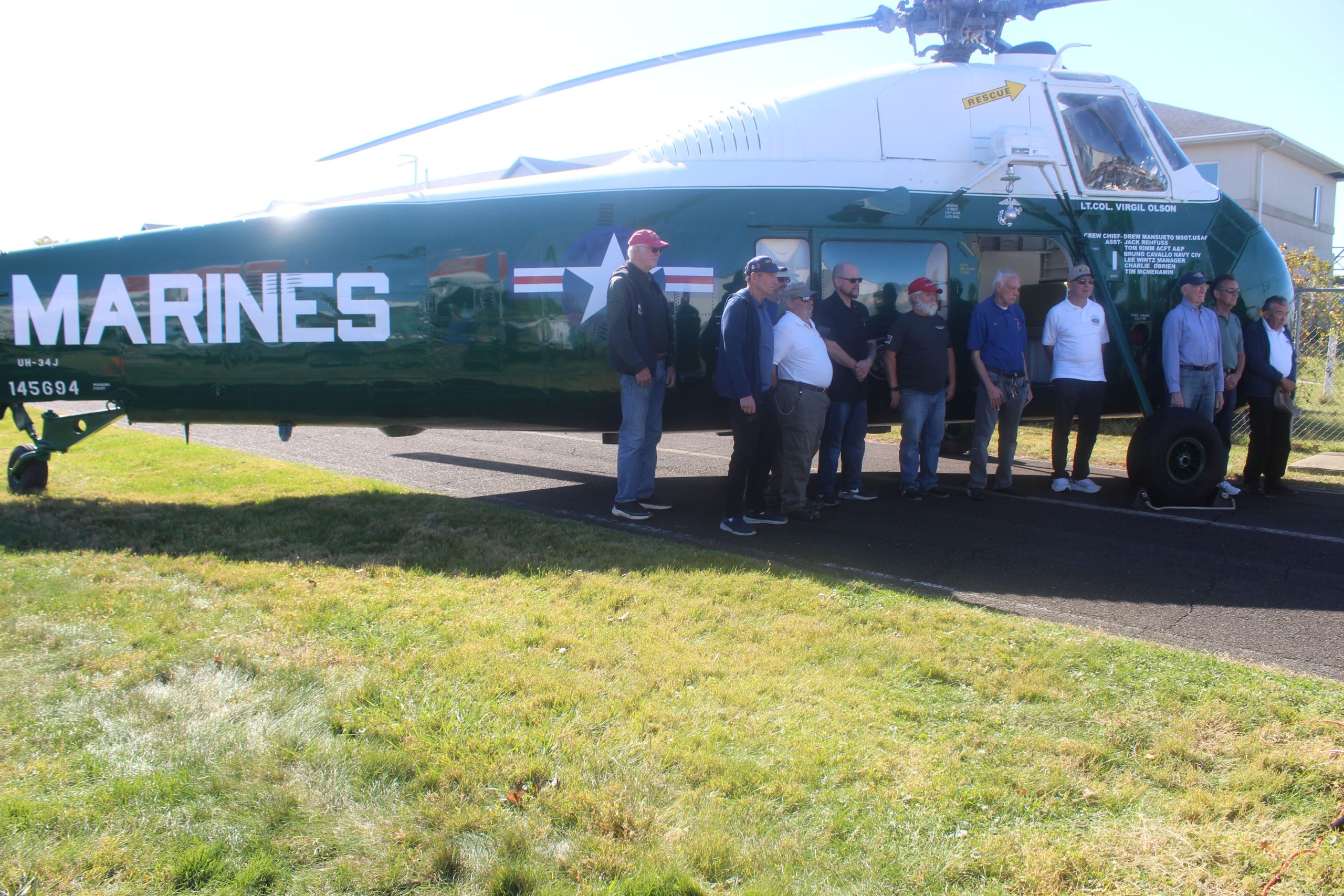
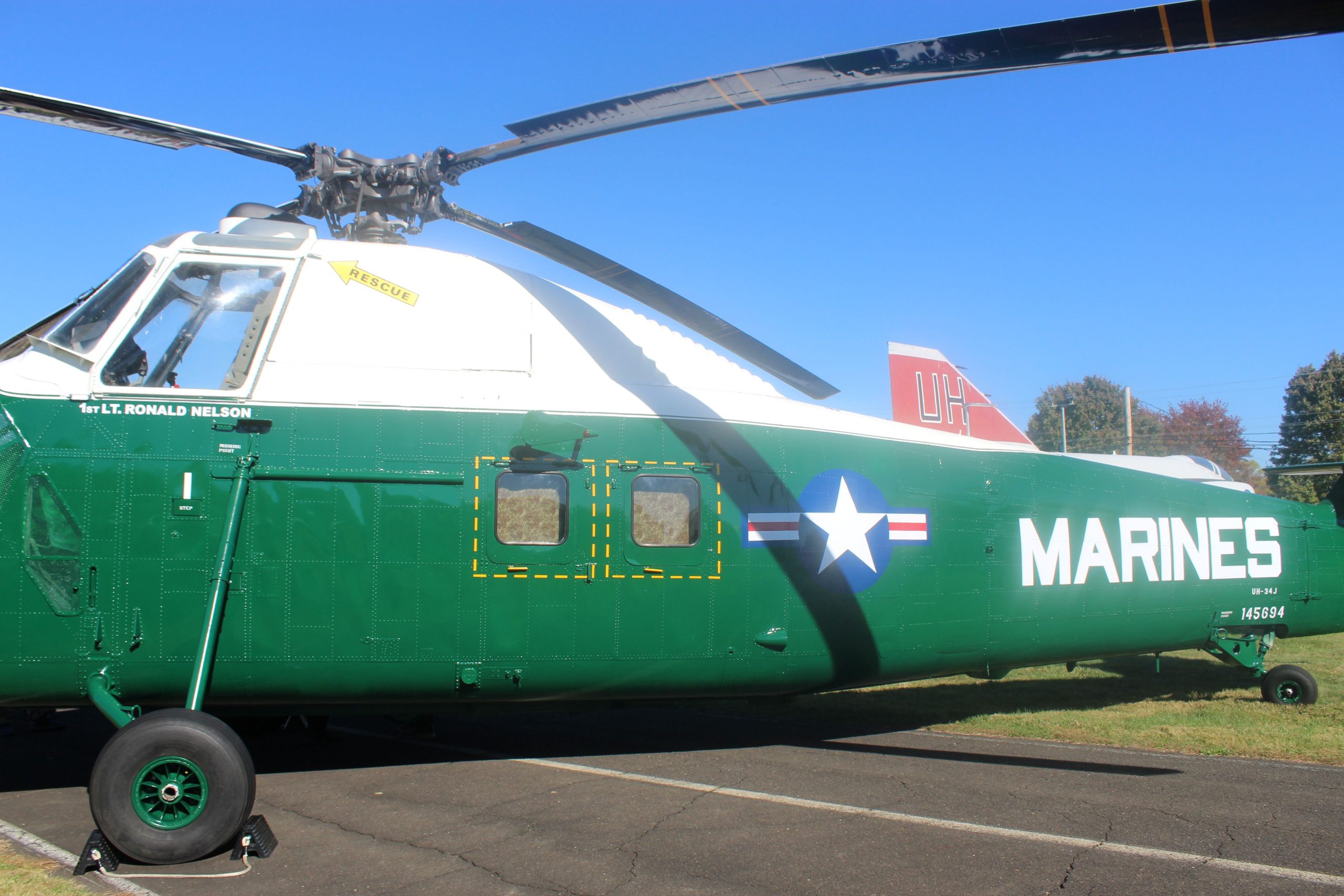
With regard to other restoration projects, the museum has been working on giving one of its helicopters a new look. This would be the museum’s Sikorsky UH-34J Seahorse, Bureau Number 145694. Originally built by Sikorsky Aircraft as an HSS-1N Seabat anti-submarine warfare (ASW) helicopter, 145694 was delivered to the Navy in September 1958. It served with Helicopter Squadrons HS-4, HS-6, and HU-1 before being redesignated after 1962 as an SH-34J. Soon, the aircraft was stripped of its ASW equipment and redesignated as a UH-34J Seahorse utility helicopter. In 1963, 145694 was sent to the Naval Reserve units at NAS New York and later flown in Search and Rescue (SAR) flights at NAS North Island, California, NAS Keflavik, Iceland, Marine Corps Air Station Cherry Point, North Carolina, and finally NAS Oceana, Virginia, before being retired from service on April 7, 1971. The aircraft was stored in the Boneyard at Davis-Monthan AFB, Arizona, before being declared excess on April 6, 1972.
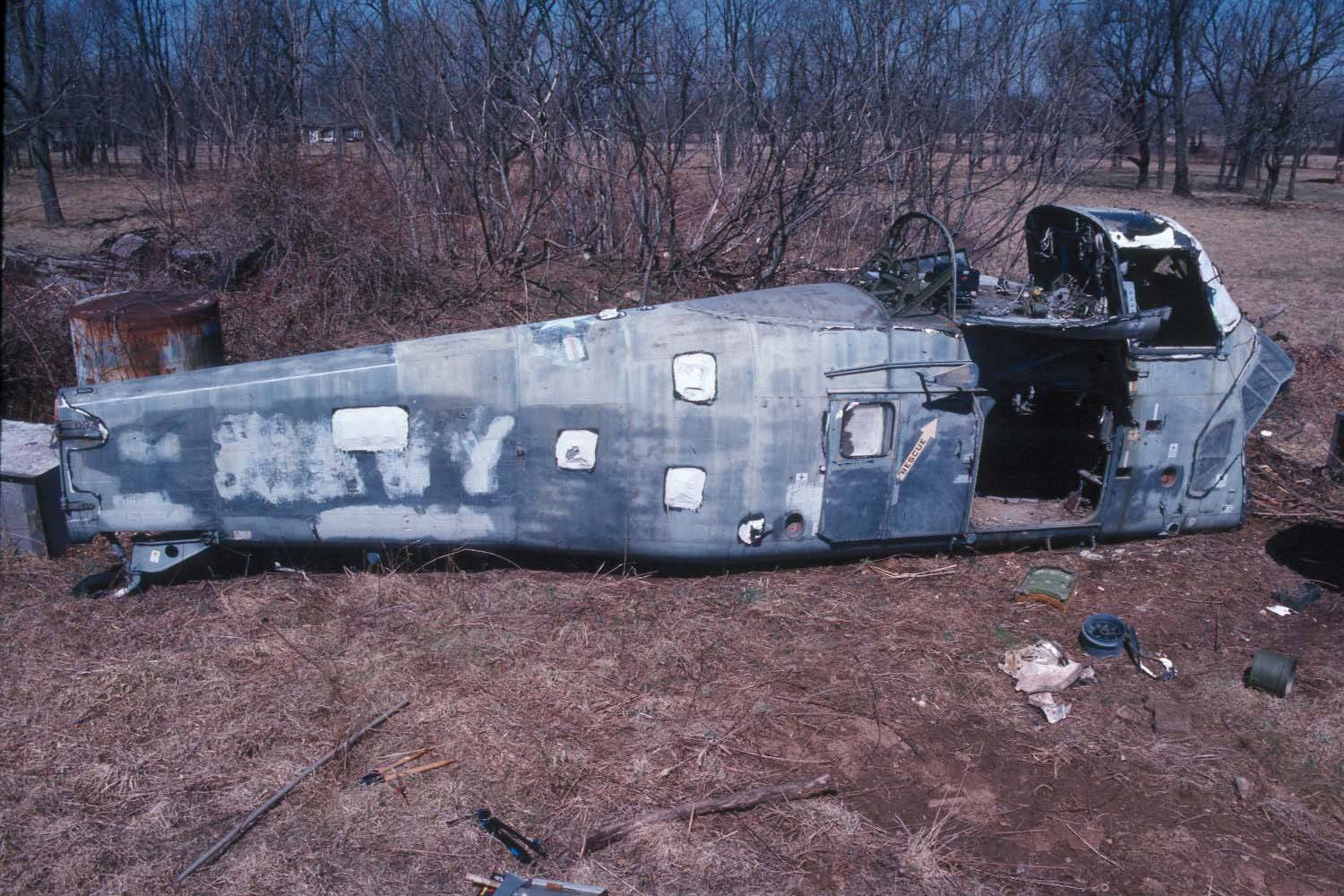
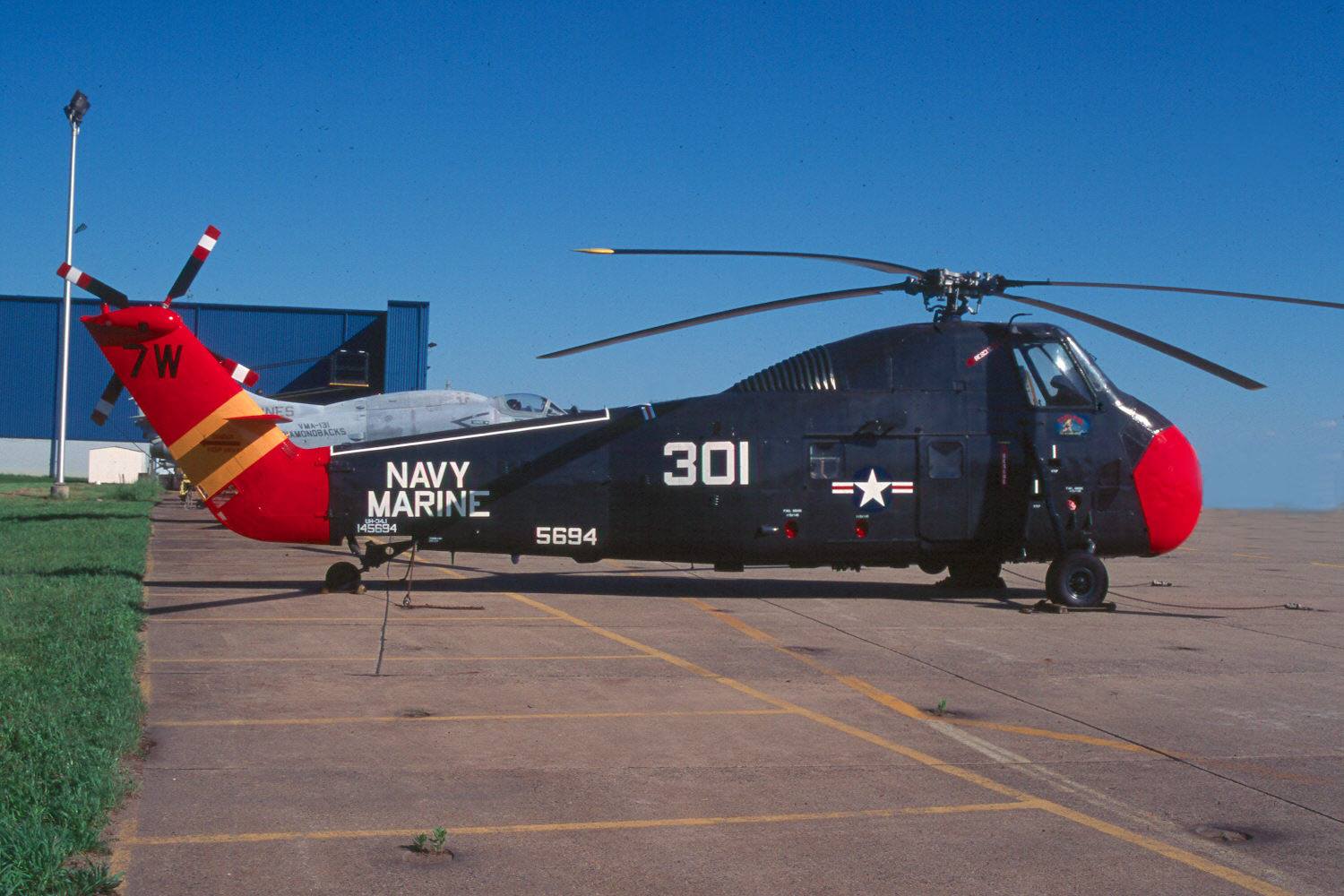
On the civilian market, the aircraft was registered as N46920, and in April 1988, the DVHAA acquired the old Seabat/Seahorse from Carson Helicopters, Inc. of Perkasie, Pennsylvania. By this point, BuNo 145694 was but a shell of its former self, and volunteers spent seven years restoring the aircraft, which was officially dedicated at Willow Grove in April 1995, wearing markings similar to the UH-34 Seahorses flown out of NAS-JRS Willow Grove. In April 2023, the helicopter was under restoration yet again, this time to wear the external markings and the period-correct interior of Marine One. While the current Marine One helicopters flown by Marine Helicopter Squadron One (HMX-1) include the venerable Sikorsky VH-3D Sea King, Sikorsky VH-60 White Hawk, and the new Sikorsky VH-92 Patriot, the first Marine helicopters to transport the President of the United States were seven Sikorsky H-34 helicopters (originally designated HUS-1Z, later VH-34D), which replaced the original two Bell UH-13J helicopters flown by the Air Force to transport President Dwight Eisenhower from 1957 to 1958, when the Army and the Marines shared this prestigious duty (The Marines of Marine Helicopter Squadron One (HMX-1) would get sole responsibility for flying the President’s helicopter in 1976).
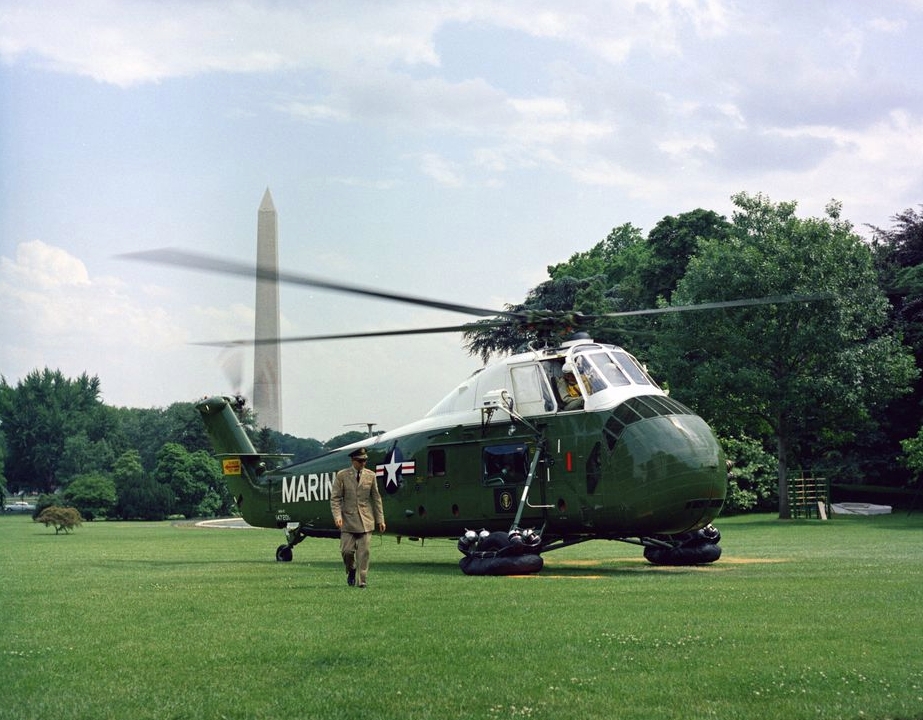
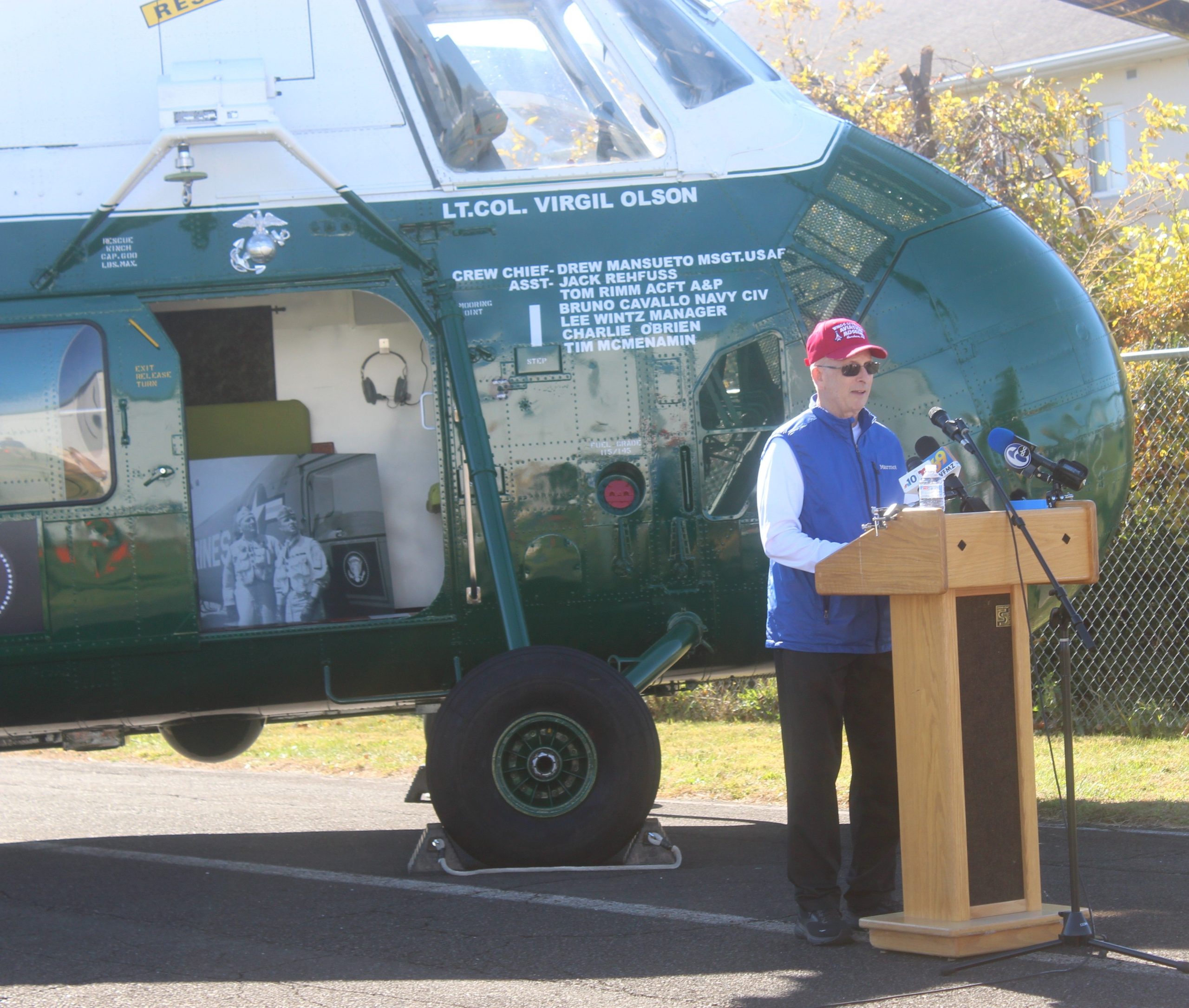
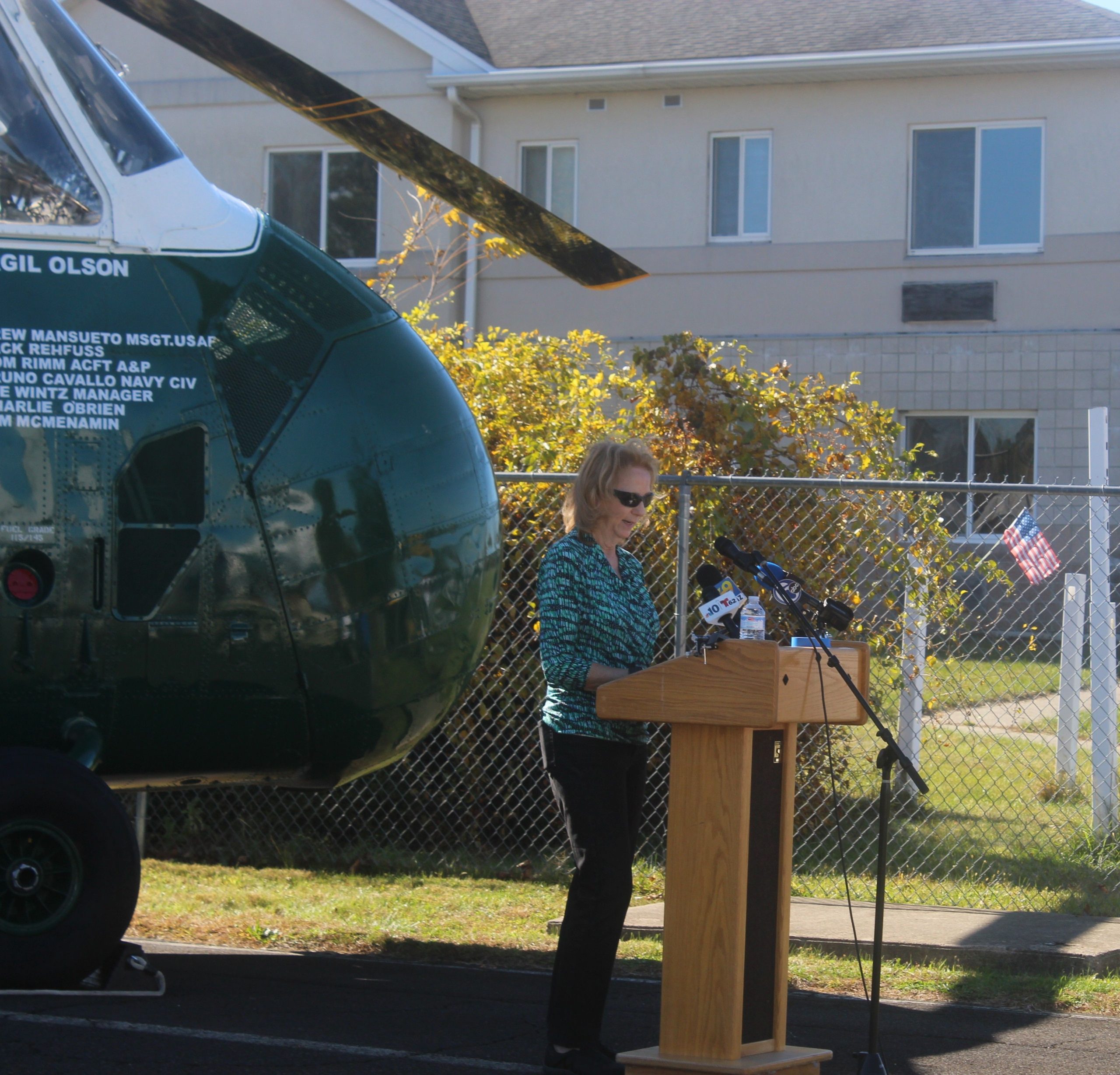
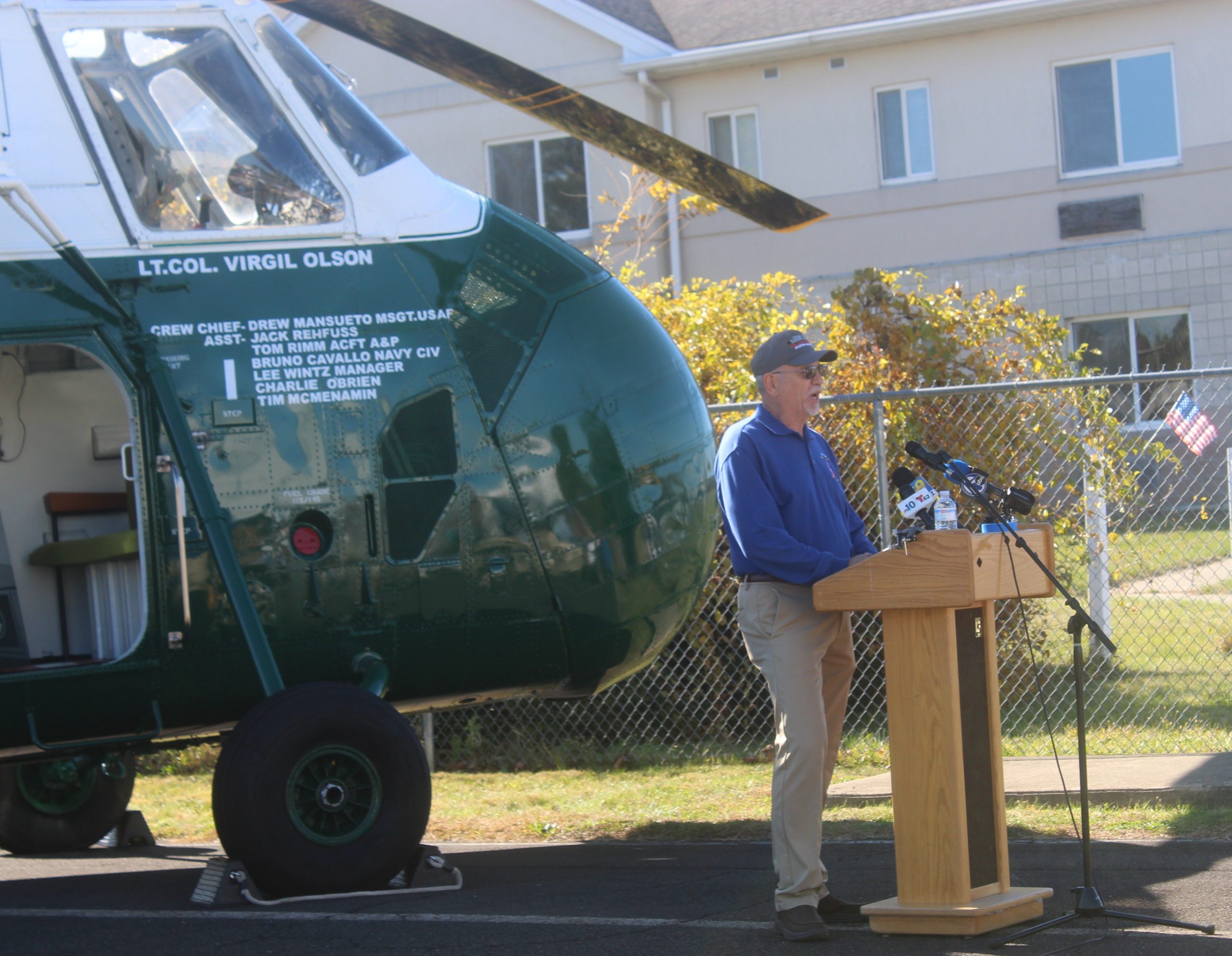
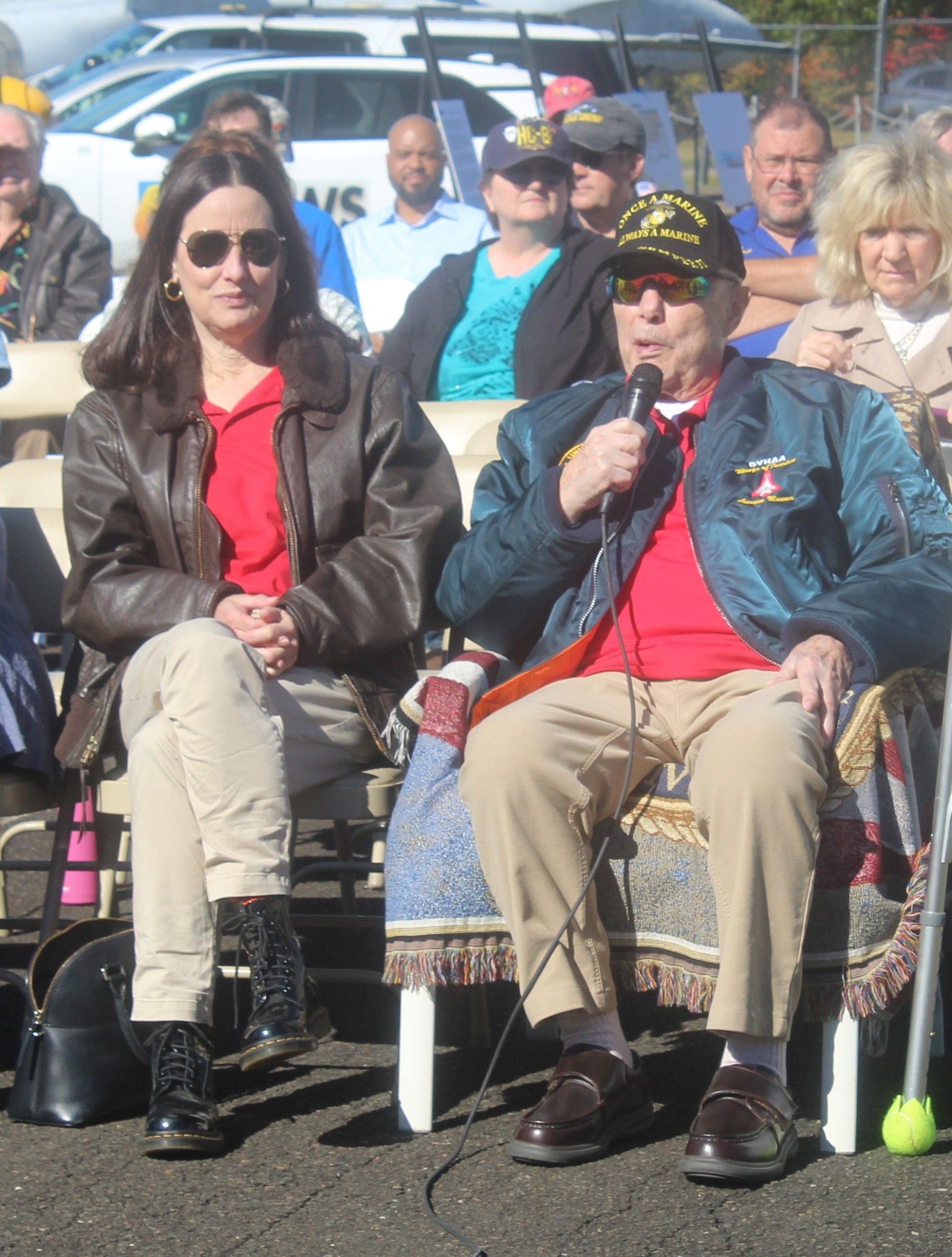
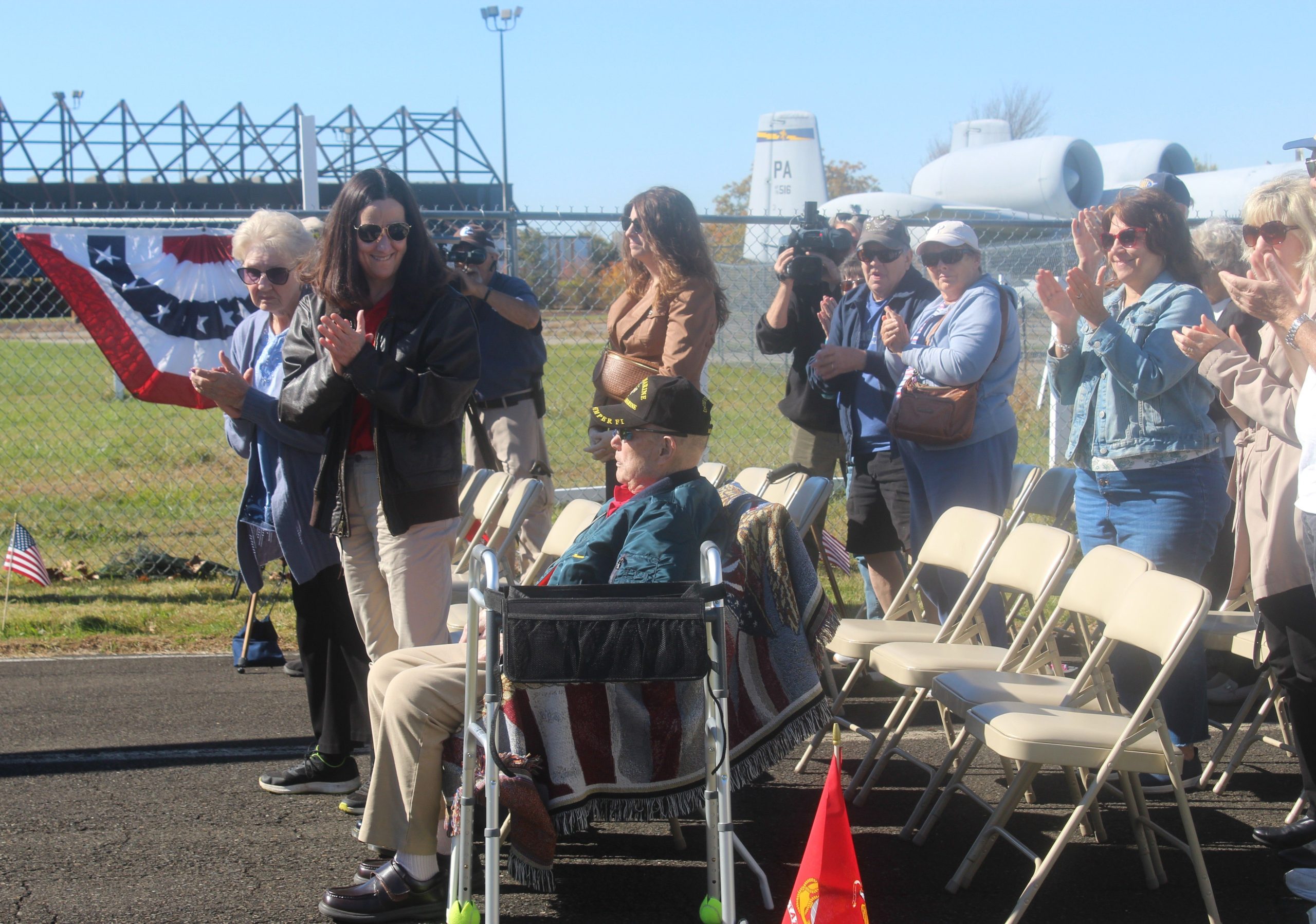
In addition to highlighting the role of the Sikorsky HUS/H-34 Seahorse as the second type of helicopter used to fly the U.S. President (and the first Presidential transport aircraft flown by US Marines), the Wings of Freedom Aviation Museum’s chairman emeritus, retired Major General Ronald K. Nelson, USMC, was a Marine aviator who flew the Marine One HUS-1Z/VH-34D Seahorse during the Eisenhower administration while he was a 1st Lieutenant. As such, the restoration will serve as a tribute for Major General Nelson as well as other Marine aviators who have had the distinction of transporting the Commander in Chief. On October 21, 2025, Sikorsky UH-34J Seahorse BuNo 145694 was officially unveiled to the public in a museum ceremony with its new Marine One colors. Among those in attendance at the ceremony was 94-year-old Major General Nelson, whose name is now inscribed on the left side of the Seahorse. On the right-hand side is the name of Lt. Col. Virgil Olson, who was the first Marine helicopter pilot to transport the Commander in Chief on September 7, 1957, on a flight from Newport, Rhode Island, to Naval Air Station Quonset Point, and later served as commander of HMX-1.

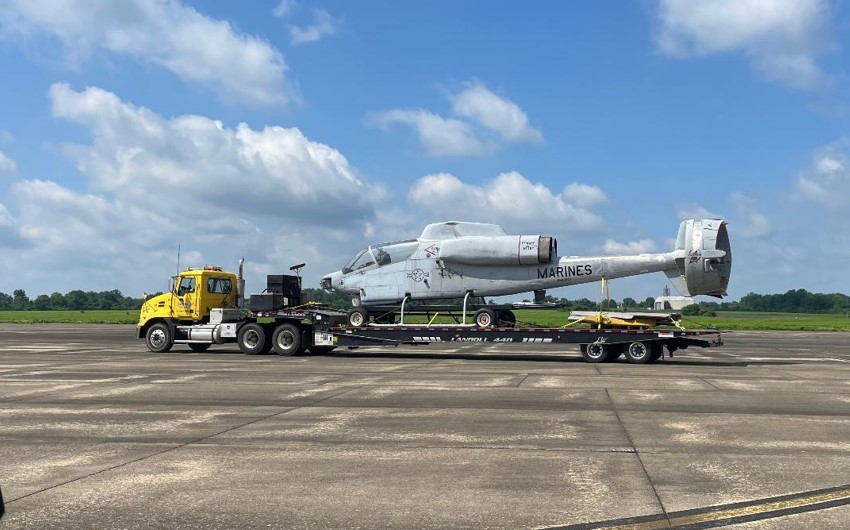
Yet another development at the museum is the acquisition of a full-scale mockup for a prototype helicopter. Known as the Piasecki Speed Cobra, this was the Piasecki Aircraft Corporation’s proposal to modify the Bell AH-1W Super Cobra with a Vectored Thrust Ducted Propeller (VTDP). A similar configuration was actually flight tested on another Piasecki design, the X-49 Speedhawk, which was based on the Sikorsky Blackhawk family of helicopters. The Speed Cobra, however, never advanced past the mockup stage, which was later donated to the Wings of Freedom Aviation Museum and transported to Horsham from Philadelphia via the services of Earthborne Trucks and Equipment of Warrington, PA. The museum is currently gathering more information to be preserved in their archives and eventually distributed to the public.
In all, the Harold F. Pitcairn Wings of Freedom Aviation Museum represents the rich aviation history of Pennsylvania’s Delaware Valley, and we at Vintage Aviation News look forward to sharing further updates from the museum on their restoration efforts to preserve not only the history of Naval Air Station Joint Reserve Base Willow Grove, but also the wider aviation history of Pennsylvania. Wings of Freedom Aviation Museum is open all year, open from Wednesday to Friday from 10:30 am to 3:00 pm, and on Saturdays & Sundays from 10:30 am to 4:00 pm. Further information about the museum can be found on their website: Wings of Freedom Aviation Museum – Wings of Freedom.
Special thanks to Michael A. Olenick and the staff of the Wings of Freedom Aviation Museum for their work in bringing the ongoing story of the museum to the forefront of Vintage Aviation News’ attention. We look in working with the museum in future articles, especially with regards to their restoration projects.