
By Randy Malmstrom
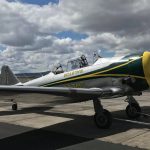
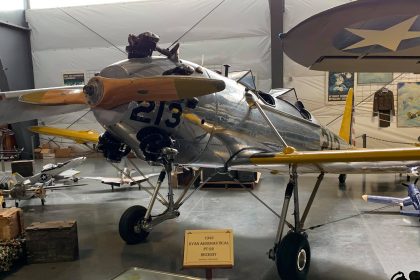
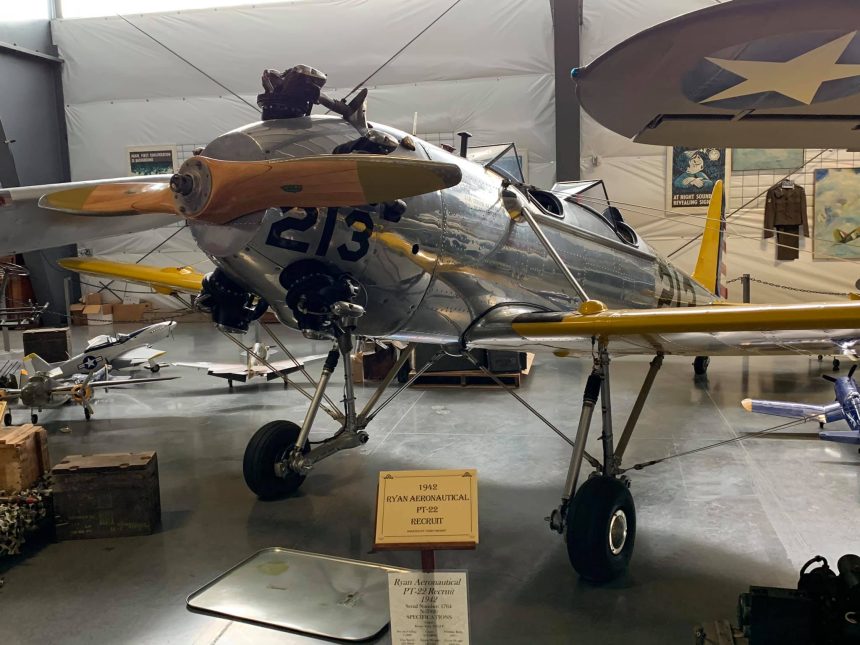
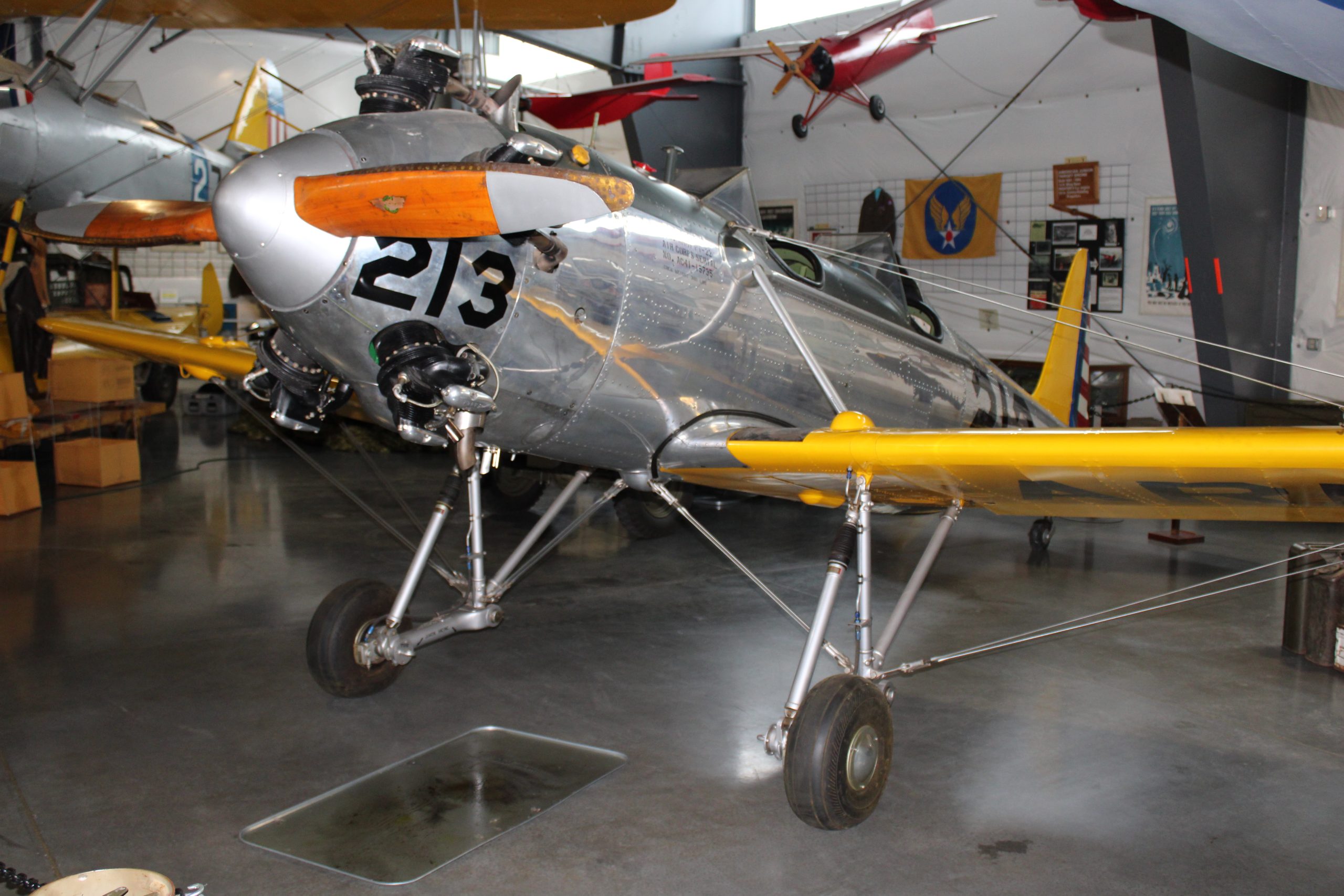
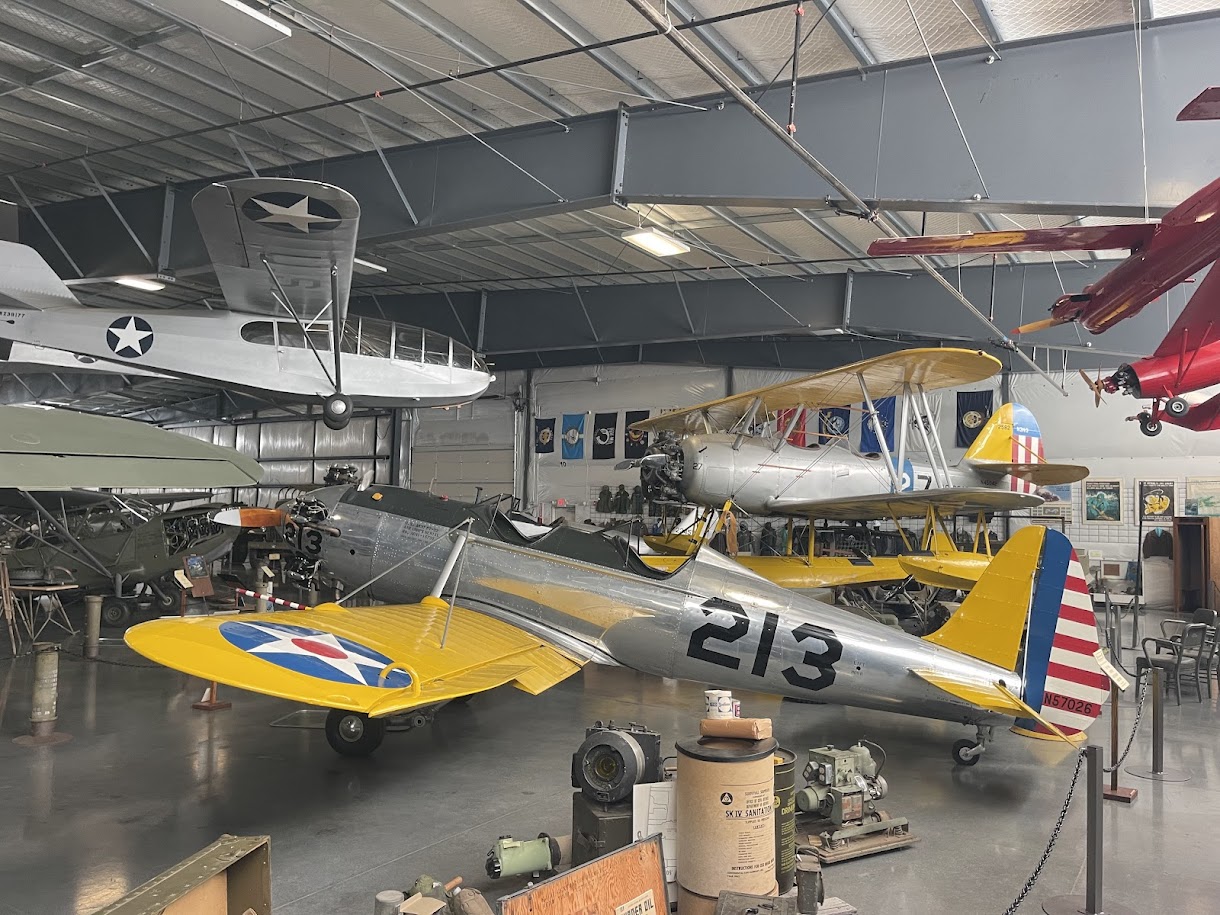
Ryan PT-22 Recruit, USAAC s/n 41-15735. This particular aircraft was built in 1942 by Ryan Aeronautical Company. I have not determined the history of this aircraft. A military version of the Ryan ST3KR (standard trainer with Kinner radial engine), the PT-22 was a primary trainer aircraft used by the United States Army Air Corps and its immediate successor, the United States Army Air Forces. It was the first purpose-built monoplane that the U.S. Army used for primary pilot training, as all previous such aircraft were biplanes. Powerplant: a Kinner R-540-1. My photos at Western Antique Aeroplane & Automobile Museum.

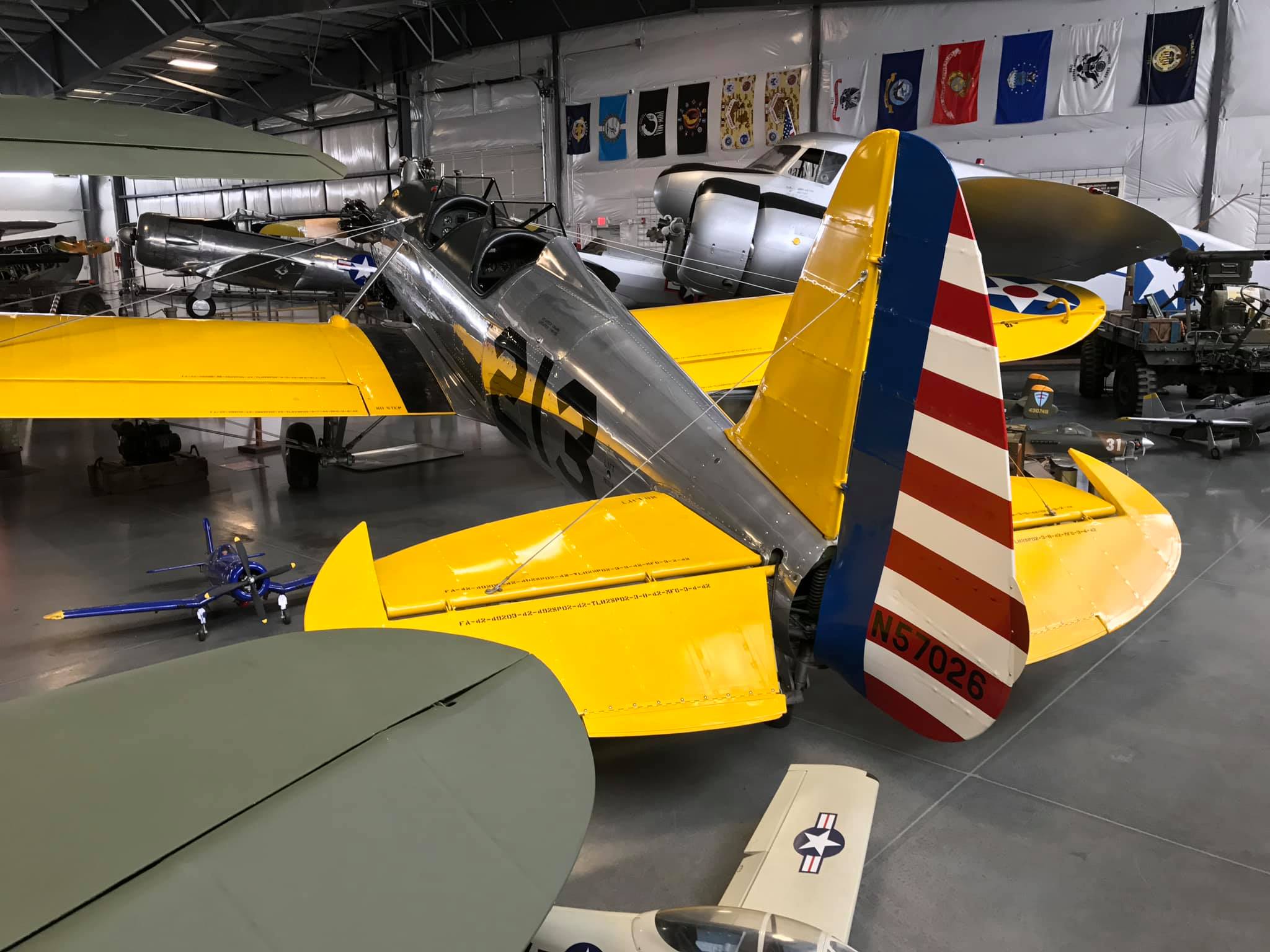
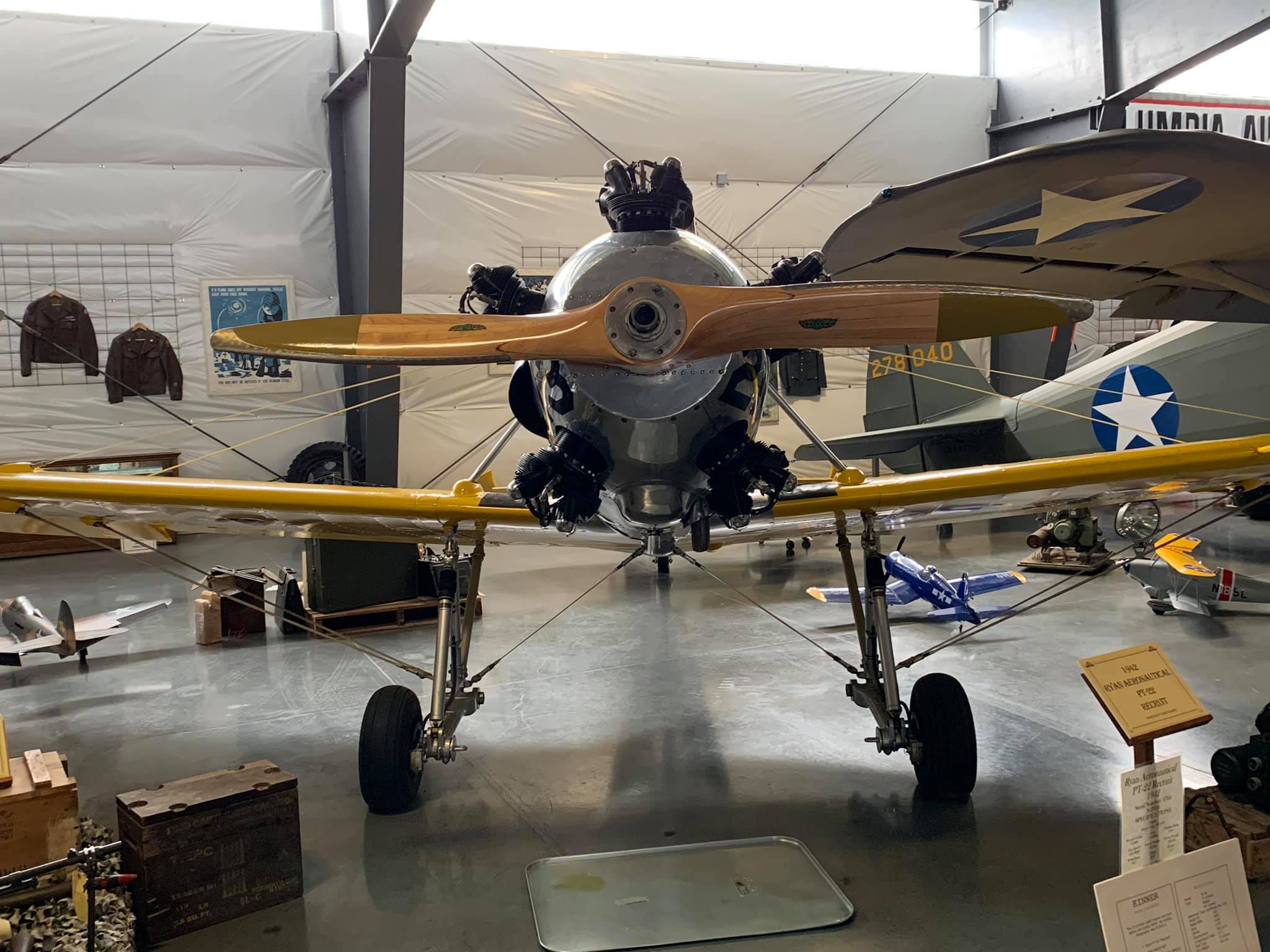
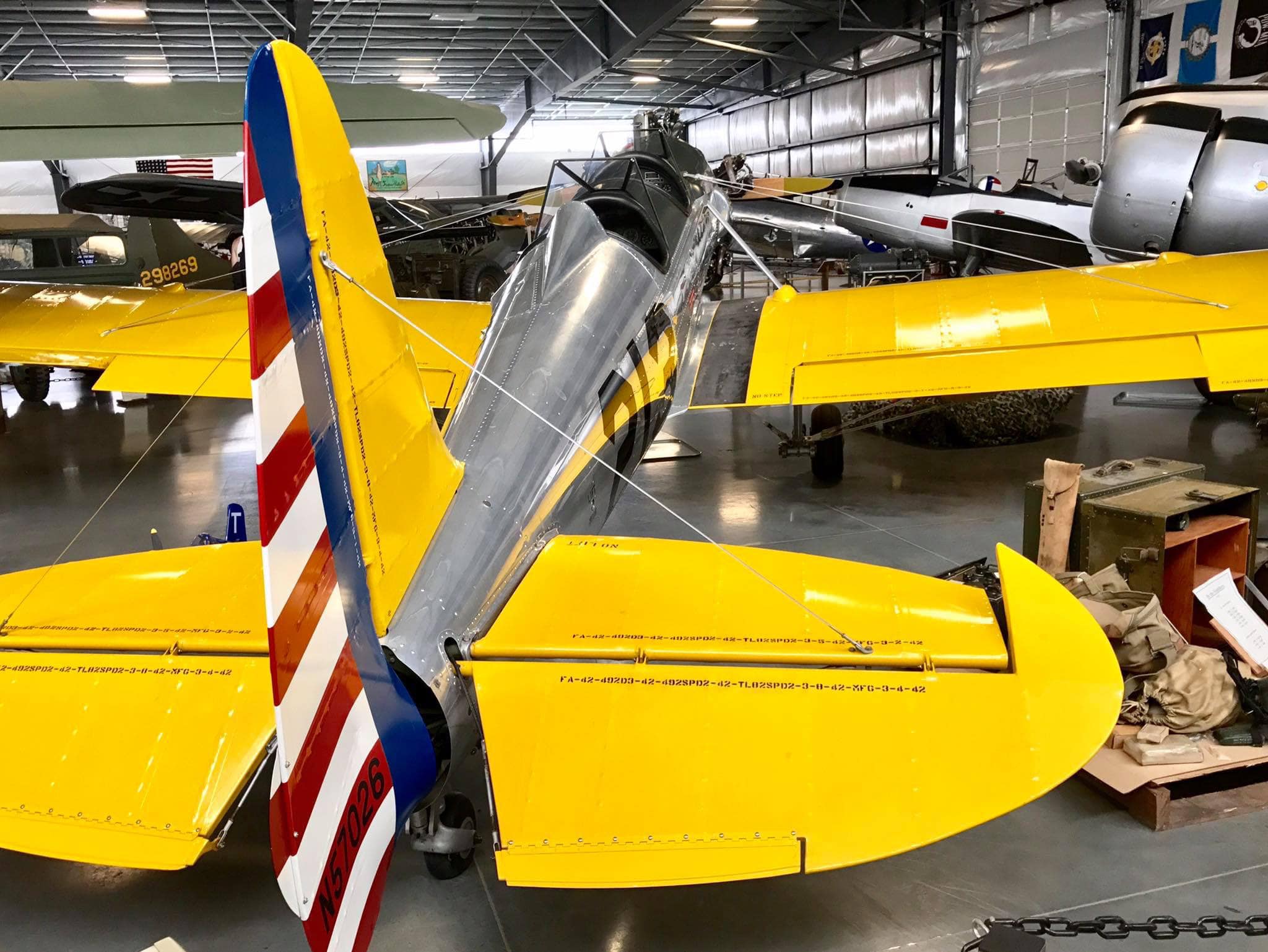

Editor’s notes: Developed from the Ryan ST (ST for “Sport Trainer”) and the subsequent YPT-16, PT-20, and PT-21 trainers ordered by the U.S. Army Air Corps, the PT-22 Recruit was built by the Ryan Aeronautical Company of San Diego, California, as a primary trainer by the USAAC. While the fuselage, wing ribs, and leading edges of the wings were made of aluminum, the wing spars were made of spruce, and the flight control surfaces and trailing edges of the wings were covered in doped fabric. One of the main distinctions between the ST series and the PT-22 is the swept-back design of the wings, and the fairings over the landing gear were removed for better ease of maintenance.
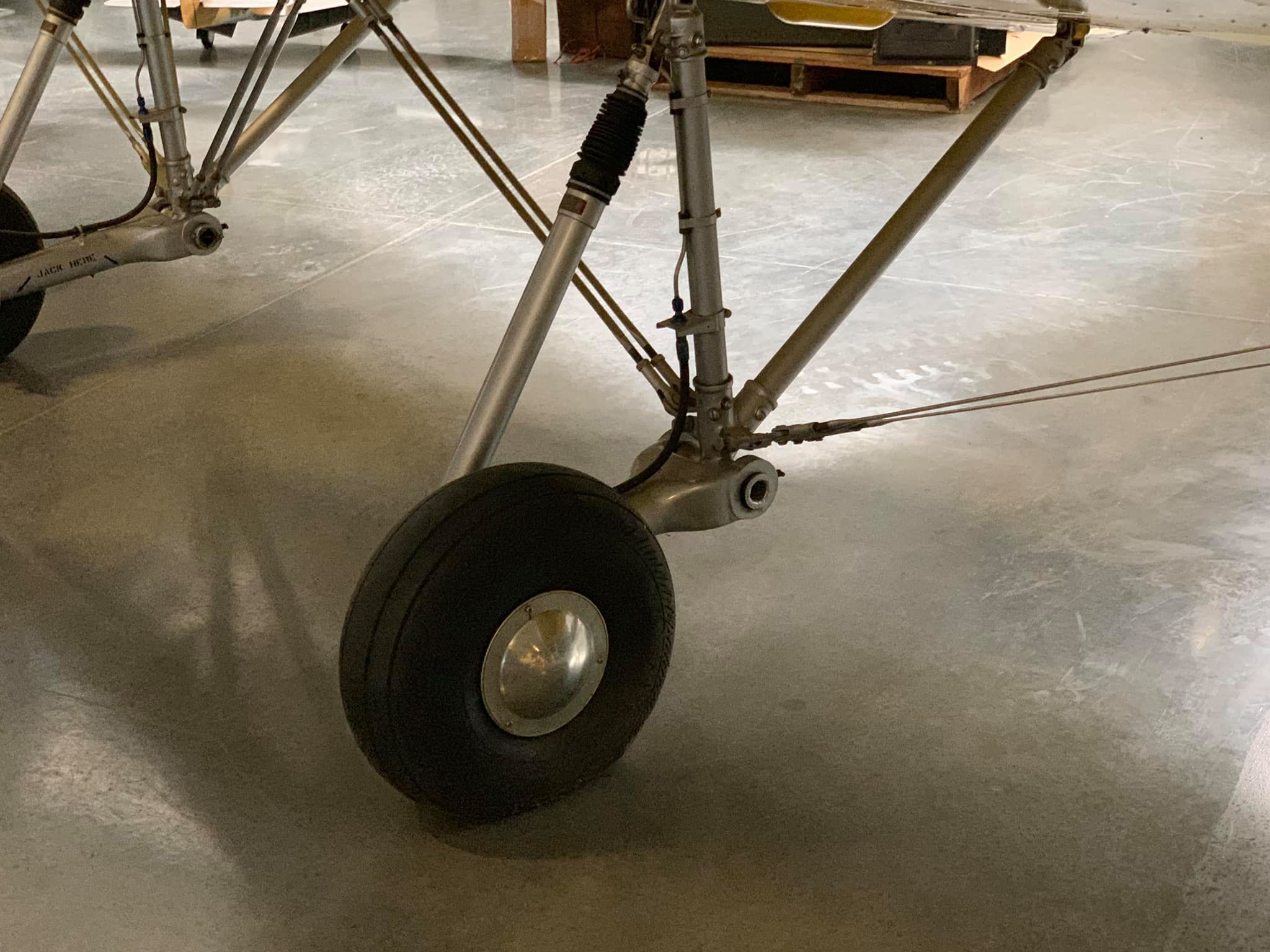
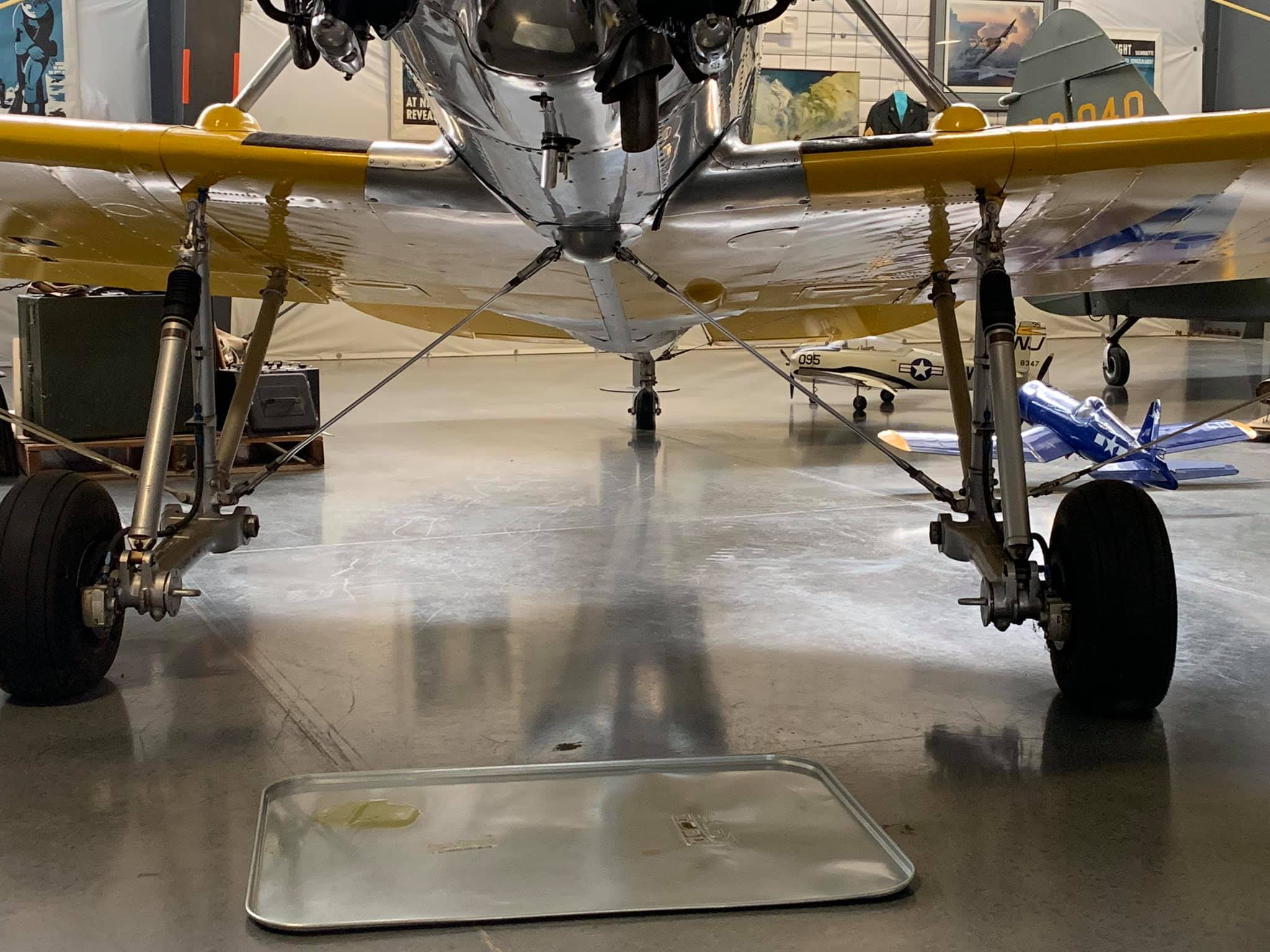
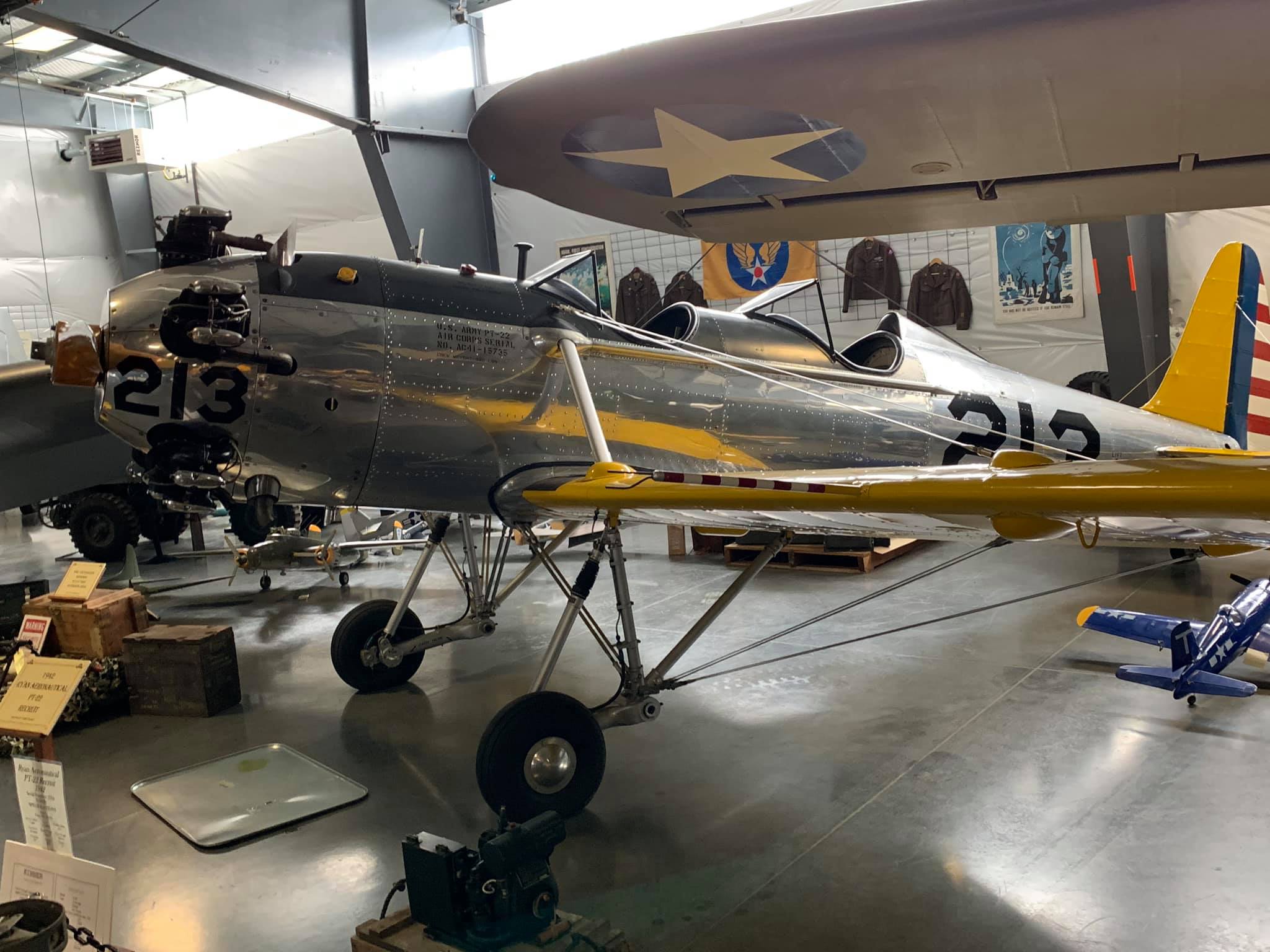
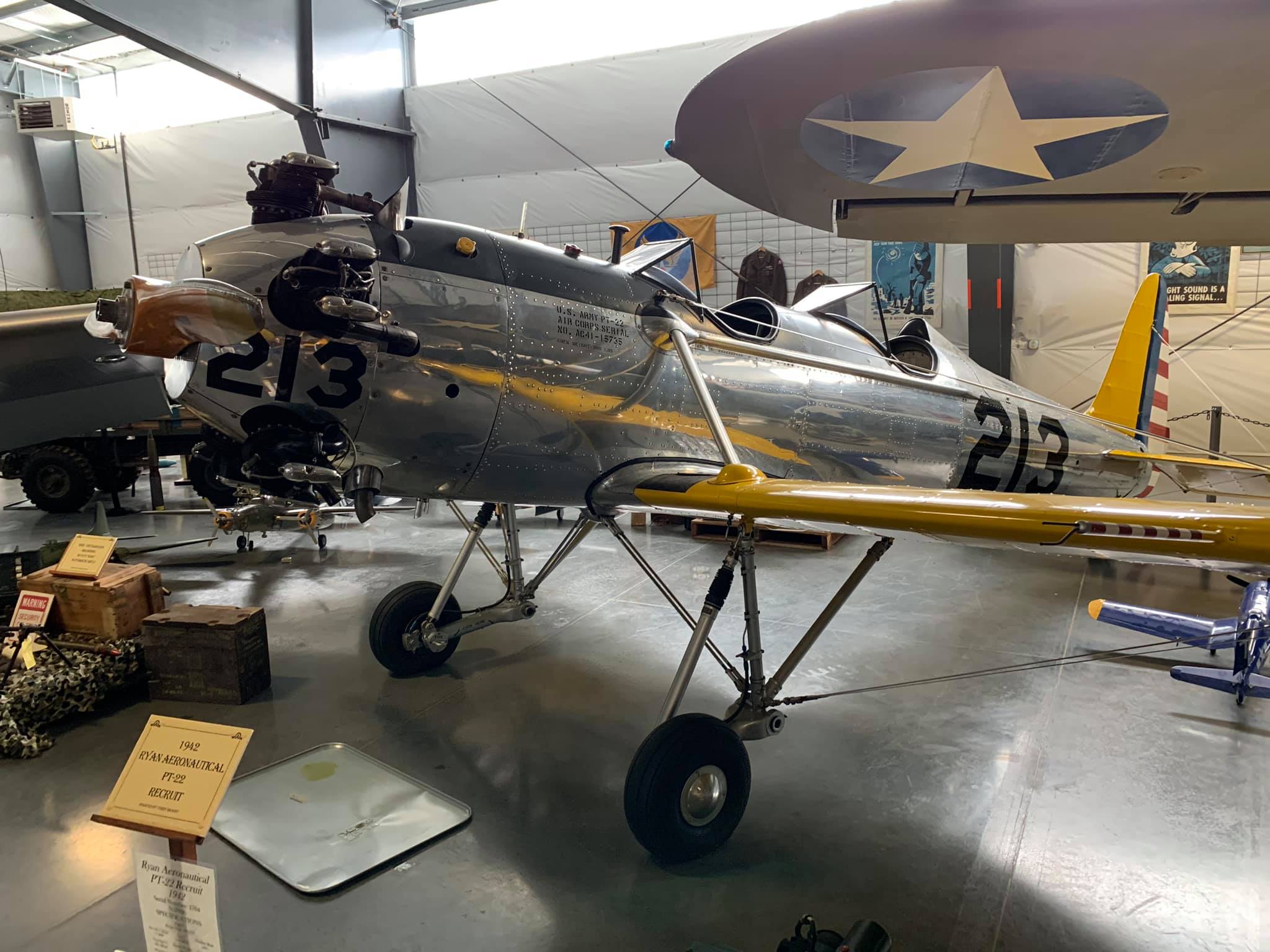

Over the course of production, Ryan Aeronautical built 1,048 examples of the PT-22, with the vast majority being flown by the U.S. Army Air Force and were the first low-wing monoplane trainers in the USAAF for introductory flight lessons (primary training), involving first flights with instructors and first solo flights before moving on to more advanced training aircraft. Following the end of WWII, the Ryan PT-22 Recruits were stricken from the USAAF’s inventory and placed for sale on the civilian market, where they have been popular with private pilots ever since.

The Ryan PT-22 Recruit displayed and maintained at the WAAAM was constructed as construction number 1764, flown by the USAAF as serial number 41-15735, and by 1956, the aircraft was officially registered as N57026. In 1981, it was acquired by Terry Brandt, who would later go on to found the Western Antique Aeroplane & Automobile Museum in 2007.
About the author
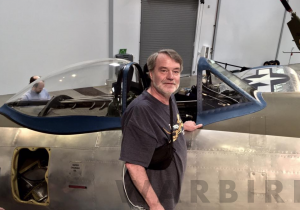 Randy Malmstrom grew up in a family steeped in aviation culture. His father, Bob, was still a cadet in training with the USAAF at the end of WWII but did serve in Germany during the U.S. occupation in the immediate post-war period, where he had the opportunity to fly a wide variety of types that flew in WWII. After returning to the States, Bob became a multi-engine aircraft sales manager and, as such, flew a wide variety of aircraft; Randy frequently accompanied him on these flights. Furthermore, Randy’s cousin, Einar Axel Malmstrom, flew P-47 Thunderbolts with the 356th FG from RAF Martlesham Heath. He was commanding this unit at the time he was shot down over France on April 24th, 1944, and spent the rest of the war as a prisoner of war. Following his repatriation at war’s end, Einar continued his military service, attaining the rank of Colonel. He was serving as Deputy Wing Commander of the 407th Strategic Fighter Wing at Great Falls AFB, MT, at the time of his death in a T-33 training accident on August 21, 1954. The base was renamed in his honor in October 1955 and continues to serve in the present USAF as home to the 341st Missile Wing. Randy’s innate interest in history in general, and aviation history in particular, plus his educational background and passion for WWII warbirds, led him down his current path of capturing detailed aircraft walk-around photos and in-depth airframe histories, recording a precise description of a particular aircraft in all aspects.