
By Randy Malmstrom
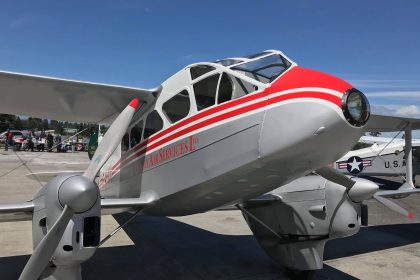
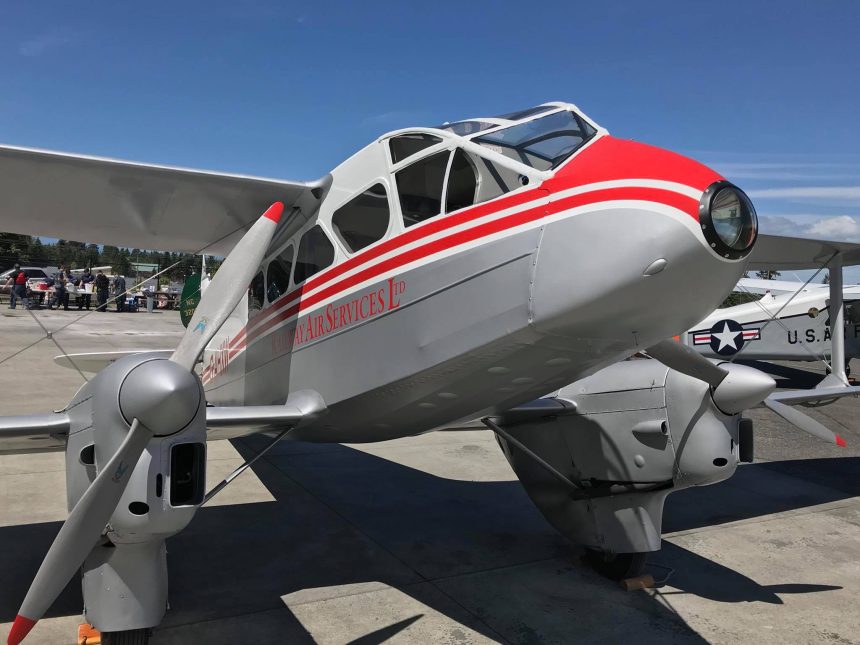
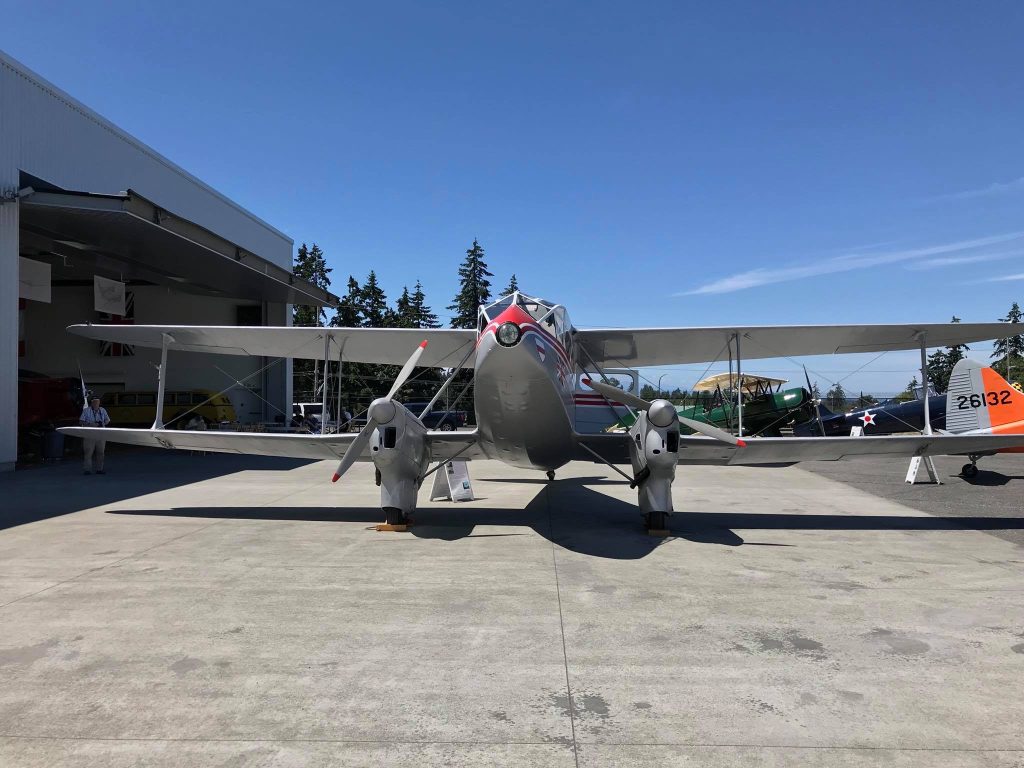
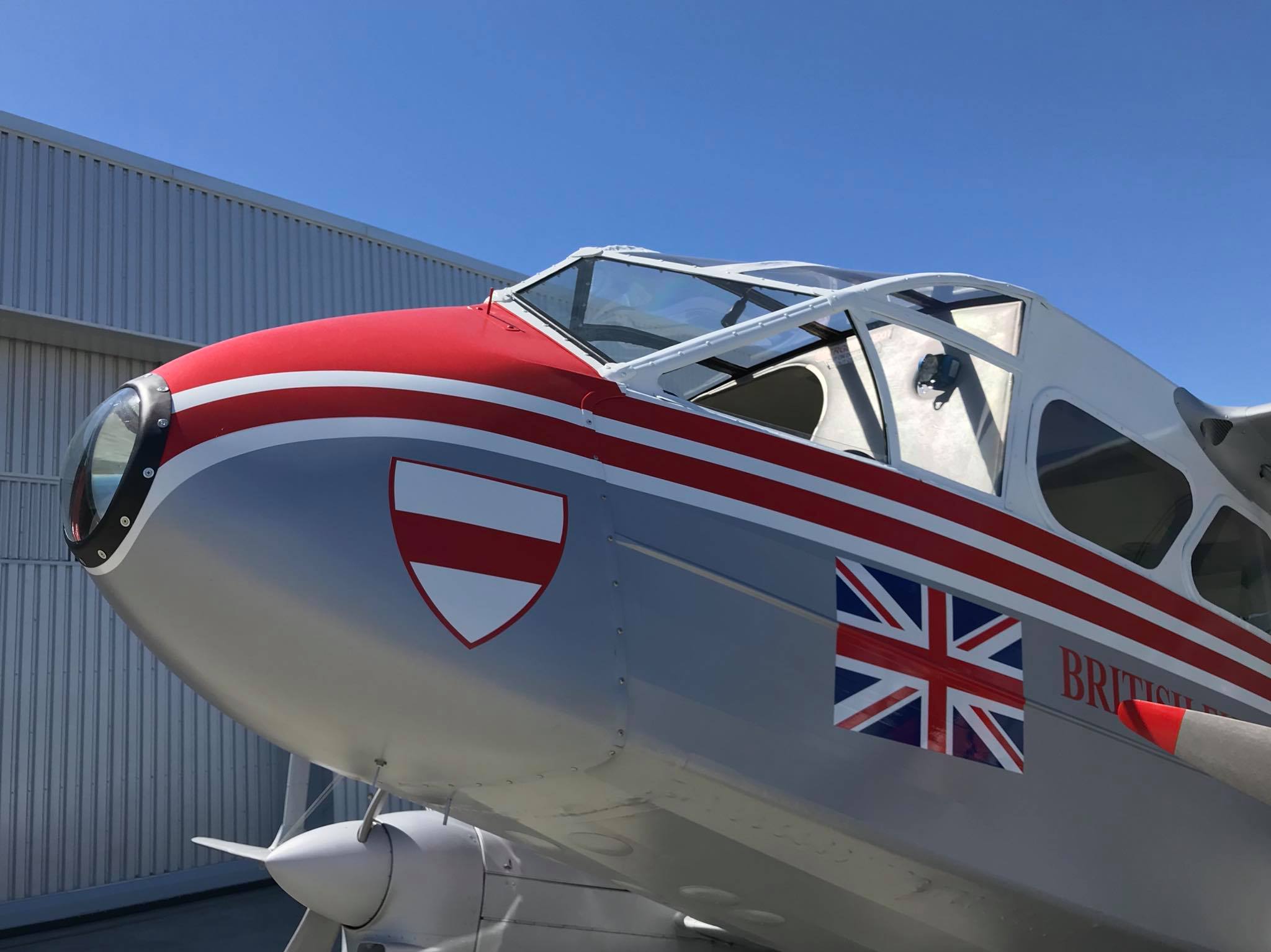
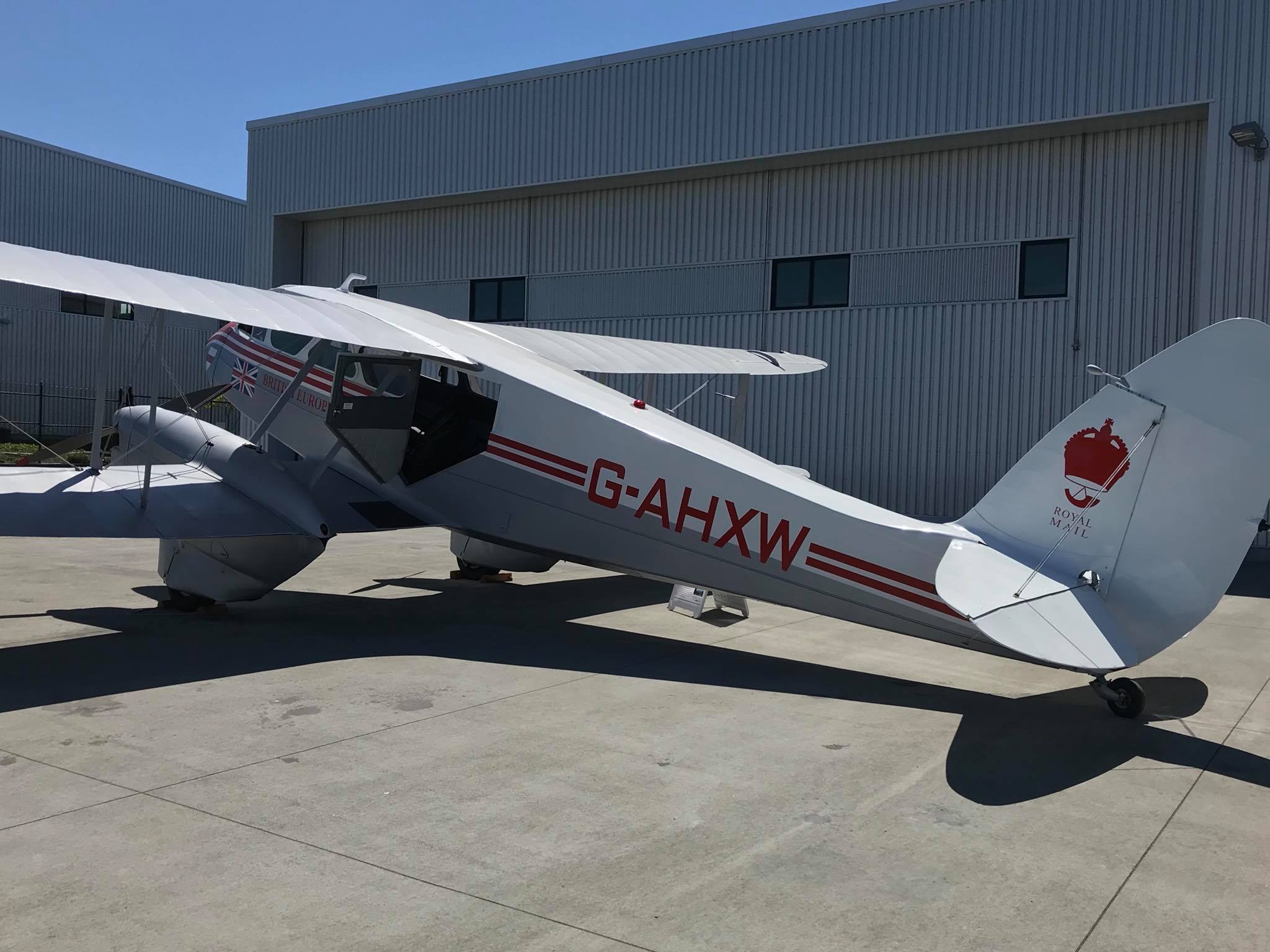
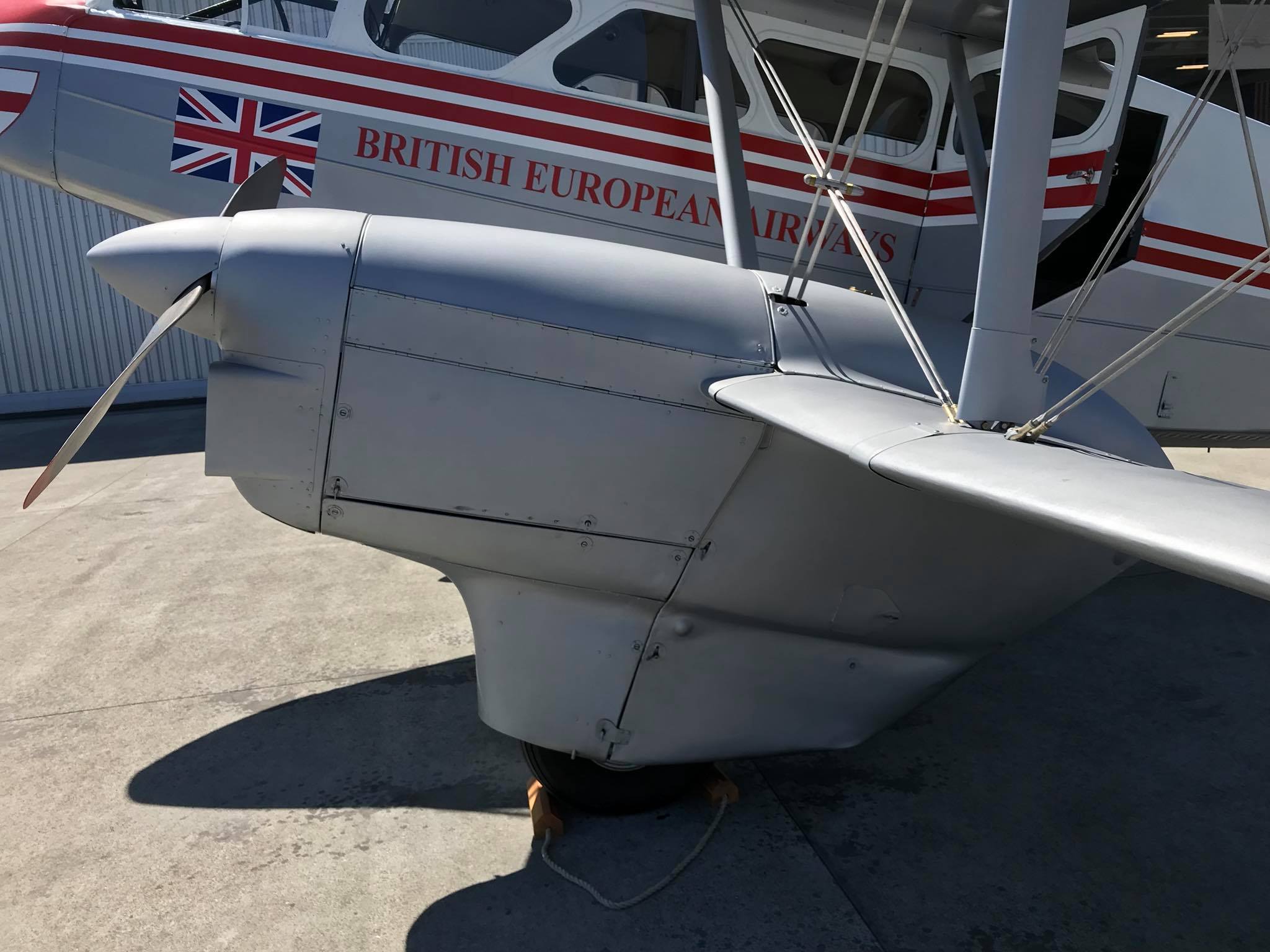
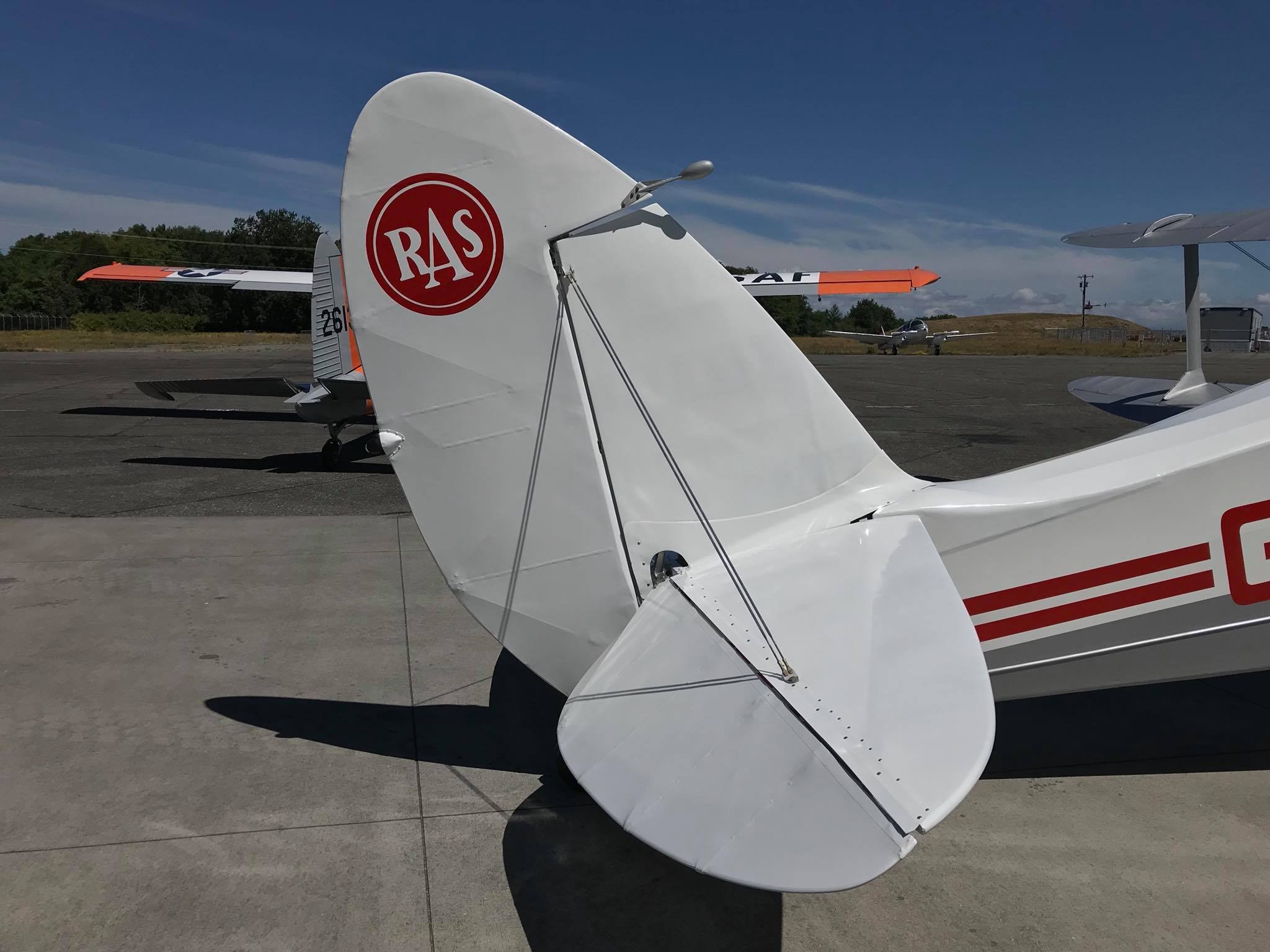
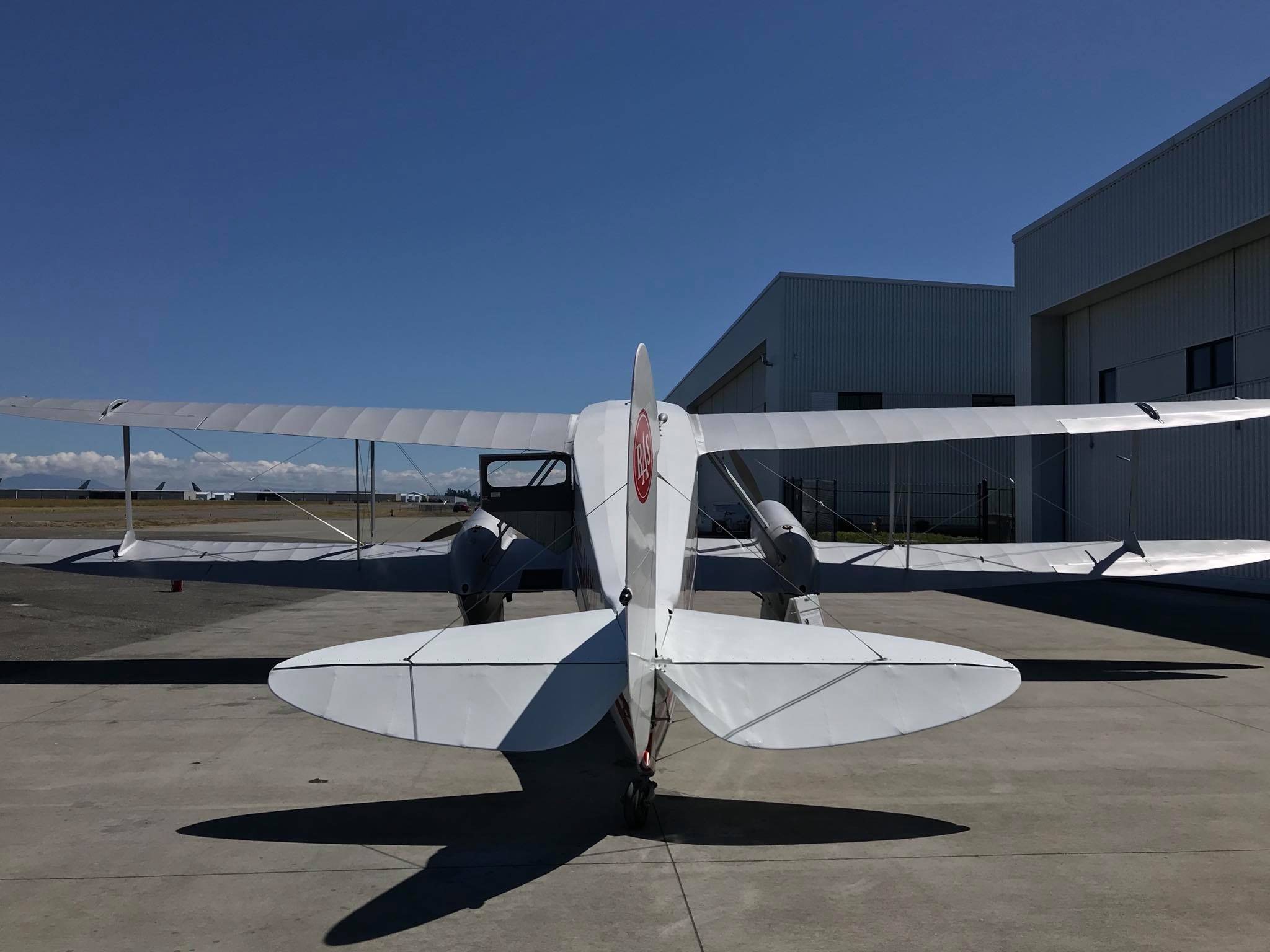
de Havilland DH.89 Dragon Rapide Dominie, s/n 6782, N683DH. This particular aircraft is part of the collection at Historic Flight Foundation in Spokane, Washington and is one of twelve surviving Rapides of the 731 manufactured. It was constructed under license at Brush Coachworks Ltd. at Loughborough, England, as a Domine military version. It began its British Royal Air Force service in July of 1944 as serial number NR683. In March of 1946, de Havilland converted it to a civilian DH-89 Mk. 3 for the Associated Airways Joint Committee, a government-controlled combine of eight airlines that served to transport military and government personnel as well as ferrying light cargo on domestic routes until post-WWII civilian air service could be restored. By August of 1946, it was registered to British European Airways Corporation for which if flew until 1953.
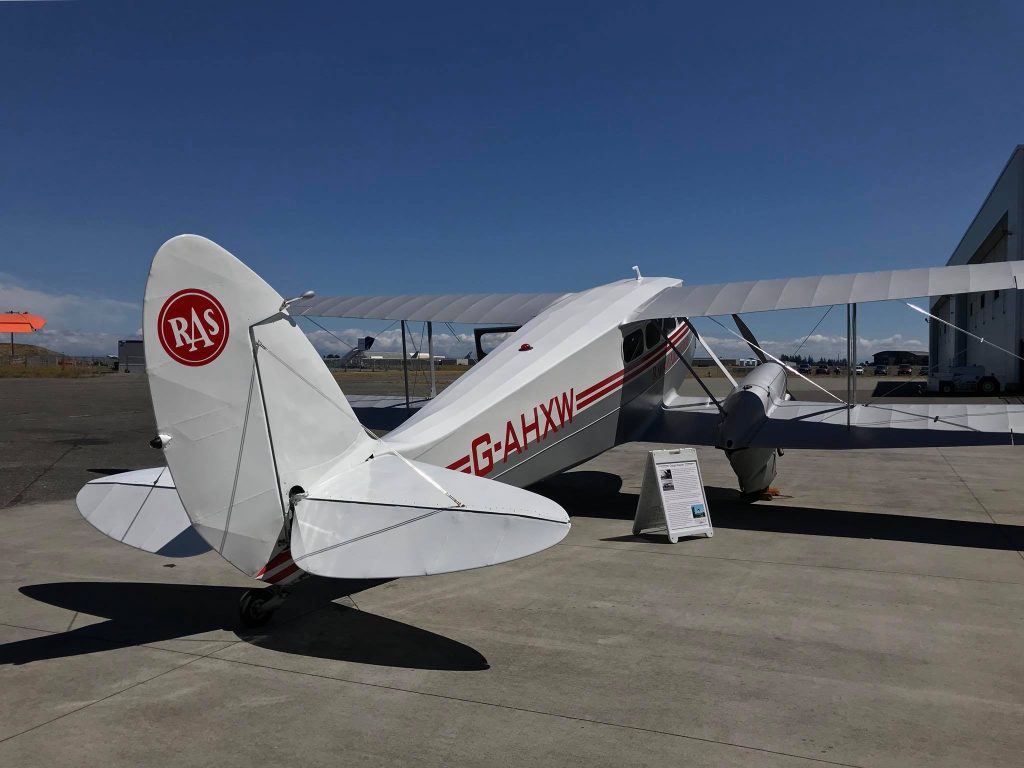
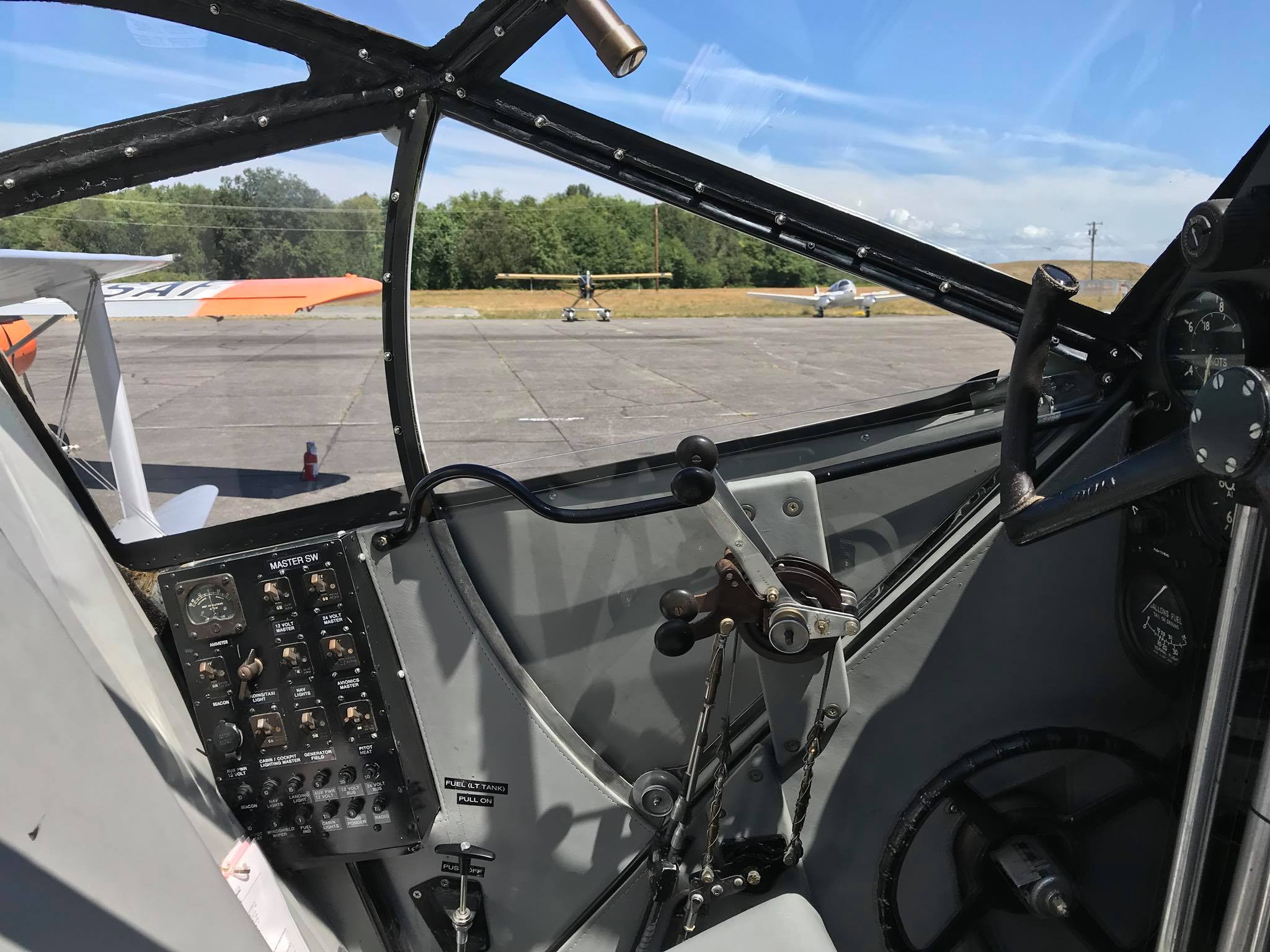
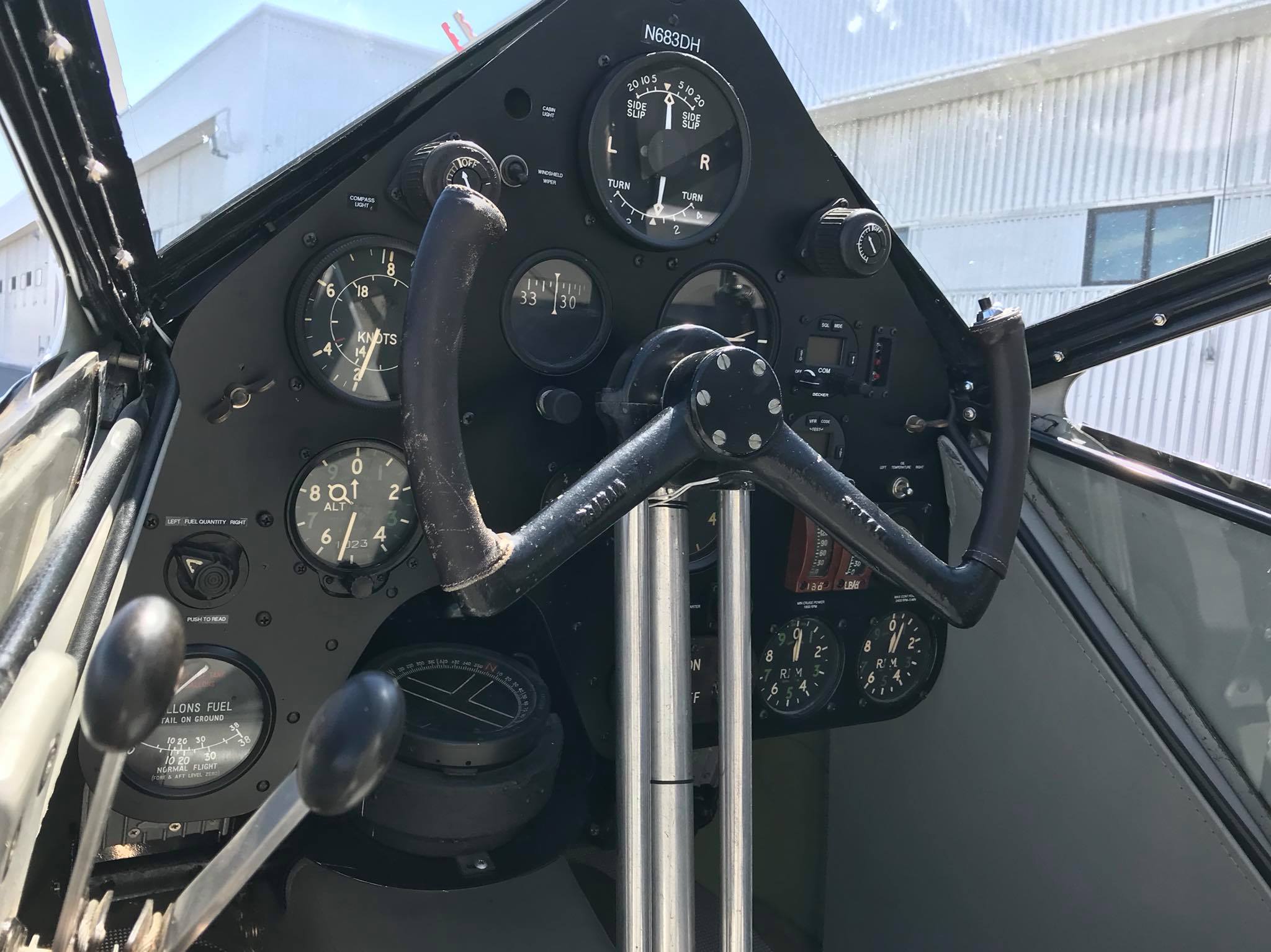
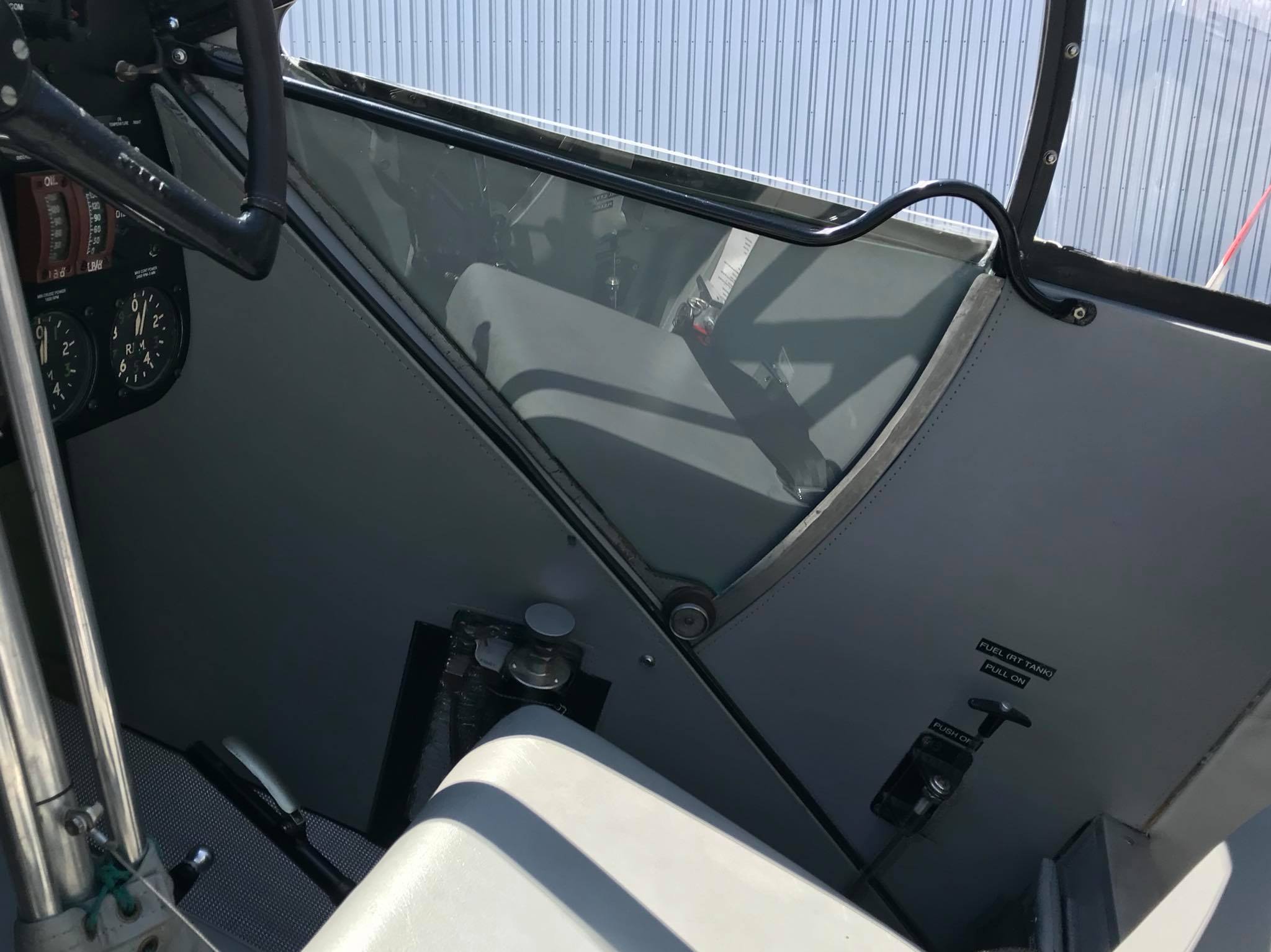
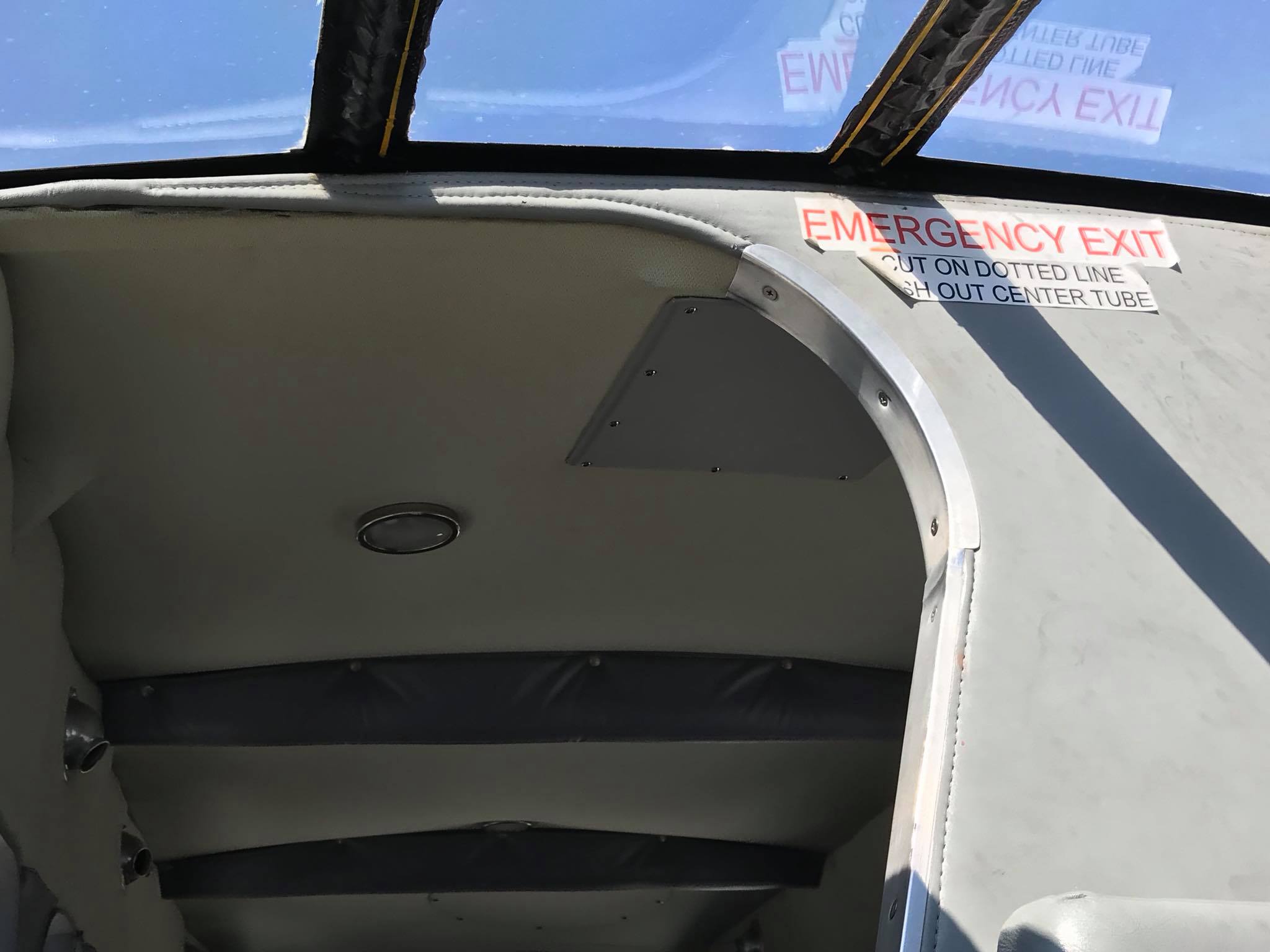
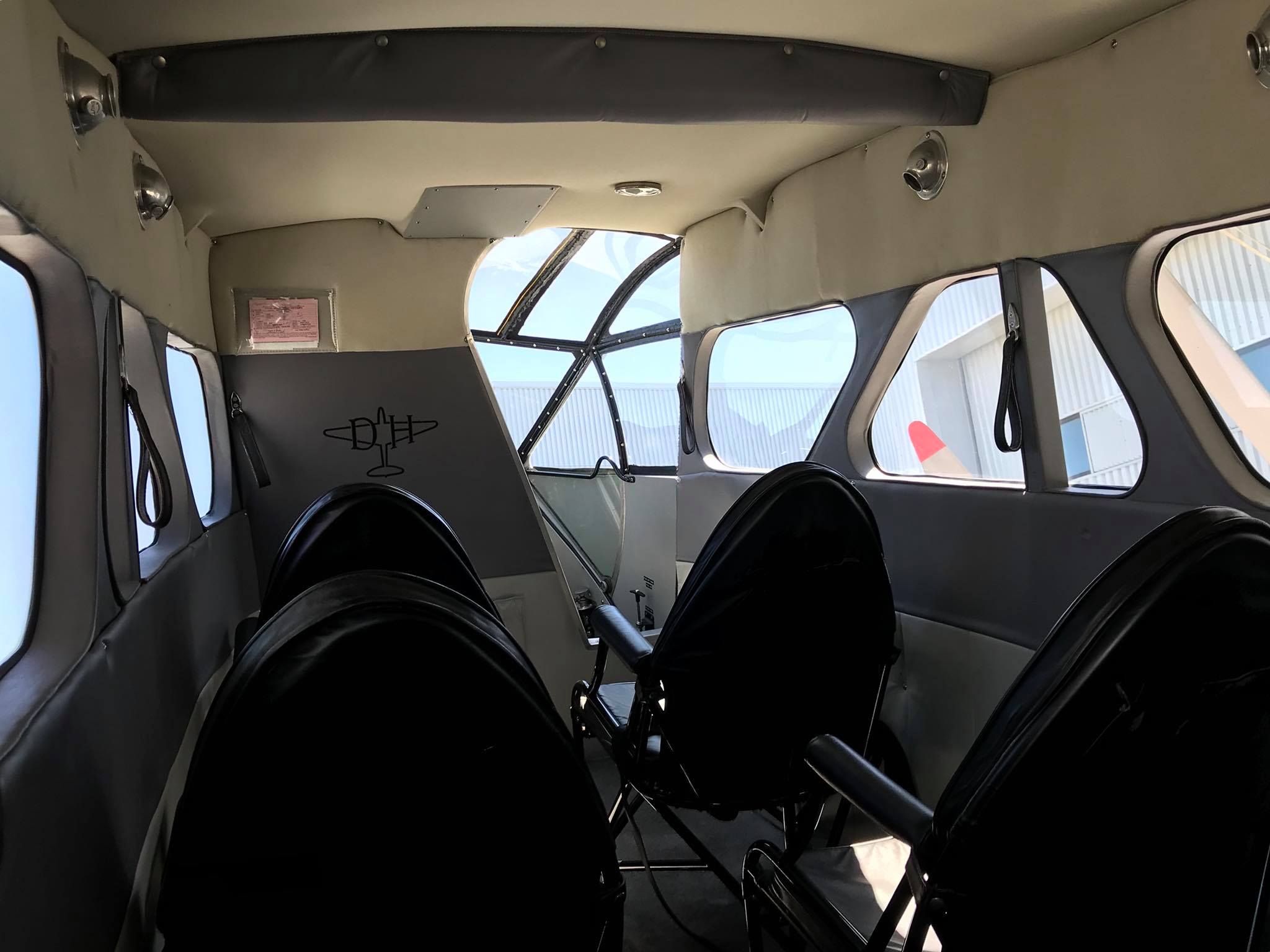
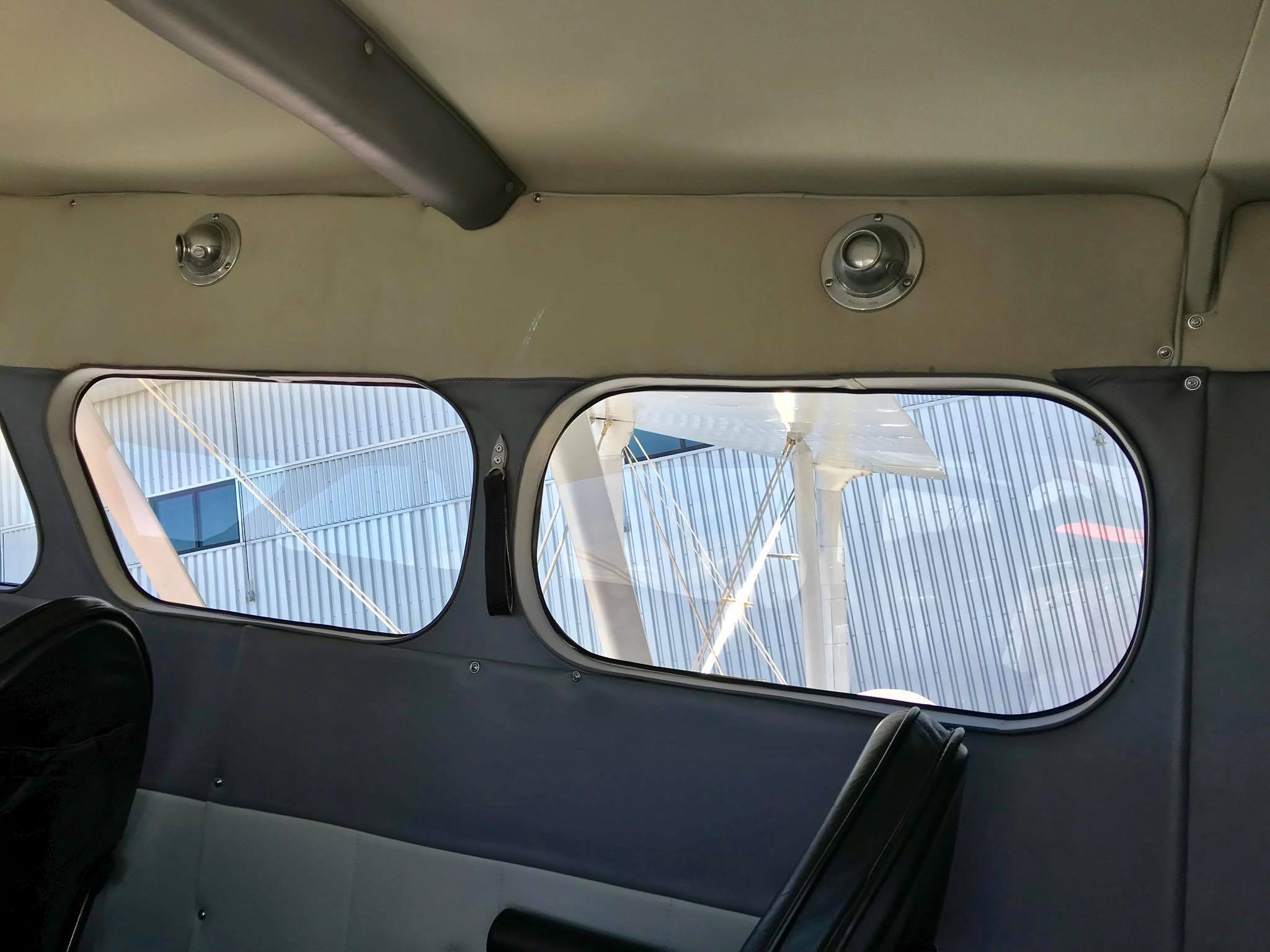
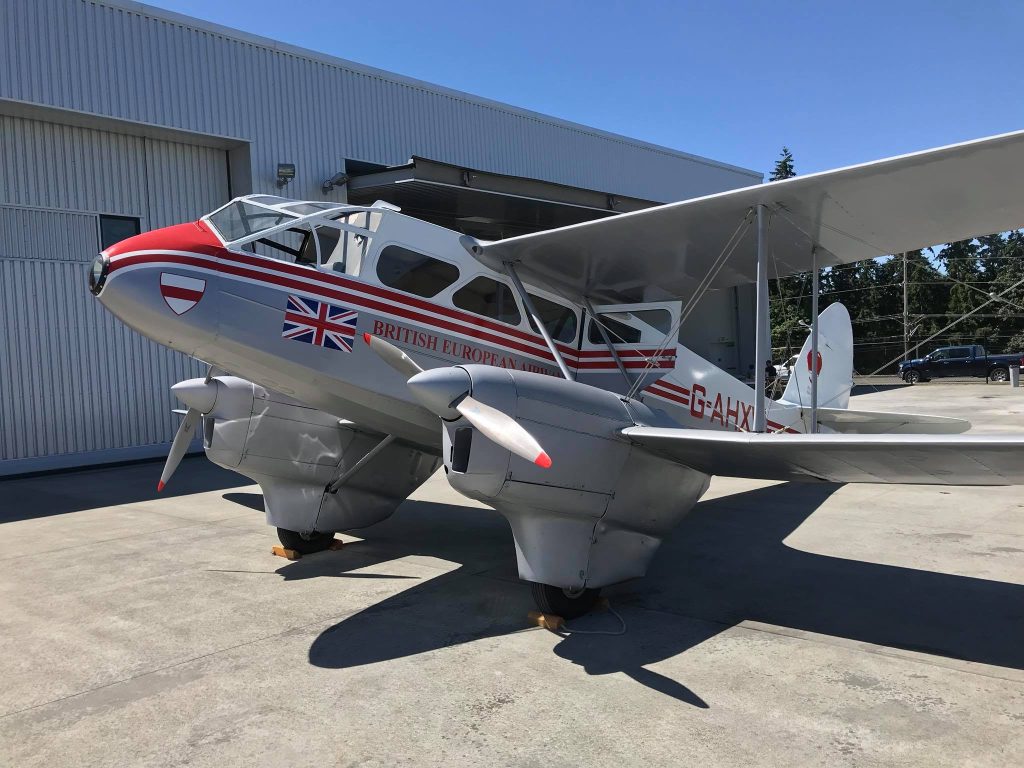
In all, 327 Domines and Rapides were sold by the RAF and British Royal Navy to post-war airlines and commercial operators. In 1953, this aircraft was converted to a Mk. IV and had an extended career as an aerial survey platform, producing photogrammetric images for major infrastructure projects such as the M5, M42 and M62 Motorways, Seaforth Docks at Liverpool, and the Embsay Moor Reservoir. In 1971, it moved to the Experimental Aircraft Association in Oshkosh, Wisconsin, where it remained on display until November of 1957, when it was acquired by William Field and John Reed. A comprehensive restoration began at Maury Rasmussen Field in San Andreas, California. HFF acquired the aircraft from the estate of Mr. Fields and had it restored. It is fitted with a pair of de Havilland Gipsy Queen 2 inverted inline 6-cylinder engines producing 210 horsepower with a maximum speed of 157 mph. While the Rapide can carry as many as ten in the cabin, HFF intended to operate this aircraft with six seats to maximize single-engine safety.
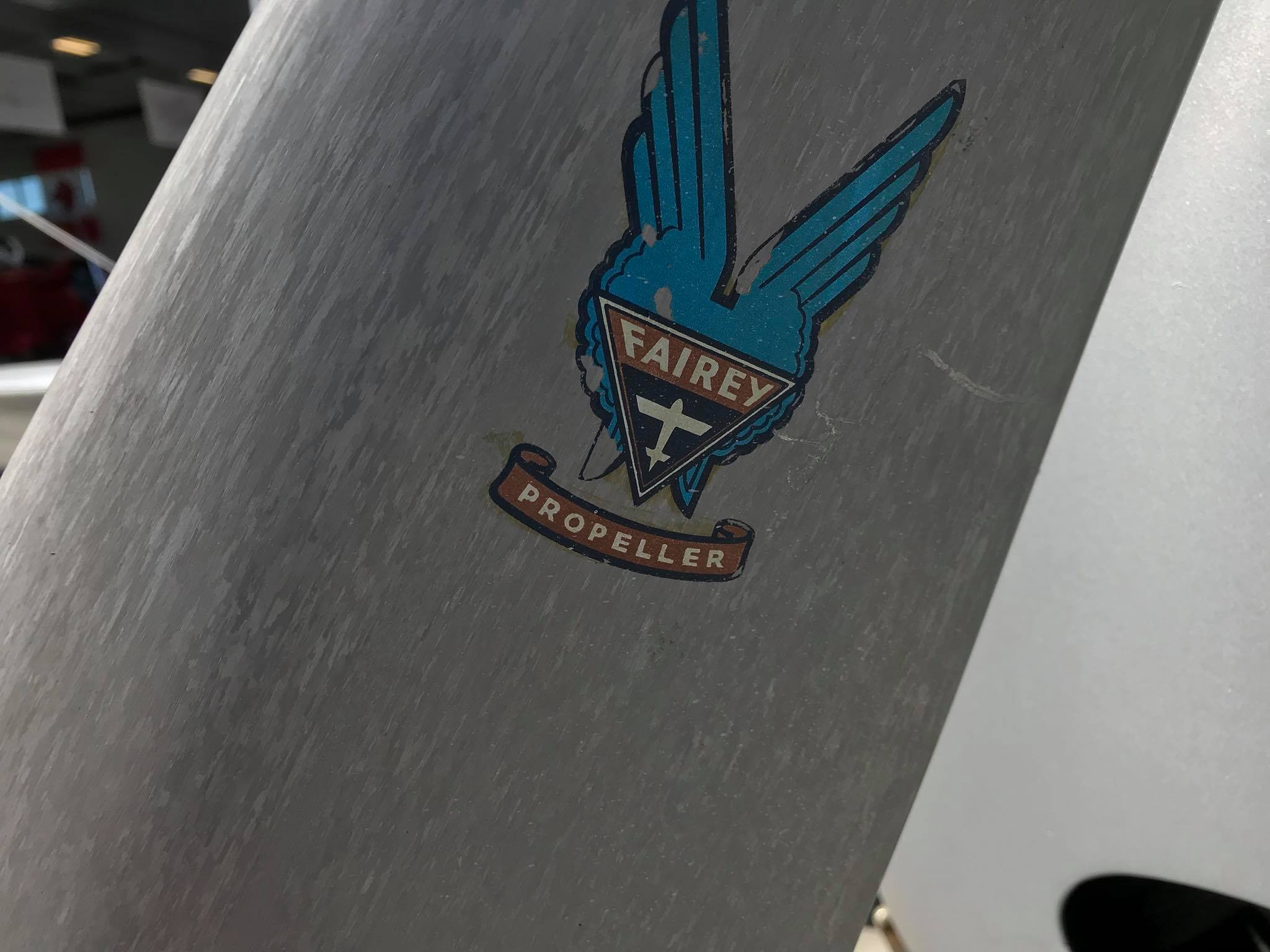
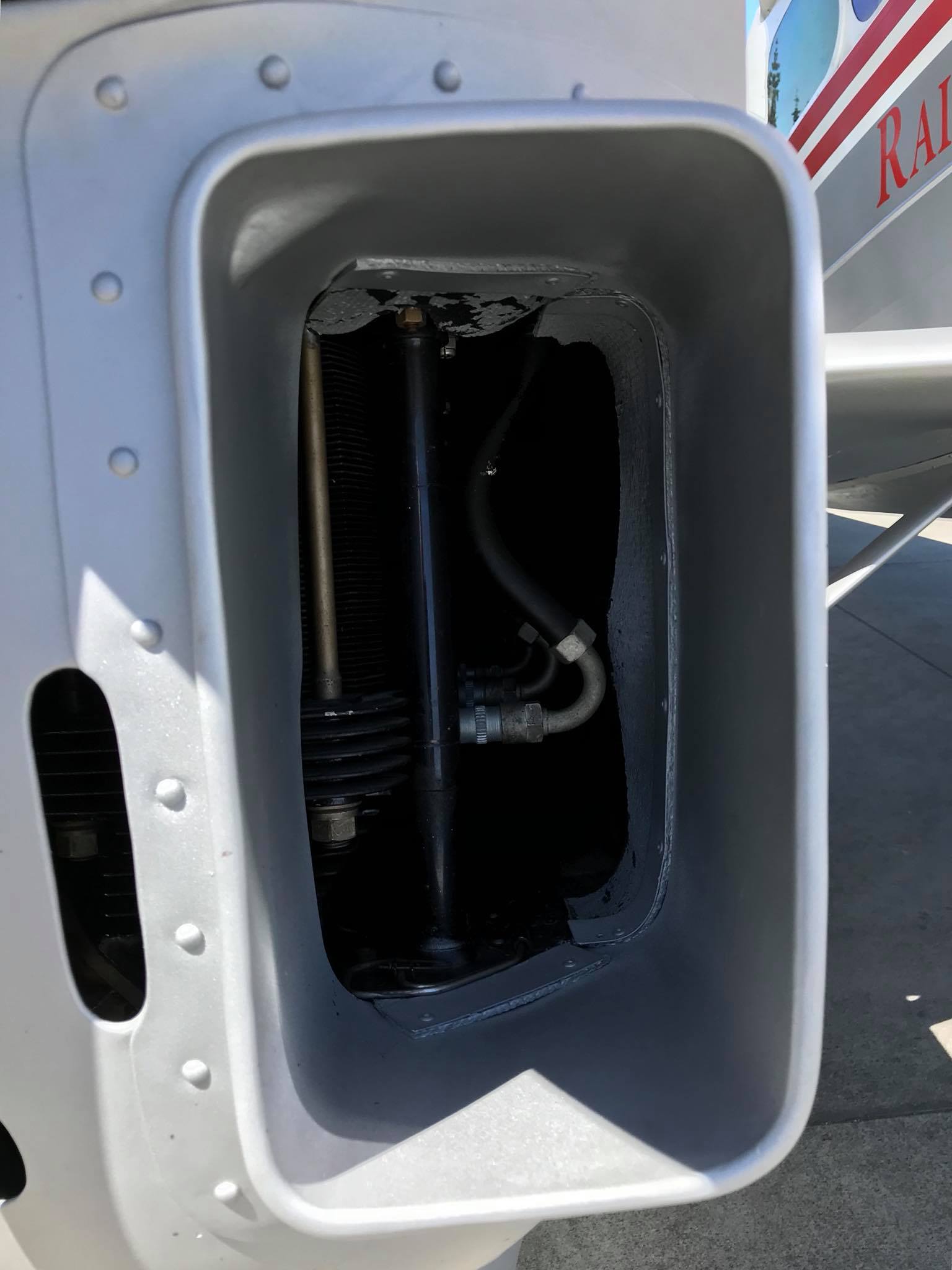
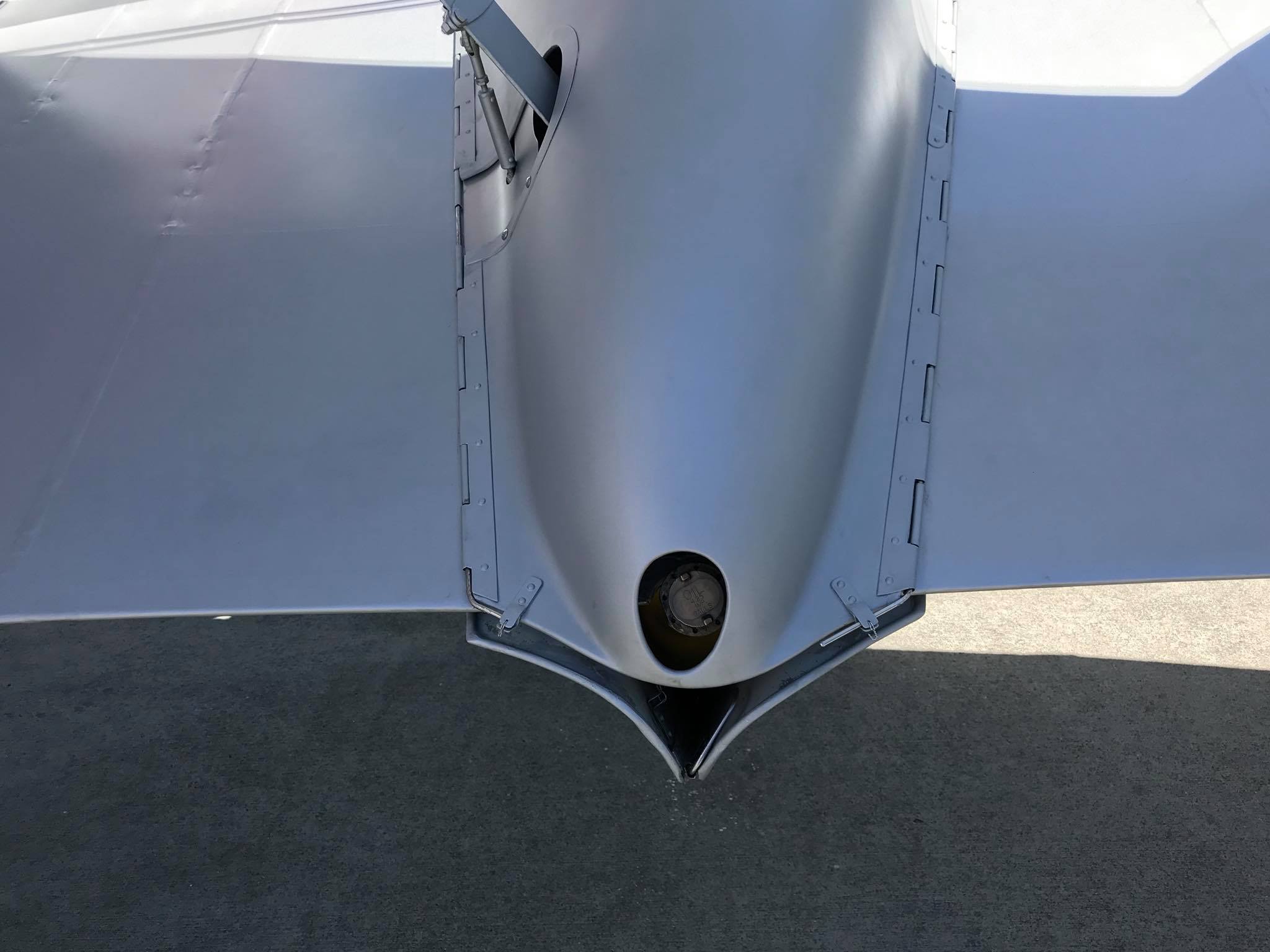
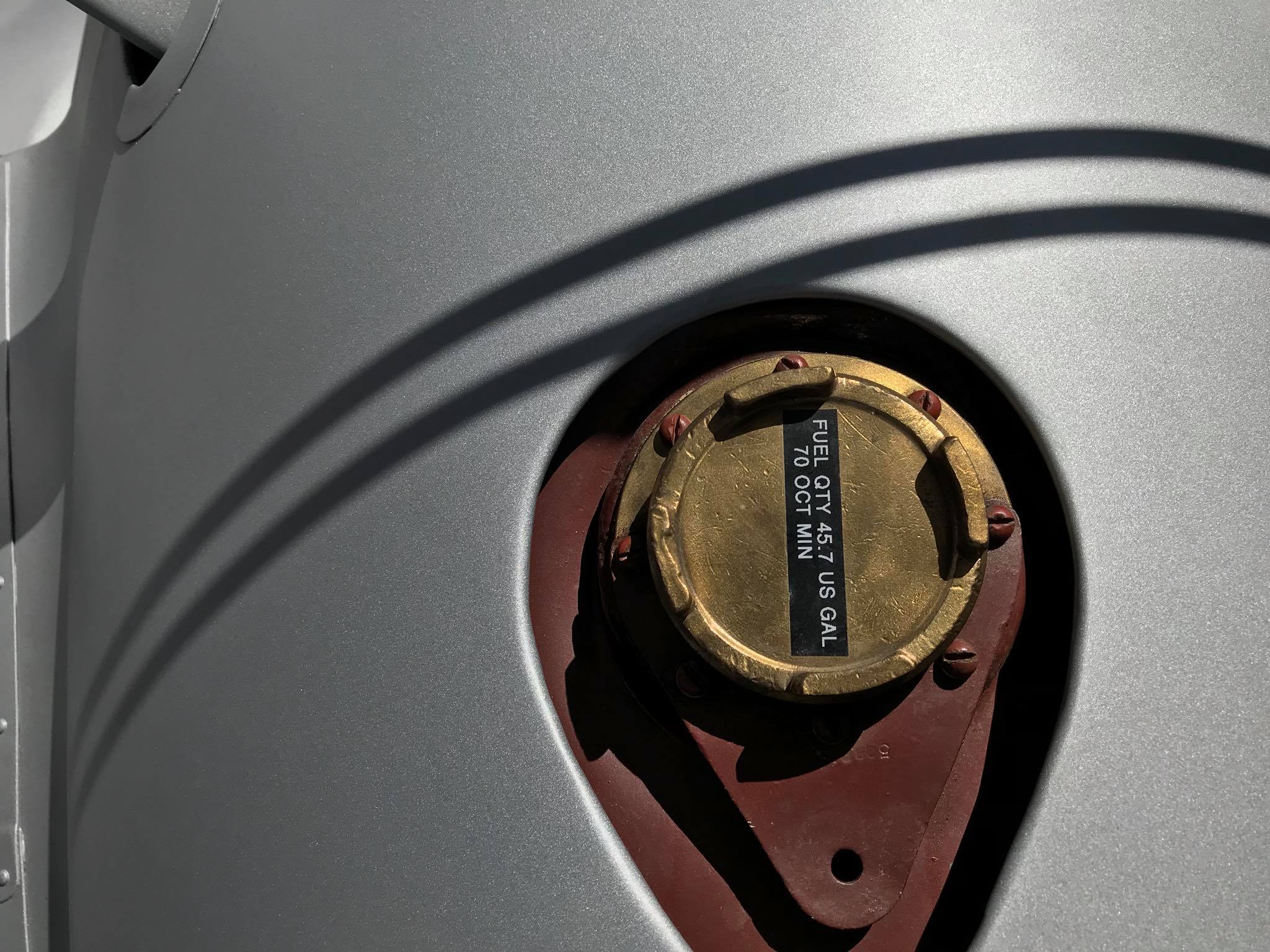
Designed by the de Havilland Aircraft Company Ltd. in 1933 as an all-wood biplane twin-engine airliner. The prototype Rapide first flew on April 17, 1934, and in all, 728 aircraft were produced for commercial and military use until 1946. It served as an airliner for Canada and as a transport for oil companies. During the 1930’s and ’40’s, Rapides made the trip from London to Cape Town in 10 days and could fly 600 miles between fuel stops. de Havilland of Canada adapted several for floatplane service using Edo floats. With the outbreak of World War II, the Rapide was pressed into military service by Commonwealth and Allied armed forces under the name “Dominie.” No. 9 MU (maintenance unit) of the Royal Air Force took its first deliveries of the Dominie in May 1940, with the remaining aircraft going to 782 Squadron, 781 Squadron, Fleet Air Arm of the British Royal Navy, and seven to the Belgian Air Force; three went to Spain in 1935 for police duty in Morocco. It served as a reconnaissance, transport, and liaison aircraft, air ambulance, and radio navigation trainer for bomber crews. At least one version (G-18/35) was fitted with a Vickers machine gun on the starboard side of the nose, one Lewis gun on a flexible mount on top of the fuselage, and a bomb bay for two 100-lb. and four 20-lb. bombs and was crewed by a pilot, radio operator/gunner, and navigator/bombardier. As de Havilland’s need for plant space to build its Mosquito grew, production of the Dominie was transferred to Brush Coachworks of Loughborough, Leicestershire. They were fitted with a pair of de Havilland Gypsy Queen inverted inline 6-cylinder engines, one on each lower wing. The main undercarriage was installed in the engine nacelles. My photos.
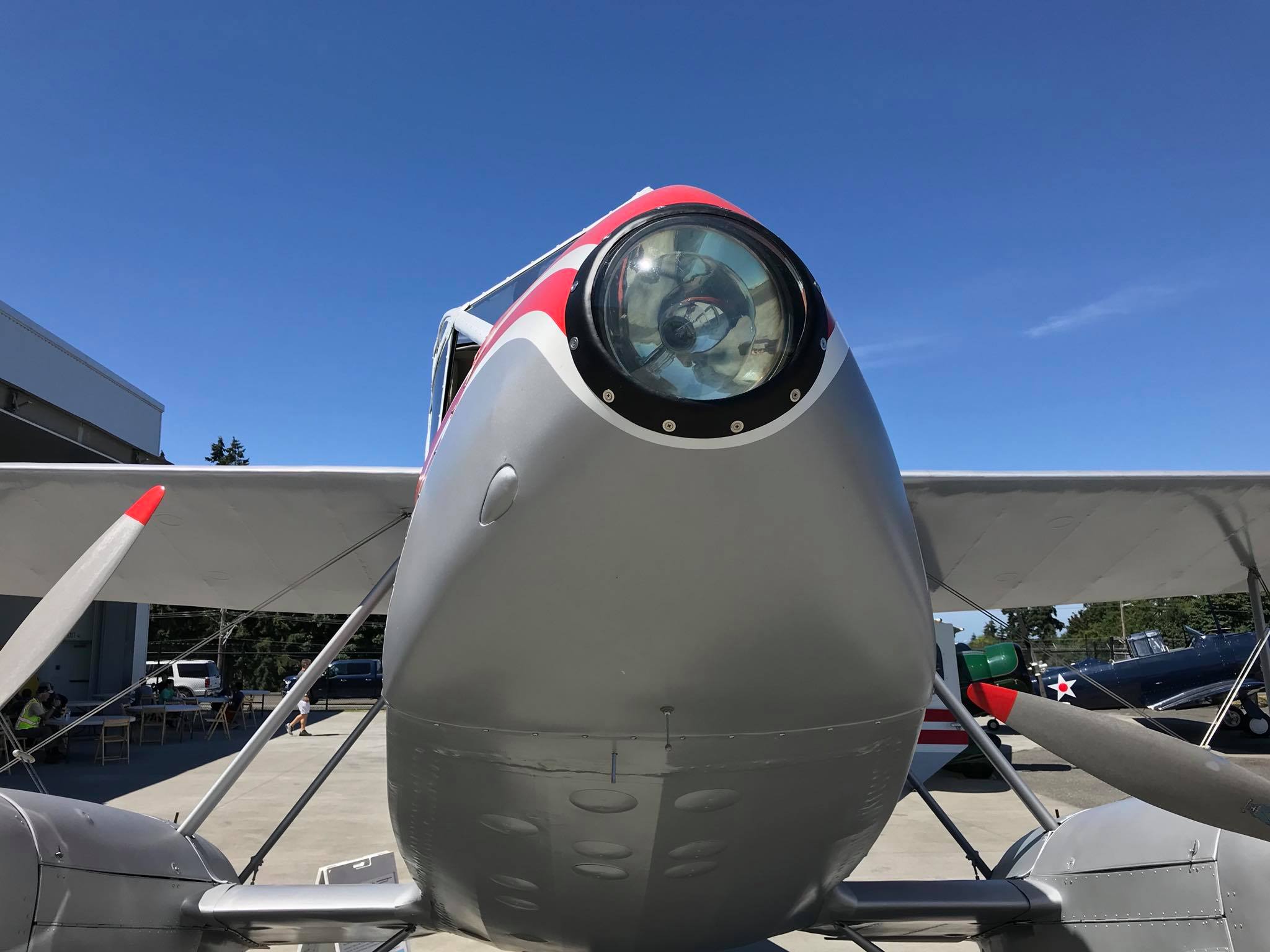
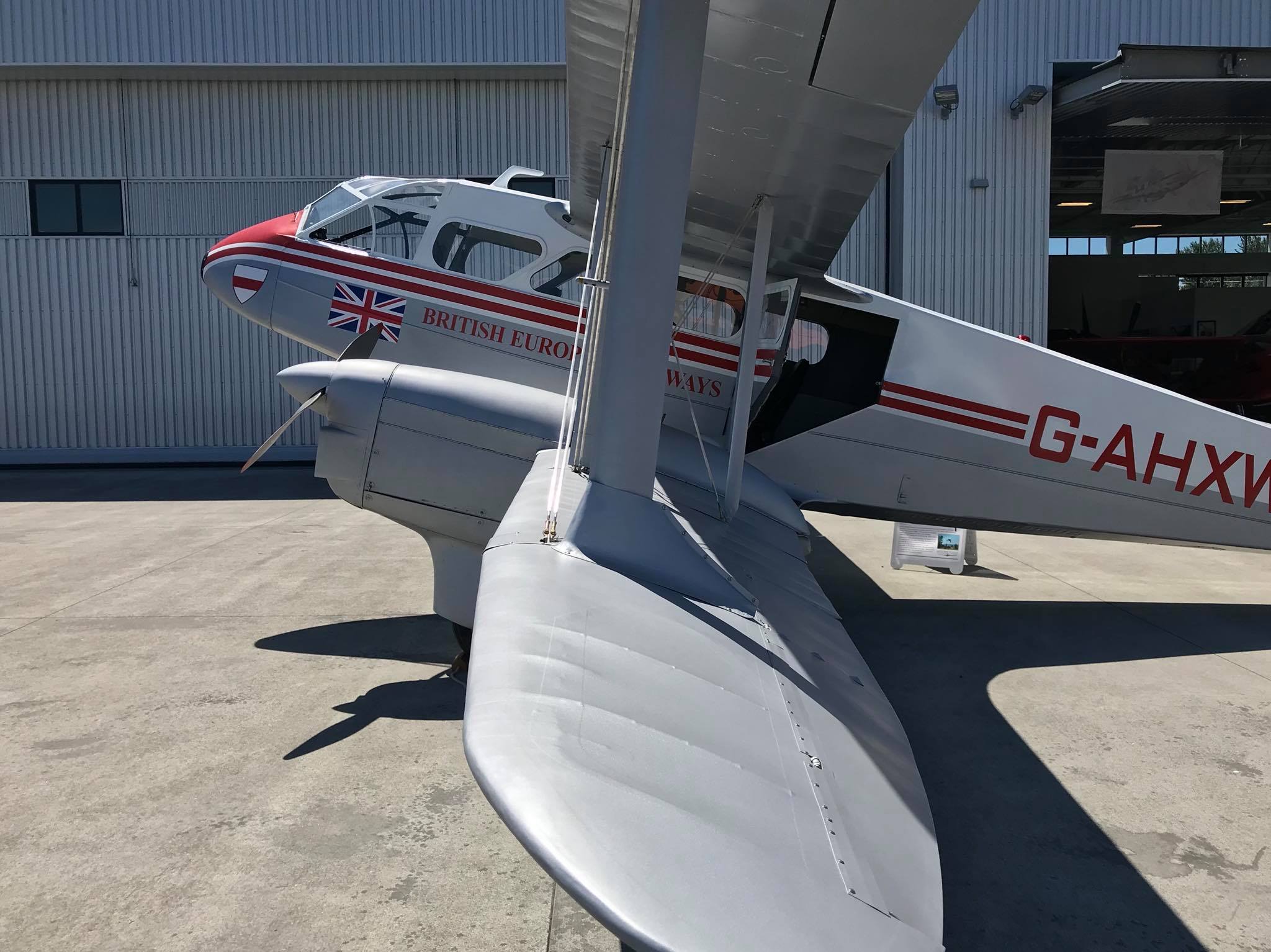
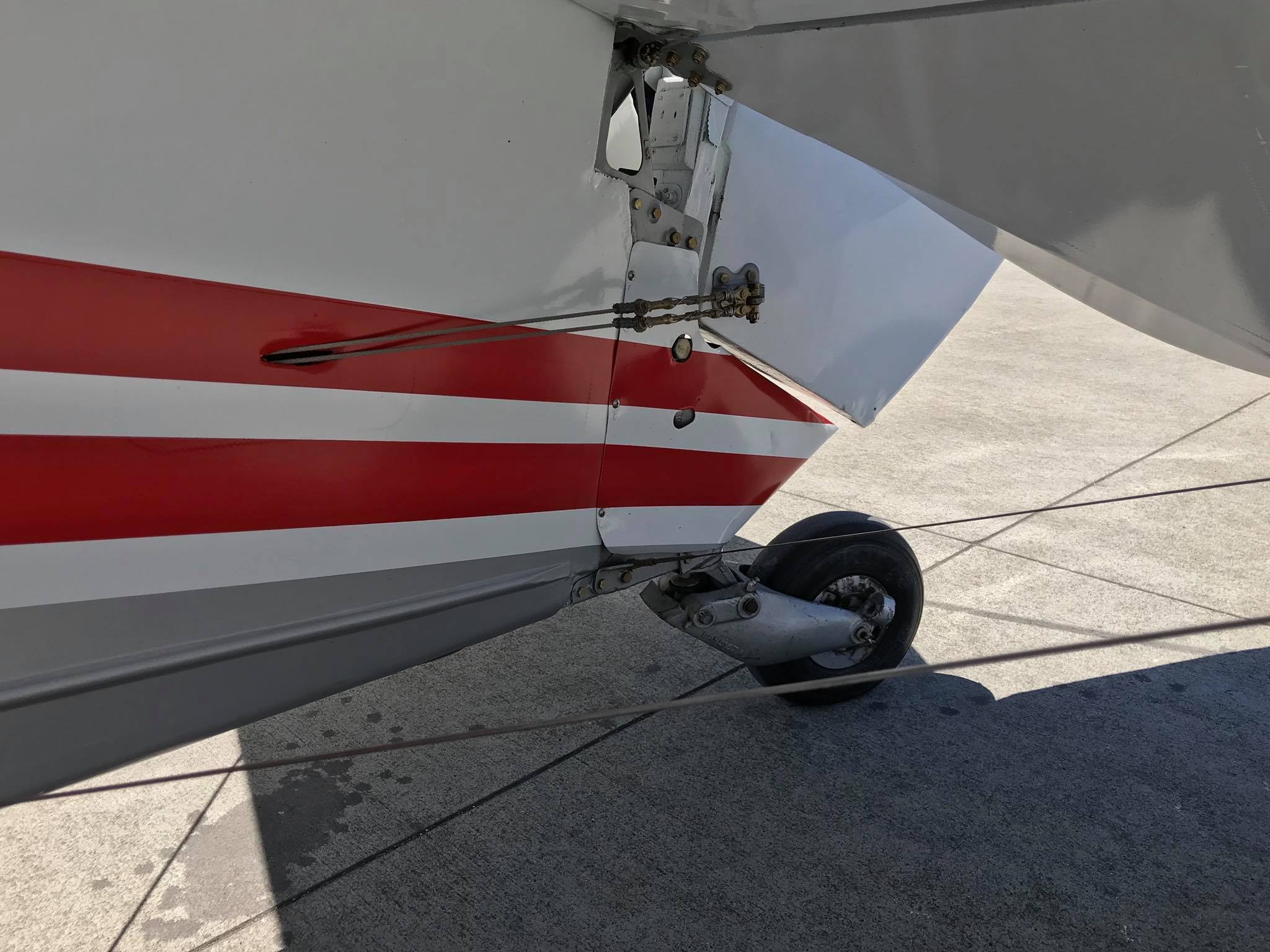
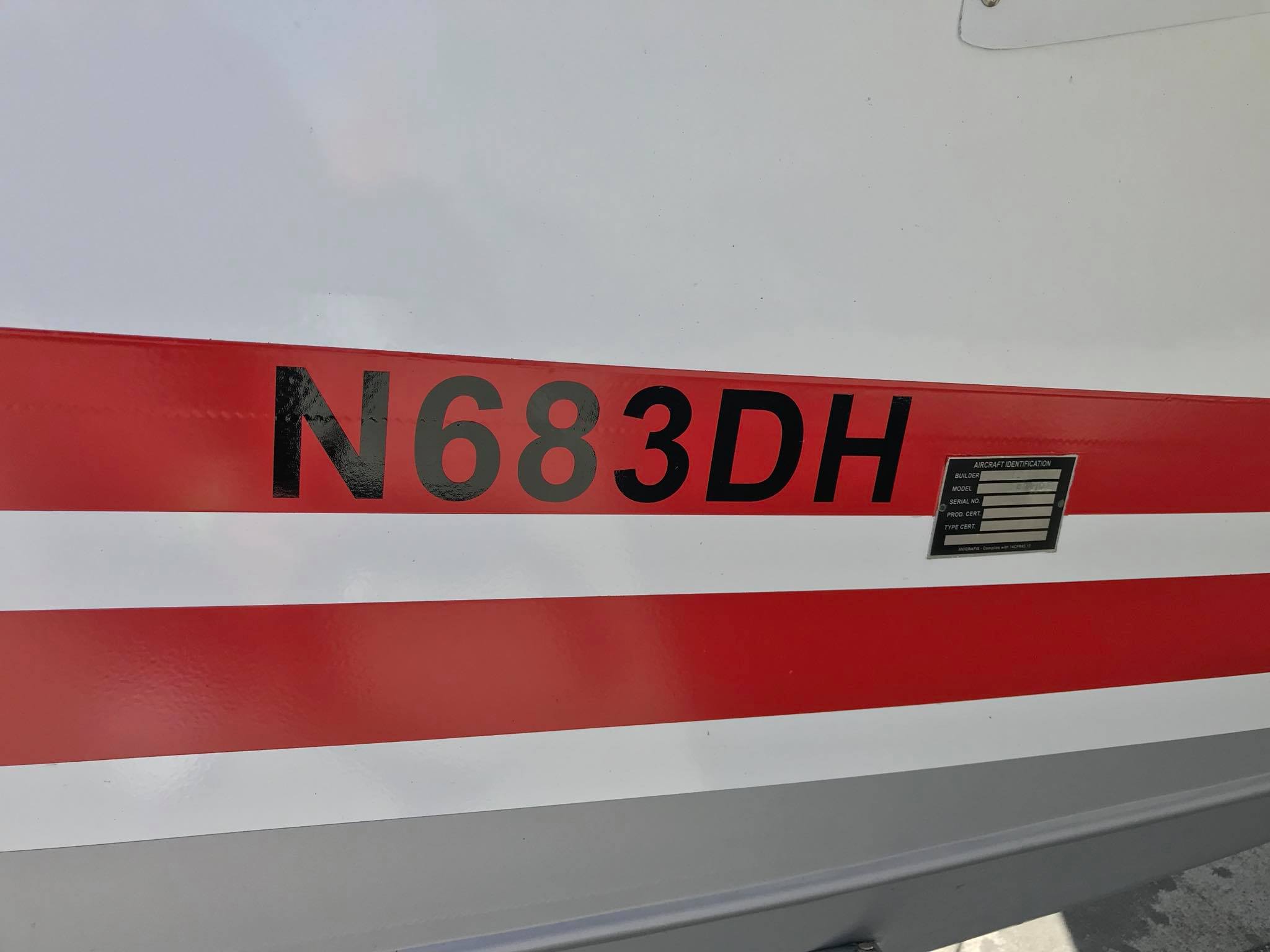
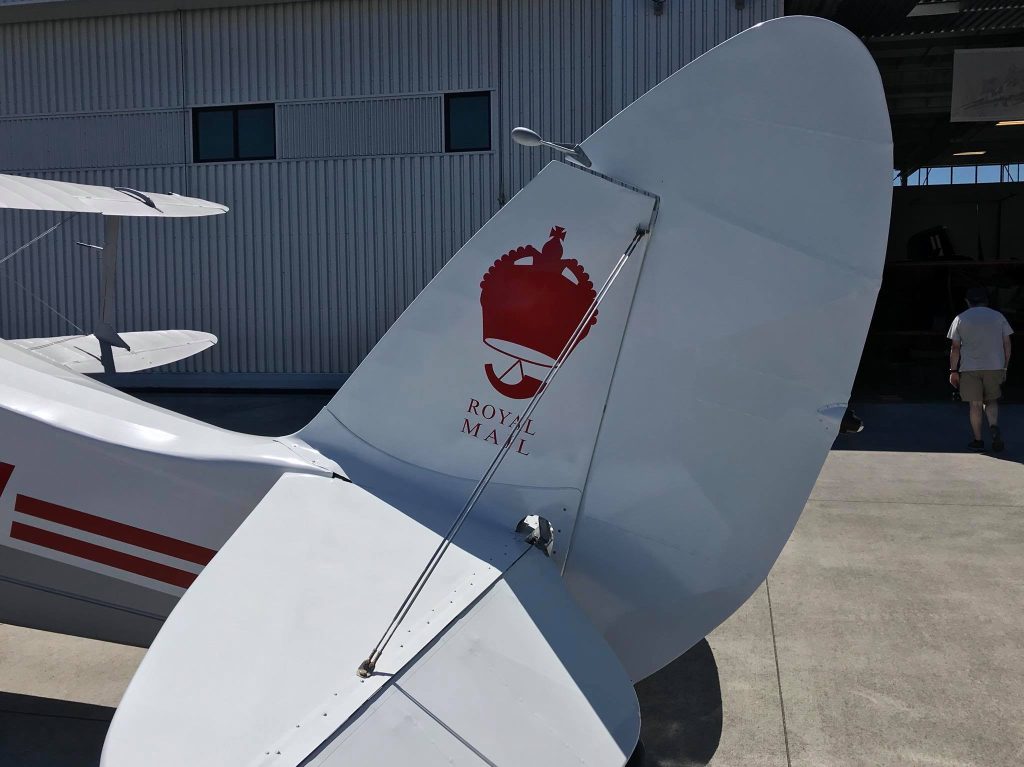
Editor’s notes: On August 11, 2018, DH.89 N683DH was participating in the Abbotsford International Airshow at Abbotsford Airport, British Columbia. After the main show had concluded, the aircraft was used to offer passengers short flights around the local area. At approximately 5:31 pm PST, N683DH began its takeoff roll on Runway 25 when the Dragon Rapide encountered strong crosswinds. The DH.89 managed to reach 30 feet off the ground before impacting the runway, prompting emergency services to rush to the scene. While there were no fatalities, the pilot and one passenger suffered serious injuries, while the other three passengers onboard had minor injuries. The incident also caused severe damage to the aircraft’s nose and right wing. As of 2026, the aircraft is now registered to James Harker of Minnesota, who is also restoring a North American F-82E Twin Mustang to flying condition.
About the author 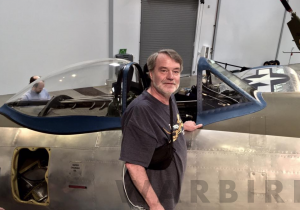
Randy Malmstrom grew up in a family steeped in aviation culture. His father, Bob, was still a cadet in training with the USAAF at the end of WWII but did serve in Germany during the U.S. occupation in the immediate post-war period, where he had the opportunity to fly a wide variety of types that flew in WWII. After returning to the States, Bob became a multi-engine aircraft sales manager and, as such, flew a wide variety of aircraft; Randy frequently accompanied him on these flights. Furthermore, Randy’s cousin, Einar Axel Malmstrom, flew P-47 Thunderbolts with the 356th FG from RAF Martlesham Heath. He was commanding this unit at the time he was shot down over France on April 24th, 1944, spending the rest of the war as a prisoner of war. Following his repatriation at war’s end, Einar continued his military service, attaining the rank of Colonel. He was serving as Deputy Wing Commander of the 407th Strategic Fighter Wing at Great Falls AFB, MT, at the time of his death in a T-33 training accident on August 21, 1954. The base was renamed in his honor in October 1955 and continues to serve in the present USAF as home to the 341st Missile Wing. Randy’s innate interest in history in general, and aviation history in particular, plus his educational background and passion for WWII warbirds, led him down his current path of capturing detailed aircraft walk-around photos and in-depth airframe histories, recording a precise description of a particular aircraft in all aspects.