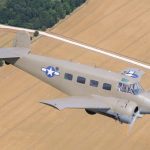
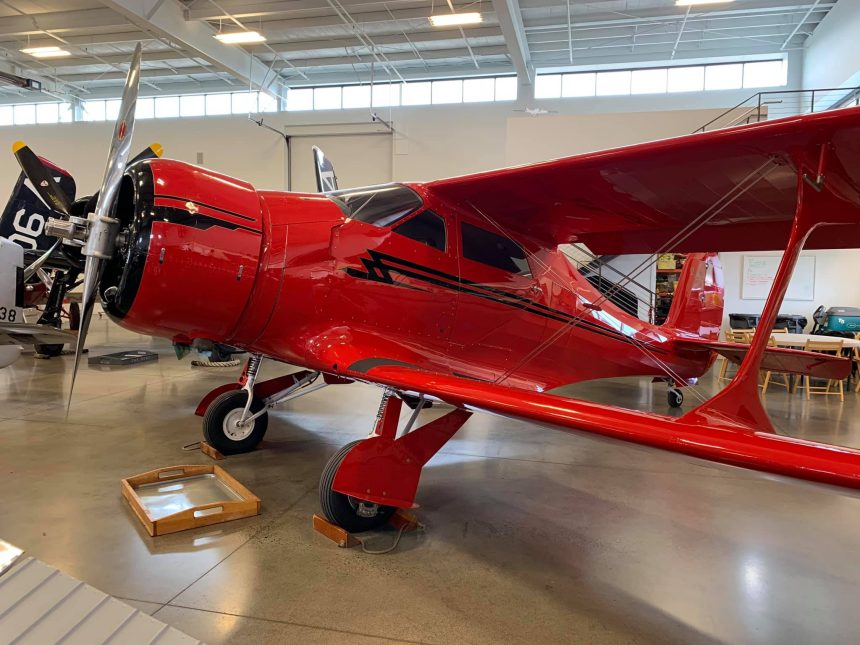

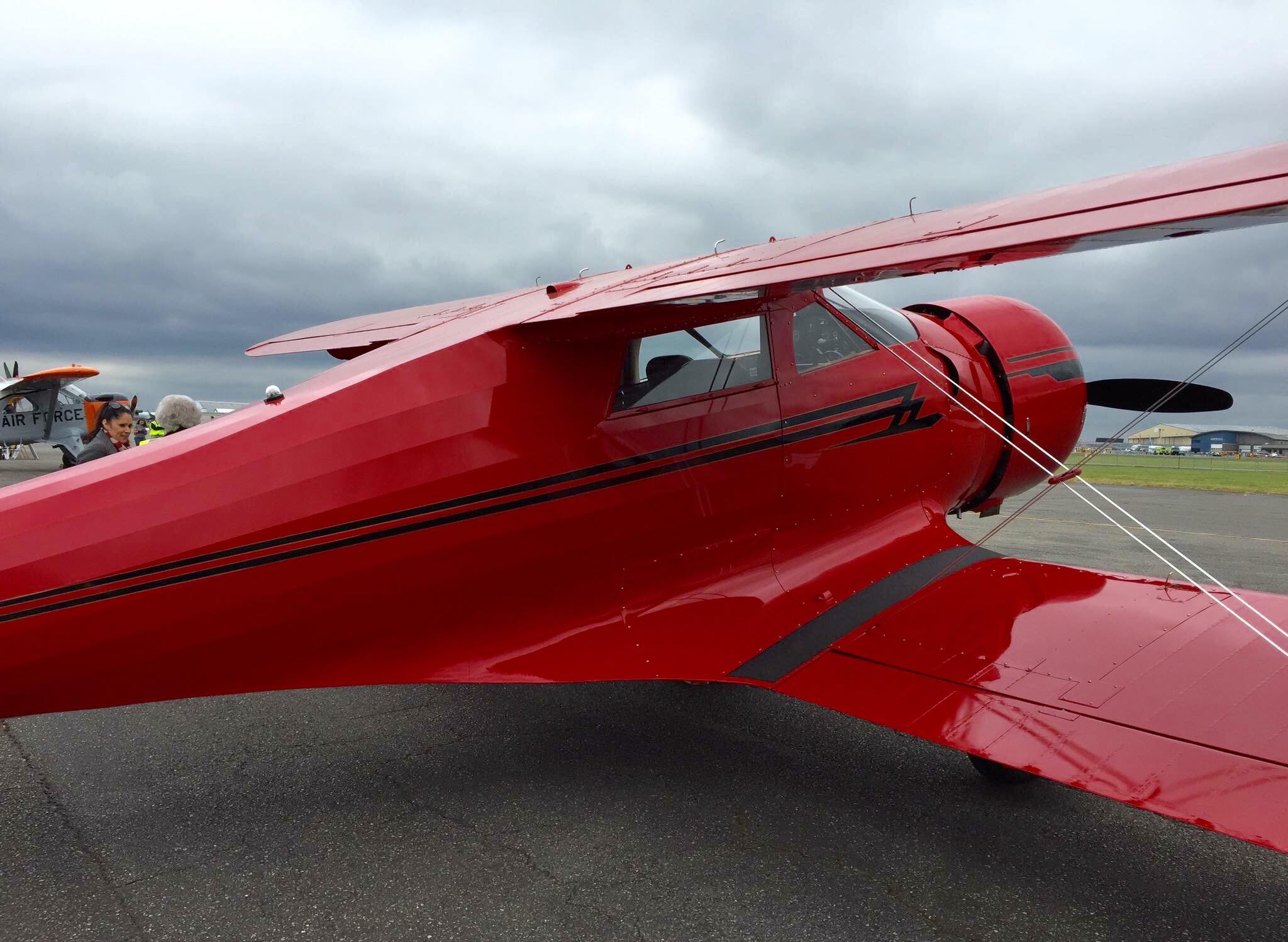
Since his childhood, Randy Malmstrom has had a passion for aviation history and historic military aircraft in particular. He has a particular penchant for documenting specific airframes with a highly detailed series of walk-around images and an in-depth exploration of their history, which have proved to be popular with many of those who have seen them, and we thought our readers would be equally fascinated too. This installment of Randy’s Warbird Profiles takes a look at Beech UC-43 (Model 17) Staggerwing N67738.
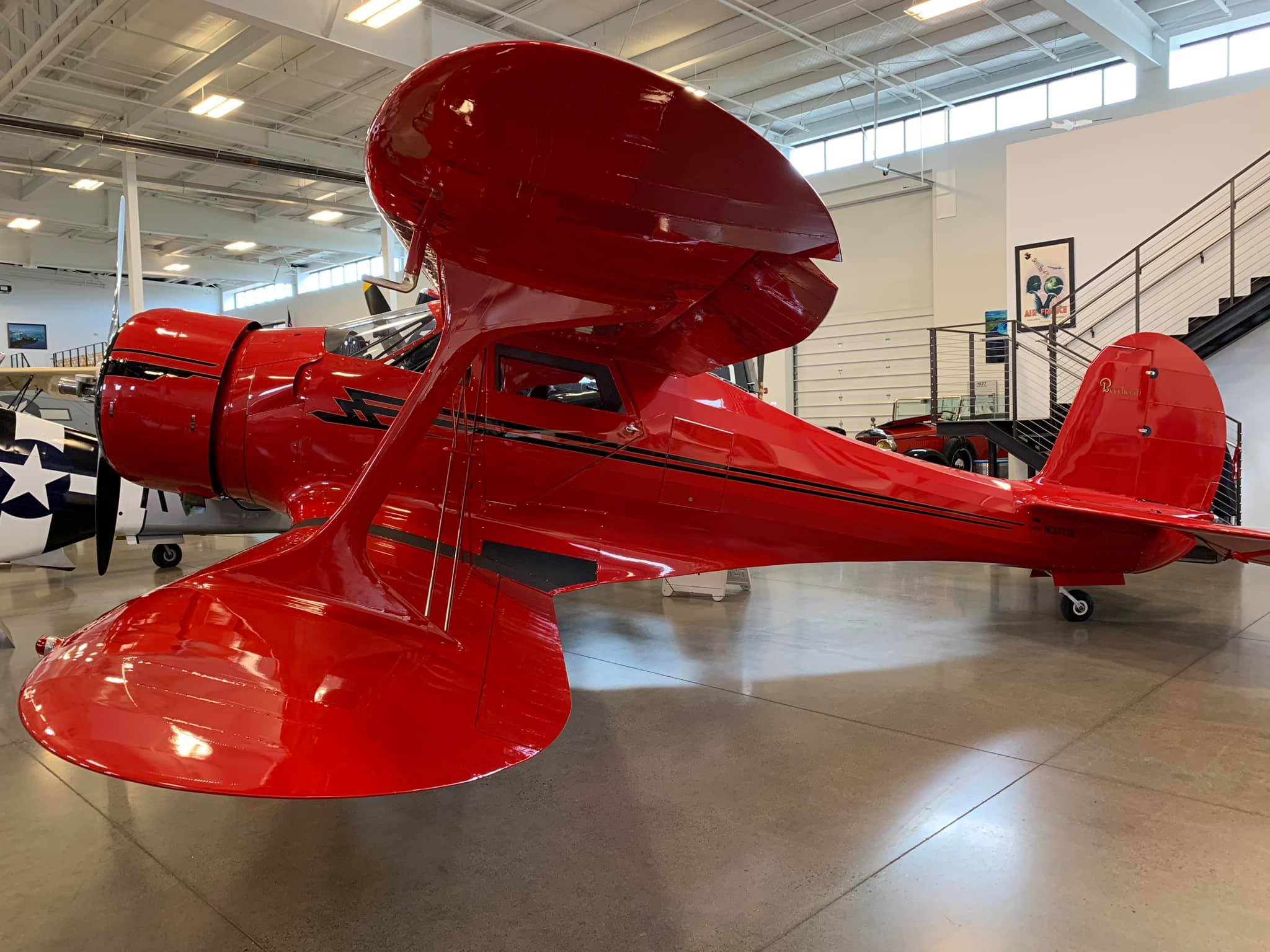
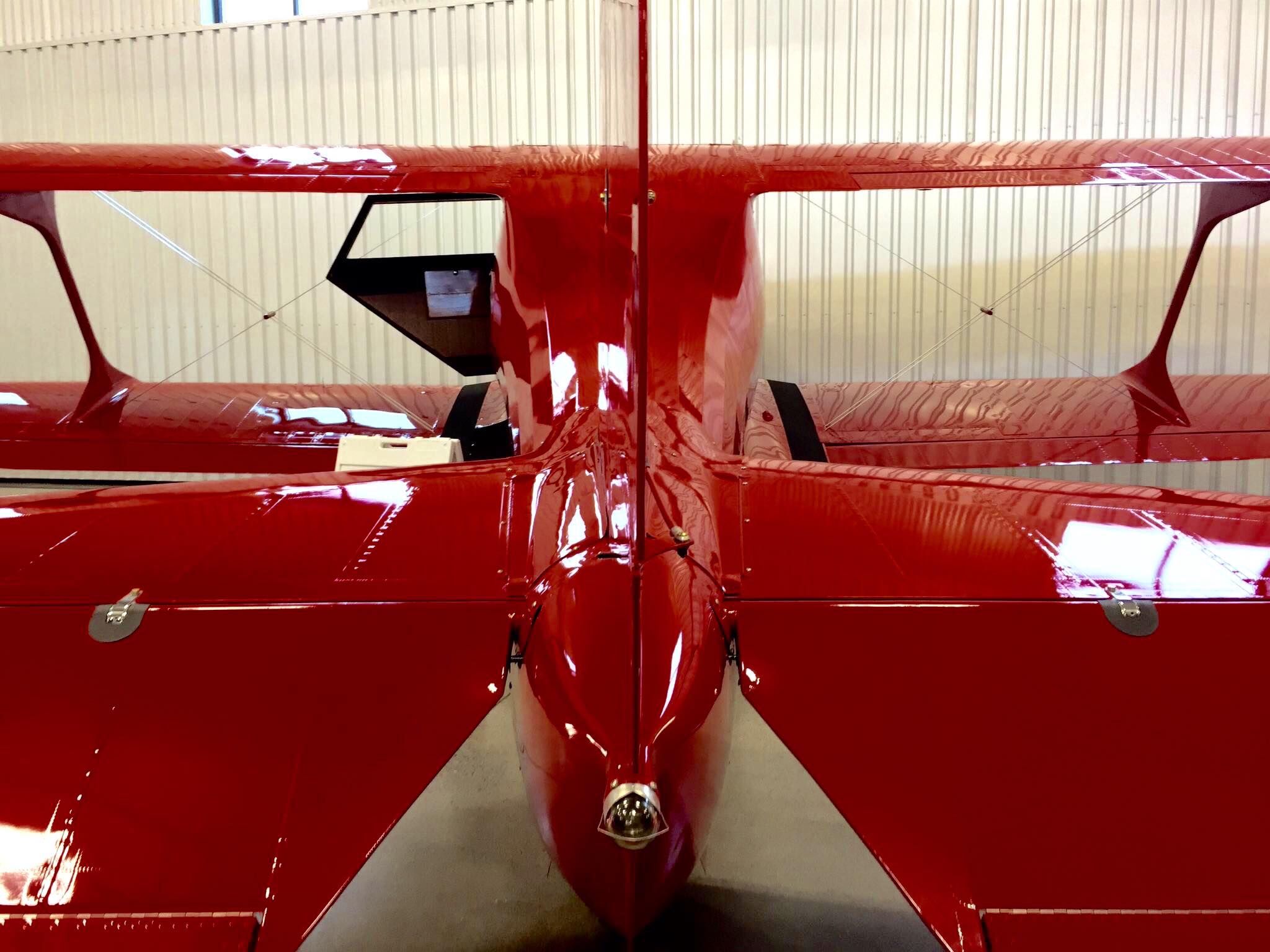
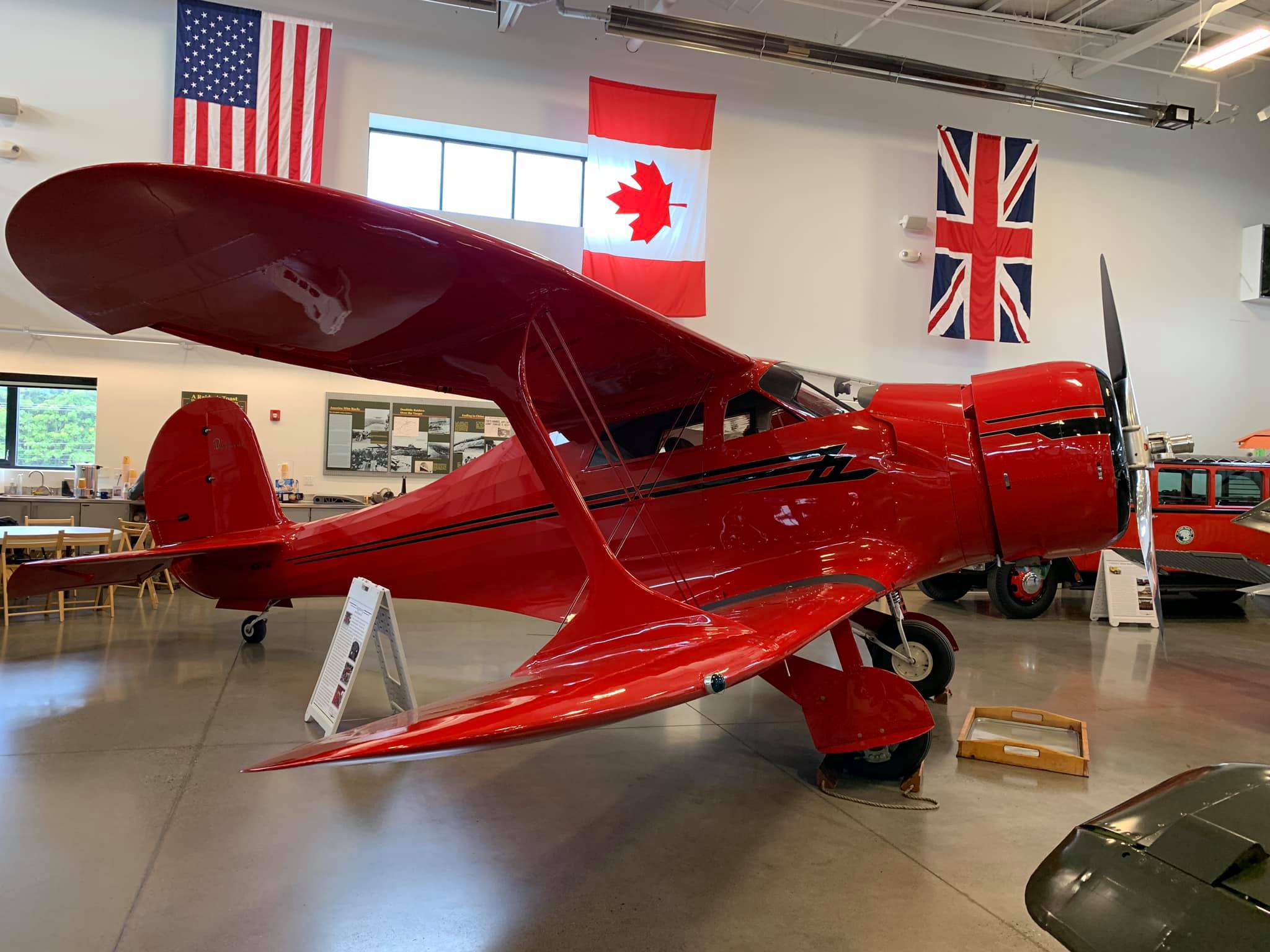
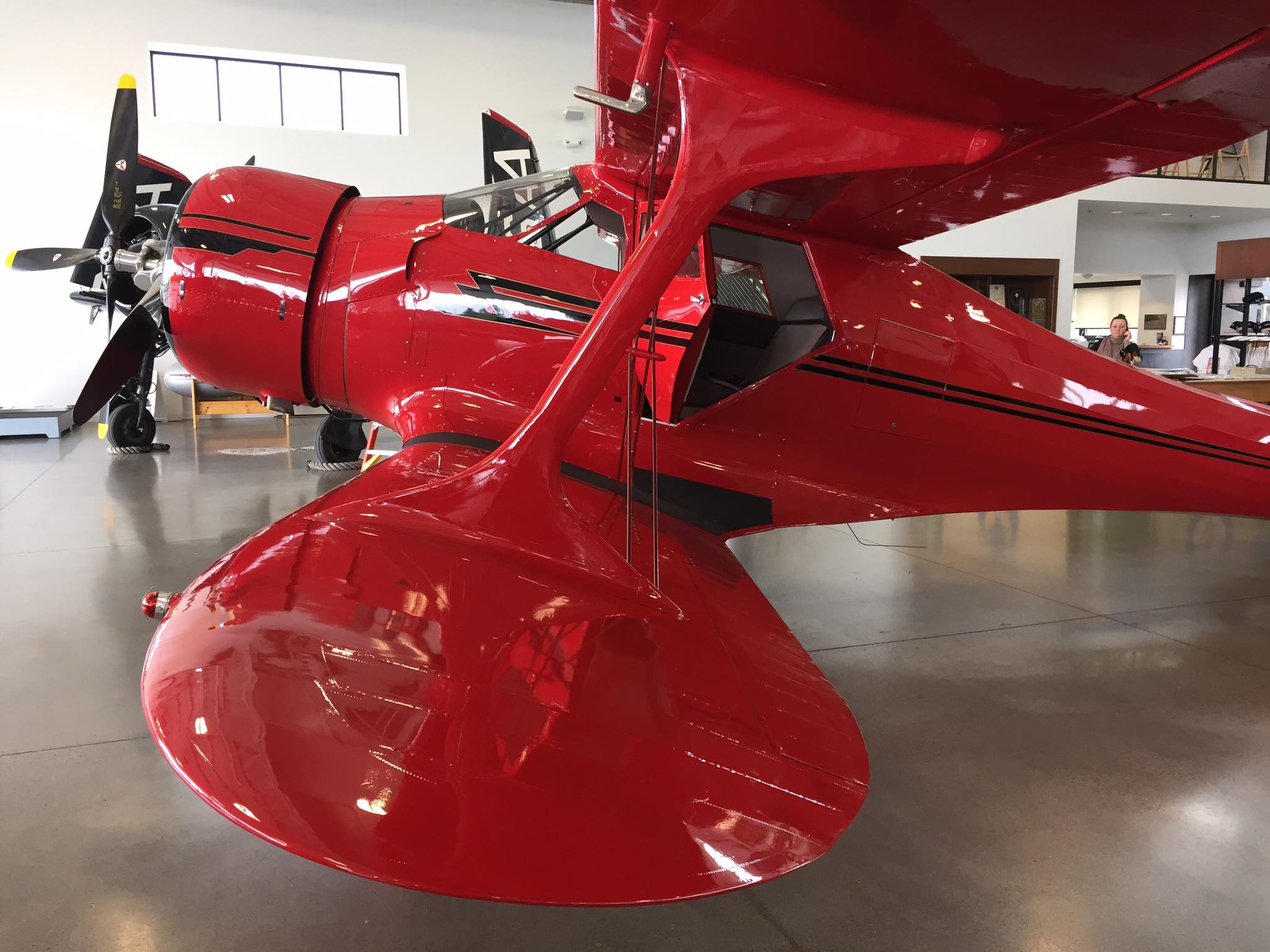
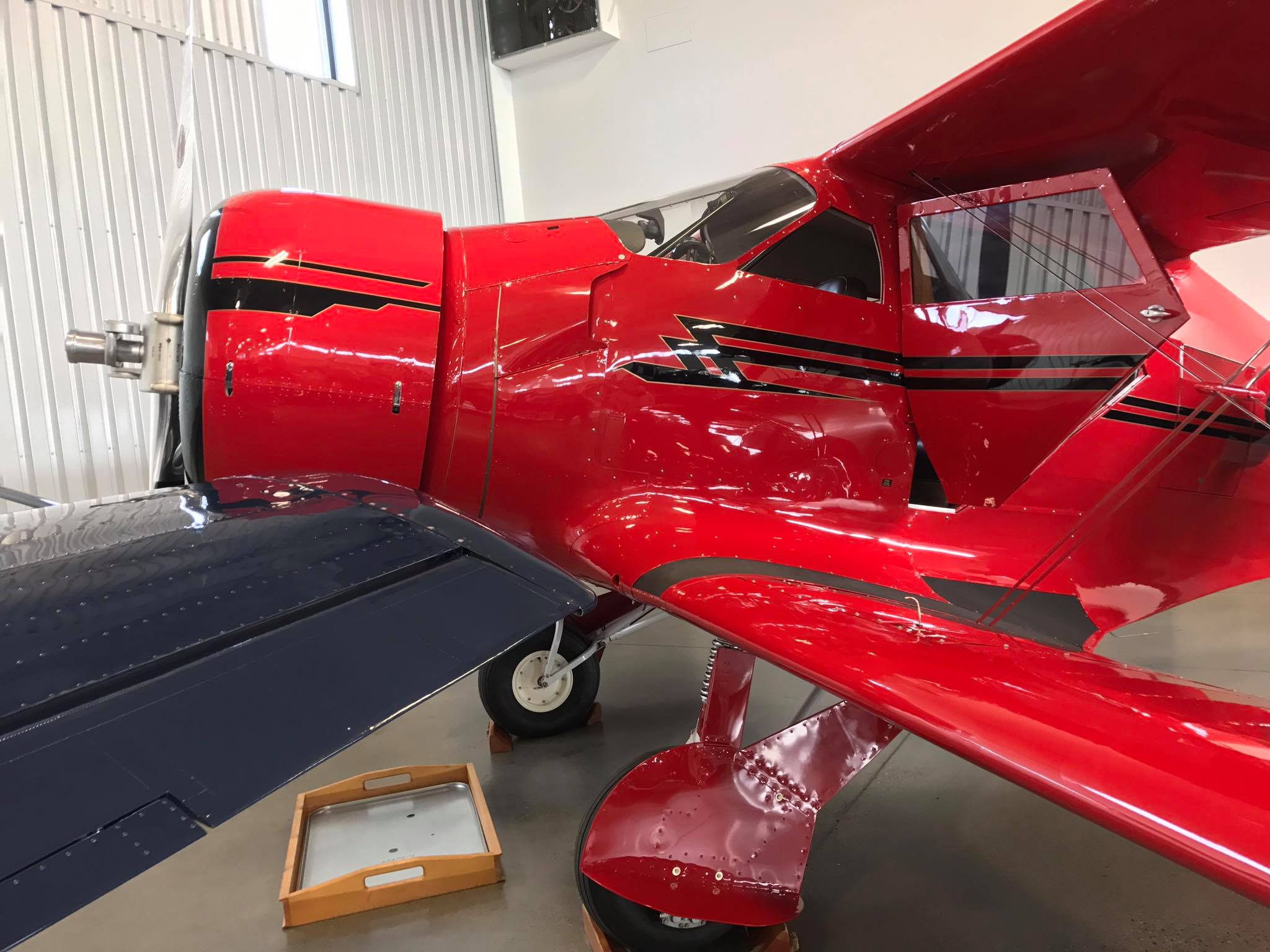
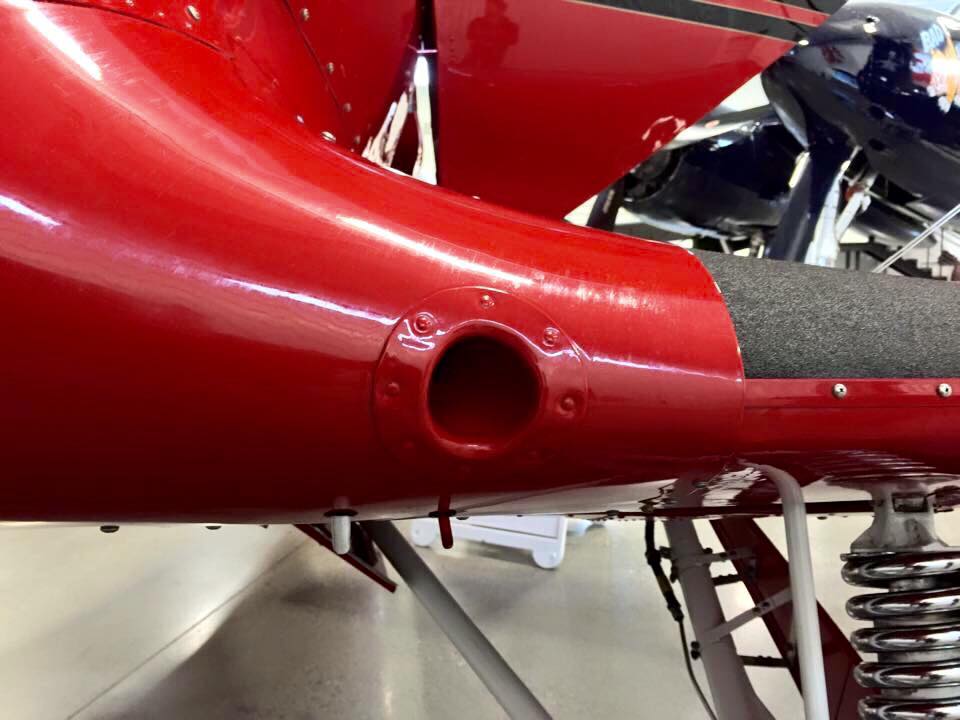
This particular airworthy aircraft was built as the military version of the Beechcraft Model 17 Staggerwing and delivered to the U.S. Navy in 1944 and served as a reconnaissance aircraft at Sand Point Naval Air Station, Seattle. After being declared surplus, Beechcraft Heritage Museum displayed the aircraft at Tullahoma Regional Airport in Tennessee. The restoration of this aircraft was completed by Rare Aircraft Ltd. in Faribault, Minnesota in October 2010 which painted it in civilian markings and fittings. My photos at Historic Flight Foundation on Paine Field in Everett/Mukilteo, Washington.
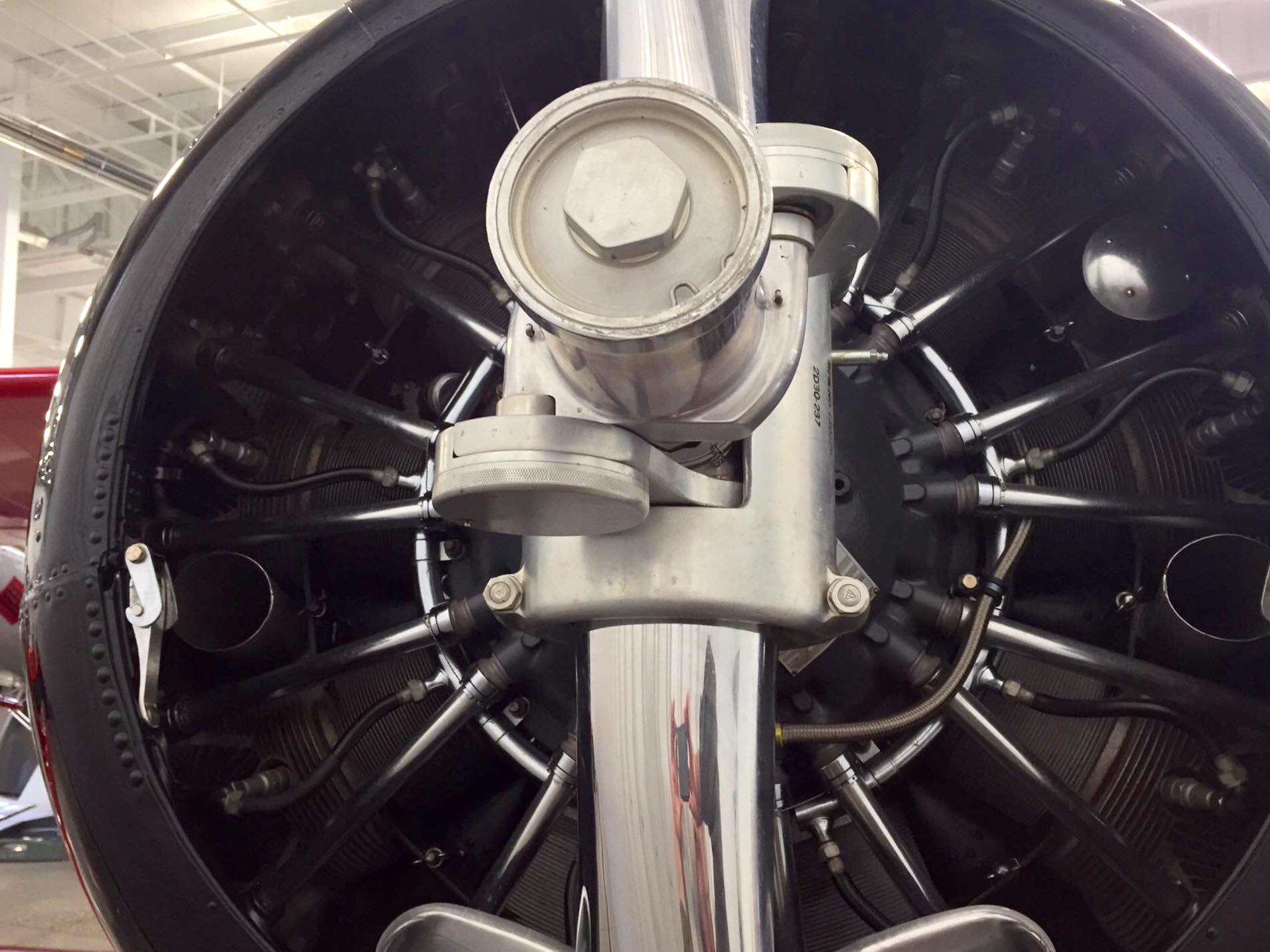
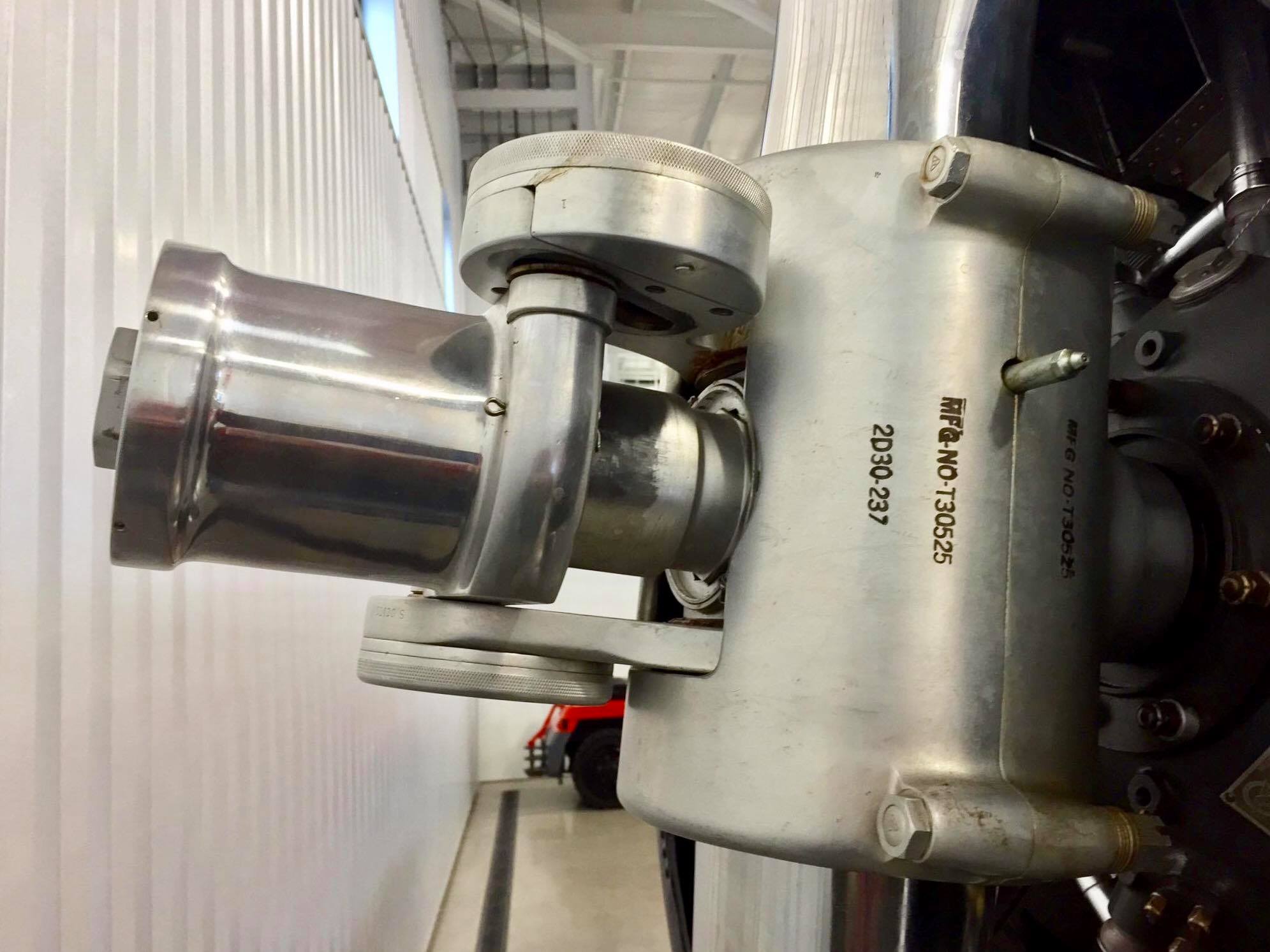
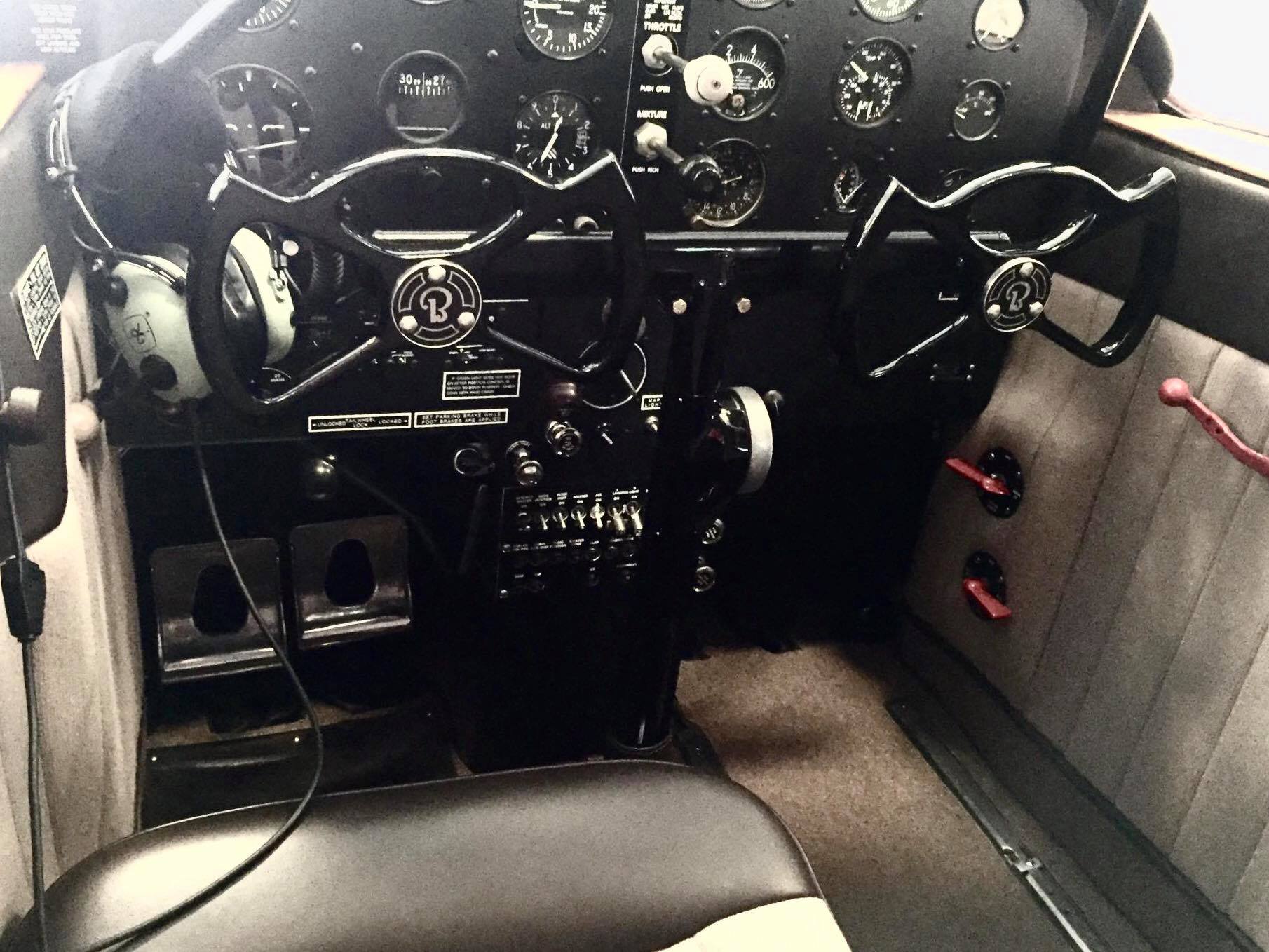
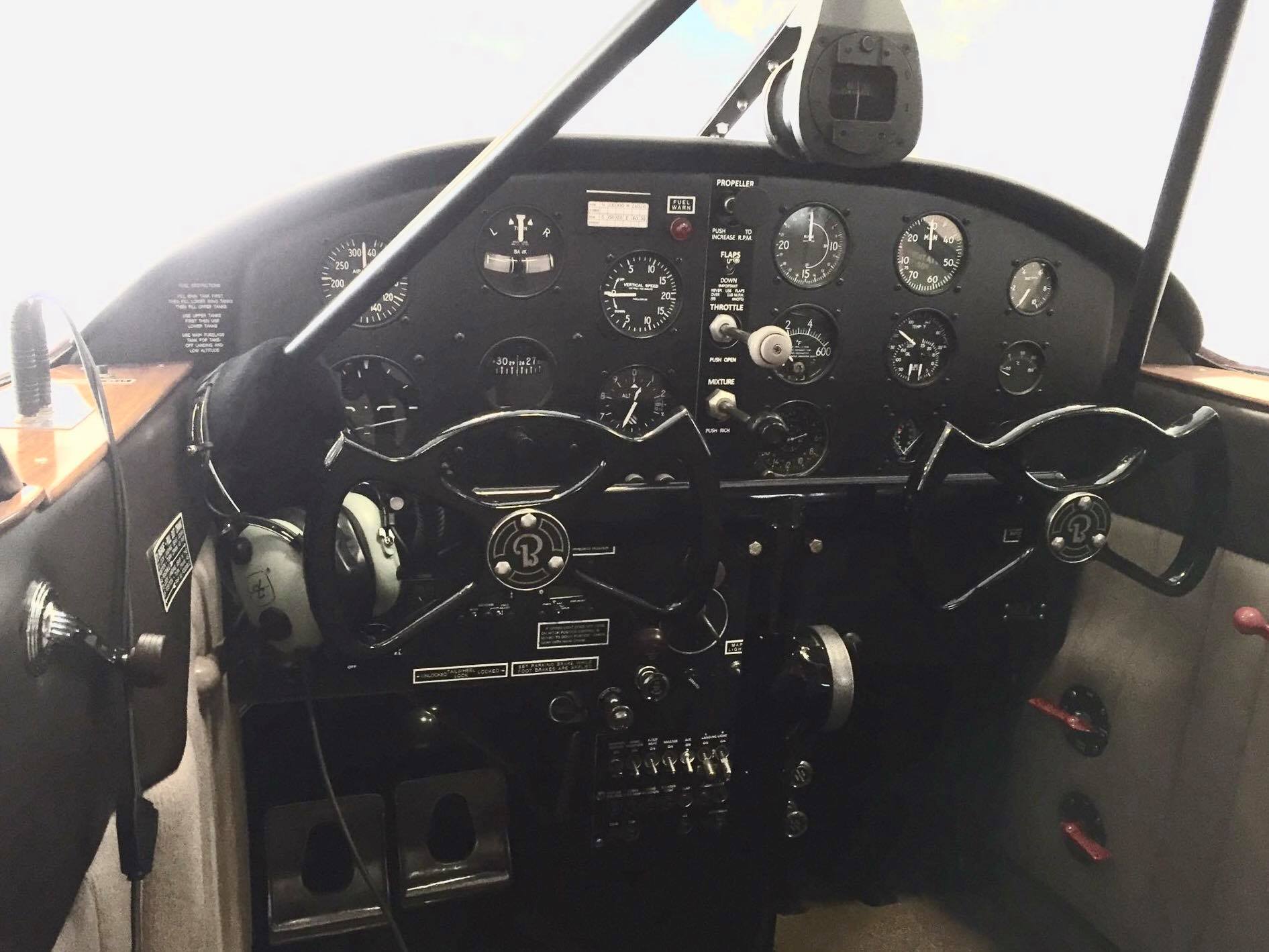
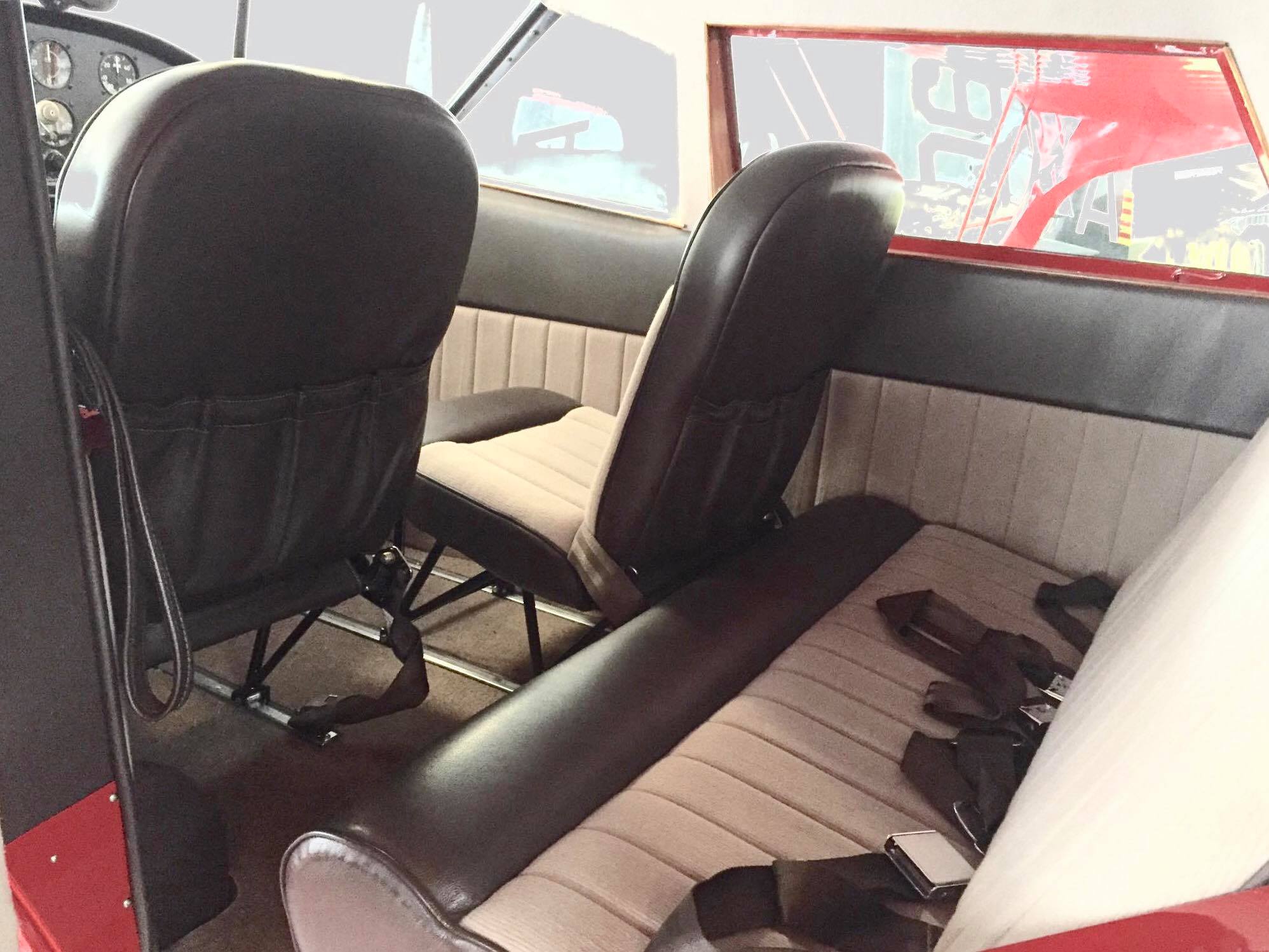
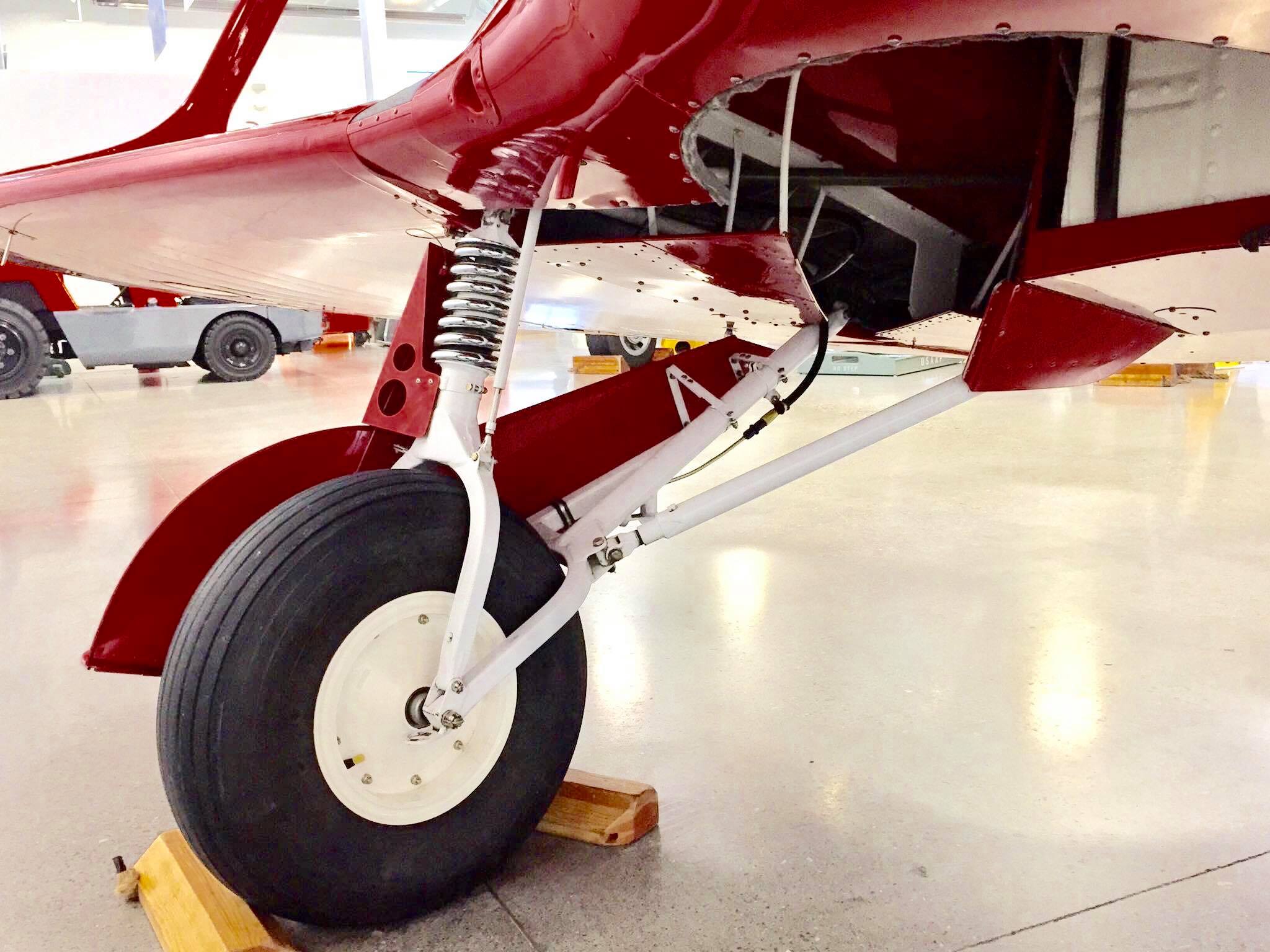
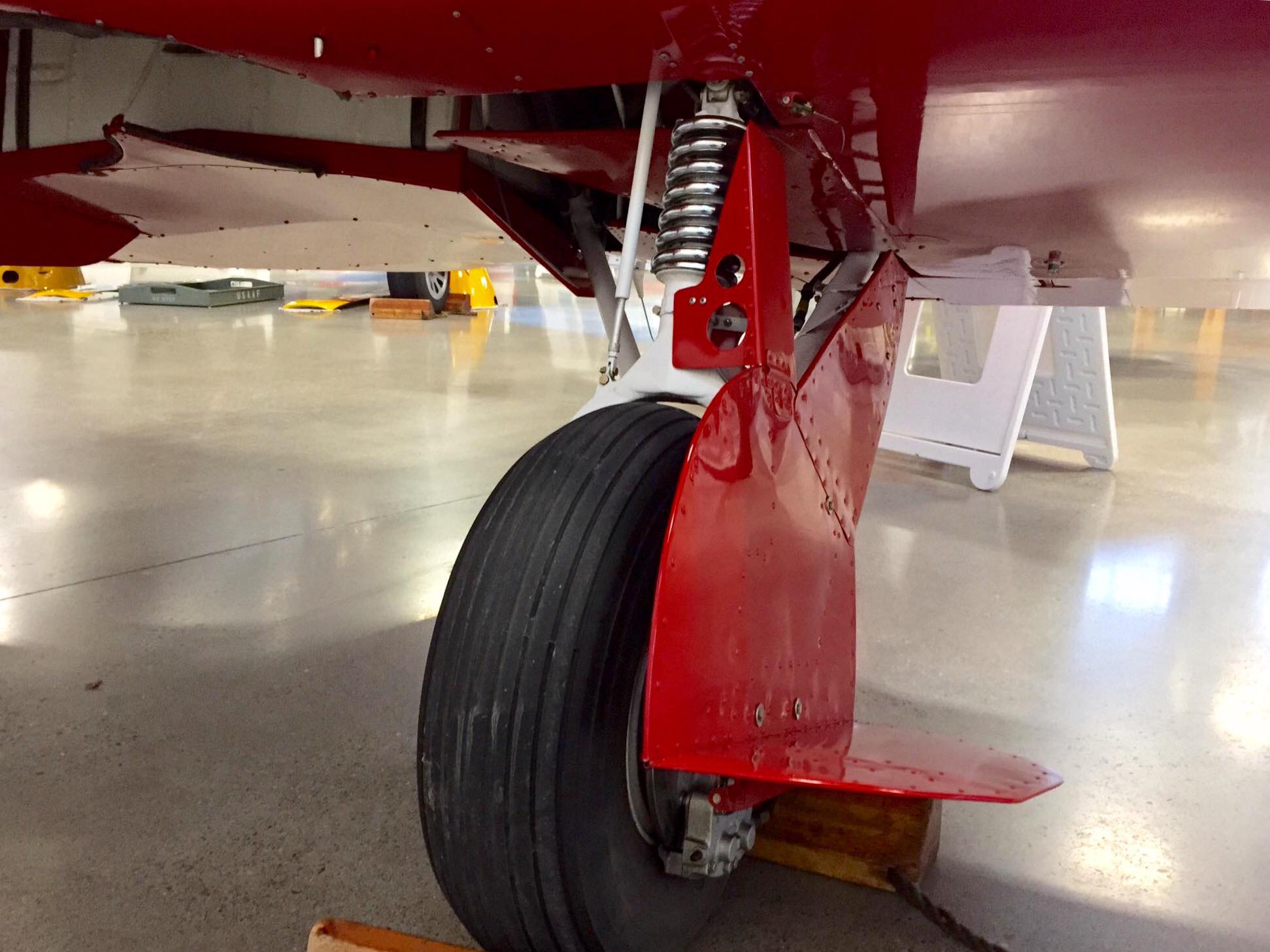
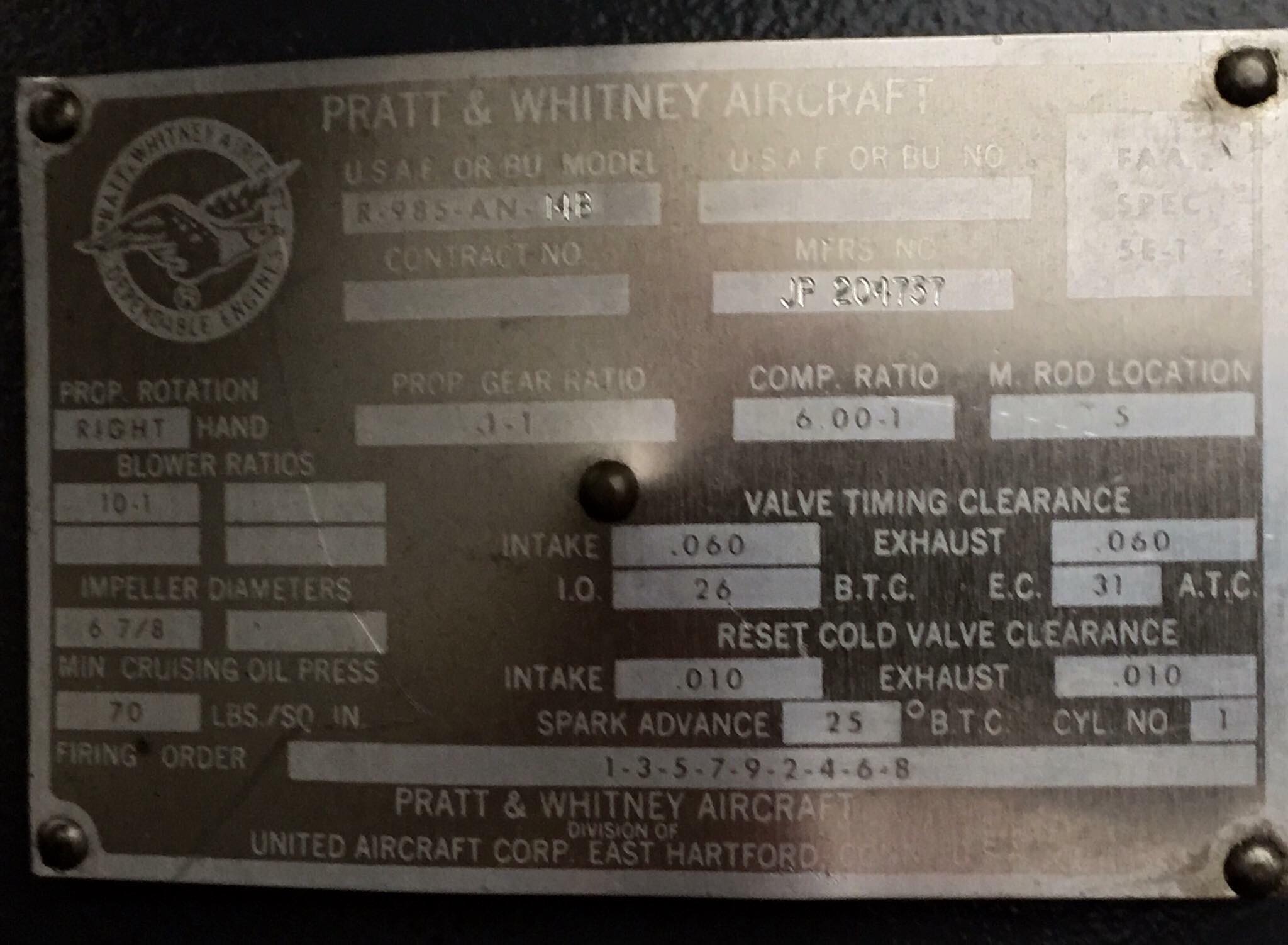
The Model 17 was initially introduced in 1933-33 as a civil aircraft and became a very popular racer (but apparently banned after 1970 out of safety concerns). Powered by a Pratt & Whitney R-985-AN engine and built of a steel tube frame, wooden formers and originally covered with Grade A cotton. It first saw military use in the Spanish Civil War, then China, and to a small extent in Finland. In all, about 400 of these aircraft were delivered to the U.S. Army Air Forces and U.S. Navy during World War II for utility, reconnaissance and transport duties – including U.S. air attaches at the American Embassies in London, Paris and Rome. Approximately 118 of them were requisitioned from private owners for military use during WWII. The stagger wing configuration provides excellent maneuverability and mitigates stall tendencies while maximizing pilot visibility.
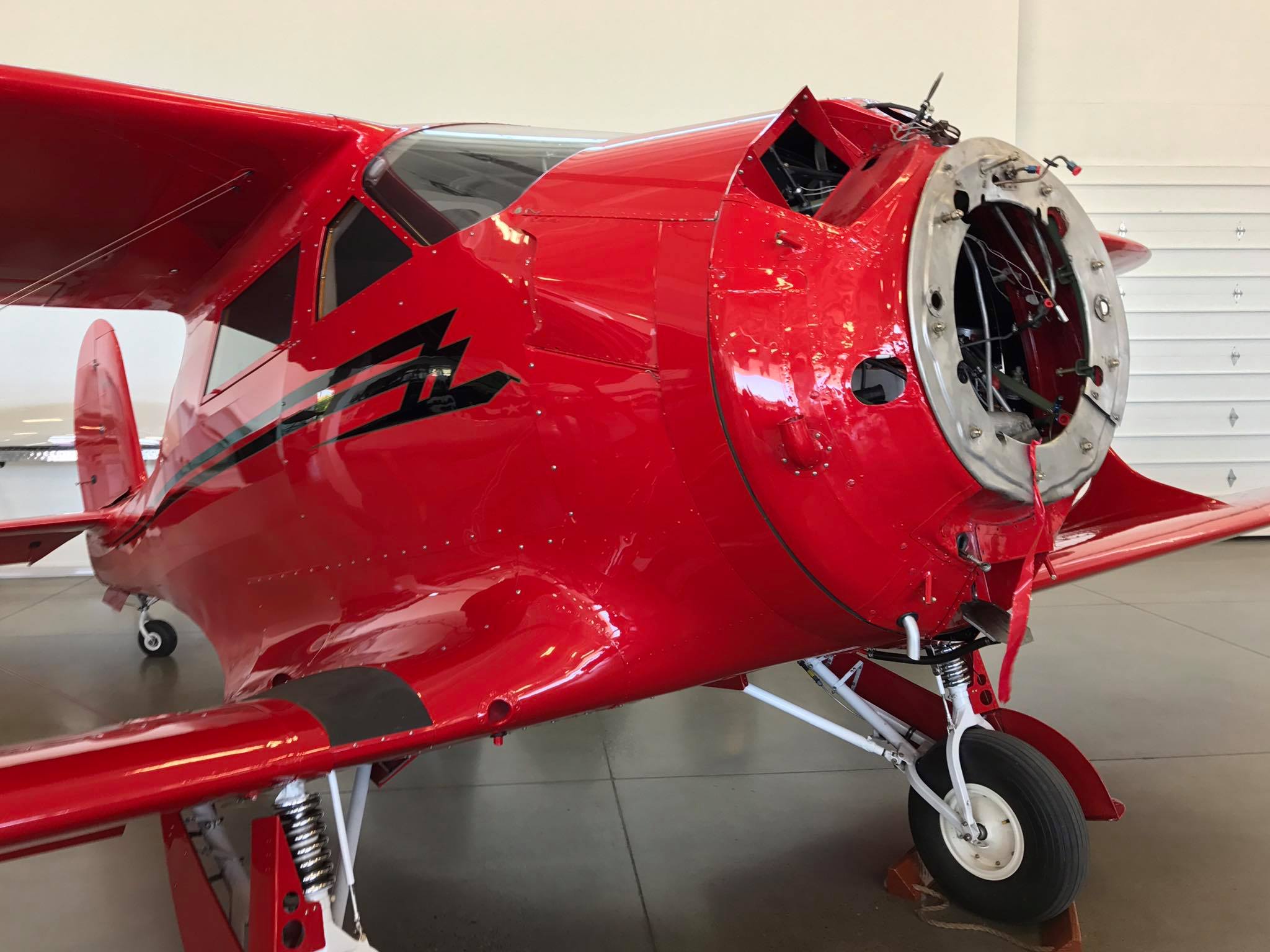
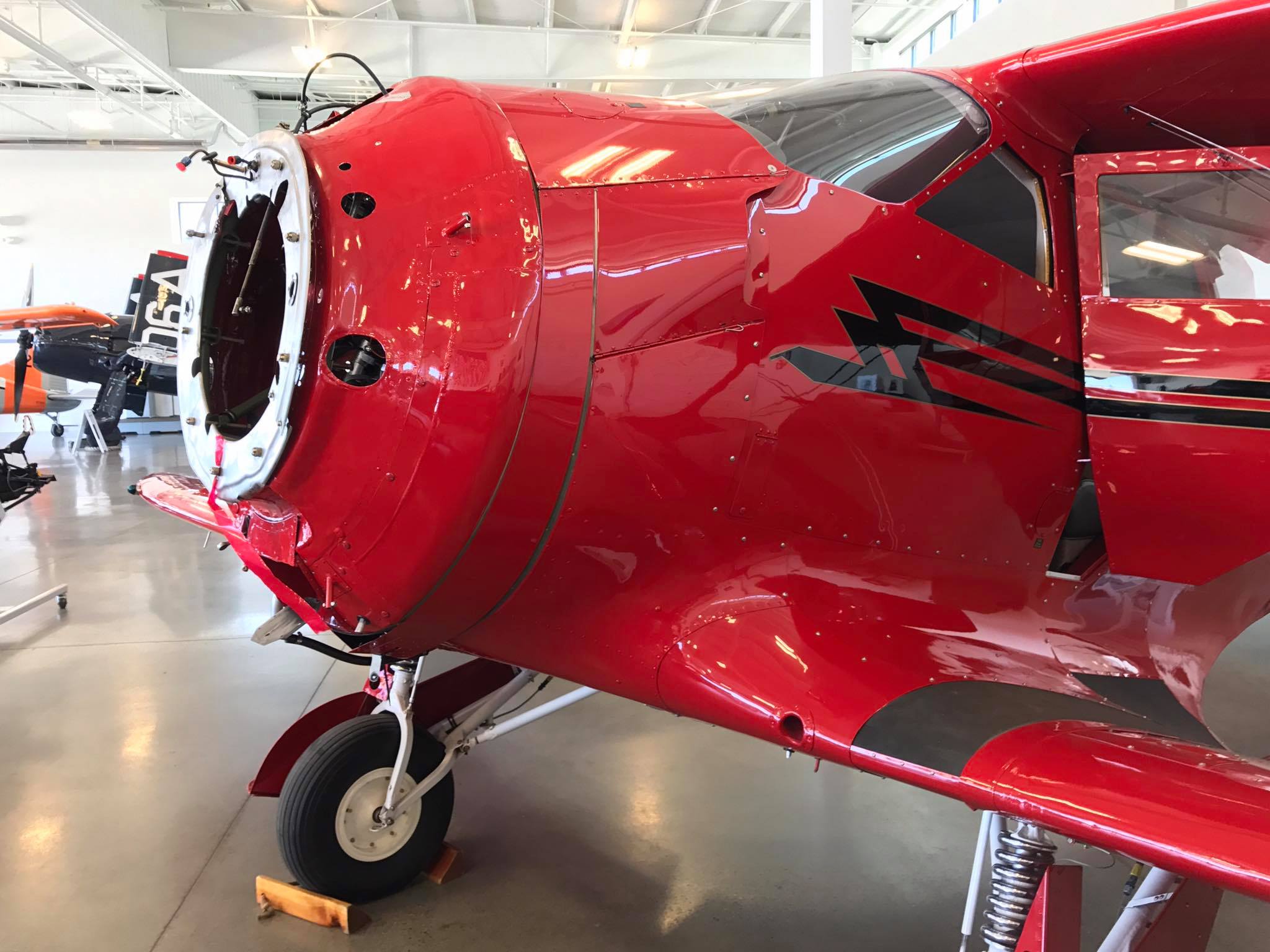
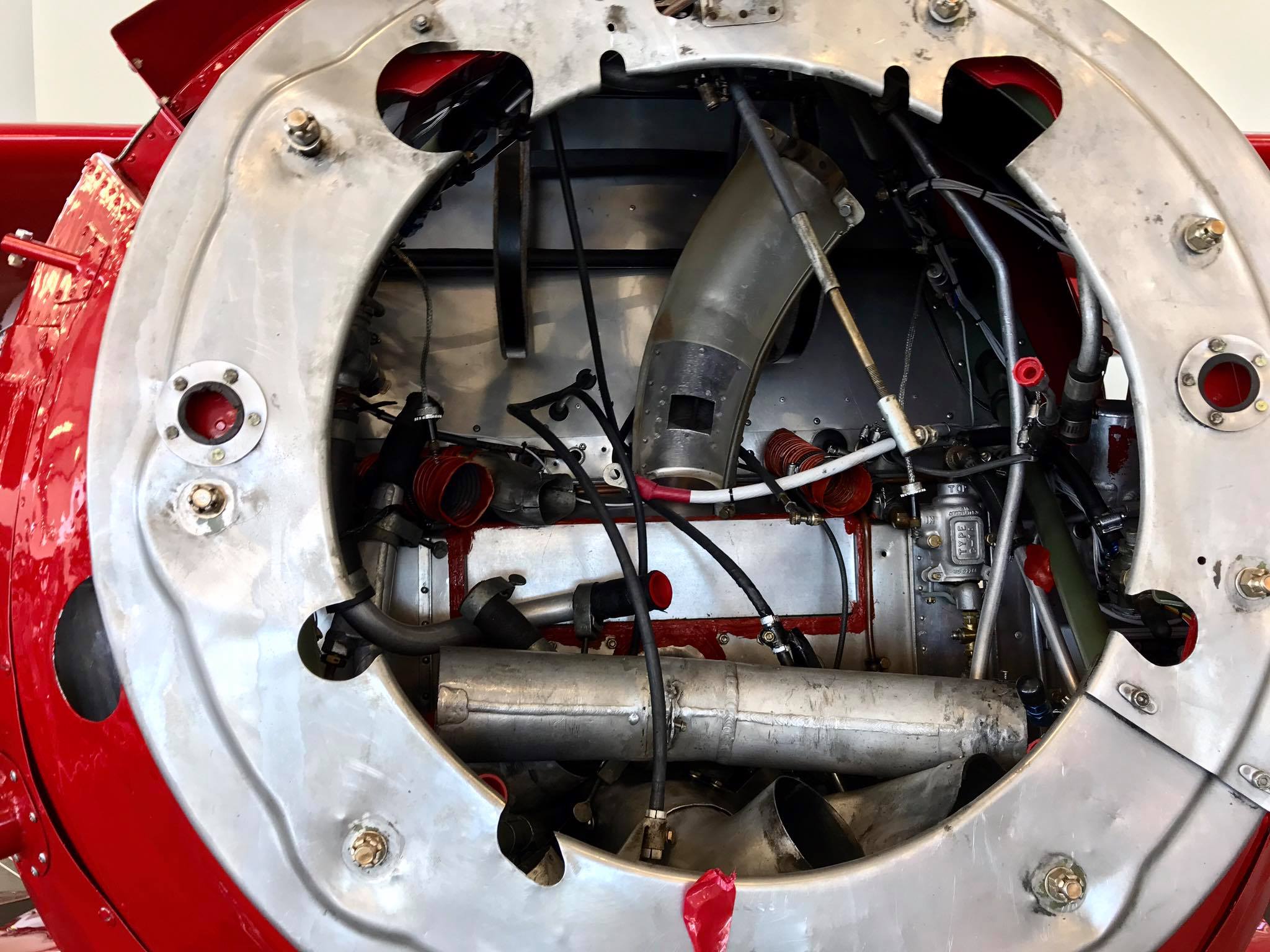
Editor’s note: The Staggerwing featured in this report was originally constructed as constructed number 6914 as part of a U.S. Army Air Force production batch for UC-43s. It was given the USAAF serial number 44-76069 but was immediately transferred to the US Navy as a GB-2, and was taken on strength on May 20, 1944, as Bureau Number 23734. Stricken from the Navy on July 31, 1946, the aircraft went through several owners in the US and Canada before becoming part of the Beechcraft Heritage Museum, then the Historic Flight Foundation. The aircraft is now flown in Texas.

About the author 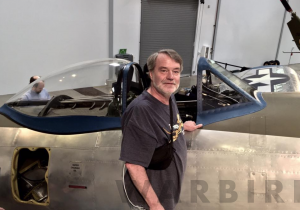 Randy Malmstrom grew up in a family steeped in aviation culture. His father, Bob, was still a cadet in training with the USAAF at the end of WWII, but did serve in Germany during the U.S. occupation in the immediate post-war period, where he had the opportunity to fly in a wide variety of types which flew in WWII. After returning to the States, Bob became a multi-engine aircraft sales manager and as such flew a wide variety of aircraft; Randy frequently accompanied him on these flights. Furthermore, Randy’s cousin, Einar Axel Malmstrom flew P-47 Thunderbolts with the 356th FG from RAF Martlesham Heath. He was commanding this unit at the time he was shot down over France on April 24th, 1944, spending the rest of the war as a prisoner of war. Following his repatriation at war’s end, Einar continued his military service, attaining the rank of Colonel. He was serving as Deputy Wing Commander of the 407th Strategic Fighter Wing at Great Falls AFB, MT at the time of his death in a T-33 training accident on August 21, 1954. The base was renamed in his honor in October 1955 and continues to serve in the present USAF as home to the 341st Missile Wing. Randy’s innate interest in history in general, and aviation history in particular, plus his educational background and passion for WWII warbirds, led him down his current path of capturing detailed aircraft walk-around photos and in-depth airframe histories, recording a precise description of a particular aircraft in all aspects.