We appreciate the support from readers like you at Foxiz. Through your purchases using the links on our site, you empower us with affiliate commissions.
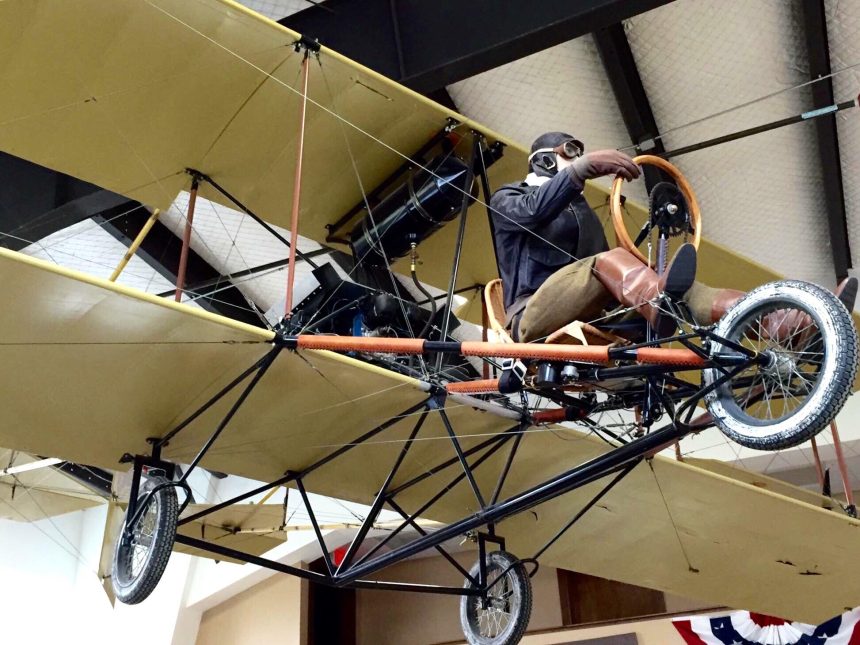
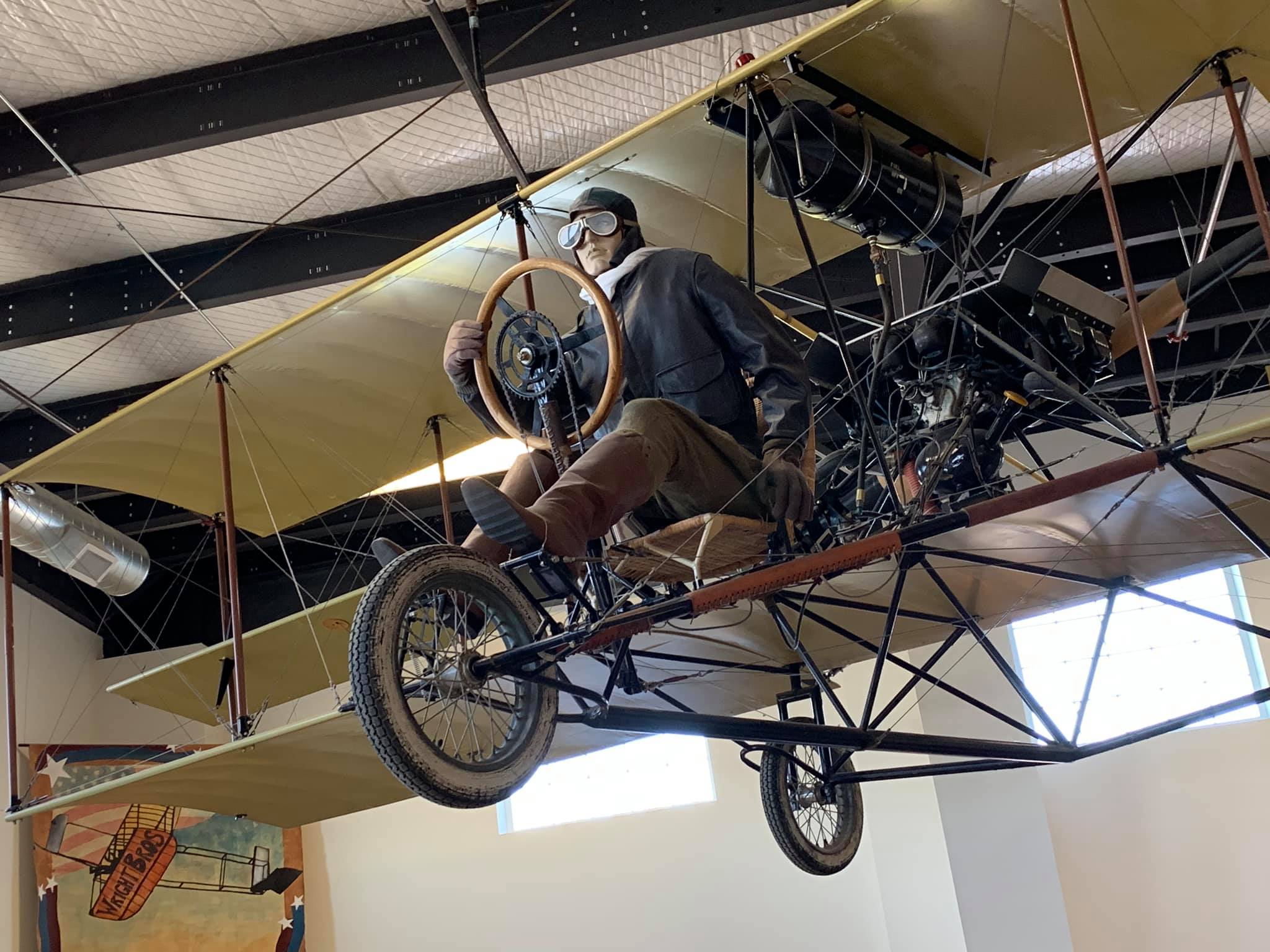
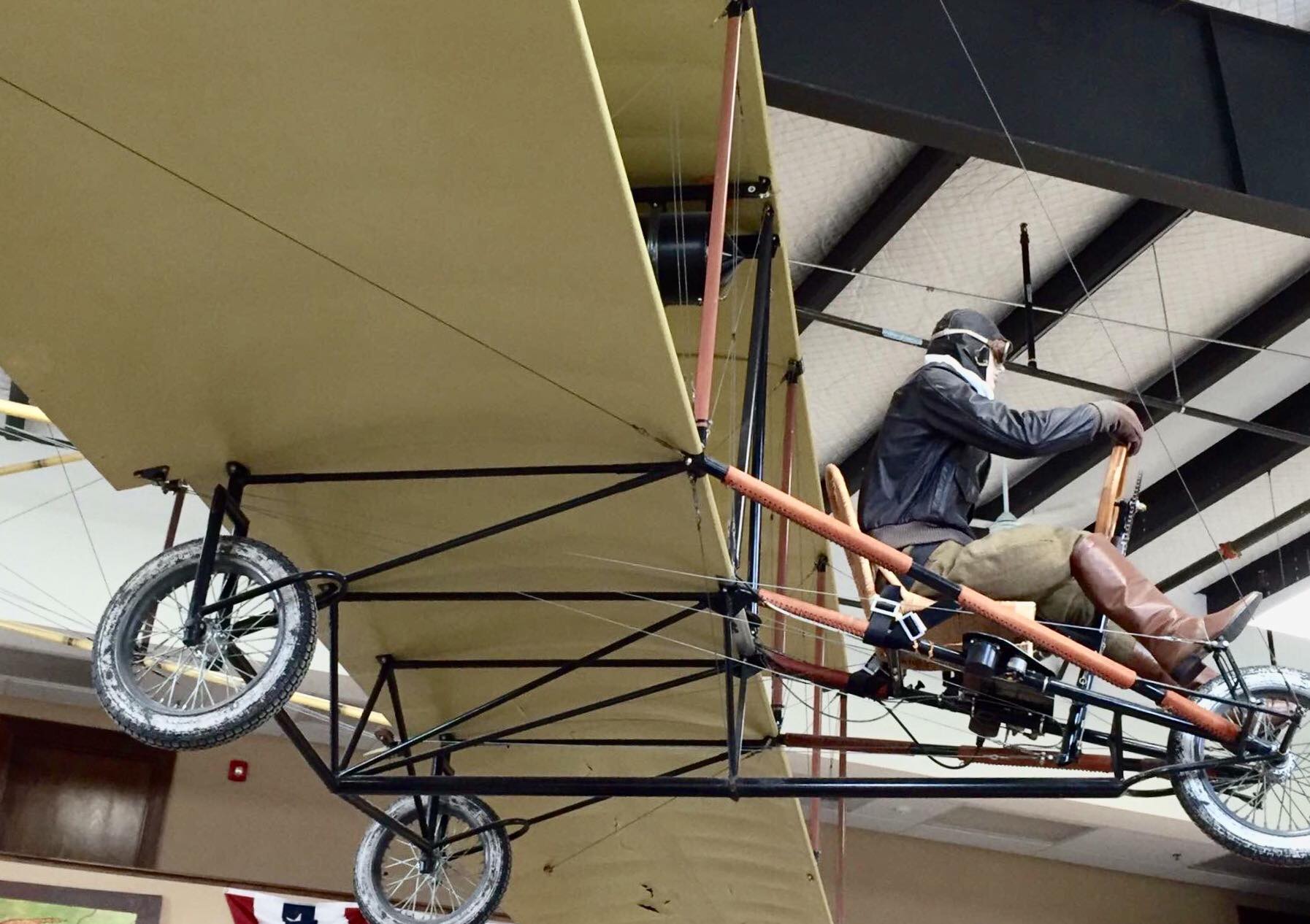
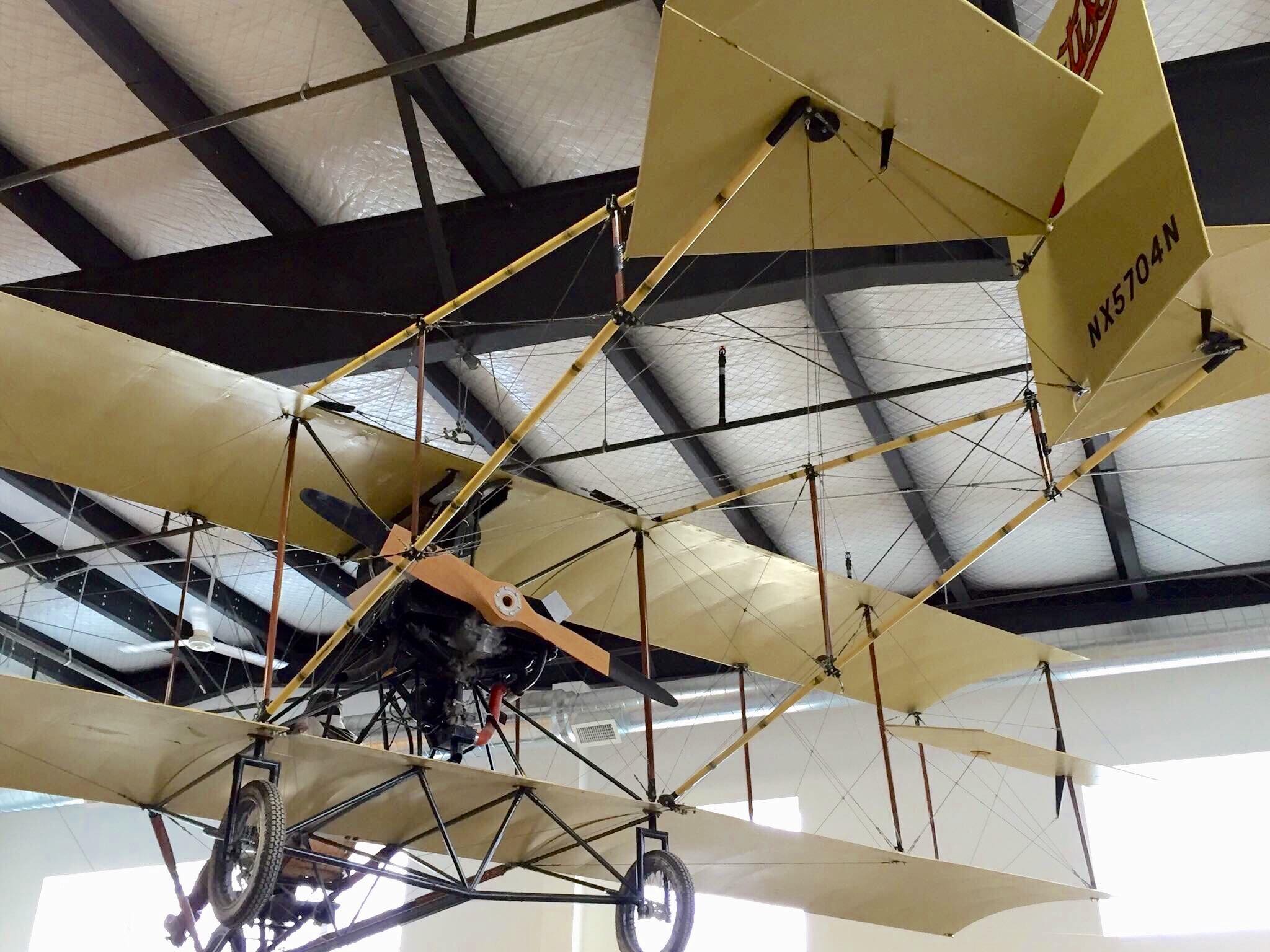
Curtiss Model D Pusher NX7504N on display at the Western Antique Aeroplane and Automobile Museum. (Randy Malmstrom)
SHARE
By Randy Malmstrom
Since his childhood, Randy Malmstrom has had a passion for aviation history and historic military aircraft in particular. He has a particular penchant for documenting specific airframes with a highly detailed series of walk-around images and an in-depth exploration of their history, which have proved to be popular with many of those who have seen them, and we thought our readers would be equally fascinated too. This installment of Randy’s Warbird Profiles takes a look at the Western Antique Aeroplane and Automobile Museum’s Curtiss Model D “Curtiss Pusher” replica.
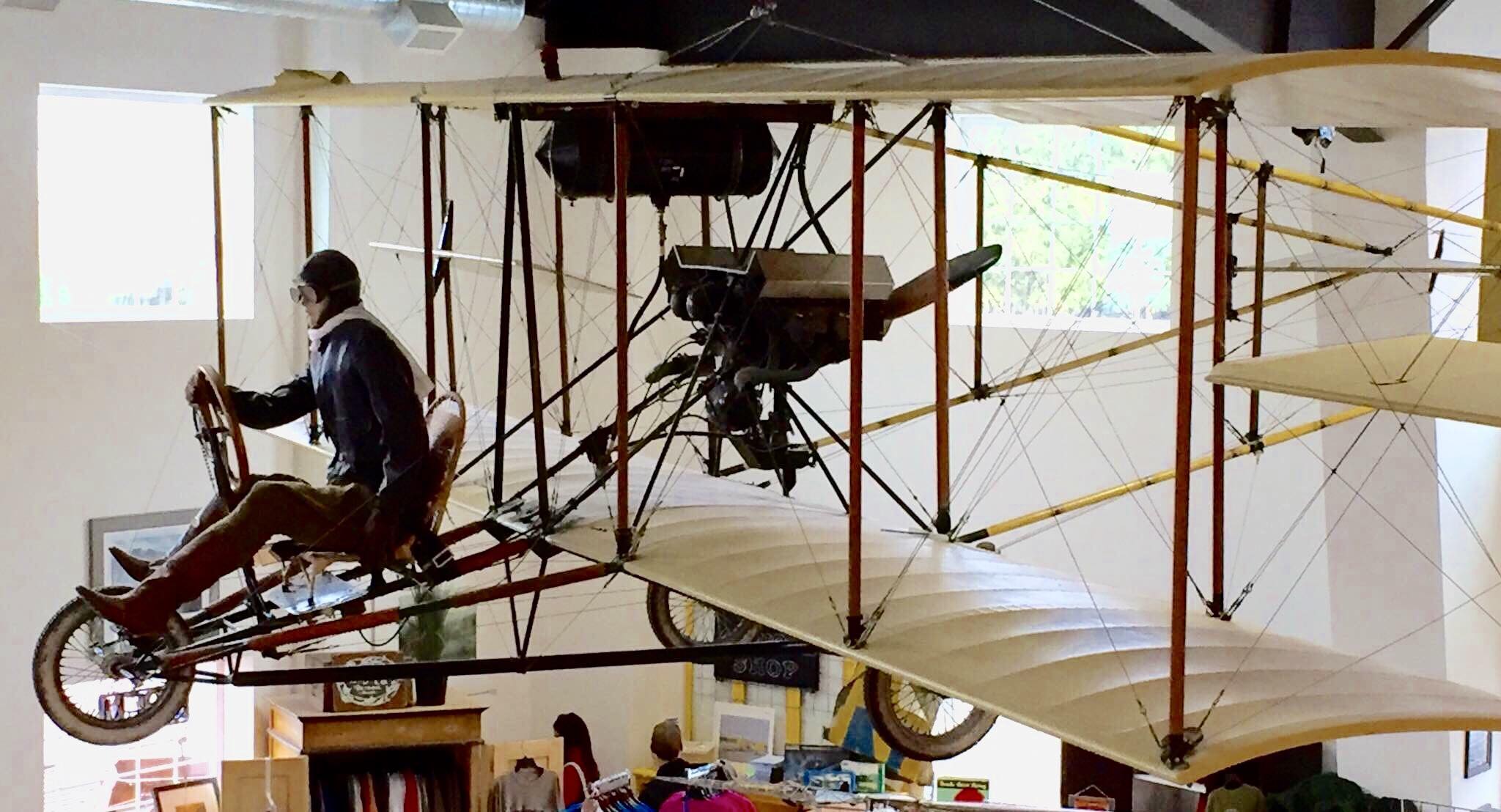
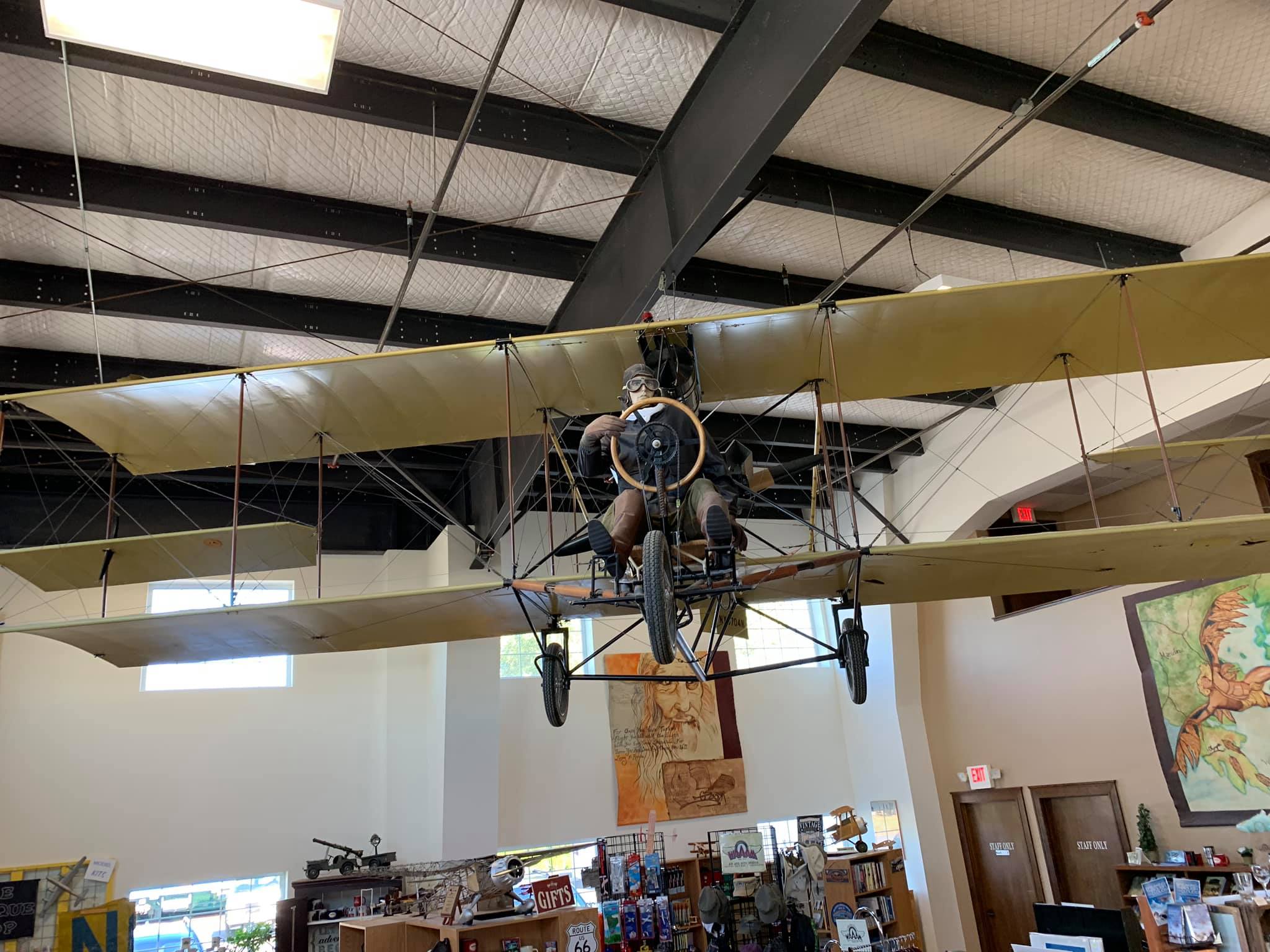
Curtiss Model D Pusher NX7504N on display at the Western Antique Aeroplane and Automobile Museum. (Randy Malmstrom)
Curtiss Model D Pusher NX7504N on display at the Western Antique Aeroplane and Automobile Museum. (Randy Malmstrom)
Curtiss Model D Pusher NX7504N on display at the Western Antique Aeroplane and Automobile Museum. (Randy Malmstrom)
Curtiss Model D Pusher NX7504N on display at the Western Antique Aeroplane and Automobile Museum. (Randy Malmstrom)
Curtiss Model D Pusher NX7504N on display at the Western Antique Aeroplane and Automobile Museum. (Randy Malmstrom)
Curtiss Model D Pusher NX7504N on display at the Western Antique Aeroplane and Automobile Museum. (Randy Malmstrom)
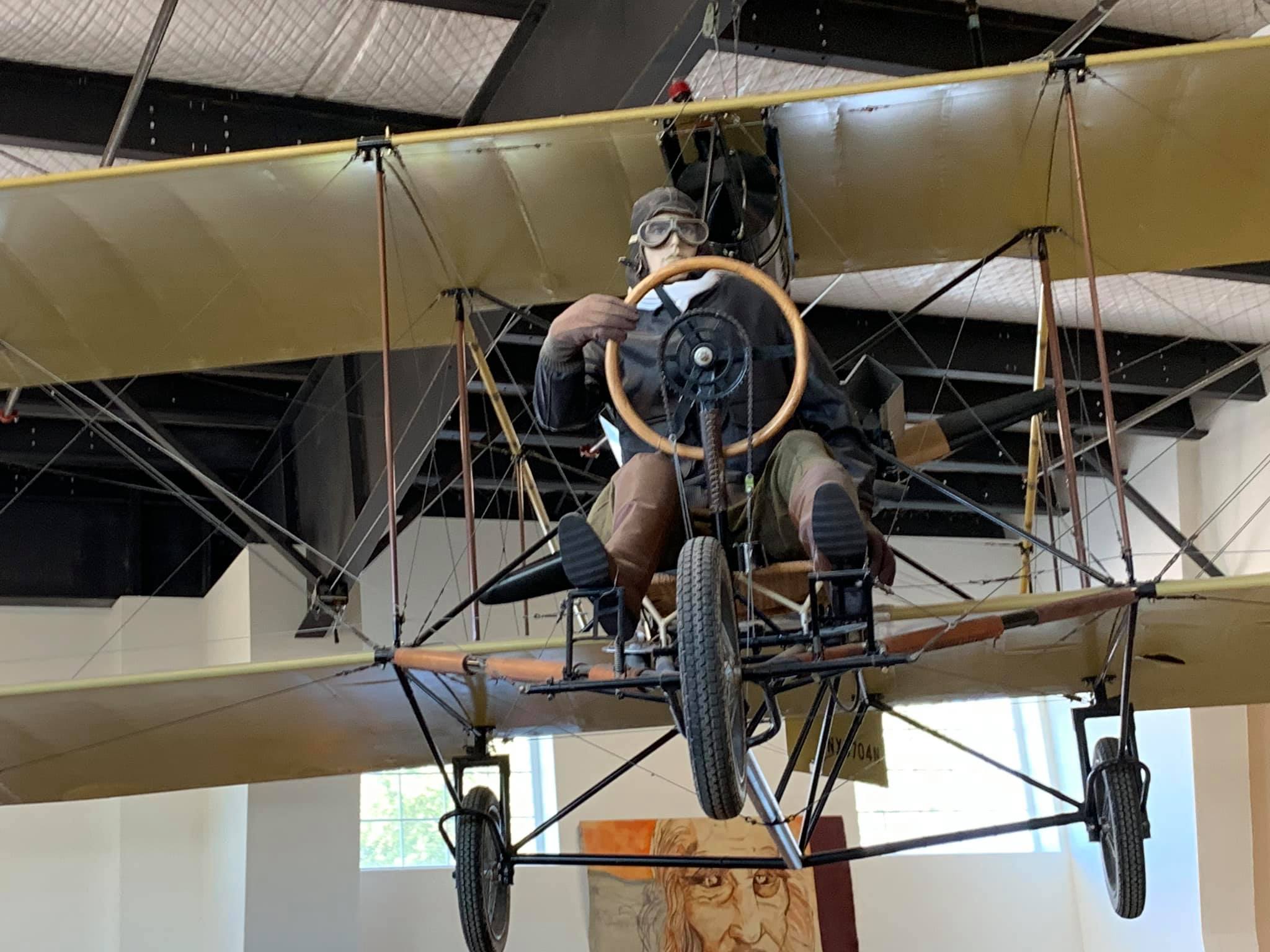
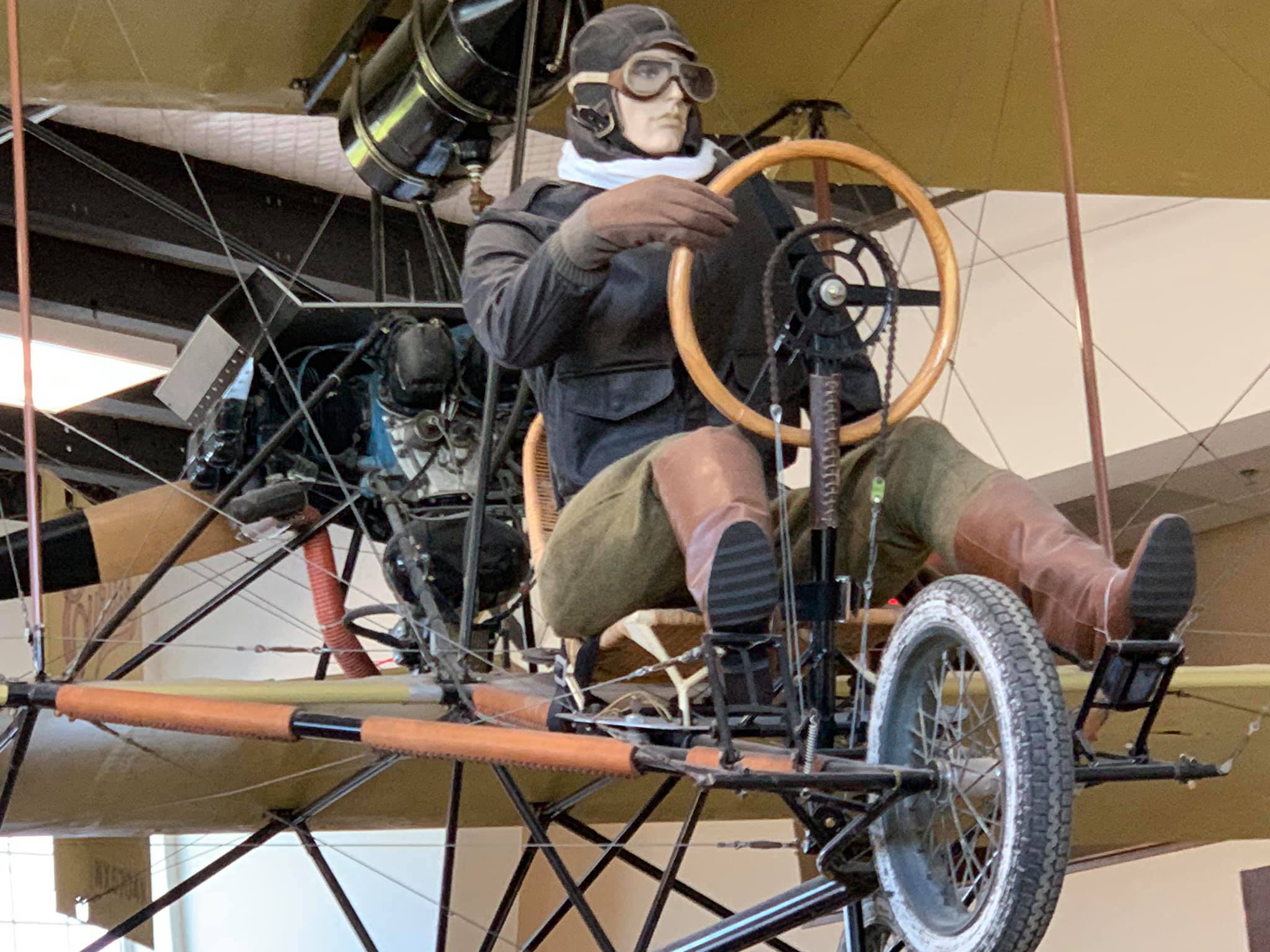
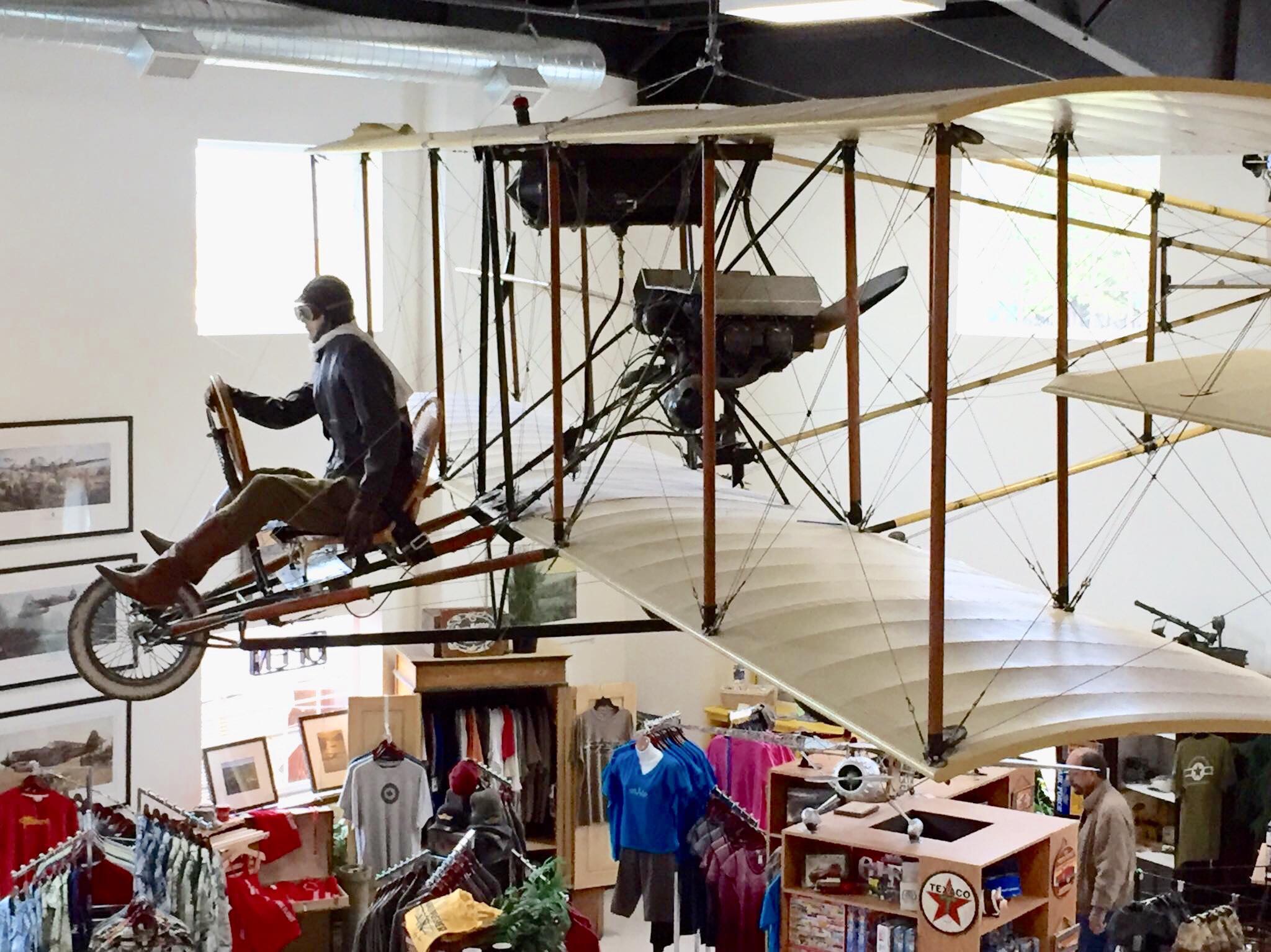
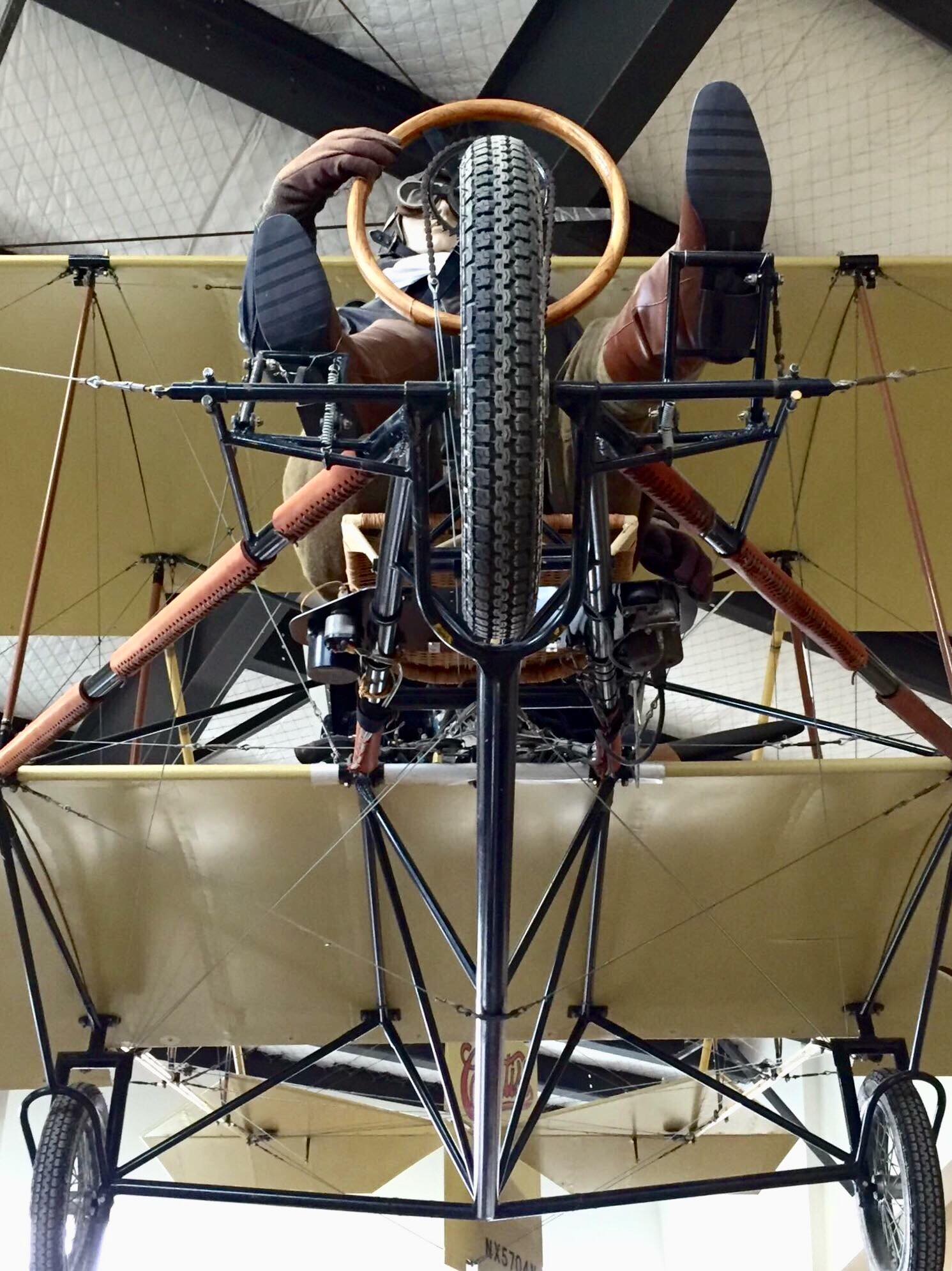
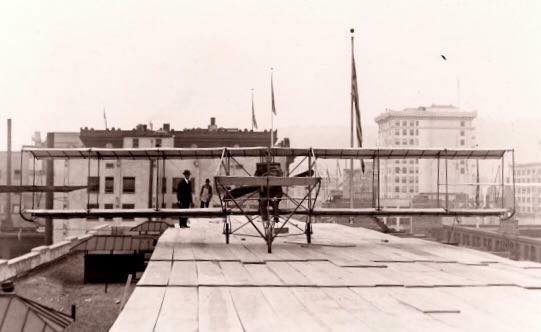
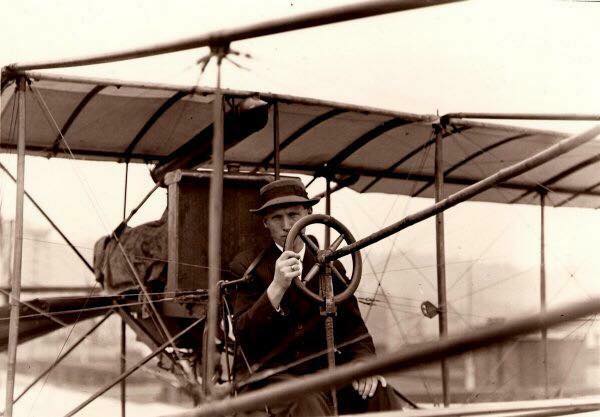
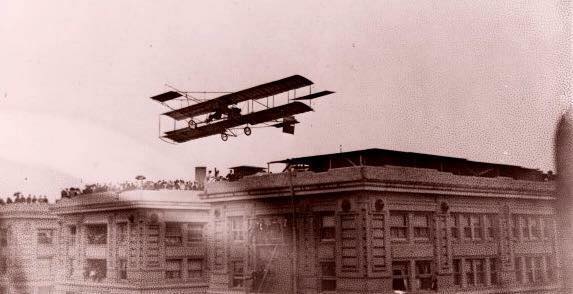
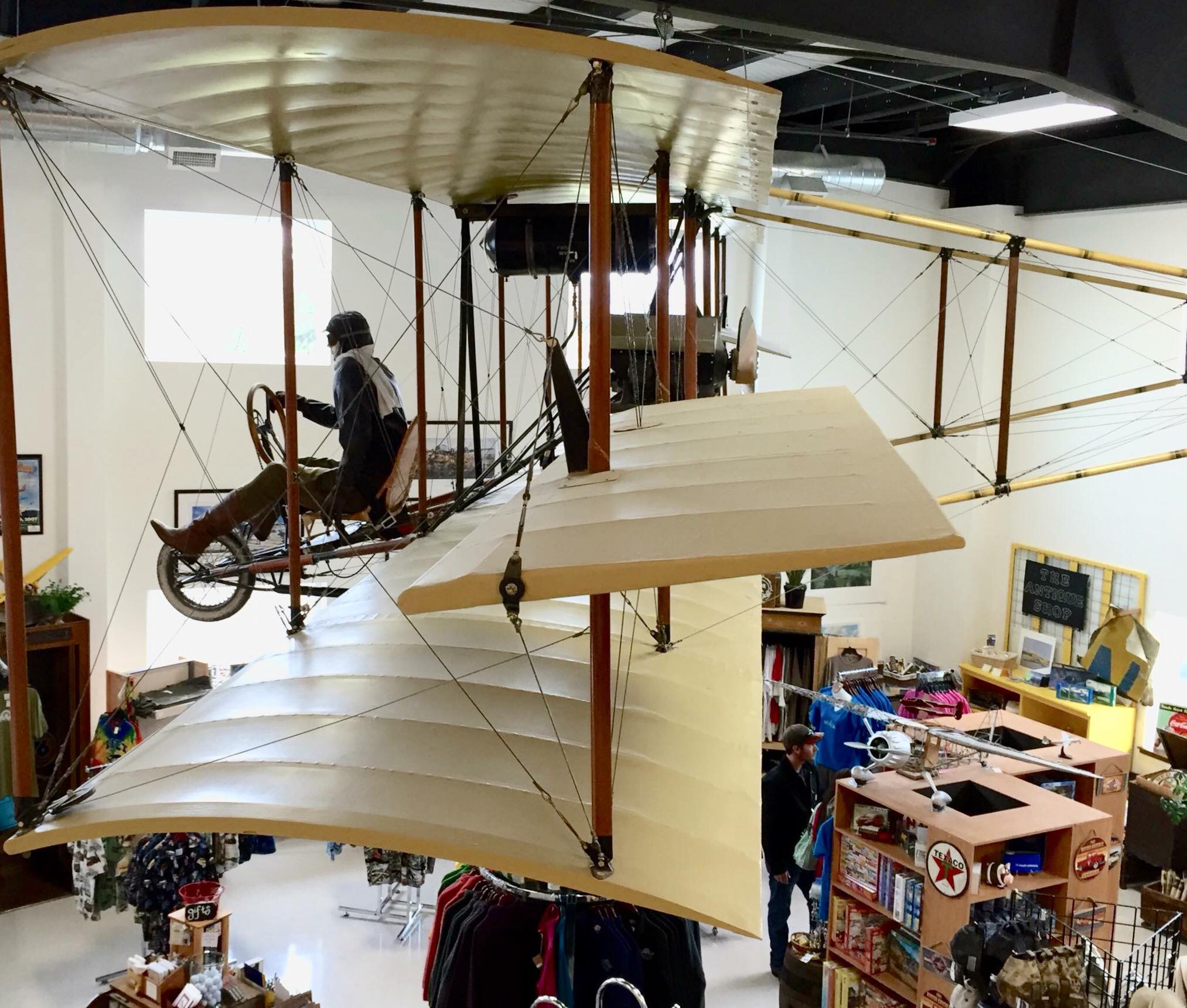
Curtiss Model D “Curtiss Pusher.” This particular aircraft is a 1947 replica built by Walter Bullock, a pilot who had owned and flew an original Model D. In 1912, Silas “Hawkman” Christofferson (who, with his brother Harry Christofferson, were early airplane pioneers) flew a Pusher off the roof of (what was then) the Multnomah Hotel in Portland, Oregon, which is on the National Register of Historic Places, in front of a crowd of 50,000 and landed at Vancouver Army Barracks twelve minutes later. That hotel counts as one of its guests Charles Lindbergh on the occasion when he flew the “Spirit of St. Louis” from Pearson Field in Vancouver, Washington up the Columbia River Gorge and under the Bridge of the Gods in 1927 (I have discussed this with people who were there). This particular Pusher was then flown by pilot and Western Antique Aeroplane and Automobile Museum (WAAAM) Director of Restorations Tom Murphy as a reenactment of the 1912 event from the roof of the same hotel in September 1995 (historic photos included). Murphy also flew it from Portland, Oregon to Vancouver, Washington in 1992, reenacting the first U.S. interstate air mail delivery of 1912 flown by Walter Edwards. My photos at WAAAM, Hood River, Oregon.
Silas Christofferson’s Curtiss Model D Pusher on a specially built deck on the roof of the Multnomah Hotel. (Portland History)
Silas Christofferson in his Curtiss Model D atop the Multnomah Hotel. (Portland History)
Silas Christofferson taking off from the roof of the Multnomah Hotel in Portland, 1912. (Portland History)
Designed by Glenn H. Curtiss between 1909 and 1912, the G.H. Curtiss Manufacturing Company delivered its first company-built aircraft, the pusher-type aircraft the Golden Flyer (for its golden-yellow silk fabric and yellow-shellac on its wood frame), to the New York Aeronautical Society on May 29, 1909. In August of that year Curtiss was the sole American pilot to fly in the first international aviation meet which was held at Reims, France, and the pusher aircraft he designed and flew was powered by a Curtiss V-8 engine and became known as the “Reims Racer.” The U.S. Navy purchased three Curtiss airplanes. On November 14, 1910, Curtiss pilot Eugene Ely flew a Curtiss pusher off the cruiser USS Birmingham anchored off Hampton Roads, Virginia; and on January 18, 1911, Ely landed a pusher on, and took off from, a platform built on the afterdeck of the cruiser USS Pennsylvania in San Francisco Bay.
Eugene Ely flies his Curtiss Pusher biplane from USS Birmingham (CS-2), in Hampton Roads, Virginia, during the afternoon of November 14, 1910, with the destroyer USS Roe (DD-24) in the background. (US Navy)
Eugene B. Ely landing his Curtiss pusher aboard USS Pennsylvania (ACR-4) at anchor in San Francisco Bay, January 18, 1911. (U.S. Navy)
After becoming the first to land an airplane on a ship, Eugene Ely sets off from USS Pennsylvania to return to his takeoff point at Selfridge Field, San Bruno, California. (US Navy photo)
Also in 1911, Curtiss began more actively pursuing the military applications of aircraft. In the same year, the company introduced the Curtiss D-IV variant, the first of the company’s aircraft to be purpose-built for the military market. The Aeronautical Division of the U.S. Army Signal Corps purchased one and it was designated “Signal Corps Airplane No. 2” (S.C. No. 2) and was delivered for service at Fort Sam Houston, Texas, on April 27, 1911, and became one of five airplanes ordered by the U.S. Army that year. It served as a trainer until 1914.
Tail of the Curtiss Model D Pusher NX7504N on display at the Western Antique Aeroplane and Automobile Museum. (Randy Malmstrom)
Curtiss Model D Pusher NX7504N on display at the Western Antique Aeroplane and Automobile Museum. (Randy Malmstrom)
Curtiss Model D Pusher NX7504N on display at the Western Antique Aeroplane and Automobile Museum. (Randy Malmstrom)
Curtiss Model D Pusher NX7504N on display at the Western Antique Aeroplane and Automobile Museum. (Randy Malmstrom)
Curtiss Model D Pusher NX7504N on display at the Western Antique Aeroplane and Automobile Museum. (Randy Malmstrom)
Curtiss Model D Pusher NX7504N on display at the Western Antique Aeroplane and Automobile Museum. (Randy Malmstrom)
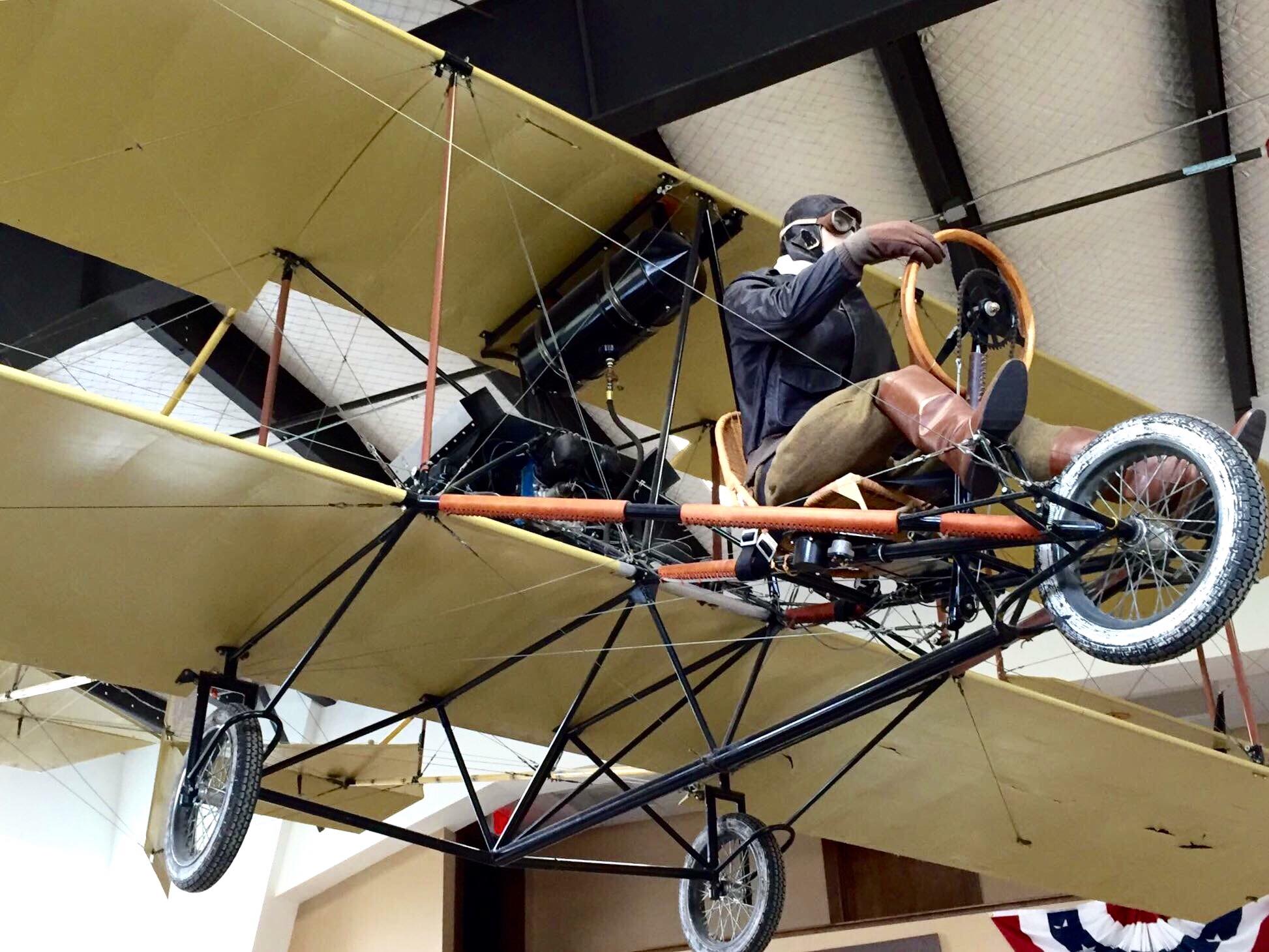
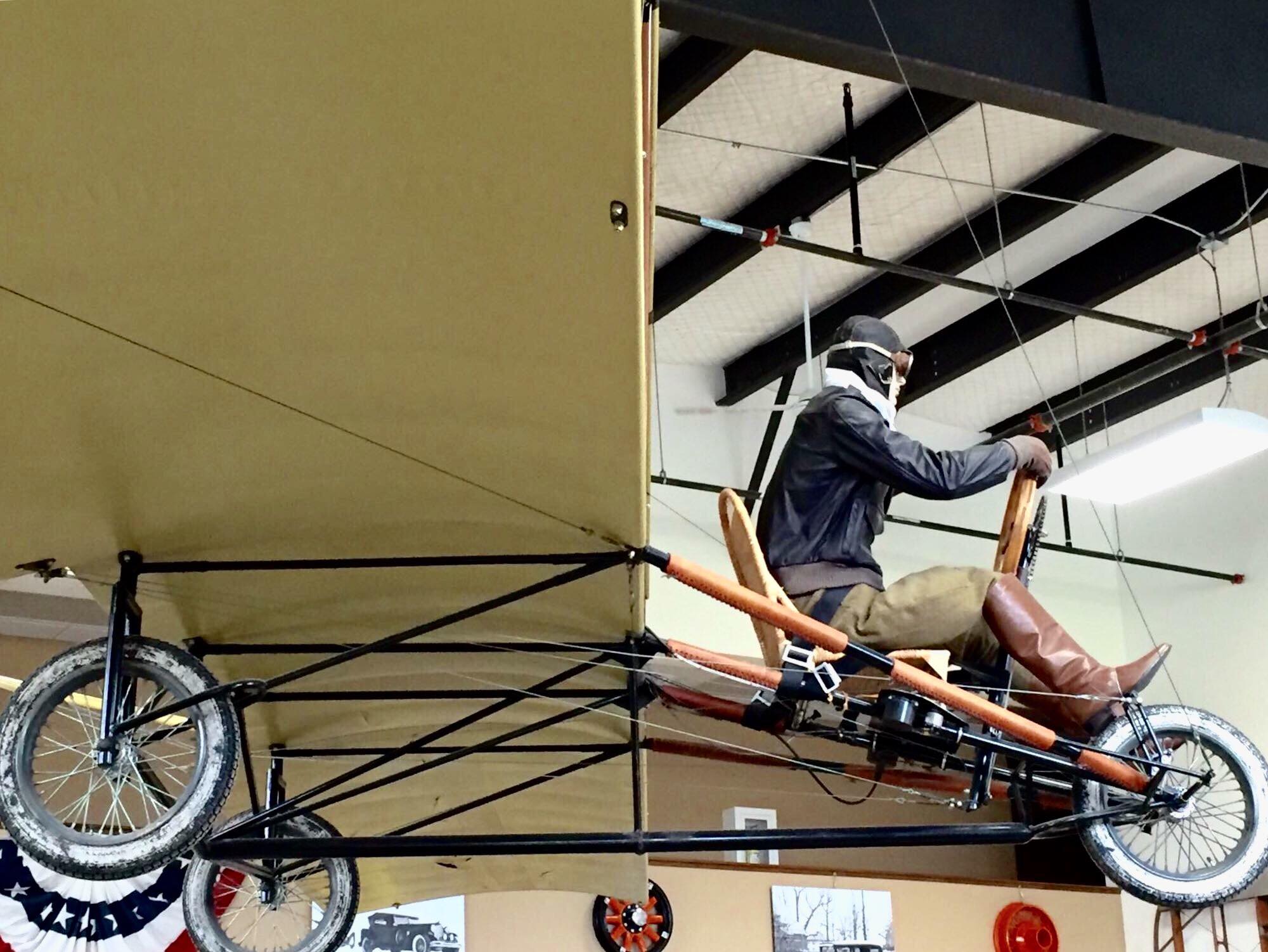
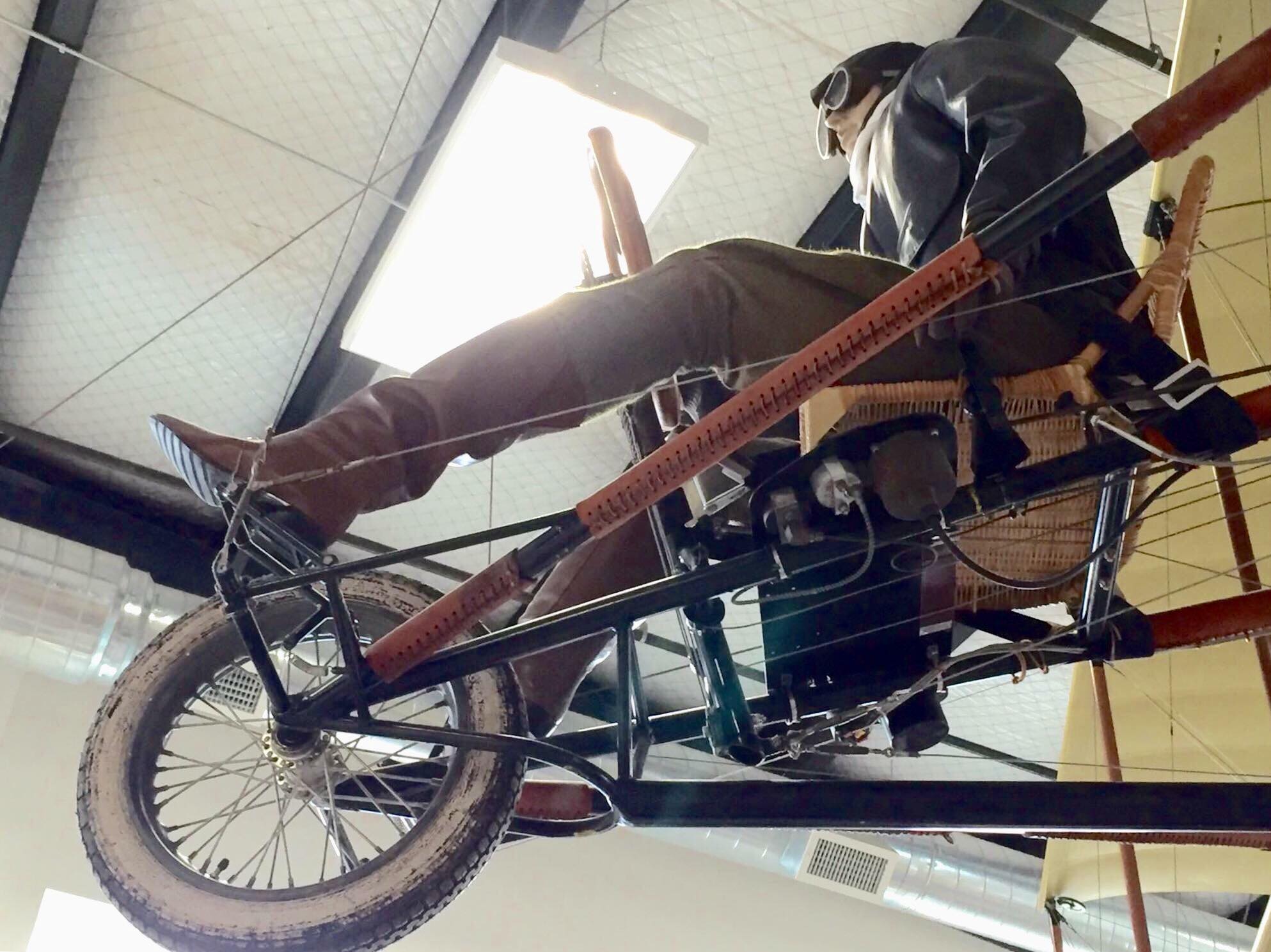
Pilot mannequin in the Curtiss Model D Pusher NX7504N on display at the Western Antique Aeroplane and Automobile Museum. (Randy Malmstrom)
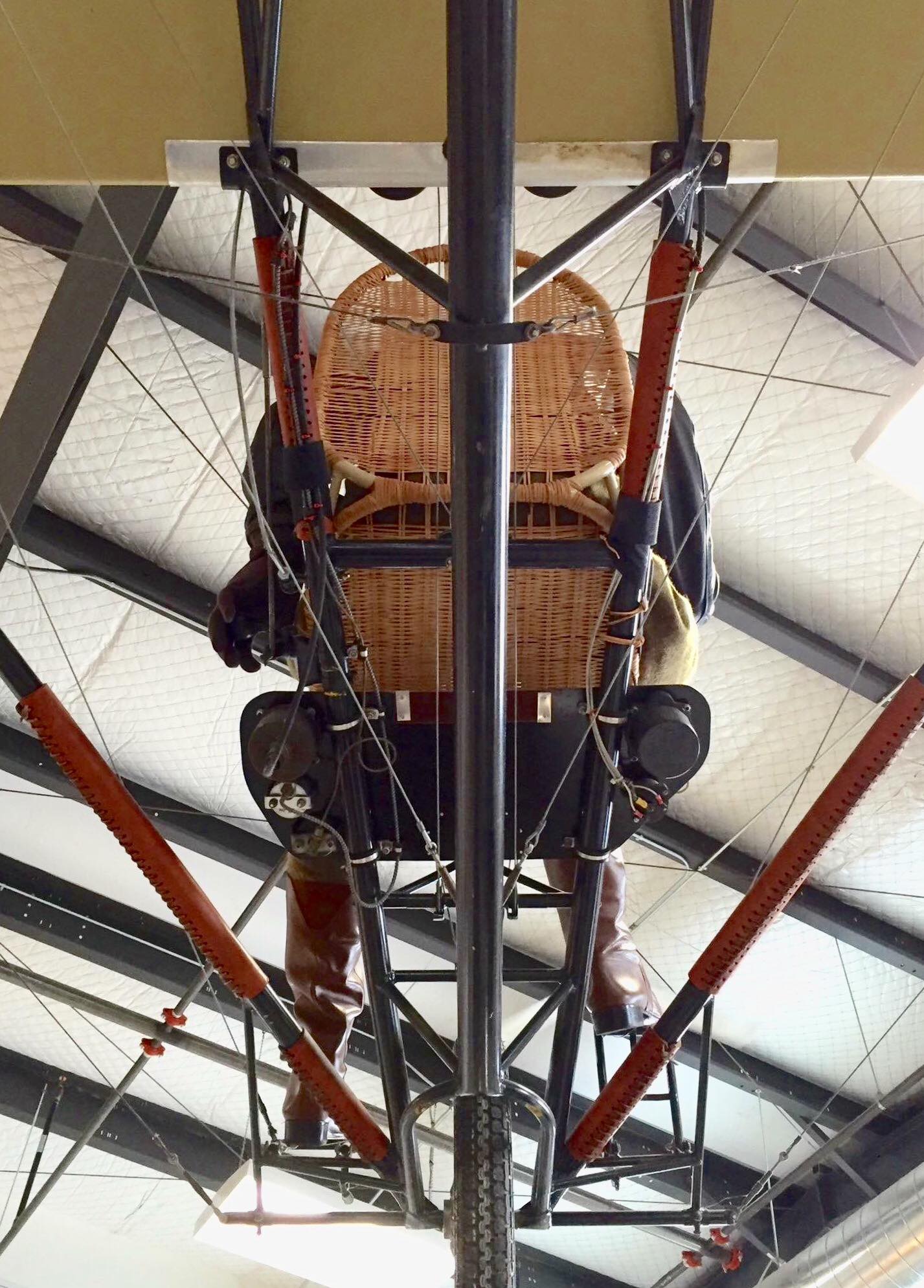
Rear view of the pilot mannequin in the Curtiss Model D Pusher NX7504N on display at the Western Antique Aeroplane and Automobile Museum. (Randy Malmstrom)
Curtiss Model D Pusher NX7504N on display at the Western Antique Aeroplane and Automobile Museum. (Randy Malmstrom)
It was fitted with a longer wingspan, a second seat behind the pilot for an observer, and was designed for ease of disassembly for transport. The ailerons were controlled by the pilot’s shoulders and the front elevator and rear rudder with the wheel mounted on the column in front of him. In the same year, Curtiss built a seaplane pusher by adding pontoons (one central pontoon with wingtip floats for military use and twin pontoons for civilian use) and called it the “Hydro Aeroplane.” The first recorded use of an electric starter in an aircraft was recorded on one of these aircraft on January 10, 1912, in San Diego.
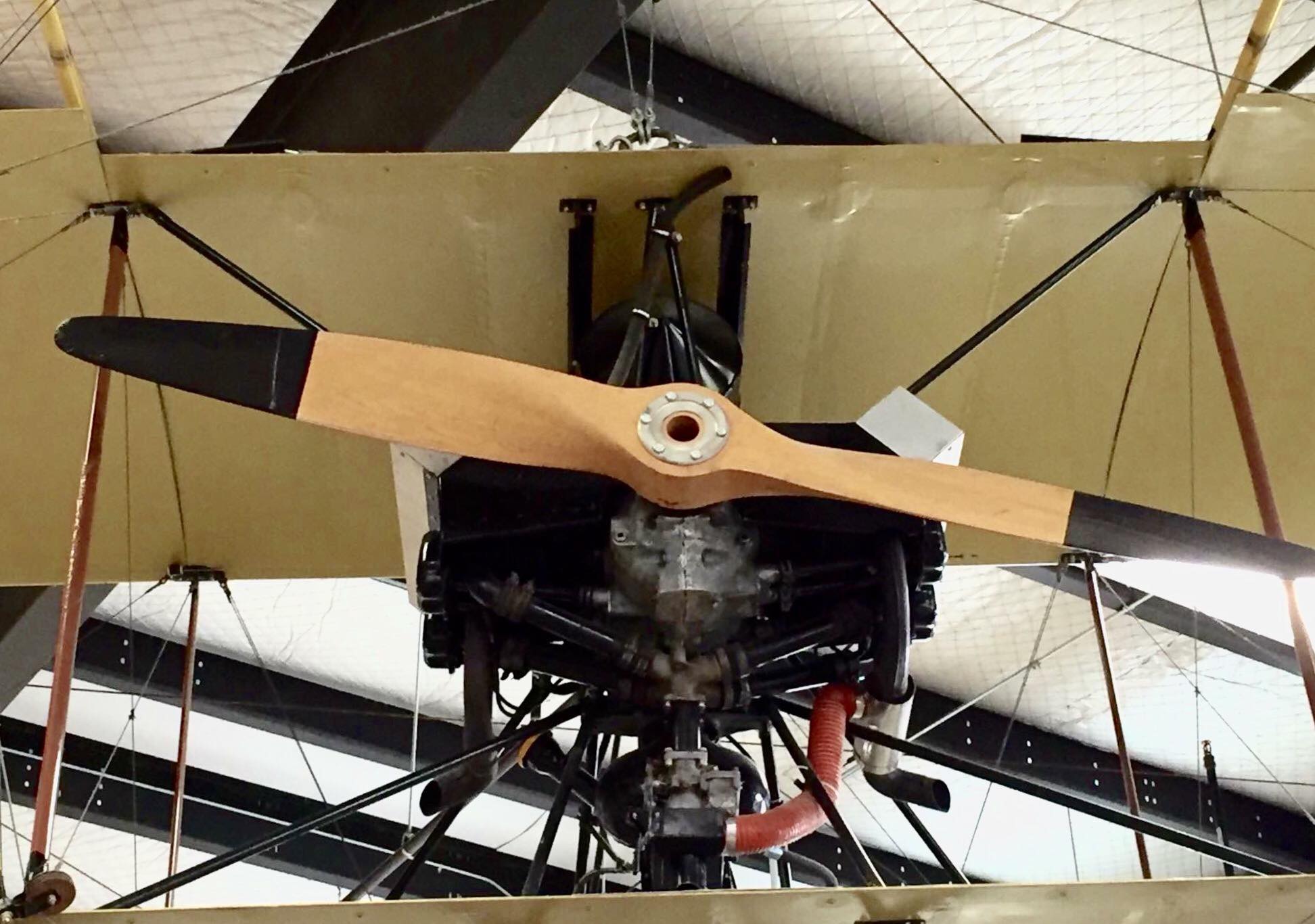
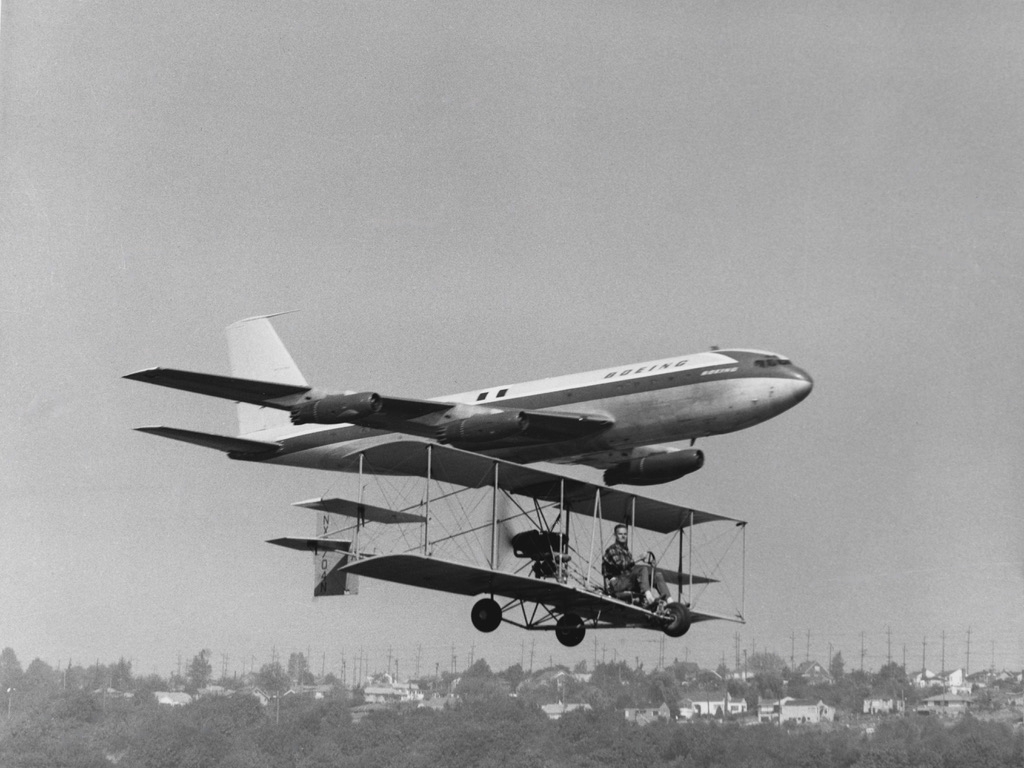
Curtiss Model D Pusher NX7504N on display at the Western Antique Aeroplane and Automobile Museum. (Randy Malmstrom)Editor’s note: This replica is powered by a Continental A-85 inline engine and was also flown by the late aviation historian and engineer Peter M. Bowers, who also flew the aircraft in publicity shots alongside Boeing’s 367-80, and recreated Glenn Curtiss’ 1910 Hudson River flight from Albany to New York City.
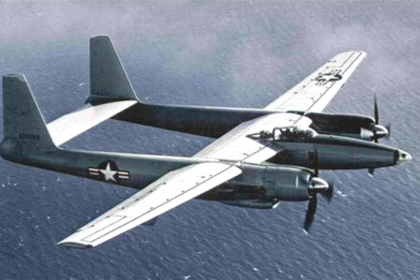
Peter M. Bowers flying Curtiss D Pusher replica N5704N alongside the Boeing 367-80 transport prototype. (Museum of Flight)About the authorRandy Malmstrom grew up in a family steeped in aviation culture. His father, Bob, was still a cadet in training with the USAAF at the end of WWII, but did serve in Germany during the U.S. occupation in the immediate post-war period, where he had the opportunity to fly in a wide variety of types which flew in WWII. After returning to the States, Bob became a multi-engine aircraft sales manager and as such flew a wide variety of aircraft; Randy frequently accompanied him on these flights. Furthermore, Randy’s cousin, Einar Axel Malmstrom, flew P-47 Thunderbolts with the 356th FG from RAF Martlesham Heath. He was commanding this unit at the time he was shot down over France on April 24th, 1944, spending the rest of the war as a prisoner of war. Following his repatriation at war’s end, Einar continued his military service, attaining the rank of Colonel. He was serving as Deputy Wing Commander of the 407th Strategic Fighter Wing at Great Falls AFB, MT at the time of his death in a T-33 training accident on August 21, 1954. The base was renamed in his honor in October 1955 and continues to serve in the present USAF as home to the 341st Missile Wing. Randy’s innate interest in history in general, and aviation history in particular, plus his educational background and passion for WWII warbirds, led him down his current path of capturing detailed aircraft walk-around photos and in-depth airframe histories, recording a precise description of a particular aircraft in all aspects.
Raised in Fullerton, California, Adam has earned a Bachelor's degree in History and is now pursuing a Master's in the same field. Fascinated by aviation history from a young age, he has visited numerous air museums across the United States, including the National Air and Space Museum and the San Diego Air and Space Museum. He volunteers at the Planes of Fame Air Museum in Chino as a docent and researcher, gaining hands-on experience with aircraft maintenance. Known for his encyclopedic knowledge of aviation history, he is particularly interested in the stories of individual aircraft and their postwar journeys. Active in online aviation communities, he shares his work widely and seeks further opportunities in the field.










 Randy Malmstrom grew up in a family steeped in aviation culture. His father, Bob, was still a cadet in training with the USAAF at the end of WWII, but did serve in Germany during the U.S. occupation in the immediate post-war period, where he had the opportunity to fly in a wide variety of types which flew in WWII. After returning to the States, Bob became a multi-engine aircraft sales manager and as such flew a wide variety of aircraft; Randy frequently accompanied him on these flights. Furthermore, Randy’s cousin, Einar Axel Malmstrom, flew P-47 Thunderbolts with the 356th FG from RAF Martlesham Heath. He was commanding this unit at the time he was shot down over France on April 24th, 1944, spending the rest of the war as a prisoner of war. Following his repatriation at war’s end, Einar continued his military service, attaining the rank of Colonel. He was serving as Deputy Wing Commander of the 407th Strategic Fighter Wing at Great Falls AFB, MT at the time of his death in a T-33 training accident on August 21, 1954. The base was renamed in his honor in October 1955 and continues to serve in the present USAF as home to the 341st Missile Wing. Randy’s innate interest in history in general, and aviation history in particular, plus his educational background and passion for WWII warbirds, led him down his current path of capturing detailed aircraft walk-around photos and in-depth airframe histories, recording a precise description of a particular aircraft in all aspects.