

By Randy Malmstrom
Since his childhood, Randy Malmstrom has had a passion for aviation history and historic military aircraft in particular. He has a particular penchant for documenting specific airframes with a highly detailed series of walk-around images and an in-depth exploration of their history, which have proved to be popular with many of those who have seen them, and we thought our readers would be equally fascinated too. To coincide with the 89th anniversary of the prototype Supermarine Spitfire’s first flight, this installment of Randy’s Warbird Profiles takes a look at the Flying Heritage & Combat Armor Museum‘s (FHCAM) Spitfire Mk.Vc AR614.
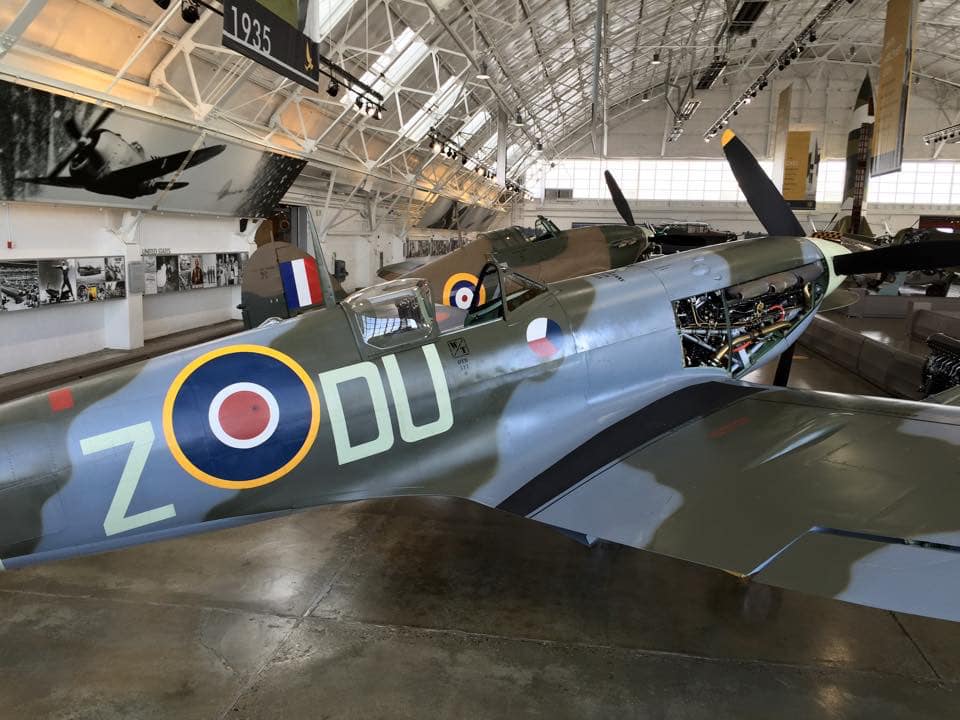
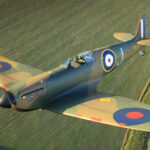
Supermarine Spitfire Mk.Vc, s/n AR614, N614VC. This particular aircraft was ordered in August 1940 from Westland Aircraft Limited of Yeovil, South Somerset, U.K., and built in the summer of 1942 with a Rolls-Royce Merlin 46 engine as a Mk. Vc (variant referred to as the “Baby Spitfire”). Delivered to 39 MU (maintenance unit) of the British Royal Air Force (RAF) at RAF Colerne, Wiltshire, on August 28, 1942, the aircraft taken on charge by 312 (Czechoslovak) Squadron on September 11, 1942, and coded DU-Y.
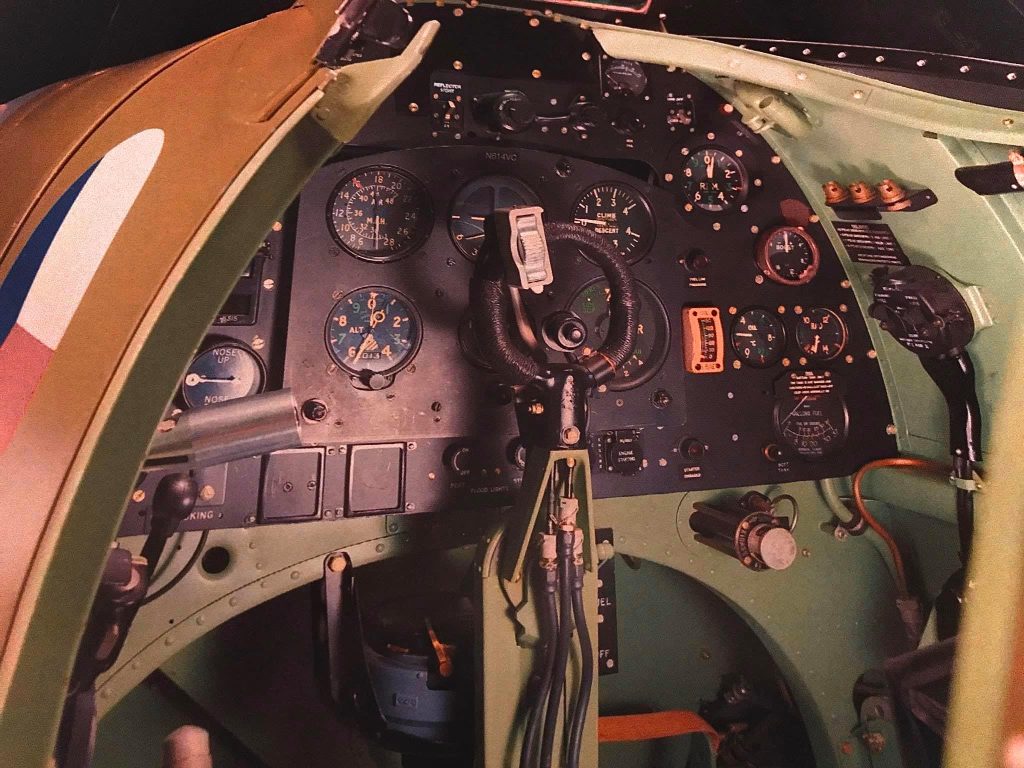
It was piloted by Squadron Leader Tomáš (aka Adolphe) Vybíral. His last mission in this aircraft was on May 14, 1943, when he led his squadron on a raid against German shipping at St. Peters Port, Guernsey, in the English Channel. His aircraft was hit by flak, narrowly missing him in the cockpit, but killing his wingman. Vybíral was able to fly back to base.
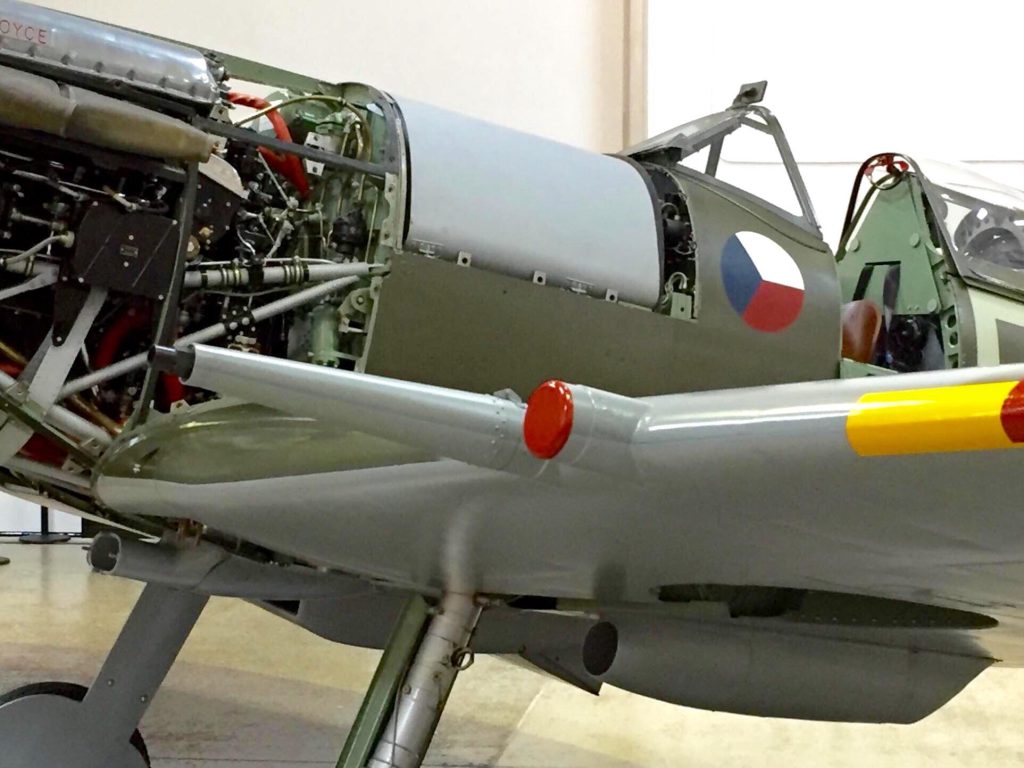
After repairs, the aircraft was then put back into service with the 610, 130 (Punjab) and 222 (Natal) squadrons. It was then flown as a trainer with 53 OTU (Operational Training Unit) at RAF Heston, and coded KU-4. It was flown as an instructional airframe with 4 School of Technical Training at St. Athan, South Wales, with serial number 5378M. It changed hands as a display aircraft or camp guard at RAF Padgate (1949), RAF West Kirby (1952-1958), RAF Hednesford (also 1958), RAF Bridgnorth (1958-1963).
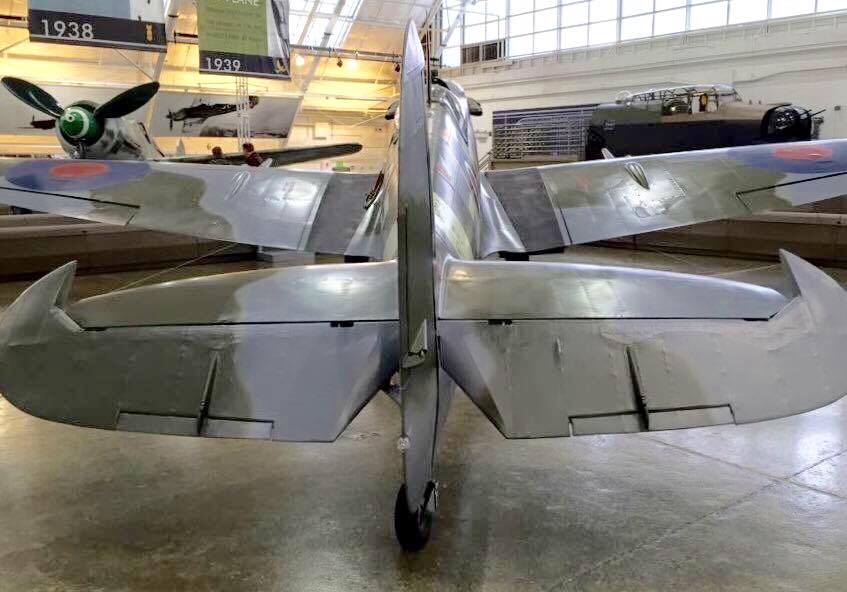
Thereafter, it was initially acquired by the Air Museum of Calgary, Alberta, Canada, in 1970. Ownership was transferred to aviation enthusiast and restorer Don Campbell of Kapuskasing, Ontario, who commenced restoration to airworthiness and coded as CF-DUY. In October 1992, the aircraft was acquired by The Old Flying Machine Company and moved it to Duxford for further restoration.
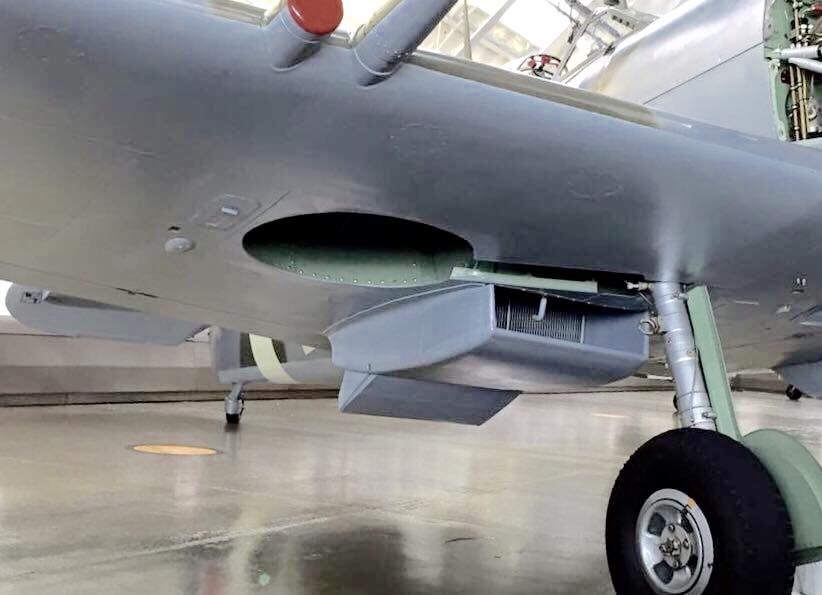
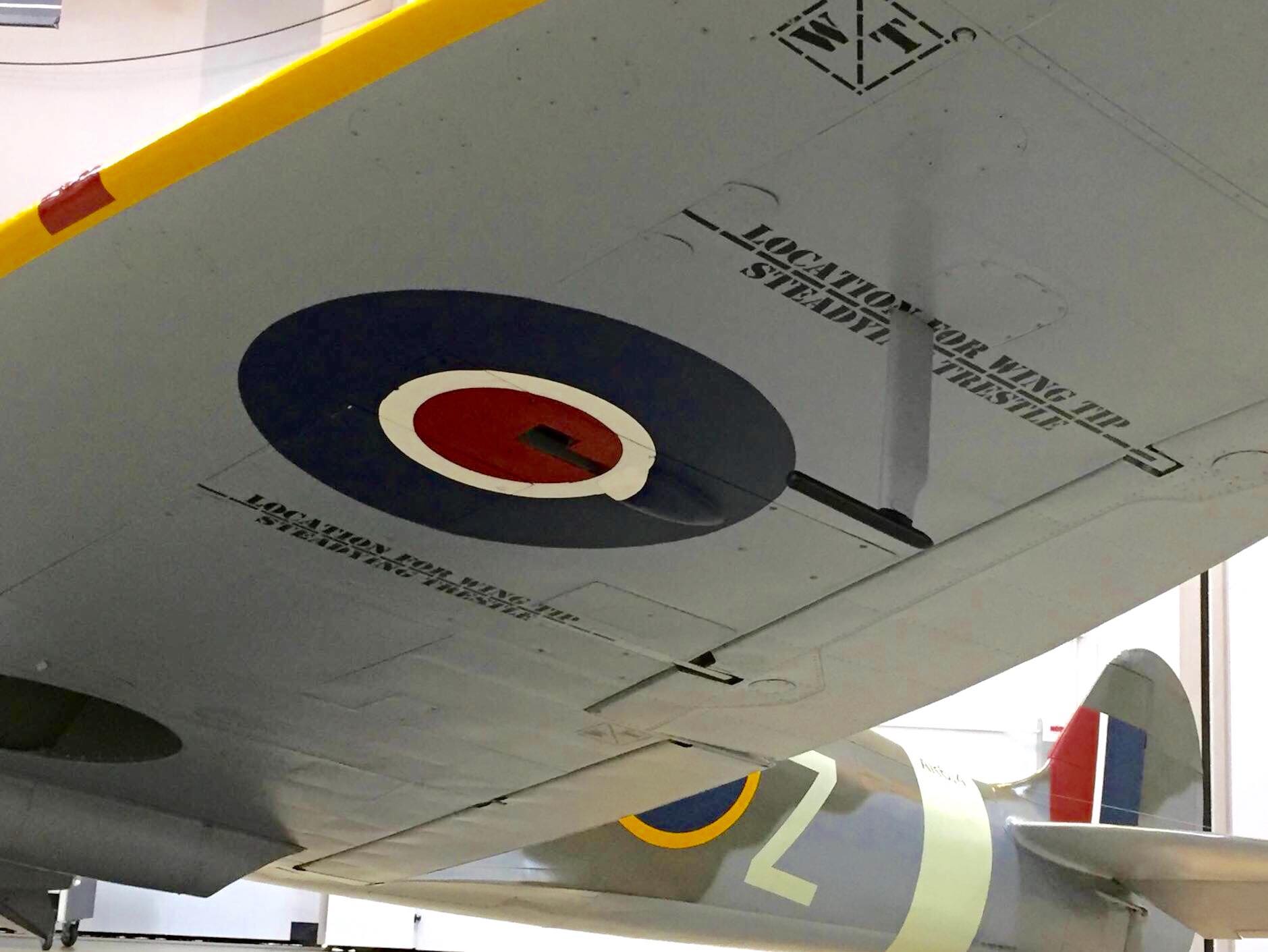
In May 1994, Sir Tim Wallis and the Alpine Fighter Collection in Wanaka, New Zealand, acquired it and restoration to airworthiness was completed at Historic Flying Limited at Audley End, U.K. With the registration G-BUWA, the Spitfire made its first fight thereafter on October 5, 1996 with Air Chief Marshall John Allison RAF (ret.) at the controls.
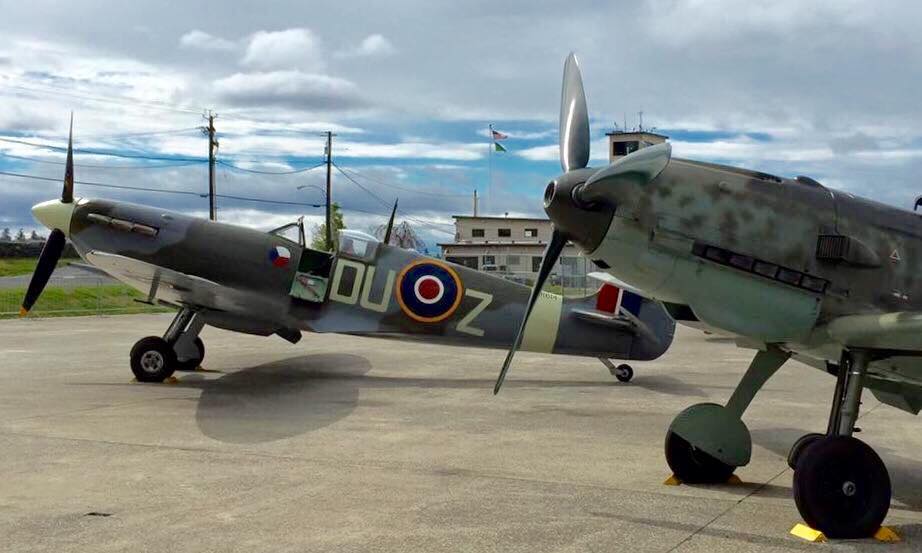
In 1998, it was acquired by Paul Allen or one of his entities (it is now registered to Vulcan Warbirds Inc. which he incorporated in 2004) and, in 1999, it was sent to Hawker Restorations Ltd. at Ipswich, U.K., for further restoration work. It is now based at the Flying Heritage and Combat Armor Museum on Paine Field in Everett, Washington. It is restored in its original 312 Sqn markings and before the COVID pandemic it flew on a regular basis. This Mk. Vc is now equipped with a Rolls-Royce Merlin 35 engine.
About the author
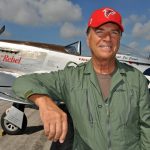
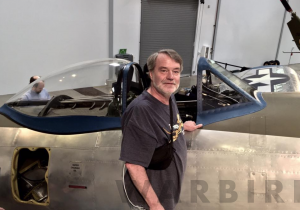 Randy Malmstrom grew up in a family steeped in aviation culture. His father, Bob, was still a cadet in training with the USAAF at the end of WWII, but did serve in Germany during the U.S. occupation in the immediate post-war period, where he had the opportunity to fly in a wide variety of types which flew in WWII. After returning to the States, Bob became a multi-engine aircraft sales manager and as such flew a wide variety of aircraft; Randy frequently accompanied him on these flights. Furthermore, Randy’s cousin, Einar Axel Malmstrom flew P-47 Thunderbolts with the 356th FG from RAF Martlesham Heath. He was commanding this unit at the time he was shot down over France on April 24th, 1944, spending the rest of the war as a prisoner of war. Following his repatriation at war’s end, Einar continued his military service, attaining the rank of Colonel. He was serving as Deputy Wing Commander of the 407th Strategic Fighter Wing at Great Falls AFB, MT at the time of his death in a T-33 training accident on August 21, 1954. The base was renamed in his honor in October 1955 and continues to serve in the present USAF as home to the 341st Missile Wing. Randy’s innate interest in history in general, and aviation history in particular, plus his educational background and passion for WWII warbirds, led him down his current path of capturing detailed aircraft walk-around photos and in-depth airframe histories, recording a precise description of a particular aircraft in all aspects.