
In a media preview event held on Wednesday, October 28, the California Science Center at Exposition Park in Los Angeles showcased the new Samuel Oschin Air and Space Center, which is officially set to open to the public on November 13, 2026. This marks the final preview offered to the local media before the official opening of the exhibition space that will be the new permanent home of the Space Shuttle Endeavour and numerous other displays on the aerospace industry, which has played a key role in the development of California’s industry for over 100 years. The Air and Space Center will also provide new educational opportunities for local children and is set to become a world-class attraction and one of the most visited aerospace displays in the Golden State.

The event began with short speeches given by Jeffrey N. Rudolph, President and CEO of the California Science Center; Mrs. Lynda Oschin, Chairman of the Board and Secretary of the Mr. and Mrs. Samuel Oschin, who spoke of her late husband and namesake of both the Air and Space Center and the Shuttle Gallery, philanthropist Samuel Oschin, as “…a gentleman and a gentleman”, Dennis Jenkins, Project Director of the Samuel Oschin Air and Space Center; and Dr. Ken Philips, Curator of Aerospace Science at the California Science Center. Also in attendance during the event were California Governor Gavin Newsom, former NASA astronaut Garrett Reisman, Alyson Goodall, Senior Vice President and Chief Advancement Officer of the California Science Center Foundation, Natalie Rosen, External Tank Foam Restoration Specialist of the California Science Center, and Georgina Diaz, California Science Center Spanish Language Spokesperson.
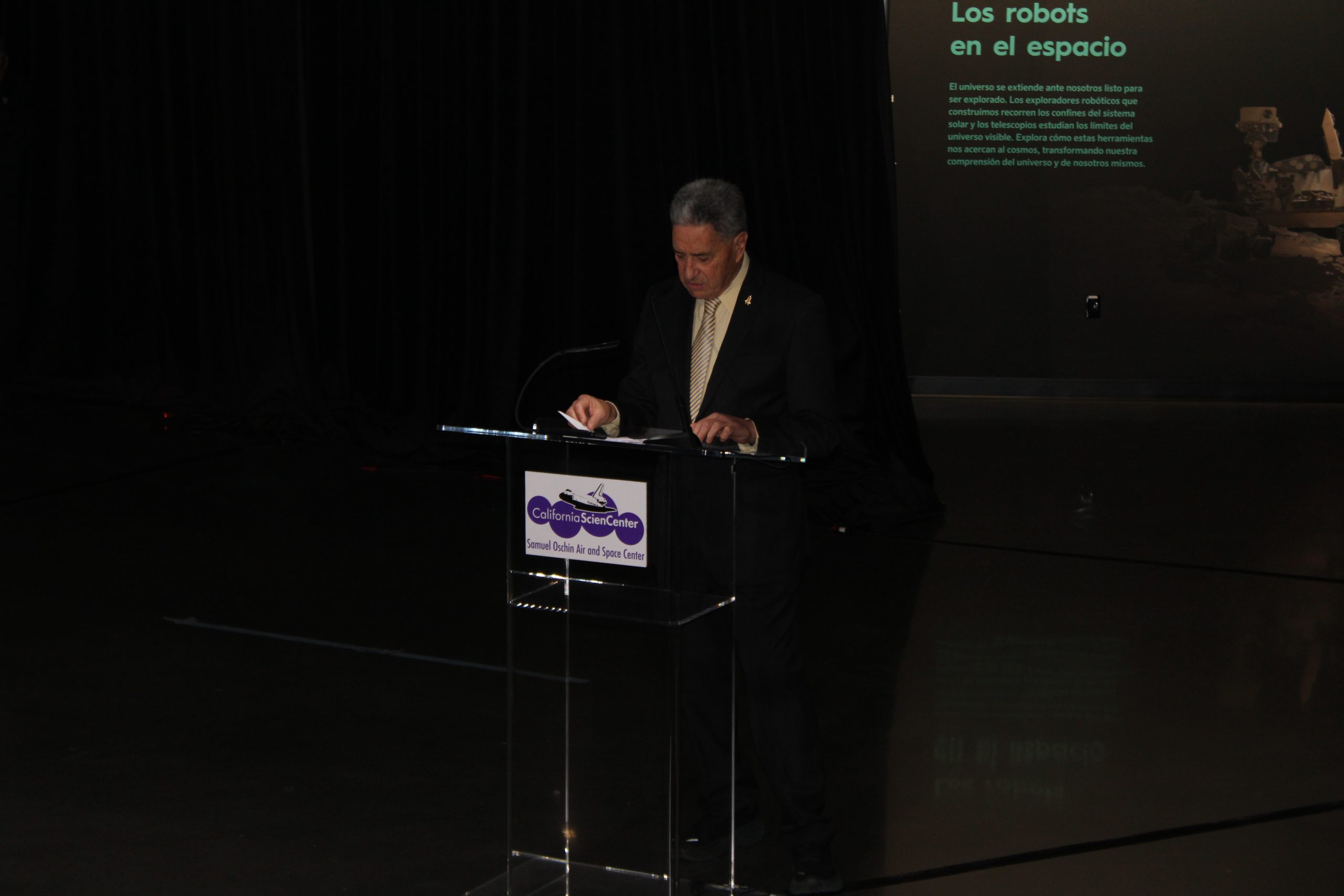
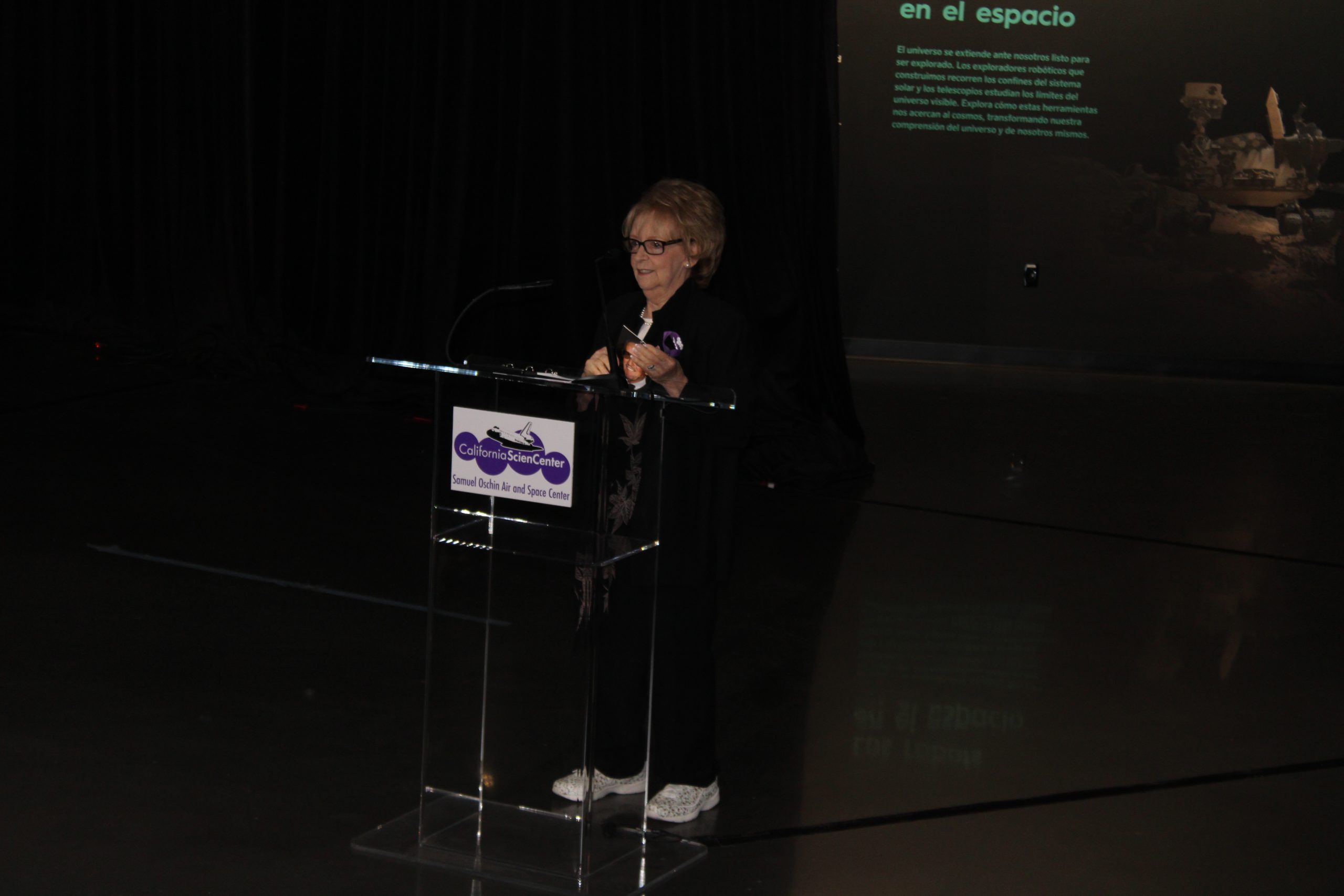
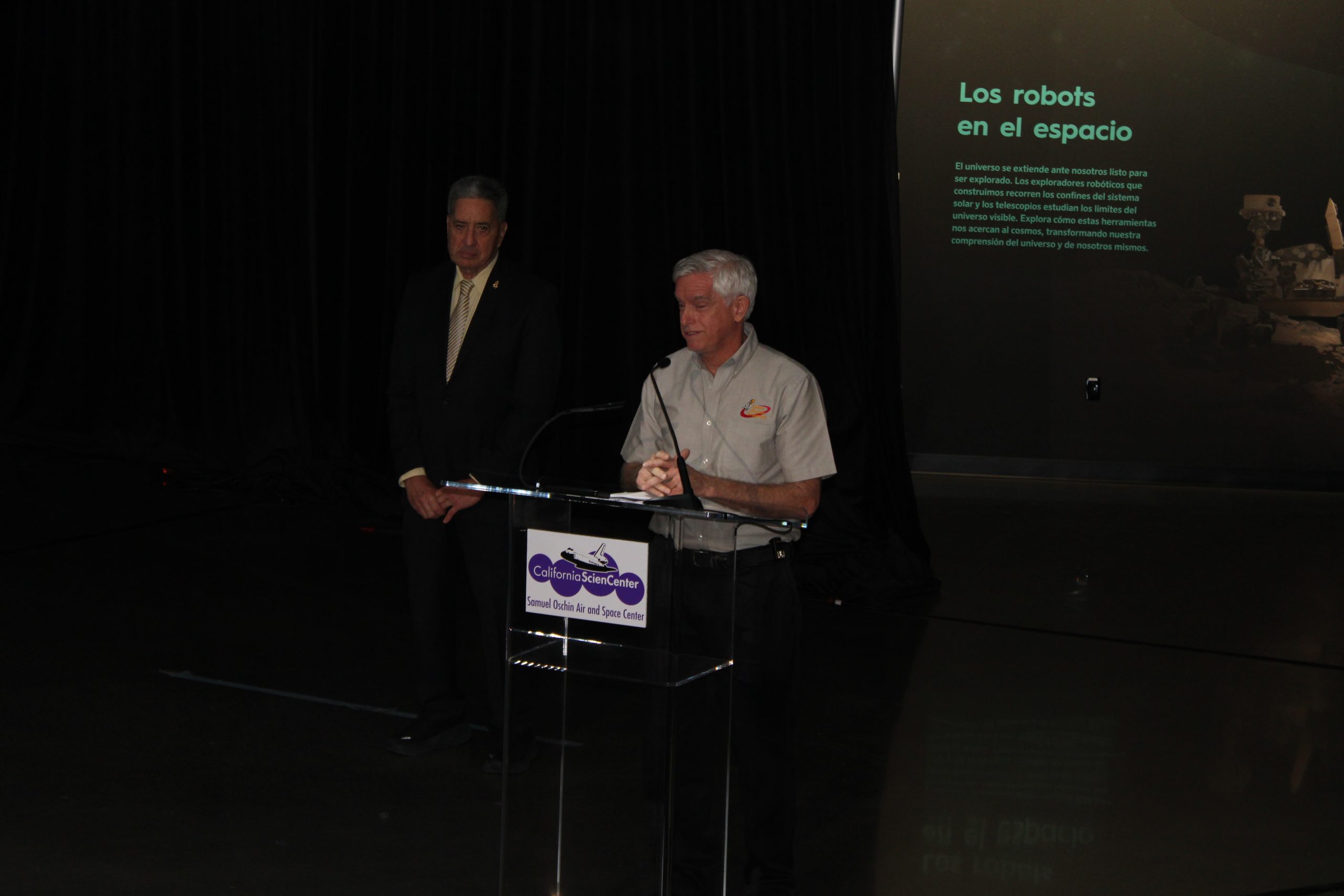
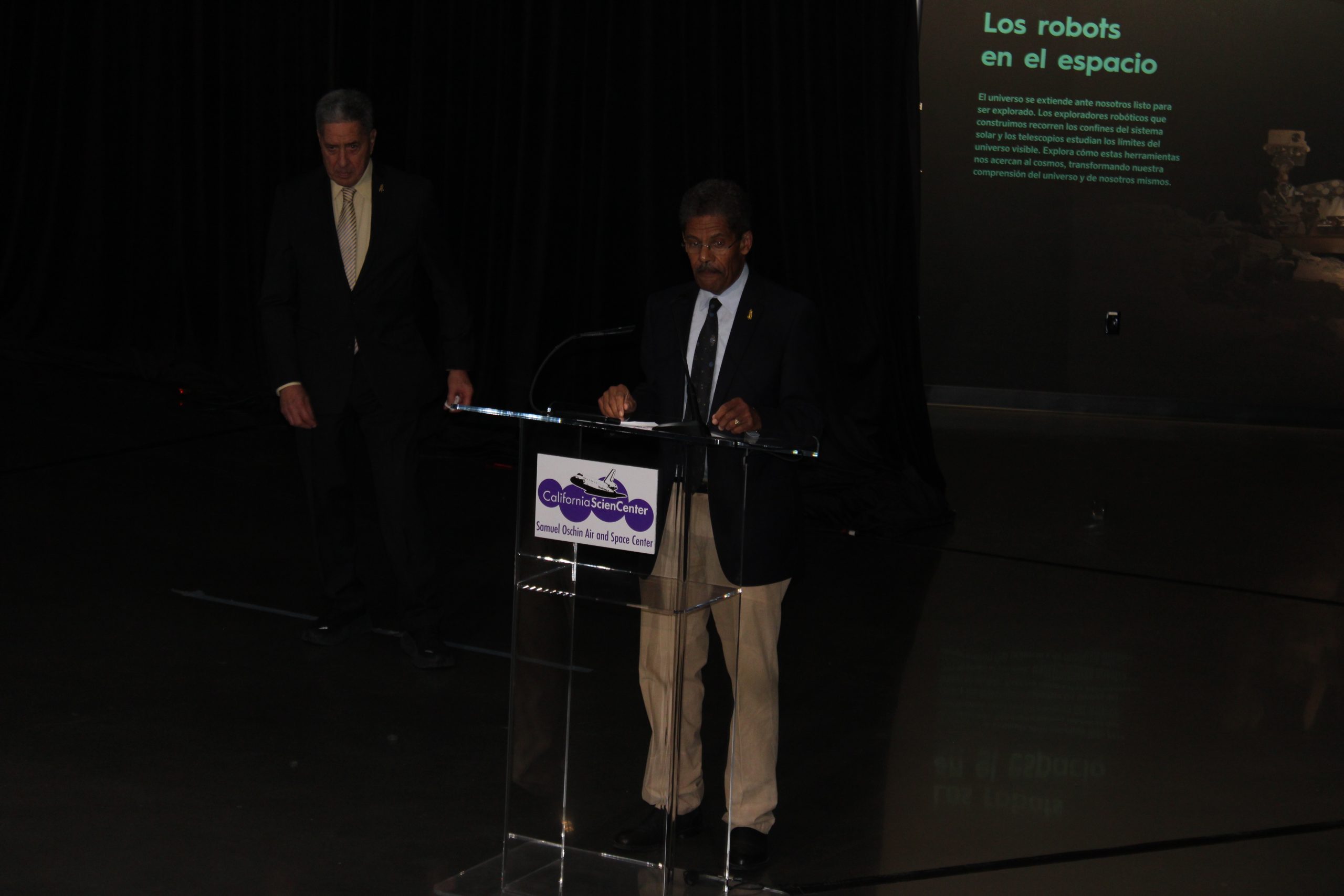
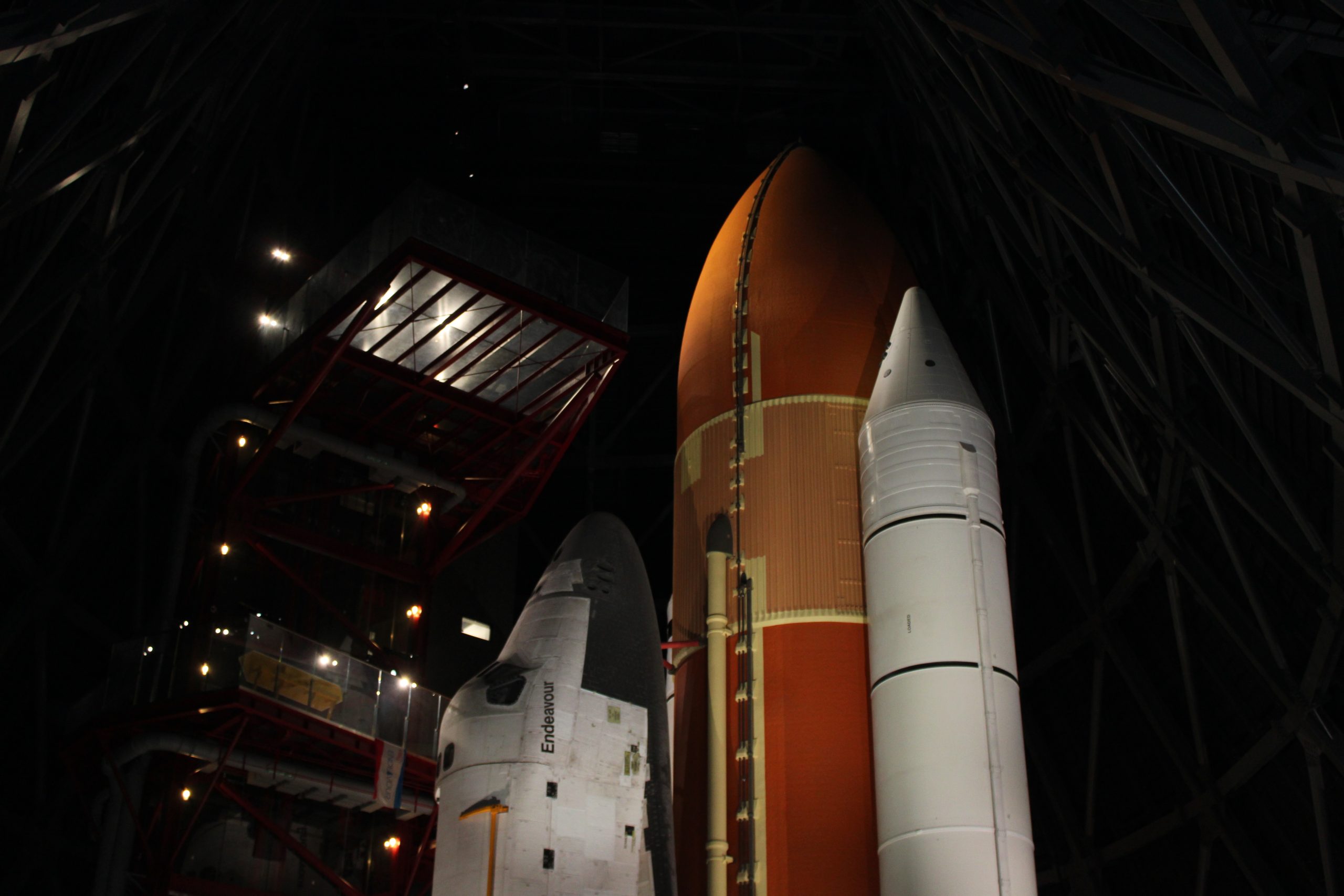
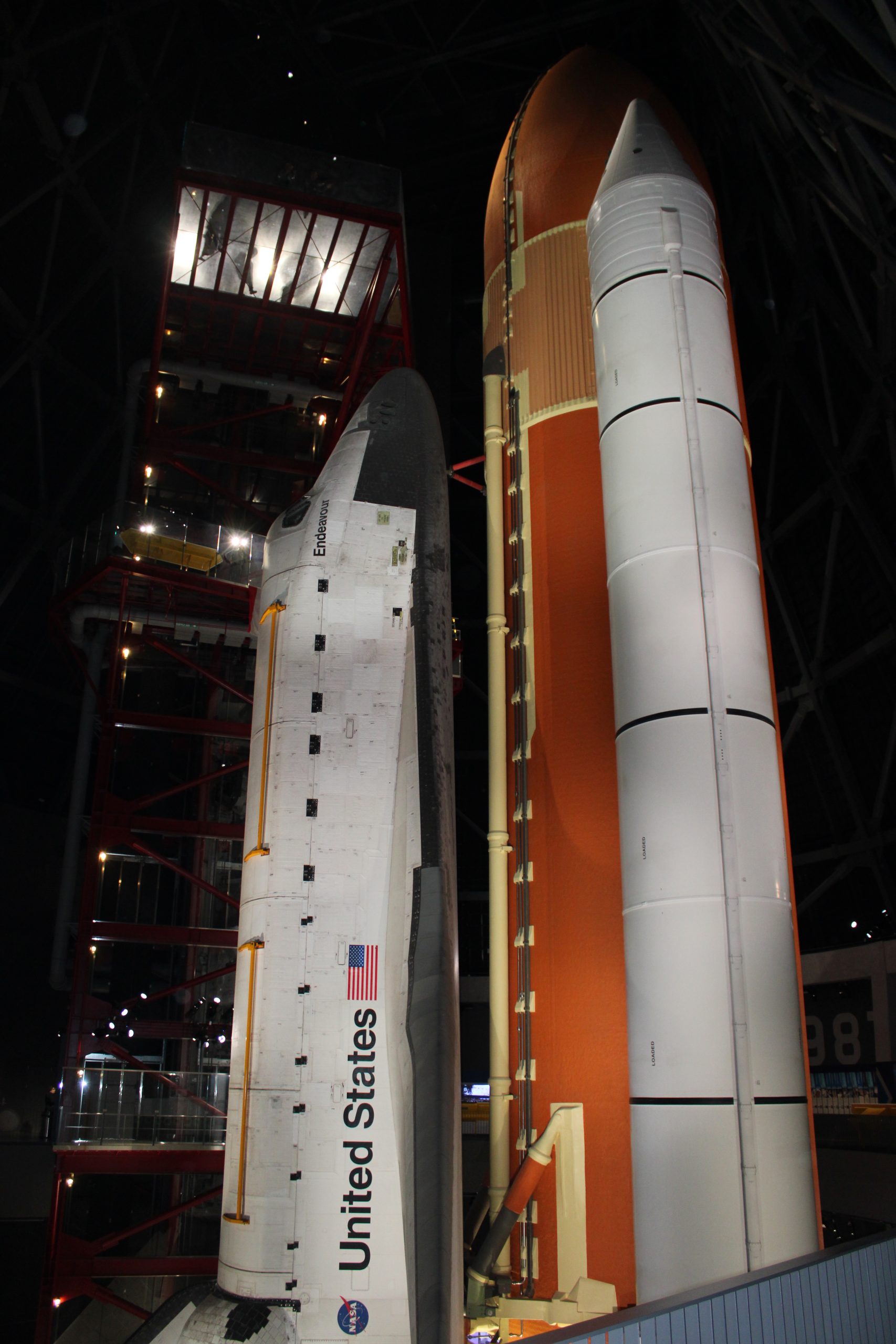
The event also had two pre-shows at the new Endeavour Theater, where the Science Center made a short film about the Endeavour that would be shown before the media reporters were officially shown the Space Shuttle Endeavour, now the only shuttle orbiter displayed vertically with a flightworthy external tank and a set of flightworthy solid rocket boosters.
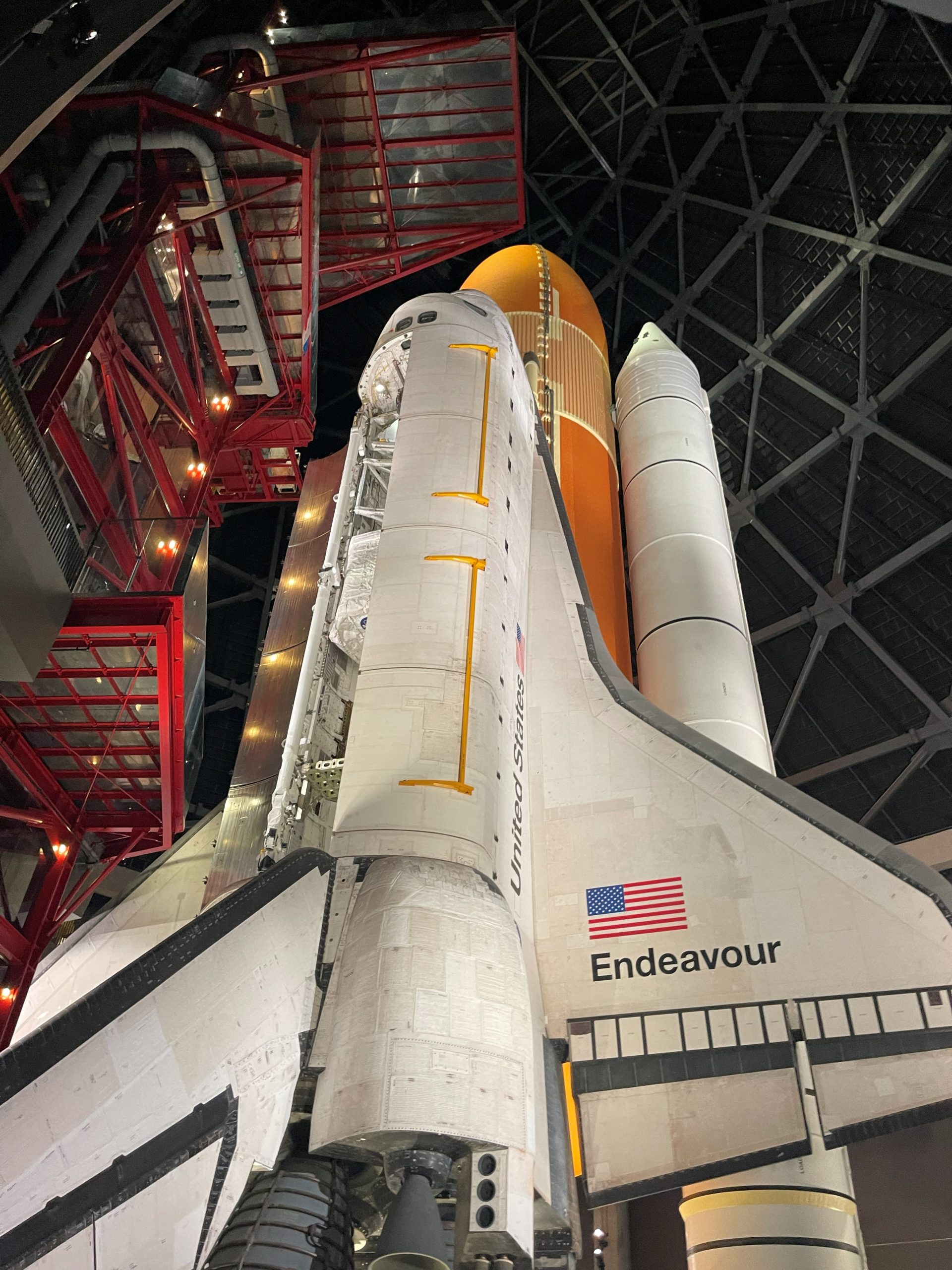
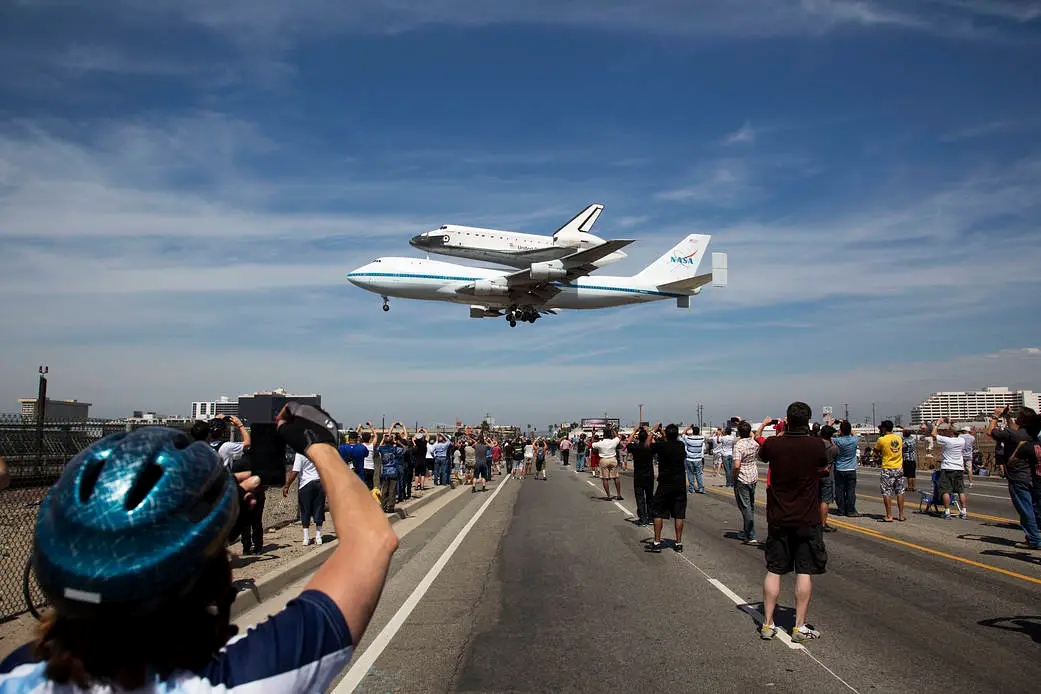
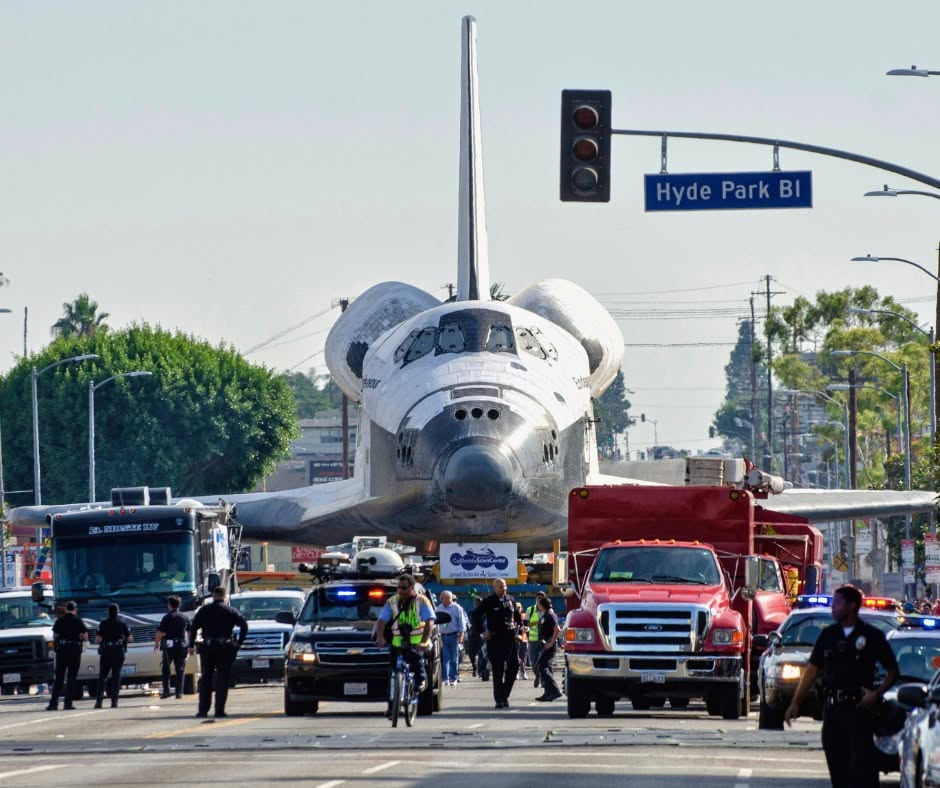
Undoubtedly, the most anticipated aspect of the Samuel Oschin Air and Space Center is the Space Shuttle Endeavour, the final shuttle orbiter to be assembled and delivered to NASA, and after 25 spaceflights from 1992 to 2011, it has been part of the California Science Center since 2012, when it was flown into Los Angeles International Airport on September 21, 2012 before famously being towed carefully through the streets of Los Angeles to Exposition Park between October 11-14, 2012.
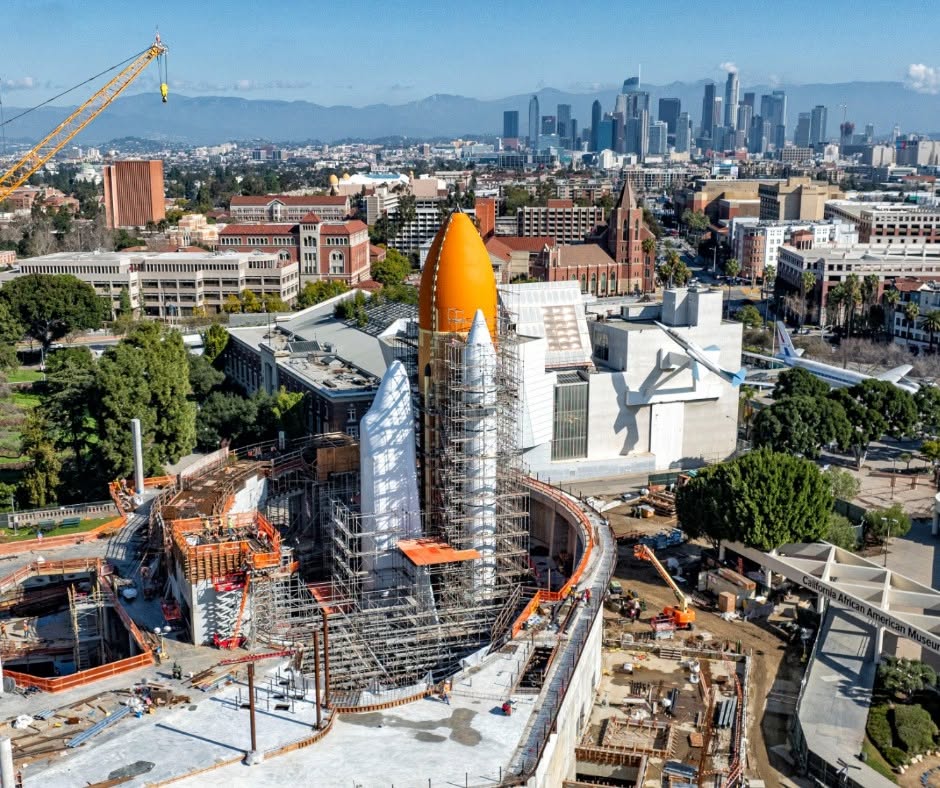
Prior to its placement inside the soon-to-be-opened Samuel Oschin Shuttle Gallery, the Endeavour was displayed inside the Samuel Oschin Pavilion, a specially-built hangar adjacent to the California Science Center’s main exhibition building. Following the transfer of Endeavor to the construction site of the Air and Space Center in December 2023, the Samuel Oschin Pavilion has become the home for a new exhibition, GAME ON! Science, Sports, and Play, an interactive exhibit on the physiology of sporting activities.
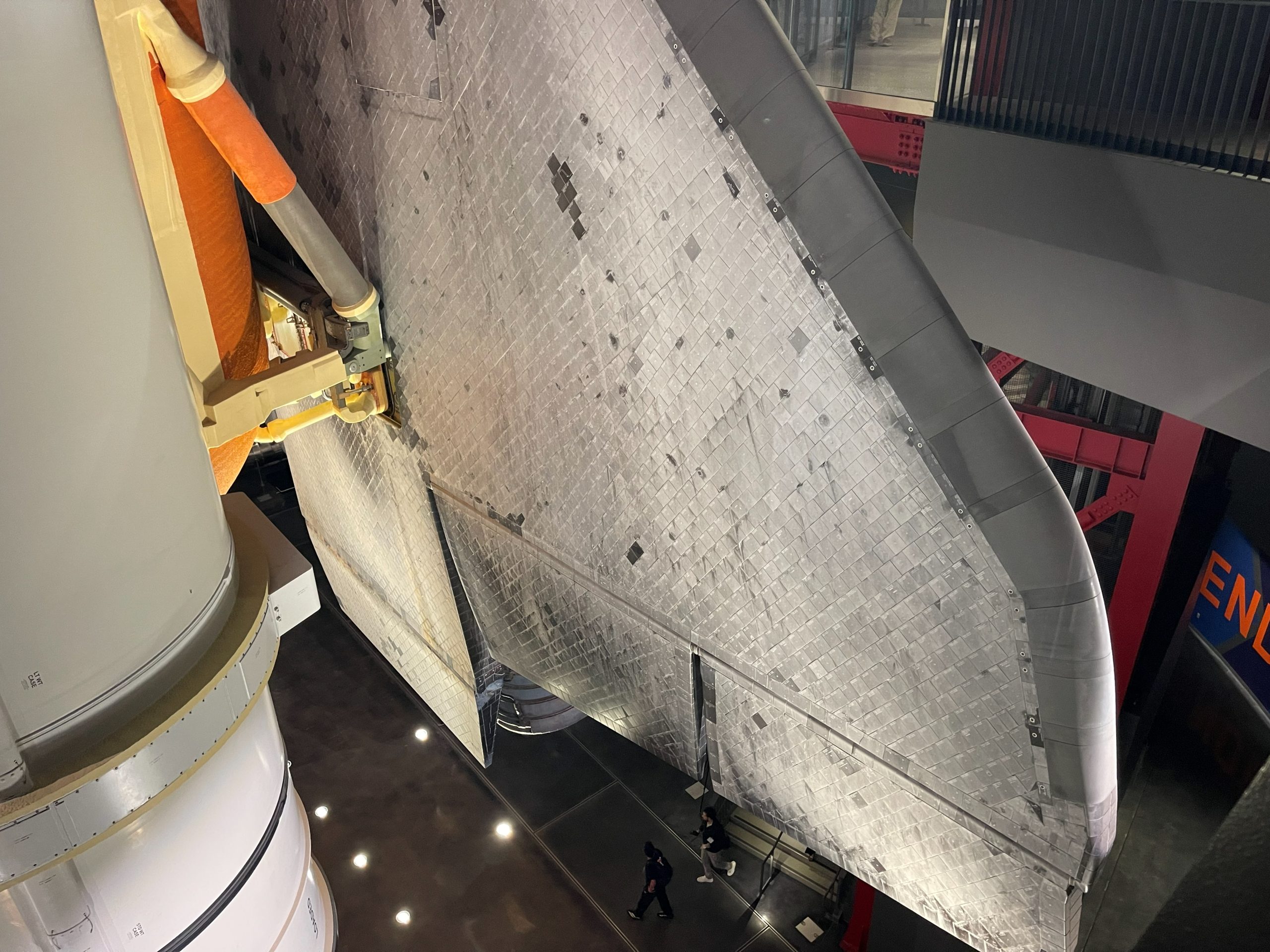
During the preview event, the Launch Tower elevator system was opened for journalists and visitors. Here, a pair of elevators take visitors from the lower level and second-level display spaces to two elevated viewing platforms. One of these is placed to be level with the cockpit, allowing visitors to get a close-up look at the Endeavour’s cockpit, with its crew access hatch fully opened and its reinforced windscreens, external padding and ceramic heat tiles fully visible. Just above this platform is another one that allows visitors to walk over the Endeavour on a reinforced glass floor. Both platforms and elevators are wheelchair accessible, and the overview of Endeavour provided through the see-through floor is like no other display of any Space Shuttle.
The displays that surround Endeavour are also marked in both English and Spanish, and there is no shortage of attractions for people of all ages, from a Shuttle VR Simulator to the Shuttle Descent Slide, built to mimic the glide slope trajectory of the Space Shuttle on reentry. A special mockup of Endeavour’s cockpit also sits on the floor of the Lower Level, and is cut in two halves to allow visitors to walk through it while getting their turn to sit in a recreation of the shuttle’s cockpit.
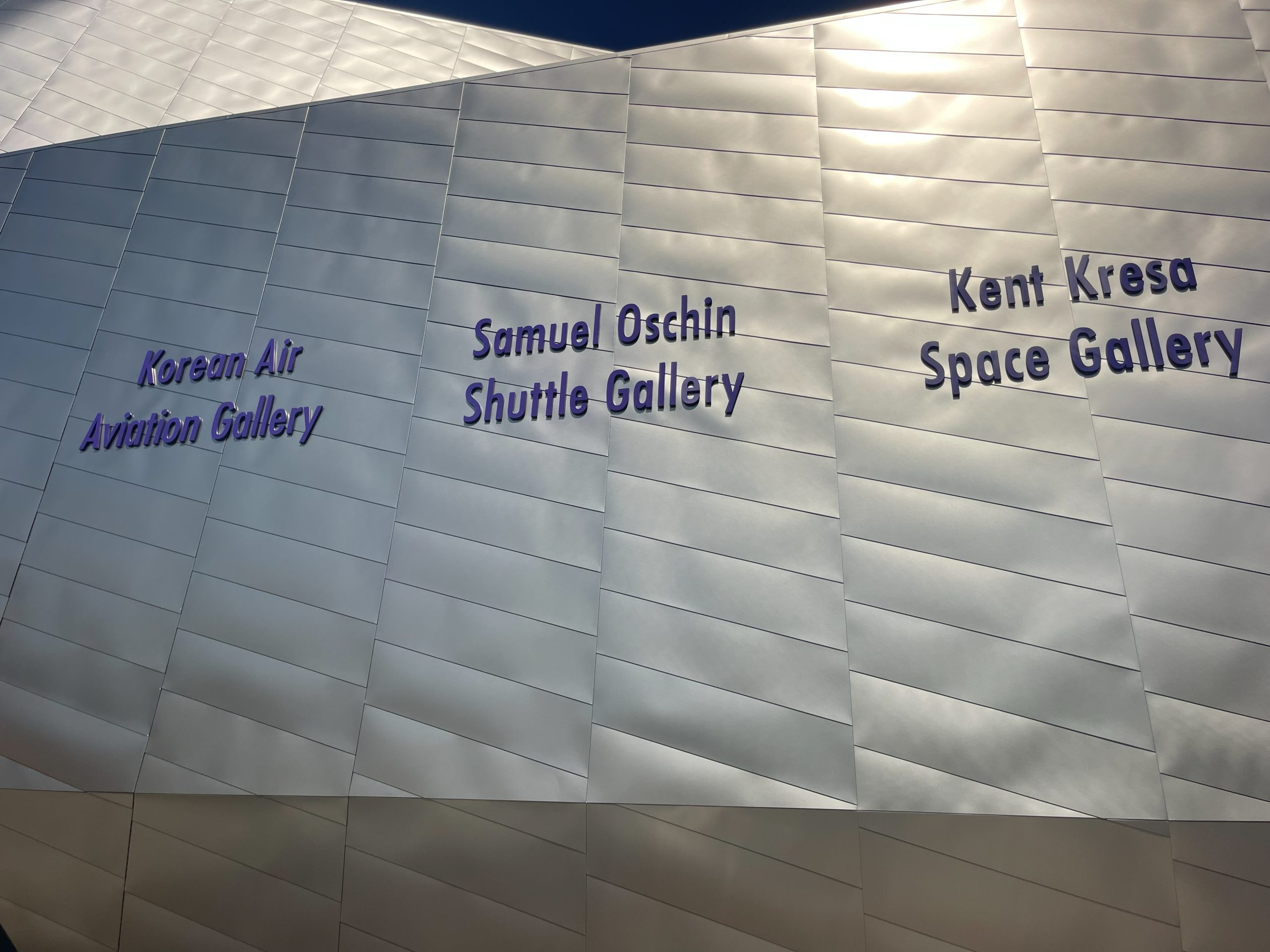
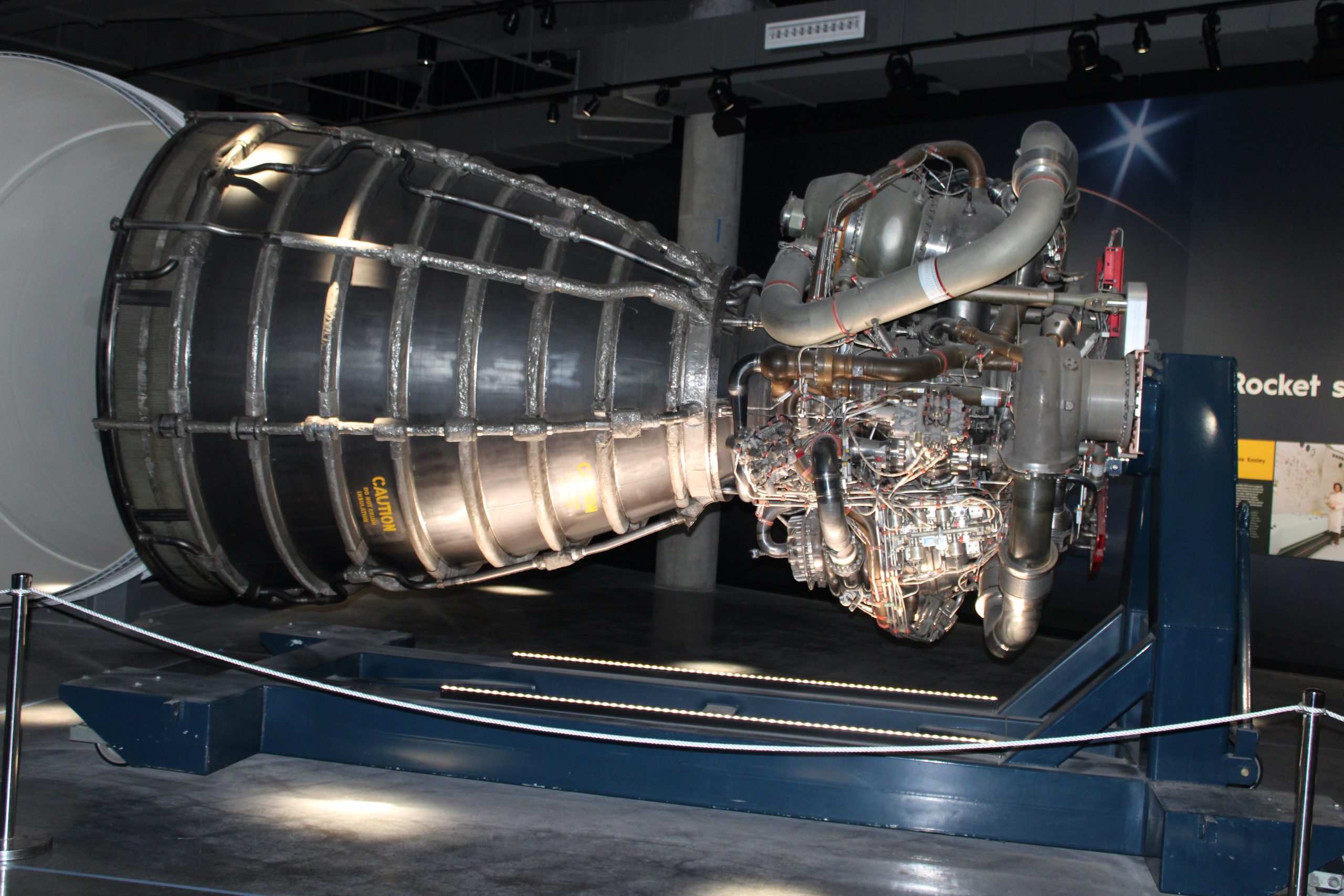
The Samuel Oschin Air and Space Center consists of three main galleries spread across four levels (Lower, 1st, 2nd, and 3rd). Besides the Samuel Oschin Shuttle Gallery, further exhibits devoted to space exploration are displayed in the new Kent Kresa Space Gallery, which can be divided into three sections (Rocket Science, Robots in Space, and Humans in Space. Sitting adjacent to the Concourse on the second level, the Rocket Science display features a cross section of the Space Shuttle’s Solid Rocket Booster (SRB) and an RS-25 Space Shuttle Main Engine (SSME) while the stairway that takes visitors to the Robots in Space section on the first level and the Humans in Space section on the lower level is also home to several rockets and space probes, from a full-scale engineering model of the Cassini-Huygens probe on loan from NASA’s Jet Propulsion Laboratory (JPL) in Pasadena previously displayed in the main California Science Center building to a newly-acquired Electron orbital rocket donated by Rocket Lab based in Long Beach.
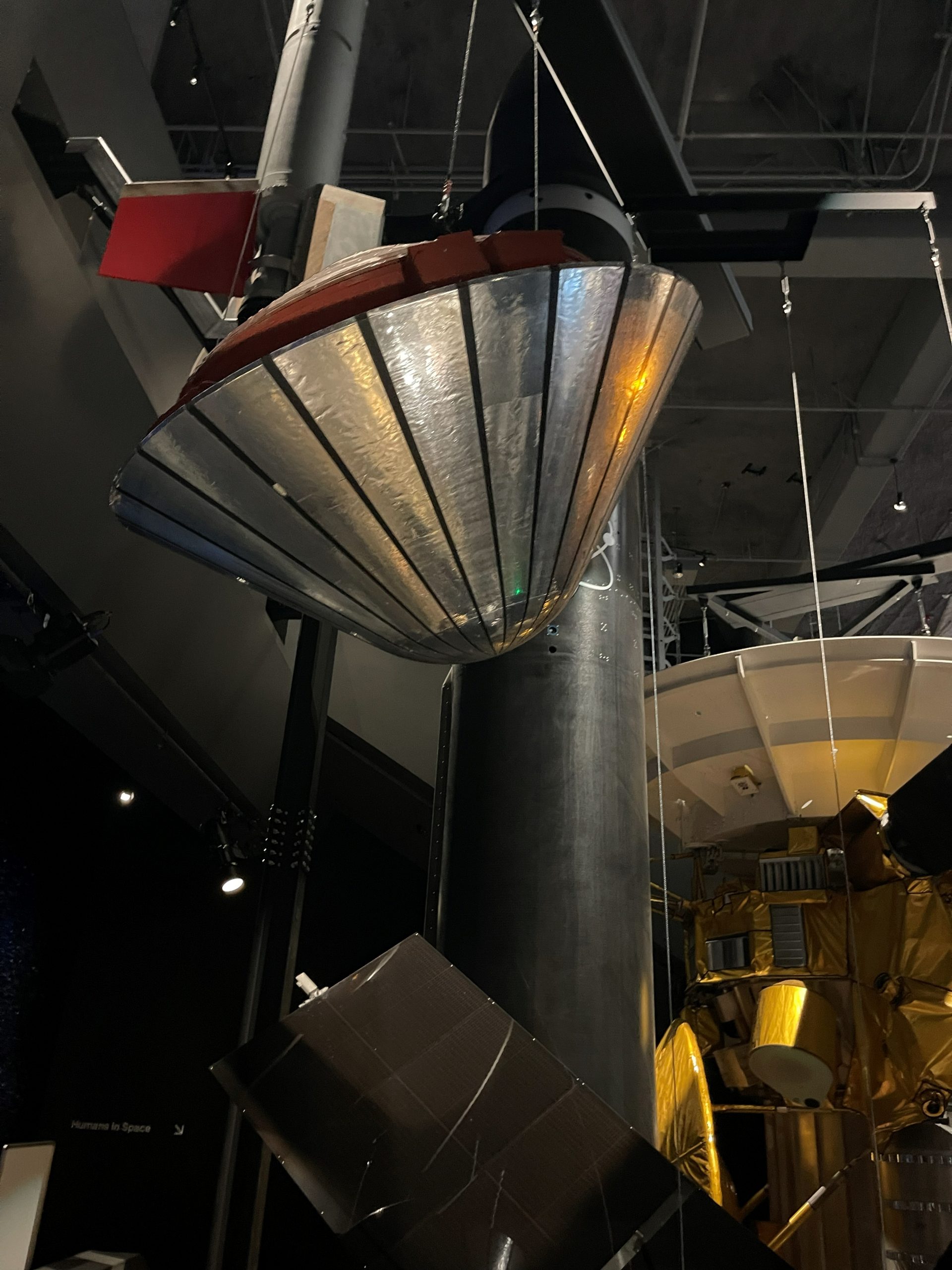
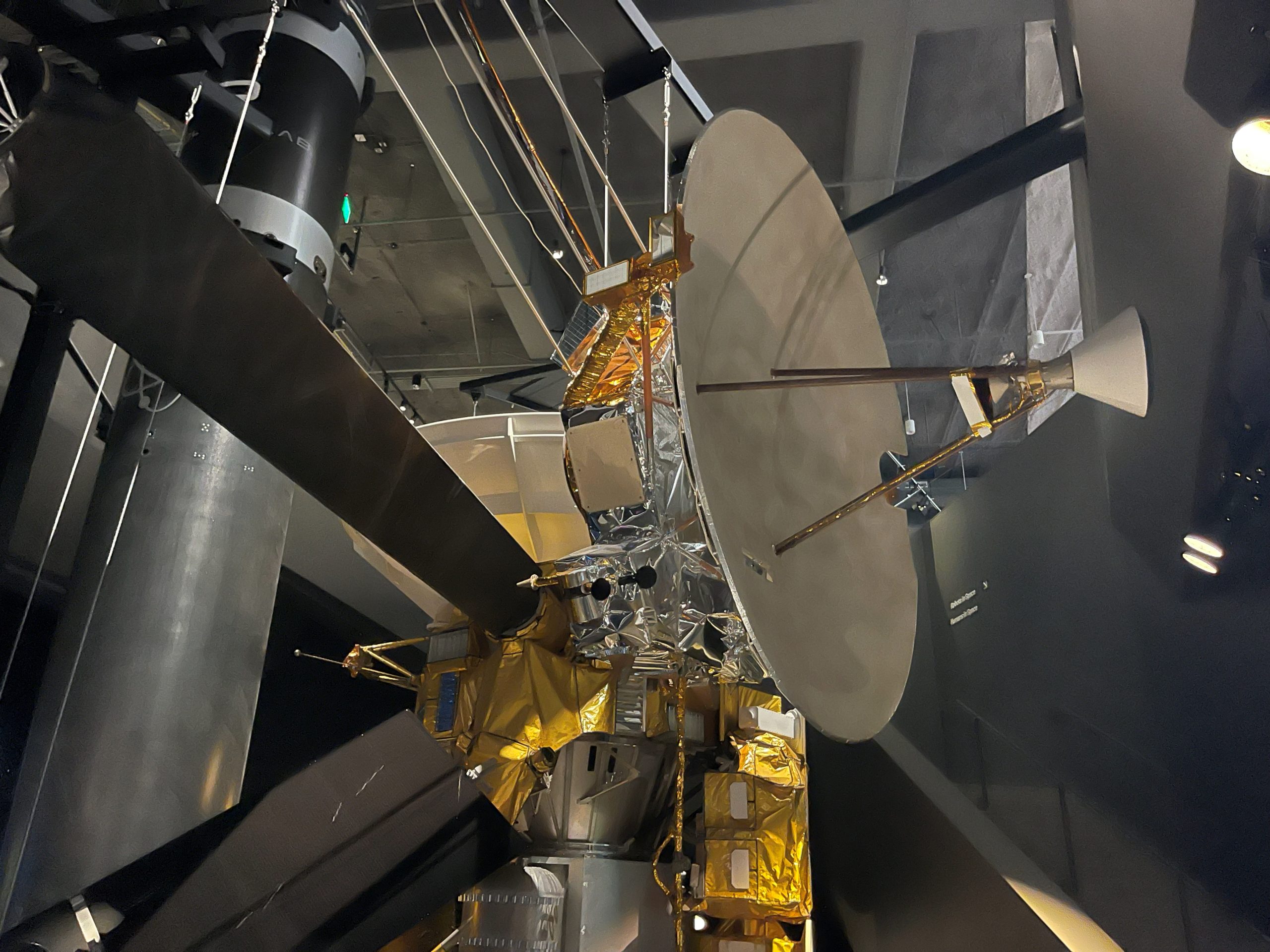
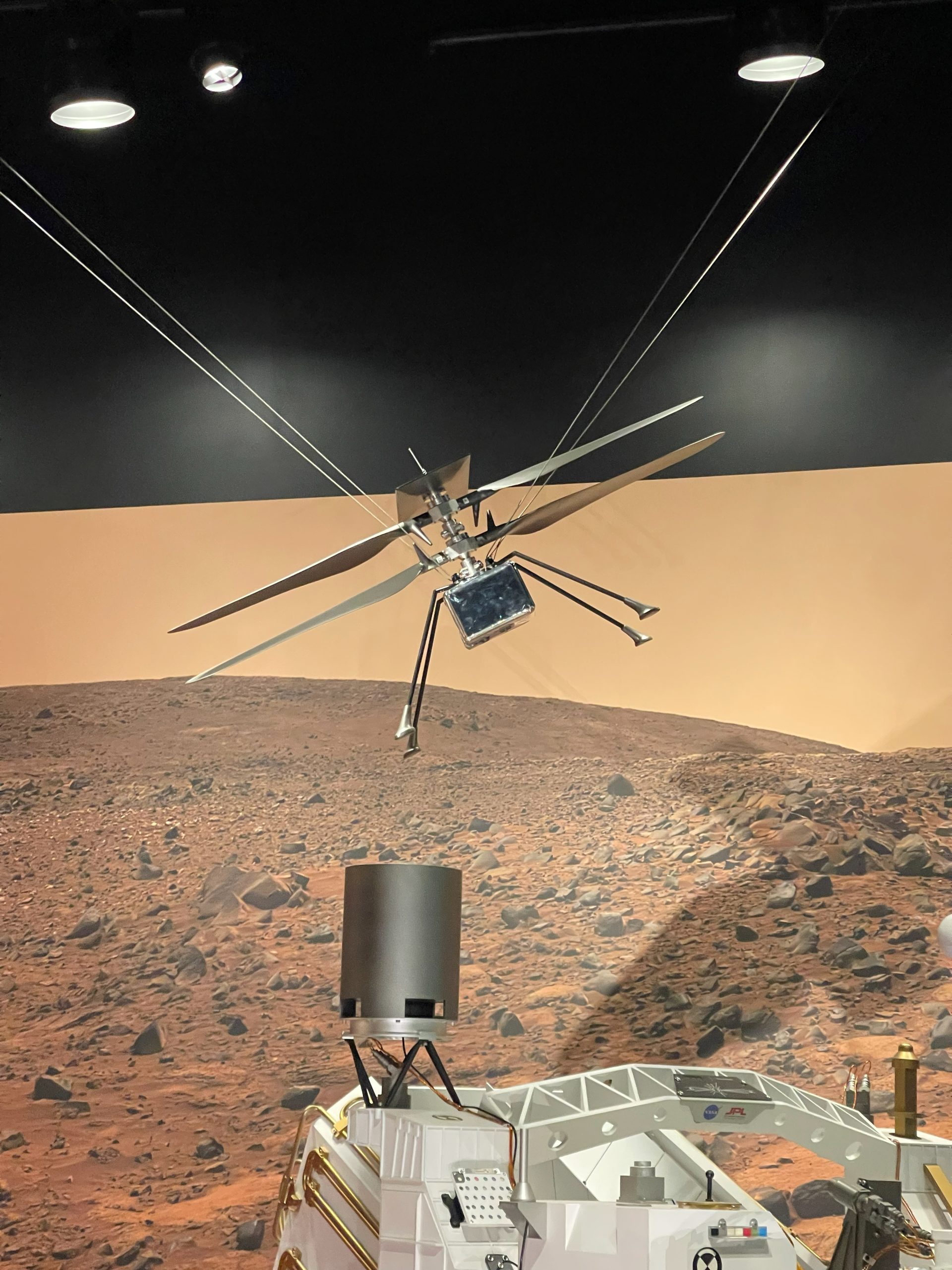
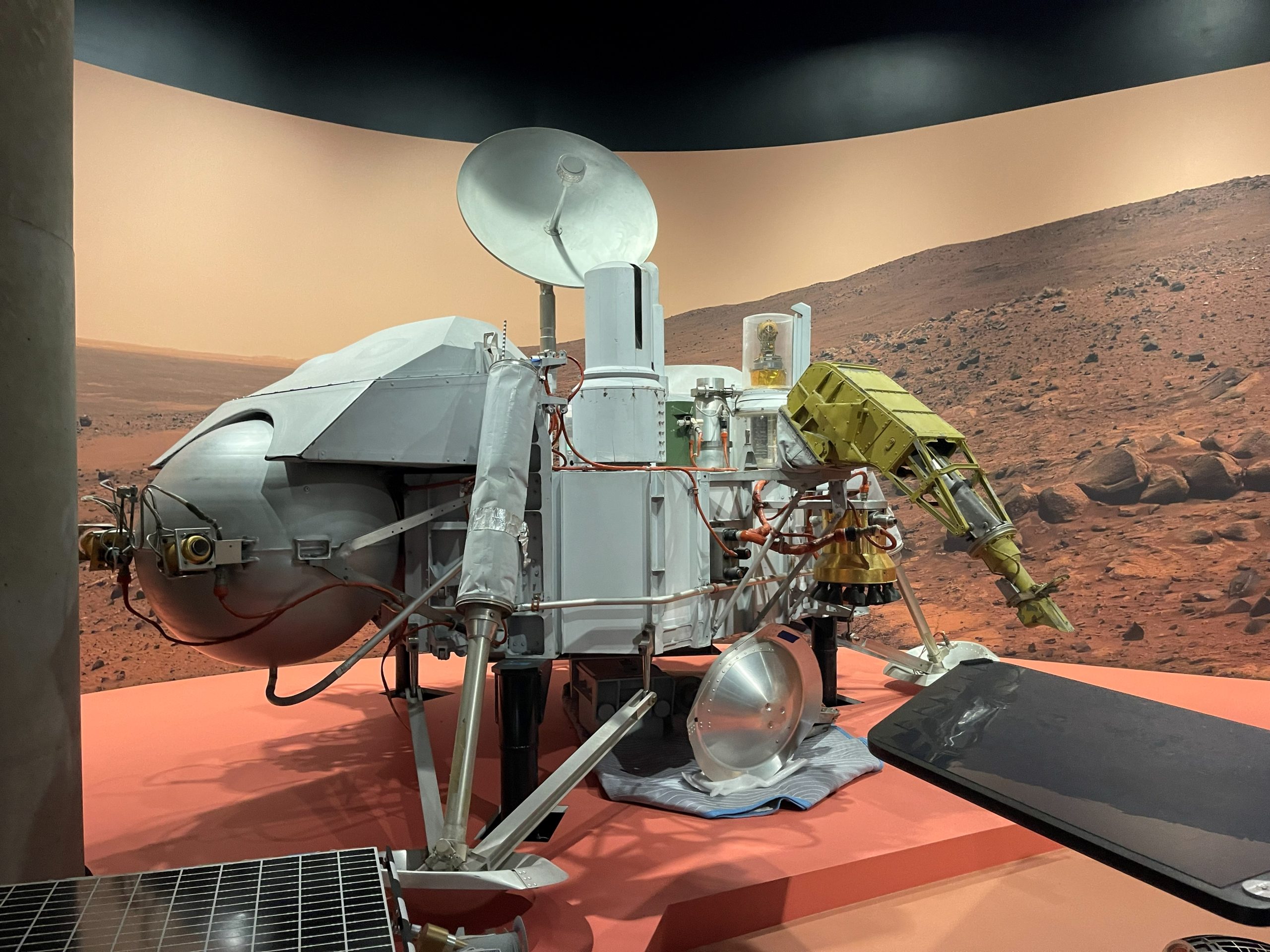
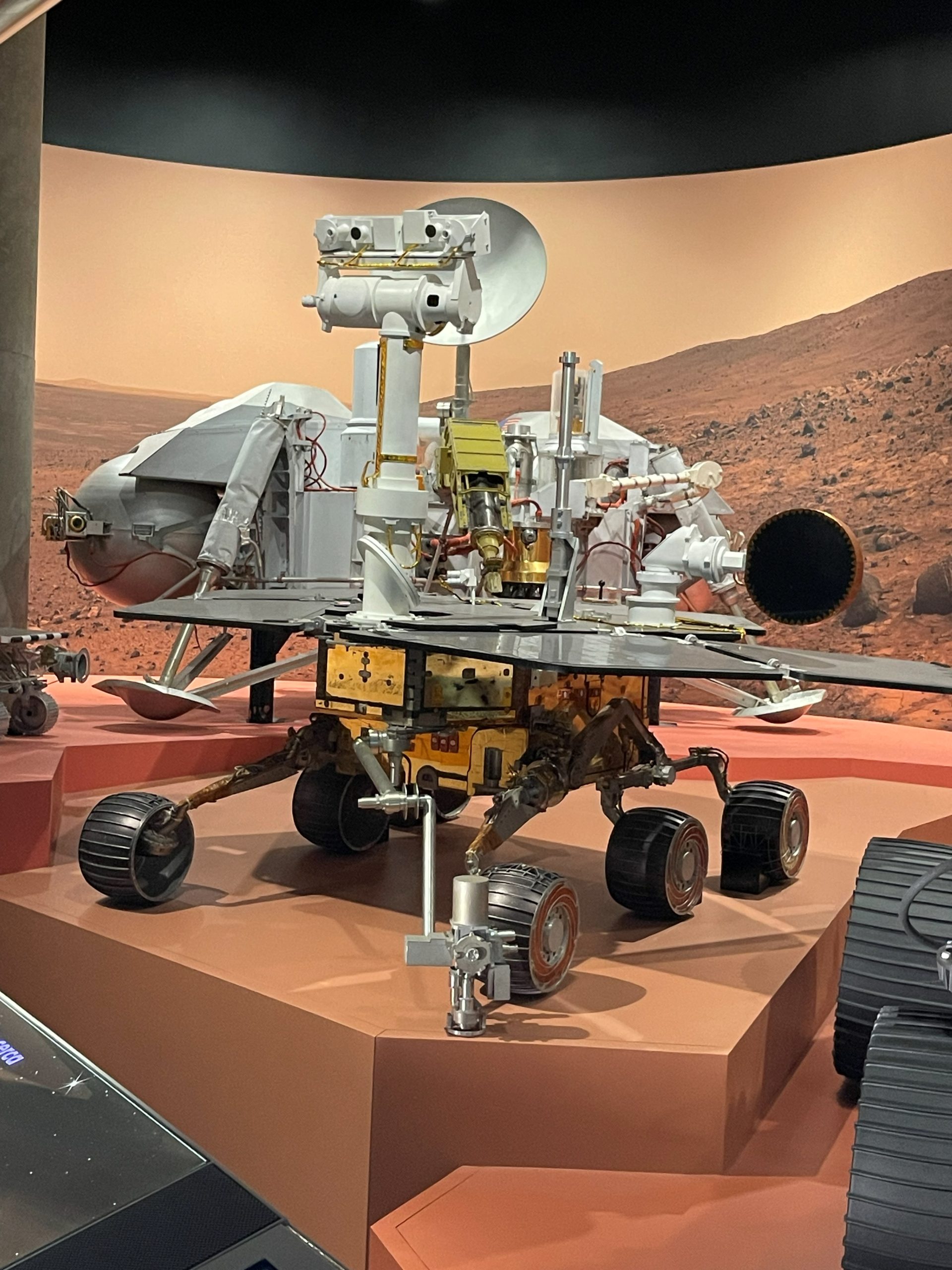
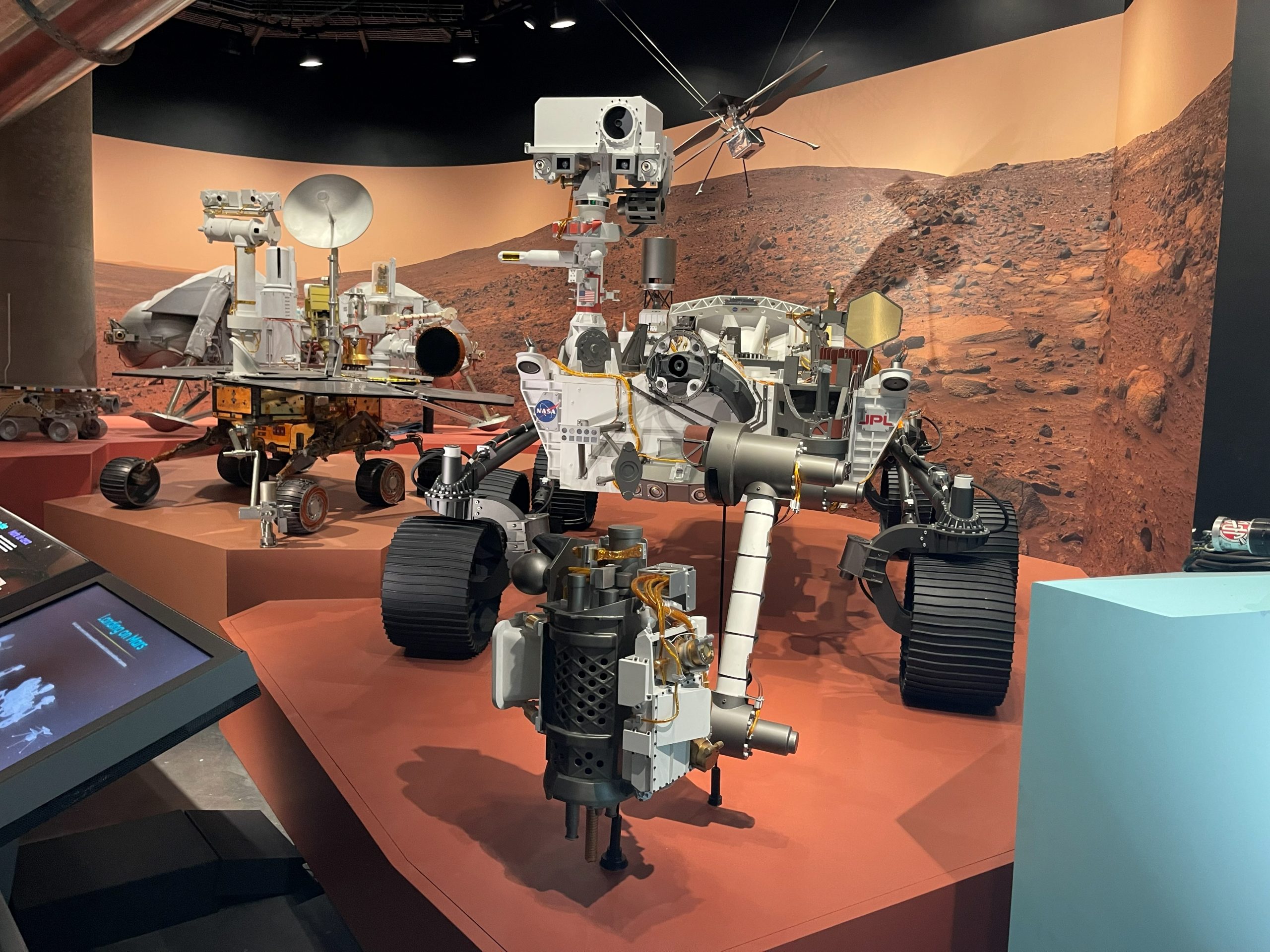
Meanwhile, the Robots in Space exhibit showcases engineering models of remotely-operated spacecraft, from the James Webb Space Telescope to Mars landers and rovers such as Viking, Sojourner, Perseverance, and the Ingenuity drone helicopter, the first controlled aircraft to fly on another planet. Placed between the Mars landers/rovers and the James Webb Space Telescope displays is an interactive exhibit where visitors can get the chance to drive their own Mars rover through an obstacle course.
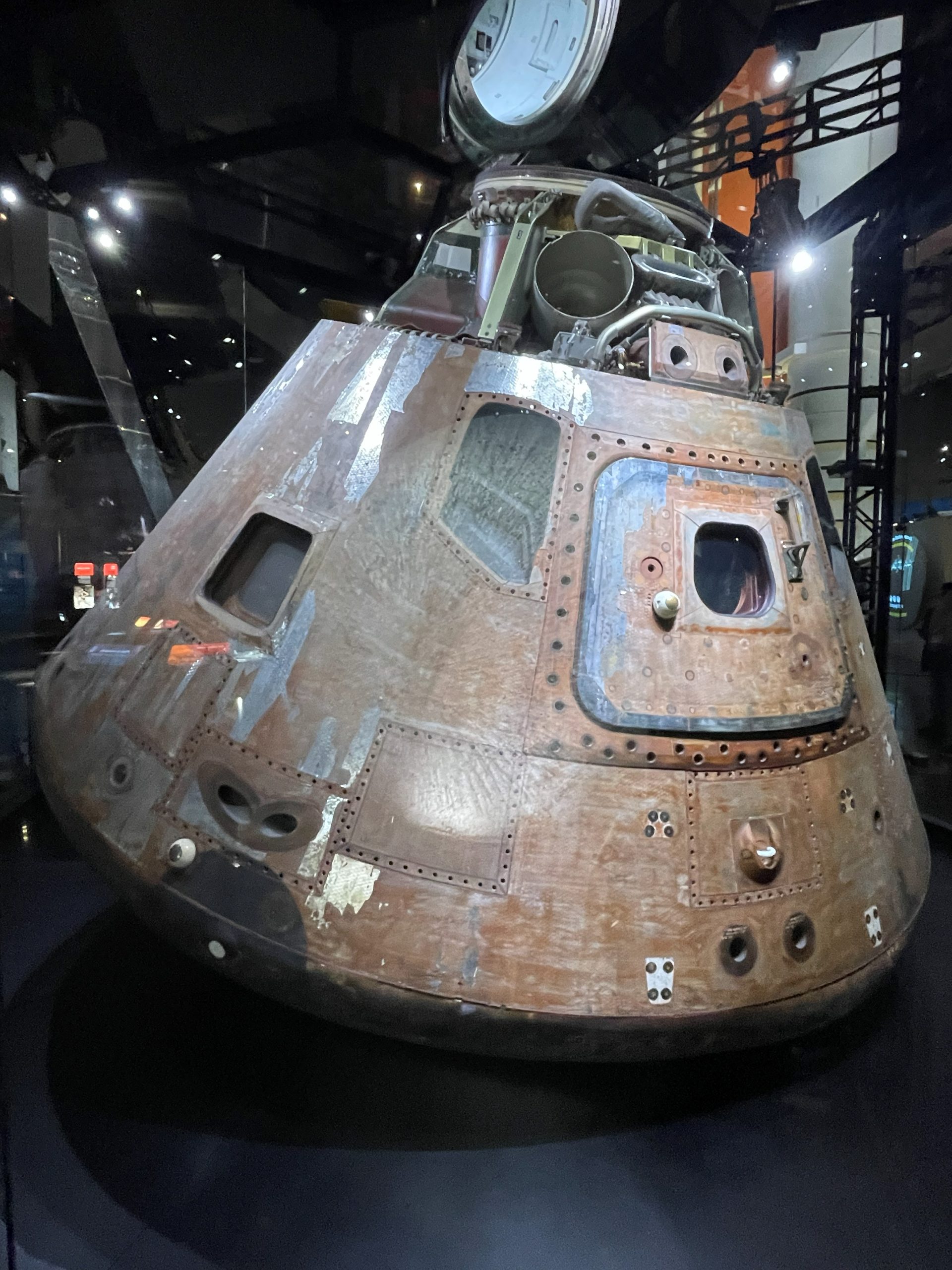
In the Humans in Space exhibit, visitors can view four manned space capsules. Among these is the Mercury-Redstone 2 (MR-2) capsule, which took the chimpanzee Ham for a 16 and a half minute suborbital flight on January 31, 1961. Ham’s successful recovery showed that apes could survive the rigors of spaceflight and was an important milestone in the Mercury program before the launch of Alan Shepard four months later.
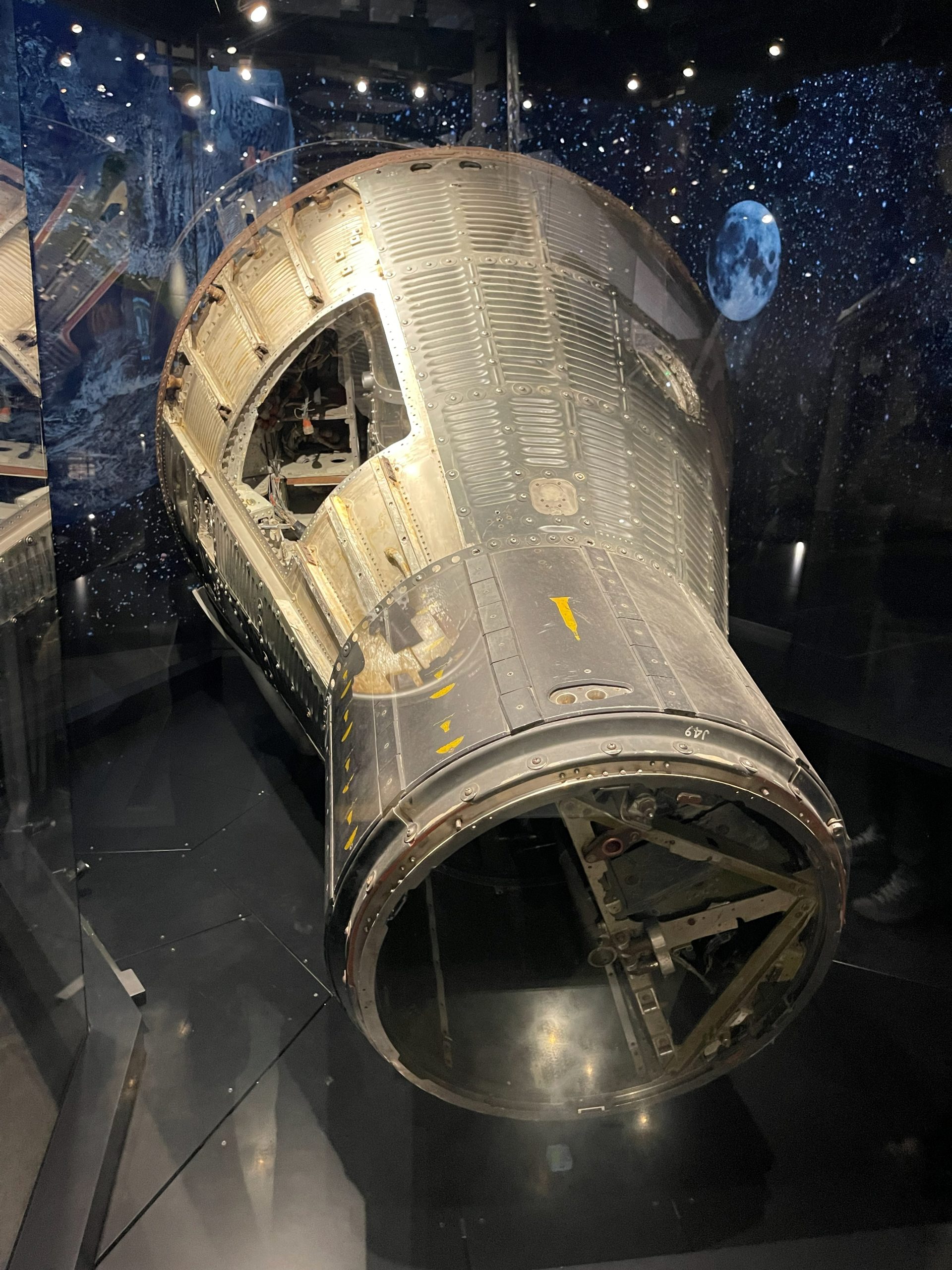
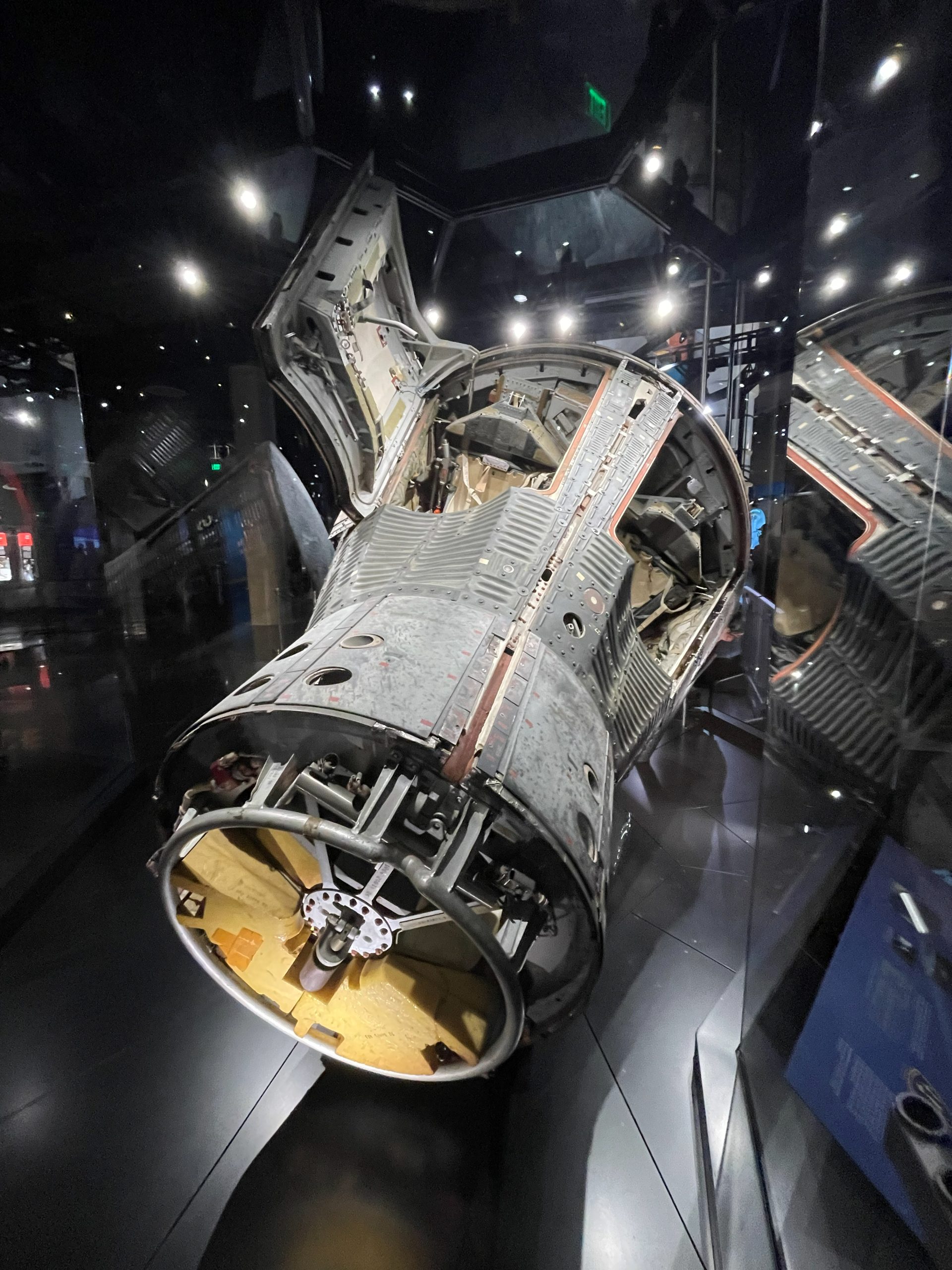
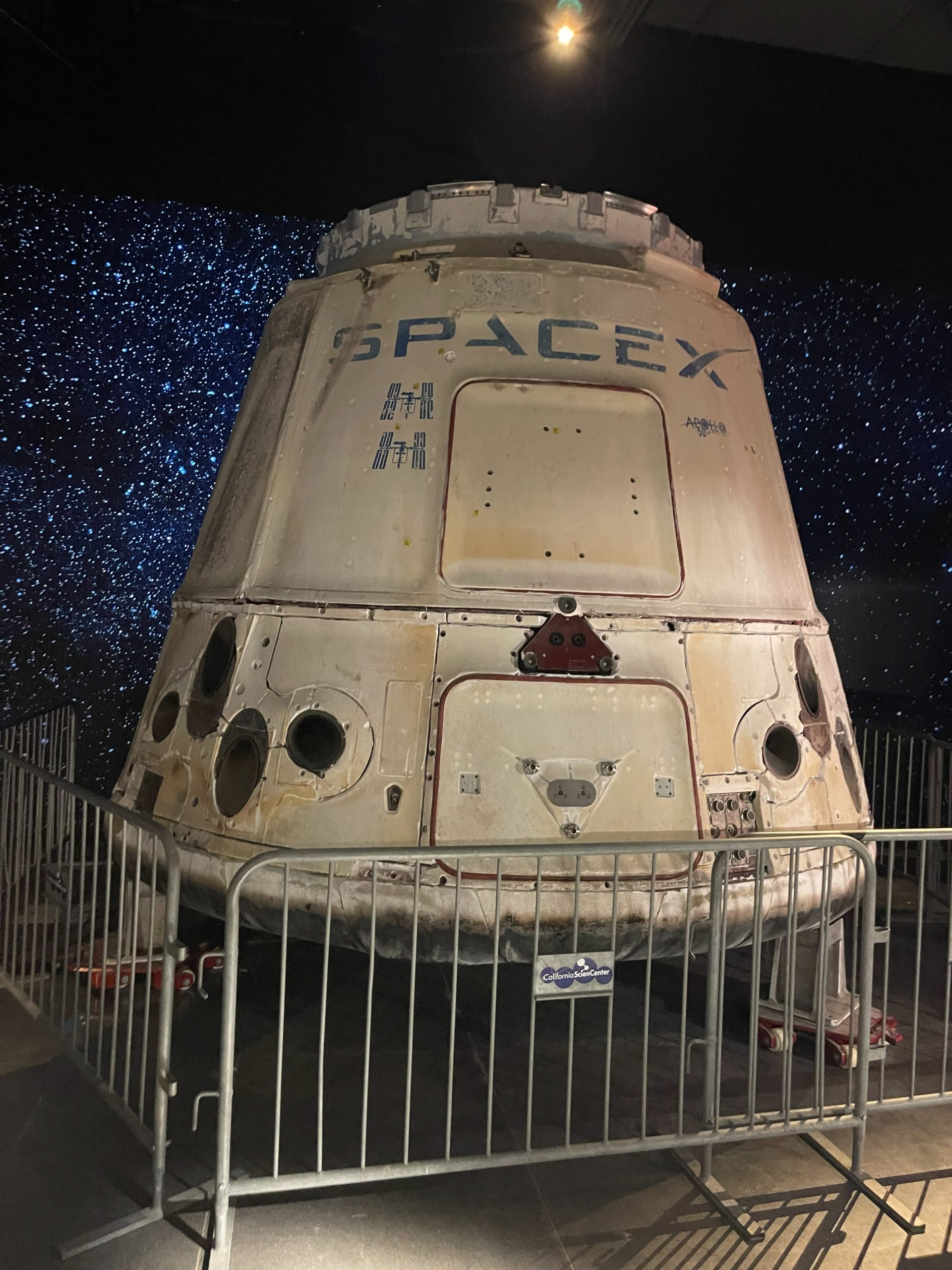
Nearby is the Gemini 11 capsule flown from September 12 to 15, 1965 by astronauts Charles “Pete” Conrad and Richard F. Gordon Jr., who made the first direct-ascent rendezvous with an Agena Target Vehicle (ATV), with data from this and subsequent Gemini missions being used in the Apollo missions. Next to the Gemini 11 capsule is the Apollo-Soyuz command module flown by American astronauts Thomas Stafford, Donald K. “Deke” Slayton, and Vance D. Brand to rendezvous with Soviet cosmonauts Alexei Leonov and Valeriy N. Kubasov in the Apollo-Soyuz mission in July 1975, the first time that American astronauts and Soviet cosmonauts would meet in space, with the mission going down in history as a prime example of the detente policies between the two global superpowers of the time. While the Soyuz descent module (Soyuz 19) is on display at the RKK Energiya museum in Korolyov, near Moscow, Russia, the California Science Center has been the home of the Apollo command module (CSM-111). In addition to these representatives of the Mercury, Gemini, and Apollo missions, the Kent Kresa Space Gallery is now the home of a SpaceX Dragon cargo spacecraft, which became the first Dragon spacecraft to complete three orbital flights (CRS-6 (2015), CRS-13 (2017), and CRS-18 (2018)).
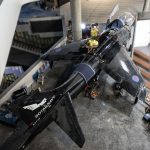
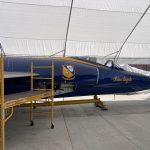
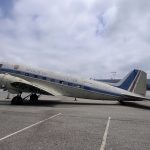
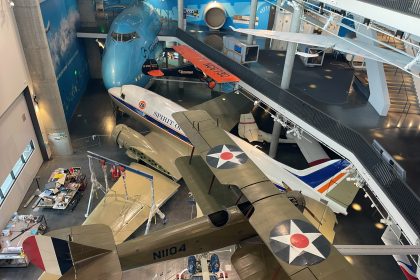
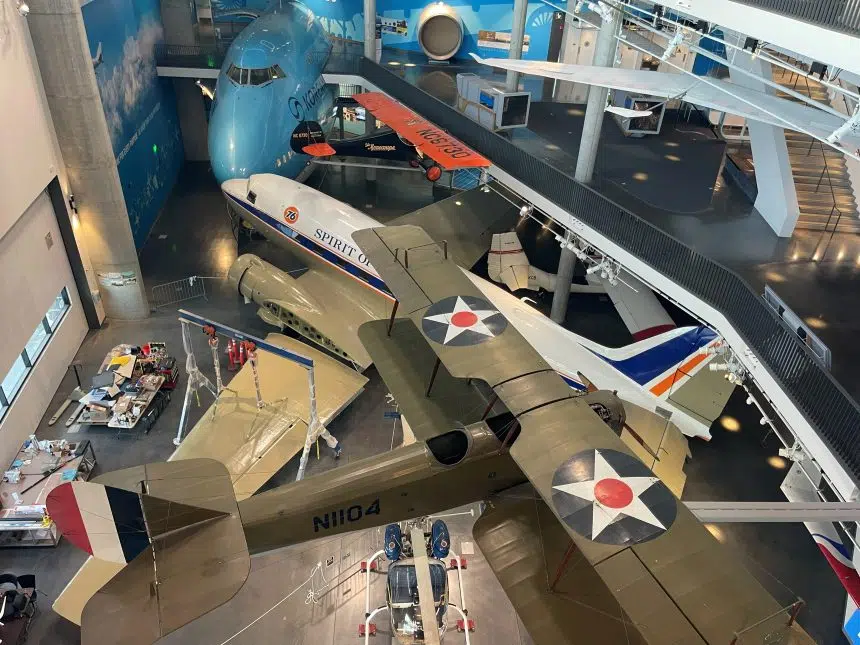
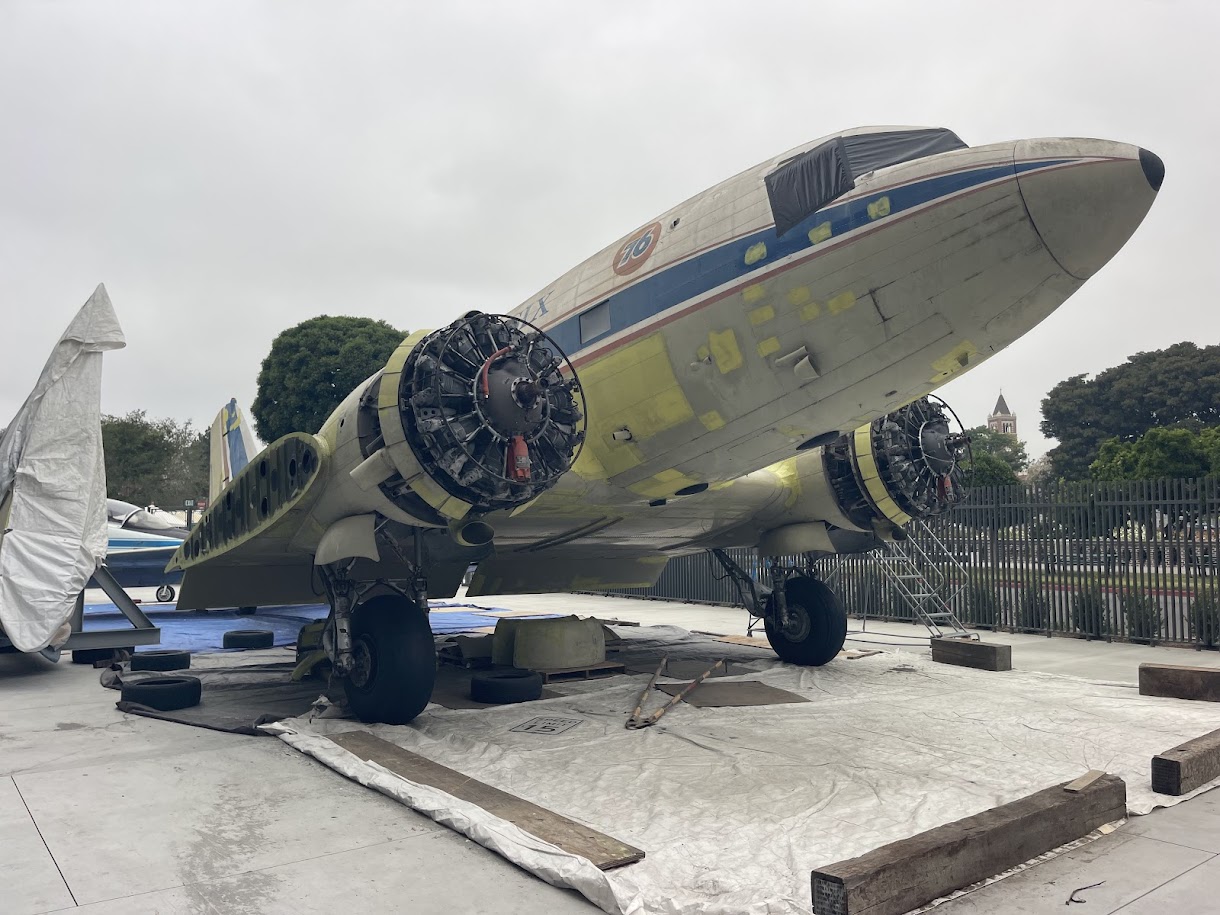
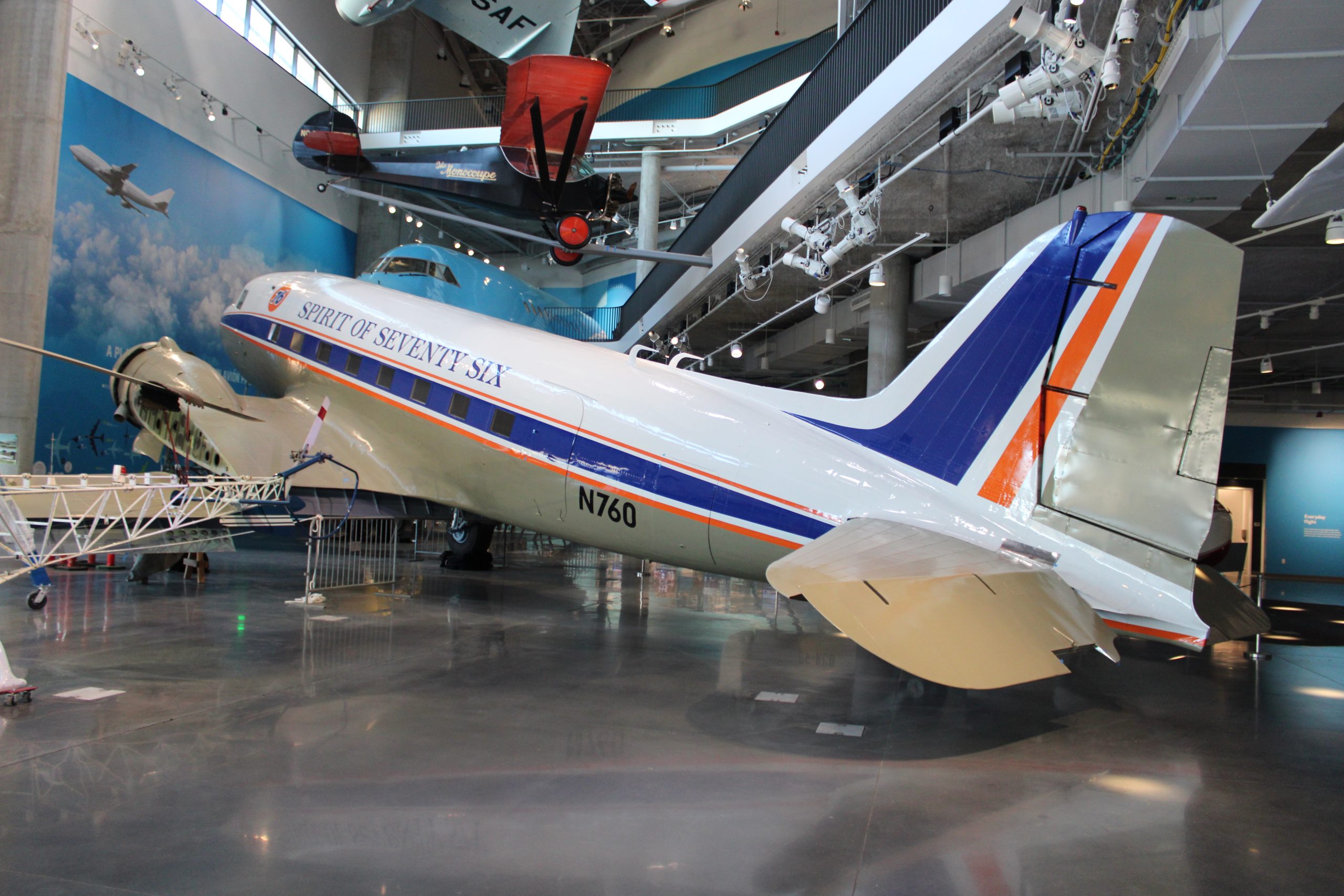
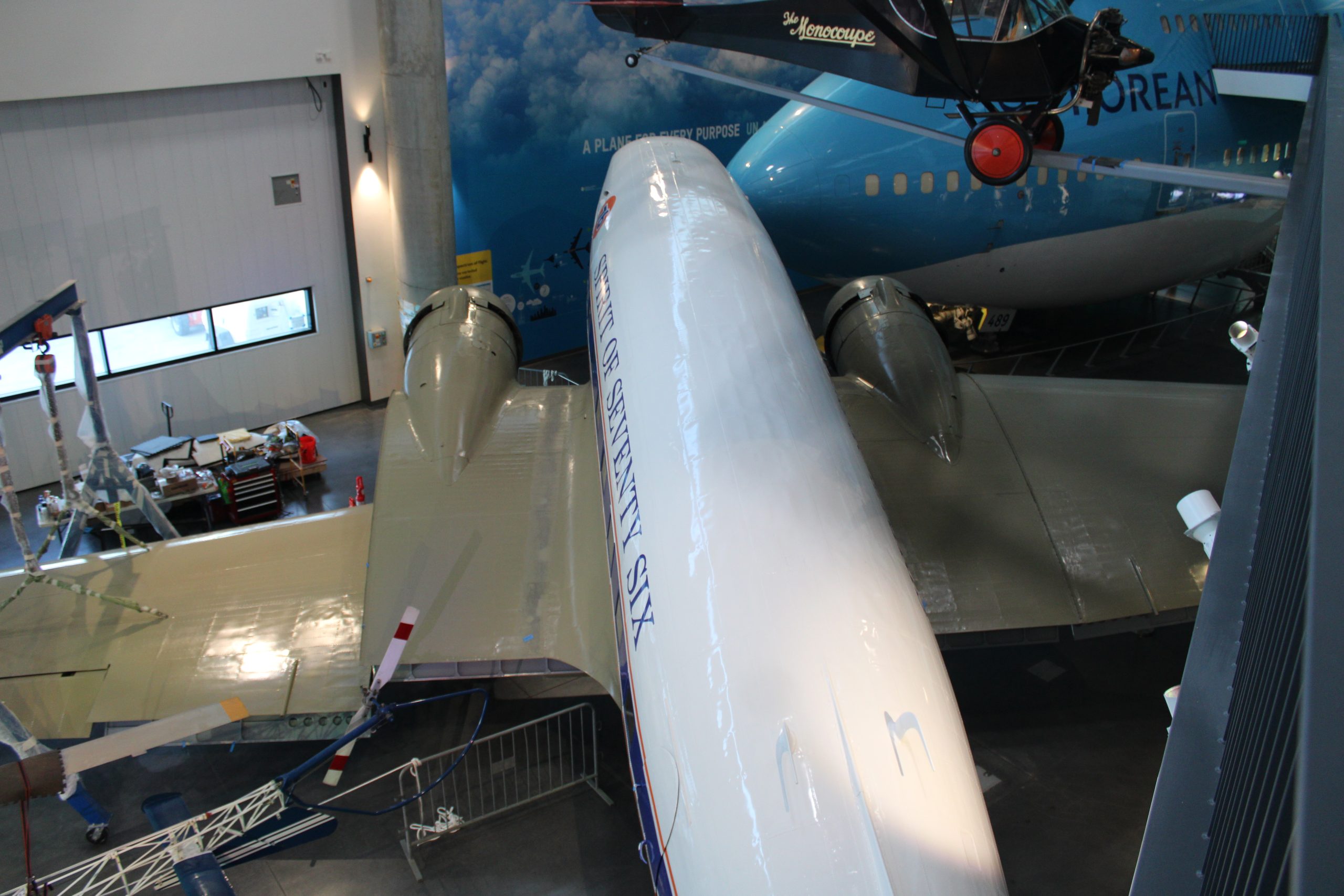
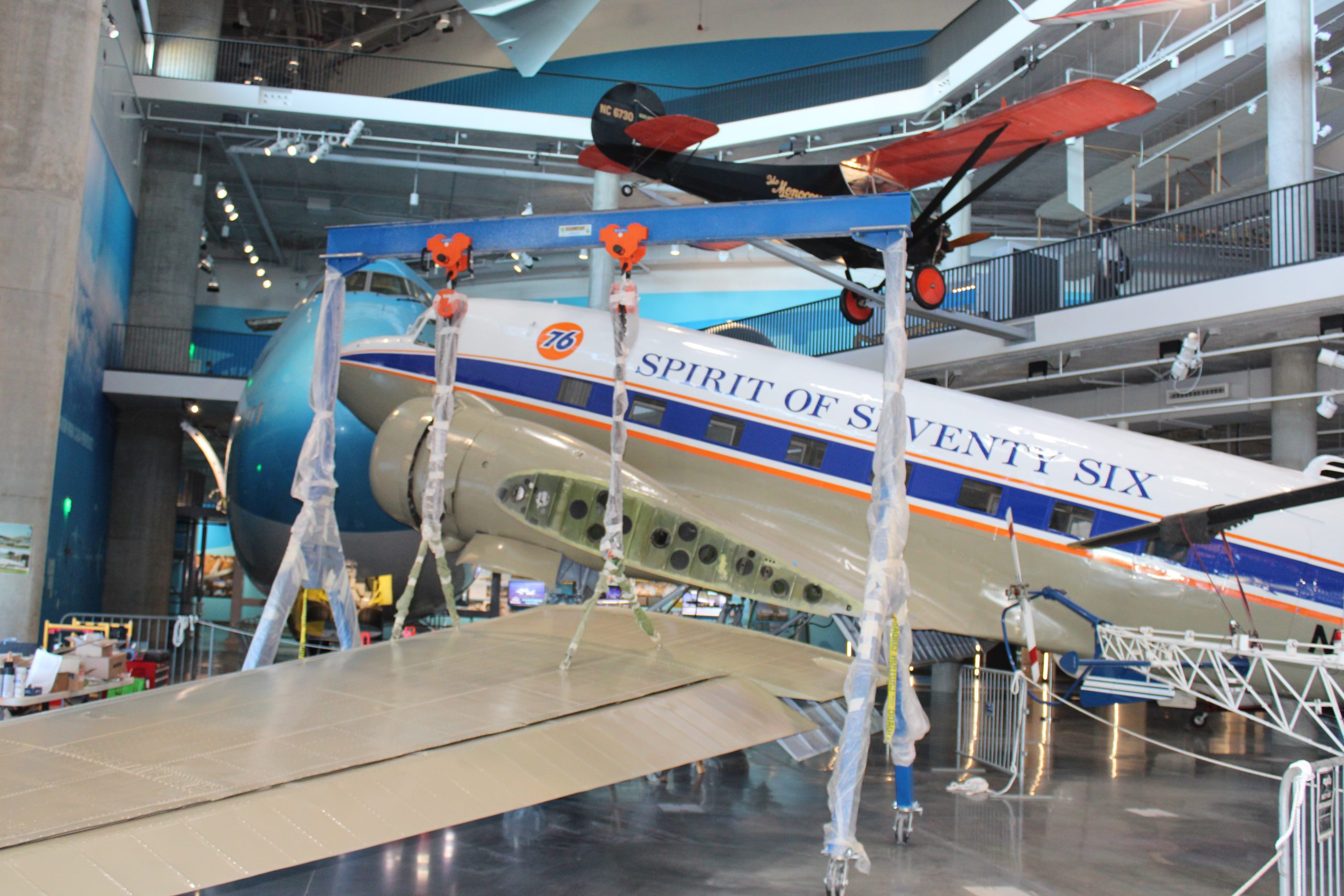
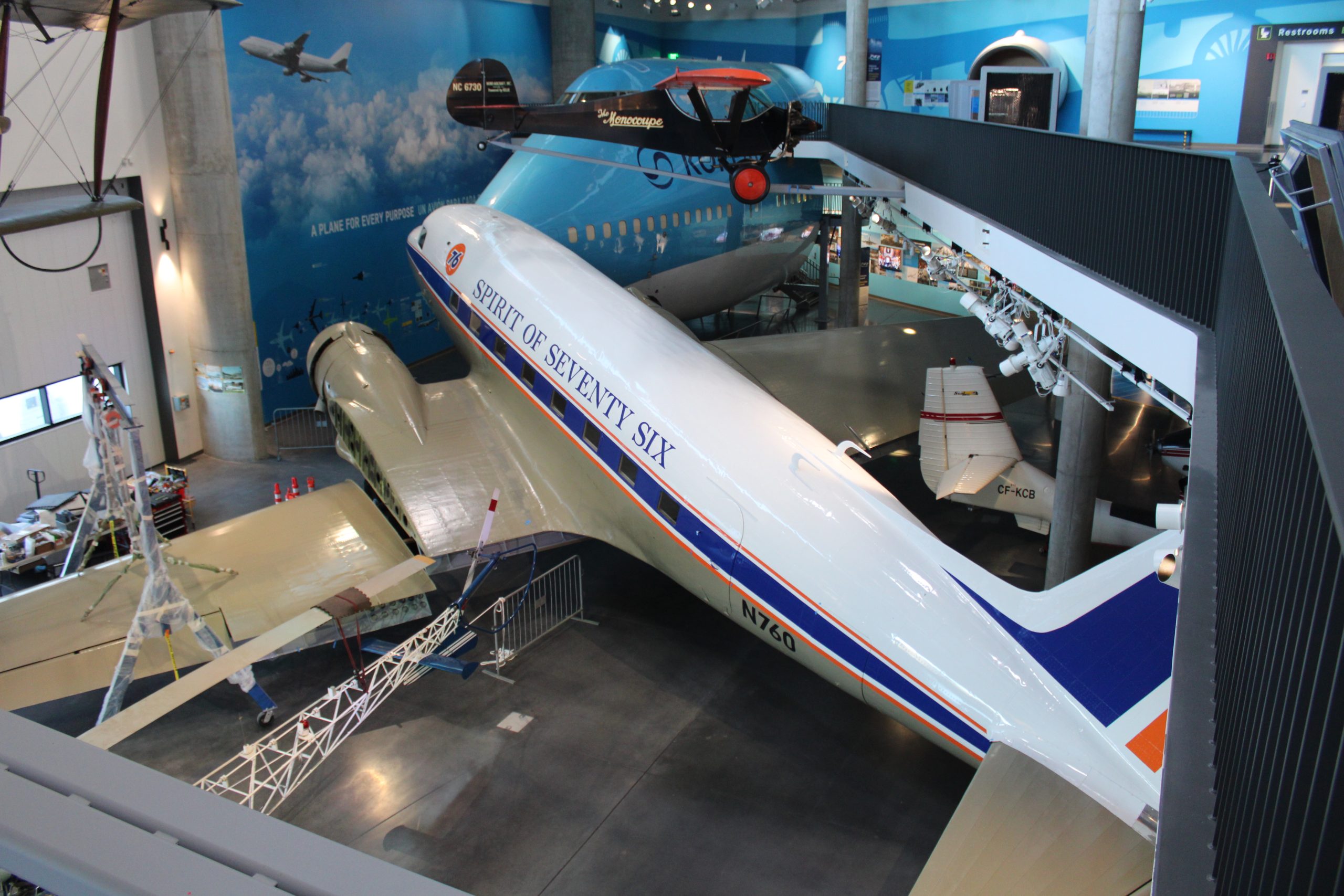
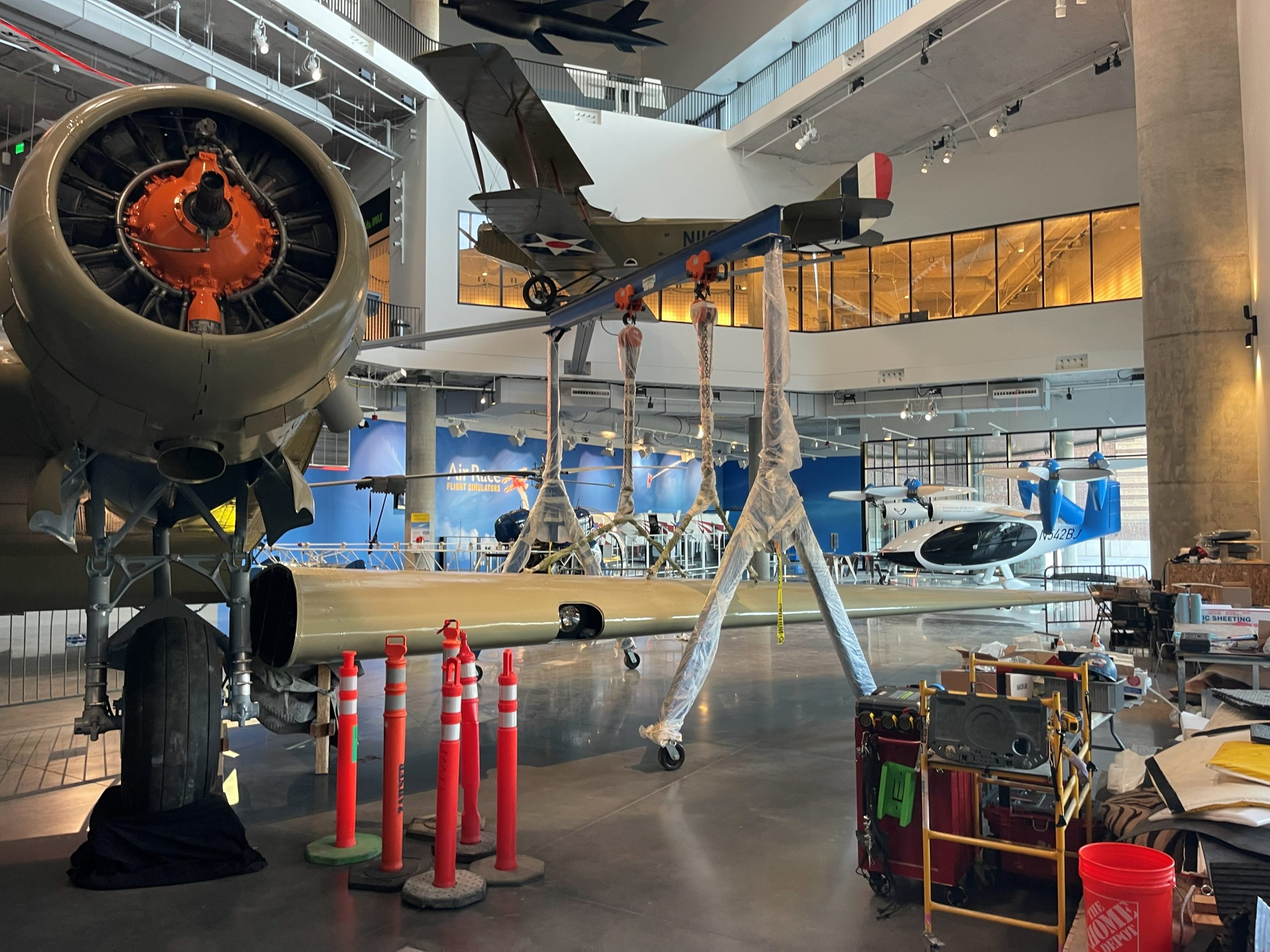
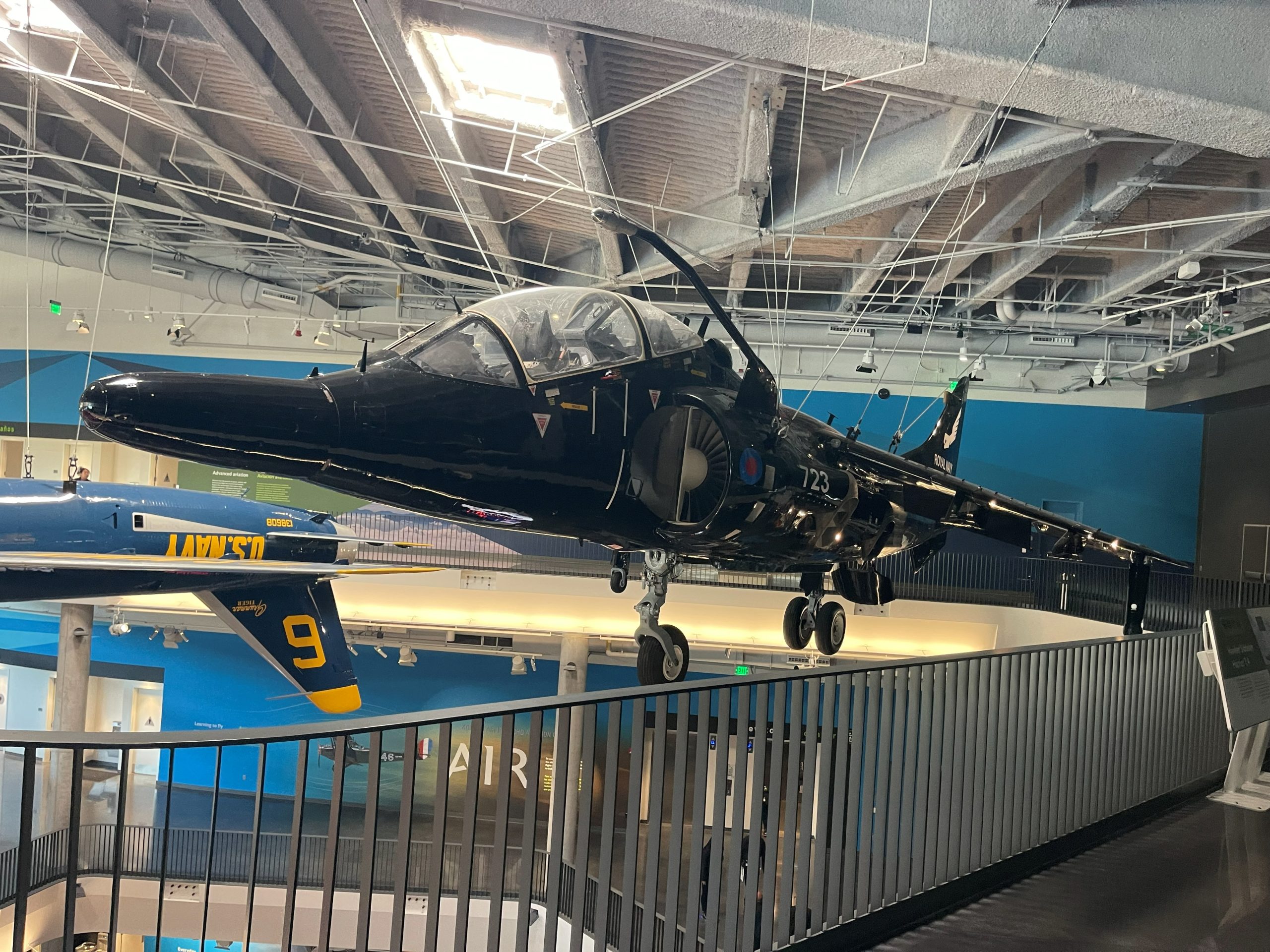
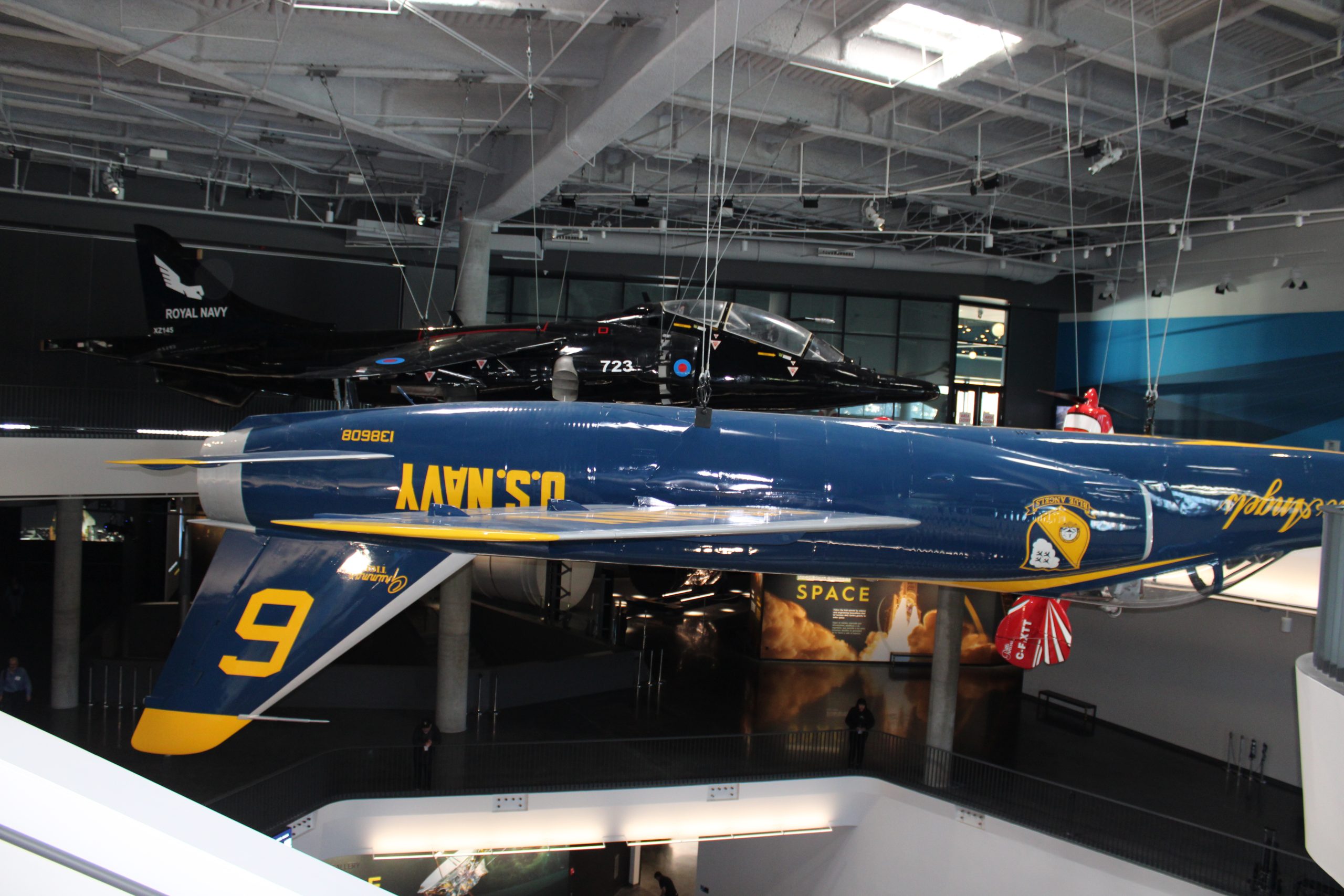
In our previous article about the Korean Air Aviation Gallery, we covered some of the aircraft that have been installed for display in the new gallery, from the nose of Korean Airlines Boeing 747-400 HL7489 to the Hawker Siddeley Harrier T.4 XZ145 brought back from its loan to the Western Museum of Flight and the Grumman F11F Tiger BuNo 138608 restored for display. Undoubtedly the largest intact airplane to be displayed inside the new gallery is the California Science Center’s Douglas DC-3 N760 “Spirit of Seventy Six”. Originally flown by TWA during and shortly after WWII as NC1944, it was later sold to Union Oil of California and flown as a corporate aircraft for transporting executives and engineers as N760 for nearly 30 years prior to its donation to what was then the California Museum of Science and Industry in 1982. Previously displayed outdoors at Exposition Park, Hawthorne Airport, and finally the Flight Path Museum and Learning Center on the south side of Los Angeles International Airport, DC-3 N760 was trucked back to Exposition Park in 2025 and spent the last year under restoration just outside the museum building.


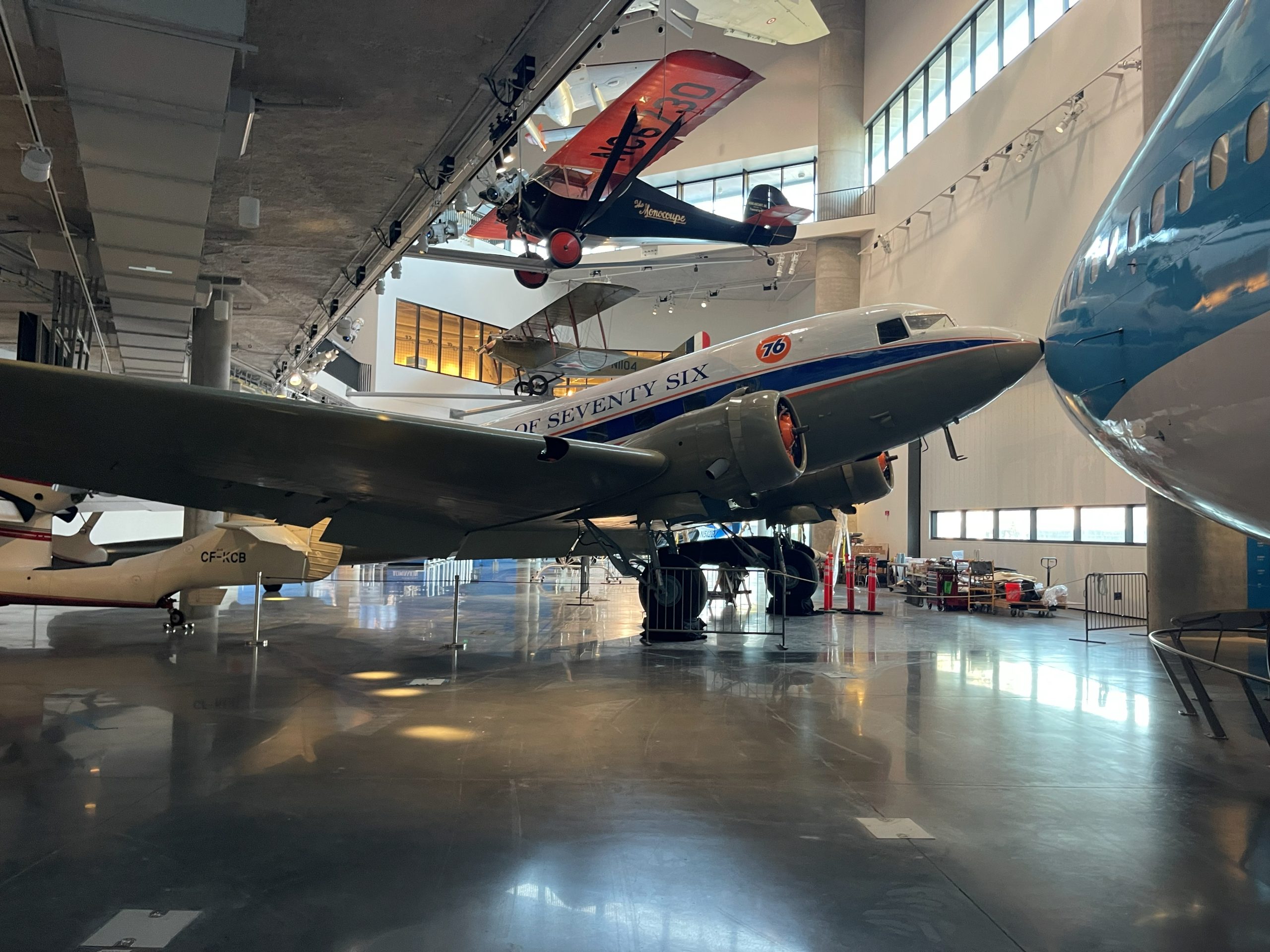
However, the aircraft is now indoors with its nose pointed at the nose section of Boeing 747-400 HL7489. During the media preview, the left wing and propellers had yet to be installed but will be fitted out in time for the public opening on November 13. This will be the first time N760 will be displayed indoors and finally ensure that it can be protected from the weather and be appreciated by millions of visitors both from Los Angeles and from around the world.
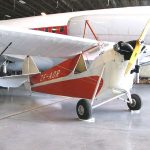
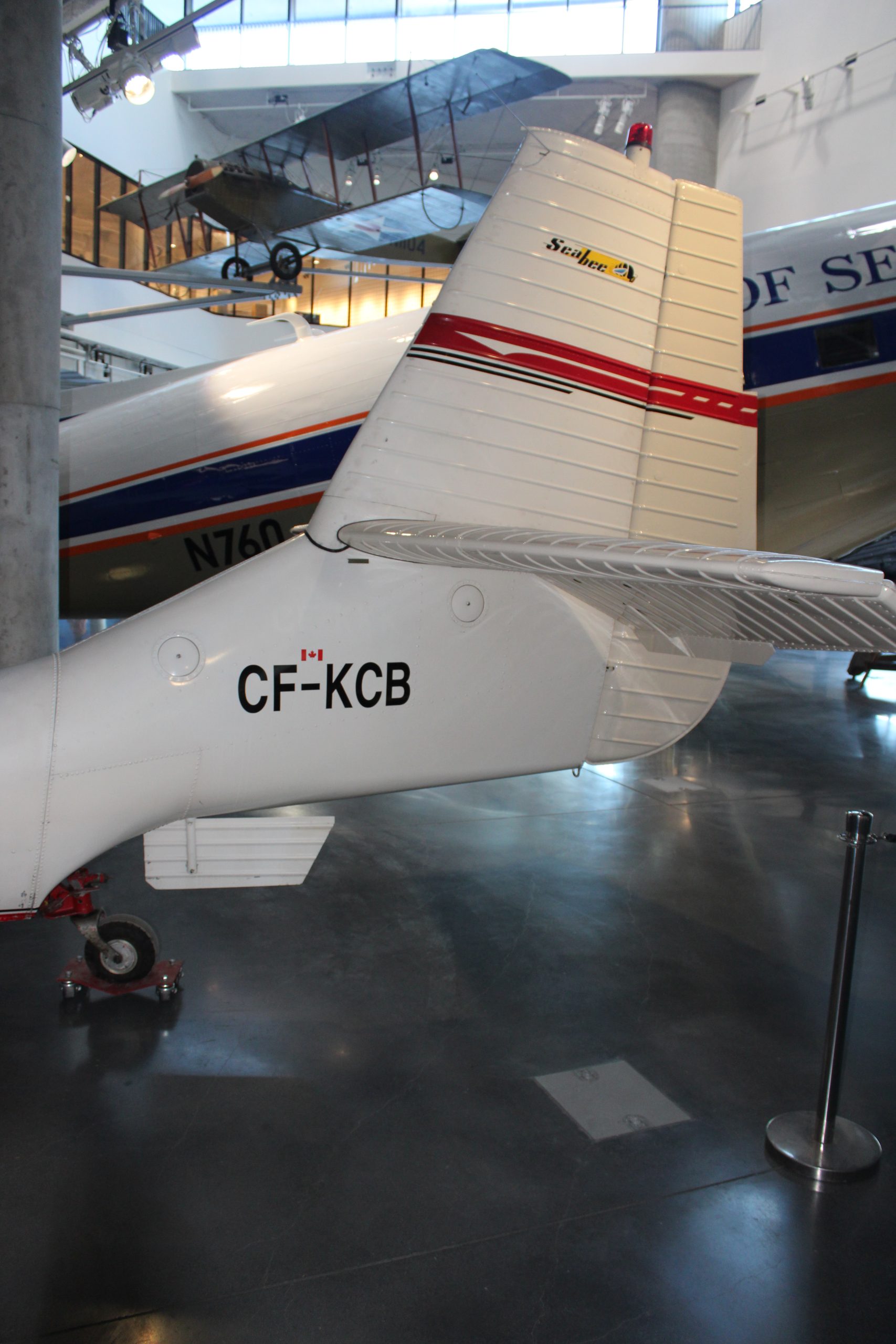
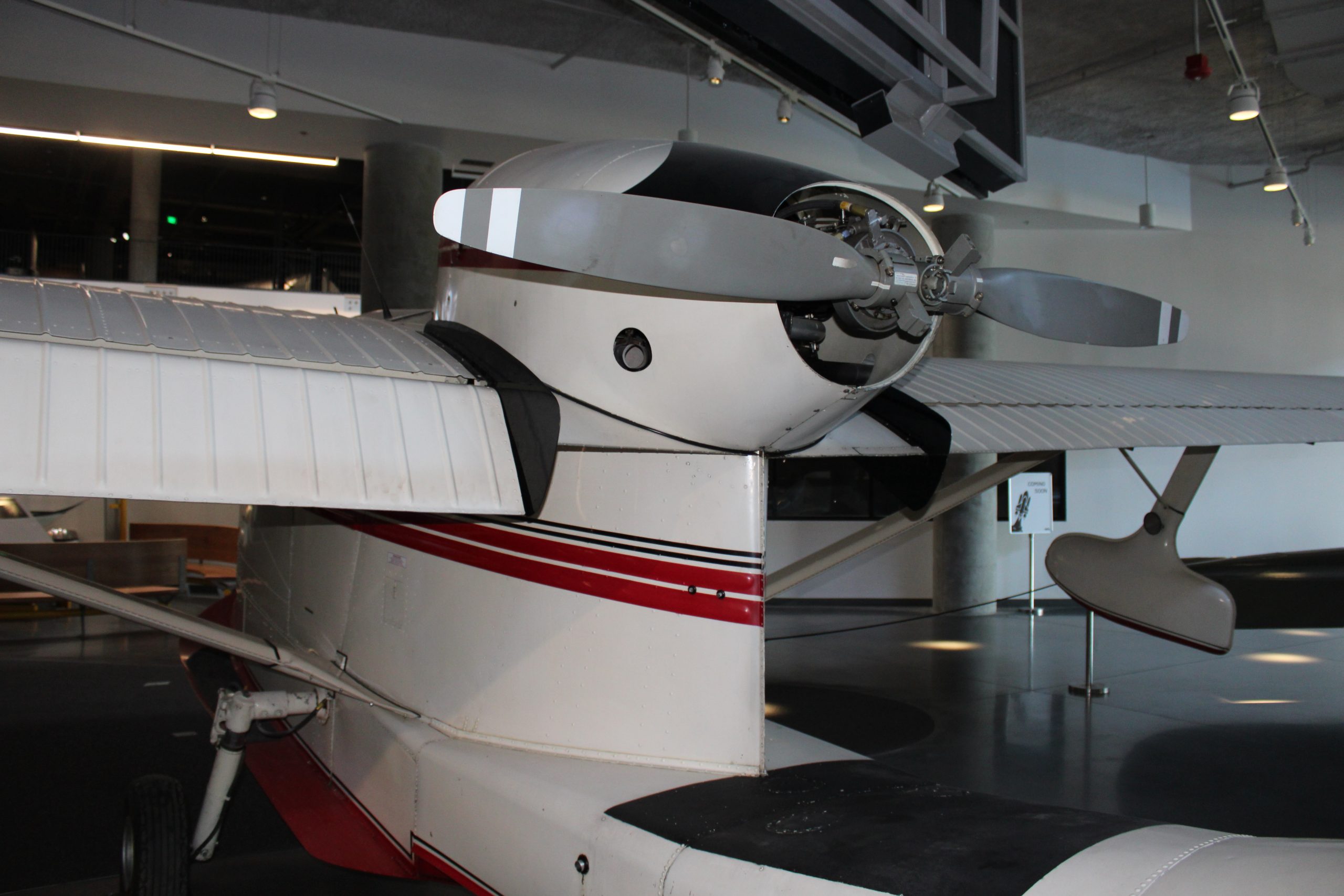
In addition to these aircraft returning to display, several new aircraft have also been added to the Korean Air Aviation Gallery. On the ground floor are two aircraft that have been part of the California Science Center’s inventory but have been in storage for over ten years. One of these is a Republic RC-3 Seabee amphibious flying boat, a popular aircraft for seaplane operators and recreational pilots alike that was originally designed by Perceival Spencer for Republic Aviation based in Farmingdale, New York, The California Science Center’s example was built in 1947 by Republic Aviation as construction number and registered with the civil registration N6580K.
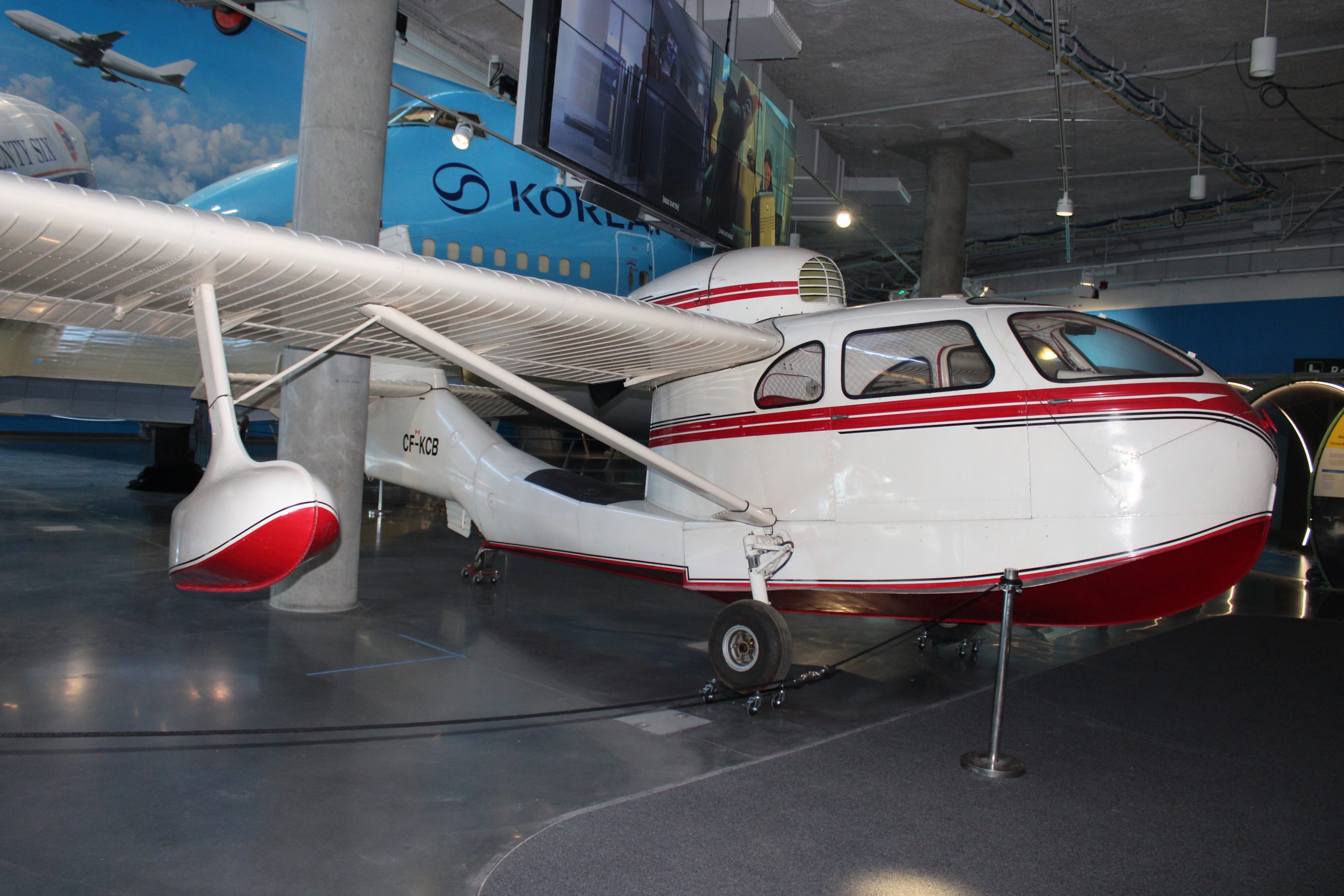
In 1965, it was exported to Canada by pilot Keith Mitchel of New Brunswick, and the aircraft entered the Canadian civil registry as CF-KKK, and flew with this registration until 1999, when it was re-registered as CF-KCB. By 2004, it was owned and flown by David W. Willcock of Saint Catharines, Ontario before being placed for sale in 2012, when it was acquired by the California Science Center. The public opening of the Samuel Oschin Air and Space Center on November 13 will be the first time the aircraft will be on public display at the California Science Center, and mark it as the only seaplane on display here.
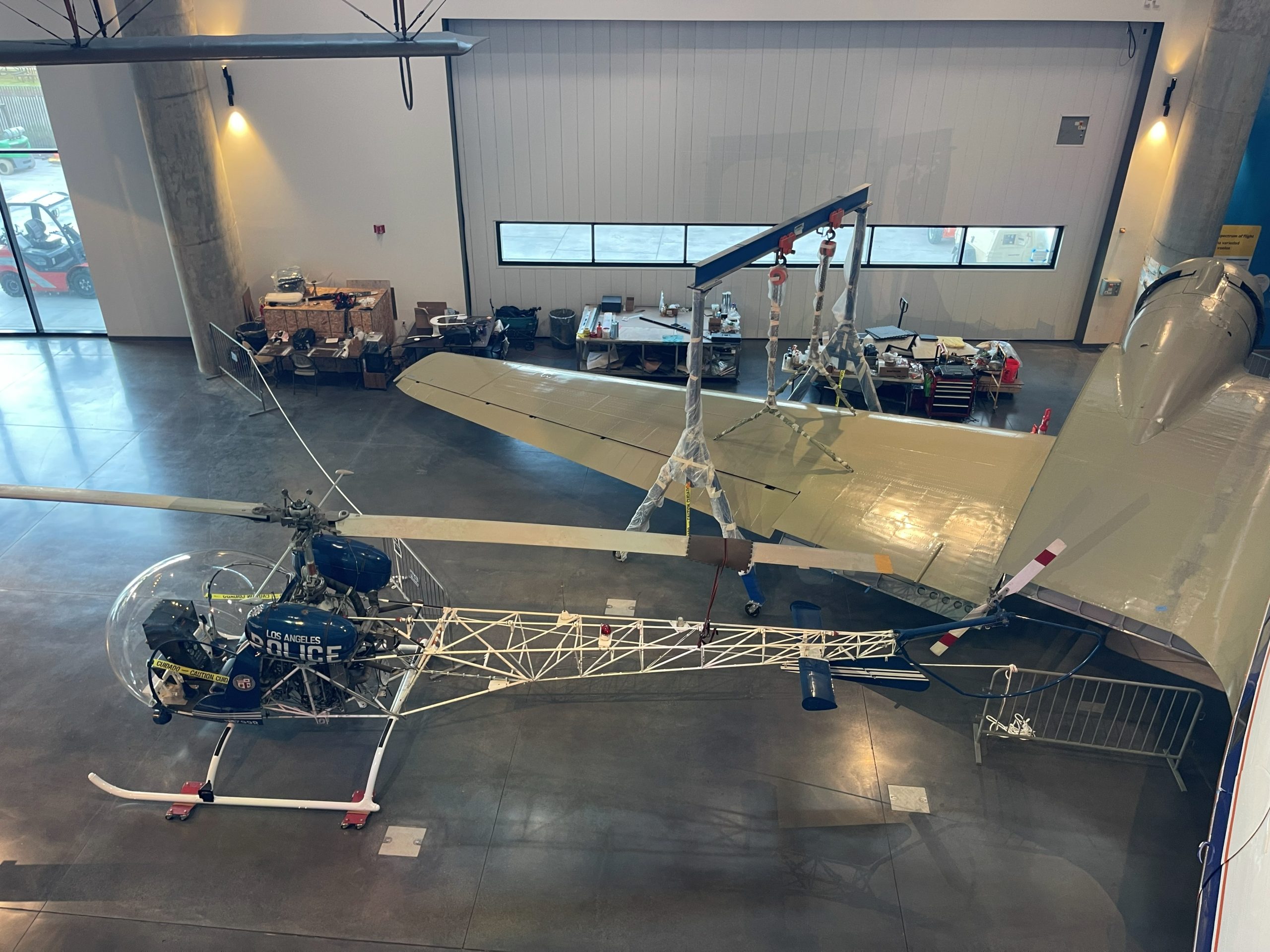
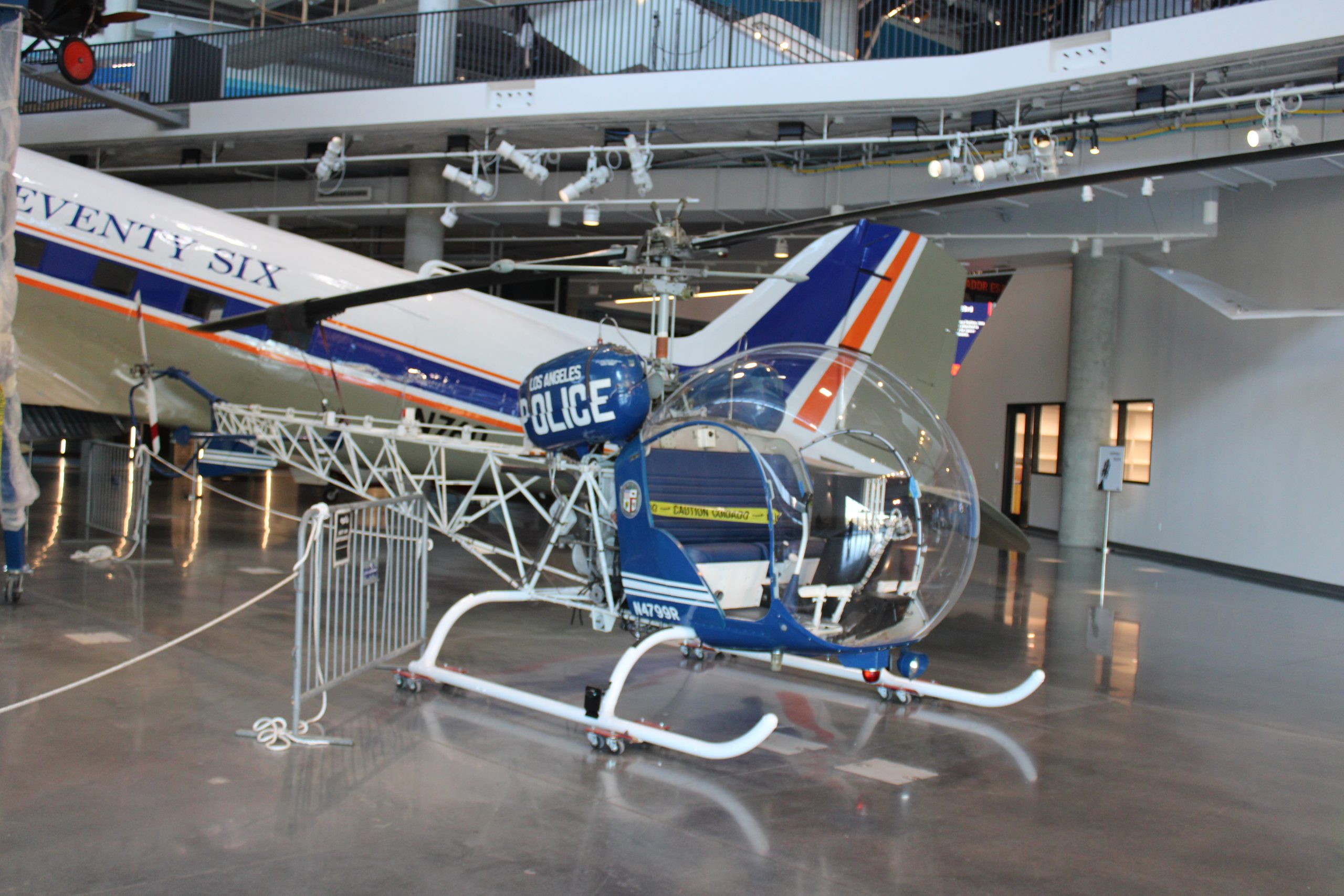
The other aircraft that has long been in storage with the California Science Center is Bell Model 47G-5 N4799R. This is an example of the Bell Model 47 helicopter, the first helicopter certified for civilian use. First flown in 1945, the Bell 47 was a piston-engine helicopter that was widely exported around the world, and the US military variant, the H-13 Sioux, was famously used for medevac missions during the Korean War and was featured prominently in the opening credits to the popular TV series M*A*S*H, while civilian Bell 47s were used for everything from forestry service and police work to television news reporting and agricultural purposes, among many others.
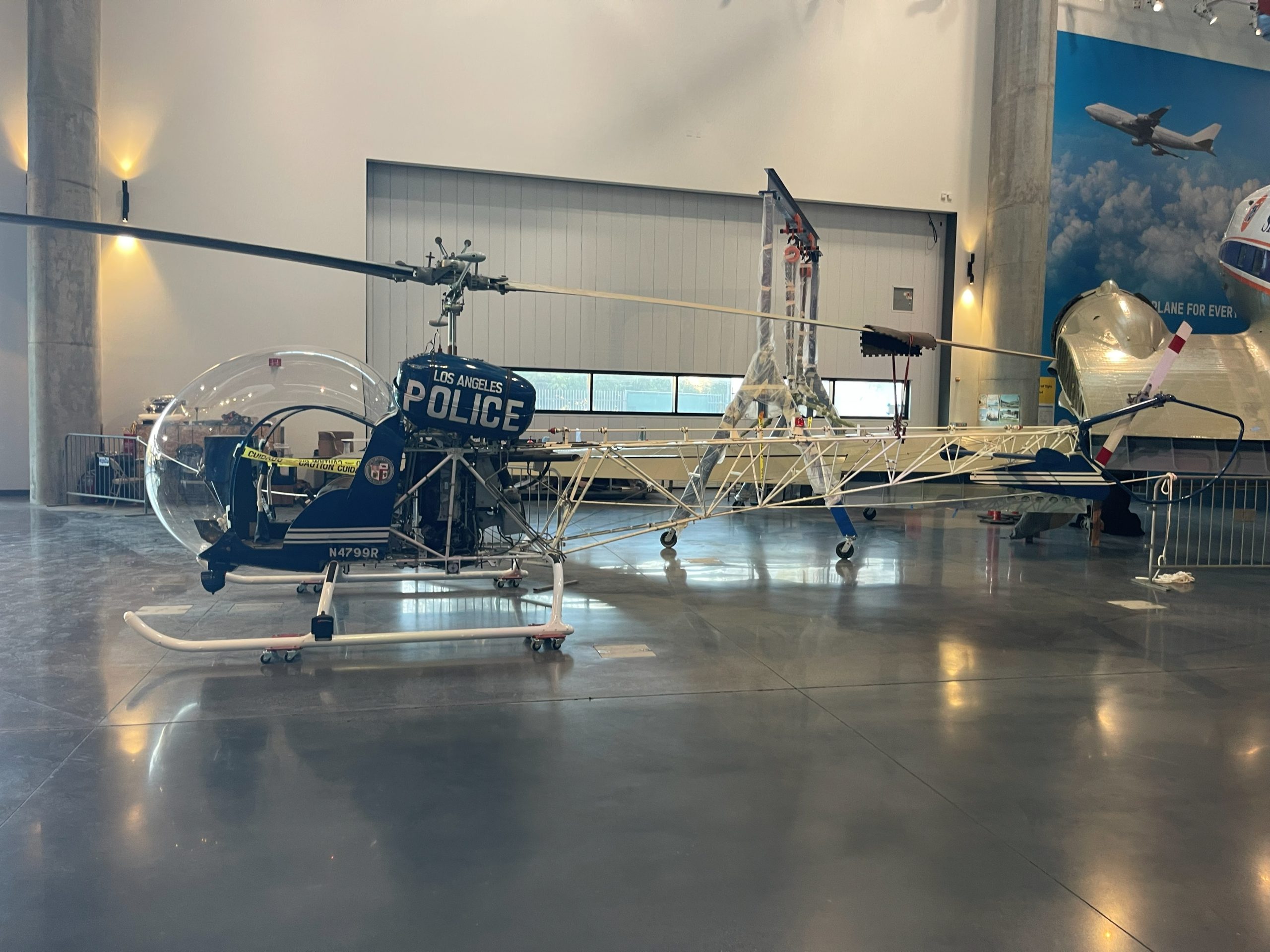
The Bell 47 helicopter at the Samuel Oschin Air and Space Center is Bell 47G-5 N4799R, which was flown by the Los Angeles Police Department (LAPD) Air Support Division (ASD) for use in traffic enforcement and surveillance. With the introduction of turbine-powered helicopters such as the Bell 206 JetRanger, N4799R was donated to the California Science Center and was one of the aircraft displayed in the now-closed California Aerospace Museum, which was in operation from 1984 to 2011. For nearly 15 years, Bell 47G-5 N4799R was kept in storage but will now be back on display come November 13.
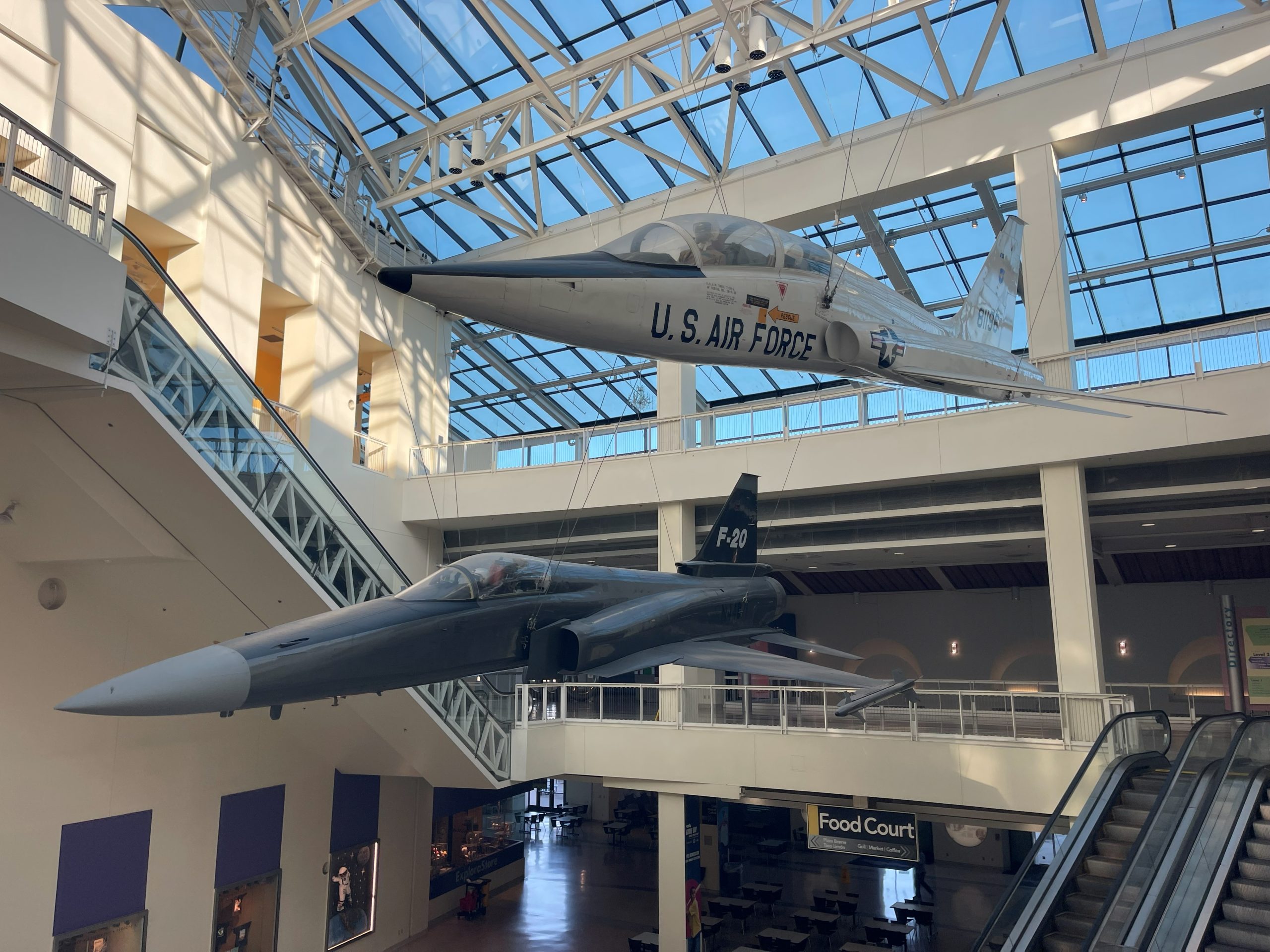
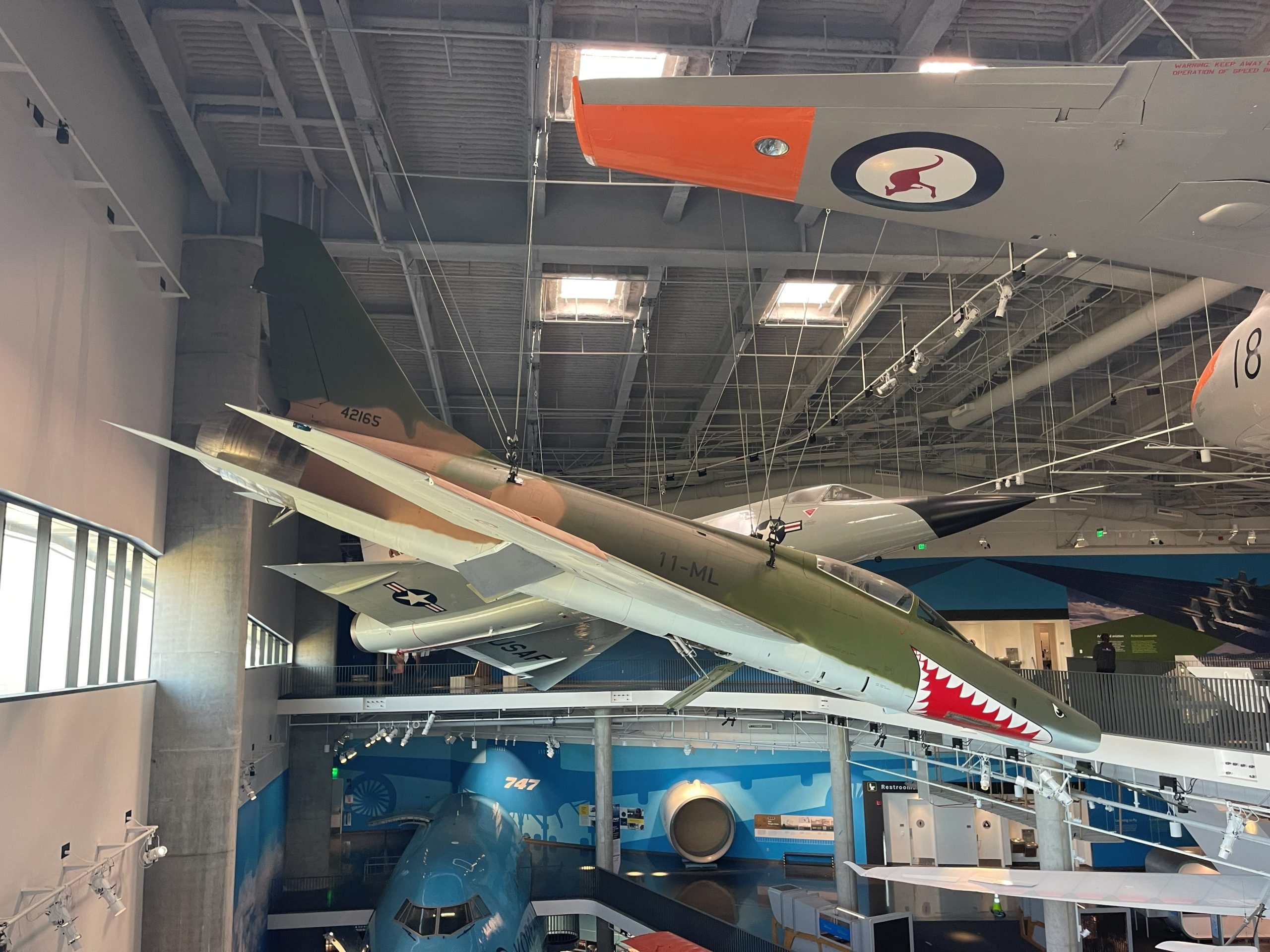
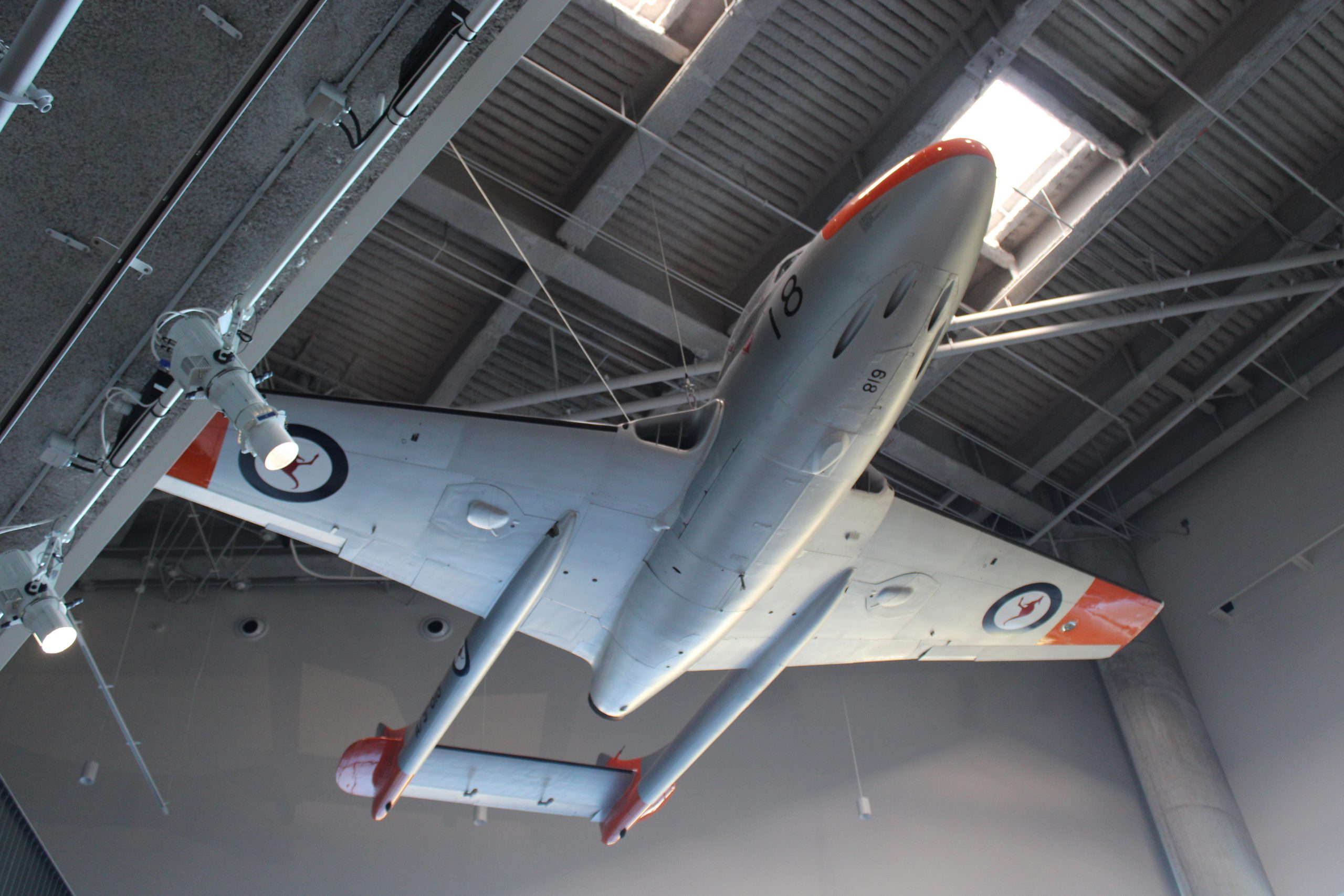
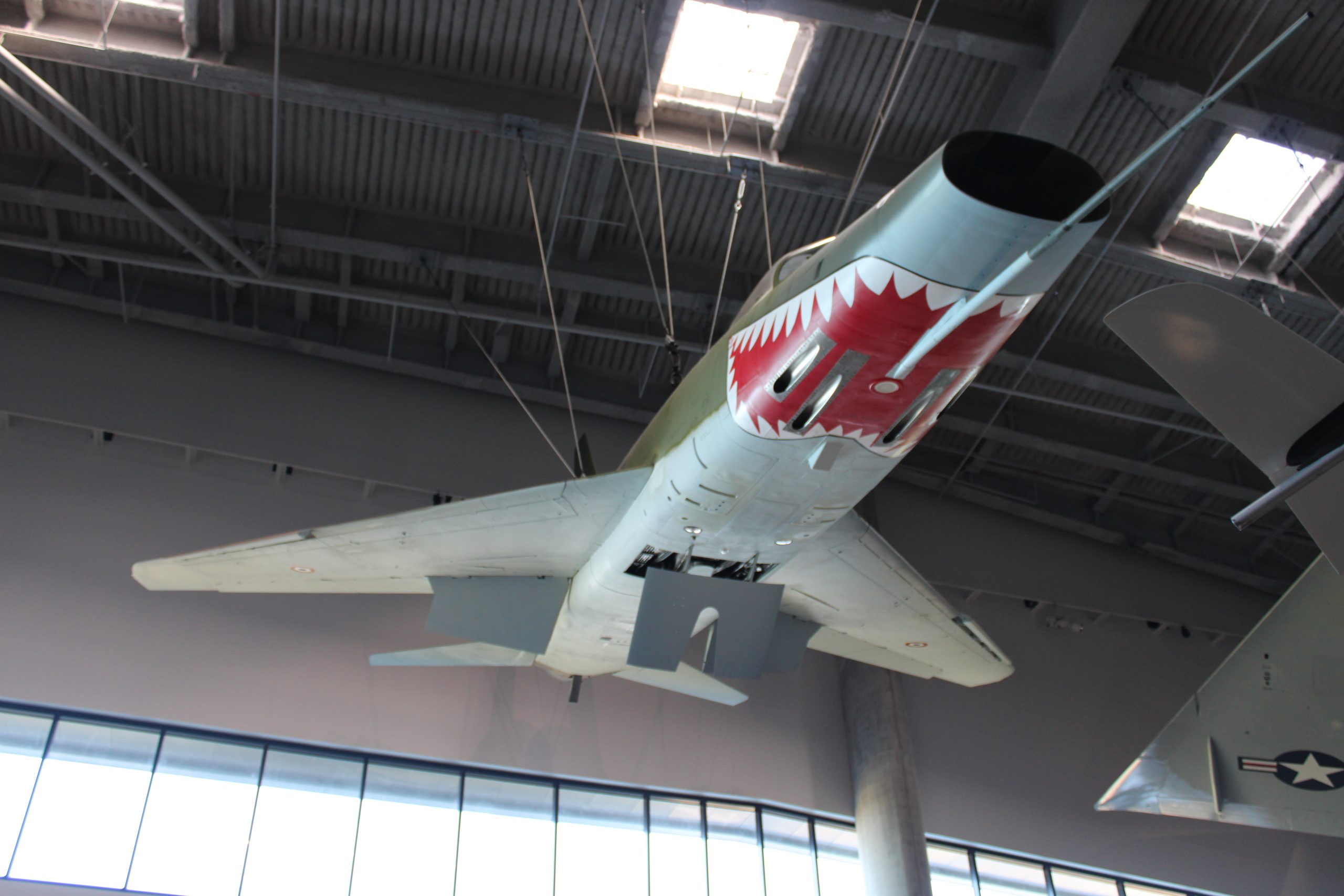
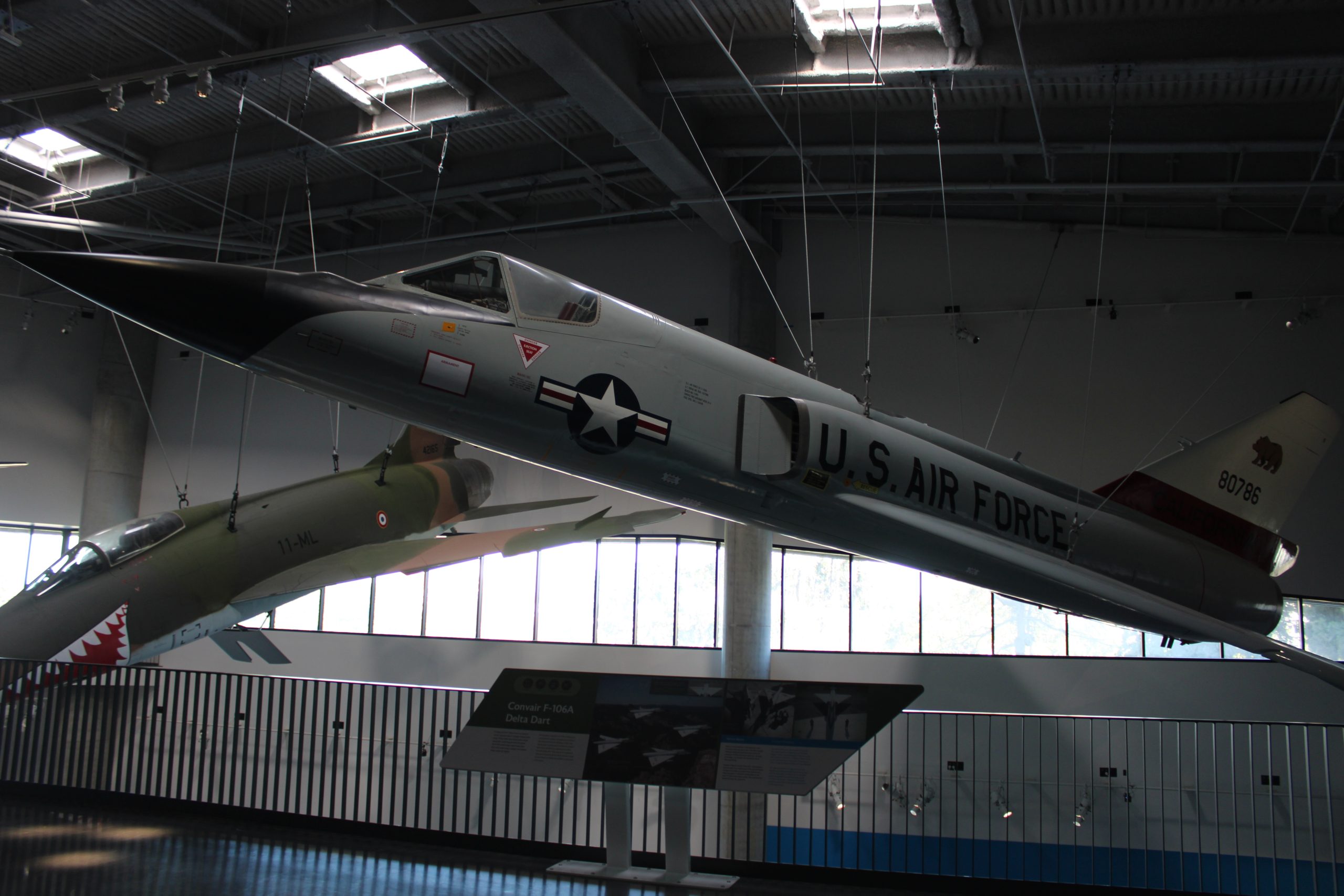
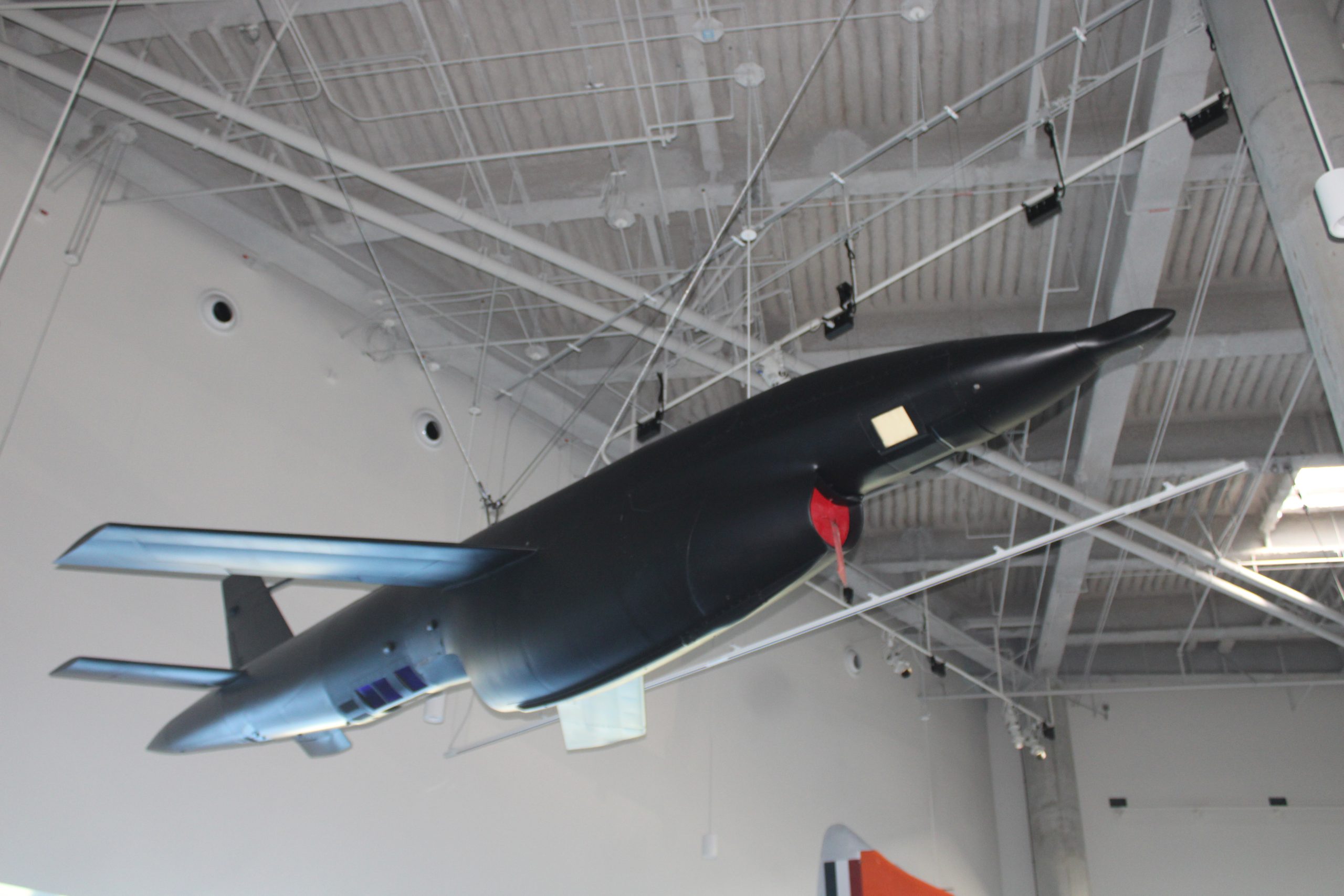
Hanging from the third level ceiling in the Advanced Aviation section of the Korean Air Aviation Gallery alongside North American F-100D Super Sabre 54-2165 (Armee de l Air s/n 42165; displayed in its French Air Force colors as ‘11-ML’), Convair F-106A Delta Dart 58-0786, and De Havilland DH.115 Vampire T.35 RAAF s/n A79-618, is also a Ryan AQM-34K Lightning Bug, a reconnaissance drone developed from the Firebee target drone, with this example having previously been loaned out to the Western Museum of Flight at Torrance Airport, along with the previously-mentioned Harrier T.4 and Northrop T-38A Talon USAF s/n 59-1603/NASA 963, the first production model of the Air Force’s primary supersonic training aircraft later flown by NASA.
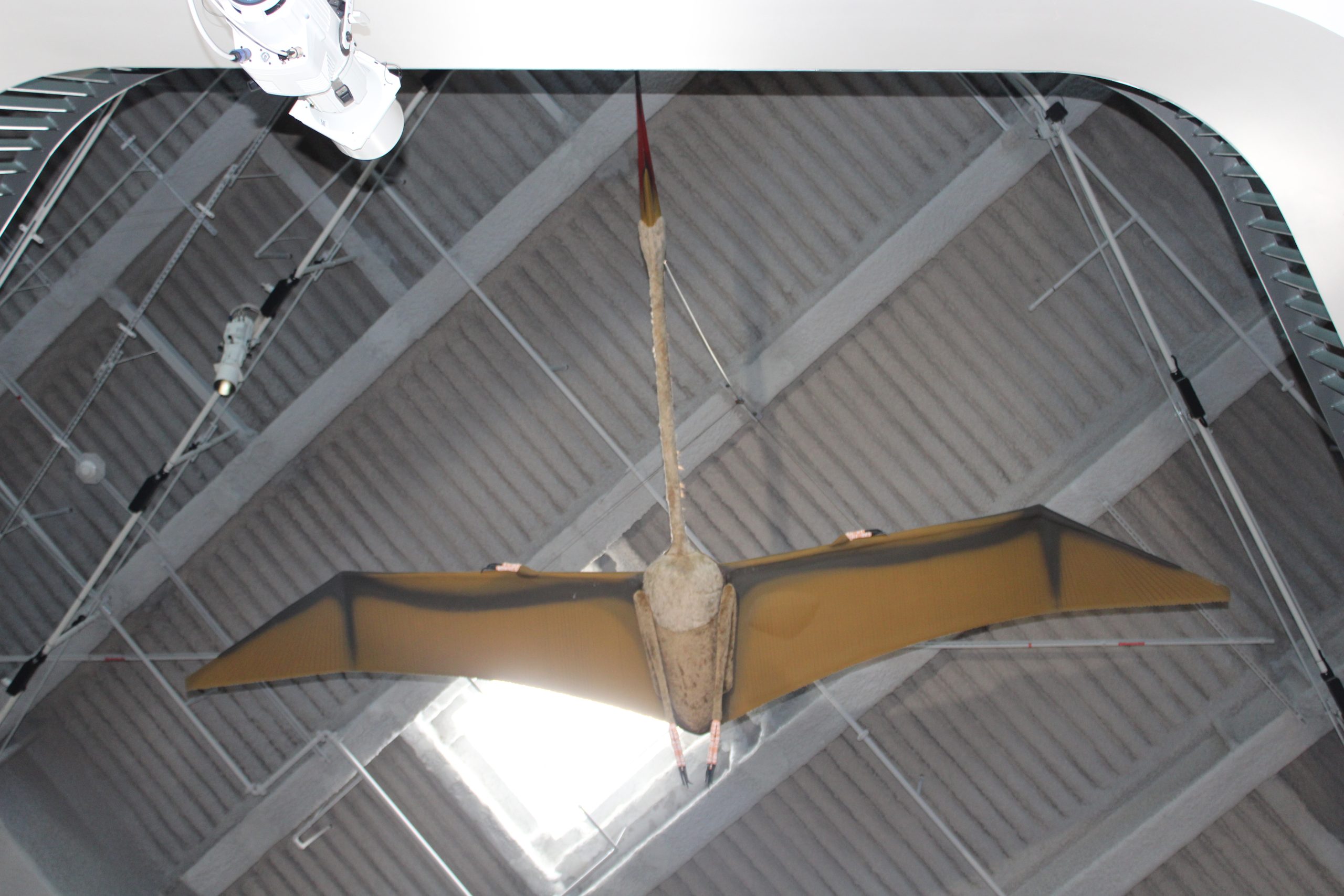
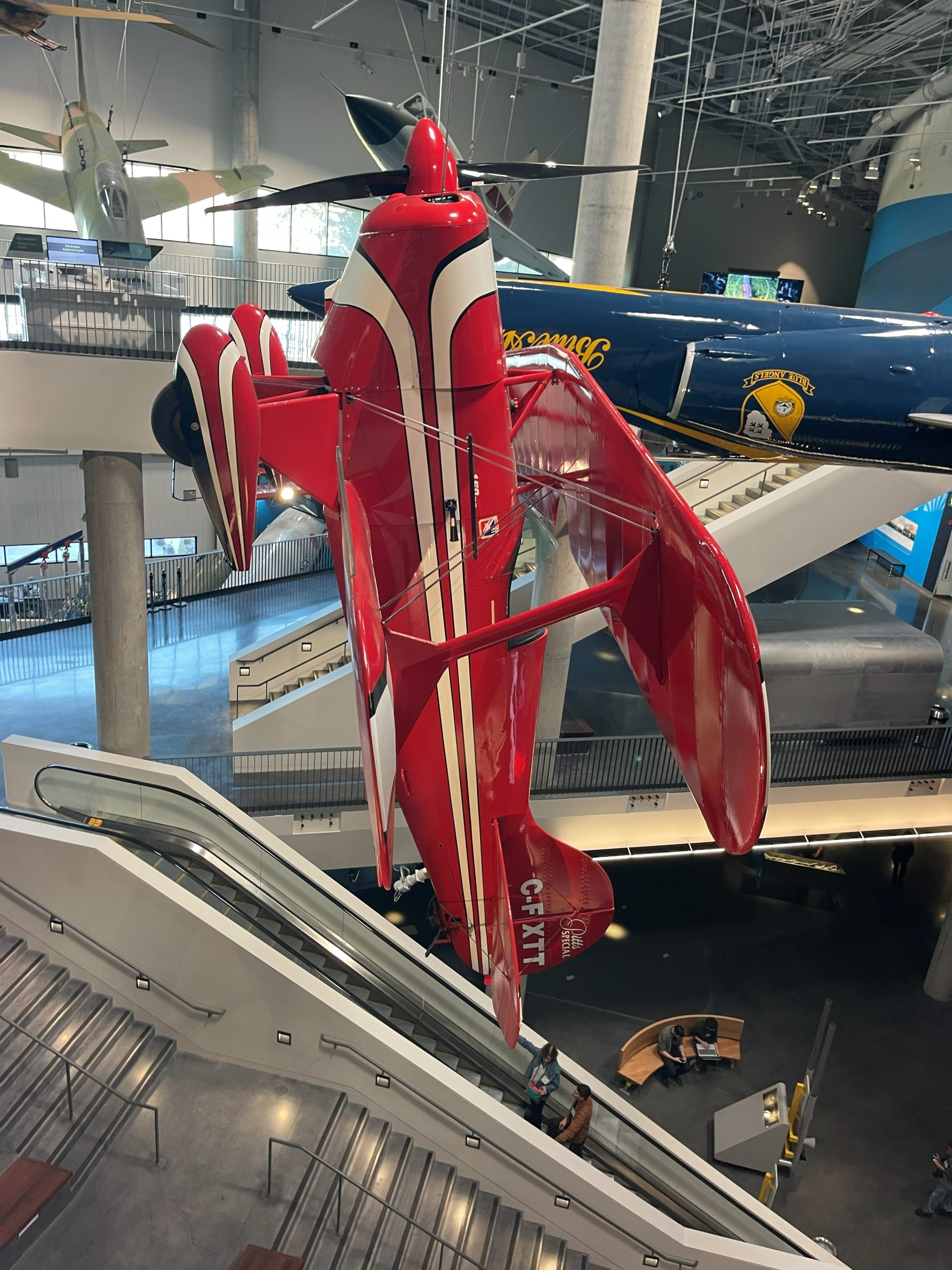
Also on the third level of the Korean Air Aviation Gallery is a depiction of a prehistoric Pterodactylus alongside the Harrier, Tiger, and Pitts Special, the interactive exhibit Launch a Drone Mission, where visitors can fly small drones around a model of Los Angeles, the Celestial Ballroom, which will serve the California Science Center as a venue for future events, and two terraces for outdoor views. The first of these, the Sky View Terrace, offers a southward view with the Los Angeles Memorial Coliseum and BMO Stadium in the foreground, while the Rose Garden Terrace offers a view of the Exposition Park Rose Garden, the Natural History Museum of Los Angeles County and the University of Southern California (USC).
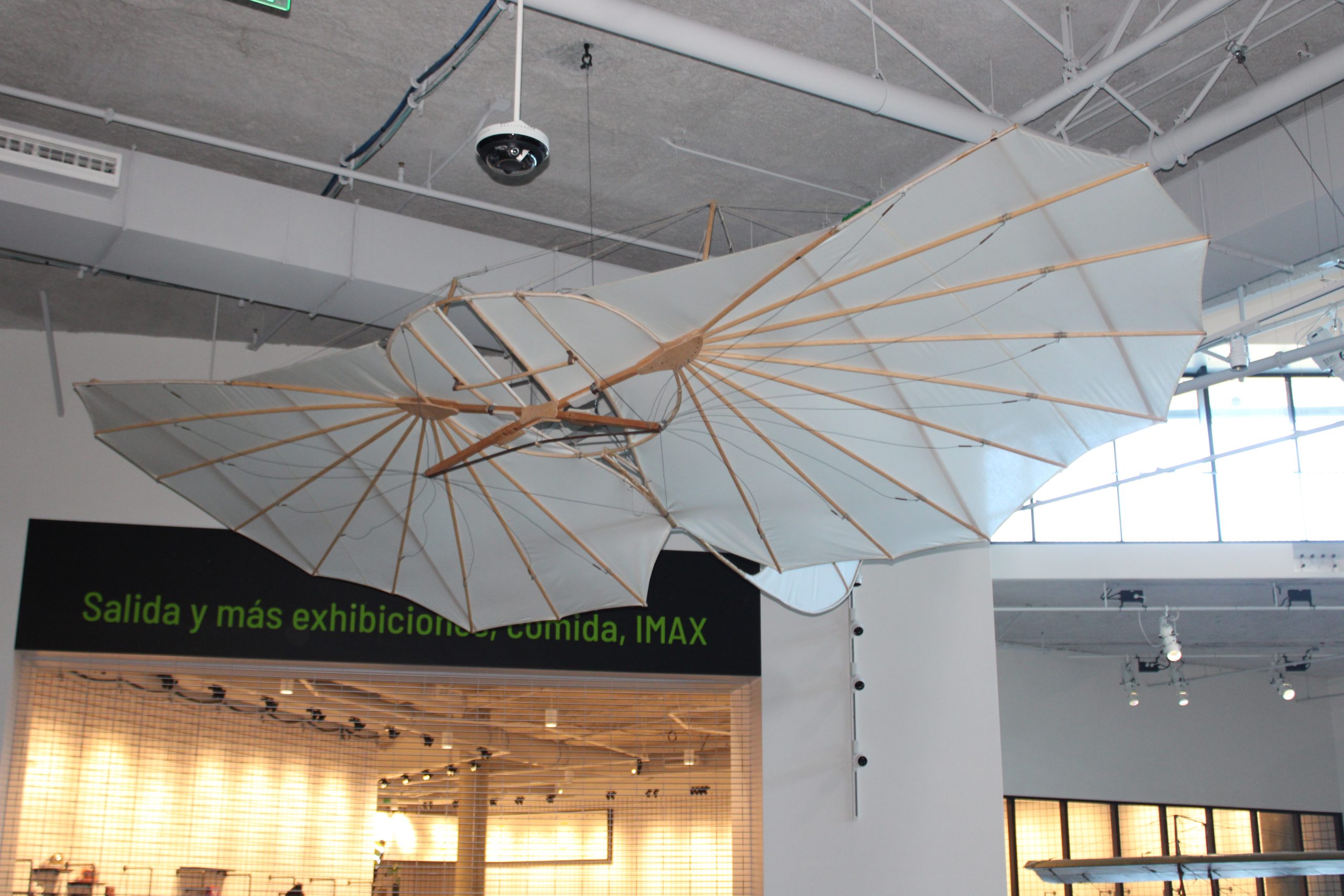
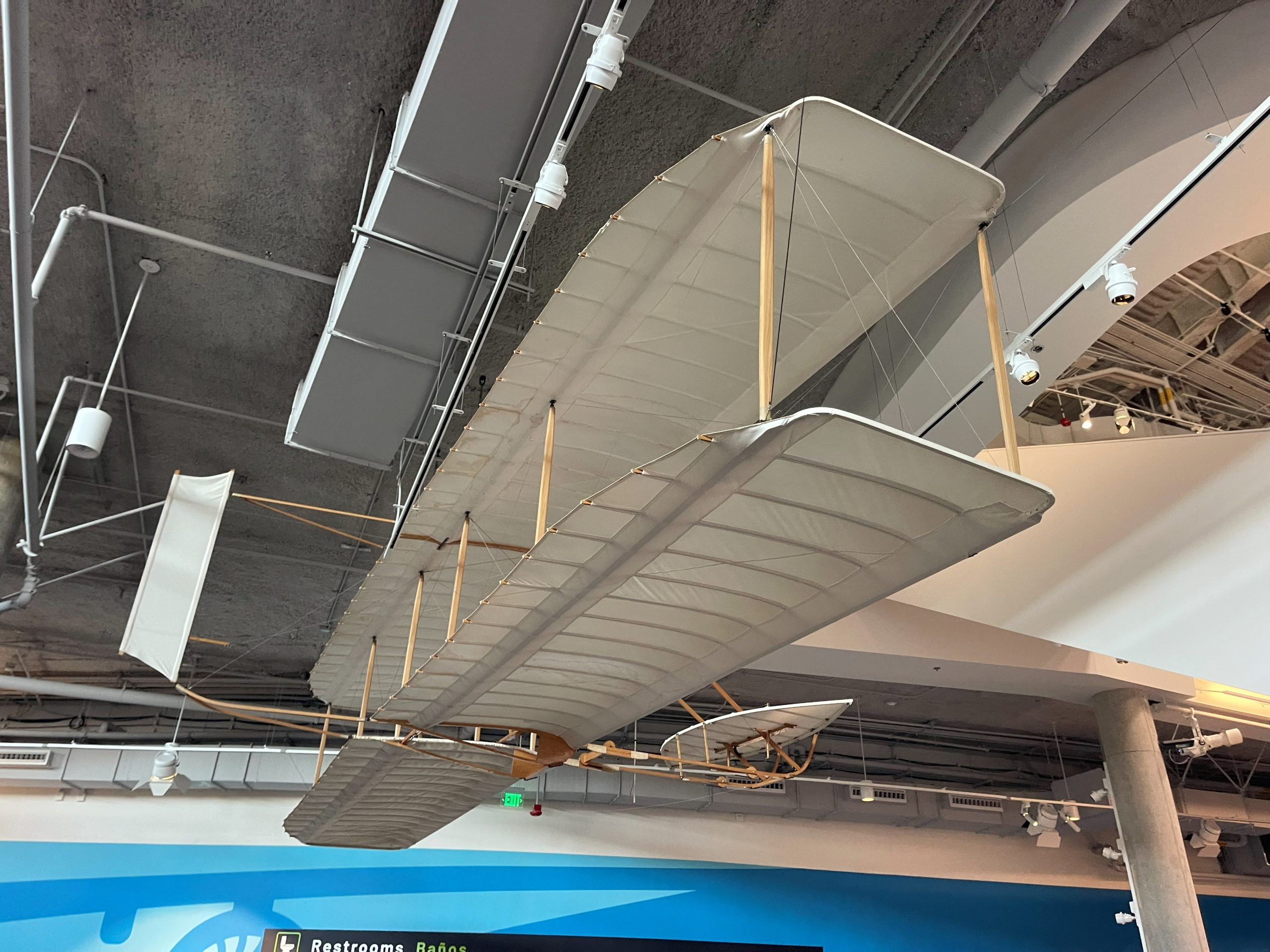
On opposite ends of the second level of the Korean Air Aviation Gallery are two replicas of pioneering gliders, one being a replica of Otto Lilienthal’s hang gliders of the 1890s and a replica of the 1902 Wright Glider built by the Wright Brothers before they made history with the Wright Flyer in 1903.
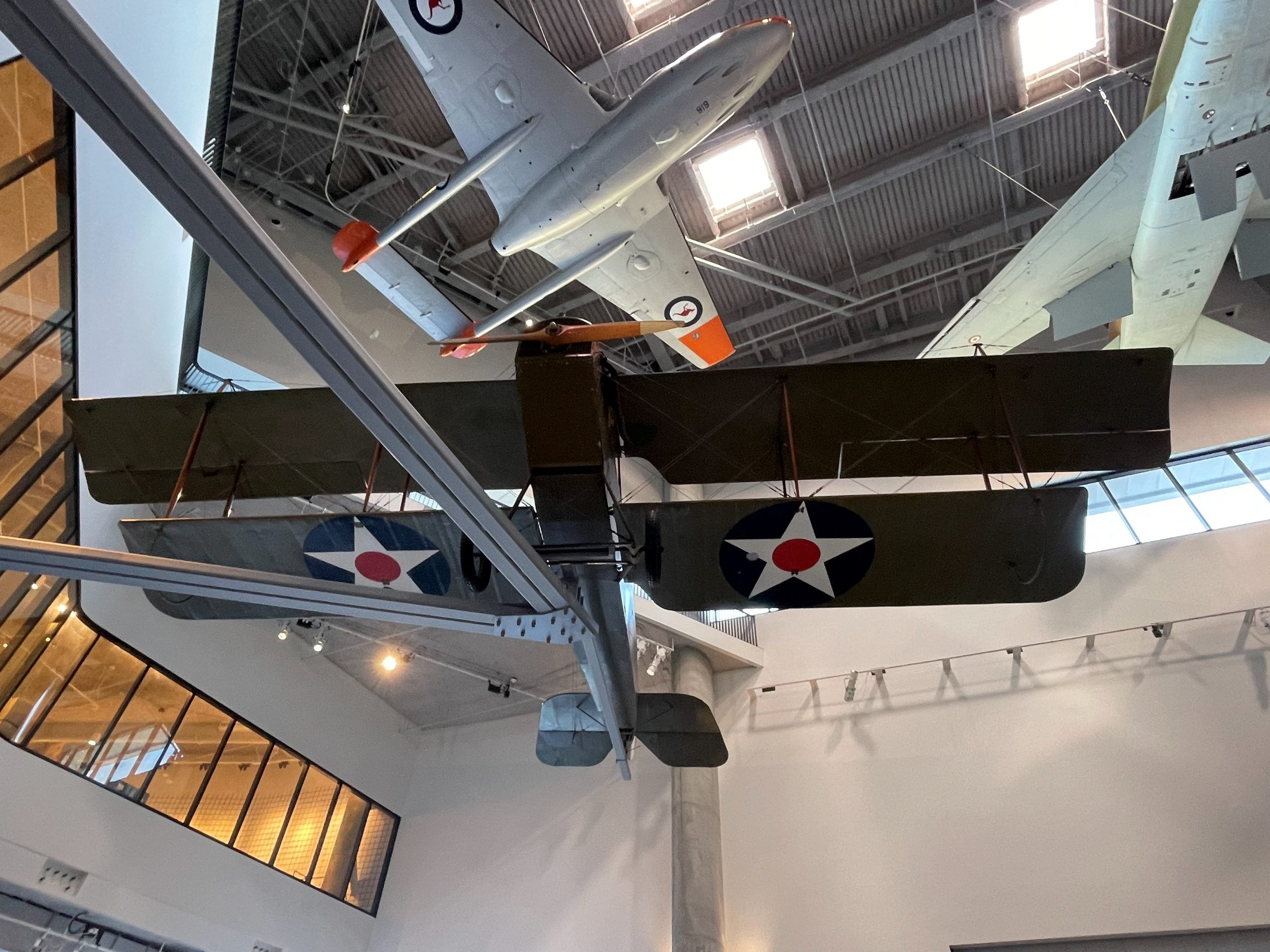
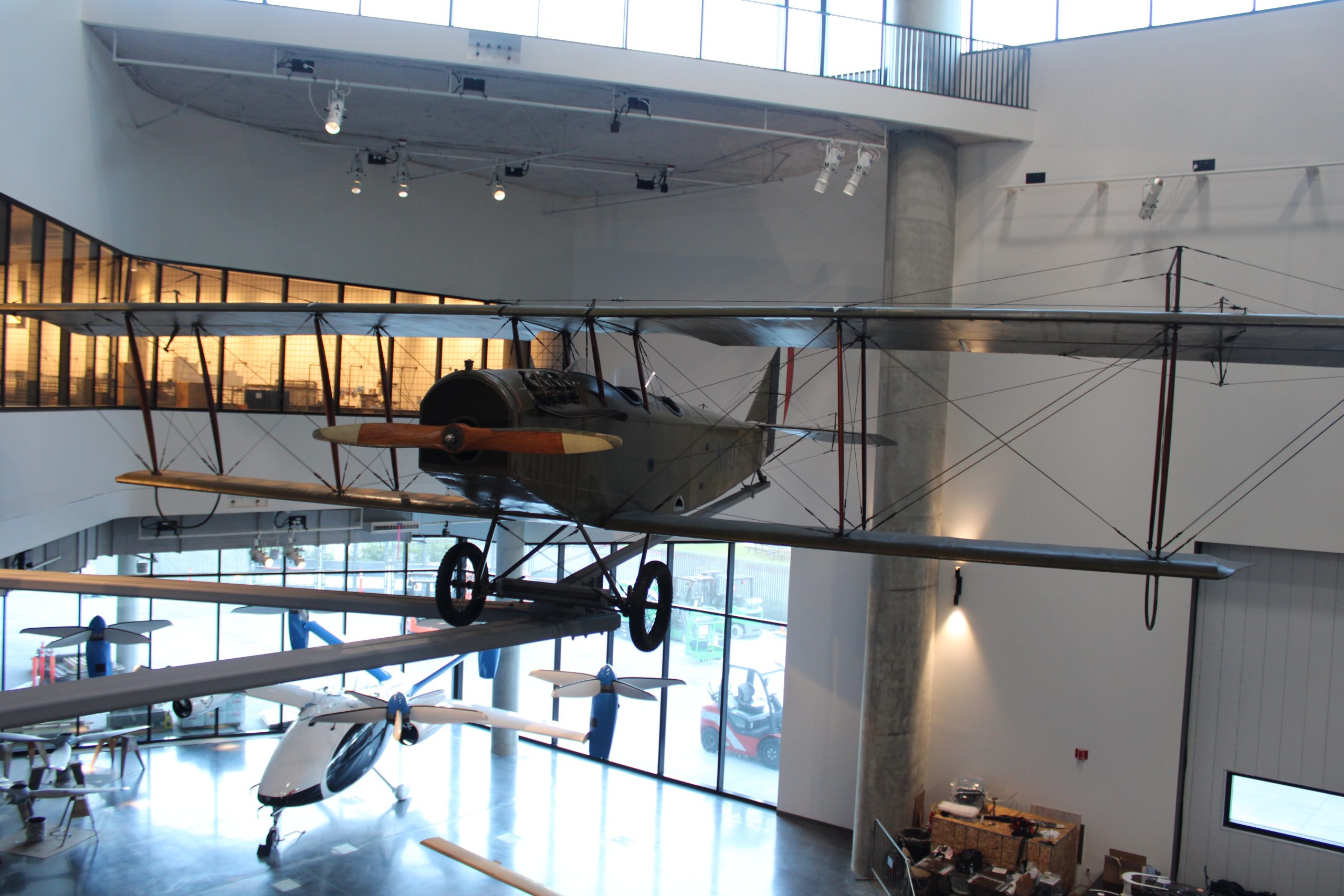
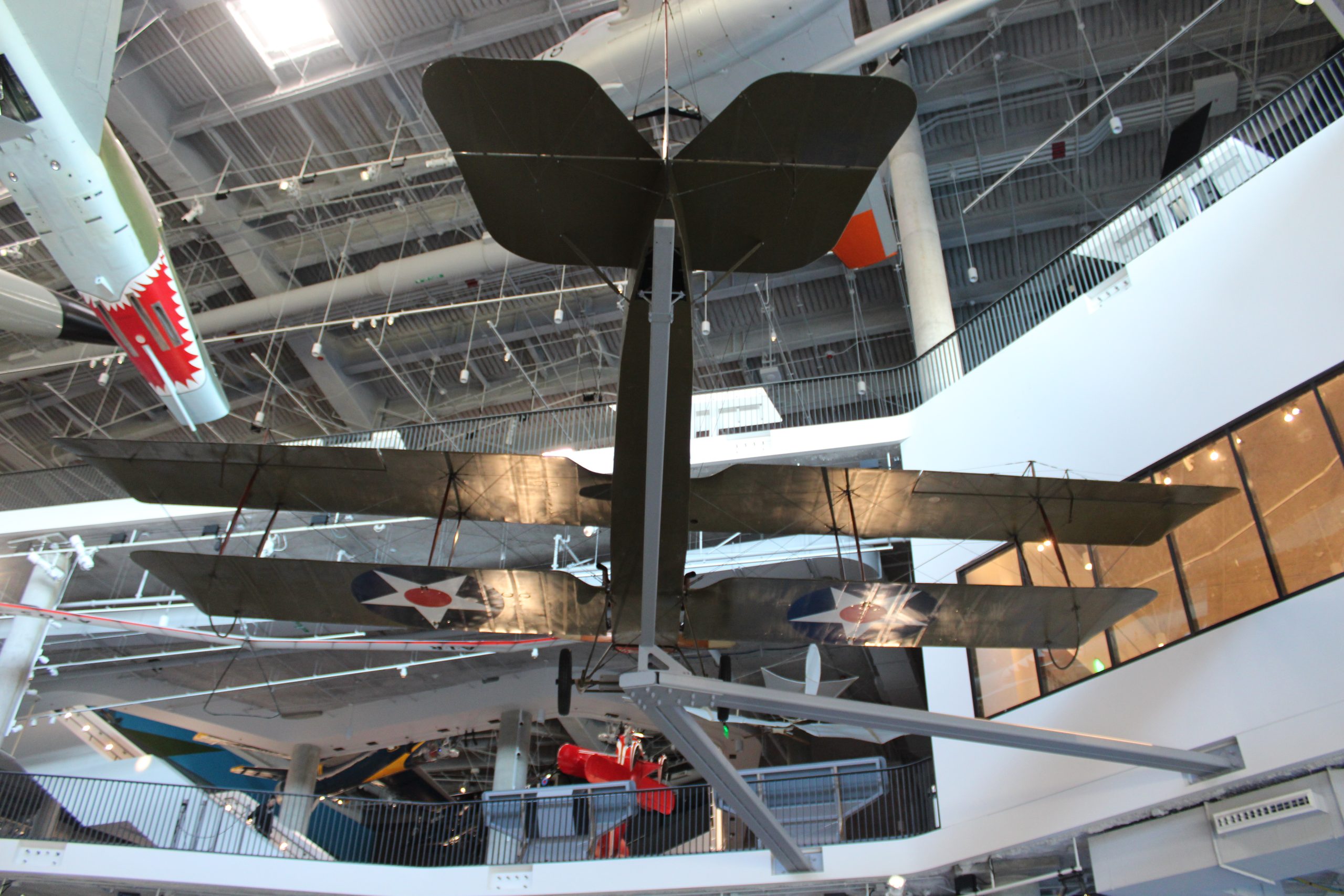
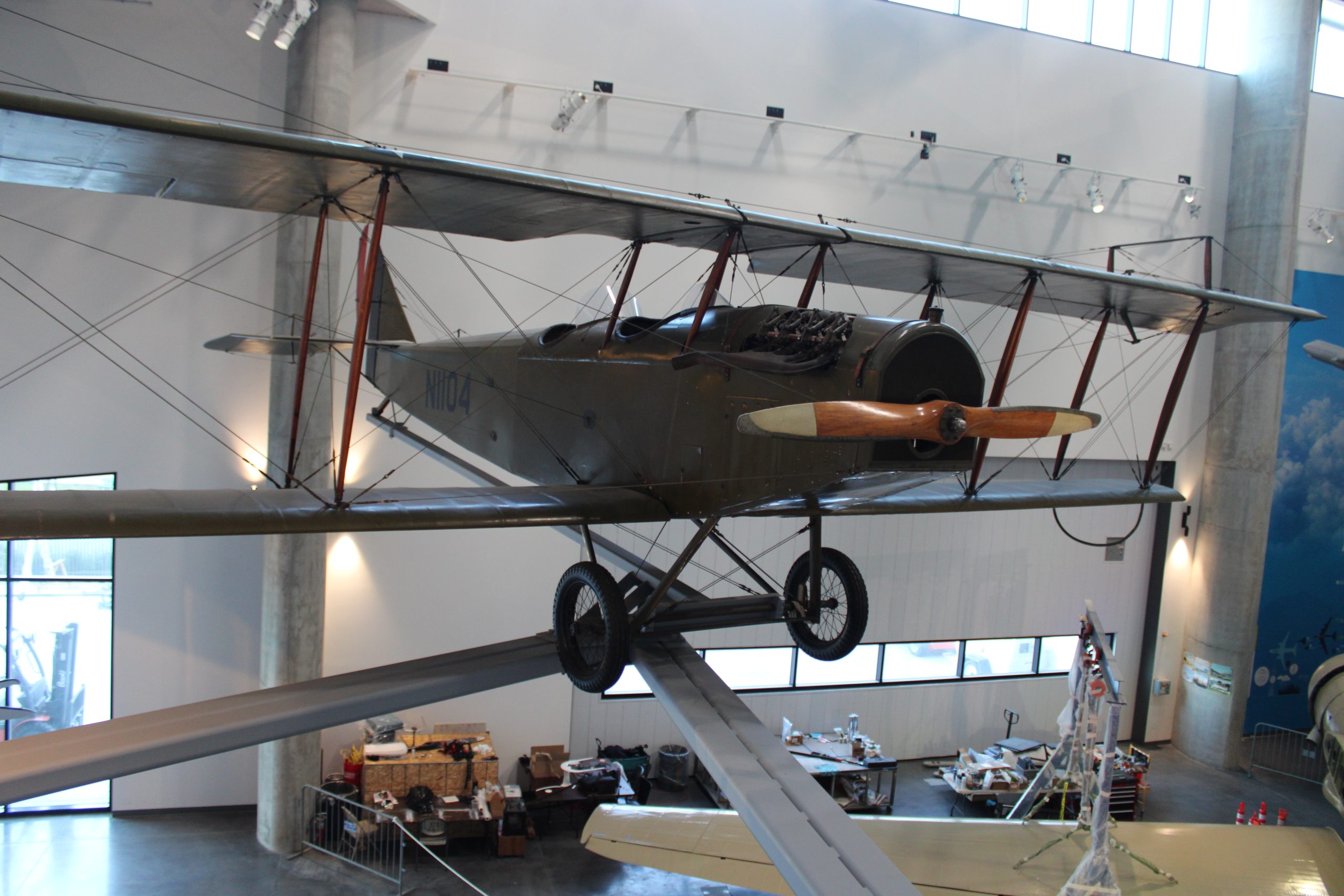
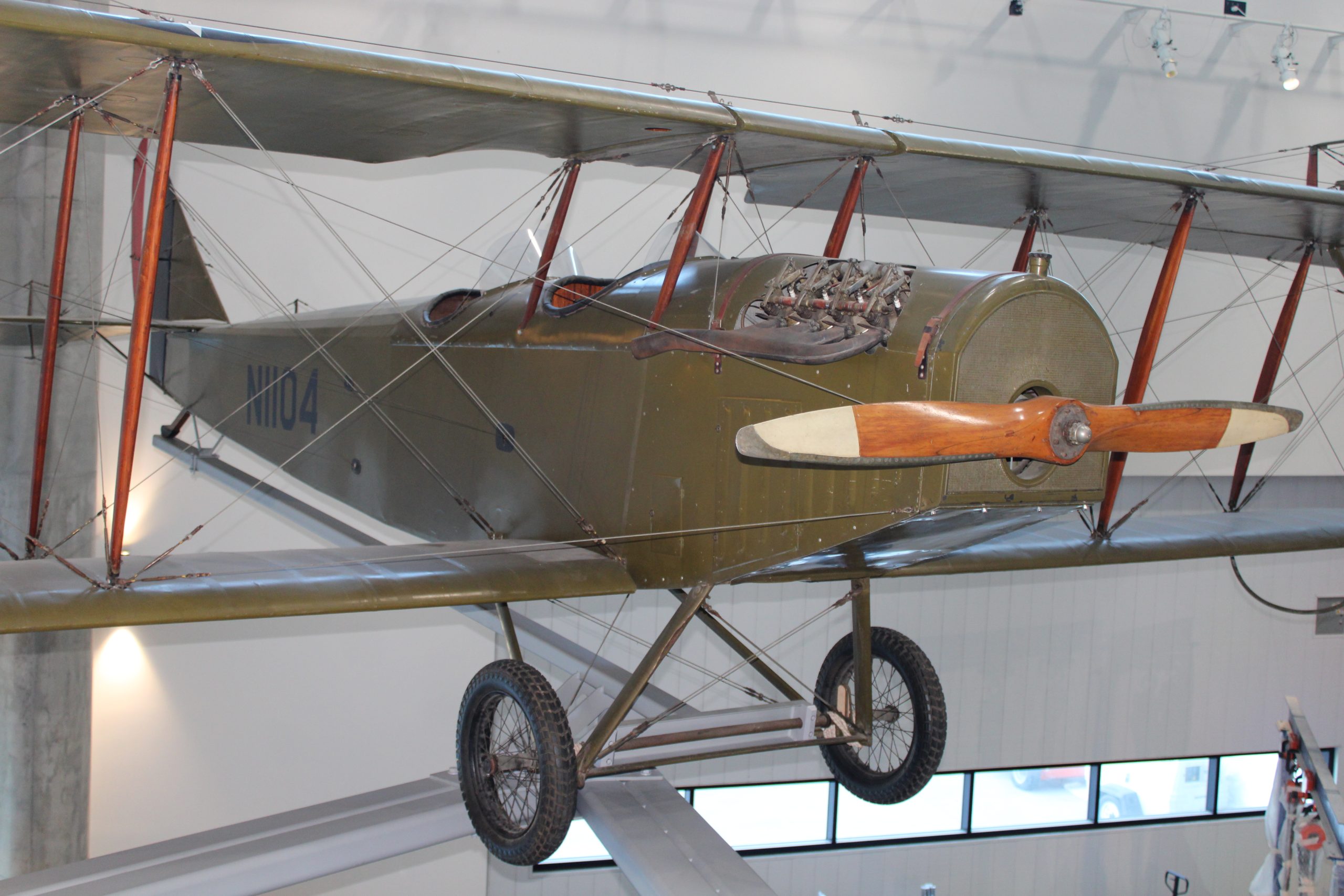
Between the Lilienthal and Wright Gliders are two aircraft from the first 20 years of aviation that are placed on rails above DC-3 N760. One is Curtiss JN-4D Jenny N1104, an example of the most widely produced military trainer of WWI, and well-known for its association with the barnstormers of the post-WWI era. This example was donated to the California Science Center by the Yanks Air Museum of Chino, California, as the California Science Center had previously helped the Yanks Air Museum acquire Travel Air 6000A N4942V back in 2015.
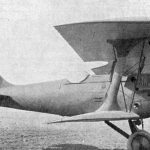
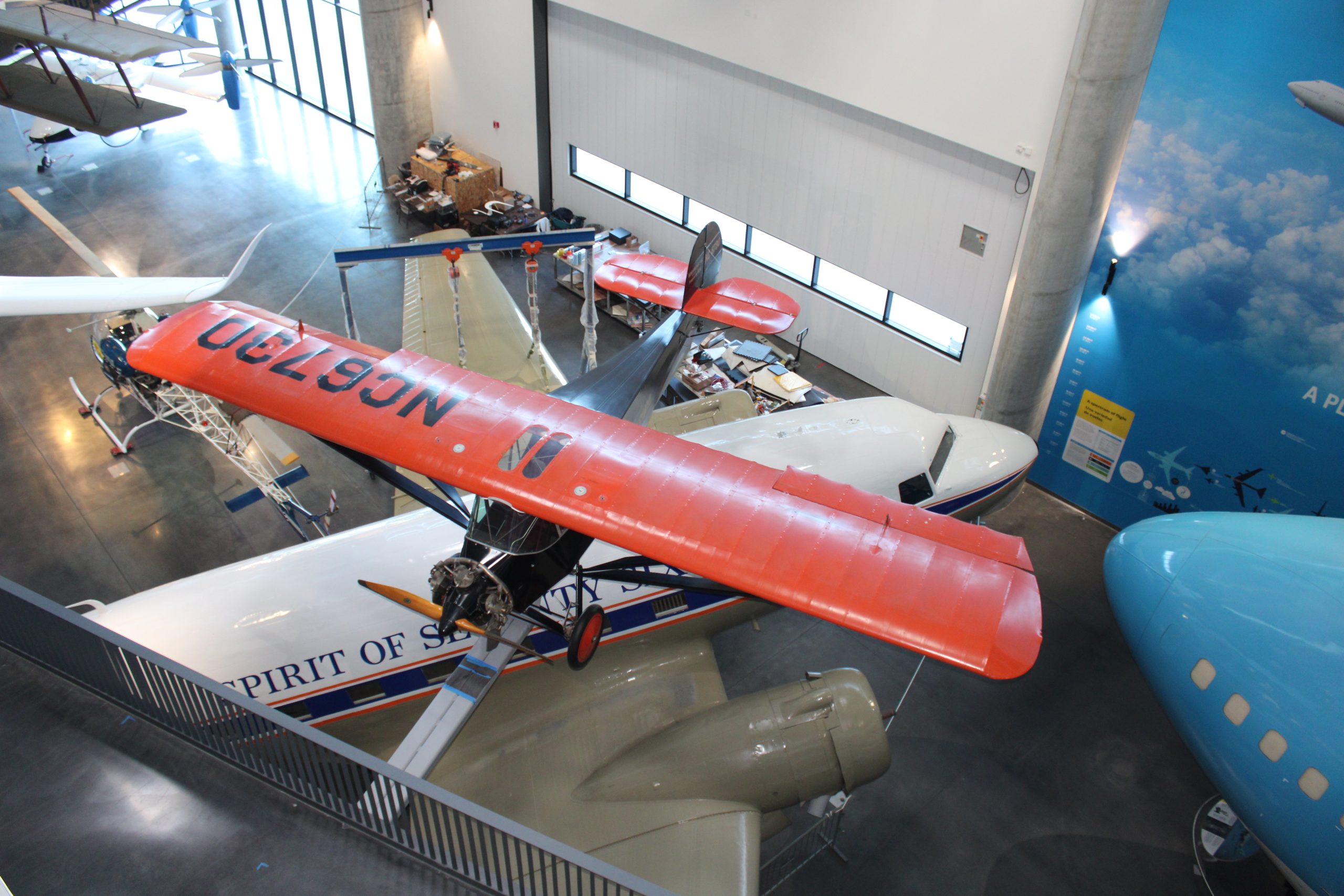
Next to the Curtiss Jenny is a rare Velie Monocoupe Model 70, a 1928 sport aircraft designed in part by Don Luscombe for the Mono Aircraft Division of the Velie Motor Company in Moline, Illinois, for recreational flying. This was a further development of the Monocoupe Model 22, and the Model 70 in turn led to the development of the Monocoupe Model 90 and Monocoupe Model 110 Special. Despite the Great Depression hampering success, the company later known as Monocoupe Aircraft was a well-respected brand in the American aviation industry of the late 1920s and early 1930s. This aircraft in the Samuel Oschin Air and Space Center was built as construction number 133 and sold to George Law in July 1928 as NC6730.
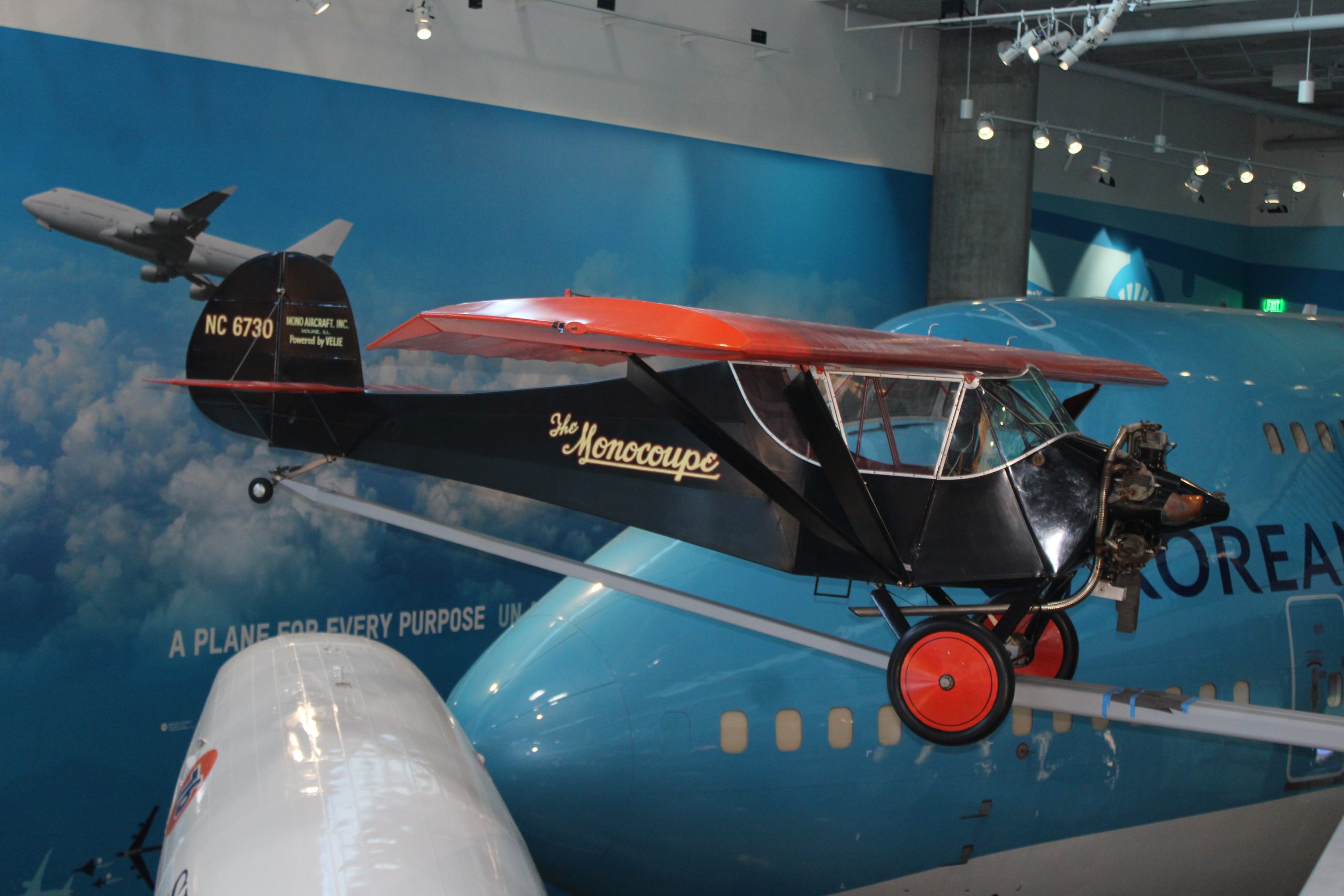
The aircraft went through a further sixteen owners before being severely damaged in a crash in 1940, and the remains were sold to three more owners until it was given to famous air racer and test pilot Tony LeVier in 1975, who formally gained the title to N6730 in March 1978. He restored the airplane to flying condition. On December 12, 1983, Tony LeVier donated Monocoupe Model 70 NC6730 to the Smithsonian National Air and Space Museum, but instead of going to Washington, D.C., the National Air and Space Museum placed it on loan to the California Museum of Science and Industry (now the California Science Center) in 1984. Since then, it has been on display both inside the old California Aerospace Museum and the California Science Center’s main building, but it will now become another exhibit in the Korean Air Aviation Gallery.
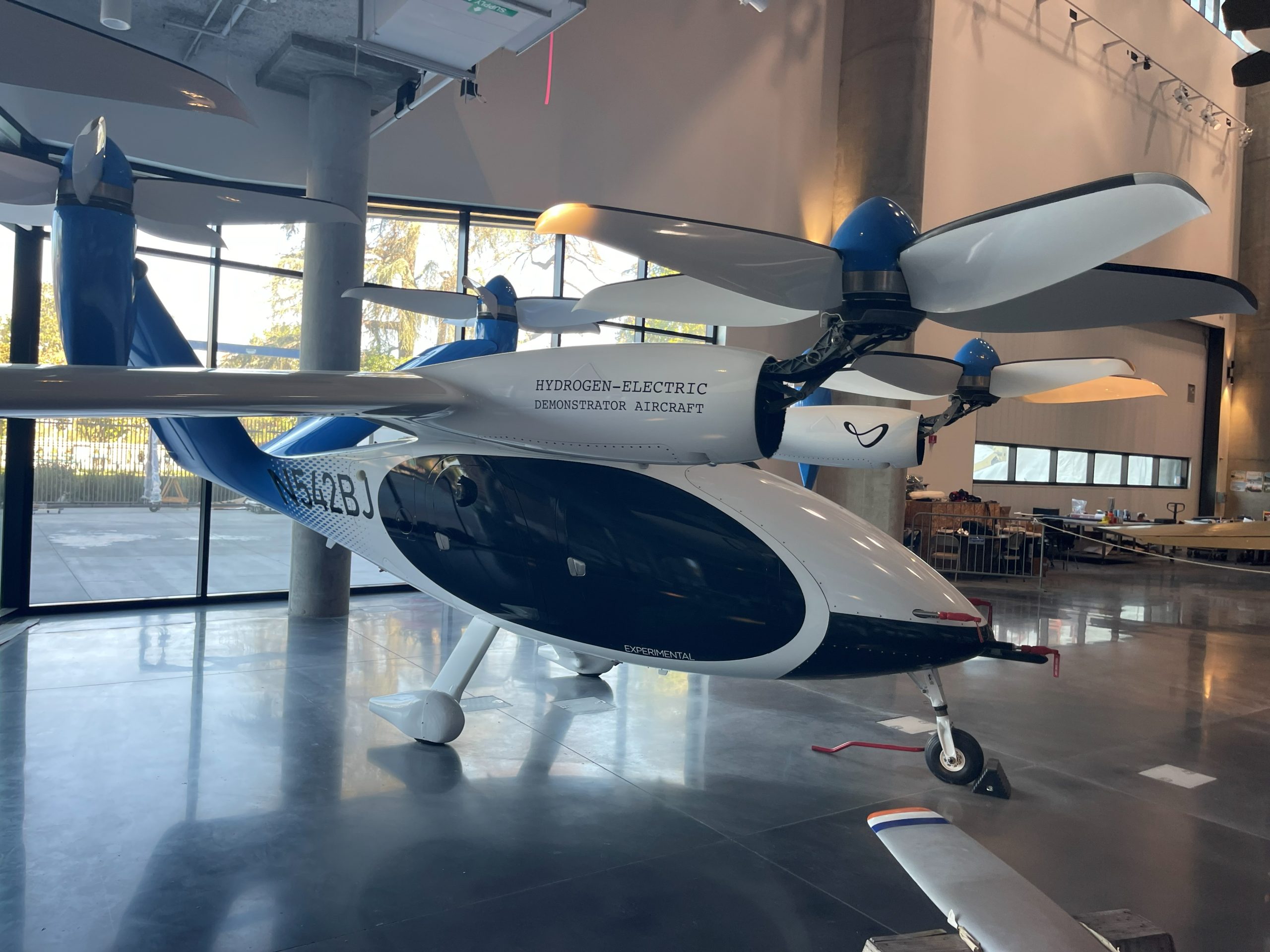
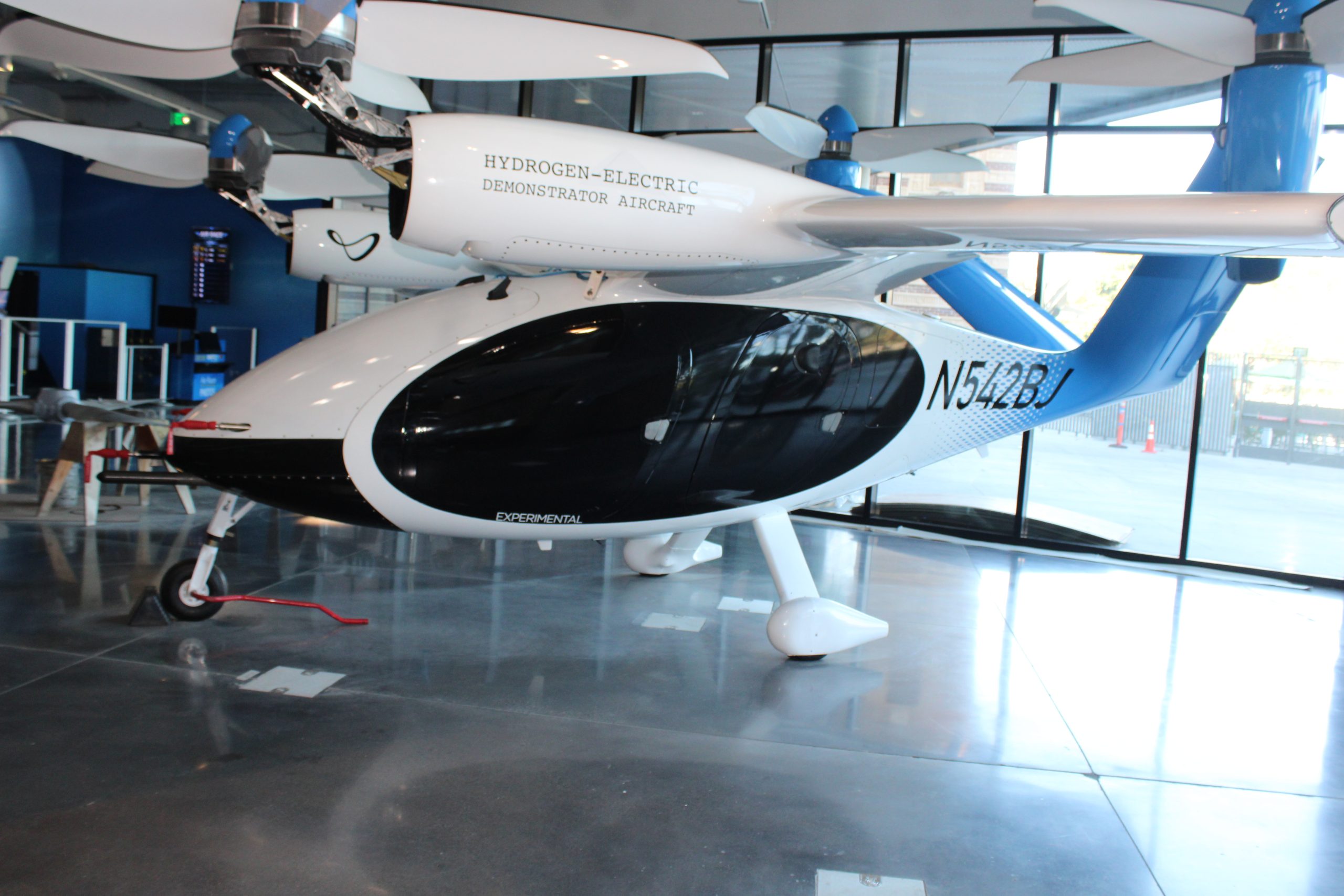
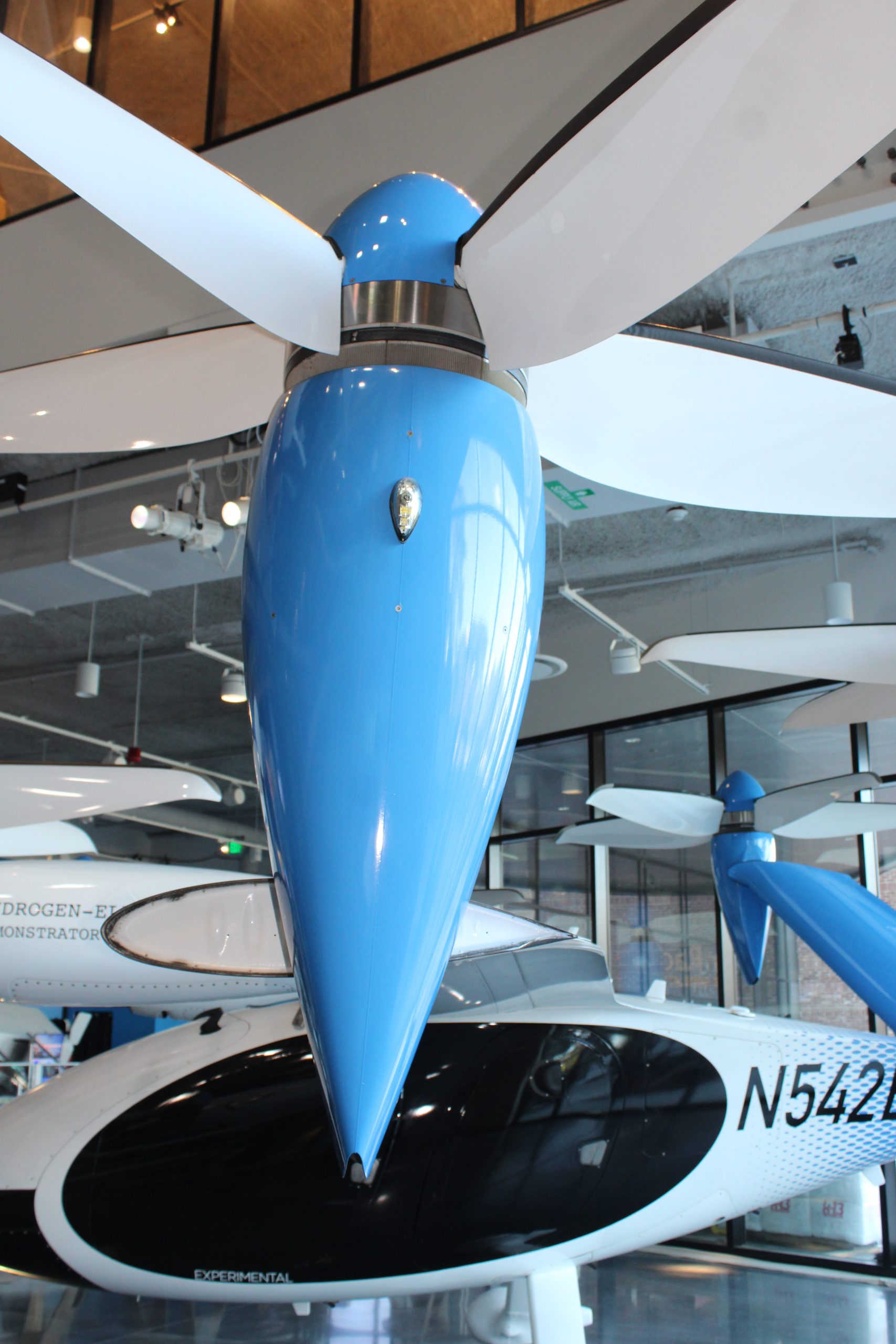
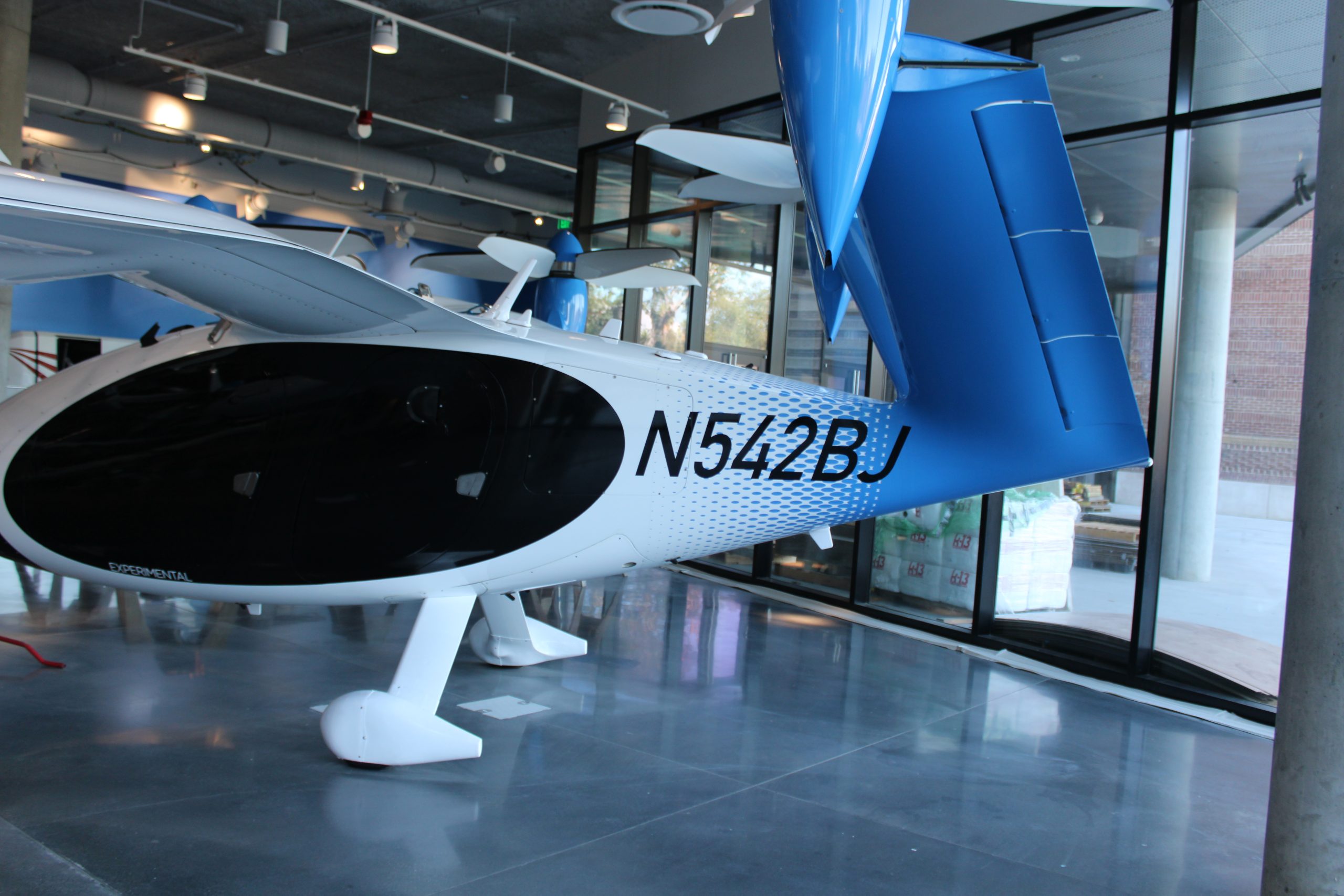
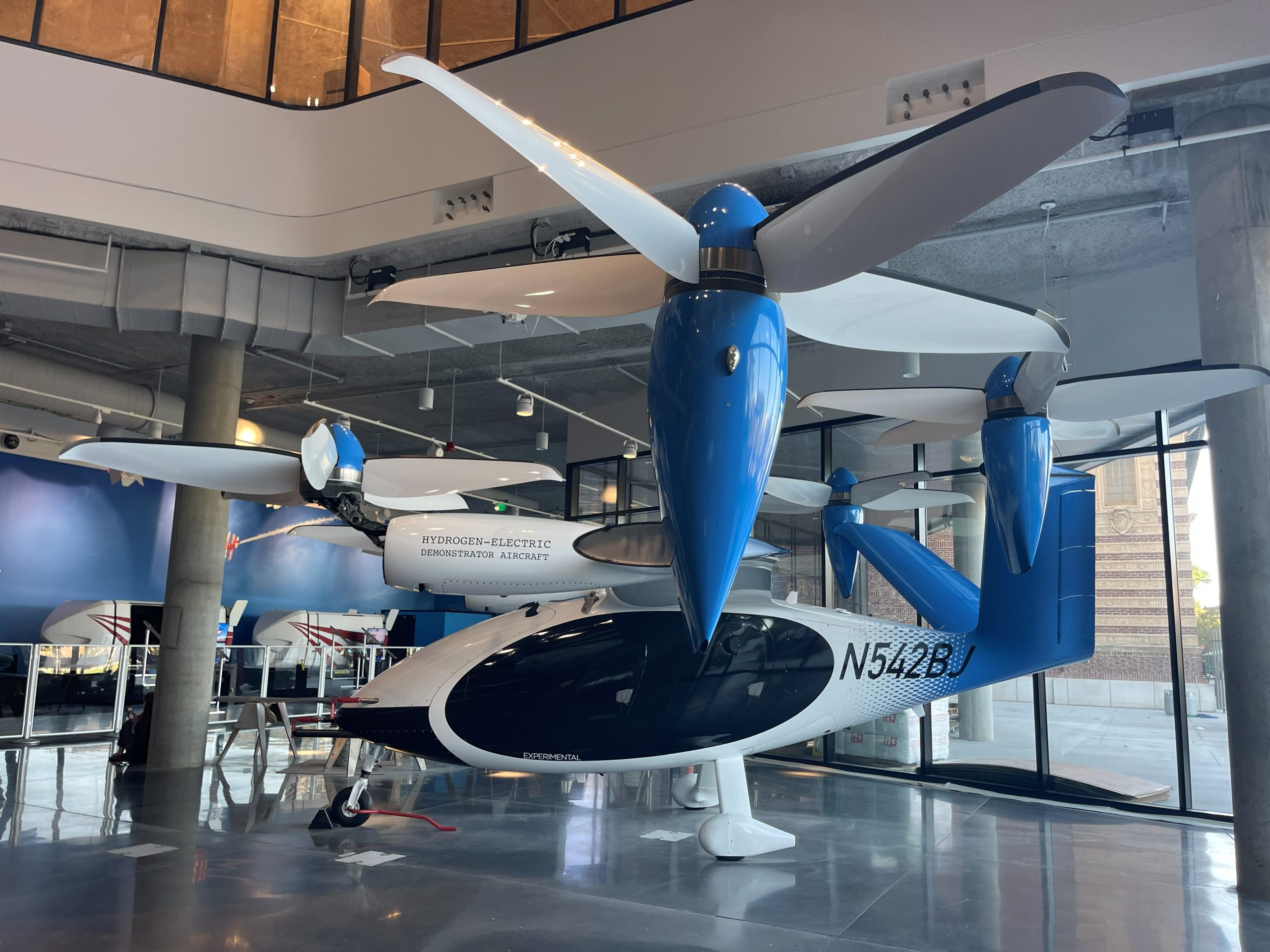
The future of aviation, meanwhile, is represented by a unique prototype that was just delivered to the California Science Center, the Joby Aviation S4 N542BJ. Developed by Joby Aviation of Santa Cruz, California, the S4 is a prototype for an electric vertical takeoff and landing (eVTOL) aircraft designed for use as an aerial taxi to fly over urban areas. The aircraft is fitted with six fixed rotors with five blades each and is powered by hydrogen-electric fuel cells, with the aircraft making its first trials in September 2023 at Edwards Air Force Base, California, and on November 12, 2023, Joby made the first flight of an eVTOL aircraft in Manhattan, New York, and the flight was made by a Joby-manufactured aircraft in an urban area. Now, N542BJ will be on display to show that the future of aviation is still ahead, and that advancements in the aerospace industry continue to be made every day.
Being a part of the California Science Center, the primary entry and exit point for the Samuel Oschin Air and Space Center will be through the Second Level of the existing California Science Center. The new Air and Space Center will also feature a walk-through Introductory Theater and a new gift shop, as well as an auditorium for future presentations. The Samuel Oschin Air and Space Center will also feature full-motion flight simulators where guests can fly an air race with either the Curtiss Jenny, Velie Monocoupe or the Pitts Special. For the California Science Center, California’s official science museum, the opening of the Samuel Oschin Air and Space Center will mark the end of three decades of planning, with the CSC having planned to add a vertically displayed Space Shuttle as far back as 1992.
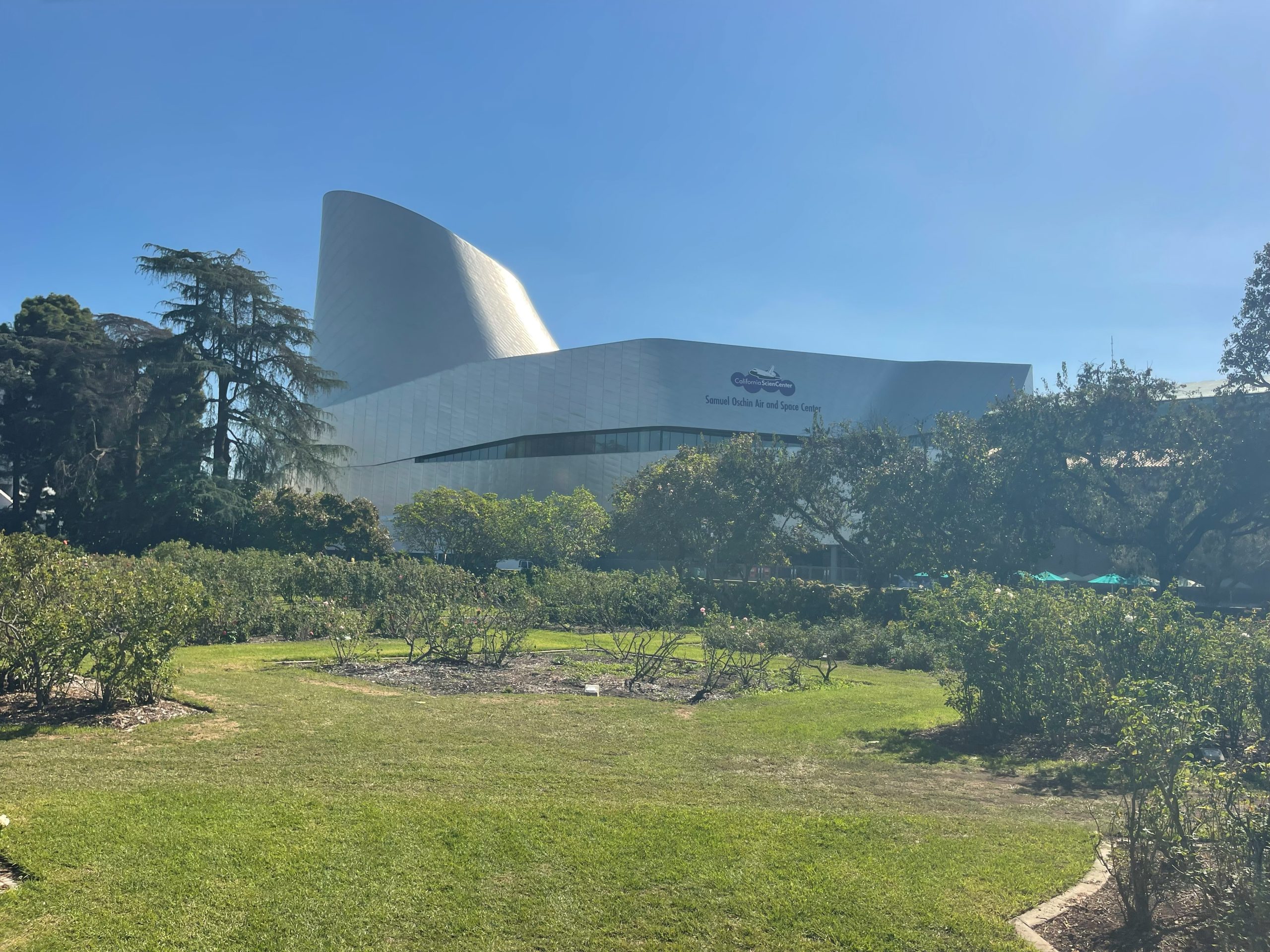
It is certain that with the Samuel Oschin Air and Space Center’s public opening on November 13, this portion of the California Science Center will become the most visited aerospace display in California, and will attract visitors of all ages, backgrounds, and interest levels. For more information, visit the California Science Center’s website HERE.