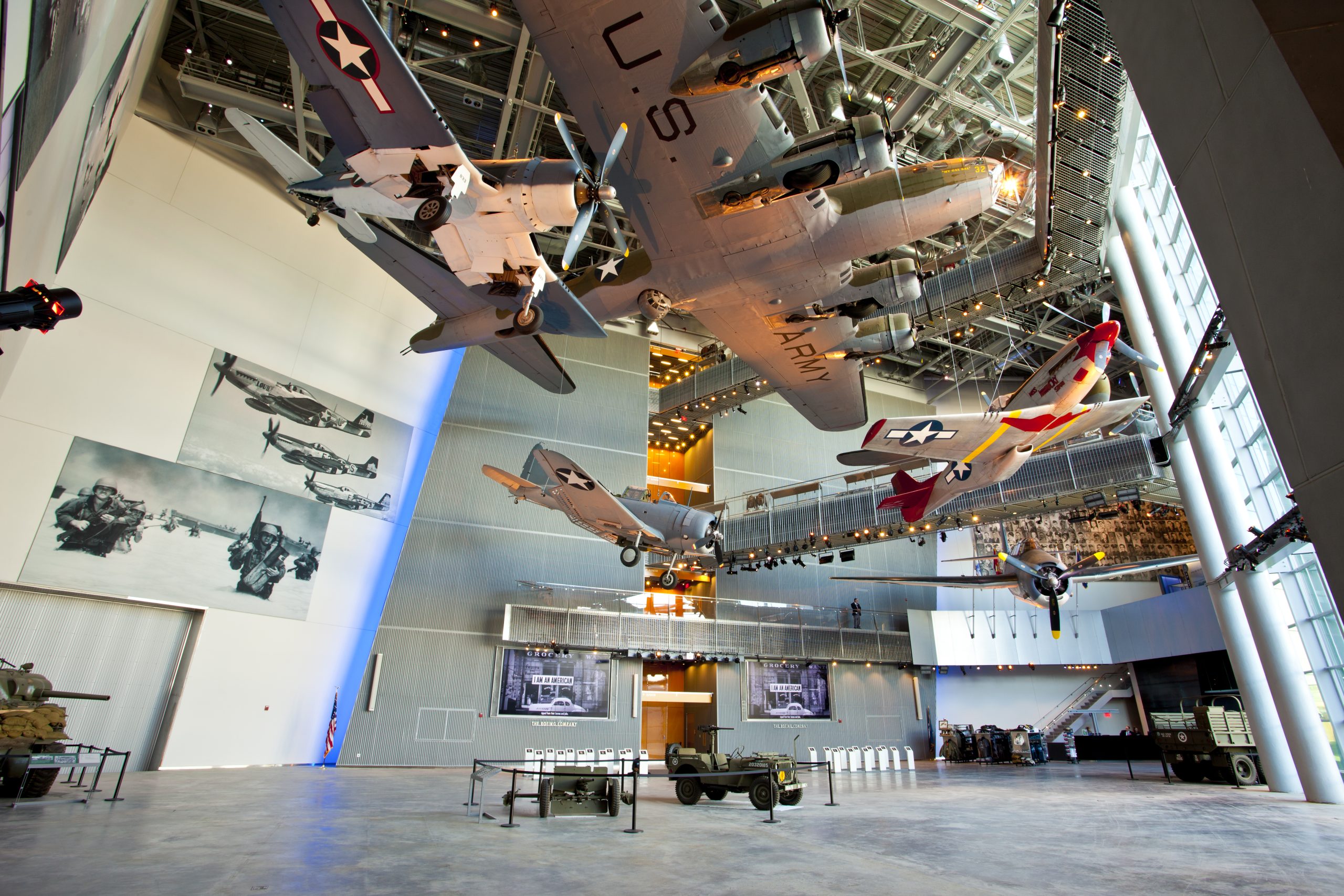
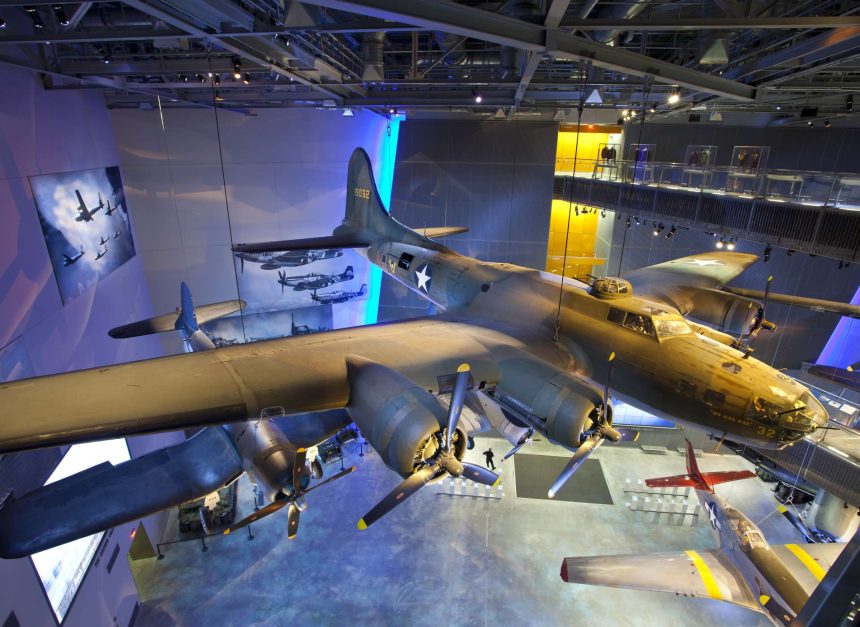

Located in the heart of New Orleans, the National WWII Museum is home to one of the most extensive collections relating to the largest and most devastating war ever fought in military history. Among its collections are several aircraft of the Second World War, and one of the most iconic of these is a Boeing B-17 Flying Fortress, the four-engine bomber that served in all theaters of operation, braving enemy fighters and anti-aircraft fire to fulfill the role of strategic bombing. Yet this B-17, which carries the name My Gal Sal, has a unique story for how it came to be in New Orleans, especially since it had spent over half a century on the Greenland icecap. This is the remarkable tale of how a B-17 was recovered from one of the most remote places on Earth, and how it came to be restored to its former glory to be shown to millions of visitors a year.
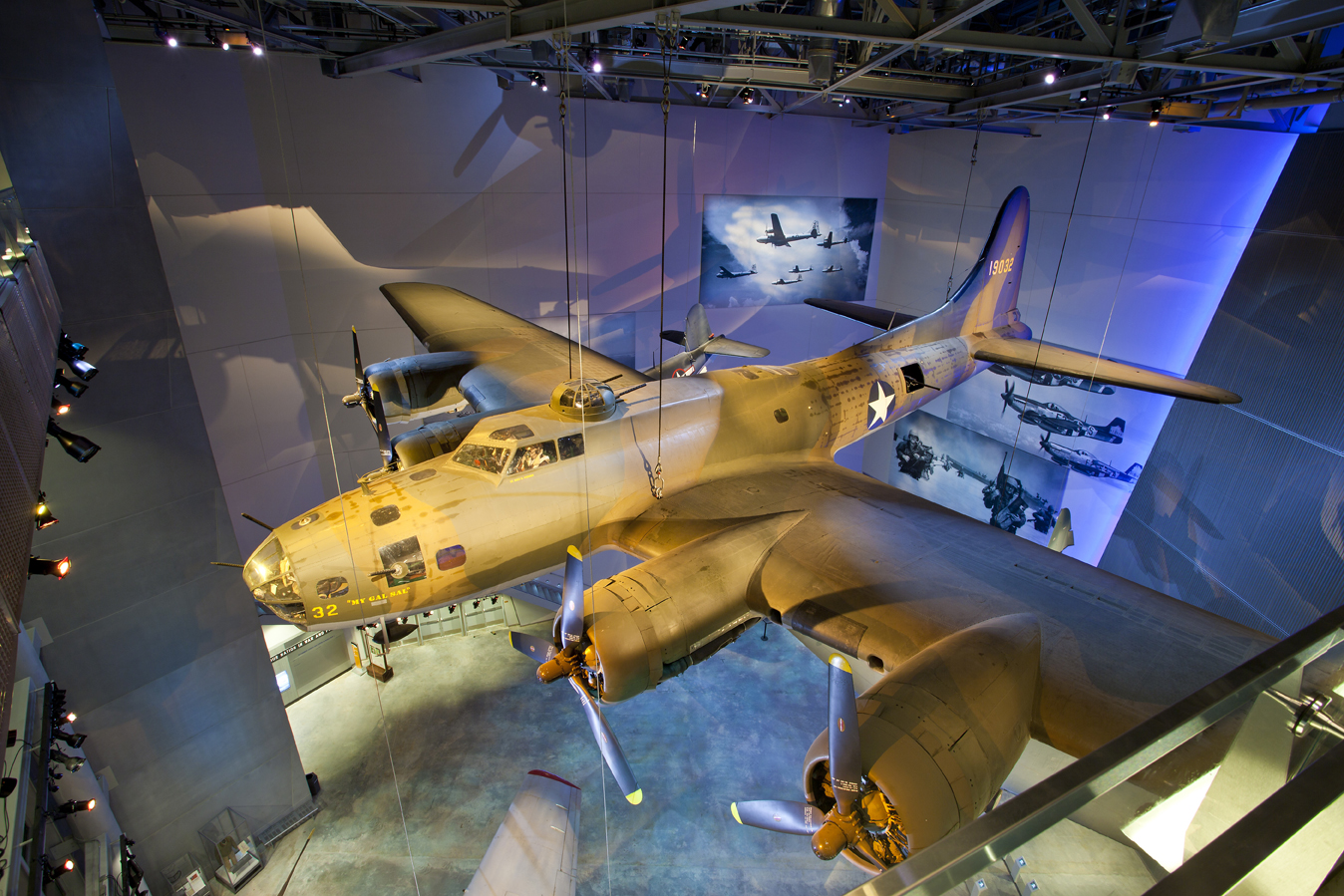
The story of the B-17 “My Gal Sal” began in 1941 when the U.S. Army Air Force issued a production contract with Boeing to produce 374 B-17Es at their plant in Seattle, Washington. The E model was the first variant of the B-17 to sport the tall, curved vertical stabilizer most people think about when imagining a B-17 today, and it was also the first B-17 to be installed with a tail turret, open windows for the waist gunners, a top turret, and a rotating ventral turret. While the first 112 B-17s produced were delivered with a remotely operated turret manufactured by the Sperry Corporation (though often confused with remote turrets built for the B-25 Mitchell bomber by the Bendix Corporation), these turrets proved difficult to aim, and since the gunners operating the turret had to use periscopes for their work, they often suffered from vertigo while operating these remote turrets. As a result, the remaining 400 of 512 B-17Es built were fitted with the new Sperry ball turret, in which the gunner was hunched inside, which was to become another distinguishing feature of the B-17. One of these B-17Es fitted with the new Sperry ball turret was construction number 2504, which rolled off the Boeing assembly line in Seattle, and on March 16, 1942, was accepted by the United States Army Air Force at Boeing Field, Seattle as USAAF serial number 41-9032. On March 29, 1942, 41-9032 was sent to Sarasota Field, Florida and was assigned to the 342nd Bomb Squadron of the 97th Bomb Group. While in Sarasota, the aircraft was assigned to the crew led by 2nd Lieutenant Ralf H. Stinson (in some sources, he is cited as Ralph Stinson) as aircraft commander.
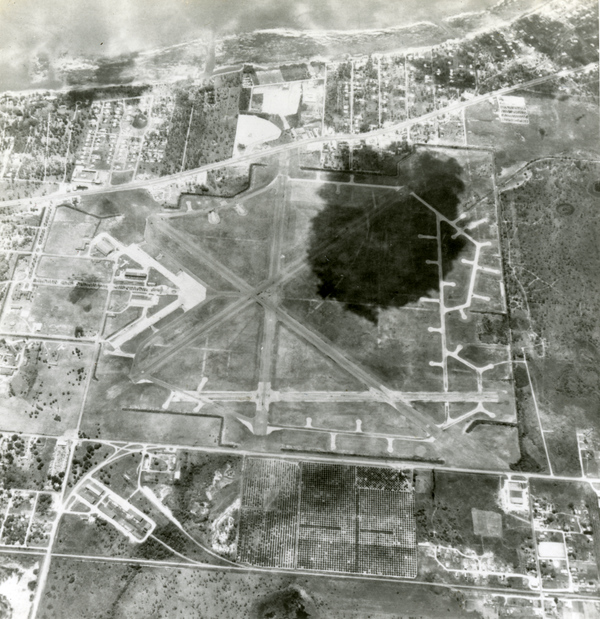
After a period of training and being called for anti-submarine patrols against German U-boats, the 97th Bomb Group received orders to fly their B-17s across the North Atlantic to become the first American heavy bomber group to be stationed in England with the VIII Bomber Command (later renamed the Eighth Air Force) to attack targets in German-occupied Europe. The group was to fly in stages as part of Operation Bolero, the buildup of U.S. forces in Britain in preparation for the eventual crossing of the English Channel to liberate Europe. On May 13, B-17E 41-9032 flew with the group to the Middletown Air Depot (now Harrisburg International Airport) near Middletown, Pennsylvania before proceeding to Grenier Field (now Manchester–Boston Regional Airport), Manchester, New Hampshire on May 28, then flew to Presque Isle Army Airfield in Maine on May 29. But before setting off for England, 41-9032 was briefly transferred to the West Coast starting on June 2, the same day the aircraft was flown from Grenier Field to Mitchel Field at Hempstead, Long Island, New York. Two days later, the aircraft was flown to Sherman Field at Fort Leavenworth, Kansas, before flying to Gowen Field, Boise, Idaho and McChord Field, Tacoma, Washington on June 5, 1942. However, a change of orders would see the plane and its crew flying back across the United States to rejoin the Bolero flights heading to Britain. From McChord Field, Stinson and his crew made stopovers at Gowen Field on June 11, and Chanute Field in Rantoul, Illinois on June 13 before returning to Grenier Field on June 15, 1942.
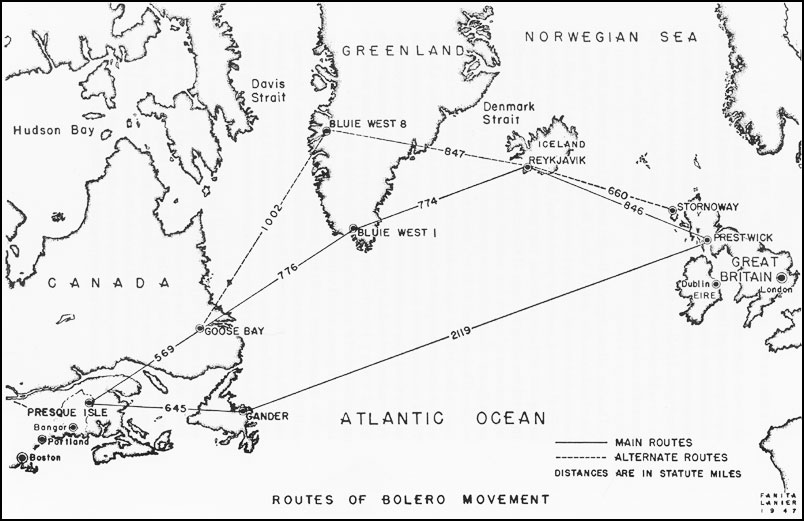
On June 26, 1942, 41-9032 at last began its journey to England. By this point, the aircraft had been named My Gal Sal, after Mary Lou “Sal” Hall, the Texan girlfriend of pilot Ralf Stinson, whom he had met while undergoing flight training. My Gal Sal was also the title of a musical film starring Rita Hayworth ,released in April of 1942 as well. June 26 would see the crew return to Presque Isle, Maine, before closing the day by landing in Goose Bay, Labrador. Following this, they would make stops in Greenland, Iceland, and Scotland before arriving in England. At the time, Greenland played a vital role in the Allies’ transatlantic logistics. Though still a Danish colony despite Denmark itself being under Nazi occupation, the Danish government-in-exile allowed the Allies, and particularly the Americans, to establish bases along the west and east coasts of the massive island, with Greenland being referred to in coded Allied intelligence as Bluie. Thus, the bases on the west coast would be Bluie West and the bases on the east coast Bluie East. On June 27, 1942, My Gal Sal was to be one of 15 B-17Es of the 97th BG to fly from Goose Bay to Bluie West-1 (now Narsarsuaq Airport). The pre-flight briefing also stated that if the weather was too poor at Bluie West-1 (BW-1), they were to divert to another airfield some 430 miles north, Bluie West 8 (BW-8; later Sondrestrom Air Base; now Kangerlussuaq Airport), or return to Goose Bay for another attempt. The flight crew on My Gal Sal was pilot 2nd Lt. Ralf Stinson, copilot 2nd Lt. Wilson McGough, navigator 2nd Lt. Leo Frazier, bombardier 2nd Lt. Donald Bone, flight engineer/top turret gunner Corporal Carl Bauman, radio operator Staff Sgt. Thomas Laskowski, assistant radio operator, Sgt. Wayne Heckendorn, ball turret gunner Sgt. Harvey Gordon, and tail gunner Sgt. Stephen Breining. Along with them was the ground crew chief, Technical Sgt. John Patrick and three passengers, Captain Wendell R. Freeman, Technical Sgt. Kenneth Bright, an Army clerk, and Sgt. Charles Chapman, an armorer.
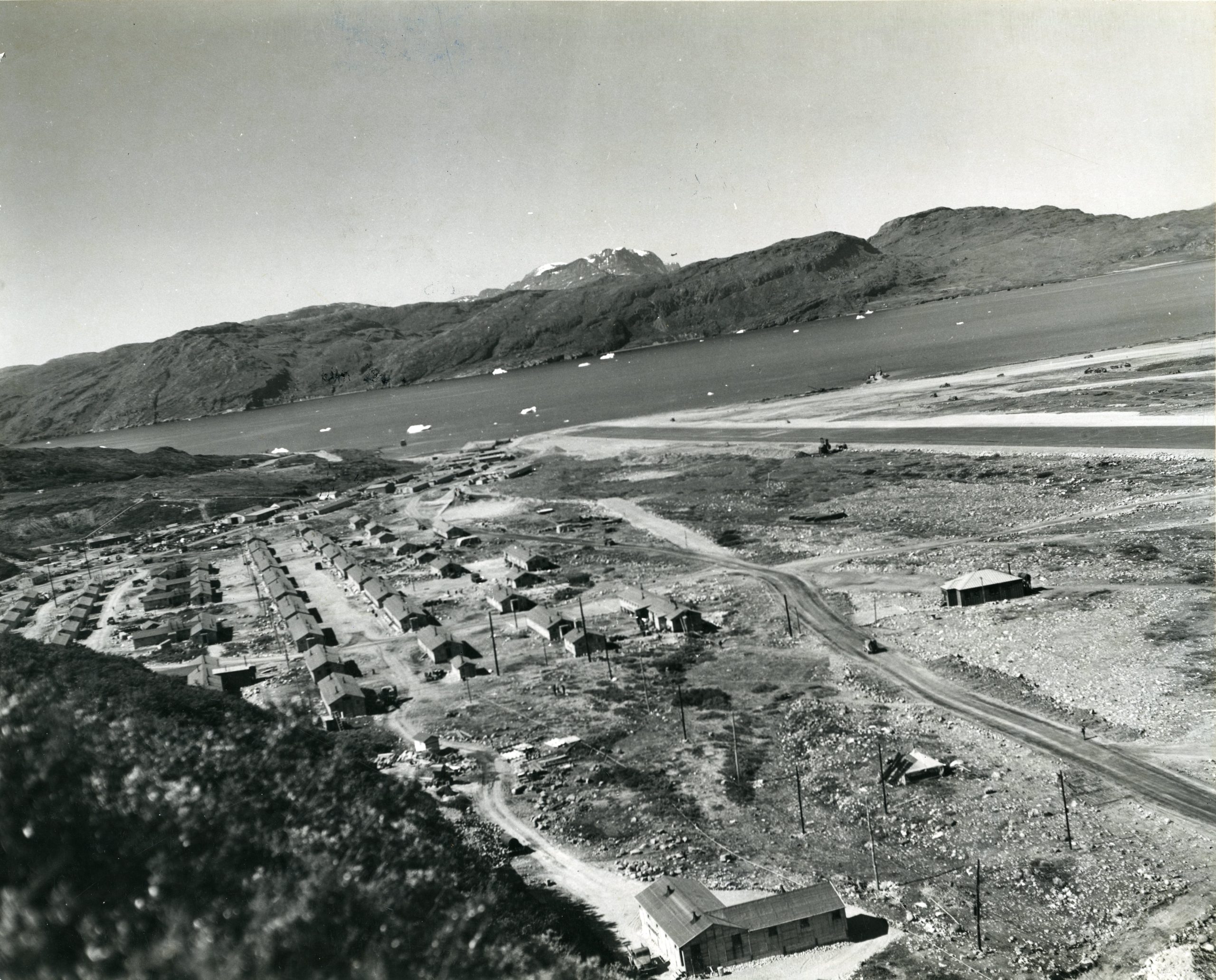
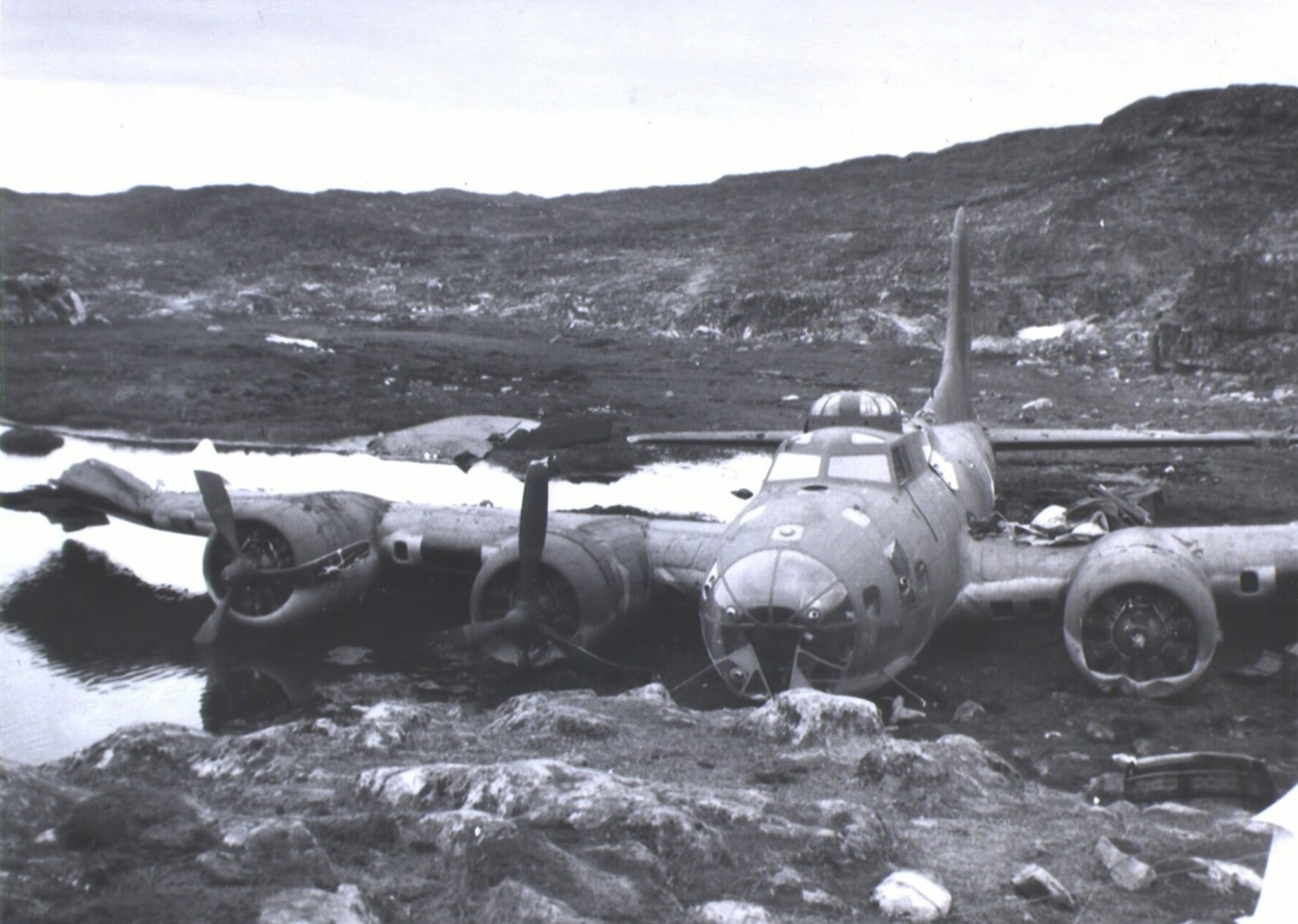
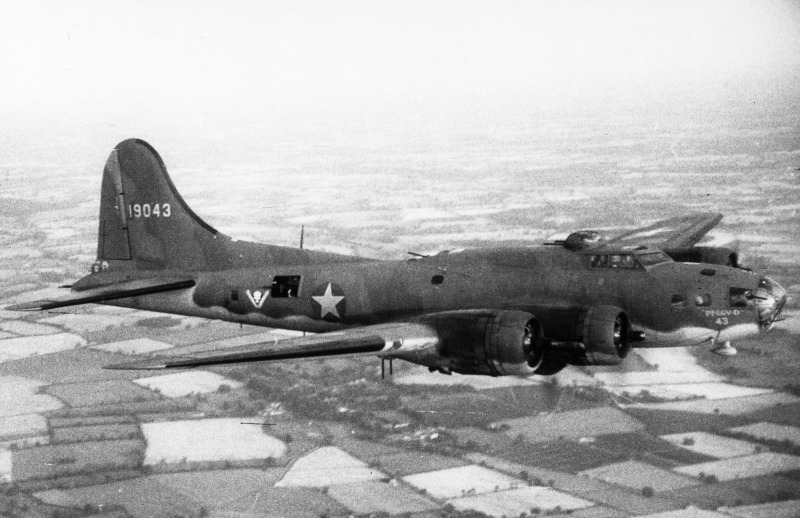
The flight out of Goose Bay would have been challenging for any flight crew. Taking off in three-minute intervals, the B-17s began flying through thick cloud cover, with some entering the clouds just 15 minutes after takeoff. At their destination, Bluie West 1 (BW-1), the weather had deteriorated even further, and with no visuals to help them navigate, eleven of the B-17s turned back and returned to Goose Bay. However, the lead element of four B-17Es no longer had enough fuel to return to Goose Bay and were thus forced to divert further north to Bluie West 8 (BW-8), all while running lower and lower on their precious fuel. As fate would have it, only one of the four B-17s still in the air, B-17E 41-9043 “Peggy D”, safely arrived at BW-8, but the crews of the remaining three B-17s, 41-9108 “Alabama Exterminator”, 41-9032 “My Gal Sal”, and 41-9090 “Sooner”, all made preparations to make forced landings. While separated by the weather, the crews would try to get a fix on the radio beacons of stations scattered along the coast between BW-1 and BW-8. Having unknowingly overshot BW-8, the crew of the Alabama Exterminator spotted the coastal town of Egedesminde (now called Aasiaat) and decided to make a wheels-up landing on a relatively flat, grassy piece of shoreline near Aasiaat.
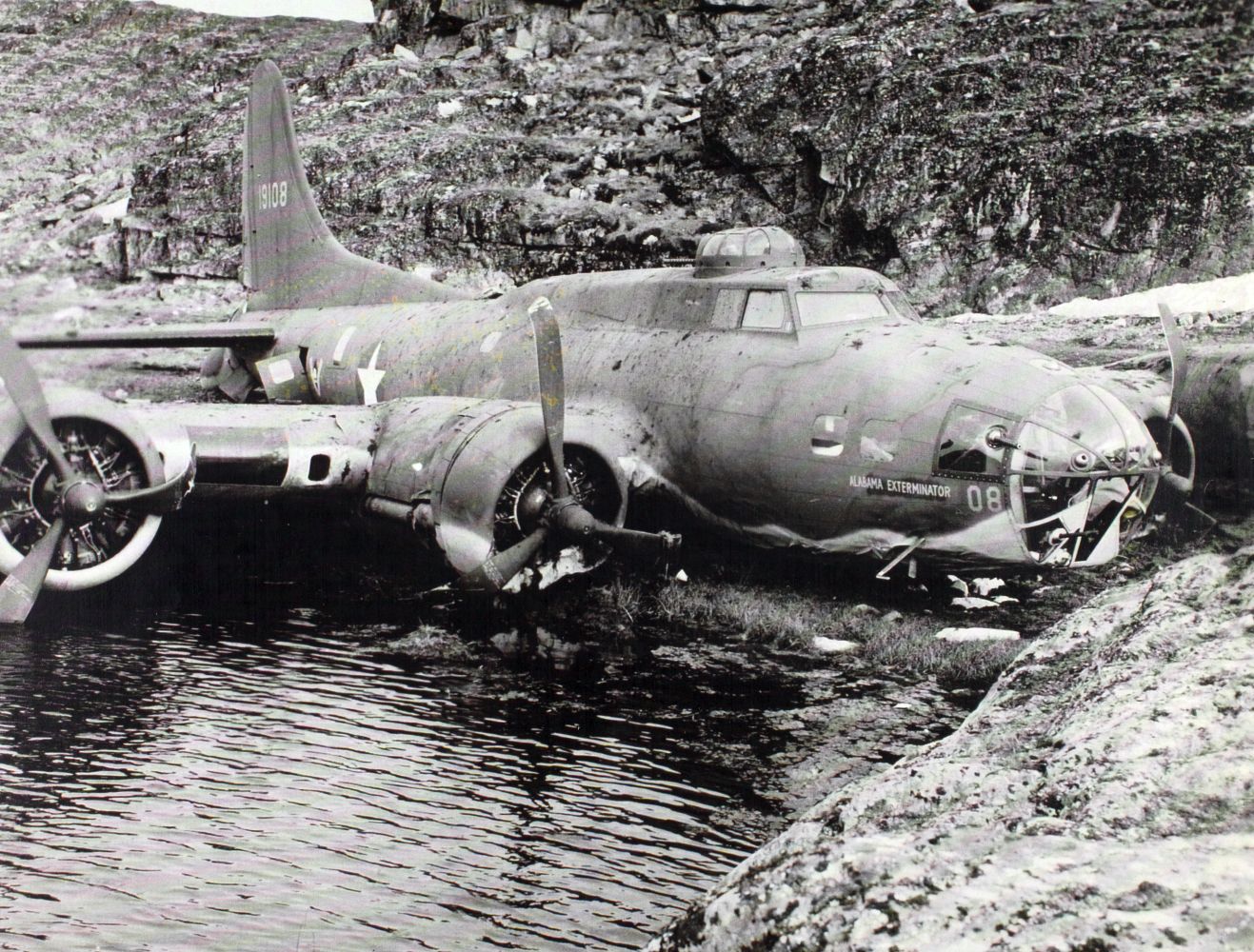
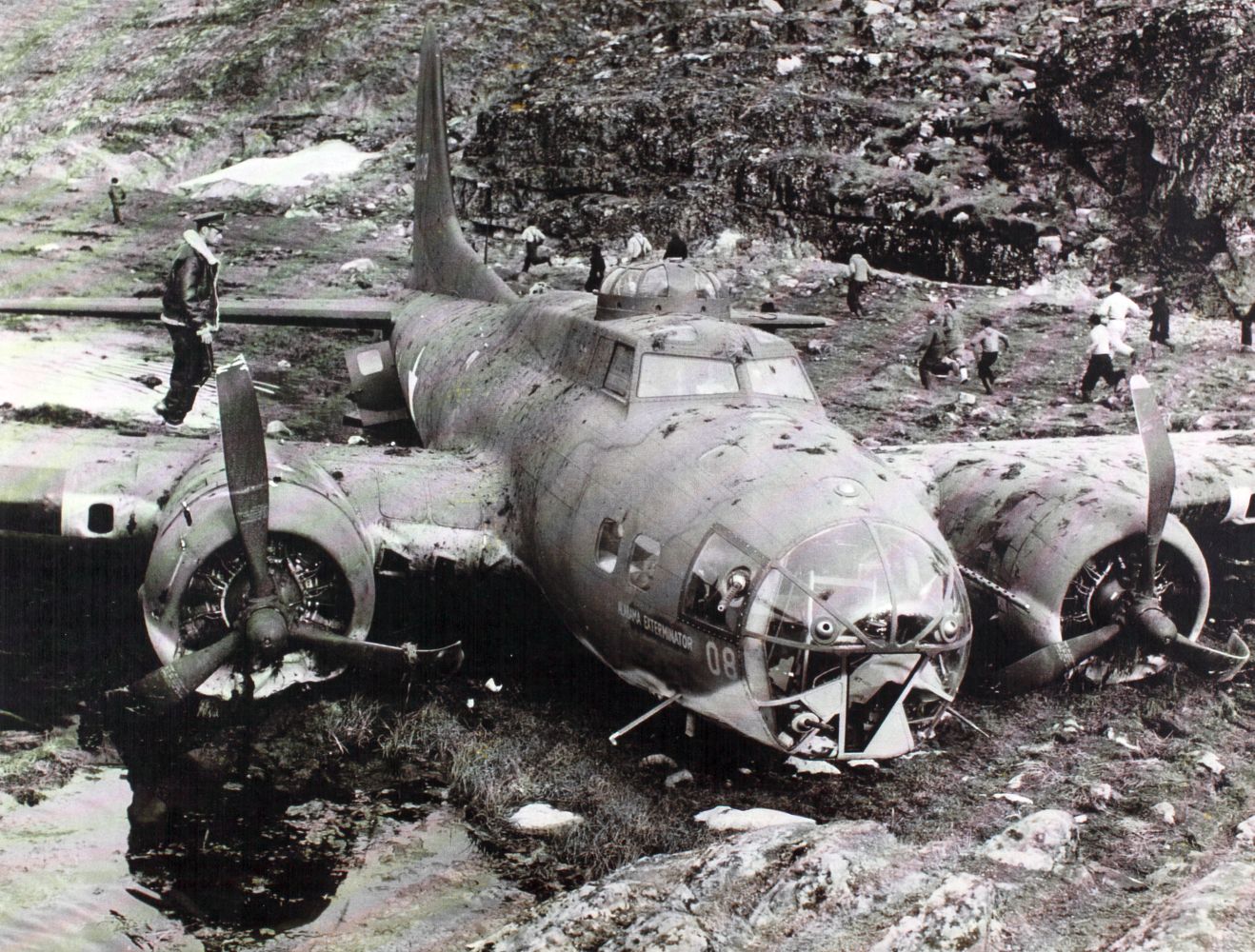
During the approach for its wheels-up landing, Alabama Exterminator clipped a cliff, shearing off the ball turret (which was fortunately unoccupied), before coming down on the beach near Aasiaat. As the plane slid along the ground, the right wing struck a boulder, with the outer portion of the wing past the No.4 engine being ripped off, and the aircraft itself managed to stop just before it would have plowed into another boulder. Fortunately, all eight crewmembers aboard Alabama Exterminator (pilot John Holmes, copilot Fred Shelton, navigator Jones Calloway, bombardier Ed Branch, flight engineer/top turret gunner Bob Brennan, radio operator John Fellows, and gunners John Lynn and George Witham) escaped without injury, and the residents of Aasiaat took them in until they could be rescued by boat. As it happened, Aasiaat was also the location of the Bluie West 5 (BW-5) radio/weather-reporting station, which helped notify the presence of the crew to Allied authorities. Further south, the crew of the B-17E Sooner was running out of fuel and decided to ditch off the coast of Simiutaq Island at the mouth of the Narsarsuaq Fjord, where the Bluie West 3 radio/weather-reporting station was stationed, with BW-1 being further up the fjord. After dropping their luggage out of the aircraft over the island, they then landed in the frigid waters with icebergs in close proximity to them and scrambled into the airplane’s two inflatable lift rafts stowed between the top turret and the radio operator’s hatch. As the Sooner sank beneath them to a depth of 1,500 feet, the occupants of the Sooner paddled to shore, and within an hour, locals came up, and before the day was up, all those aboard Sooner (pilot John C. Nichols, copilot John B. Mayes Jr, assistant pilot Major Hubert C. Chambers, navigator William M. Dorsett, bombardier Paul A. Blaida, assistant bombardier Edward B. Weathers, flight engineer/top turret gunner Clarence B. Nichols, radio operator Frank Val Alstine, waist gunners William M. Ivanhoff and Frederick M. Wilson and passengers Grover C. Williams and Thomas G. Burton) were all picked up by boat. Within hours of crash-landing, the crews of both the Alabama Exterminator and the Sooner were safe.
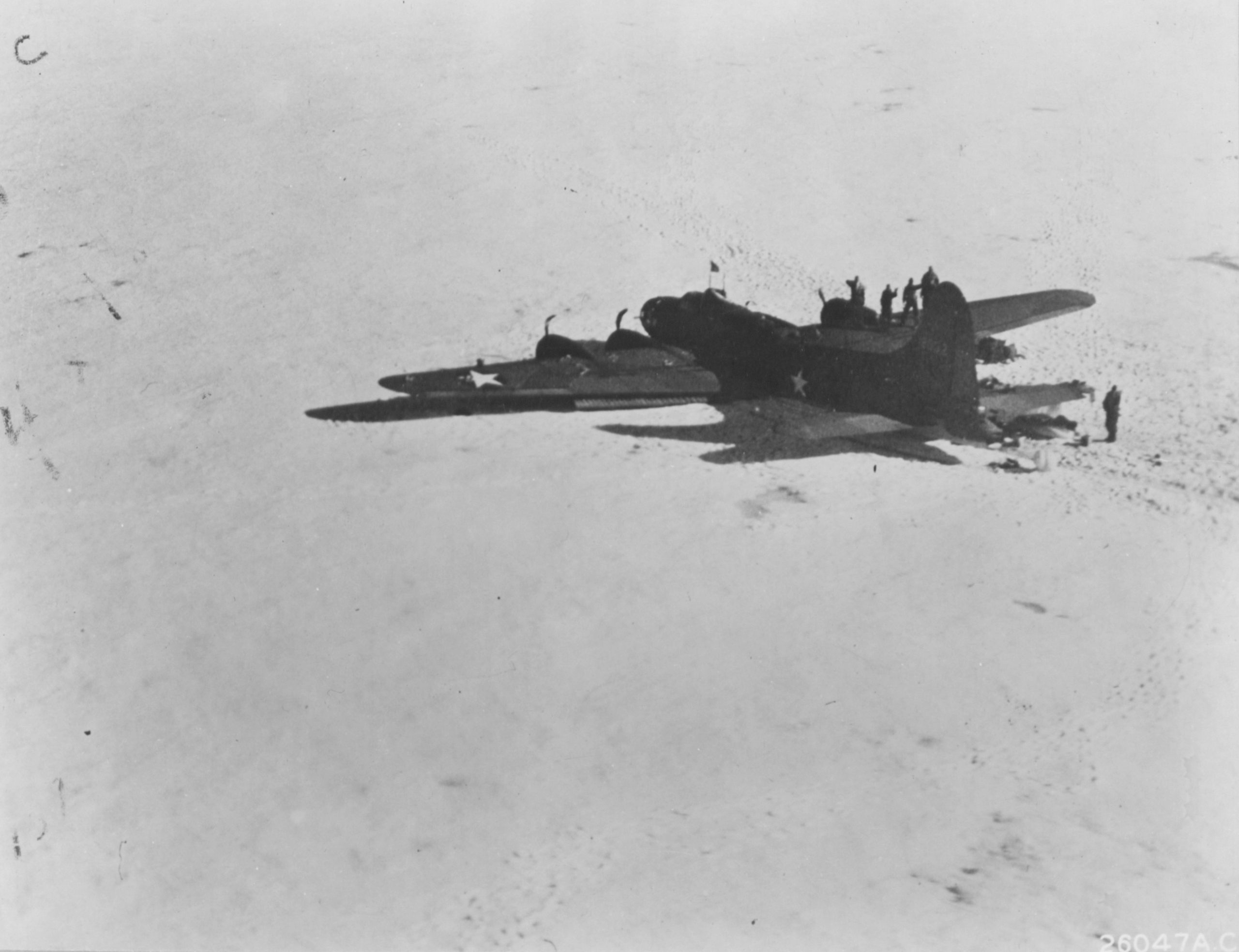
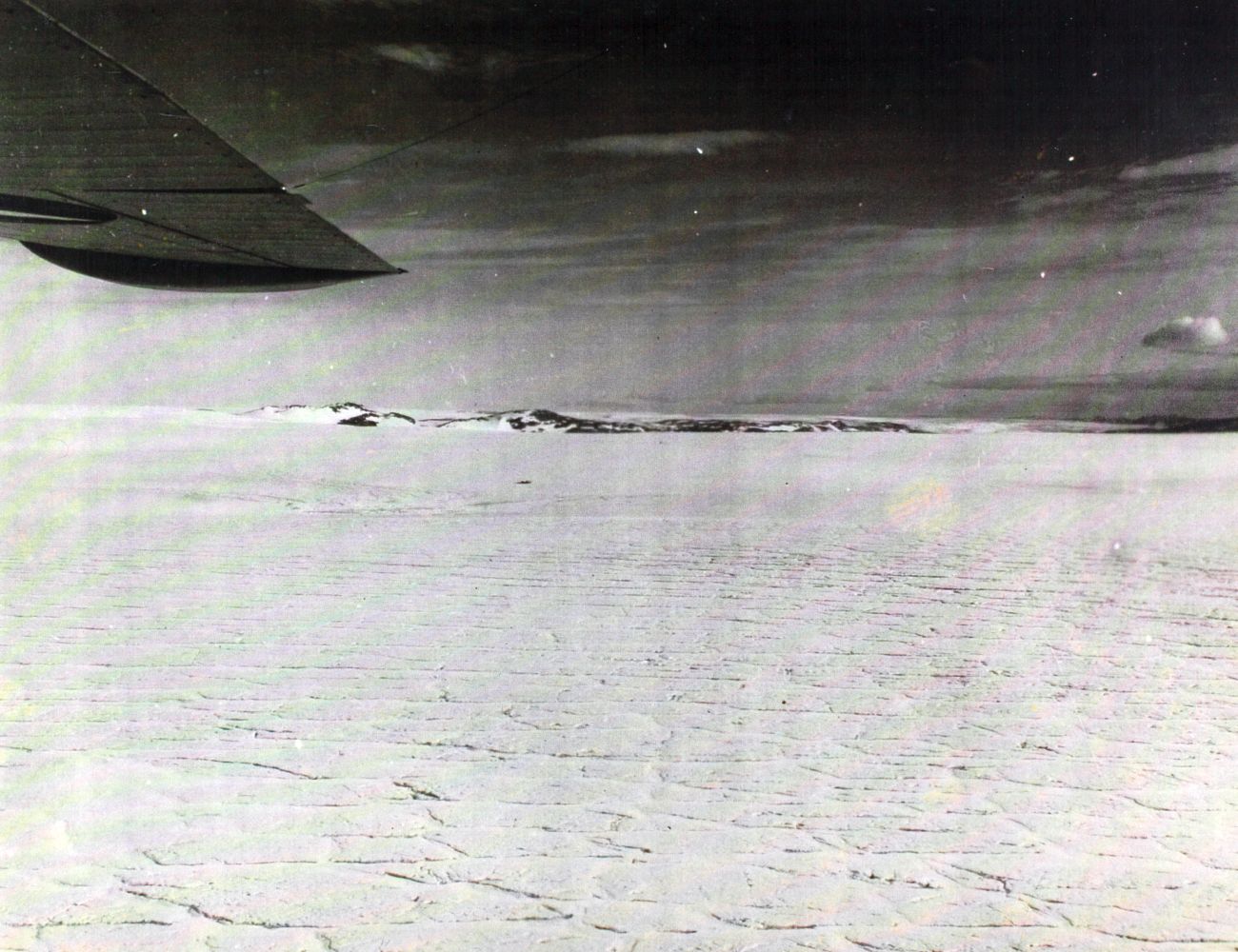
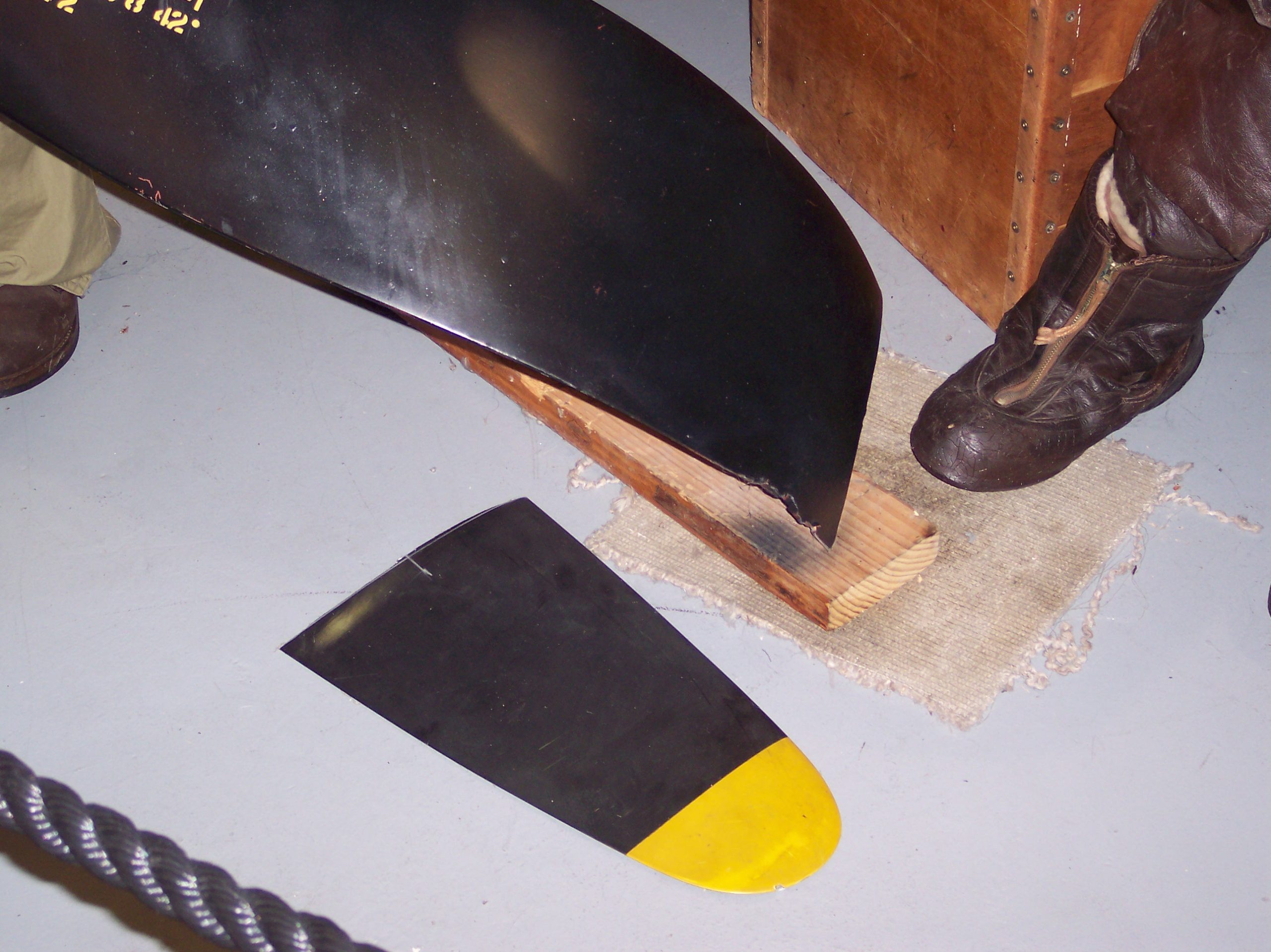
Meanwhile, the B-17E My Gal Sal flew in the direction of Bluie West 8, but running low on fuel and flying inland, pilots Ralf Stinson and Wilson McGough decided to make a wheels-up landing on the sprawling icecaps below. Because of the sun’s glare on the snow and ice, Stinson and McGough could not make an adequate depth perception between their altitude and the ice, so they ordered the crew to discard some of their baggage onto the ice, which provided enough reference for them to make a safe wheels-up belly landing on the ice at latitude +65.21’N longitude -45.53’W. As the snow and ice settled, the crew found that they were stranded on a massive icecap, not knowing they were over 100 miles from BW-8. Soon, however, a dispute arose between pilot 2nd Lt. Ralf Stinson and one of the passengers, Captain Wendell Freeman. Despite being a passenger, Captain Freeman asserted that as the highest-ranking officer onboard the airplane, he should take command of the men, but Lt. Stinson would contend that as the aircraft commander, he should maintain command. While this caused friction between the two men, the remainder of the crew and passengers would take Stinson’s side. In one instance, Freeman recalled, “Stinson was a second lieutenant and had a pistol. He set up a tin can and started taking target practice. I ordered him to stop because I was afraid someone might get hurt. He objected, so we had a vote. The boys voted that all firearms would be confiscated.” Throughout their stay on the ice, most of the crew would stick with Stinson, with one of them later saying: “He was a real cool head, … He was only a second lieutenant but he was the pilot and he let Freeman know it.” While on the ice, Stinson assigned roles for everyone to stay busy. Bombardier 2nd Lt. Donald Bone was appointed by Stinson to be the crew’s mess officer with the responsibility of rationing what food they had onboard. Bone would later recall that “We had just about a dozen sandwiches and a carton of Baby Ruths, and boy, the men picked up the crumbs after each slice.” Privately, Bone also kept a journal of their time on the ice in a small spiral notepad. Immediately after landing on the ice, the crew of My Gal Sal knew they needed to establish radio contact with any Allied installation if they were to be rescued. Like many aircraft, the B-17’s onboard radios were powered by the engines, but the propellers were now bent against the ice. However, crew chief TSgt John Patrick came up with a plan to regain the radio’s electrical power. Since the right outboard engine (engine No.4) powered the generator for the radio, Patrick reasoned that if they could cut off the tips of the propellers on the No.4 engine, they could give the propeller enough clearance to spin once the engine was started. Immediately, the crew set to work on Patrick’s idea, but with just a hand-held hacksaw, and needed to pull the prop to get to each of the three blades, the work was intensely physical, and the crew took turns over a day and a half cutting off the tips from the three propeller blades of the No.4 engine while siphoning the remaining fuel onboard into the No.4 engine’s main fuel tank. However, being stranded on the ice, the crew needed to find a way to extend their radio antenna to better transmit their radio signals. Thinking outside the box, the crew turned their attention to their supplies to find anything that could help them out. That was when one of the crew members revealed he had a package of condoms that he had thought would be necessary for when they arrived in England. Instead, the crew fashioned balloons out of the condoms and used the hot exhaust of the No.4 engine to inflate the improvised balloons. They also stripped wires from the aircraft and tied them to the condom balloons, and with the No.4 propeller blade tips cut off, the crew now had enough clearance from the ice to run the Wright R-1820 engine to allow radio operator Thomas Laskowski to transmit their distress signal and receive confirmation that help was on the way.
By this point, the crews of the Alabama Exterminator and the Sooner had been rescued, but the crew of My Gal Sal had yet to be located. It was at this point that Norwegian aviator and polar explorer Bernt Balchen entered the story. Before WWII, Balchen earned his wings as a pilot through the Royal Norwegian Navy Air Service in 1921 and went on arctic expeditions with the likes of Roald Amundsen before later accompanying U.S. naval aviator Richard E. Byrd on his 1926 expedition to the North Pole, his 1927 trans-Atlantic flight, and his 1929 expedition to the South Pole, where Balchen gained as much of a reputation for his skills as an arctic survivalist as or his skills as a pilot. During the 1930s, Balchen became a naturalized U.S. citizen but also played a role in the operations of Norwegian Air Lines (later incorporated into Scandinavian Airlines). With the outbreak of WWII and Norway’s fall to Nazi Germany, Balchen would help establish the “Little Norway” training camp for exiled Norwegian pilots in Toronto, Canada, before joining the U.S. Army Air Force as a Colonel on the behest of the Chief of Staff of the USAAF, General Henry “Hap” Arnold. With the U.S. entry into WWII, Balchen helped establish U.S. military bases in Greenland, including Bluie West 1 and Bluie West 8. On receiving the radio distress signals from My Gal Sal, a total of six U.S. Navy aircraft, three each sent from Bluie West 1 (BW-1) and Bluie West 8 (BW-8), set out on a search and rescue operation, and Balchen commandeered B-17E s/n 41-9043 Peggy D for the search as well. On June 28, just one day after crash-landing on the ice, My Gal Sal was spotted from the air by a U.S. Navy Consolidated PBY Catalina flying boat, and the first supplies, including food, arctic clothes, and a bottle of whisky, were airdropped to the stranded crew. Evidently, Stinson’s humor was well intact, as he had Laskowski signal back the following message: “Drop us a couple of blondes and leave us alone.”
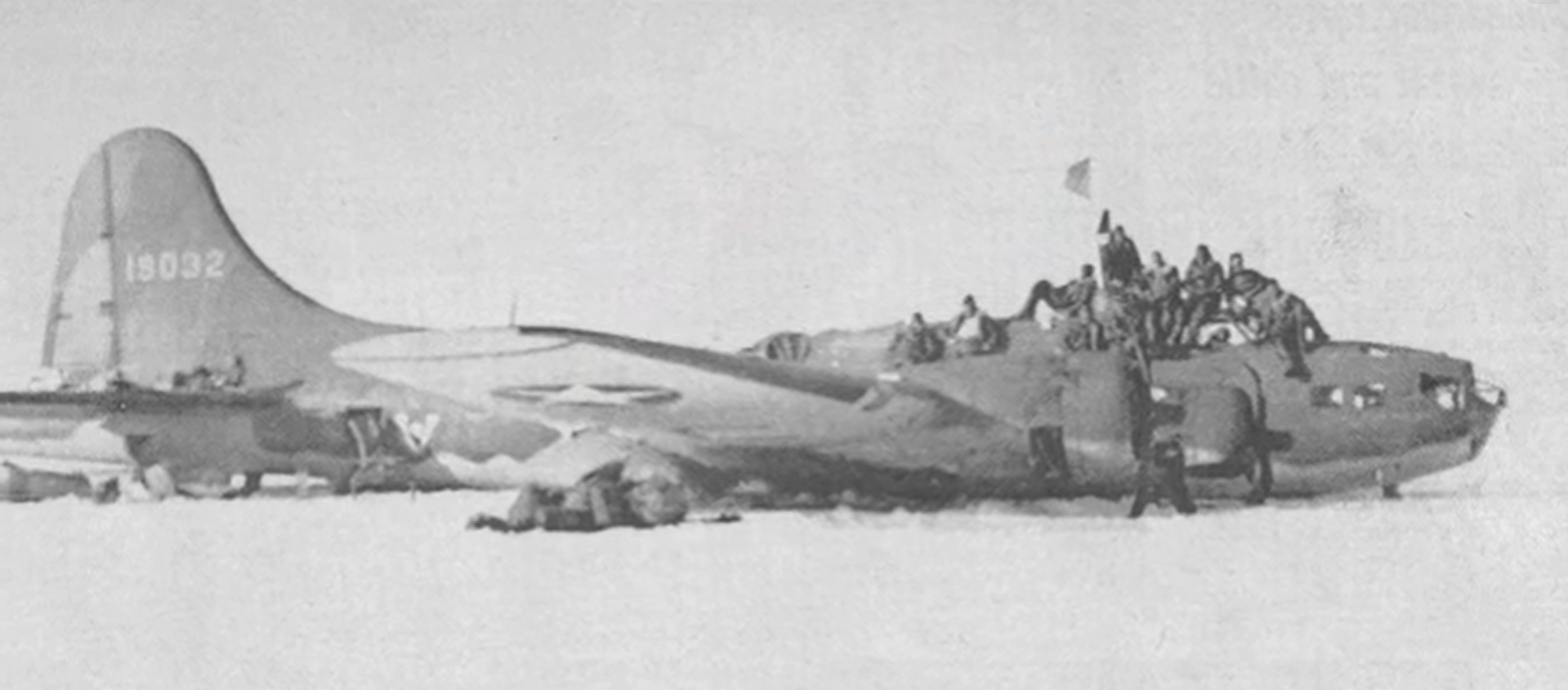
Finding the crew and resupplying them was one thing. Getting the 13 men stranded on the ice was another matter entirely. None of the aircraft at BW-1 or BW-8 were equipped with skis to land and takeoff from the icecap, which had crevasses and slushy conditions that were deemed inaccessible for wheeled aircraft, so a new plan was required to rescue the crew of the My Gal Sal, who encamped in the aircraft and received further air drops of supplies. On July 3, 1942, Balchen and his search team were surveying the area in the vicinity of 41-9032 when they found a small lake created from meltwater. Low altitude survey flights showed that the lake measured some 1.8 miles long, sat at an elevation of 4,200 feet, and was some 12 miles from My Gal Sal‘s position on the icecap. Balchen and the search party determined that a PBY could land and take off from the lake, but only if all non-essential equipment, such as the Catalina’s bombsight, guns, ammunition, and oxygen equipment were to be removed. With a Catalina stationed at BW-8 modified for the rescue mission, Balchen selected naval aviators Lt. Aram Y. “Dick” Parunak and Ensign John C. Snyder to fly him and Army Air Force survival experts Sgts Hendrik Dolleman and Joseph Healy, who had previously served in the 1939 U.S. Antarctic Expedition, from BW-8 to the icecap lake. Once they arrived, Balchen, Dolleman, and Healy would set up a base camp at the ice lake, and Parunak and Snyder would fly back to Bluie West 8. Dolleman was to be placed in charge of maintaining the base camp, while Balchen and Healy would hike on snowshoes out to the My Gal Sal, and would guide the crew out to the base camp to be picked up by Parunak and Snyder’s PBY.
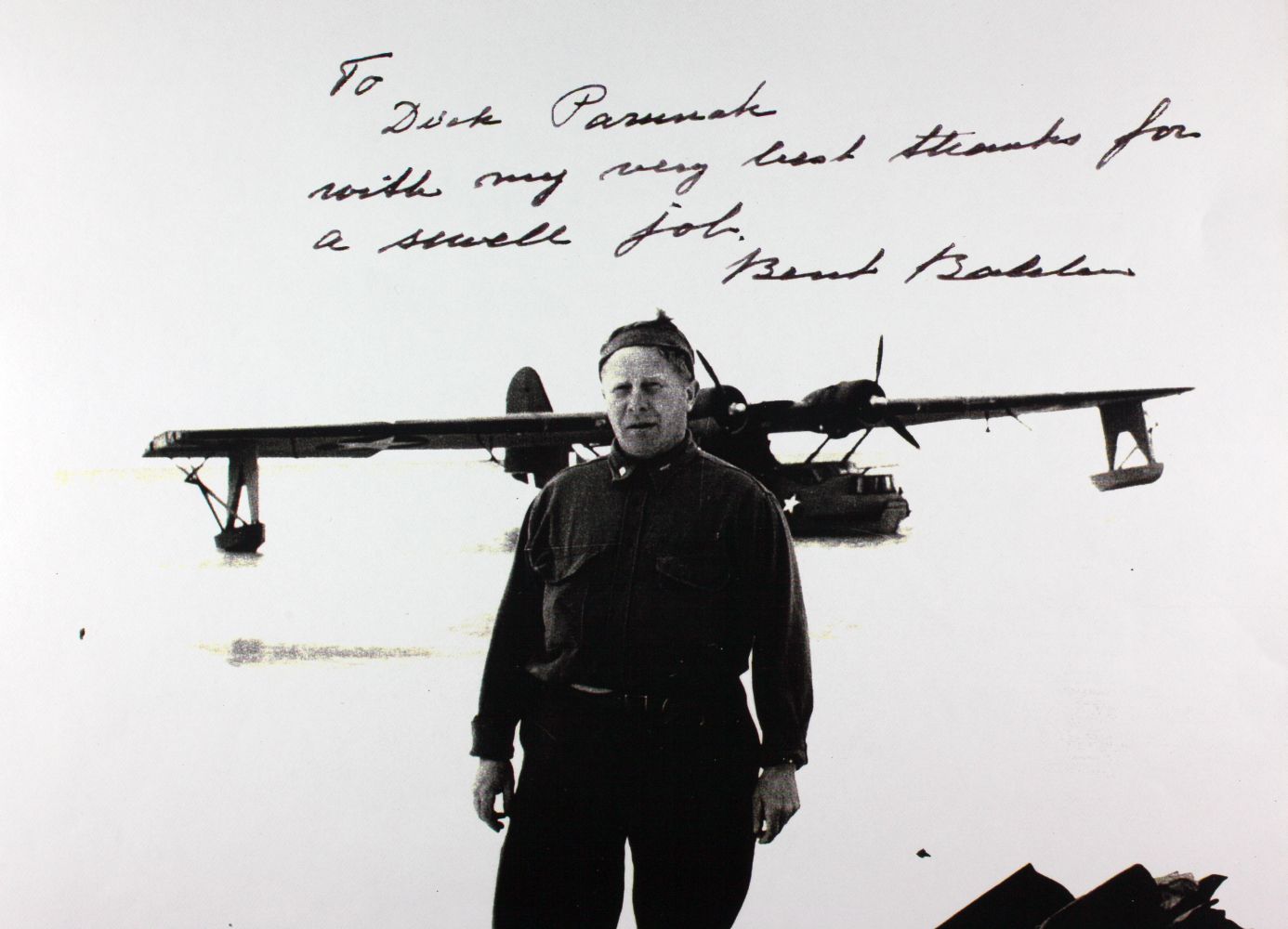
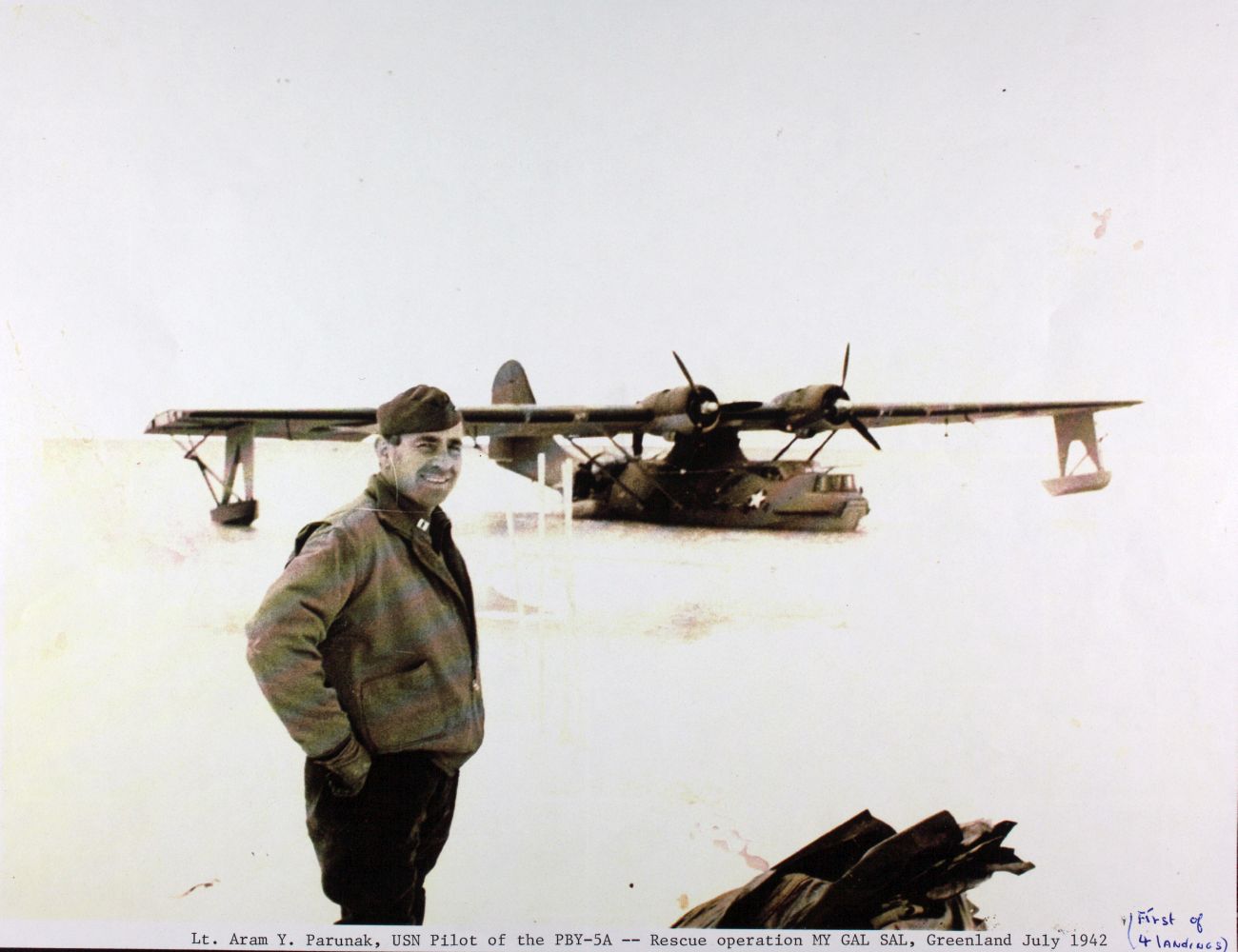
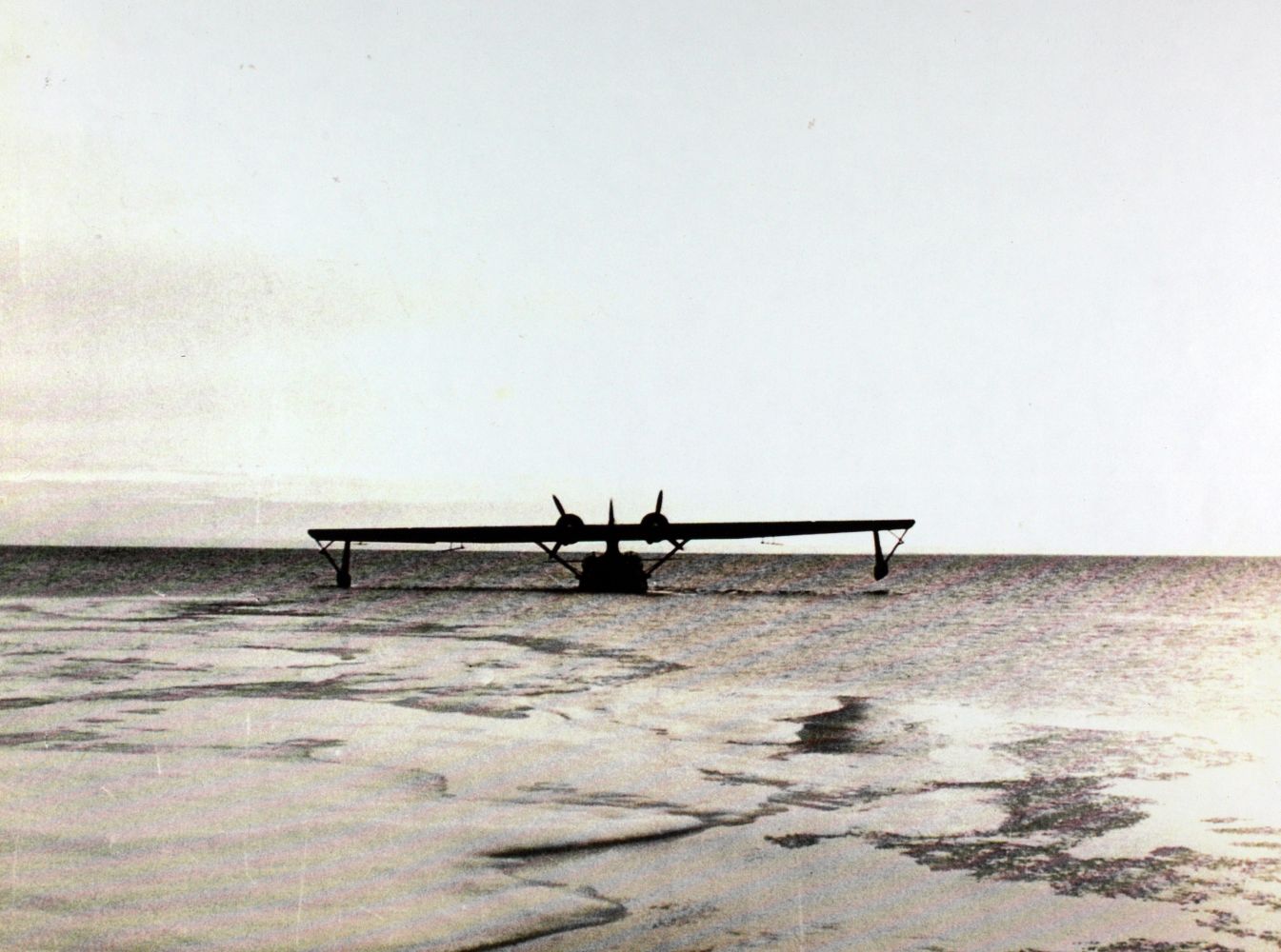
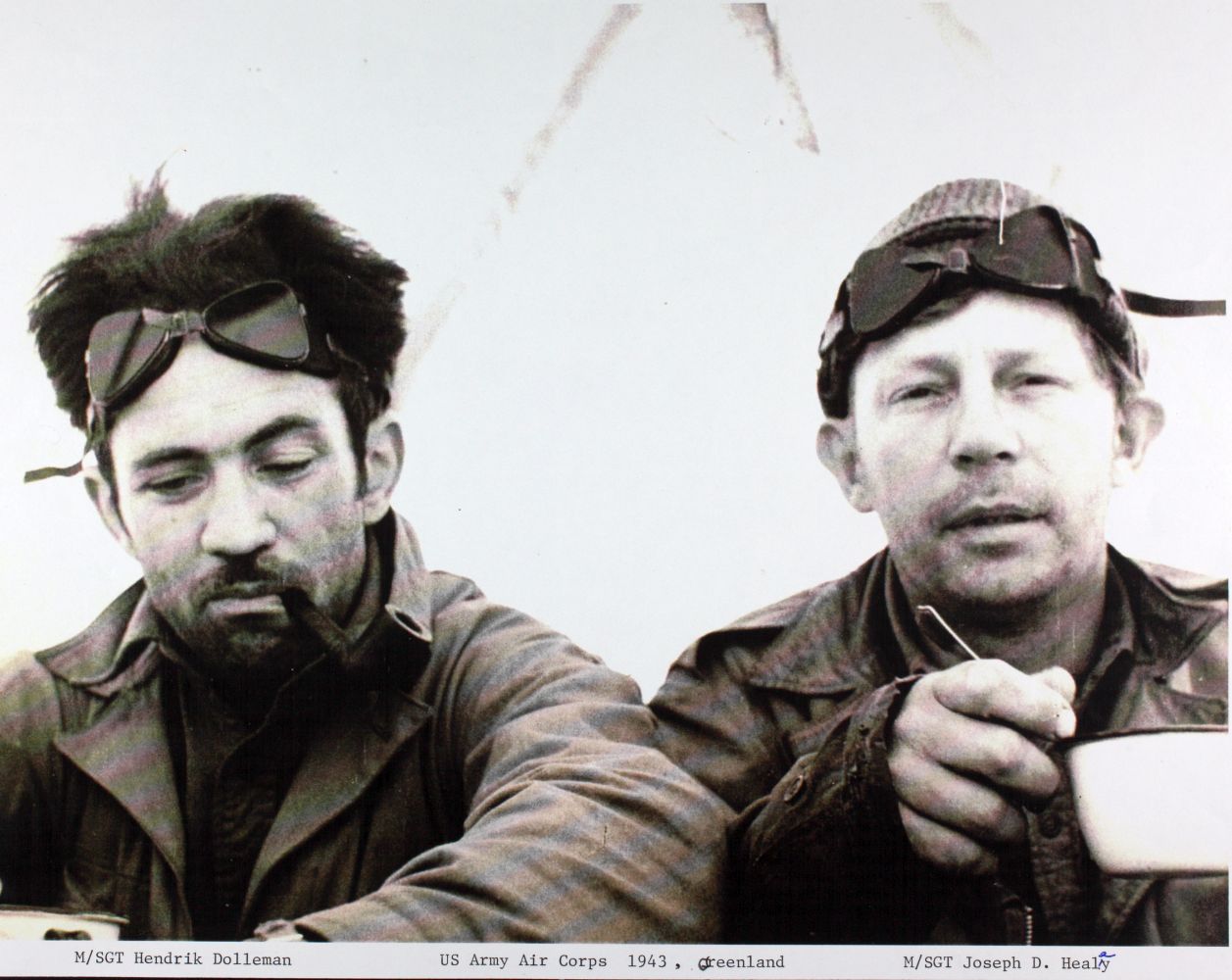
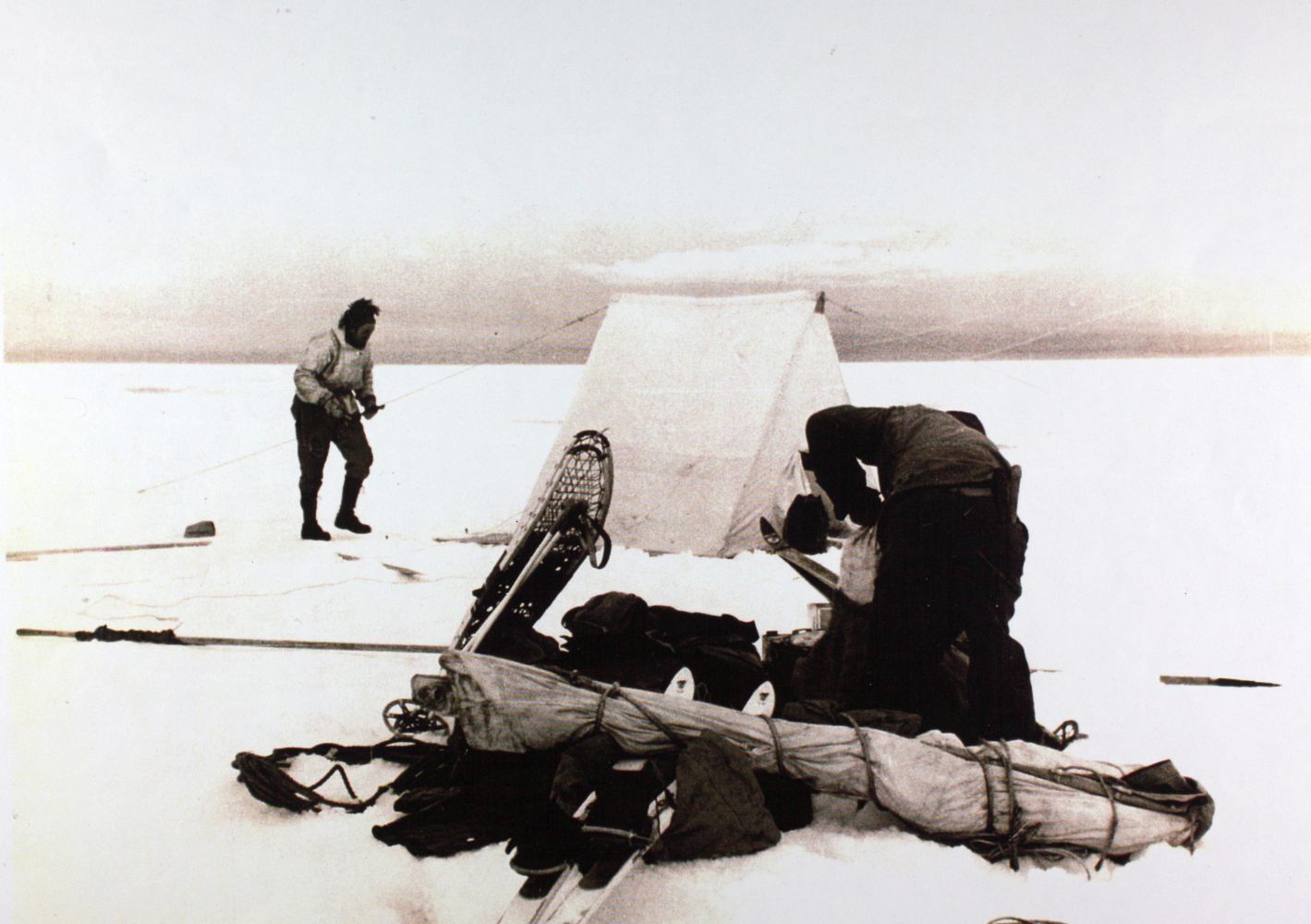
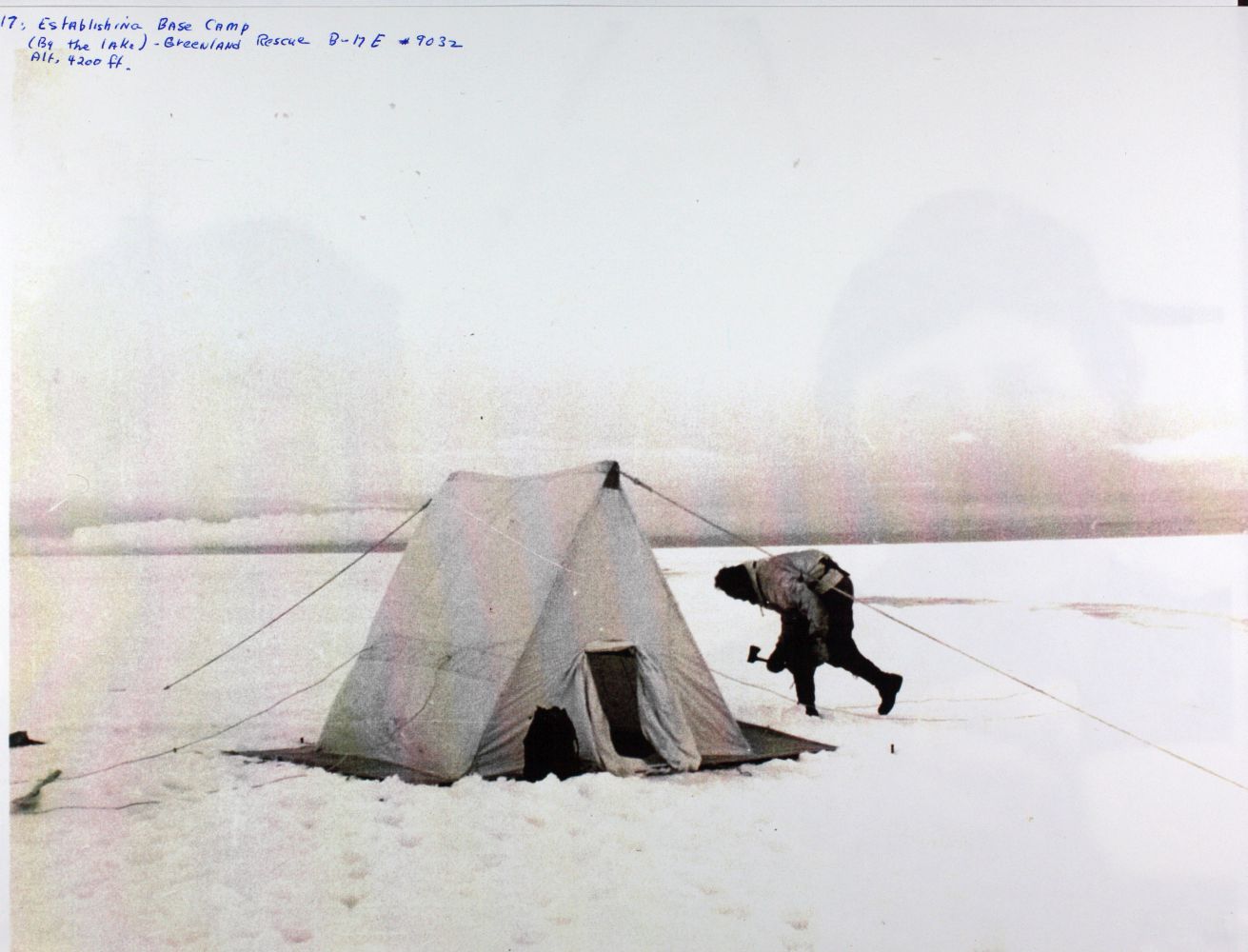
With the base camp set up, the plan was for Balchen and Healy to leave immediately to reach the My Gal Sal, but bad weather on July 4 prevented both Balchen and Healy from setting out overland and halted the PBY from flying on another supply drop, the weather cleared enough for Balchen and Healy, who tied themselves together in the event of falling into a crevasse, would finally reach the My Gal Sal on July 5, 1942. Balchen would have eight of the men follow him and Healy back to the base camp, while he and Healy would return to guide the remaining five out. He also ordered the men to only take what was absolutely necessary for their trek, and from the skies above, Parunak dropped maps of the ice crevasses to the men below, as well as warnings of incoming storms. Balchen would order the men not to discard their sleeping bags, no matter how heavy they felt, and to keep moving with as few rest stops as possible. By the time the men from My Gal Sal arrived at the base camp on the morning of July 6, they collapsed from exhaustion and fell asleep. Balchen and Healy would set out once again and bring the remainder of My Gal Sal‘s crew back to the icecap while Parunak picked up the first contingent of the crew and flew them to Bluie West 8. Upon refueling with just 400 gallons of fuel, Parunak returned to the lake and rescued the remaining men and the equipment from the base camp, bringing an end to the nine-day ordeal for the 13 men aboard My Gal Sal. After this rescue, Parunak flew over the same region and found that the lake had completely disappeared. As it happened, a new crevasse in the ice had formed at the bottom of the meltwater lake and drained the entire lake, leaving nothing but ice. Following this, some of the men were sent back stateside, but most of the men onboard continued to serve with the 97th Bomb Group, which would fly the first Eighth Air Force heavy-bomber mission of the war on August 17, 1942, before being transferred to the Twelfth Air Force in North Africa, then to the Fifteenth Air Force in Italy, where the group would serve for the remainder of the war. For his extraordinary airmanship in the rescue operation, Lt. Aram Parunak was awarded the Distinguished Flying Cross.
Following their rescue from the Greenland icecap, all but one of the crew of the My Gal Sal would survive the war. On April 7, 1943, tail gunner Stephen K. Breining was killed while serving with the 97th Bomb Group when his latest B-17 crashed near Sbeitla, Tunisia. He remains buried at the North Africa American Cemetery and Memorial in the Tunisian capital of Tunis. After the war, the surviving crewmembers went their separate ways. Pilot Ralf Stinson graduated from medical school, becoming a well-respected obstetrician and gynecologist in San Mateo, California, and had two daughters and one son, with one of his two daughters being named for Bernt Balchen. He would also take his family with him on a medical missionary trip to Liberia and served in the Air Force Reserves. Copilot Wilson McGough later became an aerodynamicist for the McDonnell Aircraft Corporation and helped design the Gemini spacecraft, while bombardier Donald Bone later became a cattle and wheat rancher in Oklahoma. Flight engineer/top turret gunner Carl Bauman worked in a tavern in Terre Haute, Indiana, assistant radio operator Wayne Heckendorn became a television executive in Chicago, while ball turret gunner Harvey Gordon became a postman in Seattle. Navigator Leo Frazier became the postmaster and owner of a general store in Oakley, Utah, radio operator Thomas Laskowski became an employee in a shoe factory in Binghamton, New York, and ground crew chief John Patrick stayed in the U.S. Air Force as a non-commissioned officer and worked as a civilian contractor at Wright-Patterson AFB in Ohio until 1982. Meanwhile, of the three passengers on My Gal Sal, Captain Wendell Freeman became the treasurer of a leather manufacturing firm in Boston, Sgt. Kenneth Bright purchased a 320-acre farm near Gibson, Illinois, and Sgt. Charles Chapman established a building company in Hartwell, Georgia. As for the namesake of the My Gal Sal, Mary Lou Hall, she would become a rancher in her home state of Texas.
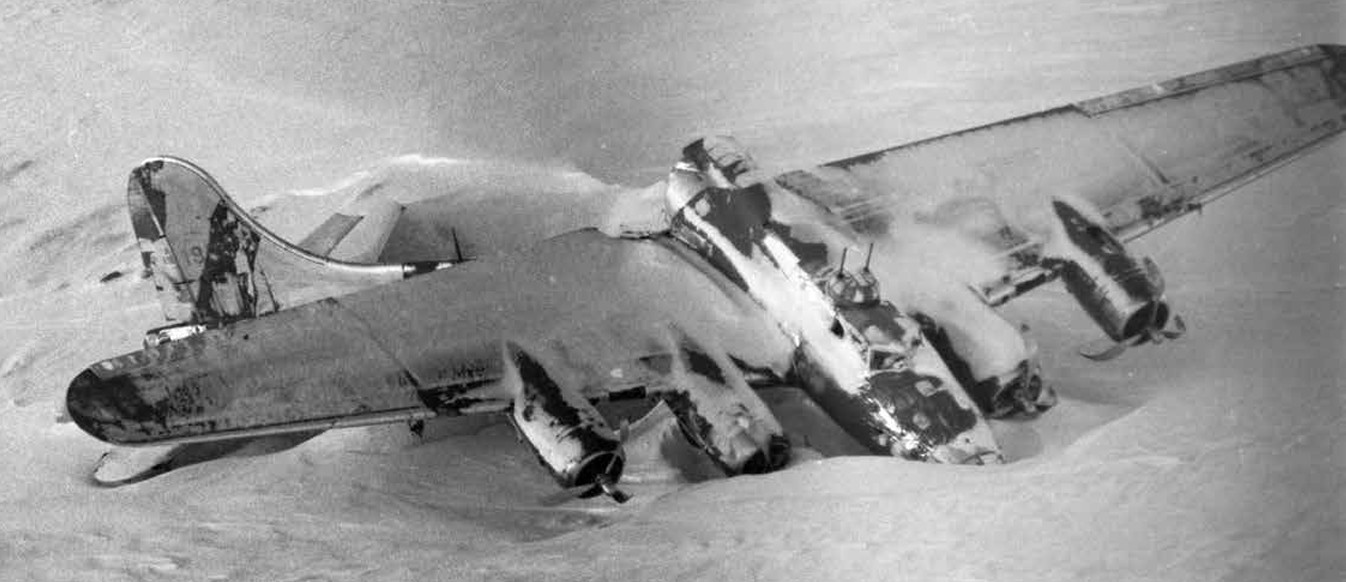
Yet the B-17E My Gal Sal was deemed too remote to be recovered, and on November 23, 1942, B-17E 41-9032 was officially condemned by the U.S. Army Air Force, with just 224 hours of flying time logged on the airframe. It was just one of thousands upon thousands of aircraft that were lost during the course of WWII and was seemingly destined to simply fade from memory, just as the Sooner would remain on the bottom of its fjord, and Alabama Exterminator would be salvaged for parts by locals, with numerous tools being fashioned from the aircraft’s aluminum. But fate had something else in store for the My Gal Sal. In September 1964, 22 years after the My Gal Sal landed on the ice, US Air Force aircrews were called upon to search for a civilian aircraft reported missing over Greenland. While this aircraft would later be found, the search resulted in the rediscovery of B-17E 41-9032 My Gal Sal 22 years after it was forced down. Over the course of those 22 years, ice shifted underneath the airplane, which was also pelted by arctic winds blowing across the ice. The result was that My Gal Sal was now broken in half at the midsection. After confirming the airplane’s identity, the USAF invited Bernt Balchen and Ralf Stinson to return to Greenland to accompany an aerial survey of the wreck in October 1964, with the resulting news coverage culminating in an article published by LIFE Magazine in November, which also tracked down all the surviving crew and passengers of the My Gal Sal as a “where-are-they-now?” feature (link to an online version of this issue HERE).
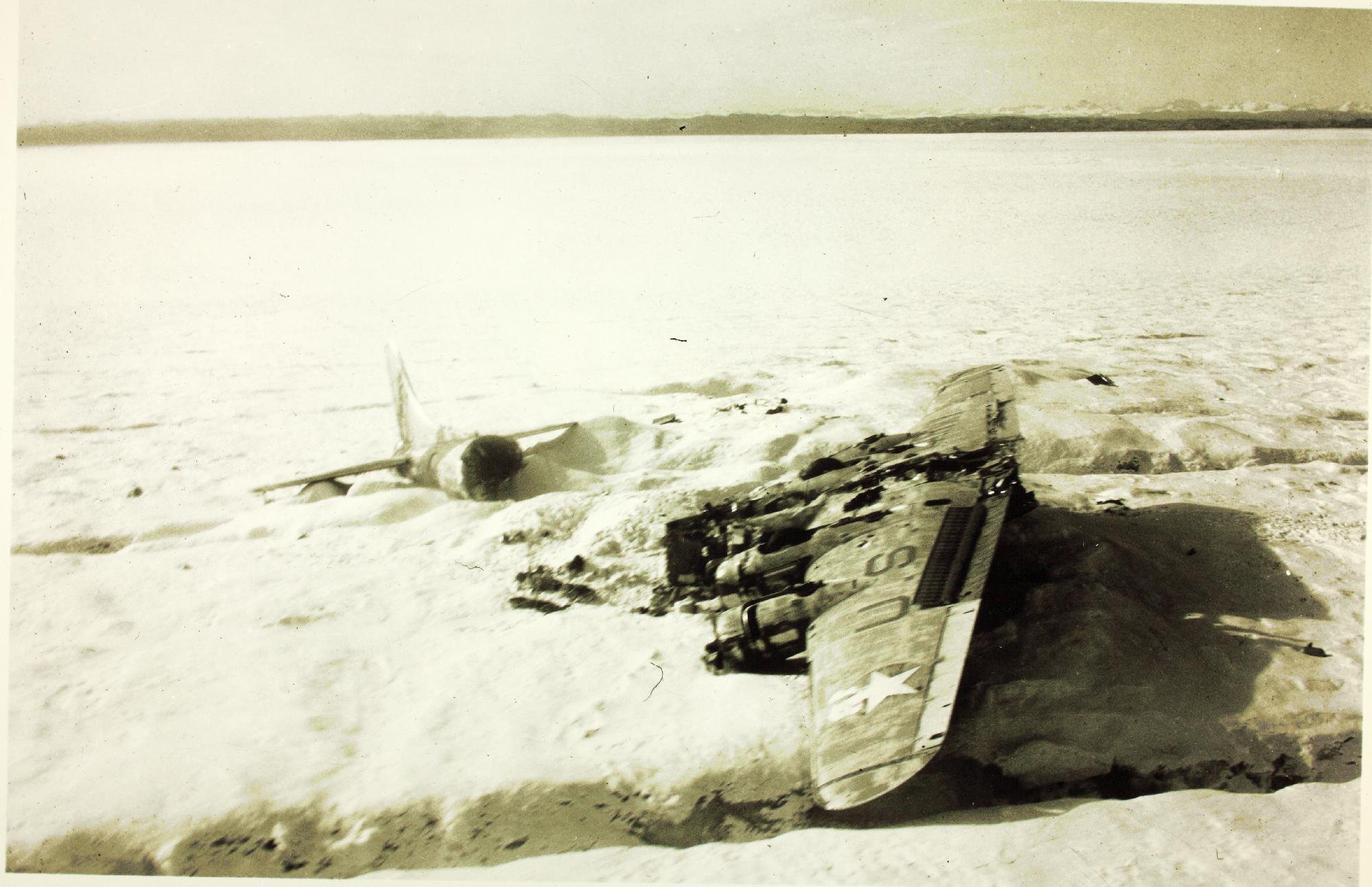
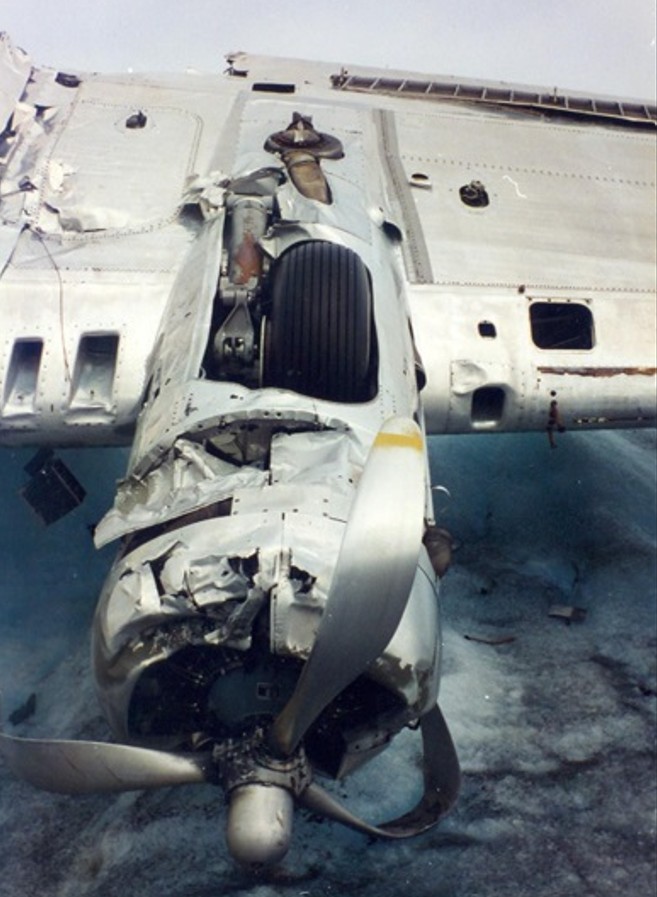
The recent coverage of the aircraft would prompt questions about how the study of the B-17’s onboard components could provide valuable data on how items such as hydraulic fluid, rubber, canvas, and Plexiglass would survive long-term exposure to Arctic conditions for military purposes. In September 1965, the USAF and the Society of Automotive Engineers would take a Sikorsky S-55 helicopter to the wreck of My Gal Sal to retrieve components of the aircraft for laboratory analysis in the United States. The expedition discovered that in the preceding year, the forward half of My Gal Sal, including the cockpit and wings, was flipped by shifting ice and Arctic winds onto its back against a pillar of ice, crushing the cockpit and nose section, while the tail section sat upright nearby. Among the items retrieved from the wreck of the My Gal Sal were a sextant, an octant, and the Norden bombsight’s stabilizer unit. The information gathered from the items recovered from the My Gal Sal helped provide valuable real-world facts for Air Force to learn about the environmental effects on pieces of equipment for future reference in the maintenance of aerospace systems, and the components brought back from the My Gal Sal were later donated to the National Museum of the USAF, while photos of the expedition also came into the collections of the San Diego Air and Space Museum. However, the aircraft itself was once again deemed to be in too remote a location to warrant a full recovery, and so once again, the My Gal Sal was left to rest on the Greenland icecap.
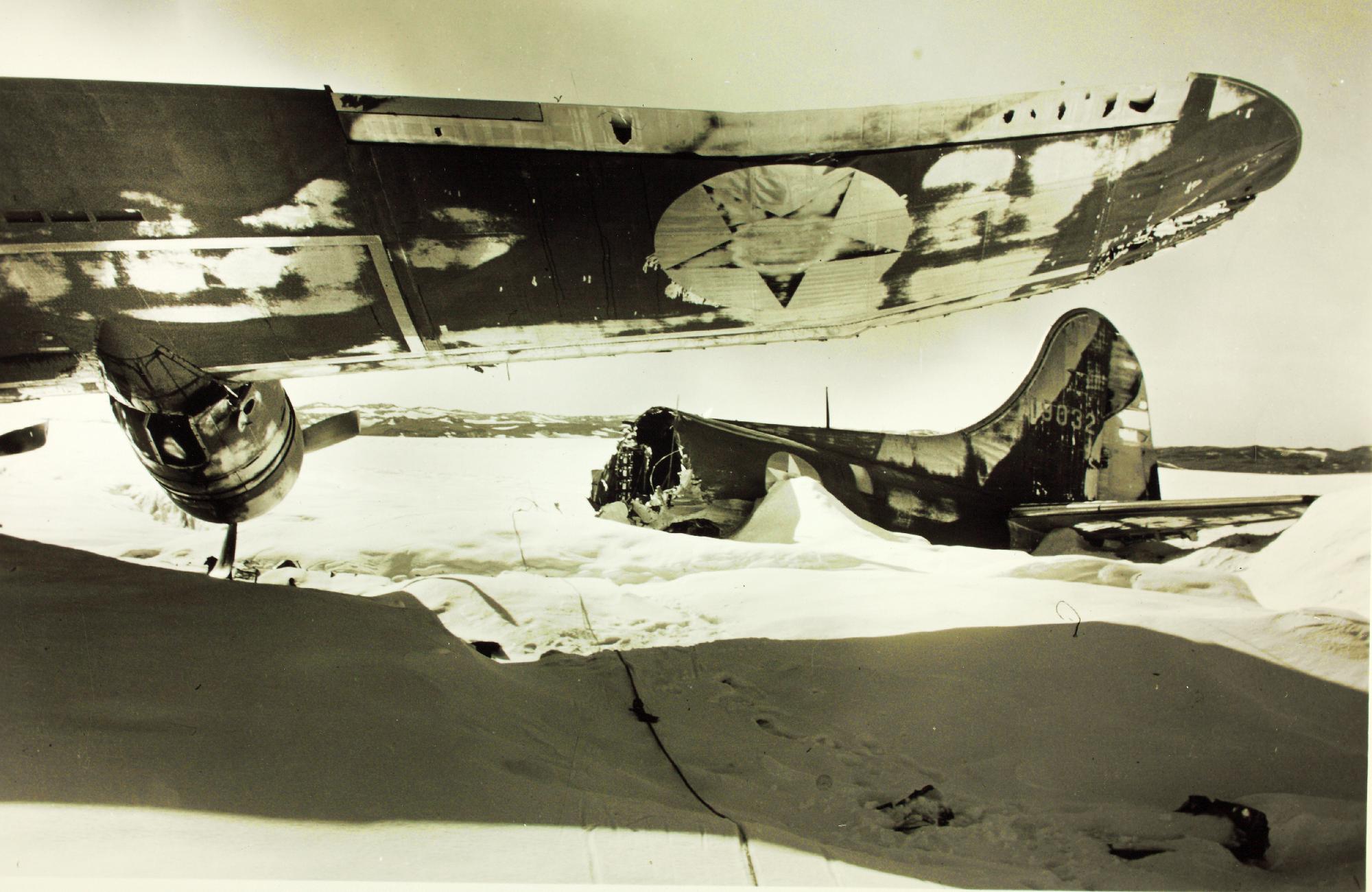
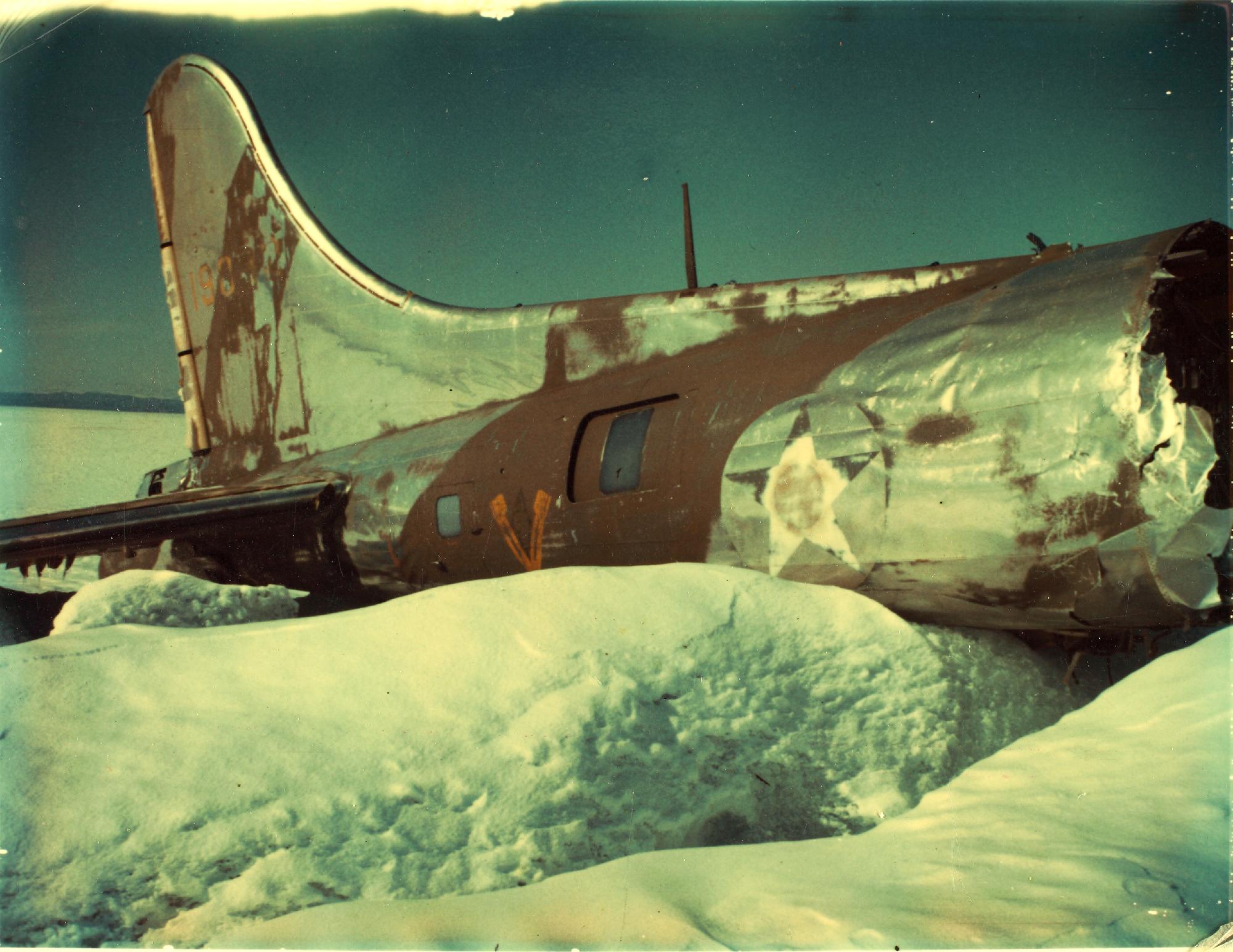
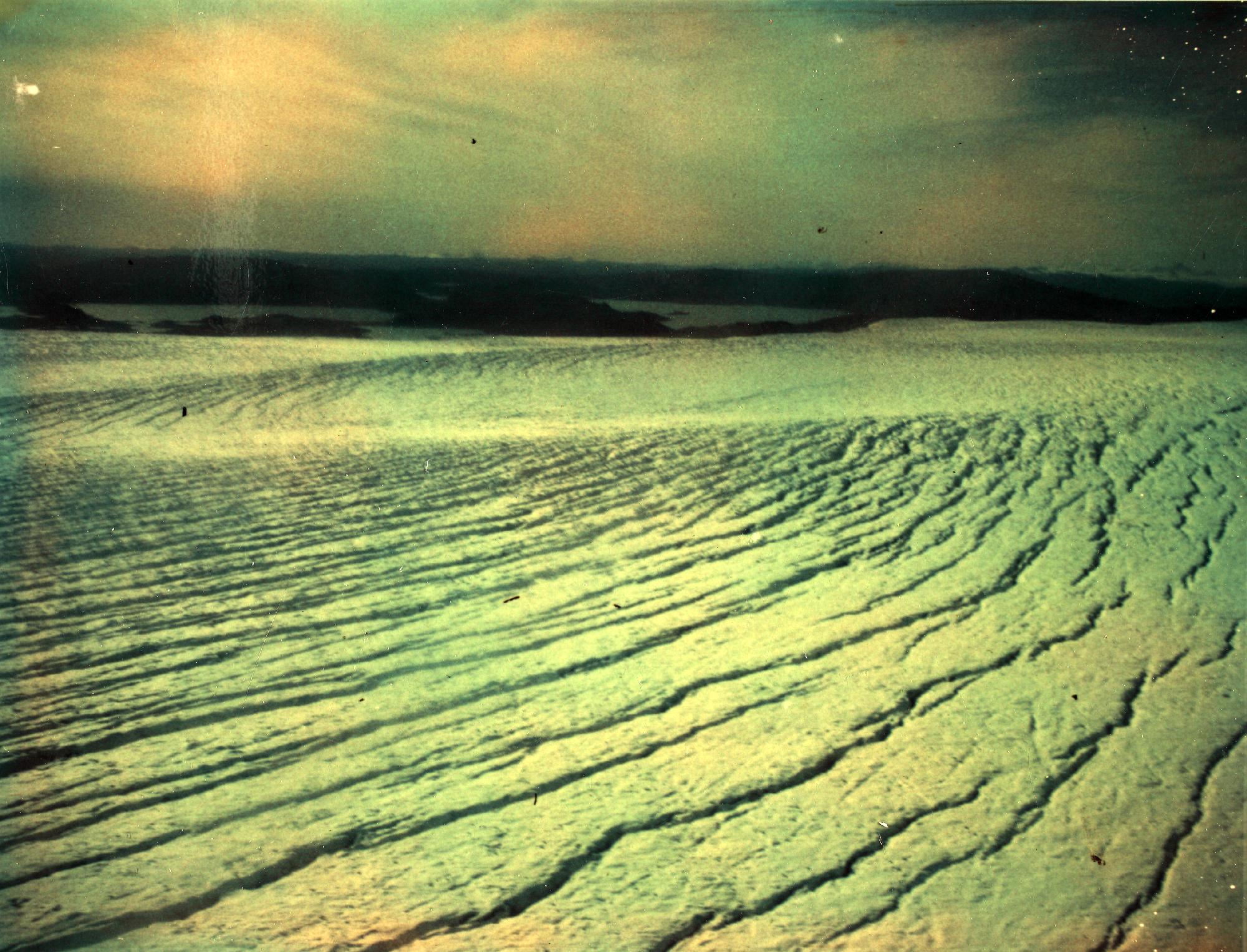
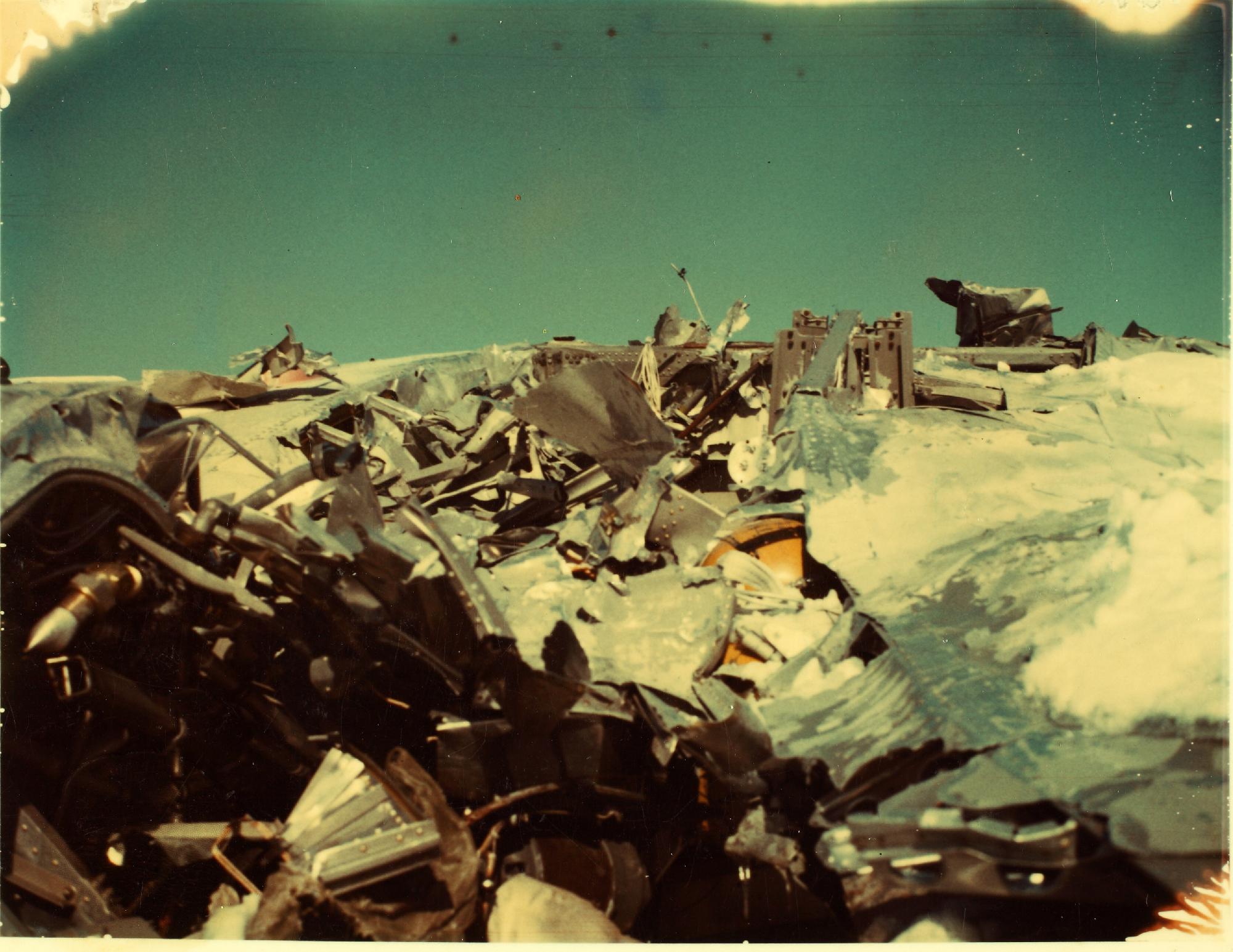
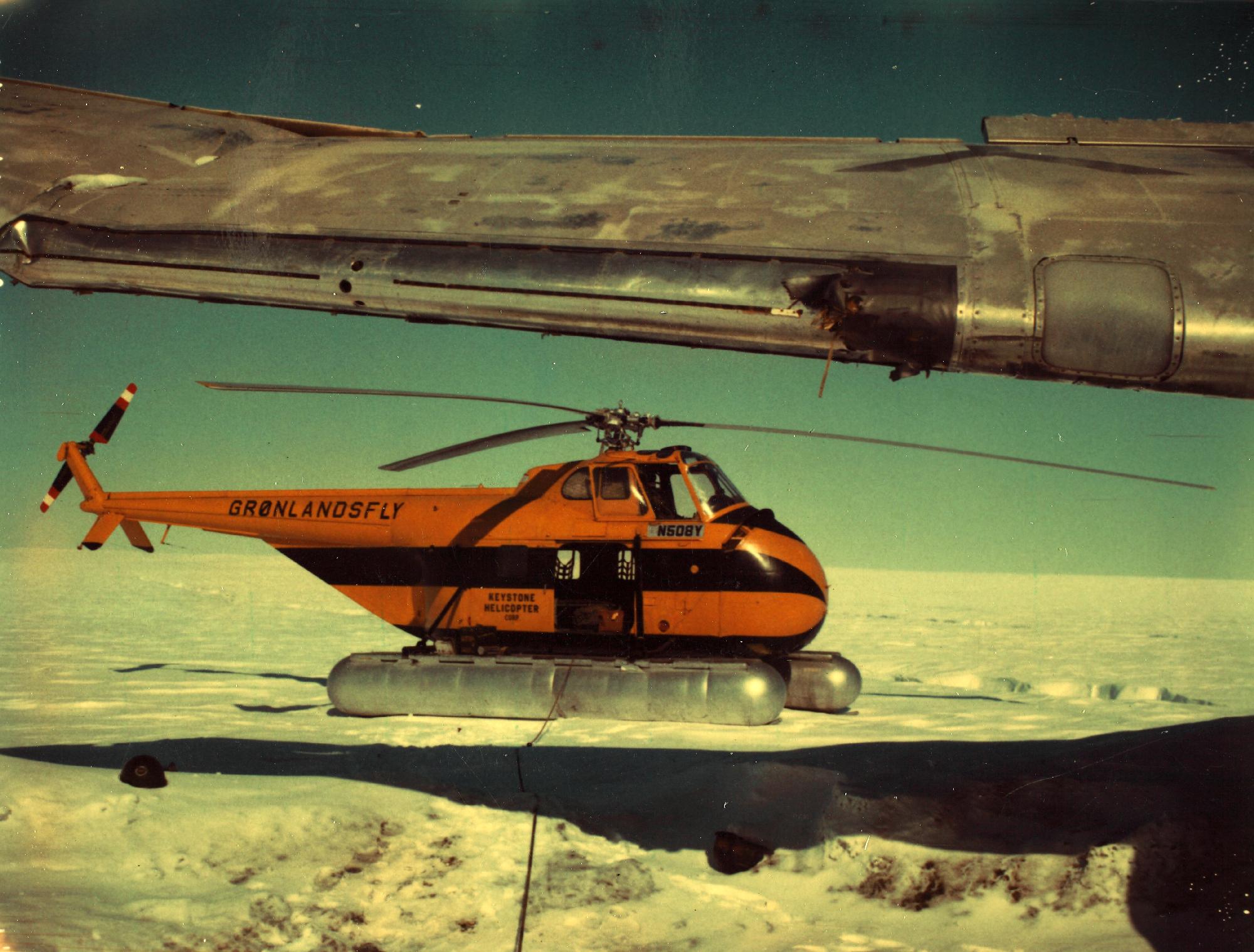
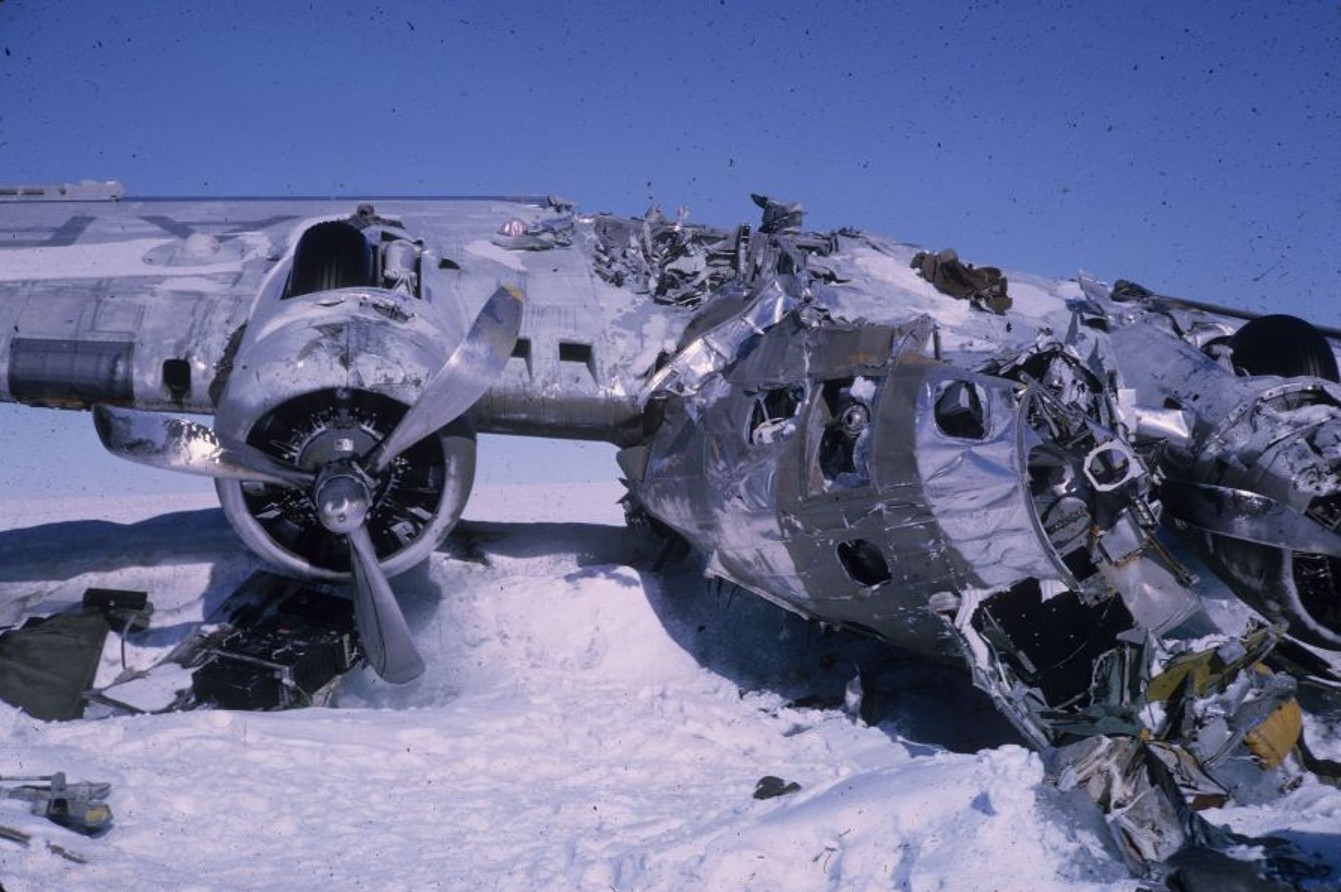
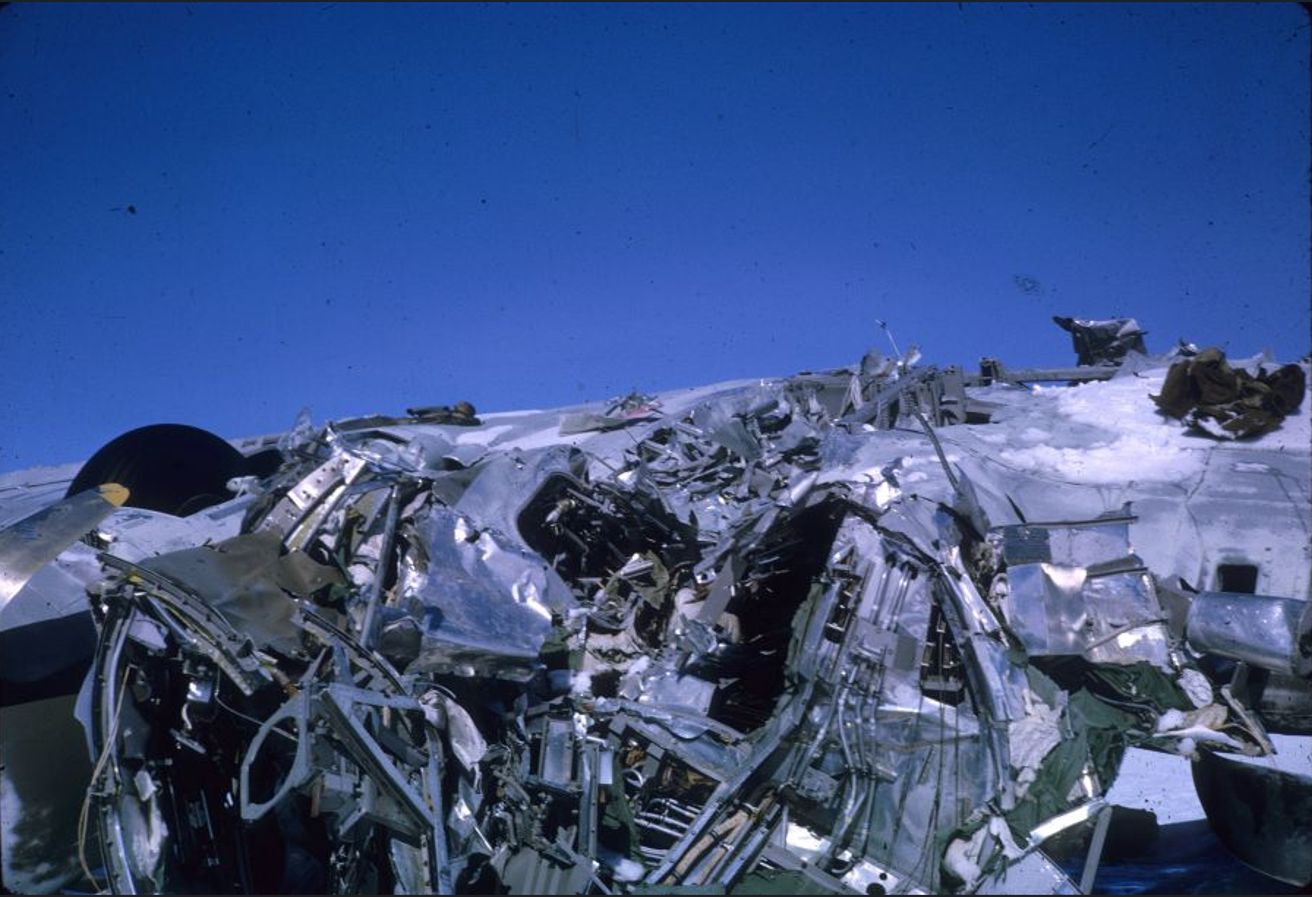
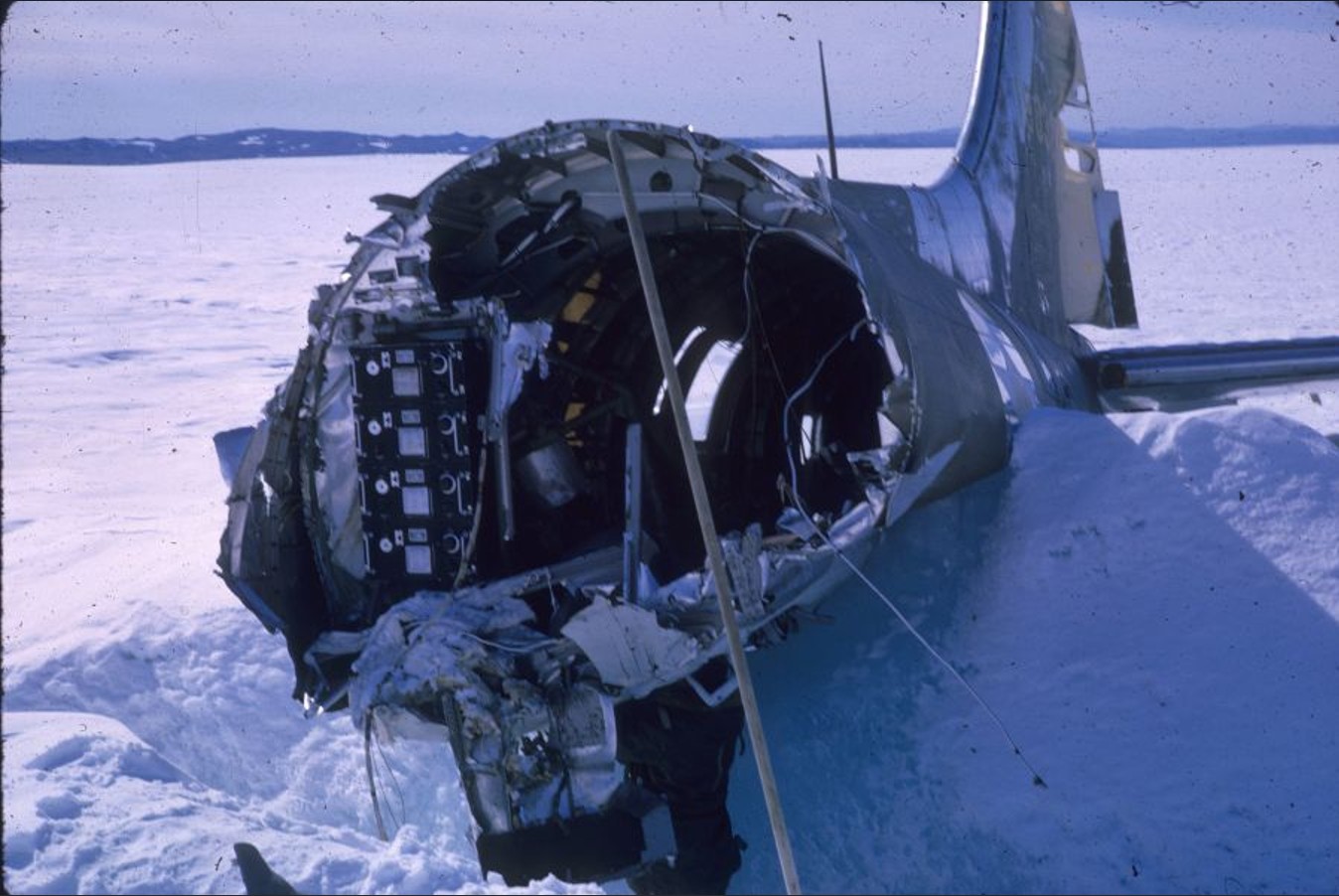
The 1990s, however, would see a large amount of interest in WWII aircraft recoveries in Greenland. In 1992, a Lockheed P-38F Lightning, s/n 41-7630, (later known as Glacier Girl), one of six P-38Fs and two B-17Es of what came to known as the “Lost Squadron” was retrieved from over 250 feet in a daring expedition that resulted in the aircraft’s eventual restoration to airworthy condition (more on Glacier Girl HERE), while another operation tried to recover the Boeing B-29 Superfortress 45-21768 “Kee Bird”, which had been forced down in 1947, only for the aircraft to be destroyed by a fire in 1995 at what was meant to be the end of its recovery (see more in this article HERE). From May to September 1995, aircraft salvager Gary Larkins, owner of the aircraft recovery firm Air Pirates and director of the Institute of Aeronautical Archaeological Research, led an expedition to Greenland to search for numerous aircraft wrecks, among which was the My Gal Sal. At first, Larkins set out to find the sunken remains of B-17E 41-9090 Sooner, but when his expedition was unable to find the sunken remains of Sooner, Larkins turned his attention to the My Gal Sal. Larkins would select aircraft salvagers George Carter and Rafid Tuma to follow him to the My Gal Sal, while the rest of the expedition, deemed nonessential for the recovery of My Gal Sal, were to remain in the search area for the Sooner, but the sunken aircraft would elude their efforts of recovery. Setting up camp less than ten yards from the wreck of My Gal Sal, Carter, Larkins, and Tuma would share a nylon tent with a capacity for six men. In his book Ride with the Pirates that details the exploits of the Air Pirates in recovering aircraft around the world, Carter would later write of the condition of the My Gal Sal that “It appeared as if a giant had picked it up and twisted it in half, shook out the insides, and then walked off, dropping the remains.” Being in the northern latitudes, the summer months in Greenland consist of twenty-four hours of daylight, which allowed the team extended time to disassemble My Gal Sal, but this would have to be done in temperatures of 15°F, strong winds, rain, and snowfall. Fashioning a lifting tripod from scrap metal, Larkins, Carter, and Tuma worked over the course of seven days to disassemble the B-17E. First, the four R-1820 engines were detached from their mounts and lifted from the airplane onto the ice one by one. Next came the removal of the fuel tanks from the internal sections of the wings, then the wings themselves were unbolted from the upturned forward section of the fuselage, with the three men manhandling the extremely heavy components. Then they would disassemble the landing gear, remove the gun turrets, machine guns, and other items from the scattered wreck, while also recovering personal effects still secured in Army-issue B-4 suitcases.
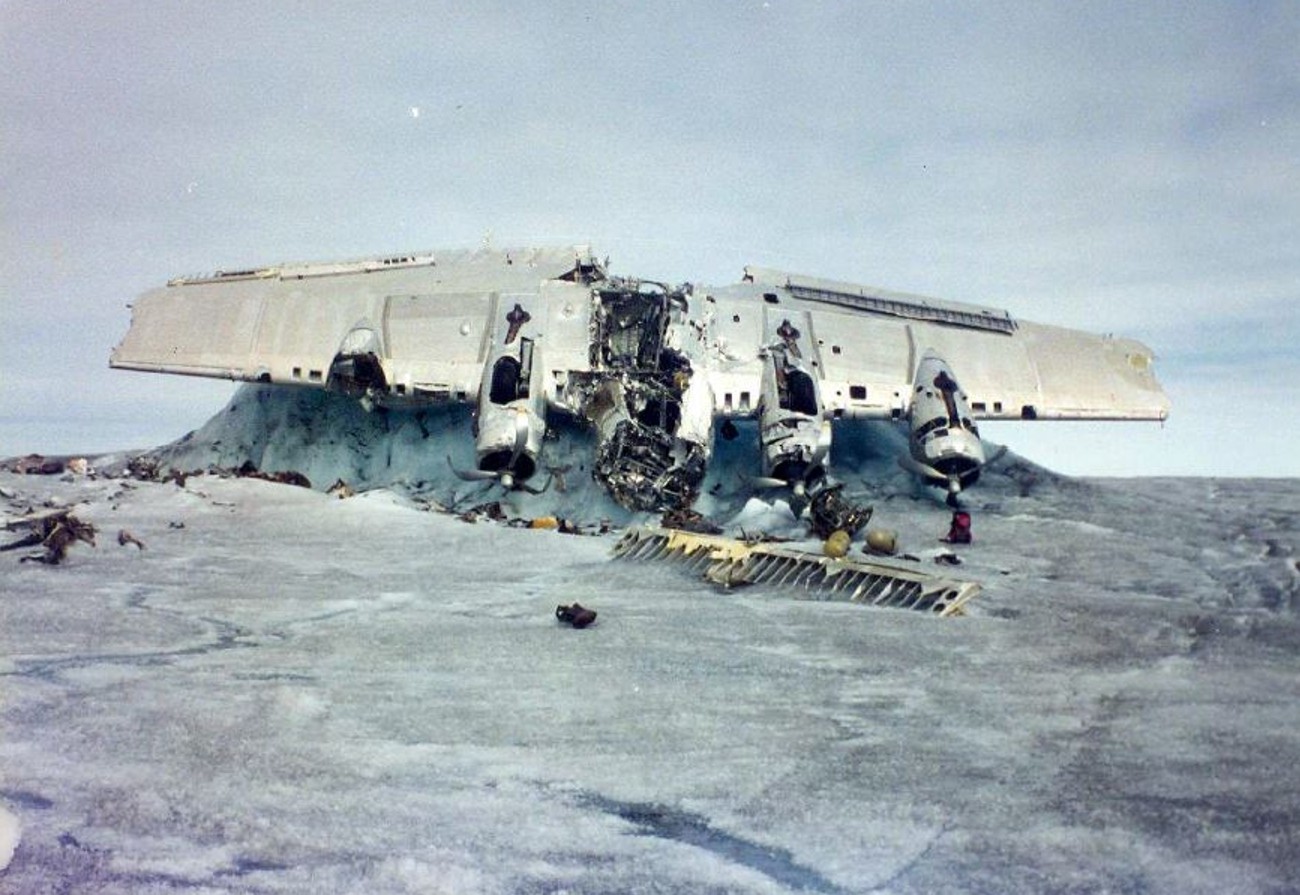
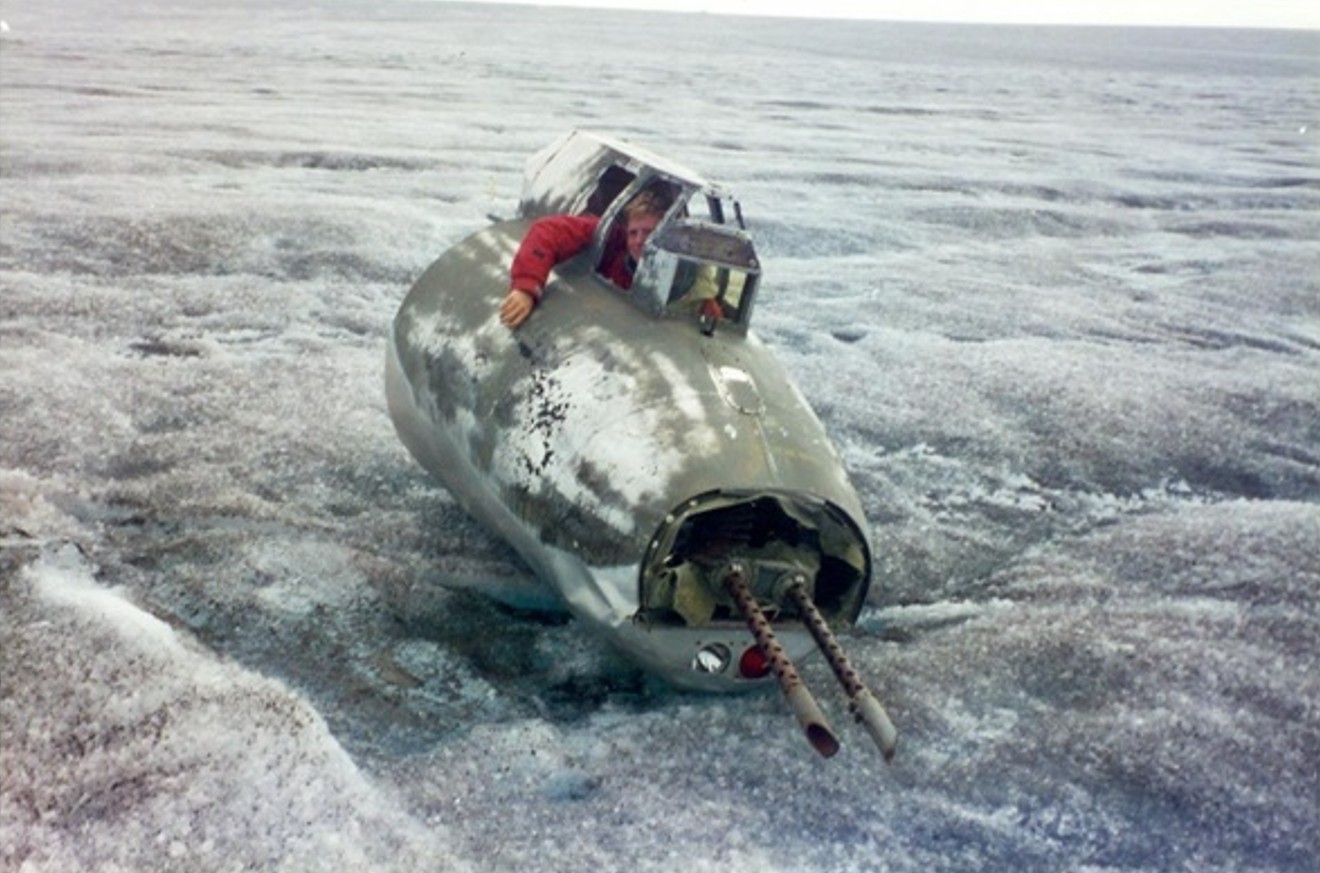
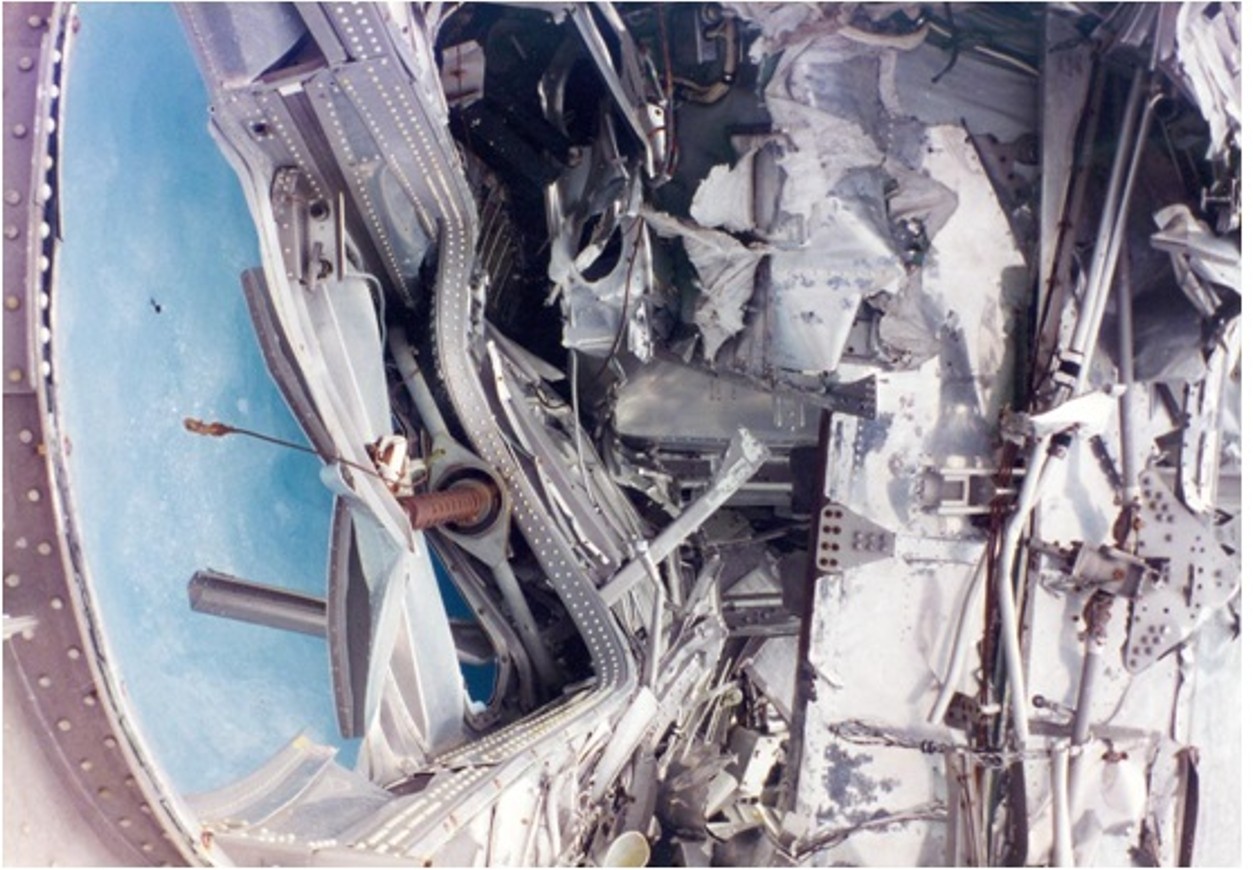
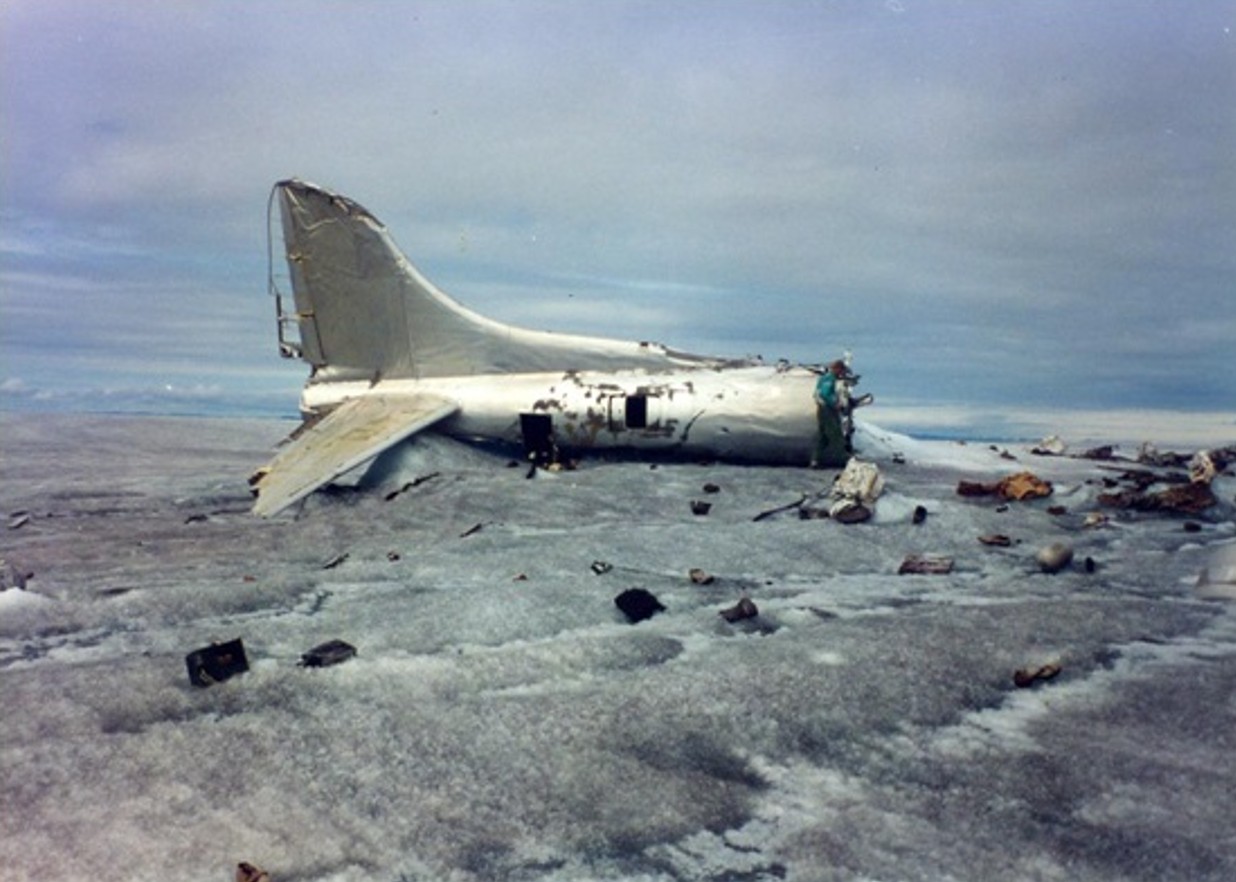
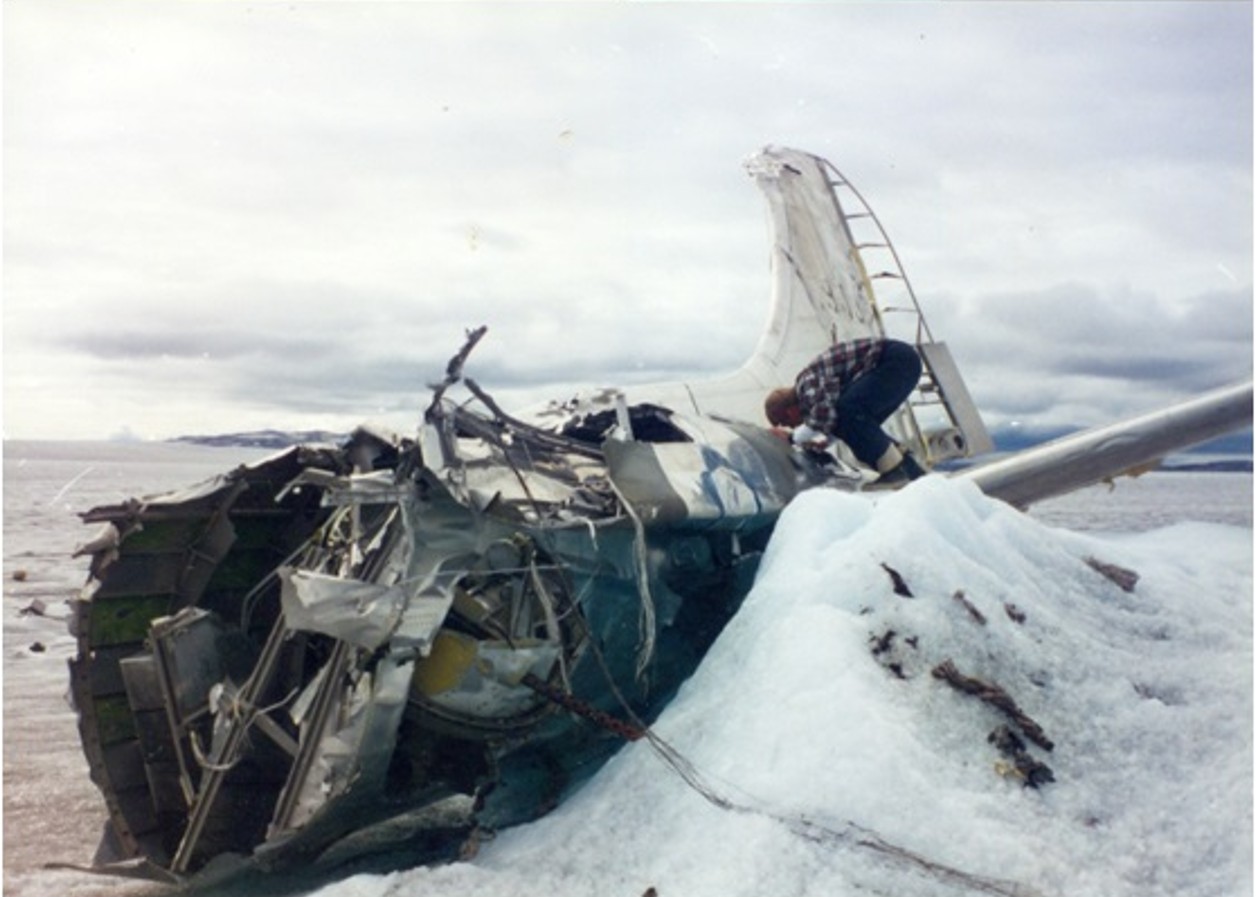
The work would prove to be challenging and exhausting. With limited supplies of food and little rest, the men were all tired and irritated, and by the seventh day, their energy was more reliant on what willpower they had. But at last, the My Gal Sal was disassembled. In order to get the remains of My Gal Sal off the Greenland ice, the team hired a helicopter to hoist the pieces of the aircraft to the settlement of Kulusuk on Greenland’s eastern coast. It would take another two days for the helicopter to make 20 trips carrying pieces of My Gal Sal by a sling-load configuration. Once the aircraft was in Kulusuk, the smaller components were loaded into two shipping containers, and the larger sections, such as the sections of the wings and fuselage, were strapped onto flat racks. With that, B-17E 41-9032 was placed aboard the Icelandic cargo vessel Skogafoss, bound for the Portsmouth Marine Terminal near Norfolk, Virginia, with Larkins, Carter, and Tuma having flown back to the United States and arriving in Norfolk to meet the Skogafoss on its arrival. Unfortunately, during the transit to the US, the B-4 bags had been stolen, with Larkins being quoted by the newspaper The Virginian Pilot as saying, “It’s just a shame, because whoever took that stuff will keep it around a couple of years as a novelty and eventually it will end up in a garage sale.” Nevertheless, the men worked for five days to oversee the offloading of the My Gal Sal, and put the components into new containers to be shipped by truck from Virginia to the Tillamook Air Museum in Tillamook, Oregon, where the B-17 would sit in the museum’s massive wooden hangar, originally built during WWII to house blimps used for maritime patrol missions. Speculation within the warbird community was full of hopes that My Gal Sal could be rebuilt to airworthy condition. However, it would take a lot of resources to restore the My Gal Sal given the aircraft’s mangled condition, and for nearly five years, the aircraft remained virtually untouched in Tillamook, waiting for its restoration to begin. Meanwhile, Larkins would go to Alaska and salvage pieces from B-17F Flying Fortress s/n 42-30681, which had been shot down on September 25, 1943, with the crew having kept the plane aloft before bailing out and the aircraft would crash into the tundra some 14 miles near the small town of Ruby, Alaska. Larkins managed to recover parts of the wings and tail of 42-30681 and sent these parts to be stored at the Tillamook Air Museum alongside the remains of B-17E 41-9032.
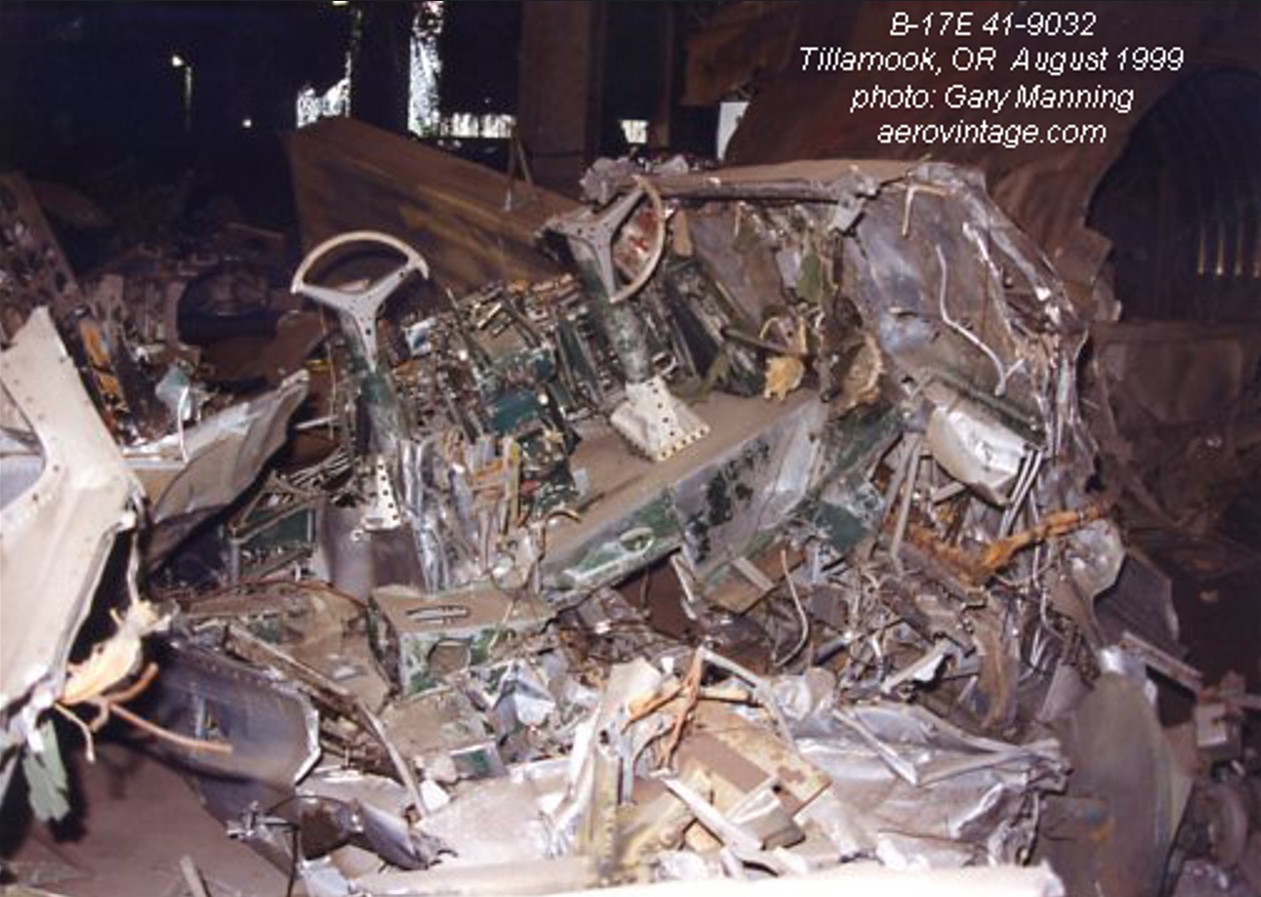
In the summer of 1999, businessman Robert Ready of Cincinnati, Ohio organized his own expedition to recover both B-17E 41-9090 Sooner, as well as B-17G 42-97854, which had been forced to ditch on the ice-covered surface of Lageons Fjord on April 9, 1944, with the crew being rescued before the brand-new B-17G later sank under thawing ice. Among those joining the expedition was Paul Blaida, who had been the bombardier on the B-17E Sooner, and who hoped to see his former aircraft once again. Despite an extensive search, however, Ready and his group were unable to find and retrieve the two B-17s. On returning to the United States, though, Bob Ready was introduced to Gary Larkins by Ron Kaplan of the National Aviation Hall of Fame. Larkins told Ready about how he too had tried and failed to find the Sooner but had salvaged the My Gal Sal, which was still in Tillamook, with no restoration work having been carried out on the remains. Seizing on the opportunity, Ready purchased the remains of B-17E 41-9032 in March 2000, and in the course of this purchase, Ready and Larkins made a mutually beneficial deal. Ready would agree to bring the wings, engines, and horizontal stabilizers to Ohio for restoration while Larkins would restore the fuselage in his home workshop near Auburn, California before sending the fuselage to Ohio.
The place where Bob Ready chose to house the restoration of My Gal Sal would be Blue Ash Airport, located in the Cincinnati suburb of Blue Ash. Established in 1921, Blue Ash Airport served the Cincinnati community of general aviation pilots for 80 years at this point and had the hangar space necessary to restore the My Gal Sal through a foundation Ready would create named the Ultimate Sacrifice Memorial Foundation. Ready managed to spread the word about his restoration project, and some 22 volunteers, some of whom were WWII veterans, would spend their weekends working on the B-17E, reshaping bent metal back into shape, and using as much original material as possible. Meanwhile, Gary Larkins in California used everything he could from My Gal Sal, as well as parts from other B-17s he had salvaged around the world, including pieces from B-17F 42-30681. Soon, Larkins returned to Alaska and retrieved more pieces of 42-30861 scattered near Ruby, including the tail turret, which had been submerged in a nearby lake. In October 2001, Larkins completed work on My Gal Sal’s aft fuselage, which included the waist section and tail turret. The tail was then shrink-wrapped and trucked from Auburn to Blue Ash Airport. A few months later, in 2002, Larkins finished the forward section of the fuselage, comprising the bombardier/navigator’s station, cockpit, bomb bay, and radio compartment. This would also be shrink-wrapped and trucked to Blue Ash Airport as well. Meanwhile, Ready and his volunteers continued their work on the wings, engines, and stabilizers of My Gal Sal, while the two halves of the fuselage were repainted in the same markings the aircraft wore when it belly-landed on the Greenland icecap in 1942, with the names of the crew members being painted at their assigned stations. Among the recreated markings was the original emblem of the 97th Bomb Group, which had been painted by the crew next to the waist section door. This emblem consists of a skull against a black triangle framed by two yellow bombs in a V-shape.
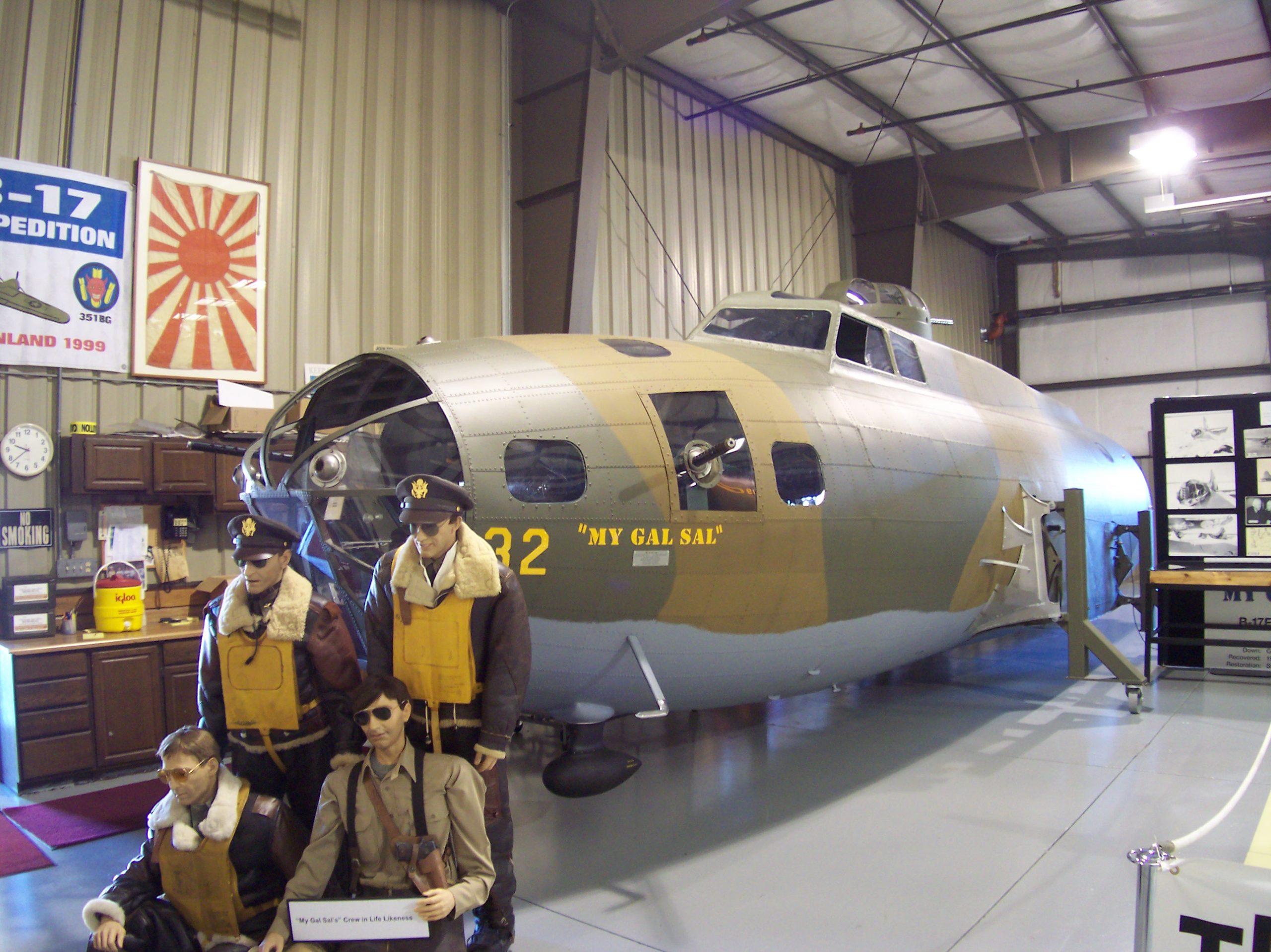
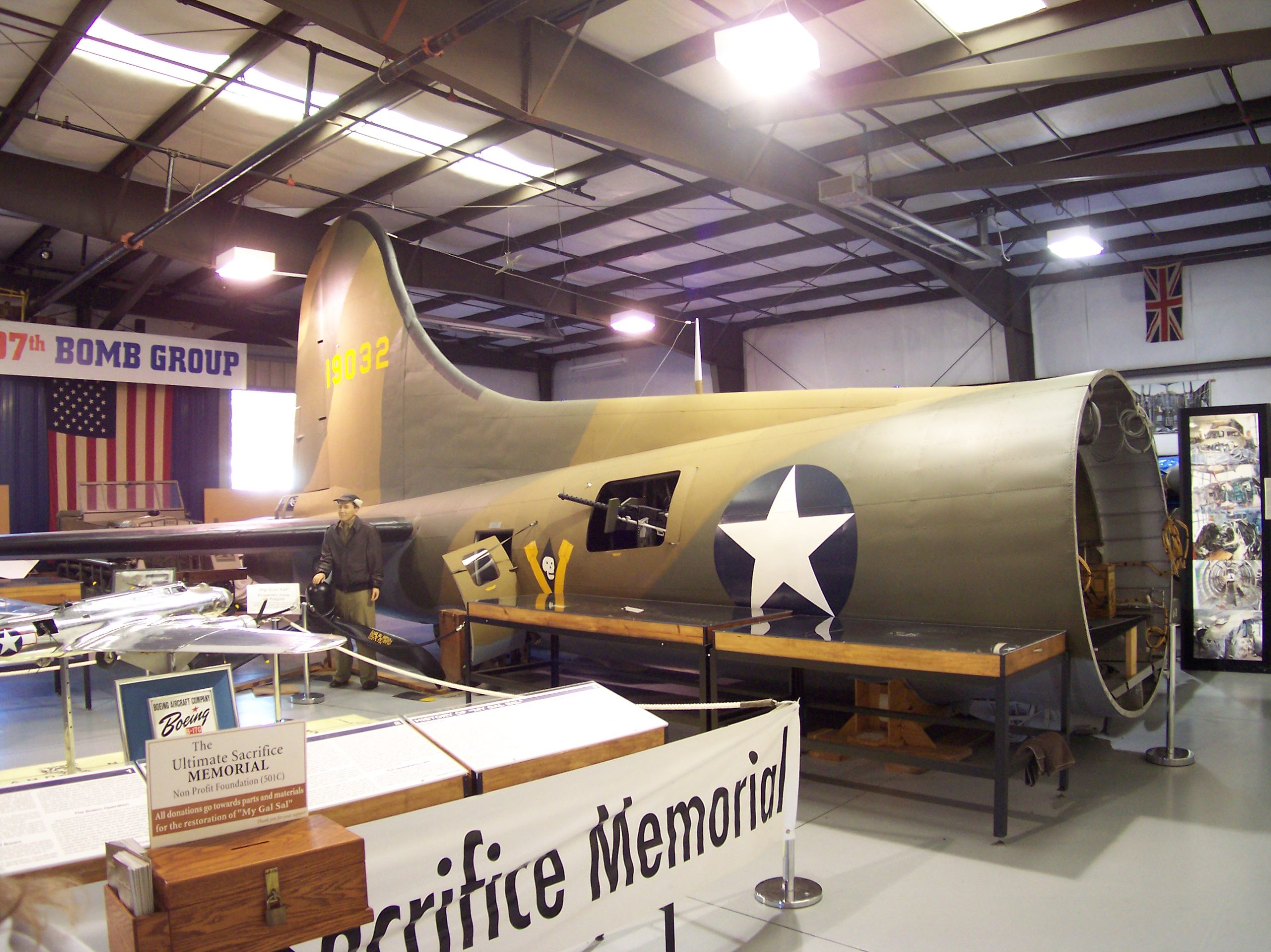
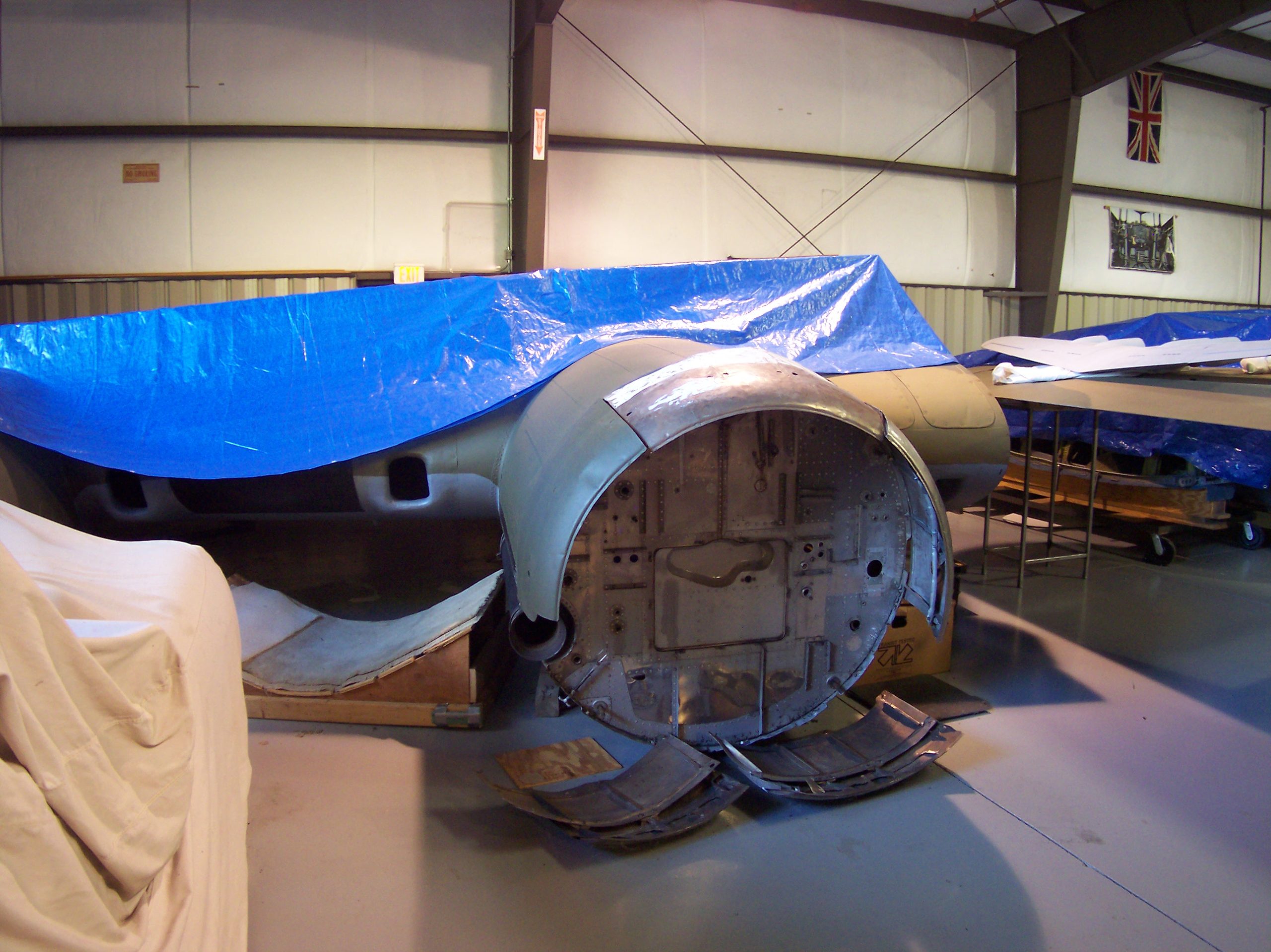
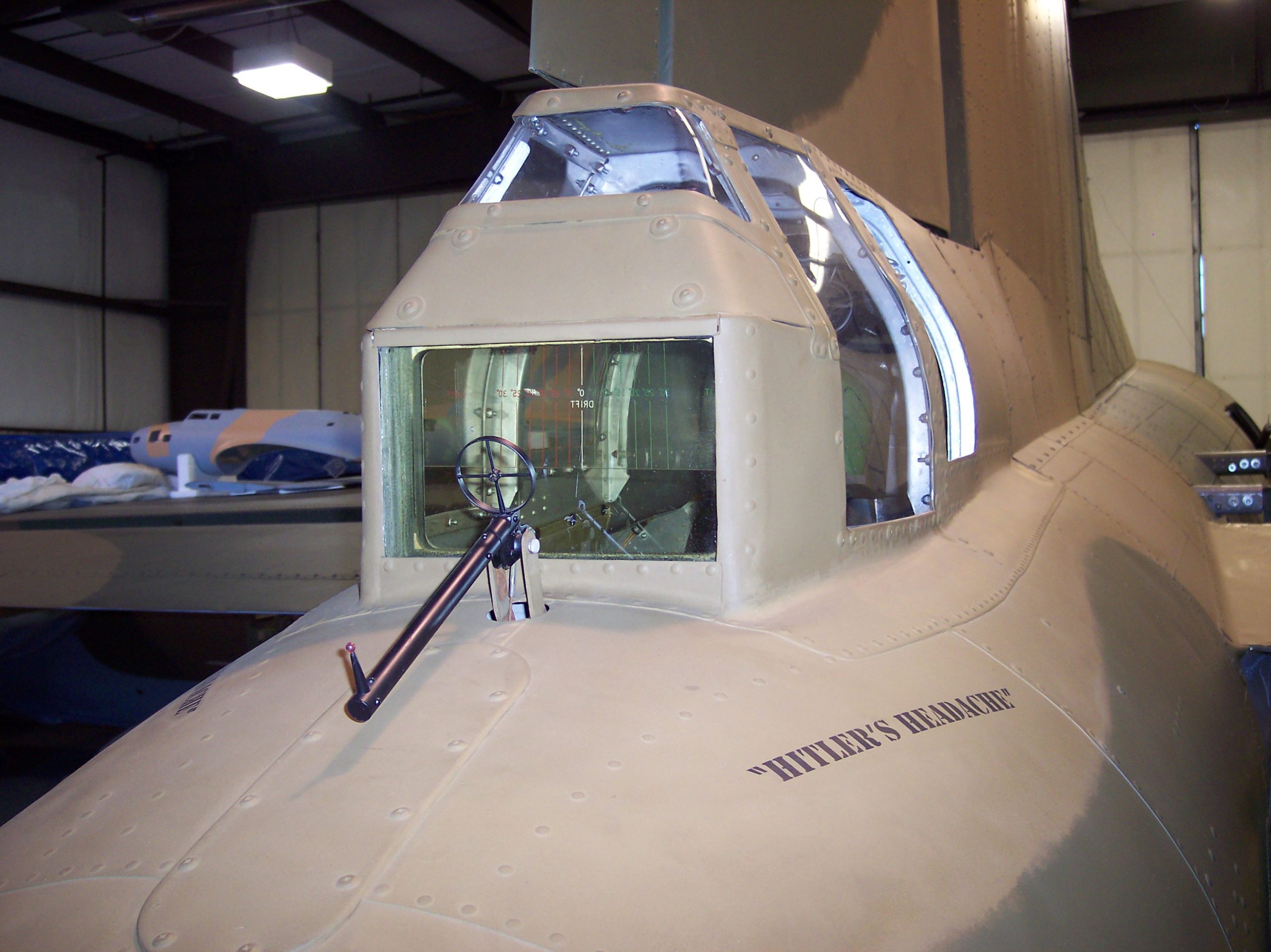
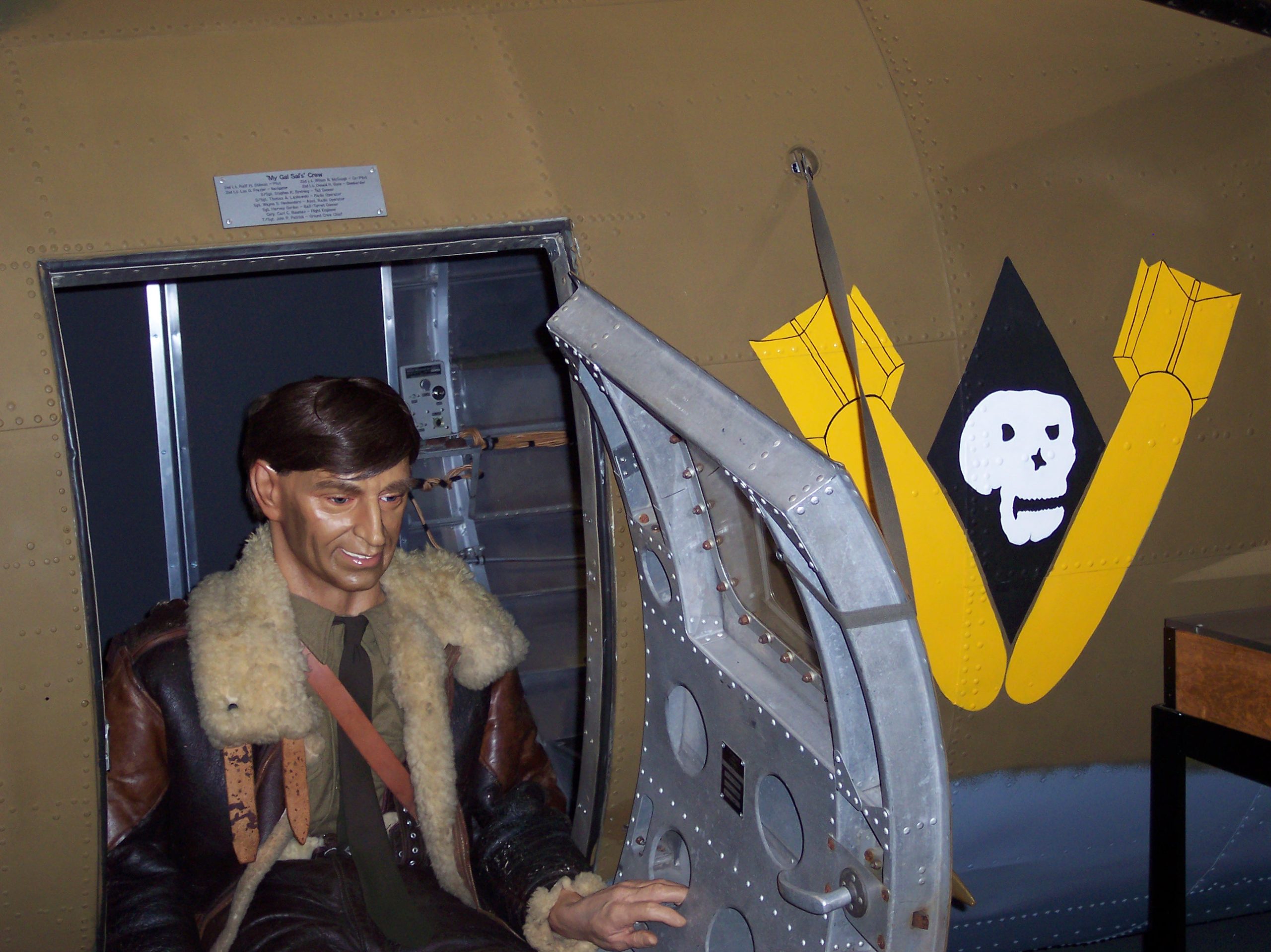
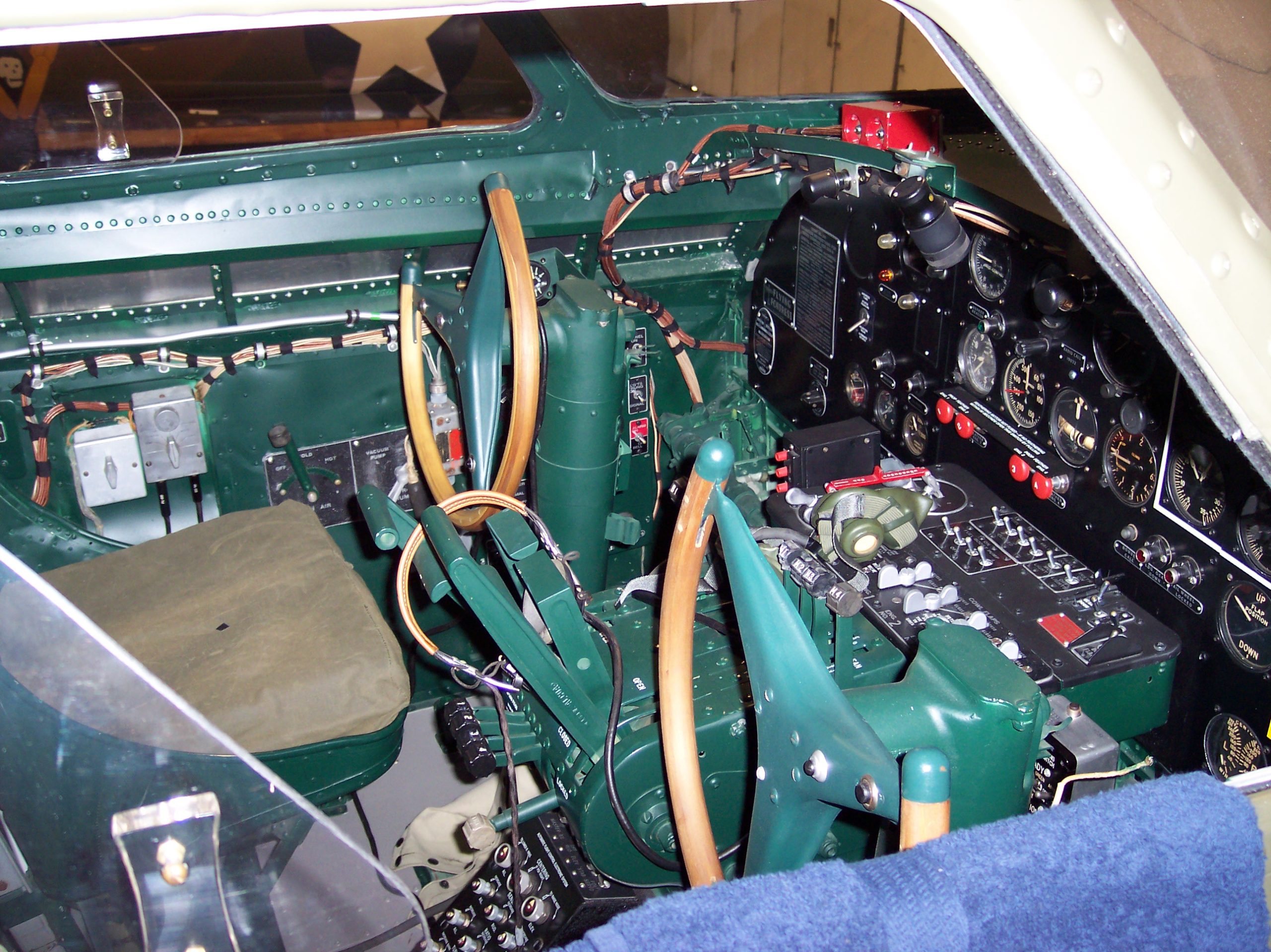
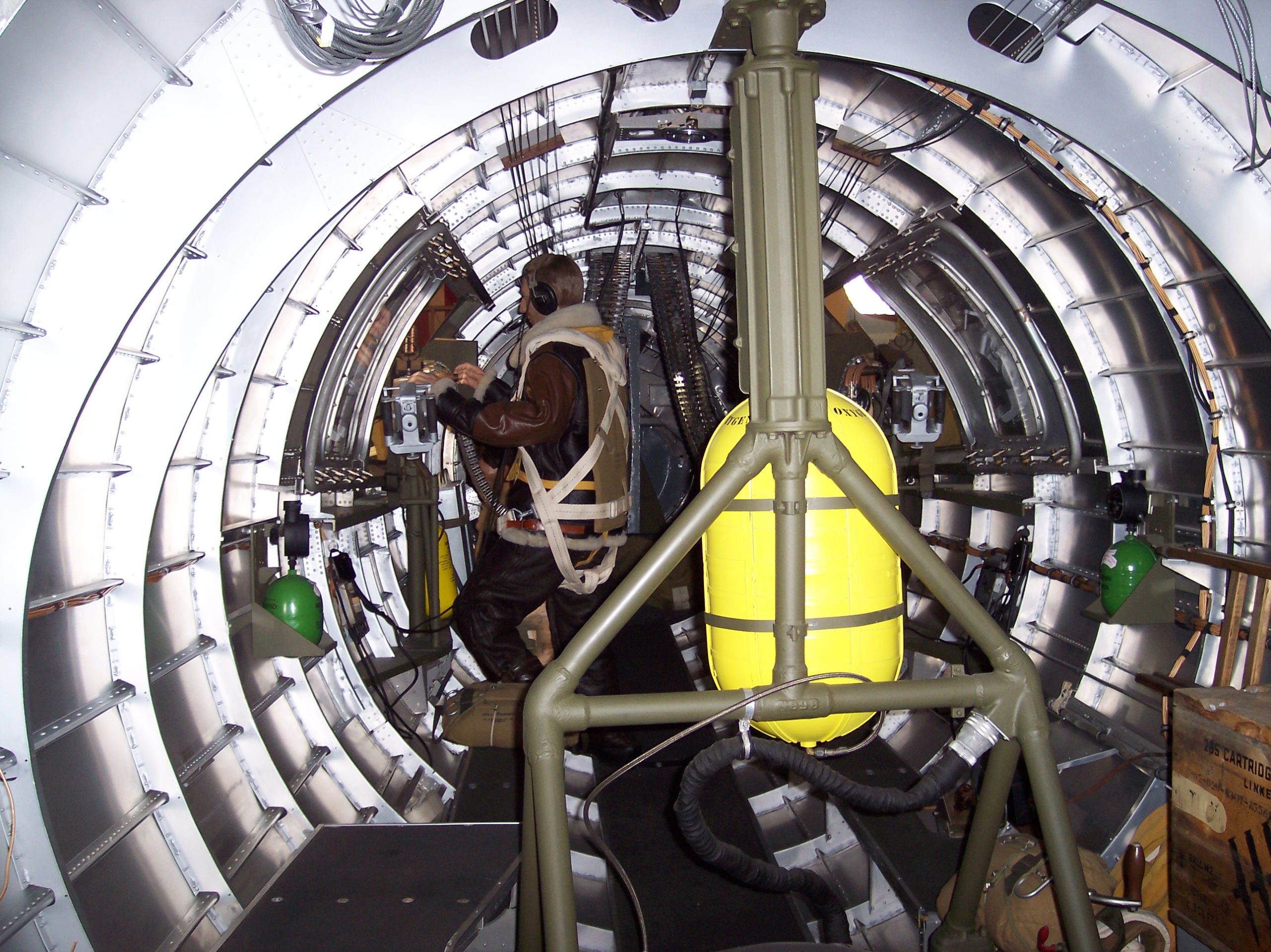
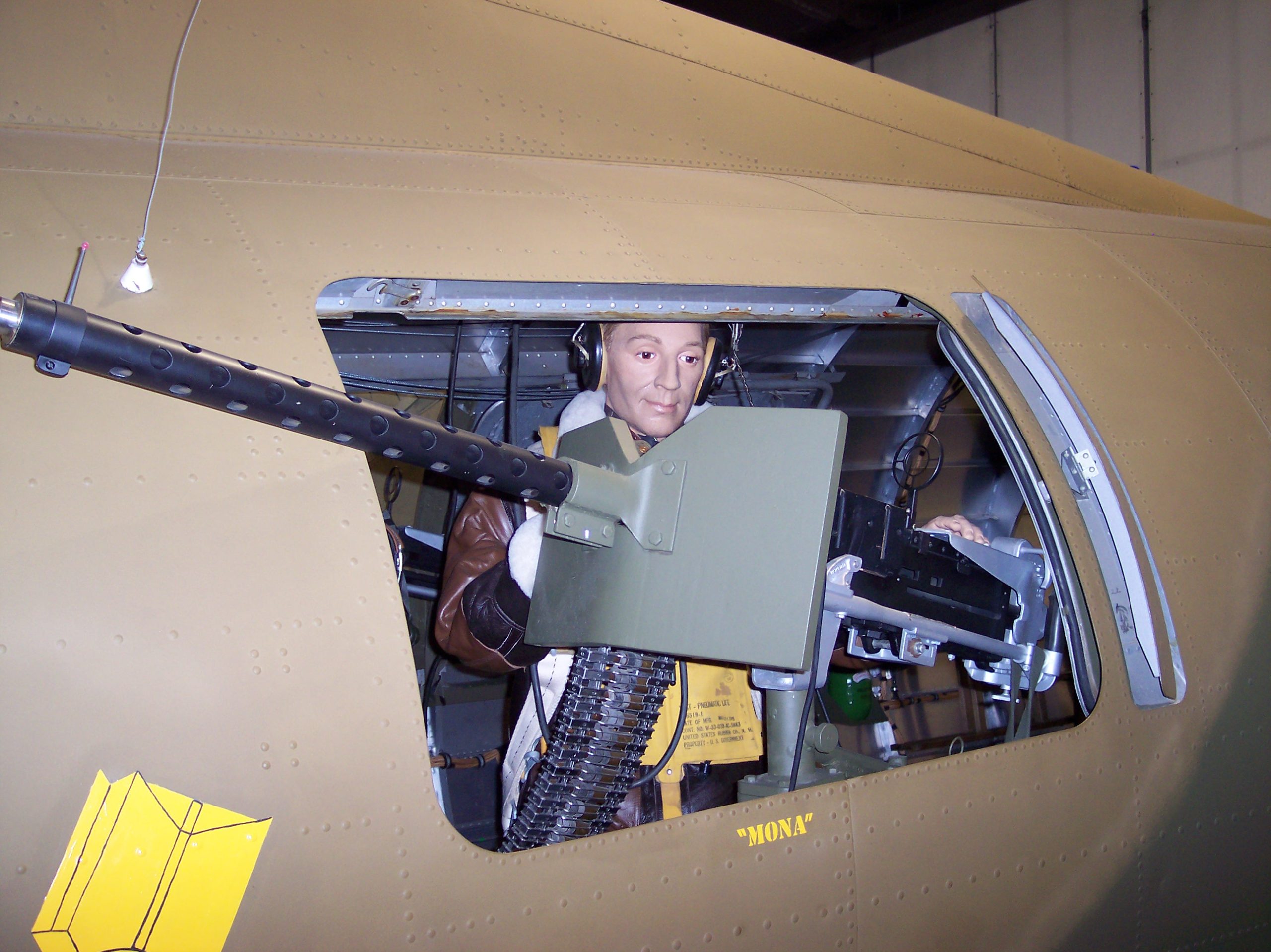
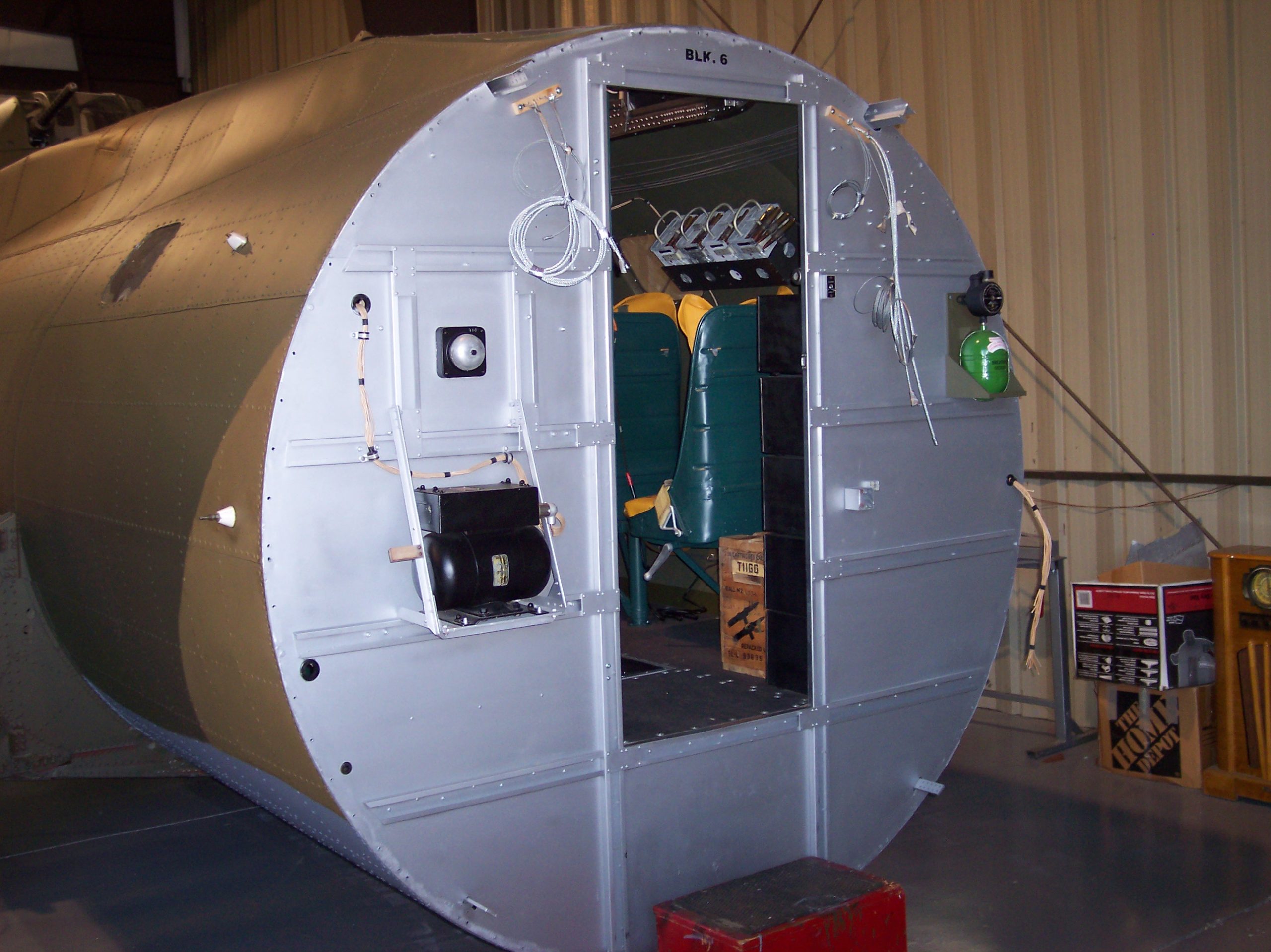
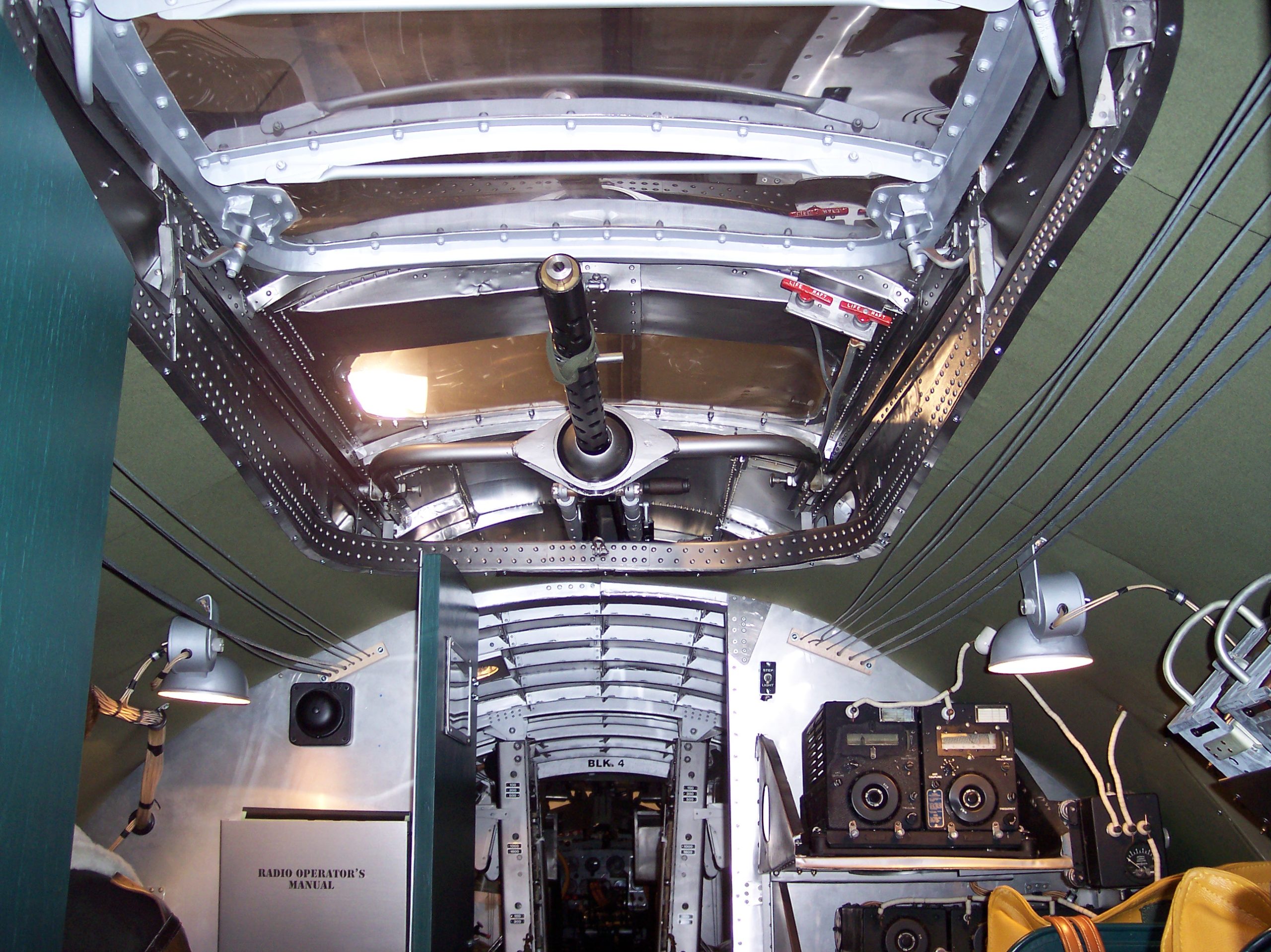
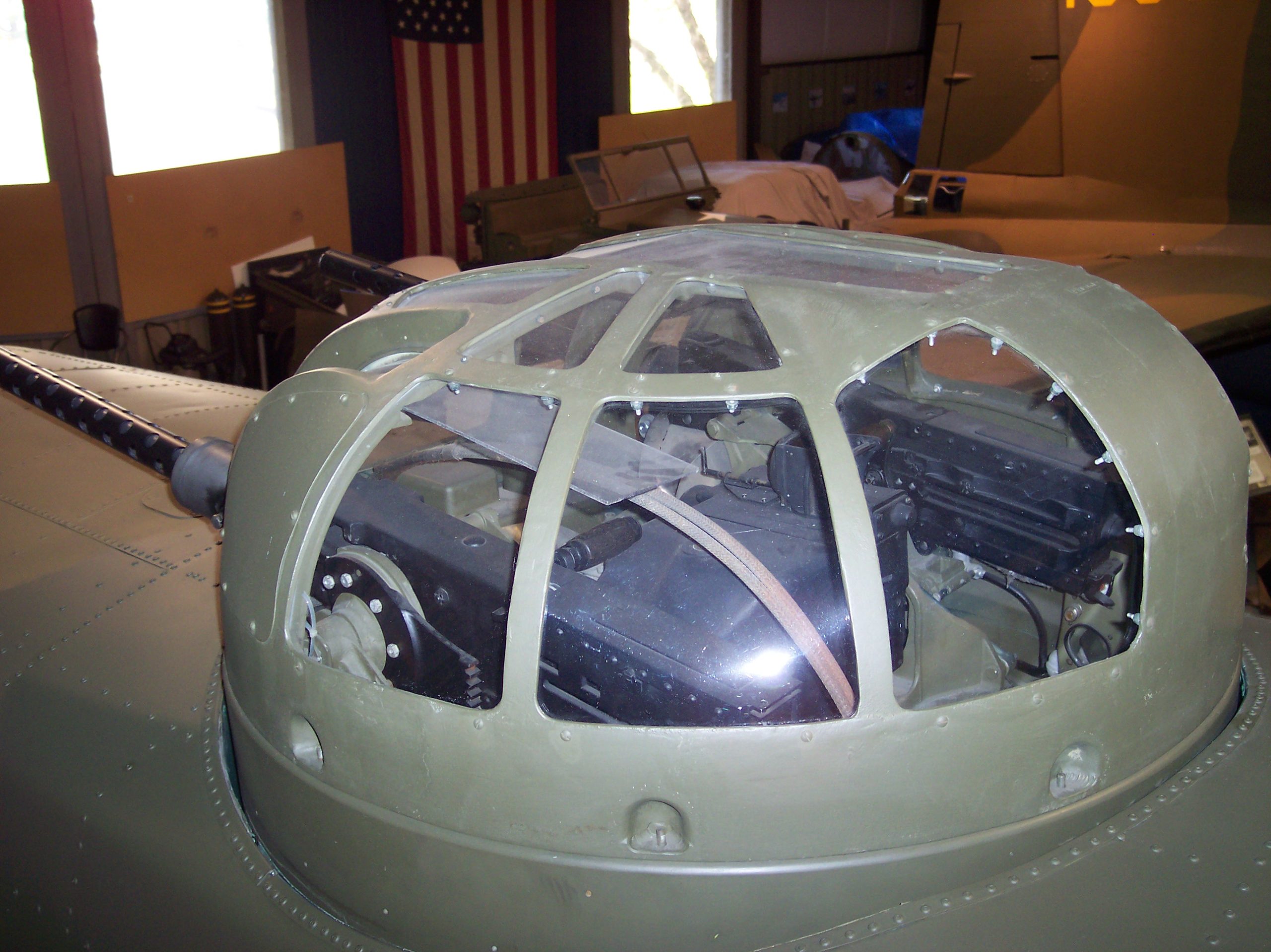
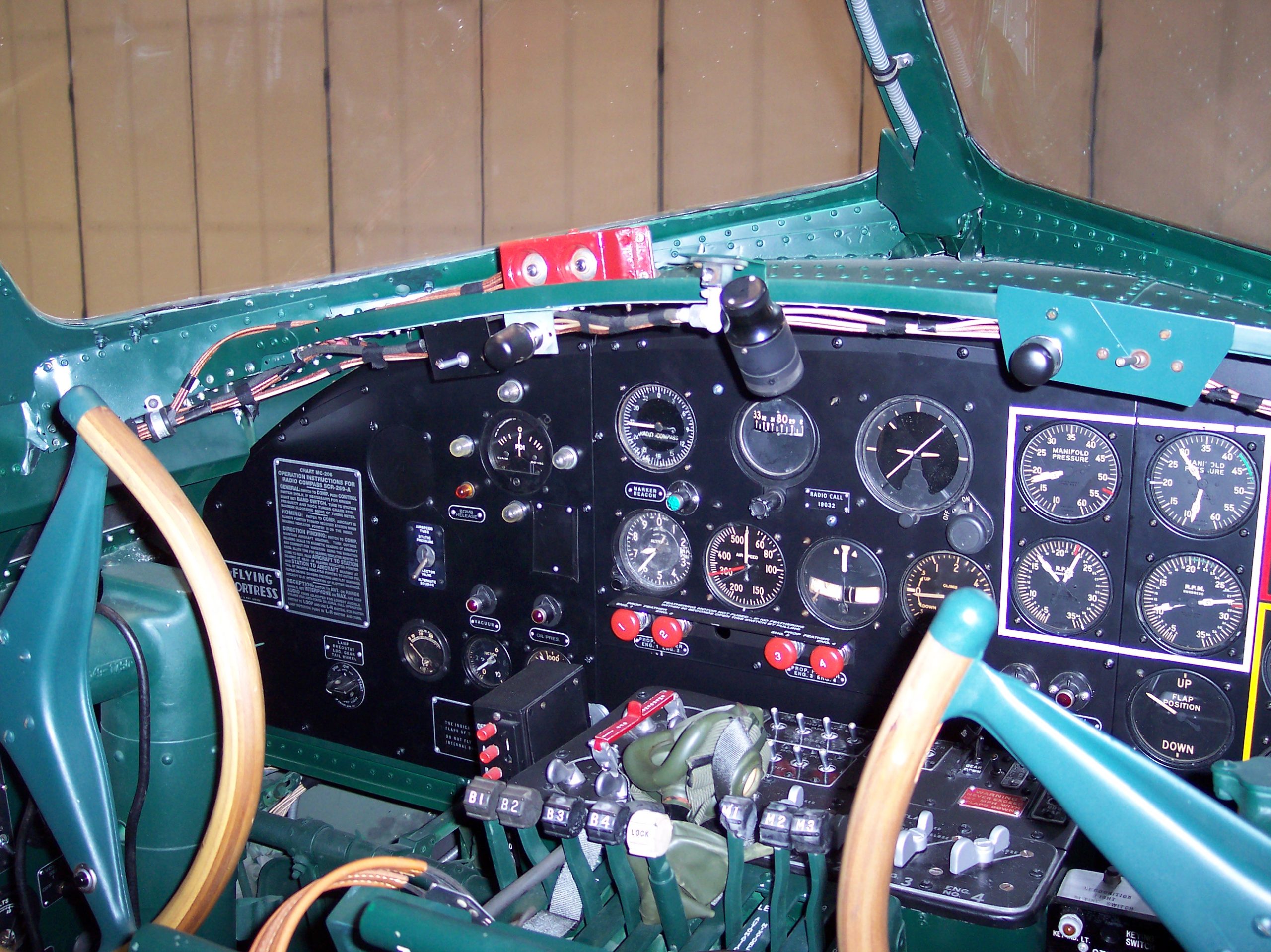
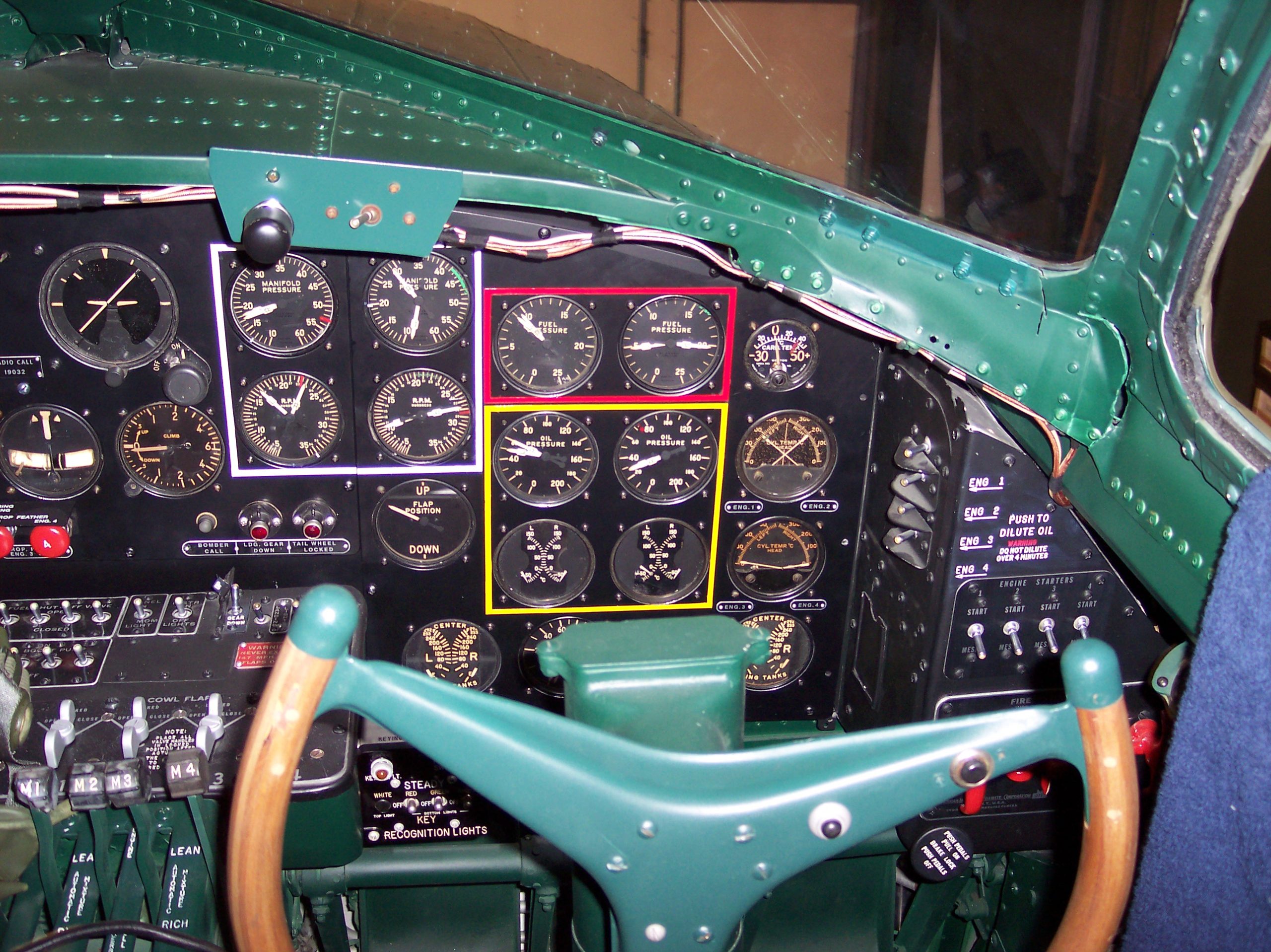
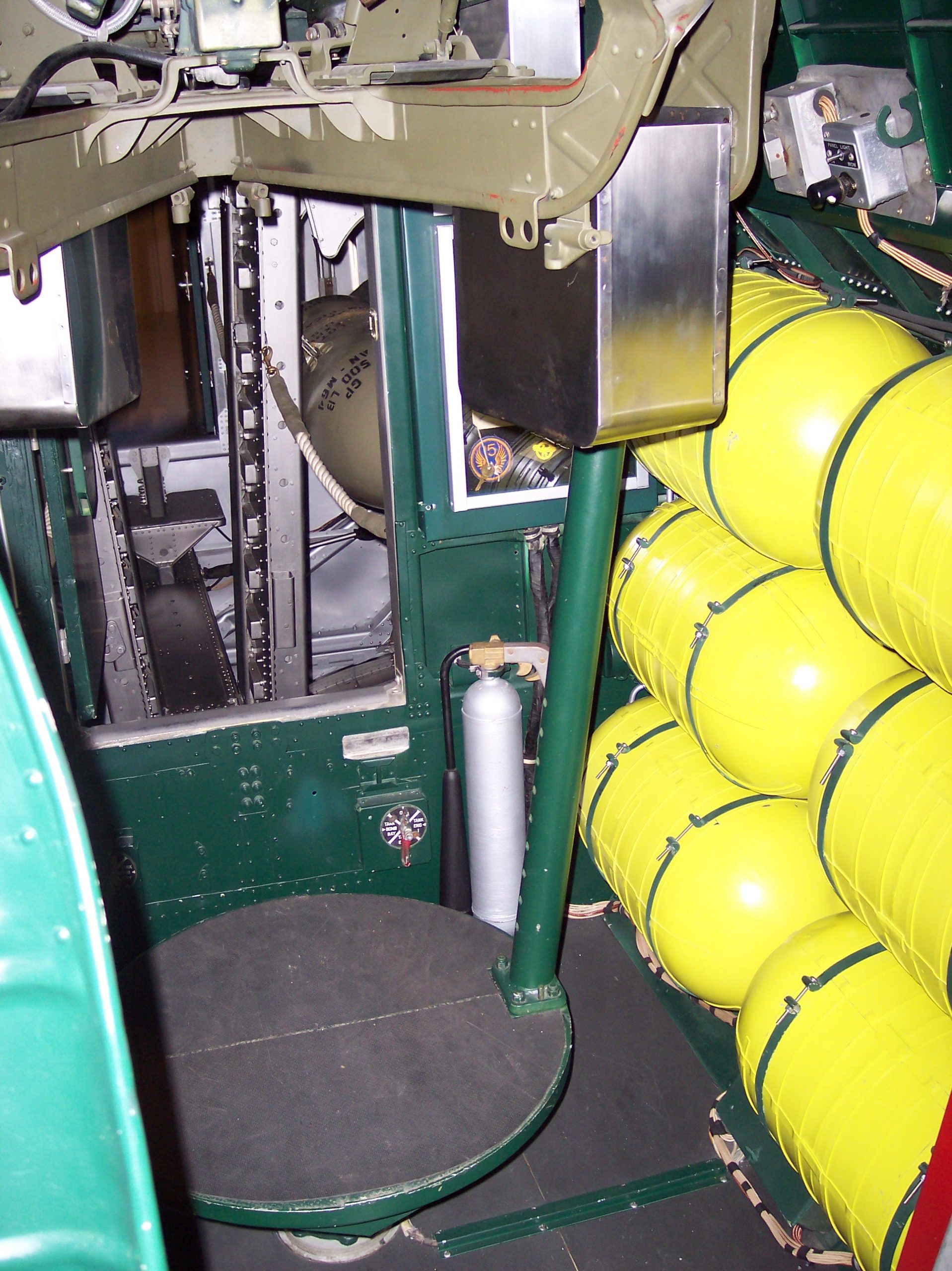
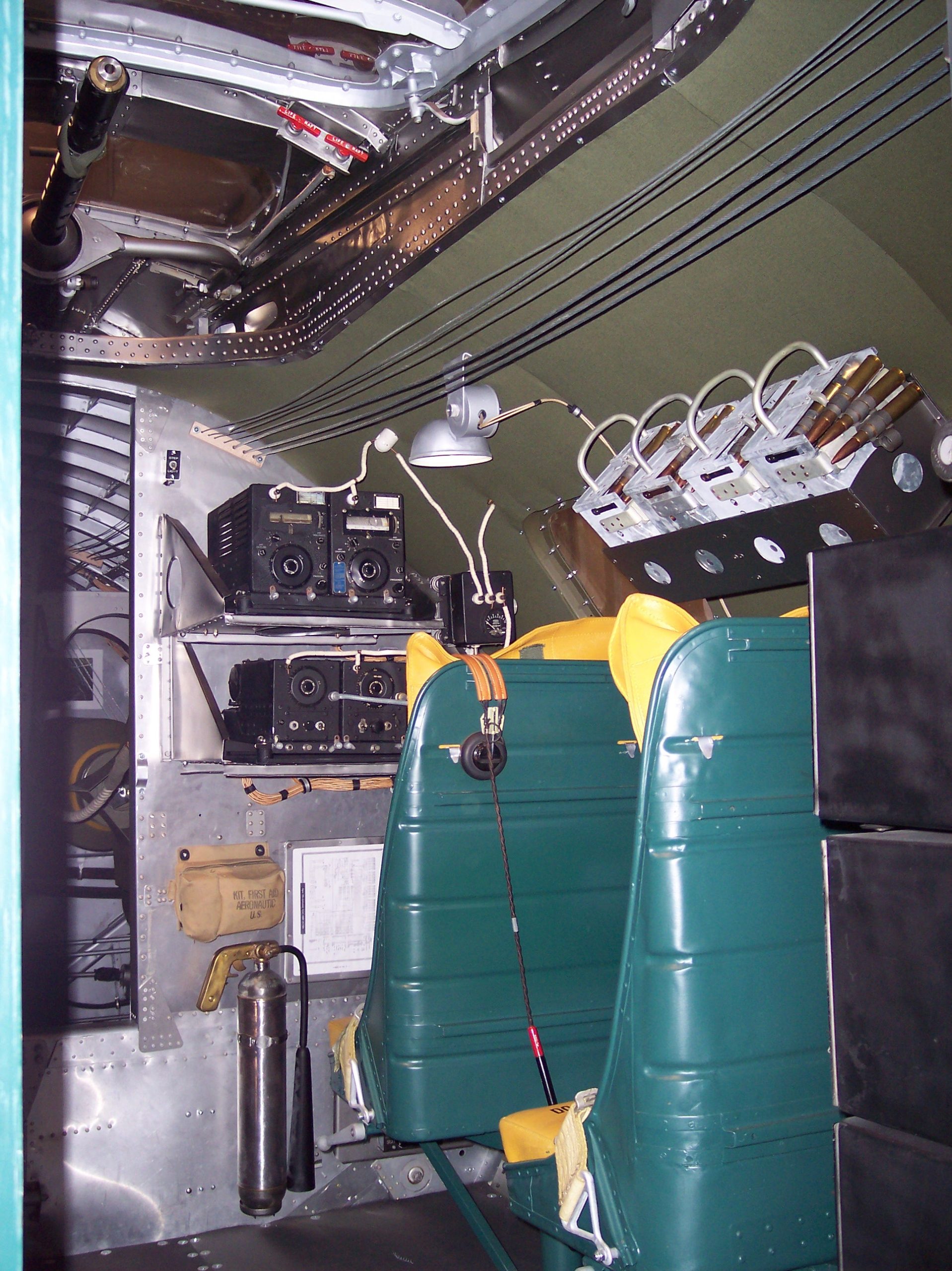
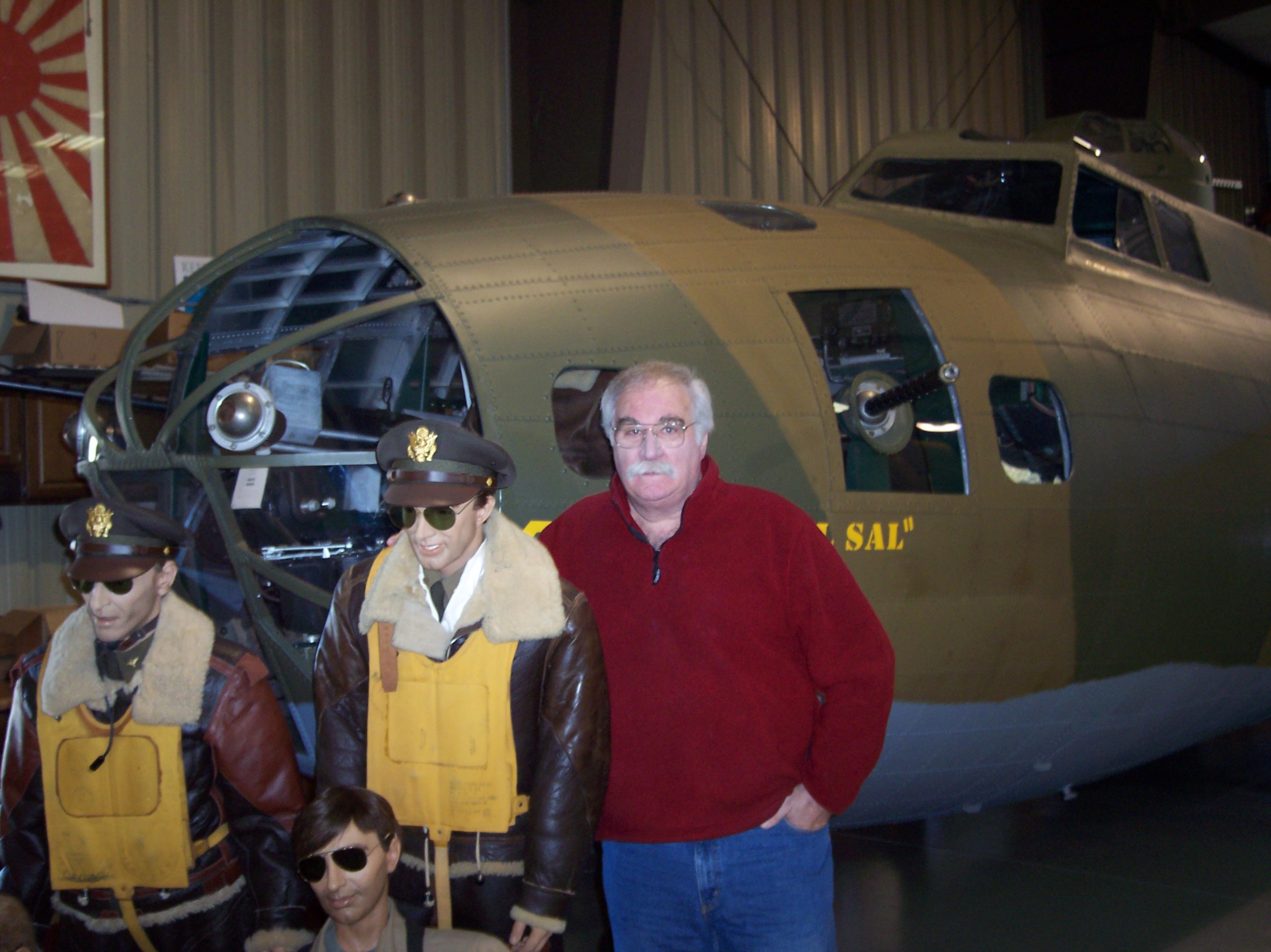
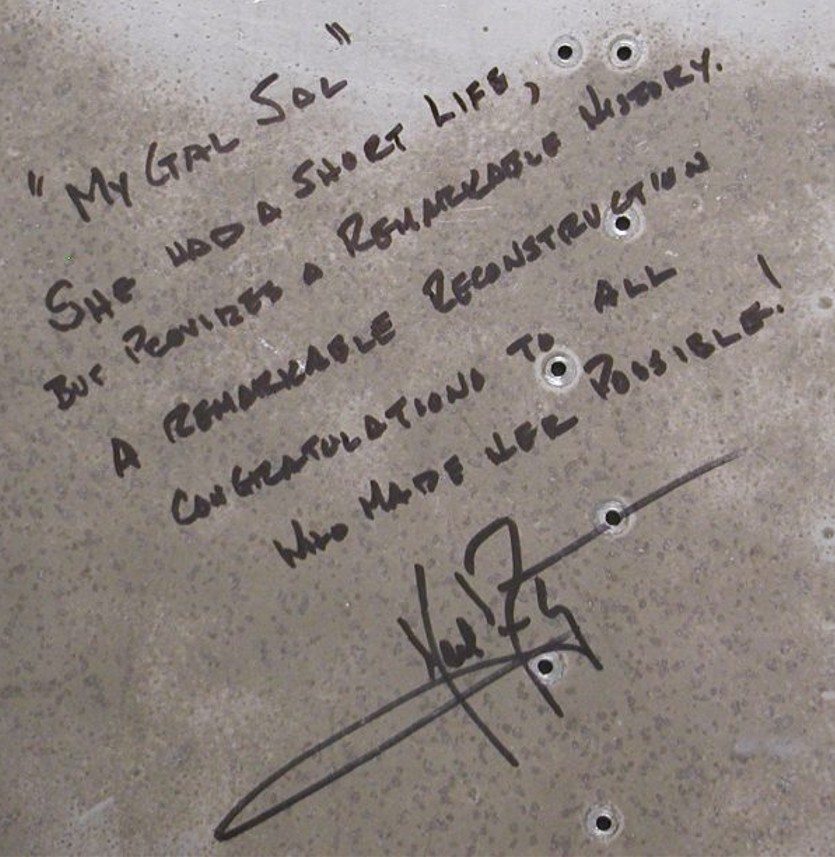
Additionally, Ready and his volunteers conducted research with Boeing and the National Museum of the United States Air Force to find information on the interior of the B-17E in order to outfit the My Gal Sal to be as accurate as possible. As the restoration continued, visitors were encouraged to come to the restoration hangar to see the progress on My Gal Sal. At one point, on March 29, 2003, Bob Ready was by himself at the My Gal Sal’s hangar when he heard a knock at the door. It turned out that the visitor was none other than Neil Armstrong, the first man to set foot on the Moon. Armstrong, being ever humble, asked if he could come in and see the My Gal Sal, to which Ready unhesitatingly invited Armstrong into the hangar. The former Apollo 11 astronaut climbed through the interior of the cockpit of the B-17, which had recently been fitted out, and listened as Bob Ready told him about the efforts of the restoration volunteers. At the end of his visit, Neil Armstrong wrote a short statement on a section of My Gal Sal’s aluminum skin: “My Gal Sal. She had a short life, but provides a remarkable history. A remarkable reconstruction. Congratulations to all who made her possible!”
In addition to restoring the old B-17E, Bob Ready also worked on organizing plans for the Ultimate Sacrifice Memorial to establish a permanent facility at Blue Ash Airport to display the restored bomber to the public. This was intended to serve as a memorial to the thousands of U.S. servicemen who had been killed during WWII, with the centerpiece of the memorial being the My Gal Sal, displayed in a full-scale diorama depicting the aircraft on the icecap, with mannequins of the crew and passengers present at their respective stations on the aircraft, and the No.4 propeller displayed with its tips cut off. Due to the confines of the hangar, the two halves of the fuselage remained separated, as did the inboard and outboard sections of the wings. By November 2003, Ready wrote on the Ultimate Sacrifice Memorial’s website that over 90% of the project was complete, with much of the remaining work focused on adding further details to the My Gal Sal’s interior. In total, the volunteers on the restoration would spend about 90,000 manhours on B-17E 41-9032 My Gal Sal. Some of the elder volunteers passed away before the work was completed, but the others would carry on in memory of their fellow volunteers.
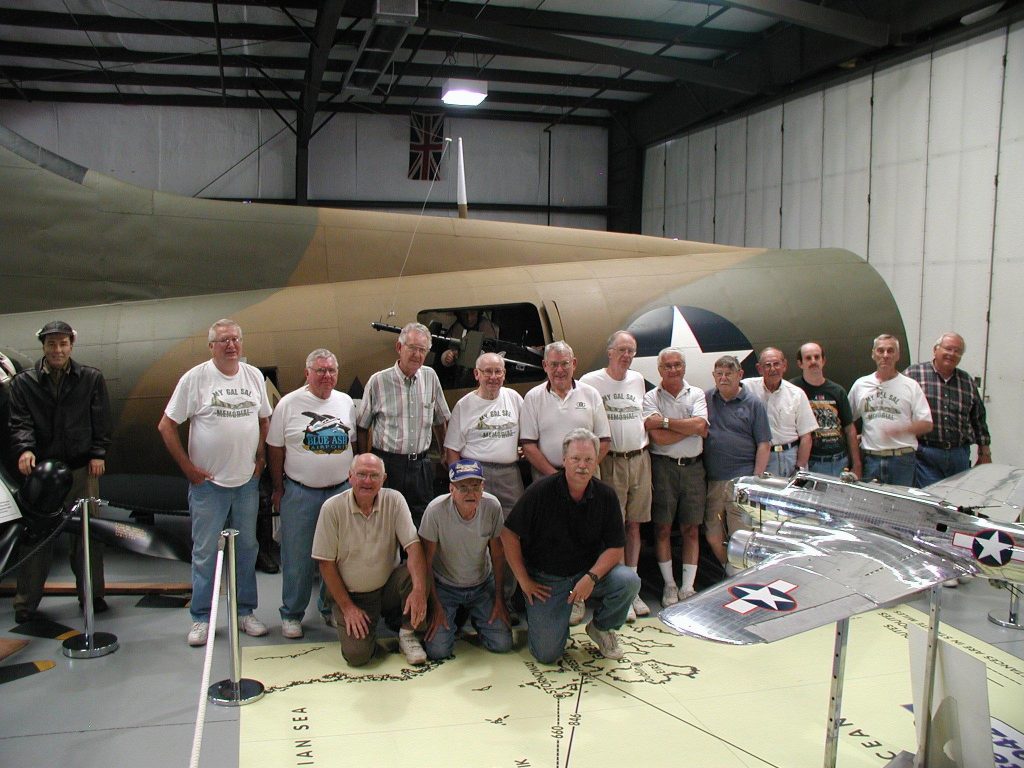
Yet as My Gal Sal sat in its hangar, the future of the Ultimate Sacrifice Memorial was placed in doubt. In 2007, the city of Cincinnati, which owned Blue Ash Airport, sold 130 acres from the airport’s 230 total acres to the city of Blue Ash, with the plan of redeveloping the sold land, consisting of taxiways, hangars, and ramps, into a park, retail developments, and an extension to a nearby golf course. Despite plans to include space for the Ultimate Sacrifice Memorial to build a home for My Gal Sal, and to keep the remaining portion of Blue Ash Airport open to air traffic, the Cincinnati city council felt they could get more financial success in the general aviation community by focusing more on nearby Lunken Airport, which was more frequently active than Blue Ash Airport. By the start of 2012, it was announced that Blue Ash Airport would close down operations on August 29 of that year. For Bob Ready, this was a great loss, as he had always hoped that the Ultimate Sacrifice Memorial could establish a permanent location at Blue Ash Airport, but with the local politicians in favor of new commercial opportunities on the land, B-17E 41-9032 My Gal Sal was now in need of a new place to call home.
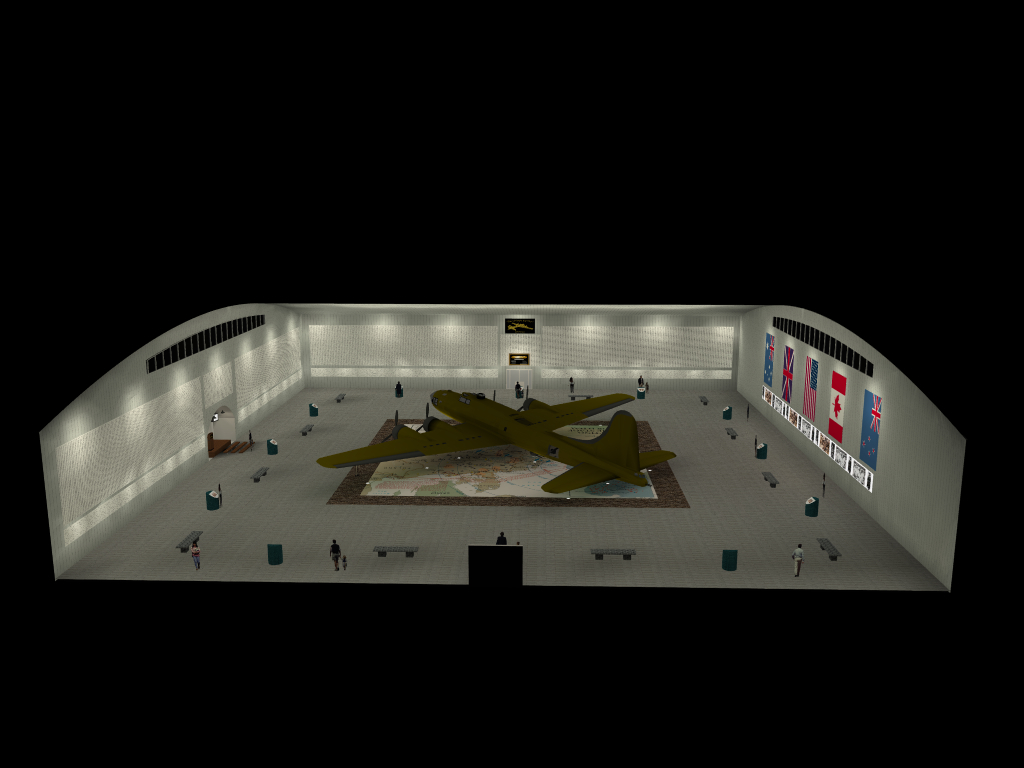
Luckily for Bob Ready, though, there was some interest in the My Gal Sal from The National WWII Museum in New Orleans. Originally established as the National D-Day Museum on June 6, 2000, the museum would later expand its purview to include coverage of the whole of the United States’ involvement in WWII. In 2007, it had been announced that a new “Freedom Pavilion” would be constructed to house more artifacts for the museum, including several WWII aircraft. In anticipation of this development, the museum contracted with aircraft restorers across the US to have select aircraft ready to be placed on display in the new building, and Boeing would be the Freedom Pavilion’s title sponsor, making this building the US Freedom Pavilion: The Boeing Center. Among the aircraft originally scheduled to go on display was a B-17G Flying Fortress, assembled from different airframes, but based largely on the identity of the cockpit section of B-17G s/n 44-83387, which had been used as a non-flying prop in the 1949 war film 12 O’clock High, then in the 1960s TV series of the same name, the 1969 movie The Thousand Plane Raid and in the 1970 film Tora! Tora! Tora! before ending up hanging from the ceiling of the now-closed State Armory restaurant and bar in Greeley, Colorado. Following the bar’s closure, 44-83387’s nose section was purchased by aircraft restorer and aviation film expert Bruce Orriss of the California Air Heritage Foundation in Los Angeles. However, as the deadline for the opening of the US Freedom Pavilion was approaching, it was realized that 44-83387 could not be completed in time for the opening of the National WWII Museum’s US Freedom Pavilion, but the museum strongly desired to have a fully intact B-17 on display in the new Freedom Pavilion.
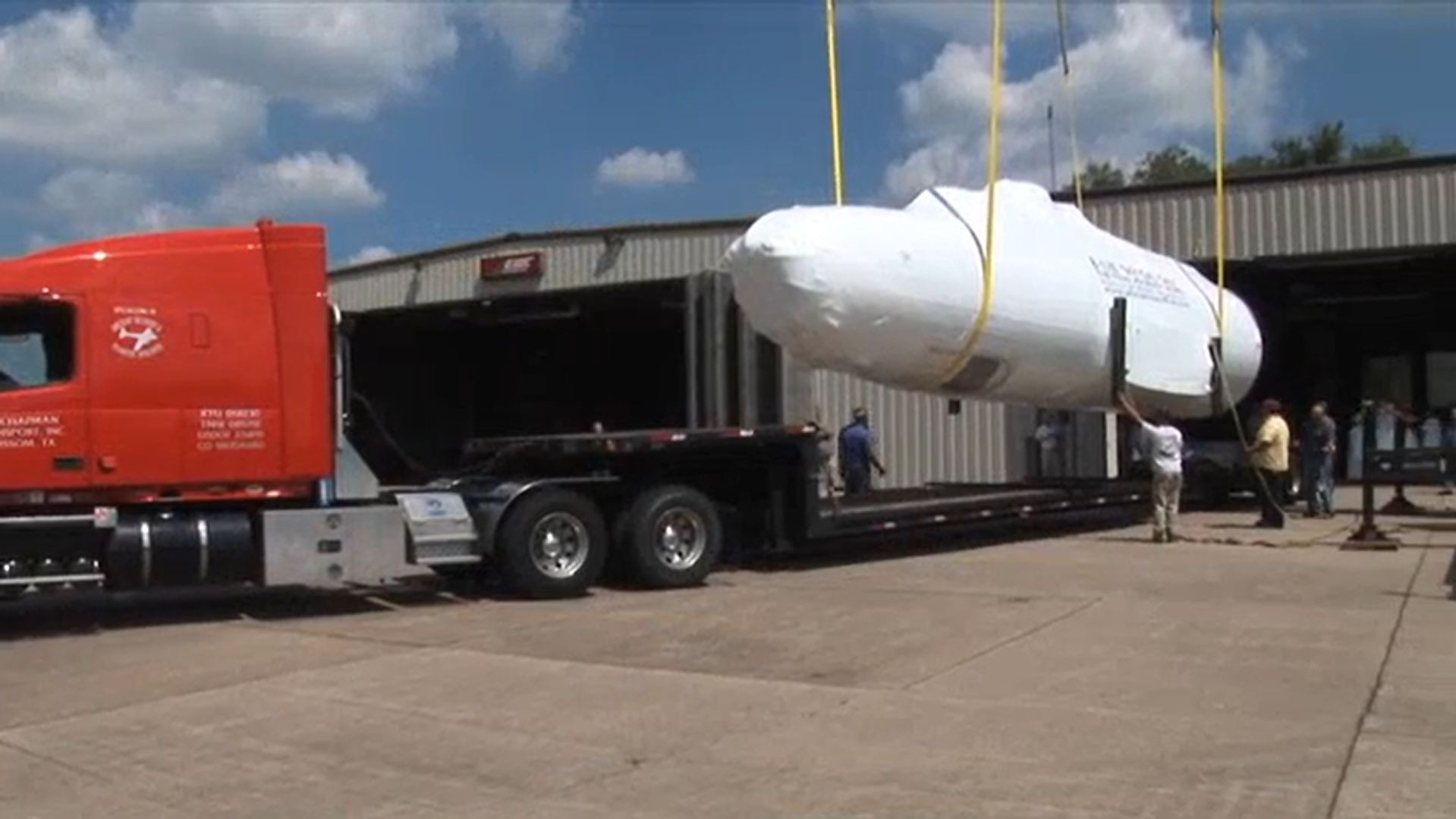
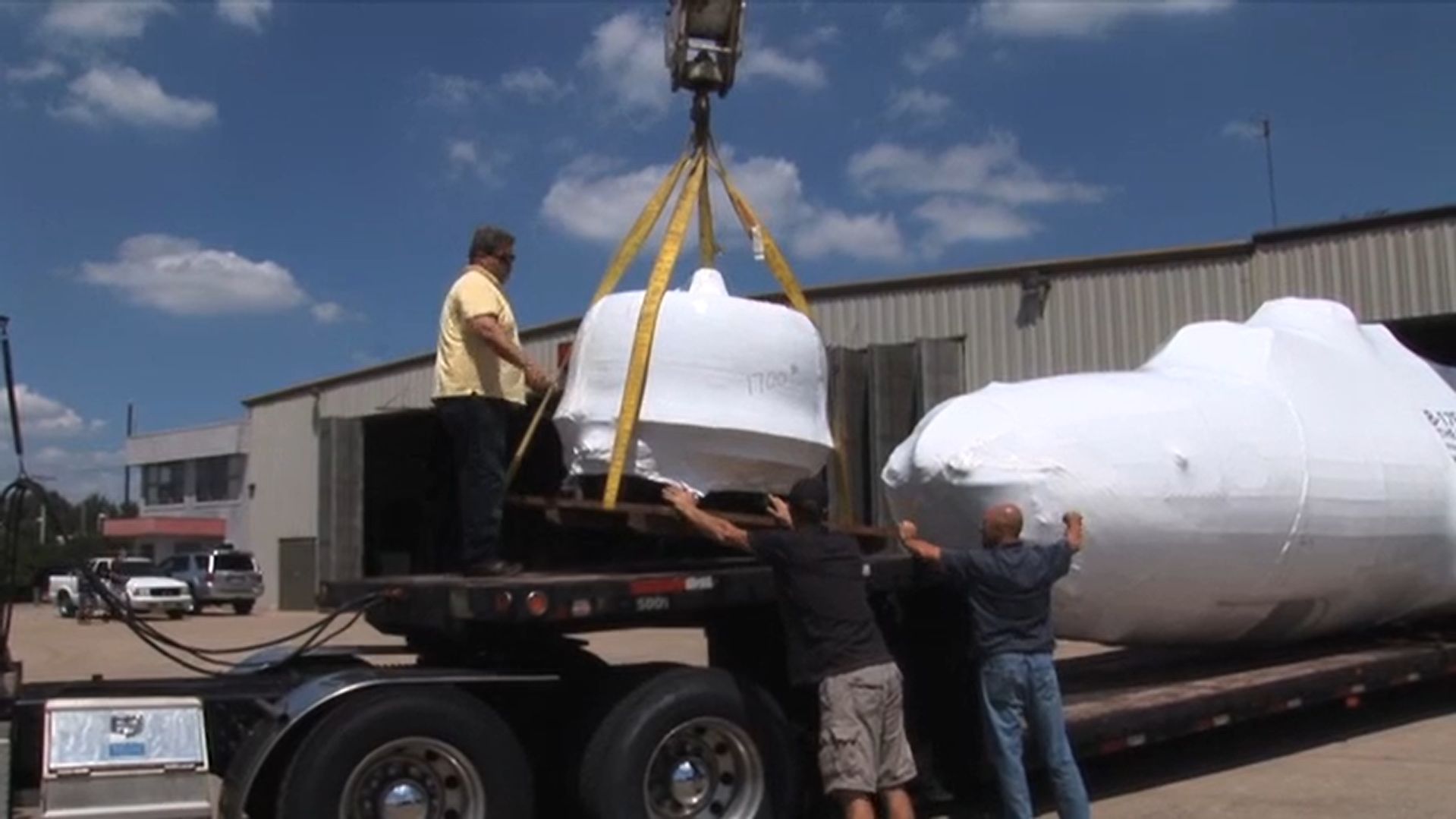
My Gal Sal, on the other hand, was already complete and looking for a new home, and so in August 2012, Bob Ready decided on behalf of the Ultimate Sacrifice Memorial Foundation to donate the My Gal Sal to the National WWII Museum. In the final days of operations at Blue Ash Airport, four trucks came to the airport to pick up the disassembled B-17, with one truck hauling the forward fuselage, another the aft fuselage, and the remainder carried the inboard and outboard sections of the wings and the engines. Bob Ready and his remaining volunteers oversaw the loading of the trucks and watched as the 70-year-old airplane was carried off, bound for New Orleans. For Bob Ready and the volunteers, it was a bittersweet moment. On the one hand, they had worked for 12 years to make a home for My Gal Sal at Blue Ash Airport, and now the closure of the airport had closed their opportunity to display the B-17 in the community where it had been restored. On the other hand, though, the volunteers were happy to see that their restoration work would not be in vain, and considering the circumstances in Blue Ash, sending My Gal Sal to New Orleans was the best outcome, as it would guarantee that the B-17E would reside in a permanent home, and will be seen by more people than would ever come to see it at Blue Ash, bringing its story of survival and renewal to a much wider audience.
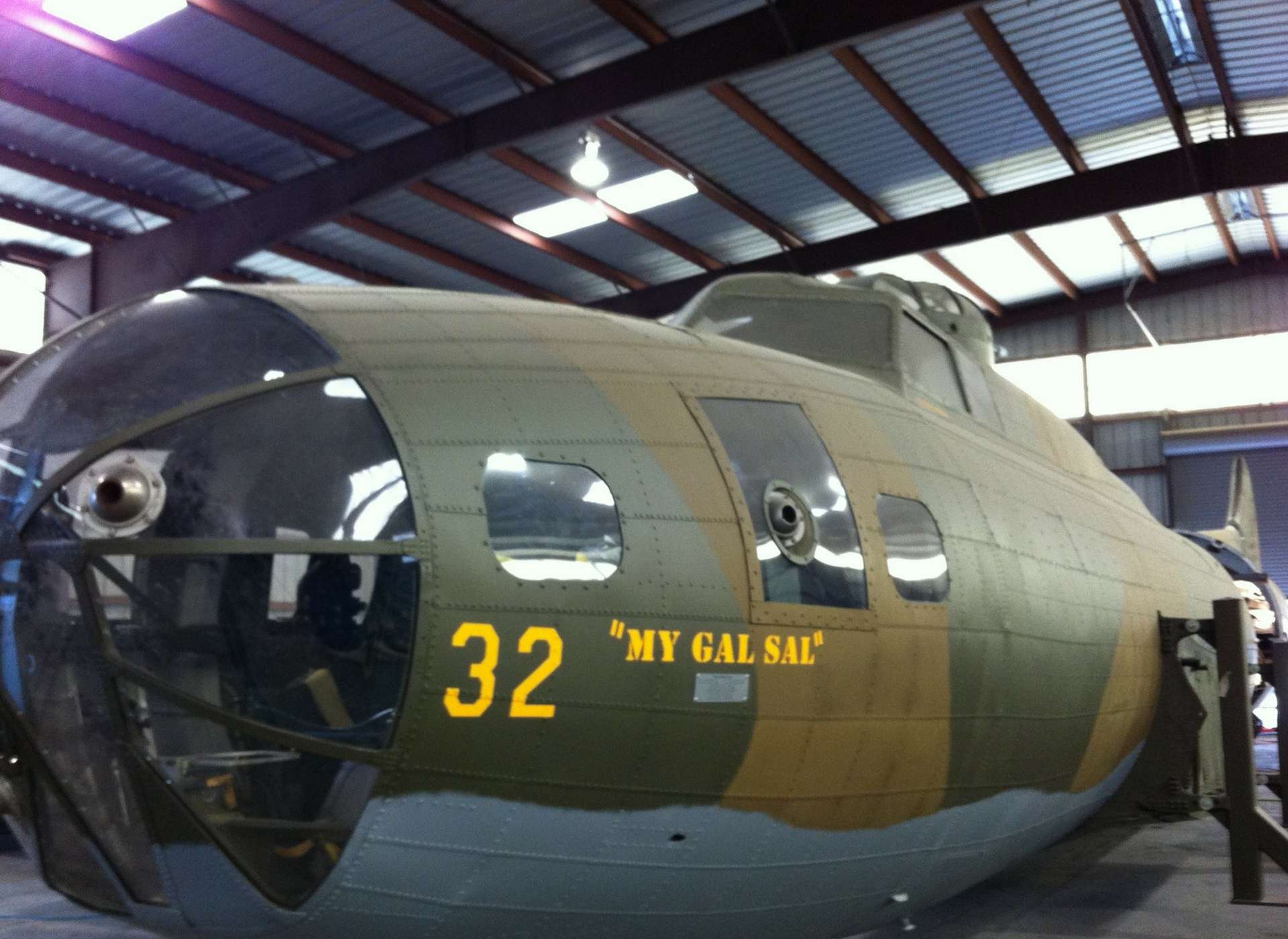
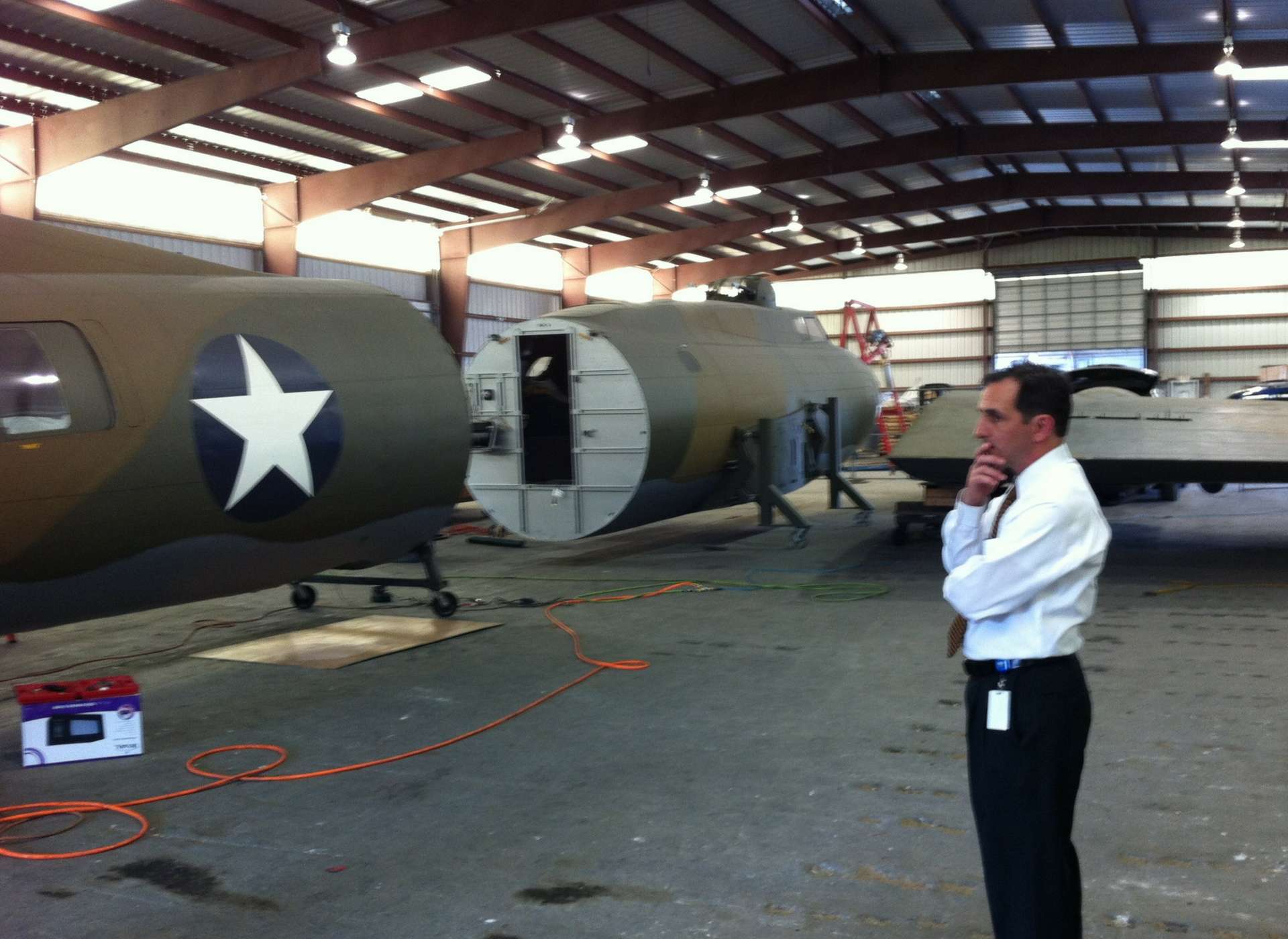
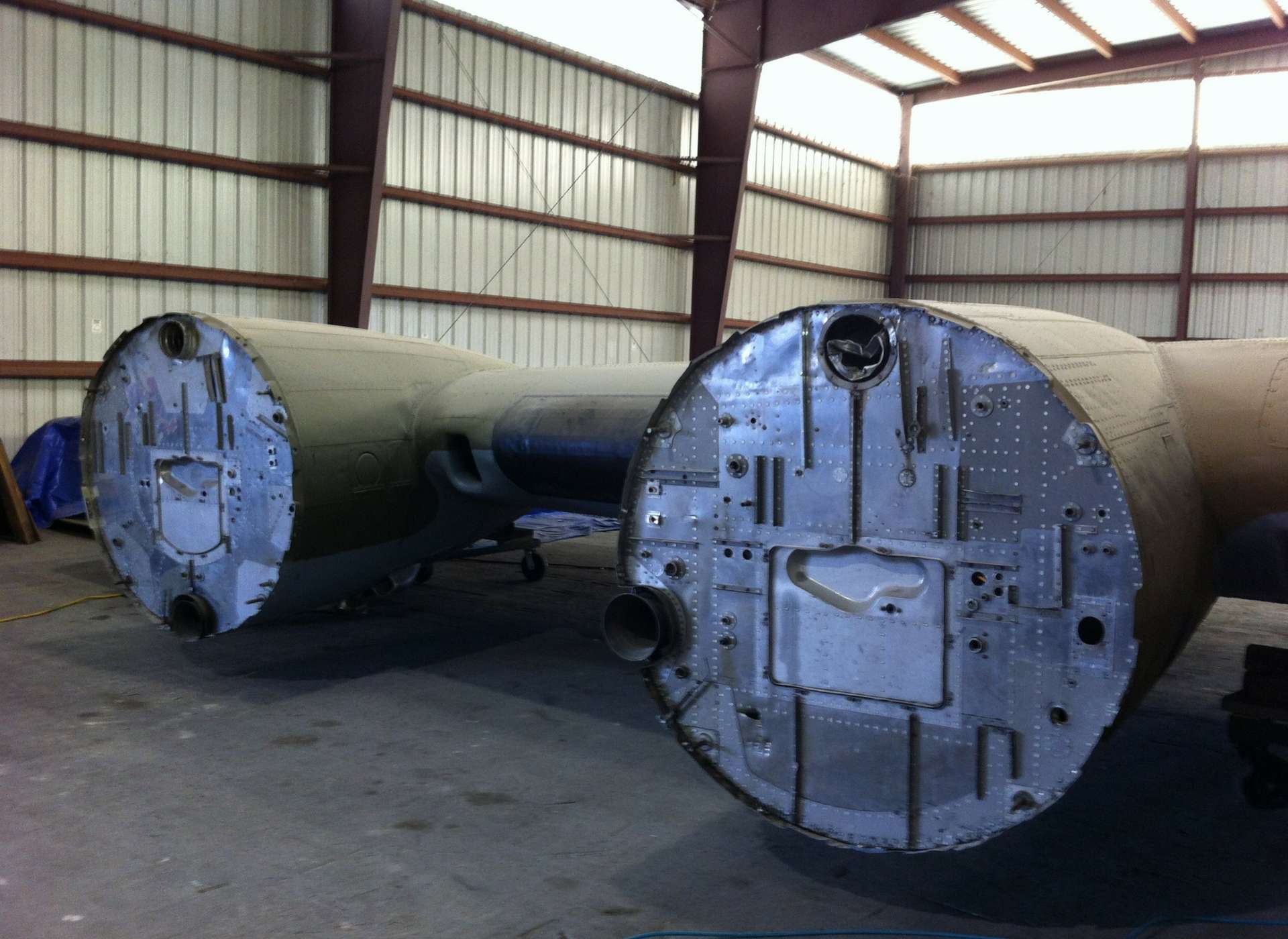
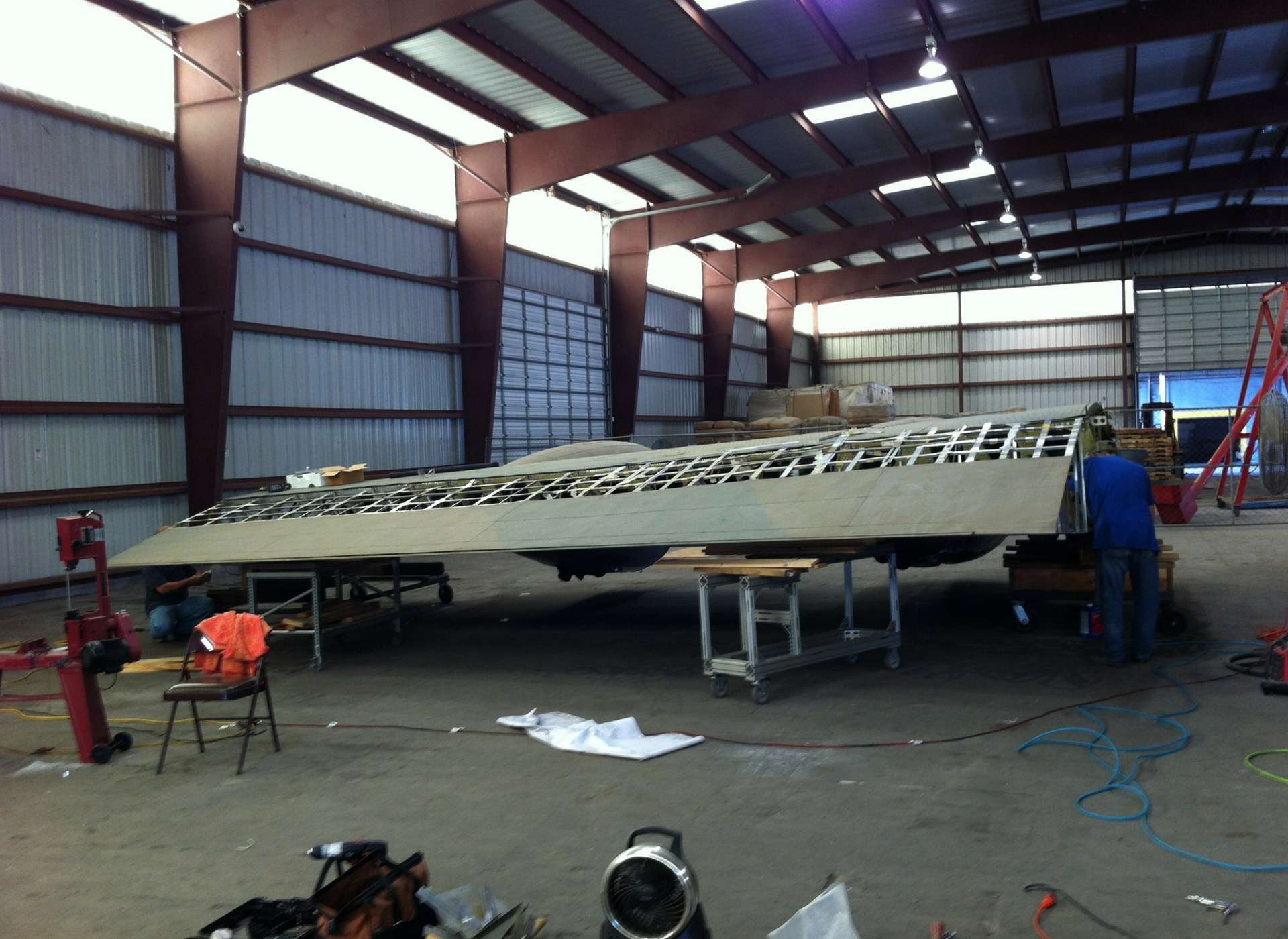
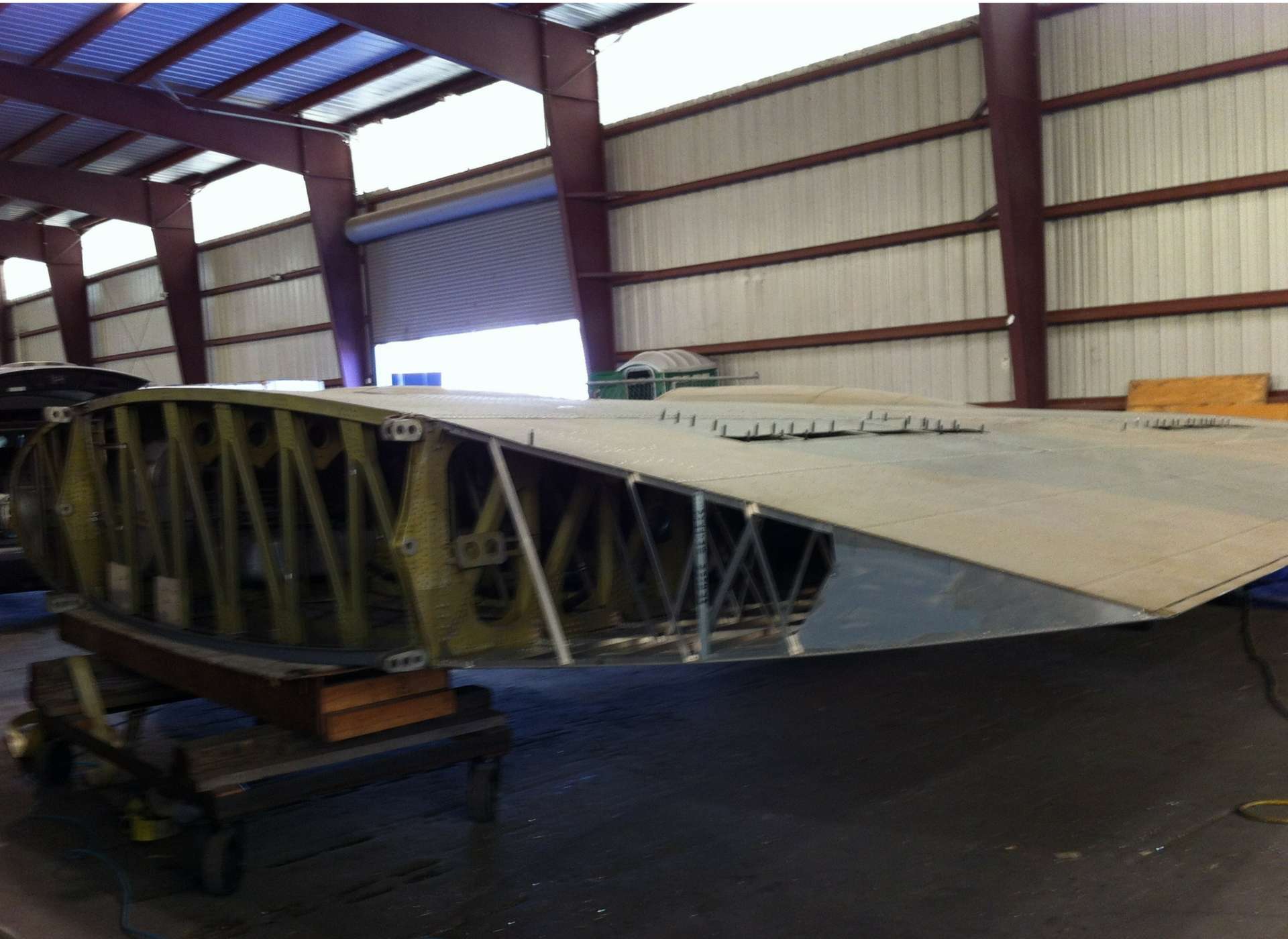
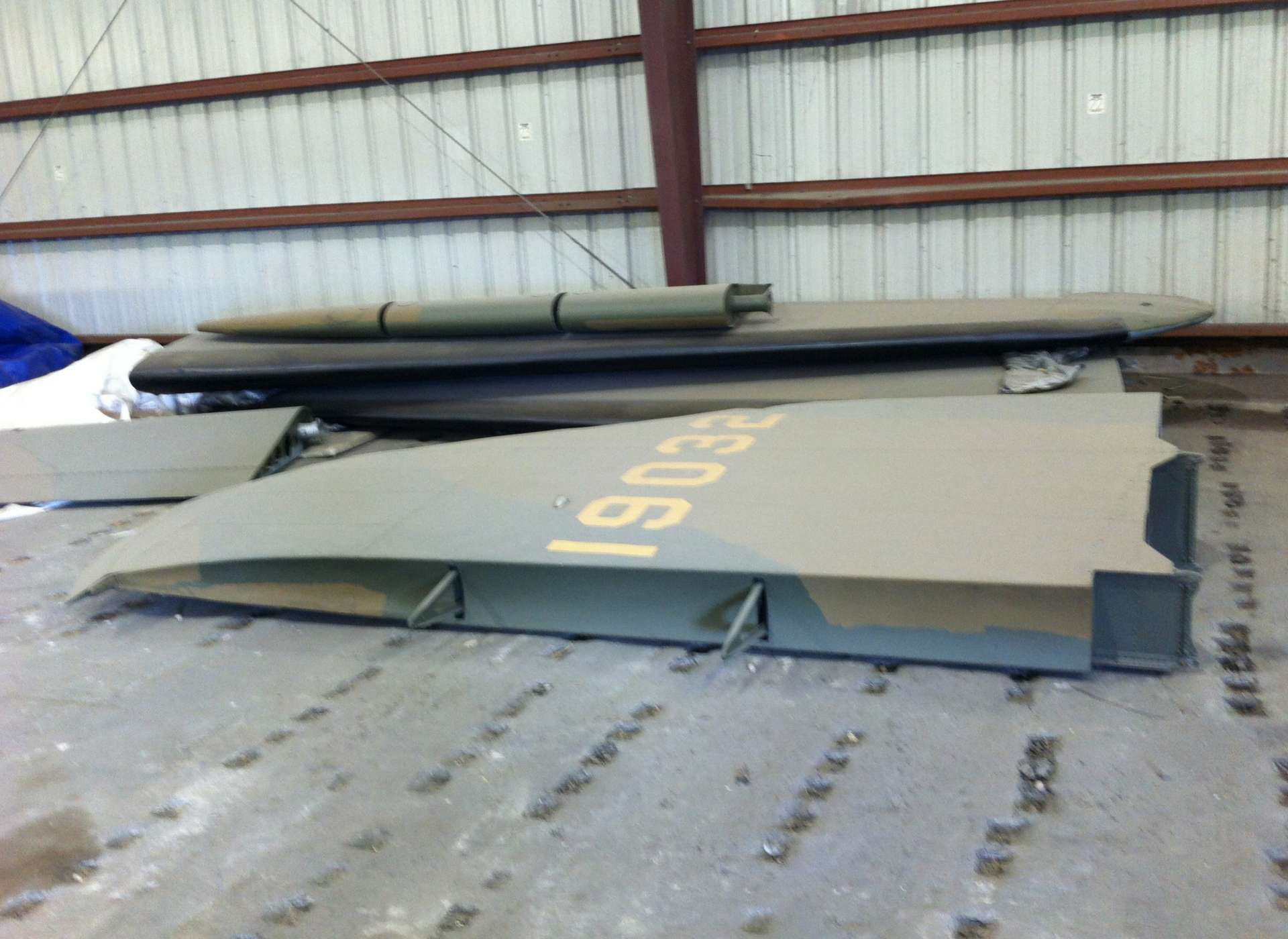
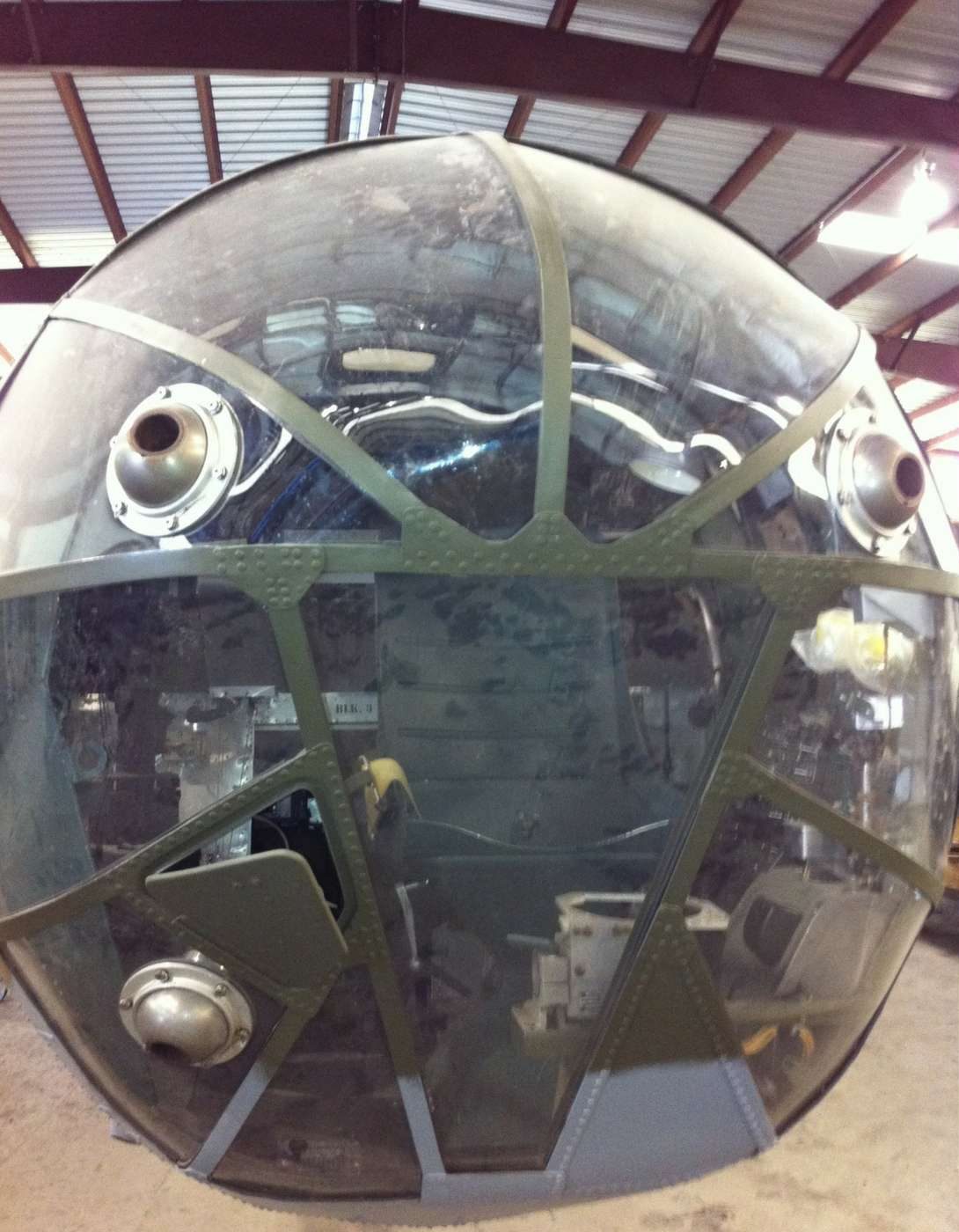
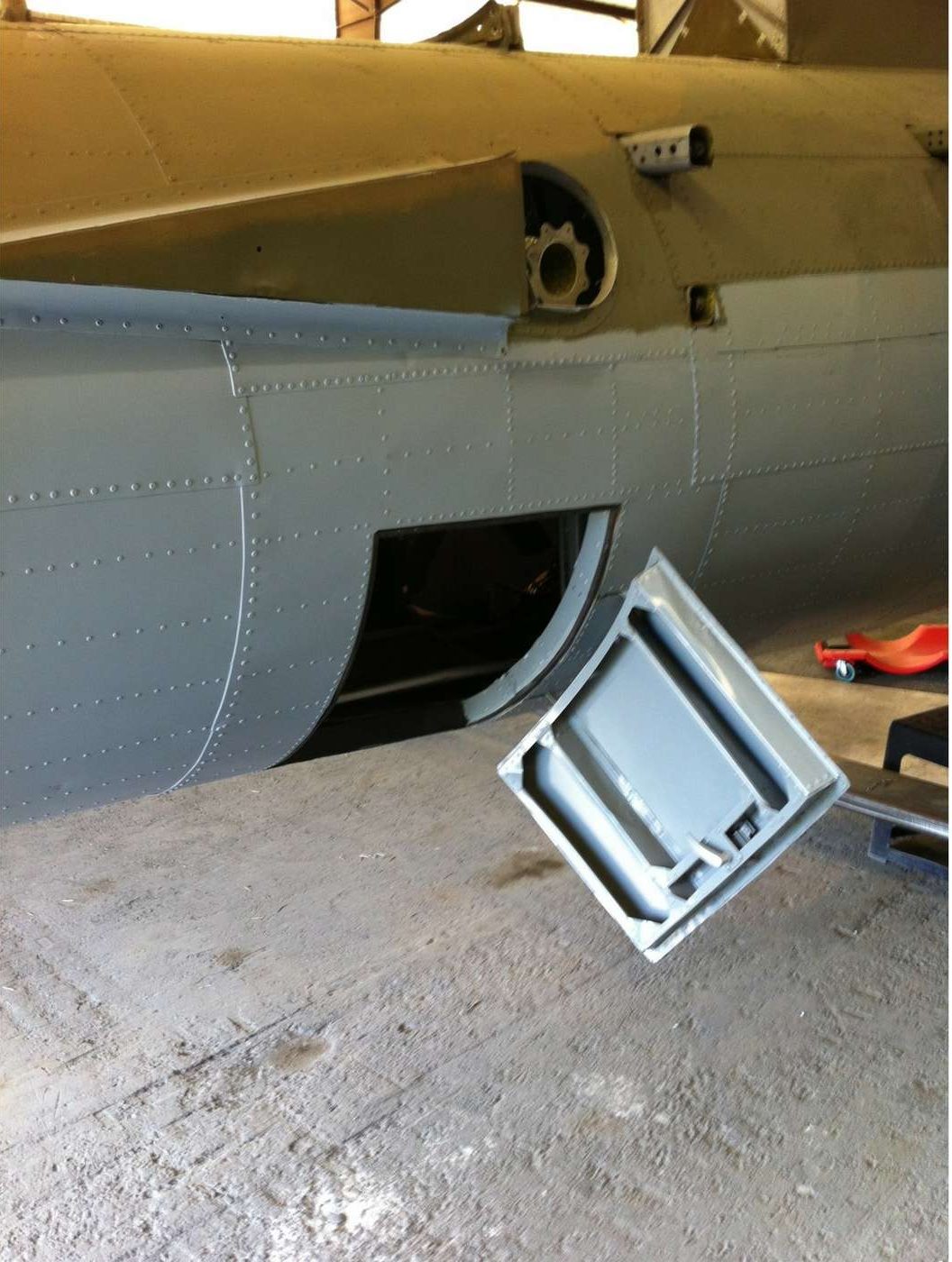
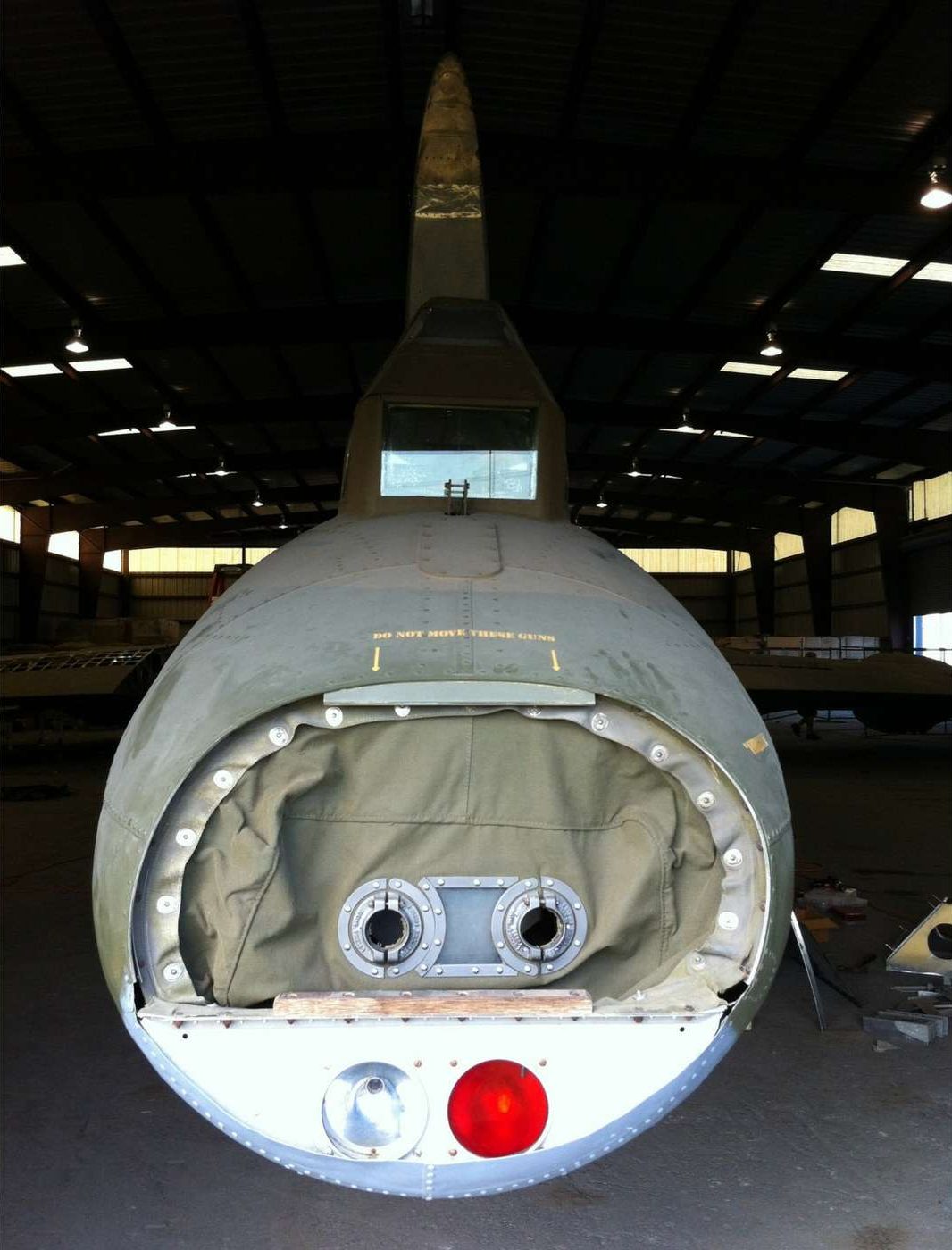
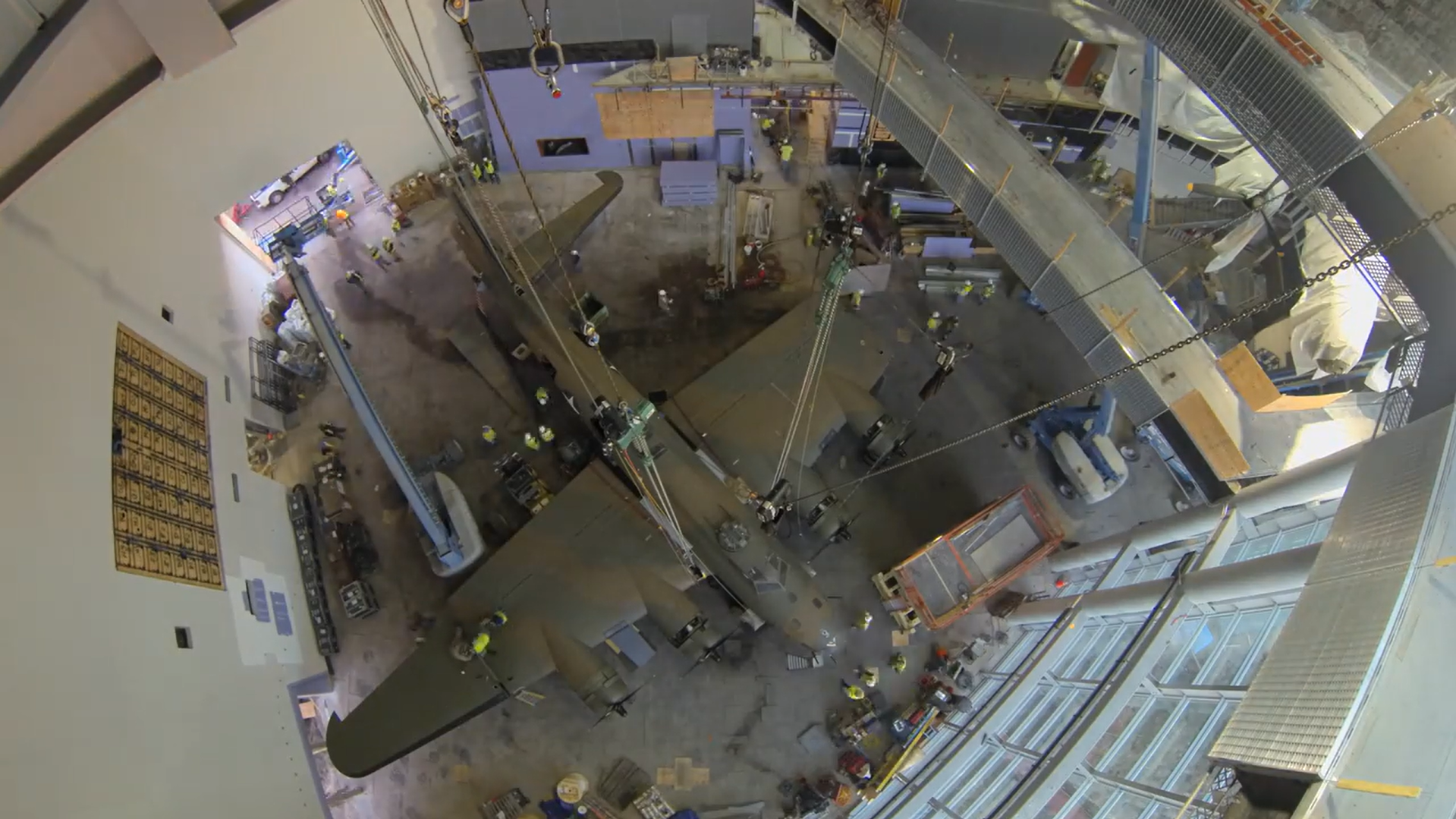
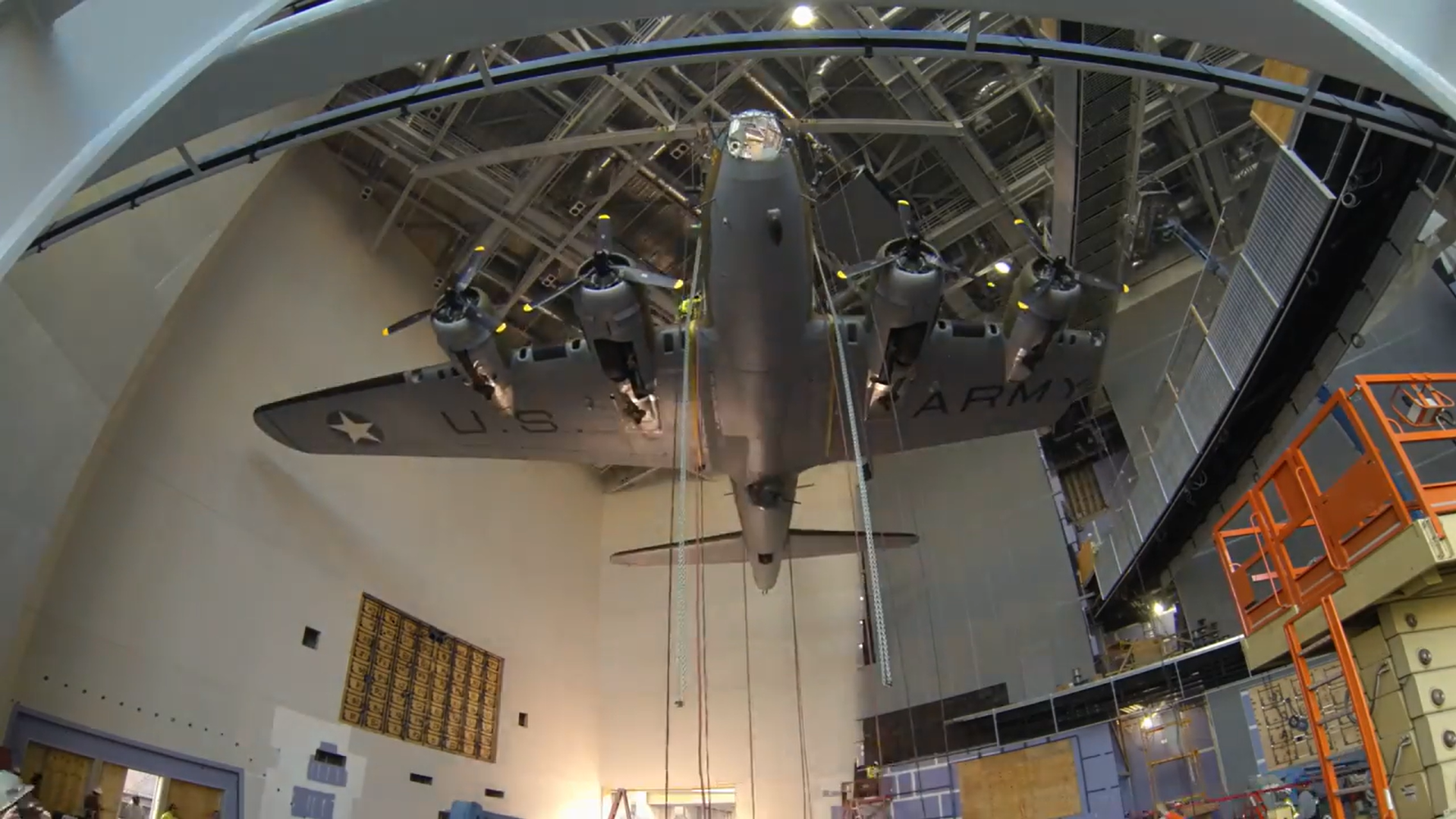
On arriving in New Orleans, the B-17E My Gal Sal was initially stored in a warehouse, where the aircraft’s structure would be strengthened, as the idea would be to suspend the Flying Fortress about 80 feet in the air from the ceiling of the US Freedom Pavilion. On December 14, 2012, the disassembled bomber was brought into the US Freedom Pavilion. On the floor of the exhibition building, the aircraft’s tail, engines, propellers, and right wing were reassembled. However, due to the placement of a viewing walkway, the outer portion of the left wing would have to be attached after the aircraft was already suspended. This section of the wing was raised up to the ceiling, and the rest of the aircraft was carefully hoisted up shortly afterwards. Only after the My Gal Sal was in position could the left wing’s outboard panel be lowered onto the inboard section of the wing, then reattached. The installation of the My Gal Sal and the other aircraft now on display in the US Freedom Pavilion, such as a B-25J Mitchell 44-29812, TBM-3 Avenger BuNo 69374, SBD-3 Dauntless BuNo 06508, F4U Corsair, and P-51D Mustang can be seen in this video HERE.
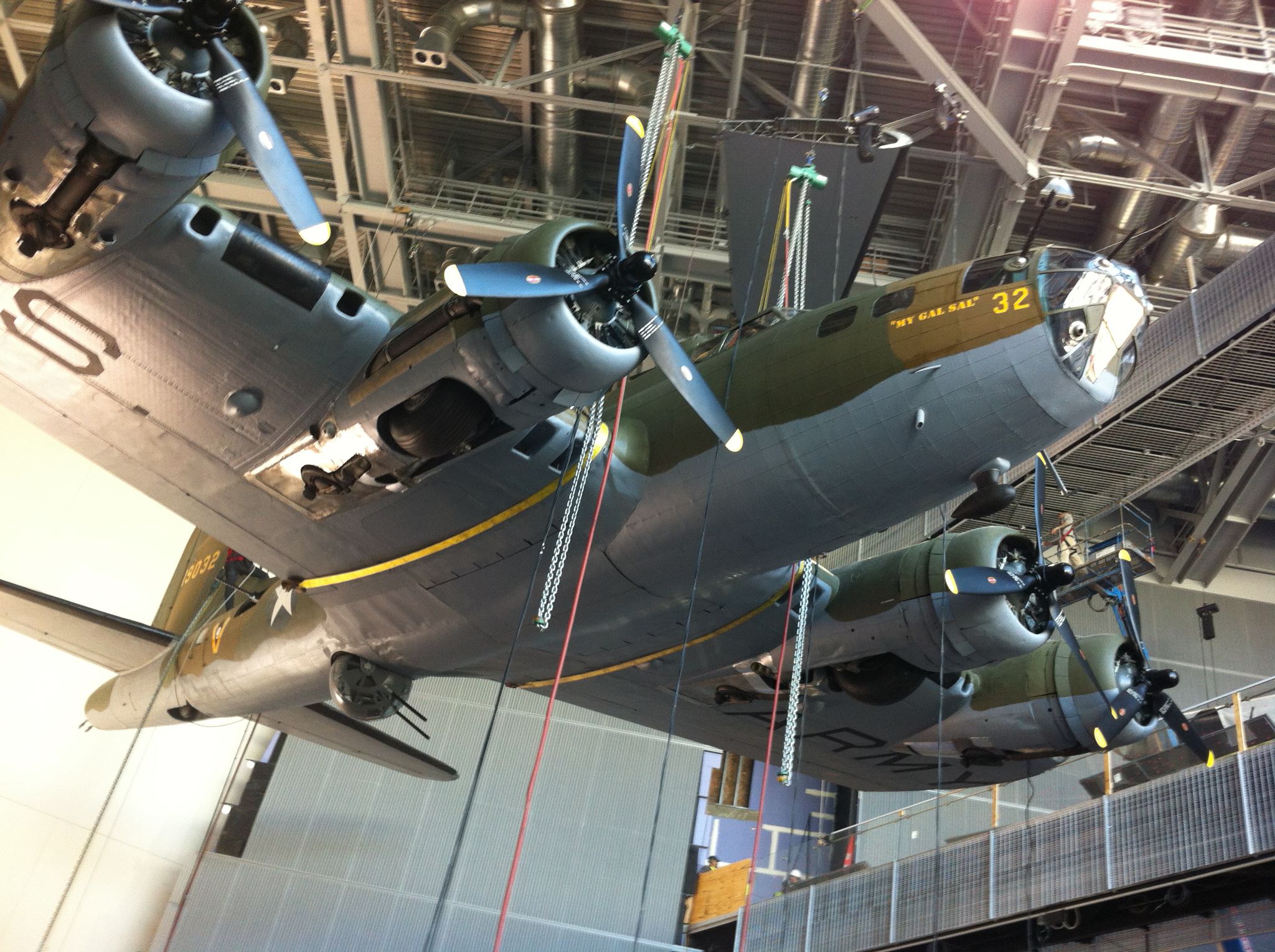
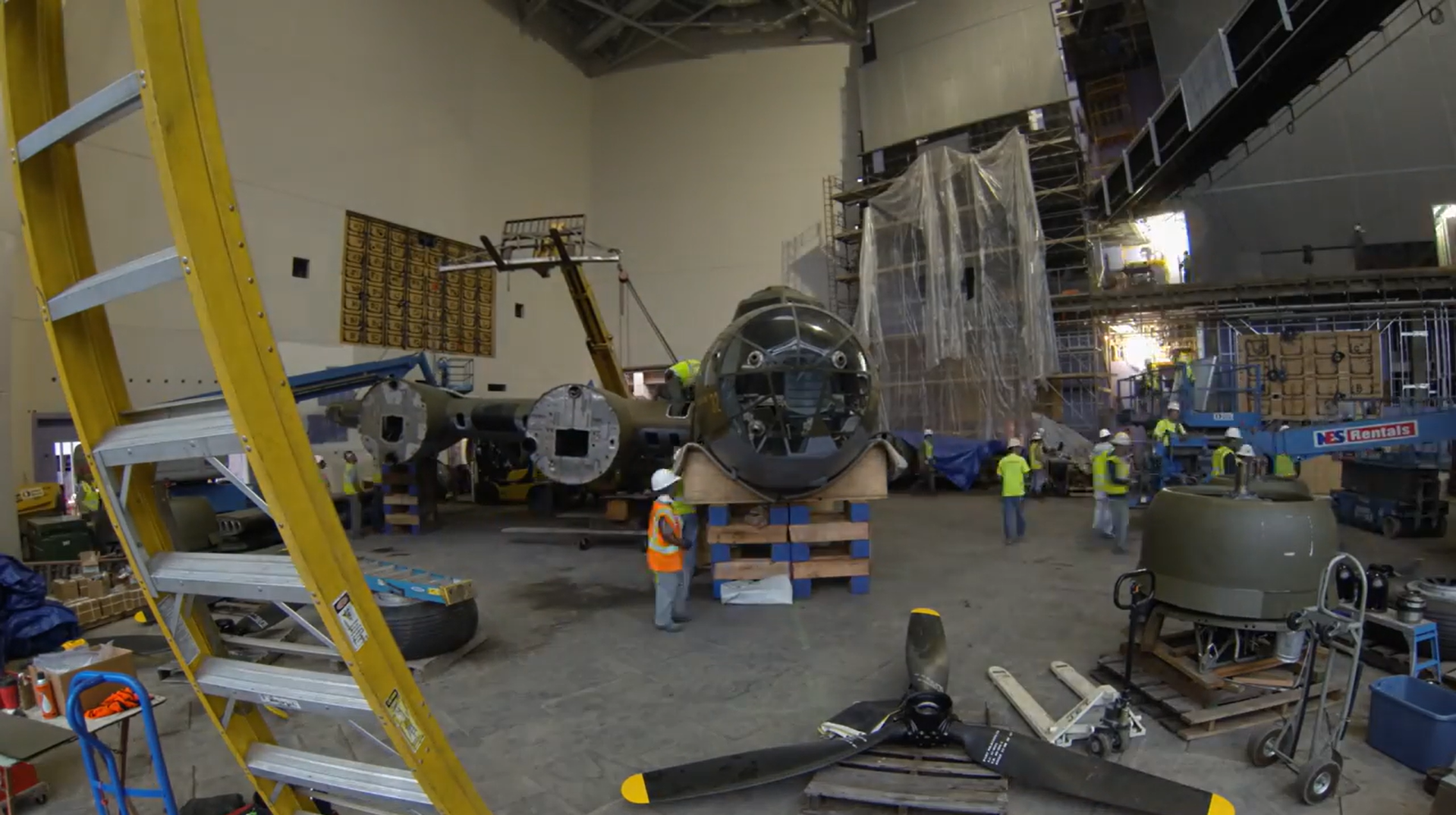
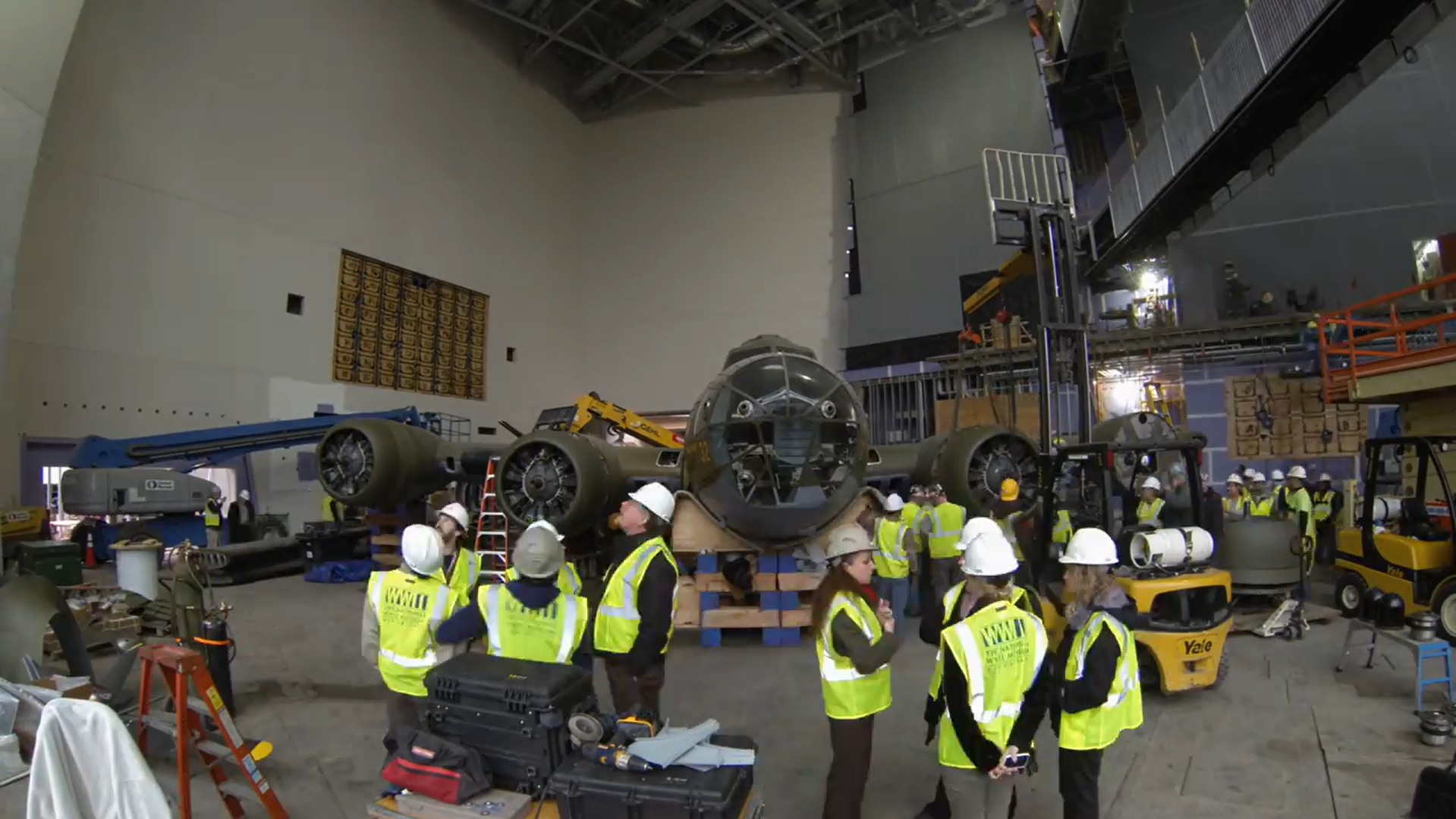
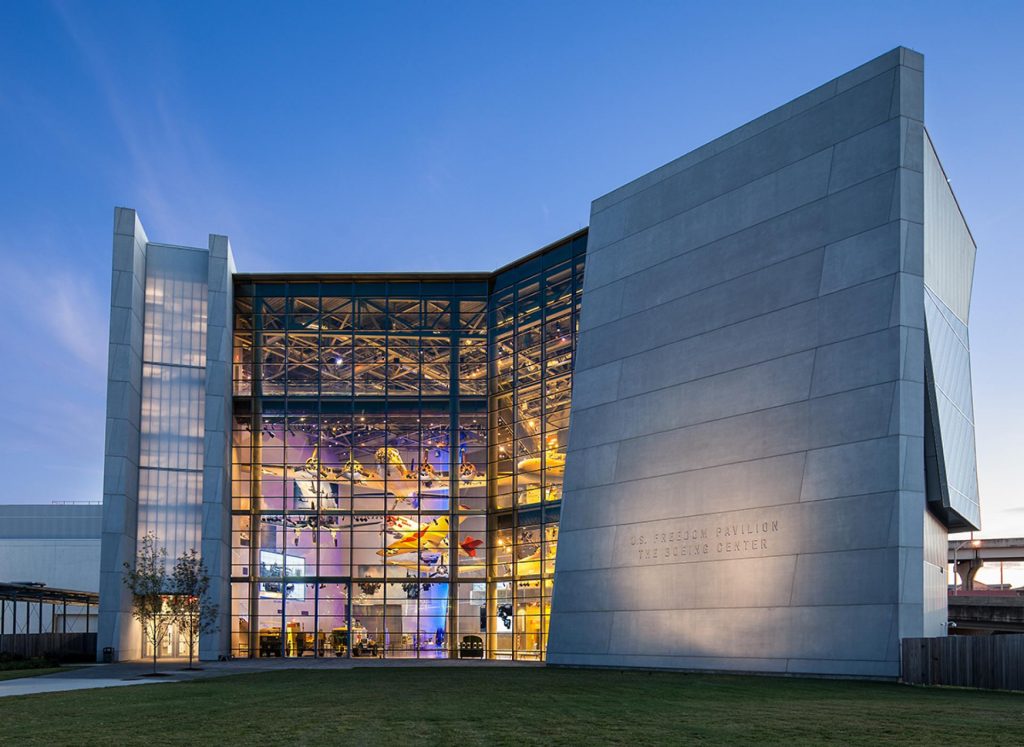
On January 13, 2013, the US Freedom Pavilion was officially opened to the public. Since then, the aircraft displays have been made part of the National WWII Museum’s George H.W. Bush Aviation Gallery, and the My Gal Sal, once destined to fly bombing missions from England, only to spend 53 years on the Greenland icecap, now serves as one of the most popular attractions at one of the largest military museums in the United States. While the original location intended for its display, Blue Ash Airport, has since been redeveloped into Summit Park, the B-17E My Gal Sal has been preserved and will continue to serve in its new role of honoring the young airmen who flew and maintained B-17s like it, to the brave men who endured 10 days on the Greenland icecap to be the subject of a daring rescue, and to all those involved in recovering and restoring the aircraft, saving it for future generations to come. For more information, visit the National WWII Museum’s website HERE.
Special thanks to Ron Kaplan, Steve Nelson, Cory Graff, and John Curatola for their assistance in the research of this article.