
An Historic Mission to Find Lt. Walter Eck and PFC Irvin Korotki – Originally published in the South Pacific WWII Museum Newsletter, August 2025 – James (Jimmy) Carter
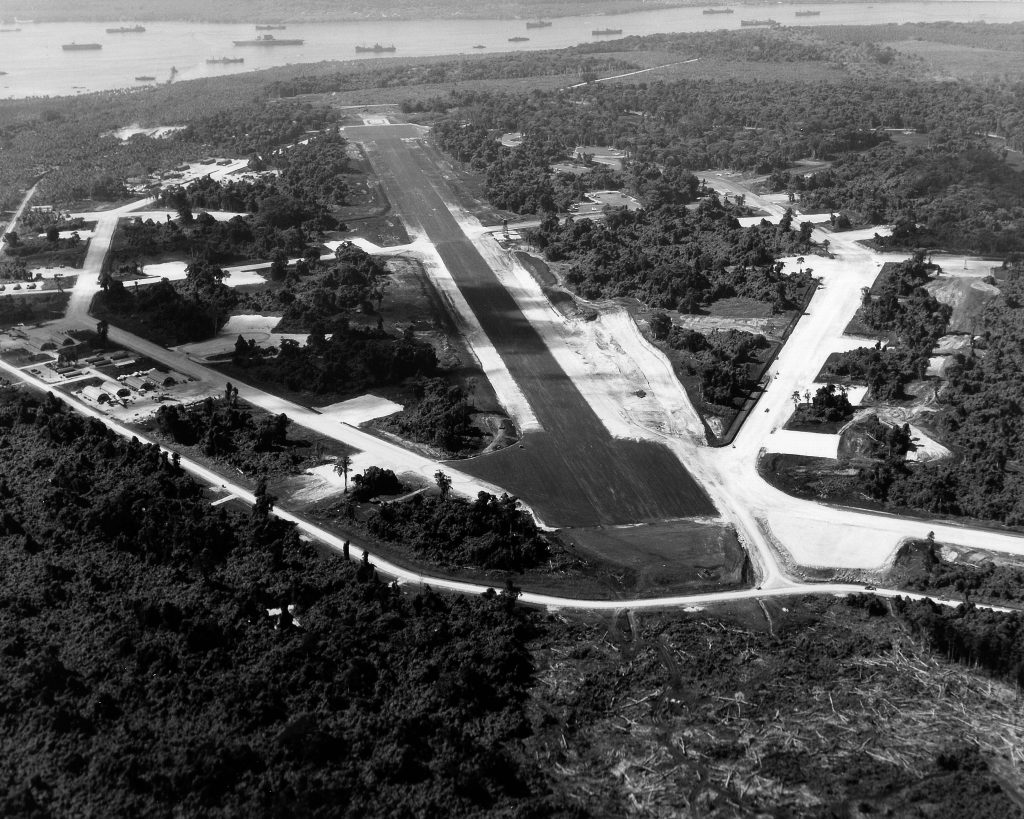
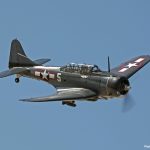
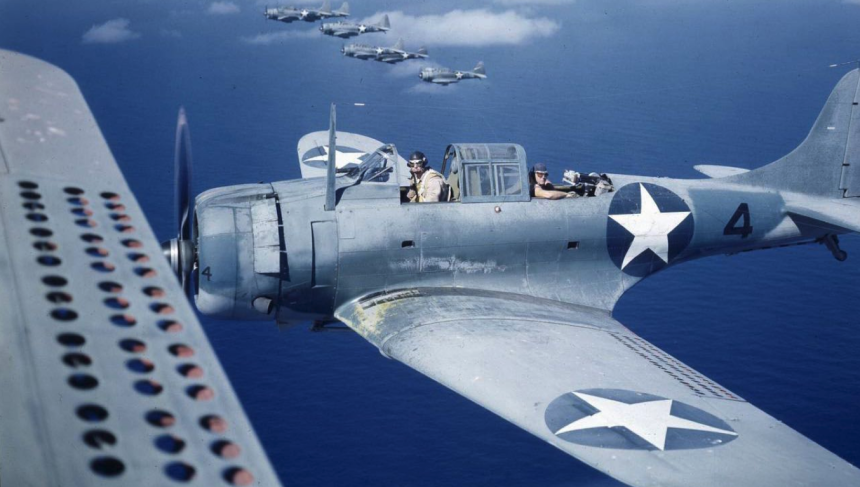
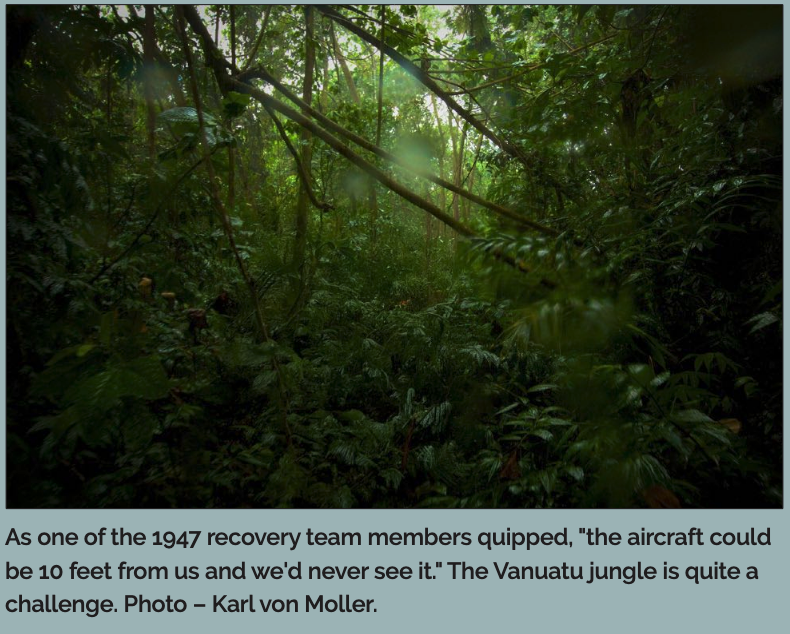
During the month of September, the South Pacific WWII Museum has embarked on one of the most significant undertakings in its history — a mission to locate the final resting place of two young U.S. Marine aviators who perished on Espiritu Santo more than 80 years ago. On January 21, 1943, 1st Lt. Walter A. Eck and PFC Irvin P. Korotki of Marine Scout Bomber Squadron 132 — famously nicknamed the “Crying Red Asses” — took off from Santo in their Douglas SBD-4 Dauntless dive bomber. Both men were from the Milwaukee area of Wisconsin and were conducting dive-bombing practice when tragedy struck. Their aircraft failed to pull out of a dive and crashed in the dense jungle of Santo’s northeast. Lt. Eck was just 23 years old; PFC Korotki was only 20. Military records indicate that a team reached the crash site in May 1943 and buried the two Marines at the scene, unable to recover their remains due to the unforgiving terrain. A second recovery attempt in 1947 spent weeks combing the area, but, hampered by the thick jungle, ultimately declared both men “Non-Recoverable.” Since then, their final resting place has remained hidden, undisturbed for over seven decades. That may soon change.
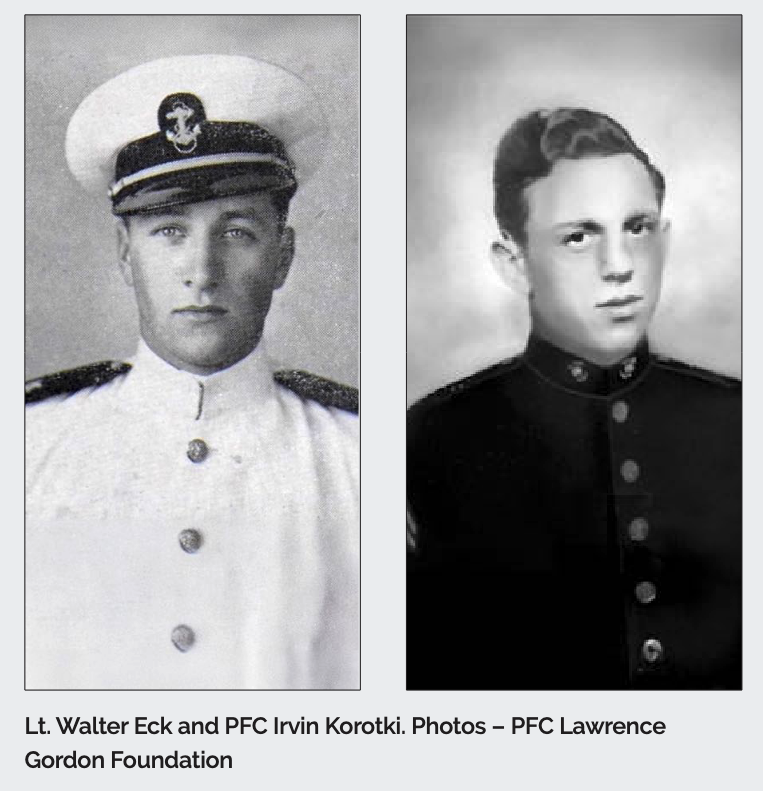
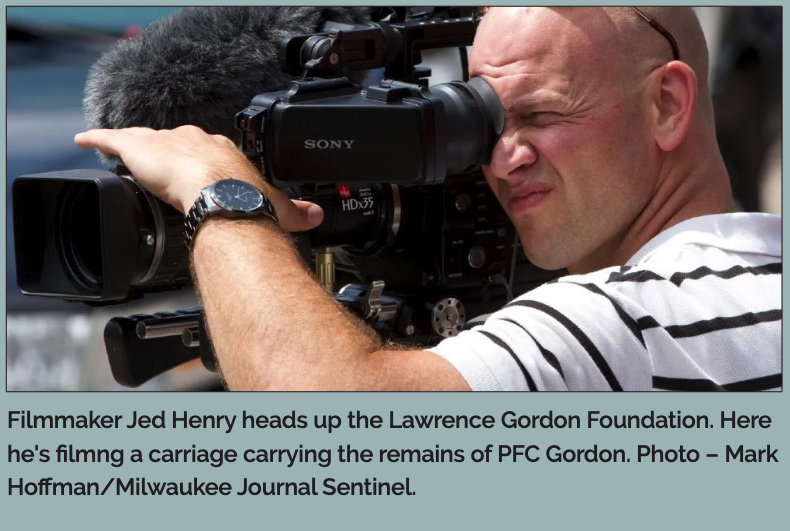
Thanks to a collaboration between the South Pacific WWII Museum and the U.S.-based PFC Lawrence Gordon Foundation (LGF), the search for Eck and Korotki will resume. The Lawrence Gordon Foundation is dedicated to finding and identifying American service members missing from past wars, operating under the solemn motto, “Honouring a Commitment.” The organization has earned international recognition for its work, including the groundbreaking identification of Lt. Nathan Baskind from a mass grave in France. Leading this mission to Santo is LGF President Jed Henry, who will be joined by a highly skilled team of volunteers. Like the Museum, LGF is a not-for-profit organization relying entirely on donations and the passion of its members. Each team member has offered their expertise freely, united by a common purpose: to bring closure to families and honor the sacrifice of two Marines who never made it home. For the South Pacific WWII Museum, the project represents a once-in-a-lifetime opportunity to connect directly with Santo’s wartime history and advance its mission of remembrance.
A Search Armed with New Technology
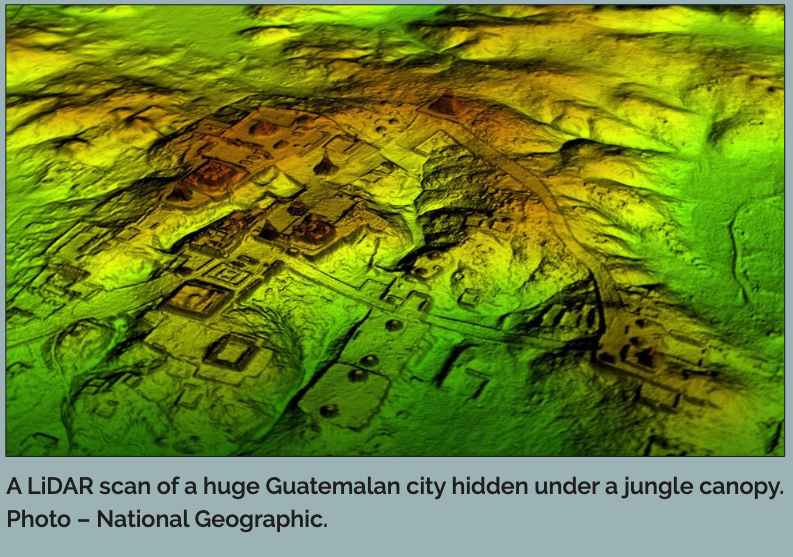
The task ahead remains formidable. Even in 1947, searchers described Santo’s jungle as so dense that a wreck could lie within ten feet and remain invisible. This time, however, the team has a powerful new tool: LiDAR (Light Detection and Ranging) technology. Flying over the suspected crash area aboard a drone, LiDAR scanners will fire rapid pulses of laser light to create highly detailed, three-dimensional maps of the jungle canopy and terrain. This technology can reveal shapes hidden beneath thick foliage — from the outline of an aircraft to man-made disturbances in the ground. These scans, combined with on-the-ground exploration, interviews with local Ni-Vanuatu elders, and historical coordinates from declassified U.S. military records, offer a real chance of finally locating the crash site.
Two Young Lives Remembered
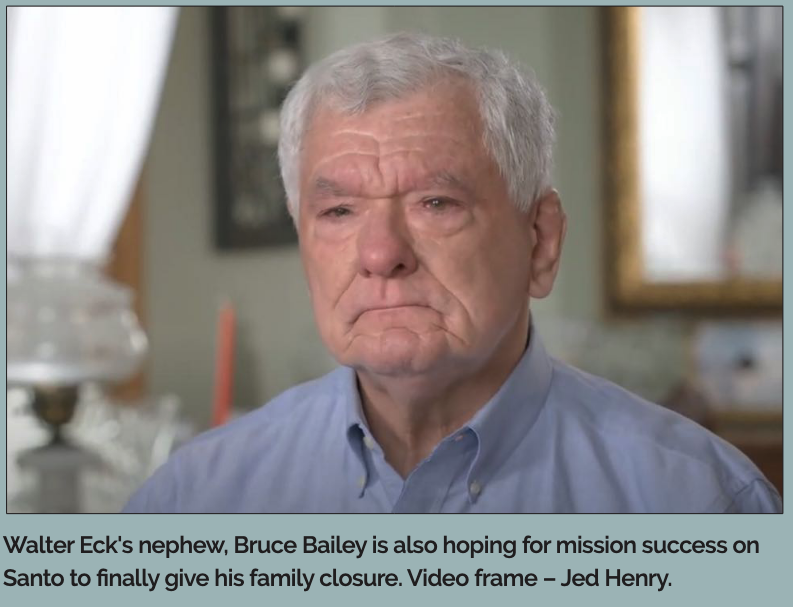
While technology plays a key role, the mission is ultimately about two young men whose lives ended far too soon. PFC Irvin P. Korotki, from Cudahy, Wisconsin, enlisted in April 1942 after graduating from Cudahy High School and attending Milwaukee Vocational School. He was only 20 years old when he was killed. 1st Lt. Walter A. Eck, from Milwaukee, was a decorated combat pilot who had already flown 44 missions, was credited with sinking four Japanese ships, and was posthumously awarded the Distinguished Flying Cross. He left behind his parents, Walter and Lillian, and his sister, Violet. For decades, their families hoped that Eck and Korotki might one day be found. It was Korotki’s brother, Robert Litkowiec — now 88 years old — who first contacted the Lawrence Gordon Foundation nearly a decade ago, asking if anything could be done to bring his brother home. This mission is, in many ways, a response to that heartfelt plea.
Honoring a Promise
For Santo’s community, this is more than a recovery mission. It is a chance to connect living history with the very landscape where it unfolded, to honor the memory of two men who gave their lives in the Pacific, and to fulfill the enduring promise that no comrade is left behind. The search begins in September, and the Museum will publish a full report in its next newsletter — whether it brings confirmation of the site, evidence of the wreckage, or, with hope, the discovery of the final resting place of Lt. Eck and PFC Korotki. Success is not guaranteed, but one thing is certain: the dedication of everyone involved. This project embodies the very mission of the South Pacific WWII Museum — to remember, to educate, and to bridge the past with the present. By supporting this effort, the Museum plays a vital role in bringing closure to families who have waited more than 80 years. The story of Lt. Walter Eck and PFC Irvin Korotki is not just a chapter in Santo’s wartime history — it is part of the shared history of the world, and a testament to humanity’s enduring commitment to remember the fallen.
Join The Museum
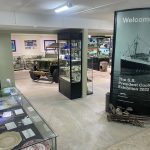
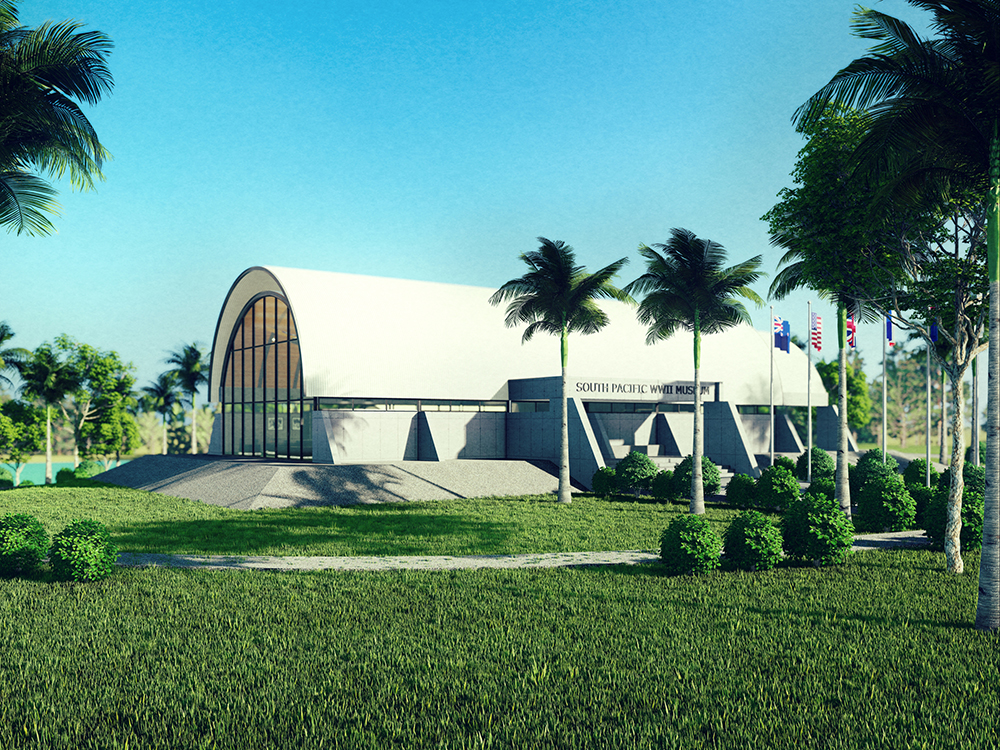
Since Vintage Aviation News first covered the South Pacific World War II Museum in January 2023, the museum has made significant strides in preserving Vanuatu’s wartime history. Over the past two years, it has grown into both an educational hub and a community gathering place, reflecting the region’s rich heritage. This update provides a look at the museum’s progress on Espiritu Santo and its ongoing efforts to honor the past. We invite everyone to visit the museum at Unity Park, Main Street, Luganville, and witness firsthand the evolution of the museum. Open Monday to Friday, they warmly welcome everyone to explore, learn, and share in this incredible journey with them. They are not only creating a museum but a lasting legacy for generations to come. If you’d like to be a part of this, consider donating or sharing your story with them; every bit helps us keep the memories alive. In the coming months, we’ll be bringing you further articles about the history of the island during World War II. Click HERE to donate.
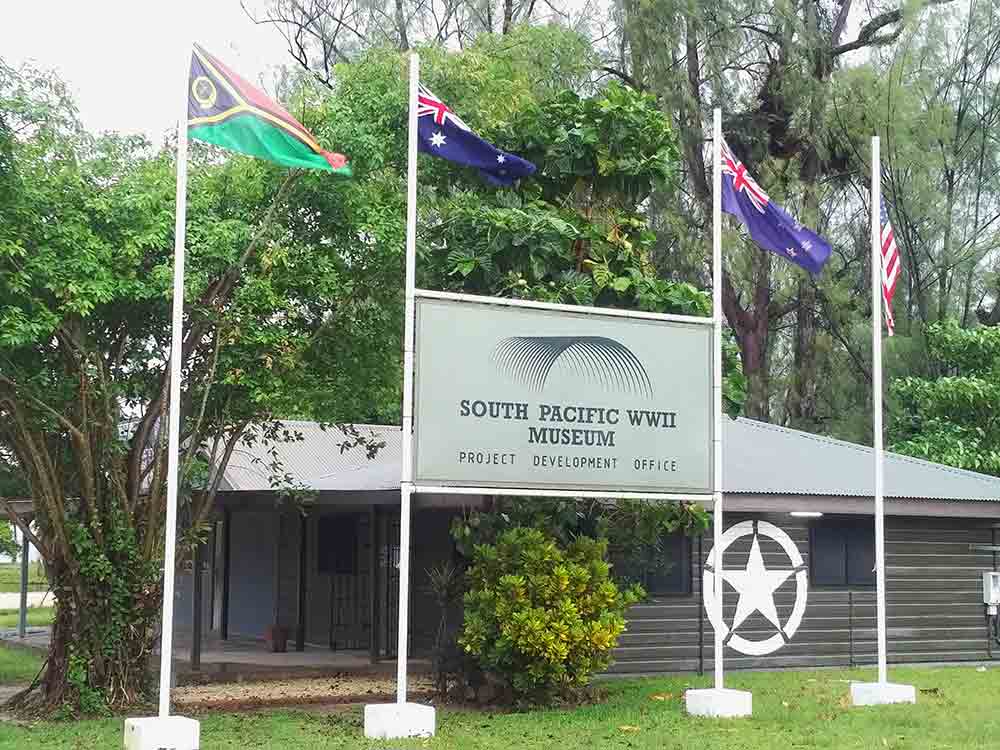
James (Jimmy) Carter has been a passionate supporter of the museum project since 2014, leading its marketing and communications, including social media and the website. With 35 years of experience as a copywriter in Australia’s top advertising agencies, he has worked on a diverse range of clients, including eight years creating award-winning campaigns for the Australian Defence Force. A military history enthusiast with a special interest in warbirds, Jimmy is deeply committed to the museum’s vision. He sees it as a lasting legacy for Espiritu Santo—honouring those who served in the Pacific War and creating a unique destination that will inspire future generations of Ni-Vanuatu.