
Today in Aviation History: First Recorded Aerial Victory

On October 5, 1914, French aviators Sergeant Joseph Frantz and Corporal Louis Quénault scored the first recorded aerial victory in history, shooting down a German Aviatik B.II over Jonchery, France.

Austin Hancock
Austin Hancock
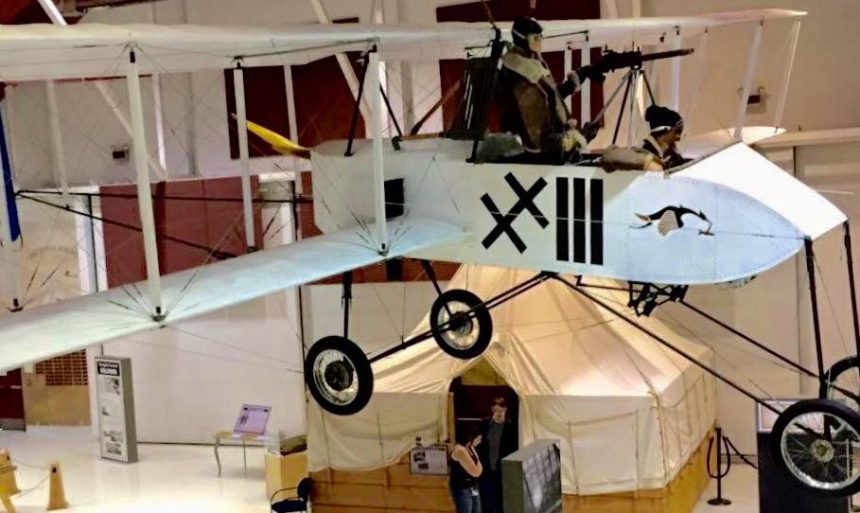
Voisin III replica on display at the Pearson Air Museum. (Randy Malmstrom)
Platinum B 729
VAN Today in Aviation History Banner

One hundred eleven years ago today, on October 5, 1914, during the First World War, the first recorded aerial victory in history was achieved. This event marked the emergence of a new dimension of warfare—the skies. While technology and tactics have evolved dramatically since World War I, the core principles of aerial combat—staying composed, focused, and unpredictable—remain as vital today as they were more than a century ago.
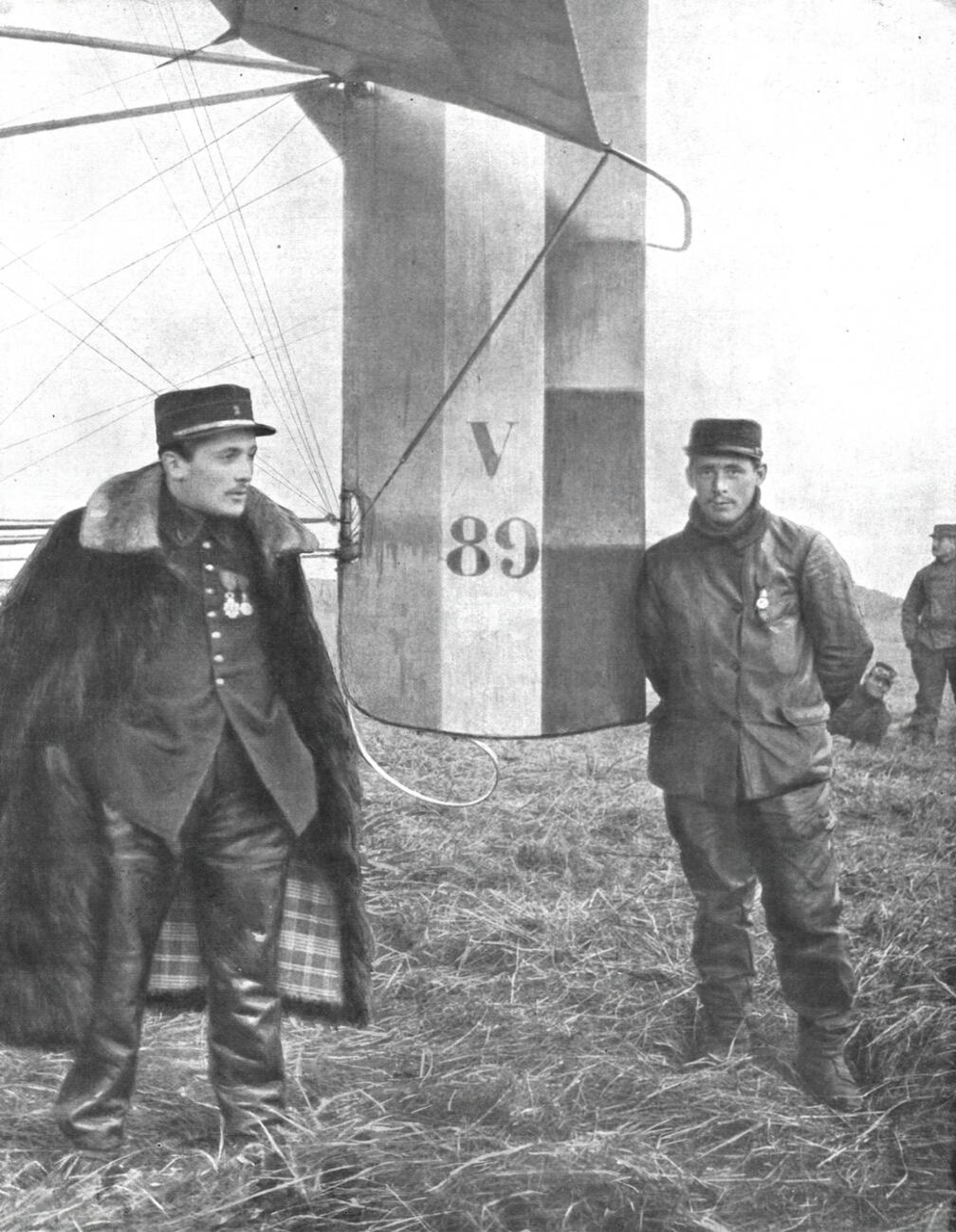
sergent aviateur frantz et le soldat mecanicien guenault qui le 5 octobre 1914
On October 5, 1914, pilot Joseph Frantz and gunner/mechanic Louis Quenault, became the first aircrew to shot down an airplane with a machine gun when they shot down a German Aviatik B.II aircraft at Jonchery, near Reims in their Voisin III. This incident earned Frantz the Legion of Honor and Quenault the Military Medal. (L’Album de la Guerre 1914-1919, Volume 2)

The first “dogfight” occurred over Jonchery, near Reims, France. A French Voisin III from Escadrille VB24 engaged a German Aviatik B.II from FFA 18. Piloting the Voisin were Sergeant Joseph Frantz and his observer, Corporal Louis Quénault. The German Aviatik was flown by Oberleutnant Fritz von Zangen and Sergeant Wilhelm Schlichting. As the Voisin closed in, Frantz unleashed the aircraft’s Hotchkiss M1909 8 mm machine gun, firing two 48-round magazines at the German reconnaissance plane. The German crew, contending with a jammed machine gun, attempted to return fire using their rifles, but were unable to stop the attack. The Aviatik ultimately crashed, and both German aviators were killed. This encounter secured the first officially recognized aerial victory in combat aviation history.

849px Amiens. Biplan Voisin. Sauzay et Roussillon Fonds Berthelé 49Fi163 cropped
This photograph is part of the Fonds Raoul Berthelé, preserved by the city archives of Toulouse. It was provided to Wikimedia Commons as part of a cooperation project with Wikimédia France. In 1978, the municipal archives of Toulouse received a gift from Beatrix Faucher-Berthelé, of documents from her personal collection, from that of her brother Raoul, her husband Benjamin Faucher (1886-1973), director of the departmental archives of the Upper Garonne from 1926, and her father-in-law Joseph Faucher.

The French Voisin III was a versatile biplane with a pusher configuration. Its 130-horsepower Salmson M.9 nine-cylinder radial engine was mounted behind the two-person crew, propelling the aircraft to a maximum speed of 65 mph. The Voisin was armed with a single machine gun. In contrast, the German Aviatik B.II was a conventional biplane powered by a 120-horsepower Mercedes D.II six-cylinder inline engine, with a top speed of 62 mph. Initially unarmed, the Aviatik relied on personal rifles for self-defense, highlighting the rudimentary nature of early aerial combat.
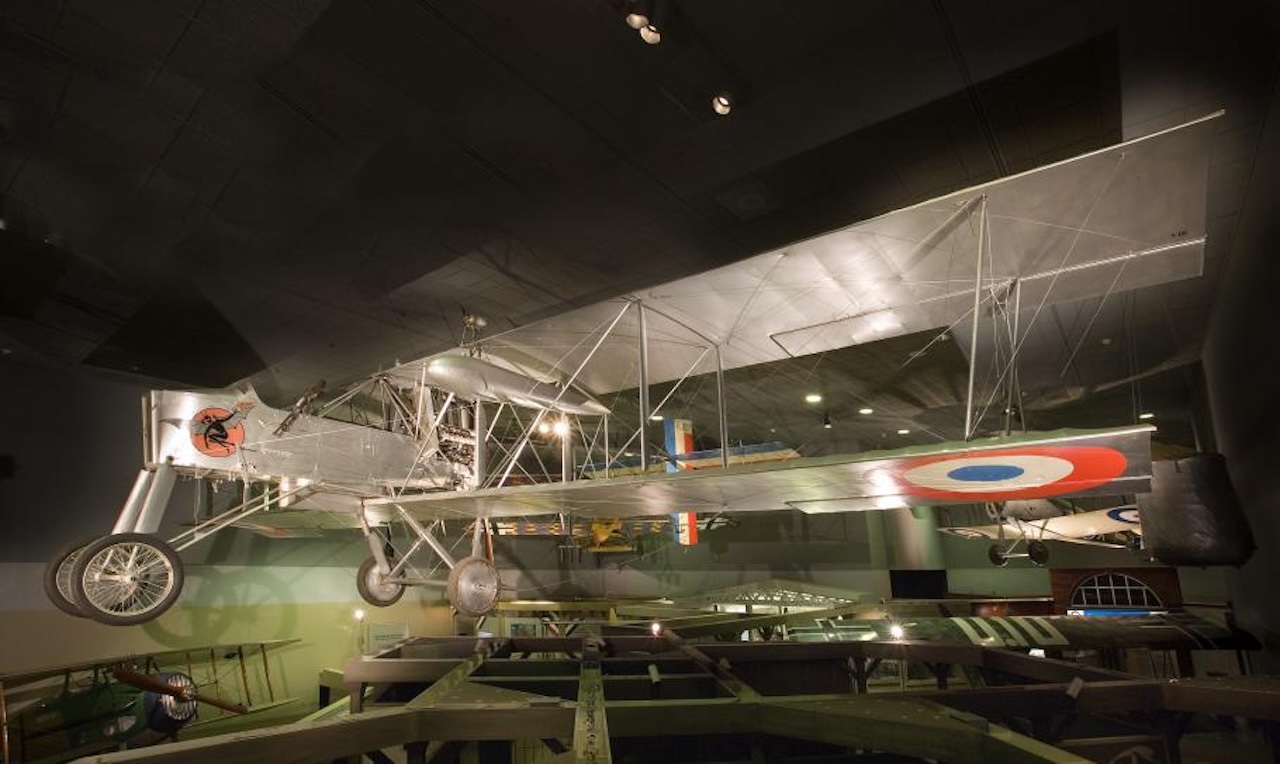
Voisin VIII in the now closed Legend Memory and the Great War in the Gallery Smithsonian Photo by Eric Long
The Voisin VIII on display in the now closed Legend, Memory, and the Great War in the Gallery. [Smithsonian photo by Eric Long]
Aircorps Art Dec 2019
Share This Article
Commercial Pilot, CFI, and Museum Entrepreneur, with a subject focus on WWII Aviation. I am dedicated to building flight experience so I can fly WWII Fighters, such as the P-51 Mustang, for museums and airshows, and in the USAF Heritage Flight. I lead and run the Pennington Flight Memorial, to honor local MIA Tuskegee Airman F/O Leland “Sticky” Pennington.