
(Image credit: VAN)
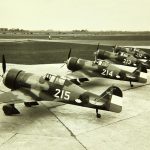
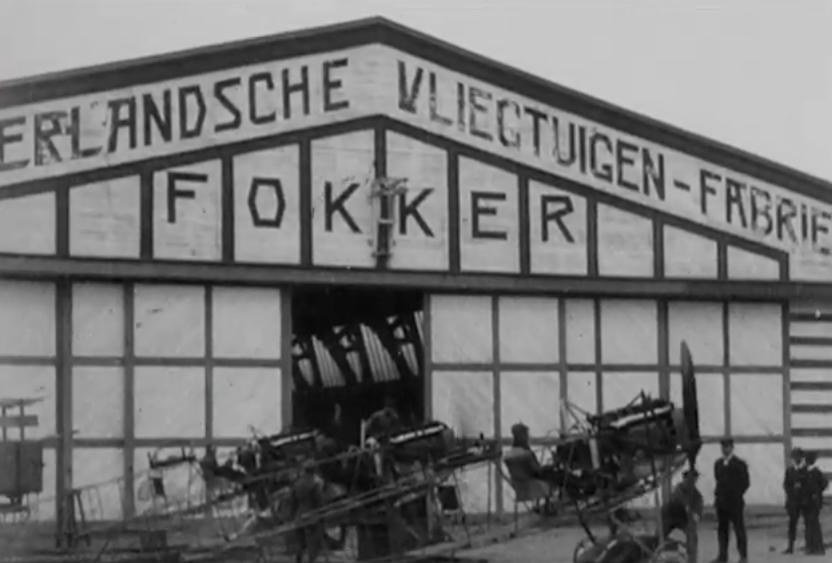
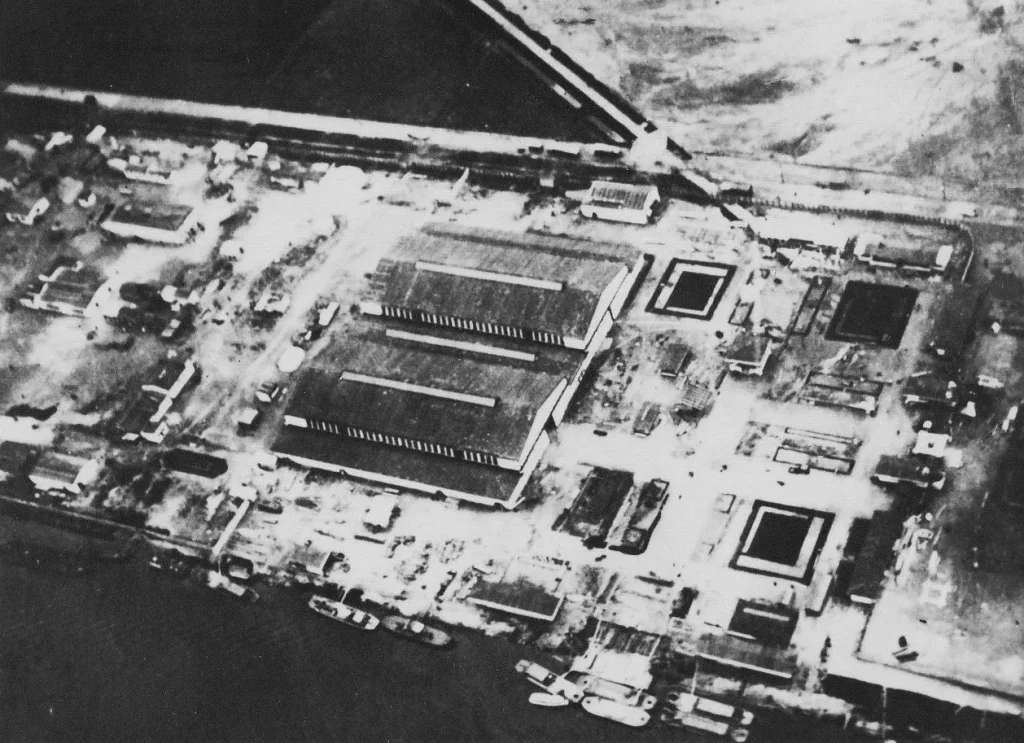
On this day in aviation history, 106 years ago—July 21, 1919—Dutch aviation pioneer Anthony Fokker founded the Dutch Aircraft Factory at Amsterdam-Noord. Fokker, renowned for his innovative designs during the early years of aviation, played a pivotal role in advancing military and civilian aircraft development in the 20th century.
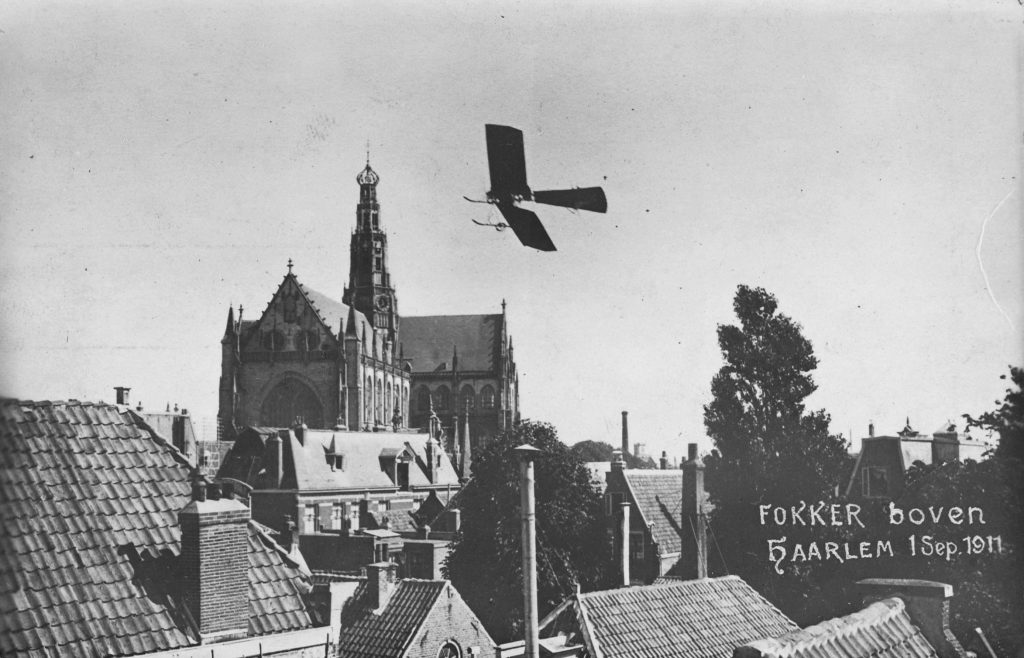
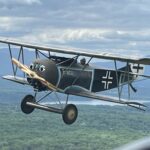
Born in the Netherlands but active in Germany during World War I, Fokker became famous for designing aircraft such as the Eindecker monoplane, the D.VII, and the iconic Dr.I triplane—flown by the legendary “Red Baron,” Manfred von Richthofen. He is also credited with developing the interrupter gear, a revolutionary device that synchronized a machine gun’s fire with an aircraft’s spinning propeller, allowing pilots to shoot straight ahead without damaging their own engine.
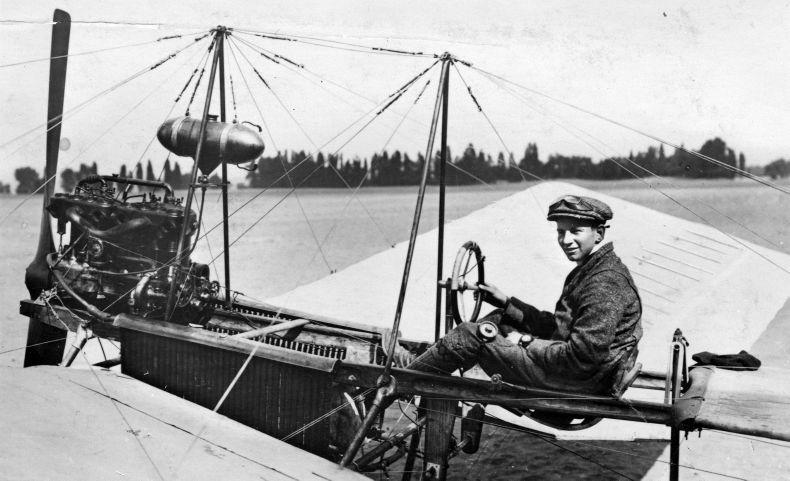
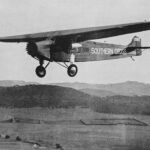
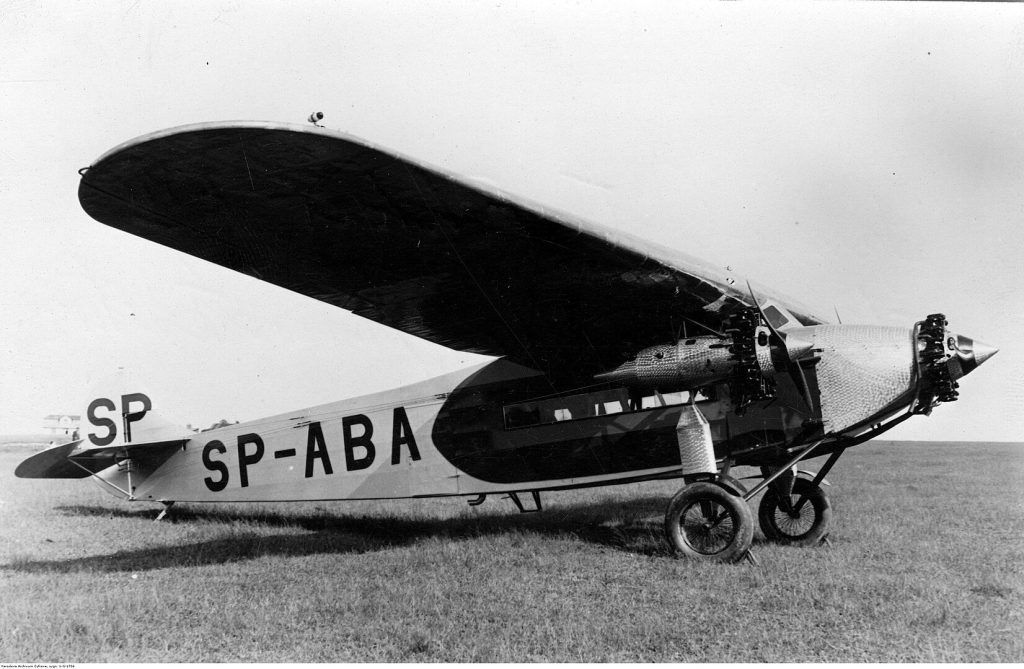
After World War I, with the Treaty of Versailles placing heavy restrictions on German industry, Fokker returned to the Netherlands and established his company to continue aircraft production in a neutral country. The Dutch Aircraft Factory at Schiphol quickly became a hub of innovation. One of its most successful products was the Fokker F.VII/3m trimotor. This rugged and reliable airliner helped define early commercial aviation, flying for carriers such as Sabena, KLM, LOT Polish Airlines, and the Polish Air Force.
The F.VII/3m also made headlines for its role in pioneering long-distance flights. Notable aviators including Amelia Earhart and Sir Charles Kingsford Smith used the type for record-breaking journeys that pushed the boundaries of air travel.
In the late 1920s, Fokker expanded to the United States, establishing the Atlantic Aircraft Corporation. However, after taking the company public, he lost controlling interest. In 1929, General Motors acquired the Fokker Aircraft Corporation of America and merged it with General Aviation Corporation, effectively ending Fokker’s direct influence in the U.S. aviation market. Though his company eventually faded from the forefront, Anthony Fokker’s legacy as an aviation innovator remains secure. His early contributions—both in wartime technology and civil aviation—helped shape the course of modern flight during a critical period of growth in the aerospace industry.