






(Image credit: VAN)
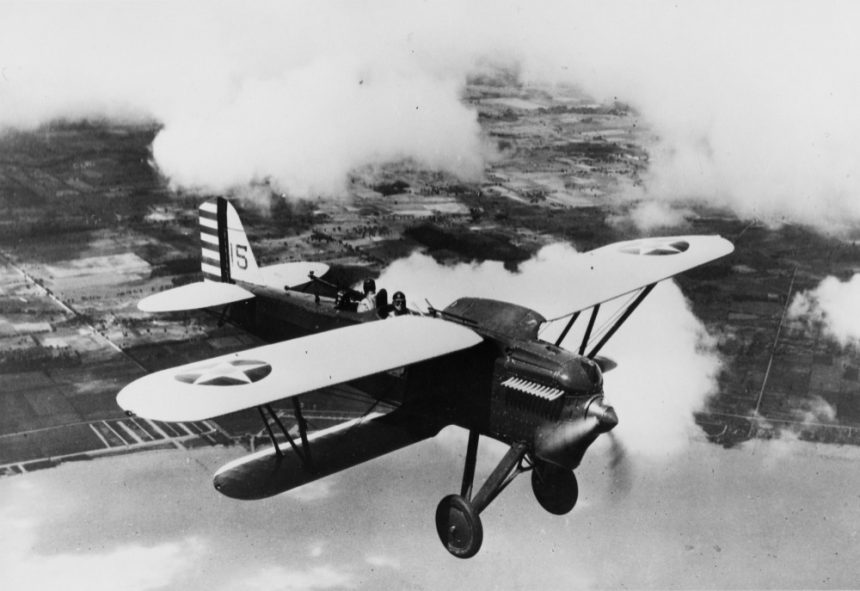
On this day in aviation history, 94 years ago (March 1, 1932), the Berliner-Joyce P-16 officially entered service with the United States Army Air Corps. The P-16 was a two-seat fighter designed in the 1930s by the Virginia-based Berliner-Joyce Aircraft Corporation. Berliner-Joyce was founded in 1929 after acquiring the assets of the previously established Berliner Aircraft Company. Armed with fresh energy and optimism, Berliner-Joyce set out to design the Berliner Monoplane. However, the company would be offered a new mission with the United States Army Air Corps, developing a fighter plane.
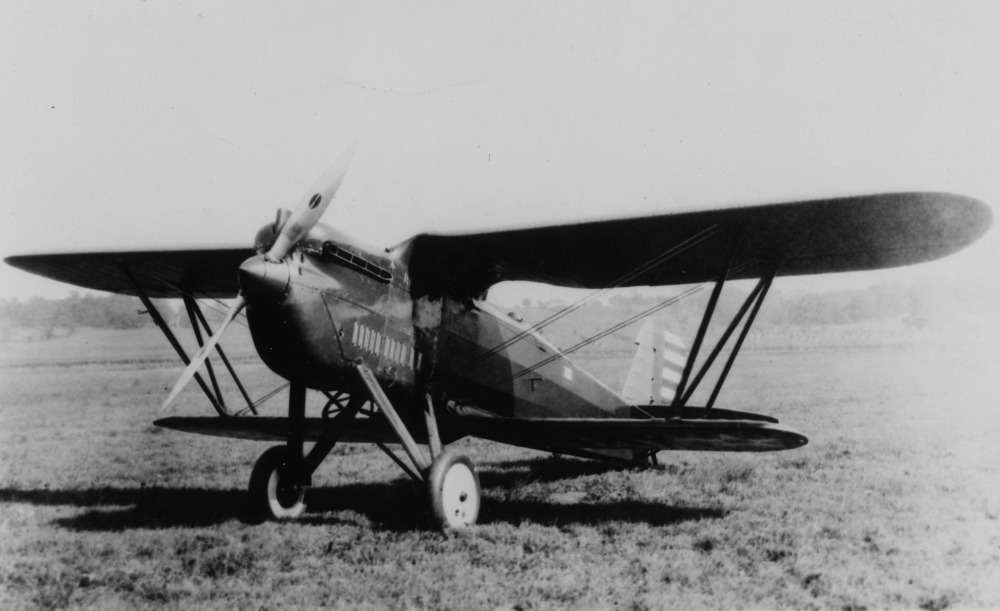
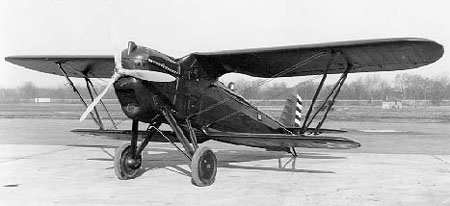
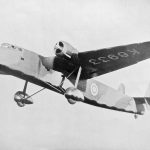
The Berliner-Joyce XP-16 prototype first flew in October 1929; “X” standing for “Experimental” and “P” for “Pursuit” (precursor to “F” for “Fighter”). The XP-16’s airframe was a metal structure with fabric covering. Upper and lower wings were staggered, with the “gull” upper wing more forward than the lower straight-wing. The single-bay cockpit compartment had two places: one for the pilot, and a rear seat for the gunner-observer. The USAAC evaluated the XP-16 and awarded Berliner-Joyce two contracts for a total of 25 P-16s (15 of them “YP-15s” denoting pre-production variants).
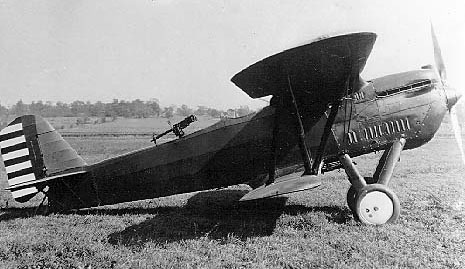
Berliner-Joyce’s YP-16 was powered by a 600-horsepower Curtiss V-1570 Conqueror supercharged V-12 inline engine, while the production P-16 had an unsupercharged version of the same powerplant. The aircraft had a maximum airspeed of 172 mph and a range of 560 nautical miles. P-16s were armed with two fixed forward-firing. and one flex-mounted. 0.3-inch machine guns. Additionally, a maximum bombload of 224 pounds could be carried.
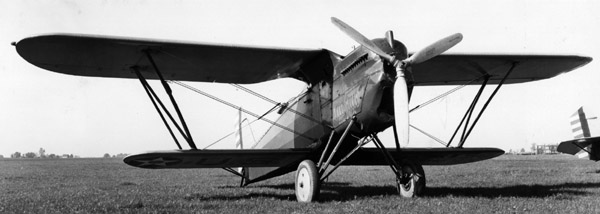
The first Y1P-16s were delivered on 3/1/1932 to the 94th Pursuit Squadron. Later on, the designation of the production aircraft was changed to PB-1 (“Pursuit Bi-place”). The PB-1 suffered from reduced performance at altitude due to the removal of the supercharger. However, the trade-off was greater endurance than other contemporary fighters. Visibility was not ideal, owing in large part to the gull-wing, leading to frequent nose-overs during ground operations. The P-16 was withdrawn from service in 1934, although some remained in second-line duties until 1940. Of the 26 P-16s built, none survive today.





Nice article. However, I have seen both Oct 1929 and 1930 as the first date the XP-16 flew. Can you site your source for the 1929 date, please?